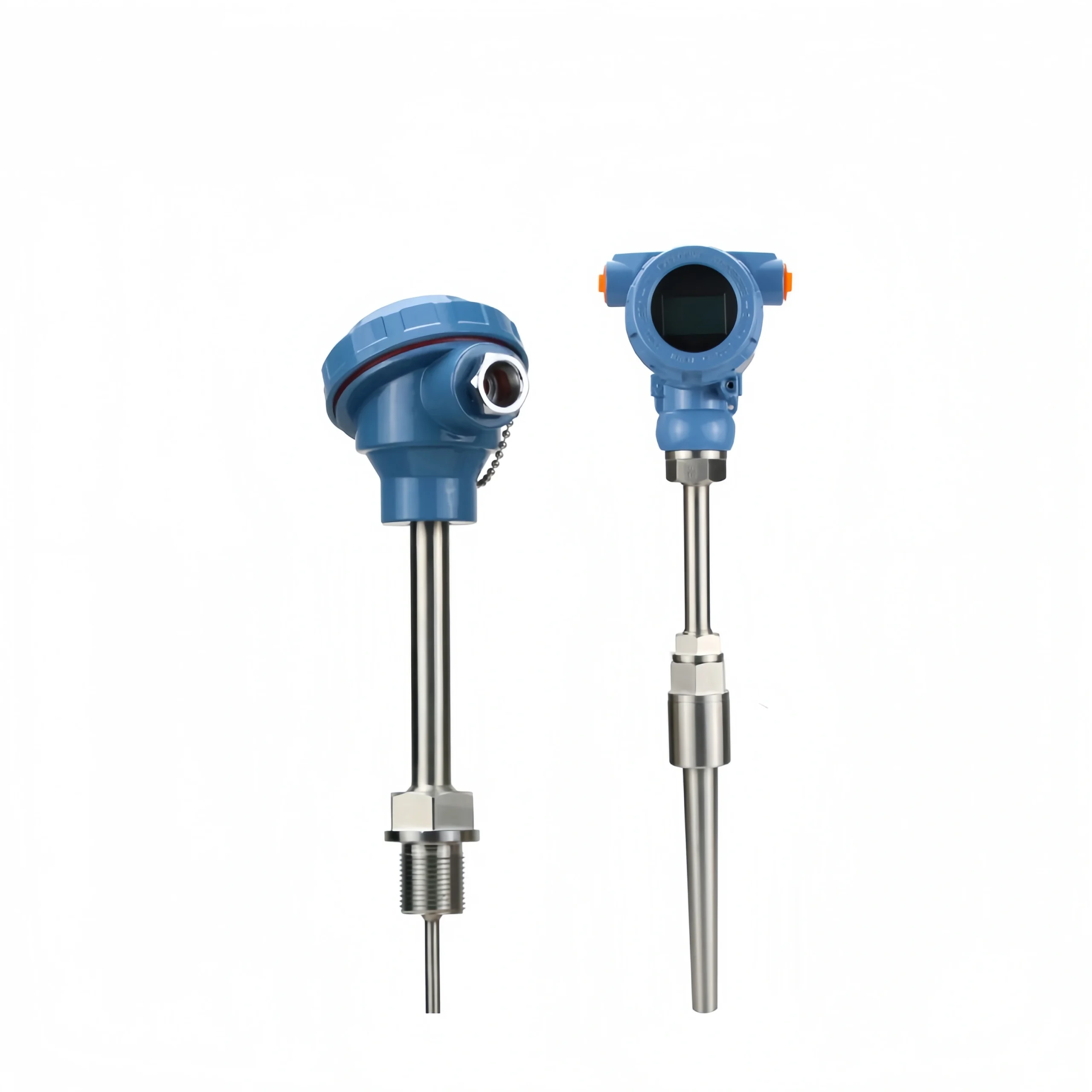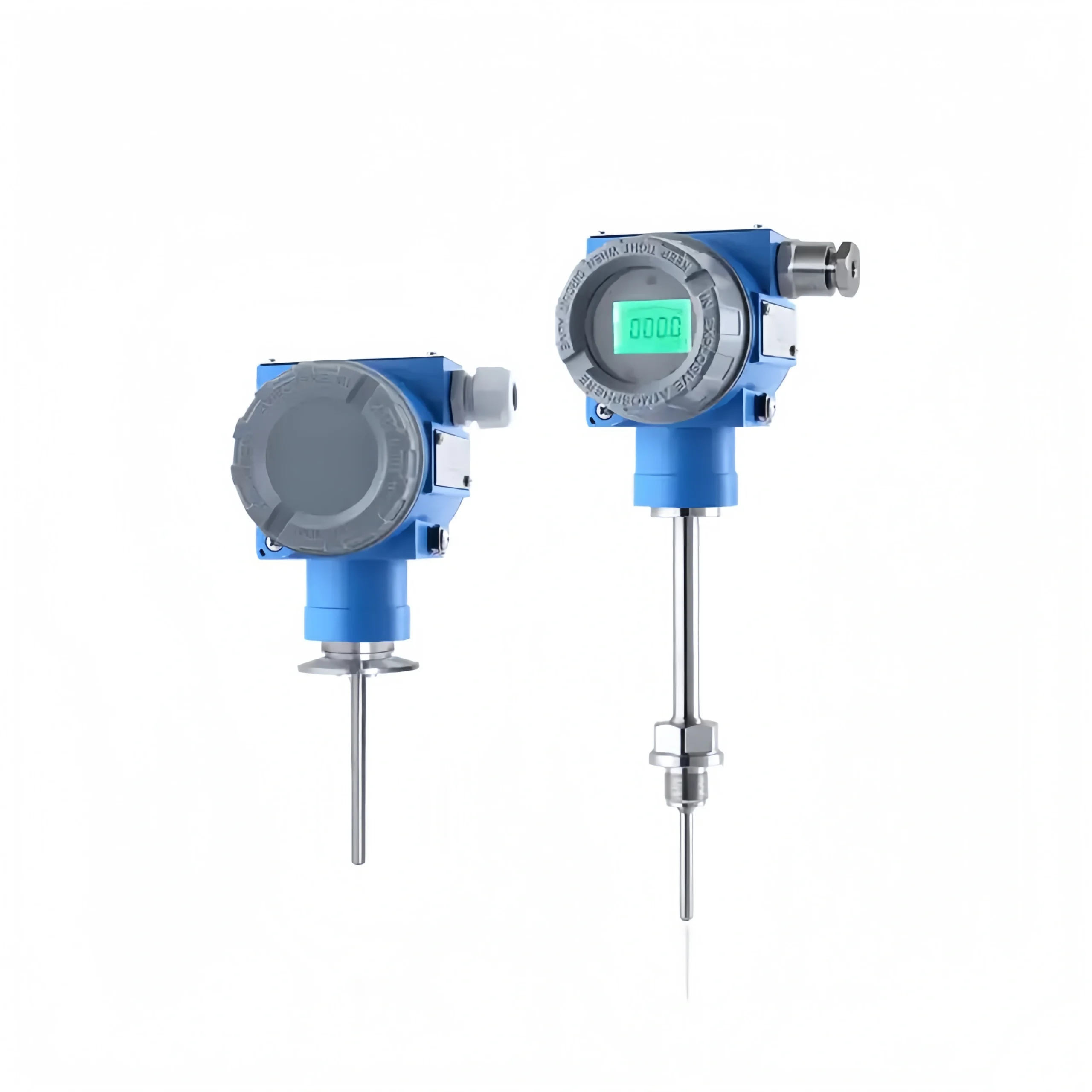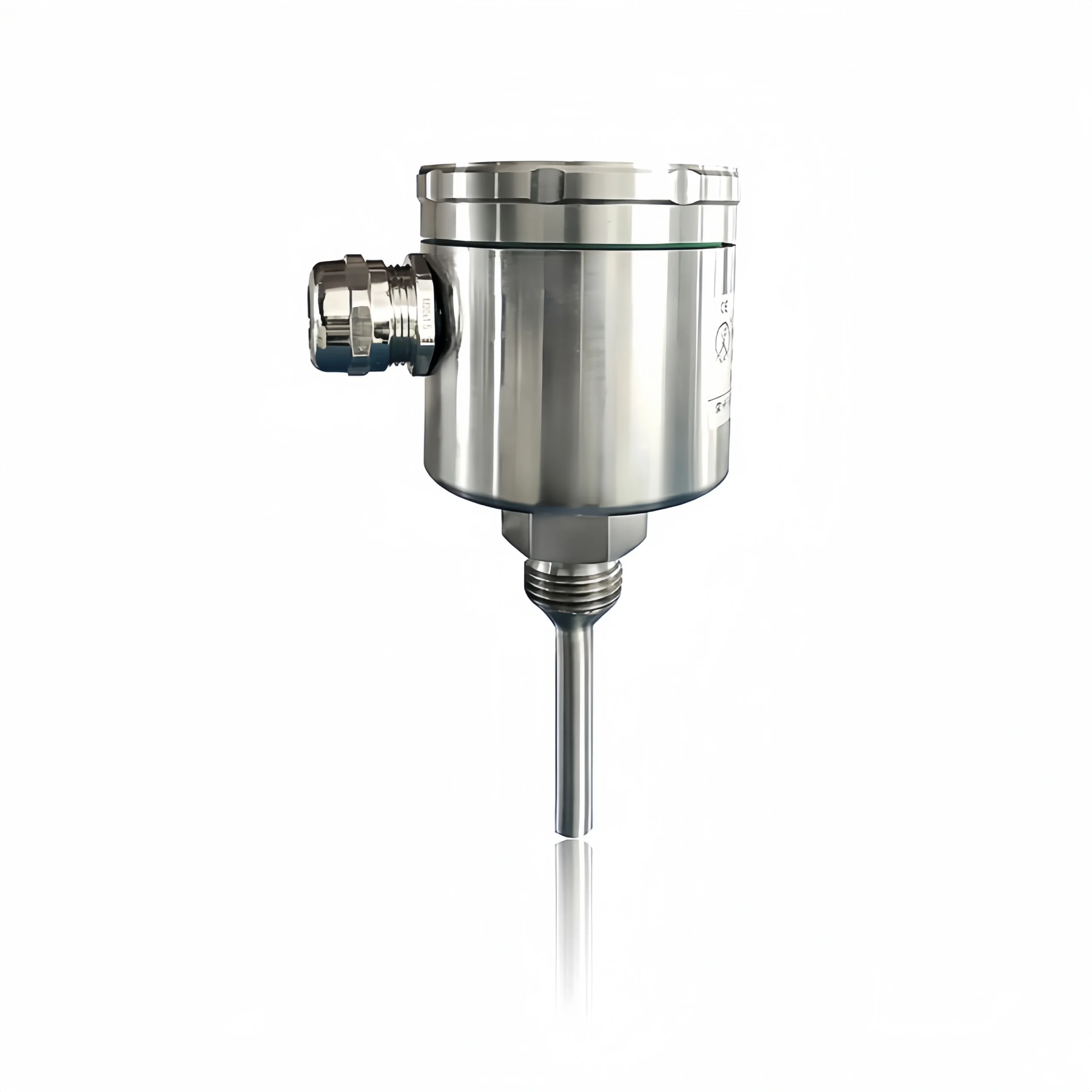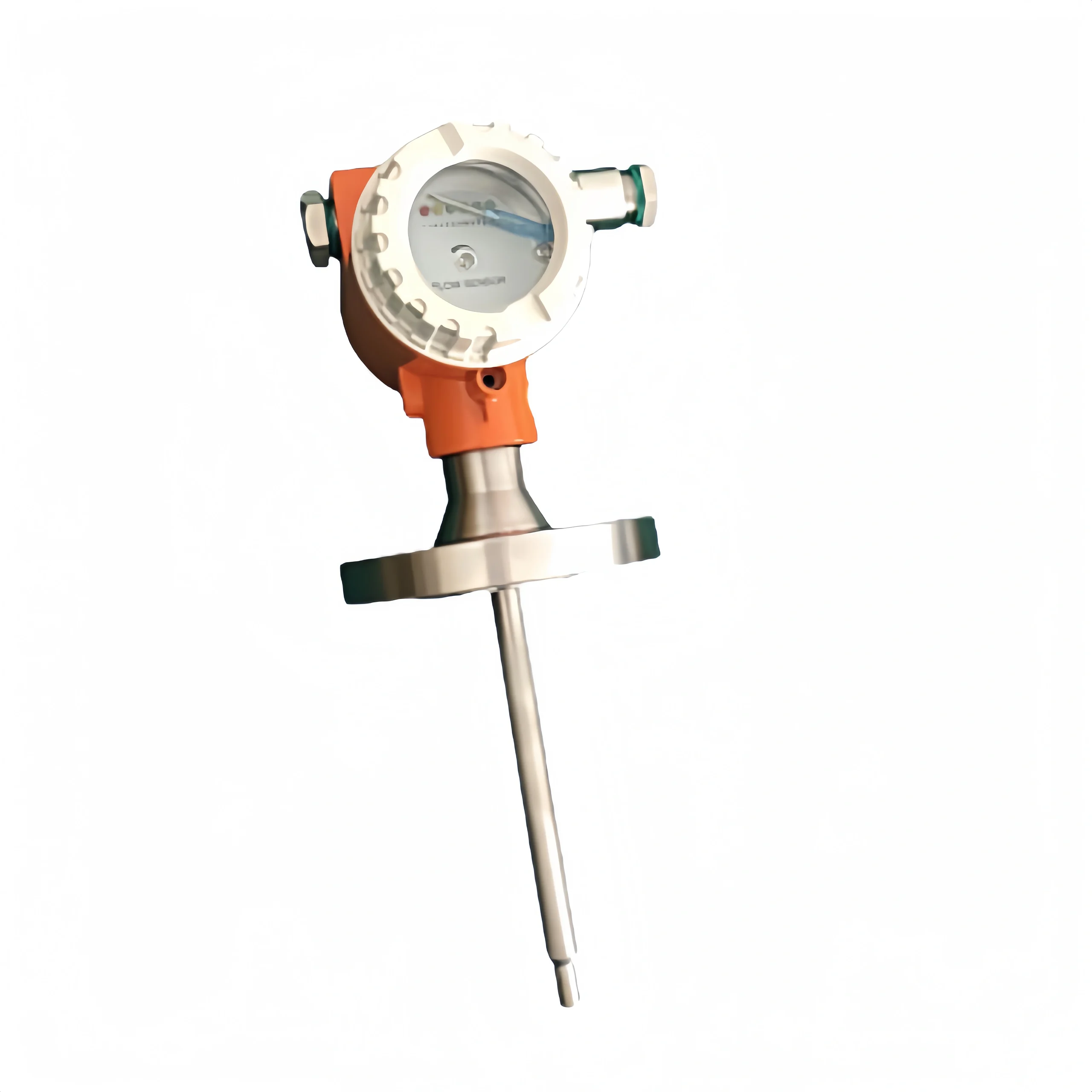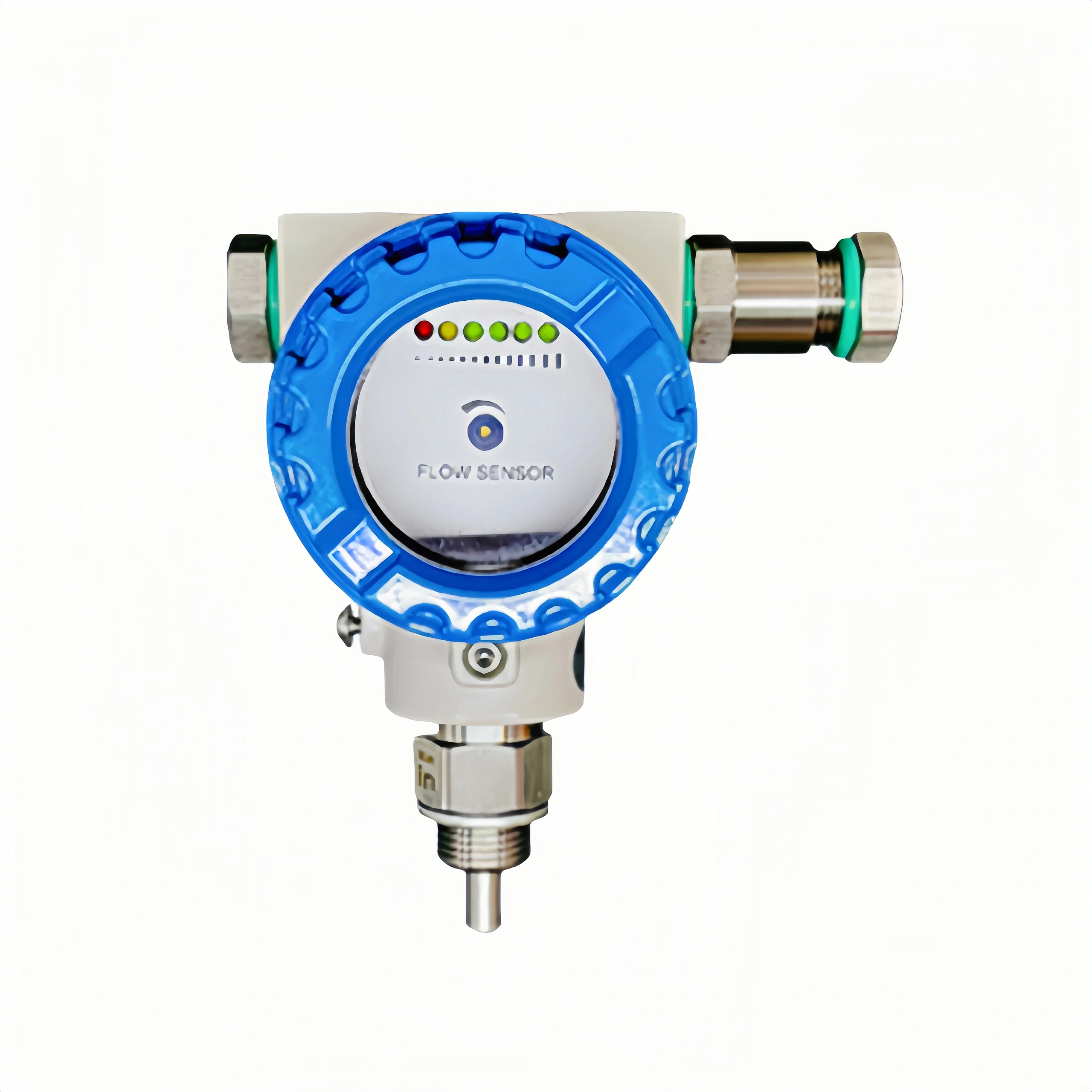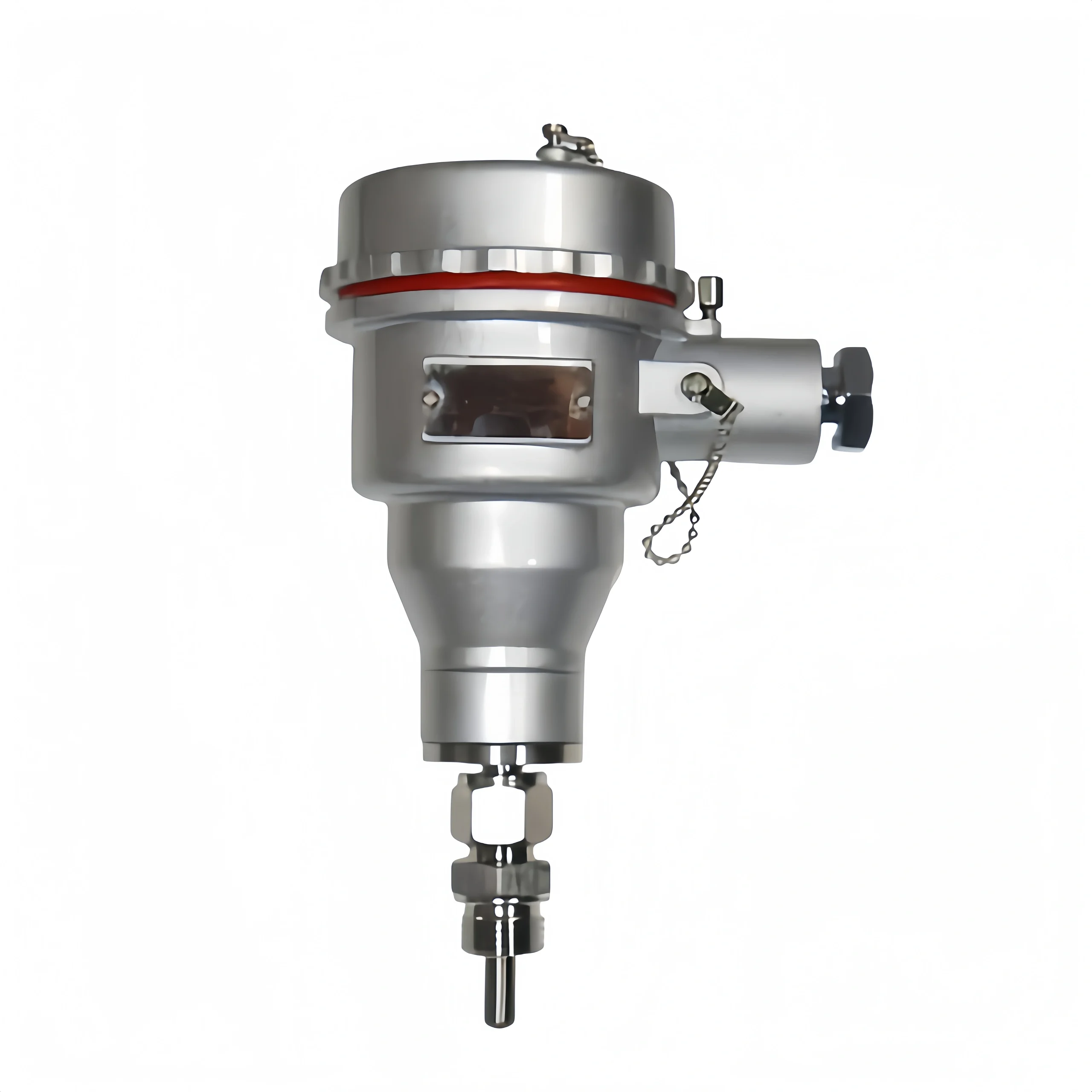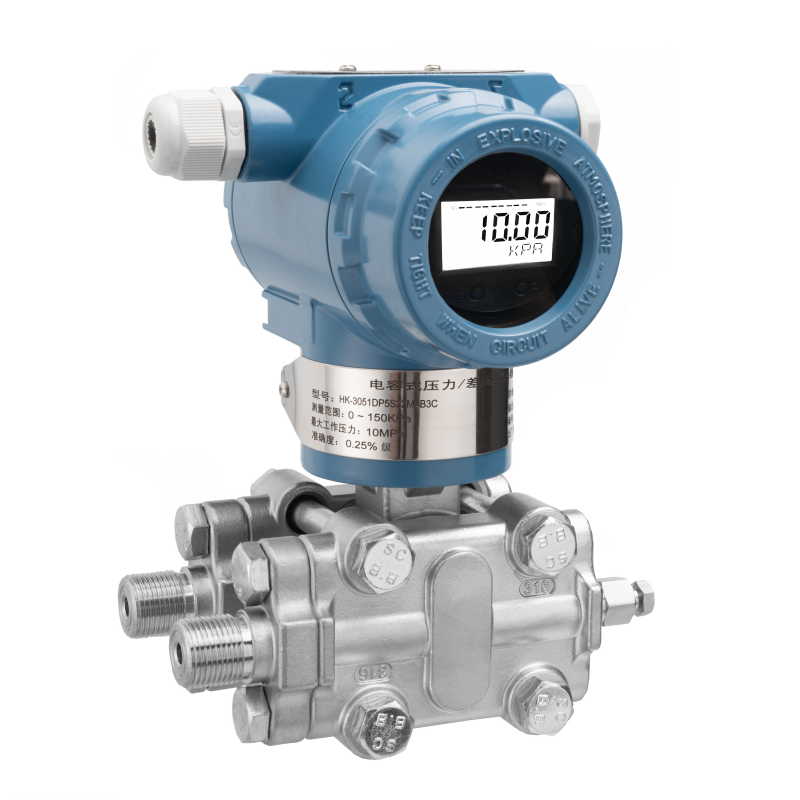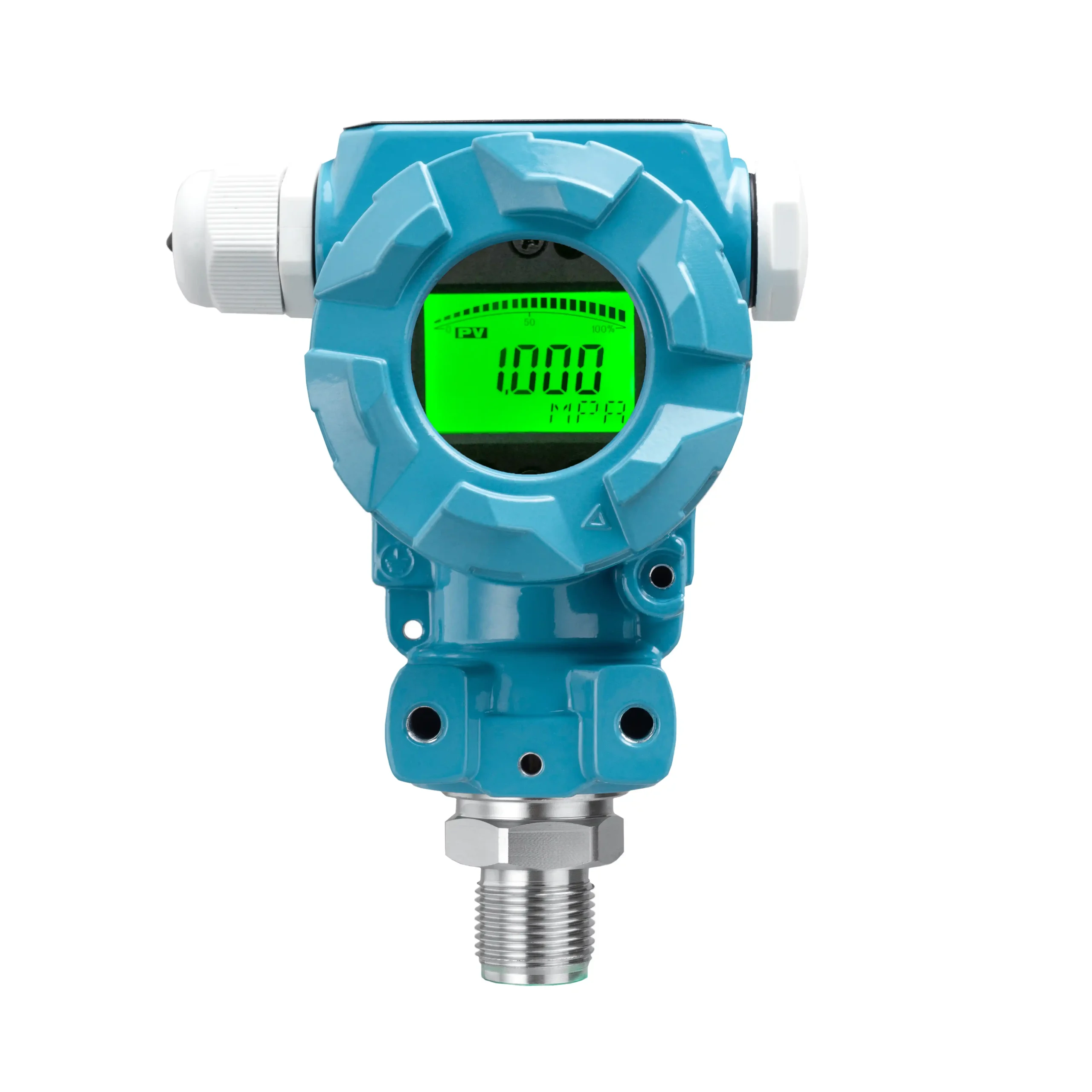
Intrinsically safe explosion protection technology achieves intrinsic safety by limiting the voltage, current, and capacitance/inductance parameters in the circuit. It can control the energy of electrical sparks and thermal effects below the minimum ignition threshold of hazardous gases.
Its core protection levels are divided into three levels:
- ia (applicable to zones 0-2, allowing dual faults),
- ib (applicable to zones 1-2, allowing single faults),
- ic (zone 2 only).
Safety barrier certification and system parameter matching are used as key technical guarantees. This technology requires a system consisting of field equipment, safety barriers, and connecting cables. They can meet the parameter limits of Ui/Ii/Pi/Ci/Li. It also requires dedicated intrinsically safe cables and an independent grounding system (grounding resistance <1Ω).
Electrical sparks and thermal effects are the primary ignition sources of explosive gases. Intrinsic safety is achieved by limiting the energy of these two potential ignition sources.
Under normal operating or fault conditions, when the energy of the electrical sparks or thermal effects that the instrument may generate is below this limit, the instrument can not be ignited by explosive gases and cause an explosion.
Intrinsically safe applications are mainly divided into two types:
1. Exia:
Equipment that maintains its explosion-proof performance even with the failure of two components or other types of faults. Intrinsically safe equipment can be installed in Zone 0, Zone 1, and Zone 2 hazardous locations. Exia intrinsically safe equipment is the only explosion-proof electrical equipment that can be installed in Zone 0.
2. Exib:
Equipment that maintains its explosion-proof performance even with the failure of one component or other types of faults. Intrinsically safe equipment can be installed in Zone 1 and Zone 2 hazardous locations.
Advantages of Intrinsic Safety
1) It eliminates the need for complex, bulky, and heavy explosion-proof enclosures. Therefore, intrinsically safe instruments are characterized by simple structure, small size, light weight, and low cost.
2) The cost ratio of establishing an intrinsically safe to explosion-proof switch transmission circuit is approximately 1:4.
3) Maintenance, calibration, and replacement of instrument parts can be performed under energized conditions.
4) High safety and reliability. The safety and reliability of intrinsically safe instruments will not be reduced due to the loss of fastening bolts or human-caused damage. such as rust or scratches on the enclosure mating surfaces.
5) Intrinsically safe explosion-proof technology is a “low-voltage” technology. The use of intrinsically safe instruments can prevent electric shock accidents for on-site engineering technicians.
6) Wide applicability. Intrinsically safe technology is the only explosion-proof system applicable to Zone 0 hazardous locations.
7) Simple devices such as thermocouples can be connected to intrinsically safe explosion-proof systems without special certification.
Applications of Intrinsically Safe:
Intrinsically safe technology is mainly used in petrochemical, chemical, and mining environments where explosive atmospheres exist. It is used for low-power equipment. such as communication, monitoring, signal and control systems, and instrumentation.
Practical Applications of Intrinsically Safe Explosion-Proof Technology
1. Petrochemicals: In tank farms of oil refining and chemical processing plants, intrinsically safe instruments are used for pressure, temperature and flow detection. By limiting circuit energy, they prevent the ignition of flammable gas and vapour vapours, whilst enabling signal acquisition in hazardous areas.
2. Underground Coal Mines: In mining and excavation workfaces and mine tunnels, intrinsically safe equipment is used for methane sensors, personnel tracking, communication terminals and monitoring instruments to mitigate the risk of methane and coal dust explosions.
3. Oil and Gas Facilities: At oilfield wellheads, gathering and transportation stations, and refuelling and gas filling stations, intrinsically safe level and flammable gas detectors and control modules are used, enabling live commissioning without the need for shutdowns.
4. Fine pharmaceuticals and chemical manufacturing: In workshops handling volatile organic solvents, monitoring instruments such as pH meters and liquid level sensors are intrinsically safe to ensure continuous production monitoring.
5. Hazardous chemical storage: In warehouses for flammable reagents, intrinsically safe flammable gas alarms and temperature and humidity data loggers are selected to mitigate the risk of deflagration in confined spaces.
6. Wastewater Treatment: In anaerobic tanks with biogas environments, intrinsic safety is adopted for biogas concentration, liquid level and pressure monitoring instruments to ensure the safety of online monitoring.
7. Tunnel Engineering: In tunnels with methane hazards, portable detectors and on-site monitoring equipment are of the intrinsic safety type, suitable for mobile operations and designed to prevent methane explosions.
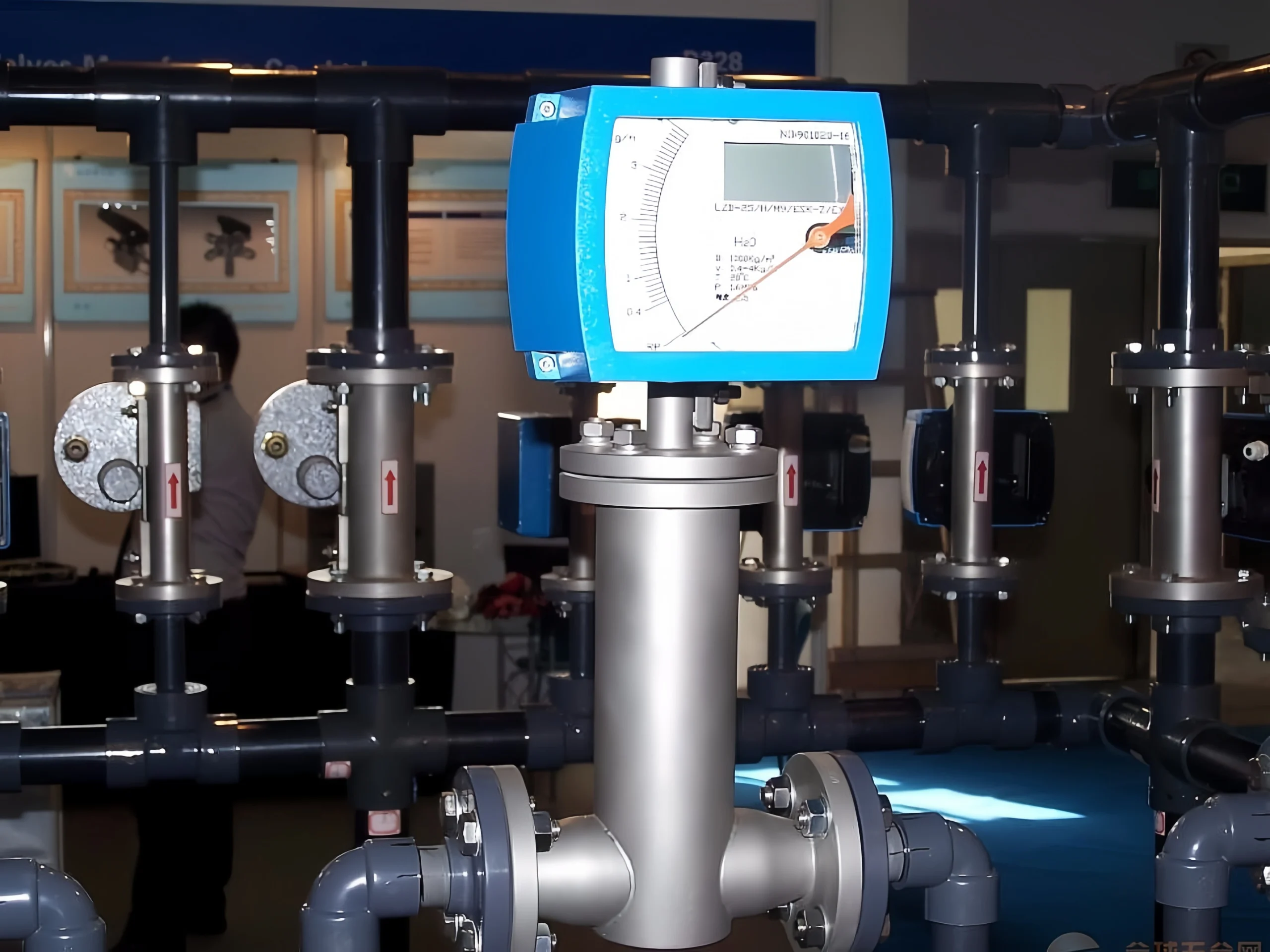
Explosion Proof refers to a technical system that prevents explosions by controlling the necessary conditions for an explosion (ignition source, explosive substances, oxygen). It ensures that equipment continues to operate normally under explosive impact.
Its applications cover coal mines (Class I), gaseous environments (Class II, divided into A, B, and C levels), and dusty environments (Class III, divided into A, B, and C levels). Equipment protection levels are classified according to Ga/Gb/Gc (gas) and Da/Db/Dc (dust). It is mainly used in explosive hazardous areas (zones 0-2 for gas, zones 20-22 for dust) in the petrochemical and coal industries.
The main types of explosion-proof equipment protection on the field are as follows:
1. Flameproof type “d”:
This means placing the equipment in a flameproof enclosure to achieve explosion protection. When an explosion occurs, the enclosure can withstand the resulting explosion pressure without damage. Simultaneously, the gaps in the enclosure structure can cool the flame. It can reduce the flame propagation speed and terminate the acceleration chain. It can also prevent hazardous flame products from crossing the flameproof gaps and igniting the external explosive environment. Finally, it achieves the purpose of explosion protection. Explosion-proof standards refer to GB3836.2
2. Increased safety type “e”:
In electrical equipment structures that do not produce sparks, arcs, or dangerous temperatures during normal operation, measures are taken to reduce or control operating temperature. It ensures the reliability of electrical connections. It increases insulation effectiveness and improves the enclosure protection level, reducing the risk of contamination from dirt and moisture ingress and improving the safety and reliability of the equipment under normal operation and specified fault conditions (e.g., motor rotor stall). Explosion-proof standards refer to GB3836.3
3. Intrinsically safe type “i”:
Intrinsically safe explosion-proof equipment refers to equipment whose internal circuitry is inherently safe. Under normal operation and specified fault conditions, no electrical spark or thermal effect can ignite a designated explosive gas mixture.
This type of equipment limits the energy in the circuitry and reliably controls the circuit parameters. It reduces potential spark energy to below the energy level required to ignite the gas mixture. It also limits the surface temperature of wires and components to below the ignition point of the gas mixture. Explosion-proof standards refer to GB3836.4.
4. Positive pressure type “p”:
Fresh air or inert gas at a certain pressure is introduced into the equipment’s casing to prevent surrounding flammable gases from entering the casing, thereby preventing ignition sources from contacting explosive gases and achieving the purpose of preventing explosions. Explosion-proof standards refer to GB3836.5
5. Liquid immersion type “o”:
Liquid immersion explosion-proof type involves immersing the entire equipment or its components in oil (protective fluid), preventing it from igniting the explosive gas environment above the oil surface or outside the casing. This is an older explosion-proof technology mainly used for switchgear. The resulting arcs and sparks are submerged in the oil. Explosion-proof standards refer to GB3836.6
6. Sand-filled type “q”:
Sand-filled explosion-proof type is a type of electrical equipment protection where the casing is filled with sand or other powdered materials with specified properties, so that under specified operating conditions, the arcs or high temperatures generated inside the casing cannot ignite the surrounding explosive gas environment. Explosion-proof standard reference GB3836.7
7. Type “n”:
Type n is a type of explosion-proof electrical equipment. This type of electrical equipment, under normal operation and certain conditions specified in this standard (referring only to light source failure conditions), cannot ignite the surrounding explosive atmosphere.
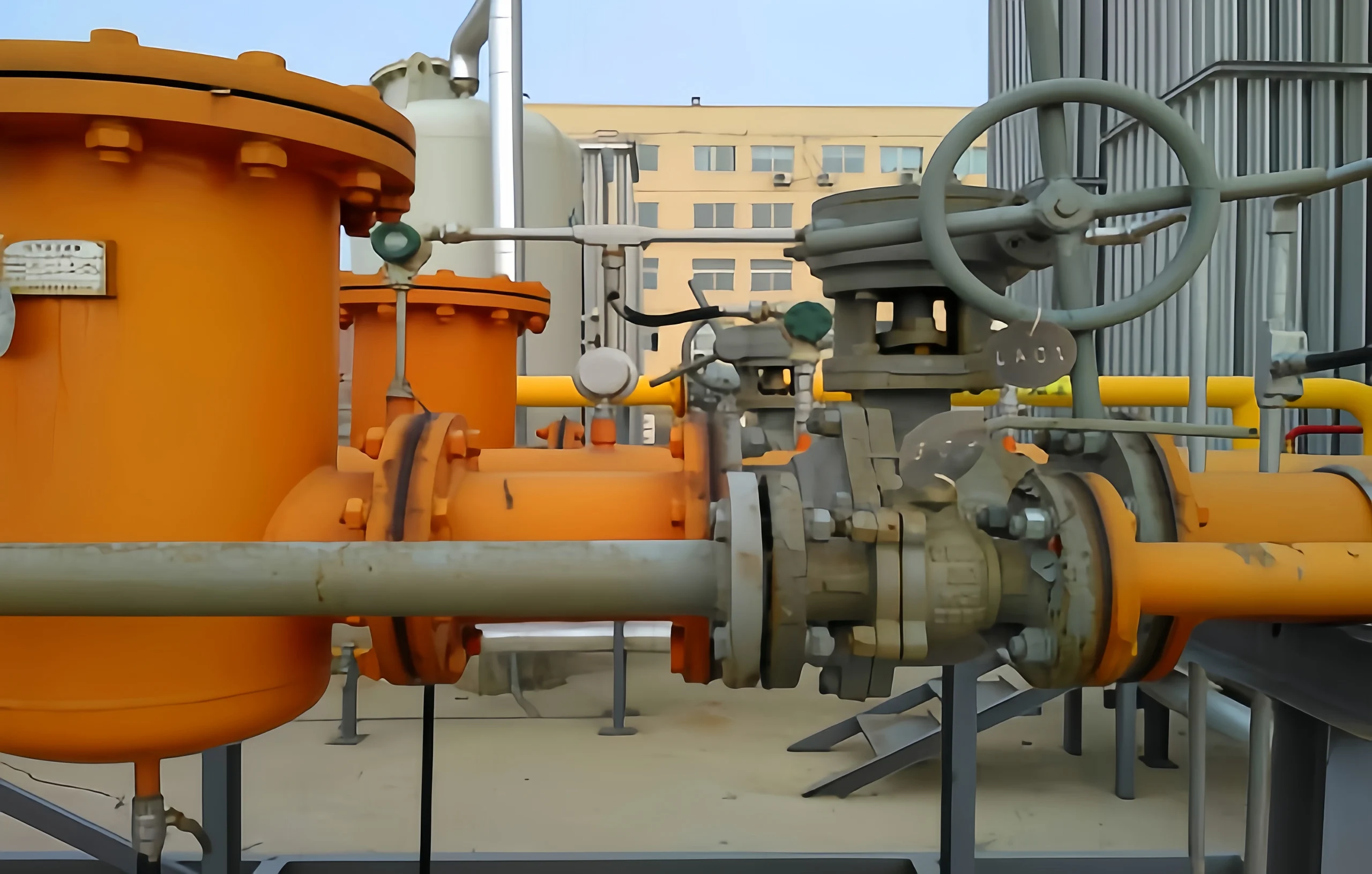
Advantages of Explosion-Proof Safety Systems
1. The explosion-proof enclosure is highly robust; in the event of an internal explosion, it can withstand the explosive pressure, preventing the explosion from propagating outwards and thus avoiding the ignition of external flammable and explosive media, ensuring a high level of explosion-proof reliability.
2. Suitable for a wide range of applications, it can be used in Zone 1 and Zone 2 hazardous environments containing explosive gases, such as in the chemical, oil and gas, and coal mining industries.
3. Sparks, arcs and high temperatures are permitted inside the enclosure; components do not require intrinsically safe treatment, enabling high-power output and compatibility with high-power equipment.
4. Following a power cut, the cover can be opened immediately for maintenance without the need for additional complex auxiliary equipment, making on-site maintenance straightforward.
5. The robust enclosure is dustproof, waterproof and impact-resistant, capable of withstanding harsh operating conditions such as high humidity, high dust levels and severe vibrations, ensuring excellent durability.
6. The technology is mature and highly standardised, with a comprehensive range of product models and ample spare parts, making selection and procurement convenient, backed by extensive practical engineering experience.
Applications of Explosion-Proof (Flameproof) Designs
1. Petrochemicals: In tank farm areas, flameproof motors, control columns, solenoid valves and explosion-proof lighting are used; the enclosures isolate explosive sparks, and these are employed for high-power drive equipment in Zones 1 and 2.
2. Underground Coal Mines: In mine tunnels and chambers, flameproof equipment is used for switches, transformers, motors and lighting; the enclosures provide pressure relief and cooling to prevent ignition by methane and coal dust, serving as the primary power equipment underground.
3. Petrol and LPG filling stations: Distribution boards, exhaust fans and explosion-proof lighting fixtures utilise flameproof designs to ensure the safe distribution of power for high-power ventilation and lighting.
4. Chemical and pharmaceutical workshops: In facilities handling flammable vapours, mixing motors, exhaust fans and control panel push-buttons are selected in flameproof designs; these are resistant to water vapour and dust, and suitable for high-power operating conditions.
5. Hazardous Chemicals Warehouses: Lighting, fans and power distribution boards in storage areas are explosion-proof, isolating electric arcs and ensuring the safety of electrical power for warehousing and ventilation.
6. Oil and Gas Gathering and Transportation Stations: Pump motors, local control boxes and fans at wellhead gathering stations are explosion-proof, corrosion-resistant and shock-resistant, suitable for high-power continuous operation.
7. Hazardous Chemicals Terminals: Lighting, drive motors and control boxes in loading and unloading areas are explosion-proof, mitigating the risks posed by the volatilisation of flammable substances.
Read More about:
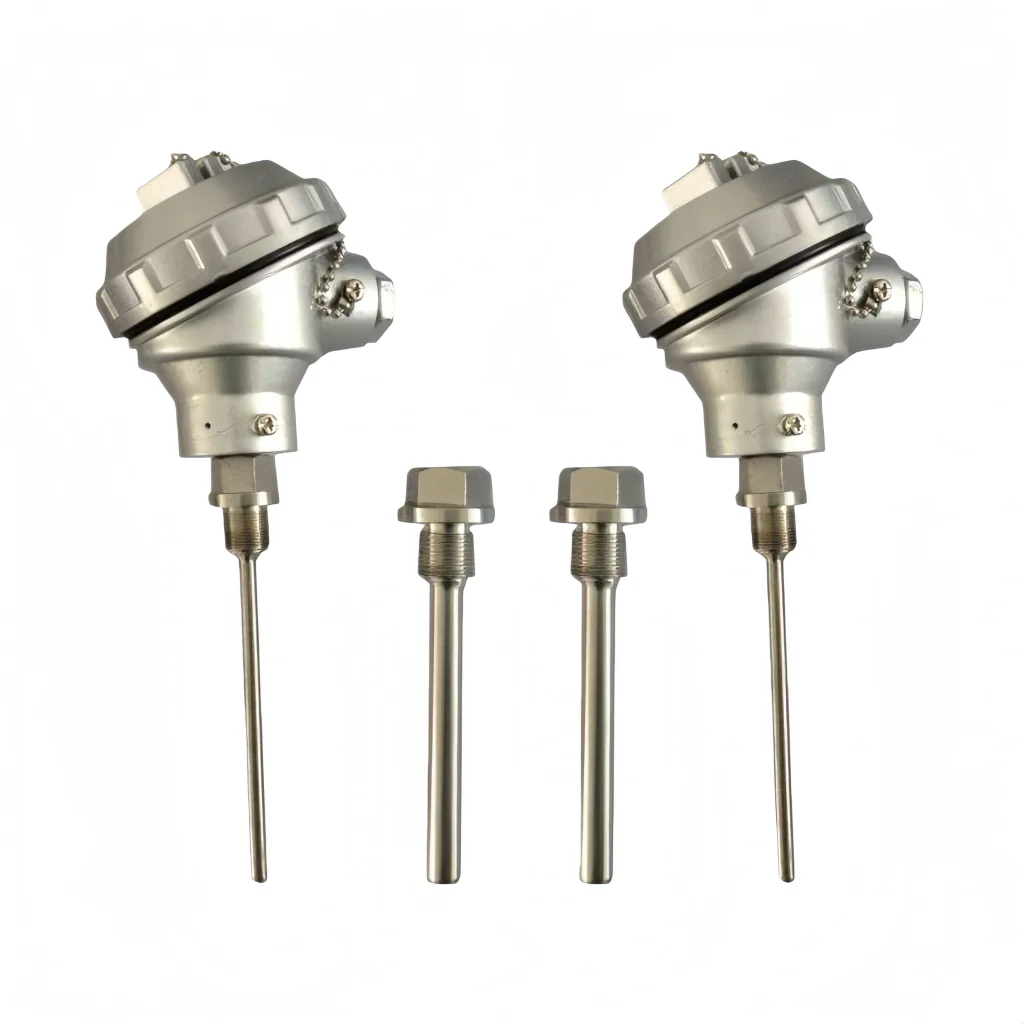
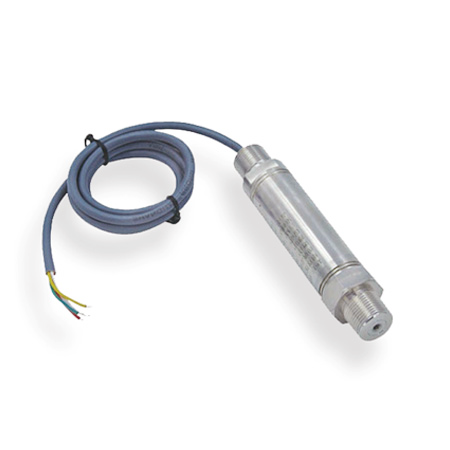
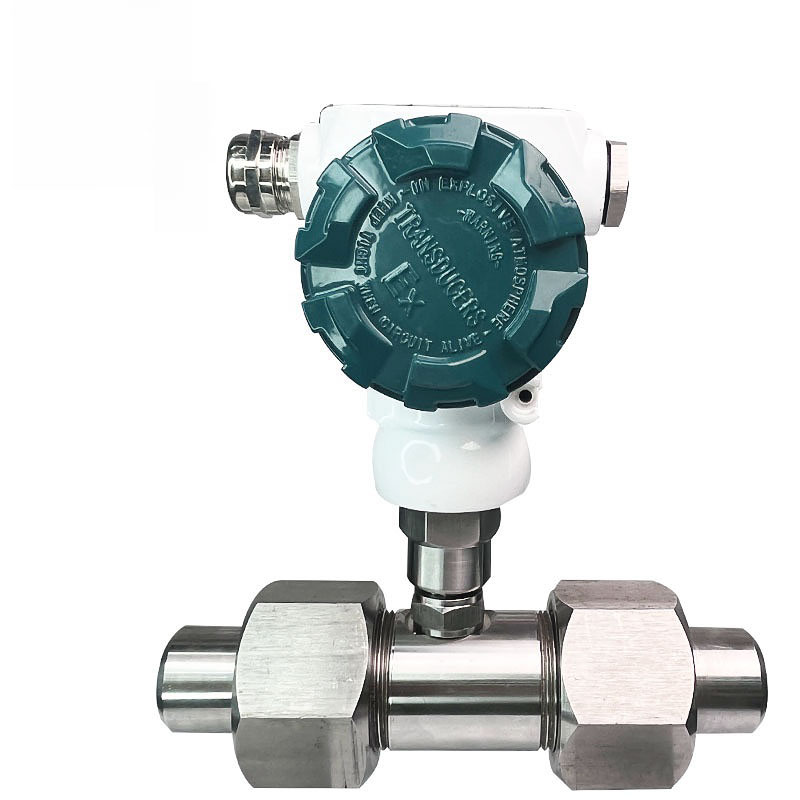
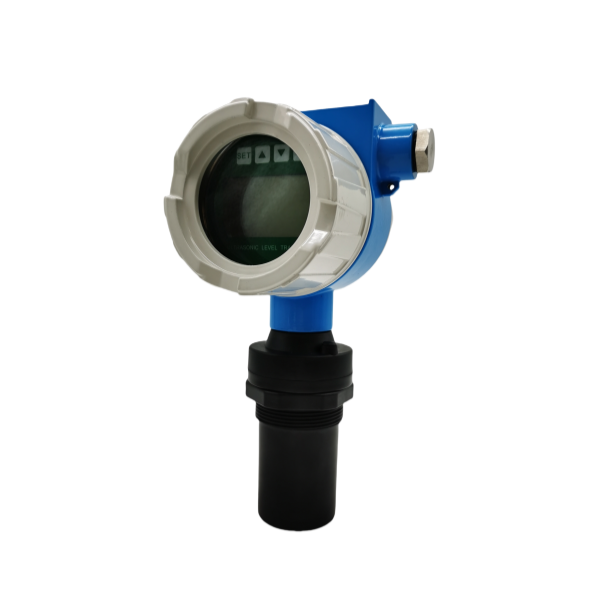
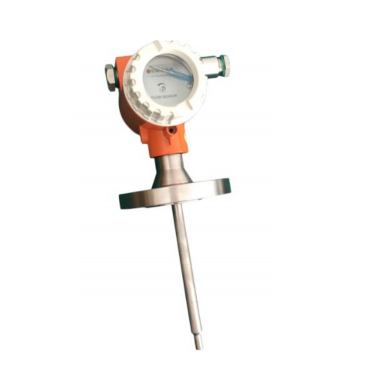
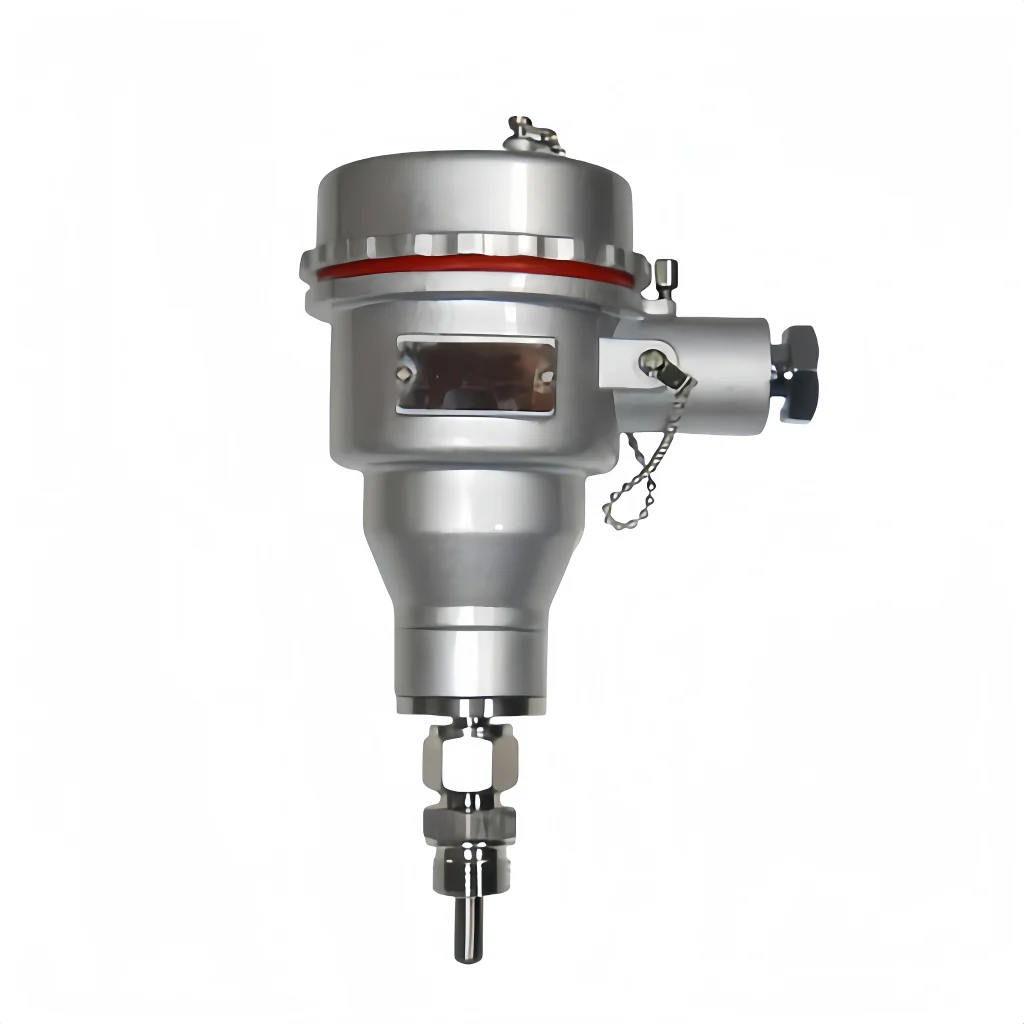
Sino-Inst supplies a variety of explosion-proof industrial measuring instruments. Details are as follows.
Explosion-proof Flow Meters
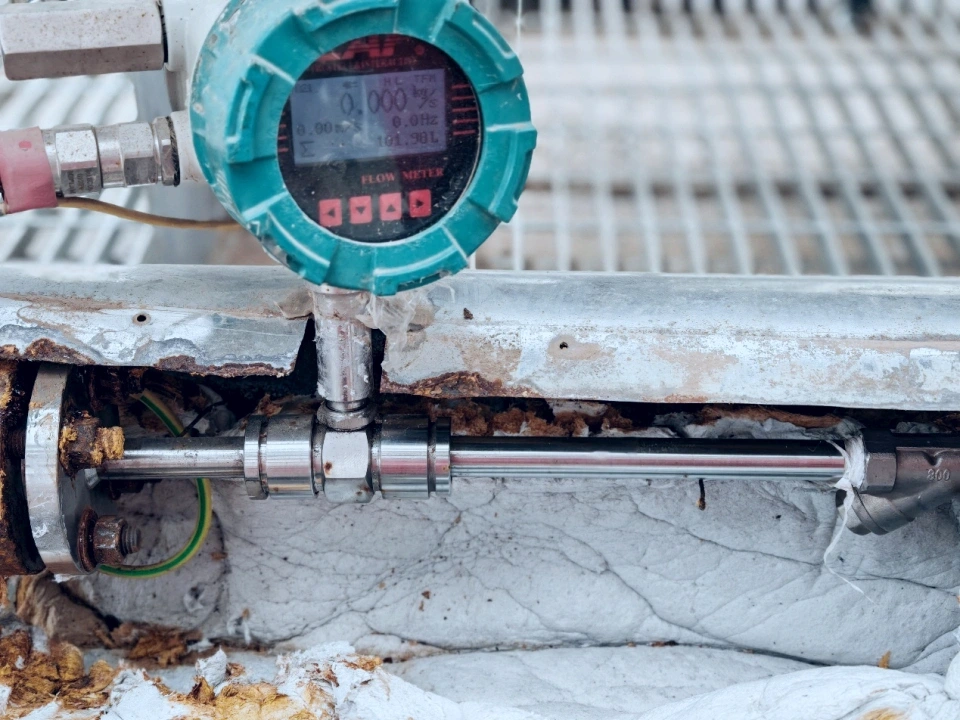
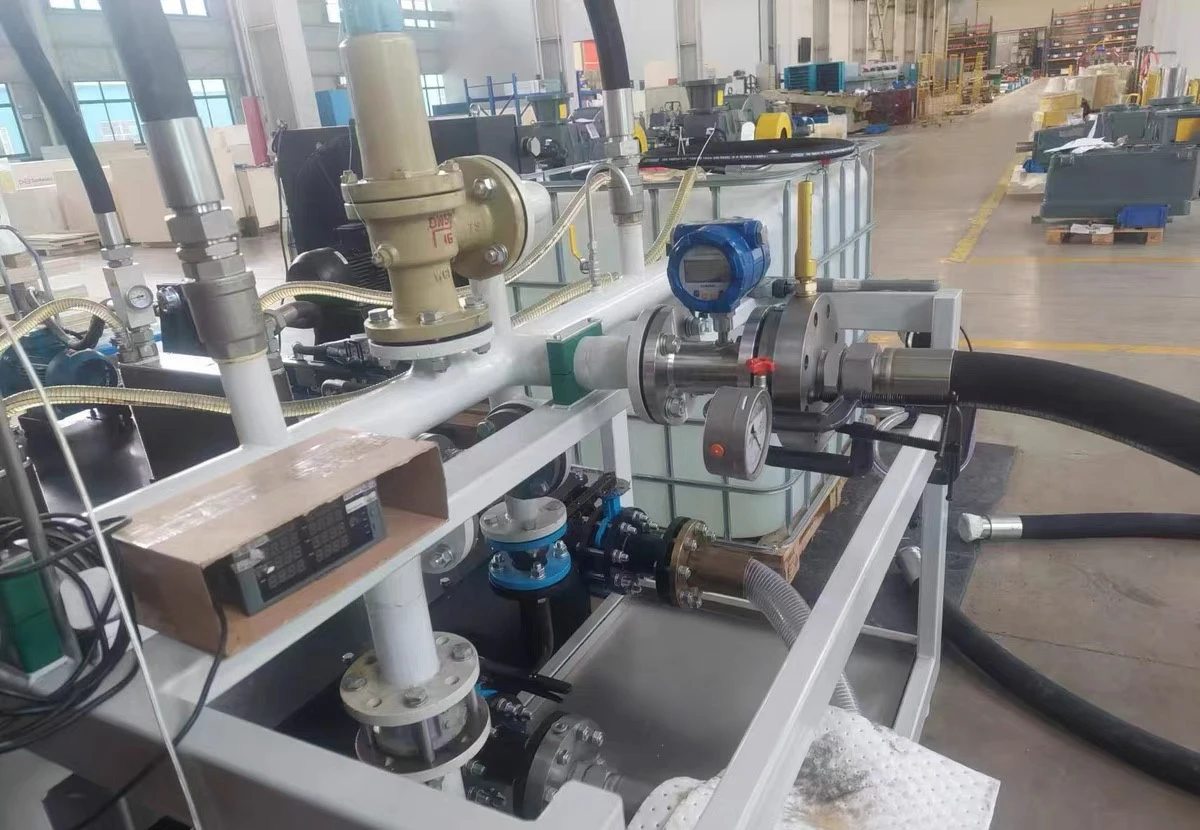
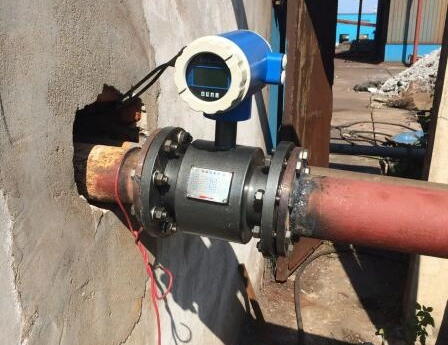
They are flow meters that utilize explosion-proof technology. Common explosion-proof flow meters include explosion-proof ultrasonic flow meters, explosion-proof electromagnetic flow meters, explosion-proof turbine flow meters, and explosion-proof gear flow meters.
Intrinsically Safe Flow Meters
They are flow measurement instruments that employ intrinsically safe explosion-proof technology. They are mainly used in industrial pipeline systems in the petroleum, chemical, and power industries, as well as in urban water supply and medical industries. They can measure the flow rate of liquids, gases, and steam. Sino-Inst supplies various types of intrinsically safe flow meters.
Read More about:
Stainless Steel Flow Meters VS. PVC Flow Meters: Which One to Choose?
Flow Meter K-Factor – What You Should Know
Propane Flow Meter: Accurately Monitor Propane Flow
Differential Pressure Flow Meter Technical Guide
Flow Meter Calibration – A Comprehensive Guide
Explosion-Proof Pressure Transmitters
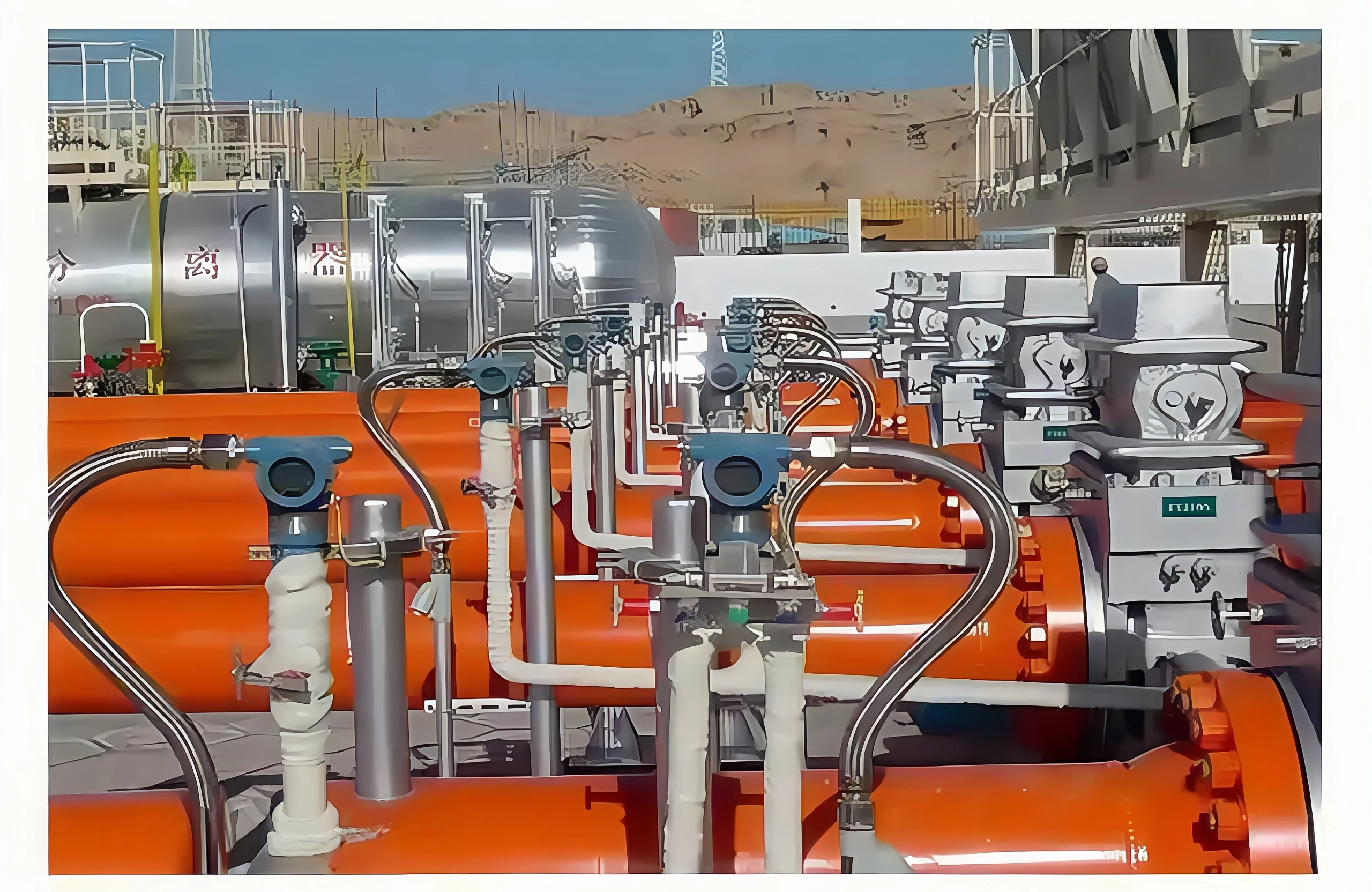
They are pressure measurement devices specifically designed for high-explosion-hazardous locations. They can safely convert the pressure of liquid or gaseous media into a standard electrical signal output in explosive environments. They support the measurement of gauge pressure, absolute pressure, and differential pressure.
Intrinsically Safe Pressure Transmitter:
- Highly efficient lightning protection, strong resistance to radio frequency and electromagnetic interference;
- Built-in high-performance intrinsically safe explosion-proof circuitry, with Ex ia llC T6 Ga explosion-proof rating certification;
- Excellent shock resistance, overload resistance, vibration resistance, and corrosion resistance;
- An advanced digital temperature compensation function and, wide operating temperature range.
Read More about:
High Temperature Pressure Transmitter Applications in 1200°C
Pressure Transmitter vs. Differential Pressure Transmitter
Pressure Sensor VS Pressure Transducer VS Pressure Transmitter
Pressure Transmitter Output Signal You Should Know
7 Types of Pressure Sensors: Different Types, Working Principles, and Definitions
Explosion-Proof Level Switch:
A universal switch-type measuring device in the field of liquid level control. It is suitable for explosive environment levels 0/1/2. The device integrates an explosion proof switch housing encapsulating the contacts. And it achieves spark protection design through an explosion-proof operating plunger. It can detect air/foam, water/liquid, oil/emulsion, and liquid media containing impurities. It is suitable for safety control scenarios. such as industrial pump protection and storage tank level monitoring.
Intrinsically Safe Level Switch:
A liquid level detection device specifically designed for hazardous environments. It has intrinsic safety characteristics. It can operate safely in flammable and explosive environments without becoming an ignition source.
Read More about:
Tank Level Switch – Easy to Control Level
Level Switch Installation and Maintenance
What is the Difference between a Level Switch and a Level Transmitter?
Capacitance Level Switch – High Temperature and High Pressure Resistance