Industrial Diesel Flow Measurement

Table of Contents

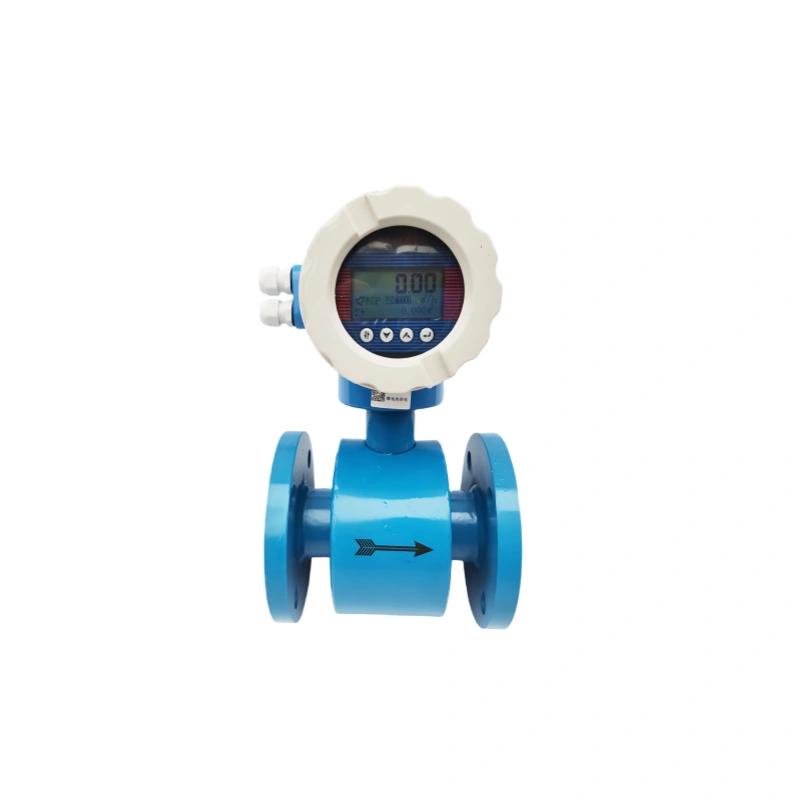
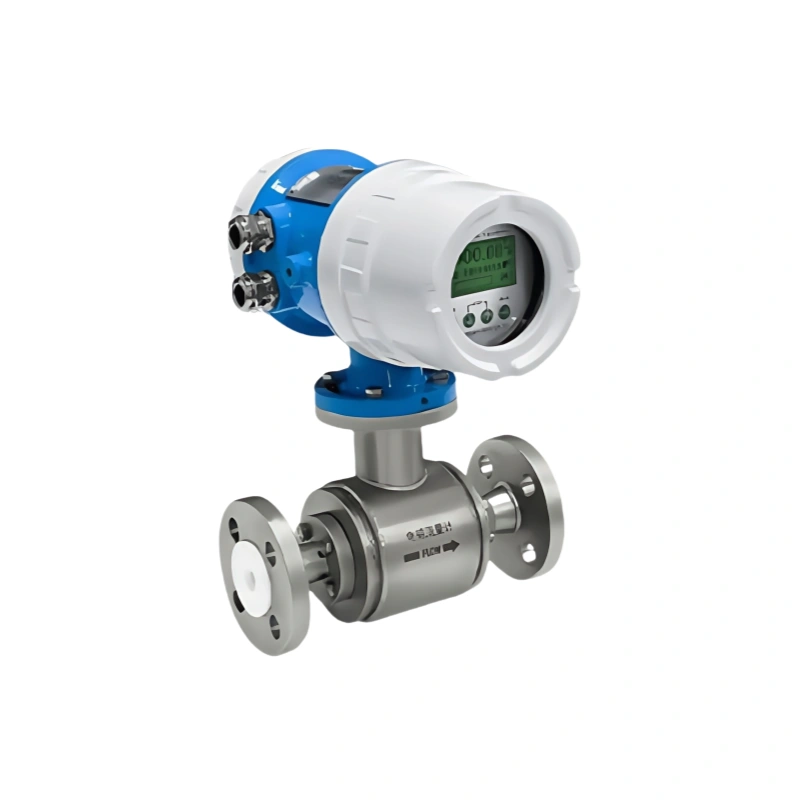
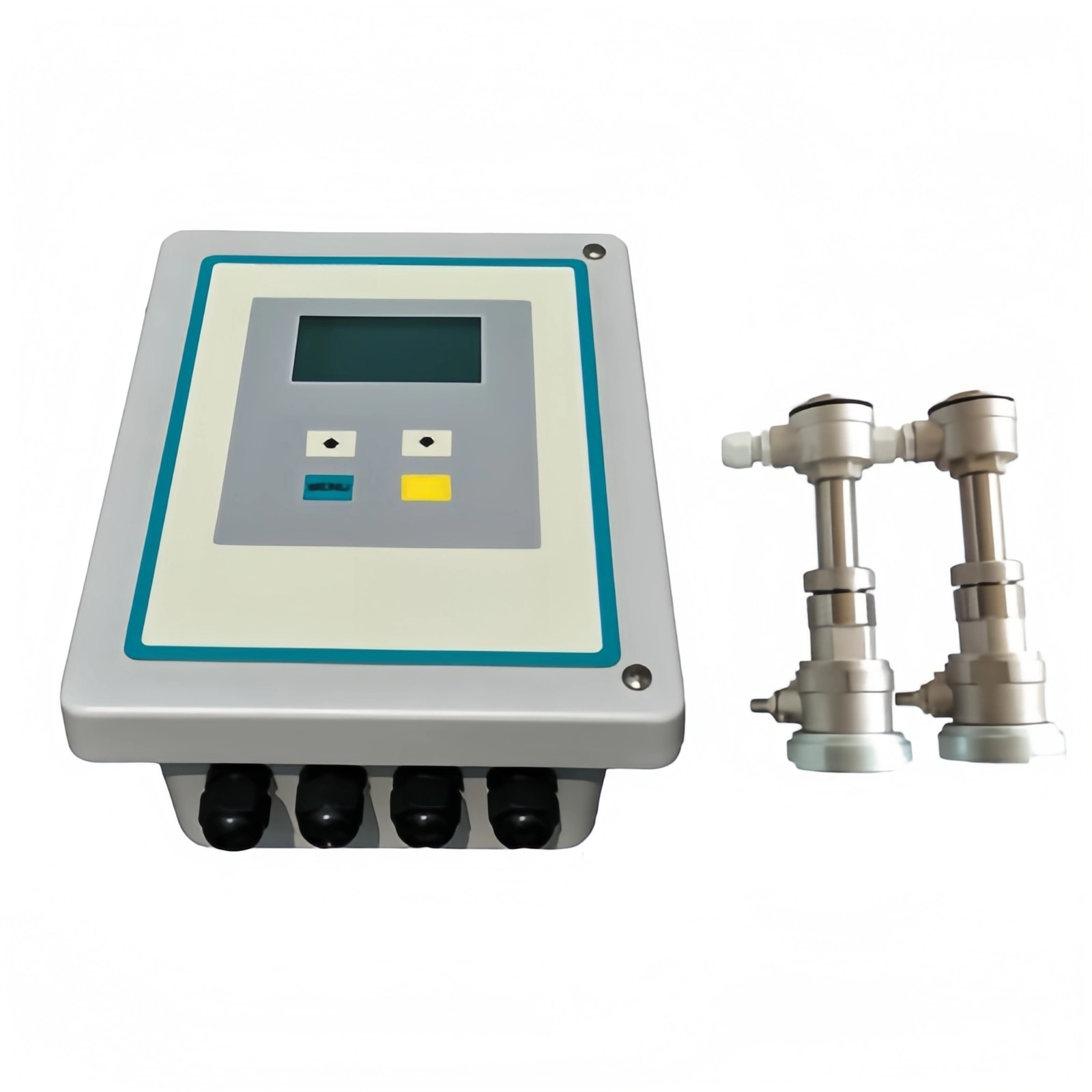
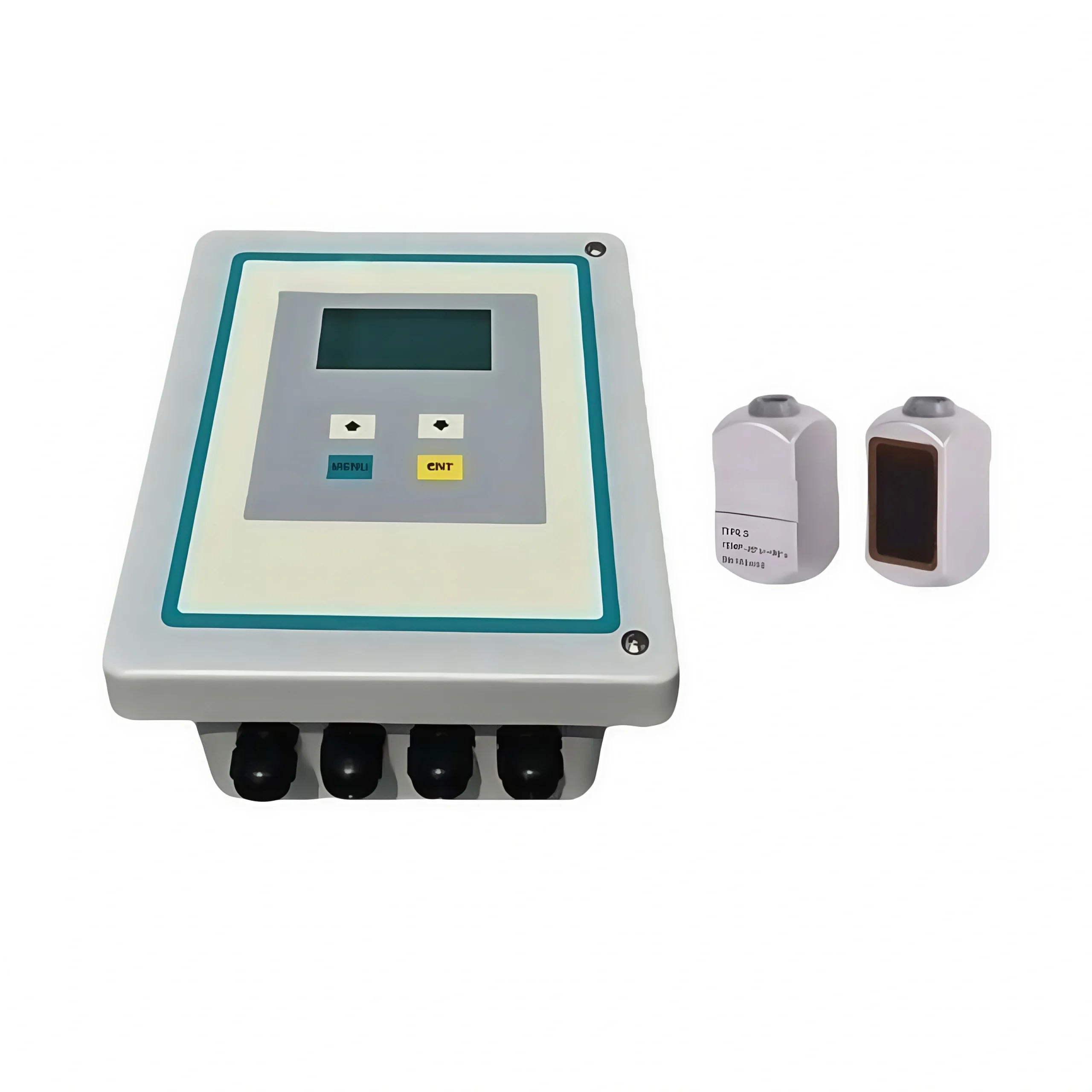
Diesel flow meters can accurately monitor fuel consumption in fuel systems and fuel quantities in trade settlements. Diesel fuel flow measurement is of great significance for resource conservation and environmental protection. Turbine flow meters, gear flow meters, ultrasonic flow meters, and mass flow meters, etc., can all measure diesel flow.

This article will provide a detailed introduction to diesel flow measurement. We hope you find it helpful. 

What is a Diesel Flow Meter

A diesel flow meter is a general term for all types of flow meters capable of measuring diesel flow. Diesel flow meters can display real-time fuel consumption data. It can control fuel consumption and the management of industrial processes.

Diesel Flow Meter Types and Working Principle

Sino-Inst offers various types of flow meters. such as turbine flow meters, gear flow meters, mass flow meters, and ultrasonic flow meters.

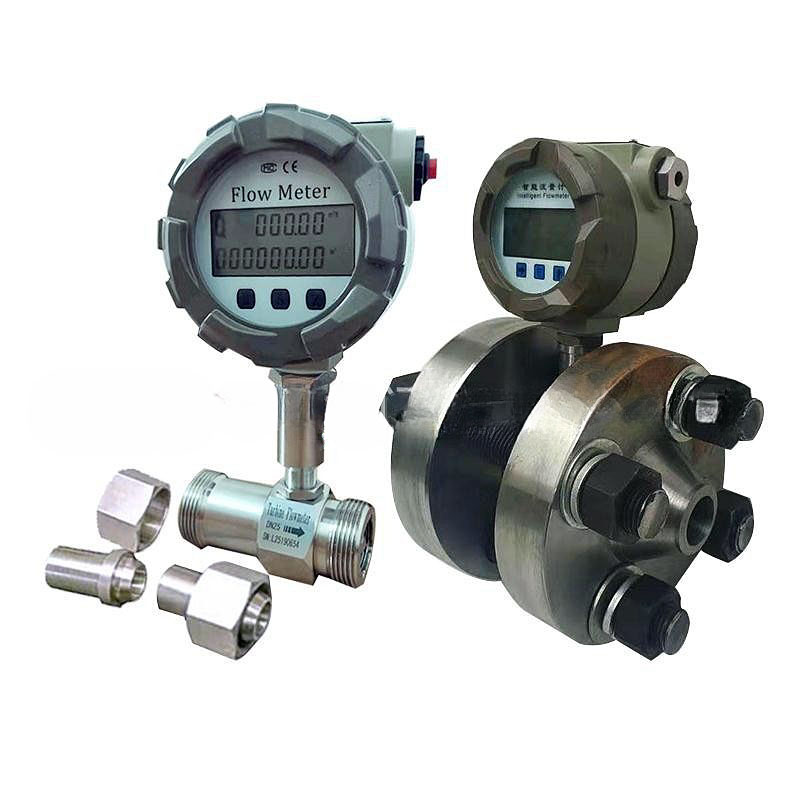
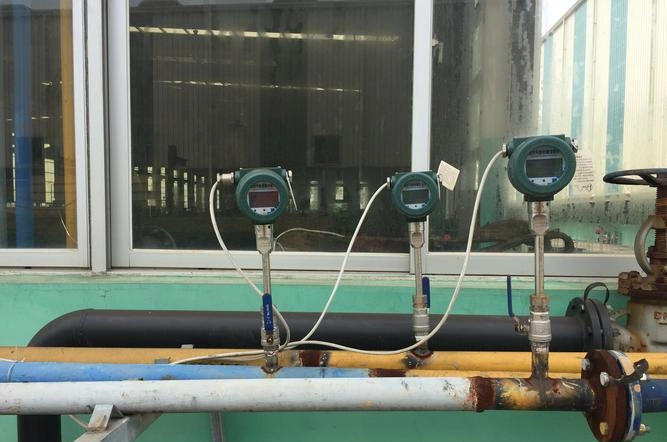
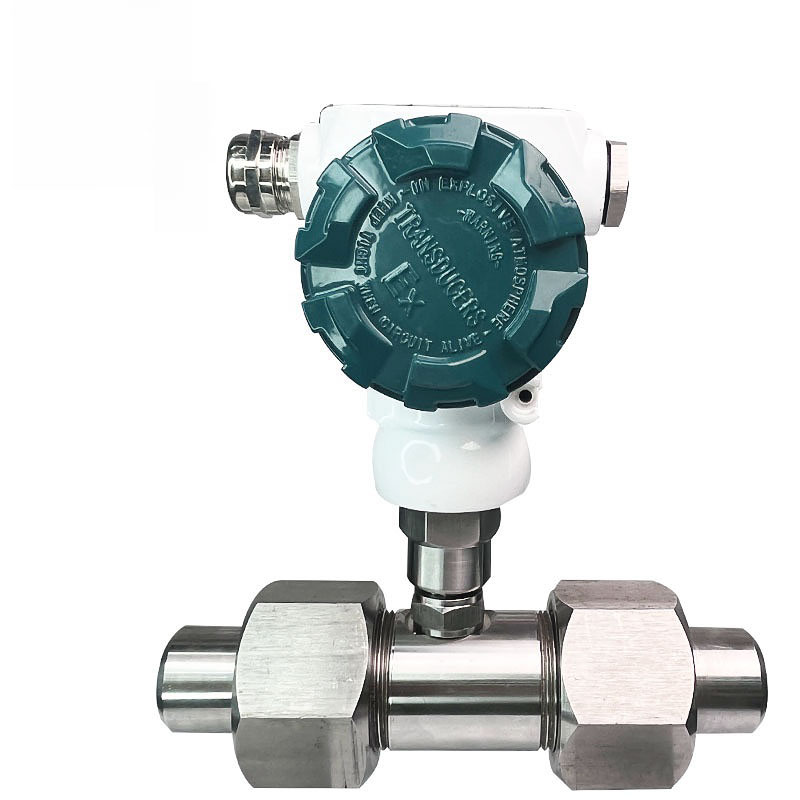
Turbine Diesel Flow Meter

Principle of Operation

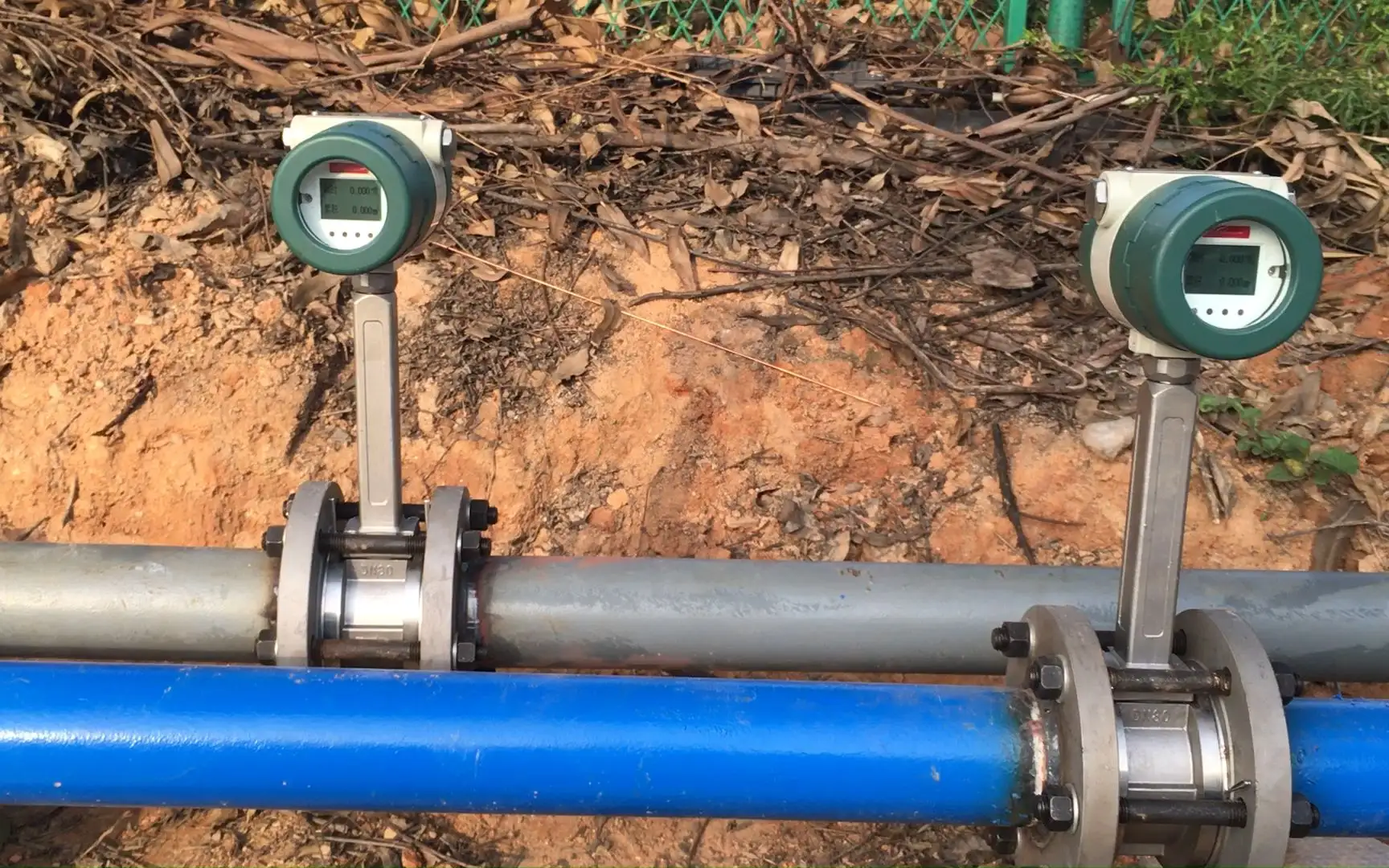
As diesel flows through the flow meter, it drives the turbine blades to rotate at a constant speed; the turbine speed is linearly proportional to the instantaneous flow rate of the medium.

The blades cut through a magnetic field to generate pulse signals; the instrument records the pulse frequency and total count, and calculates the instantaneous flow rate and cumulative volumetric flow rate of the diesel. It can also output standard electrical signals compatible with industrial control systems.

Advantages for Diesel Measurement

1. Compact and space-saving design with easy installation, suitable for confined spaces such as fuel dispensers and on-board fuel delivery lines.

2. Fast response and high measurement sensitivity, capable of accurately capturing flow rate variations during intermittent diesel delivery and refuelling, with no significant lag.

3. Wide measurement range, enabling stable measurement under both high and low flow conditions, with excellent linear accuracy.

4. Non-contact signal acquisition results in minimal mechanical wear and extended maintenance intervals, making it suitable for long-term measurement of clean diesel.

5. High cost-effectiveness with simple supporting equipment, resulting in low operating costs for small and medium-sized diesel storage, transportation and refuelling applications.

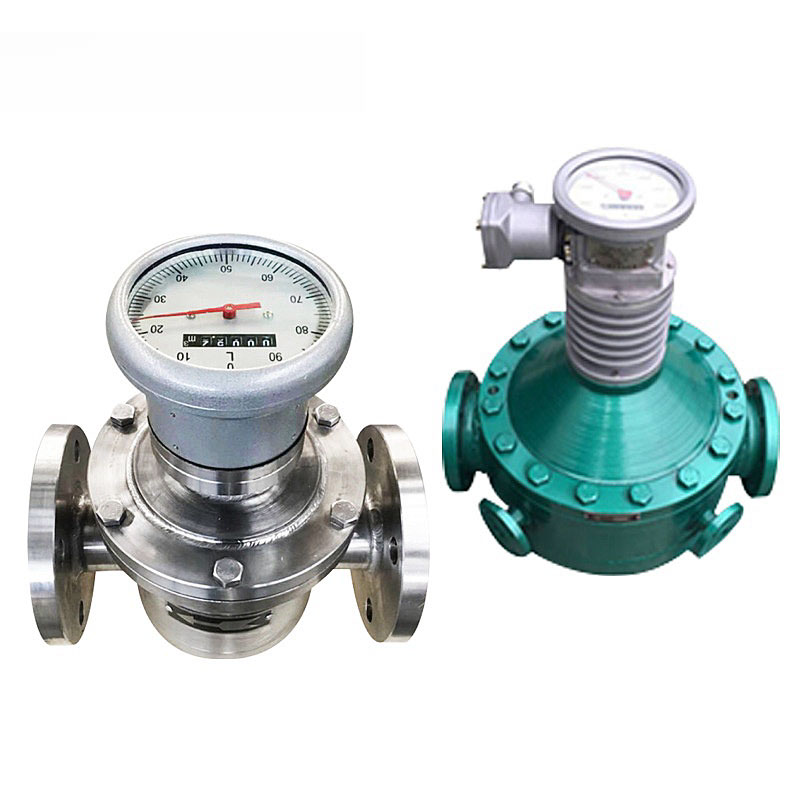
Elliptical Gear Diesel Flow Meter

Principle of Operation

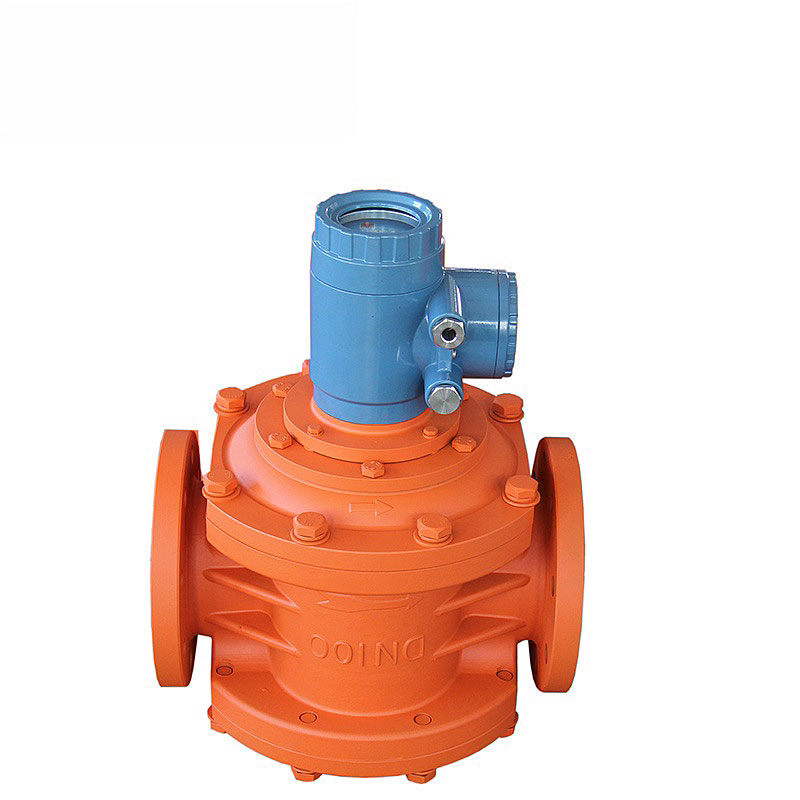
Driven by the pressure differential of the medium, a pair of elliptical gears within the chamber rotate in alternating meshing. With each revolution of the gears, a fixed volume of diesel is dispensed.

By detecting the number of revolutions, the instrument accurately calculates the cumulative volume of the medium and simultaneously derives the instantaneous flow rate; it is a volumetric precision metering instrument.

Advantages for Measuring Diesel

1. High measurement stability; unaffected by minor fluctuations in diesel viscosity at ambient or low temperatures; well-suited to outdoor operating conditions.

2. Extremely low start-up flow rate, enabling precise detection of minute diesel flows; suitable for fuel consumption monitoring in small equipment and micro-flow measurement.

3. No upstream or downstream straight pipe sections are required, making it suitable for complex and ageing pipelines, with low installation and retrofitting complexity.

4. High resistance to minor impurities, with minimal risk of jamming, making it suitable for standard industrial diesel applications.

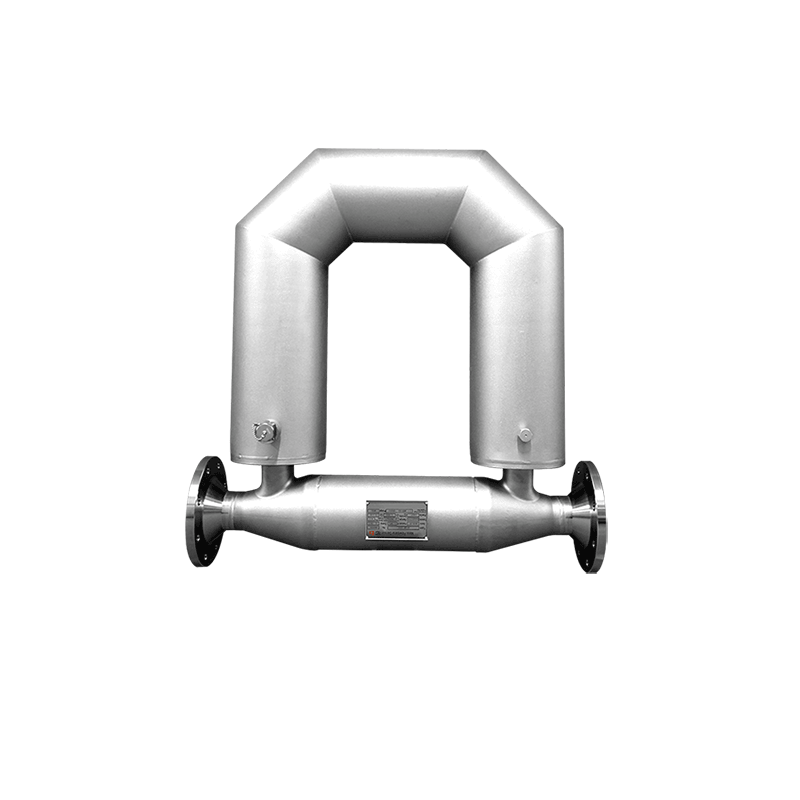
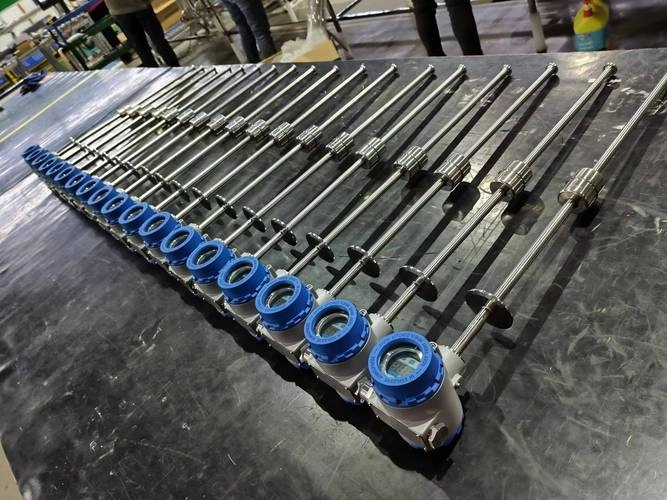
Coriolis Mass Diesel Flow Meter

Principle of Operation

As diesel flows through the vibrating measuring tube, a Coriolis force is generated, creating a minute phase difference between the inlet and outlet of the measuring tube; this phase difference is directly proportional to the mass flow rate of the medium.

By capturing these phase changes, the instrument directly and accurately measures the mass flow rate of diesel, whilst simultaneously detecting the medium’s density and temperature, and automatically converting these values to volumetric flow rate.

Advantages for Diesel Measurement

1. Direct measurement of mass flow rate eliminates the need for temperature and pressure compensation, completely avoiding measurement errors caused by thermal expansion and contraction of diesel, making it suitable for high-precision trade settlement.

2. Measurements are unaffected by changes in diesel viscosity, temperature or pressure, ensuring stable measurement accuracy even under extreme operating conditions.

3. A single instrument integrates multi-parameter detection, capable of simultaneously outputting mass, volume, density and temperature data, offering comprehensive functionality.

4. Contains no moving mechanical parts, ensuring zero wear, no risk of blockages, maintenance-free operation and a long service life.

No straight pipe run installation requirements; suitable for bent and complex fuel pipelines, and adaptable to various scenarios such as oil depots.
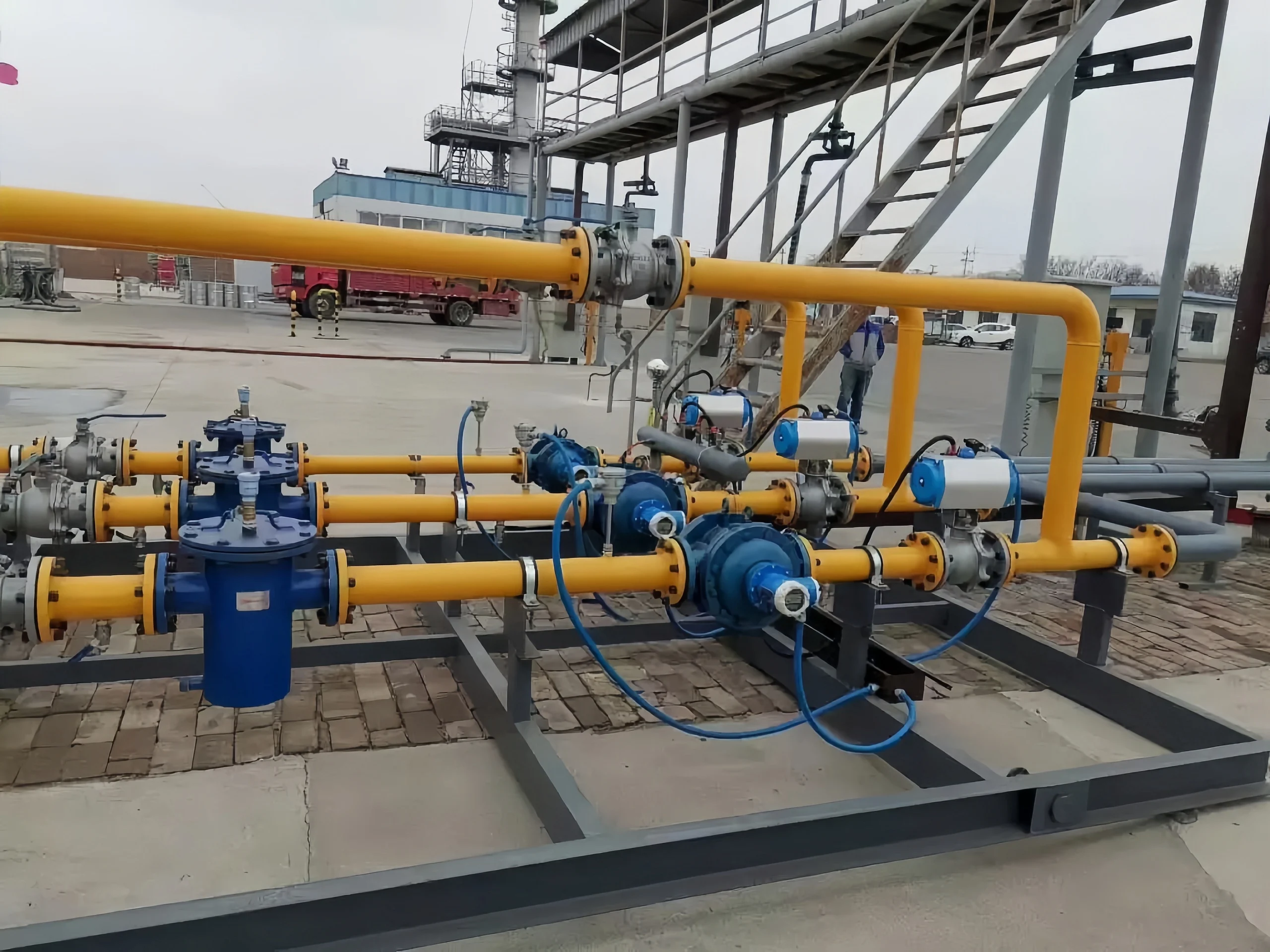
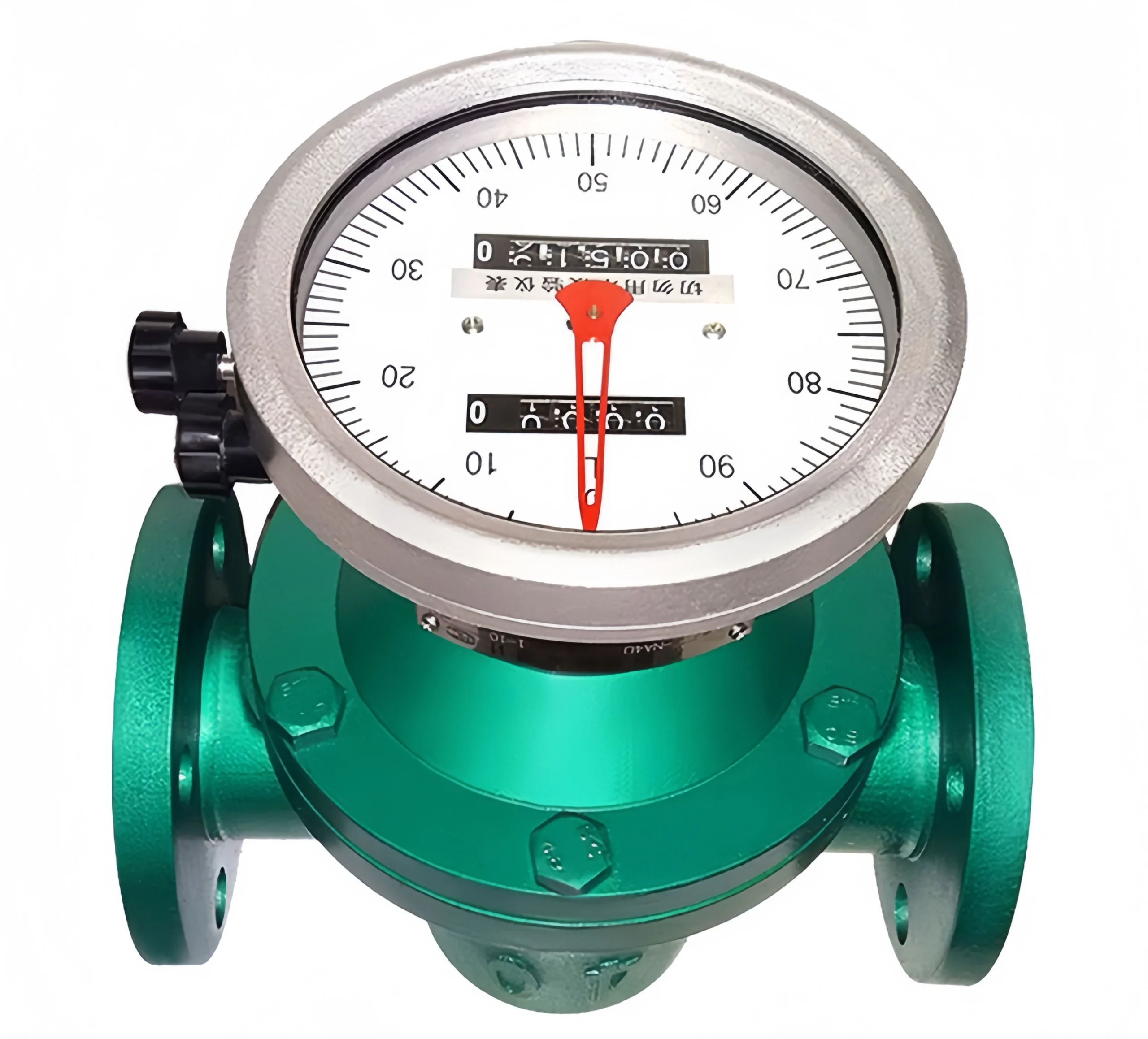
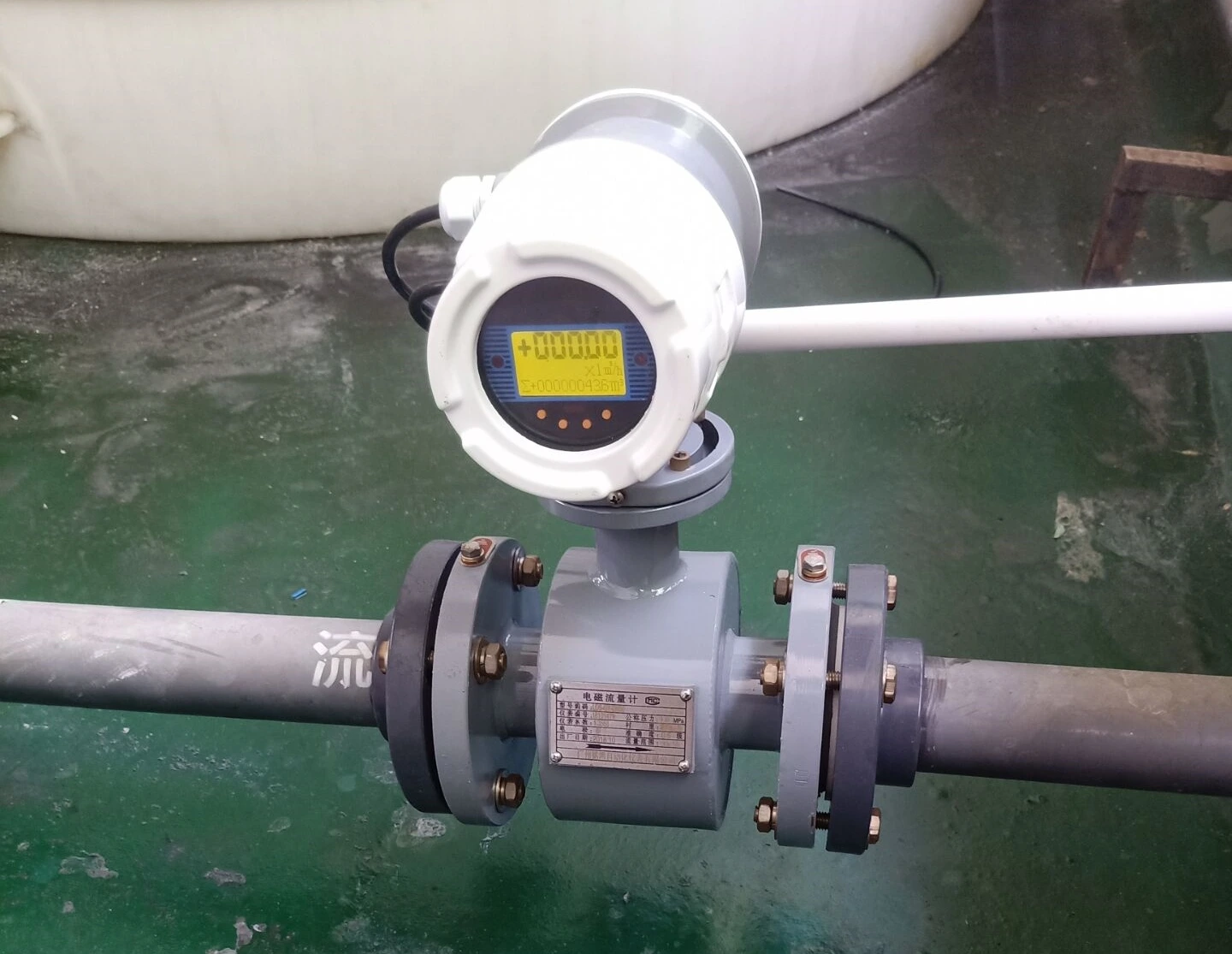
Mechanical diesel flow meter

Diesel Flow Meter Applications

Diesel flow meters have a wide range of uses. Diesel has unique characteristics, such as high viscosity and is occasionally exposed to high-temperature and high-pressure environments. Common applications include:

Petroleum and Energy Industry

  • Monitoring the flow of diesel in and out of storage tanks.
  • Monitoring diesel consumption in diesel generator sets.
  • Controlling the fuel supply flow to oil-fired boiler burners.

Industrial Process Control

  • Monitoring the flow of diesel or diesel-based hydraulic oil in the hydraulic systems of construction machinery and metallurgical equipment.
  • Measuring diesel flow in systems where precise blending of diesel with other fuels (e.g., biodiesel, natural gas) is required.
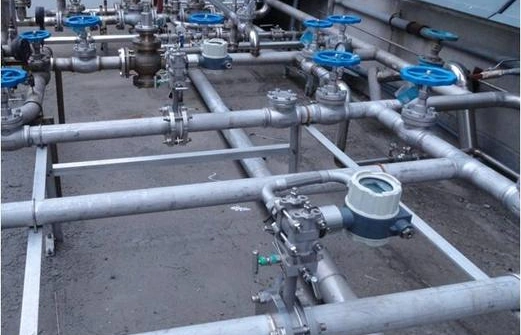
  • Monitoring the flow of branch pipes in long-distance diesel pipelines or factory pipe racks.

Agricultural and Construction Machinery

In construction machinery hydraulic systems: Measuring the flow of diesel (or diesel-based hydraulic oil) in the hydraulic systems of excavators, loaders, and other equipment.

Petrochemical Production:

  • Measuring diesel flow in refining and blending processes.
  • Environmental Monitoring and Pollution Control
  • Identifying leak risks through abnormal flow variations (such as zero flow or over-limit flow) in diesel storage or transportation pipelines.
  • In wastewater treatment plant biogas generators, it monitors fuel flow in diesel start-stop systems or backup power supplies.
  • In laboratory and research environments, it accurately measures diesel flow in combustion and fluid dynamics experiments to analyze combustion efficiency or flow characteristics.
  • It is used as a flow measurement tool to verify the performance of new fuels such as biodiesel and synthetic fuels.

Other applications:

  • It is used as a flow measurement device in diesel fuel dispensers at gas stations.
  •  In maritime transport, it monitors fuel consumption in real time on diesel-powered ships’ main and auxiliary engines.
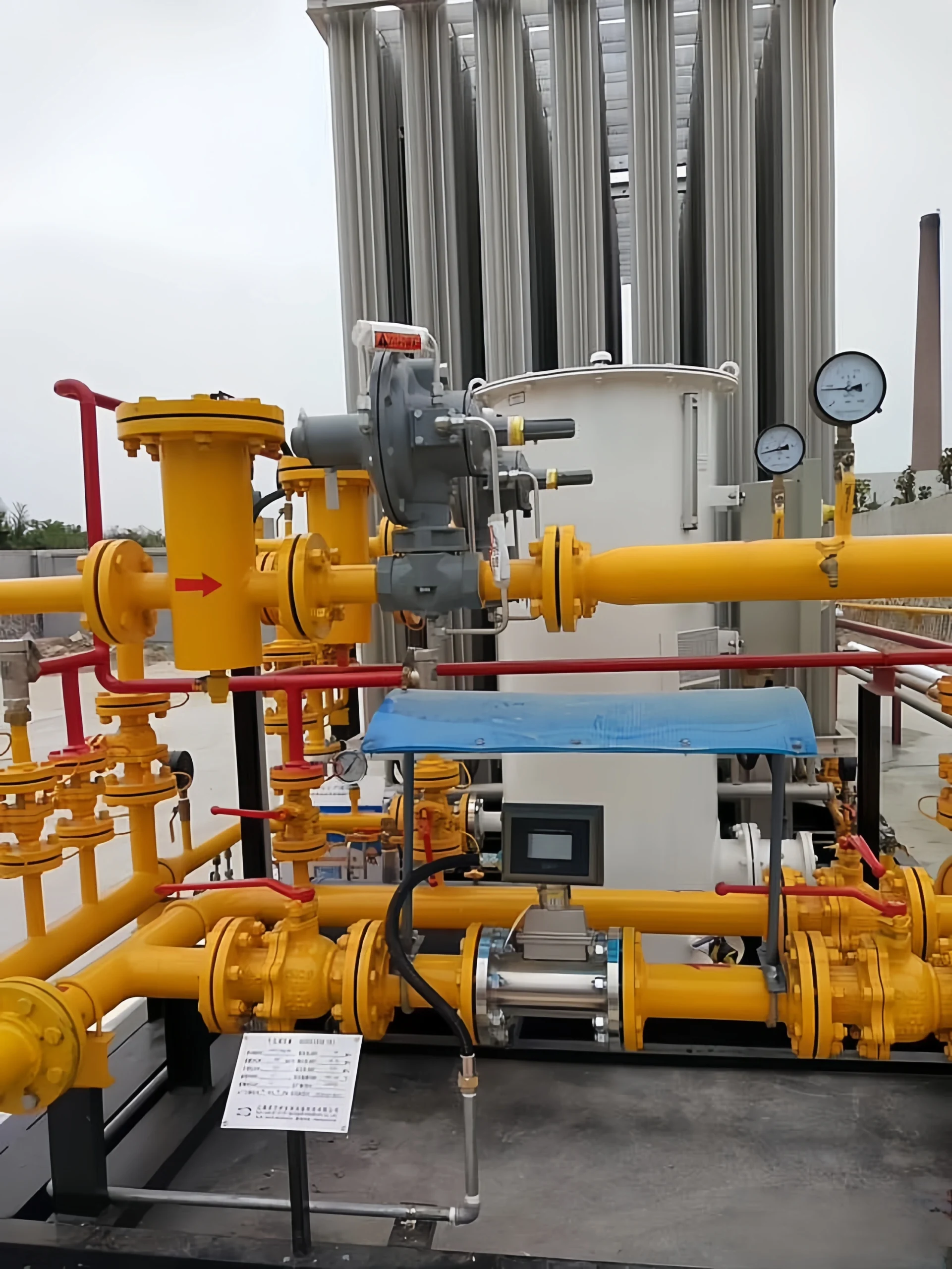
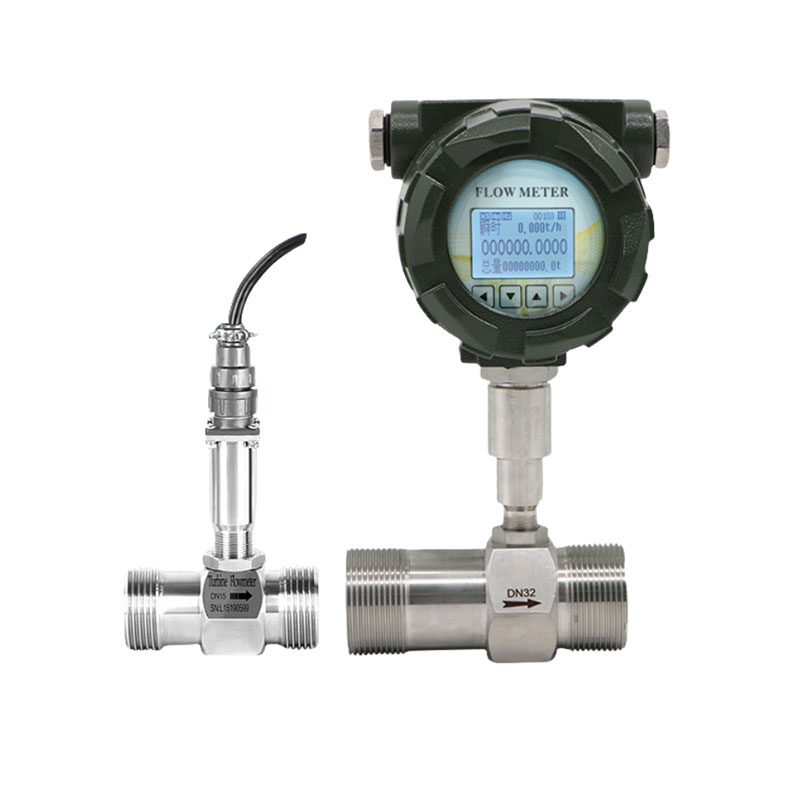
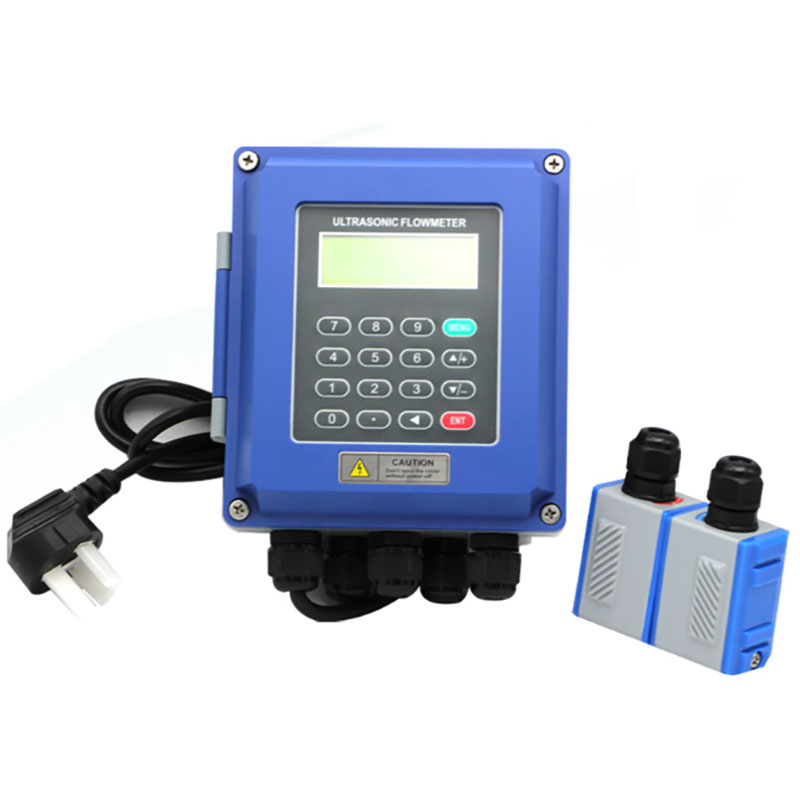
Clamp-on ultrasonic flow meter for measuring diesel fuel

Digital Diesel Flow Meters VS Mechanical Diesel Flow Meters

Differences in core metering mechanisms

Mechanical diesel flow meters rely on mechanical transmission components such as gears and impellers to achieve measurement, with no electronic components involved throughout the process; digital diesel flow meters incorporate sensors and circuit boards on top of the mechanical measurement mechanism to convert flow signals into electrical signals for calculation.

Differences in readout and data storage capabilities

Mechanical meters can only display cumulative fuel volume via a mechanical dial and cannot store historical data; digital meters provide an intuitive display of instantaneous flow rate and cumulative consumption, and feature built-in storage capabilities to retain fuel consumption records across multiple time periods.

Differences in Signal Transmission Capabilities

Mechanical meters have no signal output, requiring manual data recording on-site; digital meters support pulse, 4–20 mA and RS485 communication protocols, enabling them to interface with vessel monitoring systems for the remote upload of measurement data.

Differences in Measurement Accuracy and Interference Resistance

Mechanical models are susceptible to wear and tear and the effects of air bubbles, resulting in a gradual decline in accuracy over time; digital models utilise compensation algorithms to correct for errors caused by medium temperature and impurities, offering greater accuracy and stability.

Differences in Maintenance and Service Life

The internal moving parts of mechanical models are prone to ageing due to prolonged friction, requiring regular disassembly, inspection and replacement of components; digital models have low wear on electronic components and require only simple calibration, resulting in longer maintenance intervals for the entire unit.

Suitable for different monitoring and control scenarios

Mechanical meters, with their simple structure and low cost, are suitable for temporary measurement on small, basic fishing vessels; digital meters can meet the requirements of high-standard scenarios such as maritime fuel consumption records, fuel trade settlements and precise fuel consumption control for main engines.

How to Choose a Perfect Diesel Flow Meter

Consider the following five aspects:

 Specific circumstances/requirementsRecommended flow meter type
Measurement requirementsHigh-precision metering (e.g., trade settlement)Coriolis flow meter or oval gear flow meter
General metering (e.g., oil storage)Turbine flow meter or gear flow meter
Diesel characteristicsHigh-viscosity diesel fuelOval gear or positive displacement flow meter
Diesel fuel with high impurity contentInstall a filter or select a dirt-resistant flow meter
Installation environmentSmall-diameter pipesGear flow meter
Large-diameter pipesUltrasonic flow meter
Budget and maintenance costsLow budgetTurbine or gear flow meter
Long-term high-precision requirementsCoriolis flow meter
safety considerationsHigh-pressure environments or potentially explosive environmentsCustomized high-pressure flow meters or explosion-proof flow meters

Sino-Inst Featured Diesel Flow Meter

Threaded-Connection-Turbine-Type-Flow-Meters-
Threaded Connection Turbine Type Flow Meters
Customized-High-Pressure-Turbine-Flow-Meters
Customized High Pressure Turbine Flow Meter
Clamp-on-Ultrasonic-Flow-Meter
Clamp-on Ultrasonic Flow Meter
Coriolis-Mass-Flow-Sensor1
Digital Coriolis Flow Meter U Series for Mass, Volume, & Density
LC-Series-Oval-Gear-Flow-Meters-
LC Series Oval Gear Flow Meters-Mechanical Measurement
LL-Series-Roots-Wheel-PD-Flow-Meter-for-Liquids-Cast-Iron-Material
Wheel PD Flow Meter for Liquids Cast Iron Material

Diesel Flow Meter Customized Case

We provided a suitable measurement solution based on the parameters provided by the customer. If your application is similar, you can refer to it.

The customer plans to measure the diesel flow rate for trade. As shown in the figure below:
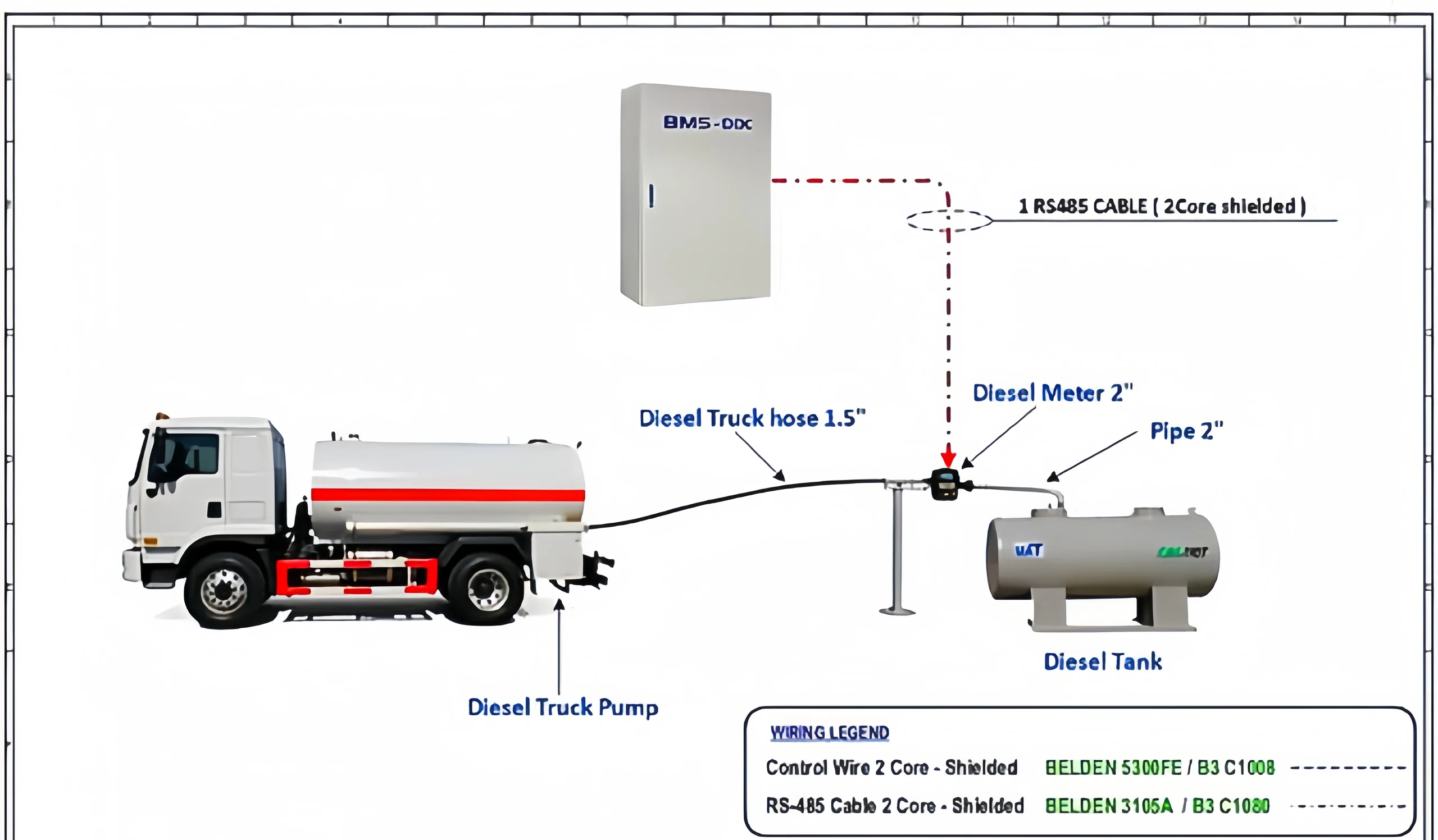
Measuring diesel fuel in tank trucks

Based on the parameters provided by the user and the accuracy requirements, we recommended an oval gear flow meter. Oval gear flow meters do not require straight pipe sections before and after installation, making them more versatile.

Oval gear flow meter

  • Pipe diameter: DN50Oval gear flow meter for measuring tank truck flow
  • Measuring range: 4–24 m³/h
  • Shell material: cast iron
  • Pressure resistance: 1.6 MPa
  • Accuracy: 0.5%
  • Connection method: flange
  • Output: 4–20 mA
  • Communication method: RS-485
  • Display: LCD
  • Power: 24 VDC

FAQ

Marine Diesel Fuel Flow Meters

Marine diesel fuel flow meters are specialised devices for measuring fuel consumption on board vessels. They are used for diesel bunkering and for measuring fuel consumption by main and auxiliary engines, thereby meeting the requirements for fuel consumption statistics and maritime regulatory compliance.

The equipment is optimised for the marine environment, which is characterised by salt spray, high temperatures and humidity, as well as hull vibrations, pitching and rolling. The housing is corrosion-resistant and features a high protection rating; explosion-proof models are suitable for use in explosion-hazard areas within engine rooms. The two main types are oval gear and turbine flowmeters.

Oval gear flowmeters offer high measurement accuracy and are suitable for bunkering; turbine flowmeters are suited to high-flow applications. They are compatible with various types of cargo ships, fishing vessels and engineering vessels, and are fitted with bypass piping to facilitate maintenance. They enable stable and accurate tracking of fuel consumption, thereby helping to manage fuel costs during voyages.

Common units for diesel flow rate include volumetric flow and mass flow:

Volumetric flow units
Liters per hour (L/h), cubic meters per hour (m³/h), gallons per minute (gal/min)

Mass flow units
Kilograms per hour (kg/h), tons per hour (t/h)

The selection of a fuel flow meter for a diesel engine depends on various parameters such as engine size, diesel viscosity, temperature, pressure, and flow range. Available options include turbine flow meters, mass flow meters, and gear flow meters.

Selecting the appropriate flow meter is a complex issue; it is recommended to consult a professional.

The simplest method is to directly install a flow meter. Select the appropriate flow meter based on different operating conditions.

In summary, diesel fuel typically has viscosity. It may occasionally be exposed to high-temperature and high-pressure environments. Therefore, multiple parameters must be considered when selecting a flow meter.

Sino-Inst has over 20 years of experience in flow measurement. Our products are of high quality and reliability. We are a supplier of diesel flow meters from China. Our products offer excellent cost-effectiveness. Please contact us, and we will recommend a suitable measurement solution for you.

Welcome To Share This Page:
Product Categories
Latest News
Get A Free Quote Now !
Contact Form Demo (#3)

Related Products

Related News

An air flow meter is an instrument used to measure gas flow. It is widely used in various industries. It

Flow monitoring is a core component of industrial process control. Analog flow meters convert flow velocity into standard analogue electrical signals;

Natural gas flow meters are essential pieces of kit in energy metering, keeping tabs on how much gas is moving

Flow switches and flow meters are commonly used in industrial measurement. Many people are not clear about their differences. A

Sino-Inst is a professional supplier of flow switches. Based on experience, this article will introduce: What is a flow switch?

As a non-intrusive flow measurement technology, clamp-on ultrasonic flowmeters enable online monitoring of fluid flow by clamping transducers onto the

As key perception components in industrial measurement and control systems, pressure sensors are widely used in various working conditions. Types

What Is a Coriolis Mass Flow Meter? Coriolis mass flow meter is a new type of traffic measuring instrument developed

As an inert gas, nitrogen plays an irreplaceable role in numerous fields, including chemical synthesis, electronics manufacturing and laboratory analysis;

Scroll to Top

Get A Free Quote Now !

Contact Form Demo (#3)