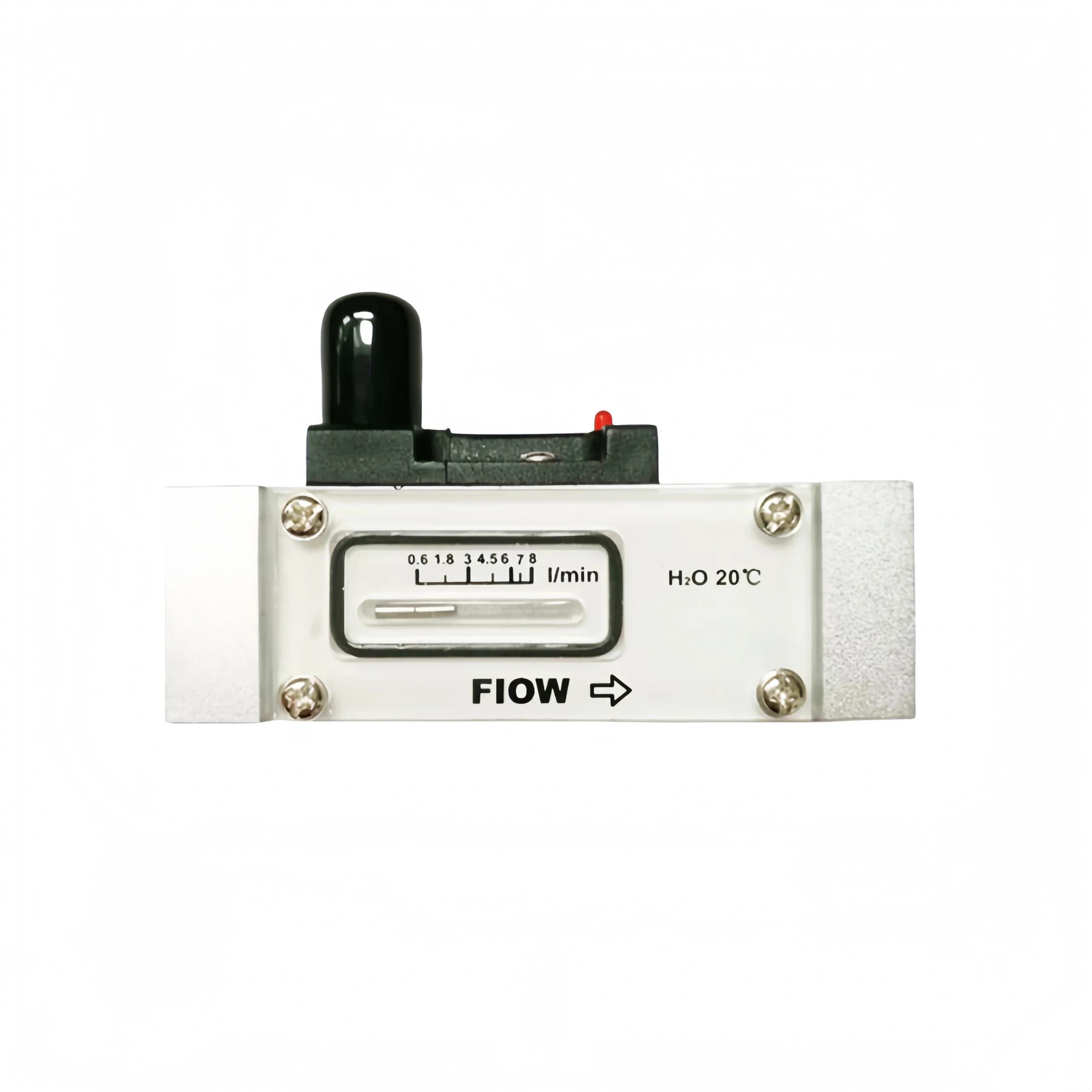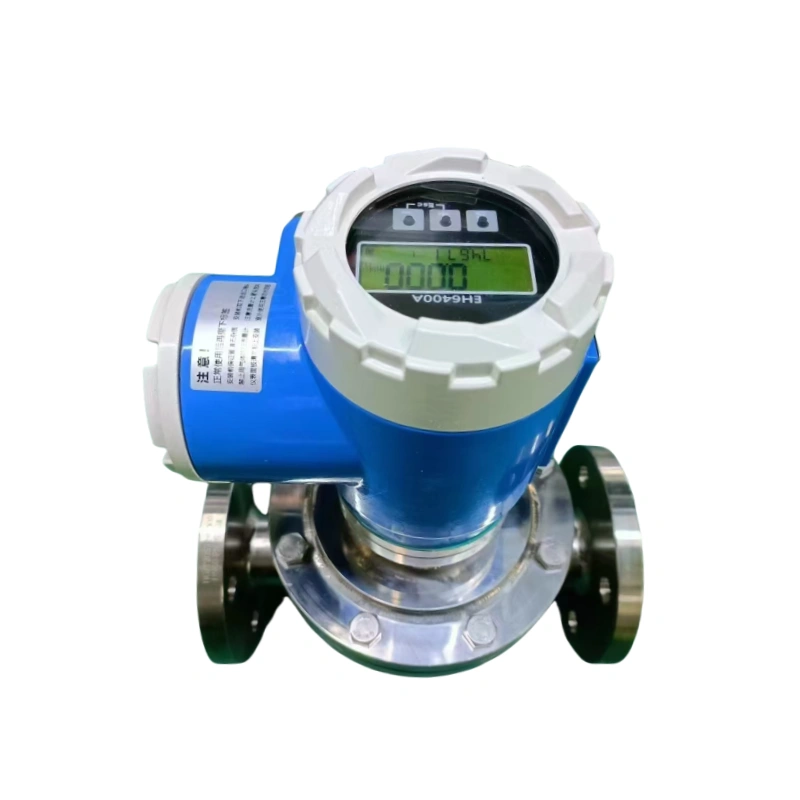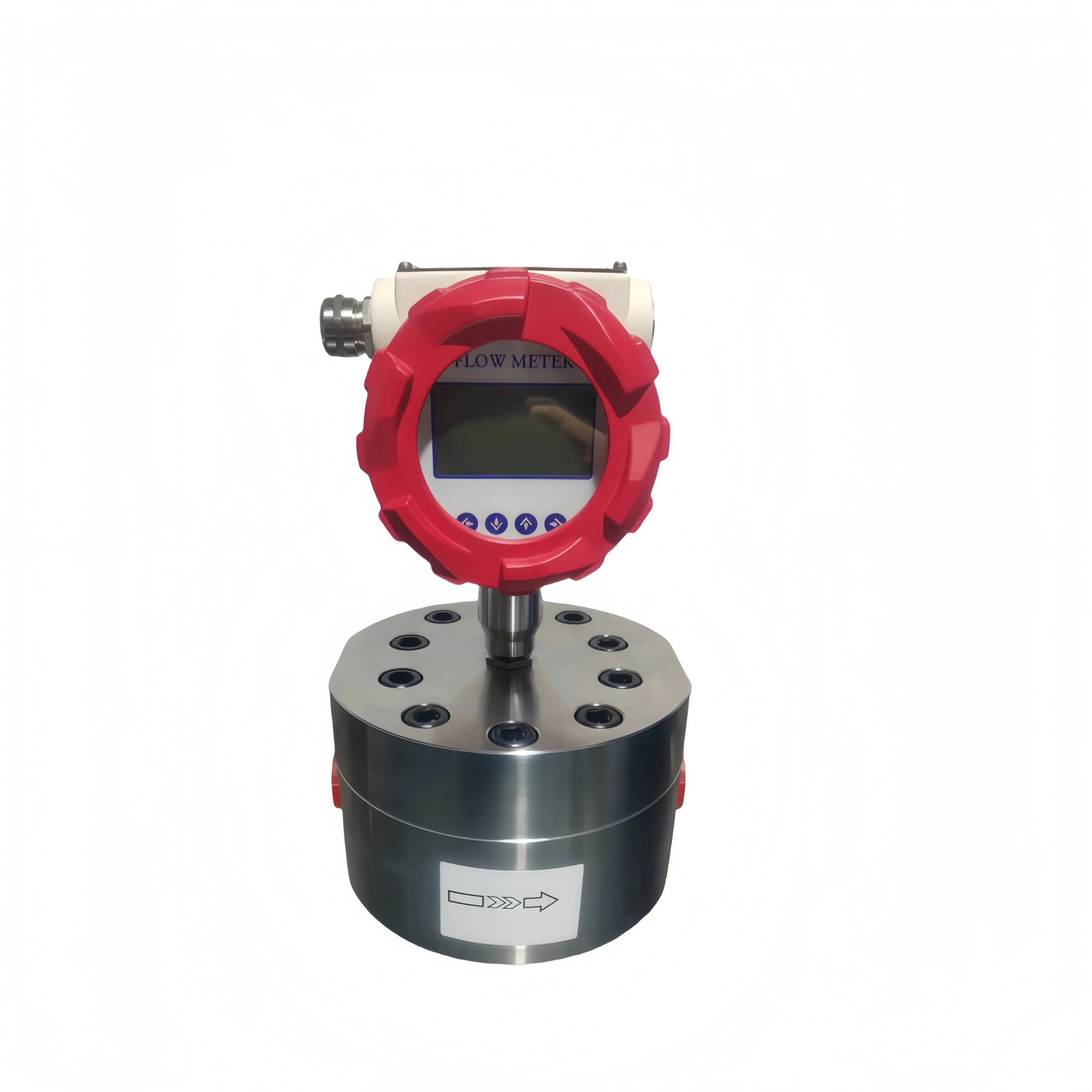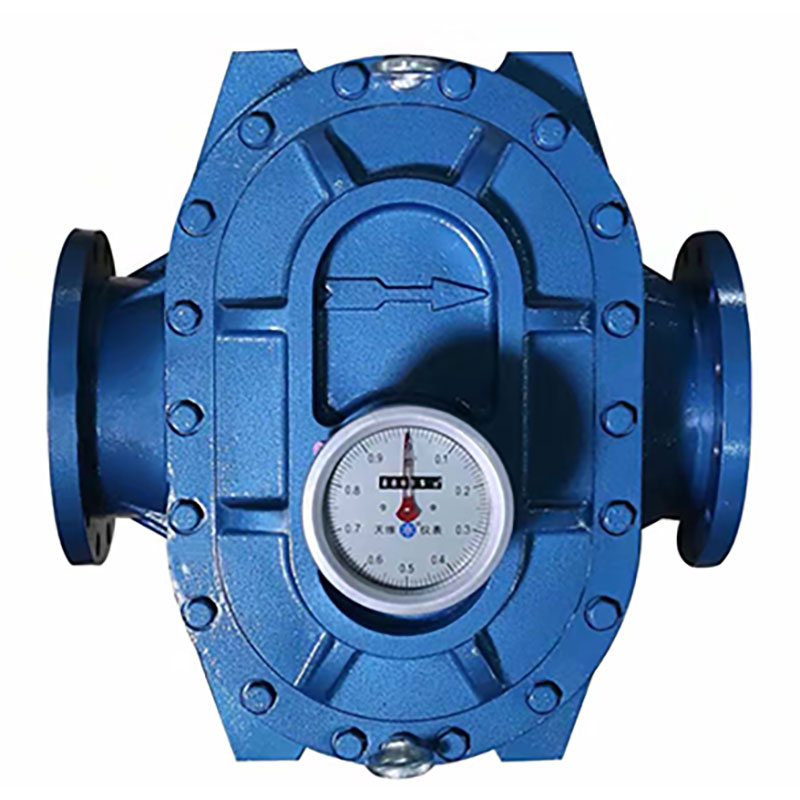
Hydraulic Flow Meter: Types, Sizing and How to Choose

A hydraulic flow meter is an instrument used to measure the flow rate in hydraulic systems; it is typically installed in series within hydraulic piping. Hydraulic flow meters are also known as hydraulic flow sensors. They can be used to measure the flow rate of fluids such as hydraulic oil and lubricating oil. In most operating conditions, hydraulic flow meters must withstand the working pressure of the hydraulic circuit, which typically ranges from 100 to 350 bar, and sometimes even higher.

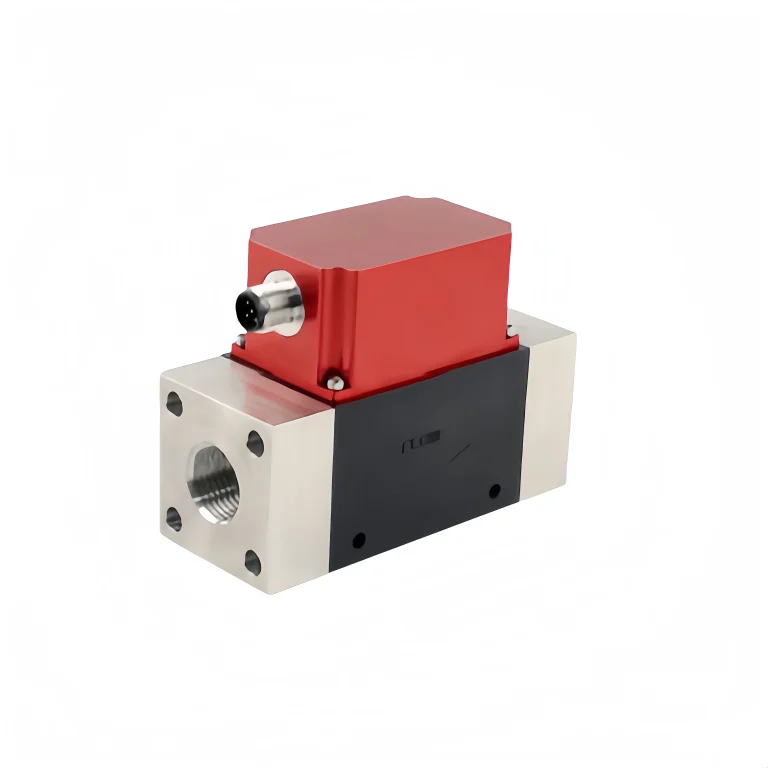
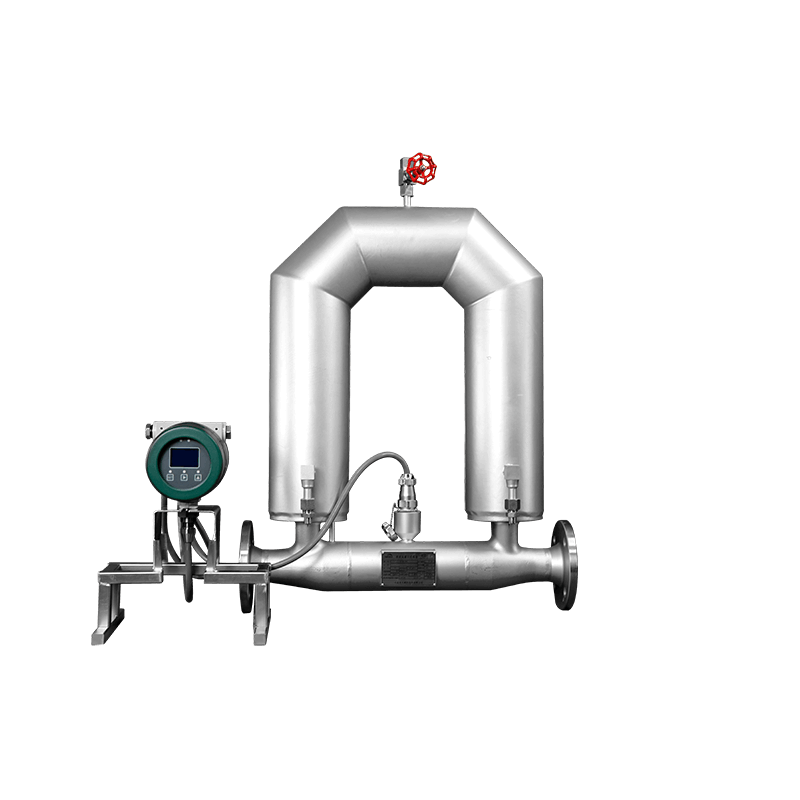
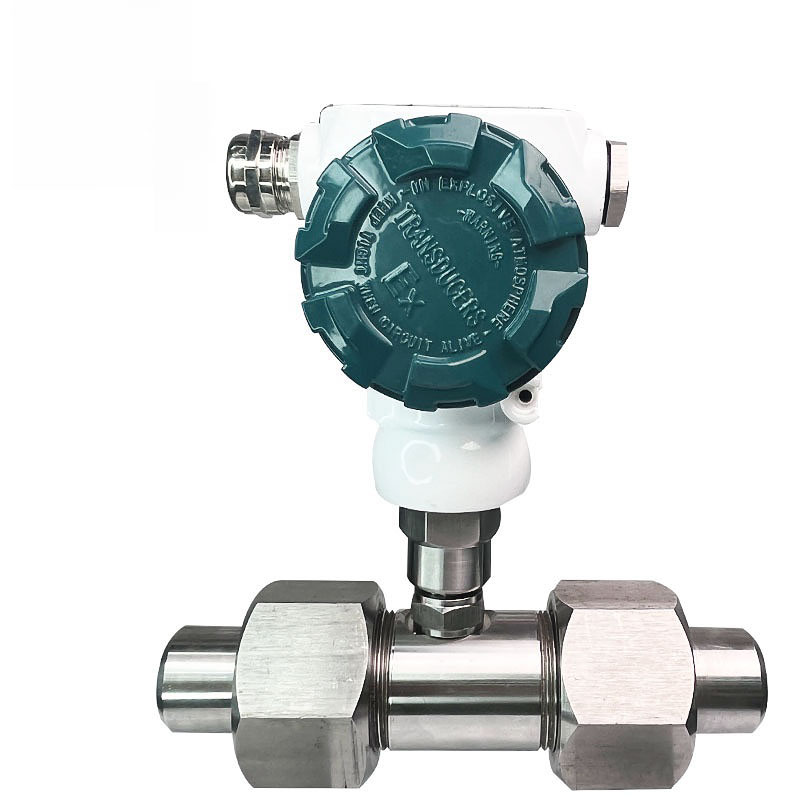
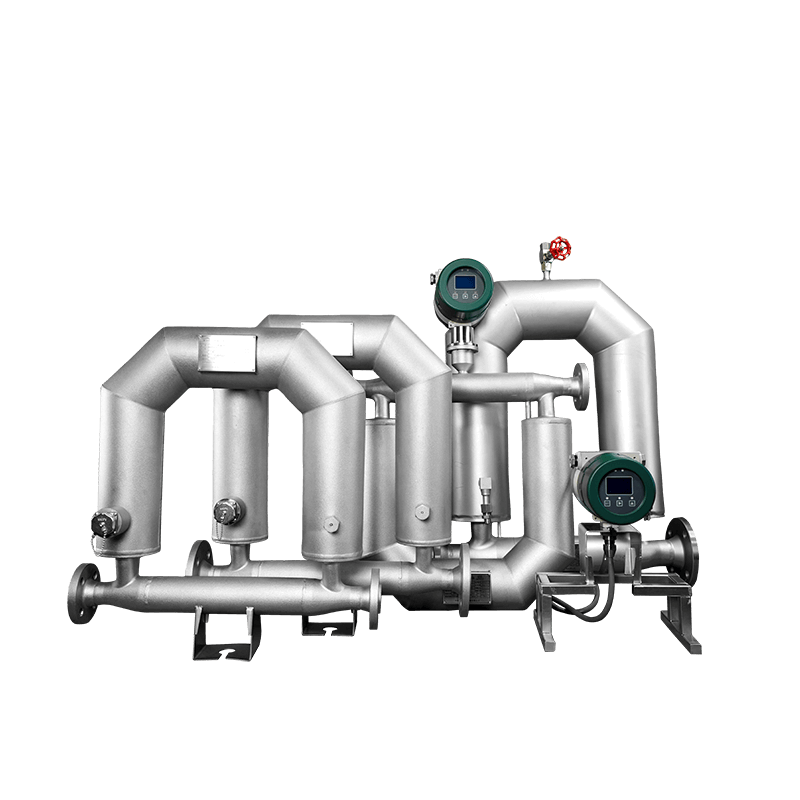
There are three main types of hydraulic flow meters: turbine flow meters, gear flow meters, and Coriolis mass flow meters. Turbine flow meters are suitable for low-viscosity applications and offer fast response times. Gear flow meters are suitable for high-viscosity fluids and can be built for high pressure, up to 400 bar on request. Coriolis mass flow meters are suitable for measurements requiring high accuracy, such as test benches. Next, we’ll look at how they compare, how to determine the specifications of the required flow meter based on the pump’s displacement and rotational speed, and what to send us for a quote.

Differences between Pneumatic and Hydraulic

Understanding the differences between Pneumatic and Hydraulic systems is essential for understanding hydraulic flow meter knowledge.

They differ in the medium used to transmit power. Pneumatic equipment uses compressed air, sometimes nitrogen, as the transmission medium. Hydraulic systems use nearly incompressible fluids, such as mineral oil, water-glycol, water or synthetic fire-resistant fluids.

For pressure performance, hydraulic systems have significantly higher working pressures than pneumatic systems.

For energy transfer characteristics, the fluid media in hydraulic systems are capable of efficient and stable energy transfer. In contrast, the compressibility of the air medium in pneumatic systems is high.

For application scenarios, pneumatic systems are widely used in food processing machinery and high cleanliness requirements. A hydraulic system is often used in excavators, cranes and other heavy machinery and equipment.
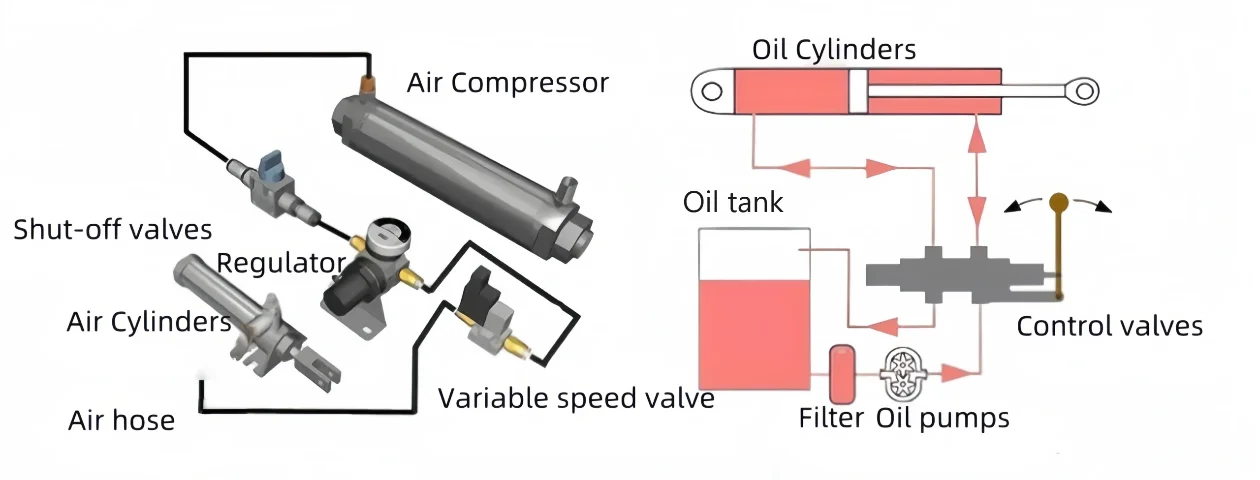
Pneumatic system vs hydraulic system diagram

What is a Hydraulic Flow Meter?

A hydraulic flow meter is a device used to measure fluid flow in a hydraulic system. It uses advanced sensing technology to measure the flow of fluid in a pipe or hose in real time and to collect cumulative flow data.

Difficulties of flow measurement in hydraulic systems

When dealing with hydraulic flow meter measurement challenges, there are practical solutions to address each issue.

Impurities and bubbles in the hydraulic fluid can throw off measurement accuracy, but this can be fixed by installing a filtration system to trap debris and adding vents to release air bubbles.

Vibration, electromagnetic interference, and fluctuations in temperature or pressure are also common problems—securing the flow meter with anti-vibration mounts, increasing electromagnetic shielding, and using materials that resist extreme temperatures and pressures will help mitigate these issues.

Since hydraulic fluid often experiences temperature fluctuations that cause viscosity changes during operation, selecting a flow meter designed to withstand such viscosity shifts is key.

Complexities in installation, such as getting the position, orientation, and sealing right, along with calibration hurdles, can be managed by giving a turbine meter a straight pipe run (gear meters do not need one), aligning it with the fluid flow direction, using appropriate seals to prevent leaks, and sticking to a regular schedule of cleaning and calibration.

If the flow meter struggles to adapt to changing system conditions, opting for a wide-range model that handles variable flow rates without needing replacement is the way to go.

Finally, for slow response to dynamic flow changes, using a fast-response meter—like a hydraulic turbine flow meter, a gear flow meter with high-resolution pulse output, or Coriolis mass flow meter—will ensure accurate real-time readings.

All these solutions work together to improve measurement accuracy and extend the life of the flow meter.

Hydraulic Flow Meter Types

Hydraulic flow meters come in a variety of classifications. Based on Sino-Inst’s many years of experience, we have categorized hydraulic flow meters according to their installation and operating principles.

Classification by Measurement Result

Volumetric Hydraulic Flow Meter:

The volumetric flow rate of the measured fluid is the output result, which visualizes the volume of fluid passing through the meter in a unit of time. Turbine and gear flow meters both give volume flow, so both are often listed as volumetric flow meters. Only the gear meter is true positive displacement; a turbine works out volume from rotor speed. They are widely used in various types of industrial production and fluid transportation systems.

Mass hydraulic flow meter:

Directly measures the mass flow of the fluid, so changes in density, temperature and pressure do not affect the reading. Mass flow meter is commonly used in the ratio of materials, energy measurement and other precision requirements. It is used in the chemical, pharmaceutical and other industries.

Classified by working principle

Common Hydraulic Flow Meters

Turbine Hydraulic Flow Meters

It measures flow by fluid pushing a turbine to rotate, providing a fast response time for dynamic flow monitoring. Its significant advantage is that it can be customized high-pressure version. It can be adapted to a 16MPa, 25MPa or even 40MPa high-pressure hydraulic system. It runs stably in construction machinery, heavy equipment and high-pressure oil circuits. Its reading shifts with oil viscosity, so calibrate it on the actual oil.

Oval Gear Flow Meter

An oval gear flow meter belongs to the volumetric flowmeter. Through a pair of elliptical gears driven by the fluid mesh rotation, the fluid volume is metered between the gears to measure the flow rate. It is not significantly affected by changes in fluid viscosity. It is especially suitable for high viscosity hydraulic oil flow measurement. The structure is rugged and durable. So it can work stably in poor working conditions. It is commonly used in industrial hydraulic systems that require high measurement accuracy.

Mass Flow Meter

A Mass Flow Meter directly measures the mass flow of the fluid. Its reading does not depend on oil temperature, pressure or viscosity. It measures the phase shift that the Coriolis force creates along a vibrating tube. It can accurately reflect the actual mass flow of hydraulic oil in the hydraulic system. And it is suitable for the occasions that require a very high accuracy of the flow rate. Such as the hydraulic system in the field of aerospace, but the relative cost is higher.
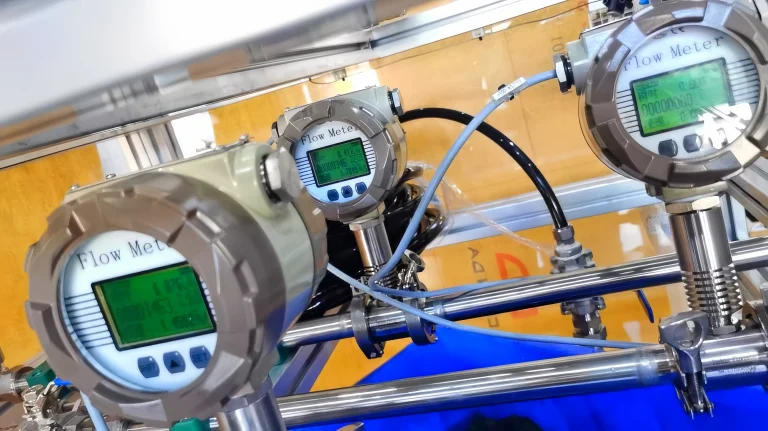
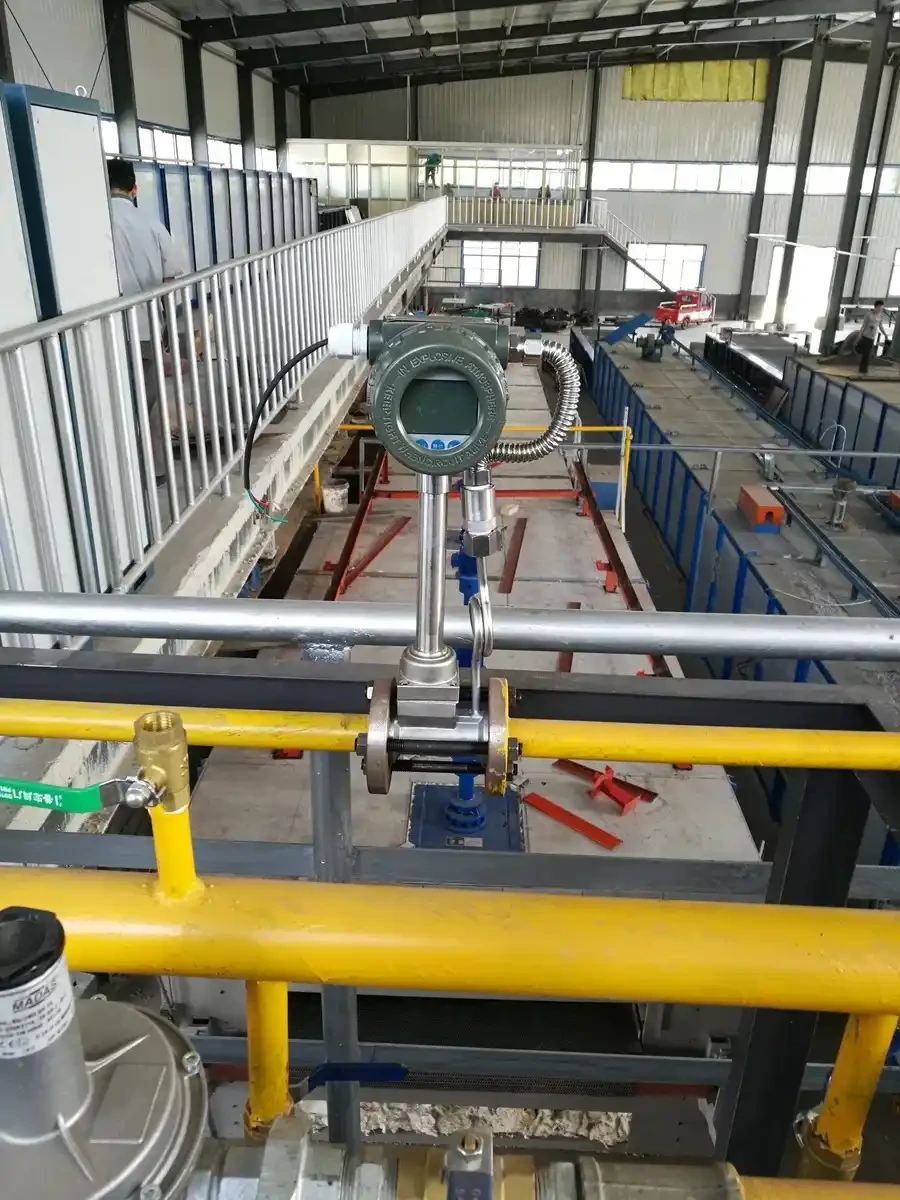
Turbine flow meters with local display on stainless steel lines

Hydraulic Flow Meter Applications

Hydraulic flow meters are very important in hydraulic systems. And the following are common application areas.

Construction machinery

Such as excavators, bulldozers, cranes and other large equipment. Their hydraulic systems are indispensable to the hydraulic flow meter. It can accurately measure the flow of hydraulic oil. And hydraulic drive components, such as buckets and the digging arm can operate smoothly.

Automotive industry

On power-steering pump test benches, it measures pump delivery at each pressure step.

Brake and suspension components are tested the same way on end-of-line test stands.

Automation production lines

Hydraulic presses, injection molding machines and other equipment in the hydraulic system have to rely on it to monitor the flow. Falling flow at the same pressure points to pump wear or valve leakage. So that the production line always maintains a smooth running state.

Aerospace industry

It requires a high degree of equipment reliability. And the hydraulic systems of aircraft are even more critical. On ground test rigs, flow meters check aircraft hydraulic systems, such as landing gear actuators.

In the field of energy and environmental protection, hydraulic flow meters can be used to monitor the flow of fuel and help optimize energy use.
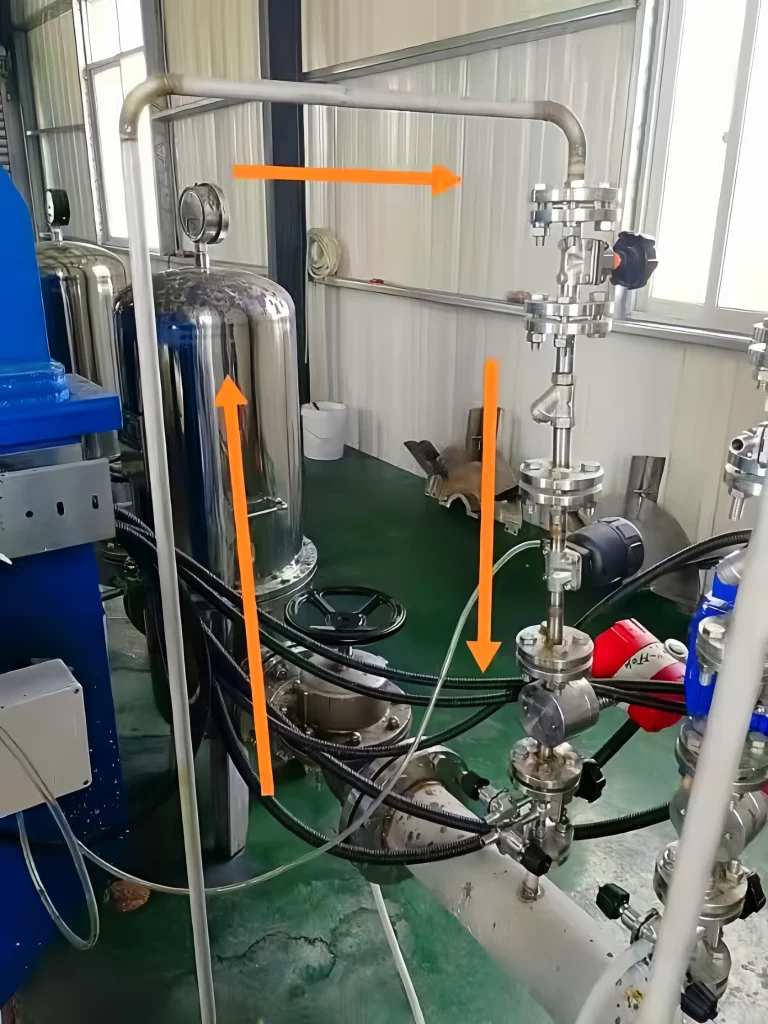
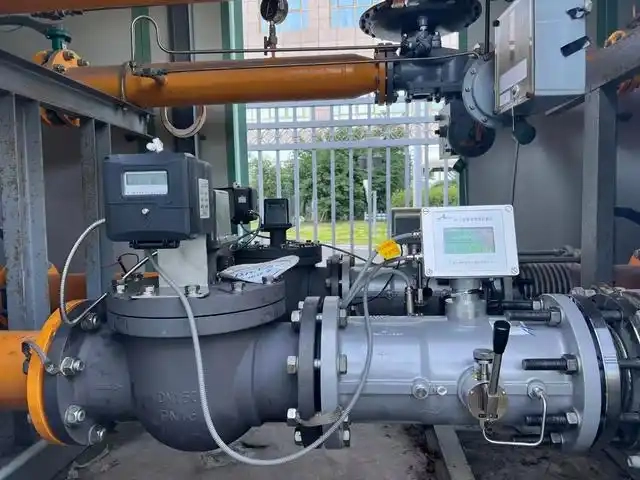
Flow meter in a stainless steel test line, arrows show flow direction

How To Use a Hydraulic Flow Meter?

Proper use of a hydraulic flow meter is the key to ensuring measurement accuracy, and users can follow the steps below.

First, select the right type of hydraulic flow meter. It is based on the pressure, flow range, fluid properties and other parameters of the hydraulic system.

Second, follow the installation instructions for the flow meter. For Inline hydraulic flow meters, pay attention to the installation direction. Ensure that the direction of fluid flow is consistent with the markings on the flow meter. At the same time, the installation location should avoid severe vibration and magnetic field interference. Ensure the measurement accuracy.

After the installation is completed, carry out power-on preheating and wait until the flow meter is stabilized before measurement. In the measurement process, the flow meter display data should be regularly observed and recorded.

After use, the flow meter should be cleaned and maintained. Prevent impurities in the fluid attached to the flow meter inside.

Note: In the process of installation and use, you need to strictly follow the operation manual. If there is a problem that cannot be solved, please contact the supplier and the relevant technical personnel as soon as possible.
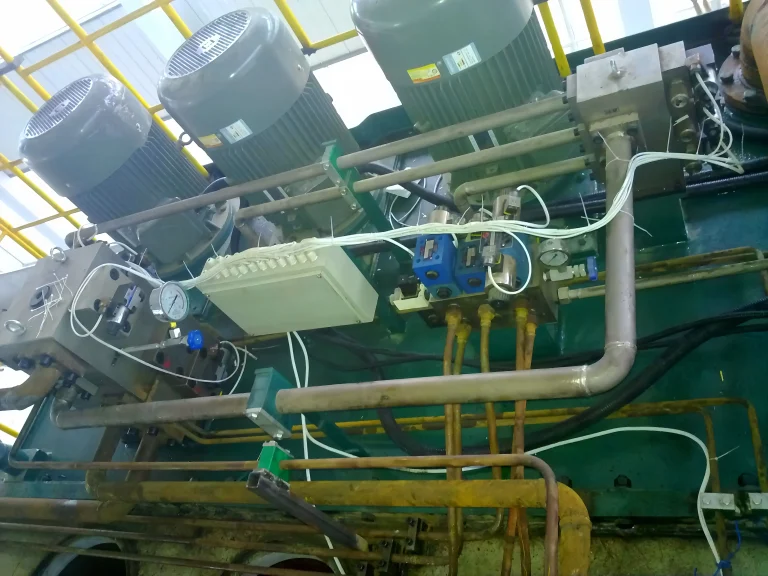
Hydraulic power unit with motor-pump sets, valve manifolds and pressure gauge

Hydraulic Flow Meter Signal Output

The Hydraulic Flow Meter measures the flow rate and converts the flow signal into a corresponding analog or digital signal.

Analog signals, such as 4-20mA current signals. It can be connected directly to the analog input module of the instrument panel or control system. So that the flow data can be seen in real time and the flow rate can be controlled.

Digital signals, such as RS-485 signals, are connected to computers and PLCs to record and analyze flow data in real time.

Communicate with the supplier at the time of purchase, the hydraulic flow meter can be customized communication protocol. Common options are Modbus RTU over RS485, and HART on some models.

Users use it according to the subsequent data processing needs. Comprehensive consideration of the signal transmission distance, anti-interference ability, equipment compatibility and other factors. Select the appropriate type of signal output. Ensure that the signal transmission line is connected correctly.

Sino-Inst Featured Hydraulic Flow Meter

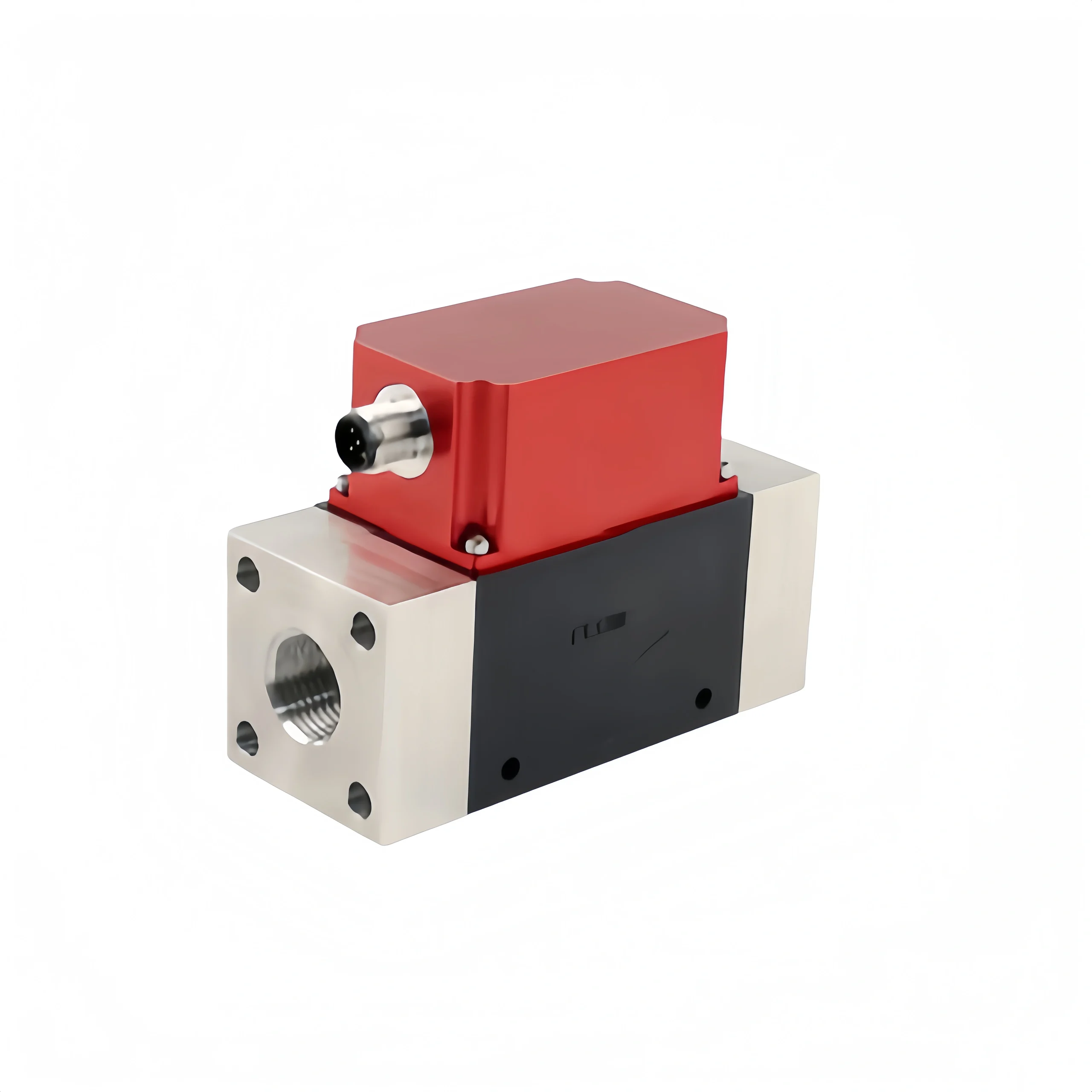
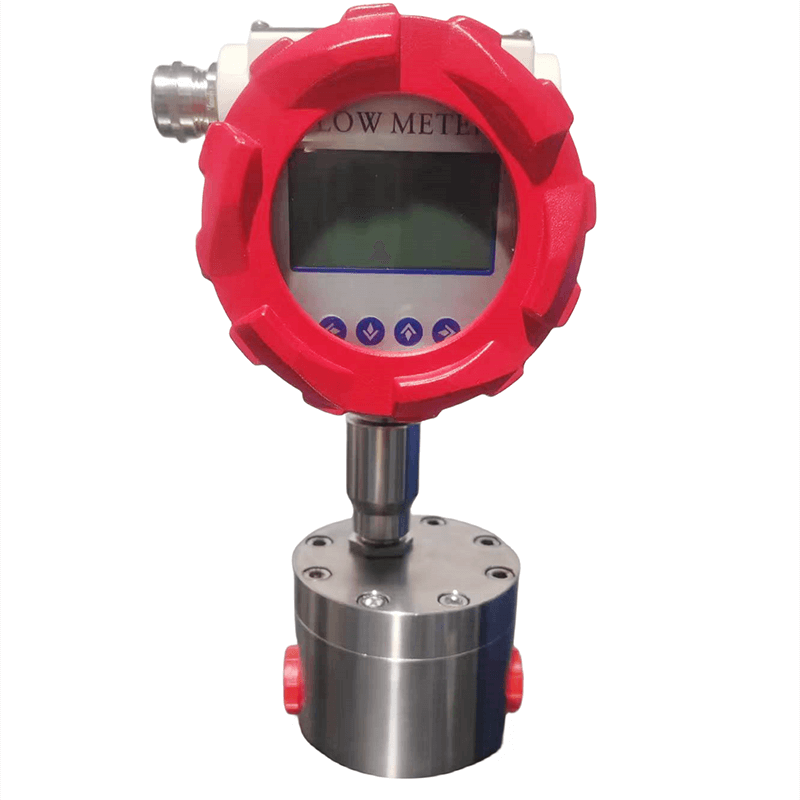
GF Series Gear Flow Meter stainless steel with display
GF Series Gear Flow Meter
0.6–20,000 L/h · up to 400 bar (custom)
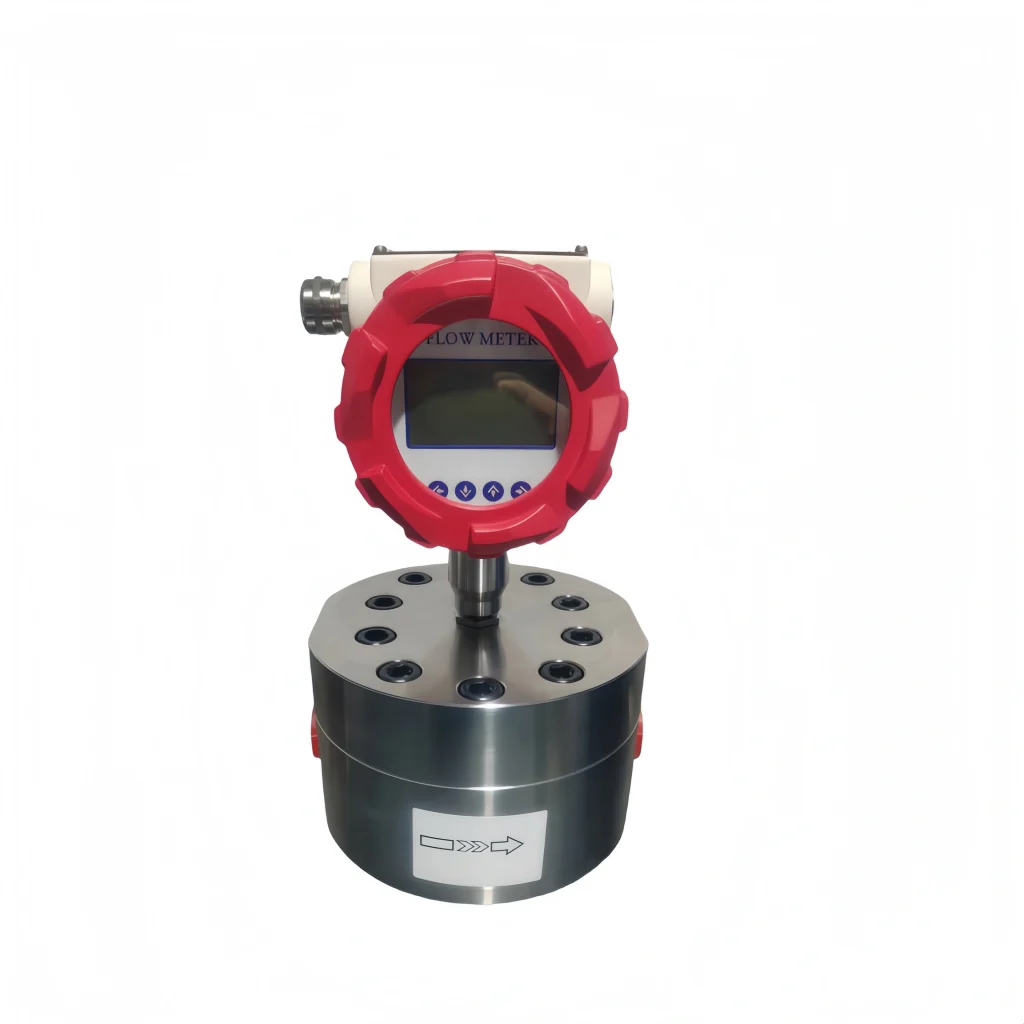
high pressure flow meter
High Pressure Gear Flow Meter
Up to 40 MPa · 5–500 mm²/s oil
flow and temperature sensor
SI500 Turbine Flow & Temperature Sensor
DN6–DN50 · 400 bar · 1.6–660 L/min
High-Pressure-Turbine-Flow-Meter---Explosion-Proof-Housing
High Pressure Turbine Flow Meter
DN4–DN200 · up to 42 MPa
Digital Coriolis Flow Meter U Series Split type
Coriolis Mass Flow Meter U Series
DN3–DN200 · mass + density
Oval-gear-flow-meter
LC Oval Gear Flow Meter
±0.2% / ±0.5% · up to 2,000 mPa·s

How to Choose the Right Hydraulic Flow Meter

Choosing a hydraulic flow meter requires consideration of a variety of factors:

  • Define the working environment of the hydraulic system
  • Type of fluid, temperature, pressure, flow range
  • Maximum system pressure (the relief valve setting)
  • Measurement accuracy and response speed
  • Installation conditions and maintenance time
  • Flow meter price

Sizing a Meter from Pump Displacement

Start from the pump: flow (L/min) = displacement (cm³/rev) × speed (rpm) ÷ 1000. A 45 cm³/rev pump at 1,500 rpm gives 67.5 L/min, inside the GF25 range of 16.7–200 L/min. Size the meter so normal flow sits mid-range. Rate it for the relief valve setting, not the working pressure.

What Other Users Measured

ApplicationFluidFlowPressure / temp.Meter
High-pressure small-flow line, BrazilLiquid5–250 L/hUp to 22 MPa, −20 to 100 °CGF04 gear meter, 4–20 mA + HART
Gear-oil lubricationN320 gear oil200–3,000 L/hUp to 10 barGF15 gear meter, pulse output
Hydraulic oil280 cSt at 10 °C, 20 cSt at 60 °C—10–60 °CGF series gear meter
Oil test equipment, UKOil, 10 cSt100–500 L/min20 barDN50 turbine meter, 4–20 mA
Oil pump test bench, LatviaOil20–200 m³/h1.6 MPa ratingDN100 turbine meter + totalizer

Thick oil or small flow: gear meter. Thin oil and large flow on a test bench: turbine meter, calibrated on the actual oil.

User case: A hydraulic supplier in Russia asked for 5–350 L/min at up to 40 MPa and 100 °C. That is a 70:1 range, more than one GF size covers, so we first asked for the oil type, pipe size and output.

User case: A US robotics team wanted the hydraulic power of a steering system. That needs a positive-displacement flow meter plus a pressure sensor. The fluid was ATF at 6–50 mm²/s.

Several pumps on one bench? Tell us the smallest and largest pump and the maximum pressure.

GF Gear Meter Sizes

ModelRange (L/h)Range (L/min)Port
GF020.6–500.01–0.83G1/4
GF045–2500.08–4.2G3/8
GF0610–5000.17–8.3G1/2
GF1050–1,2000.83–20G1/2
GF15200–3,0003.3–50G3/4
GF251,000–12,00016.7–200G1
GF322,000–20,00033–333G1-1/4

Accuracy: ±0.5% of reading over 1:20, ±1% over the full range, on 20 cSt oil.

Not sure which one fits? Send us the flow range, relief valve setting, oil grade and port size. We will suggest a model.
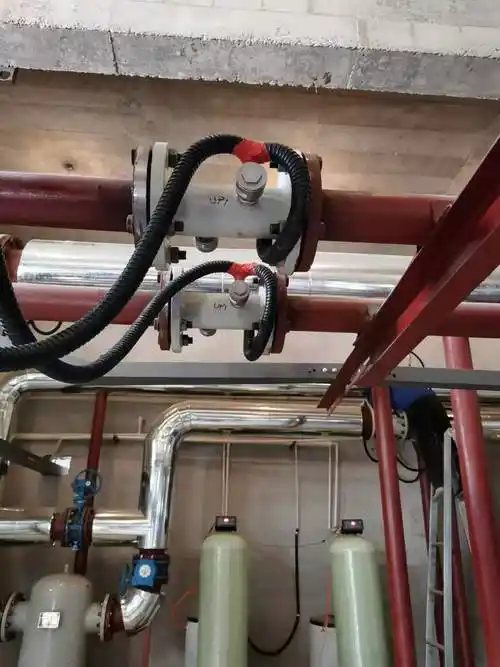

Inline flow meters installed on overhead process pipes


The most direct way to measure hydraulic flow is to use a hydraulic flow meter for measurement. It is also the most accurate and commonly used method. This is the most accurate and commonly used method.

According to the types of flow meters, you can choose the appropriate flow meter to be installed in the hydraulic system and read the flow data directly.

In addition, the flow rate can also be estimated by the method of calculation. For example, according to the displacement and speed of the hydraulic pump, the theoretical flow rate (theoretical flow rate = displacement × speed). But this method of flow rate is the theoretical value; the actual flow rate will be reduced due to leakage and other factors. So it can only be used as a reference.

Regular calibration ensures accurate flow measurement results.

Calibration can be entrusted to a professional measuring organization. Standard equipment can also be used for on-site comparison calibration. The calibration period depends on the frequency of use and the accuracy requirements of the flow meter. It is generally recommended to calibrate at least once a year.

In the calibration process, you need to follow the calibration procedure to record the calibration data. If the error of the flowmeter is found to be out of the allowable range, it should be adjusted or repaired in time.

A hydraulic pump is the power source of the hydraulic system. Judging whether its power is insufficient is crucial to the normal operation of the system.

It can be judged by the hydraulic flow meter, when the hydraulic pump output flow rate is significantly lower than the rated flow rate, and in the adjustment of system parameters, after the flow rate is still no significant change, it may indicate that the hydraulic pump does not have enough power.

In addition, you can also observe the operating performance of the hydraulic system. For example, the equipment action speed is significantly slower. It indicates that the hydraulic pump power is insufficient. At this point, combined with the measurement data of the hydraulic flow meter, you can more accurately determine the status of the hydraulic pump.

To get a quote, send us:

  • Oil grade and temperature
  • Flow range (L/min), or pump displacement and speed
  • Relief valve setting
  • Port size and thread
  • Output: pulse, 4–20 mA or RS485
  • Hazardous area? (China Ex certificate)
  • Quantity
Welcome To Share This Page:
Product Categories
Latest News
Get A Free Quote Now !
Contact Form Demo (#3)

Related Products

Related News

Flow measurement underpins fluid process control, yet capturing low flow rates with high precision has always been a difficult problem.

Reliable pressure measurement equipment is a must for downhole oilfield operations, heavy-duty hydraulics, and high-pressure water jetting. High-pressure transducer take

Flow switches and flow meters are commonly used in industrial measurement. Many people are not clear about their differences. A

Due to their high flow resistance and unique physical properties, the measurement of flow rates for high viscosity fluids has

Positive displacement flow meters sit at the center of oil measurement work, showing up everywhere from tank farms and pipeline

Oil flow meters serve as the backbone of measurement infrastructure across petrochemical operations, energy accounting, and process manufacturing sectors. When

Turbine flow meters and Coriolis mass flow meters are two different types of flow meters. Turbine Flow Meters measure volumetric

Hydraulic systems increase the applied force by varying pressure. Hydraulic pressure transducers are typically installed at the interfaces of hydraulic

Scroll to Top

Get A Free Quote Now !

Contact Form Demo (#3)