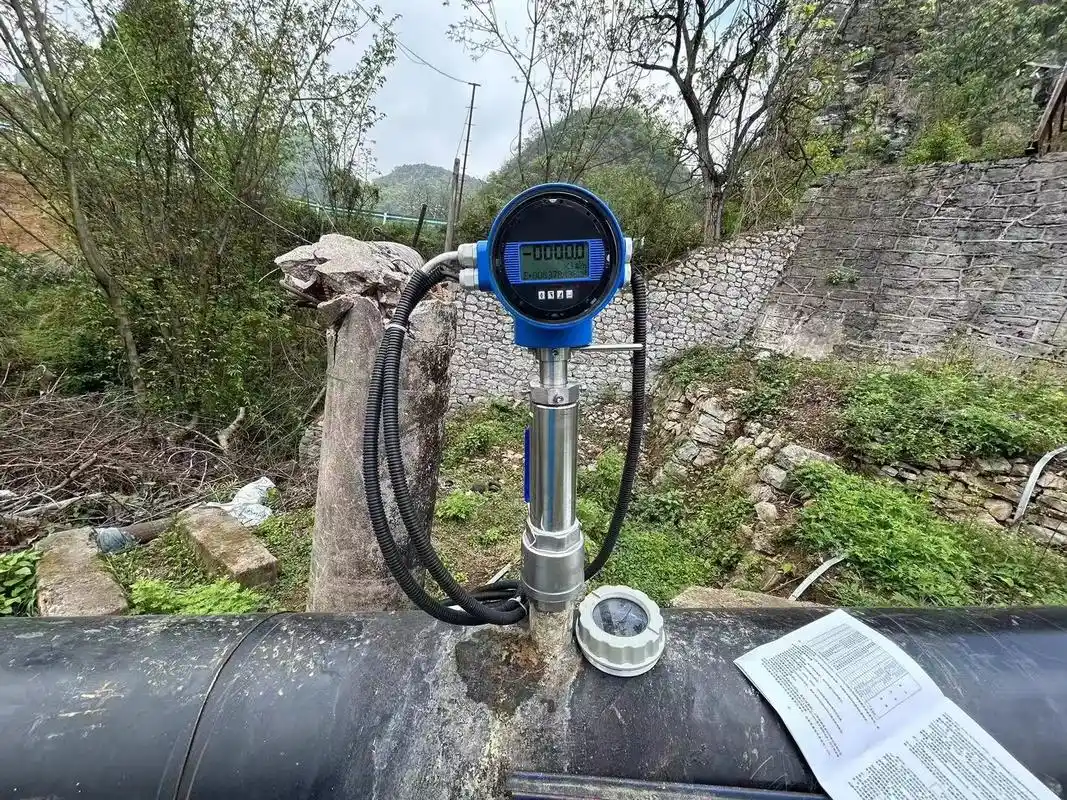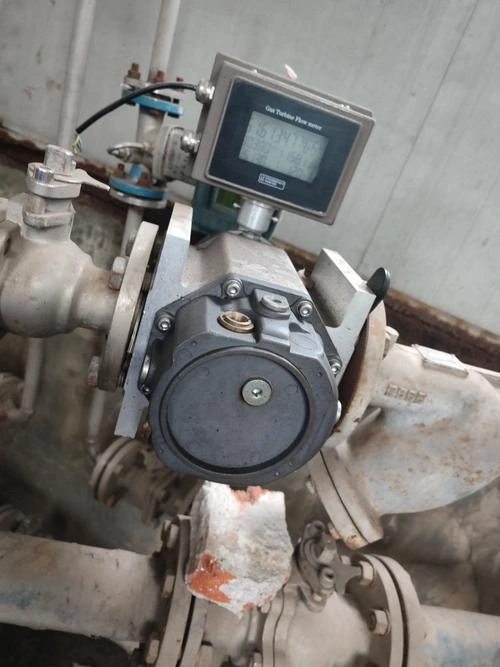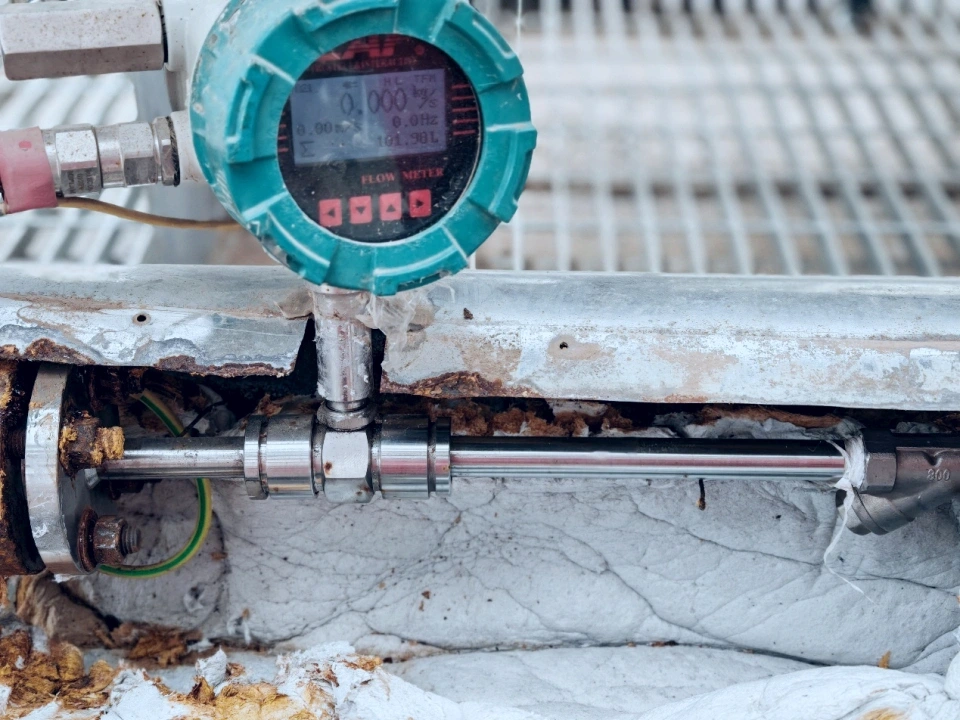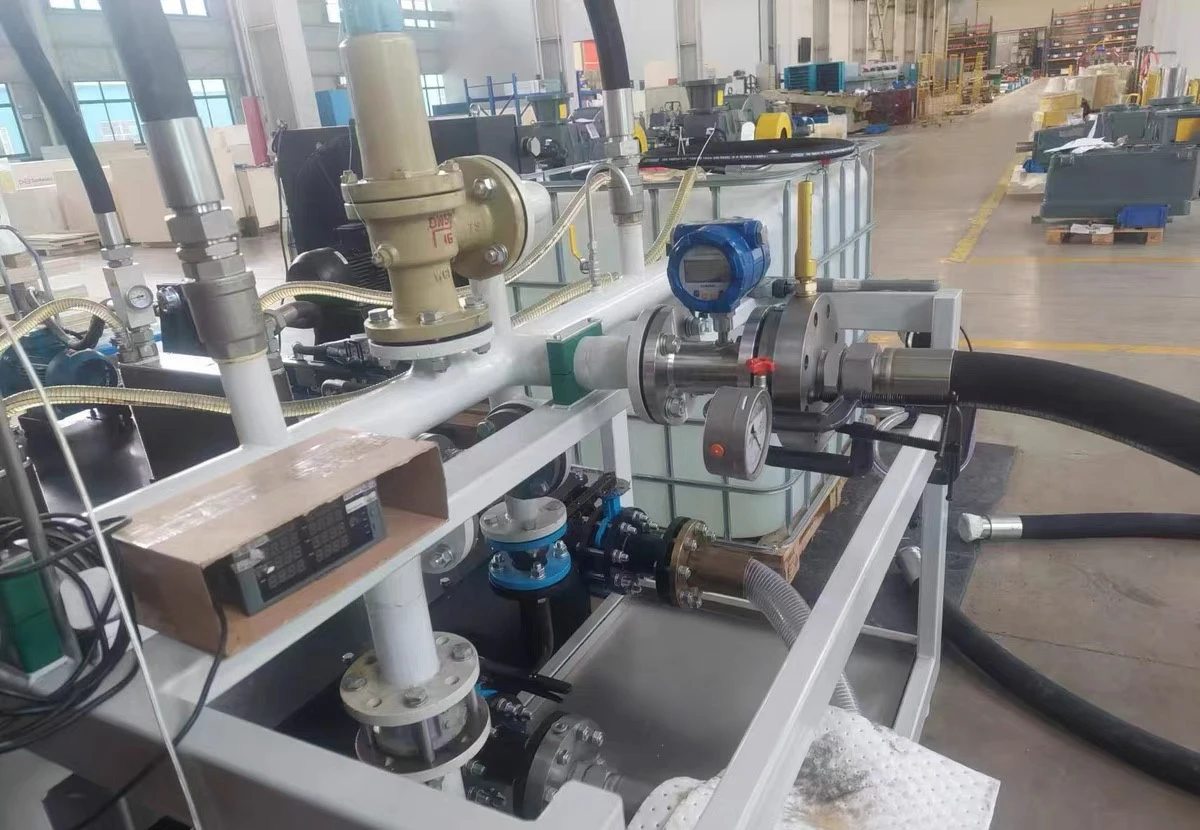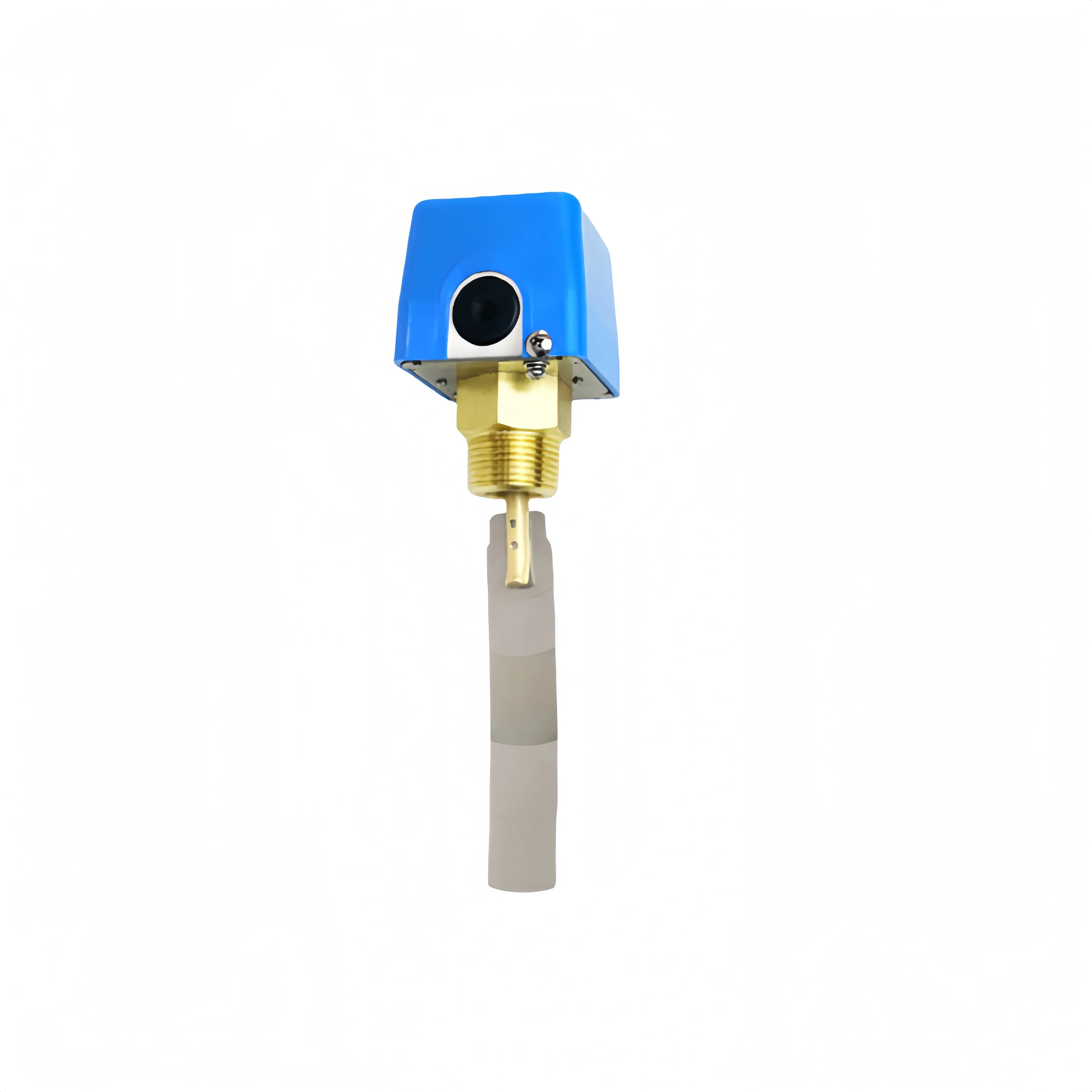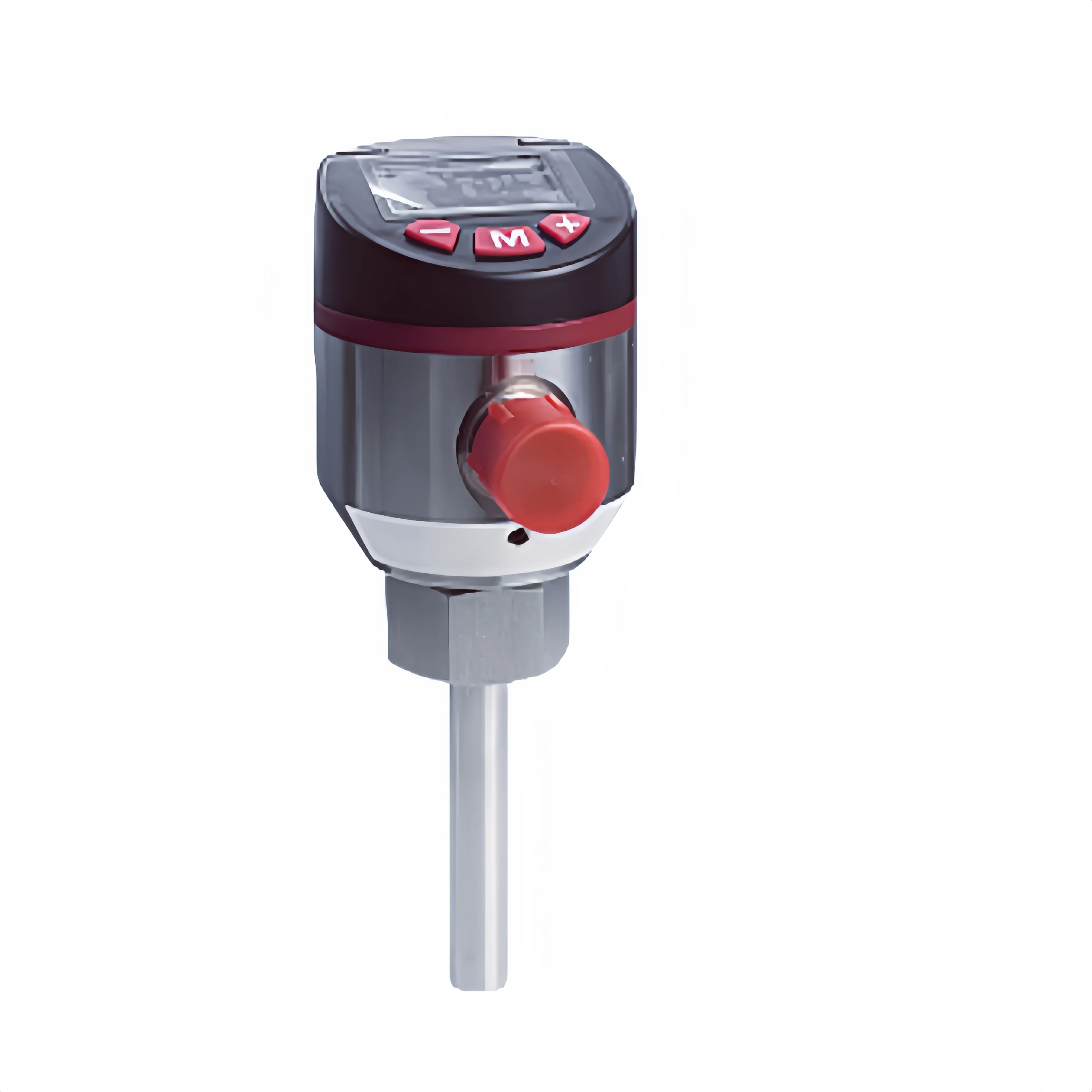
Oil flow meters serve as the backbone of measurement infrastructure across petrochemical operations, energy accounting, and process manufacturing sectors. When readings drift or meters fail, the fallout extends beyond simple operational hiccups—it hits trade settlements, custody transfers, and regulatory compliance directly.
This article breaks down what actually matters when specifying these instruments: how they work mechanically and electrically, where each technology shines or falls short, and how to match a meter to real field conditions rather than catalog specs.
How Do You Measure Oil Flow?
How to measure the flow rate of PetroChina and other high viscosity liquids in the industry? Usually we choose to install a dedicated flow meter in the pipeline to measure flow, flow rate, etc.
For oily media and viscous liquids, you can choose different principles and types of flow meters. Including mechanical flow meter, ultrasonic flow meter and differential pressure flow meter. There is also a positive displacement flow meter, which has an absolute advantage in measuring viscous media flow.
What Is an Oil Flow Meter?
Oil flow meters are a type of instrument specially used to measure the flow rate of oil media. Including common fuel media, lubricating oil, hydraulic oil, etc.
Flow meters ensure accurate billing and improve process efficiency by measuring different types of oil flow. Especially plays a crucial role in the oil industry. They help maintain safety standards, control product quality and manage resources in a variety of industrial applications.
Common Oils in Industry
Crude Oil and Natural Gas Condensate: Wells on land and offshore platforms produce crude, shale oil, and condensate that must be metered at the wellhead, monitored through gathering pipelines, and precisely accounted for during storage and handover to midstream operators.
Petroleum Refining Products: The distillation and cracking process yields gasoline, diesel, jet fuel, naphtha, and solvent oils. These products move through refinery units into blending terminals, tank farms, and eventually retail loading racks where every liter counts toward revenue.
Fuel Oil and Heavy Oil: Bunker fuels for ships, residual oils for power generation, and heavy boiler fuels present unique challenges due to high viscosity, particulate content, and sulfur variations. Marine engineers and plant operators depend on accurate burn rate data for both performance and emissions reporting.
Base Oils for Lubricants and Greases: Hydraulic systems, gearboxes, turbines, and transformers all rely on specialized lubricants. Flow measurement here supports condition monitoring, leak detection, and preventive maintenance scheduling rather than just inventory tracking.
Chemical Raw Materials and Intermediates: Benzene, toluene, xylene, olefins, and process solvents feed into reactors and separation trains. Precise flow control maintains stoichiometric ratios and material balances that determine product yield and quality.
Edible Oils and Fats: Soybean, rapeseed, and palm oils, along with animal fats, require hygienic metering through food-grade processing, refining, and packaging lines where contamination risks and sanitary standards override typical industrial concerns.
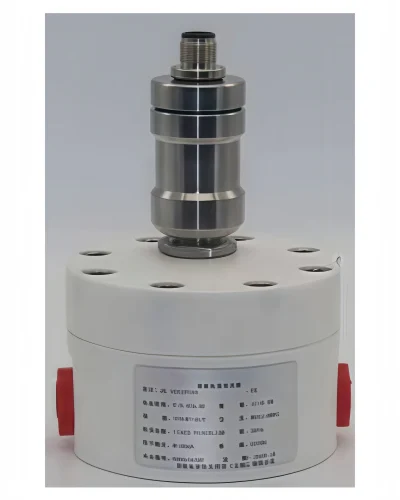
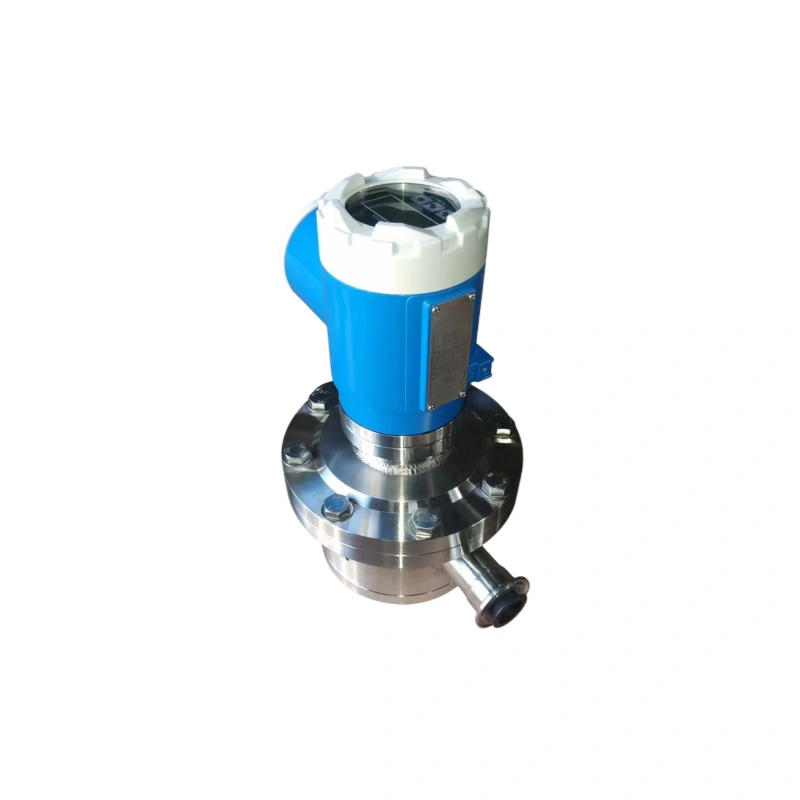
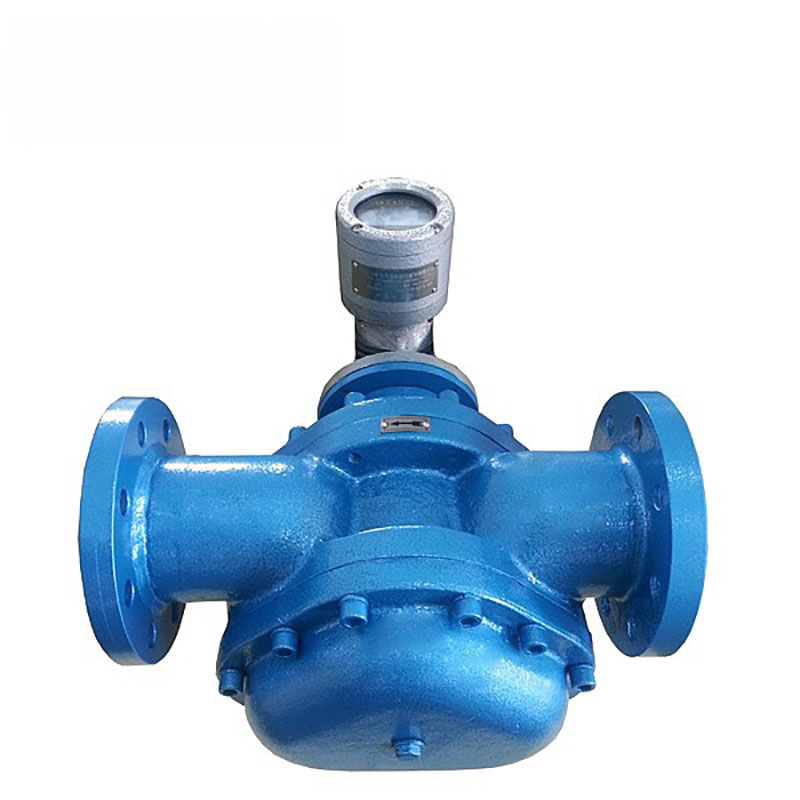
Typical Oil Flow Meter
Next, we will take a closer look at the introduction of different types of oil flow meters.
Positive Displacement Flow Meters
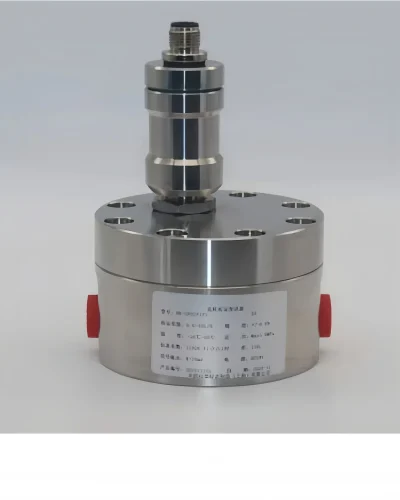
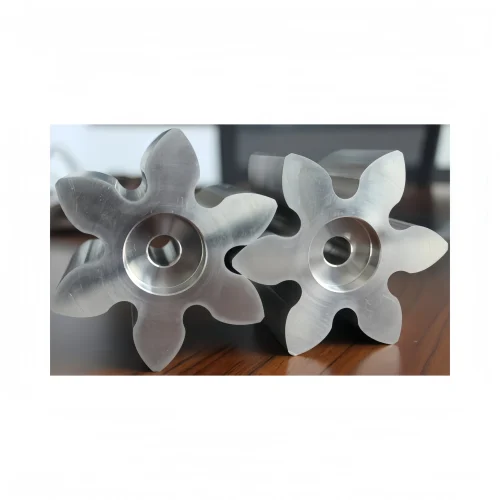
Oval Gear Flow Meters
Principle of Operation:
Fluid pressure difference pushes a pair of interlocking oval gears to turn back and forth. The space trapped between the gears and the meter wall stays the same each time, so one full turn always pushes out the same amount of oil. You just count how many turns the gears make to get the total volume.
Advantages:
Accuracy is solid—usually within ±0.2% to ±0.5%—and the readings stay consistent run after run.
Works across a broad viscosity span, and really shines when you’re dealing with medium- to high-viscosity oils.
No need for long straight pipe runs upstream or downstream; fits in tight spots without much fuss.
Disadvantages:
There are moving parts inside, so after running for a while the gears wear down and the precision drifts.
Any oil carrying solid particles or fibers is trouble—it’ll jam the gears pretty quickly.
Pressure loss across the meter is noticeable, and at high flow rates it burns through more energy. Maintenance bills tend to stack up over time.
Rotary Piston Flowmeter
Working Principle:
Oil enters and pushes a piston that spins around inside the chamber in a planetary path. Every full cycle, the piston shunts a set volume from the inlet side to the outlet side. You track total flow by logging those cycles, either through a magnetic coupling or a mechanical linkage.
Advantages:
Small footprint and decent precision—can hit ±0.5%.
Doesn’t really care if the oil’s viscosity shifts; adapts well to different conditions.
Can handle liquids with a bit of entrained gas, and runs quietly and smoothly.
Disadvantages:
Mechanical wear is a real issue, so you’ll need to service and recalibrate it on a schedule.
The medium has to be fairly clean; sand-laden oil will chew it up.
Skip corrosive oils. Also, on smaller sizes the pressure drop becomes pretty steep.t
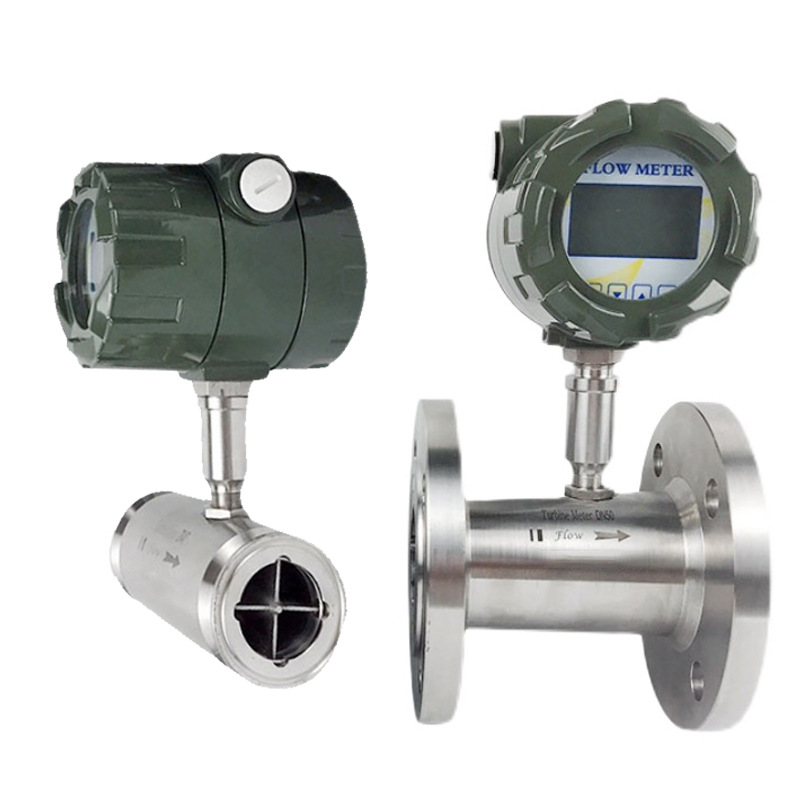
Turbine Flowmeter
Working Principle:
The stream of oil hits the turbine blades and spins them up. How fast the turbine turns scales directly with the average flow speed. A magnetoelectric pickup senses each blade as it passes through a magnetic field, generating pulses. Those pulses get cleaned up and amplified into a frequency signal that maps to the instantaneous flow rate.
Advantages:
Snappy response and tight repeatability, with accuracy generally between ±0.1% and ±0.2%.
Turn-down ratio is wide—anywhere from 10:1 up to 20:1.
Puts out a pulse train, so it’s easy to feed into digital systems or send remotely; plays nice with modern control setups.
Disadvantages:
The bearings are picky about cleanliness; any grit in the oil wears them out faster.
Thick, high-viscosity oils bog it down and throw off both accuracy and response.
Needs straight pipe runs—10 pipe diameters upstream and 5 downstream—so installation is more demanding.
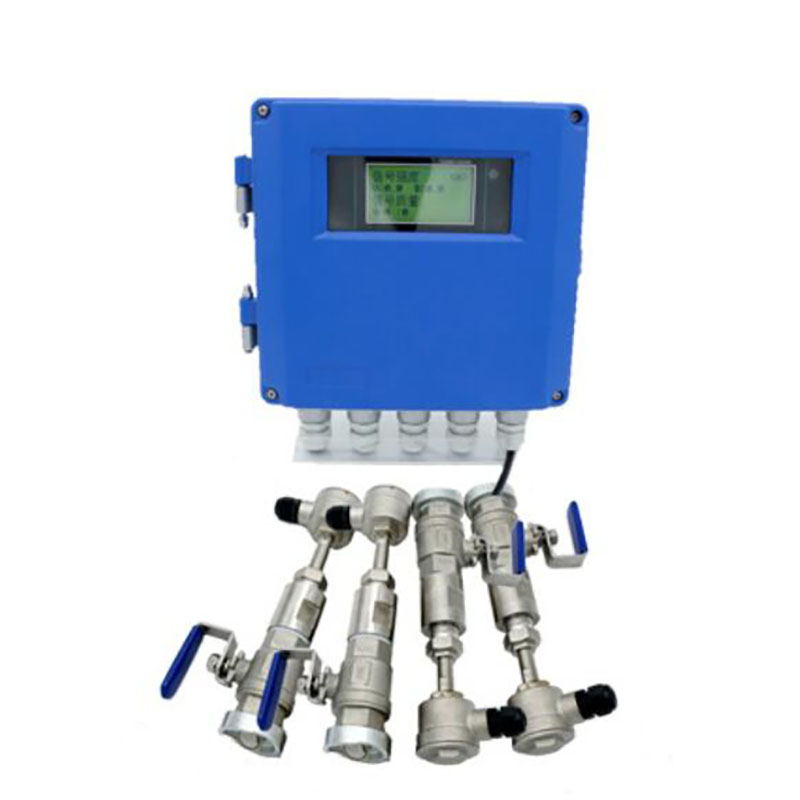
Ultrasonic Flowmeter
Working Principle:
Based on the time-of-flight or frequency-difference method, ultrasonic transducers are installed at an angle on both sides of the pipeline to measure the time difference or frequency difference in the propagation of ultrasonic waves in the downstream and upstream directions. This difference is linearly related to the fluid velocity; the volumetric flow rate is calculated by dividing this value by the cross-sectional area of the pipeline.
Advantages:
Non-contact measurement; no pressure loss; no moving parts
Suitable for corrosive, high-viscosity, and impurity-containing fluids
Capable of measuring large-diameter pipes and bidirectional flow
Disadvantages:
Sensitive to the acoustic propagation characteristics of the medium; signal attenuation occurs with high viscosity or high gas content
Wax buildup or corrosion on the pipe inner walls affects measurement accuracy
Relatively high cost; limited to small-diameter applications; requires professional commissioning
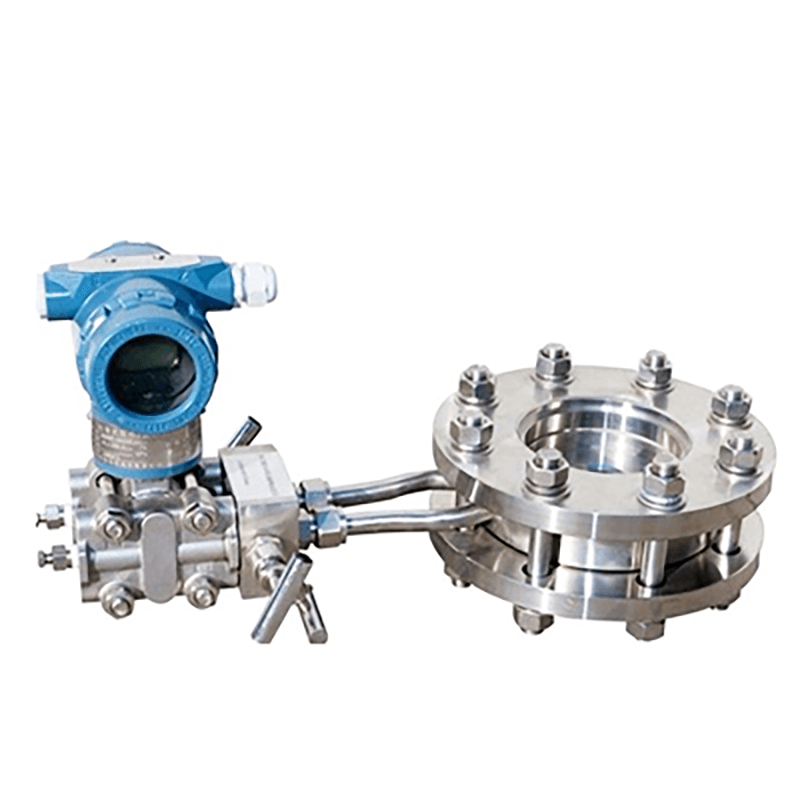
Differential Pressure Flowmeter
Working Principle:
Bernoulli’s equation is the basis here. When oil passes through a restriction—like an orifice plate, nozzle, or Venturi tube—the pipe narrows down, the fluid speeds up, and the static pressure on the downstream side drops. You measure that pressure difference across the restriction, factor in the discharge coefficient, and work out the flow rate from there.
Advantages:
The hardware is straightforward and tough, the designs are heavily standardized, and the technology has been around long enough that most of the bugs are worked out.
Handles just about any petroleum product you throw at it.
Holds up well under high temperature and high pressure, and you don’t need to pull it out for calibration while it’s in service.
Disadvantages:
The pressure loss is permanent and can be steep—an orifice plate alone can eat up 40% to 60% of the differential pressure.
The usable flow range is pretty tight, usually only about 3:1.
Needs a lot of straight pipe—20 diameters upstream and 10 downstream from the orifice plate—so you need a fair stretch of real estate for installation.
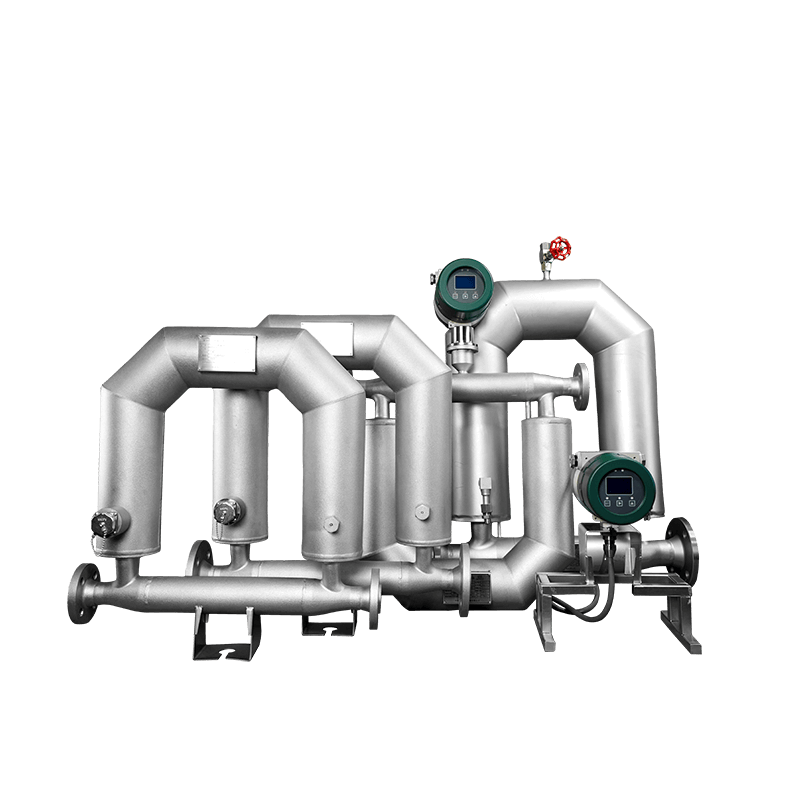
Coriolis Flowmeter
Working Principle:
The meter has a U-shaped or straight tube that vibrates at a set frequency. When fluid moves through it, the Coriolis force kicks in, and that force scales directly with the mass flow rate. The tube twists or deforms slightly as a result. By picking up the phase shift or time lag between the inlet and outlet ends of the tube, the meter calculates the mass flow rate straight out, no conversion needed.
Advantages:
Direct measurement of mass flow with extremely high accuracy, up to ±0.1%
Simultaneous output of density and temperature parameters, providing comprehensive data
Unaffected by changes in oil viscosity, density, temperature, or pressure
Disadvantages:
Expensive; large-diameter instruments are extremely costly
Sensitive to installation stresses and pipeline vibrations; requires reinforced support
Measurement stability decreases with high-viscosity oils or high gas content
Typical Application of Oil Flow Meter
The oil flow meter is used to measure the flow rate of various types of oil. Including crude oil, fuel oil, lubricating oil and other viscous liquids. And in industries such as oil and gas, power generation and manufacturing. They are used to monitor fuel consumption, optimize processes and ensure compliance.
Crude Oil Production and Gathering: These meters show up at wellheads, metering stations, and along trunk pipelines to keep tabs on how much crude is coming out of the ground and to settle trades. Positive displacement or ultrasonic types tend to get the nod here because they can put up with waxy, sandy conditions without falling apart.
Petroleum Refining and Processing: You’ll find them all over the refinery—atmospheric and vacuum distillation units, cat crackers, hydroprocessing trains—handling feedstock control, product rundown measurements, and mass balance work. For lighter distillates, turbine and Coriolis meters are the usual picks.
Petroleum Product Storage, Transportation, and Sales: This spans oil terminals loading and unloading, gas station dispensers, and product distribution networks. Oval gear and mass flow meters are favored since they give tight accuracy and repeatable numbers, and they have to pass national metrology verification checks.
Marine Fuel Supply: They meter bunker fuel—low-sulfur fuel oil, heavy fuel oil—during ship refueling and help manage tank inventories. Coriolis flowmeters are handy here because they read mass flow directly, sidestepping arguments over temperature and density swings.
Industrial Lubrication and Hydraulic Systems: They watch the circulation rate of lube oil in steam turbines, compressors, and other big rotating machinery. Differential pressure and vortex meters feed real-time data back on oil circuit health so the equipment stays out of trouble.
Food and Oil Processing: In vegetable oil refining, blending, and filling lines, sanitary-grade volumetric or Coriolis meters—built from food-safe materials—handle the measurement side while meeting HACCP and hygiene codes.
Chemical Raw Material Transfer: They manage pipeline transfers and reaction ratio control for petrochemical intermediates like aromatics and solvent oils. Ultrasonic and Coriolis meters fit the bill when you’re dealing with corrosive stuff or need tight mixing accuracy.
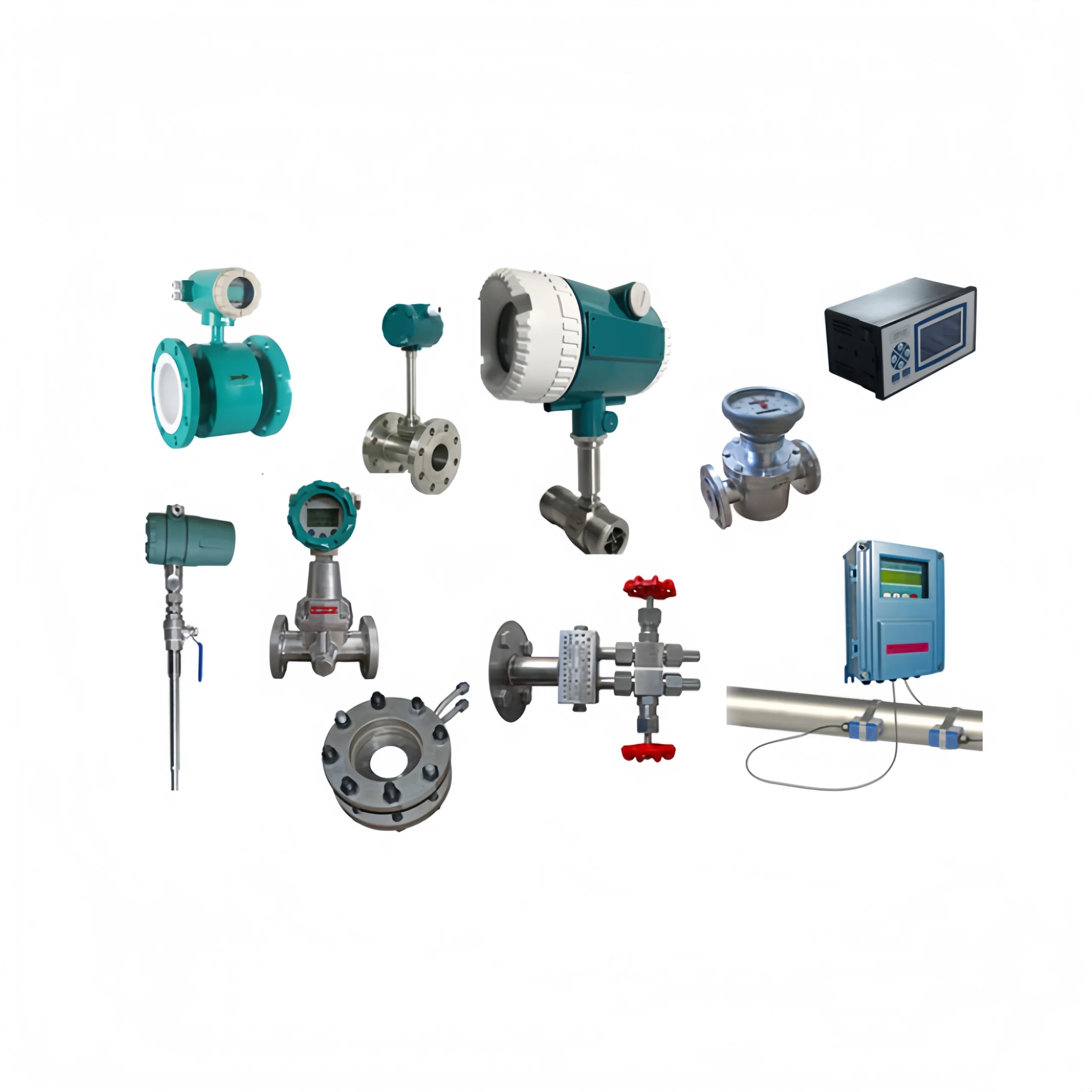
Facts to Consider When Selecting Oil Flow Meter
Analysis of Medium Properties:
Start by pinning down the oil’s viscosity band, density, how much gas it carries, and what kind of contaminants are in it. For thick stuff like heavy oil or resid, positive displacement meters—oval gear or rotary piston types—are usually the way to go. If you’re dealing with thin products like gasoline or diesel, turbine meters handle that fine. When the oil has entrained gas or particulates, ultrasonic or Coriolis meters tend to hold up better.
Measurement Accuracy Requirements:
For trade settlement, you need ±0.2% or tighter, so elliptical gear, Coriolis, or high-precision turbine meters are the typical choices. For process control, the bar is lower—differential pressure or standard turbine meters usually do the job, and you just need to weigh cost against how exact the numbers really need to be.
Flow Range and Turndown Ratio:
Look at the low end, the normal running rate, and the peak flow to make sure the meter isn’t working outside its sweet spot. Turbine and Coriolis meters cover a wide turndown, so they’re a good fit when flows swing around a lot. Differential pressure meters are more limited on range and really only make sense where the rate stays fairly steady.
Installation Constraints:
Check what’s actually available on site—how much straight run you’ve got, the pipe size, and how cramped the space is. Orbit-gear and Coriolis meters don’t need straight pipe, so they work well when room is tight. Turbine and differential pressure meters need a decent stretch of straight pipe upstream and downstream, so the piping layout has to be thought through ahead of time.
Pressure Drop and Energy Consumption Considerations:
On high-flow lines that run around the clock, lean toward ultrasonic or Coriolis meters since they don’t eat much pressure. For batch operations or medium-to-low flow duties, the pressure loss from an oval gear or differential pressure meter is usually tolerable.
Output Signals and System Integration:
Figure out what the control system wants—pulse, 4–20 mA, or a digital protocol. Turbine meters put out pulses, which drop into PLCs or DCS setups pretty cleanly. Coriolis meters can feed out mass flow, density, and temperature all at once, so you get more data through a single device.
Sino-Inst is a professional oil flow meter manufacturer with extensive experience in this field. If you need a reliable flow meter solution, consider Sino-Inst for your oil flow measurement needs. Find the perfect flow meter for your application and enhance your operations today.