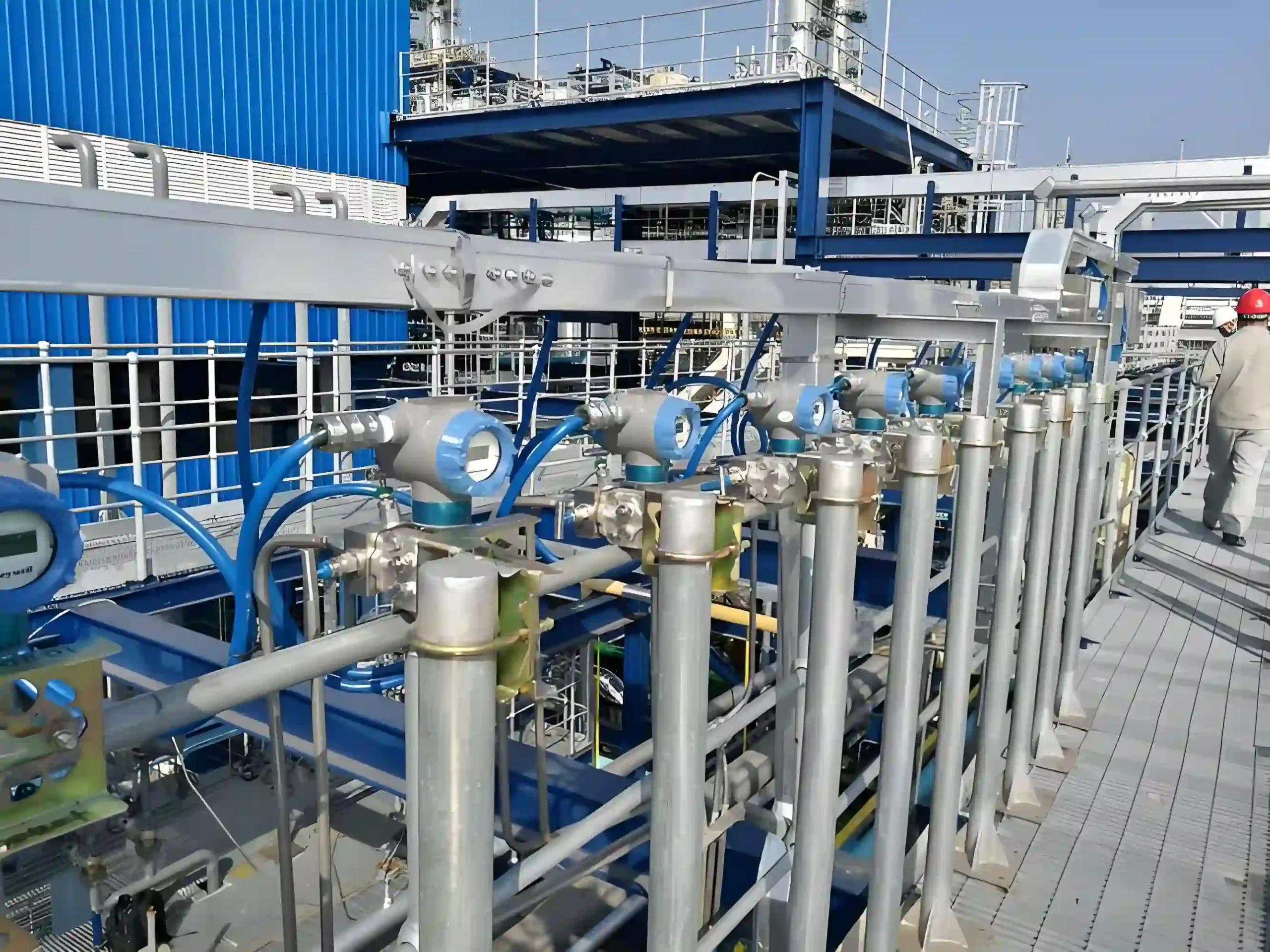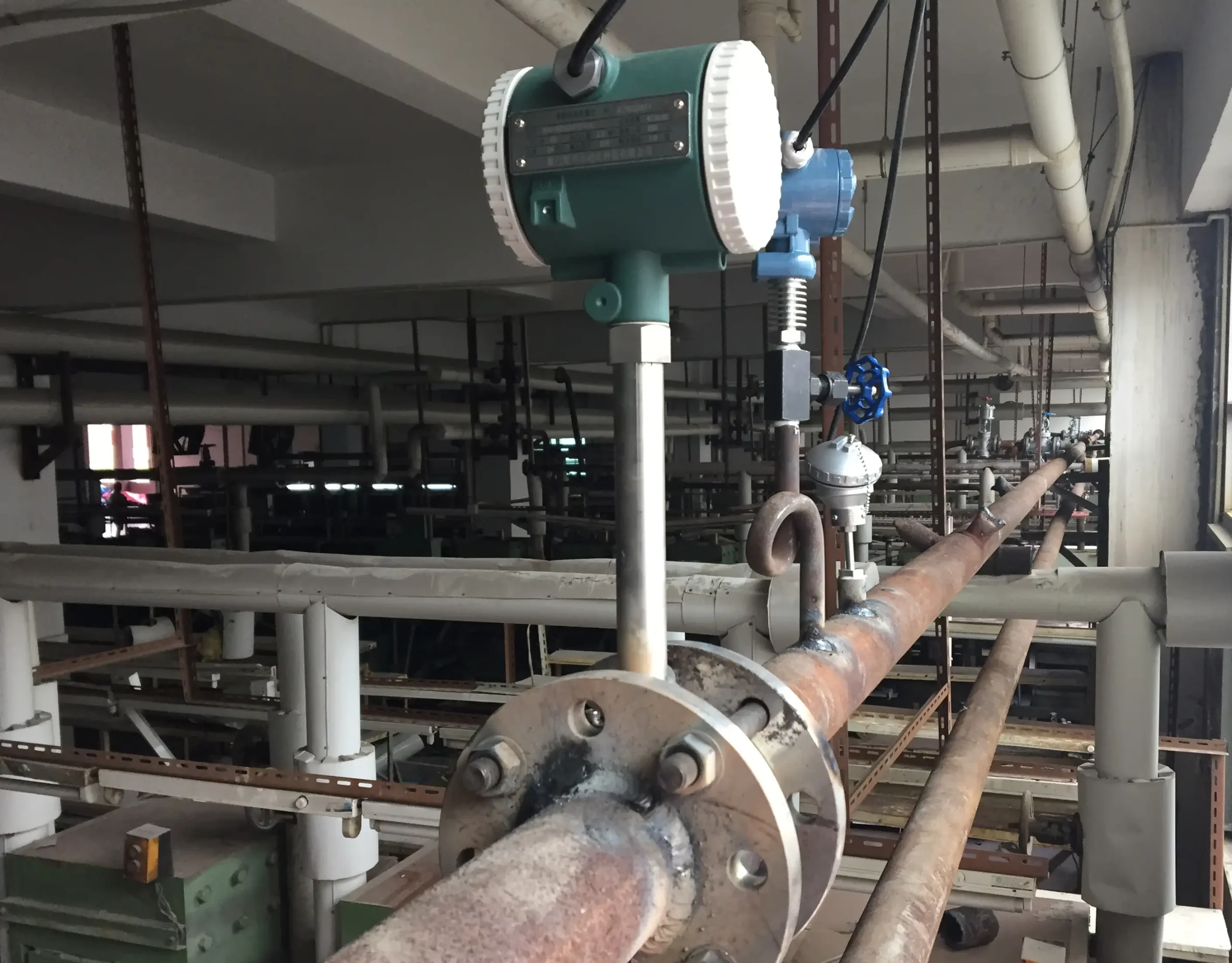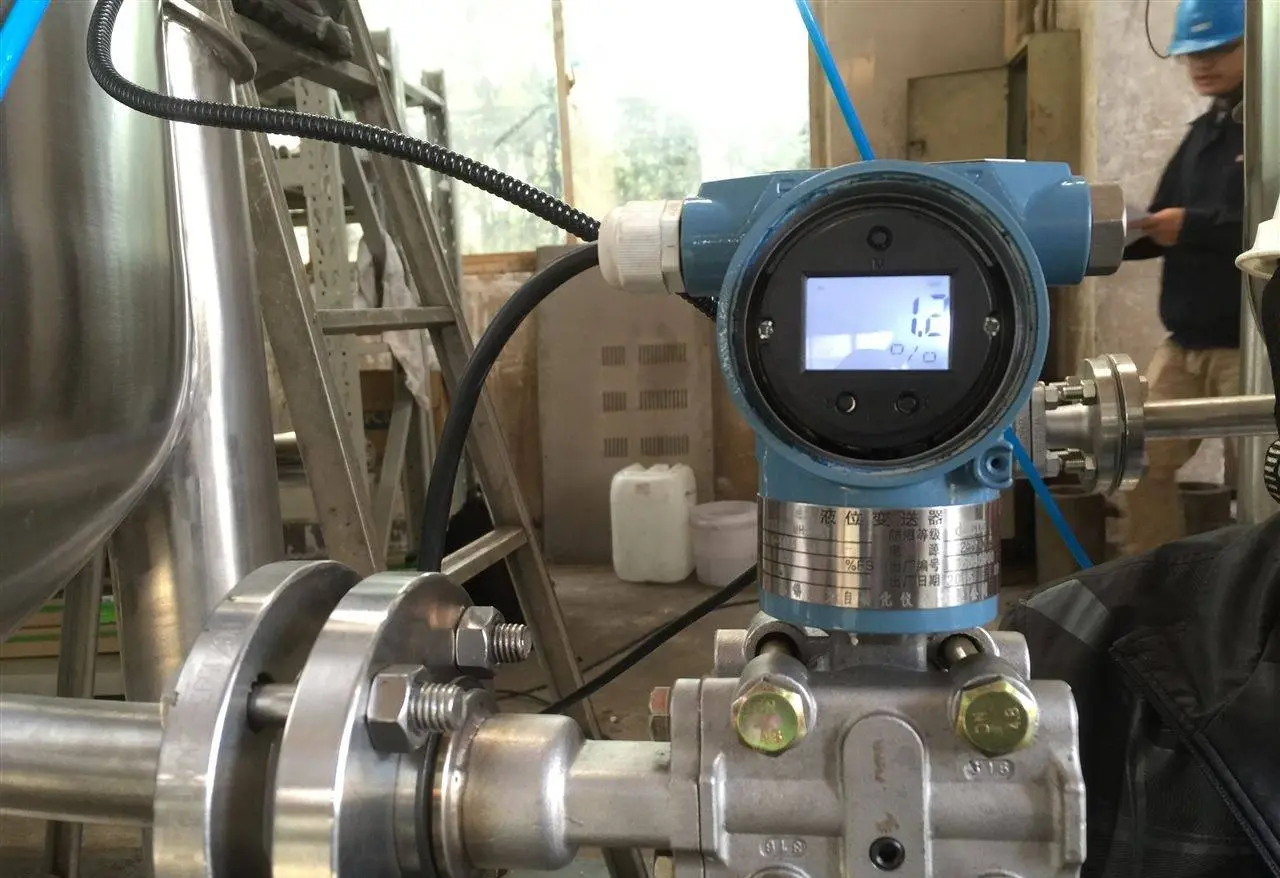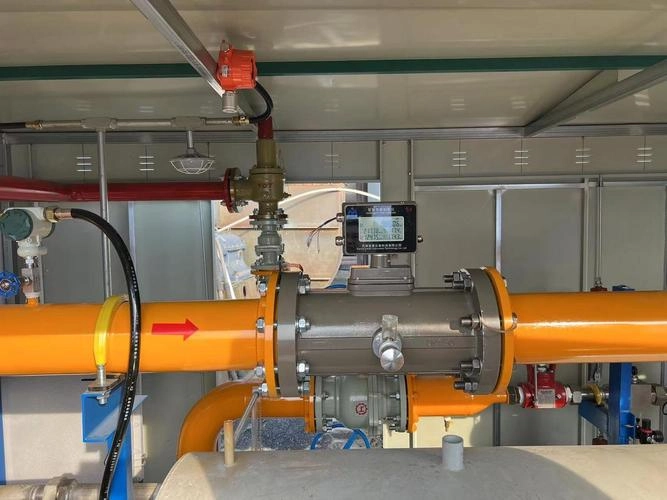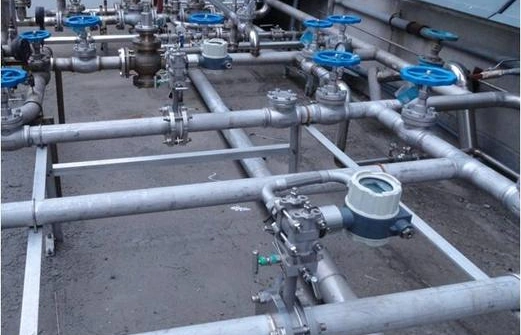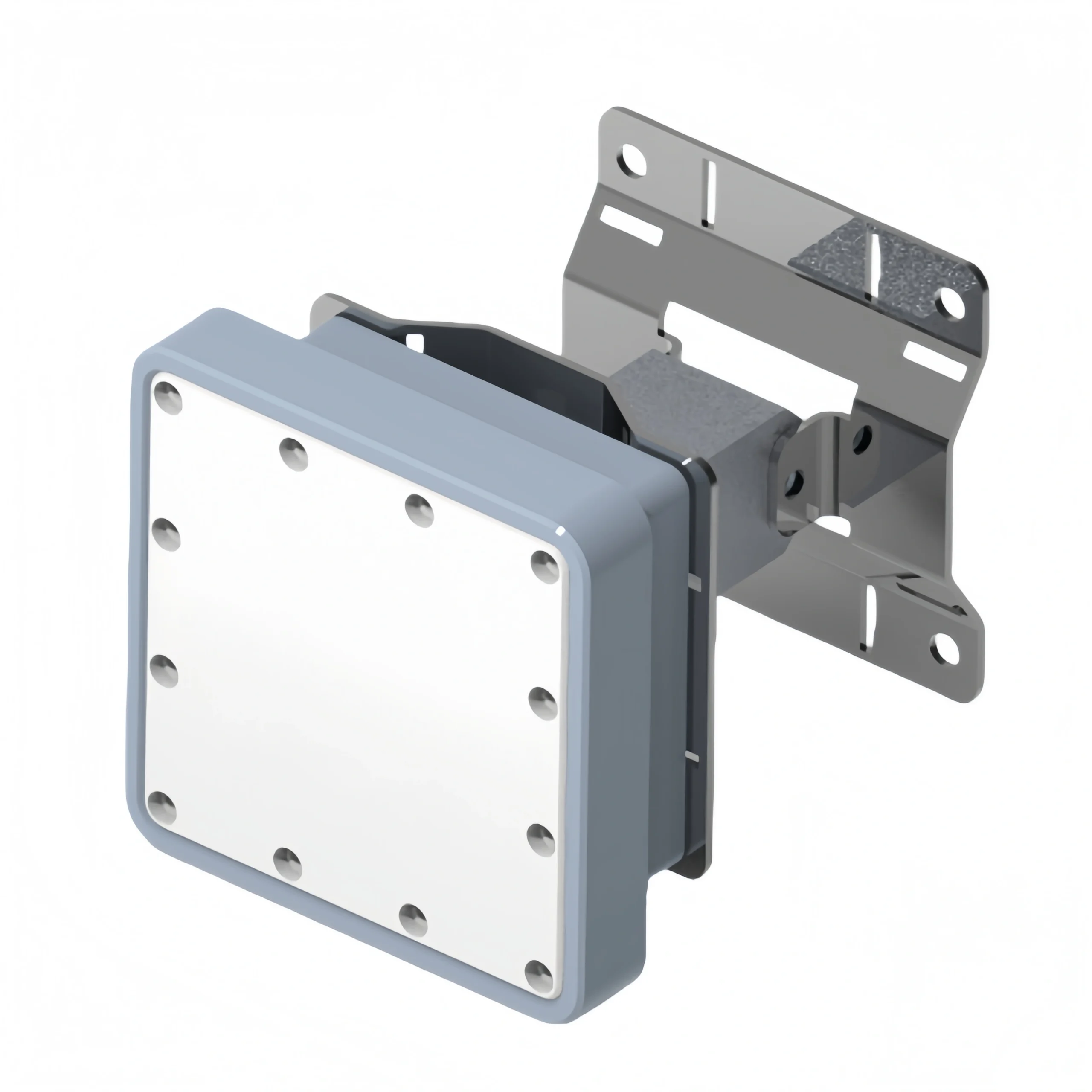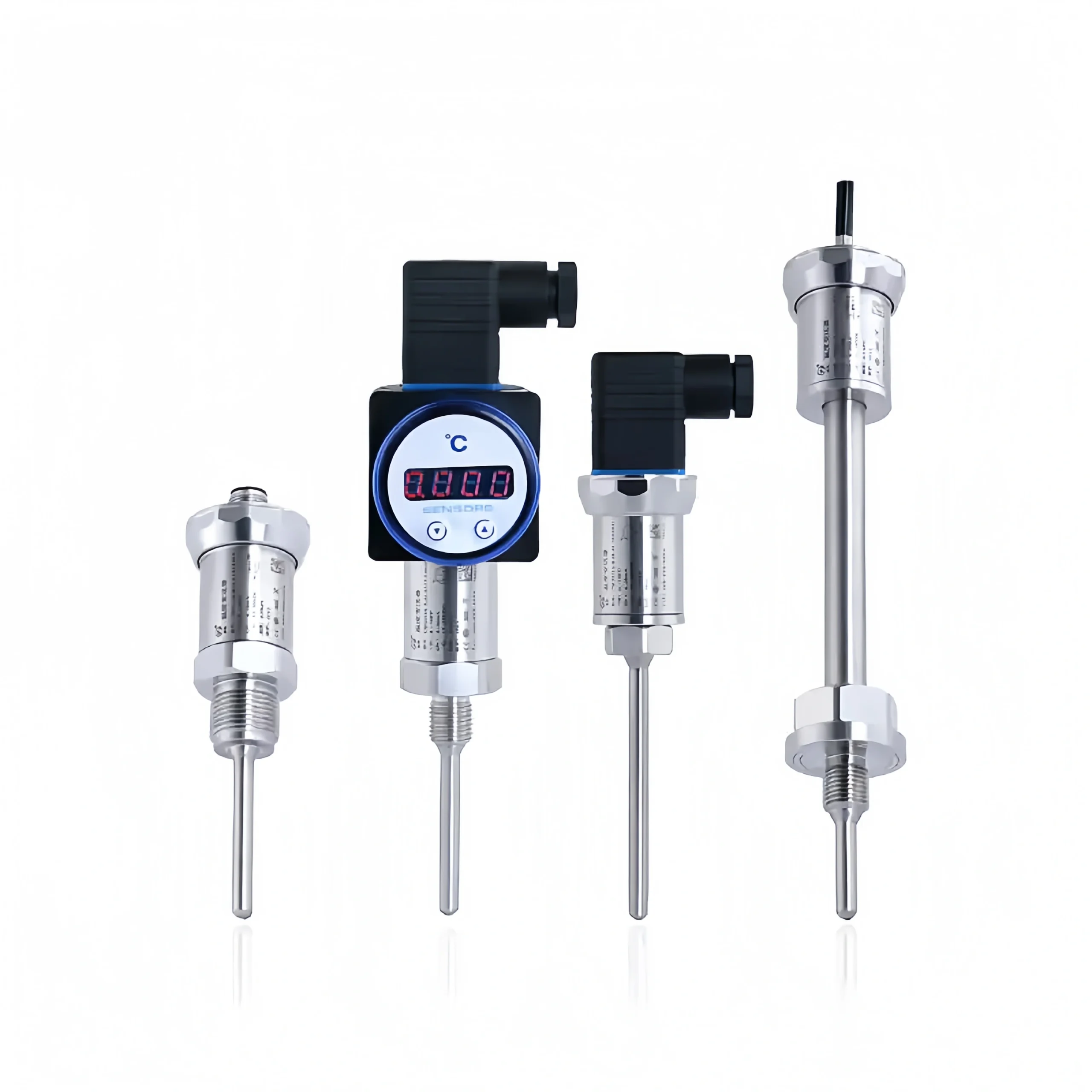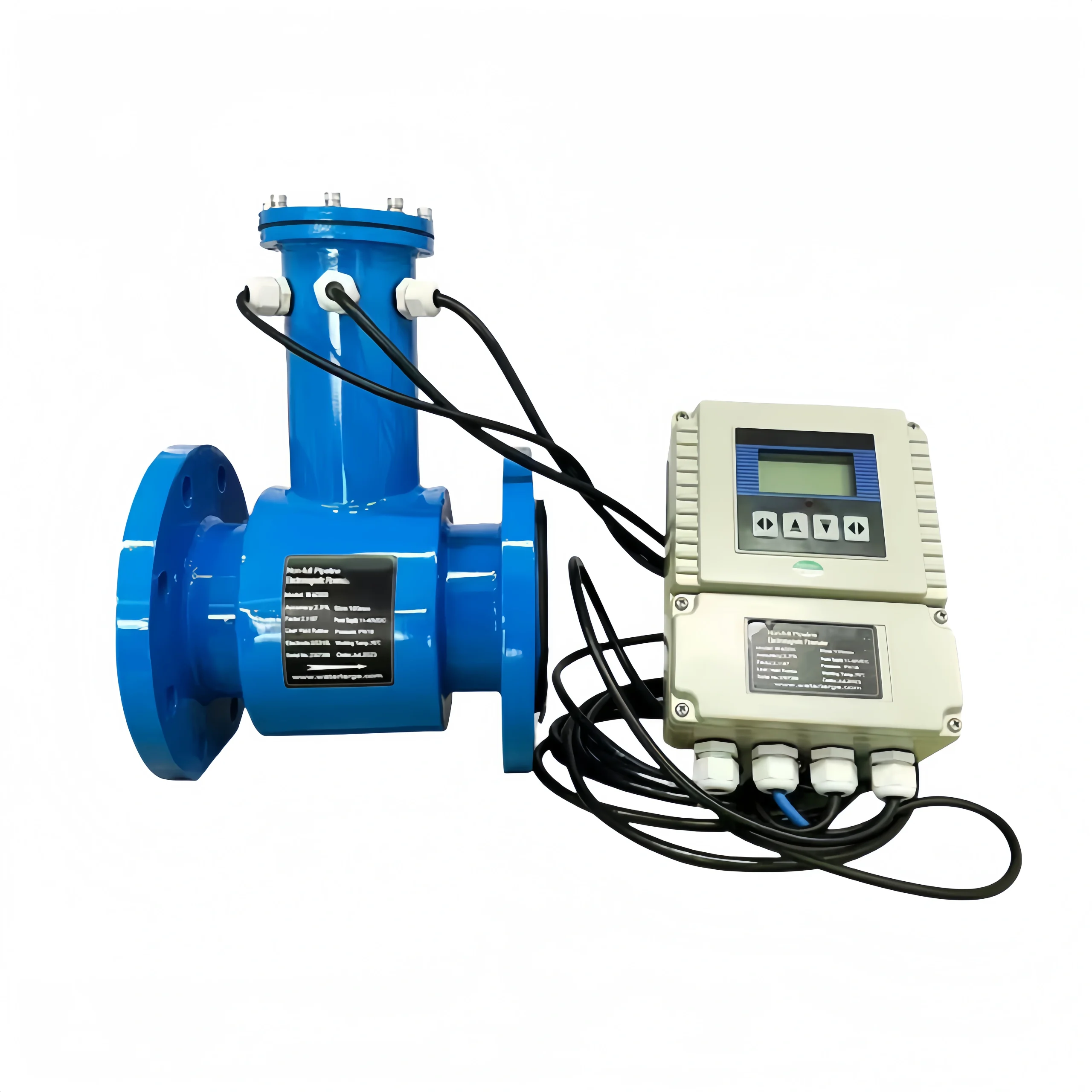
As a non-intrusive flow measurement technology, clamp-on ultrasonic flowmeters enable online monitoring of fluid flow by clamping transducers onto the outer wall of the pipeline.
This technology requires no pipe cutting and causes no pressure loss, making it particularly suitable for flow measurement in corrosive, high-pressure or large-diameter pipelines. It demonstrates significant technical advantages and application potential in the petrochemical, water management and energy metering sectors.
What is an Ultrasonic Clamp-On Flow Meter?
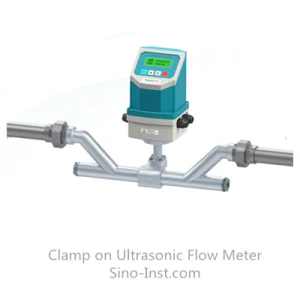
Ultrasonic flow meter is a non-invasive flow sensor used to measure the volume flow of liquids. It uses acoustic vibration to measure the flow rate of liquids.
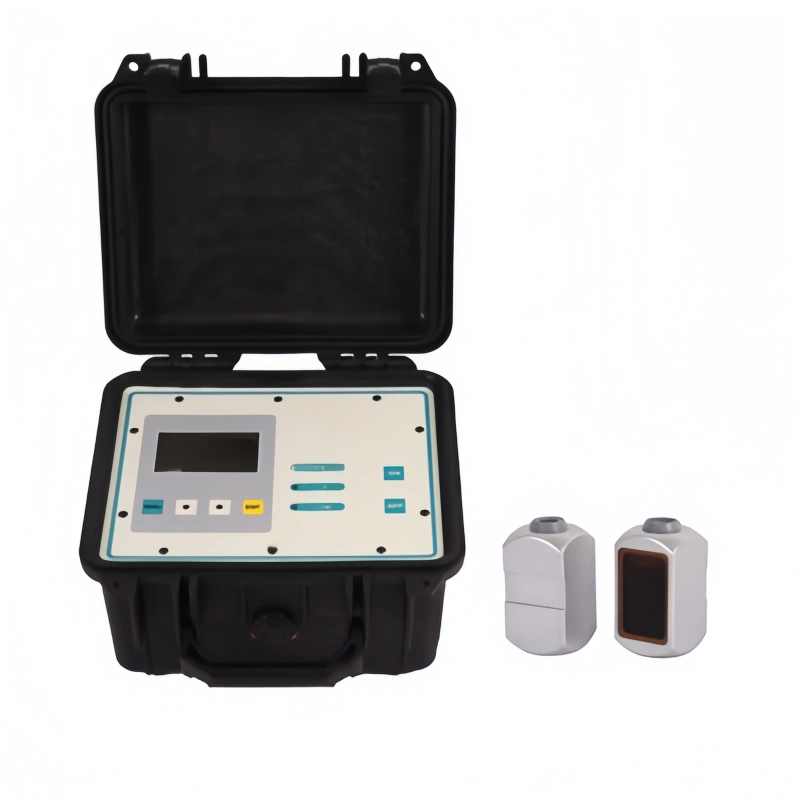
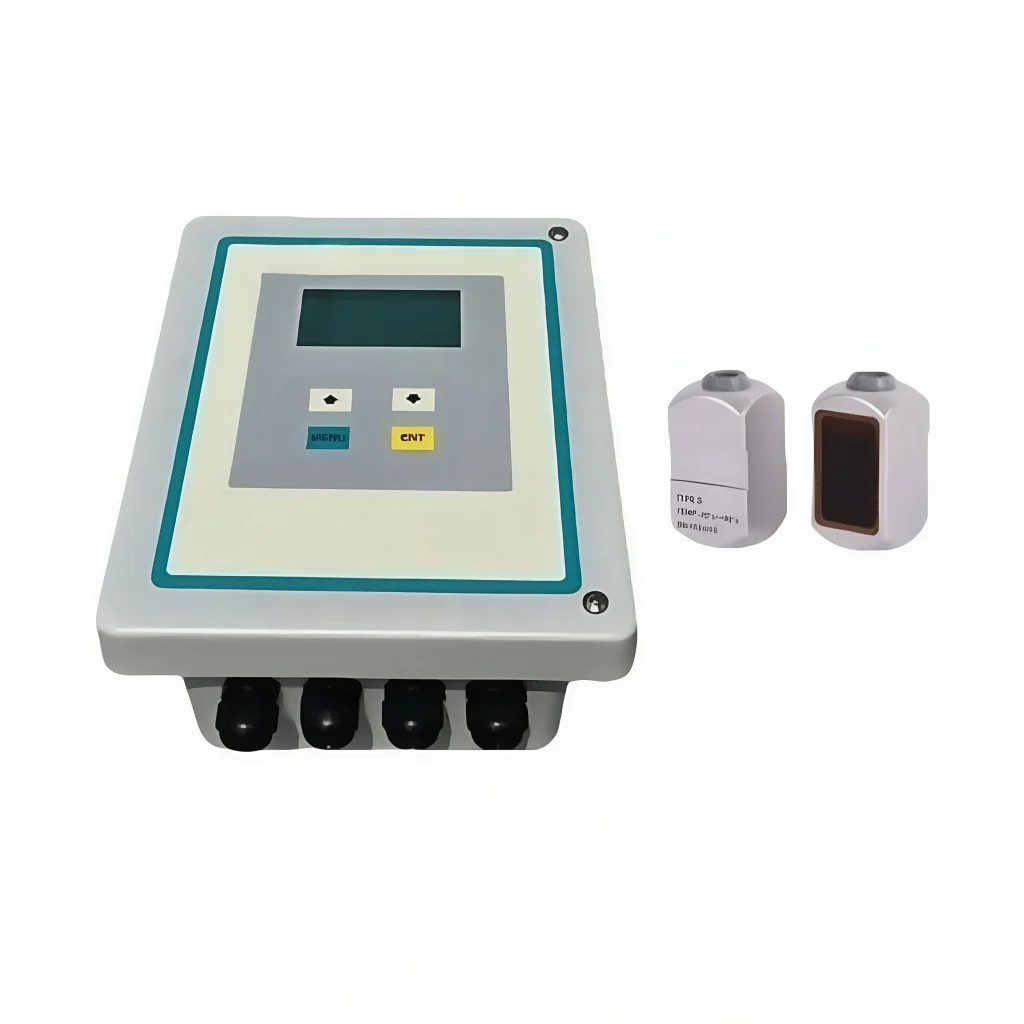
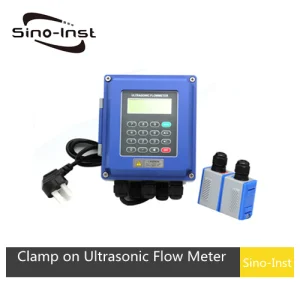
Ultrasonic clamp-on flow meters use sound waves to measure fluid flow in a pipe. It attaches to the outside of the pipe without interrupting the process. And it measures the velocity of the fluid without cutting or draining the pipe.
Ultrasonic flow meters can be used for various pipe sizes and fluid types. Ordinary transit-time ultrasonic flow meters are suitable for clean single liquid media. Special Doppler ultrasonic flow meters. Suitable for liquid media with a small amount of impurities (particles, bubbles). These flow meters are also very suitable for applications requiring low pressure drop, chemical compatibility and low maintenance.
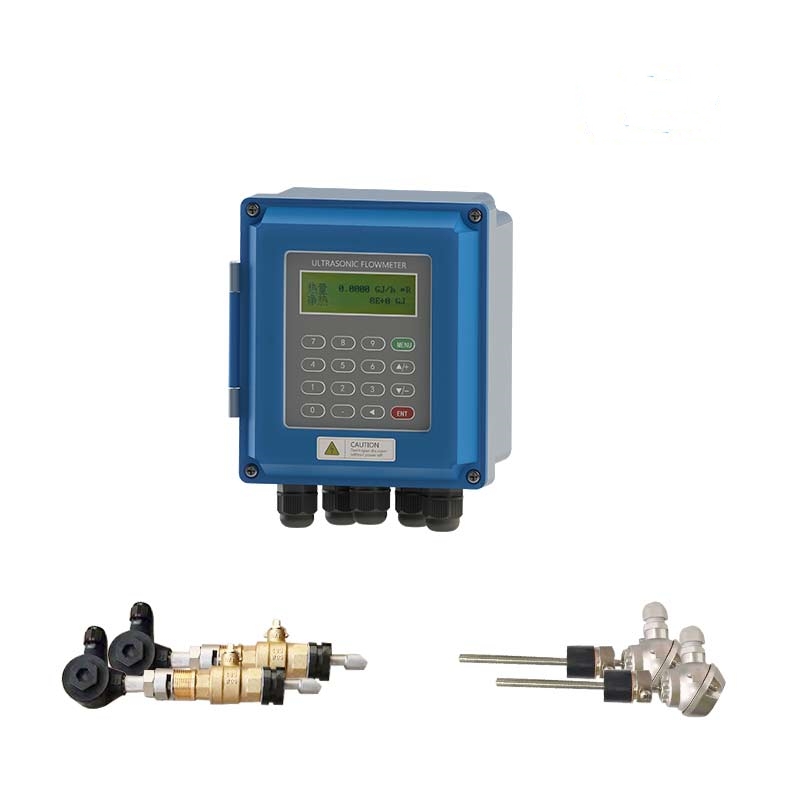
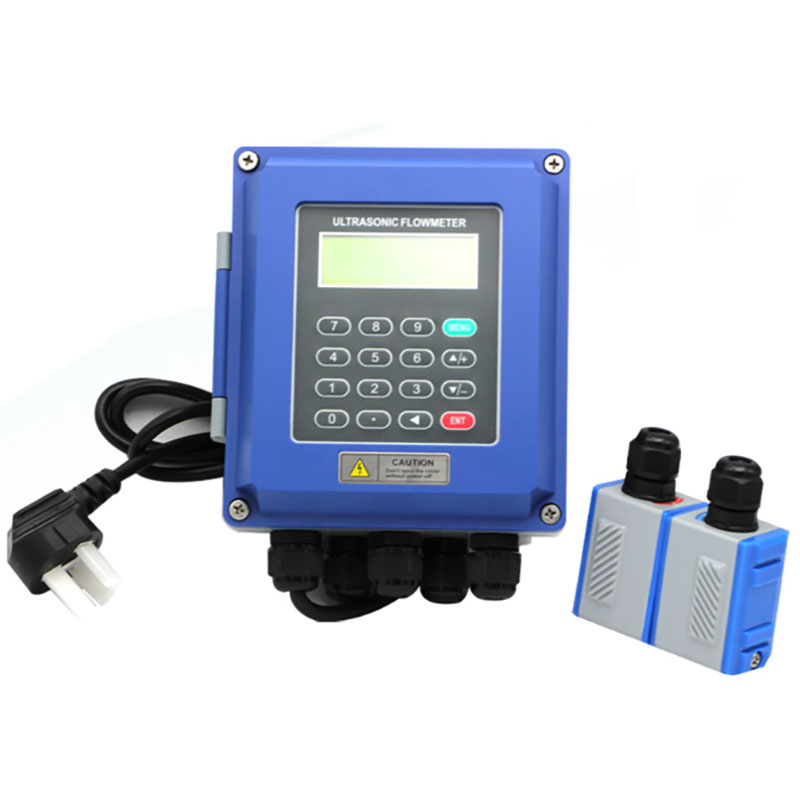
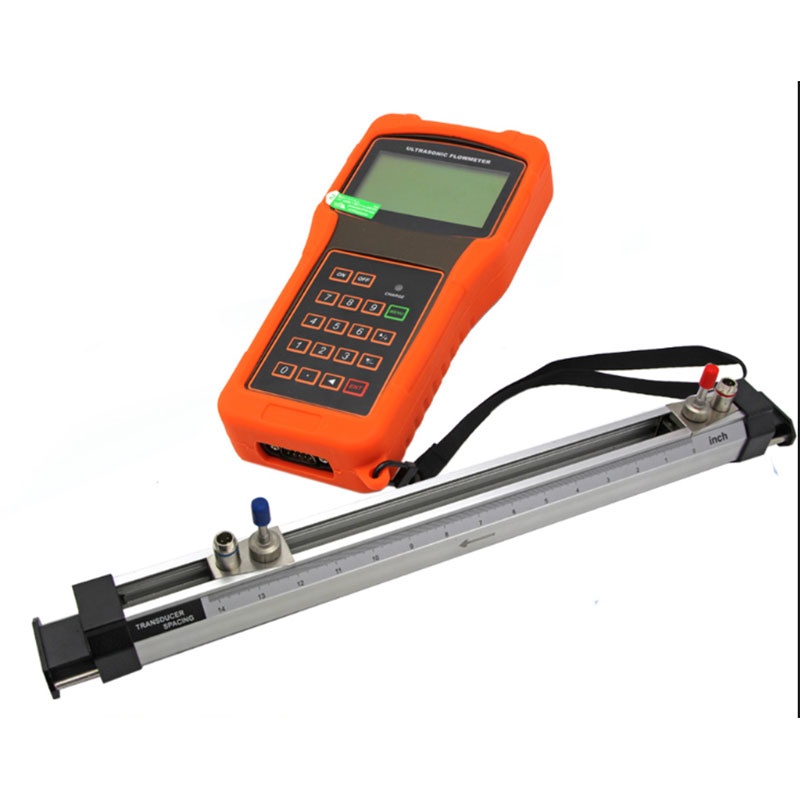
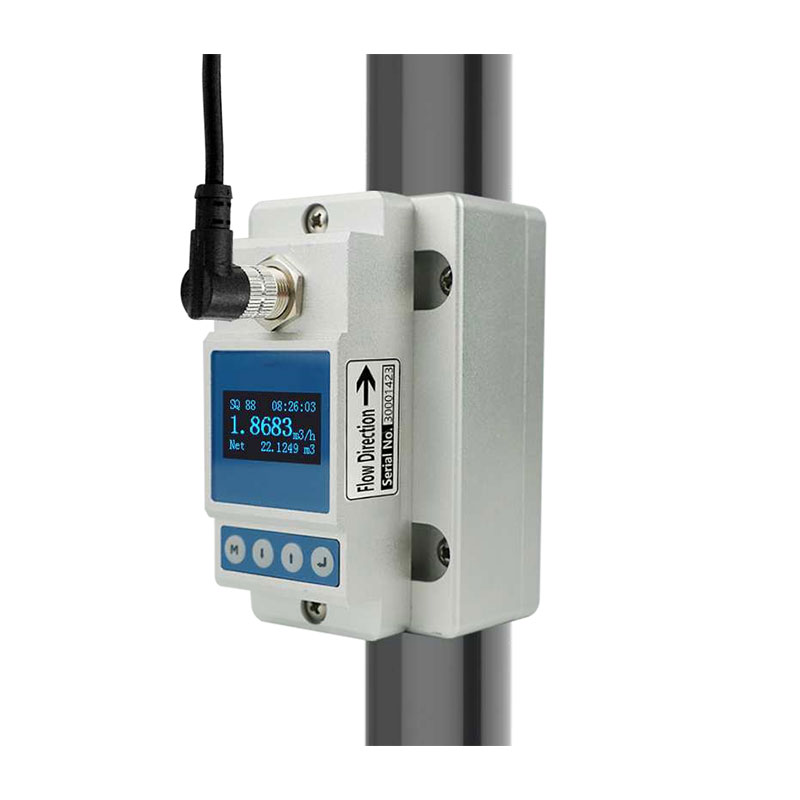
Working Principle of Clamp-On Flow Meter
A clamp-on flow meter is an ultrasonic flow meter classified according to the installation form of the flow sensor. It performs non-invasive fluid flow measurement by using ultrasonic waves that pass through the pipe wall. The time difference or frequency shift of the reflected signal is analyzed to determine the flow rate.
Ultrasonic clamp-on meters measure the velocity of a fluid flowing through a pipe in two ways: transit time or Doppler technology.
Transit time techniques measure the time it takes for a signal to propagate upstream (upstream) and downstream (downstream). The difference in propagation time is proportional to the velocity of the fluid.
Doppler technology transmits ultrasonic waves into the fluid. They are then reflected back to the sensor by particles or bubbles in the flowing fluid. The change in frequency between the transmitted and received waves (Doppler shift) is used to calculate the flow velocity.
Advantages and Disadvantages
Advantages
Non-invasive installation: The transducer clamps directly onto the pipeline’s outer wall—no pipe cutting, flange welding, or hole drilling required. Production keeps running during setup, which slashes both installation headaches and revenue lost to downtime.
No pressure loss and zero leakage: Since the measuring elements never touch the fluid and nothing protrudes into the pipe, pressure drop isn’t a concern; the risk of leaks from the instrument itself disappears entirely.
Wide range of applicable media: Works reliably with corrosive fluids, heavy slurries, contaminated streams, or high-pressure applications. Conductivity, transparency, and most other physical or chemical properties simply don’t matter.
Wide pipe diameter coverage: Handles everything from tubes barely wider than a finger to mains several metres across. On large lines (DN300 and up), the economics and practicality become especially compelling.
Convenient maintenance and low costs: Routine upkeep, recalibration, or swapping out transducers happens without breaking into the line. The operational burden stays light, and lifetime cost calculations look favourable.
Bidirectional flow measurement: The unit senses flow direction automatically, tallying both forward and reverse movement in one go—useful when process lines see frequent directional shifts.
Wide turndown ratio: Most units deliver 100:1 or better, so the same meter catches slow drips during leak checks and full-bore surges under peak load. Big swings in demand don’t phase it.
High portability: Certain versions come as handheld or portable kits, ready to move between test points at short notice. Field audits, temporary verification checks, and network mapping jobs suit them well.
High long-term stability: No moving parts means nothing to wear down or scour away. Even in punishing environments, repeatability and drift resistance hold up over years of service.
Disadvantages
Sensitivity to acoustic properties: The fluid itself has to cooperate. If it’s loaded with bubbles, suspended solids, or gas-liquid mixtures, the ultrasonic signals get scattered or swallowed whole. When that happens, readings go missing or wander off target.
Constraints imposed by pipe wall conditions: Rust, scale, or a thick internal lining can muddle the signal path between transducer and fluid. You need to know the wall’s exact material and thickness beforehand, and getting everything dialled in on site takes more legwork than most people expect.
Stringent installation accuracy: The gap between transducers, the angle they sit at, and their relative alignment all have to be spot-on. A few millimetres out of place and the numbers start drifting in a consistent direction. This isn’t a job for someone winging it—it needs hands that have done it before.
Complex temperature compensation: Heat changes two things at once: how fast sound moves through the fluid and how big the pipe itself gets. Without a solid compensation routine running in the background, temperature swings will quietly nudge your results off the mark.
Measurement blind spot limitations: When flow slows to a trickle or settles into smooth laminar layers, the time-of-flight difference becomes faint and hard to pin down. Near the pipe wall, velocity profiles also flatten out in ways the meter might not catch, so low-end linearity suffers.
Poor resistance to electromagnetic interference: Long cable runs pick up noise from the electrical chaos typical of plant floors—especially around clusters of variable frequency drives. Shielding and proper earthing help, but they add to the installation burden and still don’t guarantee a clean signal.
Difficulties in data verification: As the state of the fluid inside the pipe cannot be observed directly, it is difficult to immediately determine the cause of measurement failure under abnormal operating conditions, making fault diagnosis and root cause analysis relatively complex.
Comparison between Ultrasonic Flow Meter and Magnetic Flow Meter
Although the price of both flow meters is similar, they differ in some ways.
Ultrasonic Flow Meter | Magnetic Flow Meter | |
Differences | Use sound waves to measure flow Measures non-conductive media, including fluids with high particle or gas content Accuracy may vary depending on fluid type and application | Based on Faraday’s law Suitable for conductive liquids, including corrosive or abrasive liquids Has the minimum conductivity required for the normal operation of the medium |
Both | Both types of flow meters are used to measure liquids High accuracy Wide range of applications Suitability for hazardous areas Bidirectional measurement Roughly the same price No moving parts Lower maintenance and long life | |
Advantage | Non-invasive measurement, no need to insert into pipes in some cases. Can measure various fluids, including non-conductive fluids. Can be installed on various hard and uniform pipes. (Max DN6000) | High accuracy for conductive fluids. No moving parts, low maintenance. Can measure a wide range of flow rates. |
Disadvantage | Accuracy will be affected by factors such as pipe condition, fluid properties and flow characteristics. May not be suitable for applications with very high solids content or air bubbles. | Only for conductive fluids. Must meet the straight pipe section requirements for installation |
Clamp-On vs. Inline Flow Meters
Differences in Installation Methods: Clamp-on meters strap their transducers onto the outside of the pipe—no cutting, no welding, no stopping the line. In-line meters, by contrast, force you to break into the pipe, fit flanges, or fabricate custom spool pieces. That means more work upfront and production taking a hit while everything goes in.
Applicable Pipe Diameter Range: On big lines—DN300 and up—clamp-on units start looking like a bargain, and the savings only grow as the pipe gets fatter. In-line meters hold their own on small-bore runs where precision matters most, but the price tag balloons once you move into mid-size and large diameters.
Comparison of Measurement Accuracy: In-line meters have the edge here. Their transducers sit fixed inside a controlled flow path, so hitting ±0.5% or better is standard. Clamp-on units have more variables to wrestle with—wall thickness, how well the transducer couples to the surface, what the weather’s doing that day. Out of the box they usually land around ±1.0% to ±1.5%; squeezing more out of them means someone has to calibrate on site.
Pressure Drop and Energy Consumption: With clamp-on, nothing sticks into the flow, so the pressure stays exactly where it was. In-line designs carry a measuring section or sometimes a narrowed throat, which creates a bump in the road and saps a bit of energy.
Maintenance and Operation: Need to swap a clamp-on transducer? Pop it off while the line’s still running. In-line units don’t give you that option—fault means shutdown and pulling the spool. That said, once an in-line meter is in, its guts are tucked away from the outside world. Less interference, fewer surprises over the long haul.
Operating condition adaptability: Clamp-on models are sensitive to gas content in the fluid, pipe wall scaling and lining materials; in-line models feature a flow-straightening design, offering greater resistance to cavitation and flow disturbances, and are suitable for a wider range of media.
How Accurate is a Clamp-on Ultrasonic Flow Meter?
Clamp-on ultrasonic flow meters typically achieve accuracy levels of ±1% of the flow reading. They are also repeatable, typically around 0.2% to 0.3%. They maintain accuracy over a wide range of flow applications. They have higher extended low-flow accuracy than mechanical meters. However, pipe material, wall thickness, and surface roughness can affect accuracy.
These meters use transit time technology. This samples the flow curve 80 times per second, providing high-resolution flow data. This results in stable and repeatable readings. Because there are no moving parts to impede flow, these meters do not generate a vortex, which can vibrate and damage the flow meter probe, affecting the meter reading.
More accurate ultrasonic sensors can achieve 0.1 – 0.2% of their detection range with fully controlled conditions. Most good ultrasonic sensors can achieve a precision, between 1% and 3%.
Practical Applications of Clamp-On Ultrasonic Flow Meters
Petrochemical Sector
Widely used for trade handover and process control of crude oil, refined oil products and chemical media; particularly suitable for high-temperature, high-pressure, flammable, explosive or highly corrosive pipelines, meeting safety requirements for retrofitting without production downtime.
Water Supply and Environmental Engineering
Used for monitoring large-diameter pipelines in municipal water supply, wastewater treatment and reclaimed water reuse systems; installation can be carried out without interrupting water supply; They also serve as vital inspection tools for detecting pipeline network leakage and managing zonal metering.
Energy Metering and District Heating Networks
Suitable for high-temperature, high-pressure conditions in centralised heating, cooling and steam pipelines; the bidirectional measurement function identifies hydraulic imbalances in the network, providing data support for smart district heating network scheduling and metered billing.
Power and Metallurgy Industries
Suitable for long-term monitoring of circulating cooling water and boiler feedwater in thermal power plants, as well as large-diameter impurity pipelines in metallurgical enterprises, helping to optimise water usage efficiency and energy consumption management.
Food, Pharmaceuticals and Clean Fluids
Completely eliminates the risk of contamination in sanitary-grade pipelines used in dairy products, beer brewing and pharmaceutical solution preparation, complying with GMP and HACCP standards;it is the preferred solution for clean fluid metering.
Precautions When Using a Clamp-on Flow Meter
When using a clamp-on flow meter, safety should be your top priority. Ensure proper installation, follow the manufacturer’s instructions, and be aware of potential accuracy limitations and environmental factors.
- Installation and preparation: Ensure the pipe surface is clean, smooth and dry for optimal sensor contact and accurate readings. Remove any paint, corrosion or debris that may interfere with the ultrasonic signal.
- Sensor placement: Install the sensor on a straight section of the pipe, away from elbows, valves or other interferences that may affect the flow pattern.
- Direction: Install the flow meter in the correct direction. Consider the flow direction indicated by the arrow on the meter body.
- Fluid conditions: Verify that the measured fluid is a single-phase fluid (liquid or gas). And that the pipe is filled to avoid bubbles or cavitation affecting the reading.
- Temperature: Check the temperature range of the meter and make sure it is appropriate for the measured fluid. Because the ultrasonic transmission time calculation is temperature-dependent.
- Pipe ID: Ensure the pipe inside diameter (ID) is correct for accurate flow calculations.
- Electrical safety: Be careful when using electrical equipment, especially in humid environments.
- Environmental conditions: Avoid using the meter in direct sunlight or extreme temperature environments.
- Accuracy Limitations: Please note that clamp-on flow meters are susceptible to errors caused by pipe conditions, fluid properties, and external vibrations.
- Pipe Condition: Corrosion, scale, or debris buildup inside the pipe can affect the accuracy of the readings.
Ultrasonic clamp-on flow meters measure fluid flow in applications. These meters are easy to install, require no process shutdown, are accurate, and are versatile. They are suitable for a wide range of industries, fluids, and pipe thicknesses. For decades, ultrasonic clamp-on flow meters have been the leading meters in building design and construction, HVAC, facilities and property management, water and wastewater treatment, and water supply industries.
Sino-Inst’s clamp-on flow meters are designed to be a breeze to install and remove, and provide the right measurement solutions. Enable your team to work more efficiently and check flow in virtually any section of the pipeline. If you have any questions or needs, please feel free to contact us.