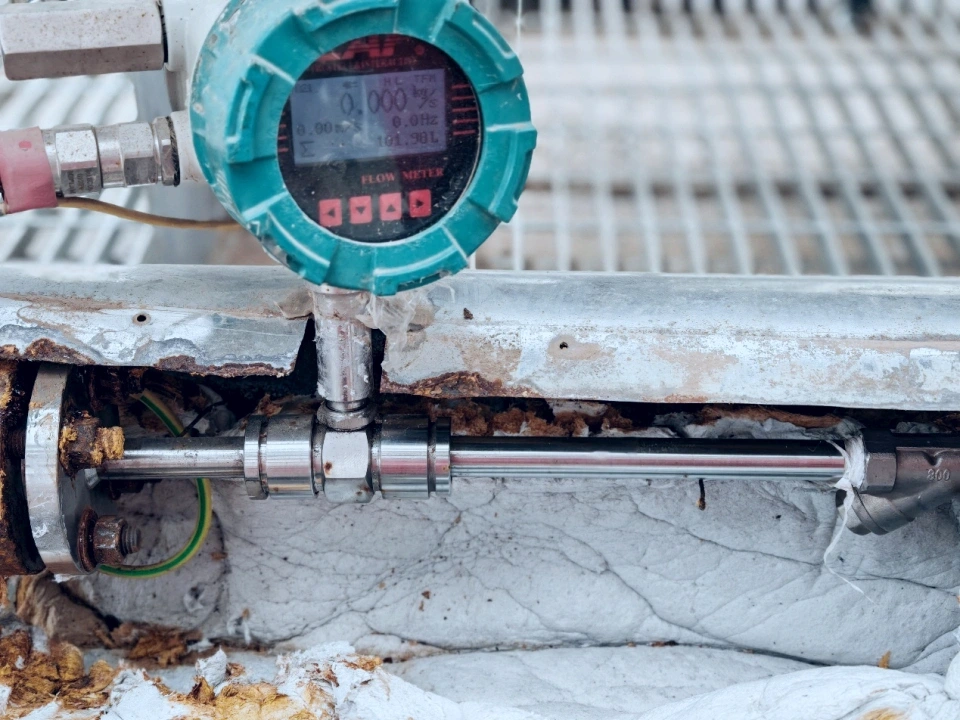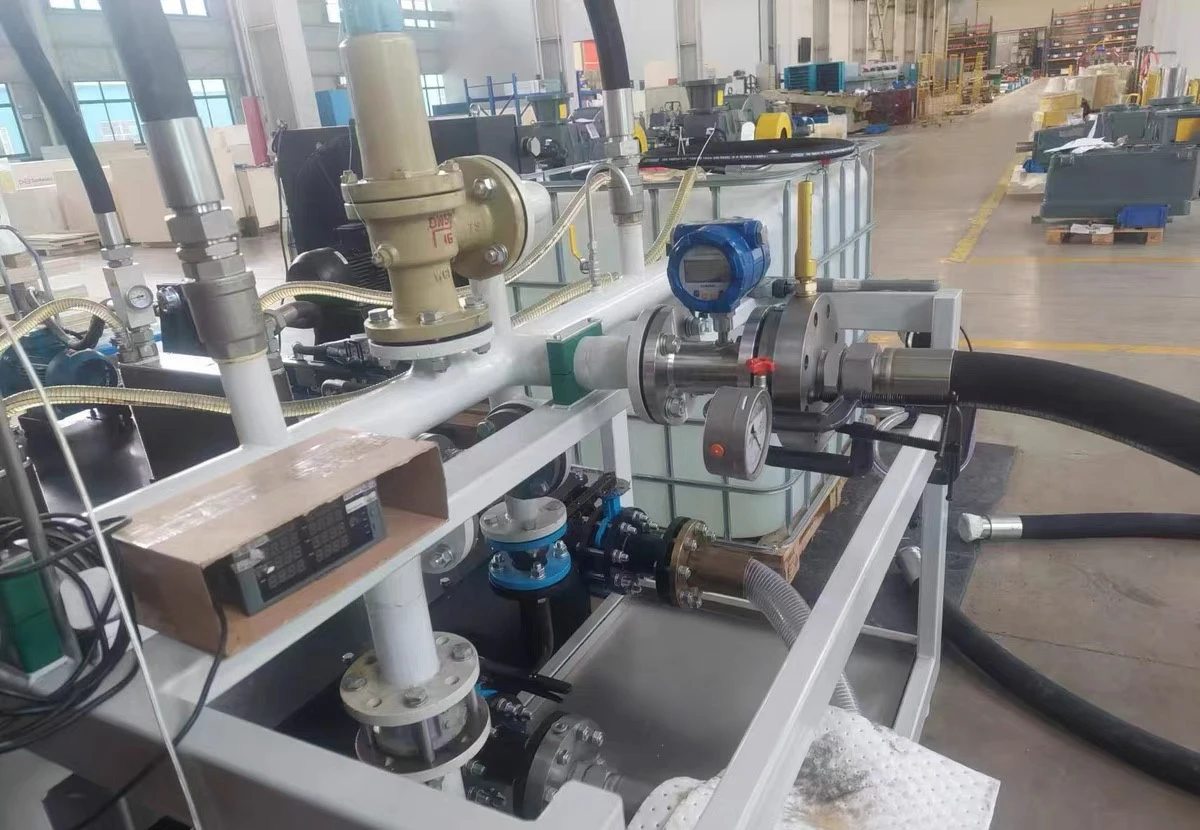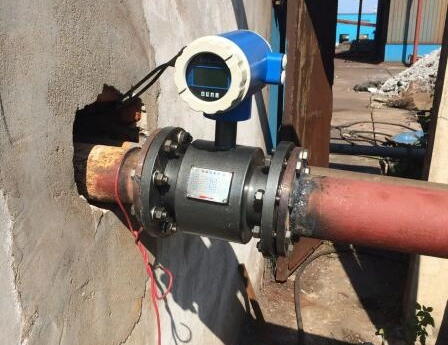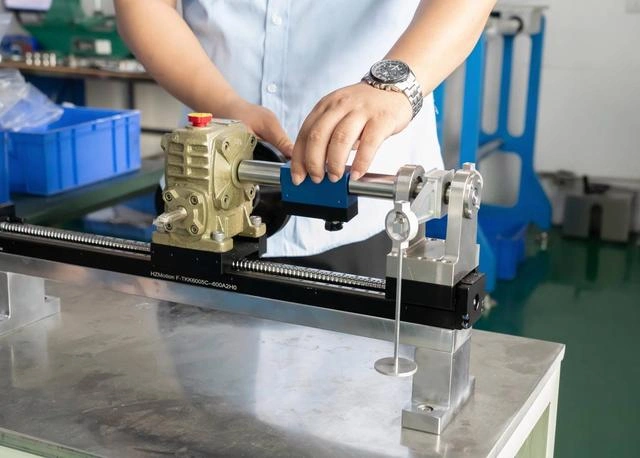
In the world of industrial precision measurement, mass flow meters have become a must-have tool for linking production control, quality management and cost accounting. Their main advantage?
They can measure the mass flow rate of fluids straight up, without being affected by temperature, pressure or other conditions. They’re super accurate and stable, which makes them great for producing things in different industries.
What Is a Mass Flow Meter?
A mass flow meter is a device used to measure the amount of fluid flowing through it. Unlike volumetric flow meters, it is less susceptible to changes in temperature, pressure or density, and provides flow data in mass units, such as kilograms or tonnes. This makes it a more accurate and stable measurement tool.
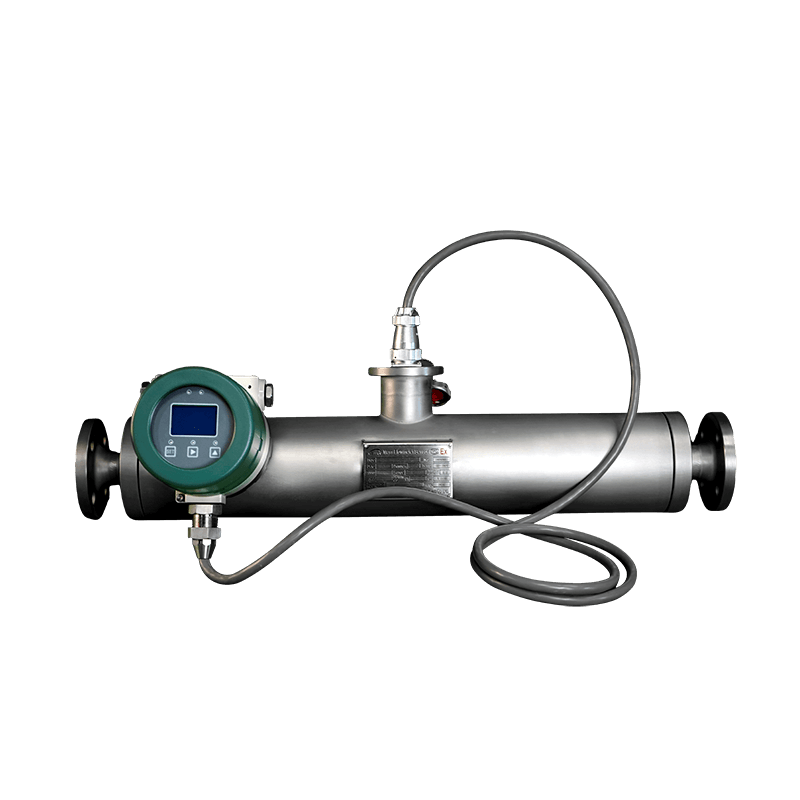
Its main operating principles can be put into two groups: using the Coriolis force to detect fluid mass, and working out mass flow rate based on changes in heat carried away by the fluid flow. According to these principles, they can be broadly classified into two main types: Coriolis mass flow meters and thermal mass flow meters, both of which are capable of measuring both liquids and gases.
Types of Mass Flow Meters
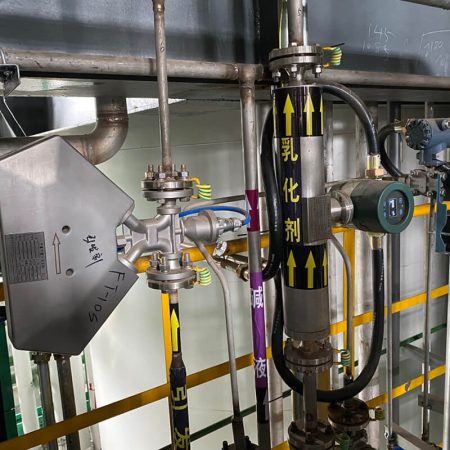
Direct-reading Mass Flow Meters
Direct-reading mass flow meters output mass flow signals directly without the need for additional conversion. They are very accurate and quick. A good example of this is the Coriolis mass flow meter. This meter uses the Coriolis force effect (which is the force caused by flowing liquids) to measure the mass flow directly. These meters are used a lot in liquid and gas applications where high measurement accuracy is required.
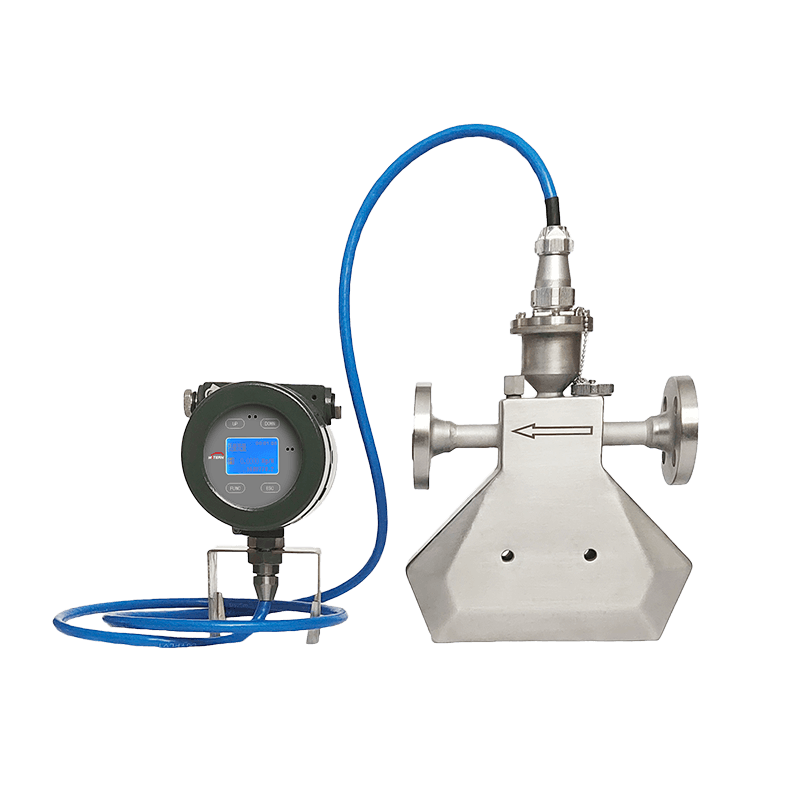
Coriolis Flow Meters
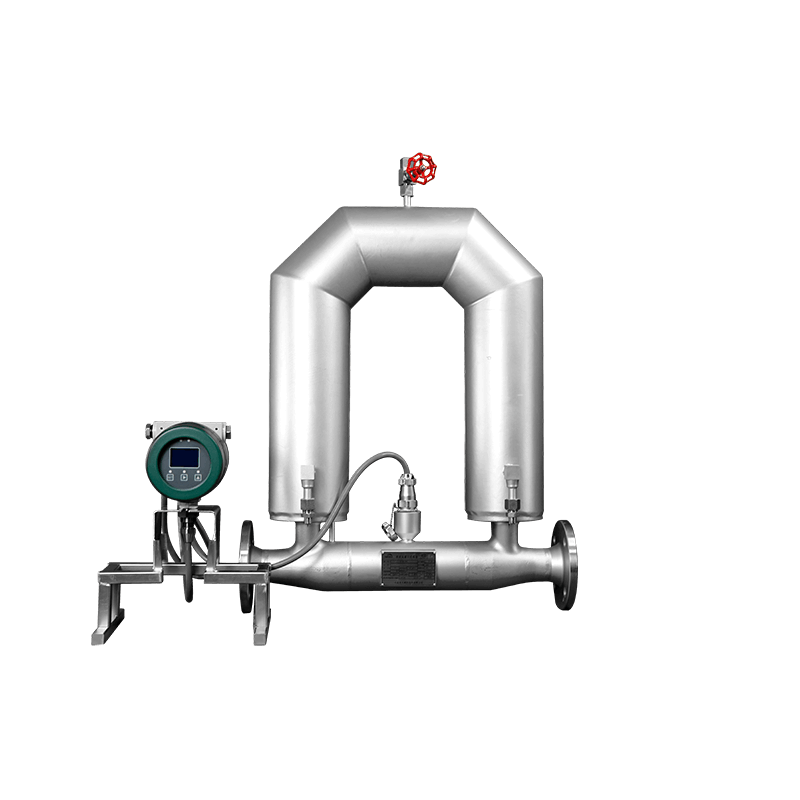
Coriolis flow meters, also known as Coriolis mass flow meters, are highly precise instruments that can directly measure the mass flow rate of a fluid. They don’t rely on temperature or pressure conversion, and they can be used to measure various substances, such as liquids, gases and slurries. They are perfect for those tricky jobs where you need to be very precise.
Principle of Operation
Its operating principle is based on the Coriolis effect. Inside the instrument, there is one or more measuring tubes driven by a motor to vibrate at a high frequency with a small amplitude. When the fluid being measured flows through the vibrating measuring tube, the fluid particles generate a Coriolis inertial force. This is because their own motion and the tube’s vibration are added together.
This force puts the measuring tube under a bit of pressure at the inlet and outlet bits, causing a slight twist and resulting in a phase difference in the vibrations at both ends of the tube.
The size of the phase difference is directly proportional to the mass flow rate of the fluid. The phase difference signal can be detected via a sensor and processed through a transmitter to determine the mass flow rate of the fluid directly. It is also possible to measure related parameters, such as fluid density and temperature, simultaneously.
Advantages
1. High measurement accuracy. The main idea is to measure the fluid’s mass flow rate directly, without needing to use compensation or conversion based on things like temperature, pressure or density. It’s pretty resistant to changes in fluid operating conditions, and measurement errors can be kept within a narrow range.
This makes it perfect for jobs that need really accurate measurements, like in the chemical, pharmaceutical and energy industries.
2. Wide measurement range. It works well with lots of different fluids, like liquids, gases, slurries and viscous fluids with solid particles, and it provides reliable measurements.
What’s more, the flow range is really broad, covering everything from low to high flow rates, so you don’t have to change instruments based on the type of medium.
3. There are no straight pipe run requirements. Coriolis flowmeters are different from traditional ones because they aren’t affected by the fluid’s flow state. You don’t need to reserve long straight pipe runs upstream and downstream of the instrument to make sure the flow stays stable.
It’s easy and quick to install, so you won’t need to spend time or money setting it up on-site.
4. It can measure multiple parameters at the same time. While you’re measuring mass flow, it can also detect parameters like fluid density and temperature, so you don’t need any extra measuring instruments. This means you don’t have to spend as much on equipment, while still getting all the data you need to analyse operations.
5. It is very stable and easy to look after. The instrument is pretty simple, with no parts that wear out or get clogged, like orifices or turbines. It rarely breaks down when it’s running and lasts a long time.
All you need to do is check the vibration tube and sensor regularly to make sure they’re clean and in good condition. This means you’ll spend less money on maintenance.
6. High resistance to interference. It provides robust protection against pipeline vibrations and external electromagnetic interference, ensuring a stable measurement signal that remains unaffected by on-site environmental factors.
This enables accurate measurements to be taken even under complex operating conditions.
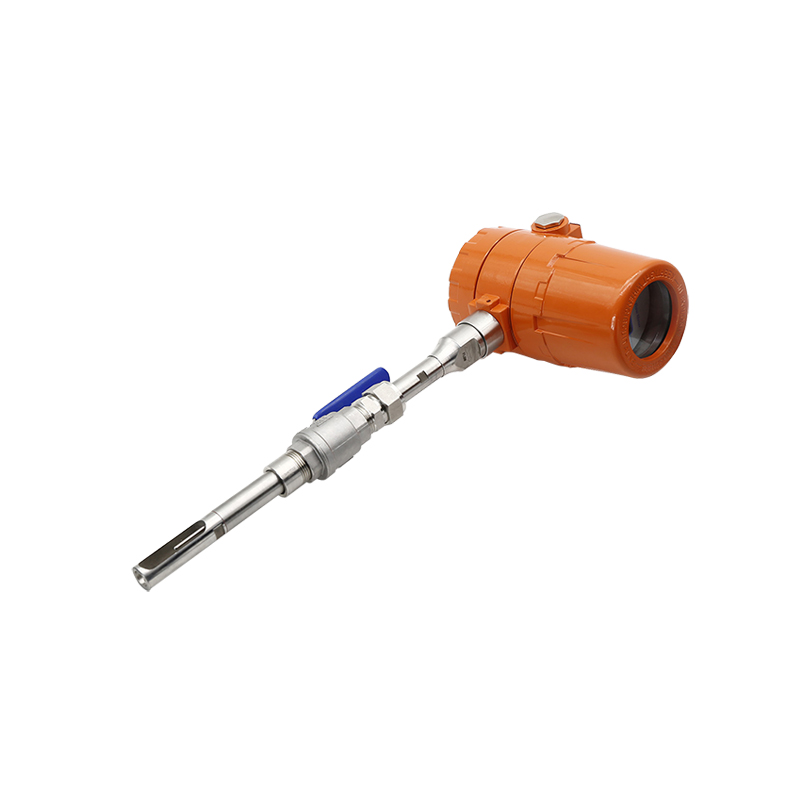
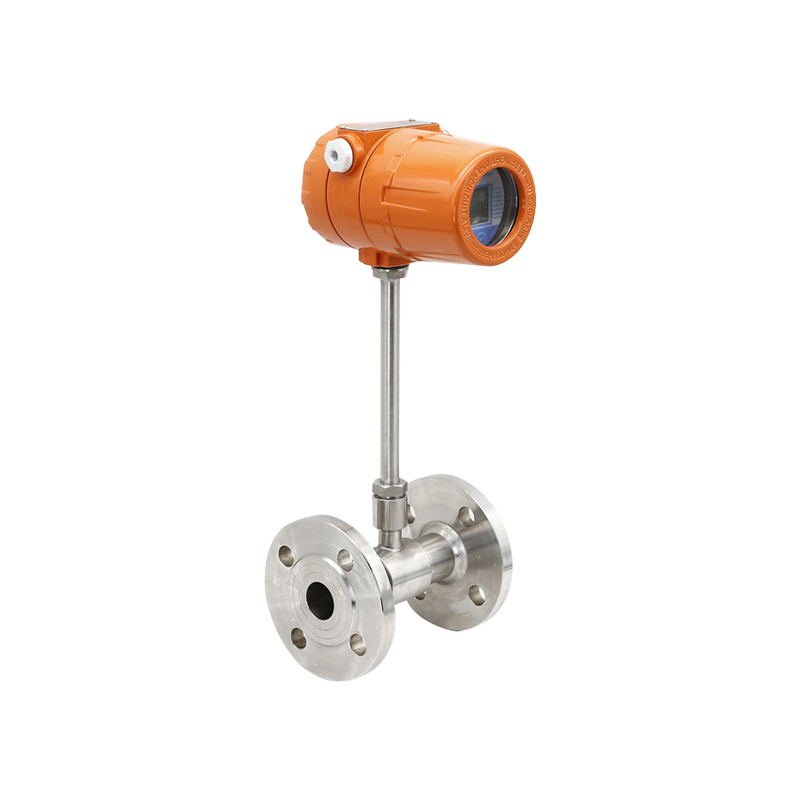
Thermal Mass Flow Meter
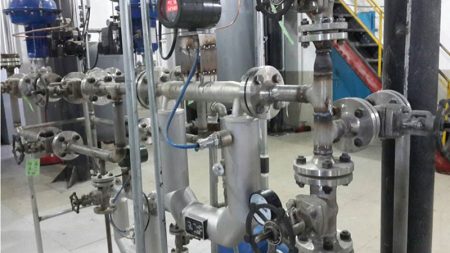
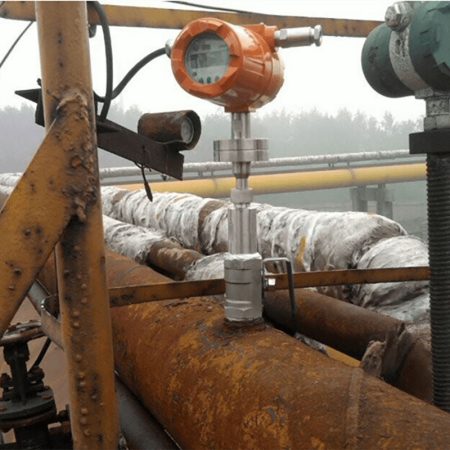
A thermal mass flow meter is a specialised instrument that measures gas flow using the principle of thermal diffusion. It works out the flow rate by measuring the changes in the heat that the fluid carries away as it flows. With a simple structure, low pressure drop and a wide turndown ratio, it is particularly suitable for monitoring the flow of dry, clean gases and is widely used in industrial gas transmission and gas metering applications.
Principle of Operation
Its operating principle is based on the thermal diffusion effect. The instrument normally has a heating element and two temperature sensors, one positioned upstream and one downstream of the fluid flow. When it’s running, the heating element keeps the gas in the pipeline hot.
When the gas is at rest and not flowing, the temperature is the same on both sides. The temperature difference measured by the two sensors is zero. When the gas starts flowing, the fluid molecules carry away heat. This makes the upstream temperature drop and the downstream temperature go up. This creates a stable temperature difference.
The faster the gas velocity and the greater the mass flow rate, the more heat is carried away, and the more pronounced the temperature difference becomes. By detecting this temperature difference signal and processing it through circuitry, the instrument directly outputs the gas mass flow rate; generally, no further compensation for temperature or pressure is required.
Advantages
1. It is very accurate. The gas flow rate is measured directly, so there is no need to adjust for temperature, pressure or density. It is not easily affected by changes in operating conditions and has low error rates, making it suitable for high-precision metering applications in the chemical, electronics and new energy sectors.
2. It’s got a wide range of compatible gases and it can measure really small flow rates. It can measure all kinds of clean, dry gases, like compressed air, nitrogen, natural gas and flue gas. It can measure both low and medium-to-high flow rates, so it’s better than traditional flow meters.
3. No straight pipe run requirements; flexible installation. Unaffected by flow field conditions, it requires no upstream or downstream straight pipe runs and supports both insertion and in-line installation, saving space and reducing retrofitting costs.
4. It can measure a variety of different things simultaneously. For example, it can measure mass flow rate, temperature and velocity simultaneously, meaning you don’t need any additional instruments and you can analyse processes and detect leaks with all the necessary data.
5. It’s stable, durable, low-maintenance and pressure-loss-free. It’s got no moving parts, so it’s resistant to wear and blockages, which means it’ll last for ages; it’s easy to maintain, you just need to give the probe a quick clean every now and then; and because it’s got no flow-restricting components, there’s no pressure loss.
6. It can handle a lot of interference, so it’s great for situations where things are a bit more complicated. It can handle vibration and electromagnetic interference, delivers stable signals, and provides reliable measurement in industrial environments, even in high-temperature and low-pressure conditions.
Compensated Mass Flow Meters
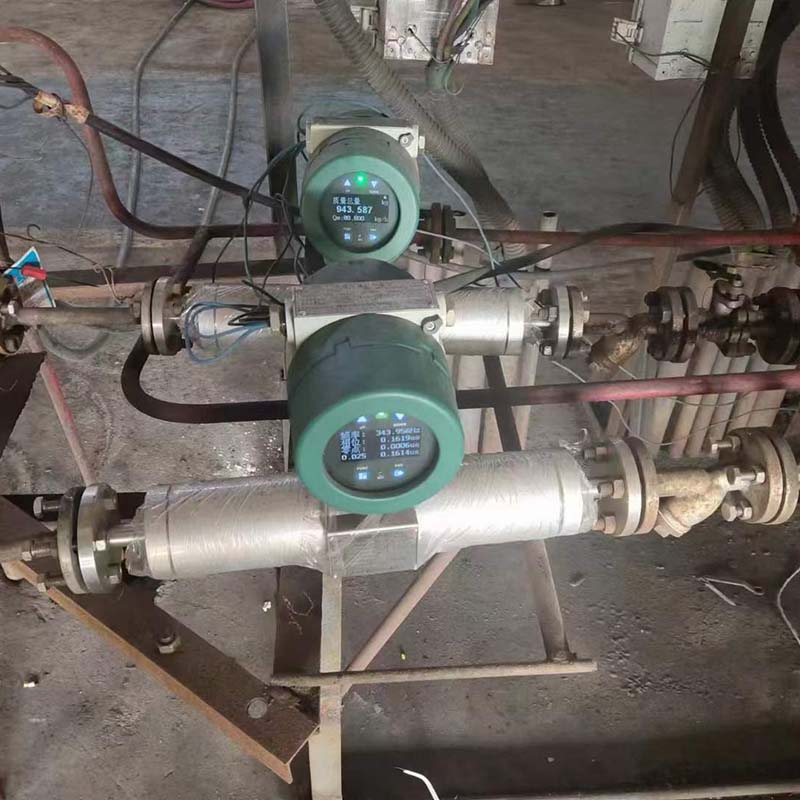
Compensated mass flow meters are a type of indirect measurement mass flow meter. They simultaneously collect the fluid’s volumetric flow rate, temperature and pressure parameters via sensors, and automatically calculate the mass flow rate using mathematical models such as the gas state equation. They are relatively low-cost and highly adaptable, and are commonly used for online measurement of gas mass flow under standard operating conditions.
Other Types
In addition to the mainstream types mentioned above, inductive mass flow meters, positive displacement mass flow meters, ultrasonic mass flow meters and electromagnetic mass flow meters are also commonly used mass flow measurement devices in industry.
They operate using different principles – electromagnetic induction, positive displacement and differences in sound velocity – and can be selected based on the characteristics of the medium, operating conditions and installation environment in order to fulfil various flow measurement requirements.
Practical Applications of Mass Flow Meters
1. In the petrochemical and energy sectors, mass flow meters are used for the pipeline transportation, ship loading/unloading and trade settlement metering of media such as crude oil, refined oil products, LNG and natural gas.
They are also employed for the precise blending of feedstocks in refining and petrochemical units, the monitoring of flare gas emissions and the control of fuel consumption. Unaffected by fluctuations in temperature and pressure, they ensure fair settlement and stable production.
2. In chemical and fine chemical production, mass flow meters are suitable for processes such as reactor feeding, catalyst injection, solvent mixing and polymerisation reactions.
Direct measurement of mass flow avoids formulation deviations caused by density variations, whilst also enabling the detection of minute flow leaks, thereby enhancing reaction efficiency and production safety.
3. In food and pharmaceuticals, sanitary mass flow meters are perfect for measuring out dairy products, drinks, syrups and medicines.
They stick to GMP and food hygiene standards, and can also measure density to keep track of how concentrated the product is. This makes sure that production is traceable and meets the required standards.
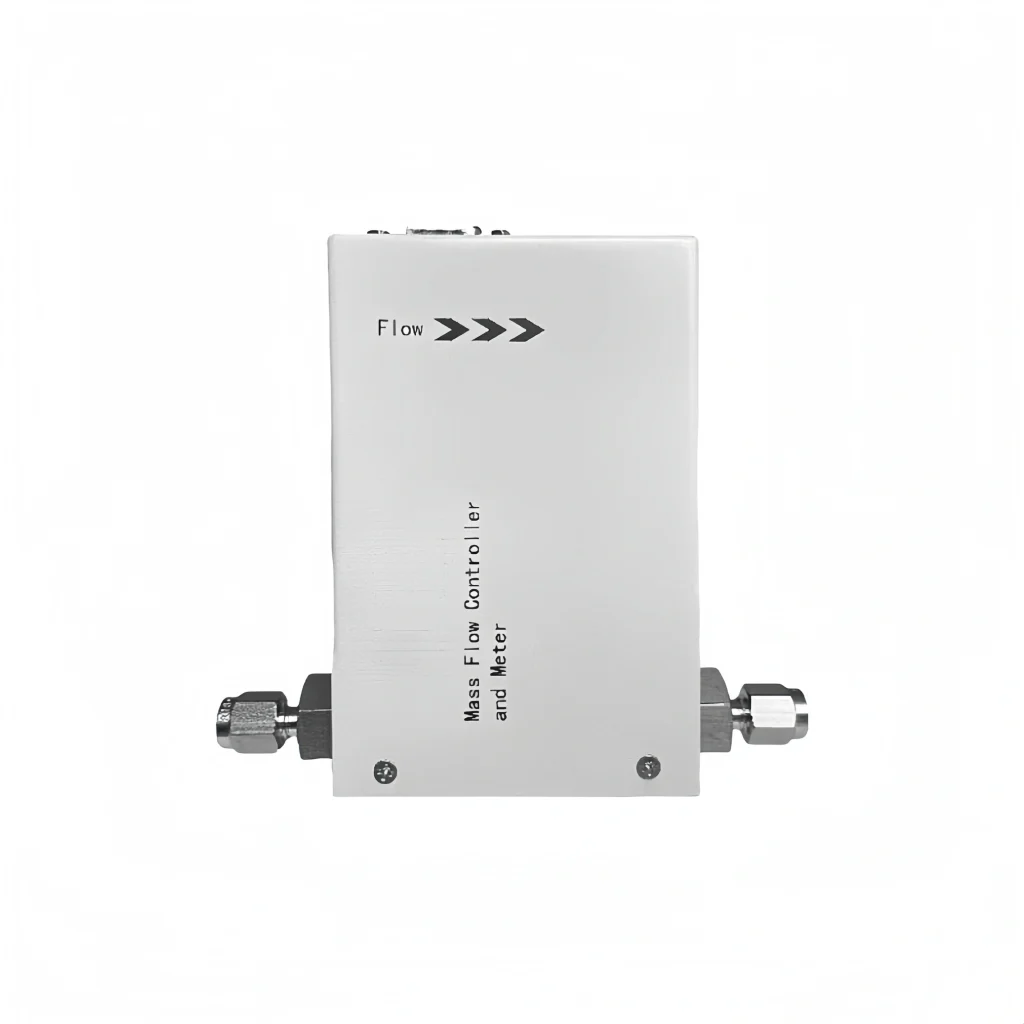
4. In the semiconductor and electronics manufacturing sectors, thermal mass flow meters are used to control high-purity process gases in CVD, ALD and similar processes.
They’re great for measuring low flow rates in the microlitre and millilitre ranges, making sure that the fabrication processes for wafers and chip yield rates are spot on.
5. In the new energy and transport sectors, mass flow meters are used for storing, transporting and refuelling hydrogen, metering power battery slurry and monitoring the fuel consumption of LNG vehicles.
These meters enable the precise calculation of fuel consumption and remaining reserves, thereby optimising energy management and preventing supply disruptions.
6. In the environmental protection and water treatment sectors, mass flow meters are used for the dosing of wastewater treatment chemicals, flow control of flue gas desulphurisation and denitrification agents, and the metering of industrial wastewater discharge.
They ensure precise chemical dosing and meet environmental emission monitoring and total volume accounting requirements.
Mass Flow Meter Selection Guide
1. First, you need to know what kind of substance you are dealing with. Is it gas, liquid or slurry, or could it be something that could damage the substance?
Thermal mass flow meters are perfect for gases, but for thick liquids, and when you need to be very precise, Coriolis mass flow meters are the best choice. Also, check for any particles, bubbles or impurities in the liquid, as these can affect the accuracy of the measurement.
2. Work out the measurement range based on how it is used and find the normal, maximum and minimum flow rates. Make sure the usual flow rate is between 30% and 70% of what the flow meter says it can measure.
Also, check the operating temperature, operating pressure and pipeline pressure rating. This will make sure that the flow meter can handle the pressure and temperature at the site.
3. Consider the requirements for measurement accuracy and repeatability. For applications such as trade settlement, raw material blending and metered billing, select products with high accuracy grades.
For general process monitoring, however, standard accuracy models can be used. Additionally, take response speed into account; for rapidly changing flow conditions, select models with faster response times.
4. Just pick the model based on how it’s all going to be installed, and make sure you’re aware of the pipe size, how it’s all going to be put in place, if there’ll be any straight pipe runs and how much space there is.
Coriolis mass flowmeters can be used with shorter straight pipe runs, while thermal mass flowmeters need specific upstream and downstream straight pipe runs. Also, think about whether the unit can be installed and maintained in-line, and whether it’s compatible with the existing piping layout.
5. Consider the characteristics of the medium and special operating conditions. For highly corrosive media, select sensors made of corrosion-resistant materials. For hygienic applications in the food and pharmaceutical sectors, choose models with hygienic-grade, easy-to-clean, and dead-end-free designs.
For low-temperature, high-temperature, high-pressure, and explosion-hazardous areas, select explosion-proof or high/low-temperature-resistant mass flow meters accordingly.
6. Make sure you’ve got the right signal output and that the system is compatible. Choose the right communication protocols, like 4–20 mA, pulse, RS485, HART or Modbus, based on the on-site control system.
This’ll make it easy to integrate with DCS and PLC systems. Additionally, confirm whether supplementary measurement functions such as density, temperature or totalisation are required.
Sino-Inst’s mass flow meters utilize innovative technology to provide exceptional accuracy and repeatability. Wherever you need to accurately measure mass flow, whether it is gas or liquid. Sino-Inst has the right mass flow meter technology for your application.
Please feel free to contact our sales engineers!