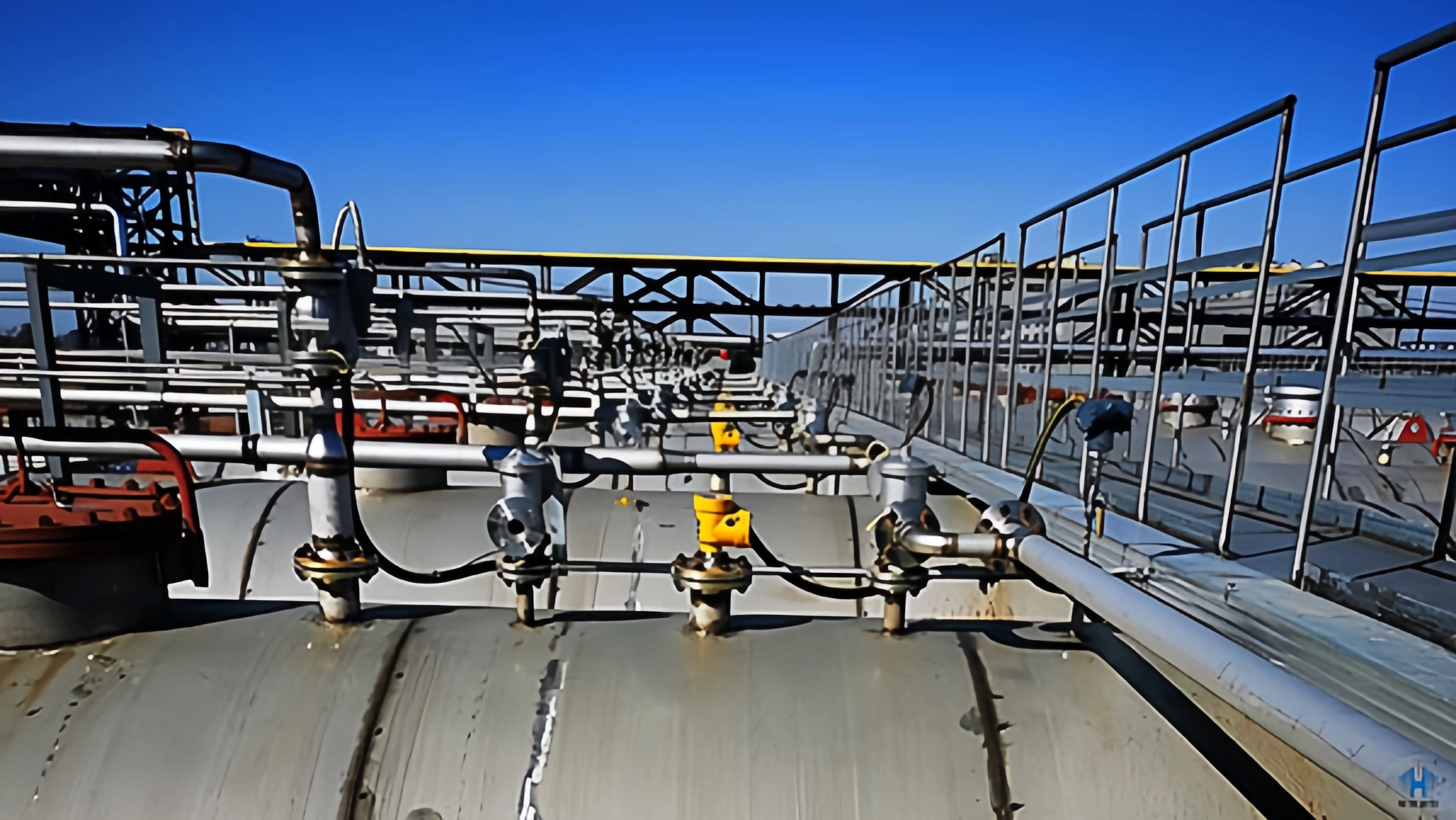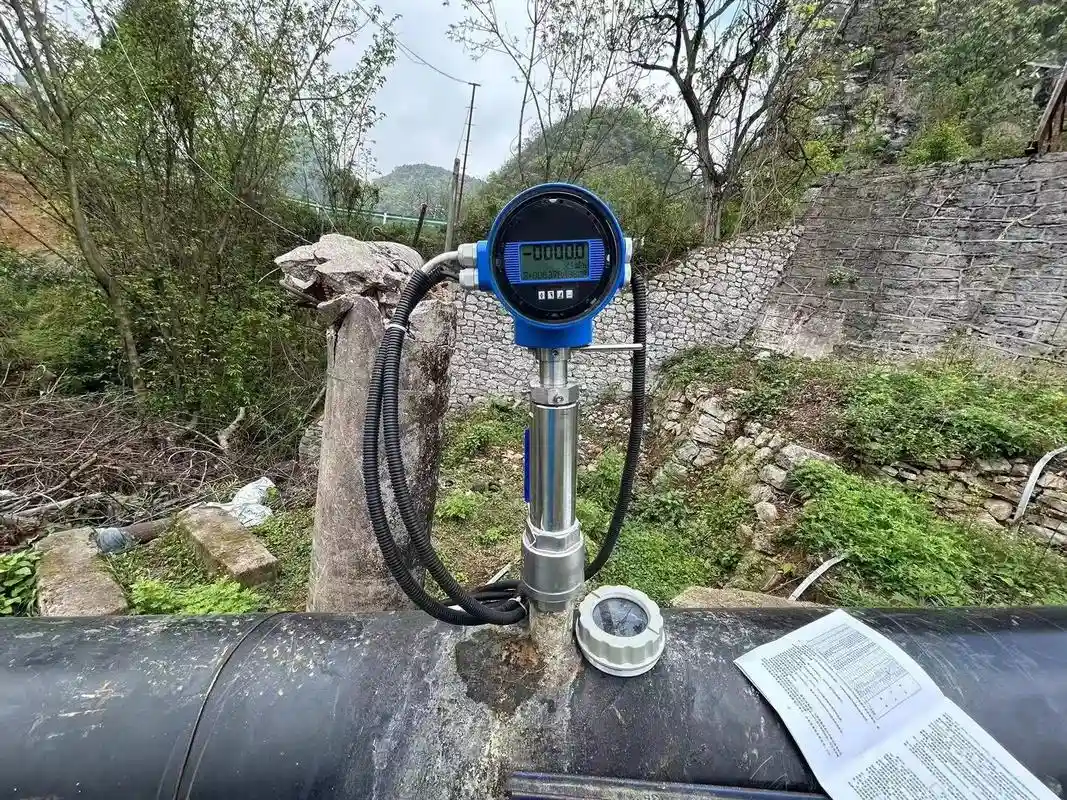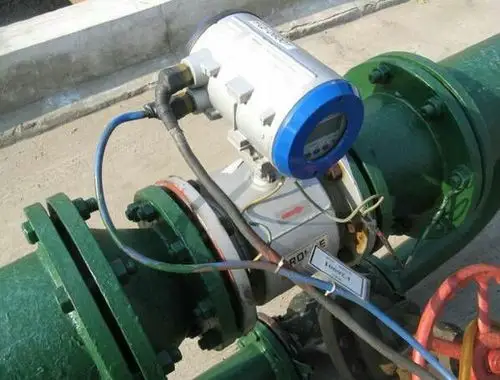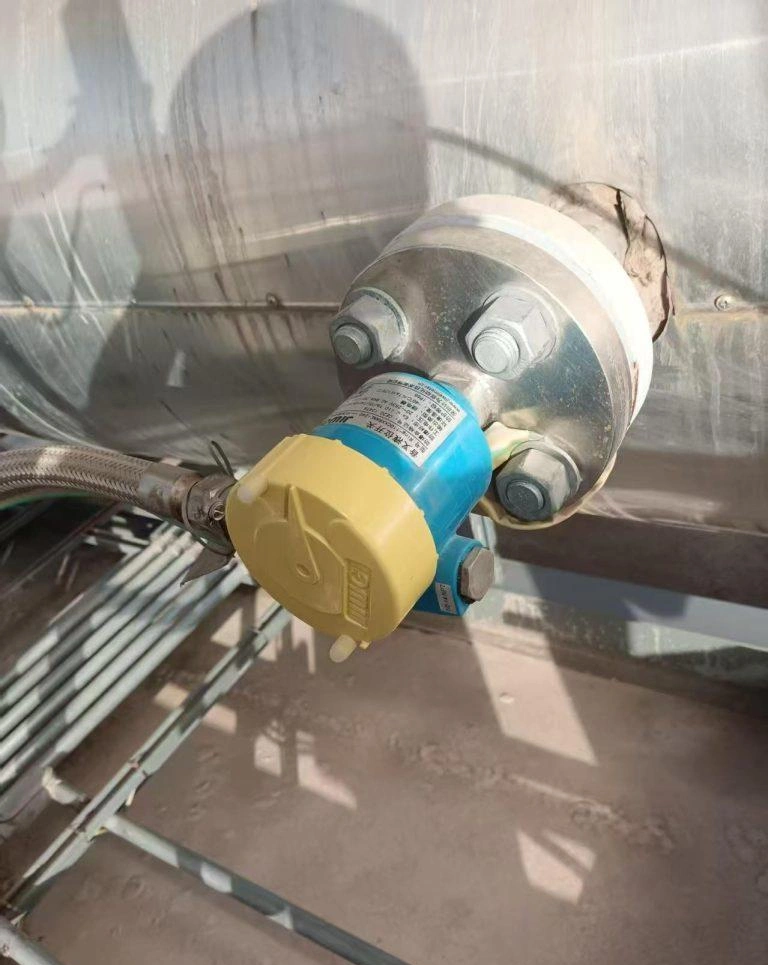
Radar level transmitters are the mainstream equipment for industrial level measurement and control, and can be divided into two categories: radar and guided wave radar.
The two types differ significantly in terms of microwave propagation methods, measurement characteristics and suitability for specific operating conditions; accurately distinguishing between their characteristics is the key criterion for selection in industrial applications.
Radar level transmitters are non-contact and unaffected by the properties of the medium. Guided wave radar level transmitters are contact-based. And it is affected by the properties of the medium.
This article explains the differences between the two and hopes it will be helpful.

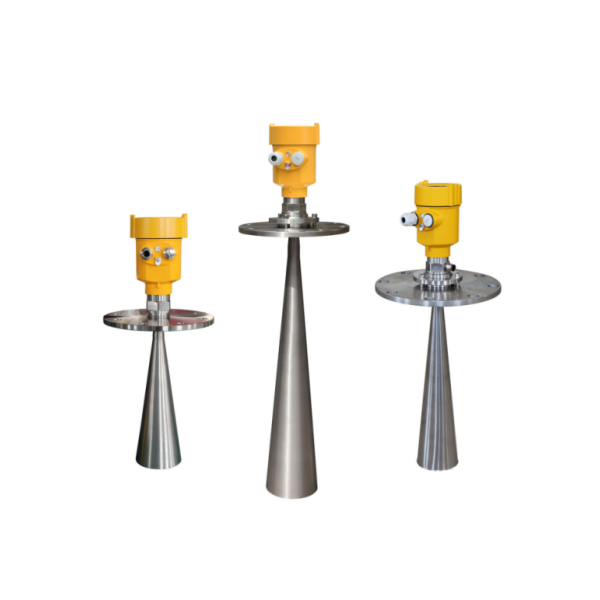
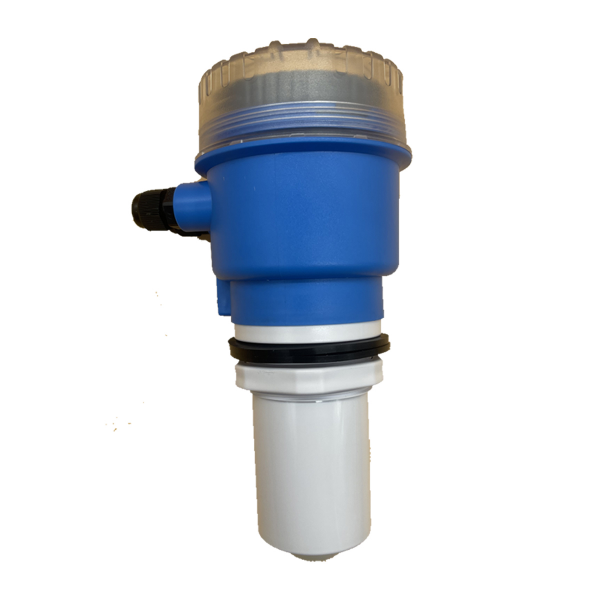
What is a radar level transmitter?
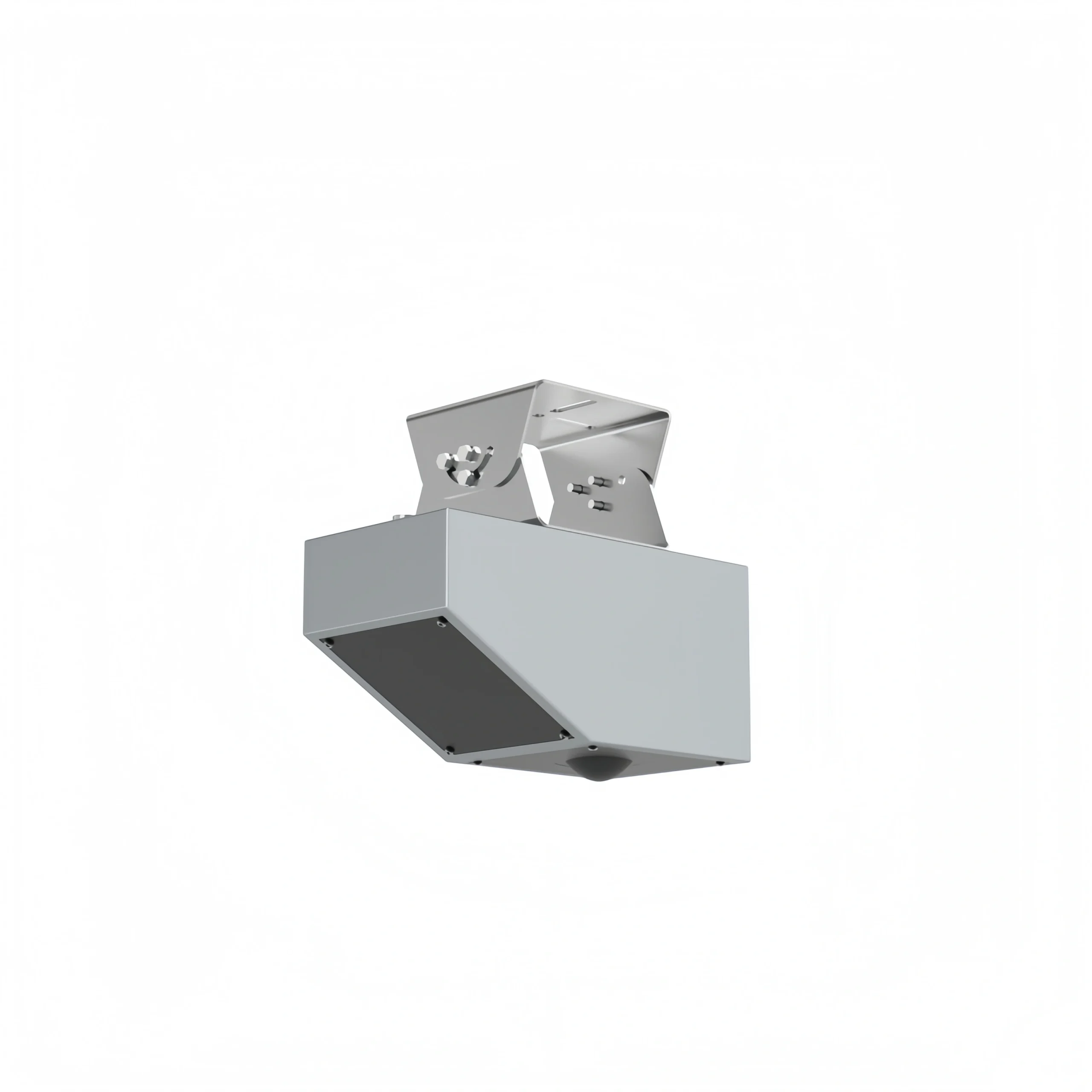
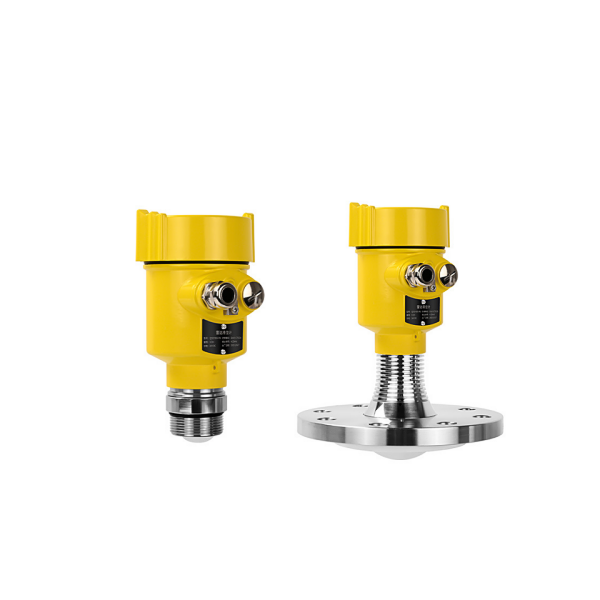
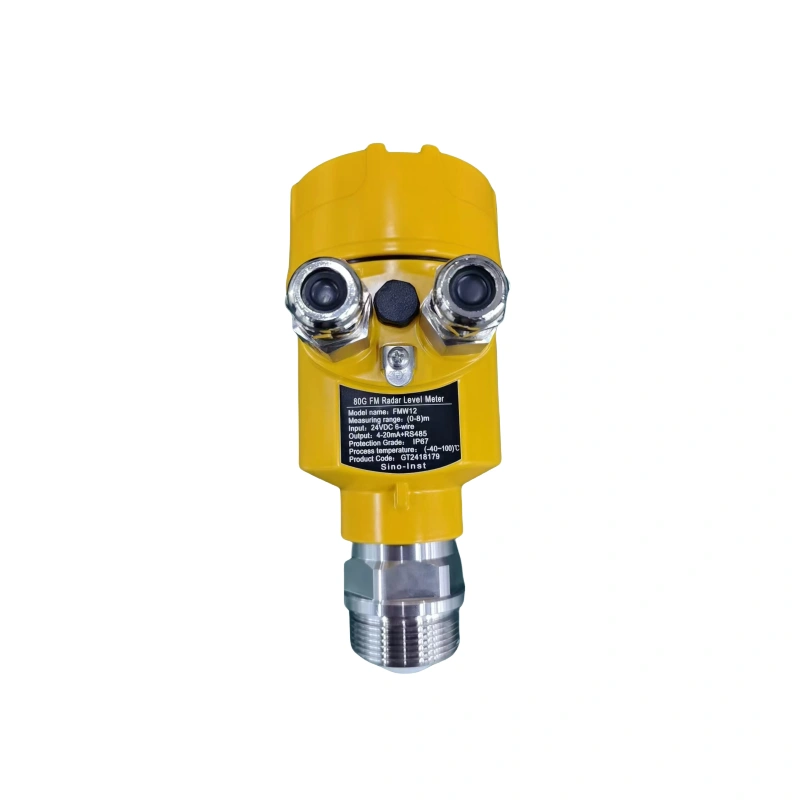
Radar level transmitters are microwave distance-measuring devices. Installed on the tops of storage tanks or silos without coming into direct contact with the medium, they operate by emitting freely propagating microwave signals which are reflected back to the probe upon reaching the liquid surface.
By calculating the round-trip time of the signal, the level height is determined. As they are minimally affected by the medium’s electrical conductivity or viscosity, they are suitable for non-contact measurement in high-temperature, high-pressure, highly corrosive, and media prone to scaling or volatilisation.
Radar Level Transmitter Feature:
The most significant feature of a radar level transmitter is its exceptional performance under harsh conditions. It can measure toxic and corrosive media, solids, liquids, dust, or slurries.
- Continuous and accurate measurement
- Interference echo suppression
- Accurate, safe, and energy-saving
- Maintenance-free and highly reliable
- Easy maintenance and simple operation
- Widely applicable, suitable for measuring virtually all media
What is a guided wave radar level transmitter?
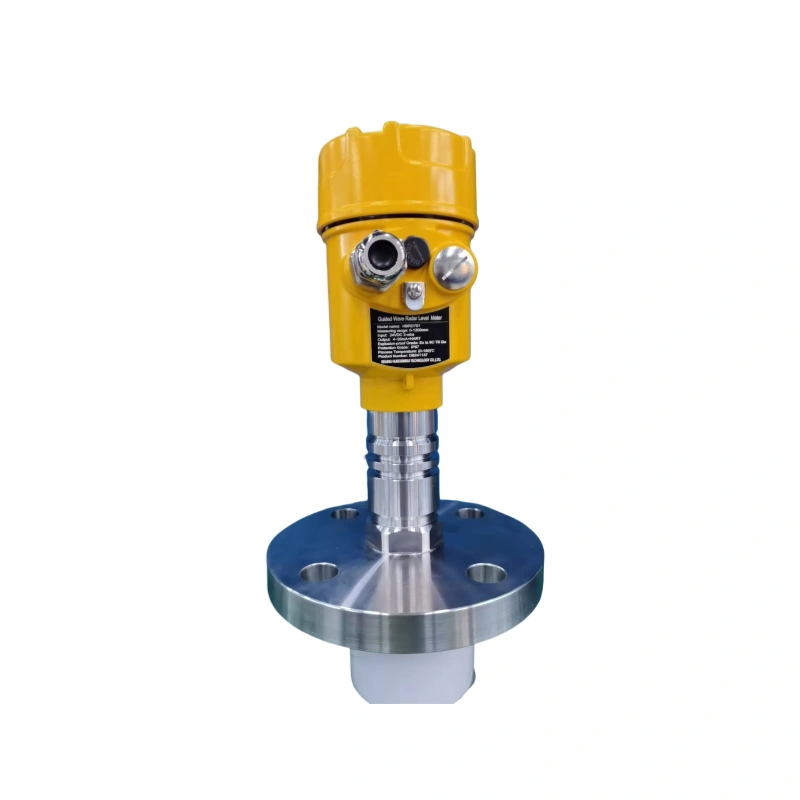
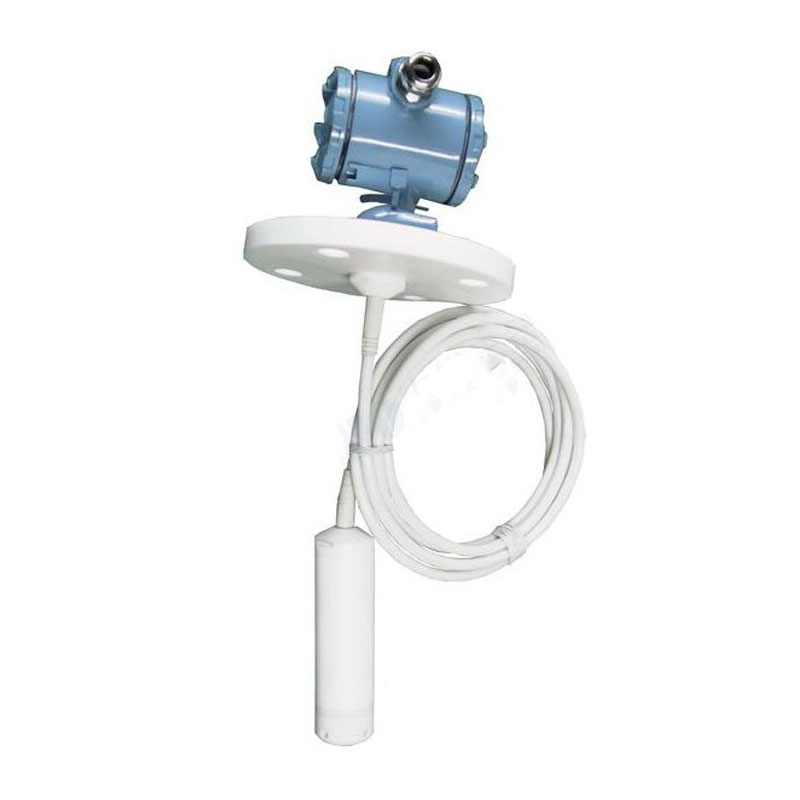
A guided wave radar level transmitter is a contact-type microwave measurement instrument that utilises a metal cable or probe as a medium for microwave transmission.
It emits high-frequency electromagnetic waves that travel along the guide to reach the liquid surface; once the echo from the liquid surface is received by the probe, the device calculates the liquid level height by measuring the time difference of the signal.
Its microwave signal is less susceptible to interference from dust, vapour and foam, ensuring stable measurement accuracy; it is suitable for viscous media, media with low dielectric constants and applications in confined storage tanks.
Guided Wave Radar Level Transmitter Features:
- Strong steam and foam suppression
- Unaffected by liquid density, solid material porosity, temperature, and dust during charging;
- Low maintenance
- High performance
- High accuracy
- High reliability
- Long service life
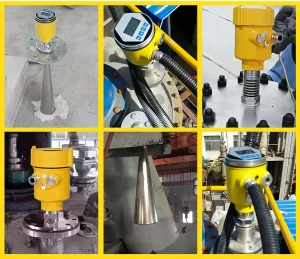
The basic working principle of a radar level transmitter: transmit-reflect-receive
The radar sensor’s antenna transmits an electromagnetic wave signal in the form of a beam. The transmitted wave reflects off the surface of the material being measured. And the reflected echo signal is received by the antenna.
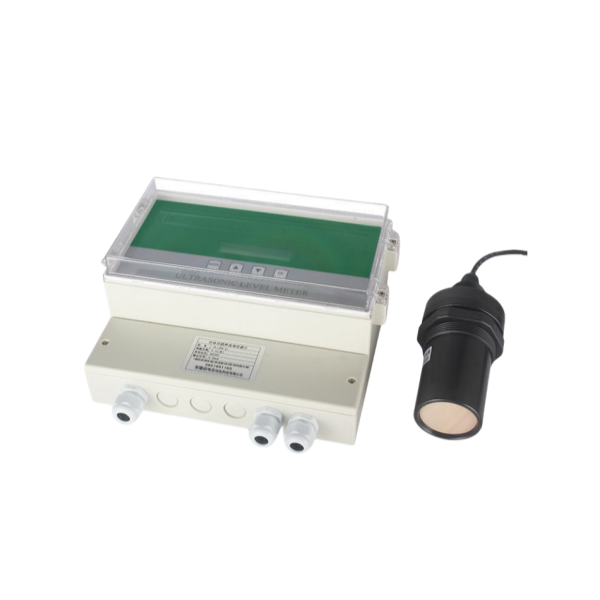
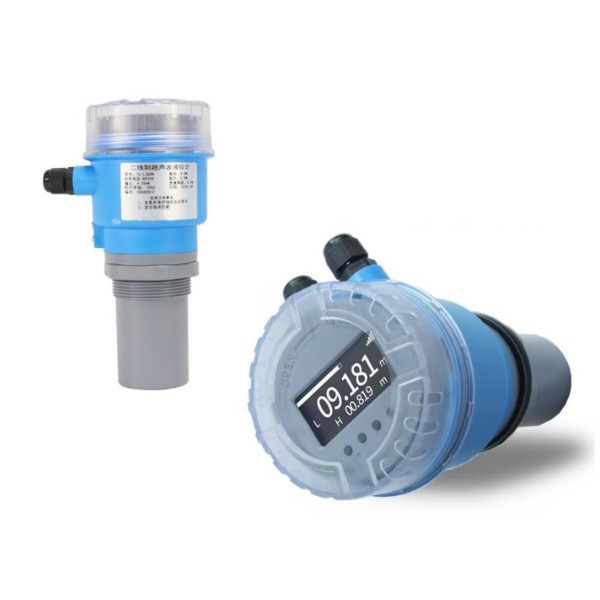
Ultrasonic sampling is used to collect data at each point in the transmitted and reflected beams. The signal is processed by an intelligent processor to determine the distance. Then the sensor sends to the terminal display for display, alarms, and operation.
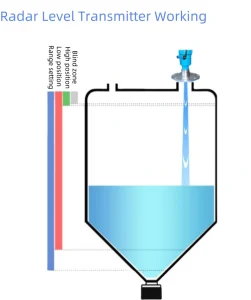
Guided wave radar level transmitters are measuring instruments based on the time-travel principle. Radar waves travel at the speed of light. And the travel time can be converted into a level signal by electronic components.
The probe emits a high-frequency pulse that propagates along a cable probe. When the pulse hits the material surface, it reflects and is received by a receiver. It converts the distance signal into a level signal.
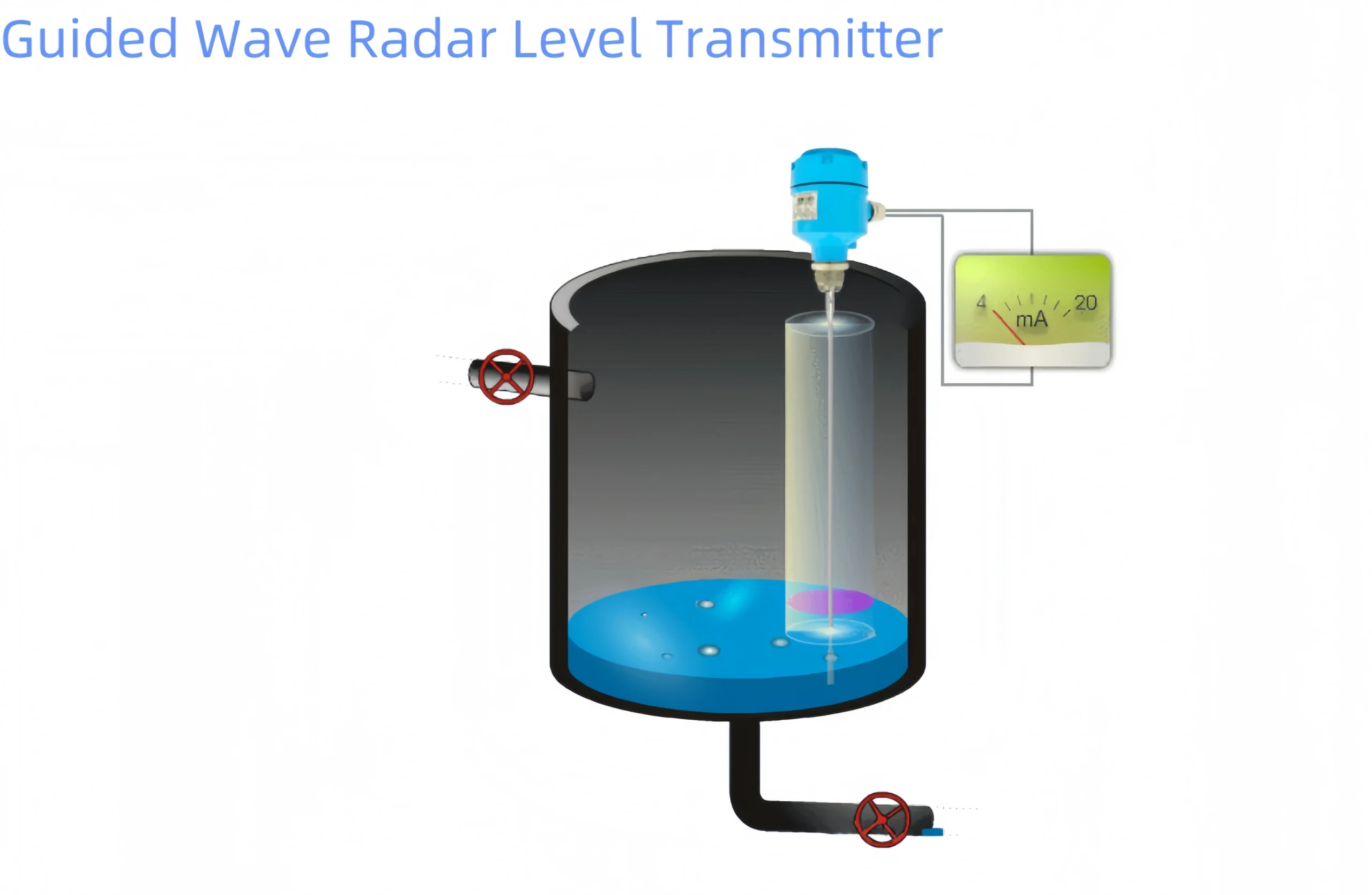
Guided wave radar level transmitters use contact measurement. So the corrosiveness and adhesion of the medium must be considered.
Ordinary radar level transmitters are non-contact. So it has a wider application range.
Specific media they are suitable for are as follows:
1. Media Compatibility
Radar Level Sensor (Non-Contact)
Low dielectric constant media (such as liquefied petroleum gas and certain organic solvents):
Microwave reflection signals are weak and easily interfered with.
High dust and steam environments (such as dust tanks and cooking tanks):
Microwaves experience significant attenuation when propagating in air, resulting in unstable reflection signals. Highly volatile, corrosive, high-temperature, and high-pressure media.
(such as acidic and alkaline solutions, organic solvents). Avoid corrosion or wear by not contacting the media.
Highly viscous b ut non-scaling media (such as heavy oil). Avoid material buildup on the waveguide. Low-viscosity, easily flowing media (such as water, light oil).
Guided Wave Radar Level Transmitter
Highly corrosive media: The waveguide is susceptible to corrosion (requiring the use of special materials such as PTFE and Hastelloy);
Mediums prone to crystallization and solidification (such as molten salts). The waveguide may be coated, affecting signal transmission.
Highly viscous, easily scaled, and foamy media (such as syrups, paints, and muds). The waveguide guides microwaves to reduce interference from foam/scaling on the signal.
Low-dielectric-constant media: Direct contact between the waveguide and the media results in a stronger reflected signal (energy concentration);
Scenarios with agitation and turbulence within the tank: Microwaves propagate along the waveguide, less affected by liquid level fluctuations.
2. Adaptability to the Operating Environment
Radar Level Transmitters (Non-Contact)
Suitable for use in open spaces with no complex structures within the tank (e.g., no agitators, ladders, or other obstructions). Because microwave propagation is easily affected by reflections from obstacles. A sufficient “unobstructed area” must be reserved (typically, the antenna must be at least 30 cm away from the obstacle).
Guided Wave Radar Level Transmitters
Suitable for use in environments with complex tank structures and obstacles. Because the waveguide propagates directionally, interference from surrounding structures is minimal. However, the waveguide must be vertical and unbendable. Avoid contact with the tank wall or other components (otherwise, false reflections will occur).
The two different level transmitters have different applications.
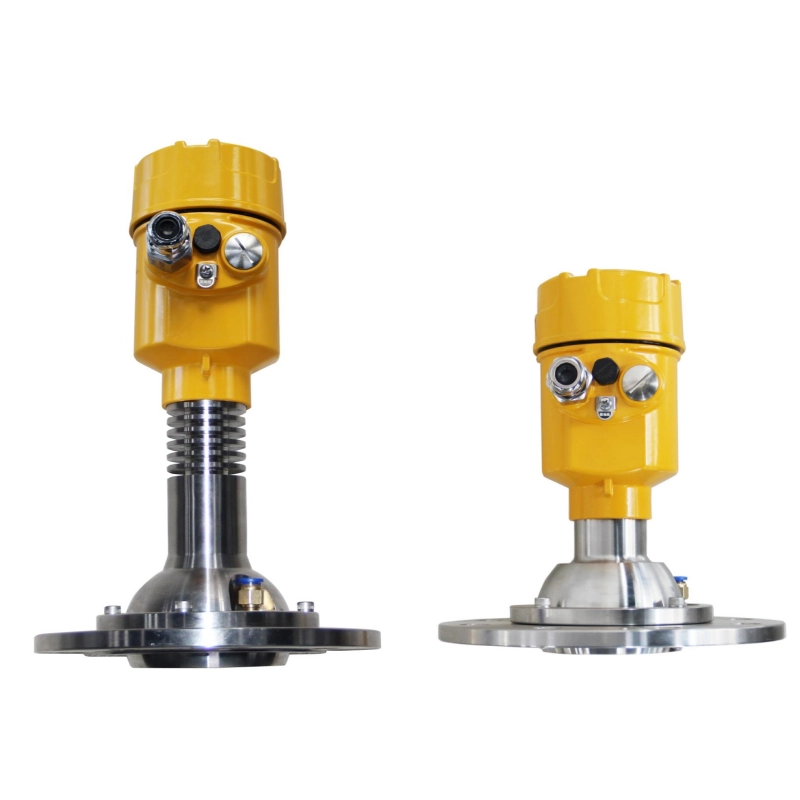
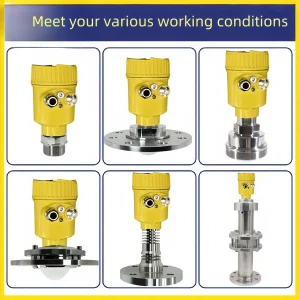
Radar level transmitter: Comprising an electronic processing unit, a transceiver antenna and a process connection housing, it has no components extending into the tank.
The microwaves propagate through the air; the antenna is directed only towards the interior of the tank and does not come into contact with the medium. As there are no immersed components such as probe rods or steel cables, it is less prone to material build-up and corrosion.
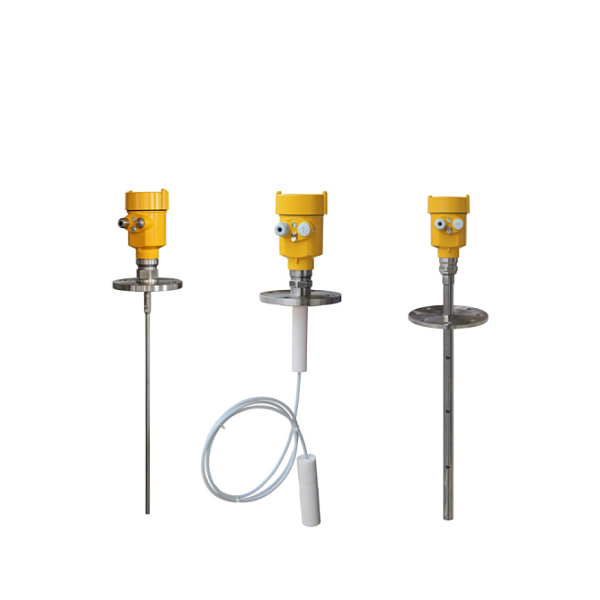
Guided wave radar level transmitters: The basic housing structure is identical to that of standard radar transmitters, but the core design includes a guided-wave assembly that extends into the tank.
Microwaves are transmitted along a guided-wave rod or cable, with the sensing components directly immersed in the medium. These are available in single-rod, double-rod, steel cable and coaxial tube configurations; cable-type models are fitted with a bottom counterweight.
In terms of signal reliability, guided wave radar level transmitters are unaffected by changes in temperature, pressure, or vapor density. They operate reliably even under extreme conditions. such as high temperatures, vacuum applications, or corrosive environments. However, guided wave radar may face limitations in applications. Such as foam, agitated surfaces, or materials with low dielectric constants can interfere with measurement.
Radar level transmitters excel in applications with agitated surfaces, heavy vapor, or turbulent flows. Because they measure the strongest echo, typically from a liquid or solid surface. They are unaffected by foam or low dielectric constant materials. However, steam, dust, condensation, or buildup on the antenna can affect measurement accuracy.
Generally speaking, prices vary due to various factors, such as housing material, the medium and the measurement environment.