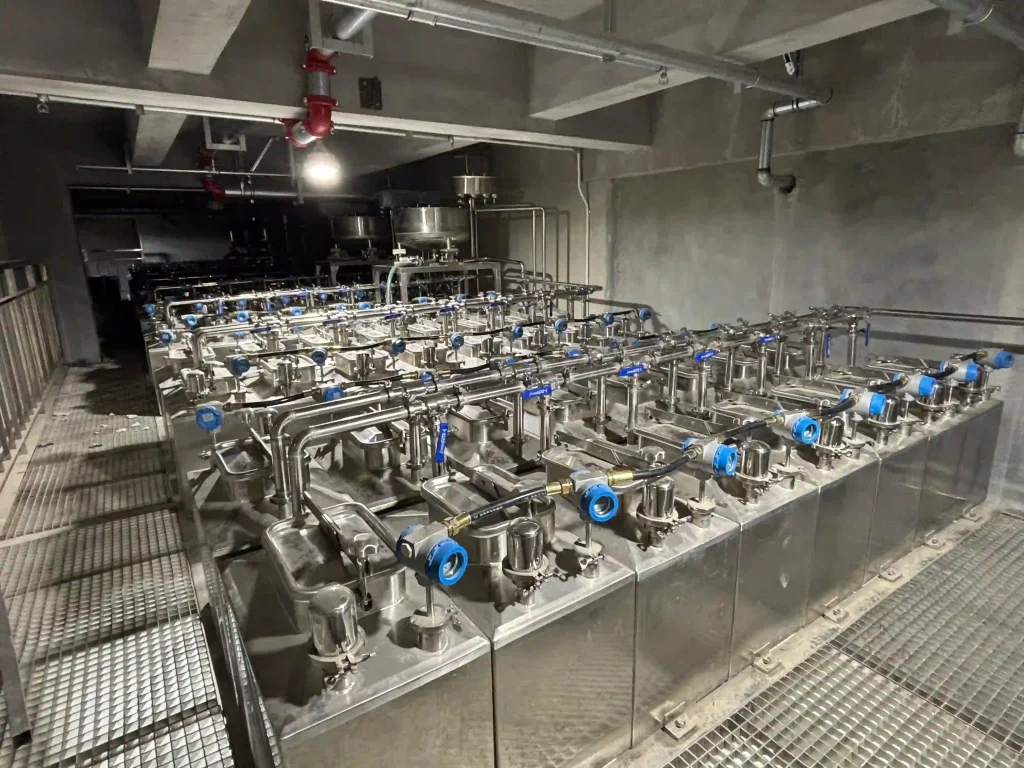
Industrial Level Probes: Types, Materials and Selection Guide
In industrial process measurement and control systems, liquid level probes serve as the core front-end components for detecting the state
Sino-Inst has designed and manufactured level transmitters and switches for many years, and we specify level measurement for tanks, silos, wells and open water. Before choosing an instrument, pin down the details that actually decide it: the medium (liquid, slurry or solid), the vessel height and shape, whether contact with the medium is acceptable, process temperature and pressure, dielectric constant or conductivity, whether there is foam, dust, vapour or agitation, how it mounts, the output signal, and the accuracy you need.
These guides cover the main level measurement technologies: how each works, where it suits the job, and where its limits are. They run across radar and guided wave radar, ultrasonic, hydrostatic and submersible, capacitance, magnetostrictive, float and RF admittance. Read alongside our product specifications, they should get you to the right instrument.
Or simply tell our sales engineers what you need to measure, and we will put a measurement solution together for you.
Browse by type: Hydrostatic · Radar · Ultrasonic · Capacitive · Float switches · Level switches & controllers
In industrial process measurement and control systems, liquid level probes serve as the core front-end components for detecting the state
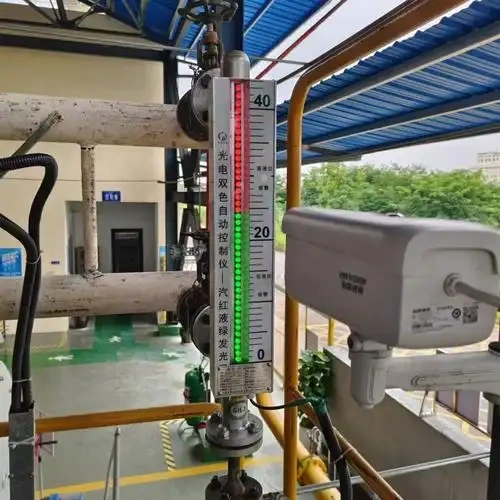
Level monitoring is a critical aspect of fluid process control. Float and capacitive level sensors are two types widely used
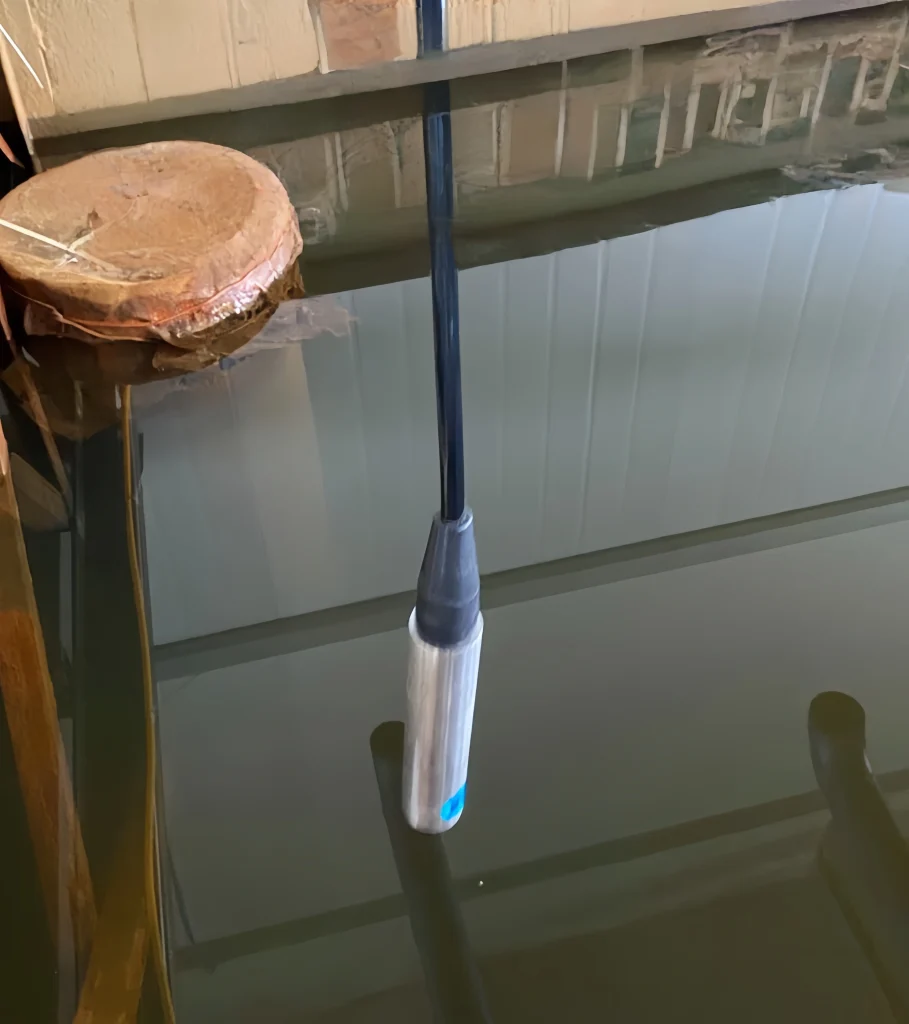
Various wastewater are generated in domestic and industrial production. Wastewater treatment is crucial for environmental protection and resource conservation. However,
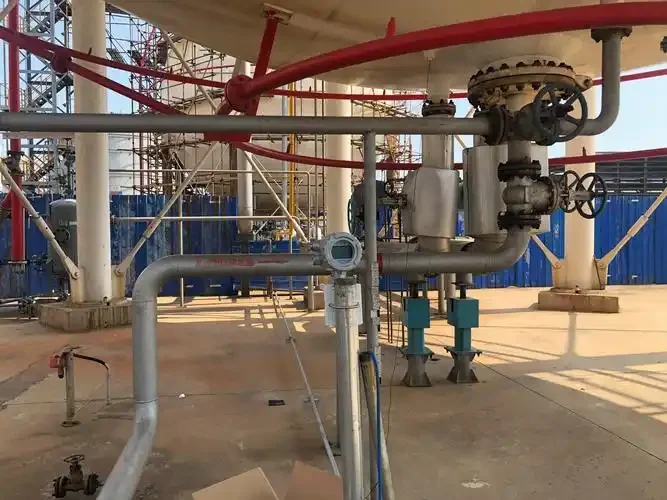
Propane tank level sensors are the core monitoring devices in liquefied propane storage systems. They provide real-time feedback on the
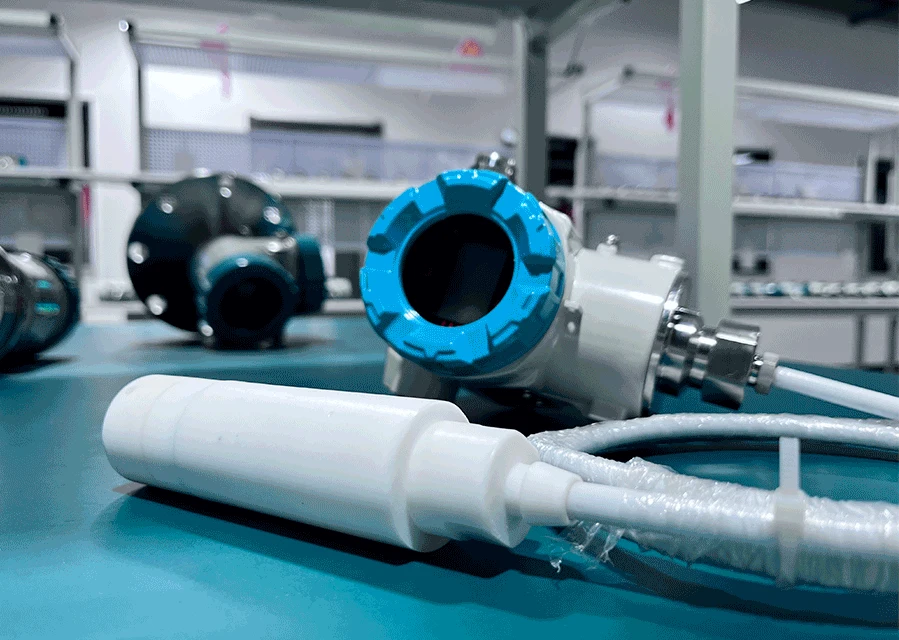
Standard level sensors fail fast in chemical waste liquids and acid wash tanks. A PTFE submersible level transmitter drops a
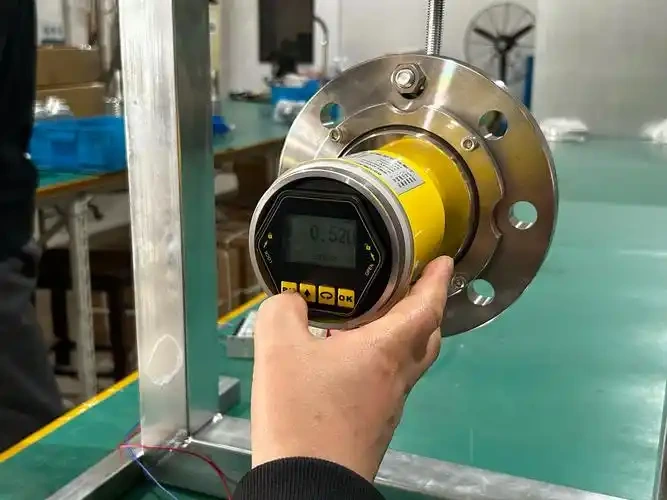
Industrial tanks run in complex environments that create real challenges for level measurement, particularly around resolution and resistance to interference.
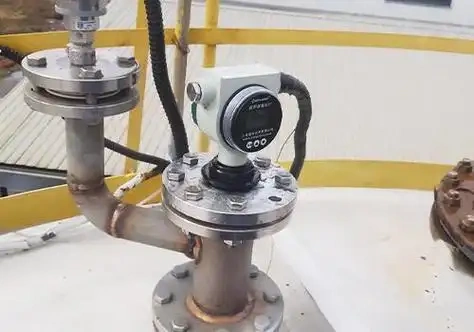
Level monitoring in high-risk storage tanks within the process industry imposes stringent dual requirements on instrument explosion protection and measurement
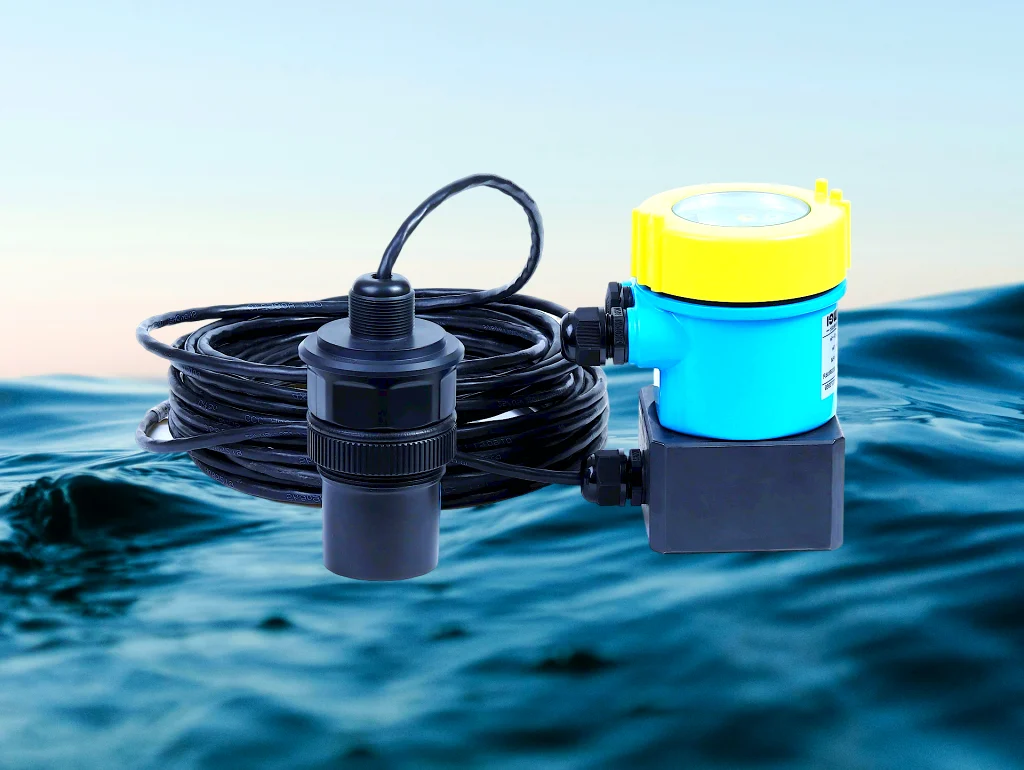
As sludge tanks contain a mixture of solid and liquid phases, with flocs forming indistinct layers and foam and adhesive
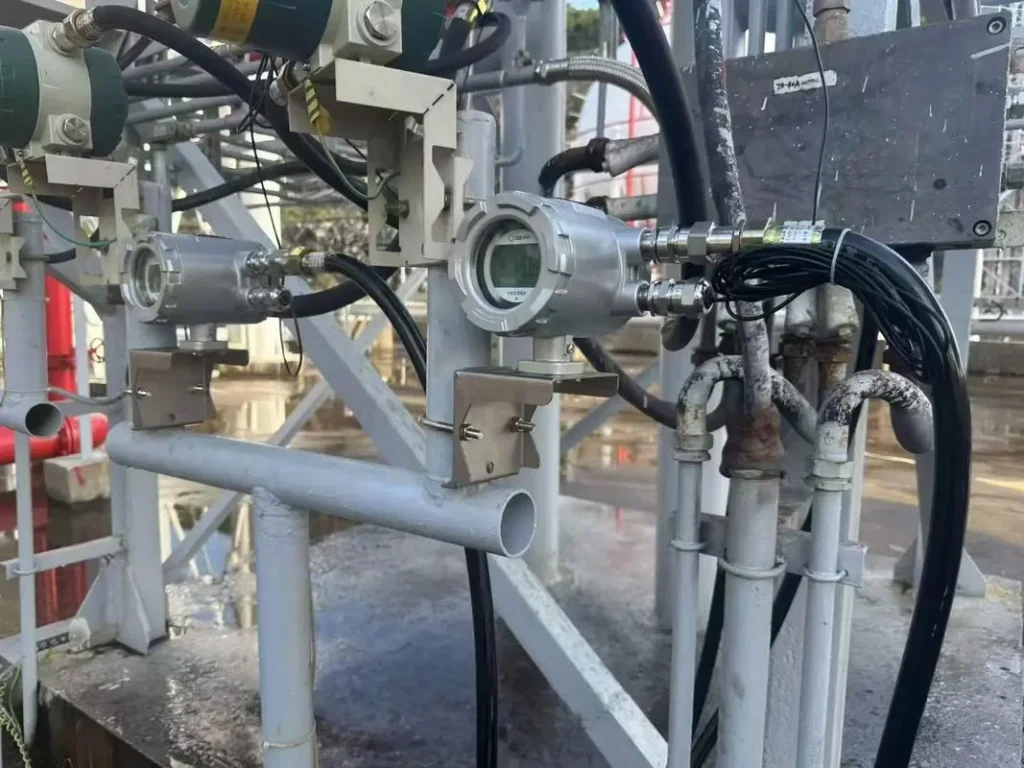
In cleanroom production processes, the hygienic suitability of liquid level monitoring equipment directly determines production compliance. Sanitary level sensors are
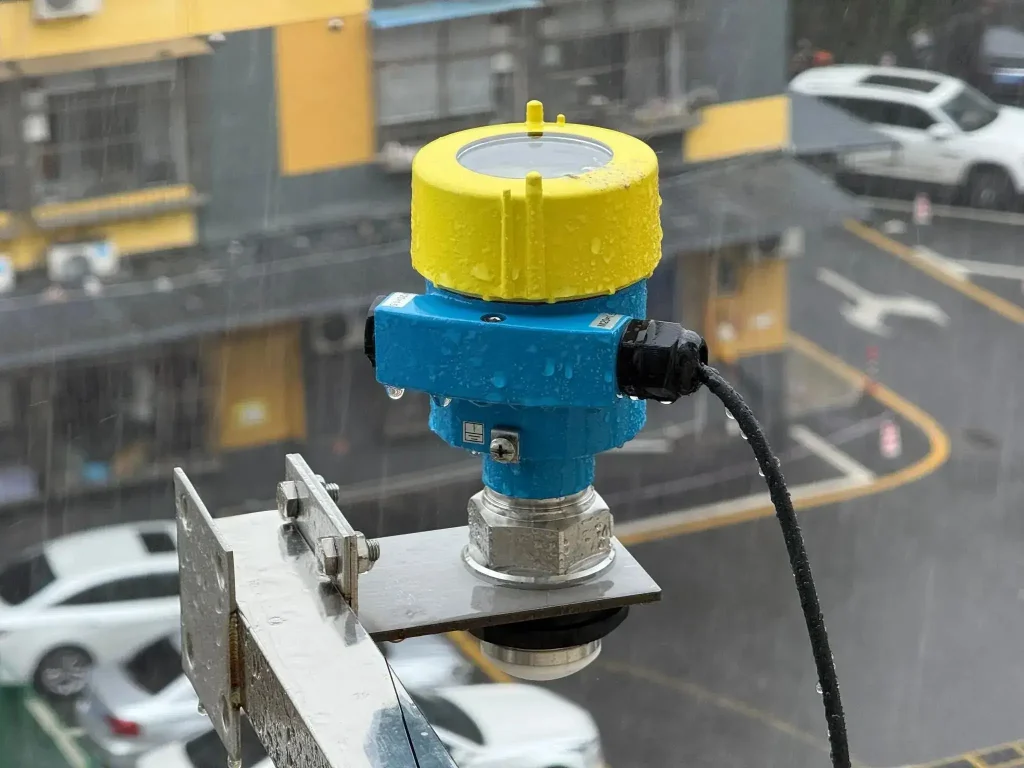
Continuous online water level monitoring is a core component of management and control in water conservancy, municipal pipeline networks and