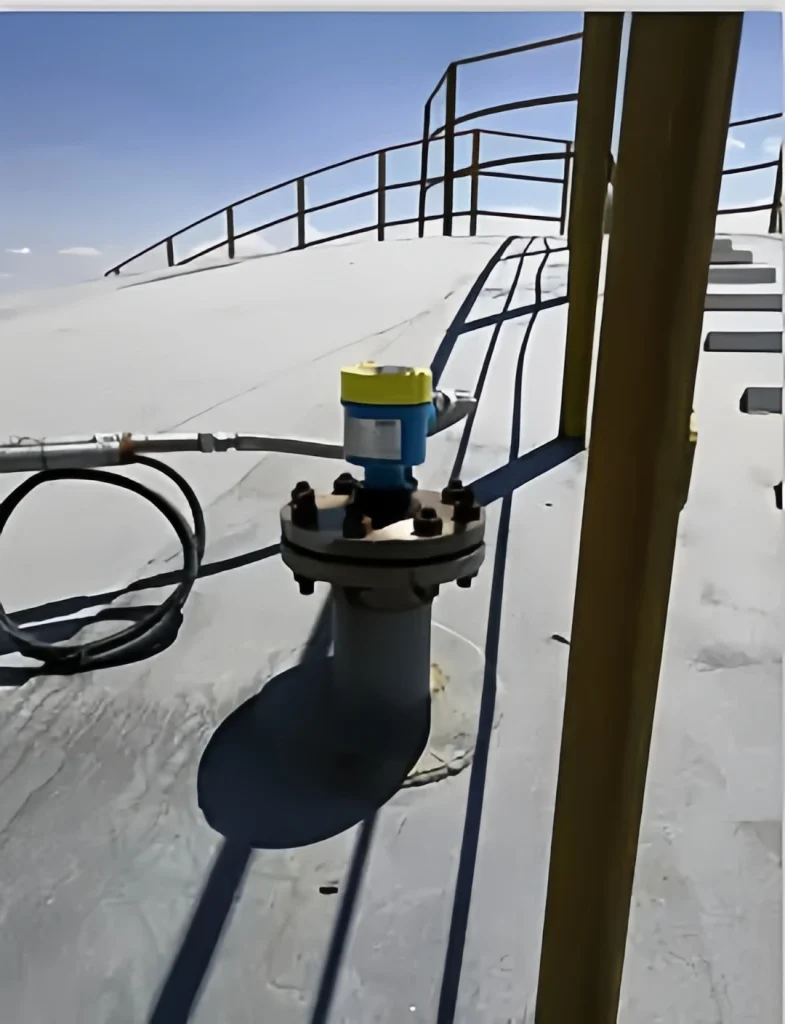
Industrial Water Tank Water Level Measurement
Industrial water tank level sensors can display real-time information on the height of the water tank. It can also transmit

Sino-Inst has designed and manufactured level transmitters and switches for many years, and we specify level measurement for tanks, silos, wells and open water. Before choosing an instrument, pin down the details that actually decide it: the medium (liquid, slurry or solid), the vessel height and shape, whether contact with the medium is acceptable, process temperature and pressure, dielectric constant or conductivity, whether there is foam, dust, vapour or agitation, how it mounts, the output signal, and the accuracy you need.
These guides cover the main level measurement technologies: how each works, where it suits the job, and where its limits are. They run across radar and guided wave radar, ultrasonic, hydrostatic and submersible, capacitance, magnetostrictive, float and RF admittance. Read alongside our product specifications, they should get you to the right instrument.
Or simply tell our sales engineers what you need to measure, and we will put a measurement solution together for you.
Browse by type: Hydrostatic · Radar · Ultrasonic · Capacitive · Float switches · Level switches & controllers
Industrial water tank level sensors can display real-time information on the height of the water tank. It can also transmit
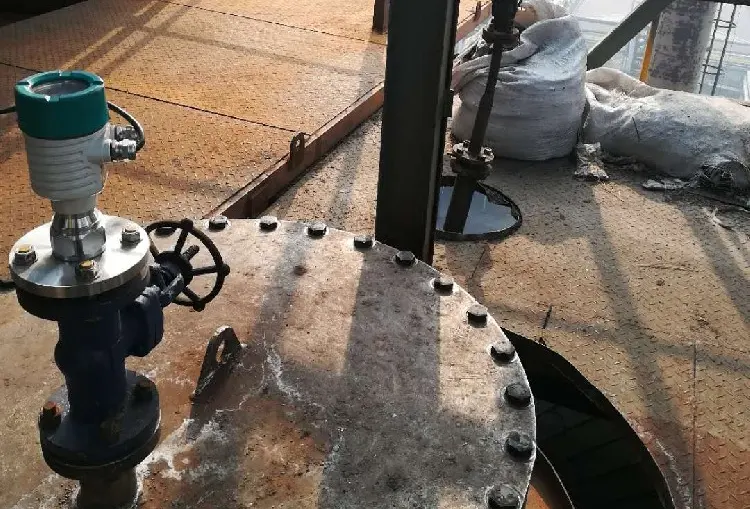
High pressure processes in the petrochemical and power generation sectors—such as hydrogenation—impose stringent requirements on the accuracy of level monitoring and
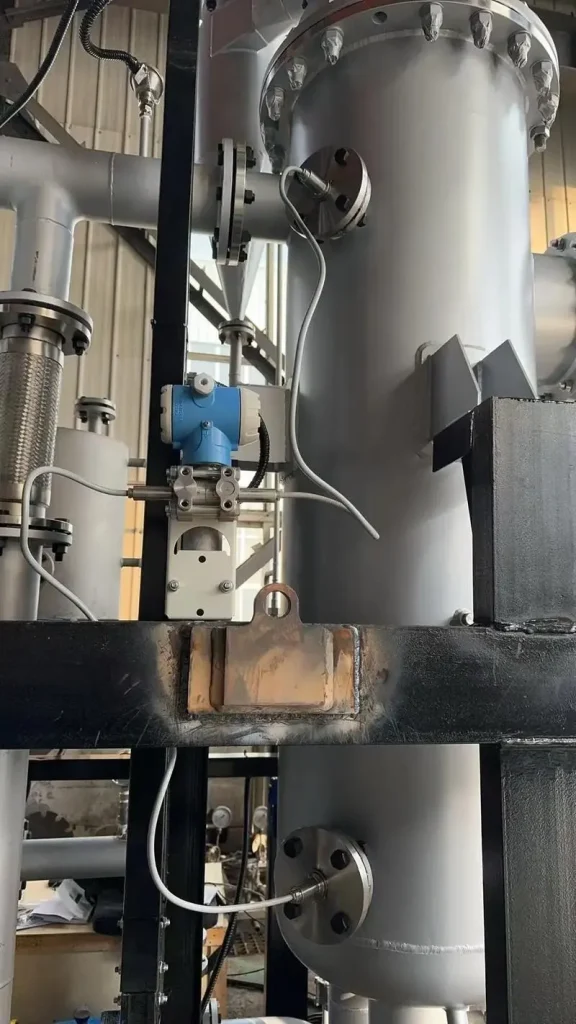
With the continued development of the cryogenic energy and fine chemicals industries, the number of scenarios involving the storage and
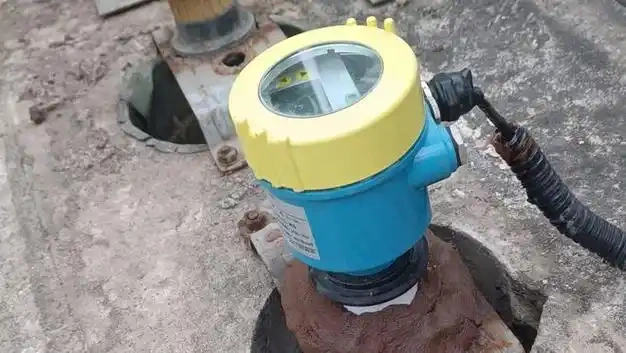
Ultrasonic level transmitters work as non-contact level measurement devices, and they’re pretty common across petrochemical, water treatment, food, and pharmaceutical
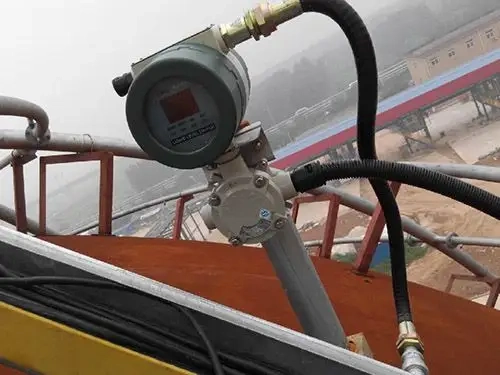
Water level monitoring is a core component of process control in the water supply and environmental protection sectors. 4–20 mA
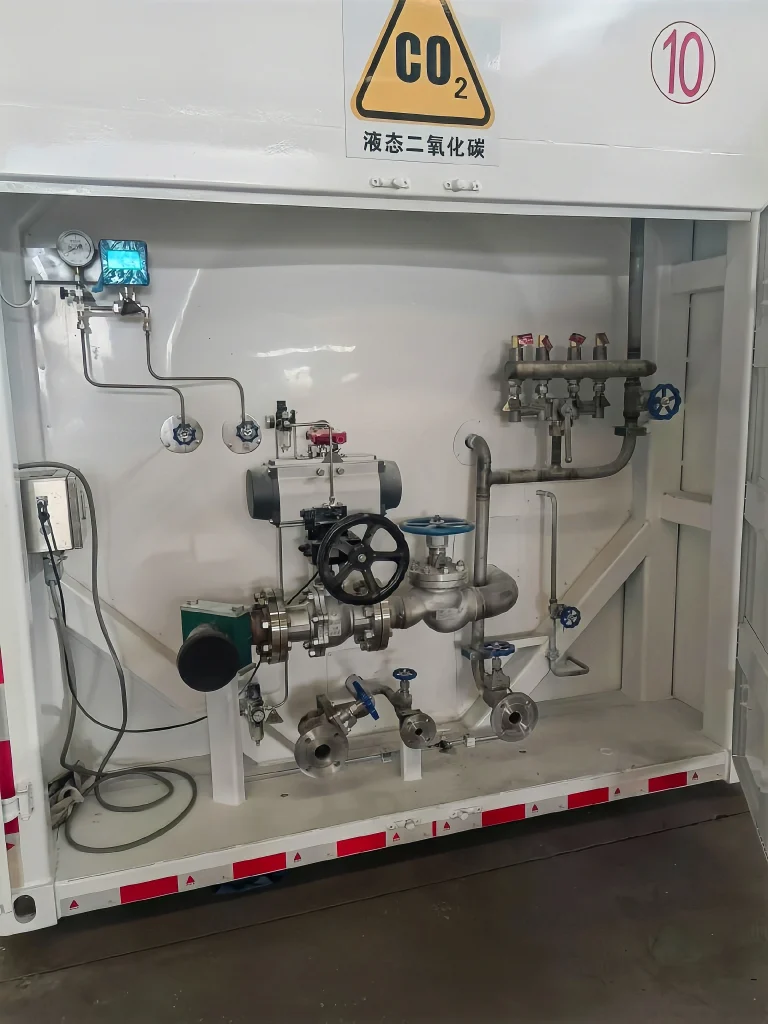
The stable operation of a thermal management system relies on the precise control of coolant levels. As a core sensing
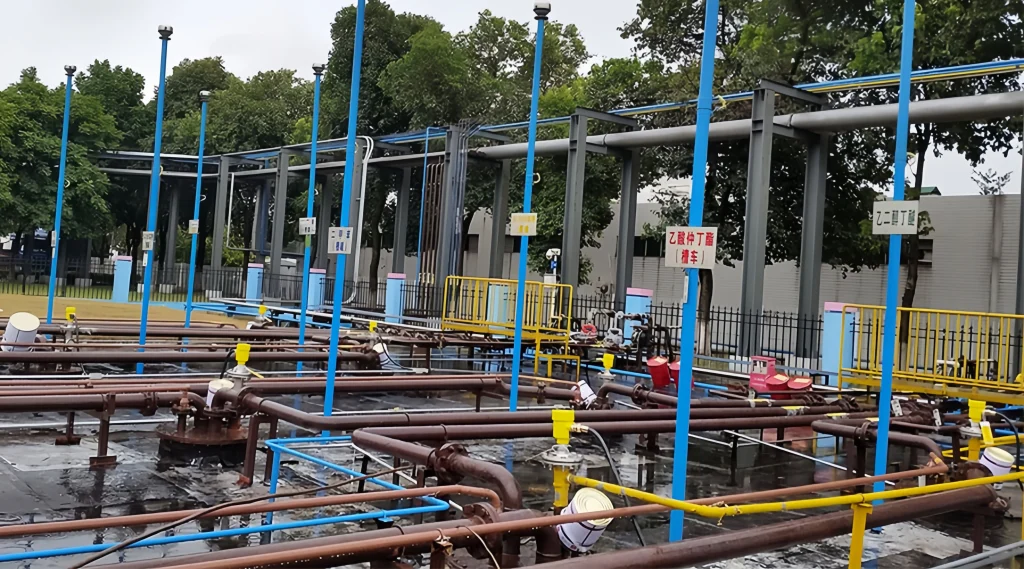
Radar level transmitters are the mainstream equipment for industrial level measurement and control, and can be divided into two categories:
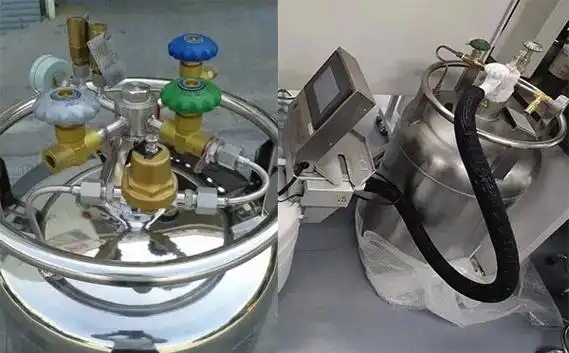
Cryogenic liquid nitrogen storage systems impose stringent requirements on the reliability of real-time level monitoring, as extreme low temperatures and
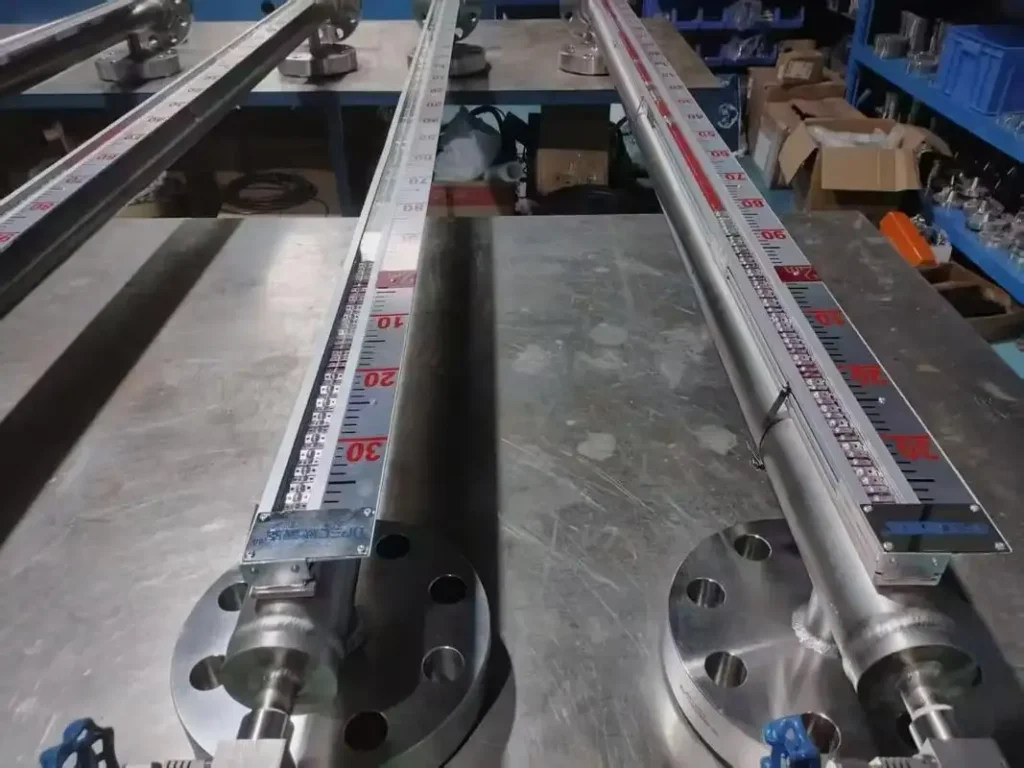
Magnetostrictive and float level transmitters represent two established approaches to liquid level measurement in industrial process control, finding broad application
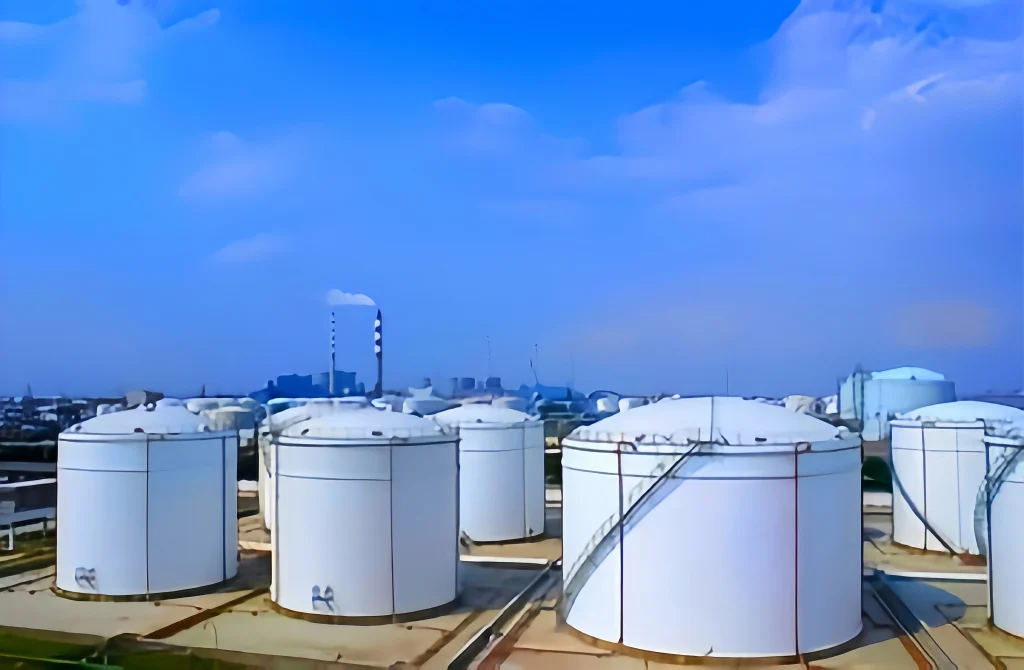
As a non-contact liquid level measuring device, the ultrasonic level transmitter applies ultrasonic wave propagation properties for level detection. It