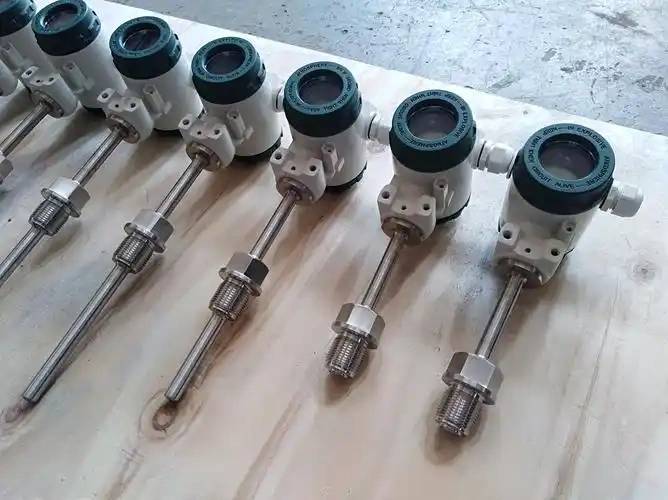
Remote Temperature Sensors: Equipment for Accurate Temperature Measurement over Long Distances
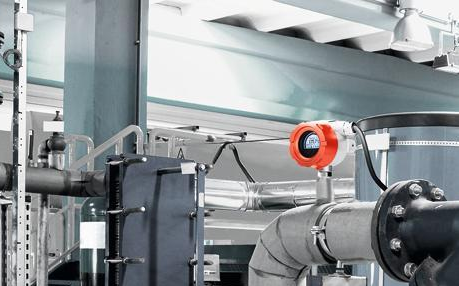
In industrial temperature measurement, sensors placed far from the control room often struggle with signal loss and unreliable cable connections.

Sino-Inst has designed and manufactured thermocouples, RTDs and temperature transmitters for many years. Before choosing one, pin down the details that actually decide it: the temperature range, whether a thermocouple or an RTD suits the duty, the accuracy and response speed you need, sheath and thermowell material, insertion length, process connection, output signal, and hazardous-area rating.
These guides cover the main temperature sensor types: how each works, where it suits the job, and where its limits are. They run across type K, J, T, S, B and E thermocouples, Pt100 and Pt1000 RTDs, integrated and remote transmitters, multipoint assemblies and melt temperature sensors. Read alongside our product specifications, they should get you to the right instrument.
Or simply tell our sales engineers what you need to measure, and we will put a measurement solution together for you.
Browse by type: Temperature transmitters · Melt pressure & temperature · All products
In industrial temperature measurement, sensors placed far from the control room often struggle with signal loss and unreliable cable connections.
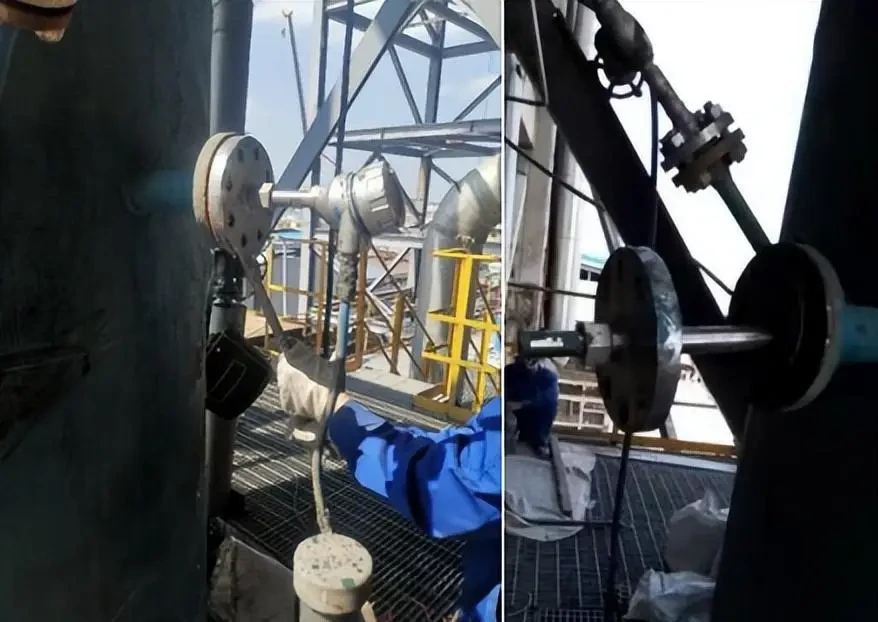
Cryogenic conditions are tough on temperature sensing; conventional thermocouples tend to suffer from thermoelectric drift, brittle insulation, and distorted readings.
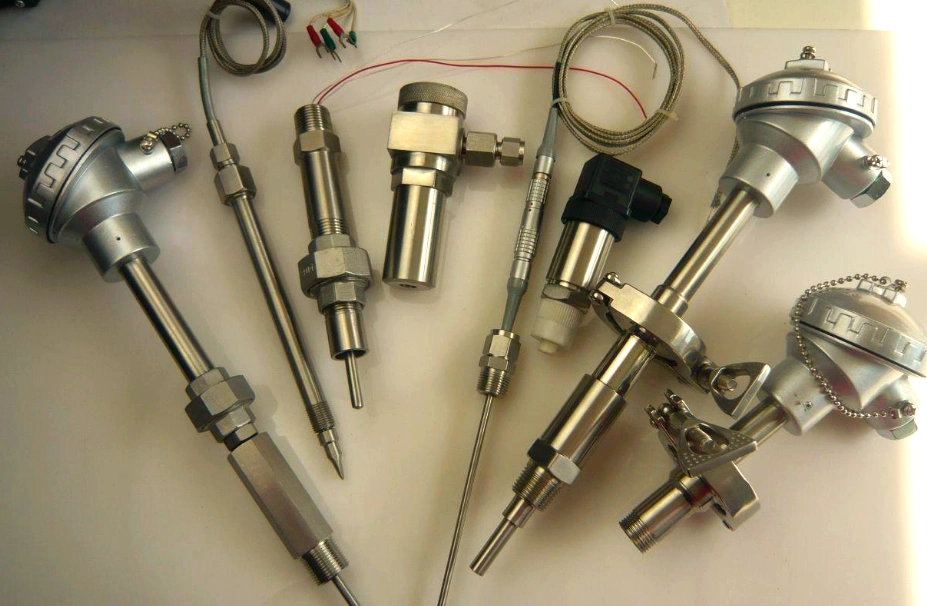
As core components for contact temperature measurement in industry, K type and T type thermocouples are the two most widely used base-metal
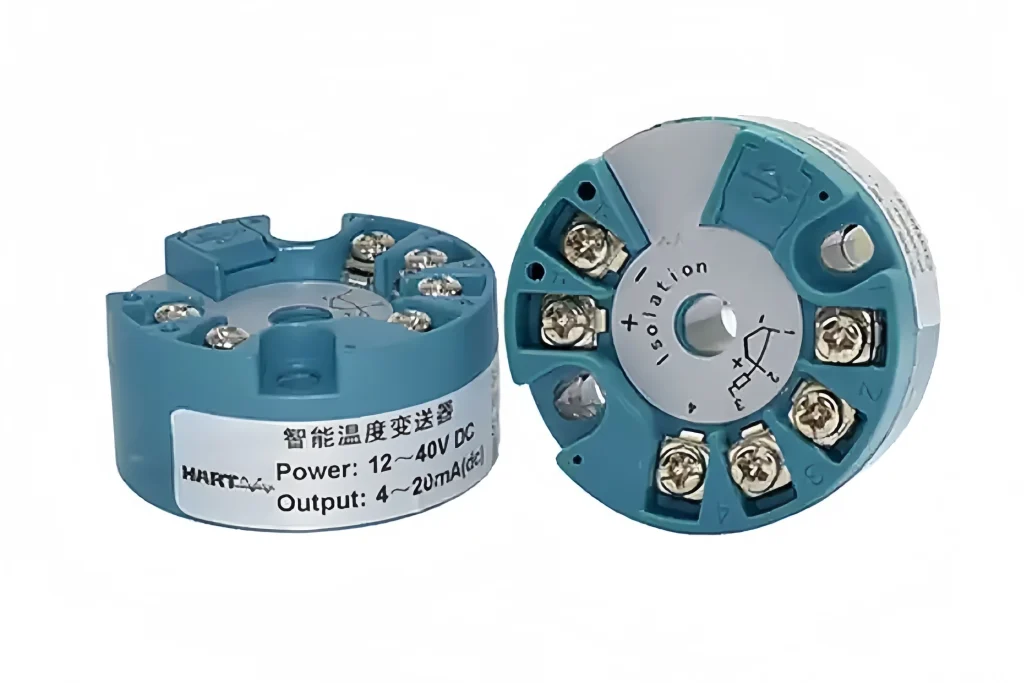
Temperature sensors are commonly used devices to measure temperature. Temperature sensors are usually categorized into two types: RTDs and thermocouples.
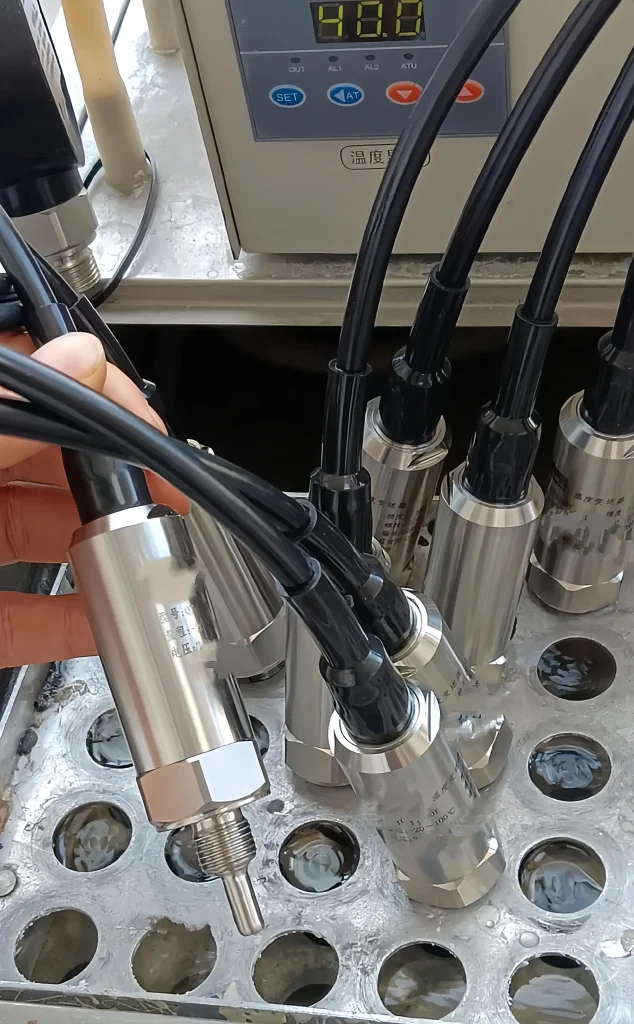
Temperature sensors use thermocouples and RTDs as the core temperature measurement element. Temperature sensors are responsible for directly measuring temperature
Temperature is a critical parameter in industrial processes. Temperature transmitters are essential for both processing and temperature control. They can
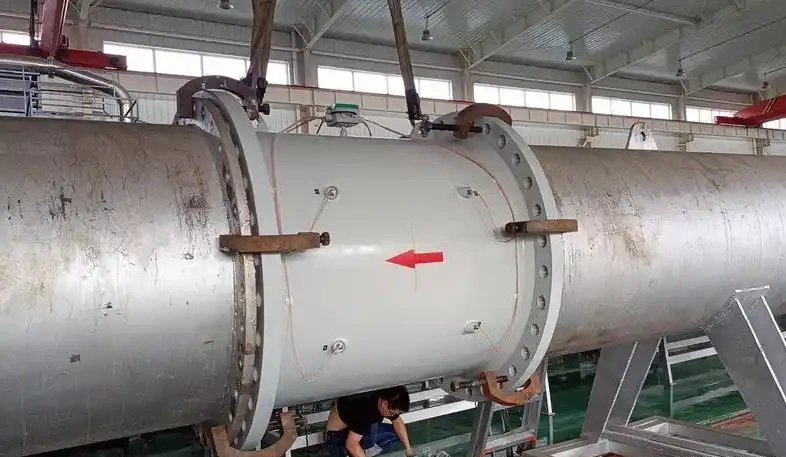
Ultrasonic heat meters use sound waves sent through the water to determine the speed of the water . Temperature sensors
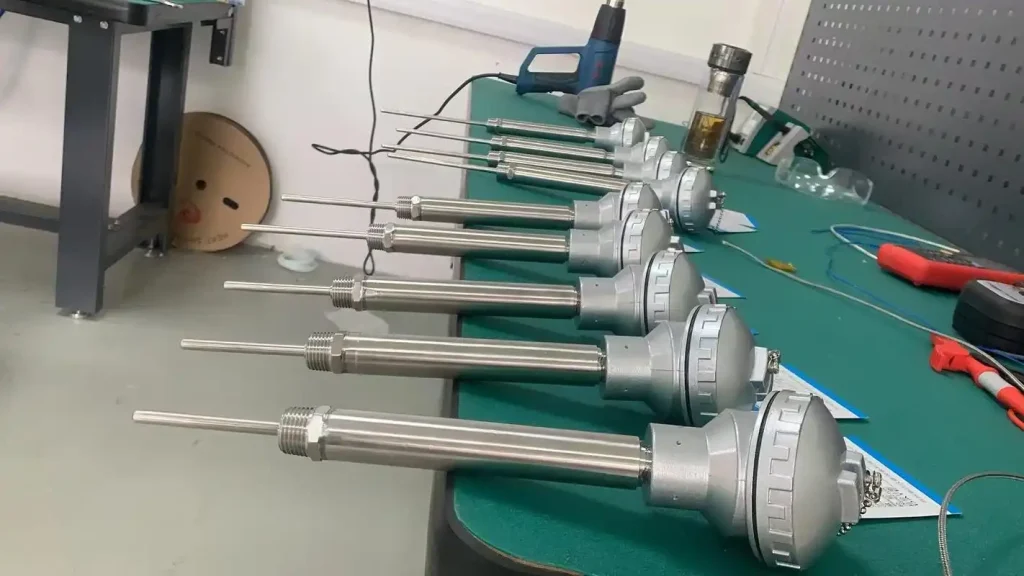
Conventional temperature sensors are generally unable to function properly when deployed in harsh high-heat settings like industrial furnaces and thermal
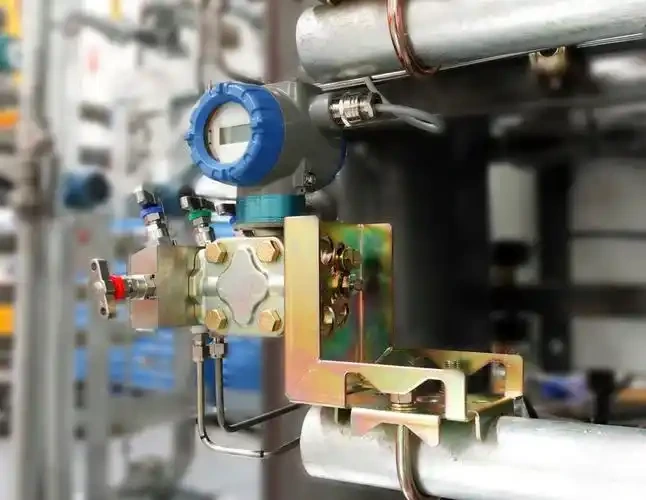
The hydrogen energy sector keeps growing, and getting temperature monitoring right is basic to keeping things running safely and smoothly.
Temperature transmitters, as the main sensing devices in industrial process control and metrological testing, have measurement precision directly affecting the