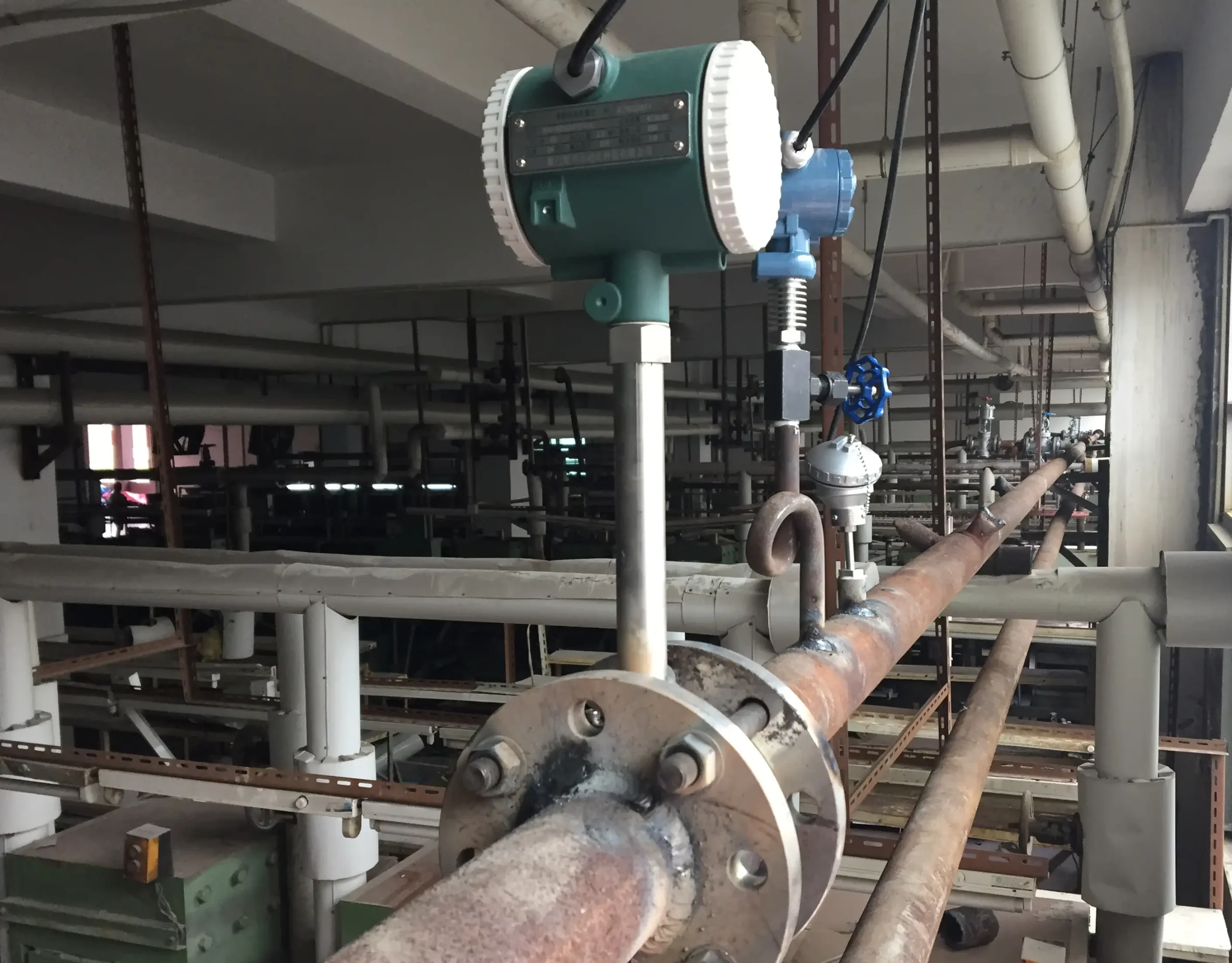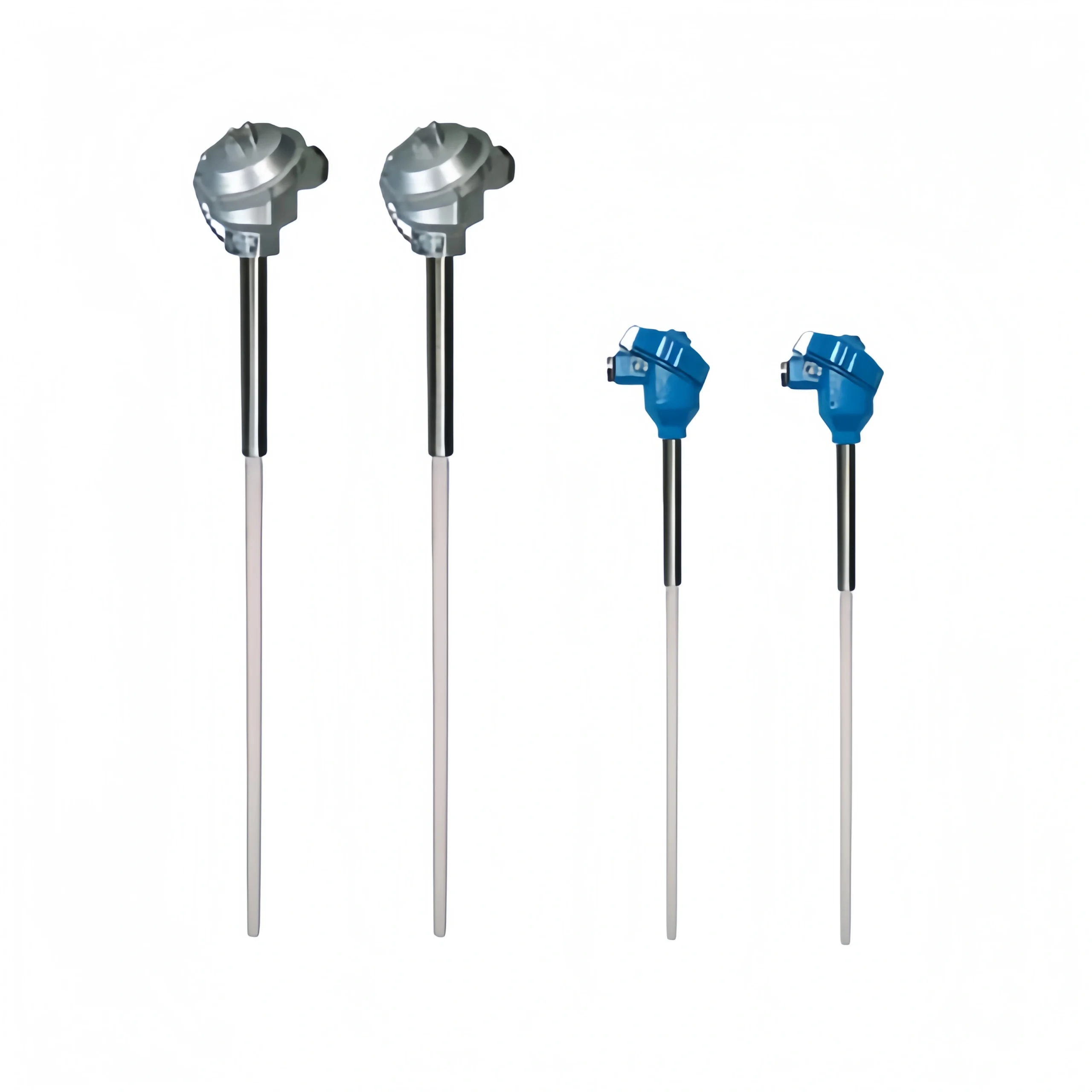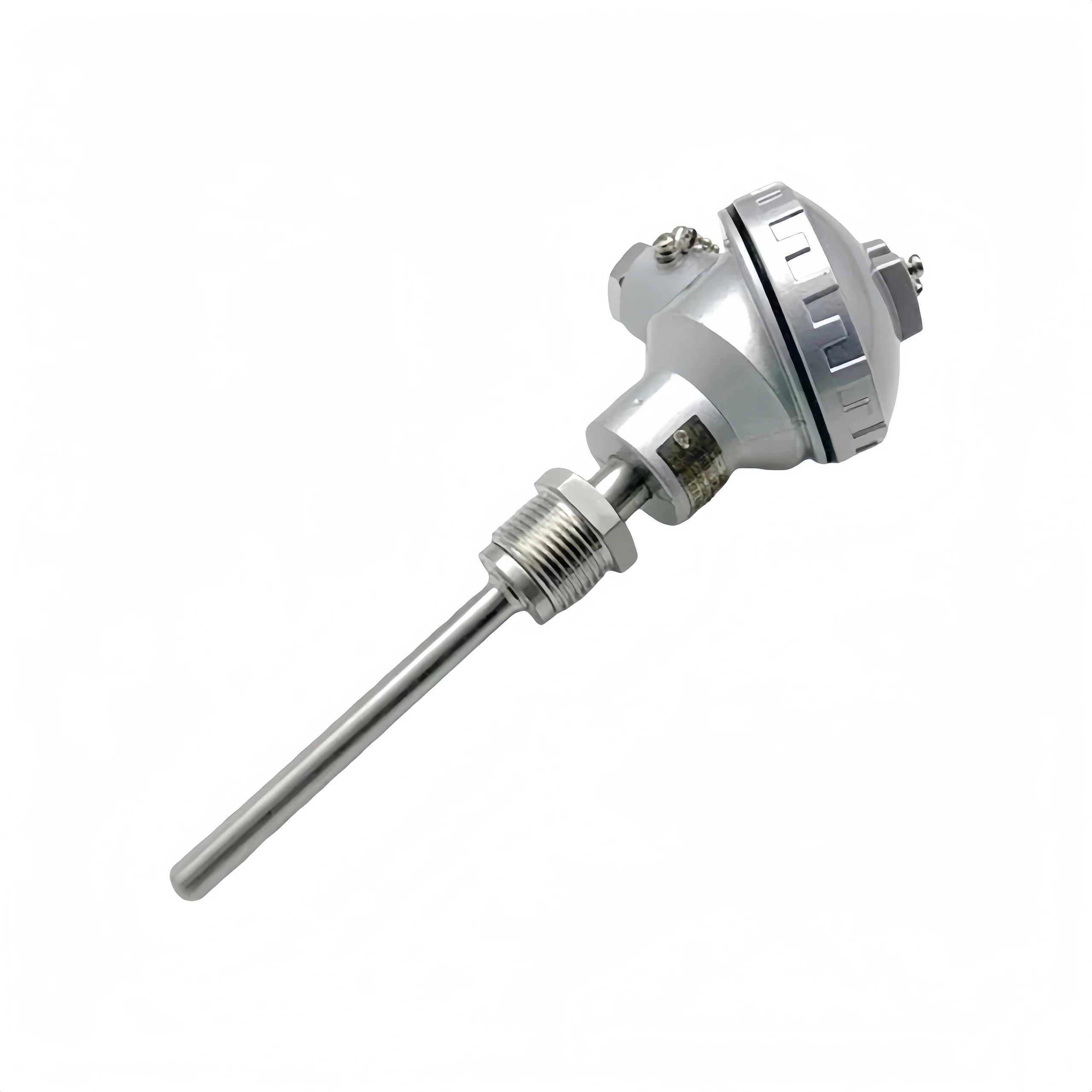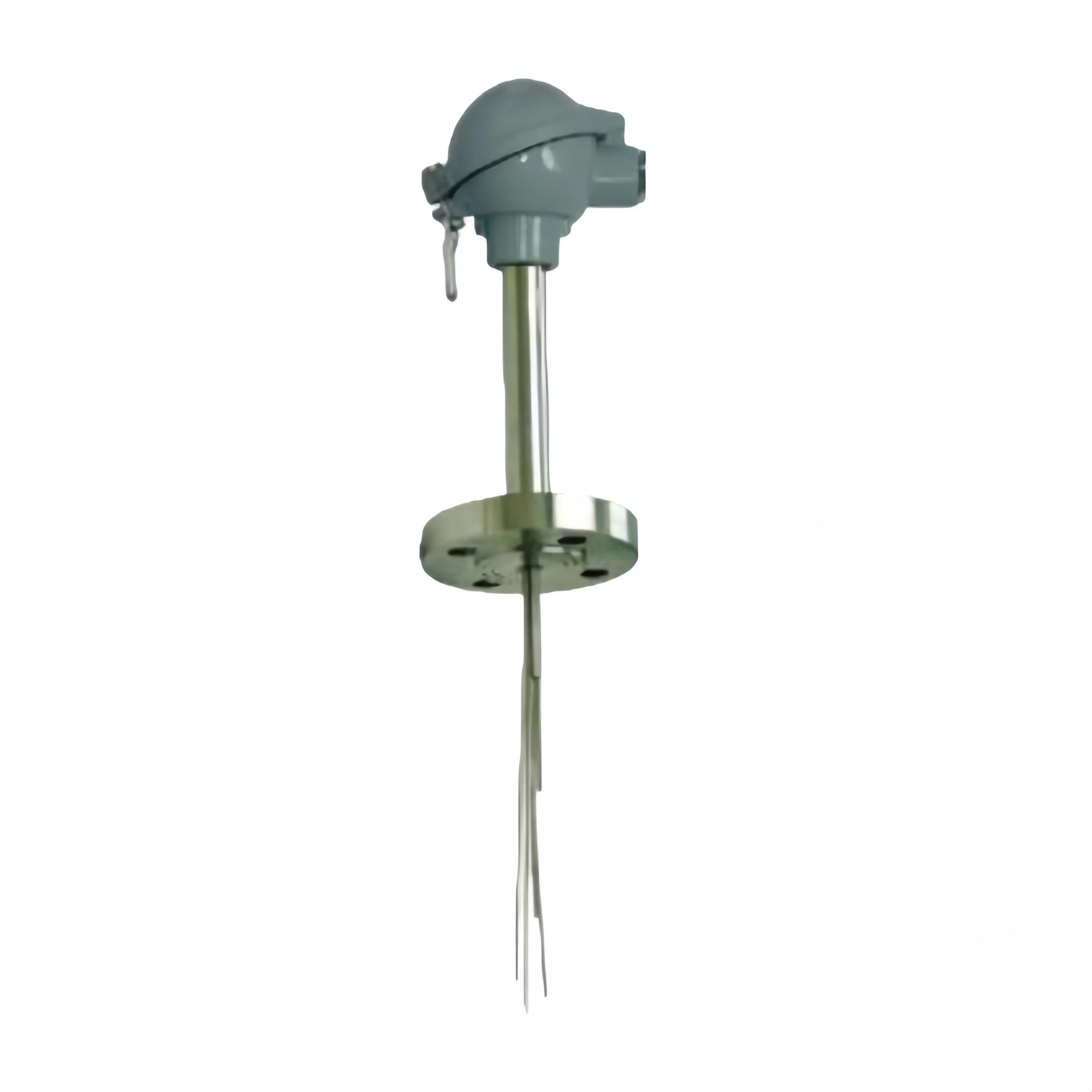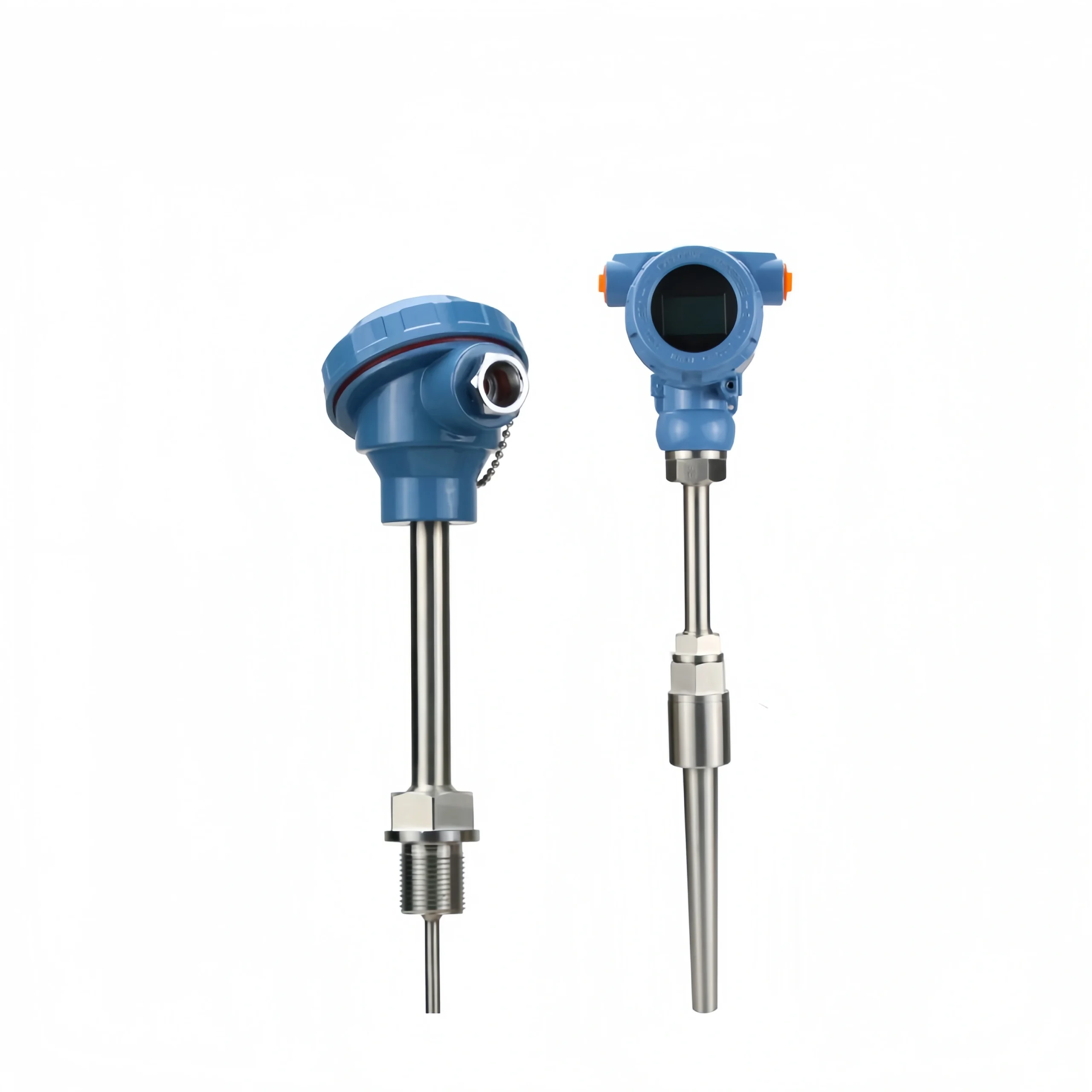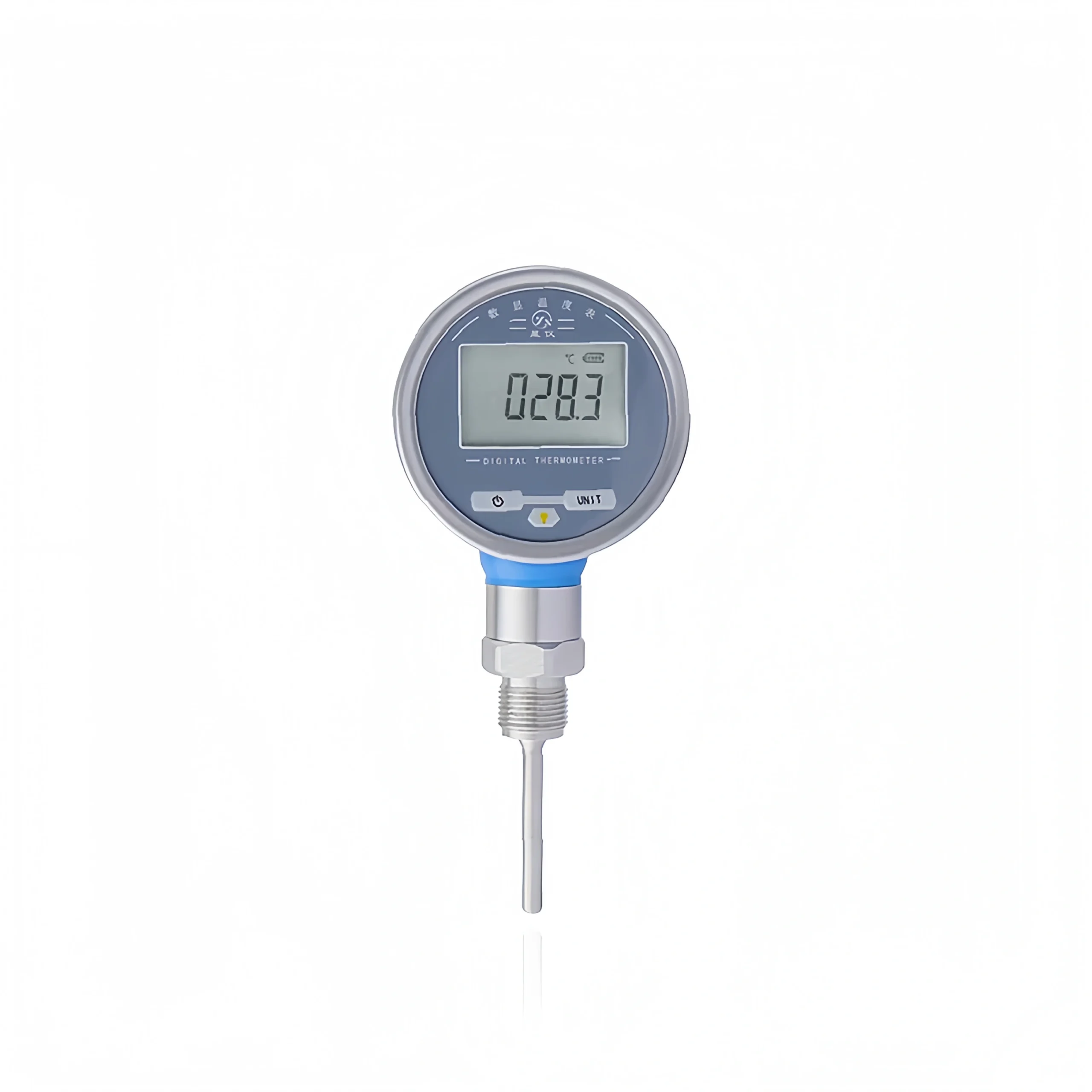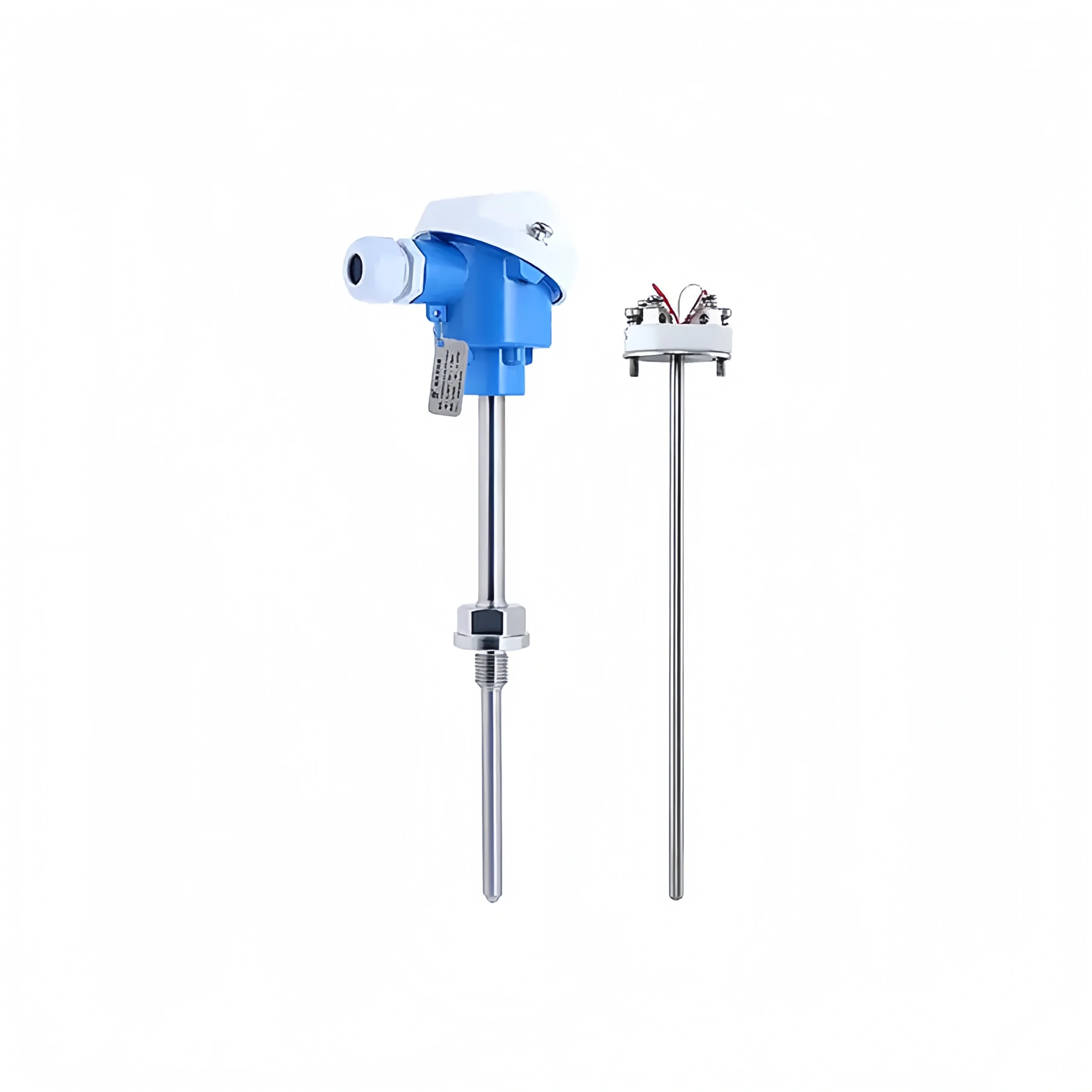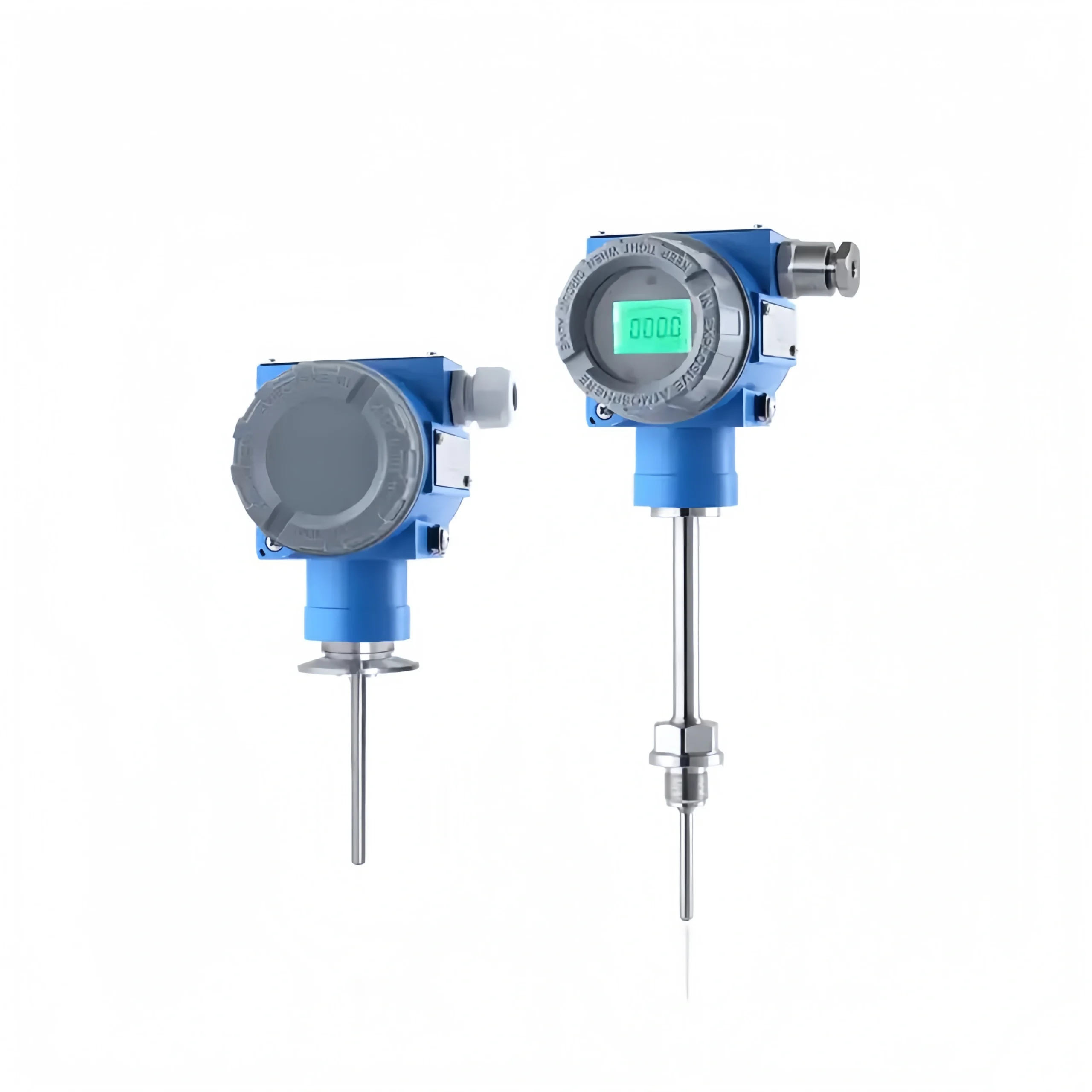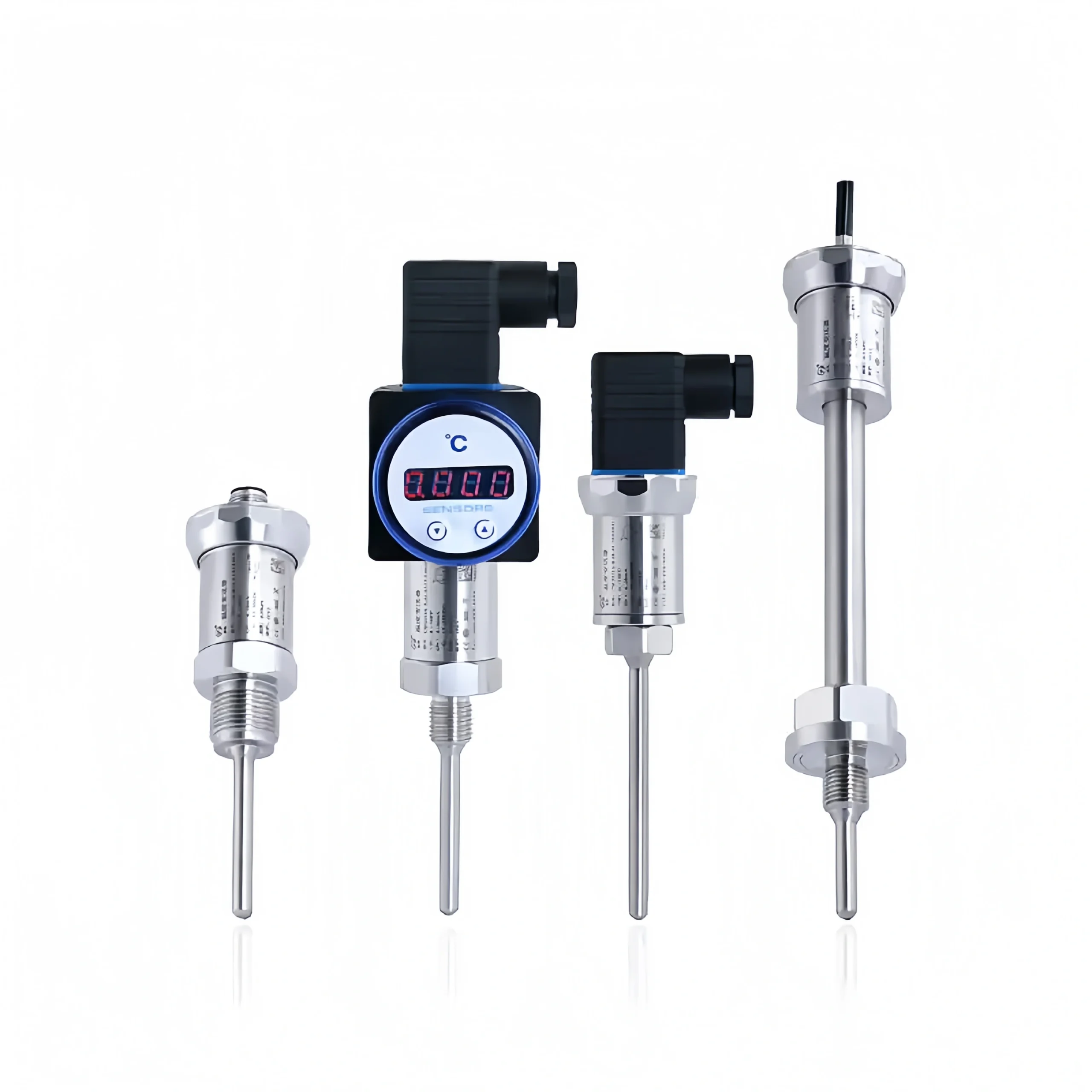
Conventional temperature sensors are generally unable to function properly when deployed in harsh high-heat settings like industrial furnaces and thermal kilns. Built on mature temperature sensing mechanisms, high temperature thermocouples are engineered to withstand heat levels above 1,000 degrees Celsius.
These practical sensing devices can accurately track real-time temperature fluctuations and generate stable, trustworthy readings, catering to diverse operational needs across the high-temperature industrial sector.
What Are High Temperature Operating Conditions?
High temperature operating conditions refer to the operational state in which the medium temperature or ambient temperature of equipment, piping, instruments or process systems is significantly higher than normal room temperature.
Such conditions have specific impacts on material properties, equipment accuracy, sealing structures and service life, and represent special operating conditions in industrial production that require targeted selection and protection.
Common high temperature operating conditions
Thermal power generation
Boiler bodies, steam pipes and turbine systems are in constant contact with high-temperature steam and flue gas, with medium temperatures typically reaching several hundred degrees Celsius, making this a typical high-temperature application scenario.
Petrochemicals
In refining units, reactors, furnaces and cracking equipment, the medium and equipment chambers are continuously exposed to high temperatures during raw material reactions, heating and distillation processes.
Metallurgy and Forging
In scenarios such as steelmaking, ironmaking, steel rolling and heat treatment furnaces, temperatures inside and around the furnaces are extremely high, accompanied by high-temperature flue gas and molten metal media.
District Heating
In centralised heating systems, thermal networks and heat exchange stations, media such as hot water and high-temperature thermal oil are transported at high temperatures throughout the entire process.
Waste Incineration and Flue Gas Treatment
The internal flue gas temperatures in incinerators and exhaust ducts are high, requiring equipment to withstand prolonged exposure to high-temperature flue gas and extreme heat.
Ceramics and Glass Manufacturing
Inside kilns and melting furnaces used for firing and melting raw materials, the furnace chamber and discharge areas are maintained at high temperatures year-round.
Industrial Drying and Calcination
Various drying lines and calcination equipment rely on high-temperature environments to carry out material dehydration, curing and calcination processes.
Sino-Inst can supply a range of thermocouples specifically designed for these special operating conditions
Petroleum chemical thermocouple
Application
Professional design for the petrochemical sector, you can directly measure the -200 C ~1600 C range of liquid, steam and gas medium and solid surface temperature measurement.
Main technical parameters
Product implementation standard
IEC584 GB/T30429-2013
IEC60751 GB/T30121-2013
GB26786-2011 JB/T8623
Specialized thermocouple for splitting decomposition furnace
Application
The protection tube of thermocouple uses the special structure so that it is close to the inner side of the splitting decomposition furnace tube and it does not affect the flow of material. It is suitable for measurement and control of temperature in the production process of ethylene splitting decomposition furnace.
Main technical parameters
Electrical outlet:M20×1.5,NPT1/2
Connection dimension:M27×2,NPT3/4
Protection level:lP65
Explosion-proof grade:dⅡCT6
Precision grade:Ⅰ
High temperature and high pressure thermocouple
Application
Temperature measurement and control for high temperature and high pressure place in the production process of petroleum and chemical industry. Is a refinery, high pressure polyethylene and other indispensable temperature device
Main technical parameters
Electrical outlet: M20 * 1.5, NPT1/2
Connection dimension: M20 * 1.5, NPT1/2
Protection level: lP65
xplosion proof grade: BT4 II d, D II Ct5
Nominal pressure: 15~40MPa
Thermocouple for hot blast stove
Application
The temperature measurement for the steel industry blast furnace blast pipe and other parts of the roof, it has high temperature resistance, oxidation resistance and reducing gas corrosion, cavitation erosion.
Using the temperature 600-1600 degrees Celsius, the outer sleeve pipe is made of imported non pressure sintered silicon carbide tube, the inner lining of the double layer of high quality corundum pipe, the multi-layer protection.
Main technical parameters
IEC751
GB/T1598-2010
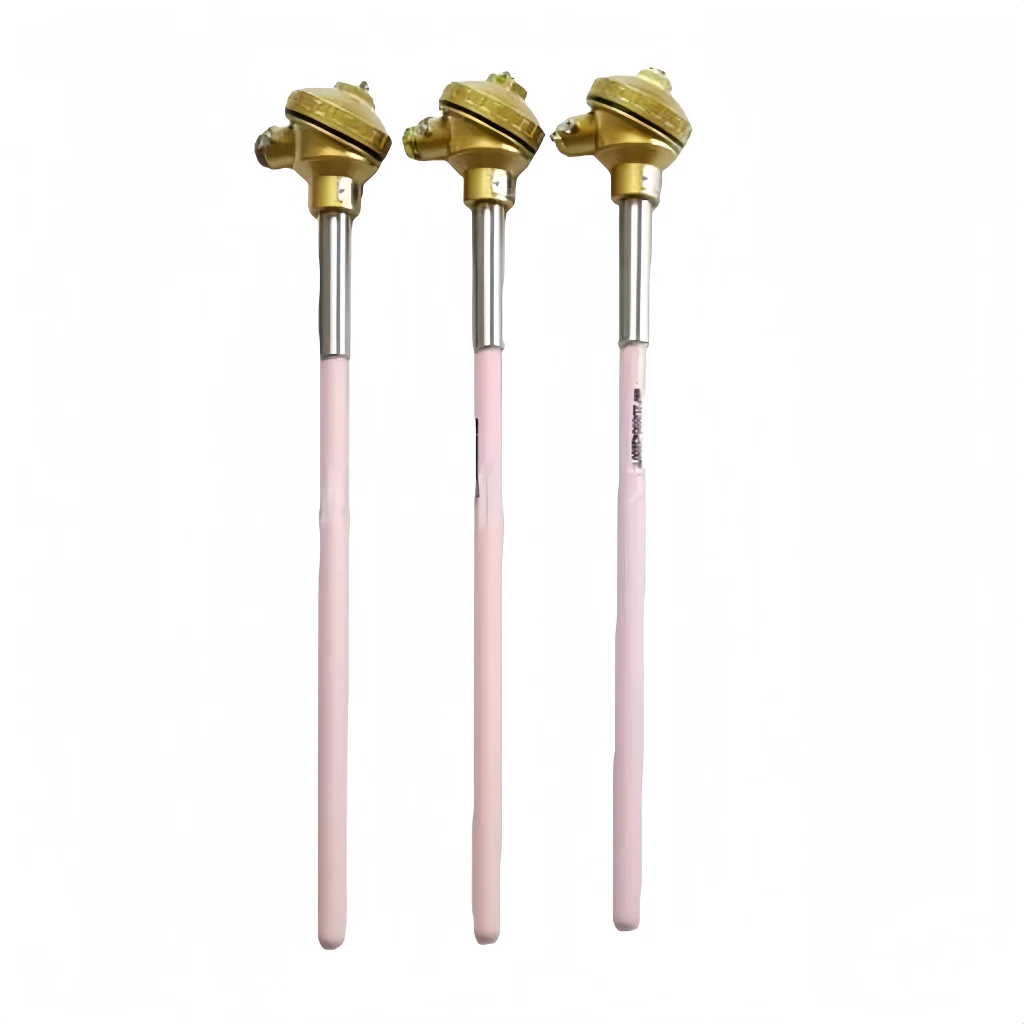
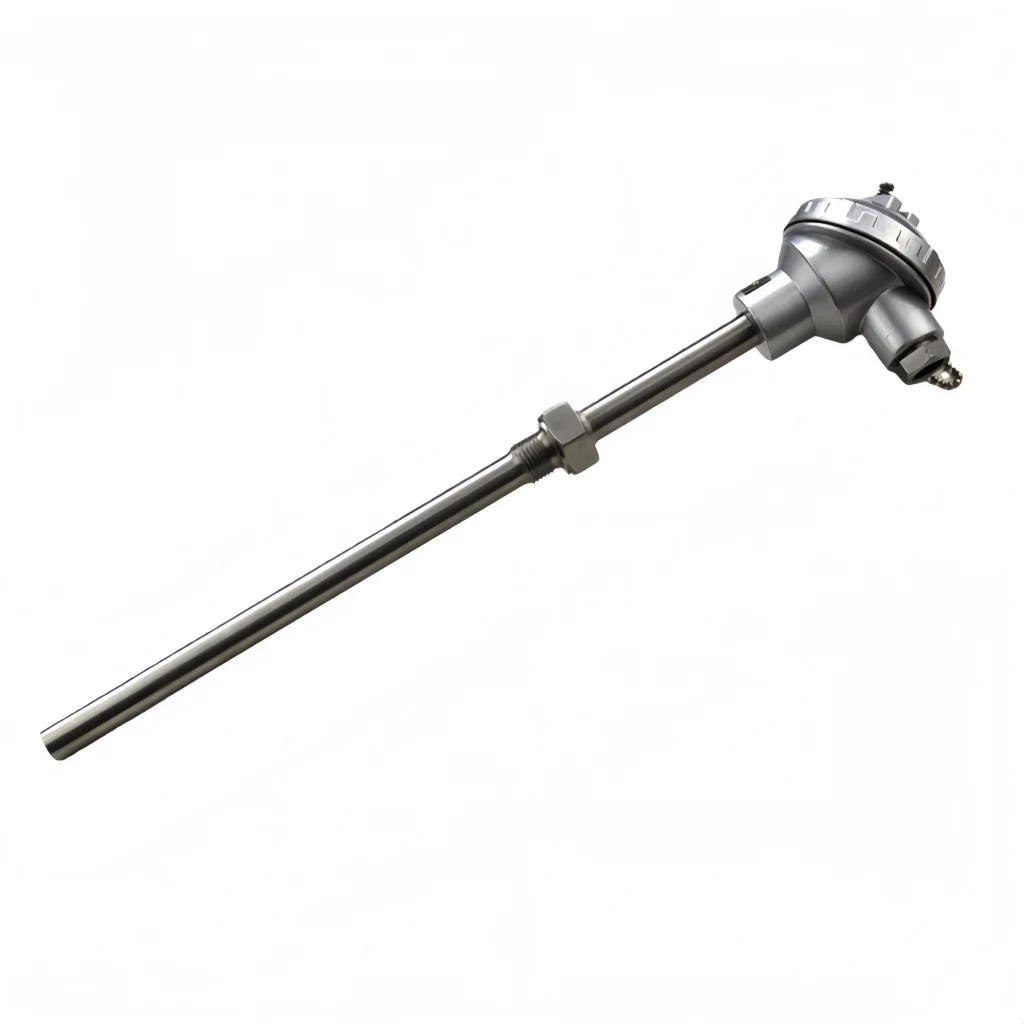
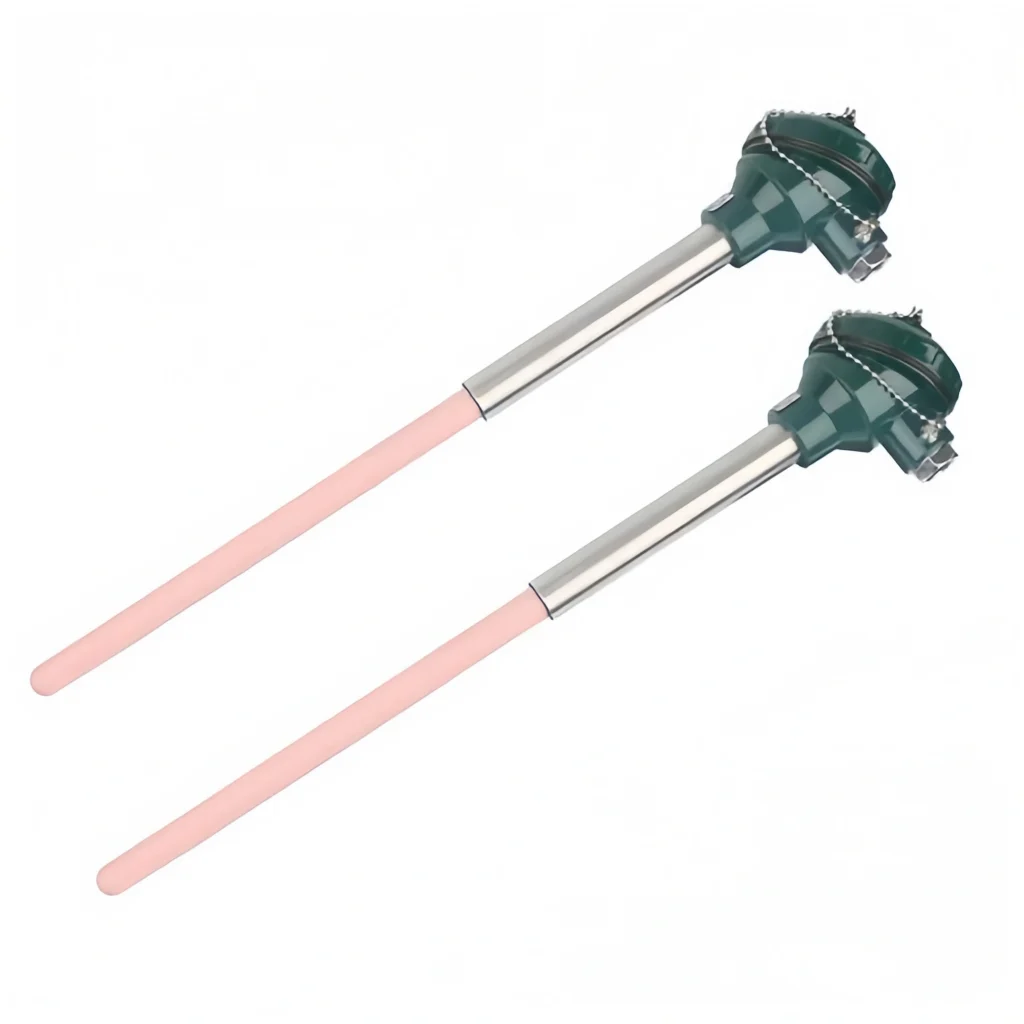
High Temperature Thermocouples
High-temperature thermocouples are temperature-sensing elements specifically designed for high temperature operating conditions. They utilise the thermoelectric effect to convert temperature signals into electrical signals, offering long-term resistance to high temperatures.
They are suitable for high temperature industrial applications such as boilers, kilns, metallurgy and refining. The key differences lie in their temperature measurement range, materials, accuracy and operating environment.
Type S Thermocouple (Platinum-Rhodium 10–Platinum)
Working Principle
The Type S thermocouple is a precious metal thermocouple, consisting of a positive electrode made of platinum-rhodium 10 alloy and a negative electrode made of pure platinum.
When the two different metal conductors are joined to form a circuit, a stable thermoelectric potential is generated internally whenever a temperature difference arises between the measuring end and the reference end.
The magnitude of this thermoelectric potential is directly proportional to the temperature difference between the two ends and the material properties. By using a temperature measuring instrument to capture the potential signal and referring to the calibration table, the temperature of the medium being measured can be accurately calculated.
Advantages:
1. Stable performance: Excellent oxidation resistance; physical and chemical properties remain stable under high-temperature conditions; electrodes are resistant to corrosion and deformation; minimal temperature drift during long-term operation.
2. High measurement accuracy:Good linearity of thermoelectric output, minimal measurement error, and high precision of detection data, meeting the requirements of high-precision temperature measurement tasks.
3. Suitable for metrological standards:It offers complete traceability of performance and is widely recognised within the industry. It is frequently used as a secondary standard temperature measurement instrument for calibrating other standard temperature sensors.
Suitable operating conditions
Suitable for oxidising and inert gas atmospheres, with a standard long-term temperature measurement upper limit of 1300°C. It is commonly used in high-end applications such as glass melting, ceramic firing, precision heat treatment and laboratory metrological calibration.
Direct use in reducing atmospheres, sulphur-containing metal vapours and vacuum environments is strictly prohibited, as this may cause damage to the electrodes and affect measurement accuracy.
Type K Thermocouple (Nickel-Chromium–Nickel-Silicon)
Working Principle
Type K is the most cost-effective base-metal general-purpose thermocouple, with a positive electrode made of nickel-chromium alloy and a negative electrode of nickel-silicon alloy.
It relies on the Seebeck effect: when a temperature difference exists between the measuring junction and the reference junction, the circuit generates a thermoelectric signal. Thanks to its high output and good sensitivity, this signal is picked up easily by standard instruments, which is why Type K has become the go-to choice for general temperature measurement.
Advantages:
1. Excellent value for money:As a base-metal thermocouple, it is cheap to manufacture and inexpensive to buy and maintain, giving it a clear economic edge over precious-metal alternatives.
2. Strong overall performance: It spans a wide temperature range, delivers high thermoelectric output, and has good mechanical strength—it holds up well under vibration and bending, so it fits a variety of tricky installation setups.
3. Extremely versatile:The market offers a full range of accessories, from measuring instruments to protective sheaths and compensation cables, so assembly is straightforward and large-scale industrial use is practical.
Suitable Applications
Primarily used in medium-low temperature and standard high-temperature applications, with a temperature measurement range of 0–1000°C. Widely used in general industrial settings such as boilers, standard industrial furnaces, HVAC equipment, mechanical and electrical processing, and routine heat treatment.
Not suitable for high-temperature vulcanisation, strongly reducing atmospheres, or highly corrosive enclosed environments, as long-term use may lead to ageing and failure.
Type B Thermocouple (Platinum-Rhodium 30 – Platinum-Rhodium 6)
Working Principle
Type B is a dual-platinum-rhodium ultra-high-temperature precious metal thermocouple, with the positive electrode composed of Platinum-Rhodium 30 and the negative electrode of Platinum-Rhodium 6.
Its operating mechanism is consistent with other thermocouples, relying on the thermoelectric potential generated by the temperature difference between the two ends to measure temperature.
Its unique dual platinum-rhodium composition gives the electrodes high-temperature resistance and creep resistance far superior to that of Type S single-alloy thermocouples.
Advantages:
1. Unrivalled high-temperature resistance: It uses a dual platinum-rhodium alloy that holds up far better than Type S against high-temperature creep. You can leave it in ultra-hot environments for long stretches without trouble, so it fits jobs where extreme heat is the norm.
2. Strong resistance to interference: It stands up well to oxidation and contamination even at very high temperatures. The electrodes do not erode easily, so readings stay stable and data drift stays low over months or years of use.
3. Reduced measurement error: The thermoelectric potential at room temperature is very small, which means cold-junction compensation barely adds any systematic error. That helps keep overall accuracy tight.
Suitable Operating Conditions
Built mainly for ultra-high-temperature oxidation environments, it runs steadily at up to 1600°C over the long term and can handle 1800°C for short periods.
It is meant for extreme-heat situations such as metallurgical smelting, single-crystal growth, refractory sintering, and specialised high-temperature testing.
As with Type S thermocouples, operation in reducing atmospheres, vacuum environments or environments containing harmful vapours is prohibited.
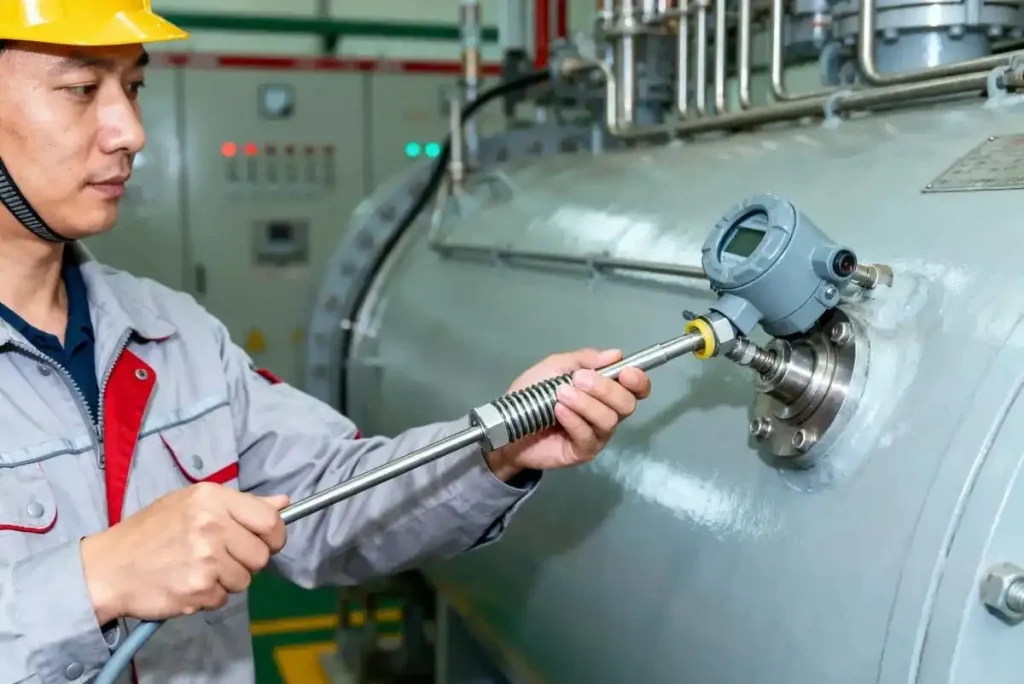
Type S vs. Type K vs. Type B
Temperature Measurement Range
Type B thermocouples top the chart for temperature tolerance, running steadily at 1600°C and tolerating brief spikes up to 1800°C; they are the usual pick for ultra-high-temperature work.
Type S sits just below, with a long-term ceiling of 1300°C.
Type K covers a broad span, typically from -200°C to 1000°C, so it handles both hot and cold jobs.
Materials and Accuracy
Both Type B and Type S use platinum-rhodium alloys, which give them strong chemical stability, good resistance to oxidation, and high accuracy.
Type S is marginally more accurate than Type B and serves as the standard reference for temperature measurement.
Type K uses a nickel-chromium-silicon alloy, so it costs less and delivers moderate accuracy, with a wider error band than the two precious-metal types.
Environmental Adaptability
Type B and Type S hold up well under high-temperature oxidation and suit clean, hot settings such as vacuum chambers, oxidising furnaces, and kilns; they should be kept out of reducing atmospheres.
Type K has middling corrosion resistance and tends to suffer in sulphur- or carbon-rich environments; on the plus side, it is tough and mechanically strong, so it forgives rough handling during installation and day-to-day use.
Applications and Cost
Type B is primarily used for ultra-high-temperature industrial temperature measurement and is commonly found in high-temperature furnaces in the metallurgy, glass and ceramics industries.
Type S is frequently used for precision temperature measurement, laboratory metrology and high-temperature heat treatment equipment.
Type K offers the best value for money and the greatest versatility, and is widely used in standard industrial temperature measurement, domestic appliances and general heat treatment equipment.
How to Select the Right High-Temperature Thermocouple
Determine the Actual Temperature Measurement Range
For 600–1300°C, select a Type S platinum-rhodium thermocouple. For long-term operation at 1300–1600°C, select a Type B platinum-rhodium thermocouple. Type K is only suitable for medium to high temperatures up to 1300°C and is not recommended for ultra-high-temperature applications.
Matching the on-site atmospheric conditions
Types S and B are suitable for oxidising and clean air environments, offering excellent oxidation resistance. Both types must not be used in reducing, sulphur-containing, carbon-containing or vacuum environments, as this will cause electrode corrosion and failure. In complex and harsh atmospheres, high-temperature, corrosion-resistant protective sheaths must be used.
Selection based on accuracy requirements
For laboratory calibration, precision measurement and standard temperature measurement applications, the higher-accuracy Type S should be prioritised. For general industrial continuous temperature measurement, conventional kilns and heat treatment equipment, Type B is sufficient to meet operational requirements.
Consideration of mechanical operating conditions
In sites subject to significant vibration or abrasion, select products with reinforced structures and hard, wear-resistant protective sheaths. For stationary furnace chambers and conditions with stable temperatures, standard construction is sufficient. In high-temperature zones, it is essential to ensure that the protective sheath is heat-resistant and resistant to deformation.
Balancing cost and service life
Platinum-rhodium thermocouples have a higher purchase cost, and Type B is more expensive than Type S. The higher the temperature and the harsher the environment, the faster the electrodes will wear out; therefore, replacement cycles must be planned in advance. Select the model based on the actual temperature to avoid unnecessary investment due to model redundancy.
Selection of Supporting Accessories
In high-temperature applications, consistently use high-temperature-resistant insulation materials and lead wires. Select protective sheaths made of materials such as aluminium oxide or corundum based on the characteristics of the medium to enhance overall protection and service life.
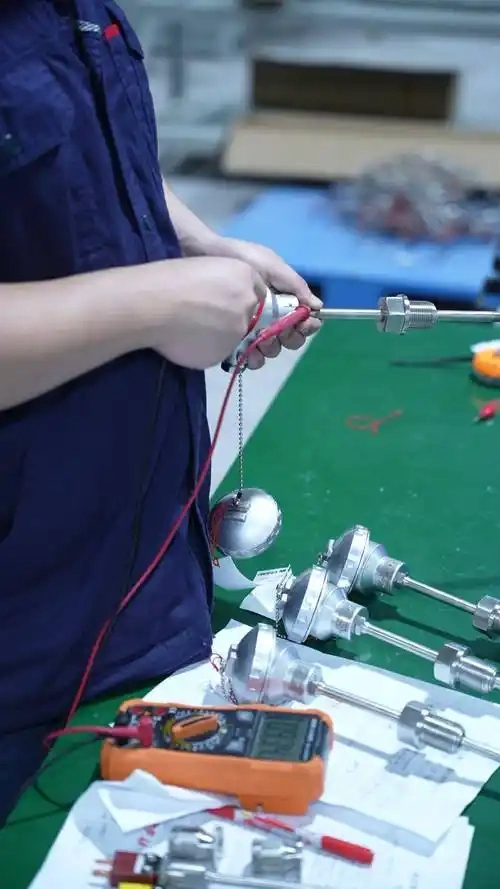
Can Resistance Temperature Detectors (RTDs) Be Used in High Temperature Conditions?
RTDs are rarely a viable option for high-heat working conditions. This category of temperature sensors features a relatively low maximum operating temperature. If utilized under extreme heat, they may start to malfunction, produce inaccurate readings, or suffer irreversible breakdown.
Most commercial platinum RTDs work steadily within a temperature span of -200°C to 600°C. To sustain long-term performance and extend service life, industry practitioners suggest keeping the operating temperature below 500°C. Copper-based RTDs come with an even stricter temperature cap, with their upper threshold sitting at approximately 150°C.
High-temperature surroundings accelerate oxidation and aging of the internal resistance wires and connecting leads inside RTD units. This issue triggers gradual resistance deviation and drastically compromises measurement precision. Apart from sensor drift, prolonged heat exposure will degrade internal insulating materials, which further causes short-circuit risks and abnormal data outputs. Operating beyond the sensor’s rated temperature scope will ultimately destroy the sensing element permanently.
To sum up, RTD sensors work best for medium and low-temperature scenarios where heat levels stay under 500°C. For any application surpassing this temperature benchmark, thermocouples serve as a more feasible alternative for temperature acquisition.
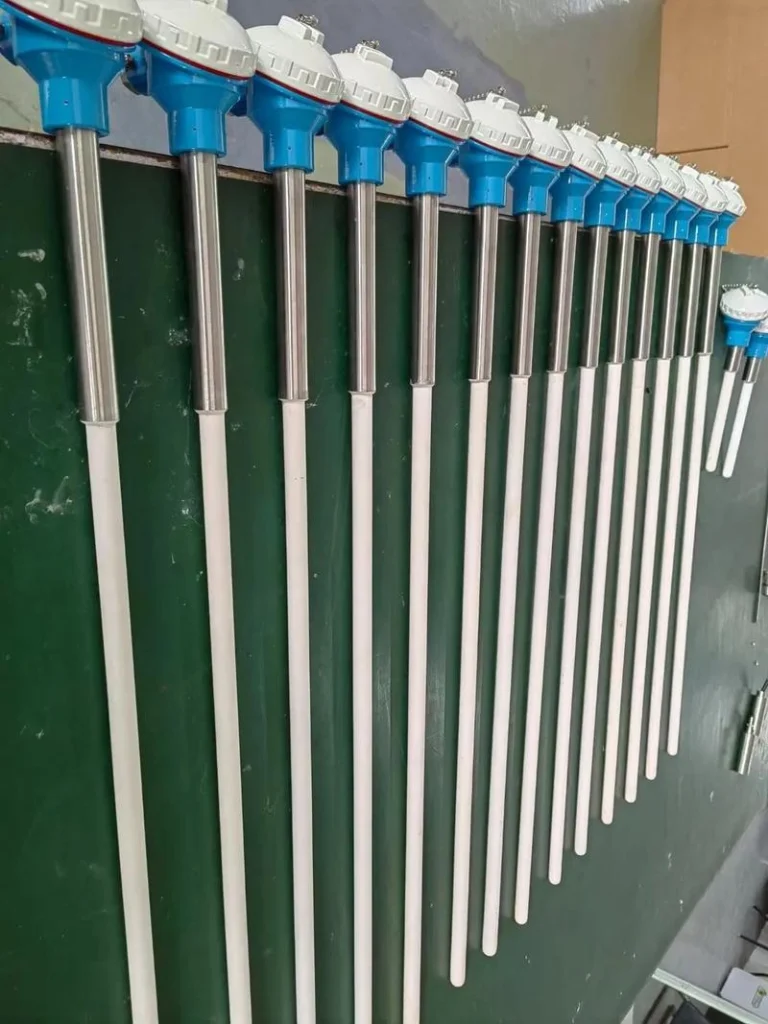
From regular RTD units for common low-to-medium temperature settings to S-type, K-type and B-type thermocouples tailored for high temperature kilns, smelters and other extreme heat equipment, Sino-Inst supplies a full lineup of robust temperature sensors and corresponding auxiliary parts.
Our product portfolio covers nearly all industrial temperature monitoring demands, helping enterprises maintain consistent and reliable production across all production lines.