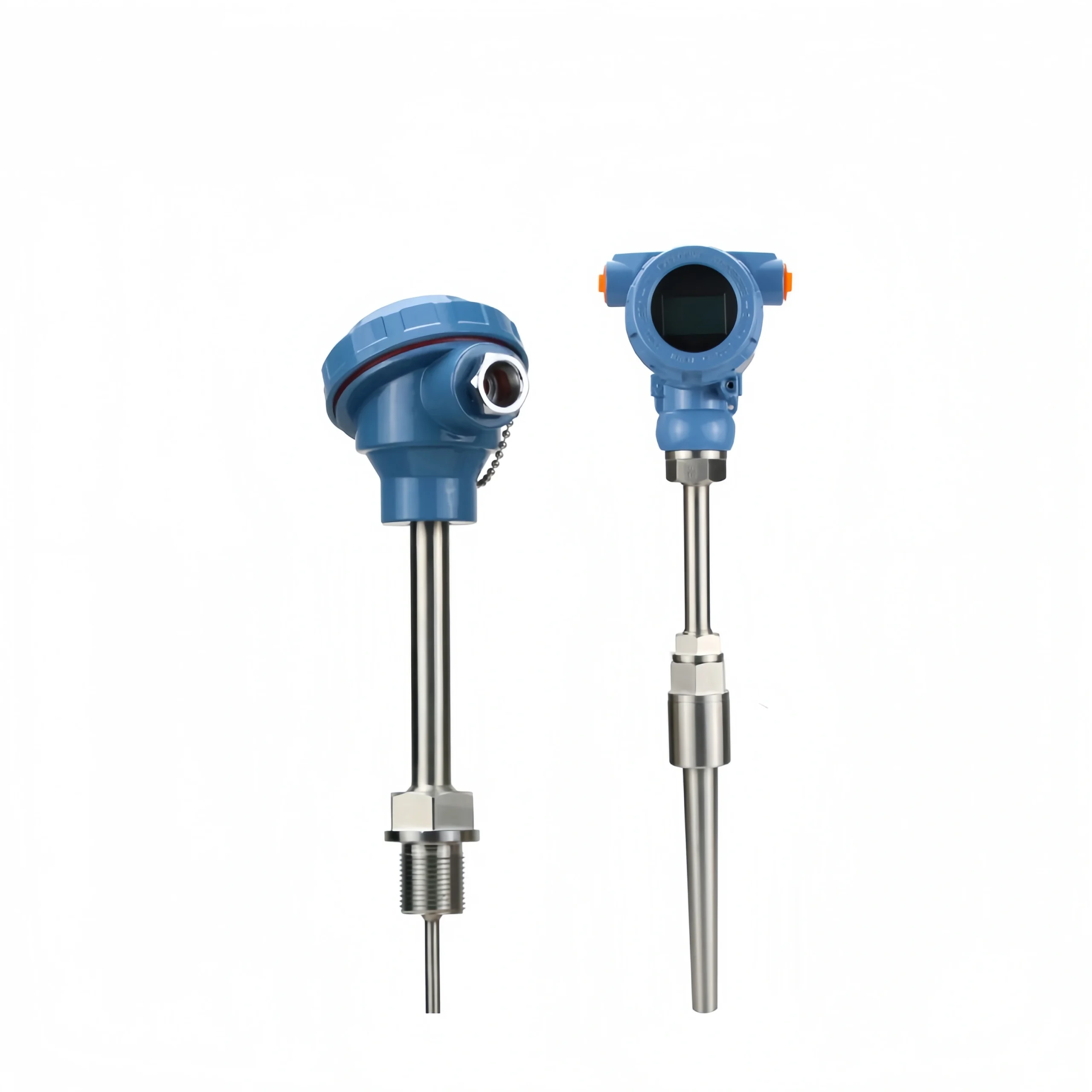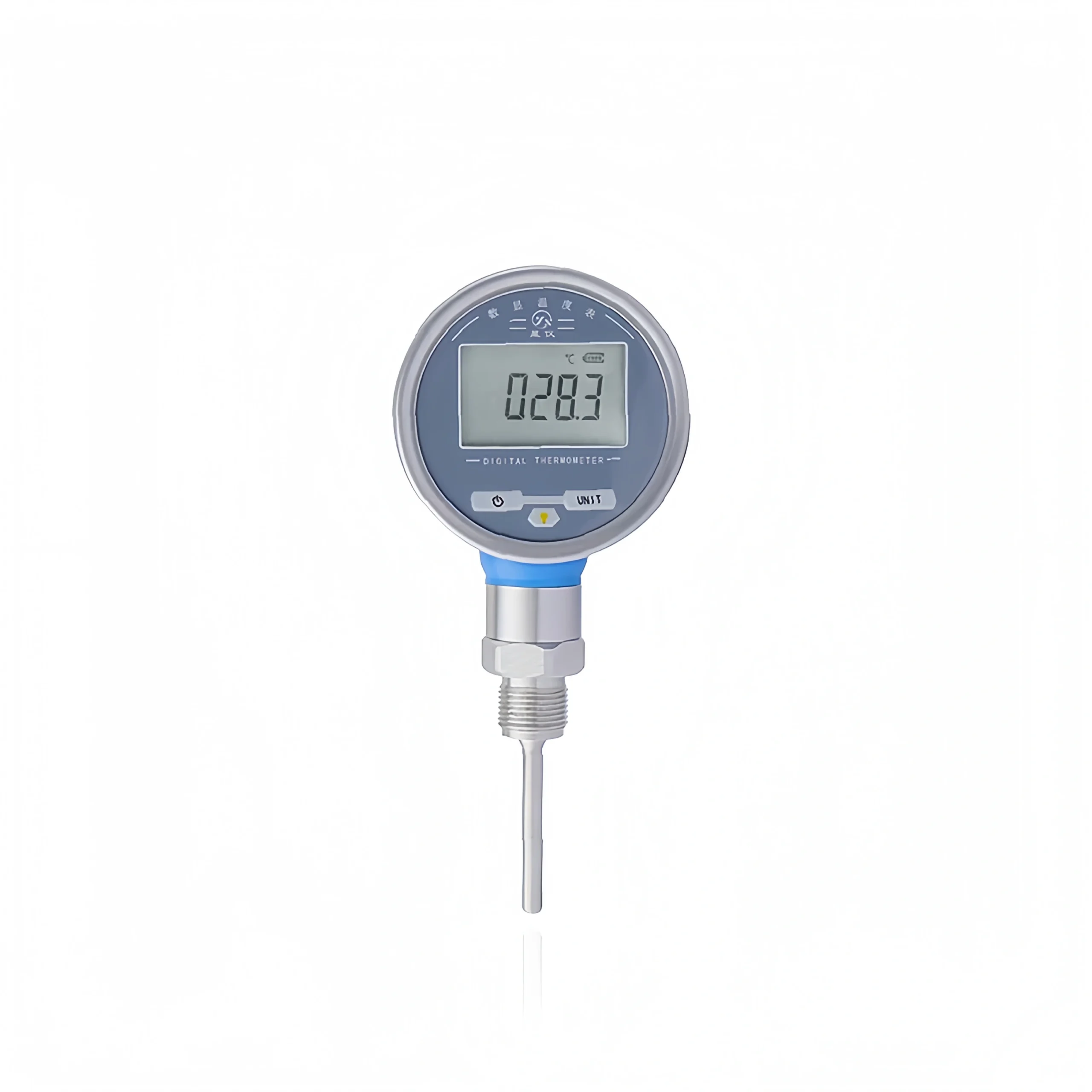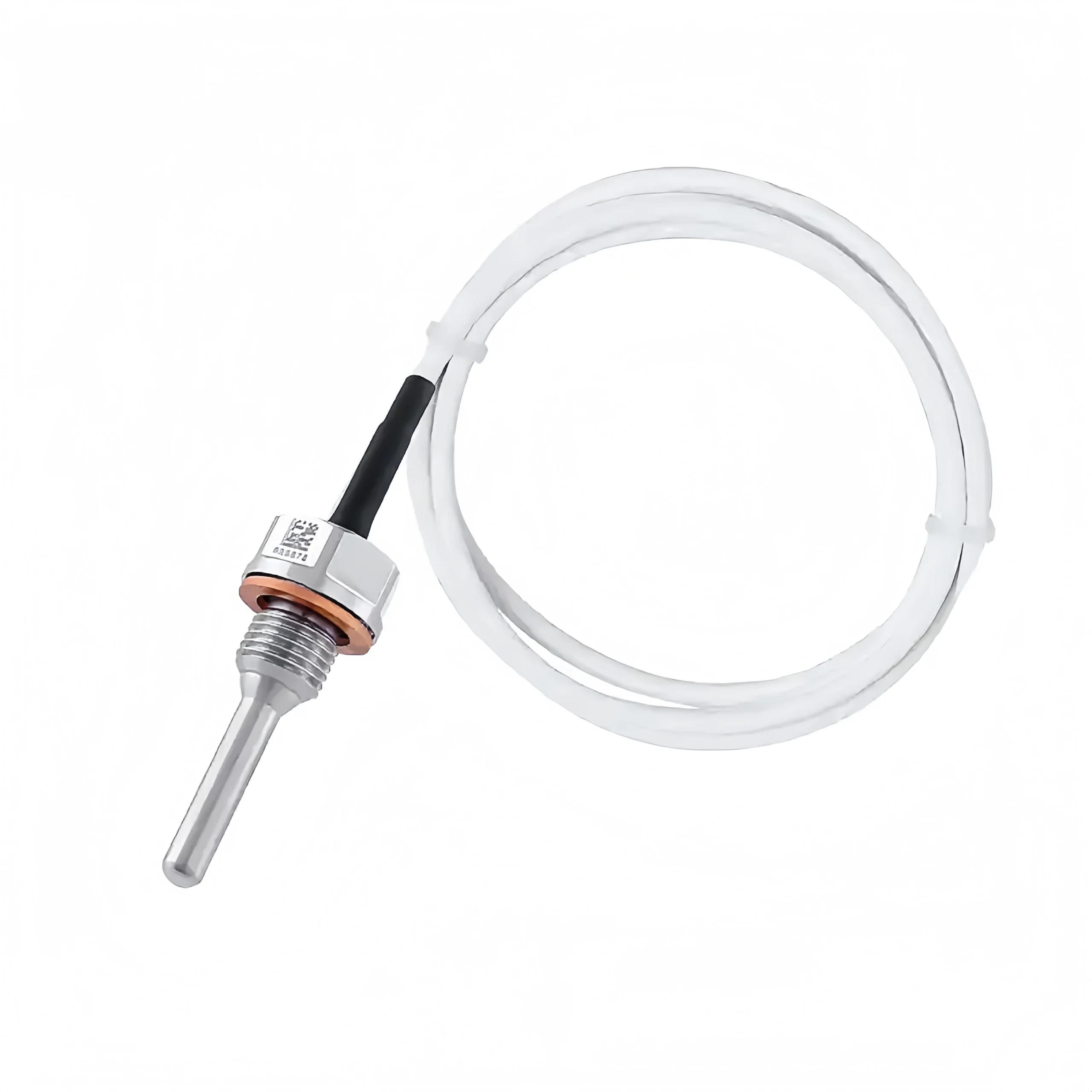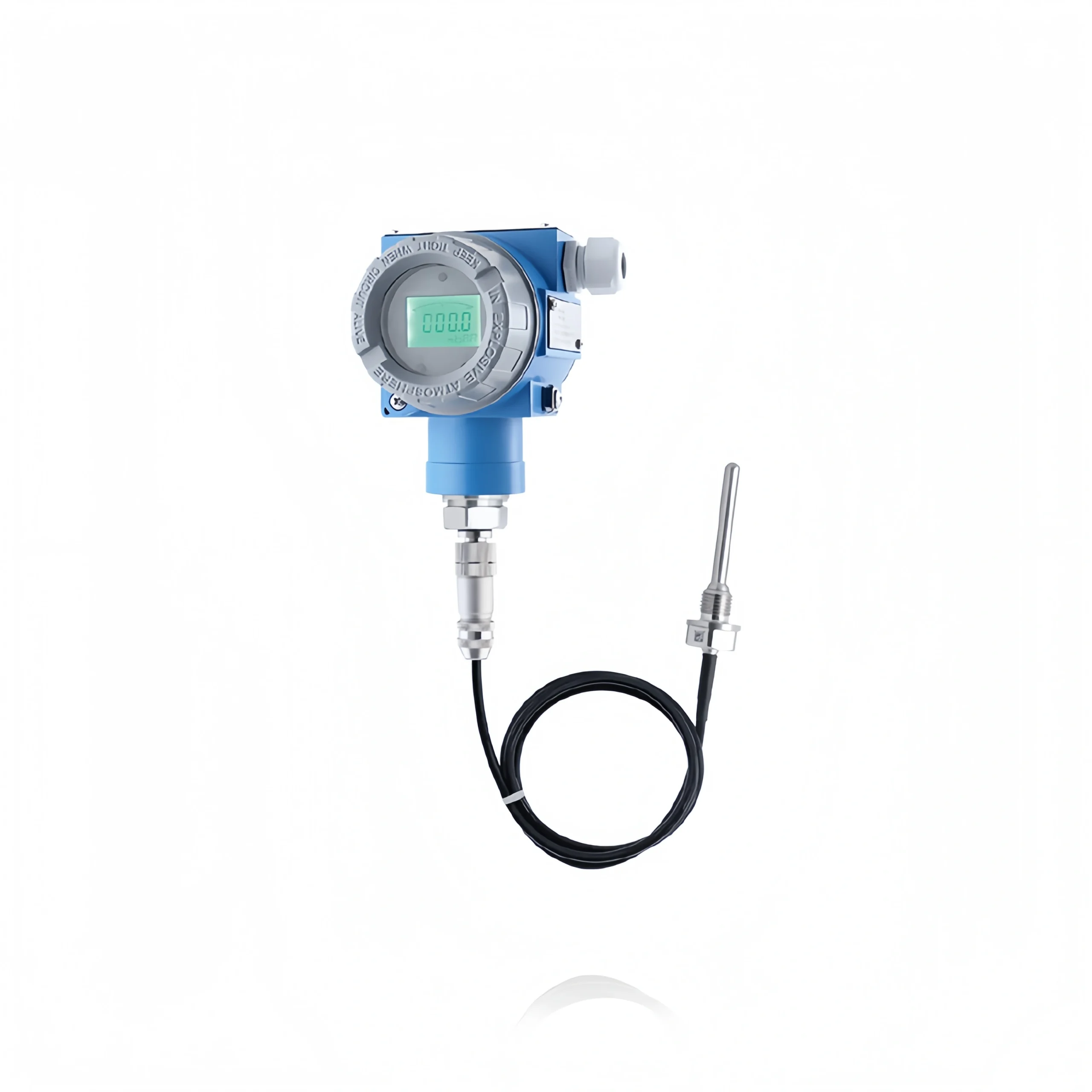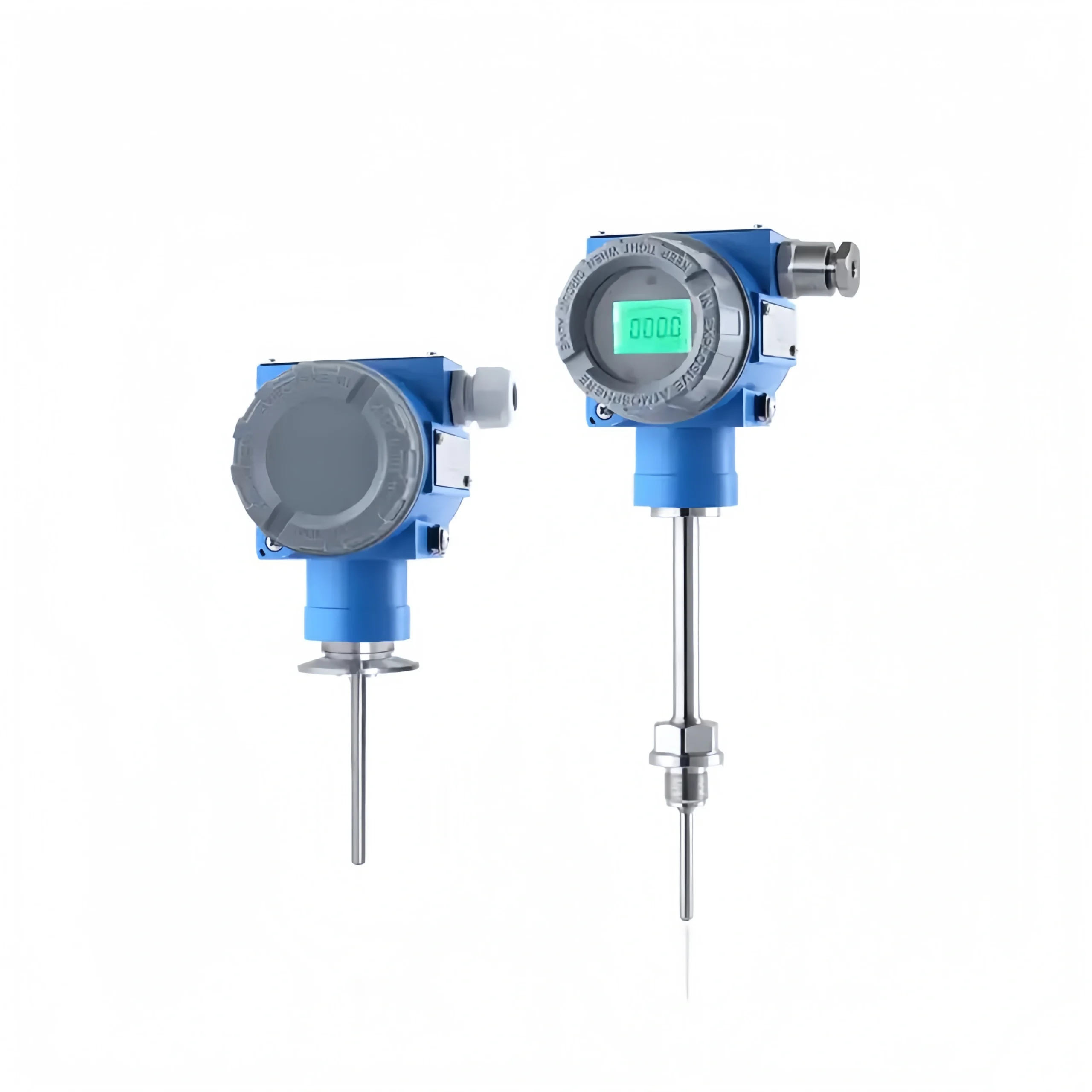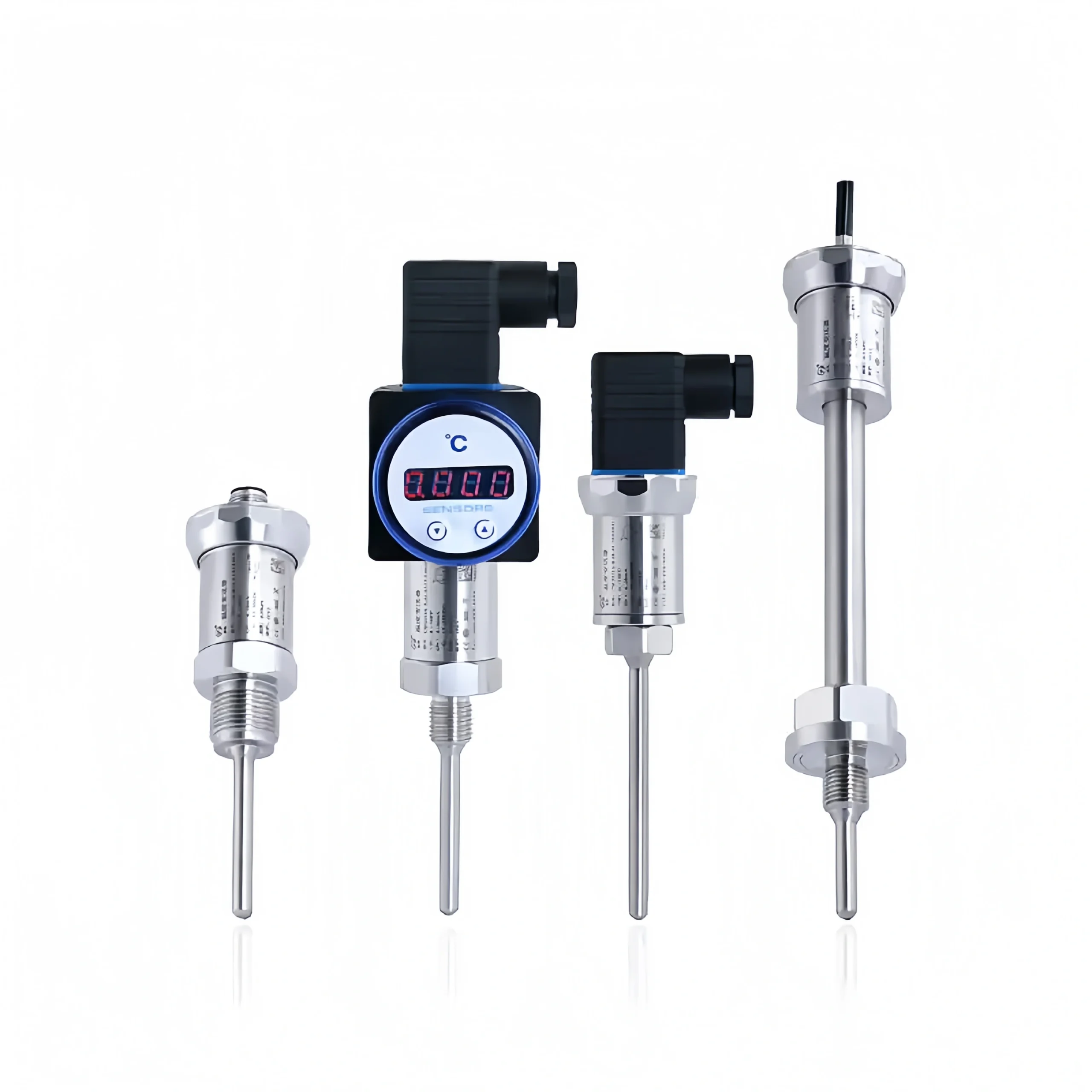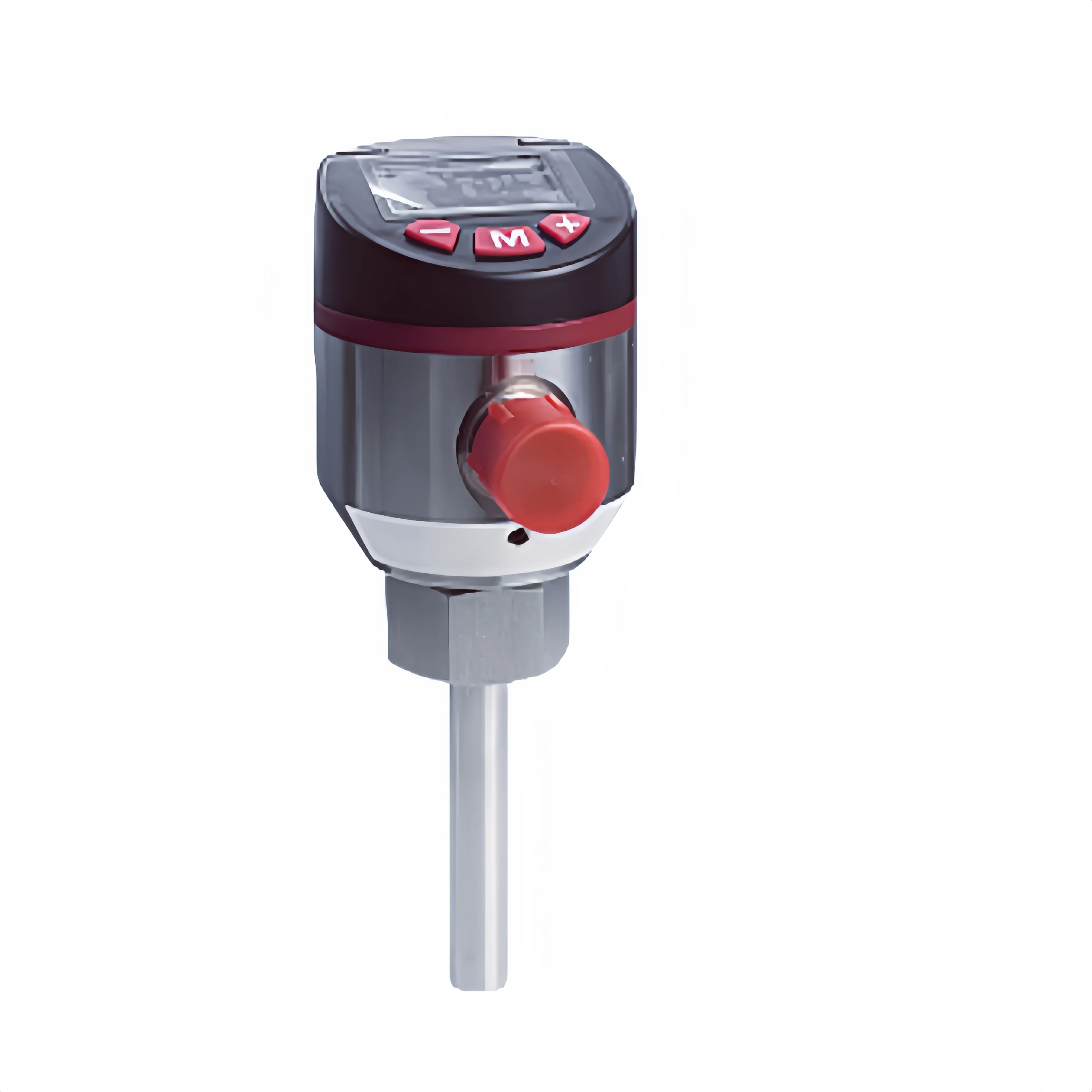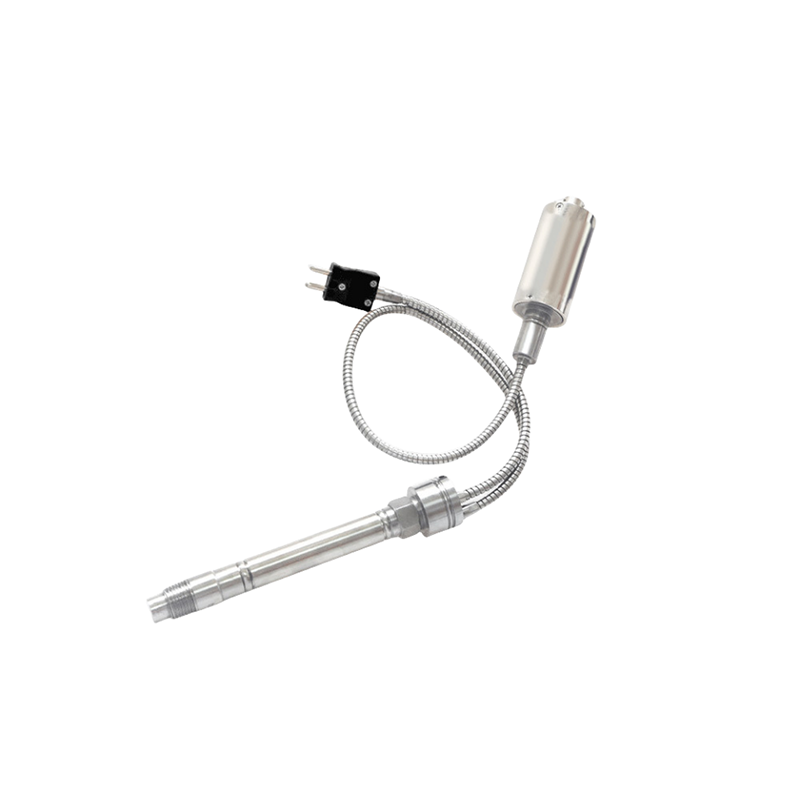
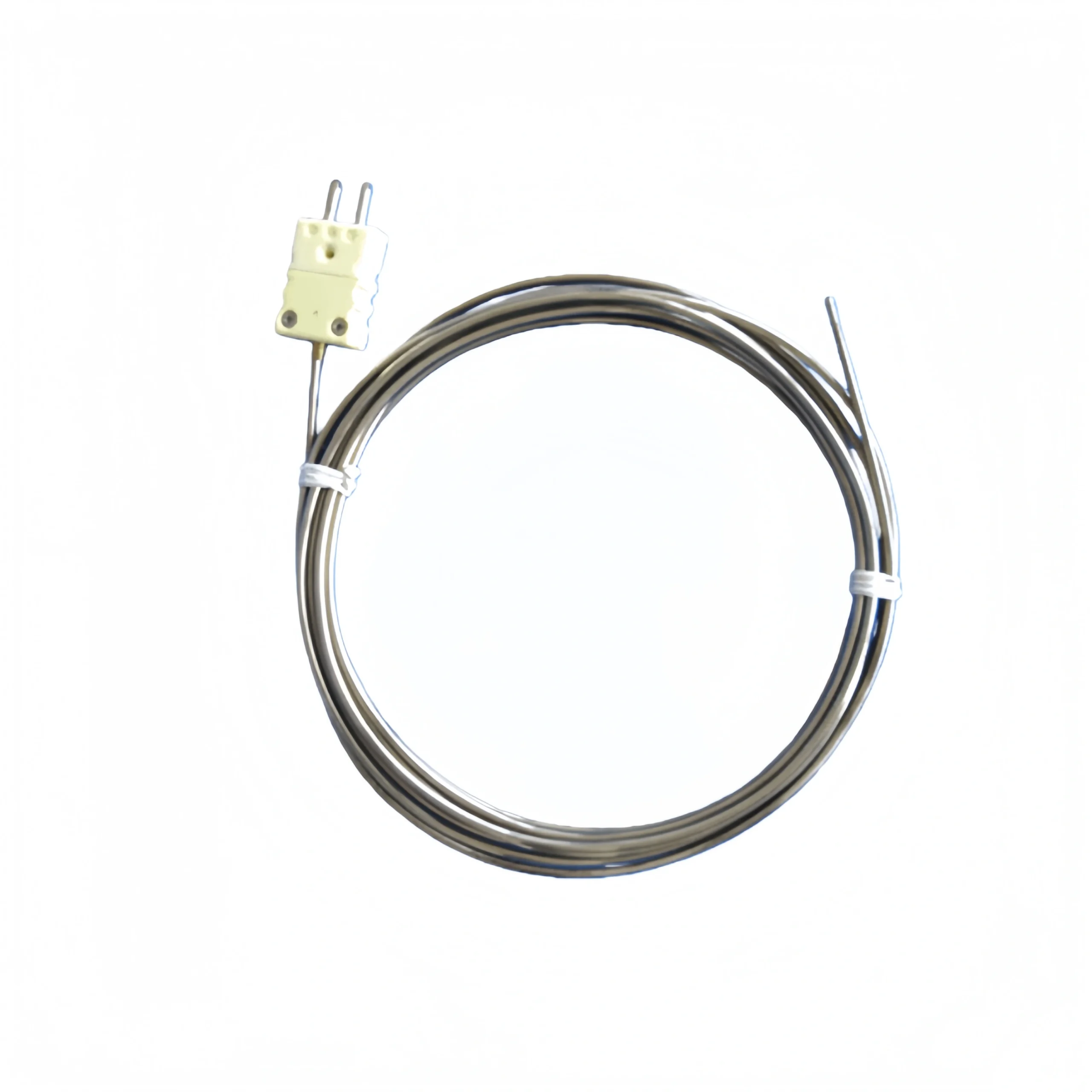
T-type thermocouple
T-type armored thermocouple
Sino-Inst T-type thermocouple
T-type thermocouple
T-type armored thermocouple
Sino-Inst T-type thermocouple

T-Type Thermocouple

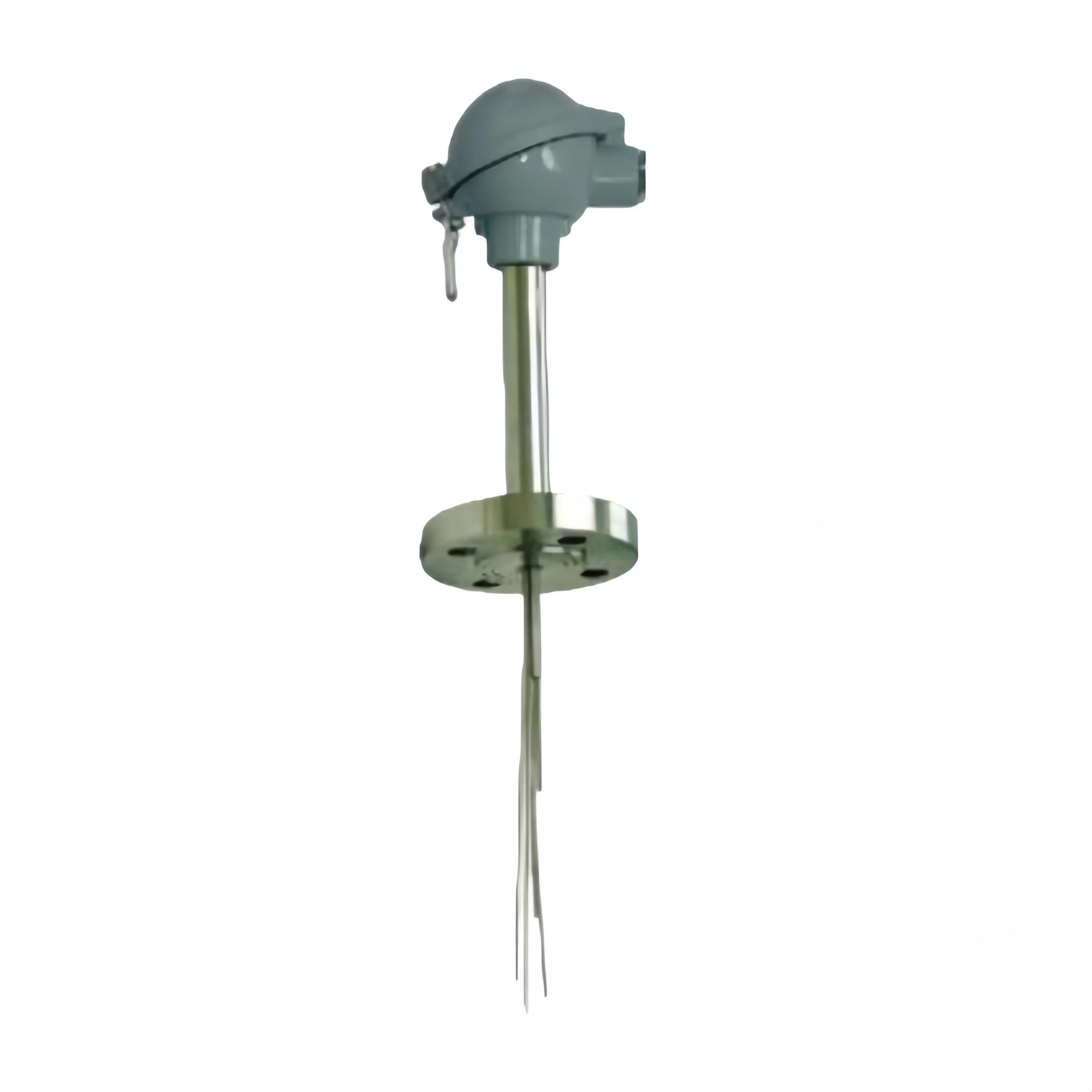
A T-type thermocouple is a thermocouple sensor commonly used for temperature measurement. It consists of two wires made of different materials, copper and nickel alloy. And uses the thermoelectric effect to generate a small voltage signal to measure temperature.
These T-type sensors are very stable. They are suitable for very low temperature applications such as ultra-low temperature freezers and cryogenics. They have a temperature range of -270℃ to 350℃ and an accuracy grade of +/- 1.7°C or +/- 0.5%.

  • Customization and OEM available;
  • High accuracy;
  • Fast response time;
  • Excellent corrosion resistance;
  • High sensitivity;
  • High mechanical strength;
  • Excellent oxidation resistance;
  • Smallest temperature range: T-type thermocouples are suitable for low to medium temperatures. Typically, it measures temperatures from -270°C to 350°C.

T-Type Thermocouple Description

The working principle of the T-type thermocouple is based on the thermoelectric effect. The thermoelectric effect refers to the fact that when two different metals or alloys are connected together to form a closed circuit, an electric potential difference is generated when the two connection points are at different temperatures.

This potential difference is called the thermoelectric potential. In the T-type thermocouple, the two wires are made of copper and nickel alloy, respectively. These two materials have different thermoelectric features. That is, they respond differently to temperature changes. When the solder joint is exposed to an environment with changing temperature, different thermoelectric potentials are generated between the copper wire and the nickel alloy wire, which forms a small voltage signal. By measuring and converting this voltage signal, the temperature can be measured.

Among inexpensive metal thermocouples, this one offers the highest accuracy and excellent thermocouple uniformity.
Because copper thermocouples are susceptible to oxidation and the oxide film easily falls off, they should generally not be used above 300°C in oxidizing atmospheres. Its sensitivity is relatively high within the -270°C to 300°C range.

Read More about:

Thermistor vs. Thermocouple: Temperature Measurement

RTD vs Thermocouple: 8 Key Differences


T-Type Thermocouple Parameters

Measuring range -270°C to +350°C
Positive electrode material Pure Copper
Negative electrode material Copper-Nickel Alloy (Constantan)
Annual stability It can achieve an accuracy of less than ±3 μV, particularly suitable for low-temperature measurements.
Accuracy Standard accuracy is 1.0°C or 0.75%, with a limited error of 0.5°C or 0.4%.
diameter/mm Maximum operating temperature (℃)
Long Term Short Term
0.2-0.3 150 200
0.5-0.8 200 250
1.0-1.2 250 300
1.6-2.0 300 350
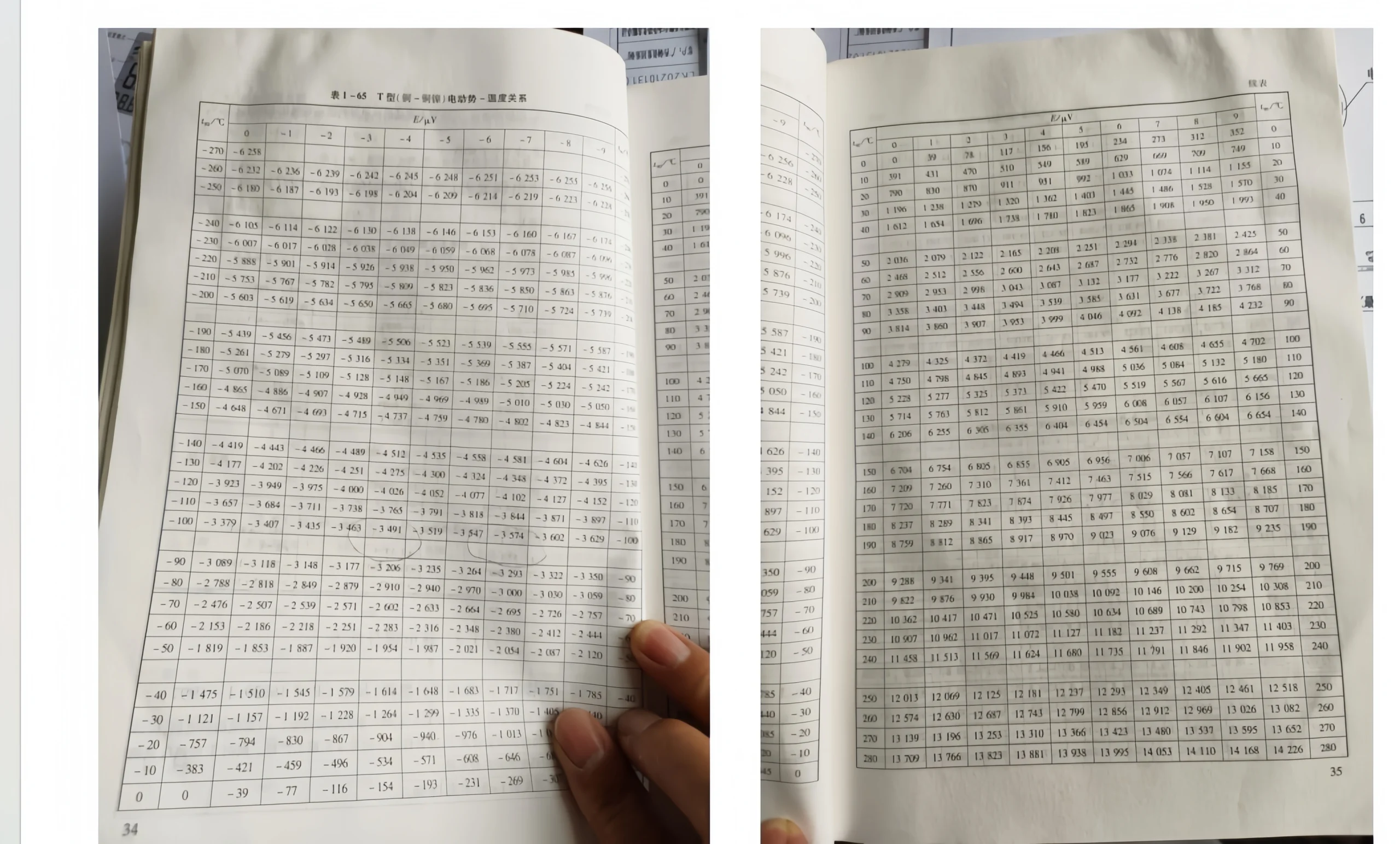
T-type thermocouple electromotive force and temperature relationship

Get a Free Quote of T-Type Thermocouple

Sino-Inst’s T-type thermocouples are used for medium and low-temperature measurements. Our T-type thermocouples are high-quality and affordable, meeting your application requirements. Sino-Inst offers a wide variety of thermocouples. We are a Chinese thermocouple supplier with a global supply. Our products are highly praised by our customers. We will not raise prices due to trade barriers. We prioritize our customers and are committed to integrity.

Contact Form Demo (#3)
Products Categories
Get A Free Quote
Contact Form Demo (#3)

T-Type Thermocouple Applications

  • Cryogenic Engineering: Temperature monitoring of cryogenic media such as liquid nitrogen and liquid oxygen. Superconductivity research, freeze-drying equipment.
  • Laboratory and Scientific Research: Experiments requiring high-precision temperature calibration or high stability (such as environmental test chambers).
  • Medical and Biotechnology: Low-temperature refrigeration equipment, vaccine storage, and monitoring the freezing process of biological specimens.
  • Food Industry: Cold chain logistics and temperature control in frozen food processing.
  • Electronics and Semiconductors: Chip testing and low-temperature measurement in temperature control equipment.
More Detail

What is the difference between T and K thermocouples?

T-type thermocouples can be used in both high-temperature (up to 350°C) and low-temperature environments. They have excellent linear response. The materials used in T-type thermocouples make them suitable for measuring a wide range of substances. such as liquids, gases, and solids.

Compared to T-type thermocouples, K-type thermocouples can withstand higher temperatures (up to 1250°C). But their response is poorer at lower temperatures. K-type thermocouples are suitable for measuring high-temperature materials. such as ceramics, metals, and rocks.

Read More about: J-Type vs. K-Type Thermocouple: Which One Should I Buy?

What is the most commonly used thermocouple type?

K-type thermocouples are the most commonly used thermocouple type. First, they have the widest measurement range: -50°C to 1200°C. Second, their material cost is lower. Therefore, K-type thermocouples can replace most thermocouples.
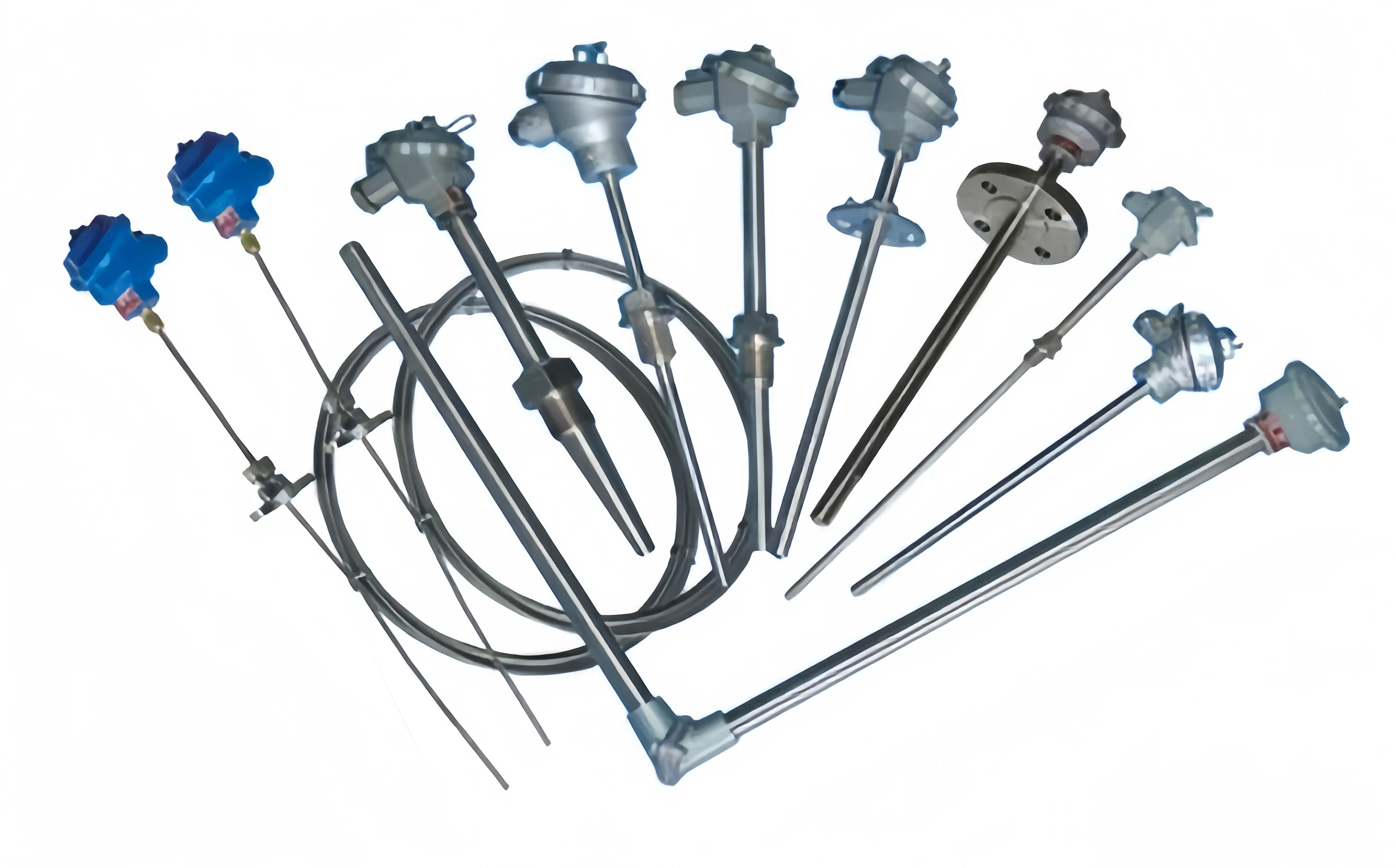
T Type Thermocouple

What is the limit of Type T thermocouples?

  • Due to the oxidation resistance of the positive electrode material, the maximum operating temperature of T-type thermocouples must not exceed 350°C.
  • Exceeding 350°C for extended periods can cause fast oxidation of the copper electrode, shortening its lifespan.
  • Sulfur-containing or reducing atmospheres (such as those found in petrochemical environments containing H₂S) can cause corrosion of the copper electrode.
  • Copper is relatively soft and is not suitable for applications subject to high vibration and severe mechanical wear.
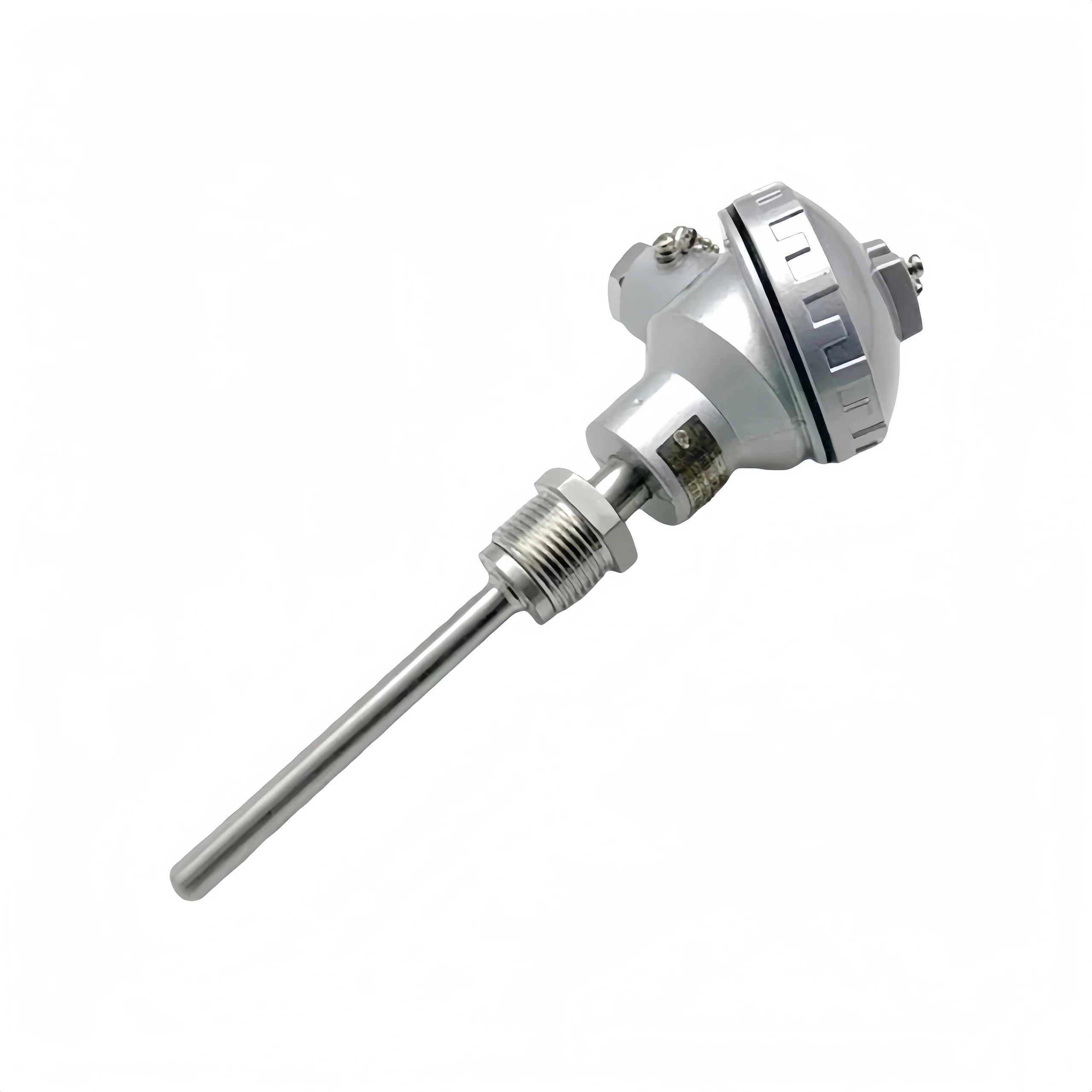
Related Products

Related News

In industrial temperature measurement, thermocouples and thermistors are two commonly used temperature sensors. Although both are used for temperature measurement, […]

In flow measurement, PT compensation is a crucial issue. PT compensation allows for more accurate flow measurement results. This article […]

Thermocouples are used for industrial temperature measurement in many industries. They come in many different types. This article focuses on […]

A temperature transmitter converts the signal from a temperature sensor into a standard signal output. It is used in industrial […]

Temperature sensors are commonly used devices to measure temperature. Temperature sensors are usually categorized into two types: RTDs and thermocouples. […]

Temperature sensors use thermocouples and RTDs as the core temperature measurement element. Temperature sensors are responsible for directly measuring temperature […]

Temperature is a critical parameter in industrial processes. Temperature transmitters are essential for both processing and temperature control. They can […]

Pressure transmitters monitor pressure and can be configured to output different signals. They typically generate both analog and digital signals. […]

Scroll to Top

Get A Free Quote Now !

Contact Form Demo (#3)