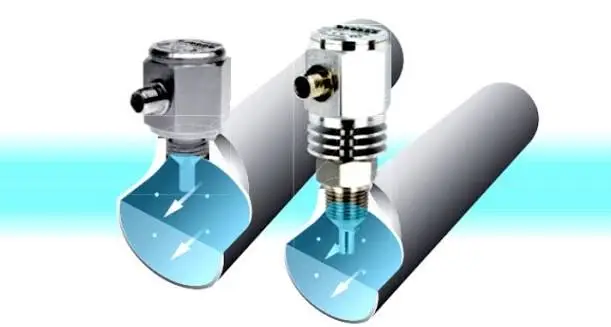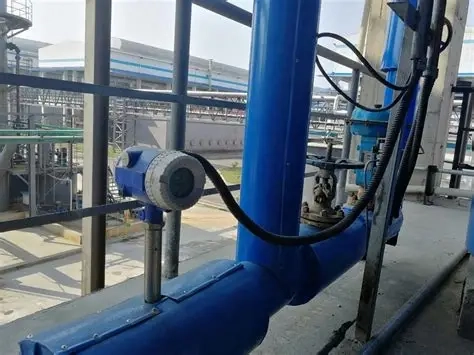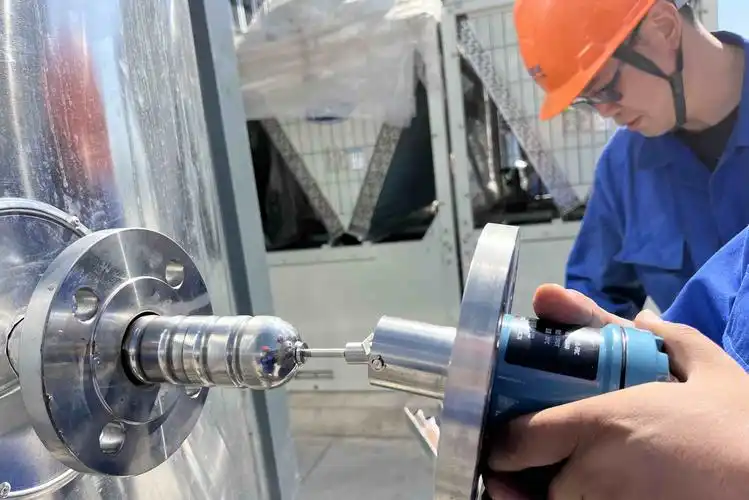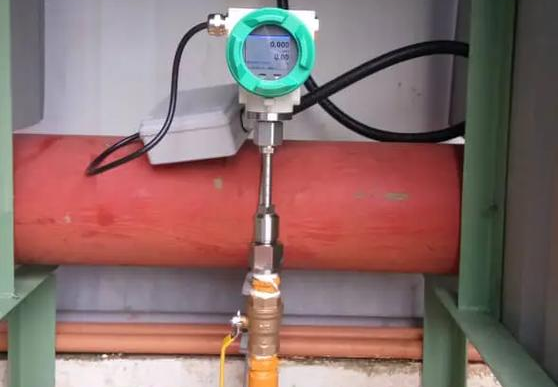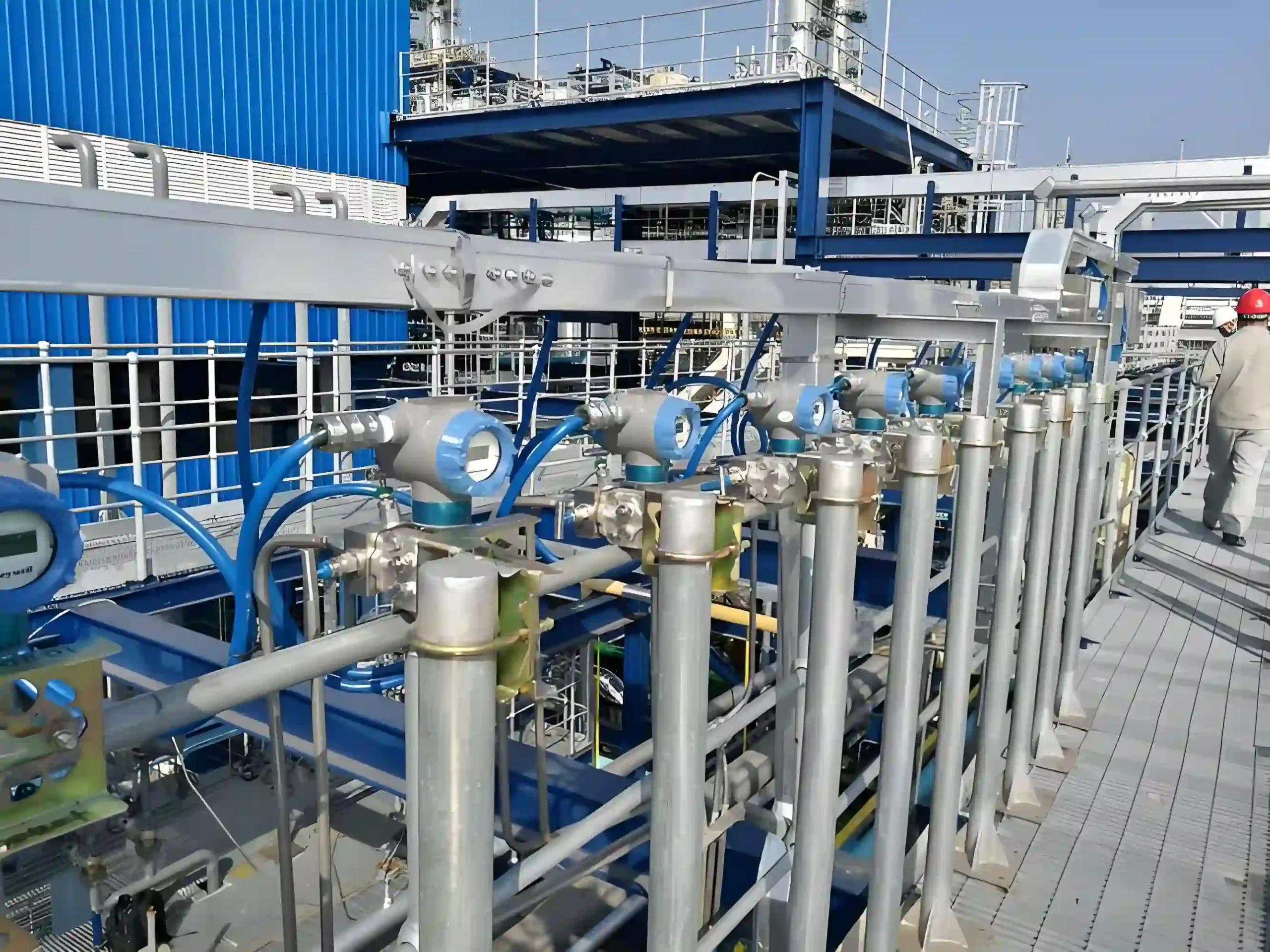
As sludge tanks contain a mixture of solid and liquid phases, with flocs forming indistinct layers and foam and adhesive substances prone to interfering with monitoring, conventional level gauges struggle to reliably identify the sludge-water interface.
Sludge level sensors optimise signal processing for solid-liquid mixtures, enabling them to accurately capture dynamic changes in sludge levels and provide a reliable measurement basis for the fully automated operation of the entire sludge treatment process.
Sludge
Sludge is a highly viscous solid-liquid mixture formed during the treatment of sewage and chemical wastewater, resulting from the flocculation and sedimentation of suspended solids, microbial flocs, inorganic silt and organic impurities.
It includes categories such as primary sludge, activated sludge and digested sludge. As the medium is turbid and prone to adhering to sensors, conventional level measurement equipment struggles to accurately distinguish the interface between sludge and the supernatant.
Sludge Layer Height
Sludge layer height refers to the vertical distance from the bottom of a water treatment structure—such as a sedimentation tank, sludge thickening tank or aeration tank—to the overall level of the sludge accumulated at the bottom.
During operation, this height is measured using level detection equipment, sampling observations and sludge interface analysers. It is a key indicator for regulating sludge discharge cycles, sludge recirculation and concentration operating conditions.
An excessively high sludge layer will displace the effective water volume and cause the effluent to carry suspended solids, whilst an excessively low sludge layer will reduce sludge treatment efficiency. Operators must maintain the sludge layer height within a reasonable range in accordance with process standards.
Challenges in Sludge Level Measurement
1. Significant surface interference
Aeration generates foam, floating sludge and viscous biofilms, which scatter and reflect detection signals, resulting in chaotic echoes and erratic readings that make it impossible to distinguish the true sludge-water interface.
2. Harsh operating conditions
Tanks are subject to year-round water vapour and mist, with freezing occurring in winter; temperature variations cause thermal drift, compromising the accuracy of acoustic and optical instruments. In enclosed tanks, biogas and dust attenuate signals, leading to unstable measurements.
3. Significant fluctuations in sludge properties
The thickness and concentration of the sludge layer vary continuously; thin layers are difficult to detect. Highly viscous sludge containing fibres and oils tends to adhere to and foul the probes, causing long-term measurement errors and requiring frequent maintenance.
4. Obstruction by tank components
Agitation frames, pipework, sludge scrapers and similar equipment generate spurious signals, creating measurement blind spots; in narrow, shallow tanks, there are close-range blind spots for the instruments, rendering monitoring of thin sludge layers ineffective.
5. Significant interference from vibration and noise
Continuous vibration and noise from fans and agitation equipment disrupt ultrasonic echoes; vibration causes the probe to shift, increasing errors and affecting automatic sludge discharge control.
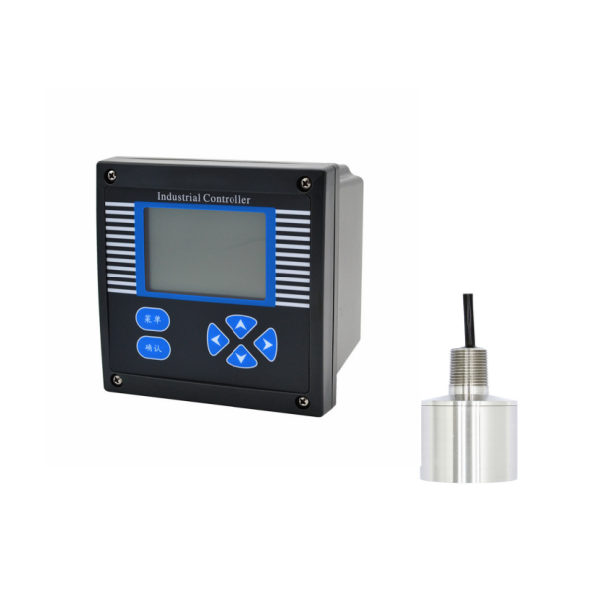
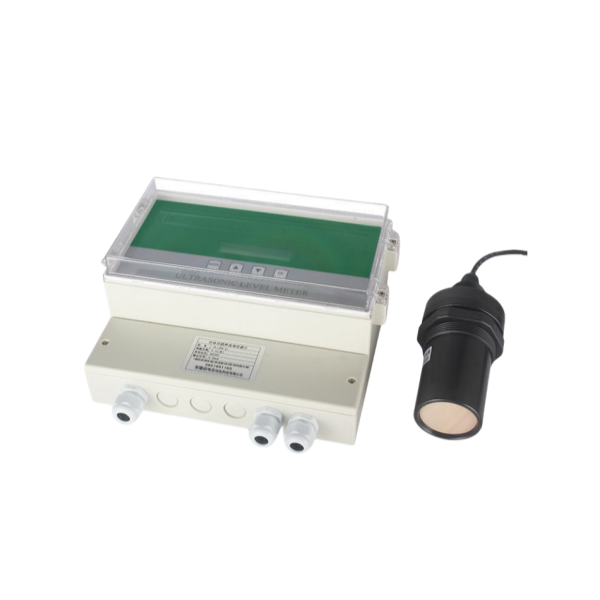
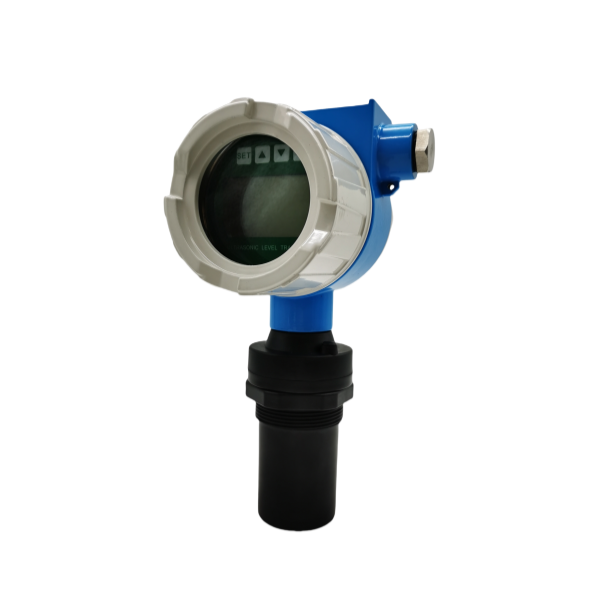
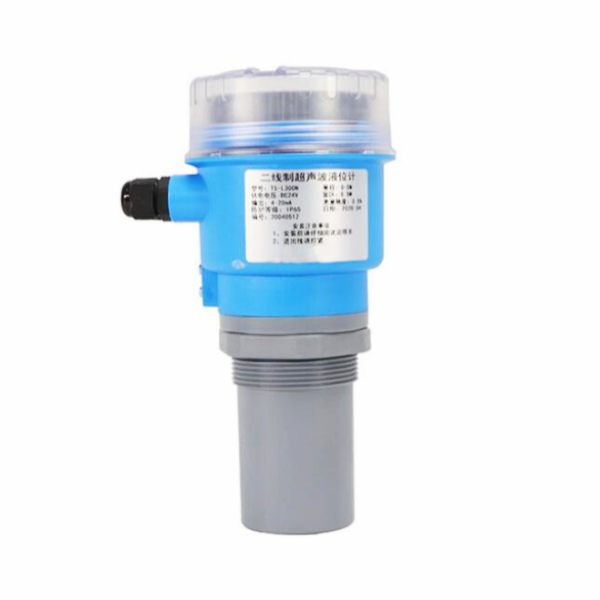
Sludge Level Sensor
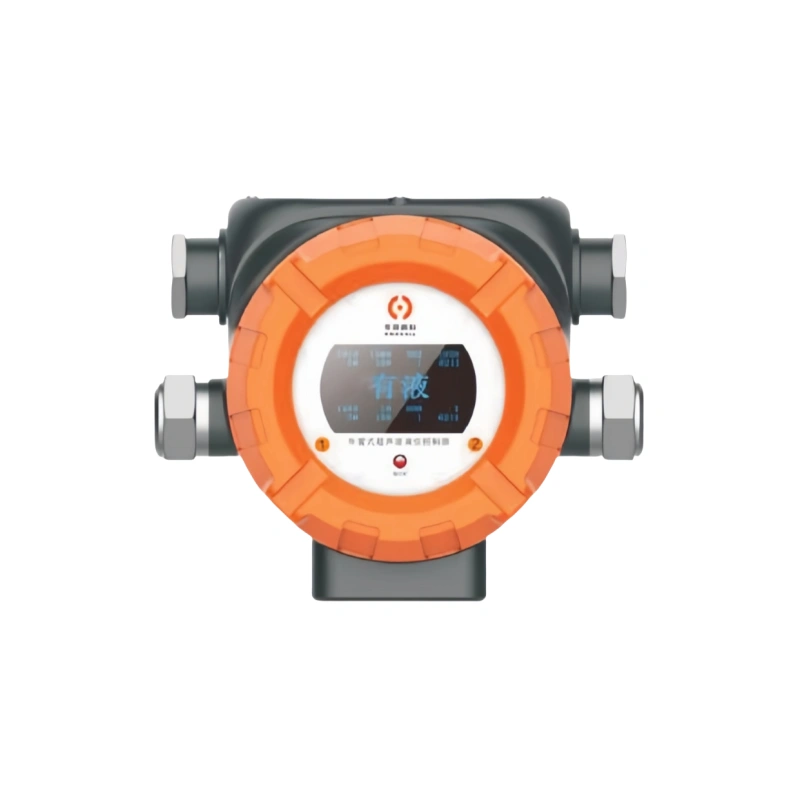
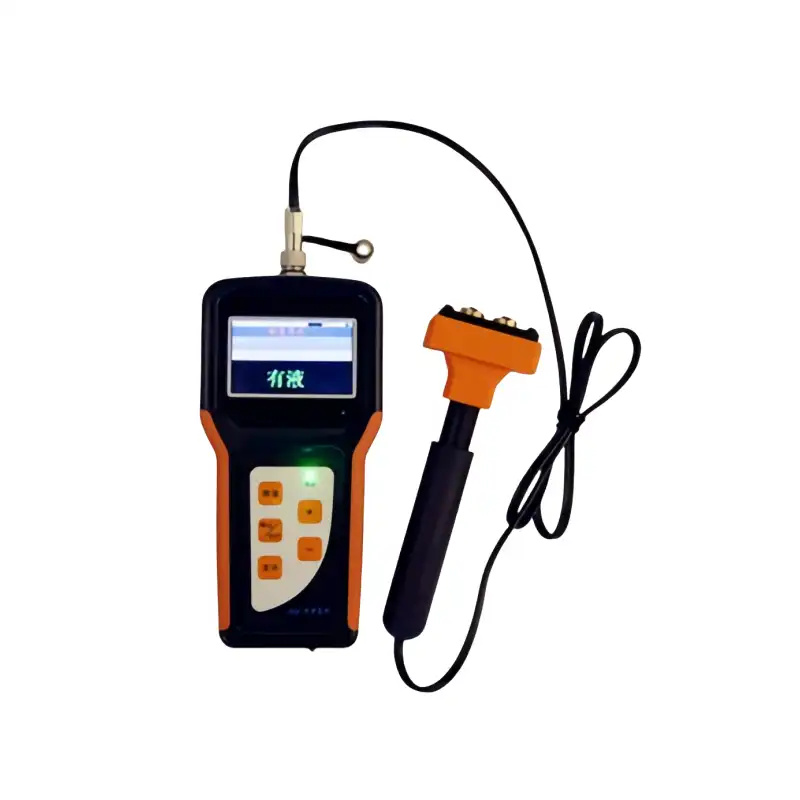
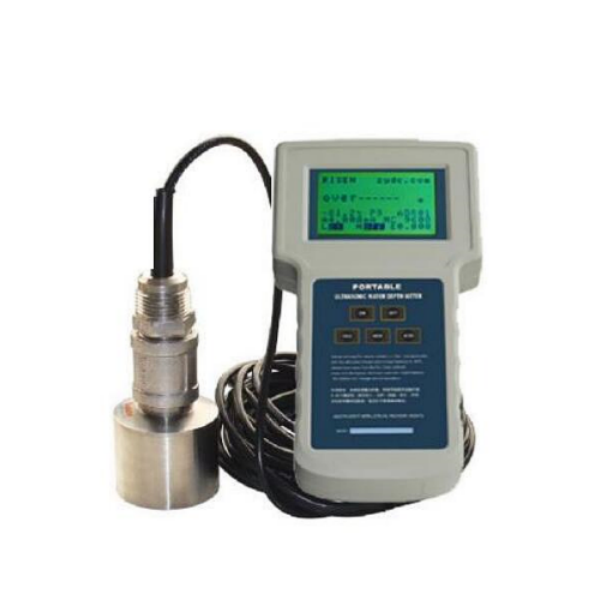
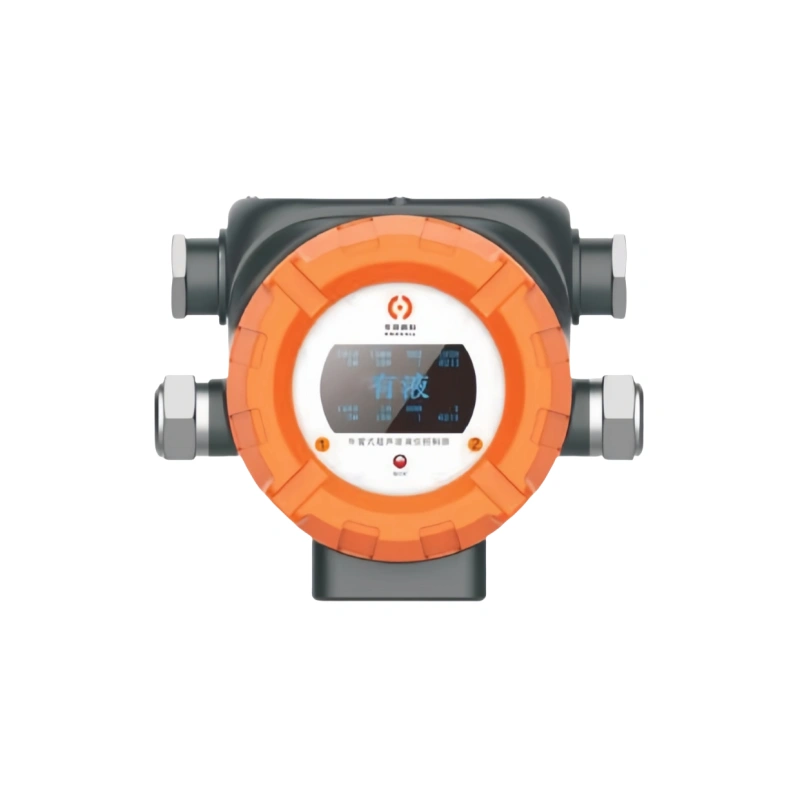
The sludge level sensor is a specialised water treatment instrument, commonly used in sedimentation tanks and sludge thickening tanks. Unlike standard level gauges, this unit can pick out the sludge-water boundary and keep track of both how thick the sludge is and the overall liquid level in the tank.
It works off principles like ultrasonics, pinning down where the sludge layer sits by looking at reflections, how light passes through, and the density gap between sludge and water. It sends out a 4–20 mA signal to the central control system, which kicks the sludge discharge pump into gear for automatic removal.
The unit comes with built-in alarms for sludge level and a self-cleaning setup, and it holds up well against foam and sludge buildup, so it fits a range of sewage settling applications.
Principle of Operation
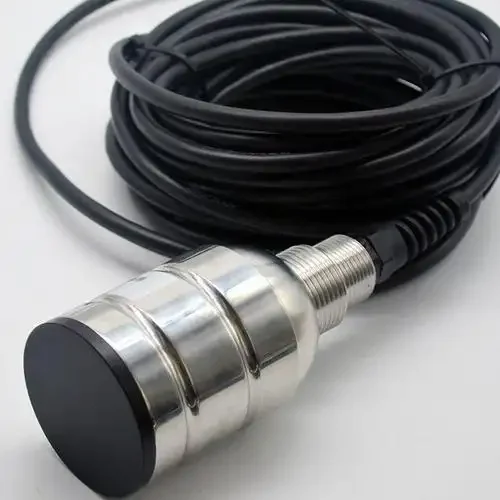
The ultrasonic sludge level sensor relies on the transmission of ultrasonic waves through air to detect sludge levels. The transducer inside the device’s probe continuously emits high-frequency ultrasonic pulses downwards.
As the sound waves propagate vertically through the air to the sludge-water interface, distinct reflected echoes are generated due to the differing densities of the air, water and sludge media; these echoes are then received by the probe after travelling back along the same path.
The instrument’s internal circuitry precisely records the round-trip time from the transmission to the reception of the sound waves. By combining this with real-time ambient temperature data, it performs sound velocity compensation calculations.
The distance from the probe to the sludge surface is calculated using the sound velocity and propagation time, and this is then converted into the actual sludge level value based on the probe’s installation height.
The device simultaneously filters the echo signals to eliminate interference such as air bubbles in the water, agitation-induced disturbances and stray reflections from the tank walls, ensuring stable and reliable measurement data. Finally, the calculated sludge level data is converted into a digital or standard current signal and output to the control system.
Application Scenarios
1. Municipal wastewater treatment sedimentation tanks
Secondary and primary settling tanks lean on sensors to keep an eye on how much sludge piles up at the bottom, figure out the sludge interface height on the fly, and fire up the sludge discharge pumps to clear it out automatically.
This stops sludge from rising to the surface and pushing the effluent over the limit, keeps the outflow steady, and cuts down on how often crews have to check things by hand.
2. Sludge Thickening Tanks and Sludge Storage Tanks
Keeping tabs on sludge levels inside the tanks around the clock lets operators manage the give-and-take between sludge coming in and going out in thickening tanks, so it doesn’t stack up and harden; storage tanks can line up dewatering gear based on how much sludge is on hand, which pulls the sludge disposal process into full automation.
3. Industrial Wastewater Treatment Structures
In sedimentation and reaction tanks used in the chemical, dyeing, paper-making and electroplating industries, the system monitors the thickness of settled sludge following chemical flocculation, precisely adjusting the chemical dosing, sedimentation and sludge scraping processes to accommodate industrial sludge with high levels of impurities and colour.
4. Clarification tanks and filter beds at water treatment works
Keep an eye on how high the sludge piles up at the bottom; once it hits a set point, kick off the sludge removal process so the filter media doesn’t get choked up. That way the water still clarifies and filters properly, and you won’t need to backwash the filters as often.
5. Pre-treatment basins for river and lake dredging
Tracking sludge levels in river sediment pre-treatment basins in real time helps operators stay on top of how much sludge is stored, so they can plan dredging and removal work sensibly and stop the basins from overflowing. If they do overflow, you’re looking at secondary water pollution.
6. Sludge basins for food waste and kitchen waste treatment
Sedimentation tanks handling organic sludge from food waste fermentation watch the sludge interface and work with dewatering machines and feed pumps to handle automatic feeding. They hold up well in settings where the sludge is high in fat and tends to foam a lot.
7. Small-scale integrated sewage treatment systems
Integrated purification systems for decentralised rural sewage and small communities feature built-in sludge level detection, enabling the equipment to automatically issue sludge discharge alerts and perform scheduled sludge discharge, making them suitable for unmanned sewage treatment scenarios in villages and towns.
Advantages and Disadvantages
Advantages
1. Non-contact measurement: the probe is not directly immersed in the sludge medium and does not come into direct contact with sludge or sediment.
This prevents the probe from becoming encased, clogged or blocked by sludge, significantly reducing the workload associated with frequent cleaning and maintenance, and is suitable for highly viscous sludge with high impurity content.
2. Simple installation structure: the probe merely needs to be secured in the airspace above the sludge tank or sedimentation tank, without the need to penetrate the liquid within the tank.
There is no requirement for underwater installation accessories such as flanges or immersion brackets, resulting in lower construction costs and shorter project timelines when retrofitting existing tanks.
3. The sensor is highly versatile and is unaffected by the pH of the sludge or slightly corrosive water quality.
Provided there is no persistent dense vapour or excessive foam within the tank to obstruct the probe, it can reliably monitor municipal sludge, chemical precipitation sludge and river silt, with no need to replace the probe body when switching between measurement conditions.
4. The probe offers a wide measurement range; probes of the same specification can cover sludge interface measurements in both shallow and deep tanks.
Signal transmission over long distances is stable, and with universal 4–20 mA and RS485 signal outputs, the probe can interface directly with PLCs, industrial control screens and online monitoring systems, making it suitable for automated wastewater treatment plants.
5. With no moving mechanical parts, the probe just sends out and picks up acoustic waves.
So there’s no chance of jamming, wear, or corrosion you’d get with mechanical bits like float balls or scrapers. That means it lasts longer out in the open and in damp tank conditions, and it doesn’t break down much.
6. High safety factor: the probe sits entirely above the liquid surface, so it never has to touch the sewage or sludge.
There’s no risk of electric leakage, the probe corroding, or anything leaking into the water. If the sludge tank is sealed up and has biogas or volatile gases inside, you can fit it with an explosion-proof probe.
Disadvantages
1. Foam and scum on the liquid surface can severely interfere with measurements.
When aeration produces large amounts of foam or surface sludge accumulates, ultrasonic waves are scattered, leading to data fluctuations, distortion or even a complete loss of display; additional defoaming and scum-removal equipment is required.
2. Water vapour, ice formation and temperature differences affect measurement accuracy.
Dense fog within the tank and ice formation in winter can obstruct the propagation of sound waves; large diurnal temperature variations can easily cause temperature drift, resulting in significant errors in the absence of precise temperature compensation. Regular manual calibration is required, and the overall accuracy is inferior to that of submersible sludge level transmitters.
3. Installation space and tank internal structures impose significant restrictions.
There must be no obstacles—such as supports, pipes or ladders—directly beneath the probe, as these will generate interfering echoes; narrow sludge tanks with complex internal structures are prone to creating measurement blind spots, whilst inherent blind spots also exist at close range, resulting in poor detection performance in thin sludge layers.
4. Not suitable for sealed, high-pressure, highly corrosive gas tanks.
High-pressure environments alter the speed of sound in air, causing persistent measurement deviations, whilst sealed spaces with high concentrations of biogas or dust attenuate sound waves, significantly reducing the operational stability of the equipment.
5. Susceptible to interference from on-site equipment noise.
Strong vibration and noise generated by agitator pumps and aeration blowers can interfere with echo signals, causing frequent fluctuations in level readings and directly disrupting the stable operation of automated sludge discharge systems.
FAQ
What is the difference between integrated and split-type ultrasonic level transmitters, and how should one choose between them?
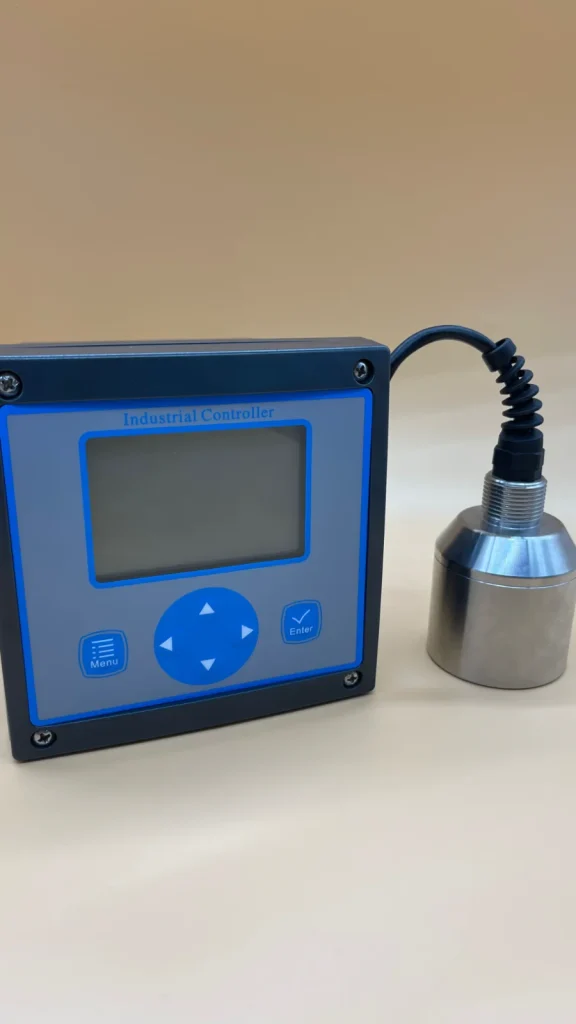
The integrated type features a probe, mainboard and display screen moulded as a single unit. It is simple to install and cost-effective, but is not suitable for high temperatures or high humidity. It is ideal for water tanks, clear water basins and standard sewage tanks at normal temperatures and in dry conditions, with a depth of up to 5 metres.
In split-type models, the probe is separated from the main unit and wired independently. The probe can be positioned in environments with high temperatures, high humidity, deep wells or explosion-proof zones, whilst the main unit is installed in a dry control cabinet for ease of commissioning.
These offer a wider measurement range and are suitable for deep tanks, high-temperature reaction vessels and explosion-proof chemical tanks.
2. Can ultrasonic level transmitters measure solid material levels?
They can be used for measuring the levels of solid materials and are suitable for silos containing lumpy or granular materials such as gravel, plastic pellets, grain and coal.
However, ultra-fine powders such as flour, talcum powder and cement powder generate significant dust, which absorbs and scatters the ultrasonic waves, resulting in weak echoes, erratic data or even a complete loss of signal.
When measuring solid silos with high dust levels, it is recommended to use a low-frequency, high-power probe and to enable the instrument’s gain compensation and multi-filter functions to enhance measurement stability.
3. What is the blind zone, and why must it be avoided during installation?
The blind zone refers to a fixed distance directly beneath the probe. When the device emits ultrasonic waves, the sound waves are reflected back almost immediately after being emitted, leaving the circuitry insufficient time to complete signal recognition and calculation; consequently, distance measurement cannot be performed normally within this range, which is known as the blind zone.
The size of the blind zone varies depending on the probe’s measurement range; the shorter the range, the shorter the blind zone.
During installation and operation, the maximum liquid level in tanks or reservoirs must be below the bottom of the blind zone. If the liquid surface enters the blind zone, the instrument will be unable to capture a valid echo, resulting in issues such as no reading, erratic level displays or measurement failure.
Sino-Inst has specialised in water treatment measurement instruments for many years. We can customise ultrasonic level sensors—with tailored measurement ranges and available in both integrated and split-type configurations—to suit various operating conditions, including municipal sewage, industrial wastewater, food waste sludge and water treatment works.
Our entire range of equipment supports 4–20 mA and Modbus standard signals for integration with automated control systems.Should you require on-site condition surveys, technical selection proposals, sample testing or quotations for bulk purchases, please feel free to contact our technical sales team at any time.
We provide one-stop measurement and monitoring solutions to support the efficient and stable operation of wastewater treatment systems across various industries.