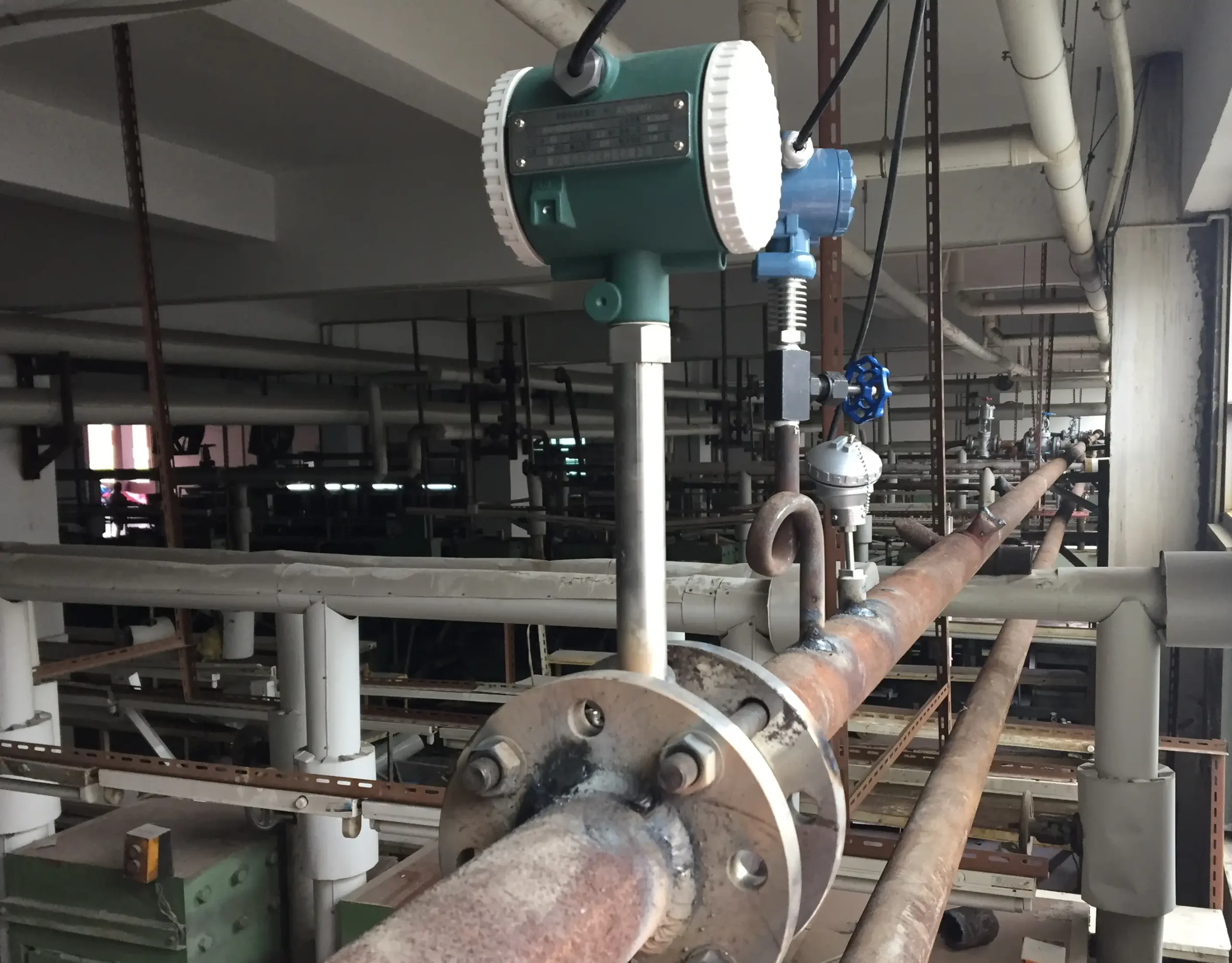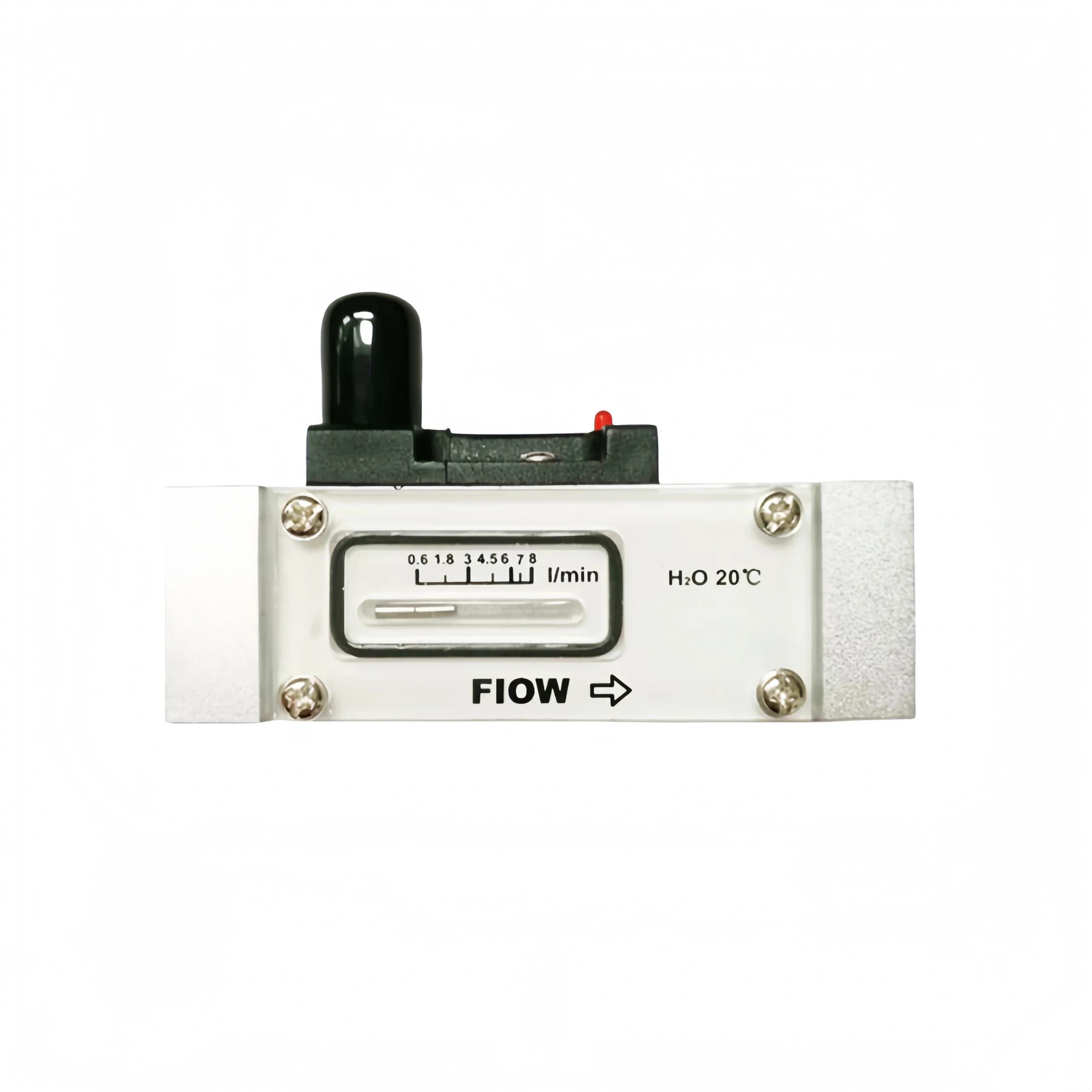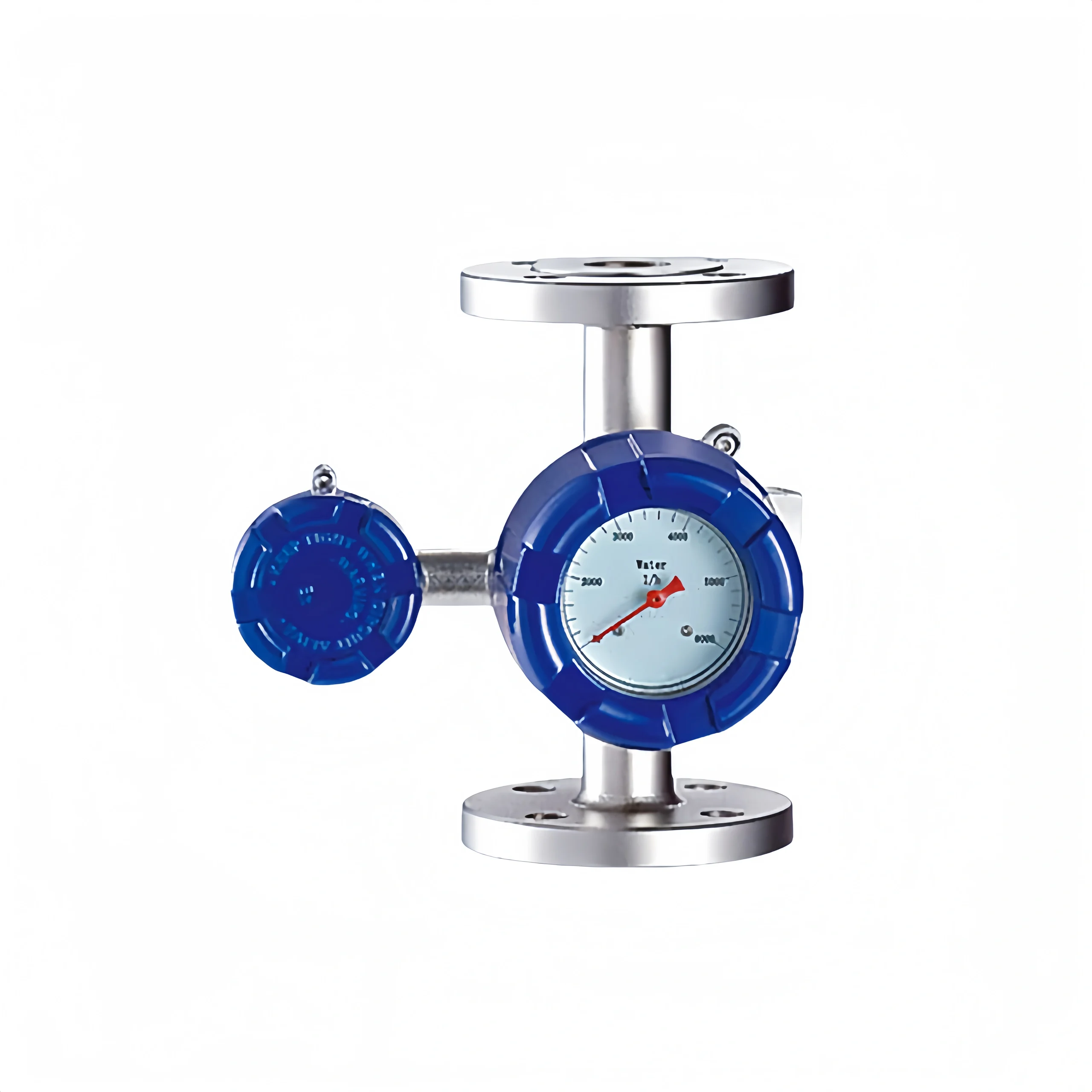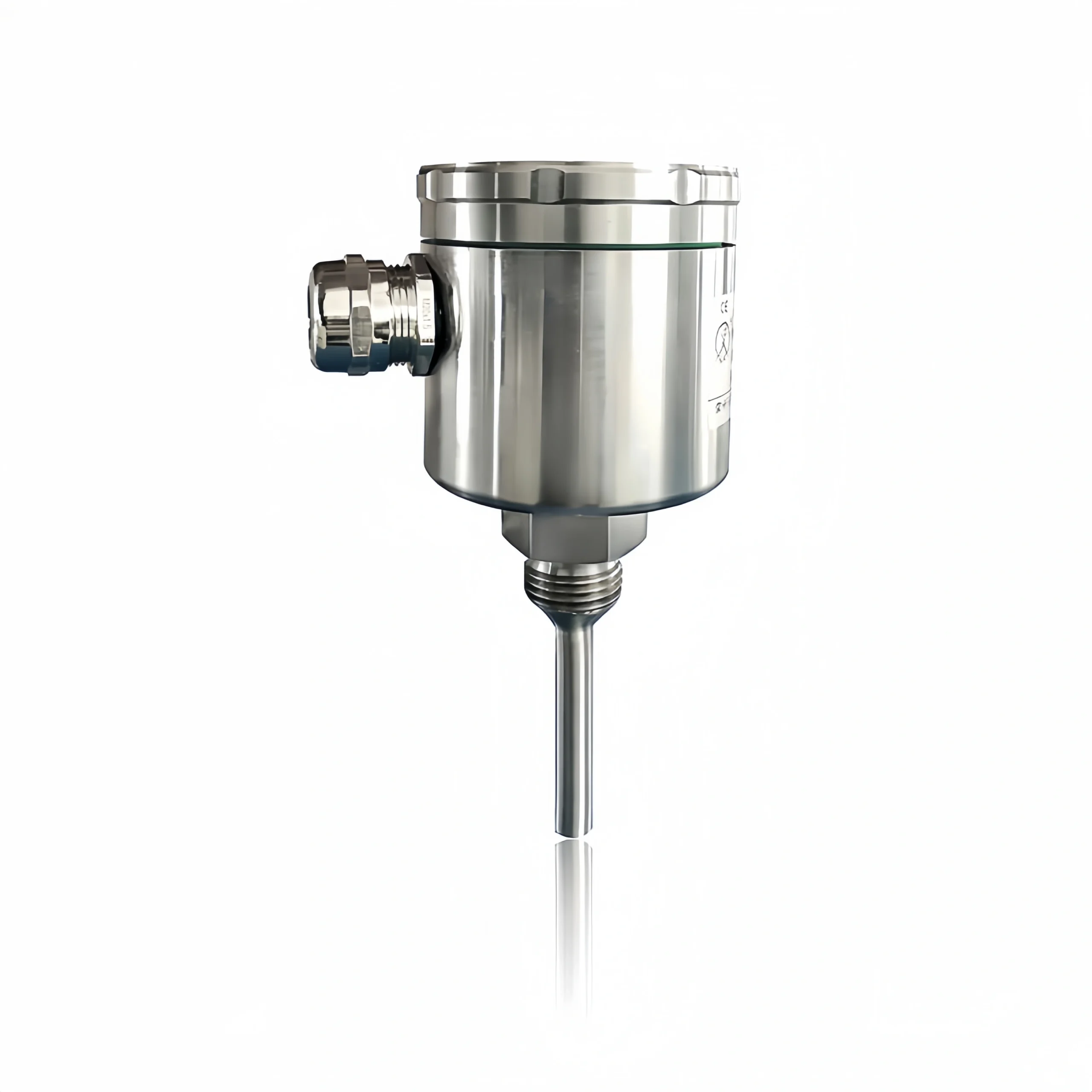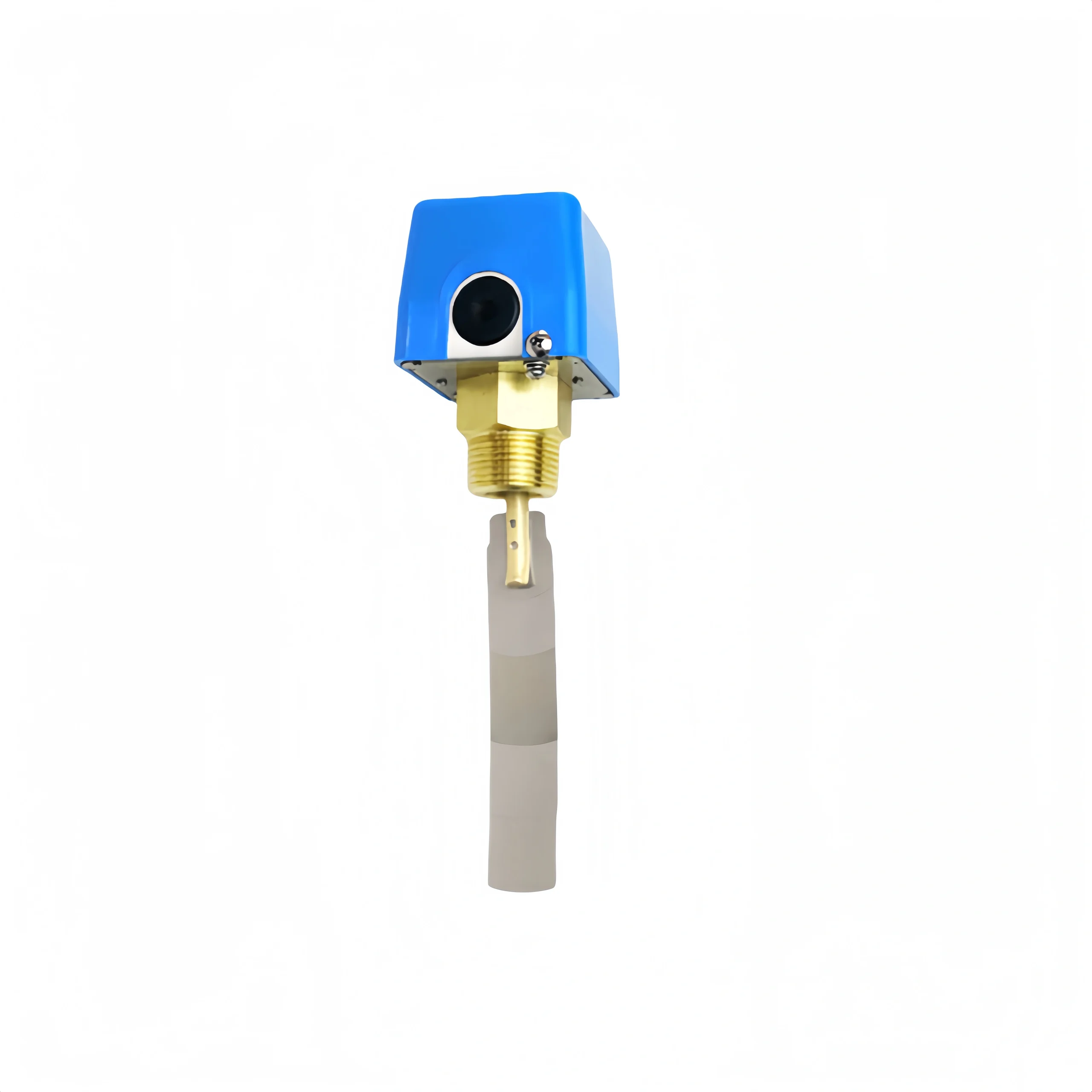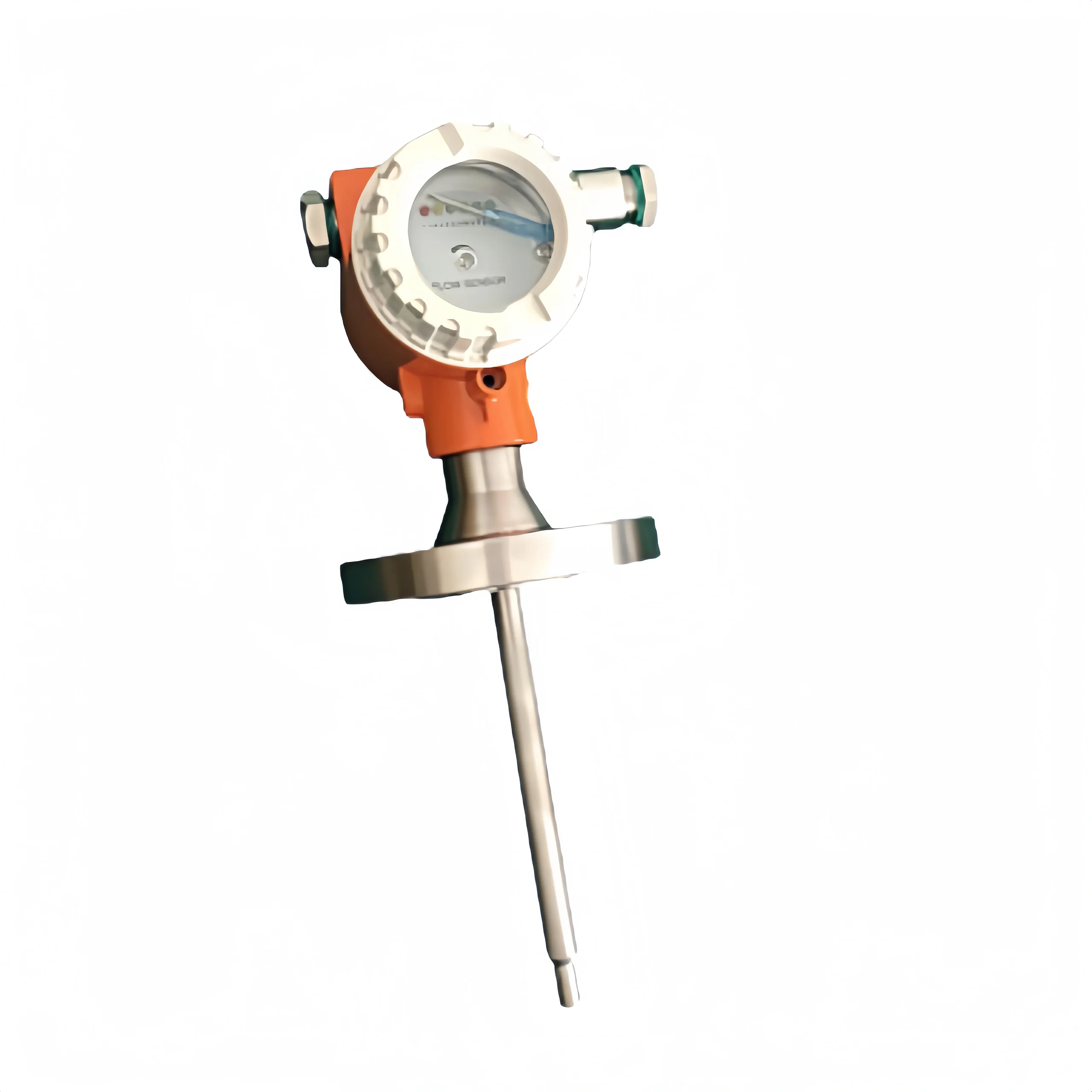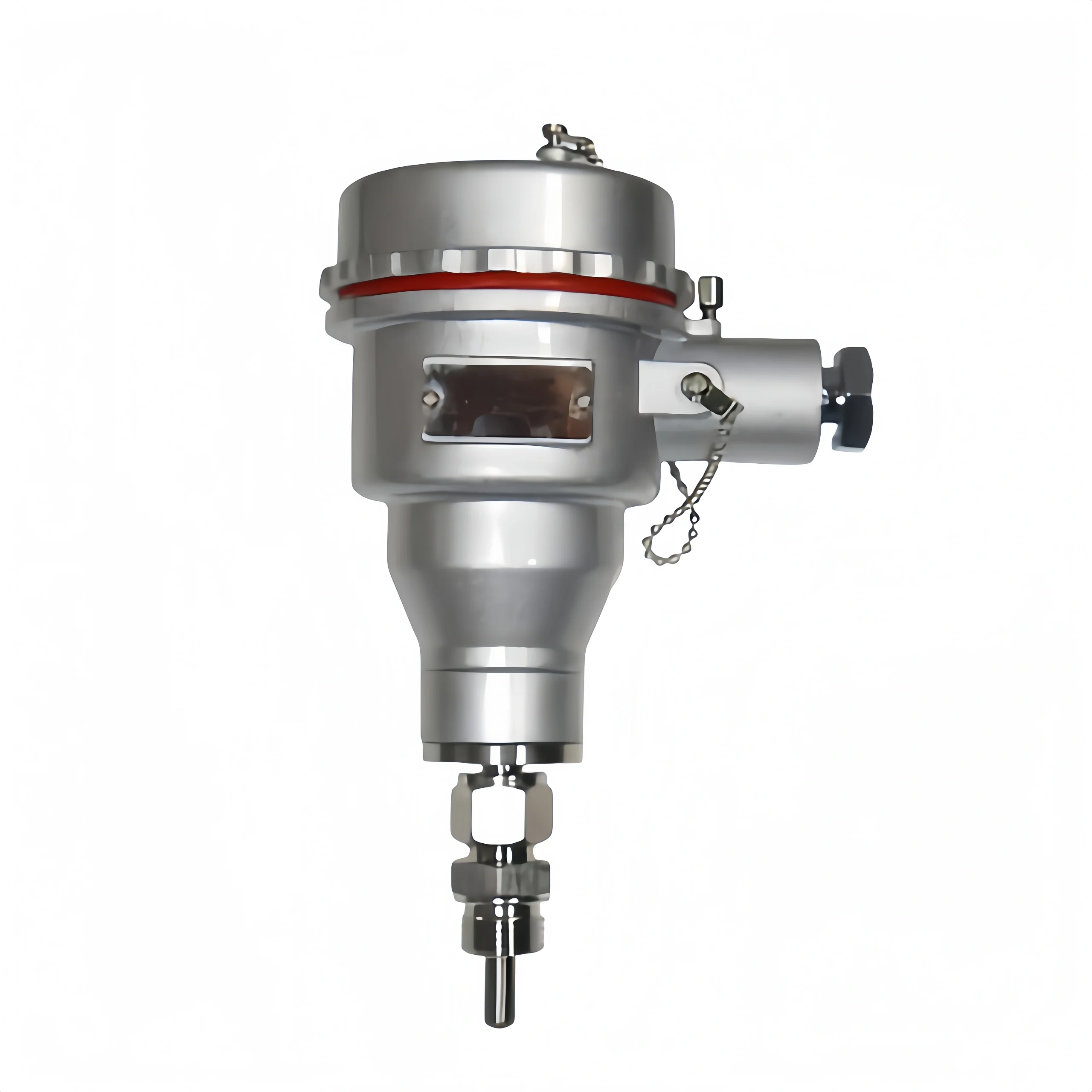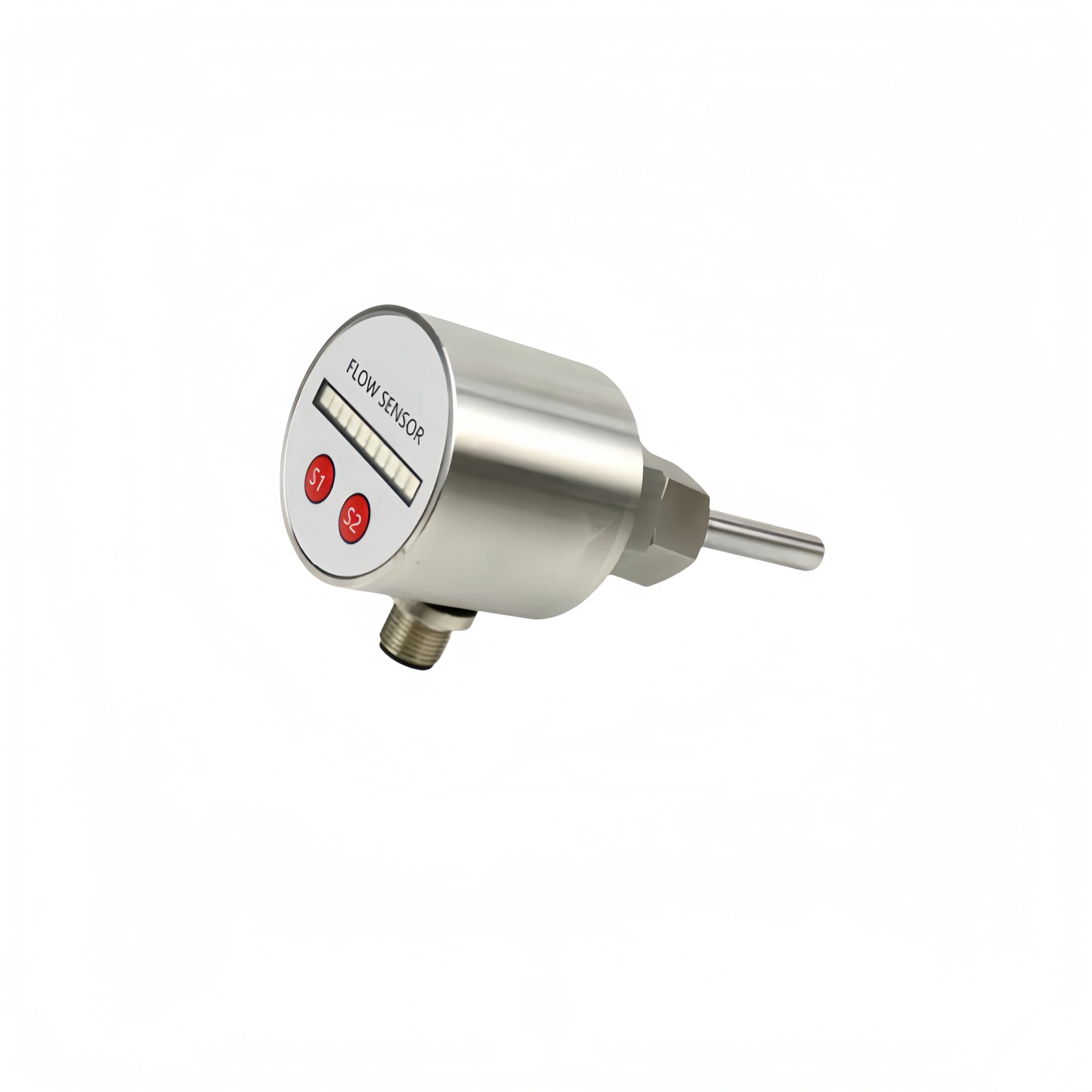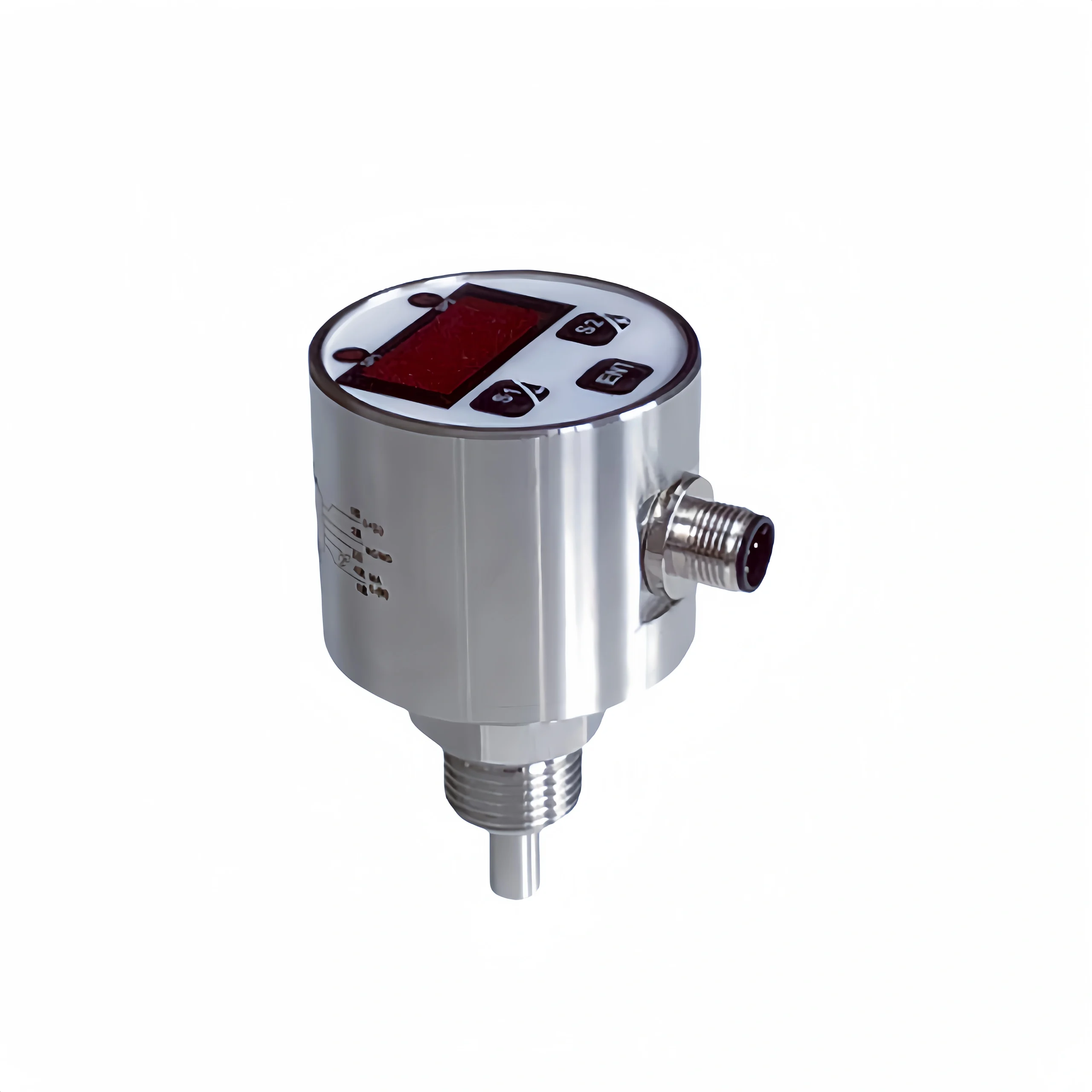
In fluid monitoring applications within the process industry, reliable detection of flow conditions forms the basis of equipment interlock protection. Thanks to their solid-state sensing characteristics—which feature no moving parts—thermal dispersion flow switches have gradually become the preferred solution for flow monitoring under harsh operating conditions.
What is a Thermal Dispersion Flow Switch?
A thermal dispersion flow switch is a switch-type instrument that detects the flow status of a medium based on the principle of thermal dispersion.
It is commonly used for monitoring the flow of gases and liquids within pipelines; when the flow reaches a set threshold, it outputs a switch signal to trigger flow interruption, overflow alarms or equipment interlock control.
Principle of Operation
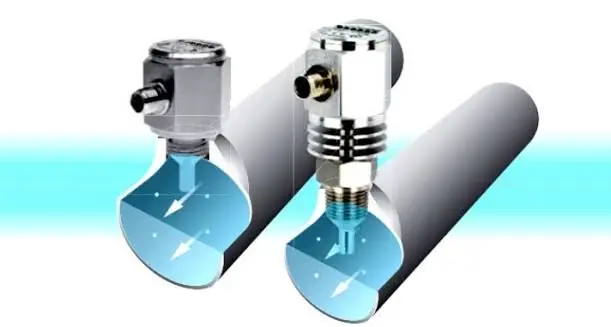
Thermal diffusion flow switches operate on the principle of thermal diffusion. The sensing end houses two platinum resistance probes: one is continuously heated, whilst the other senses the actual temperature of the medium.
When the fluid is stationary, the temperature difference between the two probes is significant; as the fluid flows and carries away heat, this temperature difference decreases as the flow velocity increases.
The instrument continuously compares the temperature difference with a preset threshold; when the flow velocity reaches the threshold, a switch signal is output to trigger a no-flow or low-flow alarm.
As this device has no moving parts, it is commonly used for pump protection and cooling water monitoring.
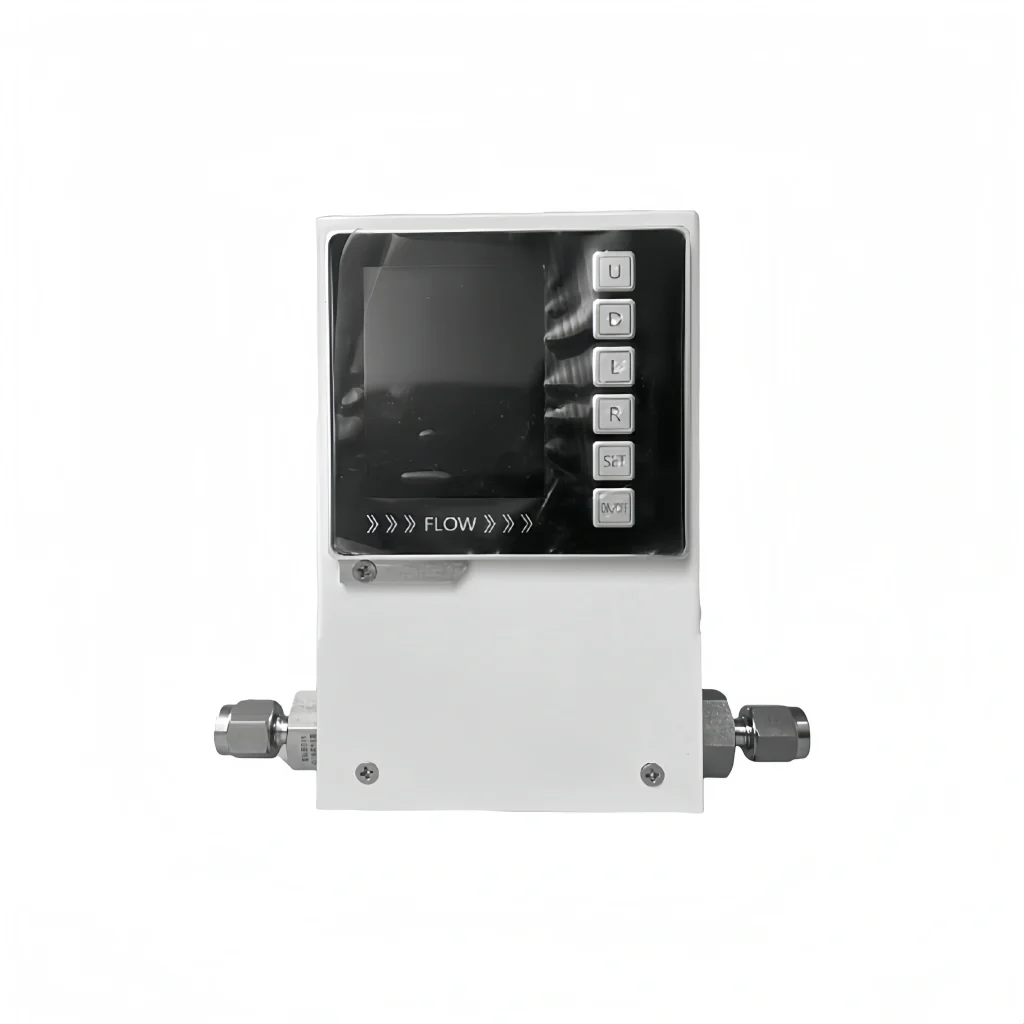
Basic Structure of the Thermal Diffusion Flow Switch
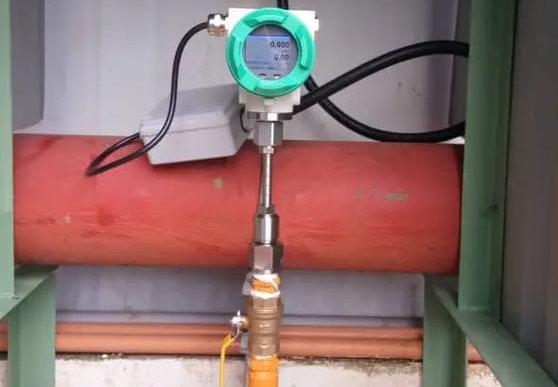
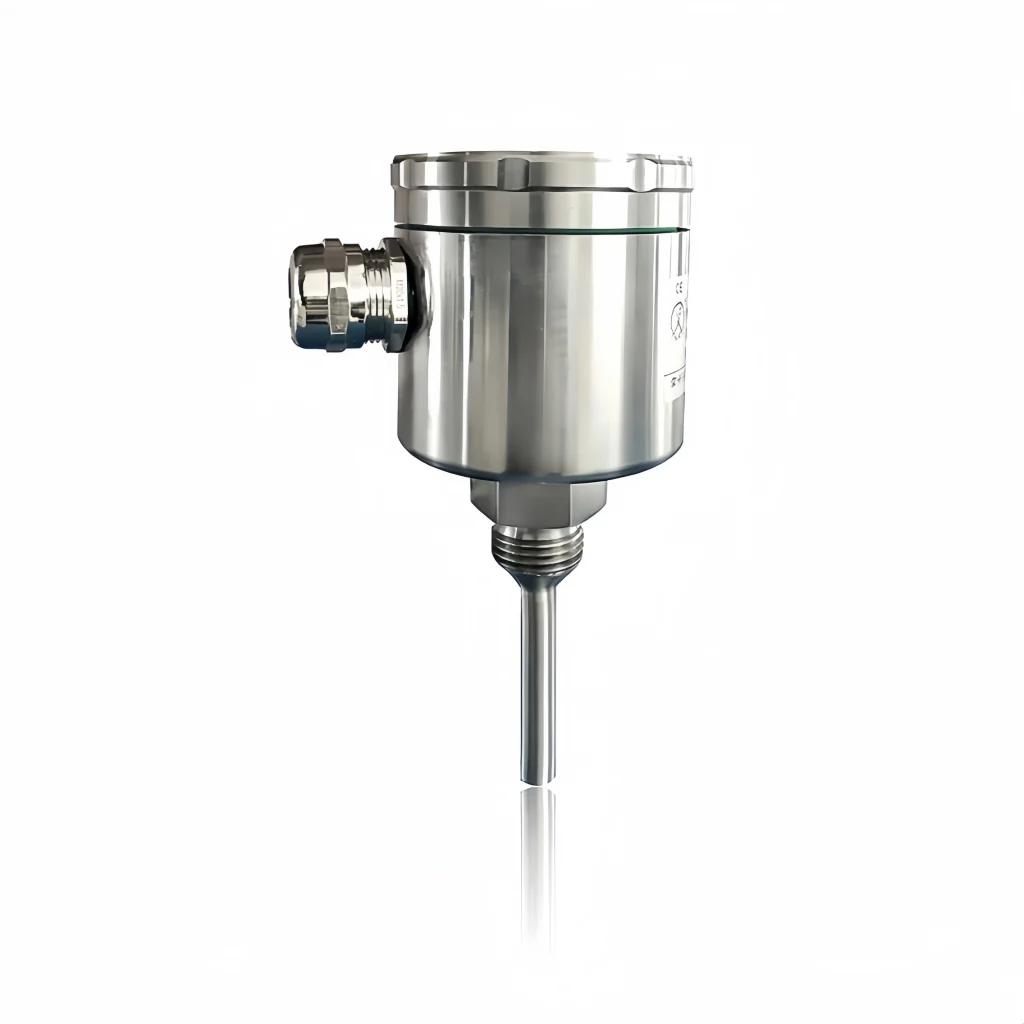
Sensing probe: Fitted with two platinum resistance thermometers—one handles both heating and measurement, while the other picks up the medium’s temperature. Both sit inside a stainless steel protective sheath.
Mounting Base/Pipe Body: Available in flanged or threaded designs to hold the probe firmly in place; certain versions come with a flow straightener to even out the flow field.
Transmitter Circuit Board: Takes care of the heating control, signal acquisition, and flow rate calculation, and puts out 4–20 mA signals together with HART protocol.
Instrument Housing: A cast aluminium, explosion-proof enclosure that includes a display screen, allowing operators to read flow and temperature values right at the installation site.
Sealing components: Seals and explosion-proof assemblies designed to meet pressure-bearing and explosion-proof operational requirements.



Practical Applications of Thermal Diffusion Level Switches
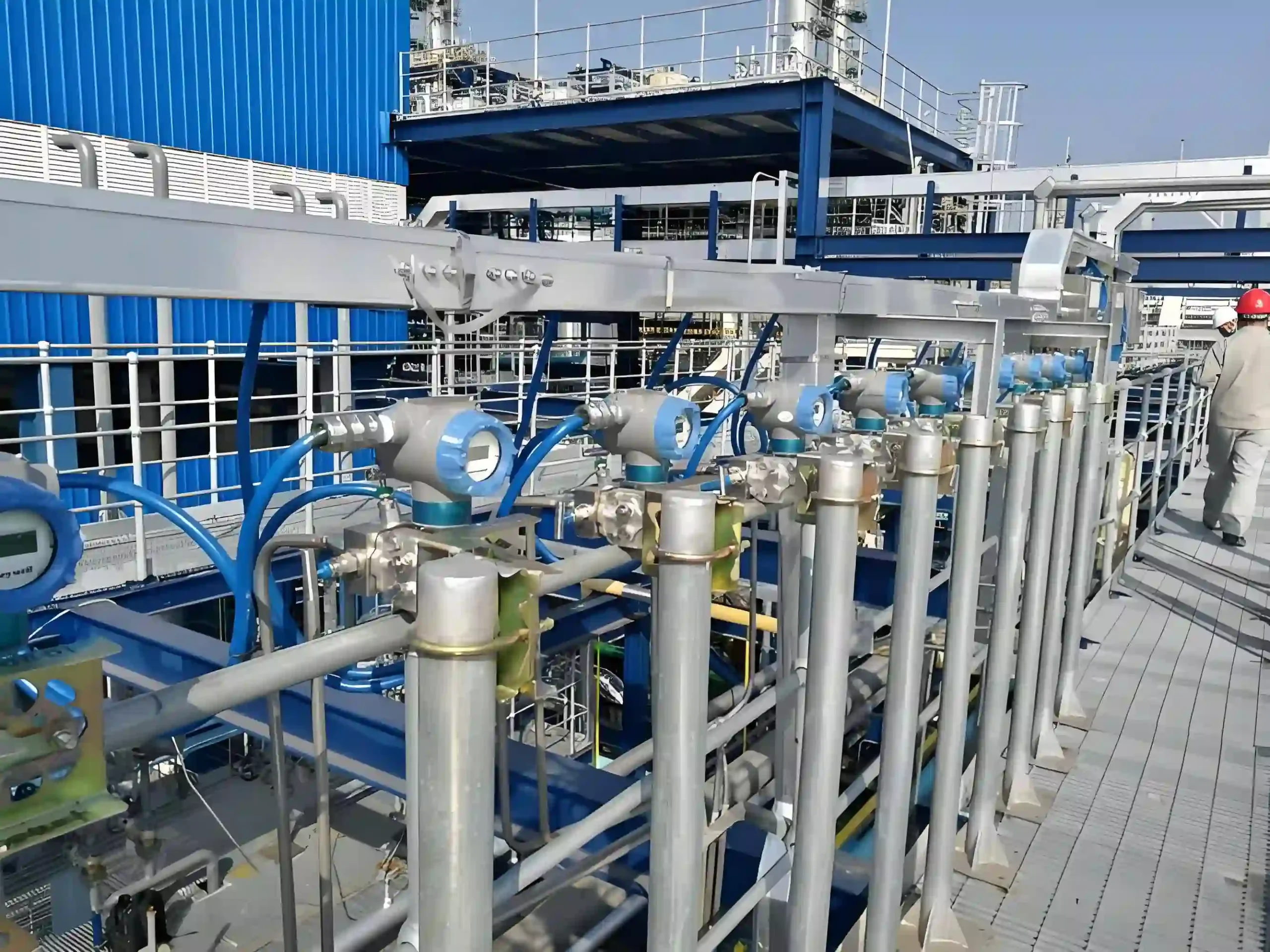
Oil and gas sector: Monitoring of high and low liquid levels and oil–water interfaces in separators, liquid separators and crude oil storage tanks; providing dry-run protection for pumps and overflow alarms; suitable for applications involving foaming and high-pressure oil and gas conditions.
Chemical Industry: Point-level interlocks for reactors, corrosion-resistant storage tanks and columns; operates independently of the medium’s conductivity and is paired with corrosion-resistant probes to handle corrosive materials.
Water and Wastewater Sector: Monitoring of collection wells, chemical dosing tanks and sedimentation tanks; controls pump start/stop operations and is not prone to blockage by suspended solids.
Power Industry: Liquid level alarms for lubricating oil tanks, demineralised water tanks and condensate tanks; SIL-rated versions are available for use in safety interlock circuits.
Light Industry, Pharmaceuticals, Food and Mining: Liquid level detection for slurries, pulp, mineral slurry, purified water and fermentation tanks; hygienic models meet food and pharmaceutical cleanliness requirements.
Other general applications: Hydraulic/lubricating oil tanks and condensate tanks; with no moving parts, they are suitable for maintenance-free installations and offer superior interface detection performance for foamy media compared to standard switches.
Advantages of thermal diffusion flow switches
1. Medium pressure fluctuations have no effect on the measurements. Flow velocity is picked up through thermal diffusion, so there is no need for complicated throttling components, and the switch signal stays stable even when pressure keeps changing.
2. These devices pick up very low flow rates. Unlike mechanical flow switches, they respond to even slight variations in medium velocity, which makes them a good fit for pipelines that need low-flow protection.
3. There are no moving parts inside. With nothing like impellers or floats to wear out, the failure rate stays low, the service life is longer, and very little maintenance is required.
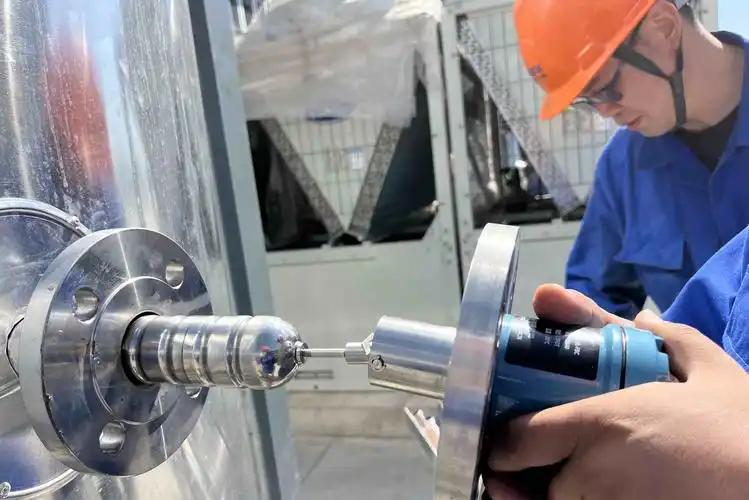
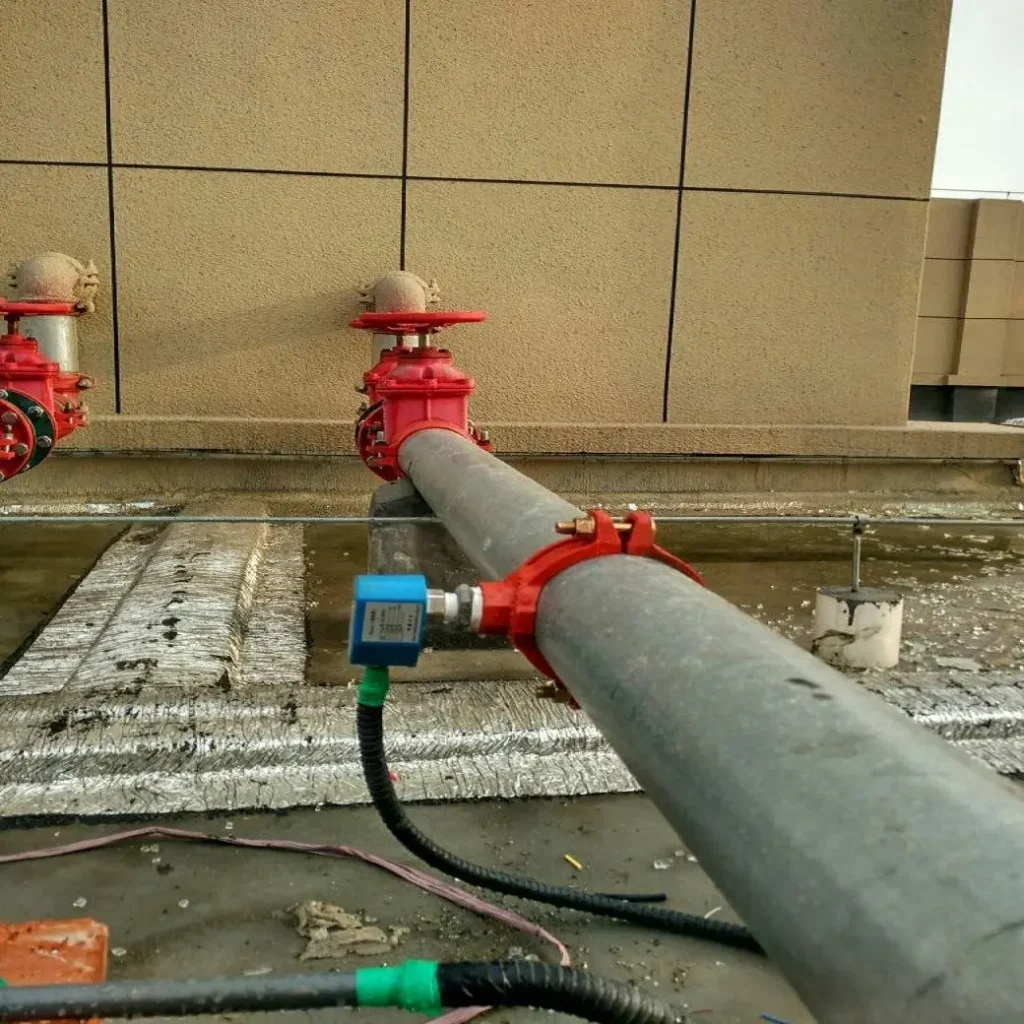
4. Installation is flexible—push-through mounting is one option, so the pipeline does not have to be cut. This makes fitting and removal much easier during retrofit work and cuts down on the cost of shutdowns for maintenance.
5. They work with a broad range of media, covering both gases and liquids. Some models are built to explosion-proof standards, so they can be deployed in hazardous settings such as chemical plants and oil & gas facilities.
6. The response is fast. Once the flow rate hits the preset threshold, a digital signal is generated almost immediately, allowing alarms, pump interlocks and similar protective functions to kick in without delay.
7. Good tolerance for medium purity; it is not easily jammed by fine impurities and performs more reliably in fluids containing minor impurities compared to impeller-type switches.
Disadvantages of thermal diffusion flow switches
1. Impurities in the medium are a problem. Dirty or viscous fluids tend to leave scaling and deposits on the probe, which gradually shifts the zero point and triggers false alarms—so the probe has to be cleaned and serviced on a regular basis.
2. Fluid temperature swings have a big impact on performance. When the temperature changes sharply, heat-exchange detection becomes much less effective, and most operating conditions call for temperature compensation, which in turn hurts stability.
3. The choice of media is fairly limited. High-viscosity, crystallising or strongly corrosive fluids are off the table, and the maximum temperature tolerance is on the low side, so these switches often cannot be used in high-temperature conditions.
4. The response is not particularly fast. At low flow rates the critical point tends to oscillate and switch back and forth repeatedly, which rules them out for applications with sudden flow changes or where fast protection is needed.
5. Since this is an active device, it needs a constant power supply to work. Compared with mechanical, passive flow switches, extra power lines have to be run to the installation point, which adds to cabling costs.
Thermal Diffusion Flow Switch vs Paddle Flow Switch
Principle of operation: Thermal diffusion flow switches are based on heat conduction and have no moving parts; paddle flow switches rely on the fluid to drive the paddle and are mechanical in design, containing moving parts.
Service life: Thermal diffusion switches are free from wear and sticking, require little maintenance and have a long service life; paddle switches are prone to entanglement by impurities and shaft wear, and require regular maintenance.
Detection Sensitivity: Thermal diffusion offers high sensitivity and can monitor low flow rates; paddle devices have a high activation threshold and struggle to detect low flow velocities.
Pressure Drop: Thermal diffusion probes cause minimal obstruction and result in extremely low pressure drop; the paddle obstructs the flow path, causing significant pressure drop, and is therefore unsuitable for low-pressure pipework.
Media compatibility: Thermal diffusion sensors are suitable for both liquids and gases, with optional corrosion-resistant versions, but are affected by the medium’s thermal conductivity and temperature; paddle sensors are primarily used for liquids, are unaffected by thermal conductivity, but are prone to entanglement by fibres.
Installation conditions: Thermal diffusion sensors offer flexible installation orientation; paddle sensors are best installed horizontally, as vertical installation may result in poor reset, and the paddle blades must be matched to the pipe diameter.
Signal output: Thermal diffusion sensors require a power supply and exhibit thermal lag; paddle sensors are mostly passive dry-contact types, require no power supply and have a fast response time.
Cost and commissioning: Thermal diffusion sensors are expensive and require on-site calibration; paddle sensors are low-cost and can be commissioned simply by adjusting the spring and trimming the vanes.
Applications: Thermal diffusion sensors are suitable for oil circuits, cooling systems, gas applications and chemical process interlocks; paddle sensors are commonly used for flow presence/absence monitoring in fire protection, HVAC and water supply and drainage systems.
Selection Guide
1. Confirm the type of medium.Distinguish between gases, liquids or gas-liquid dual-purpose applications. For gases, pay attention to composition, dust and water vapour; for liquids, verify viscosity and impurities—viscous or highly contaminated media are prone to coating the probe, interfering with detection.
2. Verify pipeline parameters.Including material and nominal diameter. For large diameters, give priority to insertion-type sensors; for small diameters, integrated-pipe-section types may be selected. Simultaneously confirm pipeline pressure and temperature; the instrument’s temperature and pressure ratings must cover the extreme operating conditions.
3. Set the flow trigger threshold.Distinguish between low-flow alarms and flow interruption protection. Thermal diffusion-type flowmeters are highly sensitive to low-velocity media; a calibration flow rate must be provided in advance to prevent setpoint drift and false triggering.
4. Choose the installation method and connection size.Threaded, flanged and clamp connections are the usual options; for hygienic settings in the food and pharmaceutical industries, sanitary clamps are the way to go. Make sure there is enough room to install the instrument, and keep it away from spots that disturb the flow—bends, valves and reducers—so that sufficient straight pipe runs are available both upstream and downstream.
5. Decide on the output signal.If all you need is an on/off alarm, go for NPN, PNP or relay output. If the flow rate itself has to be fed back, pick a model with a 4–20 mA analogue output, and check that it matches the input type of the PLC or control cabinet downstream.
6. Check the explosion-proof and protection ratings. IP65 is adequate for ordinary industrial premises. For explosion-hazard areas in chemical plants or the oil and gas industry, choose instruments carrying the right intrinsically safe or flameproof certification for the zone in question.
7. Take into account how clean the medium is and how the device will be operated. Where the operating conditions involve heavy oil sludge, crystallisation or particulate matter, give preference to probes that can be taken apart and cleaned easily. For unmanned sites, models with a digital display and self-diagnostic fault detection make inspection rounds much easier.
8. Confirm the power supply.Note whether the instrument runs on 24 V DC or 220 V AC. Since industrial instruments generally come configured for 24 V DC as standard, sort this out against the on-site power arrangement beforehand so that extra power conversion modules are not needed.
FAQ
Types of Flow Switches
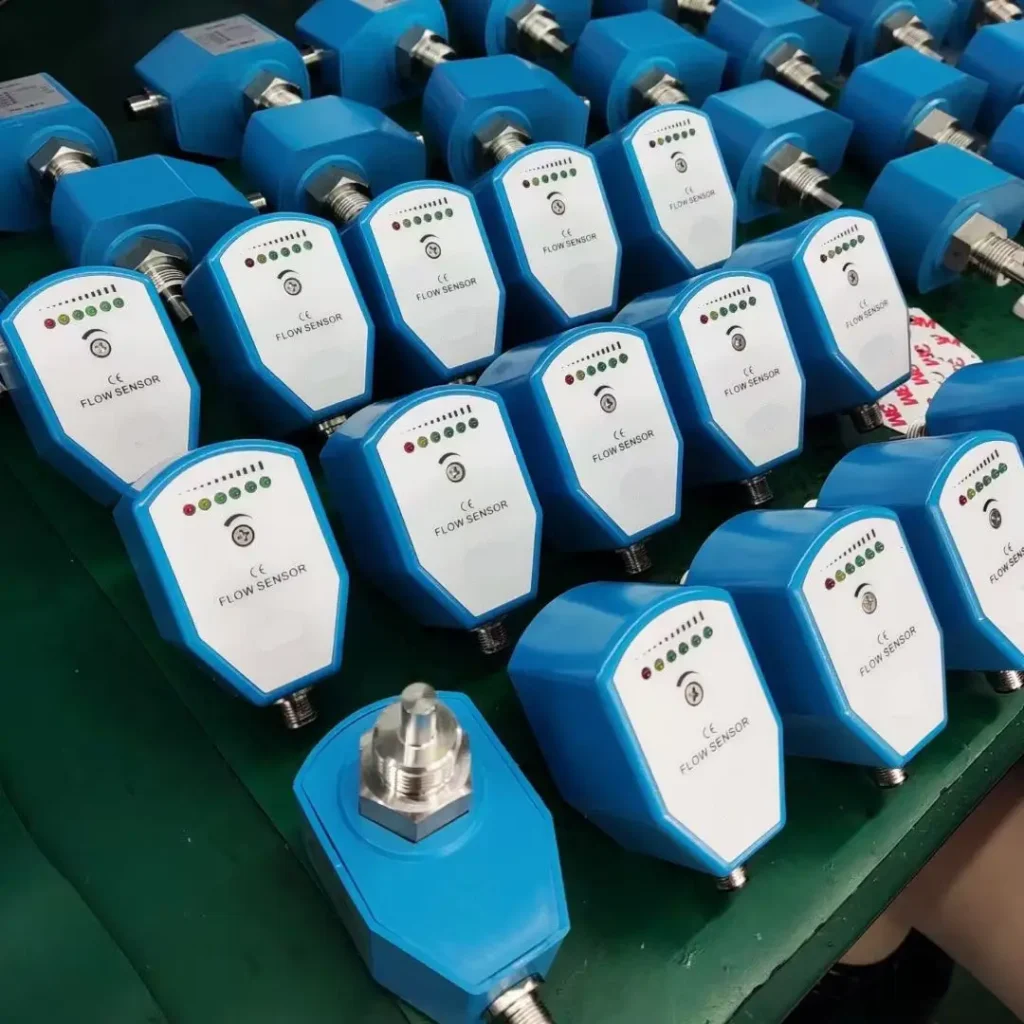
1. Thermal flow switches:These pick up the flow through heat conduction. There are no moving mechanical parts inside, they handle low flow rates well, and they can measure water, gas and oil alike.
2. Baffle-type flow switches: Here the fluid strikes a baffle to generate the signal. The structure is simple, and they are frequently found on clean water pipelines.
3. Piston-type flow switches:The flowing fluid pushes a piston, which in turn produces a magnetic induction signal. These are meant for clean liquids.
4. Impeller-type flow switches:The medium spins the impeller, so the device combines simple switching with rough flow metering.
5. Ultrasonic flow switches:Detection is based on the time-of-flight method. Nothing is inserted into the pipe, so there is no pressure loss, and they work well with corrosive media and large pipelines.
6. Target-type flow switches:The fluid hits a target plate to trip the signal. They cover a wide measurement range, although impurities tend to foul them.
Working Principle of Thermal Flow Switches
Inside the unit there is a heater together with a temperature sensor, and when the fluid is standing still the temperature difference stays constant. Once the medium starts to flow, it carries the heat away and the temperature difference begins to change.
The mainboard compares this change against a preset threshold, and as soon as the threshold is reached it sends out a switch signal to activate flow monitoring and the alarm function.
Sino-Inst offers a comprehensive range of flow switches, level switches, flowmeters and pressure transmitters, with support for customised probes, hygienic and explosion-proof versions.
Based on years of hands-on experience in matching equipment to particular operating conditions, we offer on-site adaptation solutions along with calibration and technical support, so that pump protection and interlock circuits keep running in a stable, dependable manner and the fluid monitoring needs of the process industry are fully met.