Level monitoring in industrial storage tanks is a critical aspect of process control. Guided-wave radar and pressure-based level sensors are the two mainstream continuous measurement solutions; whilst their measurement principles differ, there are significant variations in their suitability for different operating conditions. This article compares the characteristics of these two types of instruments to provide guidance for engineering selection.
Guided Wave Radar Level Sensors
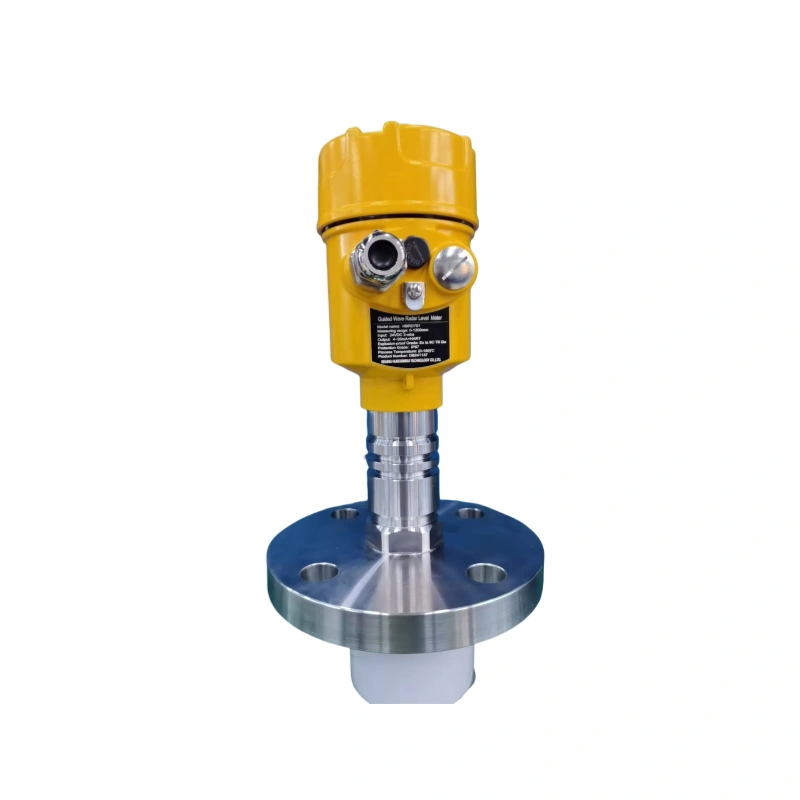
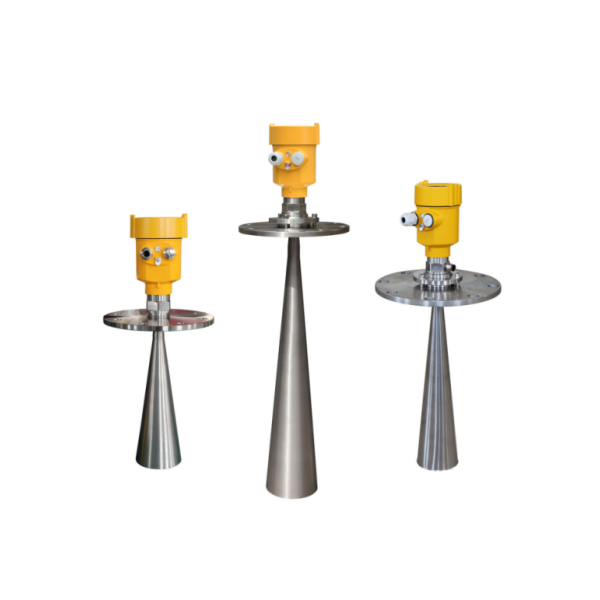
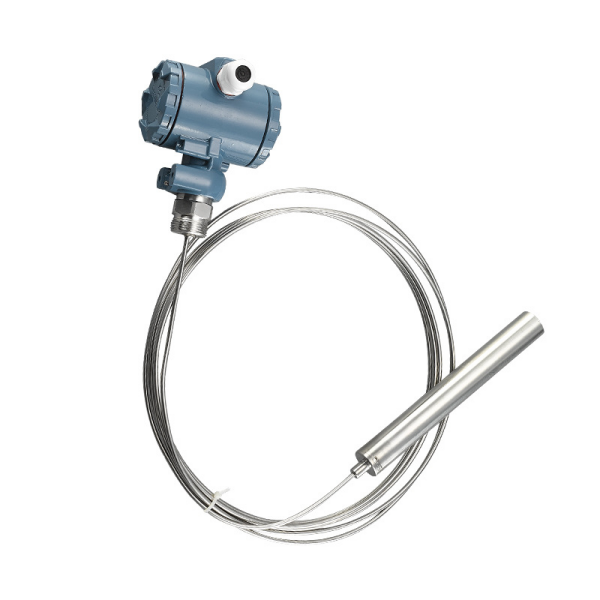
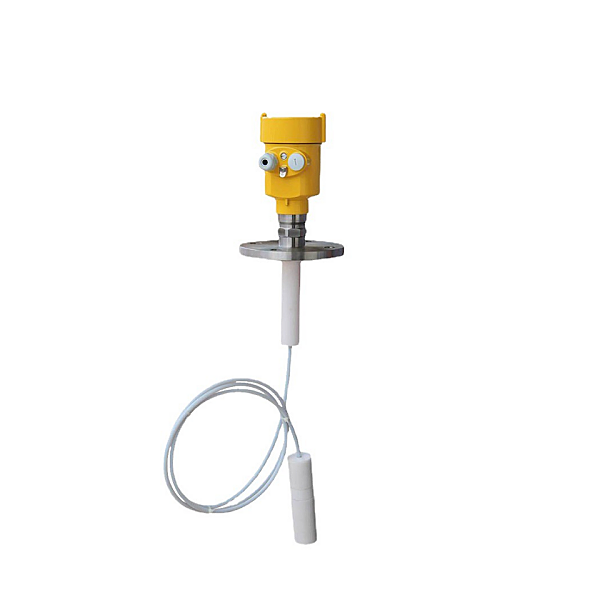
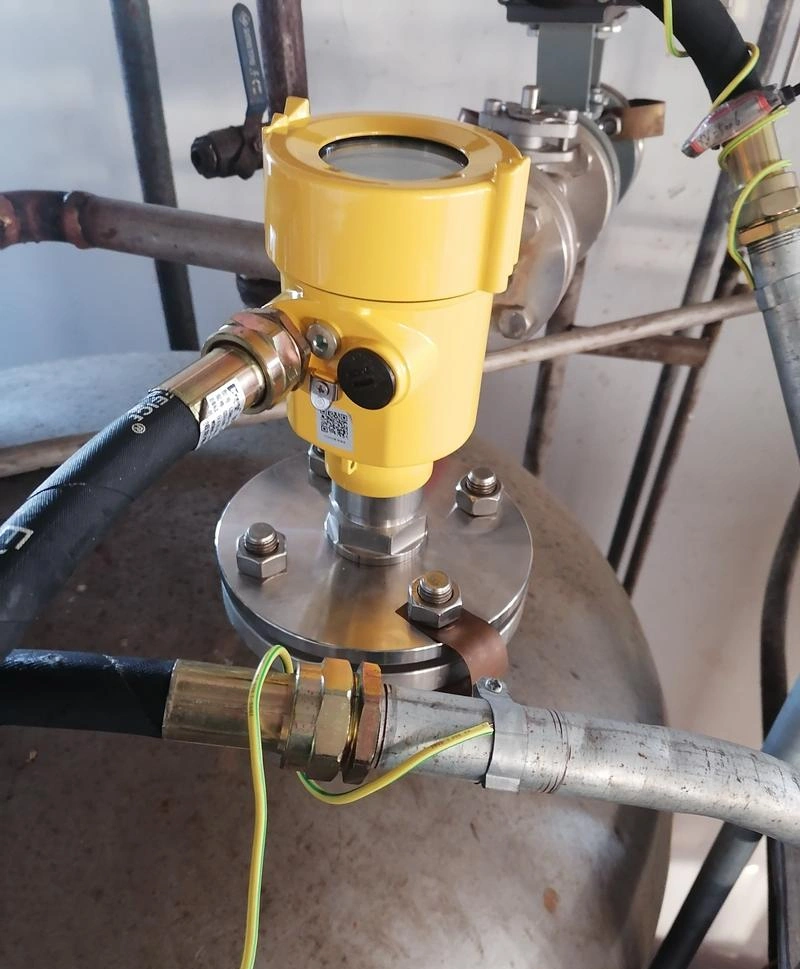
Guided-wave radar level sensors are contact-type radar level measurement instruments based on the time-domain reflection principle; they are also known as guided-wave radar level gauges.
They are used for the continuous measurement of liquid, slurry and solid levels within industrial vessels, and output standard signals to enable remote monitoring.
Principle of Operation
The sensor emits high-frequency microwave pulses, which propagate downwards along a metal guide rod or cable. When the pulse reaches the liquid surface, it is reflected due to the difference in dielectric constants between the liquid and the surrounding gas; the echo then travels back along the guide rod to the receiver.
The instrument measures the round-trip time of the microwave, calculates the distance to the liquid surface based on the speed of the wave, converts this into liquid level height, and outputs a 4–20 mA signal.
Advantages of Guided Wave Radar Level Sensors
1. High measurement stability: as the electromagnetic waves are transmitted along the probe rod, turbidity, foaming and dust in the medium have virtually no effect on the measurement, making it suitable for complex operating conditions such as sewage and slurries.
2. High measurement accuracy: minimally affected by temperature and pressure fluctuations, with good repeatability, meeting the high-precision level measurement requirements of storage tanks.
3. Suitable for a wide range of materials; both conductive and non-conductive liquids can be measured, whilst certain models can also be used for the detection of powder and granular material levels.
4. Installation is straightforward and upkeep is minimal. A top-flange mount means little modification to the tank, and with no moving mechanical parts, there’s nothing to jam or wear out.
5. It can also measure liquid-liquid interfaces, so media that don’t mix—such as oil and water—can be monitored for both total level and interface position at the same time.
6. Compared with non-contact radar, it handles condensation and interference better. Picking the right probe material also helps keep errors from medium build-up to a minimum.
7. It performs particularly well over short distances and delivers stable readings at low levels, which makes it a good fit for small tanks or tight installation spaces.
8. Explosion-proof construction and digital output are available, so it can be deployed in hazardous areas in chemical, oil and gas applications. HART protocol support also makes it easy to hook up to DCS systems for remote monitoring.
Pressure-Based Level Sensors
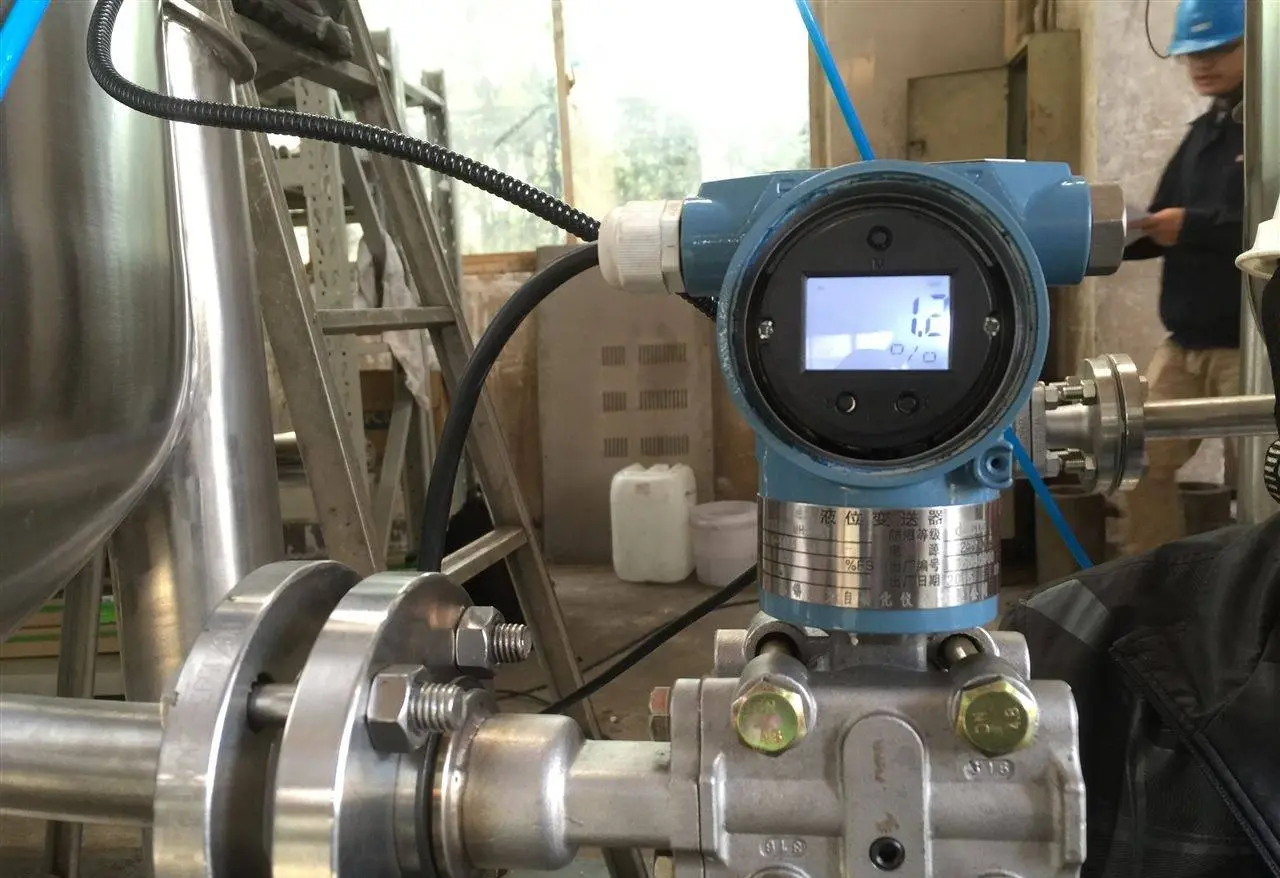
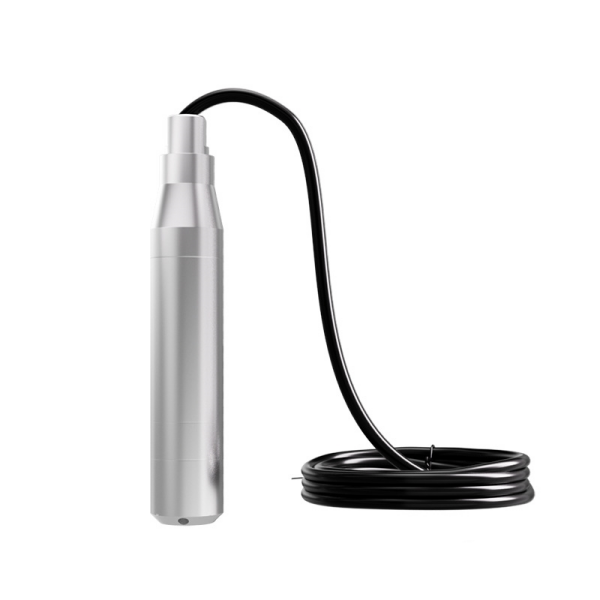
Pressure-based level sensors are industrial measuring instruments used to measure the height of liquid levels within vessels; they are commonly employed for level monitoring in applications such as sewage, chemical processing and water supply.
Principle of Operation
Their operation is based on the principle of hydrostatic pressure. When the sensor is immersed in a liquid, the hydrostatic pressure generated on the sensor diaphragm is directly proportional to the liquid level height. Given a constant liquid density, the deeper the liquid level, the greater the pressure exerted on the sensor.
The sensor converts the detected pressure signal into an electrical signal, which is then amplified, compensated and processed by internal circuitry, ultimately outputting a standardised signal corresponding to different liquid levels, thereby enabling continuous level measurement and remote transmission.
Advantages of Pressure-Based Liquid Level Sensors
1. The working principle is straightforward and dependable.Liquid level is derived from the static pressure of the liquid column itself. This is a proven design with very few failures, and it works well for most open-top storage tanks.
2. These sensors offer good value. Hardware costs are low, so they make an economical choice for level monitoring under normal operating conditions.
3. Installation is easy—they can be fitted on the bottom or the side wall of the tank—and commissioning takes little effort, with no complicated calibration needed.
4. The measuring range is flexible and can be chosen to suit the application, from shallow tanks right up to large storage facilities.
5. The output signal is widely compatible: a standard 4–20 mA analogue signal, and some versions also support HART, which makes integration with PLC or DCS systems straightforward.
6. A range of corrosion-resistant materials is offered, together with different diaphragm options, so they can handle media such as water, weak acids and weak alkalis.
7. They are small in size and occupy very little space. Since they produce no radio frequency interference, they won’t affect other instruments at the site.
Guided-Wave Radar VS Pressure-Based Level Sensor
1. Measurement Principle
Guided-Wave Radar Level Transmitter: Emits high-frequency microwave pulses that propagate along a probe rod or cable; these are reflected upon reaching the liquid surface, and the liquid level height is calculated by measuring the round-trip time of the pulses. This is a non-contact (the probe rod contacts the medium but not the vessel itself) time-domain reflection measurement.
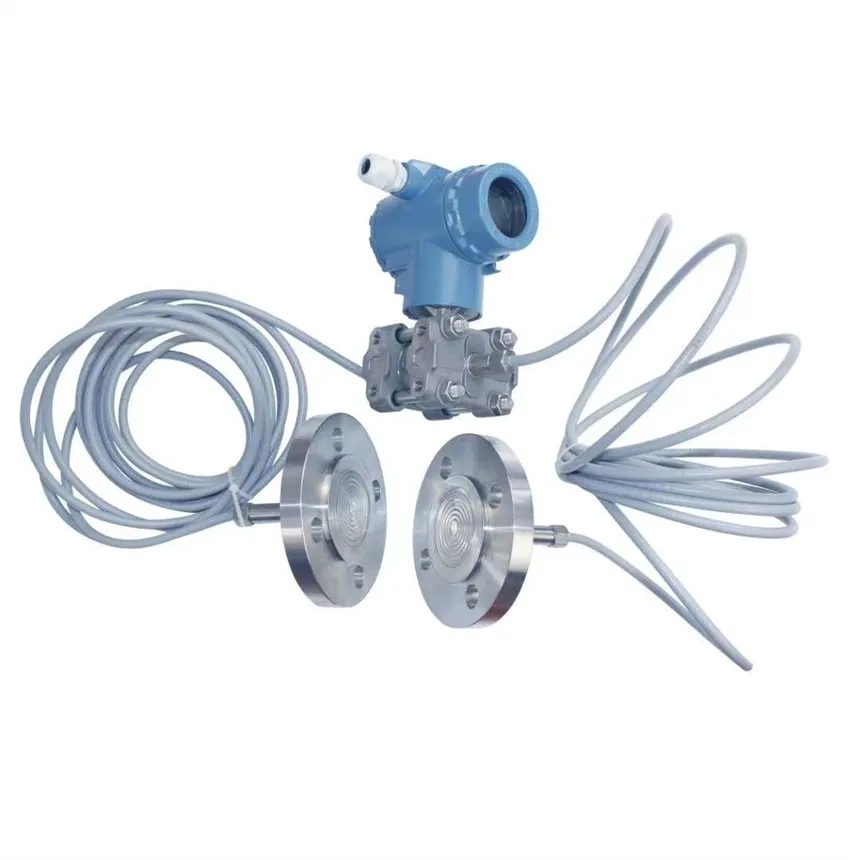
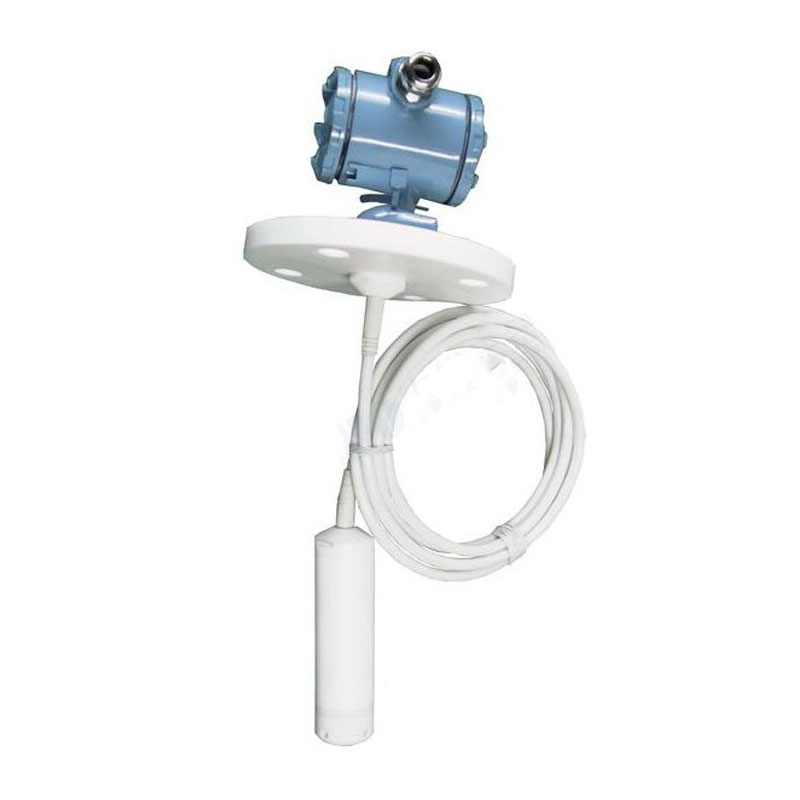
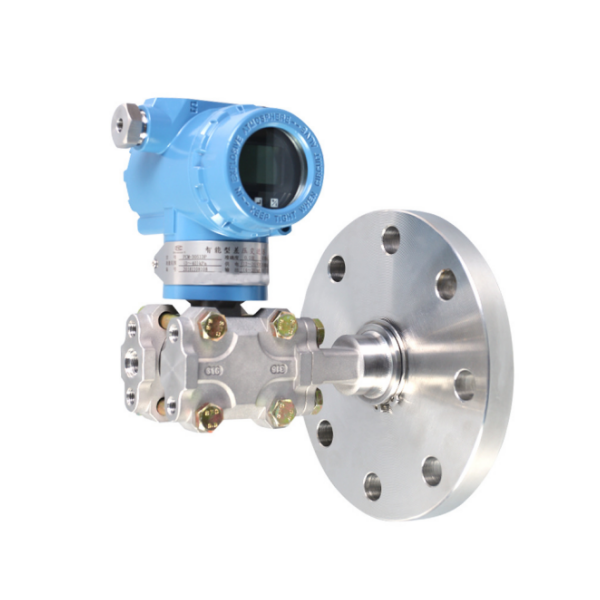
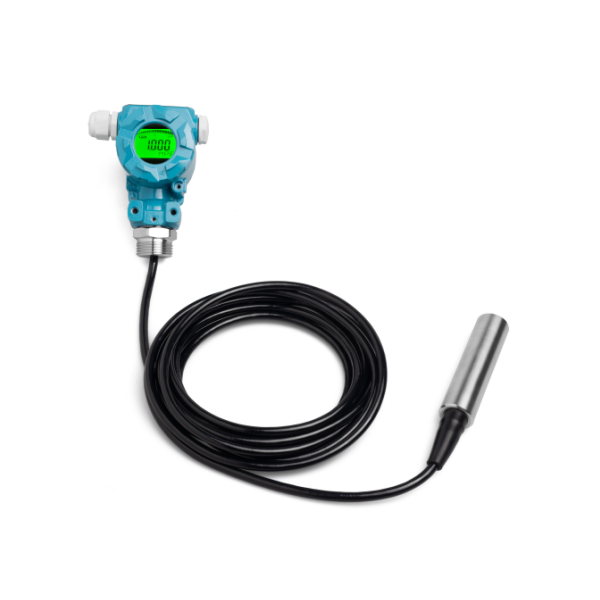
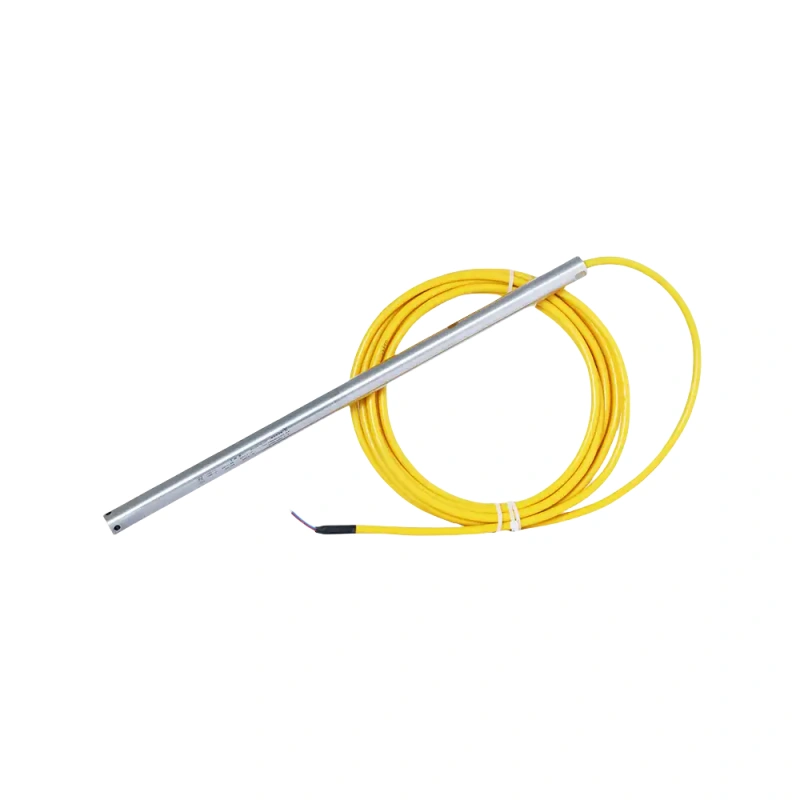
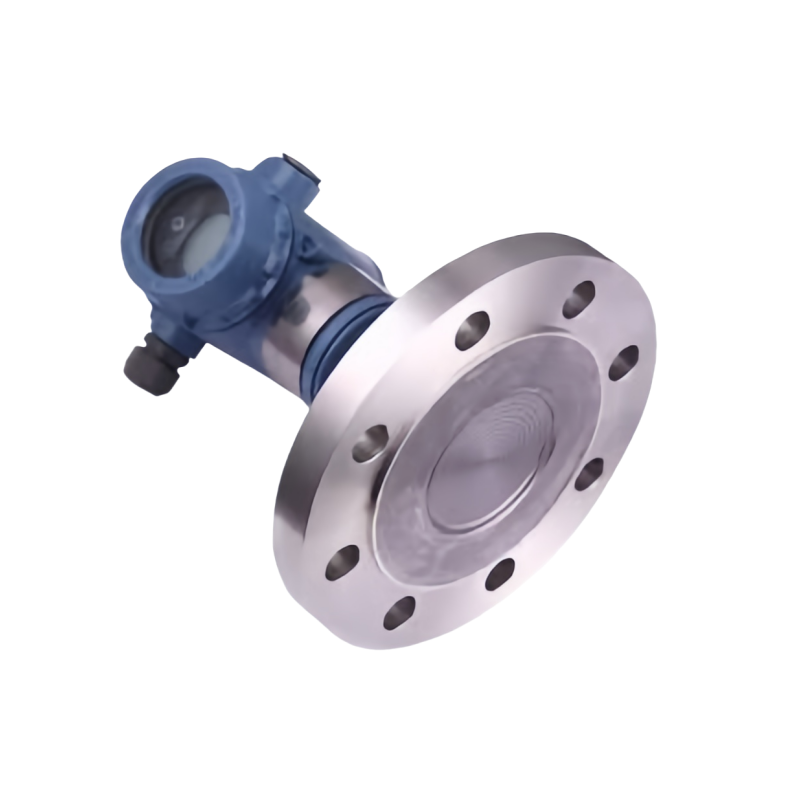
Pressure-based level sensors work on the principle of hydrostatic pressure: the pressure at the bottom of a liquid rises in direct proportion to the height of the liquid column above it. The sensor picks up the pressure exerted by the medium and turns it into a level reading. There are two main types: submersible hydrostatic level transmitters and flanged pressure level sensors.
2. Suitable media
Guided wave radar: Suitable for liquids and certain slurries; can be used with corrosive media and media with low dielectric constants, and is unaffected by the colour or turbidity of the medium.
However, if the dielectric constant of the medium is too low, this will result in a weak echo and poorer measurement performance; media that are prone to crystallisation or are viscous may cause material to adhere to the probe, interfering with the signal.
Pressure-based level sensors: Suitable for clean water, sewage and standard chemical liquids; the density of the medium must be stable, as changes in density will directly result in measurement errors.
Not suitable for high-viscosity, sediment-prone, highly corrosive media or those likely to block the pressure-taking ports; nor can they be used in conditions where vapour is prone to condensation or where large amounts of solids accumulate.
3. Adaptability to Operating Conditions
Guided wave radar: Virtually unaffected by temperature, pressure, steam or foam (although thick foam may have some impact); suitable for high-pressure and high-temperature vessels, as well as vacuum environments. Requires minimal installation space, and agitation within the tank has a relatively minor effect on measurements.
Pressure-based level sensors: Significantly affected by temperature; temperature fluctuations alter the density of the medium, whilst the sensor’s own temperature drift introduces errors; cannot be used in negative pressure or vacuum conditions; pressure-transmitting lines are prone to blockage by deposits, and the impact of agitation within the tank directly affects measurement stability.
4. Installation Methods
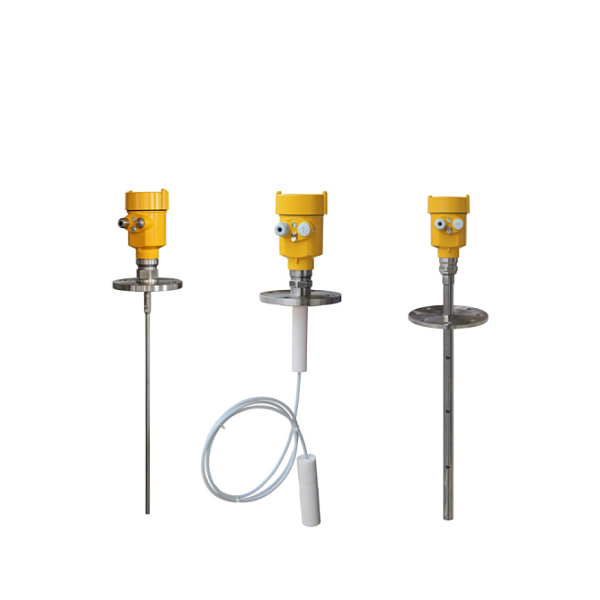
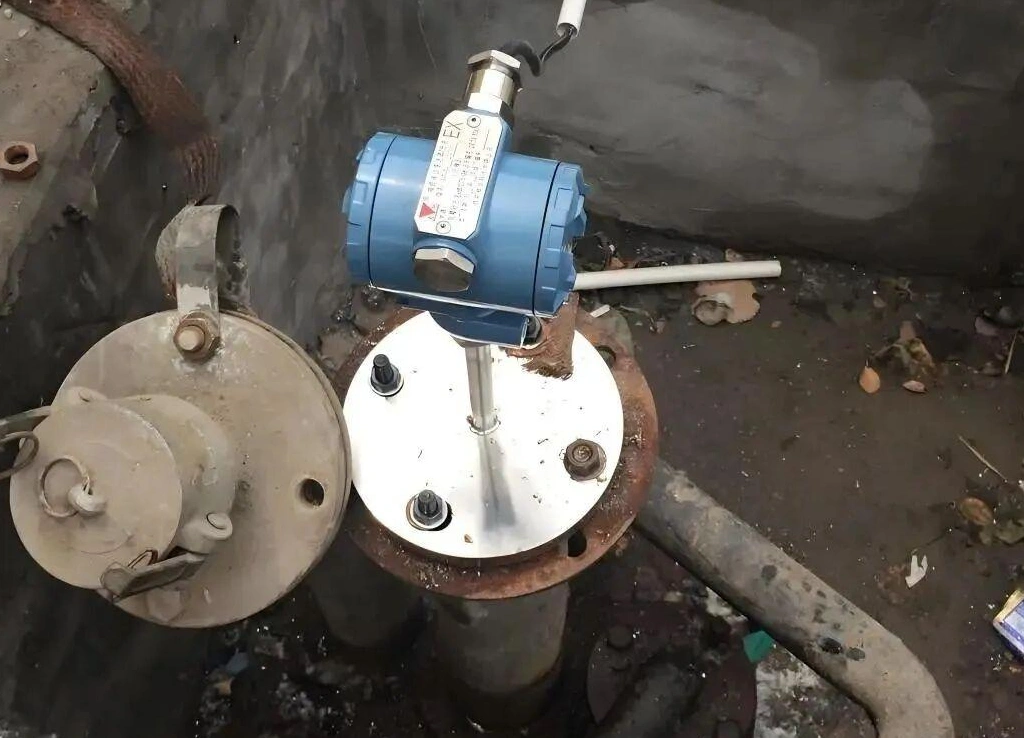
Guided wave radar: Top-mounted, with the probe rod or cable extending down into the tank; no pressure-transmitting lines or pressure-transmitting medium required. Cable-type models are suitable for tall tanks, whilst rod-type models are suitable for short measurement ranges. A top mounting opening must be provided, and there must be no obstacles inside the tank to obstruct the probe’s signal.
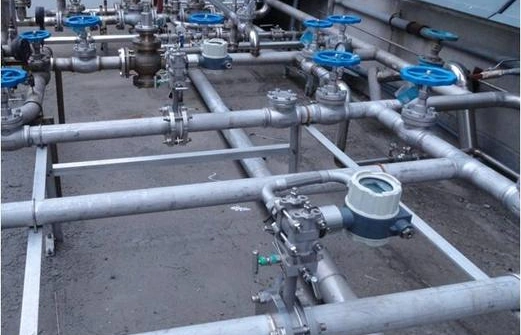
Pressure-based level sensors: Submersible types are lowered directly to the bottom of the liquid; flanged types are mounted on the lower sidewall of the tank; pressure-transmitting types require the installation of pressure-transmitting piping. The cables of submersible types are prone to becoming entangled with debris inside the tank, whilst flanges and pressure-transmitting ports require regular drainage to prevent blockages.
5. Measurement Accuracy and Range
Guided wave radar: High accuracy, typically ±1–3 mm; wide measurement range, capable of covering both short ranges and ranges of several tens of metres.
Pressure-based level sensors: Typical accuracy is generally ±0.1%–0.5% FS; errors may accumulate in long-range applications, making them more suitable for short to medium ranges.
6. Maintenance Characteristics
Guided wave radar: Routine maintenance is minimal. Mostly, you just need to check now and then that the probe hasn’t collected material build-up or scale. Since there are no impulse lines involved, blockage simply isn’t a concern. That said, viscous media can slowly stick to the probe over time, so an occasional clean is still necessary.
Pressure-based level sensors: Here, maintenance centres on keeping the pressure ports and diaphragms clean so they don’t clog up or accumulate deposits. Diaphragms are also prone to corrosion and wear, and if the medium carries solid particles, failures tend to occur more often.
7. Limitations
Guided wave radar: Higher cost; weak echo signals from media with very low dielectric constants (such as certain pure hydrocarbons); a large number of obstructions within the tank can cause false echoes, requiring false echo suppression.
Pressure-based level sensors: Changes in media density directly cause deviations in level readings; unable to measure vapour layers, relying solely on static pressure; cannot be used in applications where there are severe pressure fluctuations above the liquid level.
8. Typical Applications
Guided wave radar: reaction vessels, high-pressure storage tanks, steam-containing vessels, high- and low-temperature storage tanks, and slurry tanks; suitable for applications requiring high accuracy and involving complex operating conditions.
Pressure-based level sensors: clear water tanks, sewage tanks, and standard open-top storage tanks; for routine level monitoring where the medium is homogeneous, density is stable, and budgets are limited.
Selection Guide
1. Selection Based on Suitable Media
Guided-wave radar is suitable for viscous, foamy and volatile materials; some solids can also be measured. It is not suitable for media with extremely low dielectric constants, as these produce weak echoes.
Pressure-based sensors are suitable for clean, homogeneous liquids; they should not be used where the medium is prone to sedimentation or crystallisation, as this may block the pressure-sensing orifices.
2. Selection Based on Operating Conditions
Guided-wave radar holds up well under high temperature and pressure, and vapour or mist inside the tank barely affects it. One thing to watch, though, is heavy agitation—it can make the probe swing and distort the signal.
Pressure-based sensors, by contrast, have a lower ceiling for temperature and pressure and don’t cope well under vacuum, but tank agitation doesn’t bother them at all.
3. Consideration of Installation Conditions
Guided wave radar requires only a hole in the tank top, making installation straightforward; however, internal tank components must be avoided, and the cable must be secured at the bottom.
Pressure-type sensors are available in submersible and flanged configurations; long-range applications require pressure-transmitting pipes, whilst low-temperature conditions necessitate heat tracing to prevent freezing.
4. Measurement Accuracy and Range
Guided wave radar offers stable accuracy and is suitable for both short and long measurement ranges. The accuracy of pressure-based level sensors fluctuates with changes in medium density, and measurement errors accumulate over the measurement range; they are therefore more suitable for medium- to short-range, atmospheric-pressure tanks.
5. Comparison of Maintenance Requirements
Guided wave radar hardly needs any upkeep—a clean is only required if the probe rod gets fouled or scaled up. With pressure-based level sensors, most of the maintenance work falls on the diaphragm and the pressure channels.
If the medium contains impurities, blockages become common, so flushing and part replacement have to happen more often.
6. Limitations and Contraindicated Scenarios
For guided wave radar, the probe rod needs to be made from a corrosion-resistant material, and heavy conductive foam can weaken the signal. Pressure-based sensors, on the other hand, should be avoided when the density of the medium fluctuates significantly, when crystallisation is likely, or when the medium is under negative pressure, or tends to vaporise or form layers.
7. Cost-based Selection Guidelines
For standard, straightforward operating conditions, pressure-based level sensors are the preferred choice, as they offer lower procurement and installation costs.
For complex operating conditions—such as high temperature and pressure, foaming, or density fluctuations—guided wave radar level sensors should be selected; whilst the equipment costs are higher, they offer superior stability.
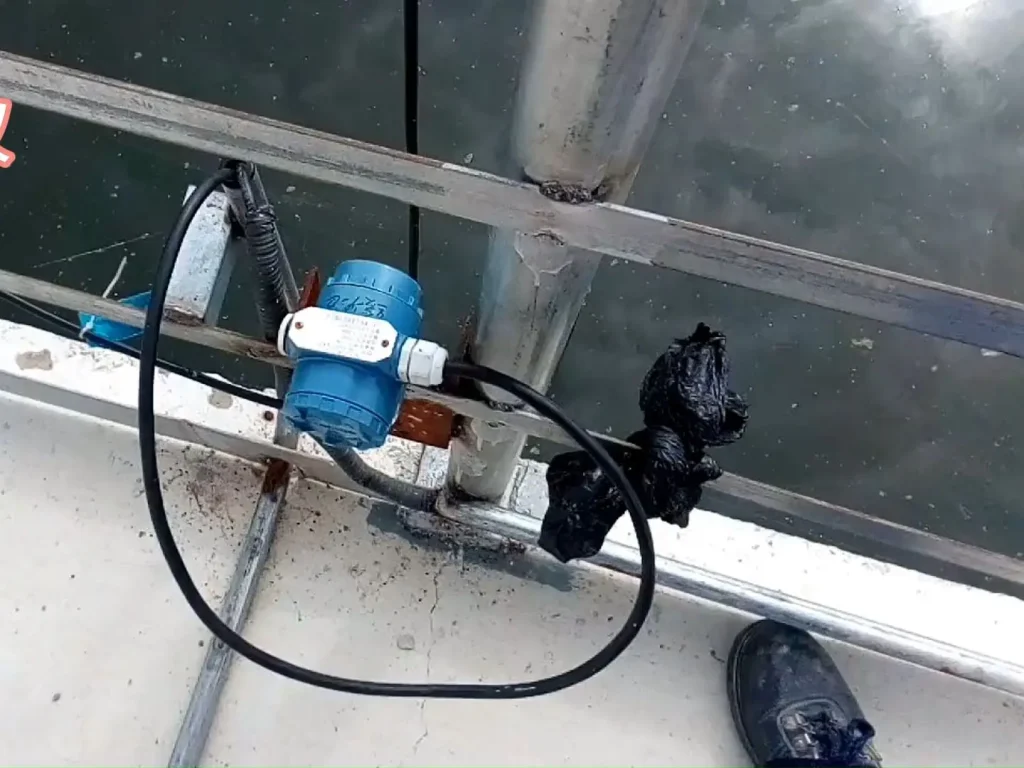
The selection of level instruments requires a comprehensive assessment of factors such as the process medium, pressure and temperature, and accuracy requirements.
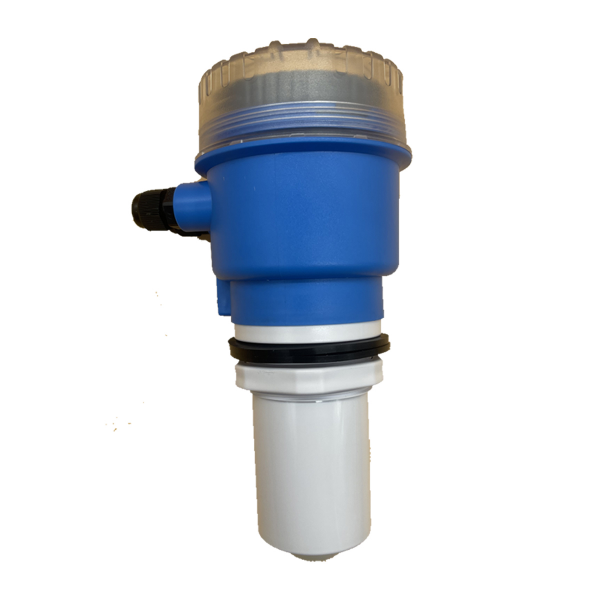
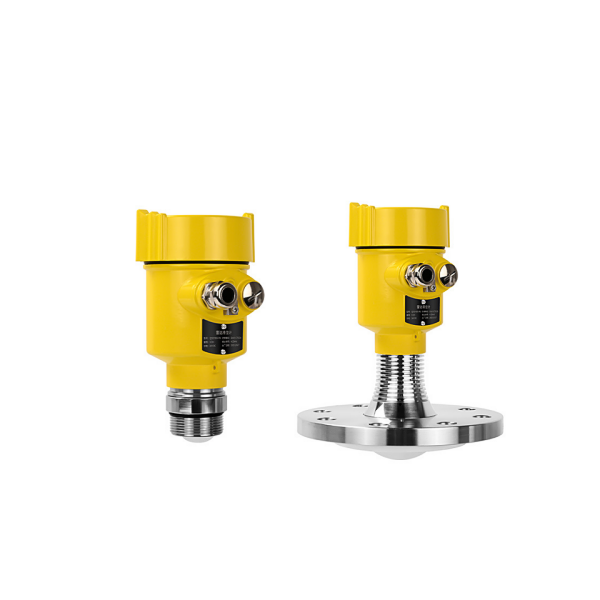
Sino-Inst offers a full range of level measurement products, including guided-wave radar, pressure, ultrasonic and capacitive level sensors, covering industries such as chemicals, oil and gas, and water treatment.
Should you require project selection assessments, technical solutions or on-site installation advice, please do not hesitate to contact us for professional support to ensure stable and reliable monitoring of tank levels.