Float & Capacitive Level Switch | Performance and Selection Guide
In industrial level detection, float level switches and capacitive level switches are the two mainstream solutions. Based on different sensing

Some questions are not about one instrument. What is the difference between static, dynamic and total pressure? Is intrinsically safe the same as explosion proof? How do you work out energy from flow and temperature? These are the background articles our engineers point customers to before the conversation gets to a model number.
This section collects the fundamentals that apply across flow, pressure, level and temperature measurement: pressure concepts, signal and communication standards, hazardous-area protection methods, and volume and energy calculations.
Or simply tell our sales engineers what you need to measure, and we will put a measurement solution together for you.
Browse by measurement type: Flow · Pressure · Level · Temperature · Switches & controllers · Torque, density & recorders
In industrial level detection, float level switches and capacitive level switches are the two mainstream solutions. Based on different sensing
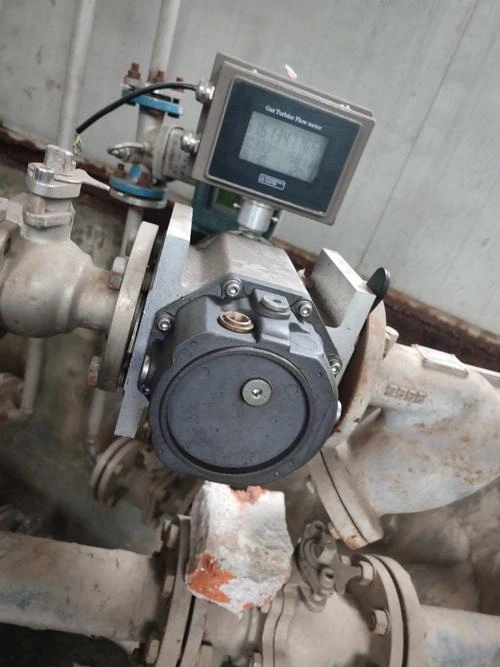
Roots flow meters fall into the positive-displacement category and are known for a wide turndown ratio plus steady measuring accuracy.
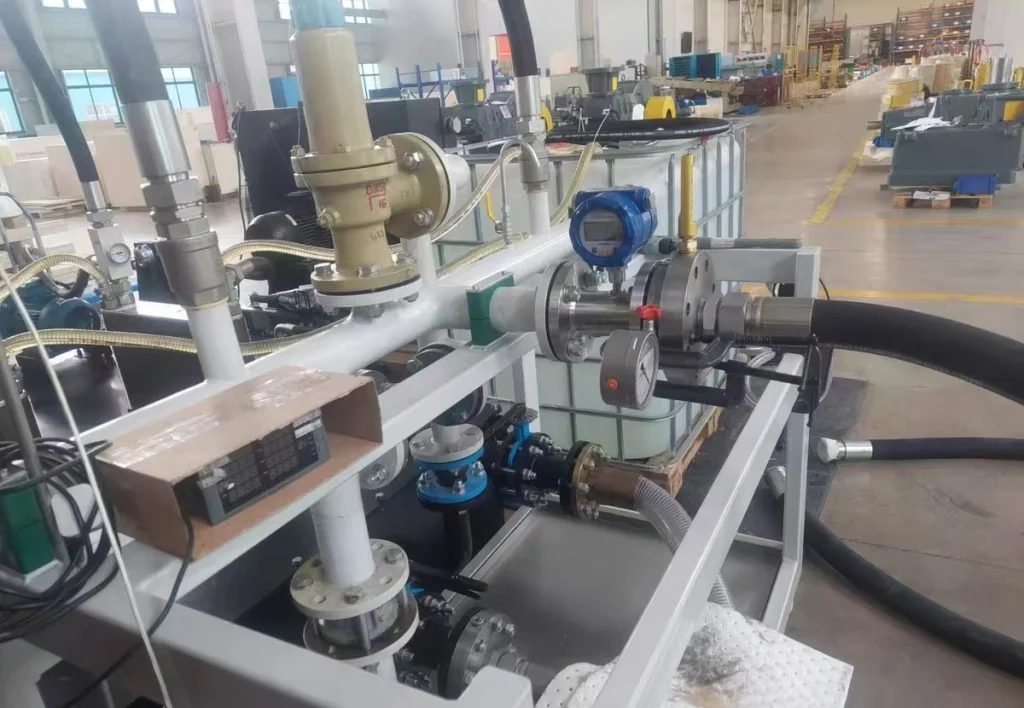
Keeping tabs on fresh water flow is a basic but essential task in water treatment, pipeline transport, and chemical water distribution.

As the core sensing element in industrial negative pressure monitoring, the negative pressure transducer takes local atmospheric pressure as its
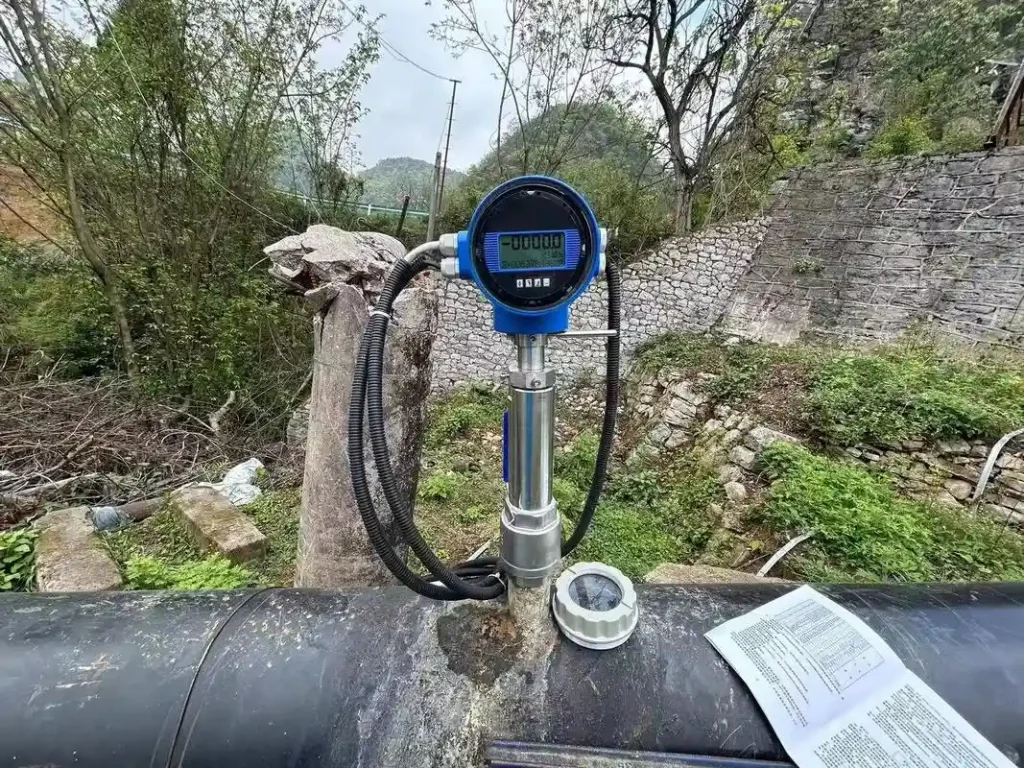
Flow measurement sits at the heart of industrial process control. Among the many devices available, electromagnetic flow meters and mechanical

Natural gas, as a clean and efficient energy source, has been widely used globally. However, monitoring natural gas projects relies

Intrinsically safe and explosion-proof are two different levels of explosion protection. Both are used to ensure the safe operation of

Industrial communication protocols are used to manage how devices and applications exchange data and information. They are the cornerstone of
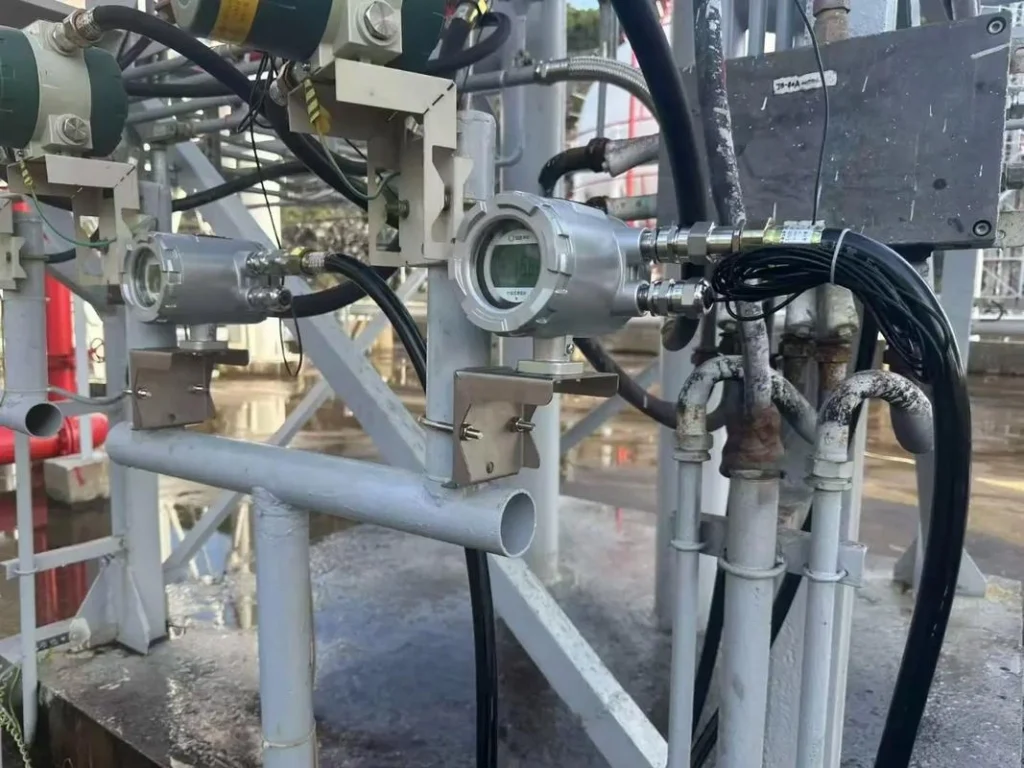
4–20 mA is the mainstream analog transmission standard in industry, and proper 4–20 mA wiring directly determines signal stability. In