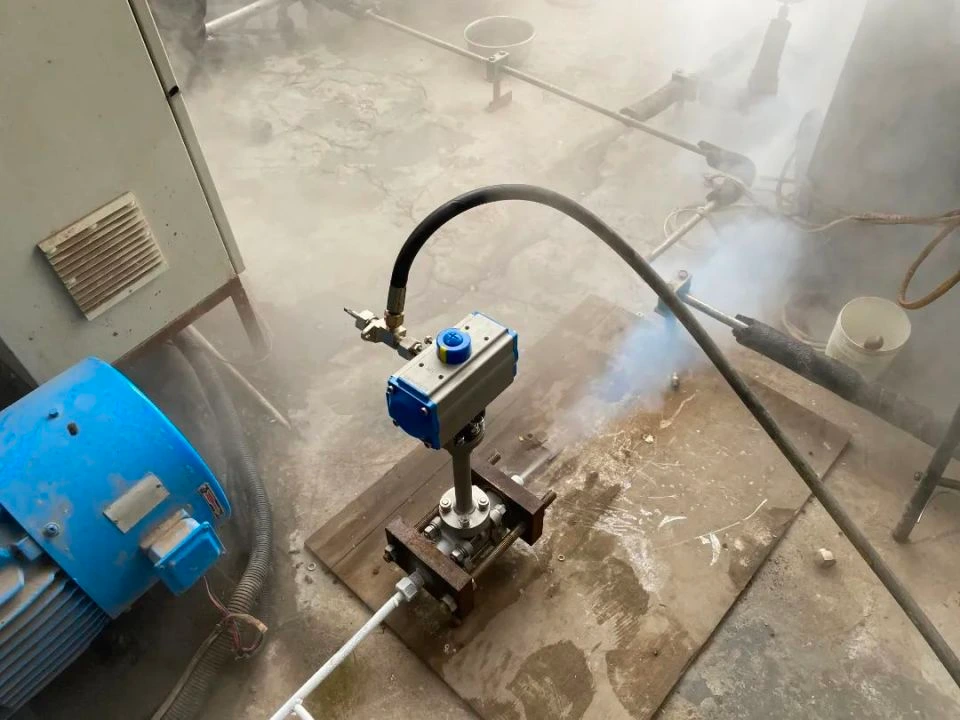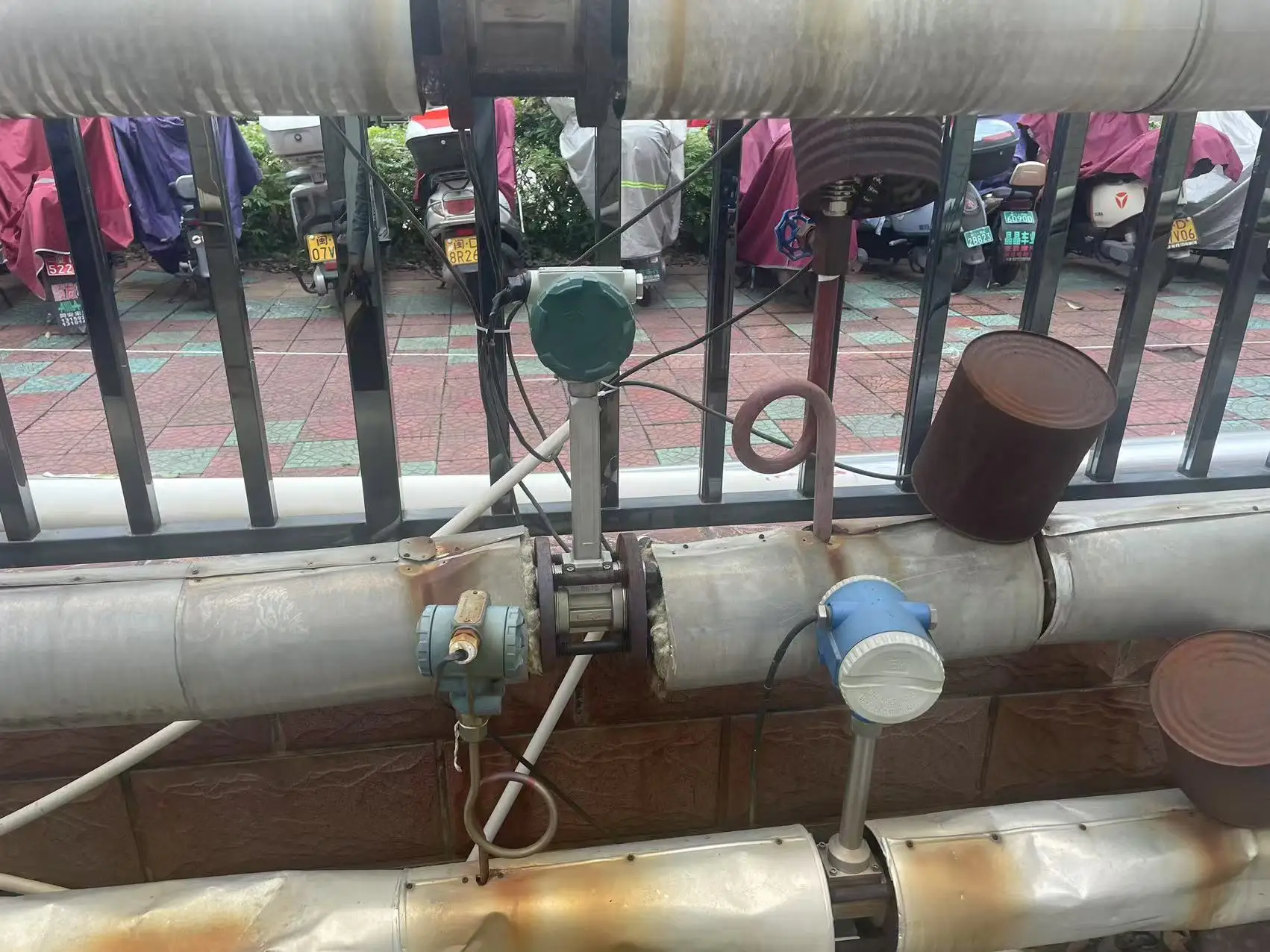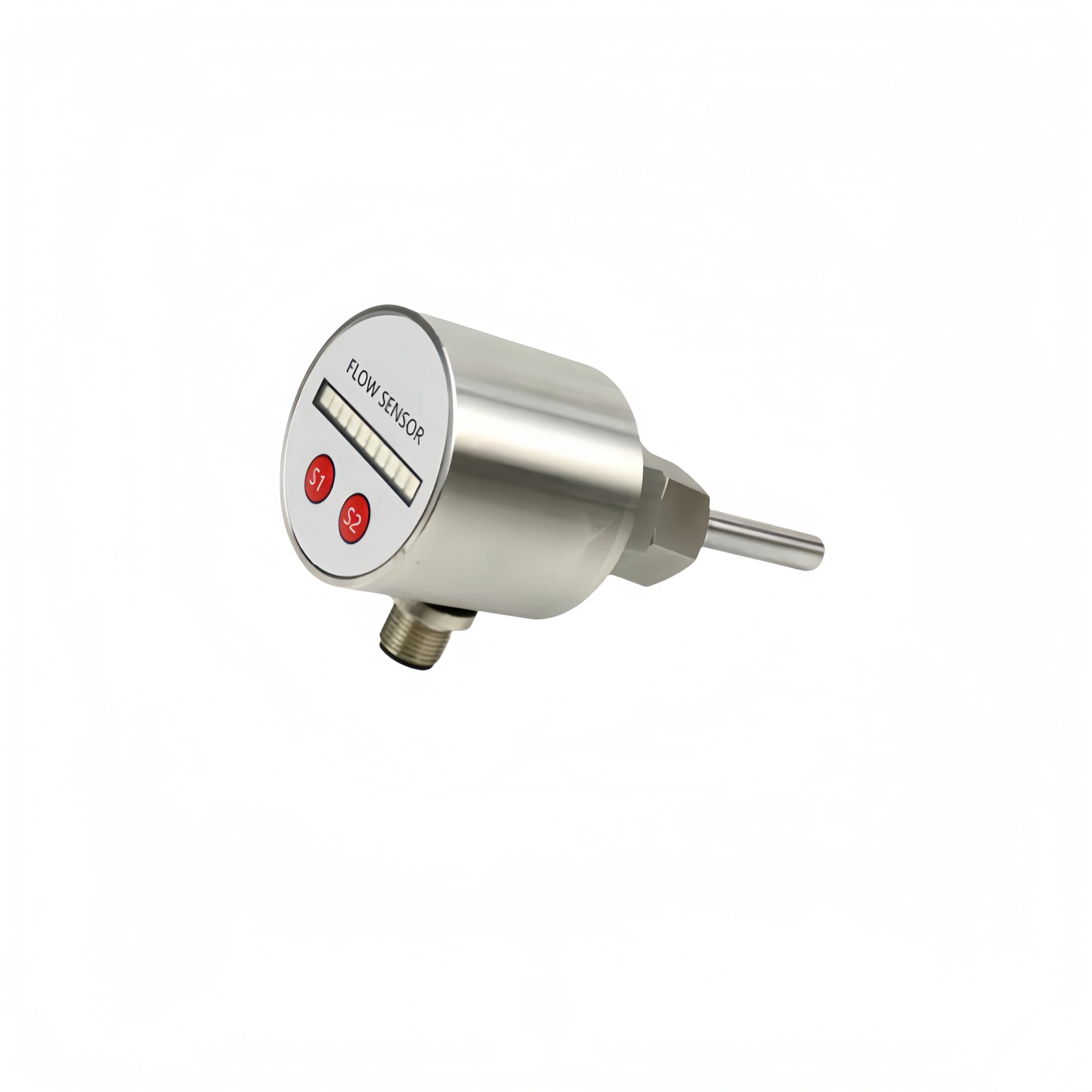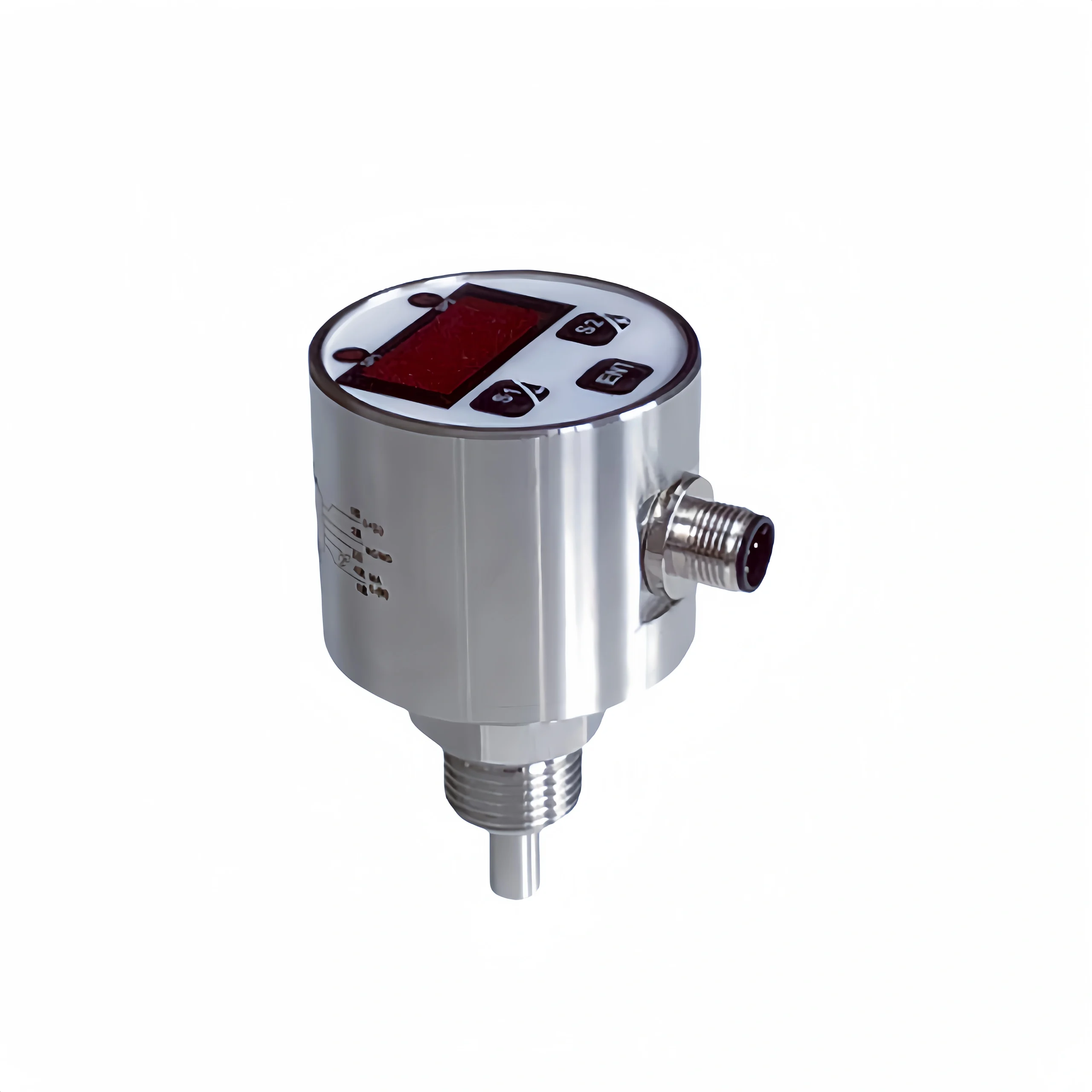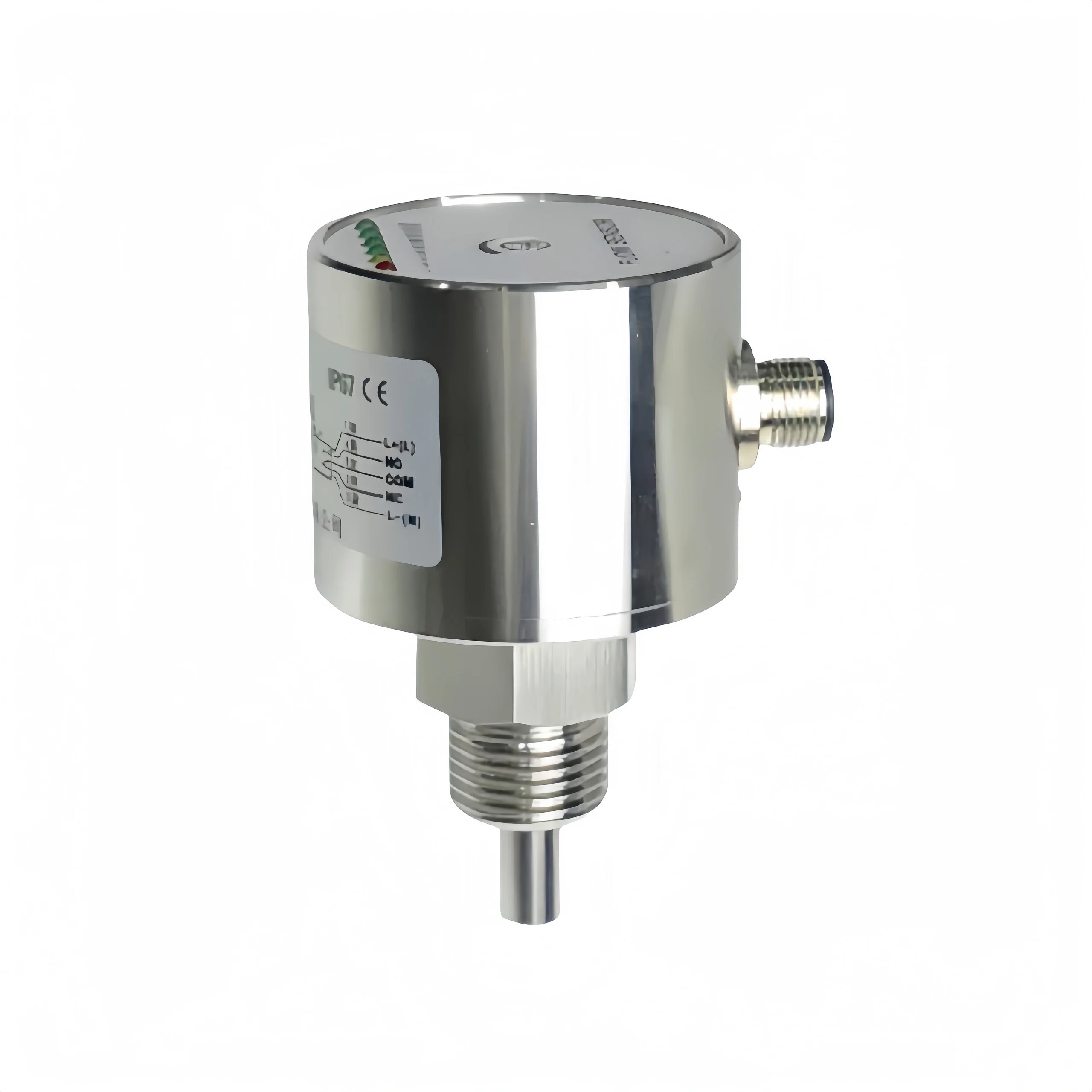
The operation of boiler water circulation is complex and the abnormal flow can easily lead to safety risks such as dry firing. As a boiler interlock protection unit, the boiler flow switch can judge the existence or non-existence of the fluid flow in real time, and provide reliable on-off signals for the combustion system and the circulation pumps, so the boiler flow switch is a key monitoring component for the safe and stable operation of the boiler.
What Is a Boiler Flow Switch?
A boiler flow switch is a flow protection device installed in boiler piping for the purpose of monitoring the flow status of the medium. If the flow rate in the pipeline is below a preset value, it emits a switch signal, causing the control system to issue an alarm or turn off heating, thereby preventing damage from dry firing.
They are usually of the baffle type or thermal diffusion type design. Used in hot water and thermal oil boilers. They are installed in the feedwater or return lines and only determine if the flow meets the required standard, they do not give precise measurement, and serve a safety interlock protection function.
Boiler Flow Switch Functions
1. Monitoring the flow status of the medium in the boiler piping system to detect whether the flow exists, reaches the set threshold, and differentiates normal flow and interrupted flow or low-flow status.
2. Provides interlock protection When the boiler water is low or the medium flow is insufficient, it sends a signal to the control system to cut off the fuel supply to avoid dangerous incidents such as dry firing or overheating and pipe rupture.
3. Feedback signals of flow status are fed back to the boiler control cabinet, so that the operator can intuitively determine whether the water circulation or medium delivery is normal.
4. Help to check whether the boiler water circulation system is unblocked, and troubleshoot the abnormal faults such as pipeline blockage, dry running of pumps or accidental valve closure.
5. Certain models can participate in start-up and shutdown interlocks; only when flow conditions are met are related boiler auxiliary equipment and combustion systems permitted to start up, thereby establishing safe startup conditions.

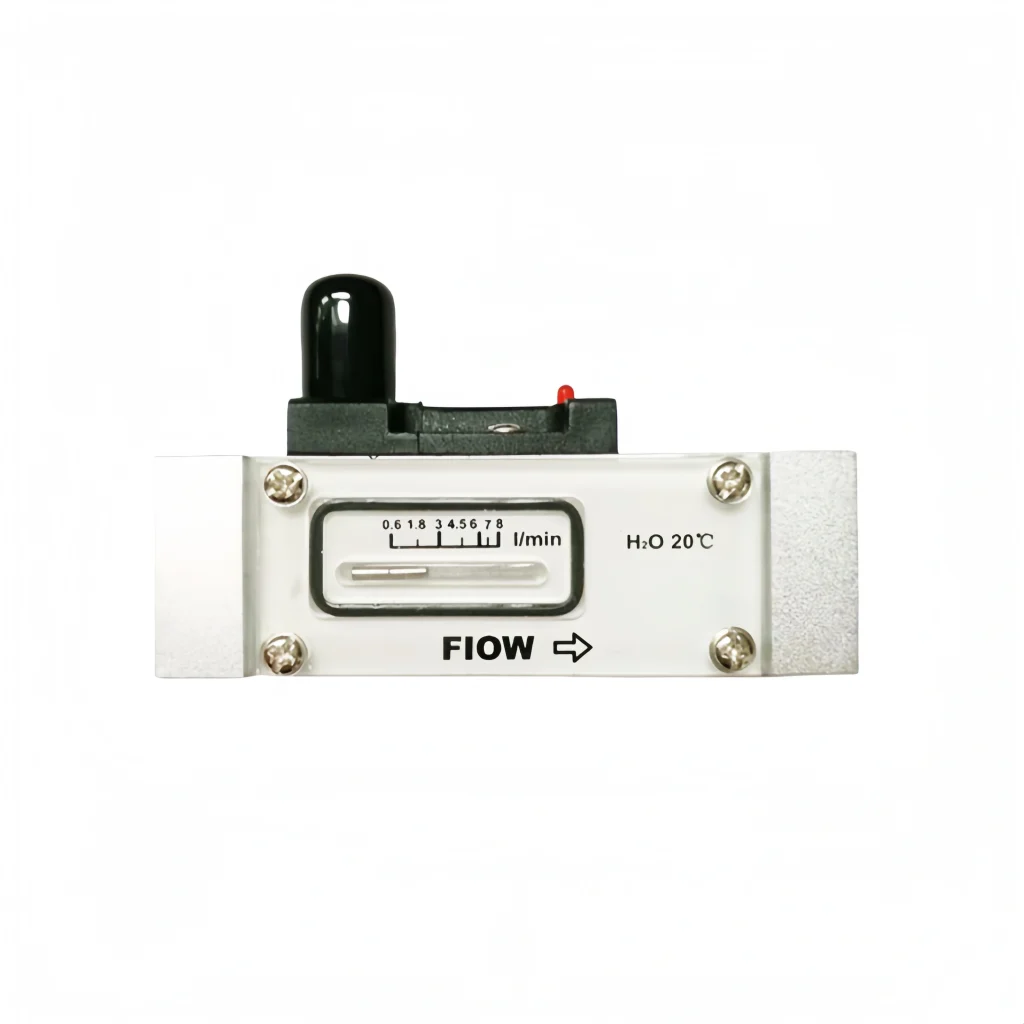
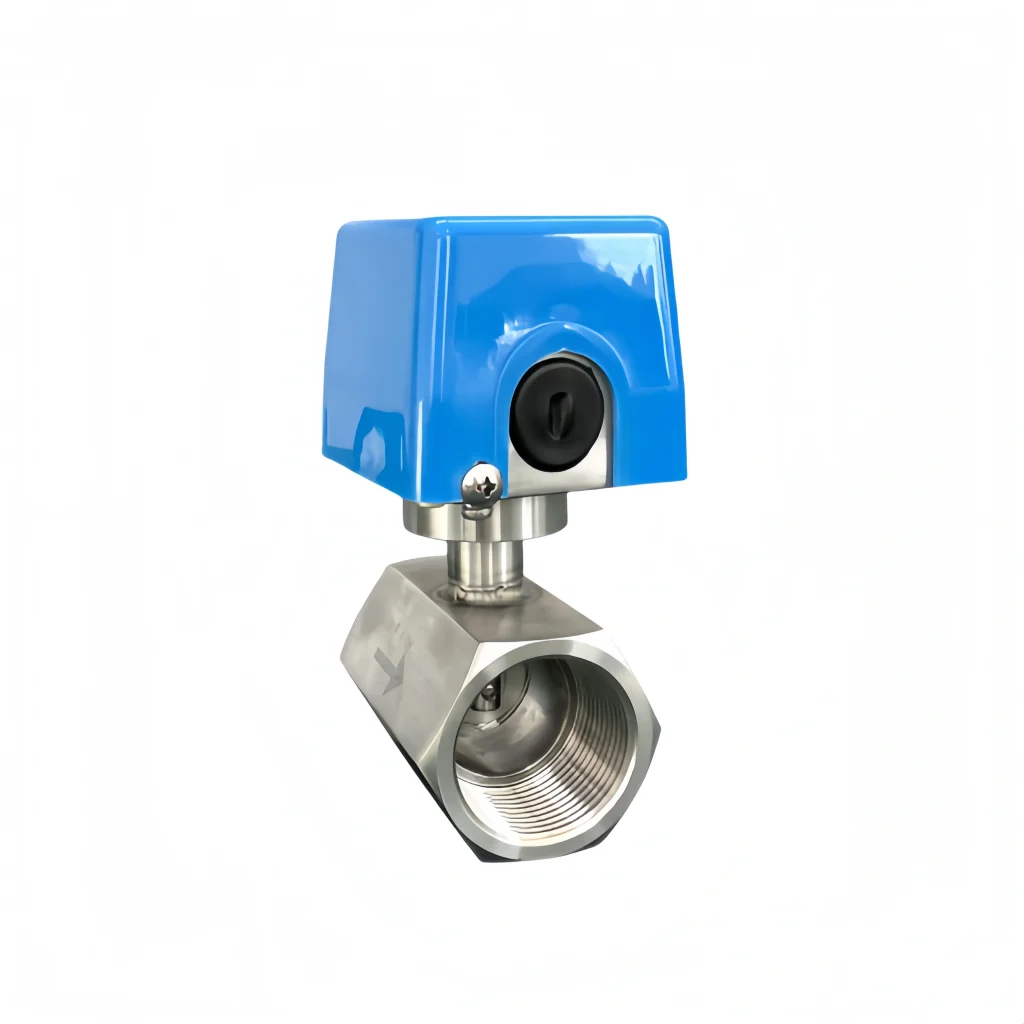

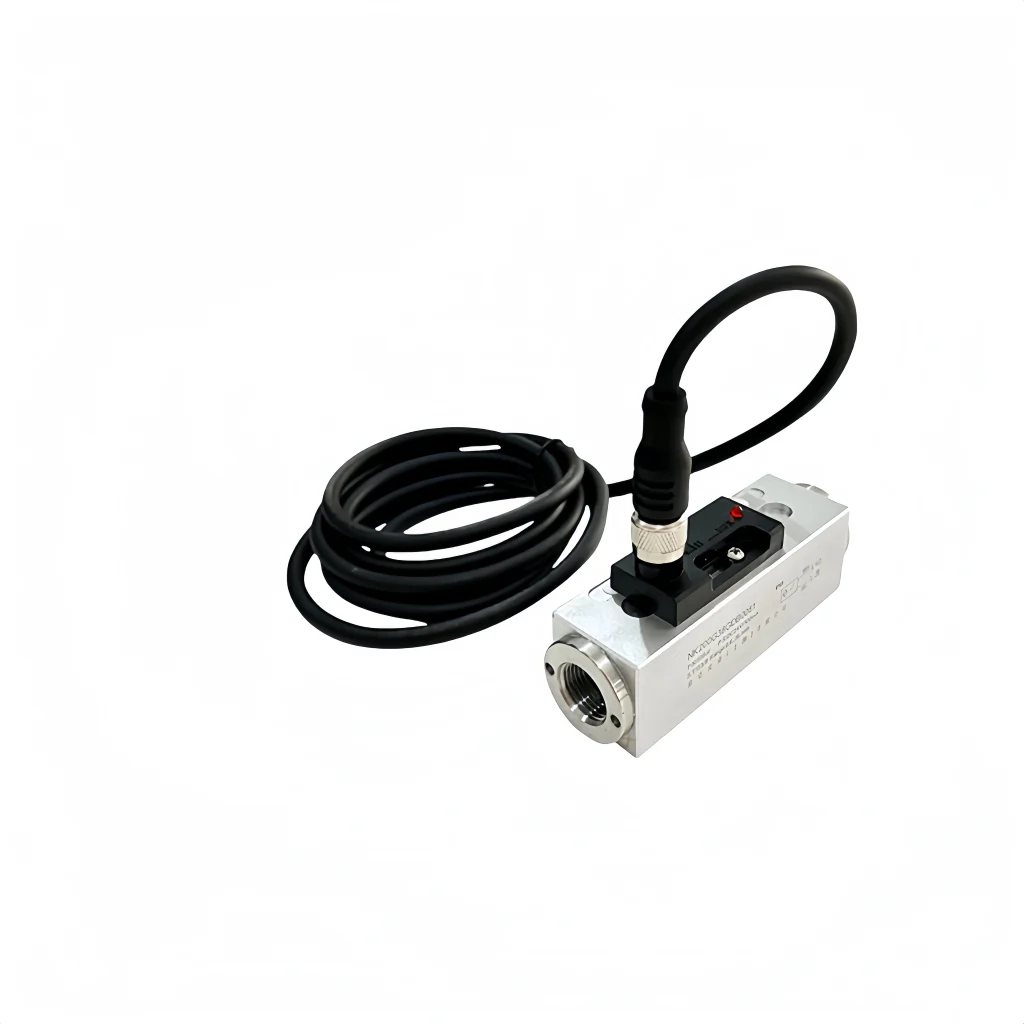

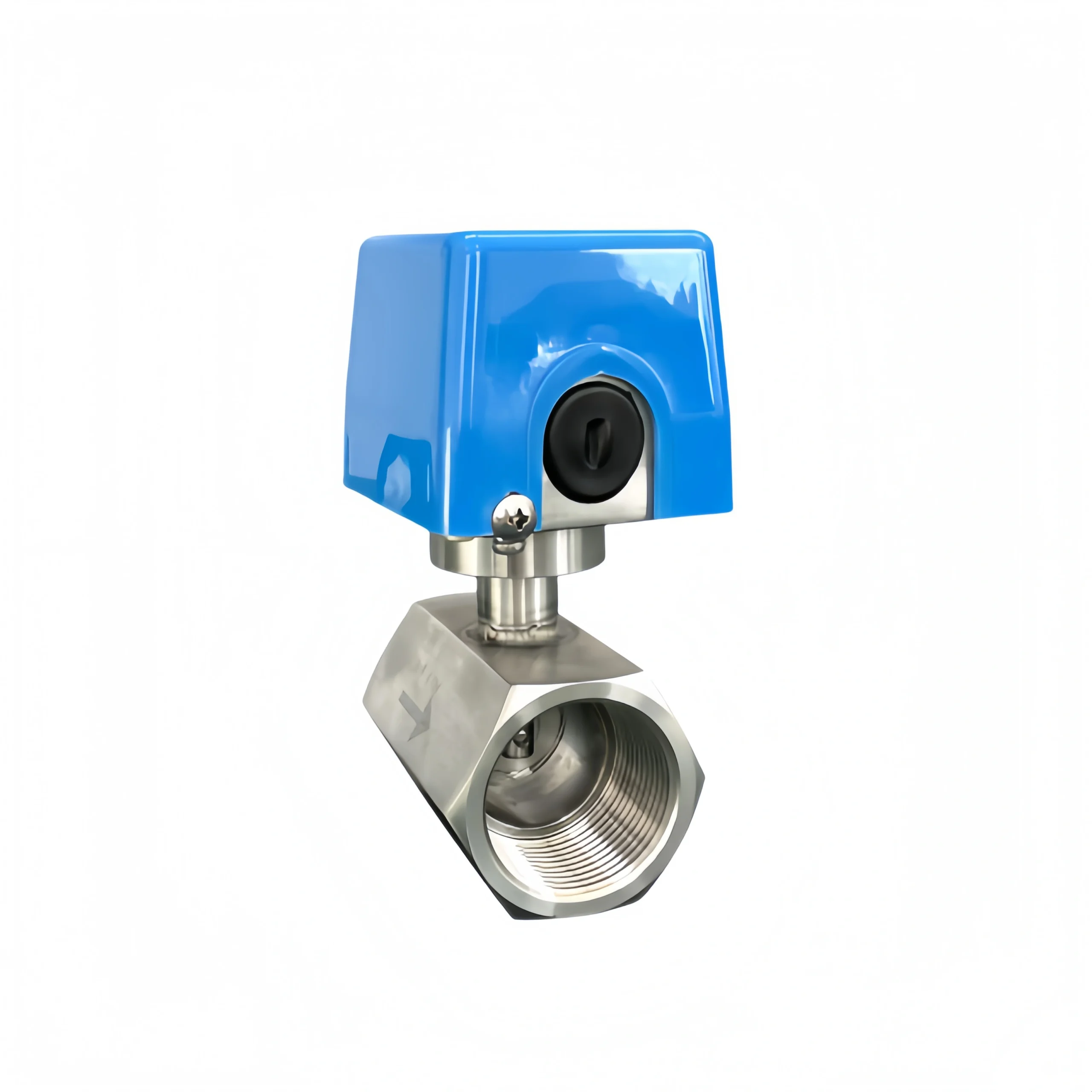
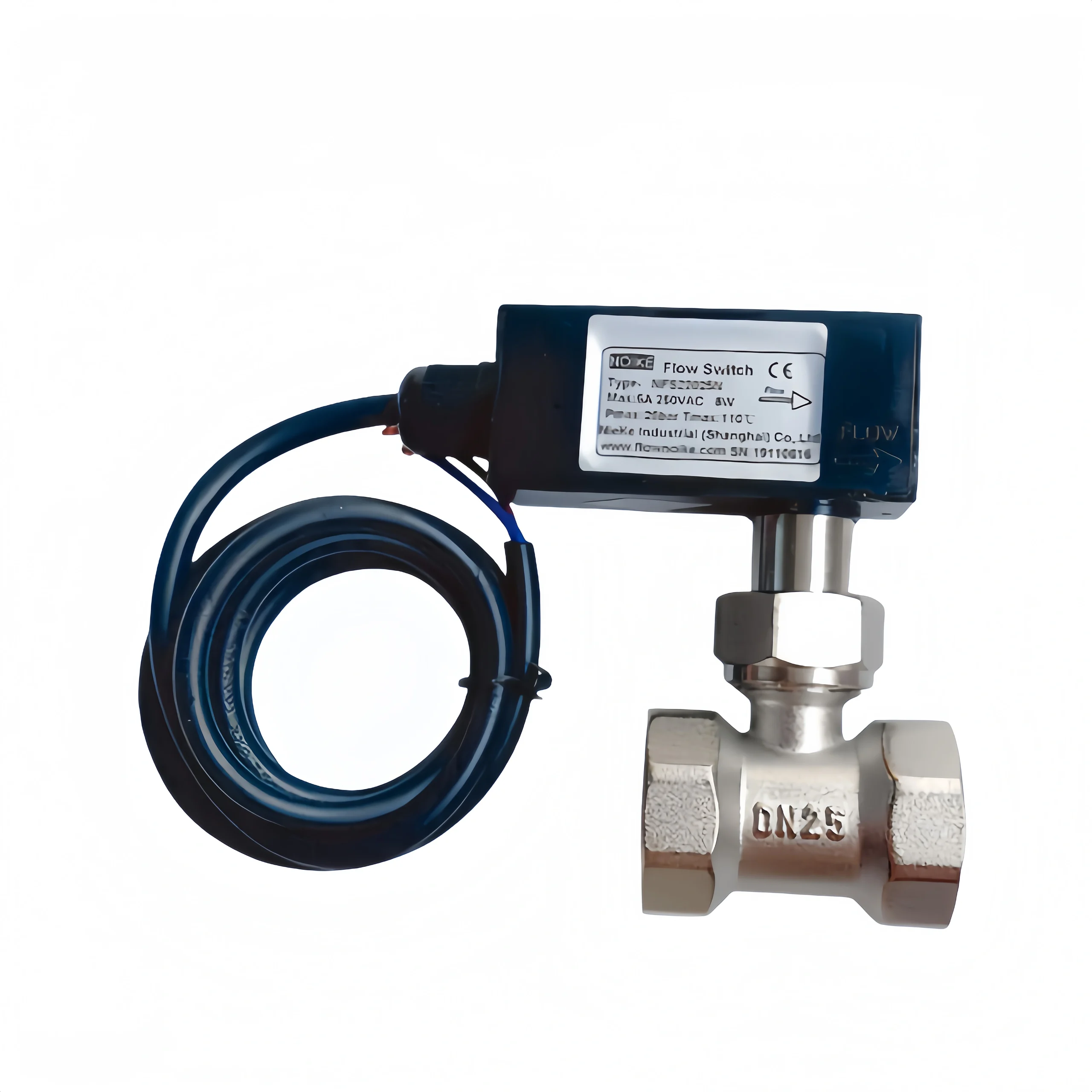
Boiler Flow Switch
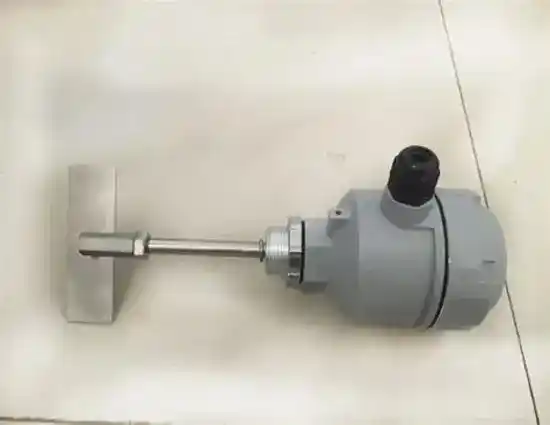
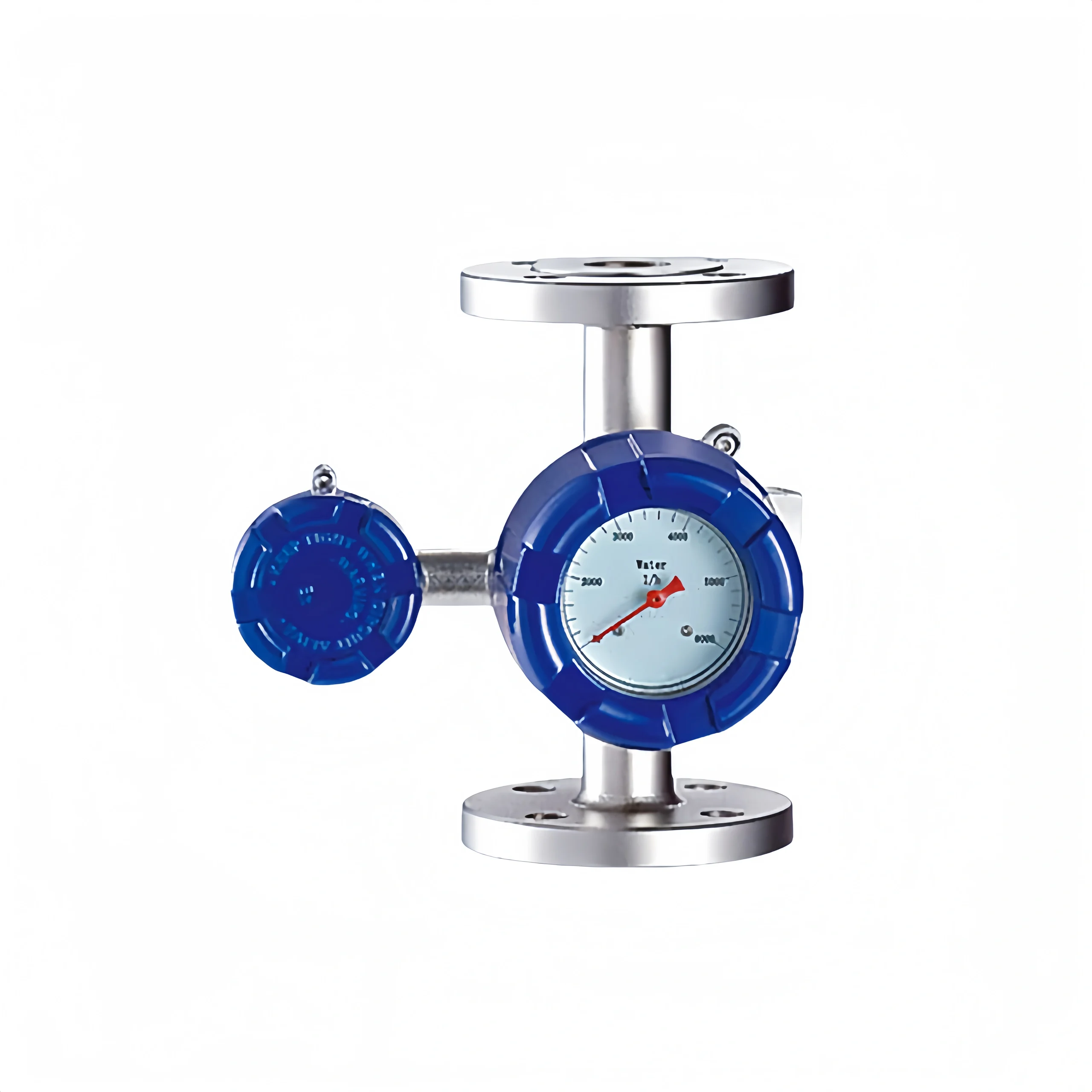
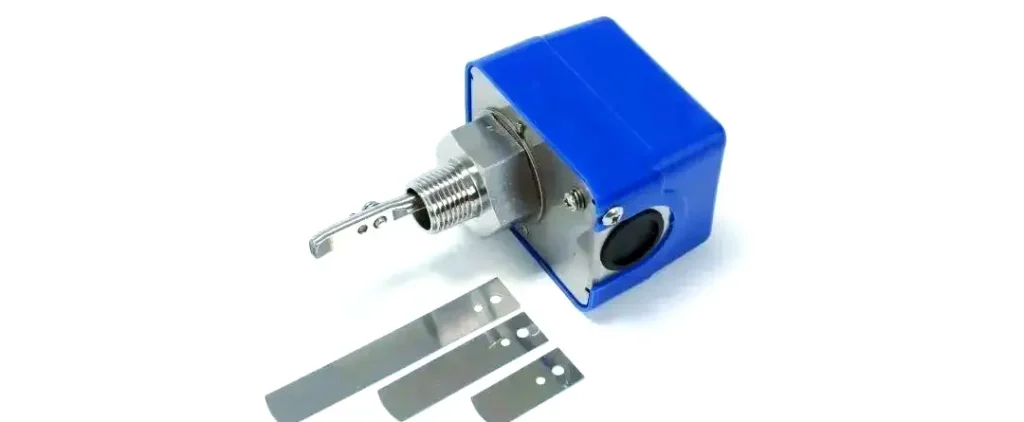
Target-Type Flow Switch
Working Principle
The target plate extends into the fluid flowing through the pipeline. The force generated by the fluid impacting the target plate is transmitted via a lever; once this force overcomes the spring’s preload, it triggers a micro-switch.
When the flow rate falls below the set value, the spring returns the target plate to its original position, causing the switch state to change, thereby monitoring the flow of the boiler medium.
Benefits
- Simple structure, low cost, convenient installation and commissioning on site
- High pressure rating; suitable for boiler high pressure water media conditions
- No power supply needed Gives a passive digital output appropriate for conventional control circuitry
- Simple to use, giving you the ability to immediately tell if there is flow
Disadvantages
- High pressure drop in pipeline Not usable for low flow detection
- Scale and impurity buildup on the target plate and lever can cause jamming, so regular maintenance is required.
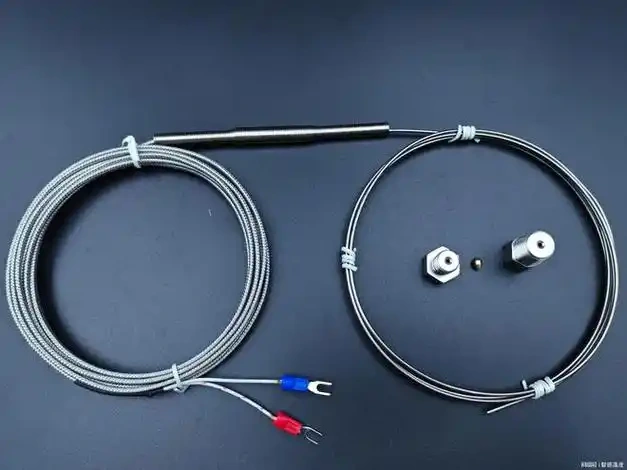
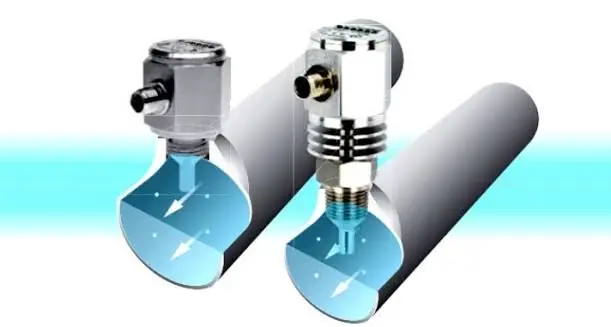
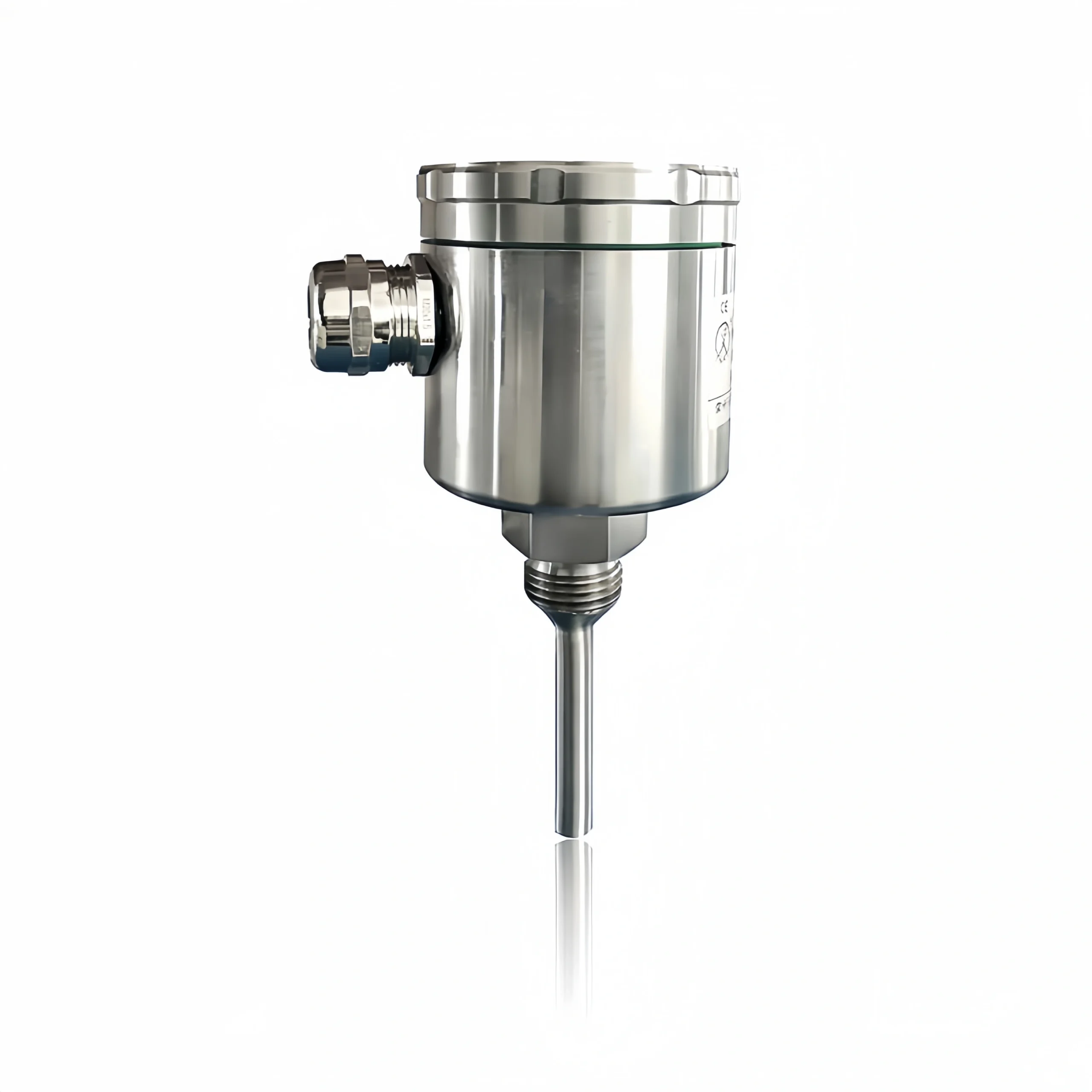
Thermal Diffusion Flow Switch
Working Principle: The probe has two integrated temperature sensors, one is actively heated, the other is measuring the reference temperature of the medium.
When the fluid flows , heat is taken away from the heated sensor , changing the temperature difference between the two sensors . When the temperature difference reaches a preset threshold, the circuit outputs a switch signal to monitor the flow status of the boiler.
Benefits
- No moving mechanical parts. No wear. Long service life.
- High sensitivity Very low flow measurement Stable performance in low flow condition
- Excellent vibration resistance, suitable for boiler pipes subjected to large vibration
- Compact design of the probe Flexibility of installation Low maintenance requirements
- Wide variety of compatible media Can detect water and gas
Disadvantages
- Setpoint may be affected by medium temperature changes
- Cost is higher than mechanical flow switches
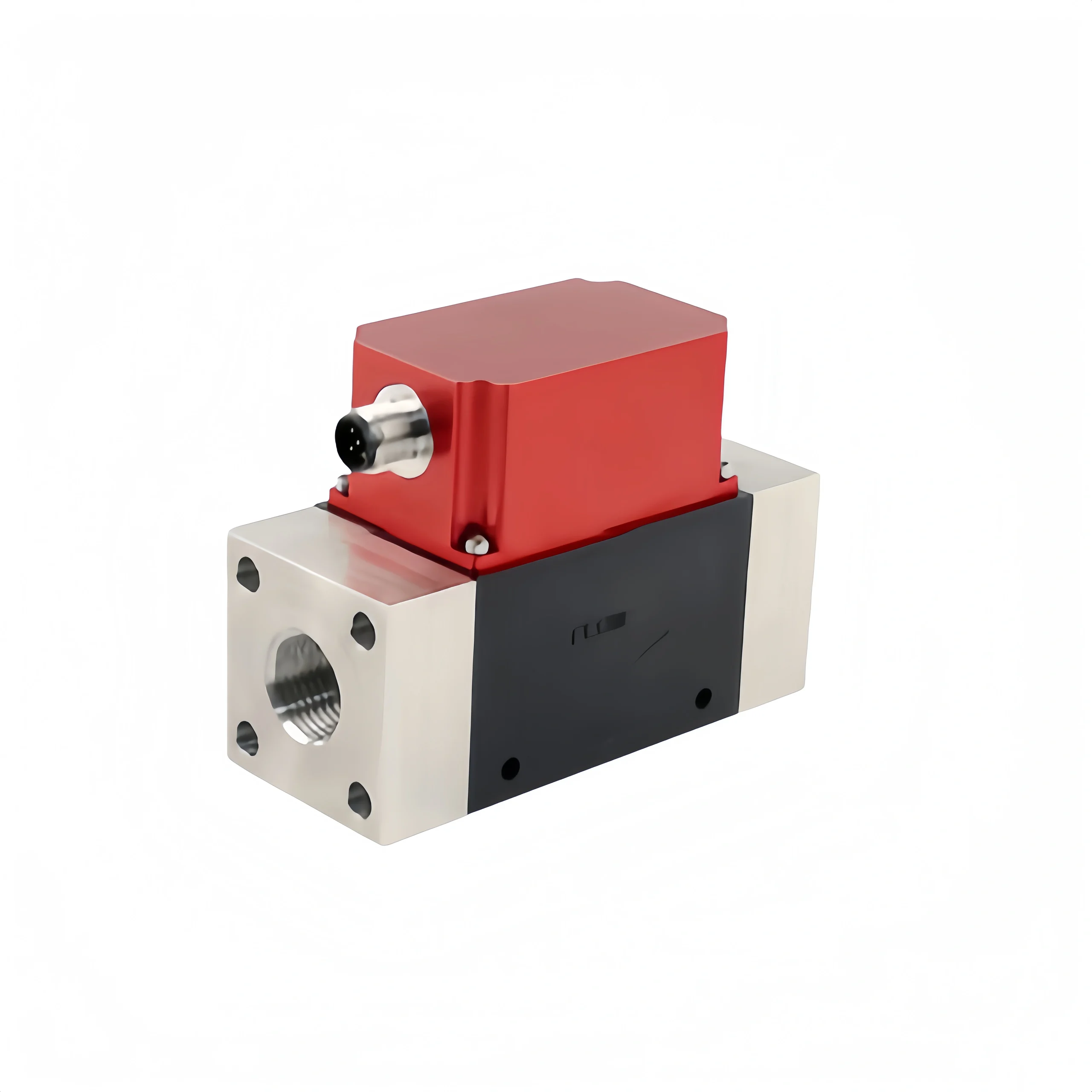
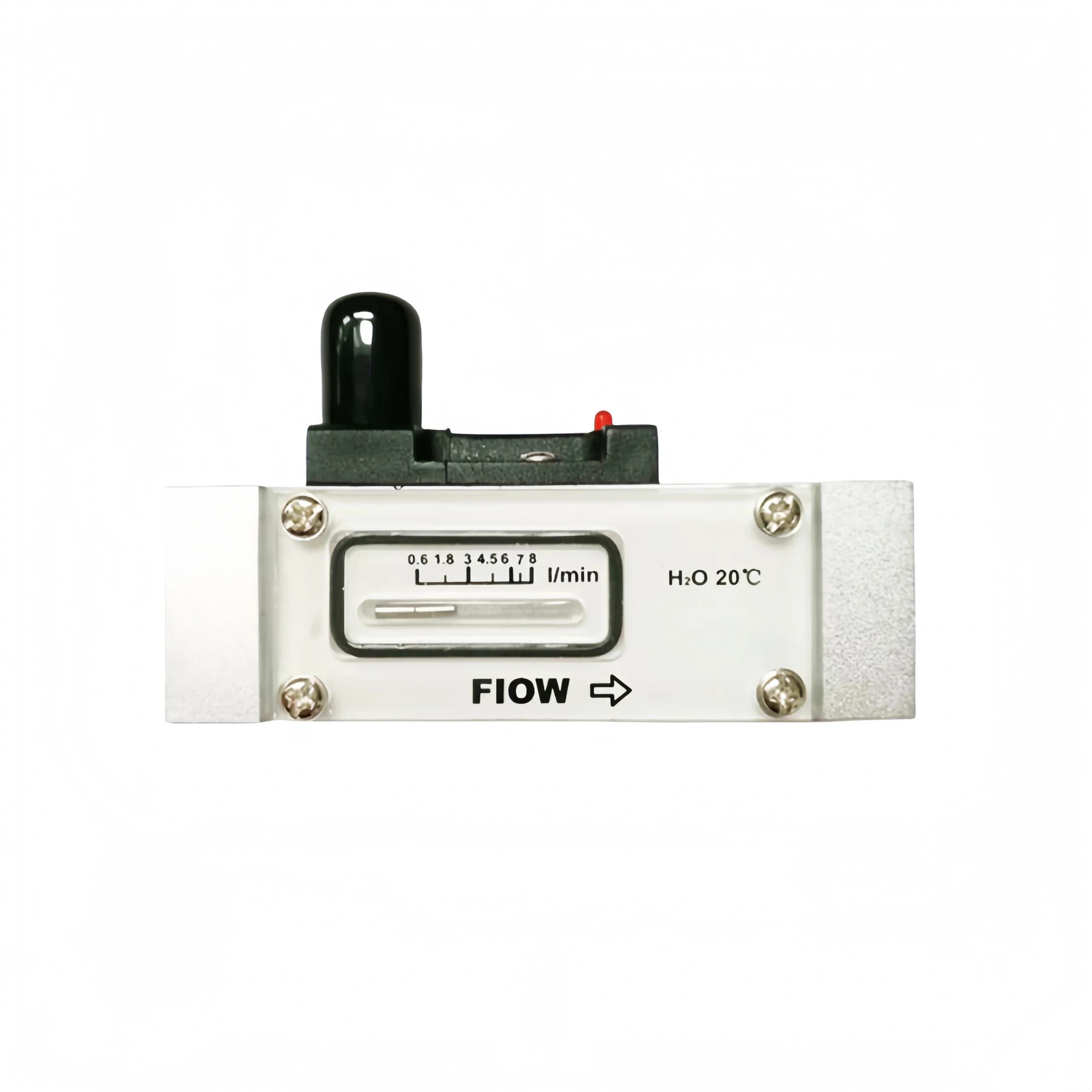
Piston Type Flow Switch
Operating principle
The switch chamber is equipped with a piston with permanent magnet and return spring. The pressure difference generated by fluid flow causes the piston to move.
When the flow reaches the set value, the magnet of the piston drives the reed switch to output the switching signal. When the flow decreases, the spring pushes the piston back, and the signal switches correspondingly. It can protect the boiler water circulation.
Benefits
- The built-in magnetic isolation structure avoids the signal contacts contacting with the medium and has excellent sealing.
- Actuation point adjustable on site to suit different boiler protection settings
- Compact design with direct threaded mounting for reduced space requirements in the pipeline
- Fast response time means timely activation of low-water protection.
Disadvantages
- Narrow flow channel in the chamber . Can easily get clogged up if the medium contains significant impurities .
- Reliability degradation for large particulate impurity conditions
Selection Guide
Confirm the type of medium:
Water, air, steam or other media. The most common models for the liquid water circulation are the target-type and piston-type models.
Thermal diffusion-type models are suitable for both liquids and gasses and for the steam applications, it is preferable to use high-temperature models, especially specialized ones.
Match operating parameters:
Check the pipeline pressure and the temperature of the medium. Select the appropriate measurement range according to the rated flow of the boiler and the triggering flow of the protection, so as not to be falsely triggered due to the too large or too small range.
Select Structural Type:
Choose the target-type for low cost and passive output; select the thermal diffusion type for long service life and low maintenance; opt for the piston-type when a compact, direct-mount design and fast response are required.
Piping Condition Considerations:
For small-diameter, low-flow applications, consider thermal diffusion-type switches. In situations with high levels of impurities or scale buildup in the piping, avoid piston- and target-type switches whenever possible to reduce the risk of sticking.
Requirements for Pressure Drop Evaluation:
The thermal diffusion type flow switch should be selected preferentially when the circulation system is sensitive to the piping resistance. The target type switch is used for the main pipeline where the pressure drop can be allowed to a certain degree since its pressure drop is relatively large.
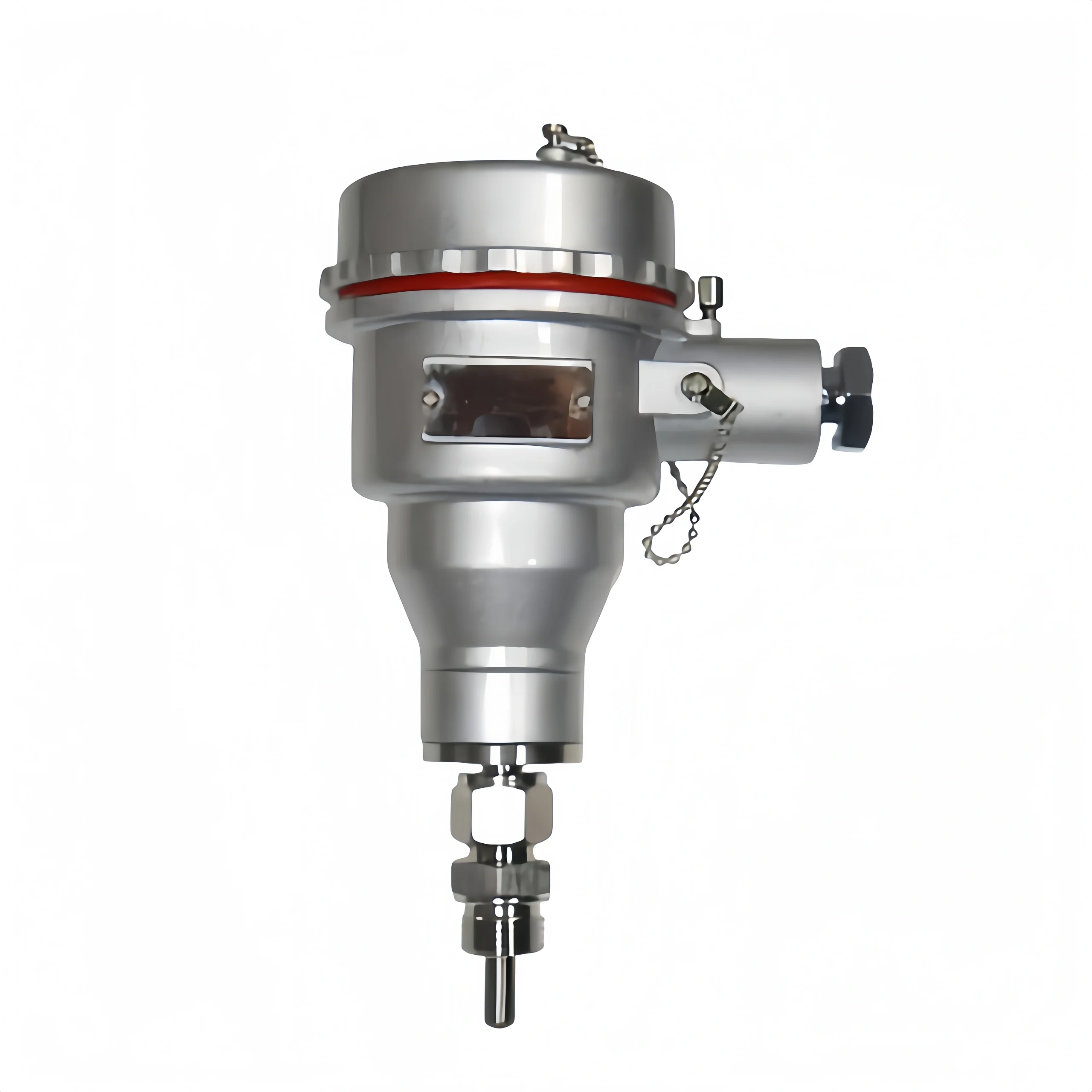
Explosion-Proof & Protection Ratings:
In locations such as gas boiler rooms, choose explosion-proof models and verify that the enclosure’s protection rating is suitable for the humid boiler room environments at your locati0n.
Signal Output Formats:
Use passive switch signals for conventional boiler interlocks; when integrating with PLC-based intelligent systems, select models with communication outputs such as HART as needed.
Maintenance Considerations:
In cases where on-site maintenance is inconvenient, or where disassembly and inspection must be done frequently, thermal diffusion flow switches without moving parts should be preferred to reduce the future maintenance workload.
Practical Uses
Boiler Water Circulation Protection: Used to monitor circulation flow in boiler inlet, outlet and return water lines. If the flow is not sufficient, the system will alarm and stop the boiler to prevent dry firing and water wall overheating as a water shortage protection.
Boiler Feedwater Monitoring: Used in feedwater lines to monitor the feedwater status, timely detection of feedwater failures and interlock protection when used with water level gages.
Gas Boiler Purge Air Flow Monitoring: installed in the purge air duct to detect the volume of purge air, only when the air volume meets specifications, ignition is allowed to prevent furnace deflagration.
Boiler Waste Heat Recovery Medium Monitoring: Monitors the flow of the medium in the heat exchanger piping, and if there is an interruption of flow, it activates an interlock protection to prevent overheating and damage to the heat exchanger.
Boiler Spray/Desuperheating Water Flow Monitoring: Used in desuperheating water piping to monitor the status of the water supply; triggers an alarm in the event of flow interruption to stabilize the steam temperature.
Boiler Blowdown Pipe Flow Status Monitoring: Monitors flow conditions in the blowdown pipe to confirm blowdown valve operation and assist in blowdown control.
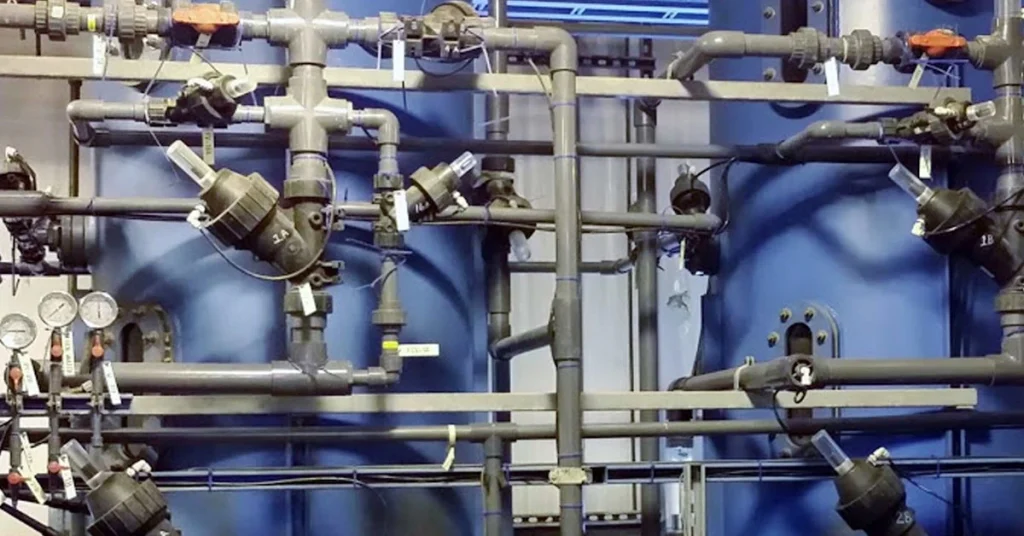
Multi-loop Boiler Manifold Branch Monitoring: Each branch has a dedicated flow switch for quick identification of flow interruptions, helping troubleshoot blockages and pump idling faults.
Operation Condition Flow of Explosion Proof Boiler Interlock: In the explosion-proof zones of gas-fired boilers, explosion-proof flow switches are employed and the signals are incorporated into PLC interlocks according to explosion-proof regulations.
Boiler Flow Switches Installation
Installation Selection Location: Choose pipe sections with uniform flow (e.g. the main circulation line or feedwater pipe) and avoid turbulent areas (elbows, valve outlets). Make space for a straight section of pipe to reduce eddy current interference.
Pipe Flow Direction Specifications: Install in the direction of the flow arrow on the housing; installation in the reverse direction is not allowed. Target-type and piston-type switches fail instantaneously when installed backward. Thermal diffusion-type switches are susceptible to false triggering when installed backward.
Installation Orientation Specifications: For liquid piping, horizontal installation is preferred with the sensing element facing downward or to the side to avoid air locks. For gas piping, vertical upward installation is preferred whenever possible to avoid liquid accumulation.
Straight Pipe Run Requirements: The straight pipe run upstream must be a minimum of 5 pipe diameters and downstream must be a minimum of 3 pipe diameters. If space is limited, install a flow straightener and fine tune flow setpoint.
Media and Sealing: Verify that all threaded and flanged connections are sealed correctly; Use high temperature resistant seals for high temperature applications; The sealing material must not touch the sensing components
Bypass and Maintenance Valve Setup: Fit bypass and shut-off valves in critical protection circuits to allow for on-line maintenance and replacement without having to take the boiler off-line or drain the piping.
Electrical Wiring Requirements: Wire the signal lines to the boiler interlock cabinet. In the hazardous areas, use explosion-proof models and explosion-proof junction boxes. Ensure waterproofing of cables and keep them away from the high-temperature pipe walls.
Avoid External Interference: Install additional pipe supports to prevent the flow switch from bearing pipe stress, vibration, or pulling forces, and to prevent probe jamming or damage.
Post-Installation Commissioning: Only install the unit after the piping has been flushed to avoid welding slag jamming moving parts. Calibrate the actuation flow rate and check the reliability of the interlock after the medium is flowing.
Sino-Inst provides a wide variety of flow switches, such as turbine, paddle, thermal and explosion-proof flow switches, which are widely used in different interlock protection fields and can be customized for high temperature applications.
Our accurate and reliable flow monitoring solutions provide a strong safety barrier for all types of fluid systems. Let us help you select the right product. Contact us.