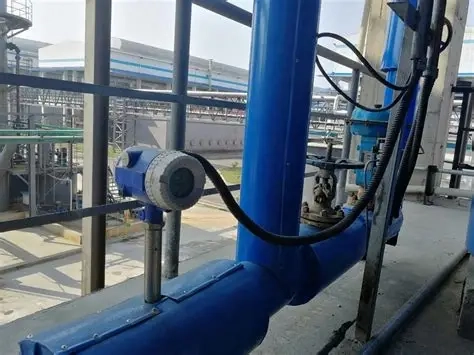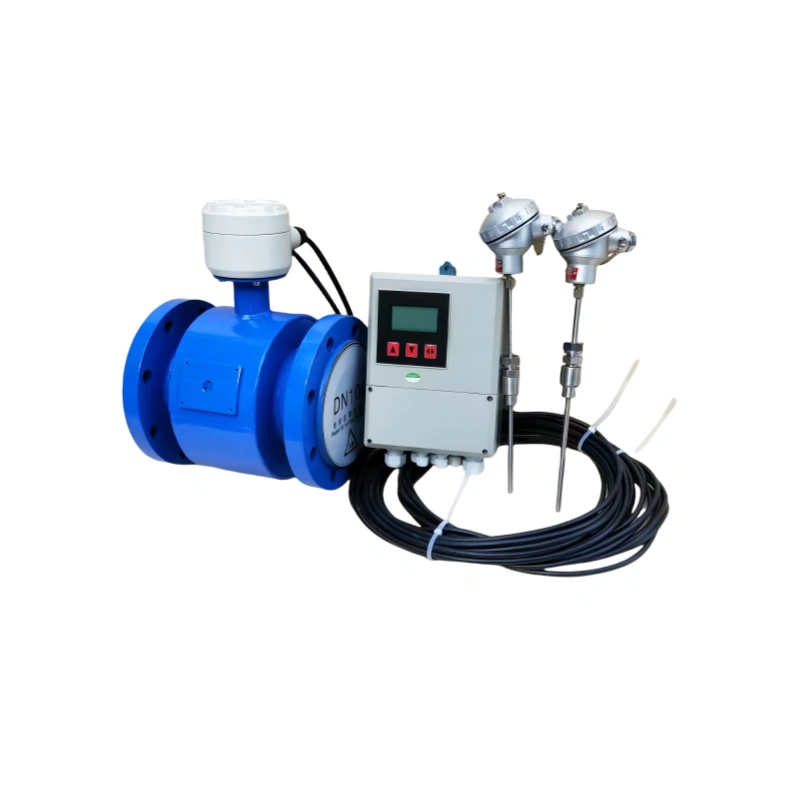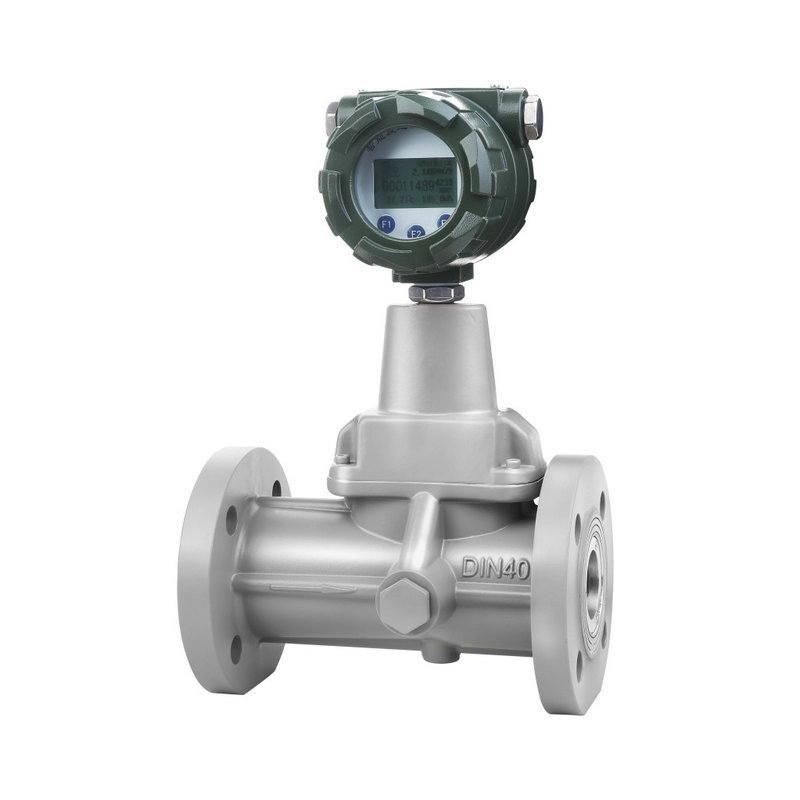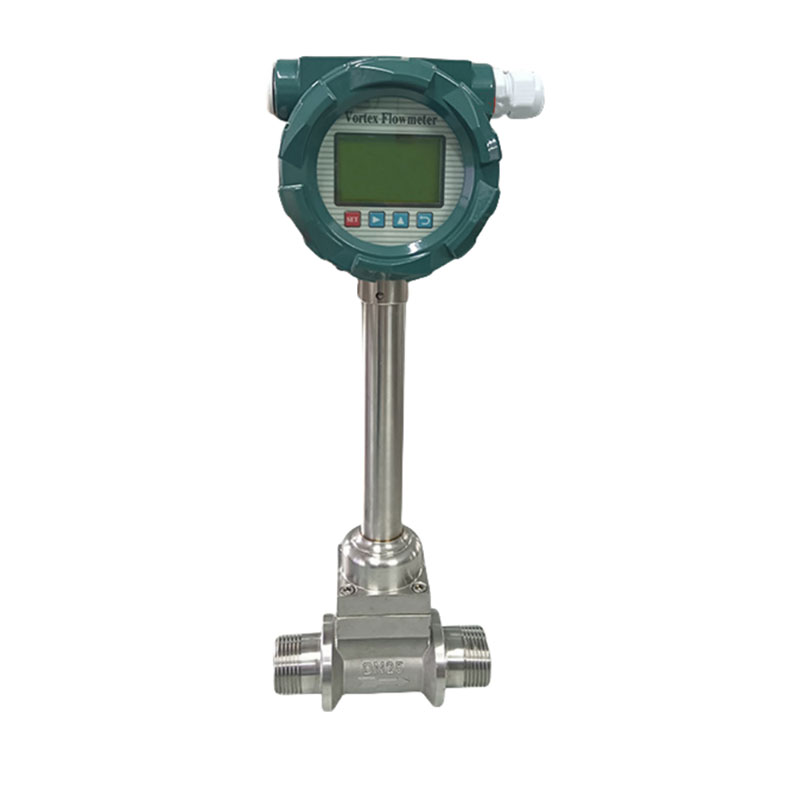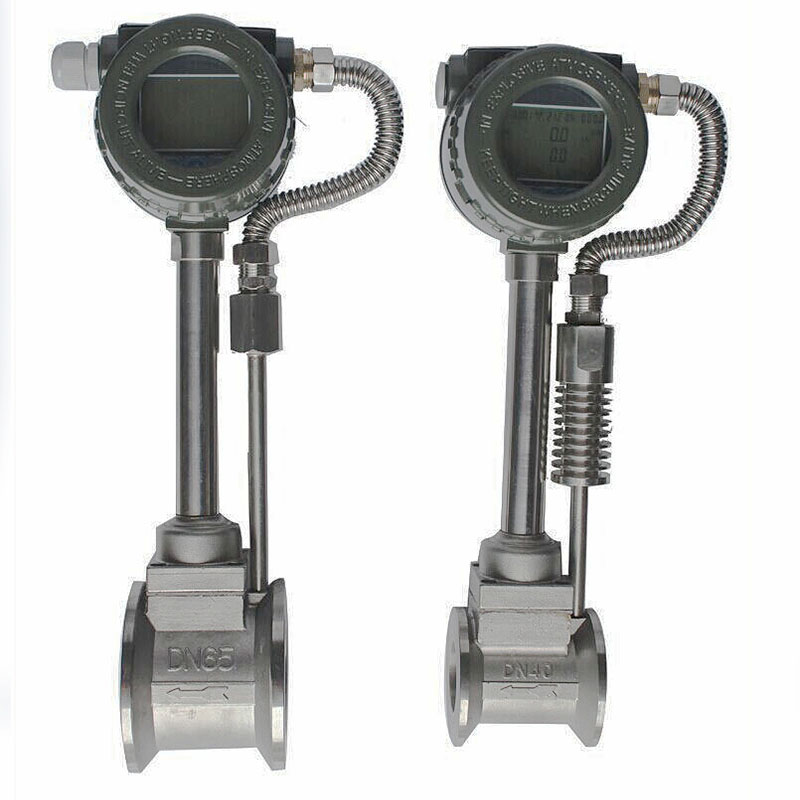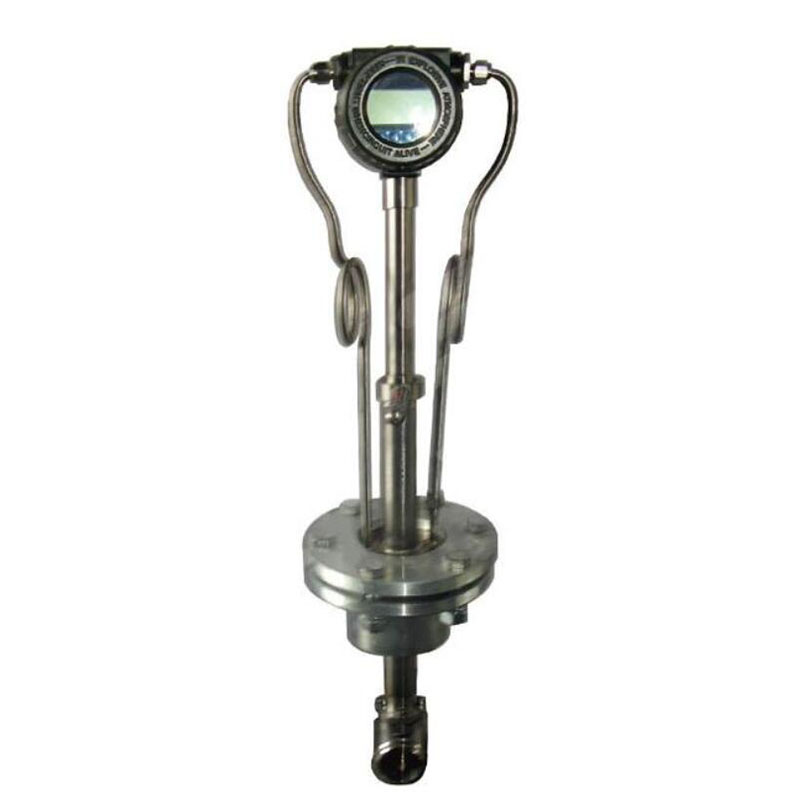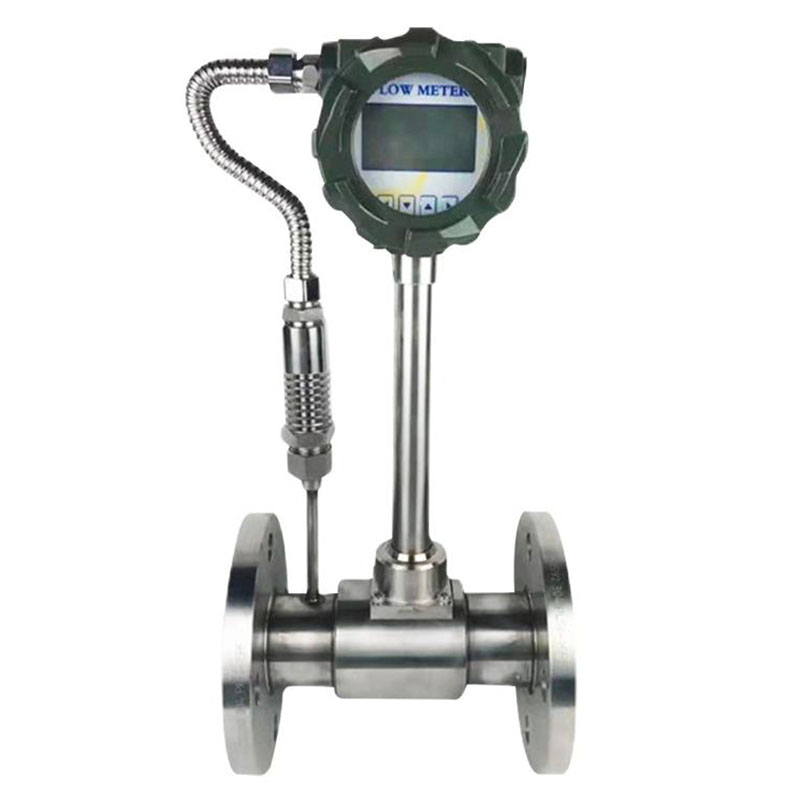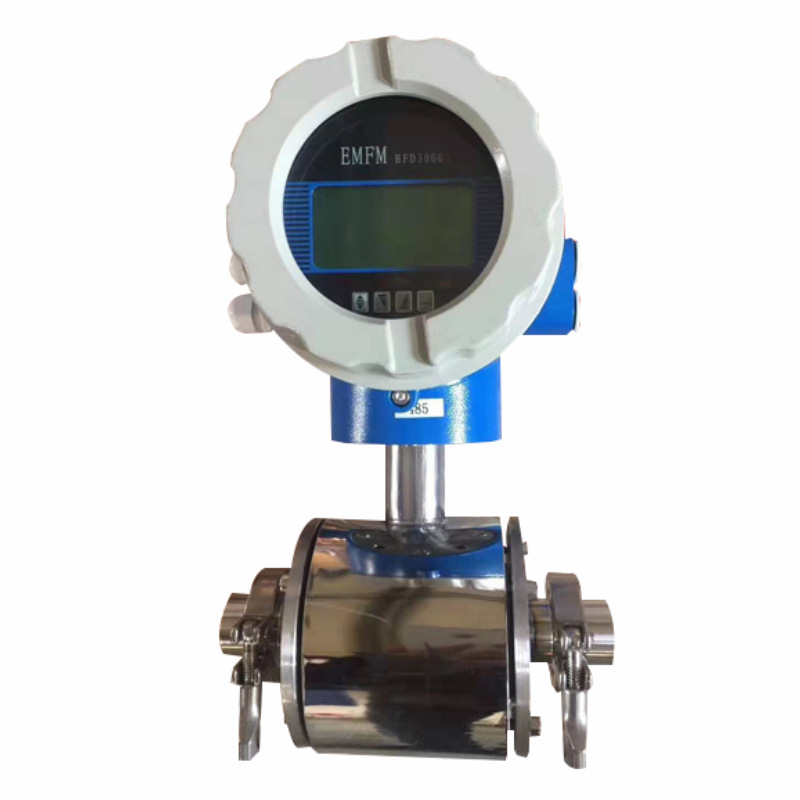
Flow meters are used in all sorts of situations, like in industry, for water supply and drainage, and for energy metering. Vortex flow meters and electromagnetic flow meters are two of the most common flow measurement instruments in industry.
They work in different ways, need different things to be used with them, and you need to do different things when you install them. Many users often find themselves perplexed during selection: What distinguishes vortex flow meters from electromagnetic flow meters? Which should be chosen for my specific operating conditions?
Working Principle
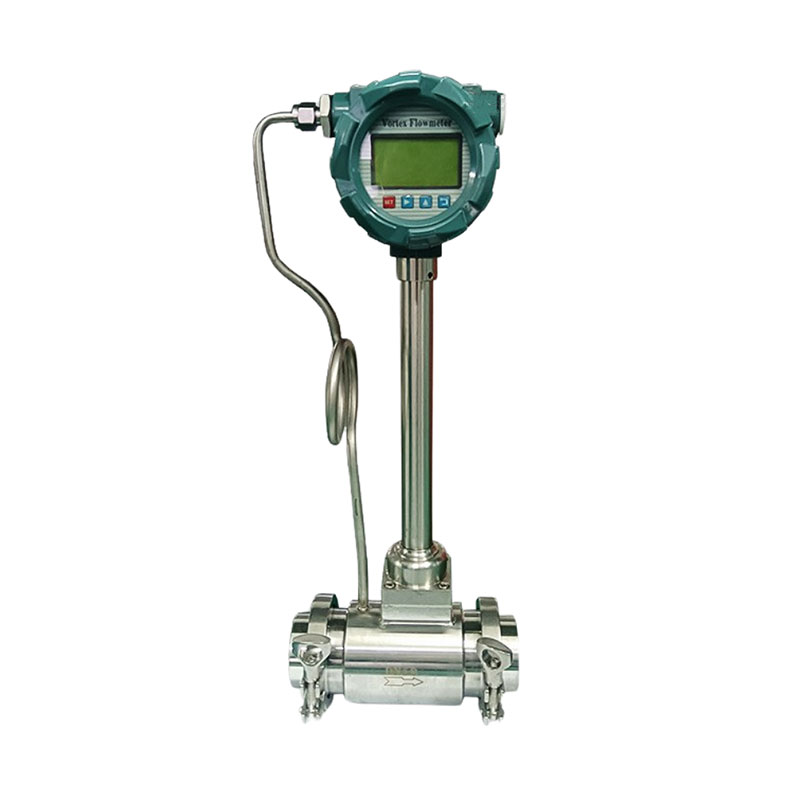
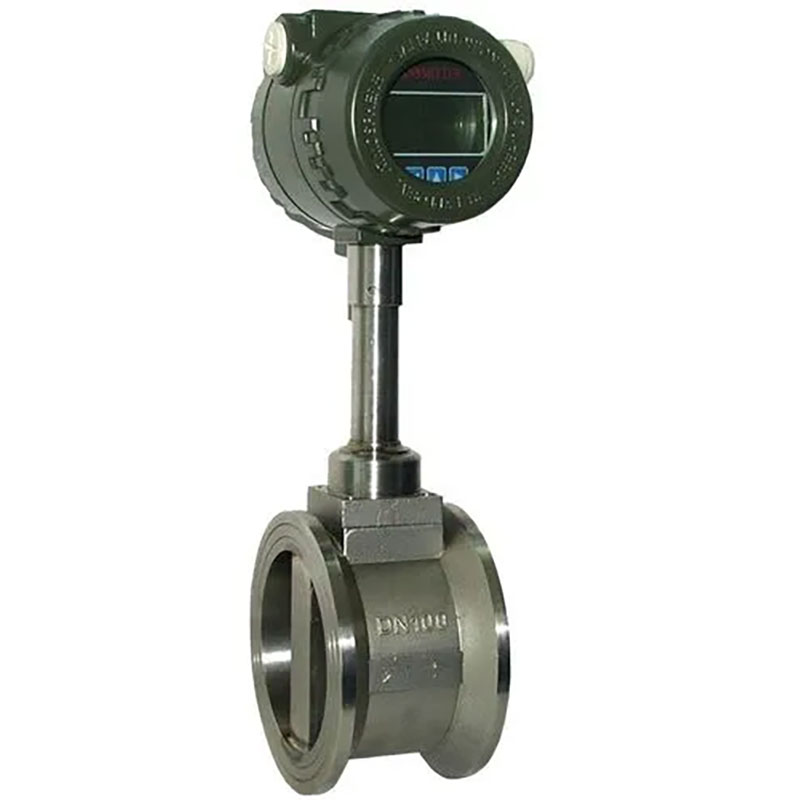
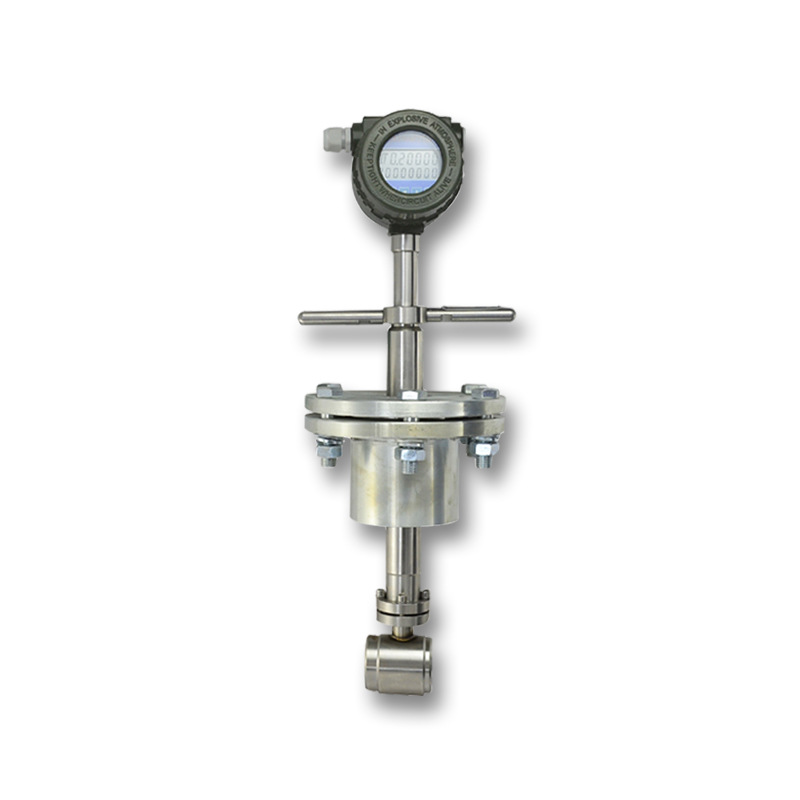
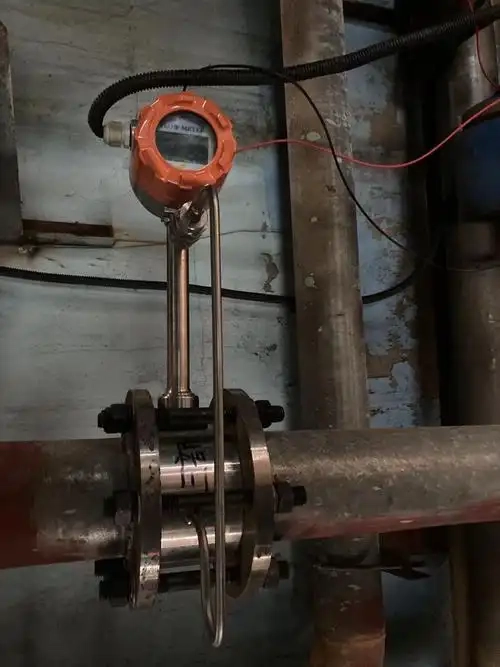
Vortex Flow Meter: Based on the Karman vortex street principle, a vortex generator is installed within the fluid. As the fluid flows past the vortex generator, regular vortices are alternately generated on both sides. The frequency of these vortices is directly proportional to the fluid velocity. Flow rate is measured by detecting this vortex frequency.
Electromagnetic Flowmeter: This is based on Faraday’s law of electromagnetic induction. There are two special electrodes on the pipe wall. They are at a right angle to the measuring tube and the magnetic field lines. When a conductive liquid moves along the measuring tube, it creates an electric current. The magnitude of this force is proportional to the flow velocity. The fluid flow rate is determined by measuring this induced electromotive force. The numerical expression is: E = K × B × V × D.
In simple terms, vortex flow meters count vortices, while electromagnetic meters measure voltage.
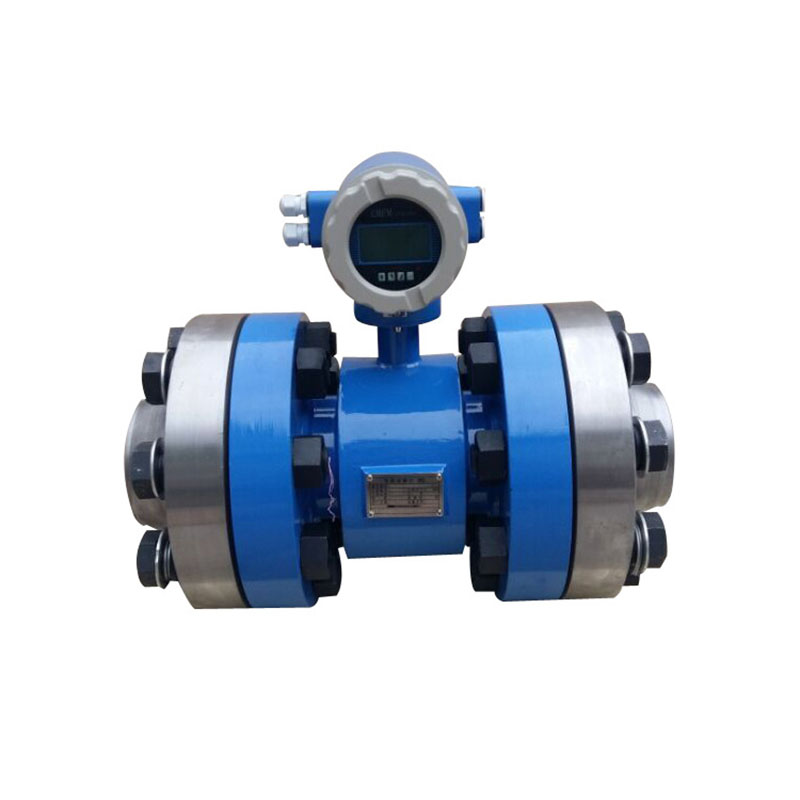
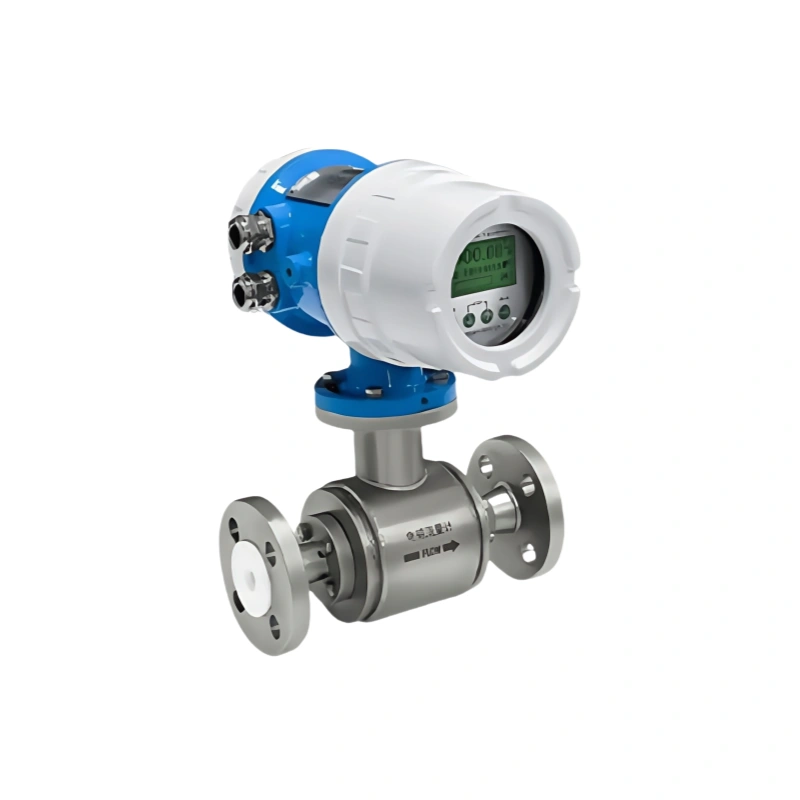
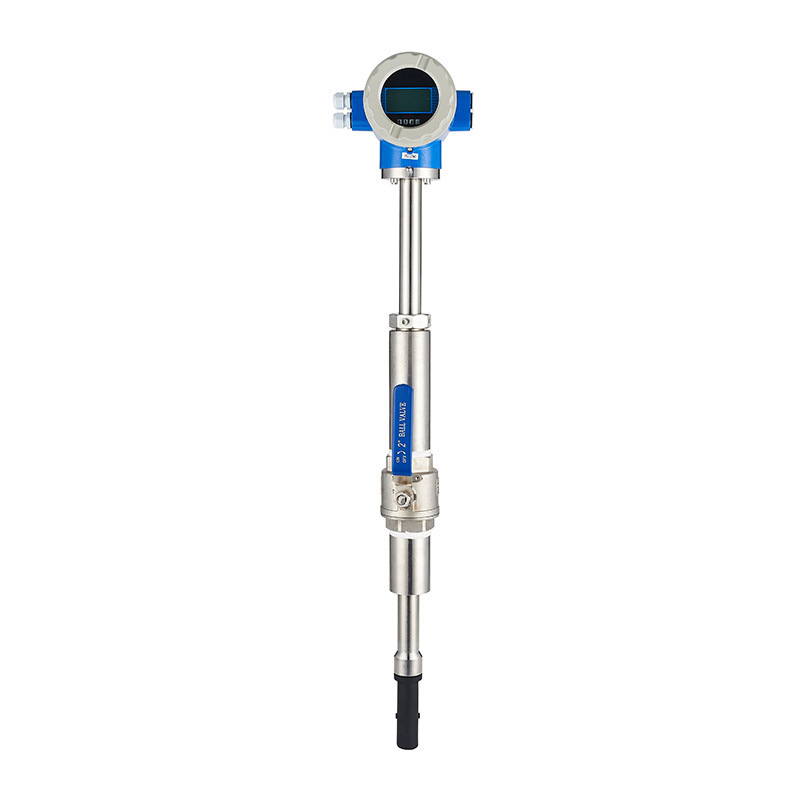
Advantages of Electromagnetic Flowmeters
1. With no throttling elements inside the pipe, pressure loss is minimal and energy consumption is low, making them suitable for large-diameter, low-pressure applications.
2. Unaffected by temperature, pressure, density or viscosity; stable measurements can be obtained provided the medium is conductive.
3. Wide turndown ratio and good linearity, enabling accurate measurement of both high and low flow rates.
4. Capable of measuring slurries containing particles, such as sewage and mineral slurries, as well as various conductive and corrosive liquids.
5. A wide range of lining and electrode materials is available to suit corrosive and abrasive media.
6. Fast response time; supports continuous online measurement; can output 4–20 mA and HART signals for integration into automated control systems.
7. No moving parts; minimal wear; simple maintenance; stable operation.
8. Supports bidirectional flow measurement, meeting the requirements of process scenarios involving backflow.
Advantages of Vortex Flow Meters
1. Simple structure with no moving parts, low failure rate and minimal maintenance requirements during long-term operation.
2. Suitable for a wide range of media; capable of measuring gases, liquids and steam, with no requirements regarding electrical conductivity.
3. Wide measurement range, good measurement accuracy and excellent linearity of the flow signal.
4. Low pressure loss, offering better energy efficiency compared to orifice flow meters.
5. Measurements are virtually unaffected by fluid parameters such as temperature, pressure, density and viscosity.
6. Easy to install; capable of outputting pulse and 4–20 mA signals, compatible with conventional control systems.
8. Resistant to high temperatures and pressures; suitable for applications involving steam and high-temperature process fluids.
9. Compact in size, requiring minimal installation space; can be used provided the straight pipe run meets the requirements.
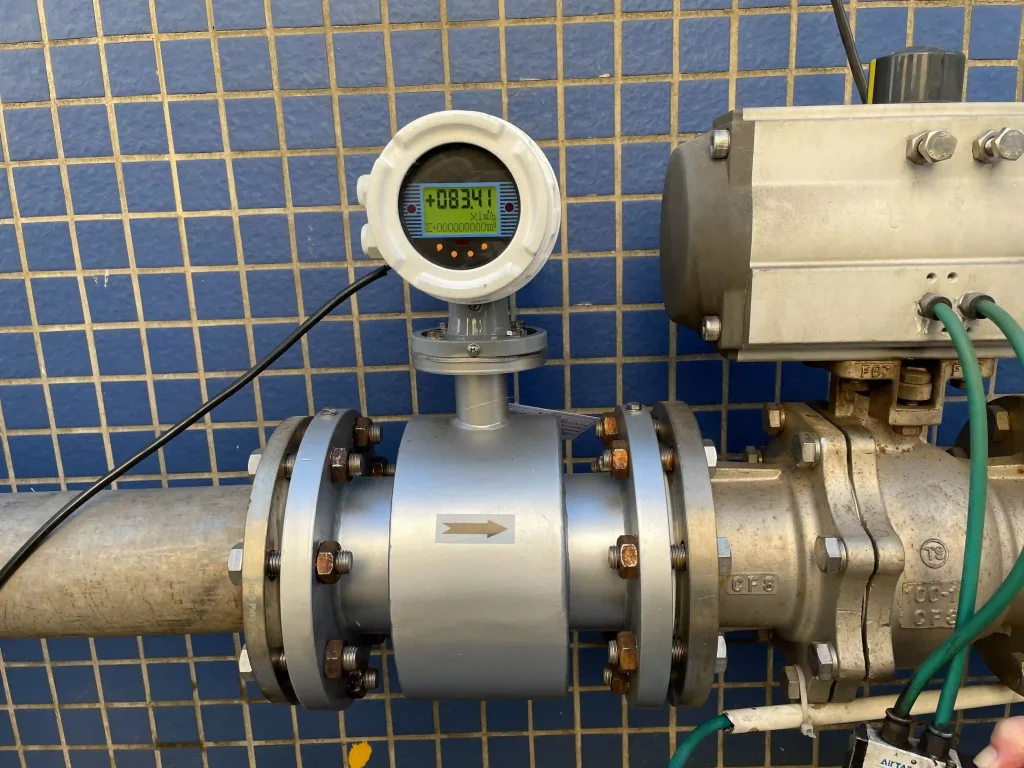
Electromagnetic Flowmeters vs. Vortex Flowmeters
Measurement principle:
Electromagnetic flow meters are based on Faraday’s law of electromagnetic induction and can only measure liquids with a certain level of electrical conductivity. Vortex flow meters rely on the Karman vortex street principle and do not require the medium to be conductive, enabling them to measure three types of media: liquids, gases and steam.
Suitability for Media:
Electromagnetic flow meters are suitable for conductive liquids such as sewage, acids and alkalis, mineral slurries and pulp; they are not suitable for oils, organic solvents, gases or steam.
Vortex flow meters are suitable for clean liquids, compressed air, natural gas, and saturated and superheated steam; they are not suitable for dirty media containing large amounts of solid particles, fibres or substances prone to scaling, and the signal is prone to failure at low flow rates.
Internal structure and pressure loss:
Electromagnetic flow meters have no obstructions within the measuring tube, so pressure loss is virtually negligible and they are not prone to blockages.
Vortex flow meters have a vortex generator installed inside the pipe, which results in a certain amount of pressure loss, and impurities can easily adhere to the generator, affecting the measurement signal.
Accuracy and measurement range:
Electromagnetic flow meters offer higher accuracy, typically ±0.5 per cent, with high-precision models achieving ±0.2 per cent; they have a wide turndown ratio and excellent measurement capability at low flow rates.
Vortex flow meters typically have an accuracy of ±1.0 per cent to ±1.5 per cent, with a turndown ratio generally ranging from 10:1 to 30:1; they are unable to provide stable measurements when the flow rate falls below the lower limit.
Straight pipe section requirements:
Electromagnetic flowmeters have relatively low straight pipe section requirements, generally 5D upstream and 2D downstream.
Vortex flowmeters have higher upstream straight pipe section requirements, typically 10D–15D upstream and 5D downstream, and pipe vibrations can significantly interfere with the vortex signal.
Temperature operating limitations:
Electromagnetic flowmeters are restricted by the lining material and are unsuitable for high-temperature steam.
Vortex flowmeters offer better high-temperature resistance and are the mainstream instruments for steam measurement, suitable for heating and power station steam applications.
Maintenance characteristics:
For electromagnetic flowmeters, maintenance focuses on the electrodes, which are prone to scaling and material build-up; electromagnetic interference can also affect measurements.
Vortex flowmeters have no moving parts and offer good mechanical reliability; maintenance primarily involves cleaning out volumetric fouling, with the main risks arising from vibration, bubbles and wet steam interference.
Selection Recommendations
1. When it comes to conductive liquids (like water, wastewater, acids/alkalis, slurries, etc.), go for electromagnetic flowmeters.
These are only effective for conductive liquids and not for non-conductive liquids, gases or steam. They’re great for dealing with contaminated, particulate, or corrosive media, and they’re super stable and resistant to interference, so they’re perfect for most industrial liquid flow applications.
2. If you’re looking to measure gases, steam or low-viscosity clean liquids, then we’d definitely recommend vortex flow meters.
These meters can measure gases, steam and liquids, so they’re pretty versatile. They’re great for clean, low-viscosity fluids like compressed air, nitrogen, natural gas, saturated steam, superheated steam, light oil, and pure water. They’re a popular choice for measuring gas or steam flow because they’re cheap and easy to install.
3. Where media contain substantial particulates, fibres, or exhibit adhesive or clogging tendencies, electromagnetic flowmeters are essential.
Vortex flowmeters’ vortex generators are prone to entanglement and blockage by debris, leading to measurement inaccuracies or damage. Electromagnetic flowmeters feature no protruding internal components, resisting clogging and material adhesion. They are thus better suited for harsh media such as slurries, pulp, sewage, and ore slurries.
4. Where operational conditions demand minimal pressure loss, electromagnetic flowmeters are the preferred choice.
They’ve got a full-bore, obstruction-free design, so they’ll keep the pressure where you need it. Vortex flowmeters, with their vortex-generating elements, cause some pressure loss. When it comes to low-pressure gases or large-diameter, low-pressure liquids, electromagnetic flowmeters are the way to go. They’re super energy efficient and stable.
5. For high-temperature, high-pressure applications—particularly steam and high-temperature gases—vortex flowmeters are the preferred selection.
Electromagnetic flowmeters face limitations in high-temperature resistance due to restrictions on lining and electrode materials. Vortex flowmeters can withstand higher temperatures and pressures, making them the mainstream choice for high-temperature steam and gases.
6. For low flow velocities and small liquid flows, electromagnetic flowmeters are the preferred choice.
They maintain stable measurement even at low velocities and have a lower lower limit. vortex flow meters have minimum velocity requirements; excessively low flow rates prevent stable vortex formation, leading to signal loss or significant fluctuations.
Cost-sensitive applications, smaller pipe diameters, and clean media favour vortex flow meters. For equivalent pipe sizes, vortex meters are typically more economical than electromagnetic ones, with simpler installation and maintenance, making them suitable for cost-sensitive, general-purpose applications with favourable media conditions.
7. If you need to measure fluids really accurately, for trade settlement, or in really disturbed environments, electromagnetic flowmeters are the best choice.
They’re super accurate, stable, and resistant to electromagnetic interference, making them perfect for applications where precision is key. Vortex flowmeters aren’t as accurate and can be more affected by vibration and pulsating flow, so they’re better for keeping an eye on processes.
Accuracy of Electromagnetic Flowmeters
The standard accuracy of electromagnetic flowmeters is ±0.5% FS; high-precision models can achieve ±0.2% FS. They feature a wide turndown ratio and good stability at low flow rates. Scaling, insufficient conductivity, and electromagnetic interference can reduce actual accuracy.
Accuracy of Vortex Flow Meters
The standard accuracy of vortex flow meters is ±1.0% to ±1.5% FS; optimized models achieve approximately ±0.75% FS, with a turndown ratio of 10:1 to 30:1. Low flow velocity, vibration, and the presence of bubbles can all compromise measurement accuracy.
Vortex Flow Meters vs. Mass Flow Meters
Principle: Vortex flow meters measure volumetric flow rate and require temperature and pressure compensation to calculate mass flow; Coriolis mass flow meters directly measure mass flow rate.
Media: Vortex flow meters are suitable for clean liquids, gases, and steam; mass flow meters are suitable for liquids and slurries but are not resistant to media containing large particles or highly abrasive substances.
Accuracy: Vortex flow meters have an accuracy of ±1.0% to ±1.5%; mass flow meters have an accuracy of ±0.2% to ±0.5%, offering higher precision.
Operating Conditions: Vortex flow meters are significantly affected by temperature, pressure, density, and vibration; mass flow meters are not affected by changes in density, but severe vibration can interfere with the signal.
Pressure Drop: Vortex flow meters have a certain amount of pressure drop; mass flow meters typically have a greater pressure drop.
Installation: Vortex flow meters have strict requirements for straight pipe runs; mass flow meters have more lenient requirements for straight pipe runs.
Cost: Vortex flow meters offer good value for money and are available in a full range of large diameters; mass flow meters are more expensive and are primarily used in high-precision billing applications.
Output: Vortex flow meters provide only volumetric flow rate; mass flow meters can simultaneously output mass, density, and temperature.
In industrial production, no detail is insignificant, and precise measurement is paramount. From adapting to operating conditions to selecting the right product, from installation and commissioning to after-sales maintenance, professional control at every stage is the core prerequisite for ensuring efficient, safe, and energy-saving production. Looking ahead, as intelligent manufacturing and digital factories advance, flow meters will play an increasingly vital role in more demanding conditions and complex scenarios.
Choosing a professional, reliable, and capable flow meter manufacturer is about more than just picking the right equipment; it’s about making sure your production is safe, efficient, and will pay off in the long run. Sion-Inst’s got a top-notch technical team and a full-on service system, so you’re covered every way. We’ll work together to get really good at what we do and start making top-notch products.