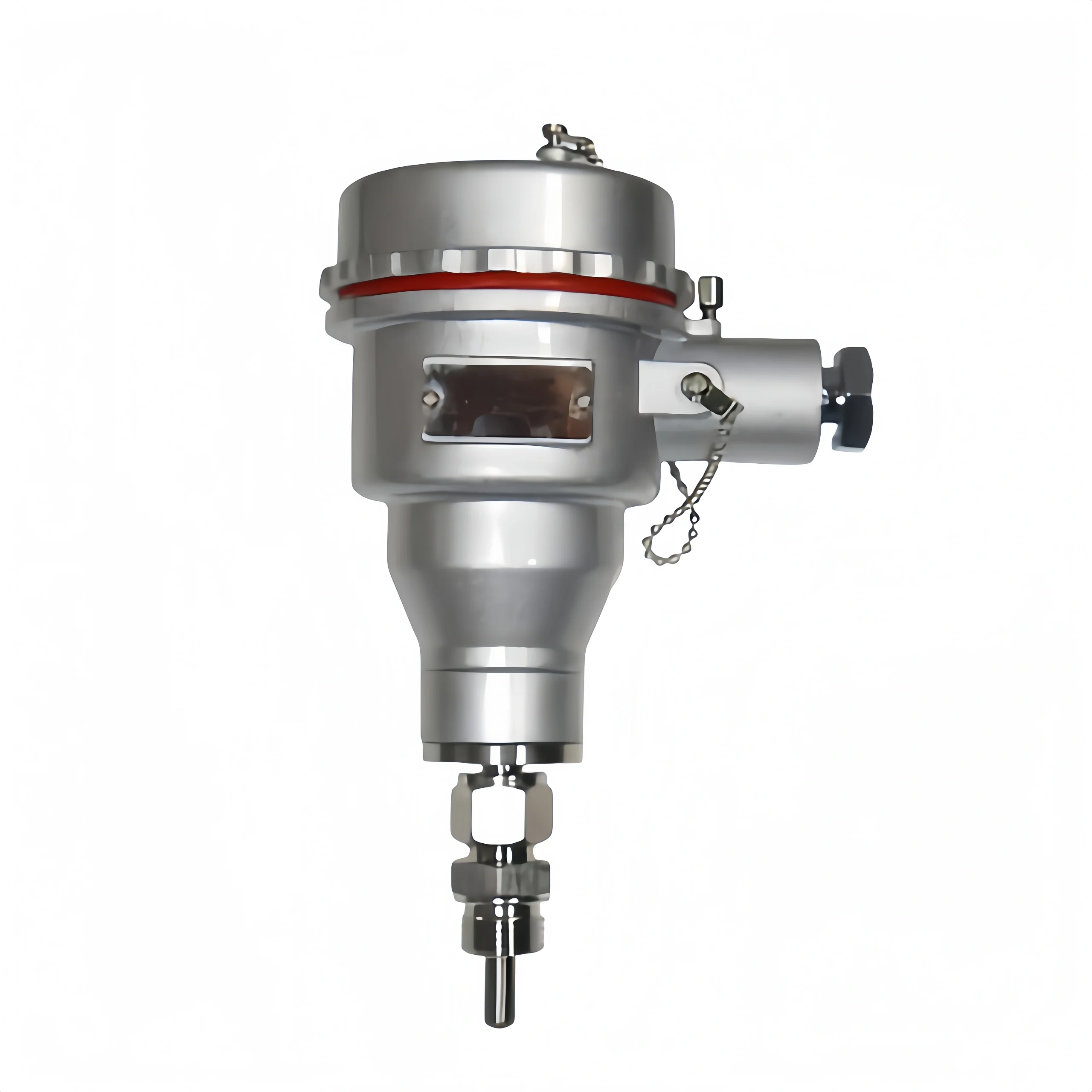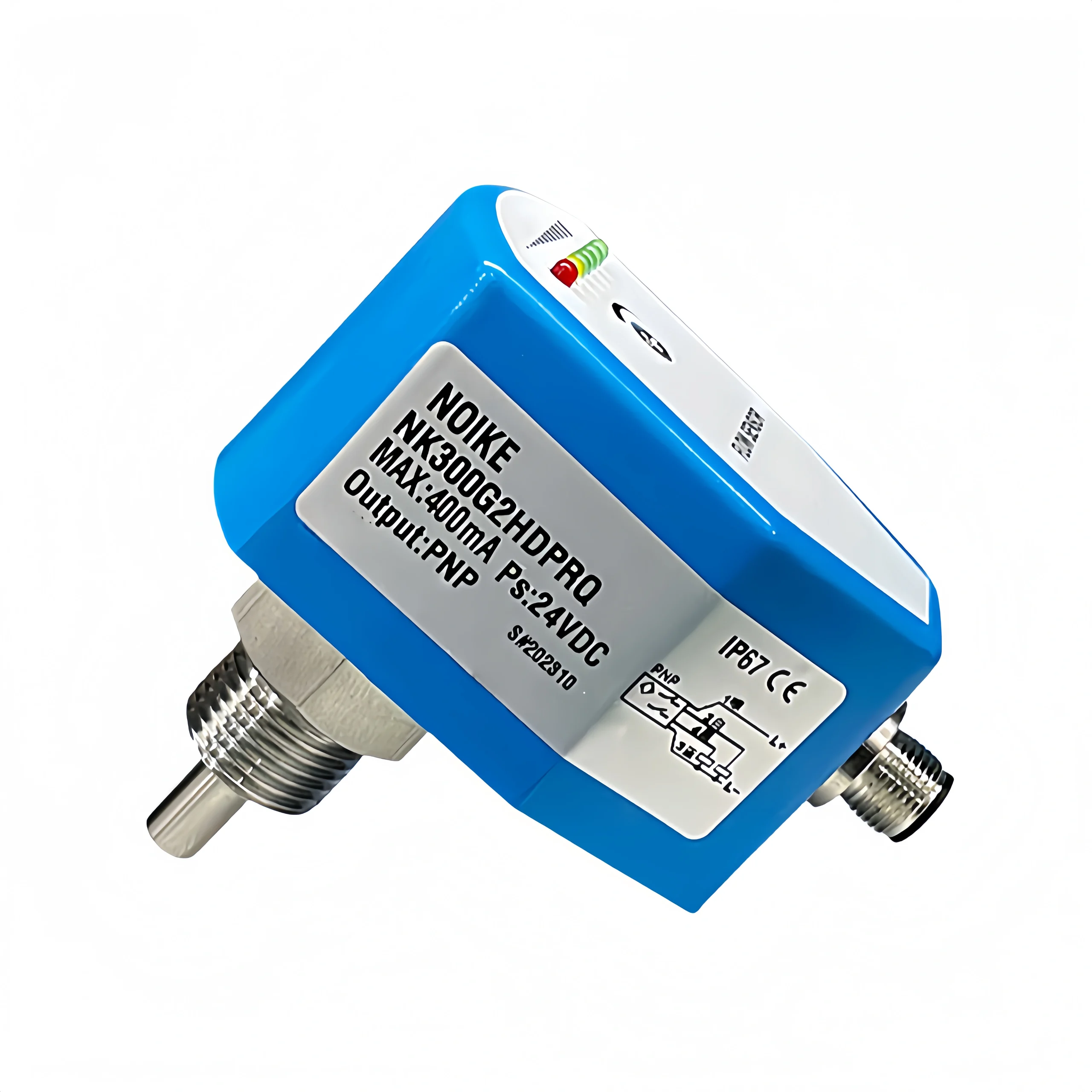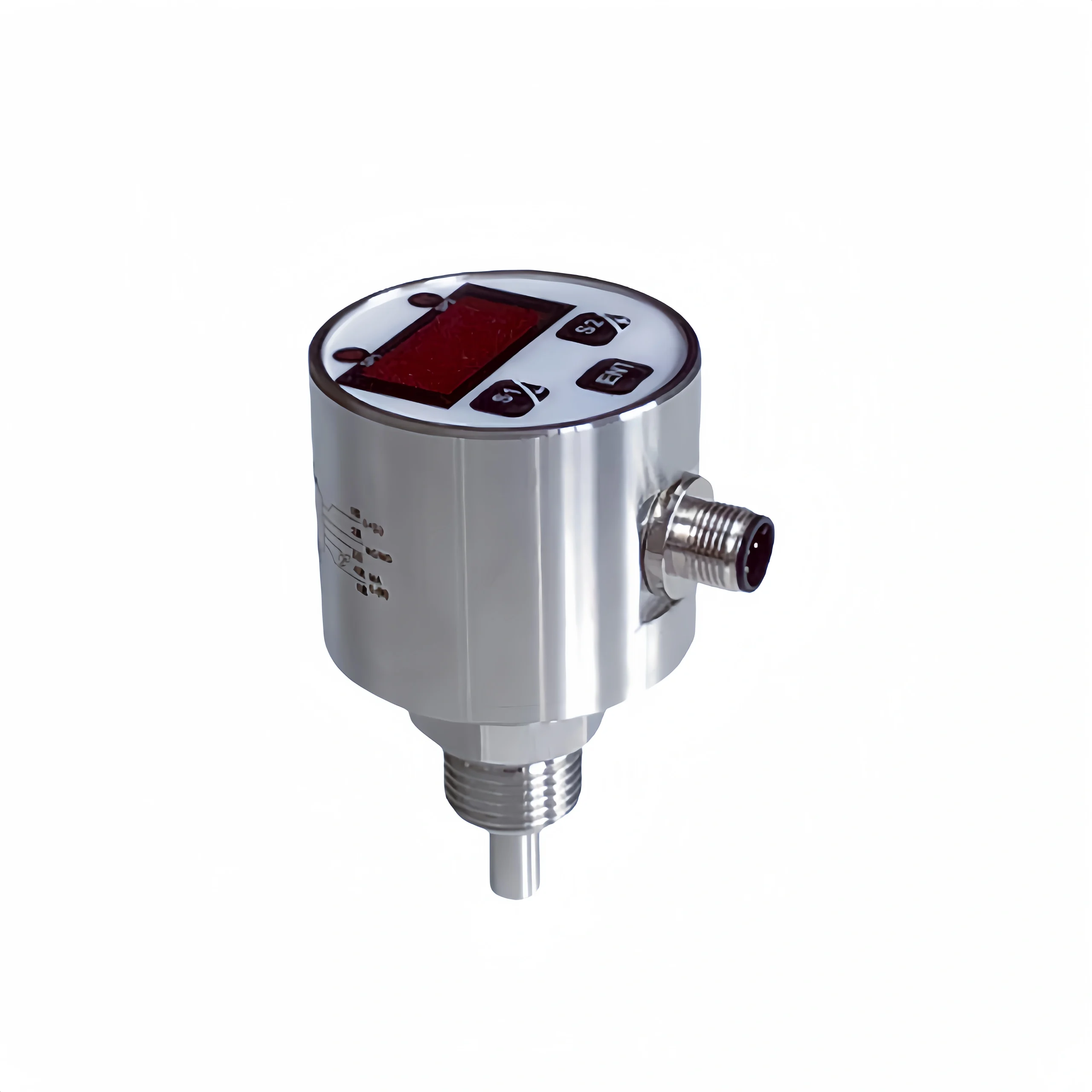
Monitoring fluid flow is critical to reliable operation of process systems. The paddle type flow switch is a mechanical flow sensing device with simple structure and high adaptability, widely used for pump protection and pipeline flow monitoring in applications such as cooling and water treatment.
What Is a Paddle Type Flow Switch?
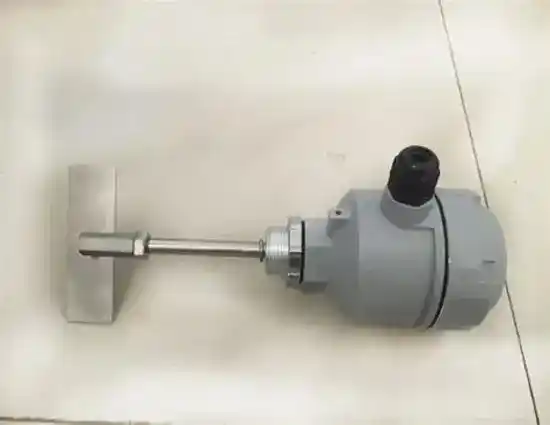
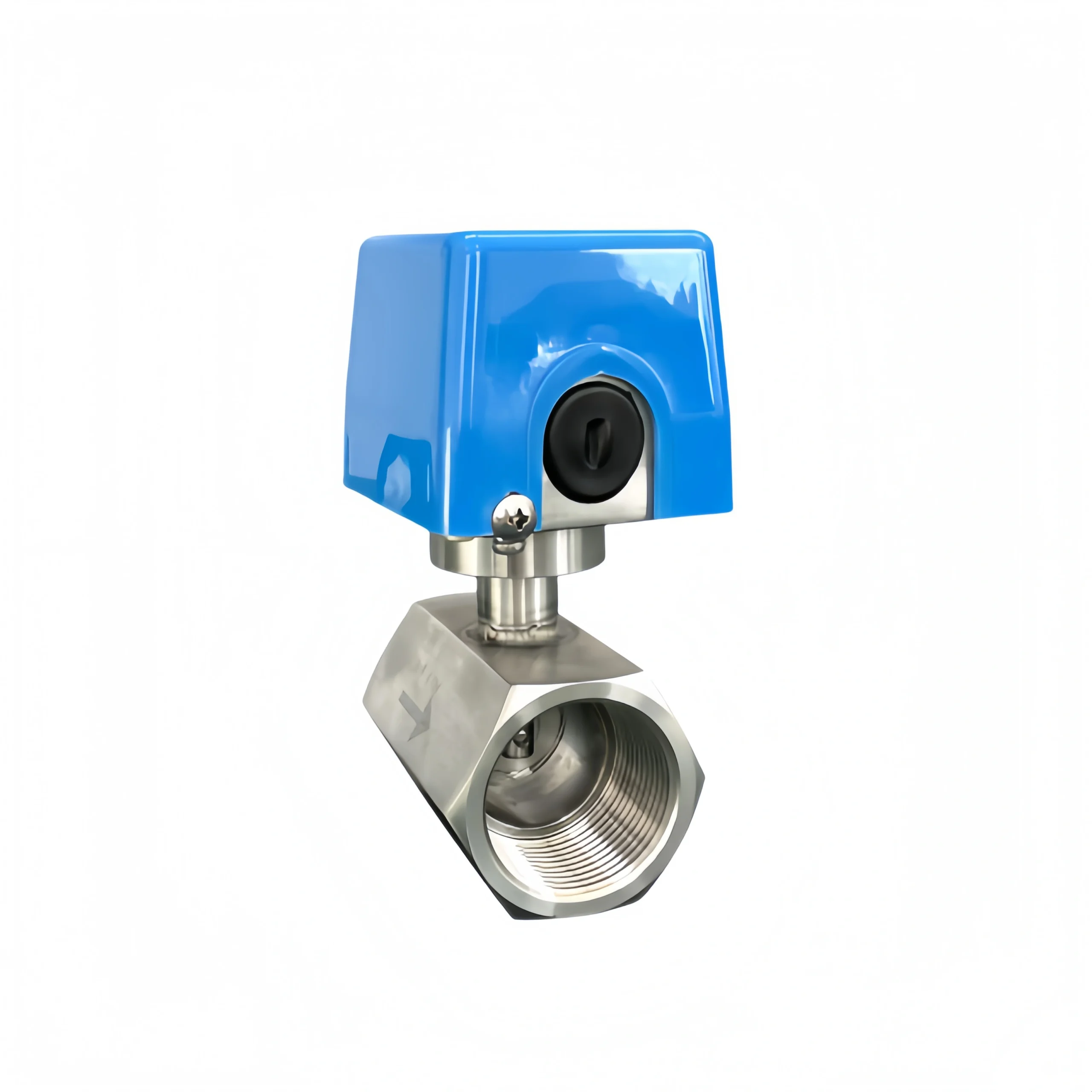
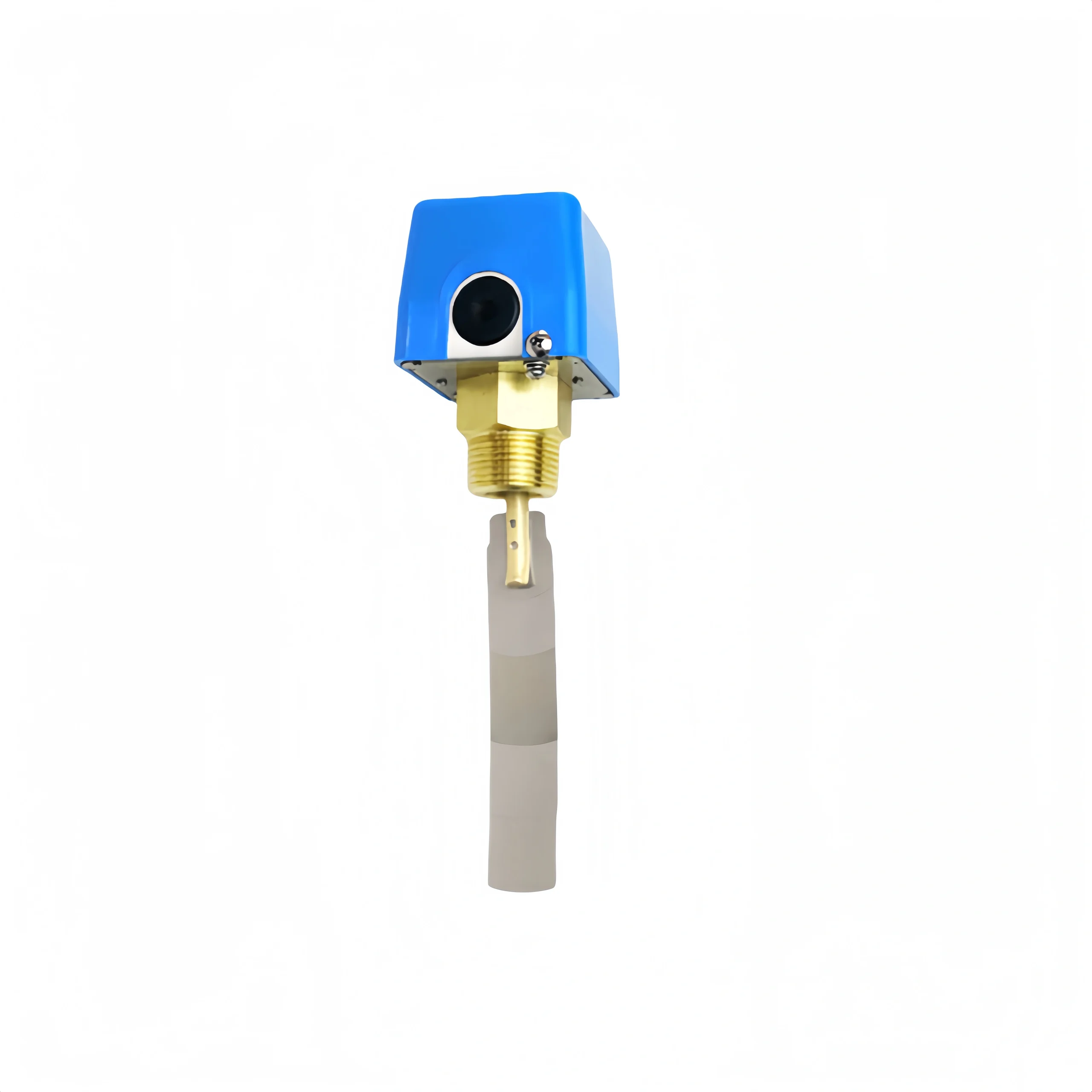
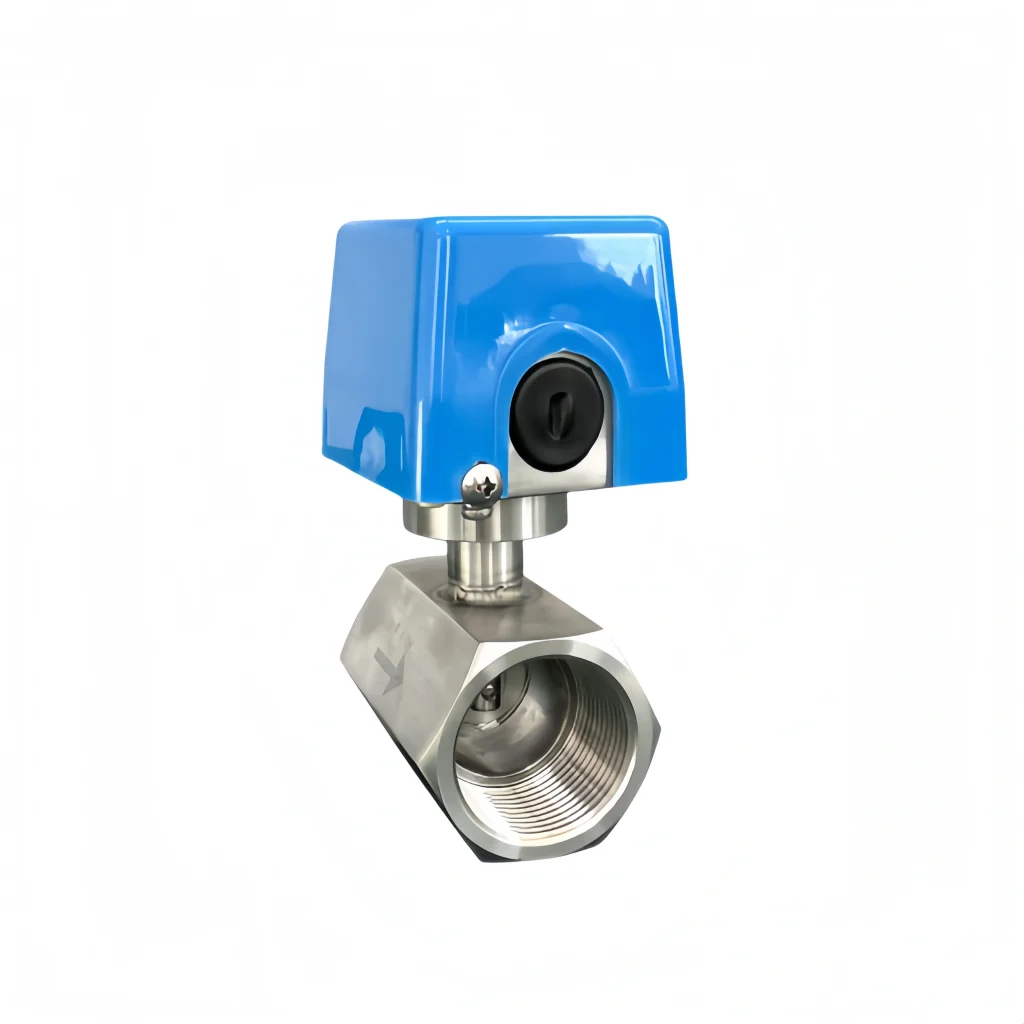
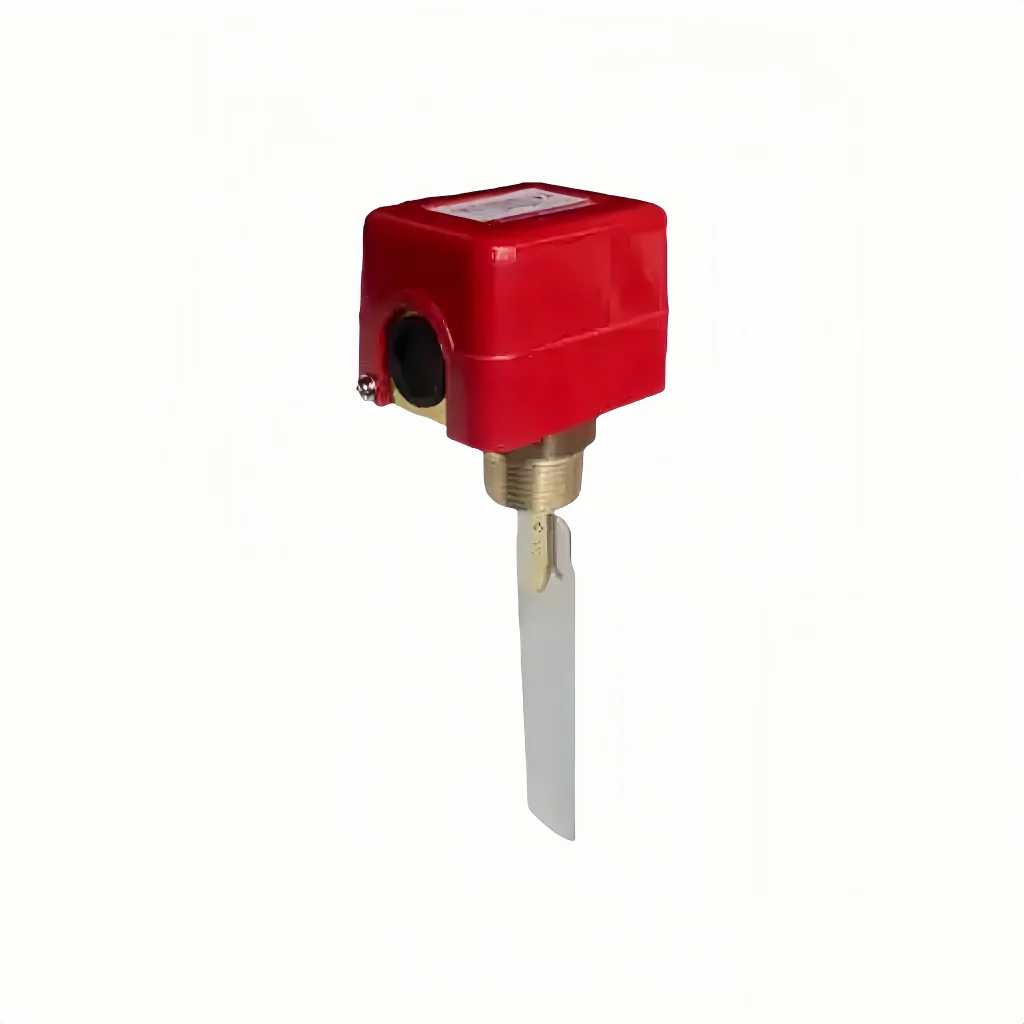
A mechanical flow sensing device is a paddle type flow switch. The fluid strikes the paddle inside the pipeline, moves the paddle and activates an internal microswitch to produce an on/off signal output.
It is used to detect if a medium is flowing through the pipeline and to verify if the flow rate is within specifications. Widely used in water and oil pipelines for flow monitoring, low flow protection and alarm interlocks.
Parts of a Paddle Type Flow Switch
Paddle: Projects into the pipeline to touch the process medium and absorb the impact of flowing fluid. This is the part which detects flow conditions.
Shaft and Sealing Assembly: Connects the paddle with the drive unit and prevents the process medium from leaking.
Transmission Mechanism: Converts the swinging of paddle to switch action.
Micro-switch: Used to output a signal. Once actuated it switches between on and off.
Housing: Encloses all internal components, provides mounting points for the pipeline and protects all internal assemblies.
Adjustment mechanism: Allows the user to set the flow point at which the switch trips.
Paddle Type Flow Switch Operating Principle
The paddle type flow switch operates on the principle of the force of the fluid on the paddle. The flow of the medium causes the paddle to be deflected, and the internal magnet triggers the reed switch to output the switching signal.
If the flow rate is insufficient, or the flow stops, the spring moves the paddle back to its original position, the magnet disengages and the signal resets. This method detects pipeline flow and can be adapted to various operating conditions.



Practical Applications of Paddle-Type Flow Switches
Water Supply and Drainage Systems
Commonly used for interlock protection of water pumps. When the water flow in the pipeline reaches the set value, the paddle is pushed, causing the switch to output a signal that confirms water flow in the pipeline, thereby preventing the pump from running dry and sustaining damage.
When water supply is interrupted, an alarm is triggered or the pump is shut down directly. These switches are widely used in municipal water pressure-boosting systems and circulating water supply pipelines.
Water Distribution Piping (HVAC)
Checks the flow status of chilled water and cooling water and used as the flow interlock condition for units.
Chiller units and heat pump hosts are only allowed to start when normal water flow is detected, thus preventing pipe freezing and overheating failures in heat exchangers caused by water shortages.
Suitable for central air-conditioning system, circulation network of industrial refrigeration system.
Water Fire Protection Systems
Monitors water flow in fire sprinkler and fire hydrant networks, giving real-time feedback on whether the medium is flowing in the pipes.
This assists in determining whether or not fire protection lines are being supplied with water and works in conjunction with fire control panels to report flow signals and cause interlock alerts. These sensors are typically installed on fire protection branch lines and loop lines.
Wastewater and Chemical Wastewater Pipelines
Monitors the flow status (on/off) of sewage and mildly corrosive wastewater to determine whether aeration and conveyance pipelines are delivering water normally.
Typically used in conjunction with corrosion-resistant impeller materials to provide early warnings of abnormal conditions such as pipeline blockages or pumps failing to draw water.
Small-Scale Process Fluid Conveyance Pipelines
Suitable for low-viscosity liquids, such as cutting fluids, cleaning solutions, and diluted chemical solutions.
These sensors provide on/off flow signals to automated equipment, controlling the start/stop of cleaning machines and machine tool cooling systems, as well as triggering fault alarms.
Hot Water Boilers and Thermal Oil Auxiliary Circuits
Monitors flow in boiler makeup water and circulating water pipes, rapidly issuing a signal when flow is interrupted.
This serves as a safety measure to prevent the risk of high-temperature dry burning caused by water shortage and is commonly used in small-scale, atmospheric-pressure hot water systems.
Irrigation and Sprinkler Networks
In automated irrigation piping systems for agriculture and landscaping, these devices detect whether irrigation water is flowing normally, identify pipe ruptures, valve malfunctions, or blockages causing water loss, and trigger the control of irrigation solenoid valves and remote alarms.
Advantages of Paddle-Type Flow Switches
1. Simple and reliable structure with no complex internal electronic sensing components; low failure rate; capable of withstanding a certain level of impurities in the medium, making them suitable for relatively harsh field conditions.
2. Simple installation and upkeep. It attaches straight to piping using threads or flanges. No complicated calibration steps are needed, and parts can be repaired or swapped out quickly.
3. Good cost performance. It costs less upfront than solenoid-type and turbine flow meters. It works well for scenarios where you only need to check flow presence instead of taking high-precision readings.
4. Compatible with many types of media. It handles water, oil and some weakly corrosive liquids. Stainless steel wetted parts, anti-corrosion options and explosion-proof models can be selected to match site conditions.
5. It delivers digital output signals. The signal can feed directly into PLC units, alarm hardware and interlock loops. Signal matching is straightforward, and interlock control is easy to set up.
6. Small shifts in medium temperature or pressure will not interfere with its operation. The unit trips once flow hits the set threshold, so it fits safety protection tasks for flow loss monitoring.
7. It takes up little space inside the pipe. It creates very little pressure loss and will not add much extra resistance to the circulating system.
Drawbacks of Paddle Type Flow Switches
1. They depend on moving mechanical parts. These parts wear down with use . This reduces their life span and increases the likelihood of operational failures.
2. The paddle is easily caught on debris and fibrous materials in the medium. Build-up and blockages can happen, and this often results in false alarm signals.
3. The unit has pressure drop within the line, so it is not ideal for low pressure and low flow setups. Flow too low and readings become unstable.
4. It doesn’t work well with highly viscous fluids. Flow pulsation and water hammer effects make the signal jump around, degrading the overall stability.
5. It only provides simple on-off output and cannot deliver numerical flow value readings. Functionality is limited, and regular maintenance demands are relatively high.
Add Your Heading Text Here
- Preferably install in a horizontal straight pipe section, avoiding the bottom of the pipe; when installing in a vertical pipe, ensure the medium flows from bottom to top to prevent interference from gravity.
- Reserve a straight pipe section of ≥5 pipe diameters upstream and ≥3 pipe diameters downstream, and keep the device away from flow-disturbing locations such as elbows, valves, and pump inlets.
- The flow direction arrow on the housing must point in the same direction as the flow of medium and the paddle must be positioned at right angles to the flow direction, so that the fluid strikes the paddle.
- Cut the vanes to match the pipe diameter, leaving a 3–5 mm gap between the vanes and the pipe wall to ensure smooth oscillation without jamming.
- For threaded models, seal with PTFE tape and tighten moderately. For flanged models, tighten the bolts diagonally and evenly, and install the gaskets properly.
- Before installation, depressurize and drain the pipeline, and remove welding slag and debris; this device is not suitable for media containing large amounts of fibers or large particles.
- Wire per terminal markings noting normally open and normally closed contacts. For explosion proof models follow explosion proof wiring requirements and ensure proper sealing.
- After installation, slowly fill the pipe with fluid and bleed air. Commission with the pipe completely filled to check reliable flow-activated on/off function.
- Allow sufficient space for maintenance to facilitate future disassembly, cleaning, and recalibration of flow values.
Paddle-Type Flow Switch vs. Thermal Diffusion Flow Switch
Working Principle
The paddle flow switch works mechanically. Fluid hitting the internal paddle pushes it to swing, and this movement actuates the microswitch through a linked drive assembly.
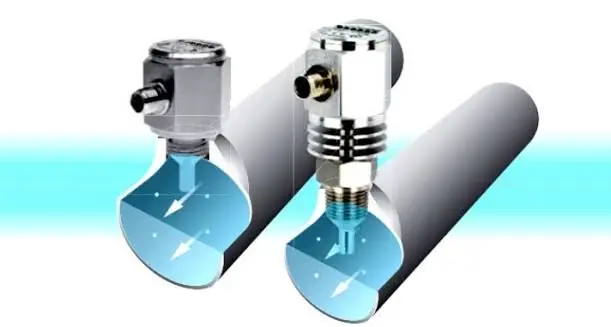
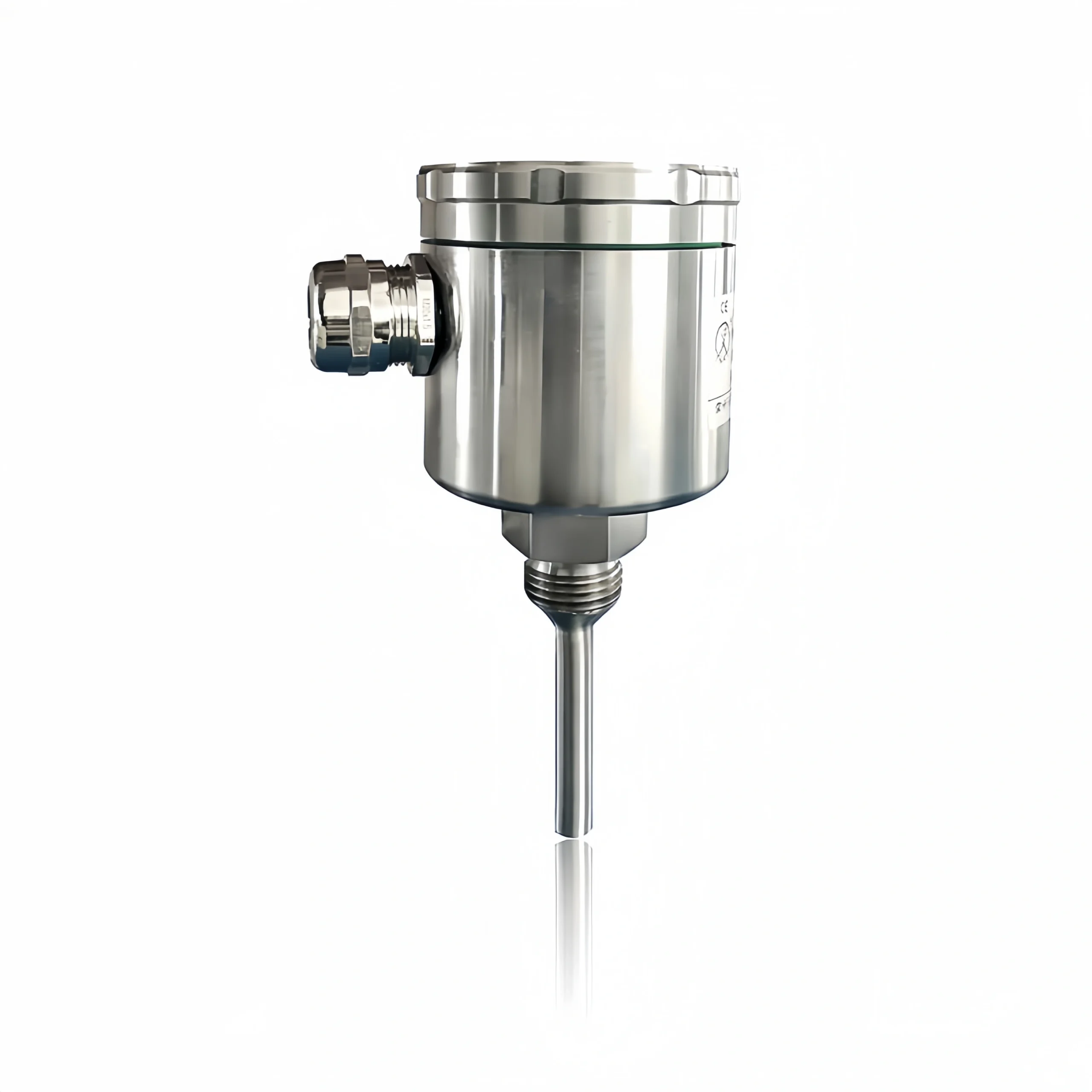
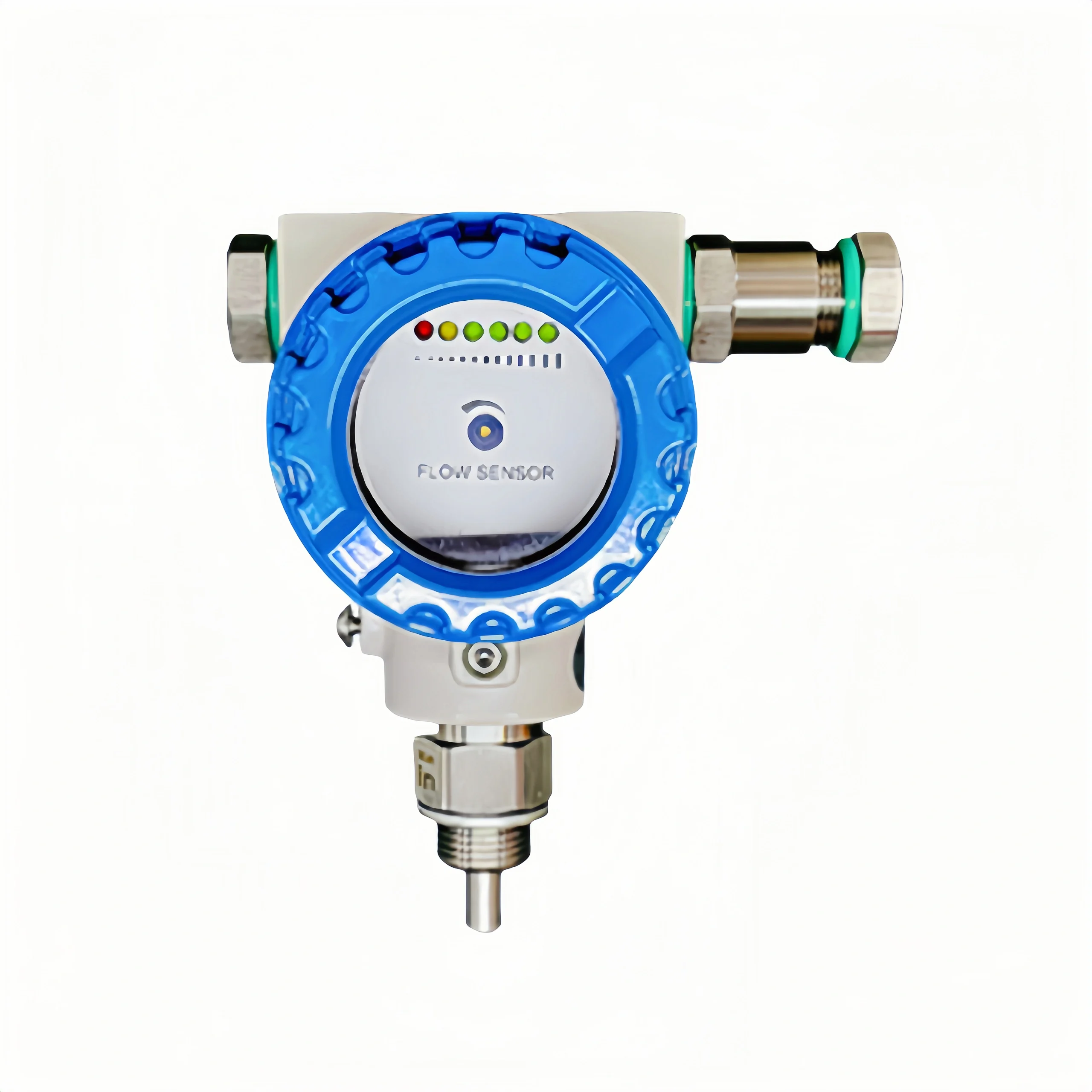
The thermal dispersion flow switch is an electronic design. Its probe has heating and temperature sensing components. It senses flow conditions by detecting the temperature changes as the flowing medium removes heat. There are no moving mechanical parts inside.
Moving Parts and Service Life
Paddle flow switches come with moving assemblies including paddles and shafts. Continuous scouring by the medium causes wear and possible sticking. Impurities and fibrous matter also tend to wrap around the paddle, so routine servicing is necessary.
Thermal dispersion flow switches have no internal moving parts. There is no chance of wear or clogging. They need almost no upkeep over extended use and offer a longer working lifespan.
Detection Sensitivity and Low-Flow Capability
Paddle flow switches deliver average sensitivity. They cannot pick up very low flow and have a fixed minimum flow value for proper operation.
Thermal diffusion flowmeters have higher sensitivity and could measure very small flow rates, and are suited for low flow monitoring. They have great advantages in gas detection.
Pressure Loss
Paddle-type flowmeters create some pressure loss due to the blades obstructing the flow path; this must be evaluated when selecting models for low-pressure pipelines.
With thermal diffusion, only the probe extends into the pipe, resulting in minimal flow resistance; pressure loss is essentially negligible.
Range of Compatible Media
Paddle-type sensors are primarily used for clean liquids; they are prone to failure when used with high-viscosity media or those containing large amounts of fibrous impurities, and their suitability for gas applications is generally limited.
Thermal diffusion sensors can measure both liquids and gases; probes can be made of corrosion-resistant materials such as 316L or PTFE, making them suitable for a wide range of fluids, including corrosive media, compressed air, and cooling oil.
Power Supply and Signal Characteristics
Most paddle-type sensors feature passive contact output, requiring no power supply. On-site wiring is simple, and they are insensitive to changes in medium temperature and physical properties.
Thermal diffusion sensors require a power supply; their signals are affected by the medium’s thermal conductivity and sudden temperature changes. After changing the medium, the setpoint generally needs to be recalibrated.
Installation Requirements
Paddle-type sensors have specific installation orientation requirements; many models are best installed horizontally, and the paddle length must be cut to fit the pipe diameter.
Thermal diffusion sensors have fewer installation orientation restrictions and can be used in both horizontal and vertical pipes. Their insertion-type installation is flexible, and explosion-proof models are available, making them suitable for hazardous areas.
Cost
Paddle-type sensors have a lower purchase price and are suitable for large-diameter clean water systems with limited budgets.
Thermal diffusion sensors have a higher initial purchase cost but offer advantages in long-term projects due to their low maintenance costs.
Typical Applications
Paddle-type sensors are commonly used in large-diameter clean water applications such as central air conditioning chilled water, cooling water, water supply and drainage, and pump protection.
Thermal diffusion sensors are frequently used for compressed air, lubrication oil circuits, chemical media, low-flow monitoring, explosion-proof environments, and long-term unattended equipment protection.
Sino-Inst provides a full range of paddle type and thermal diffusion flow switches to meet the requirements for flow presence detection of various piping systems such as water supply and drainage, HVAC and chemical processing.
Our mature sensor product line including level transmitters, flow meters, pressure transmitters and temperature sensors can provide you a stable and reliable flow interlock protection system. Need help choosing a product? Contact us.