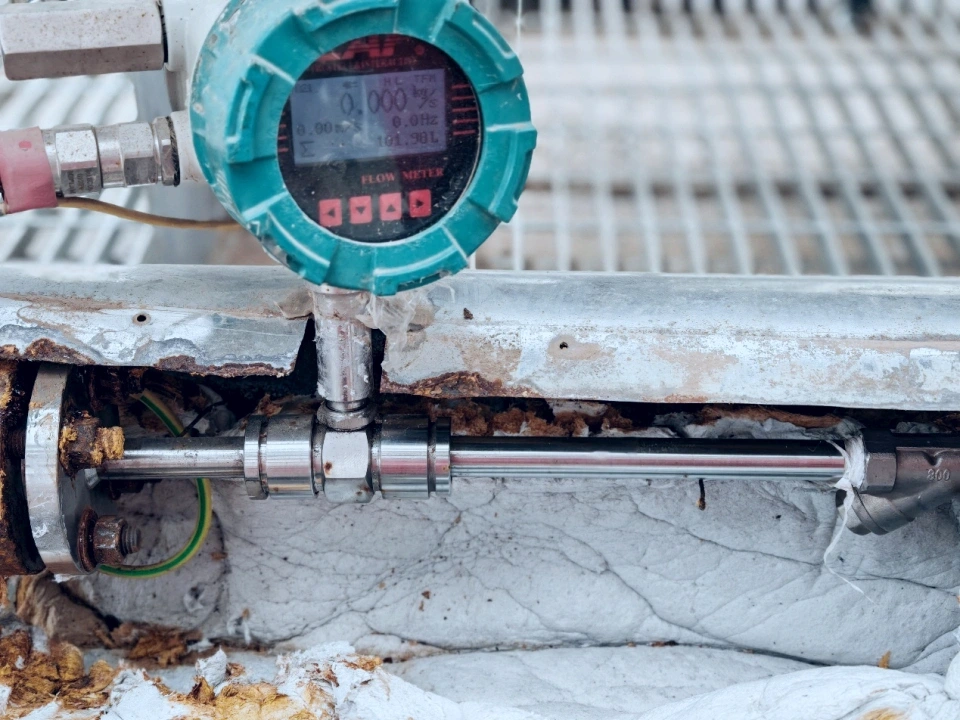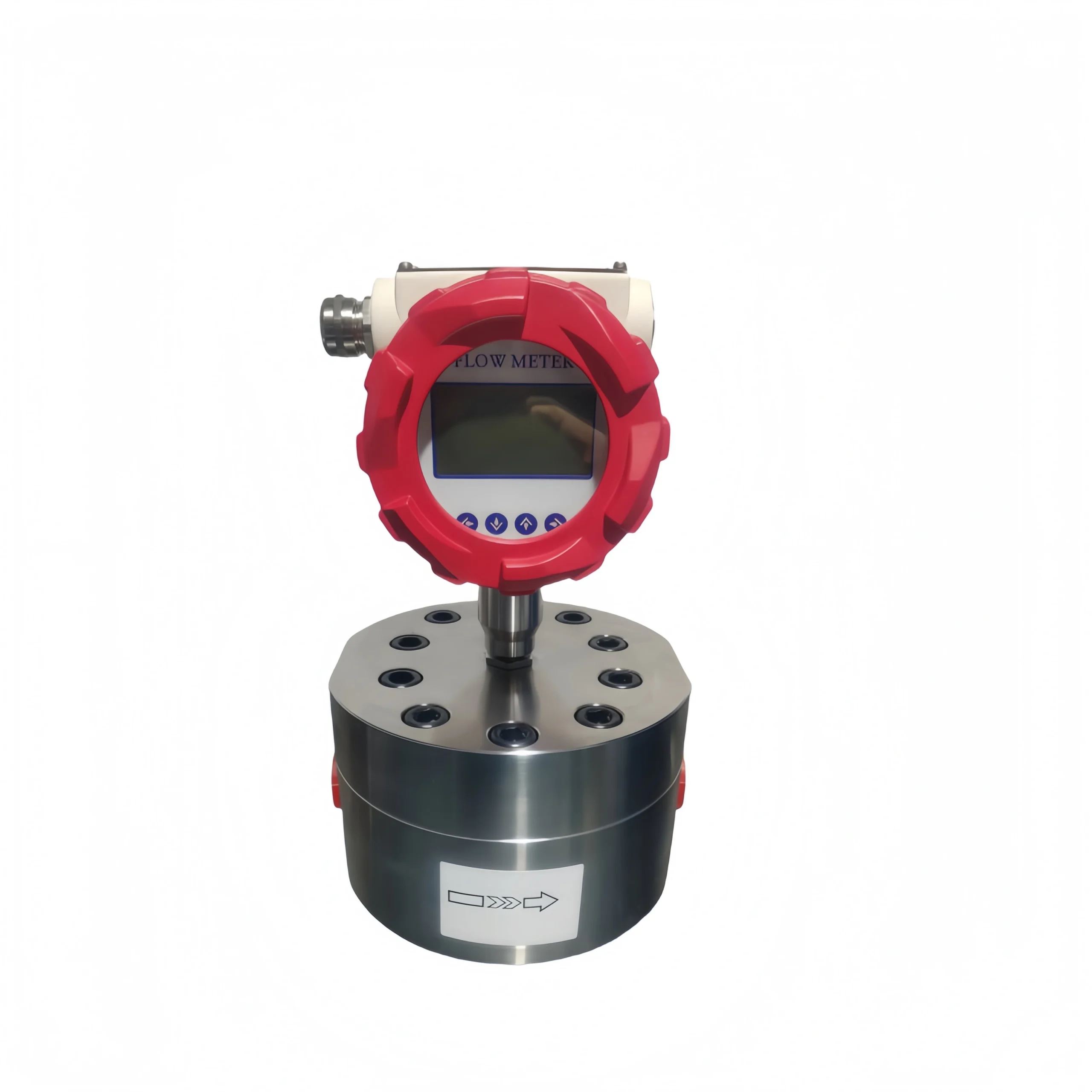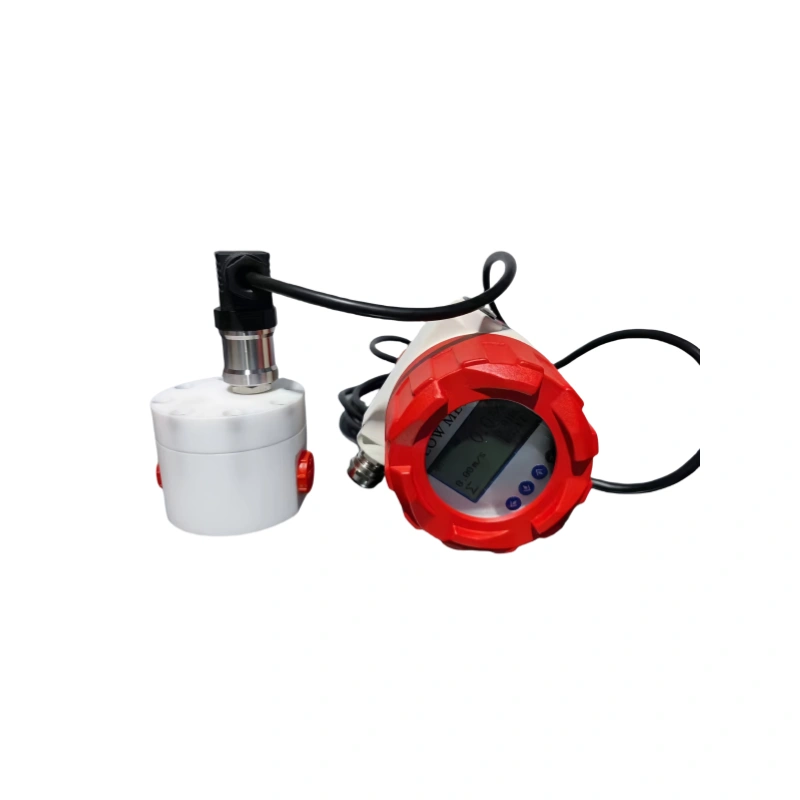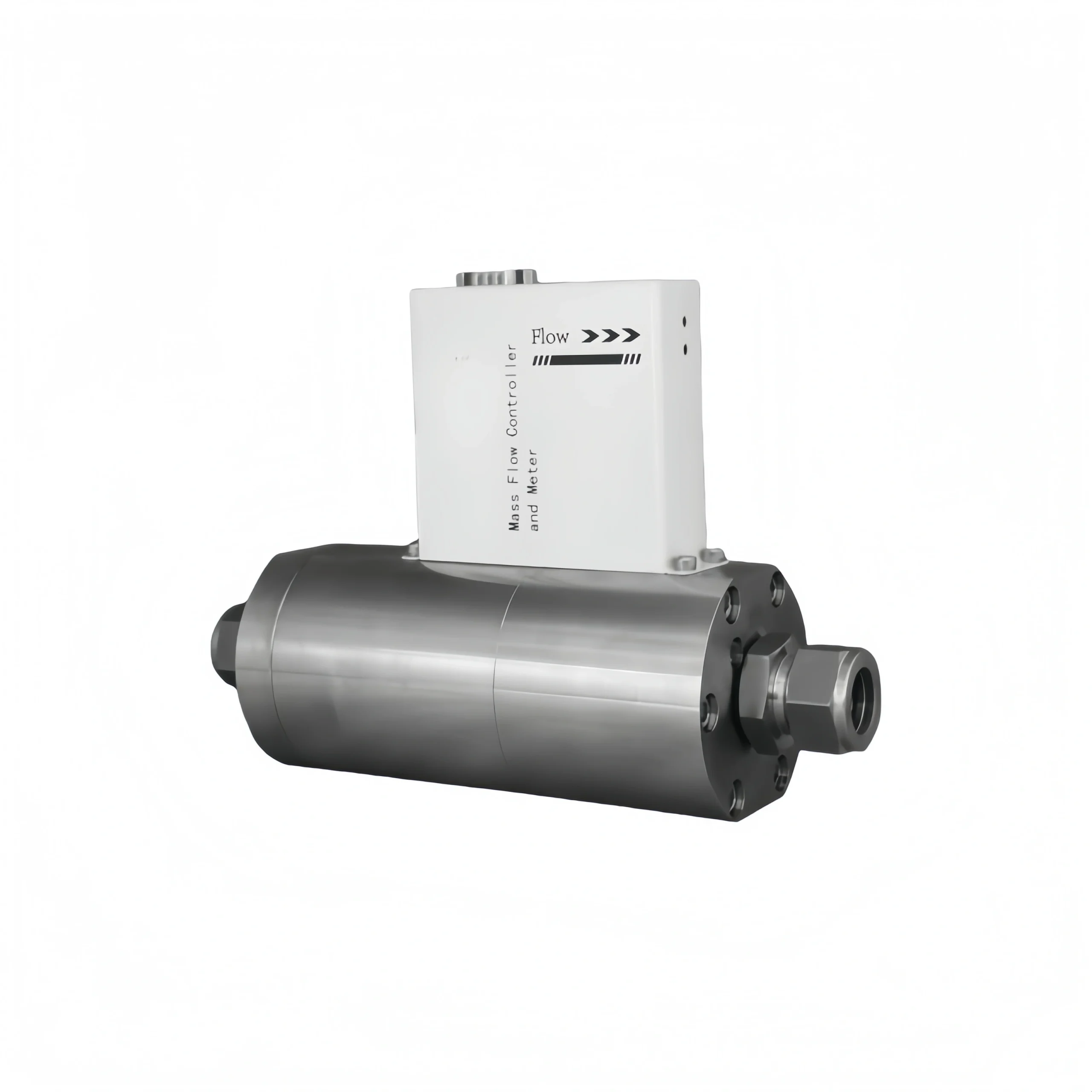
In sectors like fine chemicals, water treatment and precision manufacturing, even small deviations in minute flow rates can disturb process stability. Standard flow meters often lose reliability under low flow conditions, where readings may drift or become erratic; by contrast, low flow meters are widely valued in these niche applications for their accuracy and flexibility, helping plants improve both product quality and operating efficiency.
What Is a Low Flow Meter?
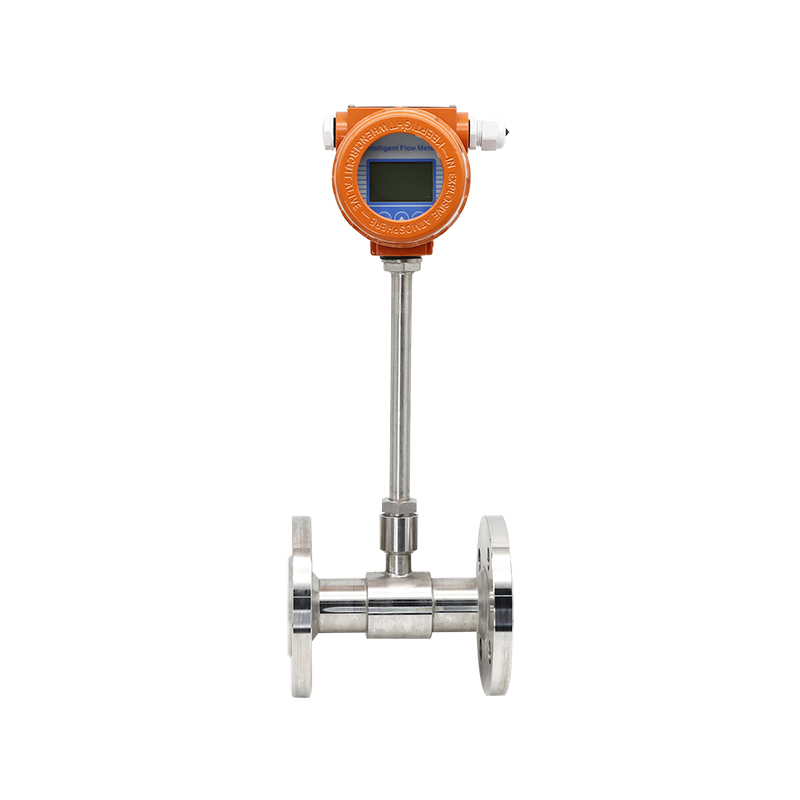
A low-flow meter is an instrument specifically designed to measure minute fluid flows, capable of detecting trace amounts of liquids or gases that conventional flow meters cannot capture.
It is commonly used in scenarios such as reagent dosing, laboratory equipment and biopharmaceutical solution preparation, and includes types such as Coriolis and thermal meters.
It features a compact flow path and high sensitivity, but is sensitive to the cleanliness of the medium and fluctuations in operating conditions; selection must therefore take into account the medium, measurement range and accuracy requirements.
Common low flow applicationsYour Heading Text Here
Micro-dose chemical addition: Water treatment; catalyst and flocculant dosing in chemical reactors; continuous delivery of small flow rates; some media are corrosive, and high measurement accuracy is required.
R&D pilot-scale pipelines: New materials and chemical testing facilities; low flow rates through fine tubing; operating conditions can be flexibly adjusted; intermittent start-up and shutdown occur.
Micro-volume gas sampling: Taking and monitoring samples of flue gas and process exhaust; flows are extremely low, pressure swings are noticeable, and dust or moisture in the stream can easily cause blockages.
Sanitary-grade liquid transfer: Moving biopharmaceutical solutions and buffers; runs at low flow, the piping must have no dead zones, and entrained air bubbles tend to disturb the readings.
Small-scale heating and cooling circulation loops: Cooling-oil circuits for precision equipment and small heat-transfer-oil loops; flow rates stay fairly low, and the fluid viscosity changes with temperature.
Venting and bypass sampling: Tank venting lines and crude-oil bypass sampling; under normal operation the flow is almost negligible, with leaks picked up through very small changes in flow.
Challenges in Low Flow Measurement
1. When the flow rate is low, the fluid moves slowly and the flow is mostly laminar; this makes the flow field rather unstable, so the detection signal tends to fluctuate noticeably and stable data are hard to obtain.
2. Every flowmeter has a minimum measurable limit; below this range its sensitivity is no longer adequate, meaning small changes in flow can barely be distinguished and the readings become noticeably inaccurate.
3. At very low velocities, impurities tend to settle out and air bubbles tend to stay in the line; both can disturb the sensing elements and often push the instrument’s zero point off over time.
4. Small leaks in the pipework and slight pressure variations matter far more in low-flow situations, and they can easily push the measured values well off the true reading.
5. Flow disturbances left behind by bends, valves and other fittings die out slowly at low velocities, so the flow no longer meets the standard conditions the measurement is based on.
6. Low-flow signals are weak; zero-point shifts caused by factors such as temperature and equipment ageing can easily mask the true flow signal.
7. The effect of fluid viscosity becomes pronounced at low flow velocities; fluctuations in viscosity can alter the flowmeter’s calibration accuracy and reduce measurement precision.
Common low flow meters
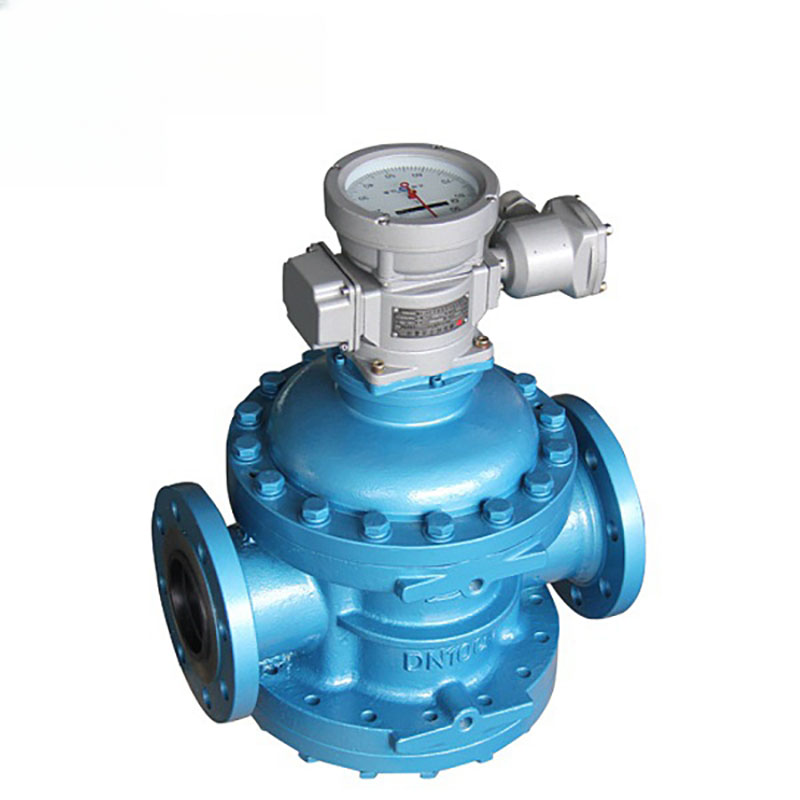
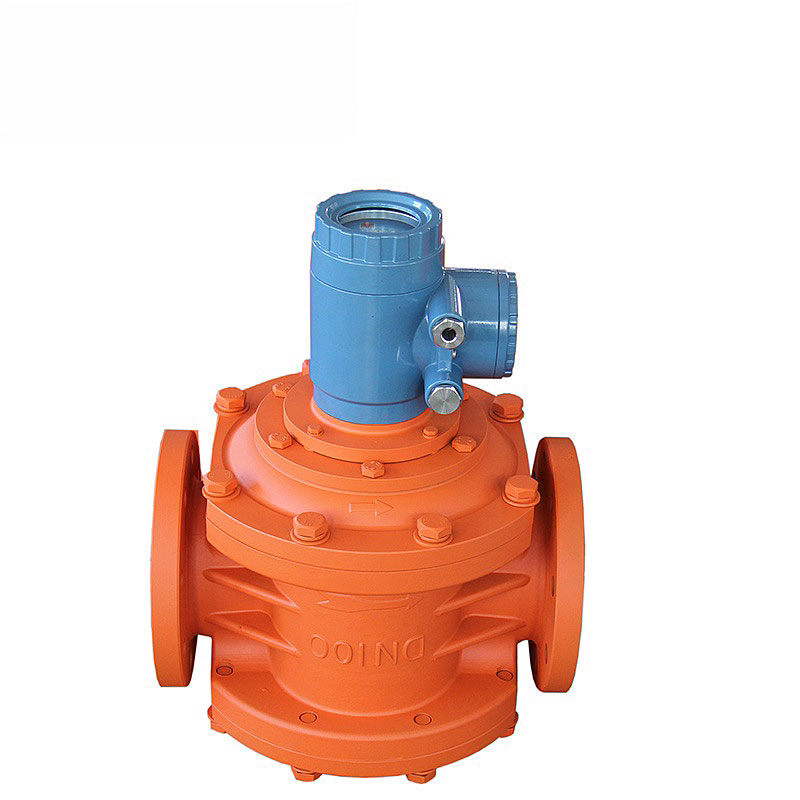
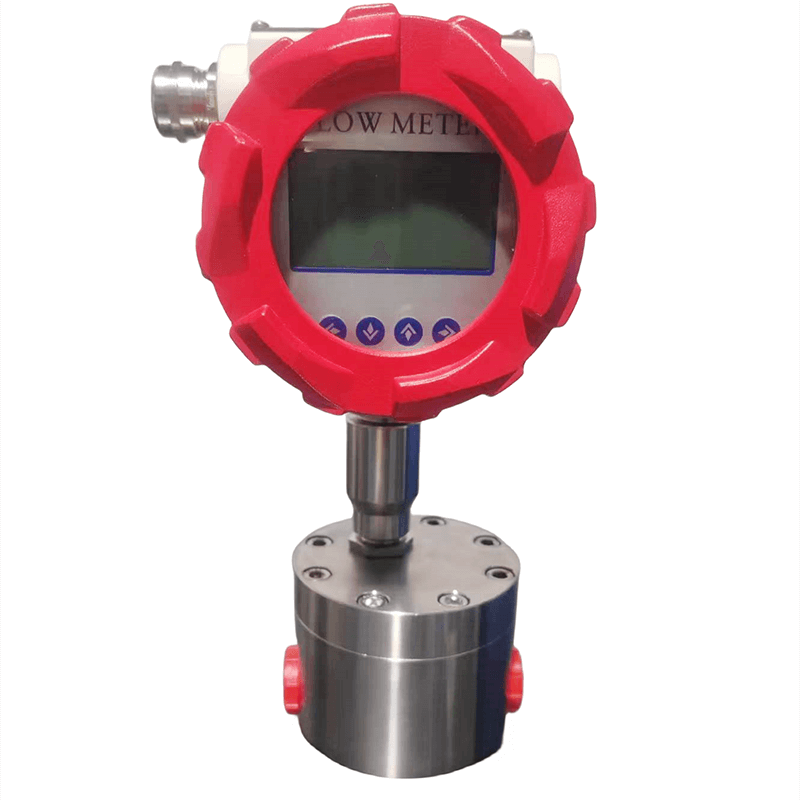
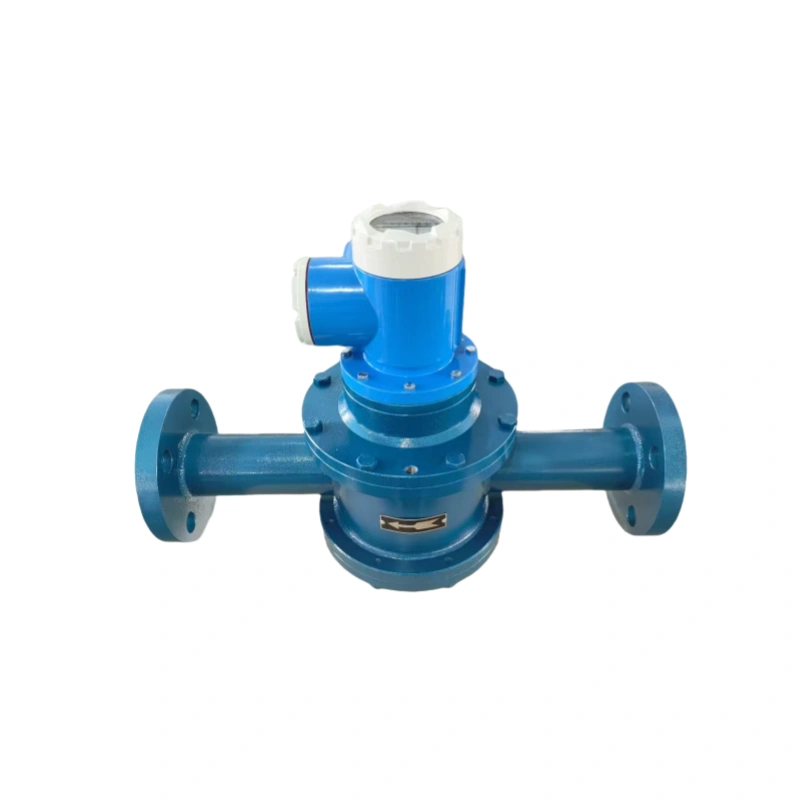
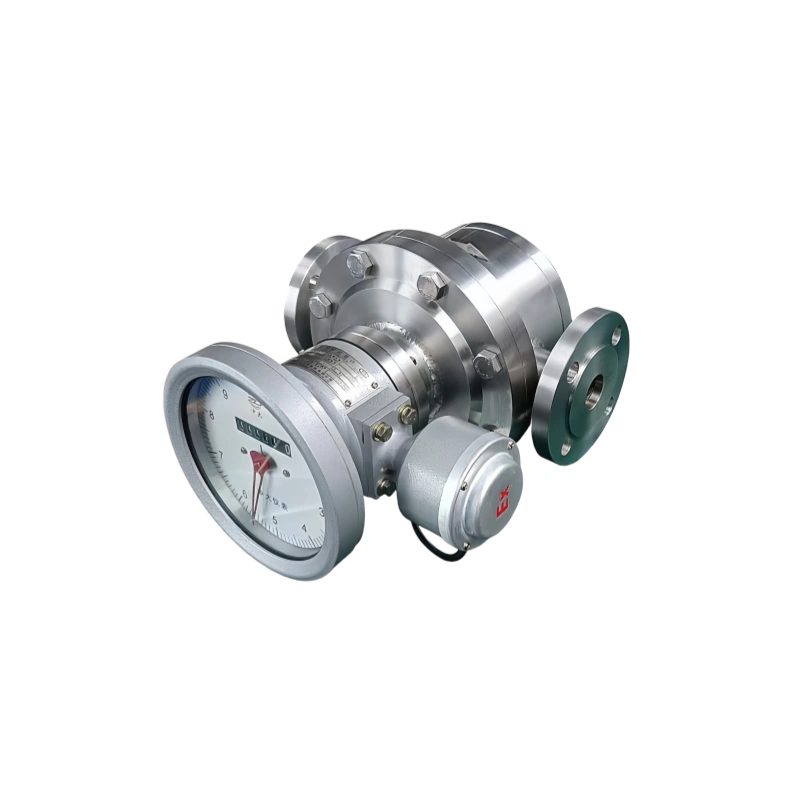
Positive-displacement gear flow metres
Principle of operation
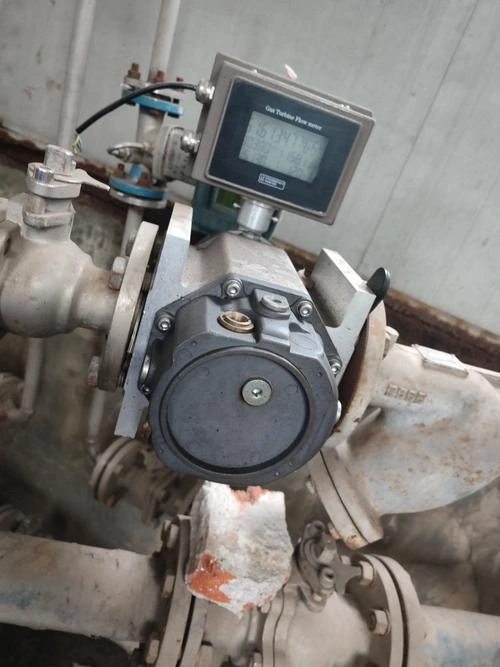
The medium flows into the flow metre chamber, driving a pair of precision-meshed gears to rotate alternately; with each revolution of the gears, a fixed volume of fluid is discharged.
By capturing the pulse signals generated by the rotation of the gears and counting the number of revolutions per unit time, the volumetric flow rate of the fluid can be calculated.
The micro-gear structure is capable of capturing rotational signals at extremely low flow rates, making it suitable for measuring minute volumes of medium.
Advantages
1. High measurement accuracy with good repeatability in the low-flow range; measurement is unaffected by changes in the medium’s laminar or turbulent flow conditions.
2. Strong adaptability to high-viscosity fluids; performs stably in micro-delivery applications involving viscous media such as lubricating oils and resins.
3. Installation requires no upstream or downstream straight pipe sections; takes up minimal space and is suitable for filling applications in confined internal piping systems.
4. Direct measurement of volumetric flow rate; minor fluctuations in temperature and pressure do not significantly interfere with measurement results.
5. Low lower measurement limit, enabling stable monitoring of drip-feed and continuous low-dose fluid delivery.
Disadvantages
1. Contains moving gear components; when the medium contains solid impurities, wear or even jamming may occur, requiring the medium to be clean.
2. Air bubbles in the fluid can cause the gears to run idle, resulting in significant measurement errors.
3. Pressure loss is relatively high; if the pressure in the pipeline is too low, the gears cannot be driven normally and the instrument will fail.
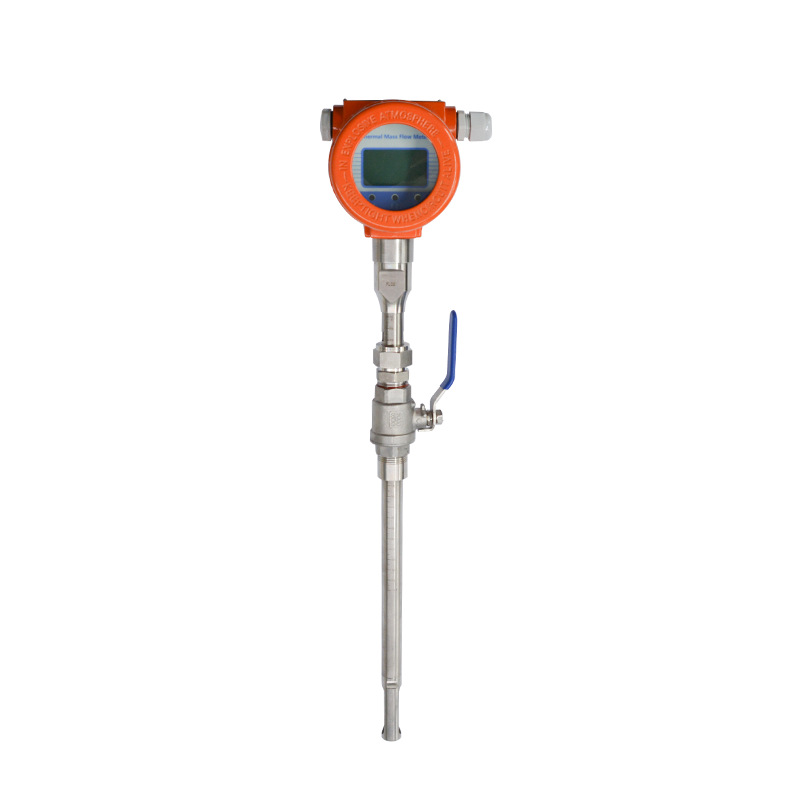
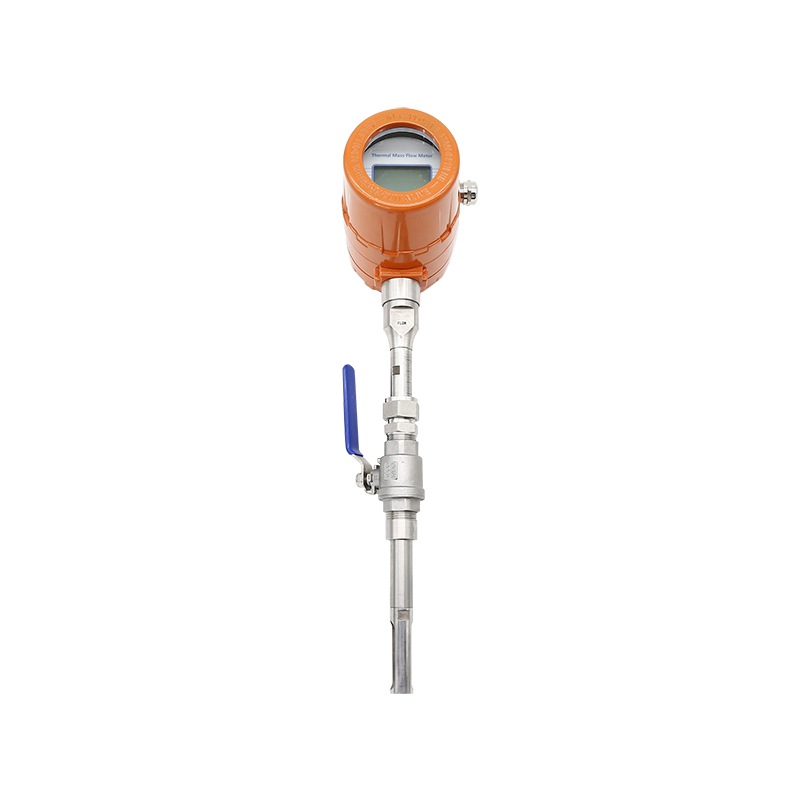
Thermal Mass Flow Meter
Principle of Operation
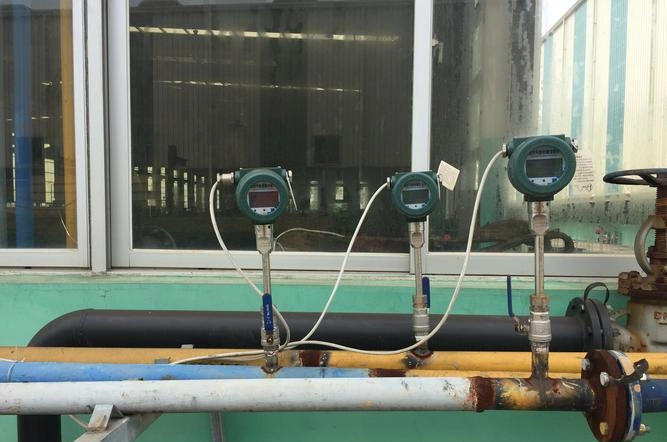
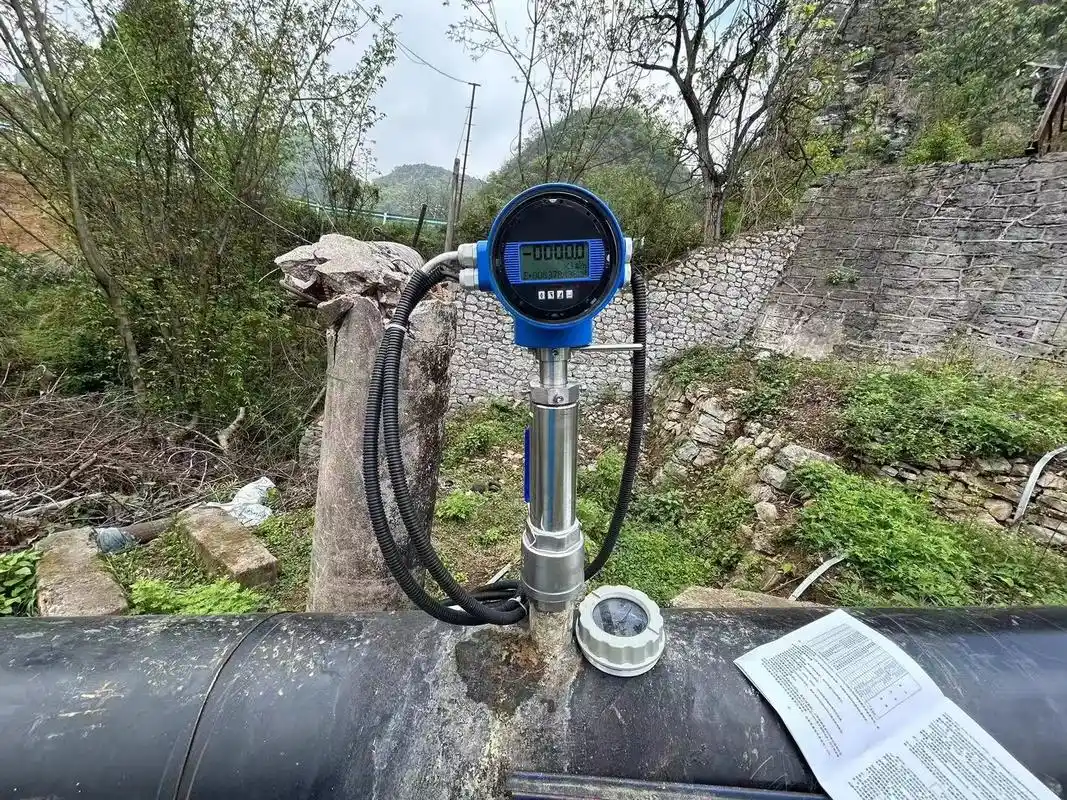
The sensor contains two built-in platinum resistance probes: one is continuously heated, whilst the other is used for medium temperature compensation. As the fluid flows past the probe surfaces, it carries away heat; the greater the mass flow rate of the medium, the more heat is carried away.
The instrument maintains a constant temperature difference between the two probes and directly calculates the mass flow rate based on changes in heating power; even minute changes in heat can be detected at very low flow rates.
Advantages
1. Direct output of mass flow rate; no additional temperature or pressure compensation is required for gas measurement.
2. No moving mechanical parts; no wear issues over the long term and low maintenance requirements.
3. Extremely low pressure drop; the original pipeline pressure remains virtually unchanged, making it suitable for low-pressure, trace gas circuits.
4. Fast response time; capable of detecting short-term, pulsating, minute changes in flow rate.
Disadvantages
1. The measurement results are dependent on the thermal conductivity of the gas; any change in the composition of the medium will result in measurement drift.
2. The probe is prone to accumulating oil and dust, which alters the heat transfer conditions; it therefore requires regular disassembly, inspection and cleaning.
3. If liquid droplets condense on the probe, this can cause severe, momentary measurement distortion.
4. It is poorly suited to liquid applications and is not recommended for most low-flow liquid scenarios.
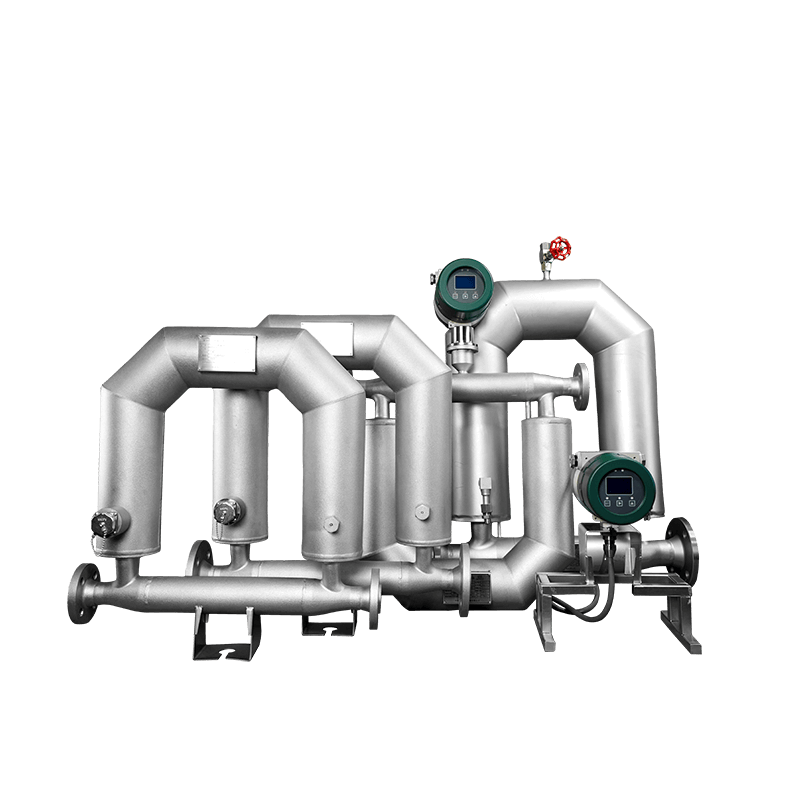
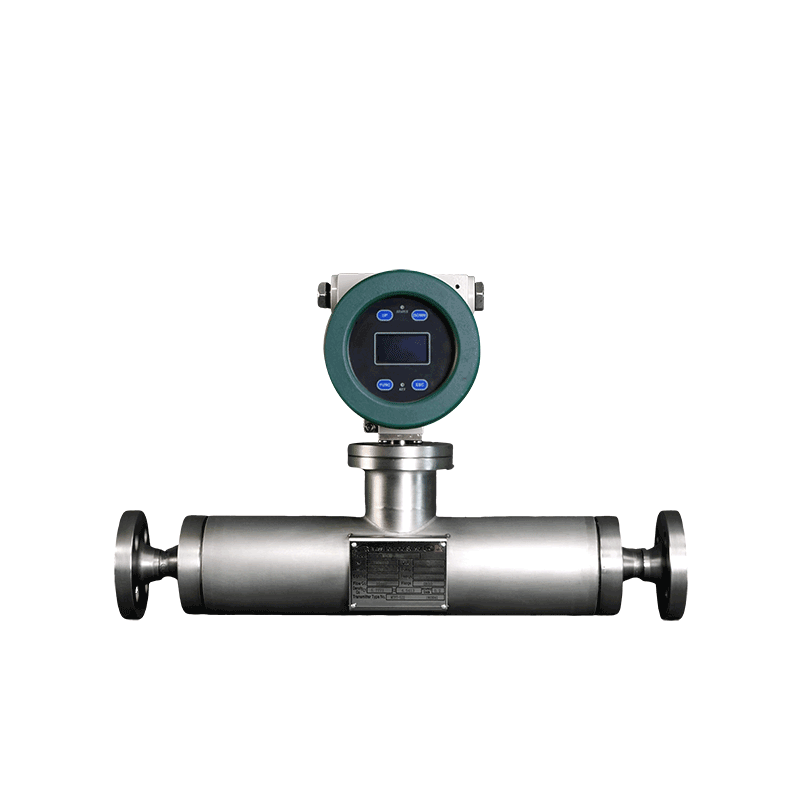
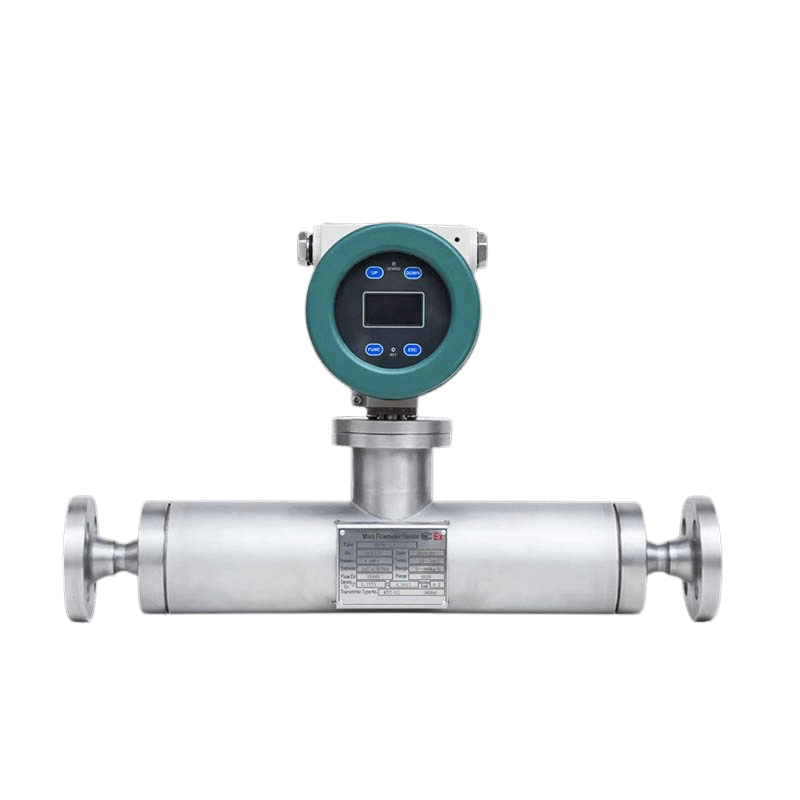
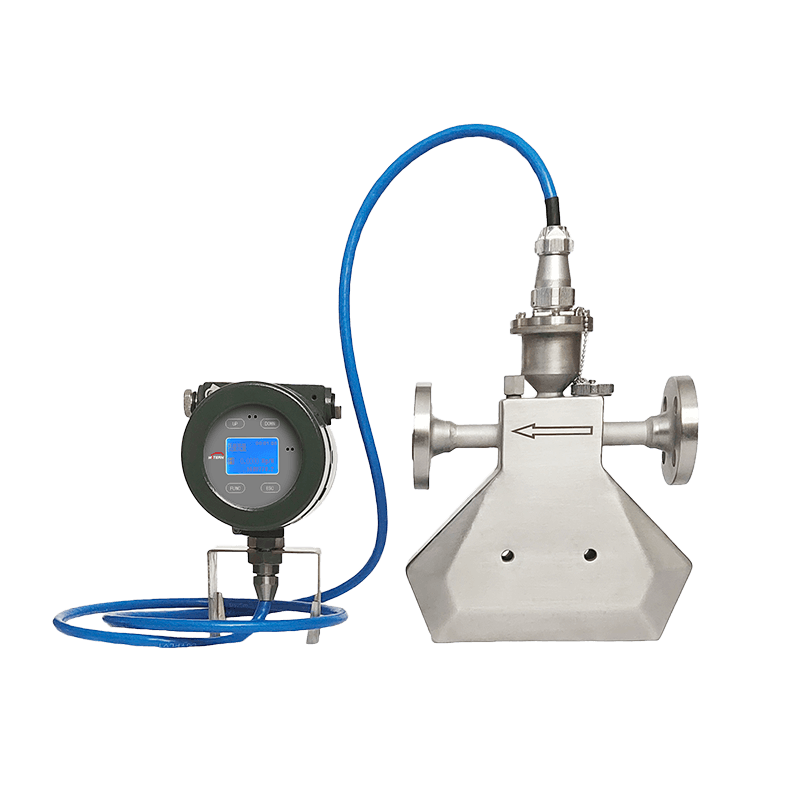
Coriolis Mass Flow Meter
Principle of Operation
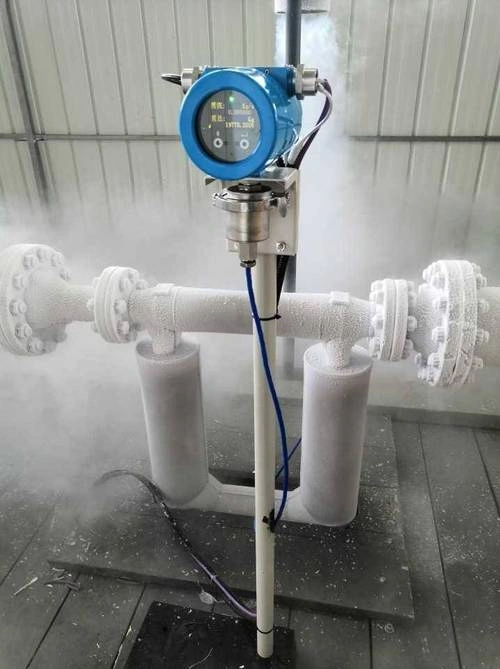
The measuring tube is driven to vibrate at a fixed frequency. When the fluid enters the vibrating tube, its inertia generates a Coriolis force, causing a minute torsional deformation in the measuring tube.
The sensor detects the phase difference in the vibrations at the inlet and outlet of the measuring tube to calculate the mass flow rate of the medium; micro-flow versions rely on high-sensitivity circuitry to capture faint phase signals.
Advantages
1. Direct measurement of mass flow rate; measurement results are unaffected by changes in medium viscosity or density.
2. Excellent zero-point stability; minimal drift during long-term monitoring of steady-state micro-flow rates.
3. A single instrument can simultaneously output mass flow rate and medium density, enabling multi-parameter data acquisition for micro-flow fluids.
4. No throttling elements inside the pipeline; low risk of blockage in clean medium applications.
5. Wide range of compatible media; capable of measuring liquids, slurries and certain high-pressure trace gases.
6. Flow measurement is independent of flow pattern; no long straight pipe sections are required to stabilise the flow field.
Disadvantages
1. Micro-flow models are very expensive to procure, representing a significant investment compared to gear or thermal flowmeters.
2. Sensitive to external mechanical vibrations; on-site pump vibrations can interfere with the weak measurement signal, necessitating vibration-dampened installation.
3. When the fluid contains a large number of air bubbles, this disrupts the vibrational state of the measuring tube, resulting in a significant reduction in accuracy.
Practical Applications
Pharmaceuticals and Biotechnology: Micro-dosing and proportioning of active pharmaceutical ingredients (APIs) and reagents; micro-flow metering for biological experiments; control of raw material wastage.
Fine Chemicals: Micro-dosing of catalysts, additives, gas odourants, etc.; quantitative control of low-flow feed rates into reactors.
Water Treatment: Microdosing of flocculants, acids, alkalis and disinfectants to stabilise water treatment efficacy.
Research Laboratories: Chromatographic sample delivery, gas mixing, and flow monitoring and calibration for microreactors and fuel cells.
Food and Beverage: Microdosing of additives such as flavourings and colourings; flow monitoring of cleaning agents to ensure batch consistency.
New Energy and Semiconductors: Delivery of chip cleaning solutions and photoresists; gas supply for fuel cells; and flow monitoring of liquid cooling circuits.
Medical Equipment: Gas monitoring for anaesthesia machines and ventilators; micro-dosing for in vitro diagnostic instruments.
Mechanical Manufacturing and Environmental Oil & Gas: Supply of equipment lubricants and monitoring of cooling circuits; micro-sampling of flue gas; metering of downhole additive injection.
Selection Guide
1. Confirm the characteristics of the medium
First, determine whether the medium to be measured is a gas or a liquid, and verify its viscosity, purity and corrosiveness, as well as whether it contains impurities such as bubbles, solid particles or droplets.
Preselect instruments based on the medium’s properties: gear flowmeters are suitable for high-viscosity liquids; thermal flowmeters for clean, trace-volume gases; and Coriolis flowmeters for high-precision, general-purpose applications.
2. Verify Flow and Operating Parameters
Accurately determine the minimum, rated and maximum flow rates at the site, ensuring in particular that the lower limit of the instrument’s measuring range covers extremely low flow rates to avoid measurement dead zones.
At the same time, confirm the pipeline temperature, pressure and fluid state, distinguishing between steady-state, intermittent and pulsating micro-flow conditions, and select an instrument with the appropriate response speed and turndown ratio.
3. Clarify Measurement Functionality Requirements
Distinguish whether the measurement requirement is for volumetric flow or mass flow, and whether detection of multiple parameters such as density and temperature is required.
For conventional low-volume volumetric measurement, gear flowmeters are a suitable option; for gas mass monitoring requiring no compensation, thermal flowmeters are recommended; for high-precision measurement and multi-parameter detection, Coriolis flowmeters are the preferred choice.
4. Assess Installation and Environmental Conditions
Check the pipe diameter, installation space and the availability of straight pipe sections. In conditions where space is limited or there are no straight pipe sections, give priority to gear or Coriolis flowmeters.
At the same time, avoid environmental interference; exercise caution when using Coriolis flowmeters in conditions with strong vibrations, and exercise caution when using thermal flowmeters for gases containing droplets or with fluctuating component concentrations.
5. Check Pressure Drop and Fit with the System
For low-pressure, low-flow duties, thermal flowmeters are generally the better choice, as their pressure drop is very small and will not unduly restrict the medium. In pipework that runs at high pressure, carries viscous fluids and is well stabilised, gear or Coriolis meters work well; either way, make sure fitting the meter does not interfere with normal line operation.
6. Settle the Choice on Overall Value
Weigh up each meter type’s strengths and weaknesses, how much upkeep it needs and what it costs to buy. Accuracy and suitability for the actual operating conditions come first, but stability and value for money should also be balanced.
Finally, double-check that the rated parameters match the process before fixing on a specific model.
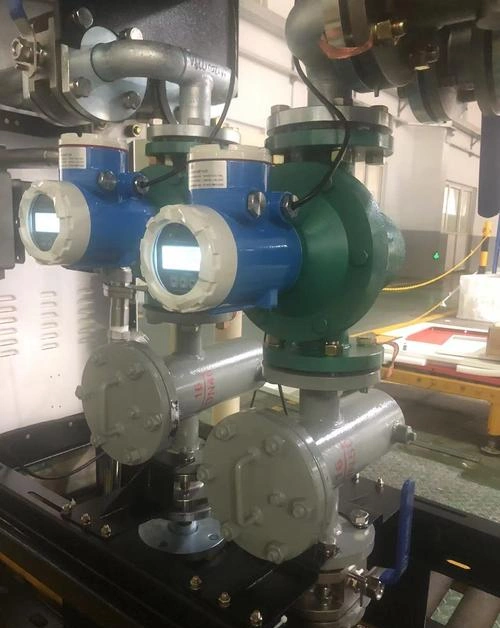
In micro flow applications such as fine chemicals and biopharmaceuticals, choosing the right equipment goes a long way towards keeping the process stable. Sino-Inst supplies a wide range of measurement and control instruments, covering level gauges and flowmeters alike, with flowmeter options suited to most media.
We can adapt designs to particular operating conditions and carry out technical evaluations, helping you work through flow and level measurement problems so that precision processes run steadily and under control, with lower costs and better efficiency.