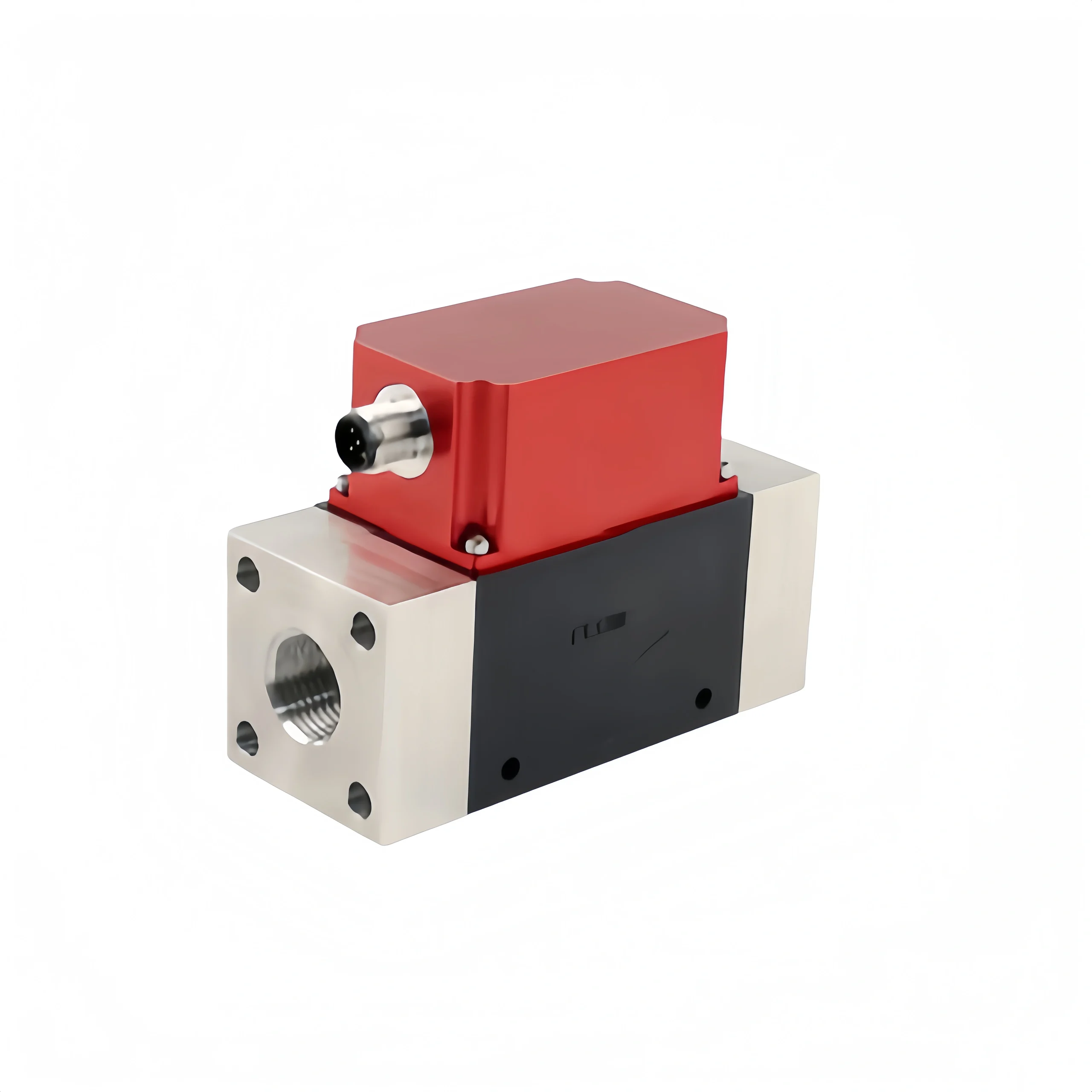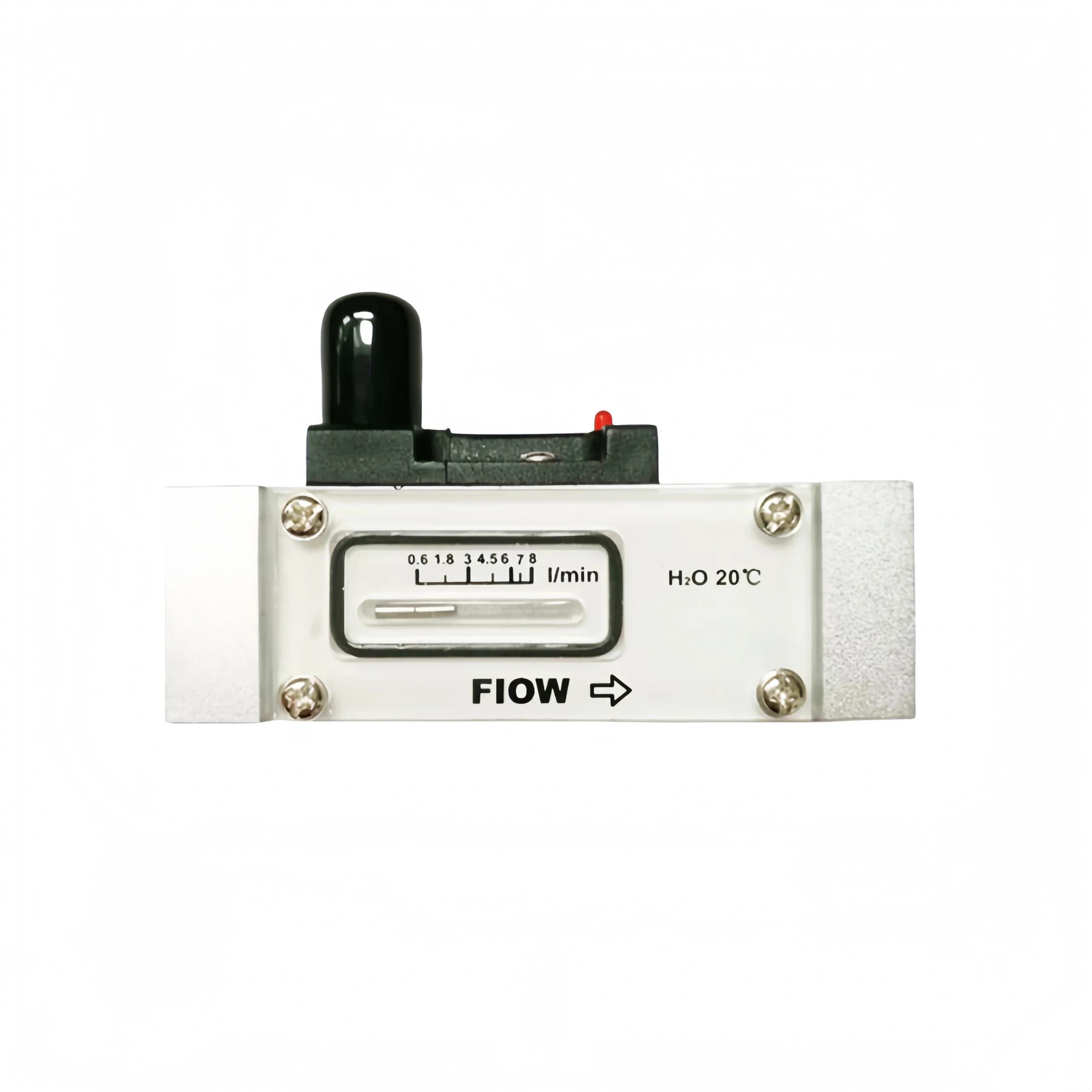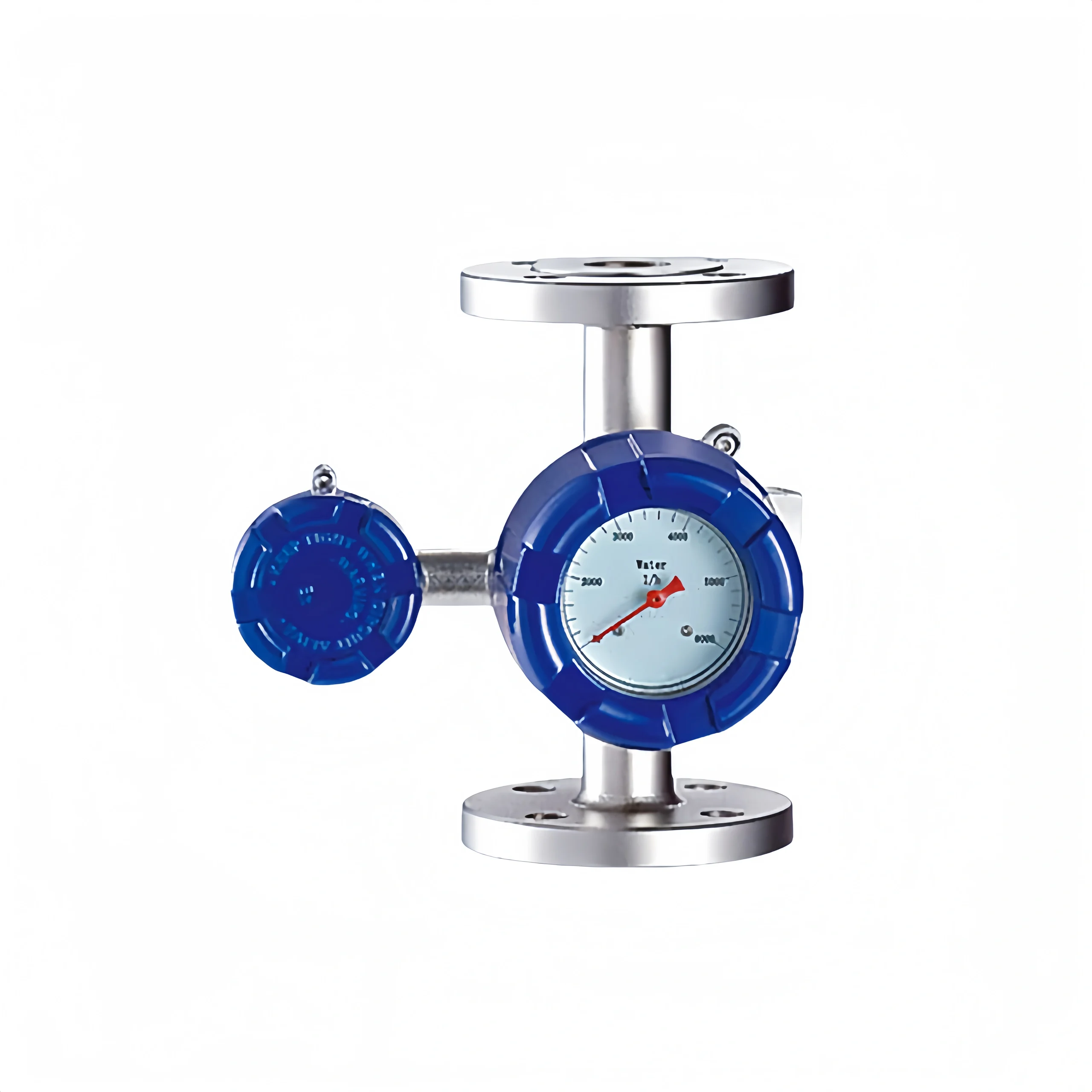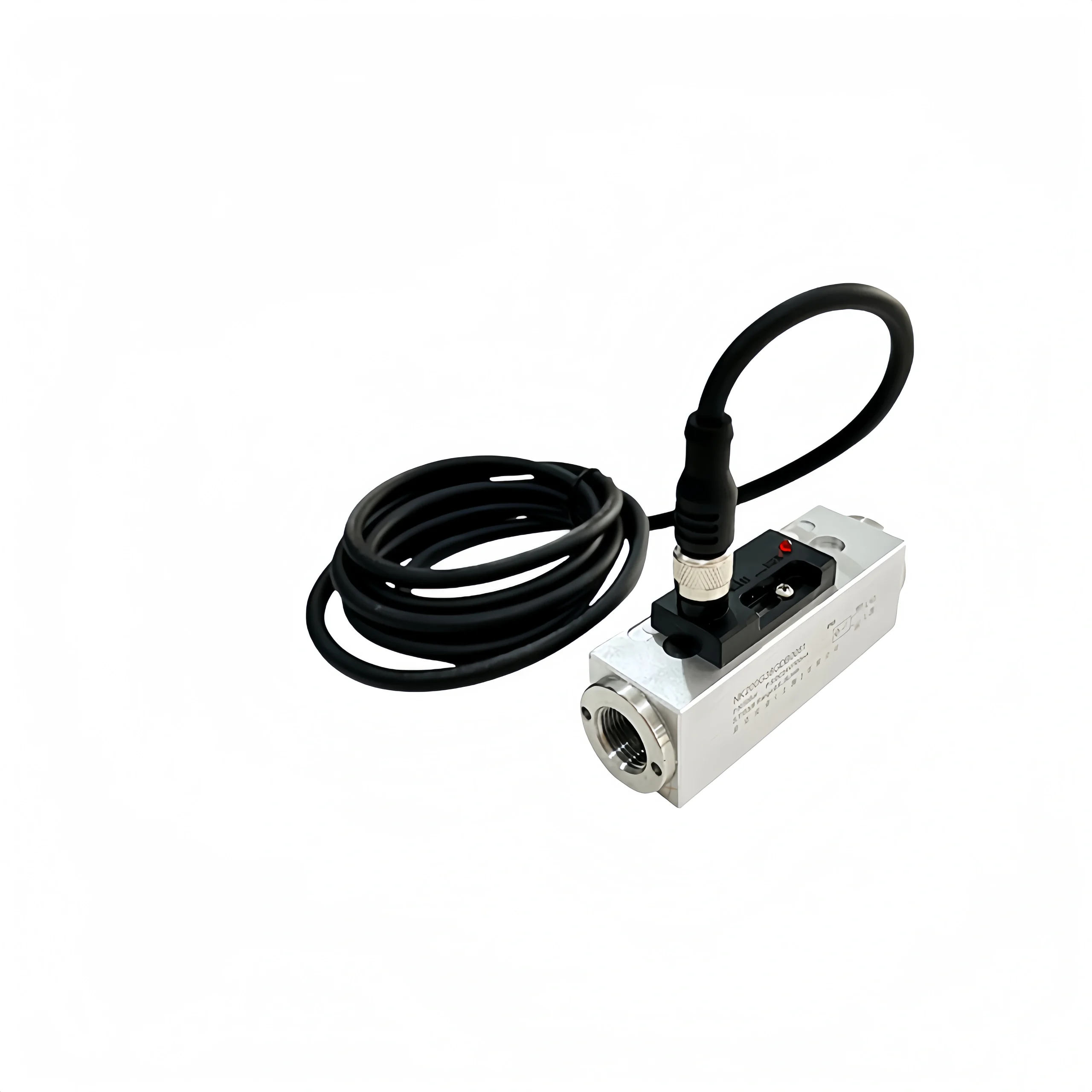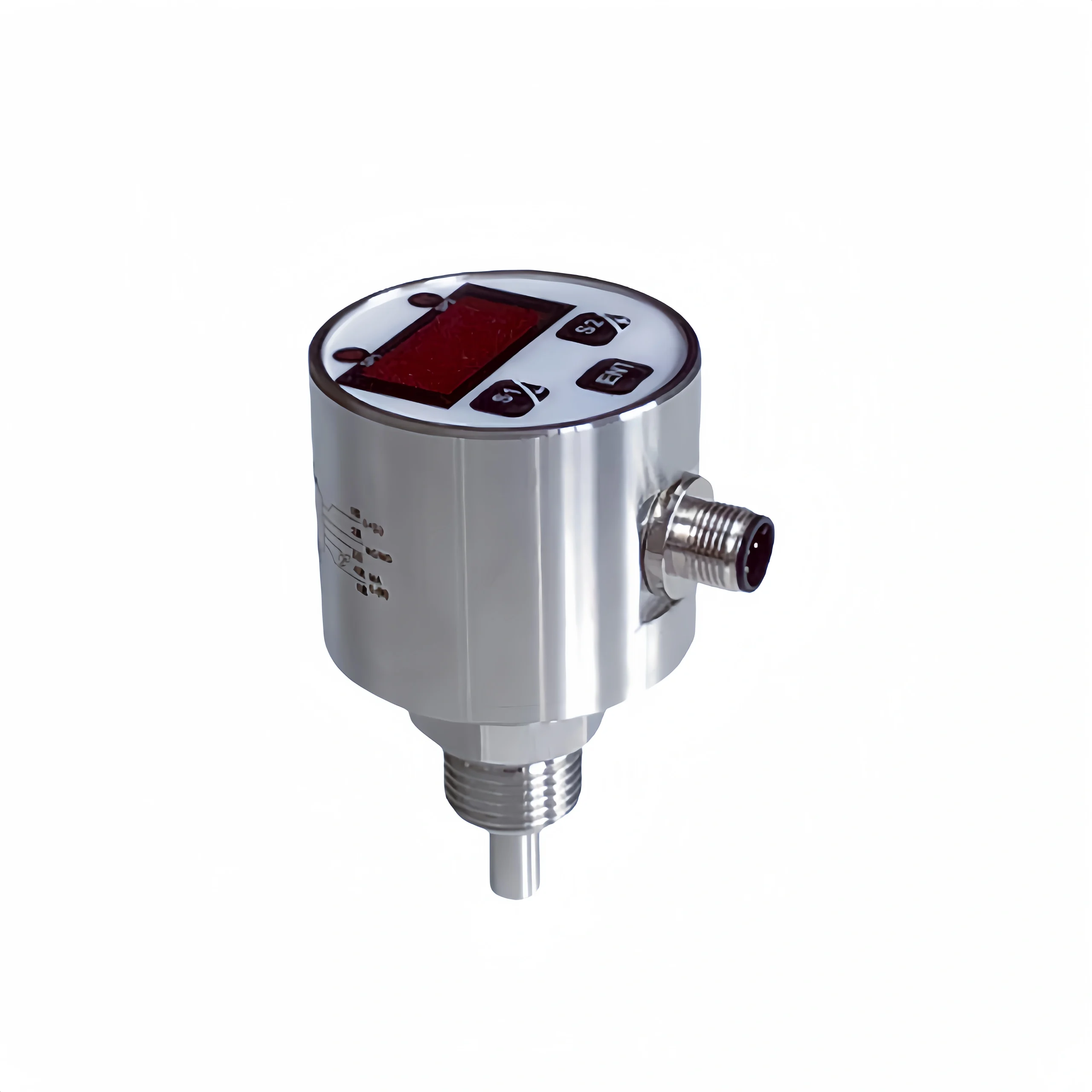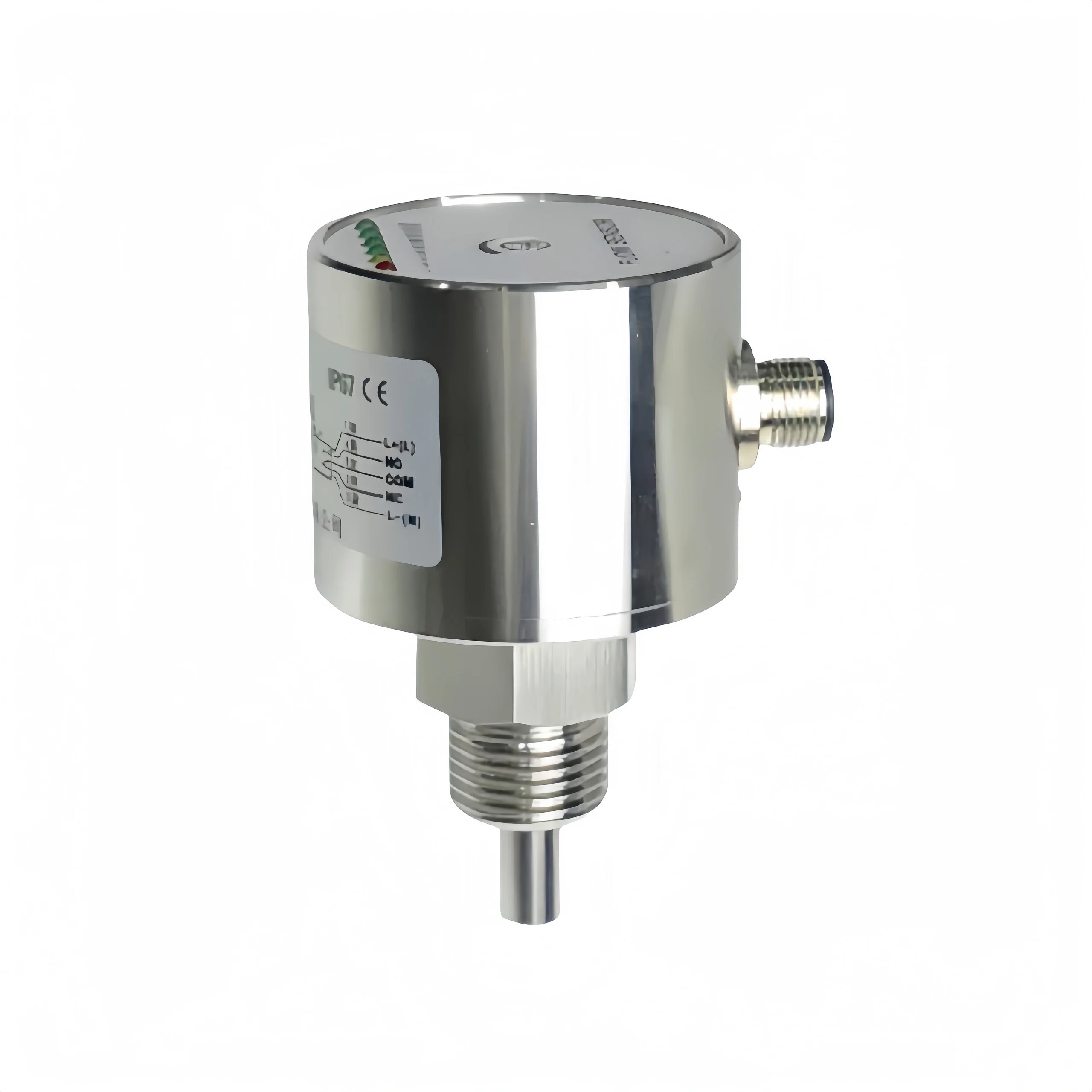
In the monitoring of flow in gas and air pipelines, thermal dispersion and paddle type flow switches are the two mainstream solutions, which detect flow by means of thermal conduction and mechanical kinetic energy triggering, respectively. This article compares the performance limits and operational characteristics of both under gas measurement conditions, providing an engineering basis for selection.
Thermal Dispersion Flow Switch
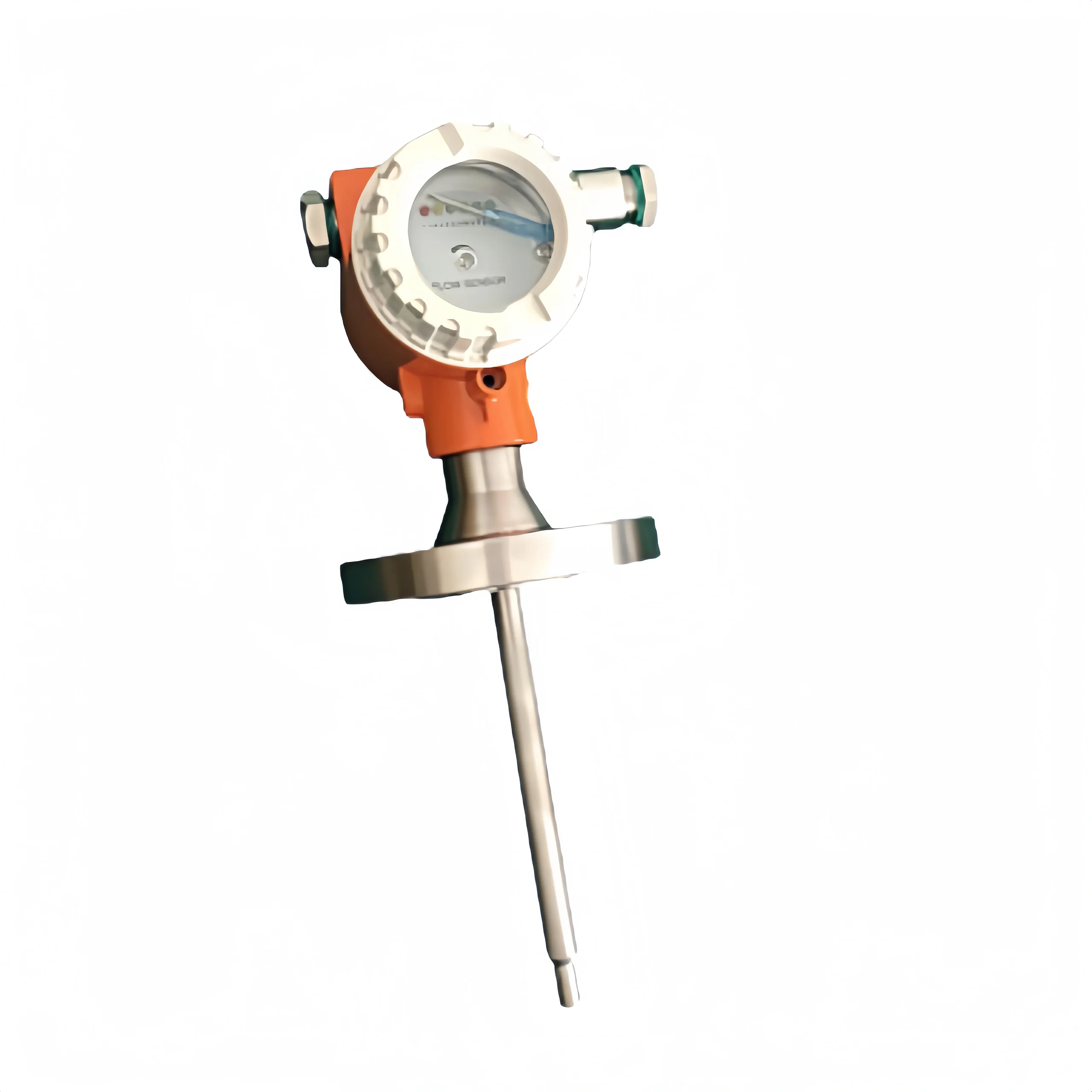
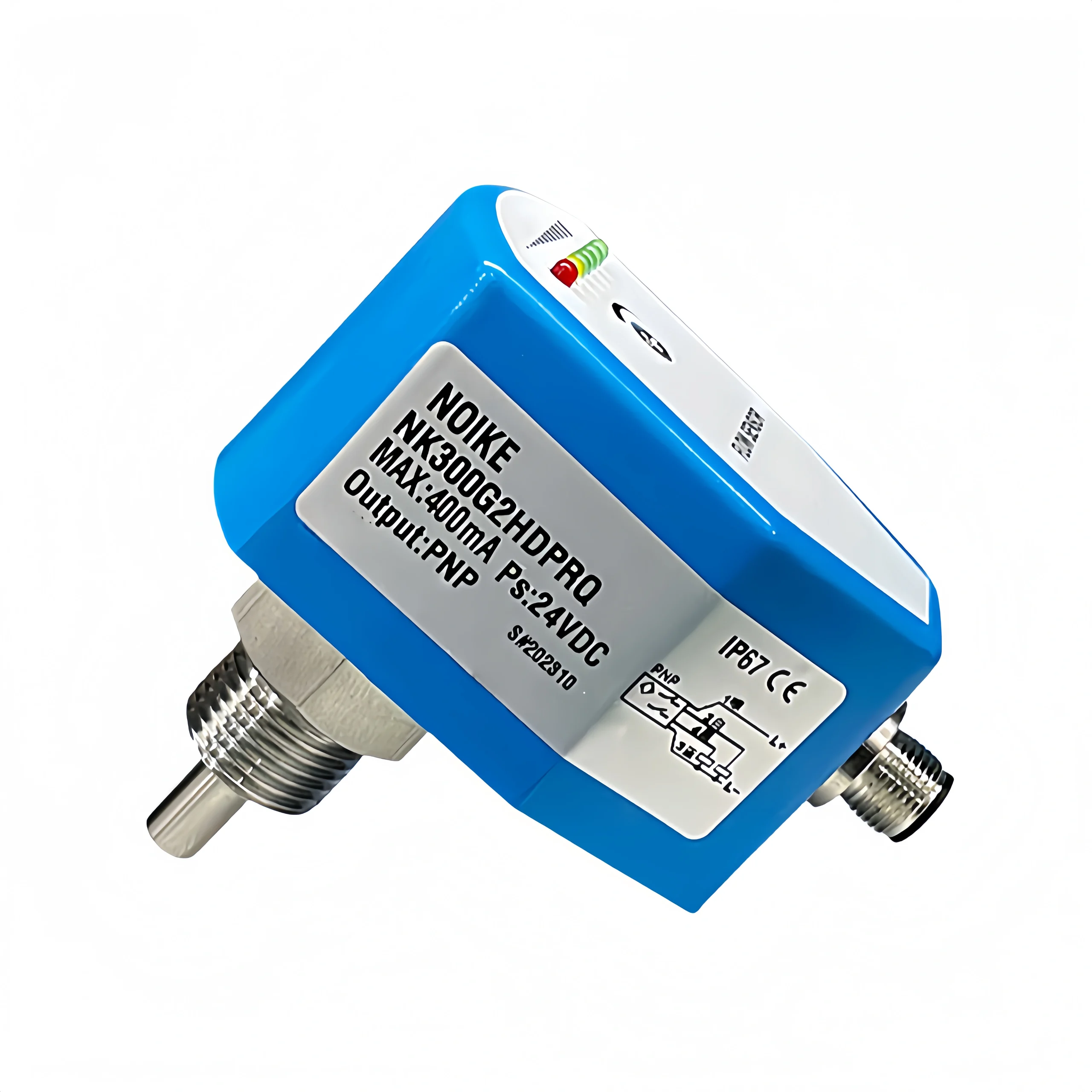
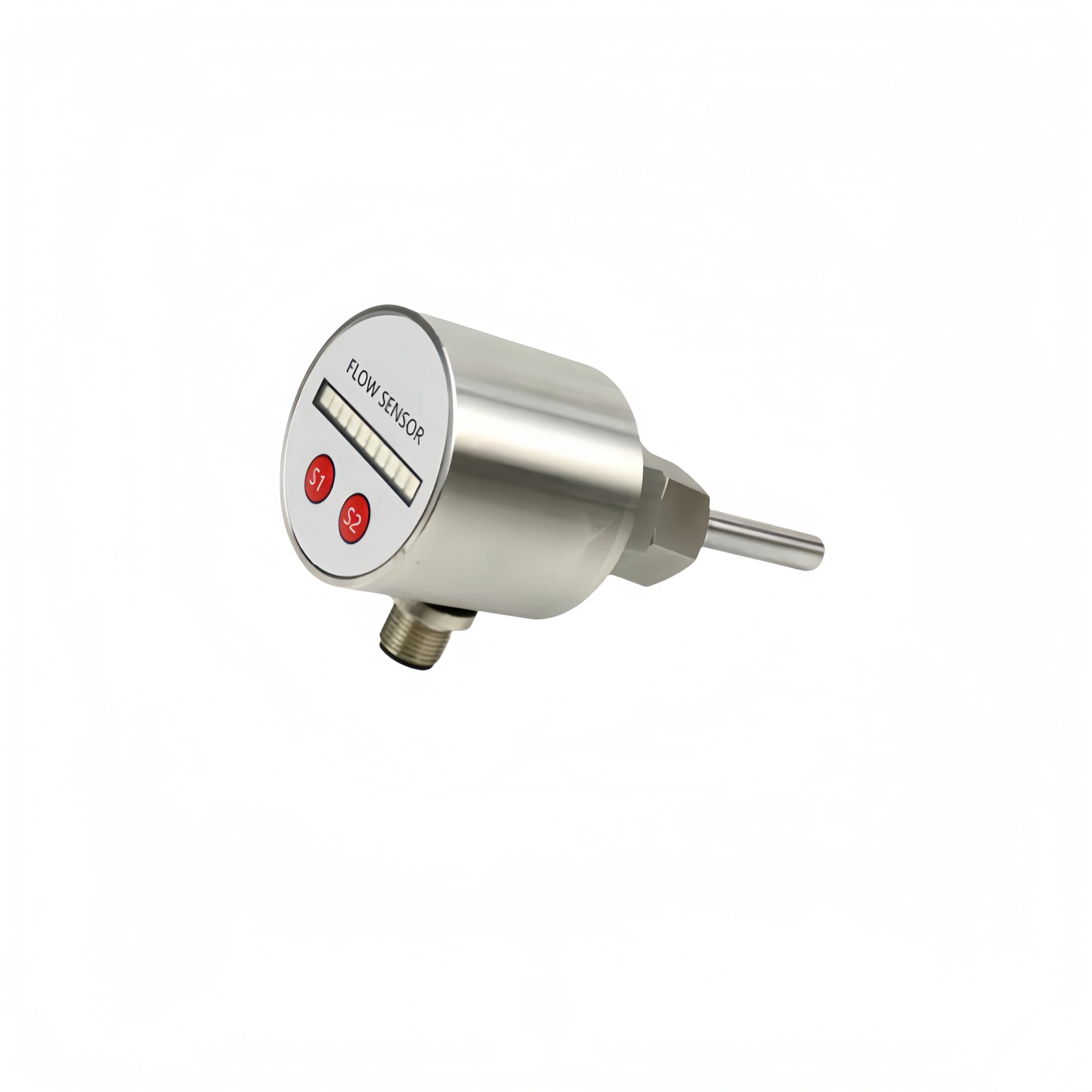
A thermal dispersion flow switch is a flow monitoring and switching control instrument developed based on the principle of thermal dispersion. It is commonly used to detect the flow of gaseous and liquid media within pipelines.
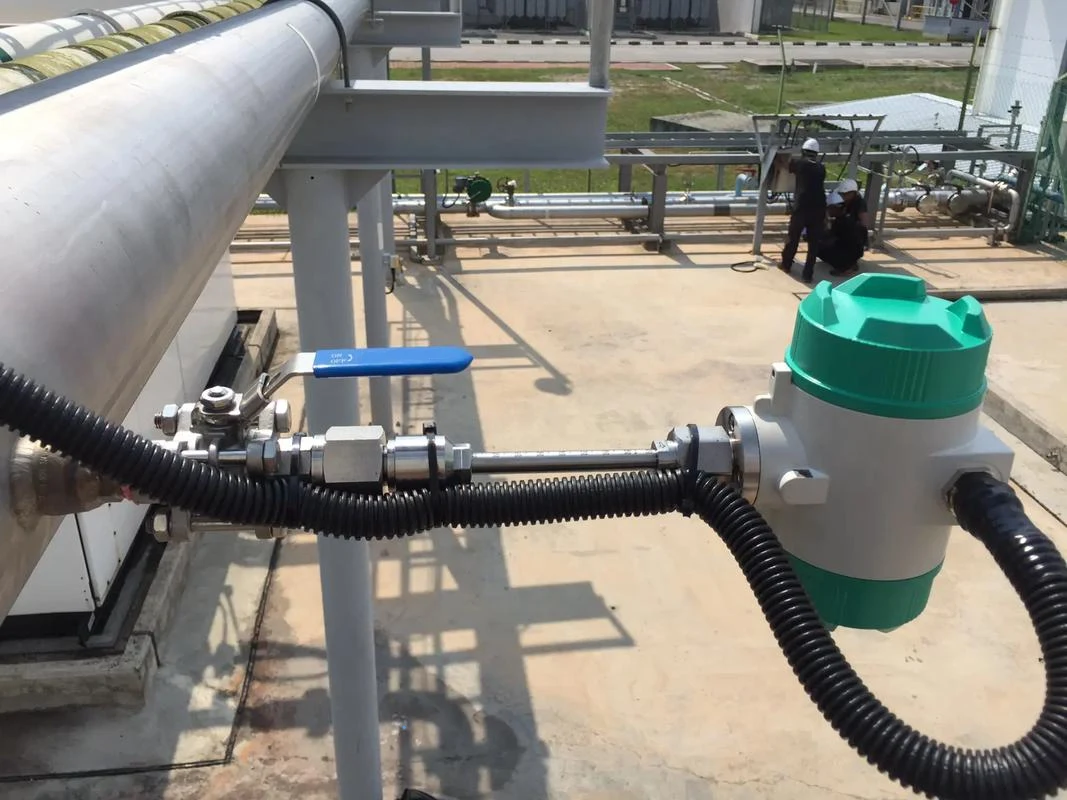
When the flow of the medium reaches a preset threshold, it outputs a switching signal to trigger alarms, start or stop equipment, and activate interlock protection functions.
It typically contains two temperature sensing elements: one is a heated probe, whilst the other serves as a reference temperature probe; both probes are immersed in the same medium.
Principle of Operation
During operation, the heated probe is continuously heated, creating a fixed temperature difference between the two probes. The heat cannot be dissipated easily if the medium in the pipeline is stagnant or the flow rate is very low.
Therefore, a significant temperature difference exists between the two probes. The medium flow takes away heat from the heated probe constantly, thus the temperature of the heated probe decreases and the temperature difference between the two probes decreases correspondingly.
The instrument’s circuitry continuously monitors and compares changes in the temperature difference. If the temperature difference changes to the pre-set flow rate value, the internal relay or electronic switch turns on and off, and it outputs a digital signal. This determines the presence of flow or the attainment of the set flow rate, allowing flow monitoring and switch activation.
Paddle Type Flow Switch
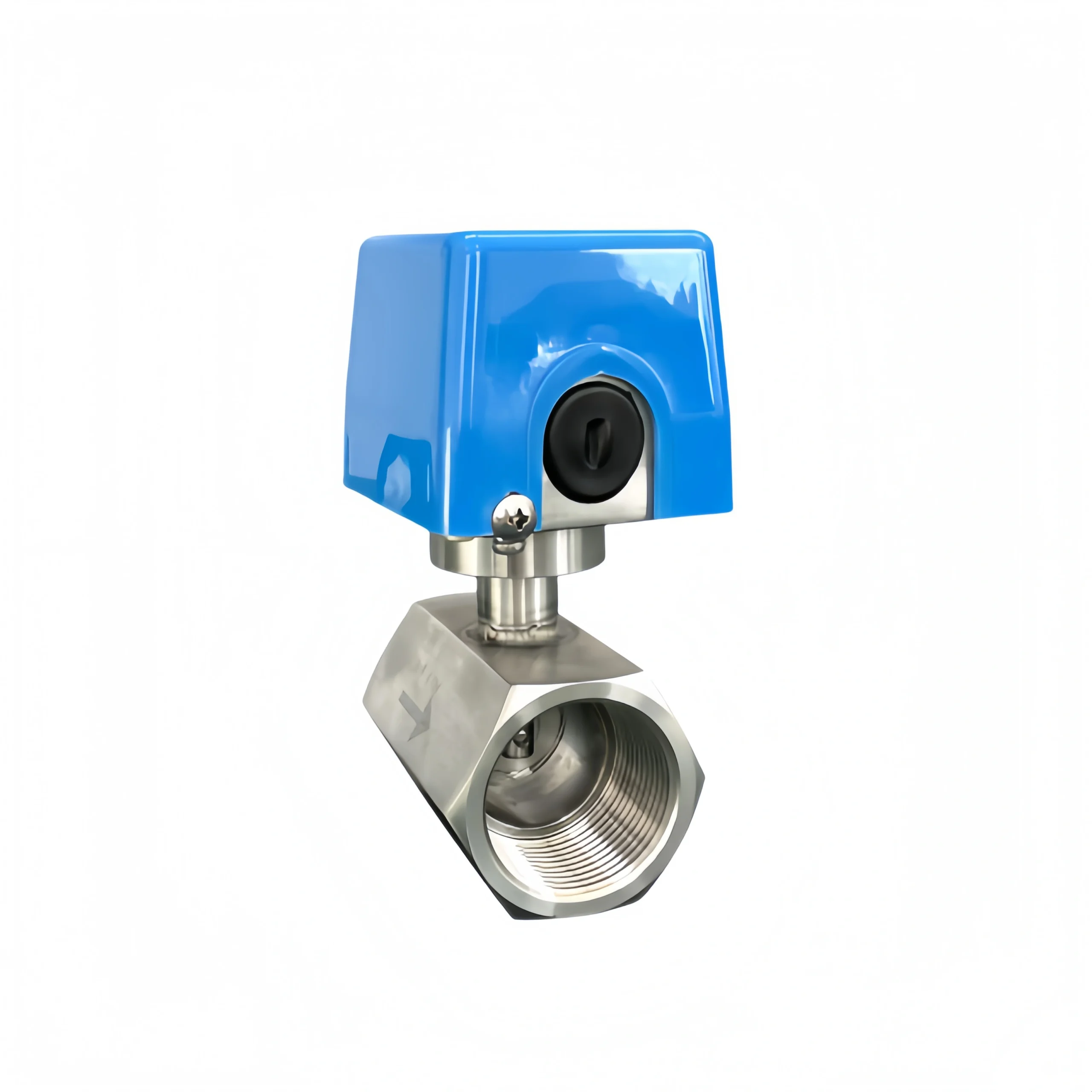
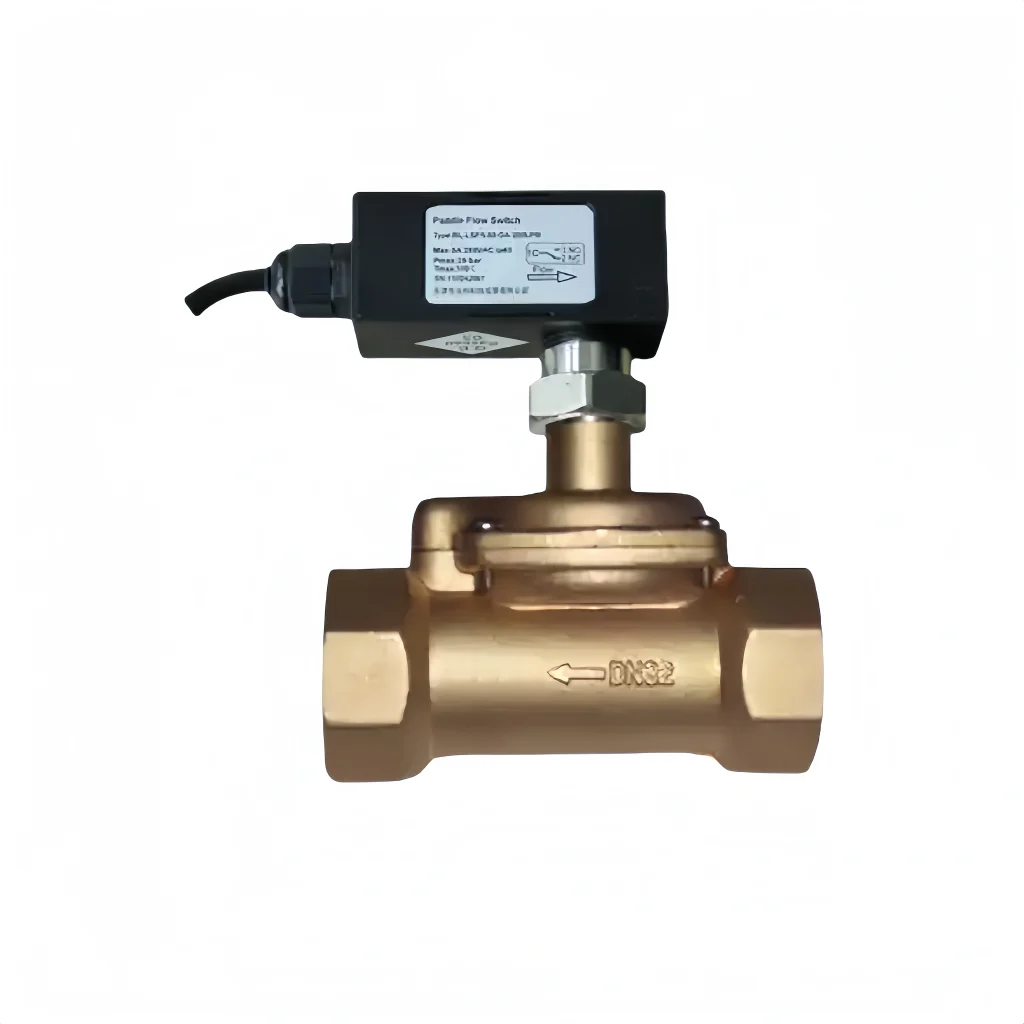
The paddle-type flow switch is a mechanical flow switch, commonly installed on pipelines to monitor the flow status of liquid media. It outputs a switch signal when the flow rate reaches a preset value and is frequently used for flow protection and interlock control in pipelines such as water circulation, water supply and drainage systems.
Its main structure comprises a paddle extending into the pipeline, a rotary shaft and an external microswitch. When there is no flow of medium within the pipeline or when the flow rate is too low, the paddle remains in its initial position under the action of its own counterweight or a spring, whilst the microswitch maintains its original on/off state.
Principle of Operation
When the medium begins to flow, the fluid impacts the vane, generating thrust that causes the vane to deflect. The vane drives the shaft to rotate synchronously, triggering the external microswitch and altering the switch’s on/off signal, thereby indicating the presence of flow in the pipeline;
When the flow rate drops below the set value, the fluid thrust is insufficient to overcome the force exerted by the spring or counterweight; the vane returns to its original position, and the microswitch consequently resumes its original state, thereby enabling the detection of flow presence or absence and providing a digital output.


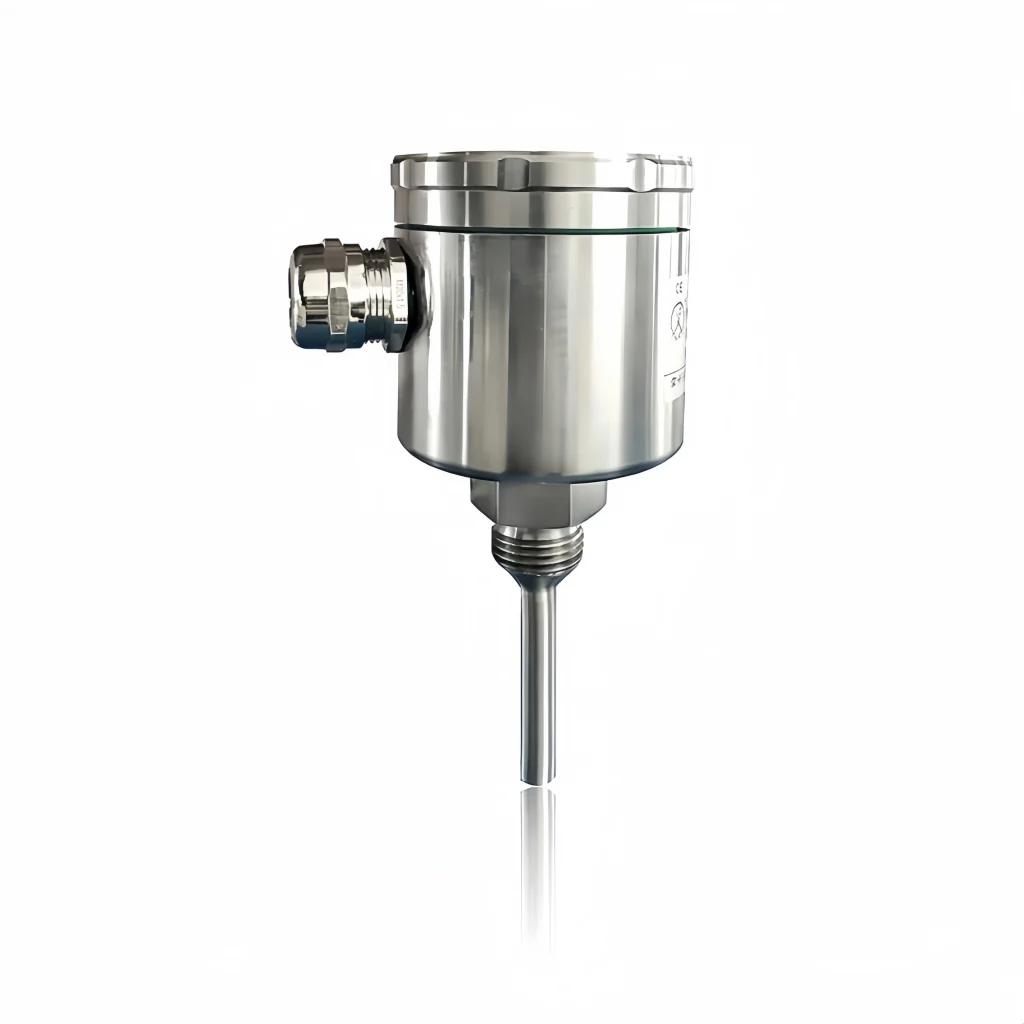

Advantages of the Thermal Diffusion Flow Switch
1. Fast measurement response; utilising the principle of thermal diffusion to directly sense changes in the medium’s flow velocity; with no mechanical moving parts, there are no issues with sticking or wear, making it suitable for fluid conditions containing small amounts of impurities.
2. Wide range of applicable media; detects gasses and liquids. Usable with high and low temperature media. Some models offer explosion-proof configurations for use in hazardous chemical areas.
3. Easy installation and maintenance; generally plug-in design, no need to cut or modify pipes; on-site installation only needs one single point; No wear parts, so the long-term maintenance requirement is very low.
4. Low power consumption and stable signal output; often paired with digital signals, they can be directly connected to PLCs and alarm circuits for flow interruption protection and pump dry-running protection.
5. Dual monitoring of flow rate and temperature; one probe collects data on flow velocity and medium temperature simultaneously, which is convenient for temperature compensation and improves detection reliability.
6. It is insensitive to fluctuations in pipeline pressure and will not be falsely triggered by minor changes in system pressure, making it suitable for gas and water supply pipelines where pressure is unstable.
Benefits of Paddle Type Flow Switches
1. It is quite simple in construction and easy to use . It works on the principle that a fluid impinging the paddle produces a signal . It is inexpensive to purchase and is often used for conventional applications such as general water supply and drainage, and cooling water circuits.
2. The measurement range is easily adjustable; the flow threshold can be changed on-site by changing the paddle specifications or trigger position, making commissioning straightforward and facilitating operation by on-site personnel.
3. The signal output response is direct, with a stable switch signal that provides rapid feedback on the presence or absence of flow, making it suitable for on/off monitoring requirements such as pump dry-run protection and pipeline flow indication.
4. Installation methods are flexible, mainly threaded connections. They can fit a range of pipe diameters and are easy to install on small and medium pipes without the need for complex ancillary pipework.
5. Requirements regarding medium cleanliness are lenient; they demonstrate good tolerance to small amounts of suspended solids in the water and are not easily affected by trace impurities that might cause false triggering.
6. No power supply is required to maintain operation; certain passive mechanical models can still be triggered by fluid force even in the event of a power failure.
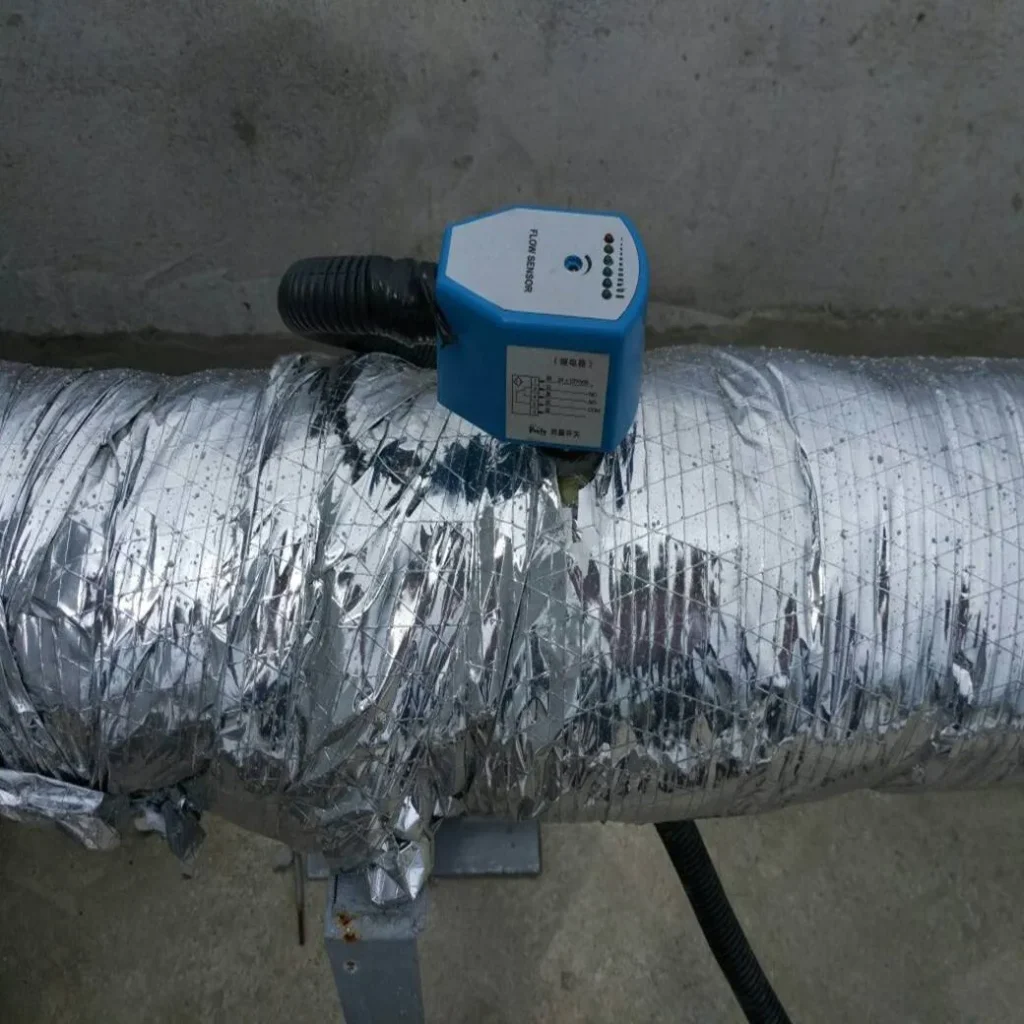
Thermal Diffusion Flow Switch vs. Paddle Type Flow Switch
Operating principle difference:
The thermal diffusion flow switch is based on the principle of thermal diffusion to measure temperature, by detecting the change of temperature difference between two probes to judge the flow state, and there are no moving parts directly subjected to mechanical force;
Paddle type flow switch has a mechanical structure, and the fluid hitting the paddle generates thrust, driving the rotary shaft to drive a microswitch.
Differences in Suitable Media and Operating Conditions:
Thermal diffusion flow switches are suitable for use with both liquid and gaseous media and are better suited to applications with small pipe diameters and low flow rates;
Paddle type flow switches are generally only suitable for use with liquids and not typically used with gasses; they are better suited to pipelines with medium pipe diameters and relatively high flow rates.
Differences in Structure and Wear:
Thermal diffusion flow switches have no internal moving mechanical parts, therefore virtually no mechanical wear and a long service life;
Paddle type flow switches have moving parts like paddles, shafts and springs, which wear and jam when eroded by prolonged media contact.
Sensitivity differs:
thermal diffusion flow switches have high sensitivity and can detect very small changes in flow;
Paddle type flow switches have relatively low sensitivity and require a sufficiently large impact force to move the paddle, making them difficult to trigger at low flow rates.
Differences in installation and maintenance:
Thermal diffusion flow switches generally use plug-in installation, long maintenance periods and are not easy to be blocked.
The vane of the vane flow switch protrudes into the pipe, so it is easy to be blocked and jammed when the medium contains impurities, and it needs to be disassembled, inspected and cleaned regularly.
Cost and signal characteristics differ:
Thermal diffusion flow switches are generally more expensive but offer stable response;
Paddle type flow switches have a simple structure and are inexpensive, but their signals are prone to false triggering due to fluctuations in medium pressure and turbulence.
Selection Guide
Confirm the type of medium: Thermal diffusion flow switches are the preferred choice for gases or liquids with low flow rates; for applications involving only clean liquids at higher flow rates, paddle-type flow switches may be considered; paddle-type switches are generally not suitable for gas detection.
Verify pipeline parameters: For small-diameter pipelines where low-flow monitoring is required, select a thermal diffusion flow switch; for medium to large pipe diameters where there is sufficient flow momentum, a paddle-type flow switch may be selected; simultaneously, verify that the medium temperature and pressure fall within the instrument’s rated range.
Assess medium cleanliness: where the medium contains significant amounts of silt, fibres or impurities, a thermal diffusion flow switch should be selected wherever possible to prevent the paddle from becoming fouled or jammed; where the medium is clean, free of impurities and not prone to scaling, a paddle-type flow switch may be used normally.
Determine sensitivity requirements: If monitoring of very low flow rates is required and high detection sensitivity is essential, select a thermal diffusion flow switch; if the requirement is merely to detect the presence of high flow rates with no need to distinguish low flow rates, a paddle-type flow switch will suffice.
Consider maintenance and service life: Where frequent on-site maintenance is impractical and the aim is to minimise long-term maintenance, prioritise thermal diffusion flow switches, as they have no moving parts and suffer minimal wear; if the budget is limited and periodic disassembly for cleaning and inspection is permissible, a paddle-type flow switch may be selected.
Operating environment: High turbulence in the pipework and frequent pressure fluctuations can lead to false triggering of paddle-type switches, so thermal diffusion flow switches are recommended; for standard water supply, drainage and cooling water circuits with stable operating conditions, paddle-type flow switches represent good value for money.
Check output and installation method: Check on site the type of switch signal required, and whether the installation method is threaded insertion or flanged, to ensure that the instrument is compatible with the pipework configuration.
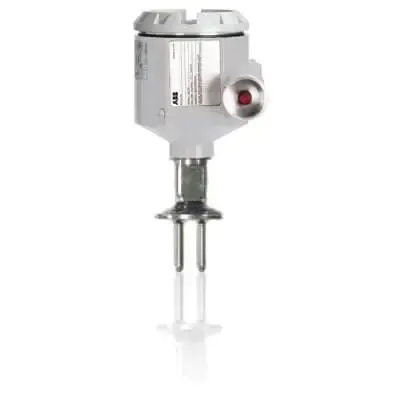
FAQ
Can paddle-type flow switches be used to detect gases?
Conventional paddle-type flow switches are not suitable for gas detection; as gases have low density, the thrust is insufficient to move the paddle, making it difficult to trigger a signal. Thermal diffusion flow switches are the preferred choice for gas flow monitoring.
Can thermal diffusion flow switches measure very low flow rates?
Yes, they offer high sensitivity and can detect minute changes in flow velocity; they are the preferred choice for small pipe diameters, low flow rates and flow interruption protection scenarios. Paddle-type flow switches require sufficient fluid thrust and are unlikely to trigger an action at low flow rates.
Are there any requirements regarding the installation location for these two types of flow switches?
Paddle type flow switches have more stringent requirements, they should be installed as far as possible from areas of turbulence, e.g. bends, valves and pump outlets. Side mounting is recommended for horizontal pipework so that the paddle is fully immersed in the medium.
Thermal diffusion flow switches offer greater flexibility in terms of installation orientation, but it is still advisable to provide a straight pipe run to minimise flow disturbances.
Do changes in medium temperature affect either type of flow switch?
Thermal diffusion flow switches rely on temperature differential detection; significant changes in medium temperature can affect heat dissipation, necessitating temperature compensation. Paddle-type flow switches, being mechanical devices, are less affected by temperature in terms of their actuation points.
Which type is suitable for low-pressure piping?
The pressure drop caused by inserting the probe of a thermal diffusion flow switch is minimal, making it suitable for low-pressure systems; the vane protruding into the pipeline causes a certain amount of pressure loss, so the impact of pressure drop must be assessed in low-pressure conditions, and vane-type switches should be selected with caution.
Sino-Inst offers thermal diffusion flow switches, vane-type flow switches and a full range of level gauges, flow meters, pressure transmitters and temperature sensors, covering a wide variety of flow interlock monitoring scenarios for both gas and liquid pipelines.
Drawing on our extensive experience in product selection, we tailor solutions to your operating conditions, balancing detection stability, operational and maintenance costs, and project budgets to ensure the reliable operation of industrial pipeline flow protection systems.