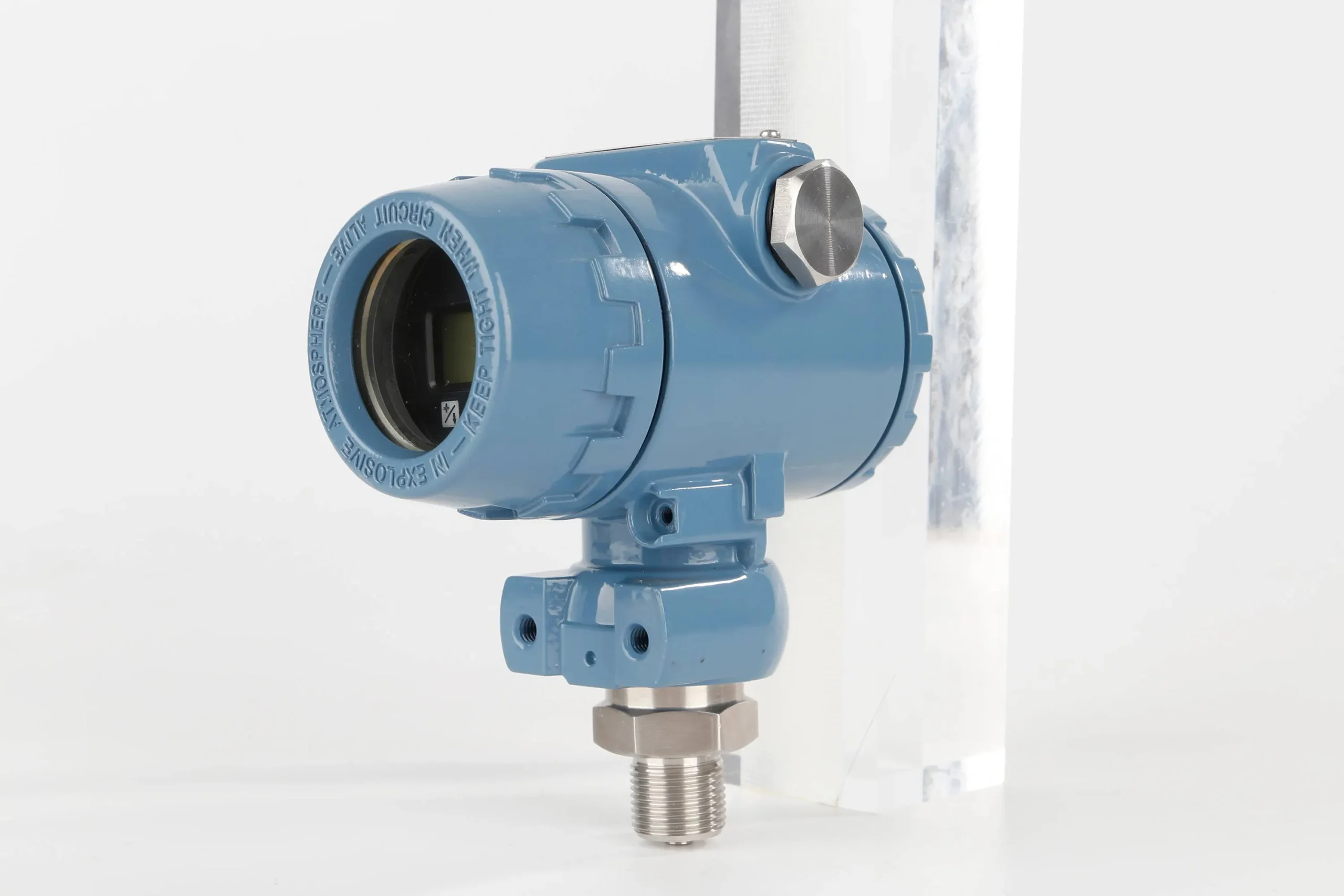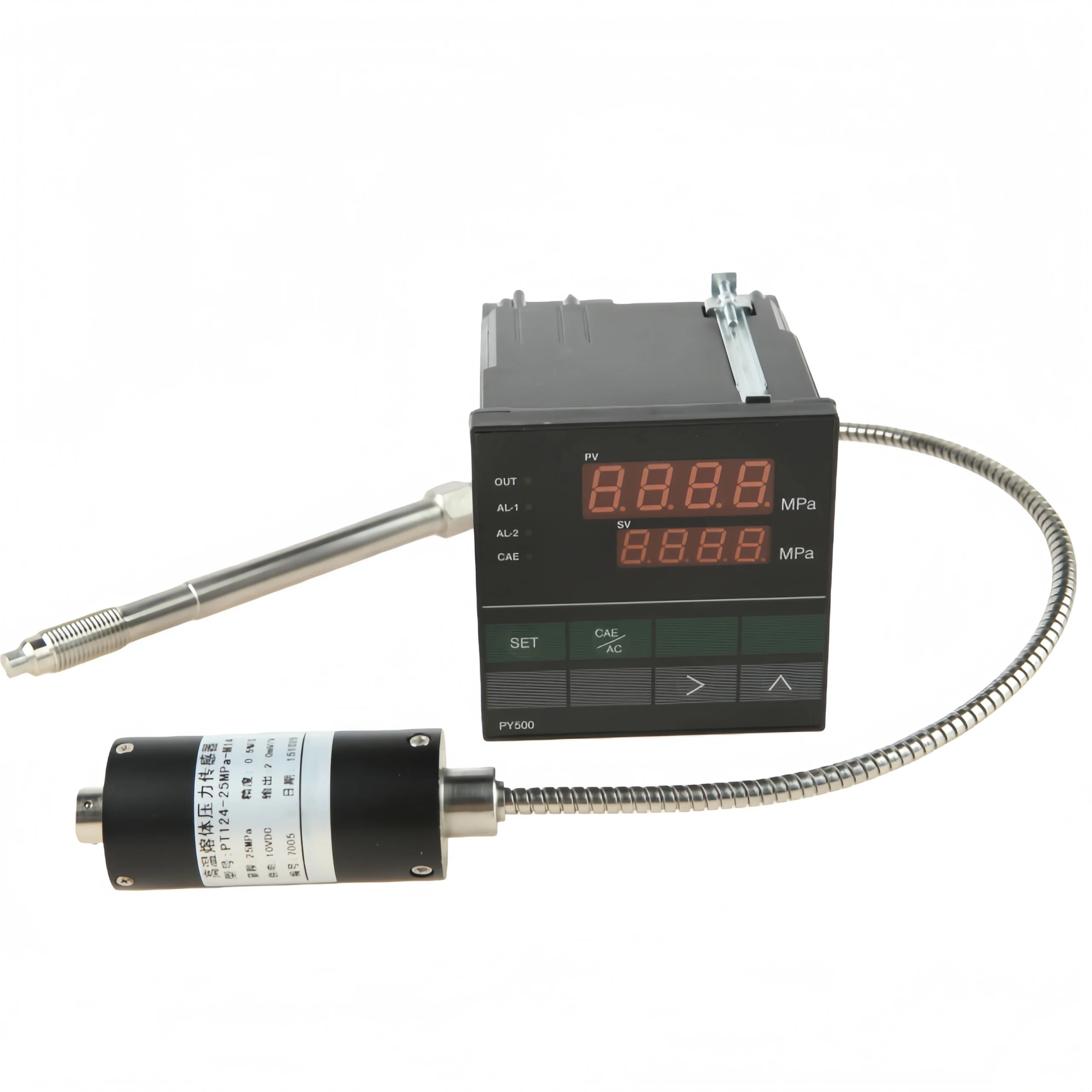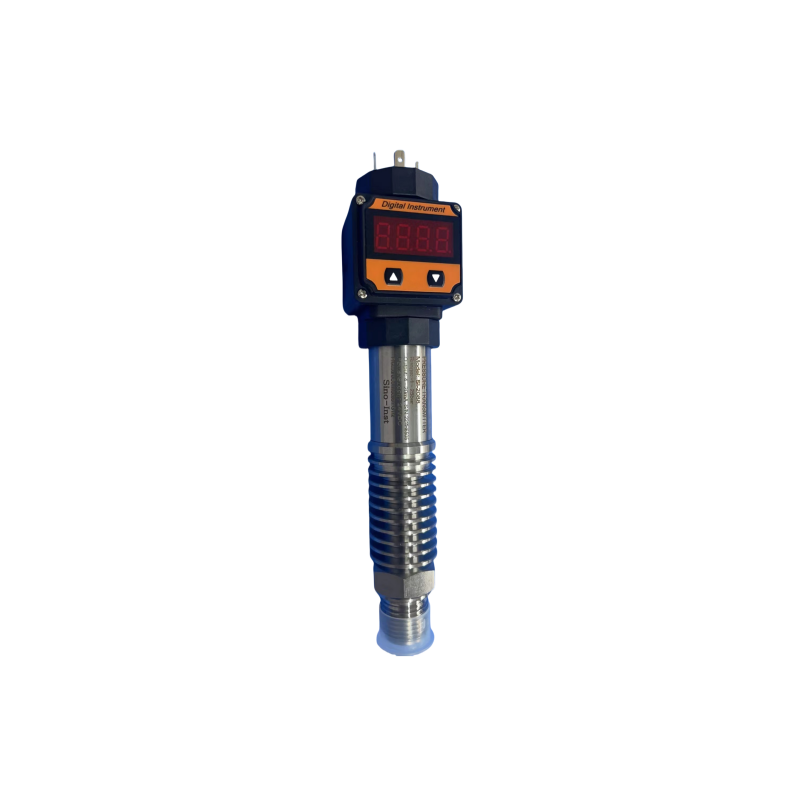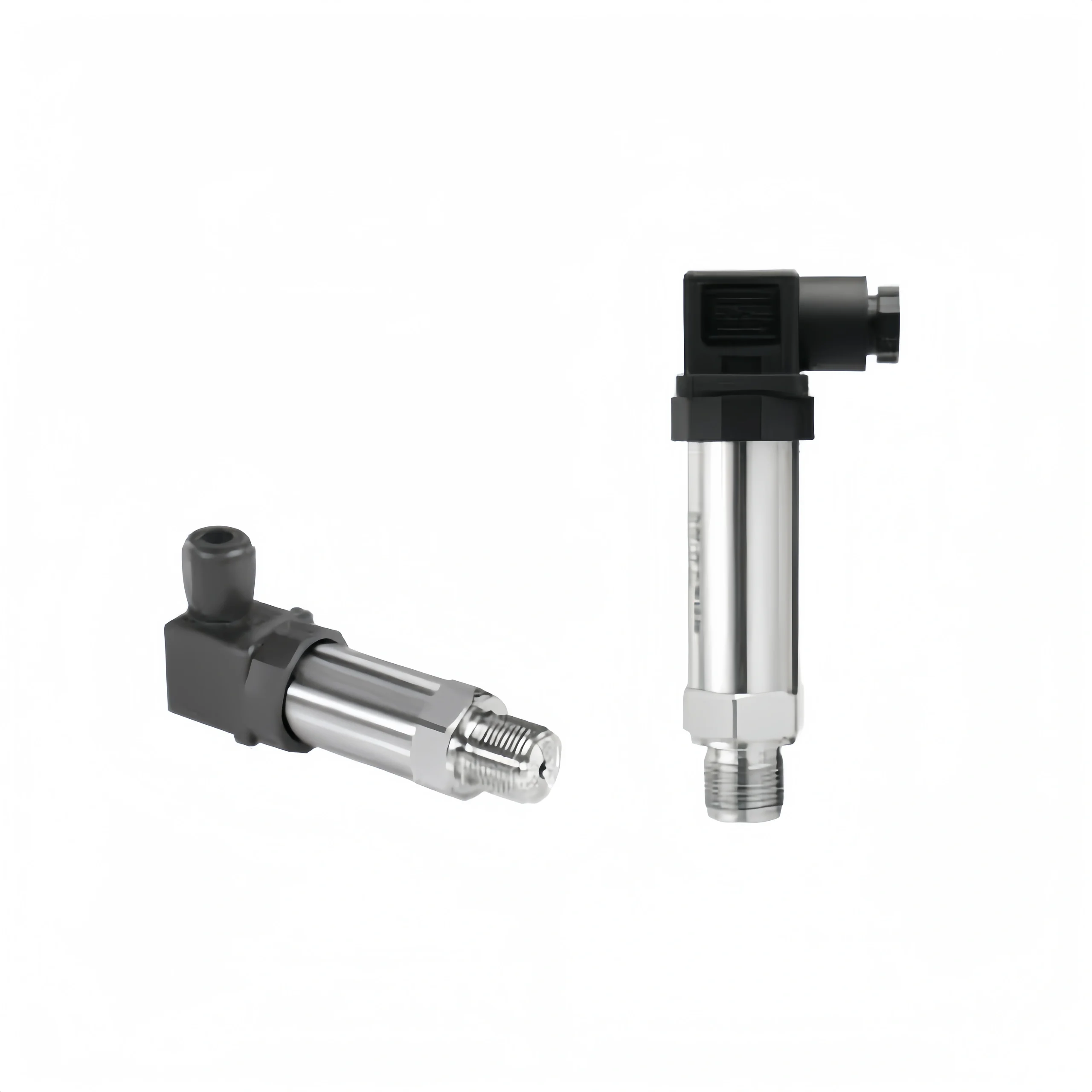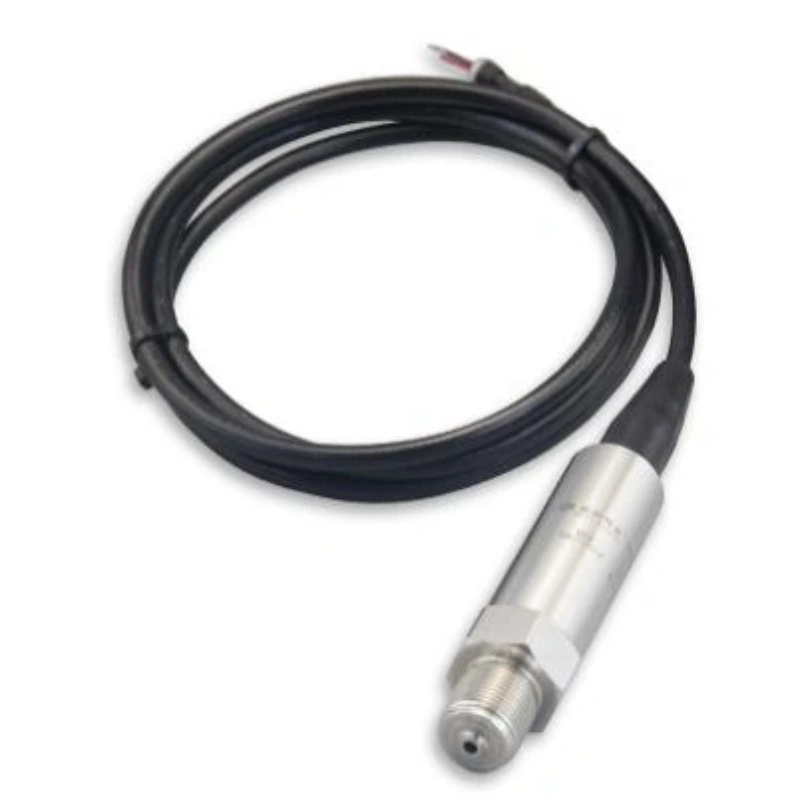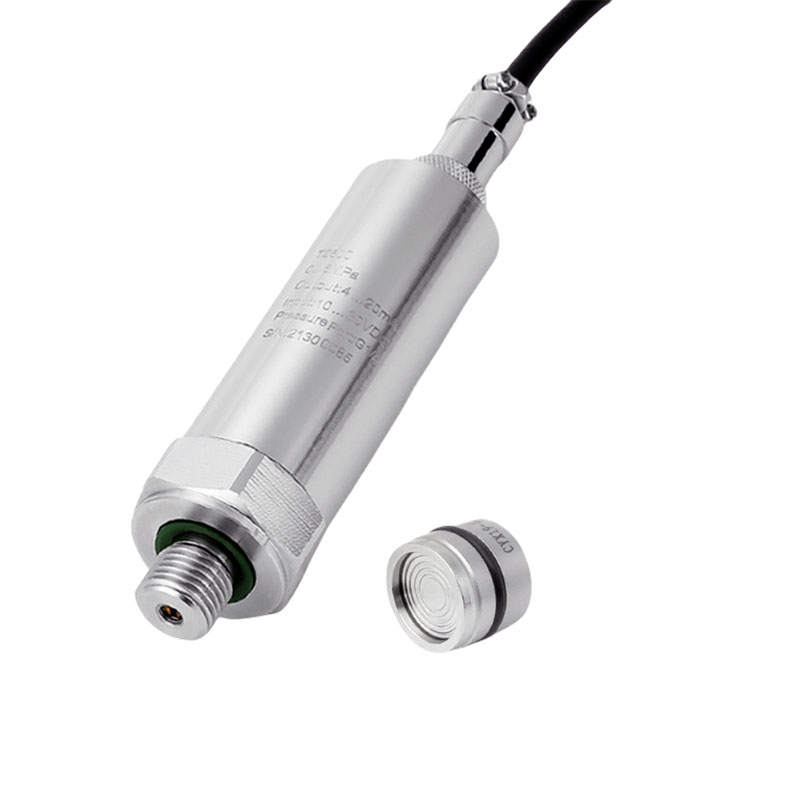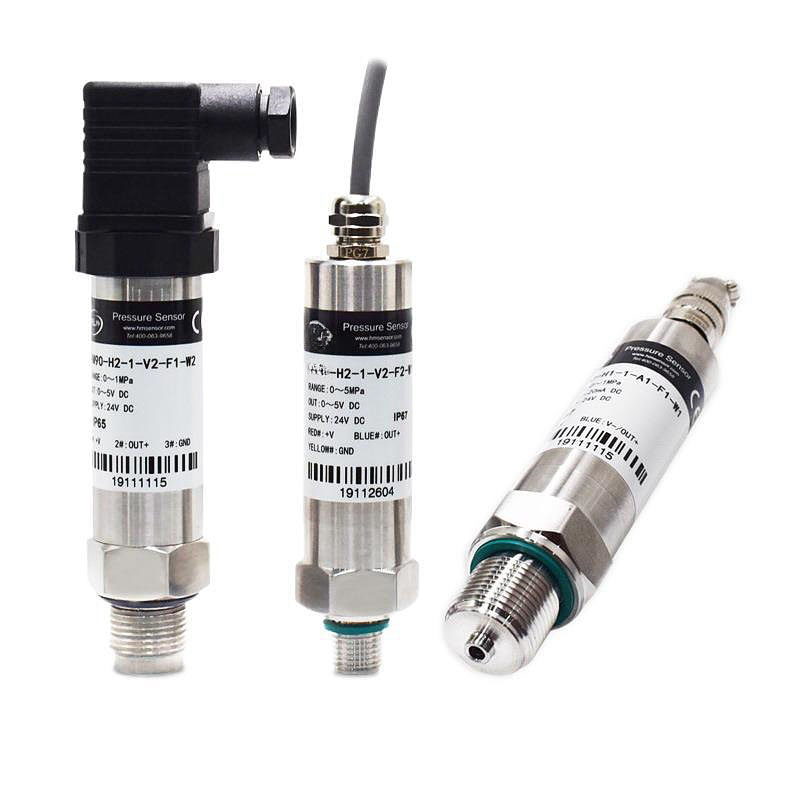
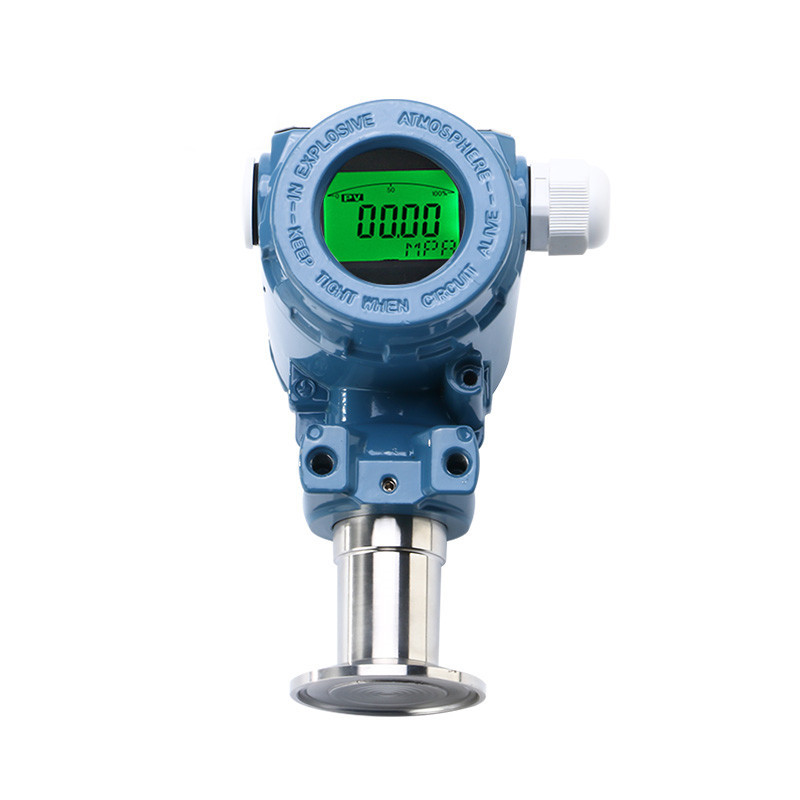
In pharmaceutical, biotechnology, and food processing operations, CIP/SIP conditions impose stringent requirements on the sanitary compliance of measurement instruments. Sanitary pressure transmitter, featuring a dead-zone-free flat-diaphragm design, enable precise pressure measurement in sterile environments and serve as the core sensing units for the stable control of clean processes.
Working Principle of Sanitary Pressure Transmitter
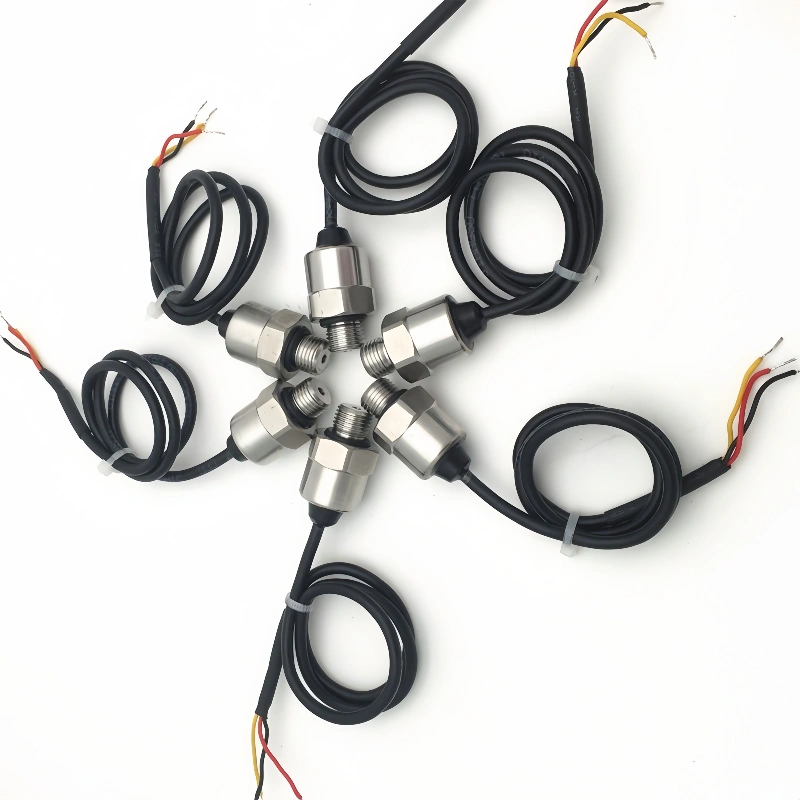
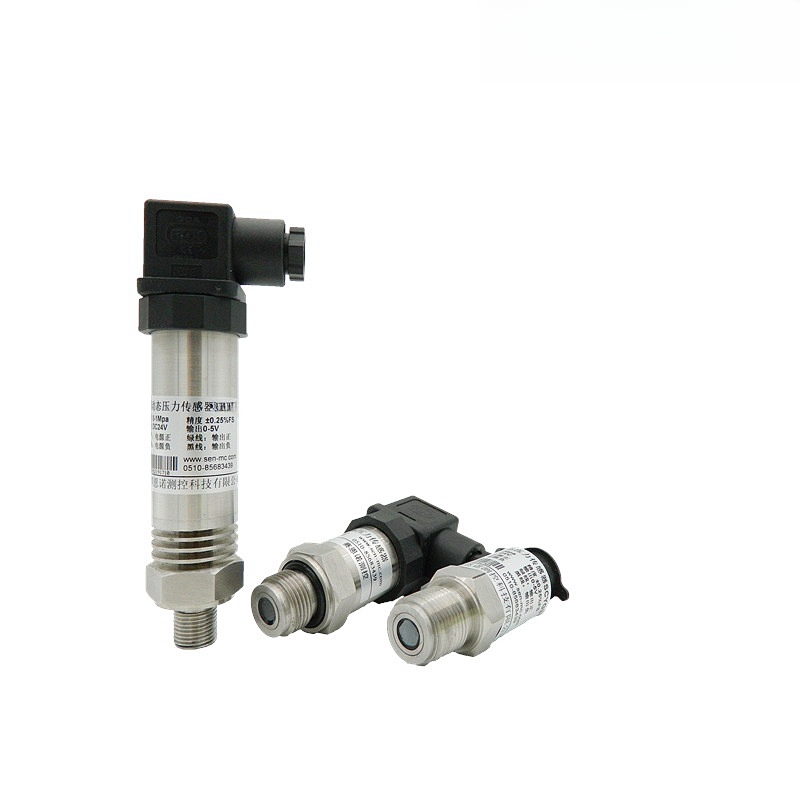
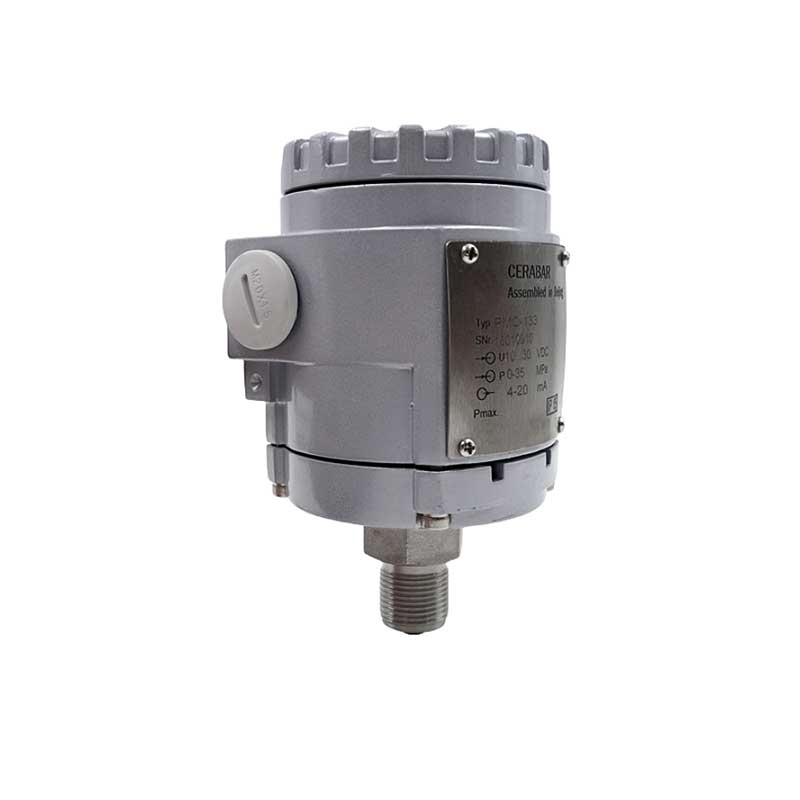
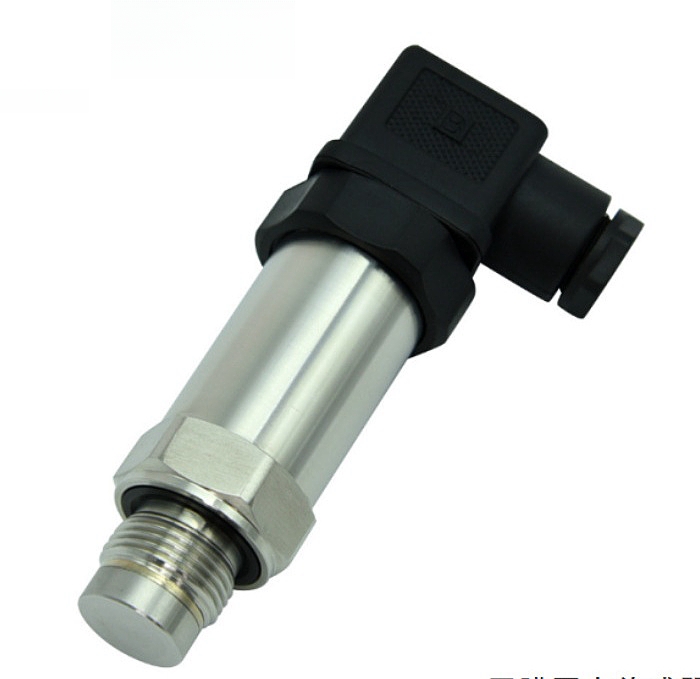
Most sanitary-grade pressure transmitter are diffused-silicon piezoresistive devices. The medium pressure acts on the isolation diaphragm and is transmitted via silicone oil to the silicon pressure-sensitive chip.
The force applied to the Wheatstone bridge on the chip alters its resistance, producing a weak electrical signal. After circuit compensation and calibration, this signal is converted into a standard 4–20 mA signal.
The medium does not come into direct contact with the chip. The wetted parts are made of polished 316L stainless steel, ensuring no cleaning dead zones and supporting CIP/SIP sterilization, making them suitable for pressure detection in food and pharmaceutical cleanroom environments.
Structural Properties
1. The wetted surfaces are constructed from 316L stainless steel and are highly polished to a high surface finish to minimize material carryover.
2. The dead-space-free design is compatible with CIP (Clean-in-Place) and SIP (Steam-in-Place) sterilization processes.
3. It has a built-in isolation diaphragm structure, which can avoid the direct contact between the measured medium and the sensor chip, so as to prevent the contamination and corrosion.
4. Sanitary-grade connection methods, such as clamps and quick-connect fittings, allow for easy installation and removal, facilitating rapid disassembly and cleaning.
5. The seal is reliable overall, and its sealing components are mainly made of temperature-resistant and corrosion-resistant materials that meet hygiene standards, such as EPDM and PTFE.

Advantages of sanitary pressure transmitter
1. Better cleaning effect:
The flush diaphragm design eliminates dead corners, and reduces material residue. It is compatible with CIP (Clean-in-Place) and SIP (Steam-in-Place) procedures, which effectively prevent bacterial growth and minimize the risk of cross-contamination between various batches of material.
The design is derived from the clean production standard in the food and pharmaceutical industries.
2. High resistance to corrosion of media:
The wetted parts are made of sanitary materials such as 316L stainless steel in combination with compliant sealing materials that can withstand acidic and alkaline materials, cleaning agents and high temperature steam. They are rust-free and won’t release any harmful substances, even with longtime use.
5. Easy to install and service:
Most units are designed with fast-connect clamps that do not require special tools to assemble or disassemble and can be disassembled periodically for inspection, cleaning and disinfection. This reduces the downtime of the line for maintenance and increases the efficiency of the line.
4. Good stability of measurement:
The design does not have pressure-conducting tubing, so there are no problems such as fluid accumulation or blockage in the pressure chamber. The isolation diaphragm directly acts on the process pressure, so the response time is fast and the pressure signal feedback is accurate, which can reduce the measurement error .
6. High environmental adaptability:
The housing has high protection level, and can be washed with high pressure water in clean rooms. The structure is repeatedly sterilizable at high temperatures and shows low zero-point drift after multiple temperature cycles, which guaranties a longer service life of the sensor.
7. High safety and compliance:
The wetted parts are compliant with food contact and pharmaceutical sterility standards. No risk of contamination from non sanitary parts. Sensor can successfully pass clean room audit and validation.
8. Wide applicable operating conditions:
It can be used not only with conventional liquid materials, but also with pastes, viscous liquids, fermentation broths and other media prone to sedimentation. It can be used for multiple production lines including dairy products, beverages, biological fermentation and active pharmaceutical ingredients (APIs).
Real Applications
Food and Beverage Industry:
Pressure monitoring of production lines, sterilizing retorts and mixing tanks for juice, fresh milk, beer, sauces and other products. Suitable for CIP/SIP and high temperature sterilization process.
The parts in contact with the medium are complying with the hygienic requirements, thus preventing contamination and ensuring stable pressure in the filling, homogenization and fermentation processes.
Pharmaceutical and Biotechnology Industries:
Used for real time monitoring of process pressure in API reactors, purified water systems, injection solution preparation tanks, bioreactors and chromatography column piping to avoid the effect of pressure fluctuations on drug efficacy and microbial activity. Can be validated and cleaned repeatedly. Suitable for use in aseptic production areas.
Dairy Processing:
Used in piping systems for pasteurization, UHT (Ultra High Temperature) sterilization, milk fat separation and curdling processes. It has regular monitoring of the pressure in the pipeline to prevent negative pressure air ingress and product overflow.
Suitable for frequent cleaning and disinfection procedures and meets the high hygiene control requirements of the dairy industry.
Fine Chemicals & Personal Care Industry:
Used in the blending and transfer lines of facial mask concentrates, personal care ingredients and fragrance pastes. Monitors the pressure downstream of mixing tanks and transfer pumps to prevent cross-contamination of media. Suitable for viscous and easily adhering materials. Easy to disassemble, clean and reassemble.
Water Treatment and Pure Water Systems:
Monitors pipeline pressure of purified water, ultrapure water and aseptic water supply networks; monitors the inlet and outlet pressures of reverse osmosis and EDI modules; timely detects pipeline leaks and blockages; and ensures stable supply of aseptic water.
Brewing Industry:
Fermentation and pressing/filtration process for Huangjiu, fruit wine, soy sauce, and vinegar. Monitor pressure in fermentation tanks and filters, control pressing force, avoid contamination by foreign microorganisms, and maintain a sealed and clean fermentation environment.
Cold Chain Fluid Transfer:
Low temperature transfer pipelines for liquid packaged foods and concentrated fruit and vegetable juices. Sanitary quick-connect fittings allow for instant disassembly and disinfection and immediate pressure monitoring.
Suitable for low temperature fluid handling to prevent product spoilage from abnormal pressure.
Selection Guide
Choice of materials in contact with the media:
Choose 316L stainless steel for wetted parts. For highly corrosive environments, you might look at Hastelloy or titanium alloys. Sealing materials can be EPDM, PTFE or VMQ silicone, avoid standard silicone for oily media and prefer PTFE for acidic media. All materials must be FDA & 3A sanitary certified.
Diaphragm design choice:
Flush diaphragms for clean fluids to eliminate dead spaces for CIP/SIP cleaning. Use convex diaphragms for viscous or particulate-laden materials to avoid pressure-transmitting orifices and prevent microbial growth from material residue.
Select Process Connection:
Clamp-on quick-connect fittings are used in the food and pharmaceutical industries to facilitate the assembly, disassembly and cleaning. Sanitary threads may be used for limited tank bottoms. For large, high-pressure tanks sanitary flanges with sanitary gaskets should be selected.
Selection according to measuring range and pressure type:
For best accuracy and service life keep the operating pressure between 30% – 70% of the full scale range. Choose a composite range for vacuum or negative pressure conditions. Check for the overload margin for pulsating conditions at pump outlets.
Selection according to temperature conditions:
Differentiate the medium temperature and ambient temperature. Check the maximum temperature limit for SIP sterilization. High temperature models can be equipped with a heat sink. Low temperature models are used for cold chain applications to ensure the stability of temperature compensation.
Selection of Output Signal and Power Supply:
For standard automation, use 4–20 mA. For remote commissioning, select the HART protocol. For bus systems, select digital signals such as Modbus. Also check that the supply voltage matches the control cabinet.
Selection for Explosion Proof, Accuracy and Protection
Class 0.5 accuracy is fine for standard pipelines. For flammable and explosive environments, select models with the appropriate explosion-proof rating.
Compliance with Selection and Certification:
Export projects? 3A certification focus. Pharmaceutical projects? FDA and GMP documentation confirmation. Food applications? Food-contact compliance reports provided. Attach certificates to certain models to make audits easier.
Installation and Accessory Selection
Install sanitary shock absorbers at the impact points of the pumps outlet. Select models with display heads for on-site readings. To simplify maintenance, preferably select models that permit on-site zero-point calibration.
Pressure Transmitter and Sanitary Pressure Transmitter
Structural Design Differences: Sanitary pressure transmitter feature a flush diaphragm design without dead corners where material can become trapped. Standard pressure transmitter often have pressure tapping holes or recessed cavities that can collect material and clog up, creating blind spots when cleaning.
Wetted Parts Materials are Different: sanitary models are usually made from electropolished 316L stainless steel for wetted parts and seals are FDA or other sanitary certified; standard models offer a wider range of materials, with surfaces only conventionally finished and no need for sanitary certification.
Differences in Connection Types: Sanitary models feature quick connect types (such as clamps and SMS connections) which make disassembly and cleaning easy, whereas standard models commonly have threaded or flanged connections, which are inconvenient for disassembly.
Cleaning Tolerance: Sanitary models can be cleaned with CIP (Clean-in-Place) and SIP (Steam-in-Place) sterilization methods; standard models cannot handle high temperature steam or highly corrosive cleaning media; they are not appropriate in sterile environments.
Differences in Suitable Media:Sanitary models are suitable for viscous media such as pastes, emulsions and solids-containing liquids. Standard models are mainly used for clean, free-flowing media such as clean water, gasses and thin oils.
Industry Differences in Application: Sanitary-grade models used in the aseptic production lines of food, pharmaceuticals and biotechnology; standard models used in the general industrial environments of chemical processing, HVAC, hydraulics and power generation.
Cost and Certification Differences: Sanitary models need to comply with 3-A, EHEDG and GMP standards, leading to higher costs. Normal models comply with general industrial standards and are cheaper.
Contamination Differences Risk: Sanitary models minimize residual materials, so there is no risk of cross-contamination. Standard models are susceptible to material build-up in the chamber, which can encourage microbial growth, and should not be in contact with food or pharmaceutical raw materials.
Sino-Inst provides a full line of hygienic pressure transmitters, level transmitters, flow meters and other measurement products for a variety of clean processes. We enable stable and compliant operations of food, pharma and bioprocess production lines by providing on demand product selection and respective hygienic certifications. Reliable measurement solutions for your clean fluid processes.