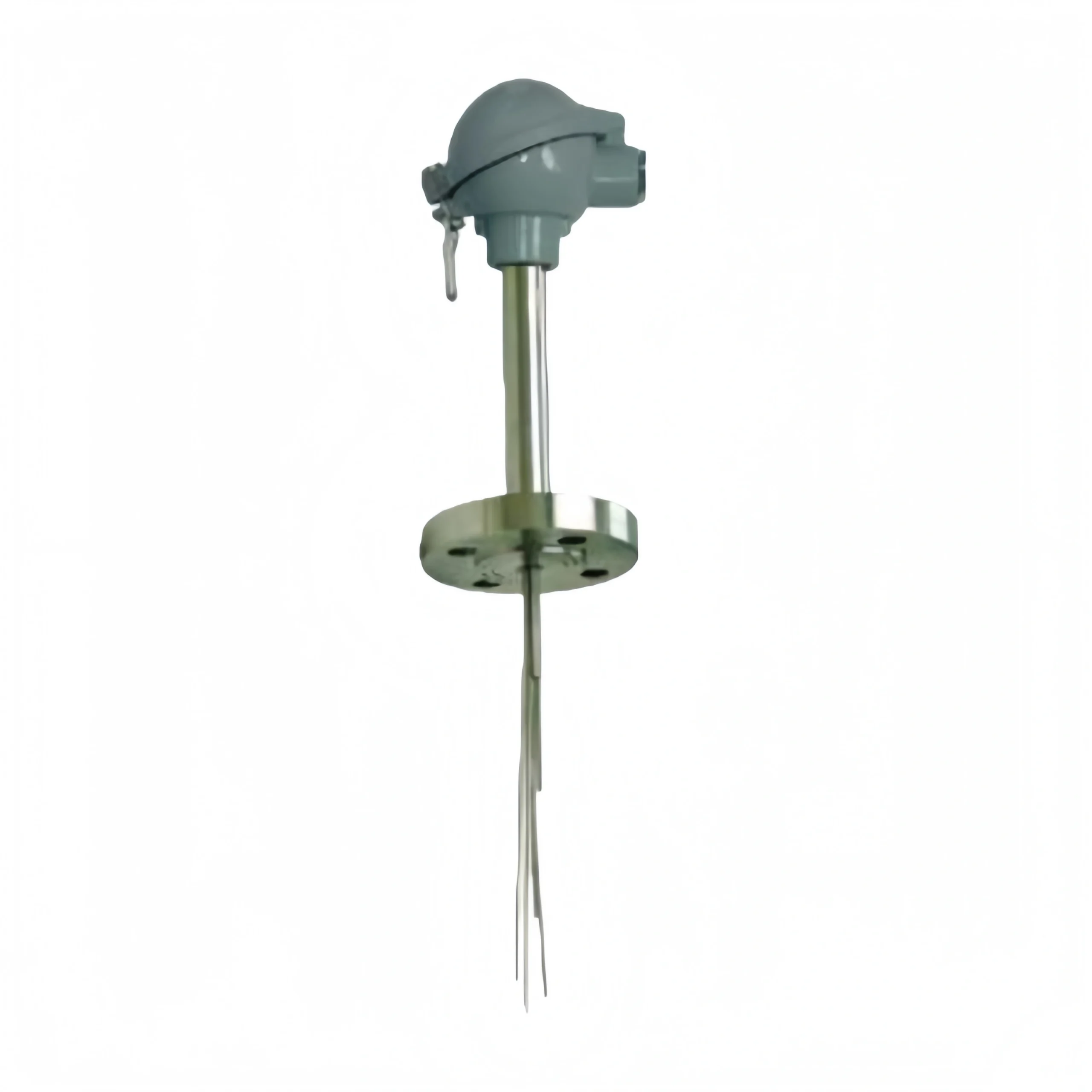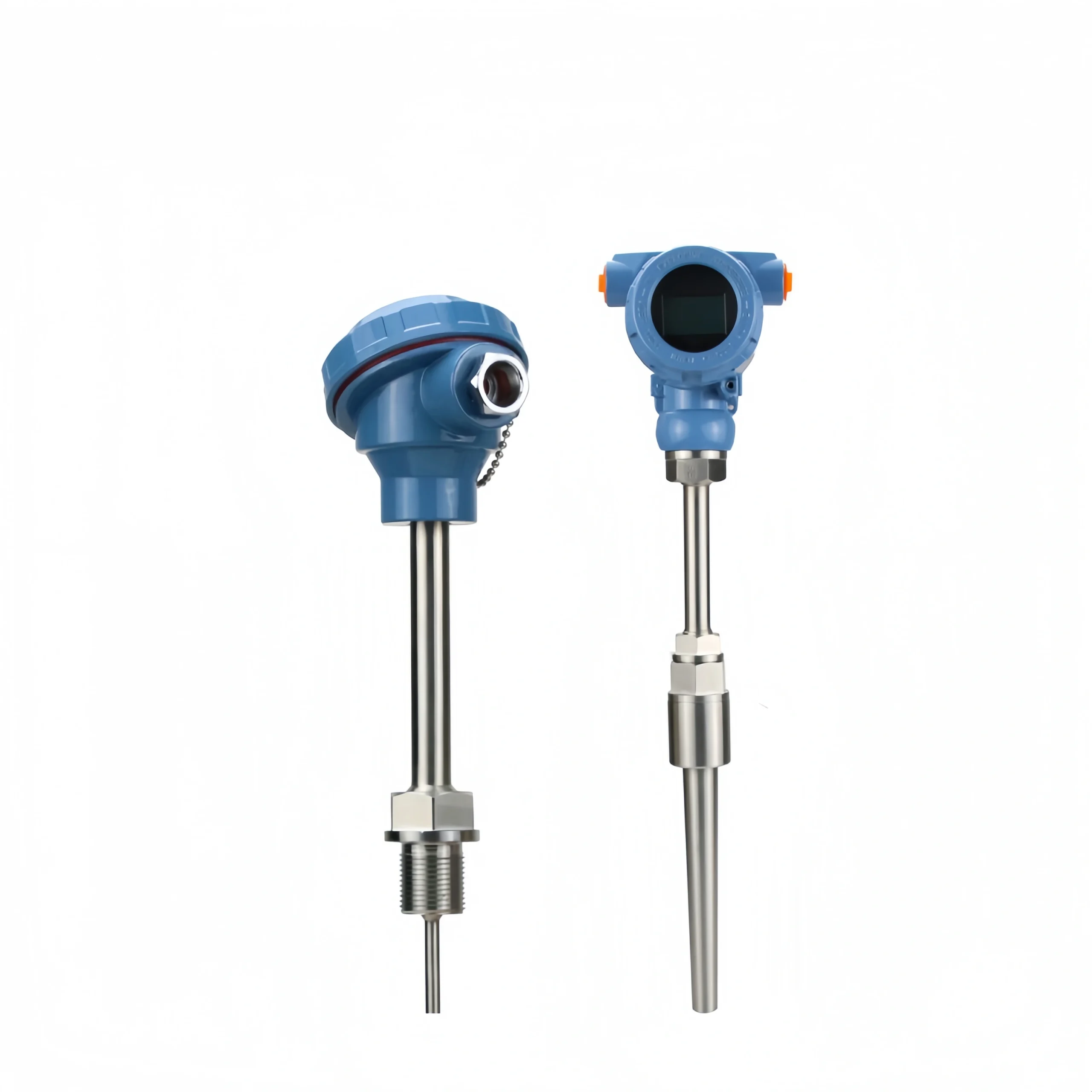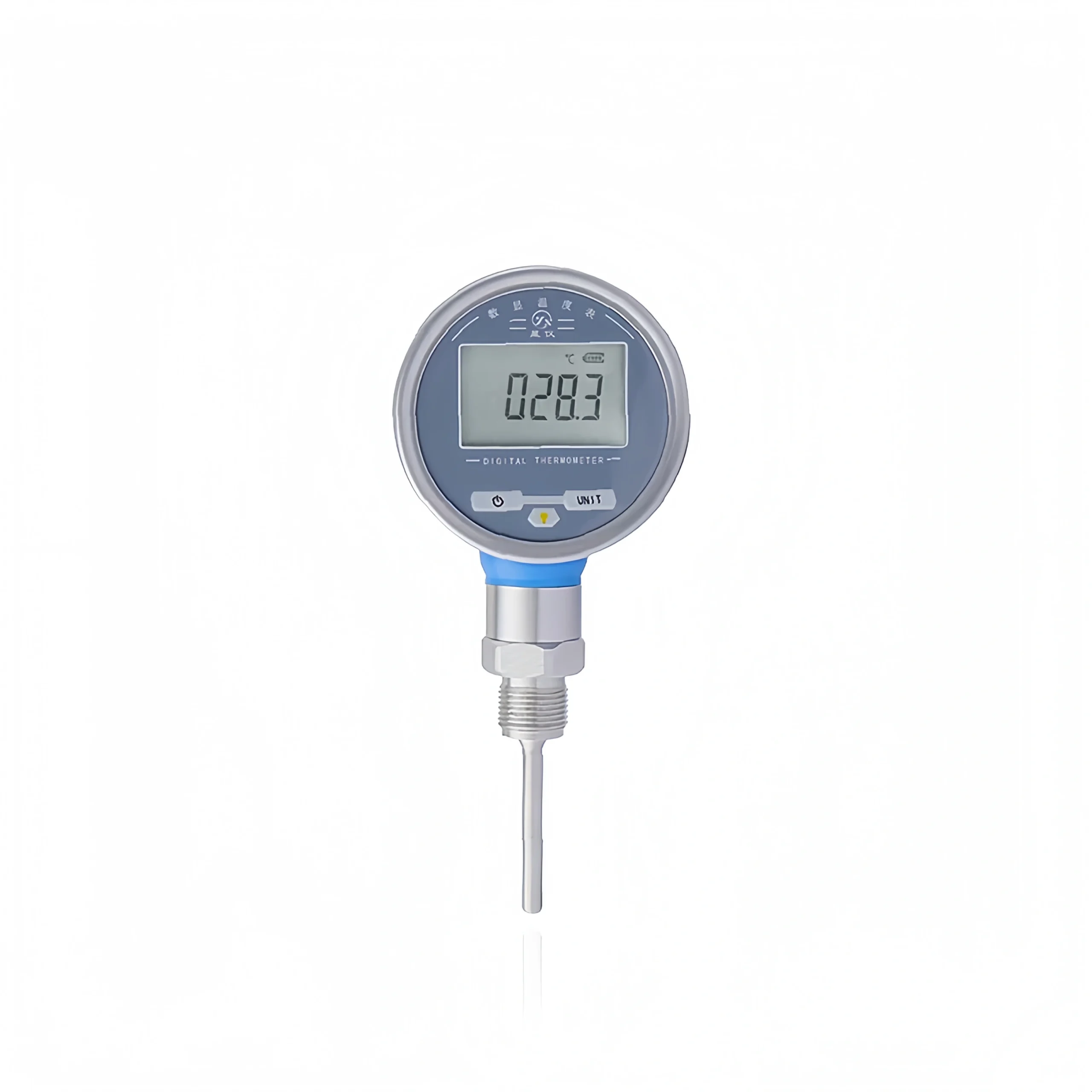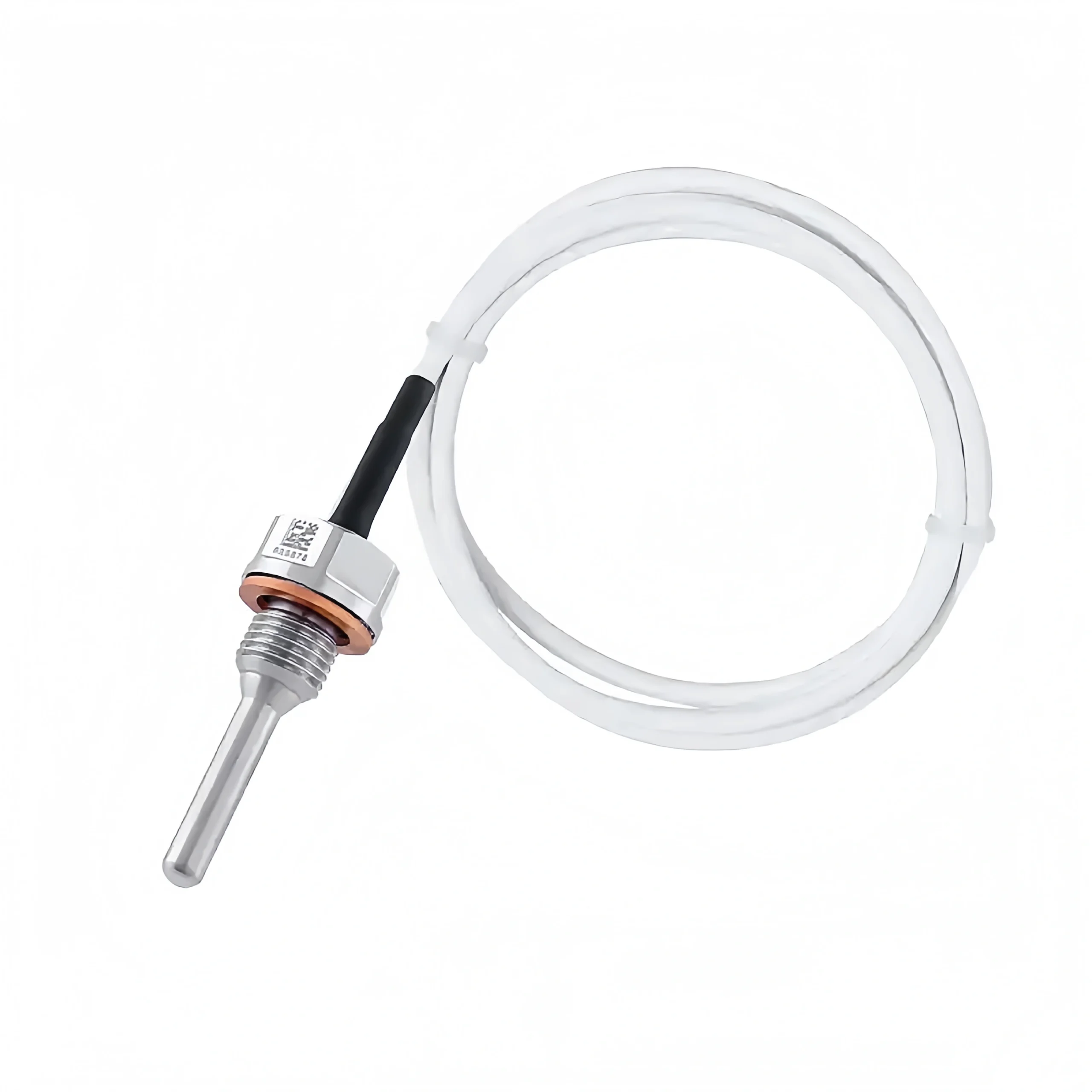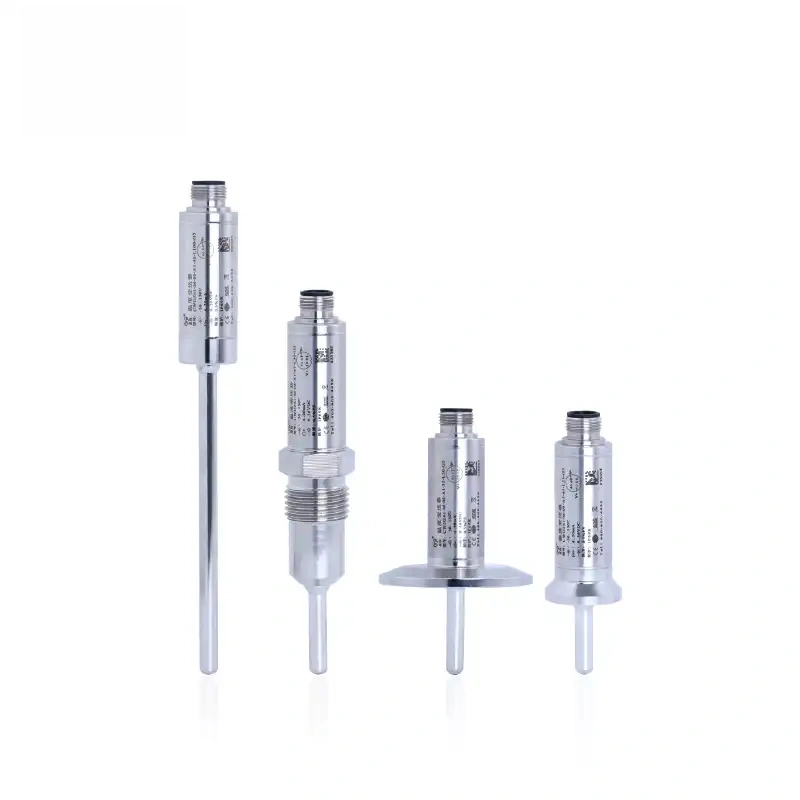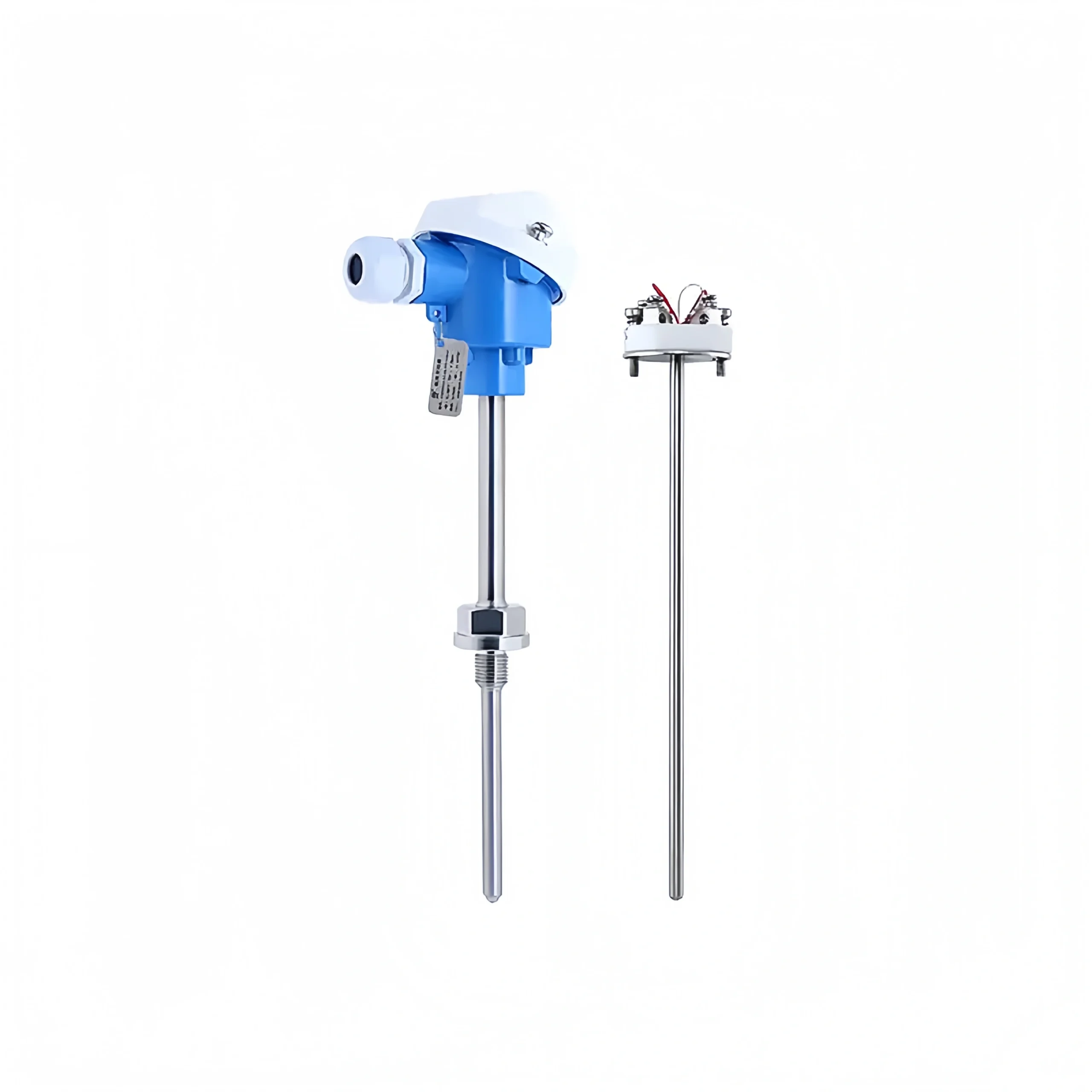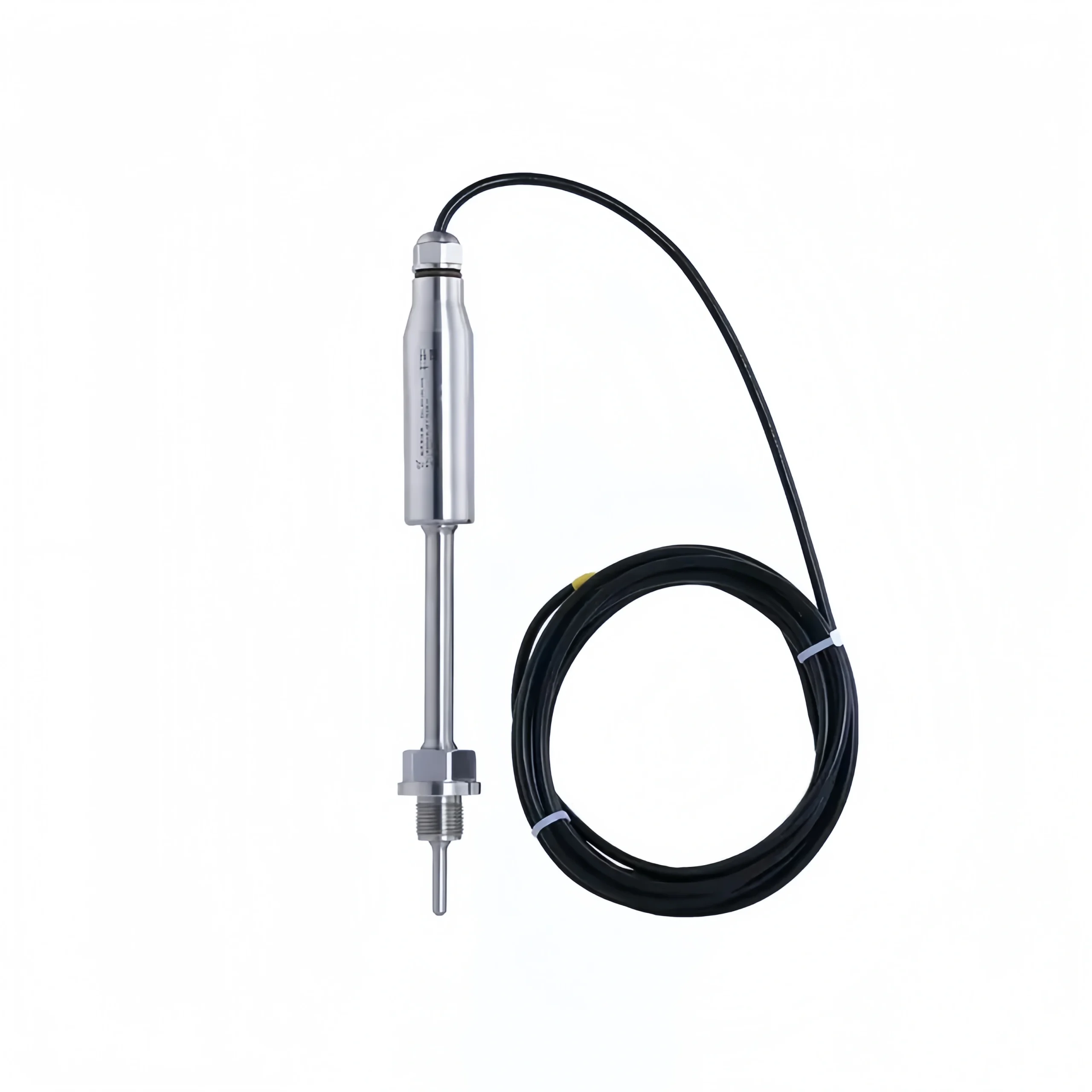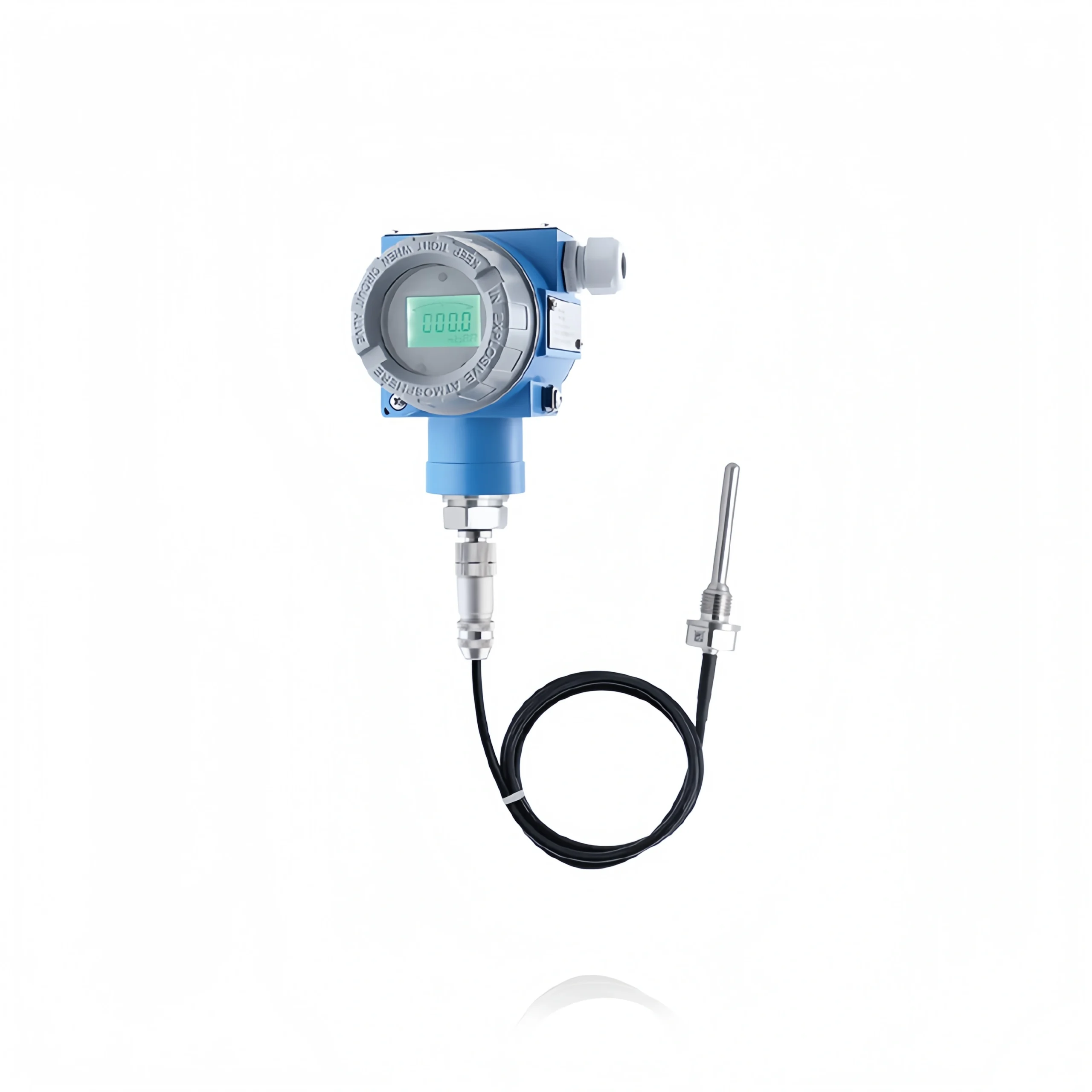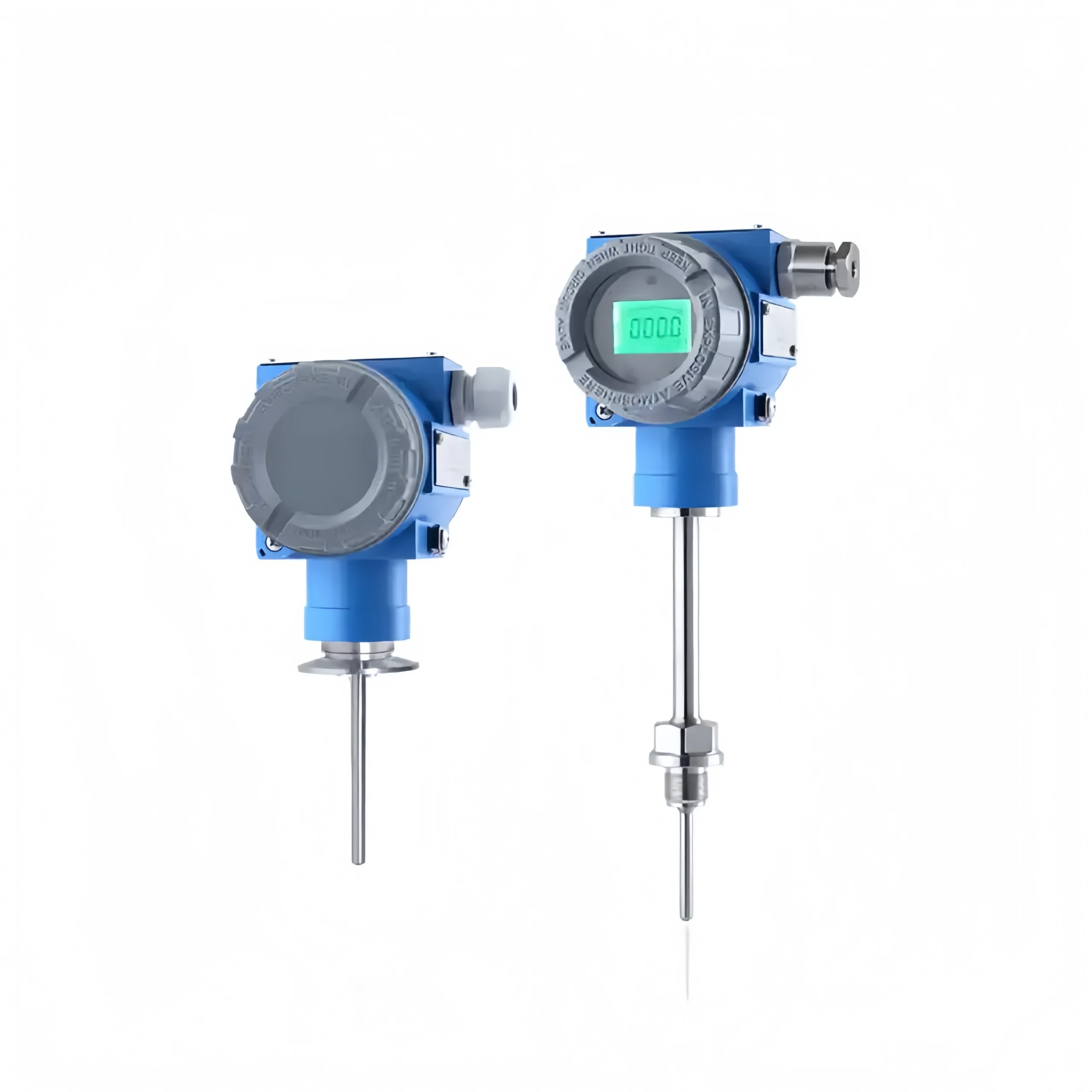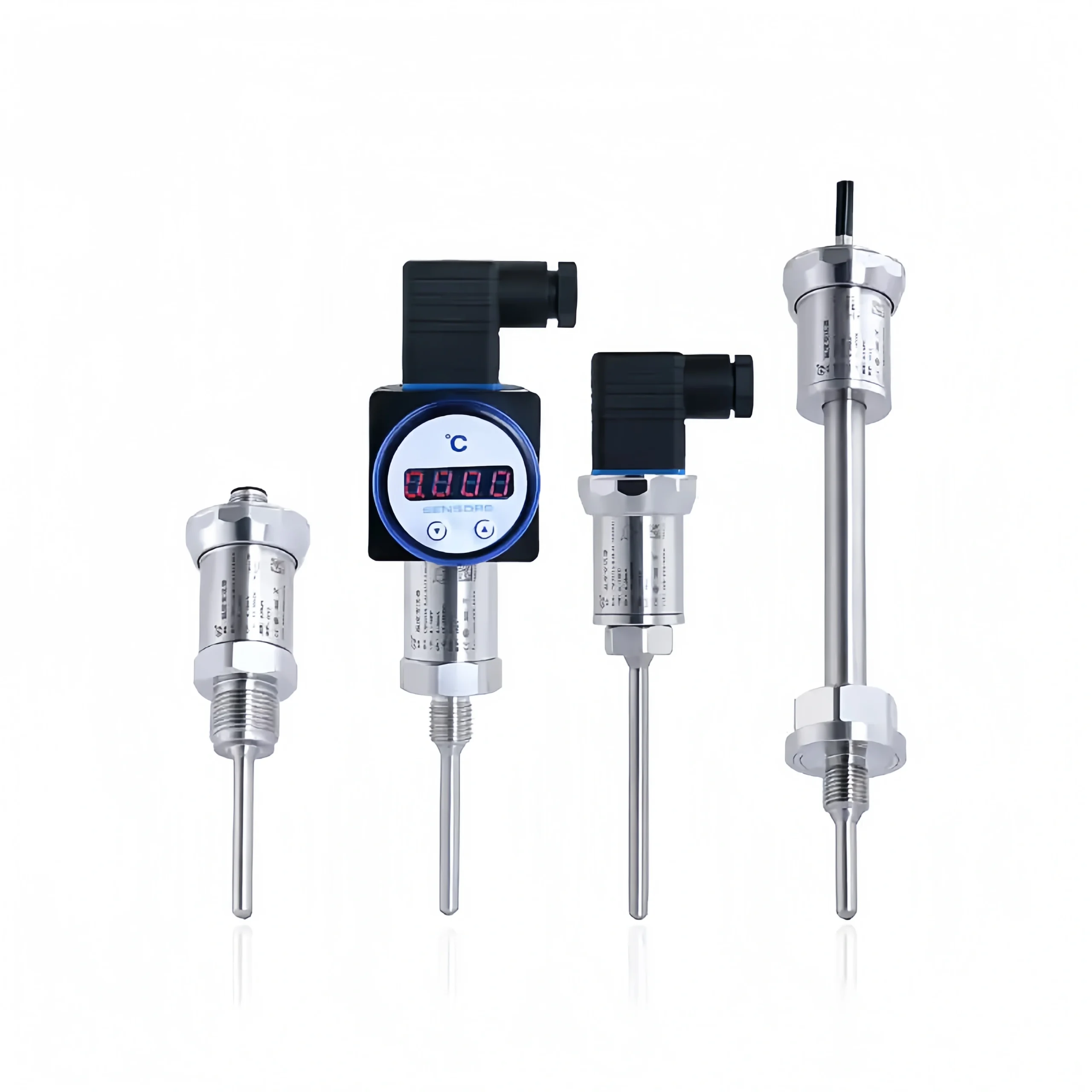
Both Type J and Type T thermocouples are widely used in industrial applications. Based on different conductor pairings, they differ significantly in terms of temperature measurement range, stability and environmental resistance. This article provides a comparative analysis of the two types of thermocouples from the perspectives of performance parameters and suitability for specific operating conditions.
What is a thermocouple?
A thermocouple is a temperature-measuring sensor based on the Seebeck effect, in which two different conductors are connected to form a closed circuit; when the temperatures at their two ends differ, a thermoelectric potential is generated.
One end serves as the hot junction in contact with the object being measured, whilst the other end acts as the cold junction. The instrument measures the potential and converts it into a temperature reading.
It offers a wide temperature measurement range and is capable of measuring high temperatures; it is commonly used for industrial temperature measurement but requires cold-junction compensation, and its accuracy is inferior to that of some thermistors.
Type J Thermocouple
The Type J thermocouple is a low-cost metal thermocouple, with an iron positive electrode and a constantan negative electrode; its calibration code is J, and its typical operating range is 0–750 °C. It offers high sensitivity and is inexpensive, making it suitable for oxidising, neutral or vacuum environments;
However, the iron electrode is prone to oxidation at high temperatures, is not resistant to sulphur or strongly reducing atmospheres, and exhibits magnetic properties. It is therefore most commonly used in medium- and low-temperature applications such as injection moulding and general heating equipment.
Type T Thermocouple
The Type T thermocouple, also known as the copper–constantan thermocouple, consists of a copper positive electrode and a constantan negative electrode. It belongs to the base metal thermocouple category, with a temperature measurement range of approximately –200 °C to 350 °C.
It offers excellent low-temperature performance, good stability, high sensitivity and is inexpensive; it is commonly used for temperature measurement in low-temperature, refrigeration, food and laboratory applications.
However, copper electrodes are prone to oxidation in high-temperature, humid environments and are therefore unsuitable for high-temperature, strongly reducing or sulphur-containing atmospheres.
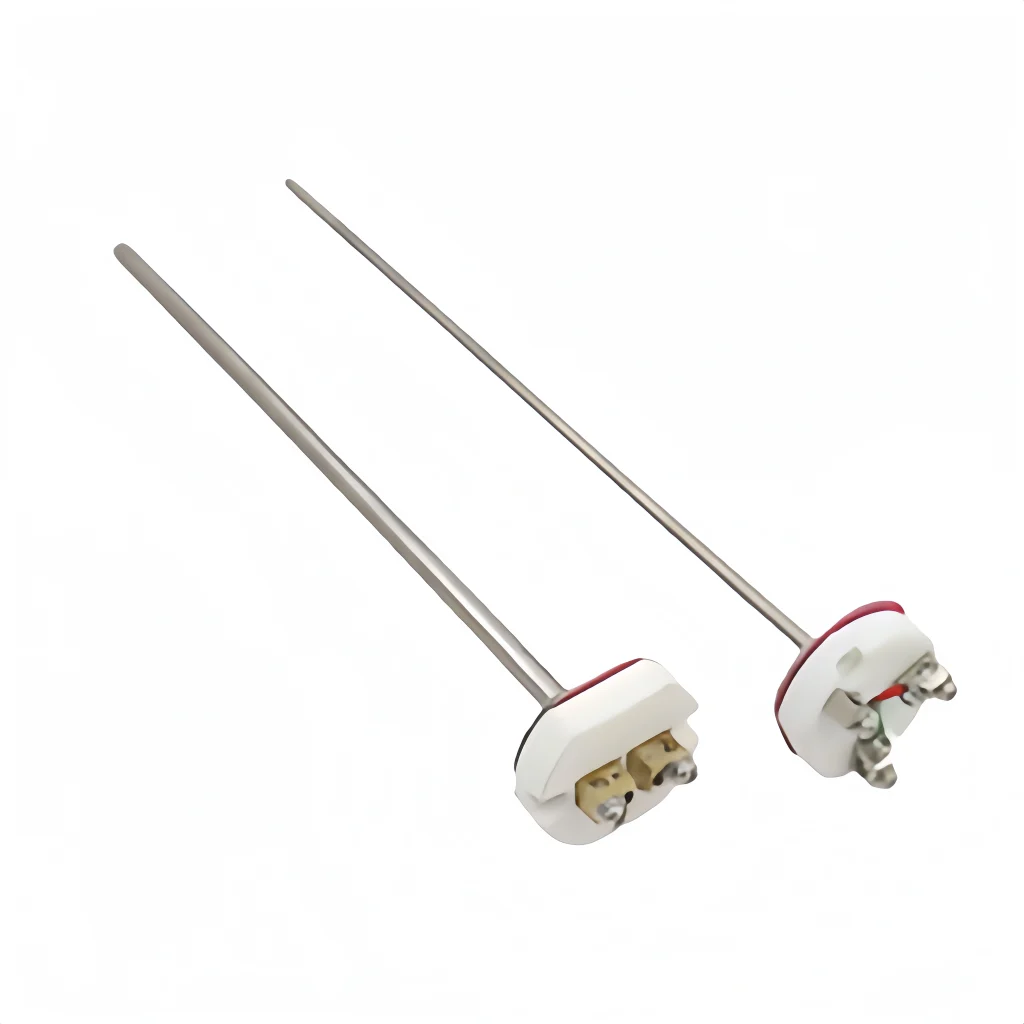
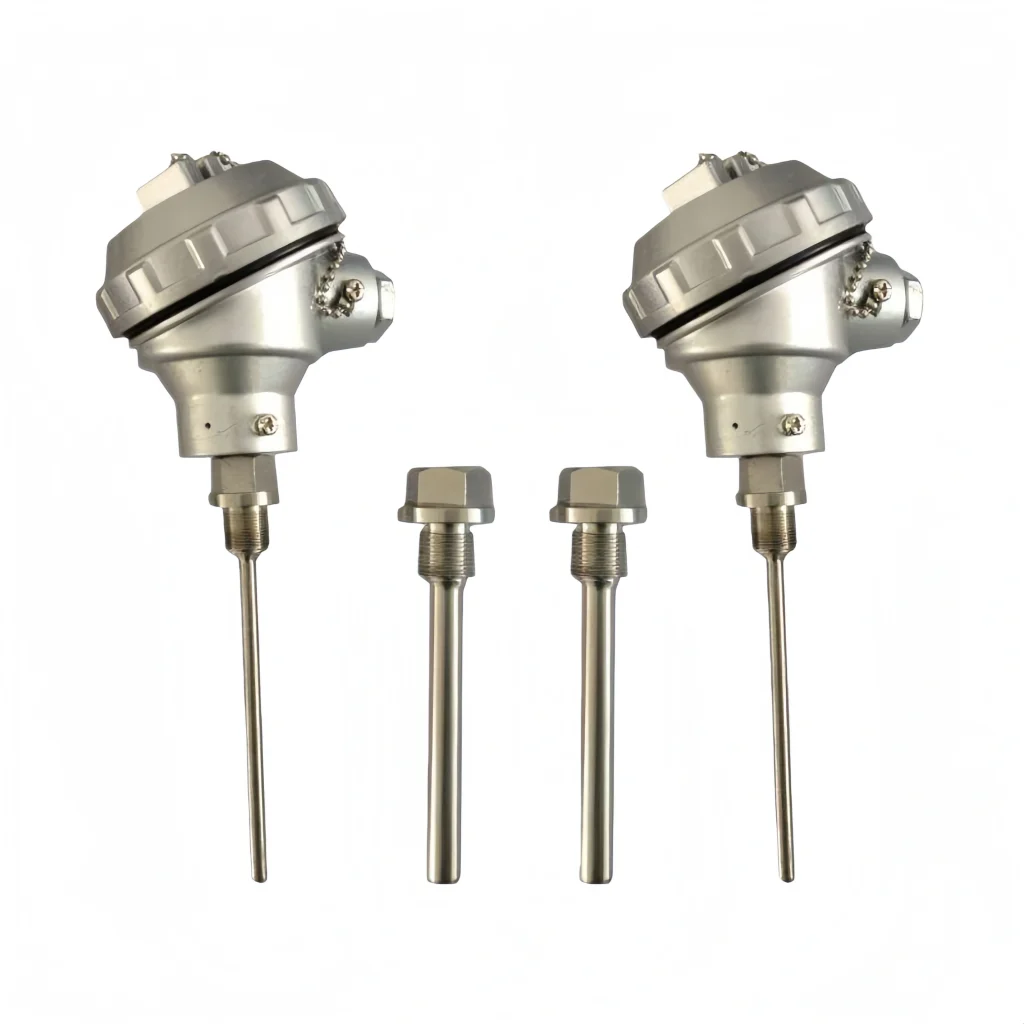
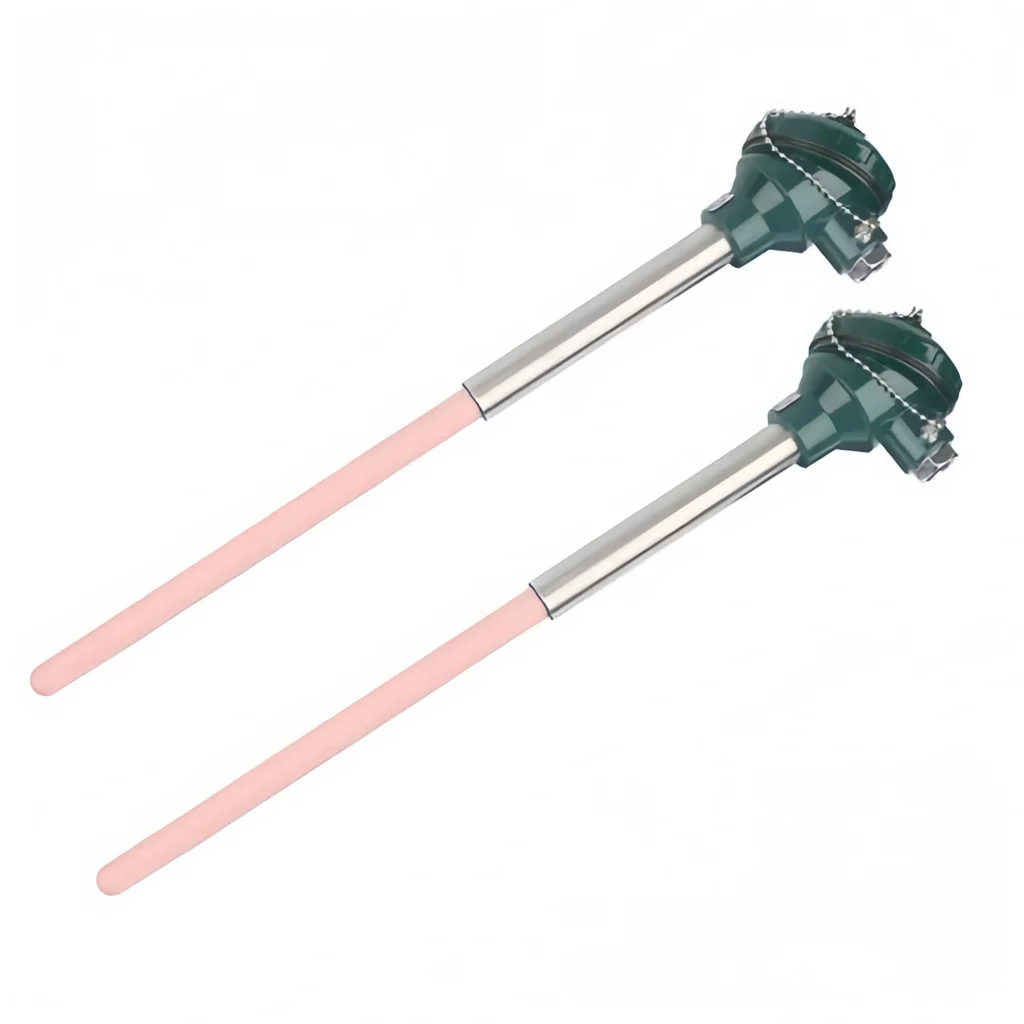
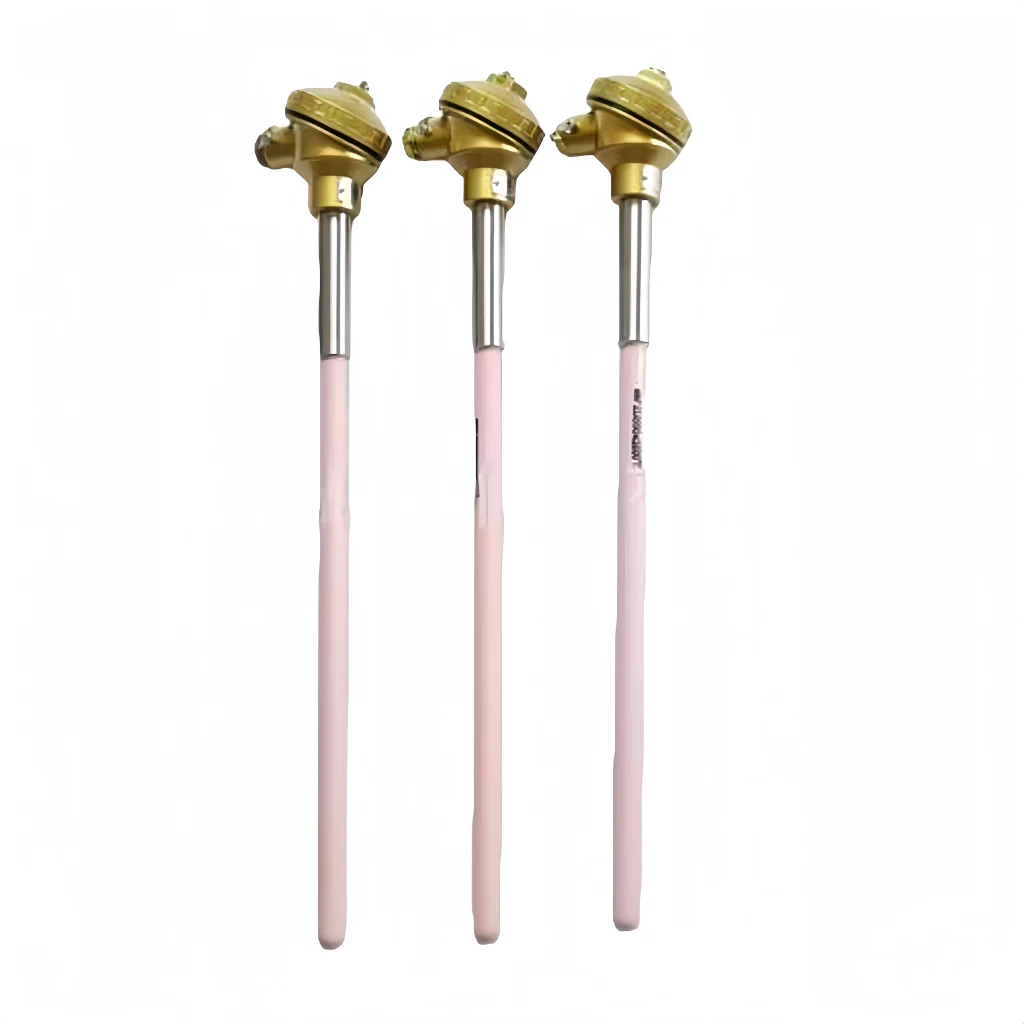
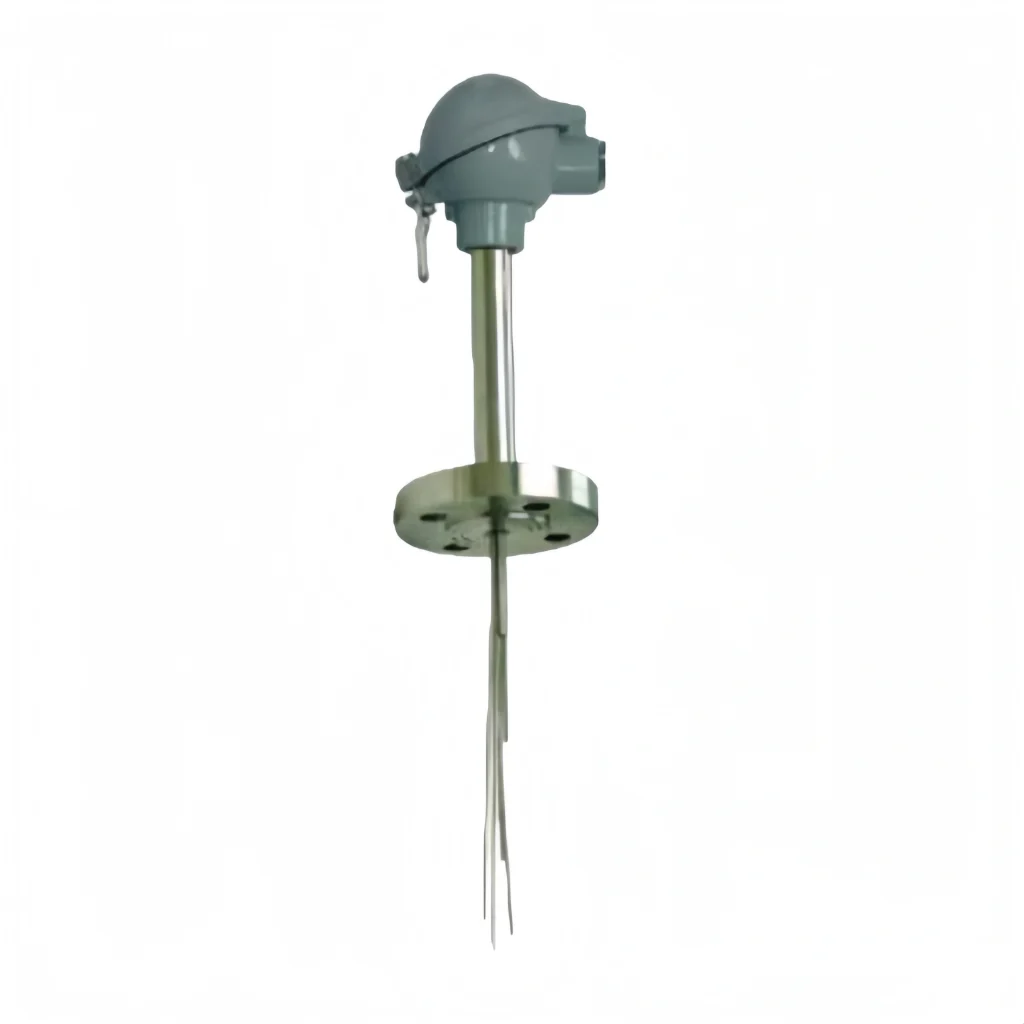
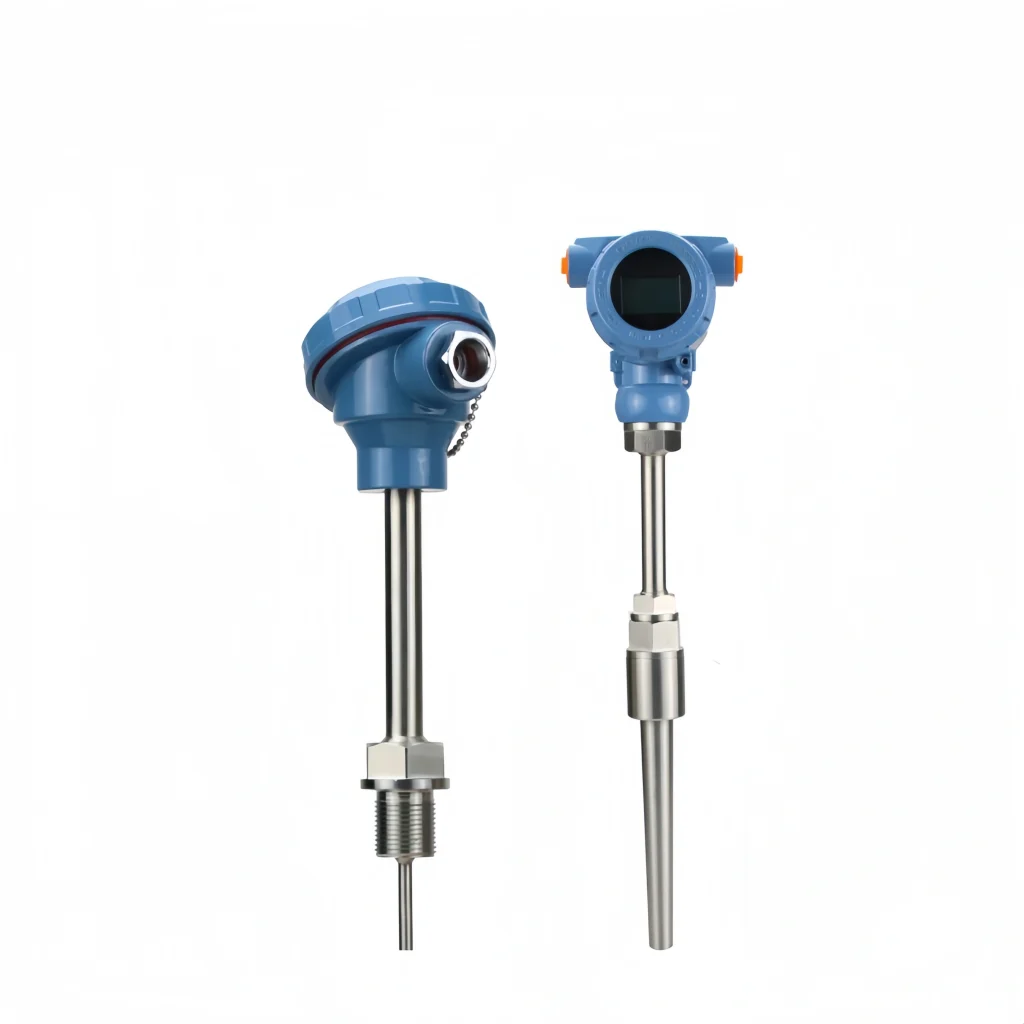
Type J Thermocouple vs Type T Thermocouple
Differences in material composition:
The Type J thermocouple is an iron–constantan thermocouple, with a positive electrode made of pure iron and a negative electrode made of constantan;
The Type T thermocouple is a copper–constantan thermocouple, with a positive electrode made of pure copper and a negative electrode made of constantan. The negative electrode material is the same for both, whilst the positive electrode material differs.
Different temperature measurement ranges:
The theoretical temperature range for Type J is approximately –210 to 760 °C; however, for long-term use, it is generally recommended not to exceed 500 to 540 °C, as the wire will oxidise rapidly at higher temperatures.
The common temperature range for Type T is –200 to 350 °C; it offers better low-temperature performance, making it suitable for cryogenic and low-temperature applications, though its upper temperature limit is lower.
Differences in Accuracy and Sensitivity:
Type T is the most accurate of the base-metal thermocouples, offering excellent stability and repeatability at low temperatures.
Type J has a slightly higher thermoelectric potential sensitivity than Type T, giving a stronger signal output and good linearity in the medium temperature range, but its overall accuracy grade is lower than Type T.
Environmental resistance differs:
Type J is resistant to reducing atmospheres and vacuum environments, and is suitable for dry conditions; however, it is not resistant to humid or high-temperature sulfur-containing environments, and the iron electrode is highly susceptible to rust in humid conditions;
Type T is resistant to humid and mildly corrosive environments, with better adaptability to both dry and wet conditions, and is relatively stable in both oxidizing and reducing atmospheres; however, the copper electrode is prone to oxidation and failure in high-temperature oxidizing environments.
Differences in magnetic properties:
The iron wire of the positive electrode in the J-type is magnetic and can be identified on-site using a magnet; both electrodes of the T-type are non-magnetic.
Differences in typical applications:
The J-type is predominantly used for dry, medium-temperature industrial measurements, such as in plastics processing, heat treatment and certain chemical reduction environments;
The T-type is predominantly used in refrigeration and cold chain applications, laboratory low-temperature calibration, food refrigeration, HVAC and ultra-low-temperature measurement—situations where high low-temperature accuracy is required and the environment is humid.
Advantages of J-type thermocouples
1. J-type thermocouples have higher sensitivity and thermoelectric potential, which simplifies the design of downstream data acquisition circuits and allows for the detection of subtle temperature variations.
2. They have good linearity of thermoelectric characteristics; the dependence of the thermoelectric potential on temperature is stable in the normal operating temperature range, which allows for simple algorithms for converting the signal to temperature, and their calibration characteristics are well studied.
3. Raw material costs are low; the positive electrode is made of pure iron and the negative electrode of constantan (a copper–nickel alloy). As a base-metal thermocouple, it offers low procurement and operating costs, providing outstanding value for money.
4. It exhibits good stability in reducing atmospheres, vacuum environments and inert atmospheres, making it suitable for temperature measurement in reducing conditions such as hydrogen and carbon monoxide.
5. It offers good temperature measurement repeatability and excellent material homogeneity, with stable readings in the low-to-medium temperature range, making it suitable for long-term continuous monitoring.
6. The industrial support system is mature, and there is a complete series of accessories that can be used with the J-type thermocouple, such as display instruments, transmitters, and compensation leads. It is easy to find spare parts, and the compatibility is good when it is necessary to retrofit or replace traditional equipment.
7. Iron has good thermal conductivity. The bare contacts or fine protection tube will give a fast response and can follow the changes of the temperature of the medium under measurement quickly.
Practical Applications of J-Type Thermocouples
Heat treatment industry: Used for low- to medium-temperature temperature measurement in reducing-atmosphere furnaces for processes such as annealing, tempering and carburising.
Rubber and plastics processing: Mounted to injection molding machines, extruders and hot pressing equipment to measure melting and molding temperatures of materials.
Food Processing: With ovens, deep frying and sterilization equipment to monitor process temperatures in a stable way.
Ovens and Test Equipment: Routine temperature measurement in hot-air ovens, ageing chambers and constant-temperature test chambers.
Mould Temperature Measurement: Built-in temperature sensors in die-casting and hot-pressing moulds for closed-loop temperature control.
Laboratories and General-Purpose Fixtures: Physical and chemical test furnaces; short-term surface temperature measurement of workpieces; components are readily available and replacement costs are low.
Advantages of Type T Thermocouples
1. Excellent low-temperature performance; it is the most stable low-temperature model among base-metal thermocouples, characterised by outstanding stability and minimal drift. It can serve as a second-class standard thermocouple for low-temperature traceability.
2. High measurement accuracy. One of the highest accuracy grades among commonly used base-metal thermocouples. This results in a large thermoelectric signal and a high sensitivity, so even small temperature changes yield a distinct signal. This signal will be detected by the data acquisition instruments downstream.
3. Good linearity of thermoelectric characteristics. The thermoelectric potential is approximately linearly related to the temperature in the effective temperature measurement range. Calibration, signal conversion and data processing are relatively simple and have excellent reproducibility. Repeated measurements with the same thermocouple have good consistency.
4. Both electrode materials are non-magnetic. When used in environments subject to electromagnetic interference—such as those with magnetic fields, electric motors or variable-frequency equipment—they are not easily affected by magnetic fields that could introduce measurement errors, and thus demonstrate strong resistance to magnetic interference.
5. Good resistance to moisture and corrosion, which allows long-term use in oxidizing and inert atmospheres and also in humid environments. They are also suitable for temperature measurement in cold stores, in water and in conditions of high humidity.
6. Raw materials are easily available; copper and constantan are inexpensive. They are economical compared to precious metal thermocouples with low procurement and operating costs, and are widely available.
Practical Applications of Type T Thermocouples
Cold chain and low-temperature storage: Temperature measurement in cold stores, refrigerated vehicle compartments, low-temperature test chambers and low-temperature equipment utilising liquid nitrogen.
Food Industry: Temperature measuring for food processing, quick-freezing production lines, and food storage cabinets, etc.; temperature measuring requirements in humid environment, safety and reliability.
Laboratory Testing: Tests at low temperature in university and research laboratories, calibration of temperature baths; often used as second-class standard thermocouples in low temperature work.
Electronics Industry: Thermal testing of circuit boards, chips and components; Fine wire probes can be used in confined spaces for capturing temperature changes rapidly.
Water environments and humid conditions: Measurement of temperature in water treatment equipment and equipment operating in humid environments; resistant to high humidity and oxidizing atmospheres.
Temperature measurement around electromagnetic equipment: Temperature measurement for electromagnetic equipment such as motors and variable frequency drives; Non-magnetic electrodes to avoid measurement errors due to magnetic fields.
Heating, Ventilation and Air Conditioning (HVAC): collects temperature data for air ducts, chillers and indoor temperature control systems; low cost and easy to install.
Selection Guide
Determine the temperature measurement range:
Where temperatures consistently exceed 350°C, the J-type is recommended, as the T-type has an insufficient upper limit; where the operating temperature ranges from -200°C to 350°C and low-temperature measurement is a priority, the T-type is recommended, as it offers better accuracy and stability at low temperatures.
Consider the on-site atmospheric conditions:
J-type thermocouples are suitable for reducing atmospheres, vacuum and dry environments; T-type thermocouples are preferred in humid environments, where condensation is present or there is mild corrosion; neither type is suitable for long-term use in highly oxidative or high-temperature sulphur-containing environments.
Selection based on accuracy requirements:
For applications requiring high-precision temperature measurement, low-temperature calibration, laboratory use or cold chain metrology, select the Type T; for general industrial monitoring where accuracy requirements are not stringent and where a strong signal and cost-effectiveness are prioritised, the Type J may be selected.
Vibration and mechanical condition:
Type J is the preferred type in sites where there is considerable vibration and a tendency for leads to be pulled . The ferrite electrode is tougher and less susceptible to tensile breakage than the copper electrode of the Type T.
Differentiate and simplify maintenance:
Where on-site labeling is not available and rapid differentiation of positive and negative terminals is required, the J-type allows the positive terminal to be identified by means of a magnet; the T-type is non-magnetic and can only be distinguished by wire color coding.
Cost and cabling scale:
The J-type is better value for money for installations with many measurement points, large-scale cabling and limited budgets, whereas for low temperature precision measurement applications where a slightly higher cost is acceptable, the T-type should be chosen.
Compensation Lead Compatibility:
When selecting a type, make sure to use the corresponding model of compensation lead; do not mix J-type and T-type compensation leads, otherwise it will cause additional errors in temperature measurement. Also, be careful with the color codes of the wiring, so you don’t reverse the positive and negative terminals.
Exclusion of Unsuitable Scenarios:
Do not use the J-type in damp, high-temperature environments, as the iron electrode is highly prone to rust; do not use the T-type in oxidising environments above 350°C, as the copper electrode will oxidise rapidly and fail.
The above provides a comparison of Type J and Type T thermocouples. Besides these two base-metal thermocouples, the Sion-Inst product portfolio also includes Type K, Type S and Type B thermocouples, to cover temperature measurement requirements in a variety of temperature ranges and process environments.
Our technical team is at your disposal to help you choose the most suitable model and provide customized solutions according to your specific operating conditions. To discuss possible collaborations, please feel free to contact us.