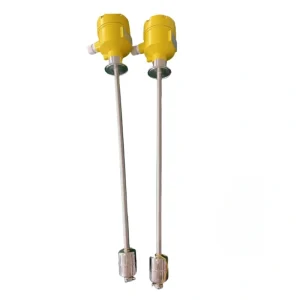
Level monitoring is a critical aspect of fluid process control. Float and capacitive level sensors are two types widely used in industrial applications, and they differ significantly in terms of structure and operating principles. This article compares the performance of these two types of products to provide a reference for selection under actual operating conditions.
What is a Float-Type Level Sensor?
A float-type level sensor is a commonly used contact-type level measurement device, frequently employed for monitoring liquid levels inside containers such as storage tanks, water tanks and sewage tanks.
It can provide either a switch-type or continuous output signal for the liquid level and is characterised by its simple structure, ease of installation and moderate cost. It is widely used in industrial and civil applications such as water supply and drainage, chemical processing and water treatment.
Principle of Operation
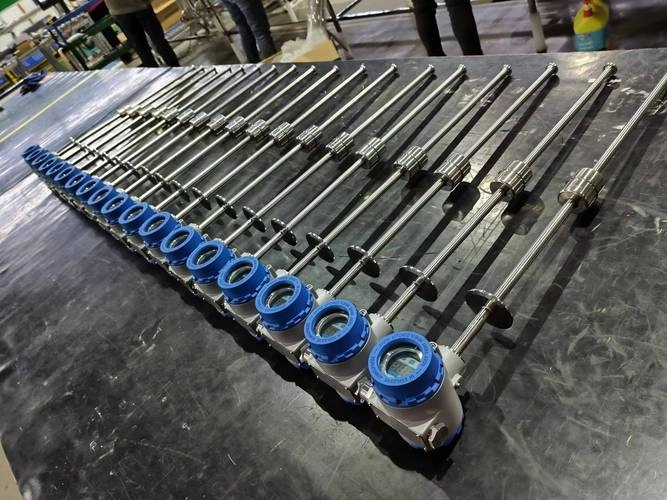
The float-type level sensor utilises buoyancy and magnetic coupling to measure liquid levels. It primarily consists of a float, a guide rod, and either a reed switch or a magnetostrictive sensor. The float contains a built-in magnet; as its density is lower than that of the liquid being measured, it floats on the liquid surface.
As the liquid level rises or falls, the float slides up and down the guide rod in tandem with the liquid surface; the position of the internal magnet changes accordingly, thereby triggering the reed switch element within the guide rod.
The switch-type variant relies on the closing and opening of the reed switch to output a discrete level switch signal; the continuous output variant utilises magnetostrictive technology to determine the float’s real-time position, convert this into liquid level data, and output an analogue or digital signal, thereby enabling continuous liquid level monitoring.
Advantages
1. Simple, reliable design with minimal moving parts—so it keeps running without fuss.
2. Low upfront cost and minimal maintenance expenses down the line.
3. Works with a broad range of media; swap out the float material and it can handle corrosive liquids too.
4. Easy to install with no complex setup required—just power it on and the level signal comes through immediately.
5. Flexible output options covering everything from point-level alarms to continuous analog signals.
6. Not affected by the dielectric constant of the medium, so it can measure non-conductive liquids without issue.
7. Draws very little power, which makes it well-suited to small storage tanks and battery-operated monitoring.
What is a capacitive level sensor?
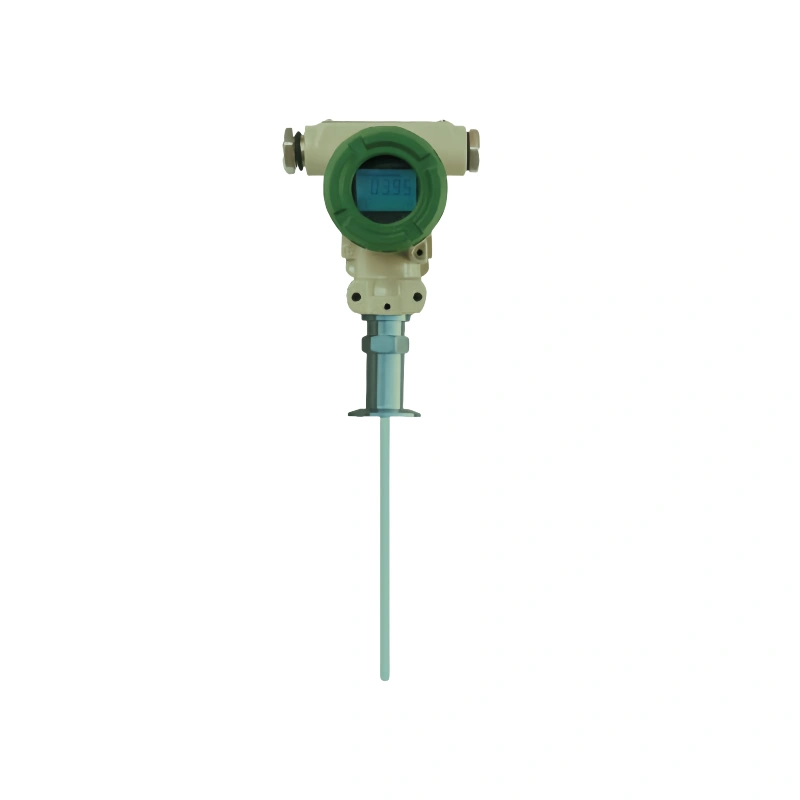
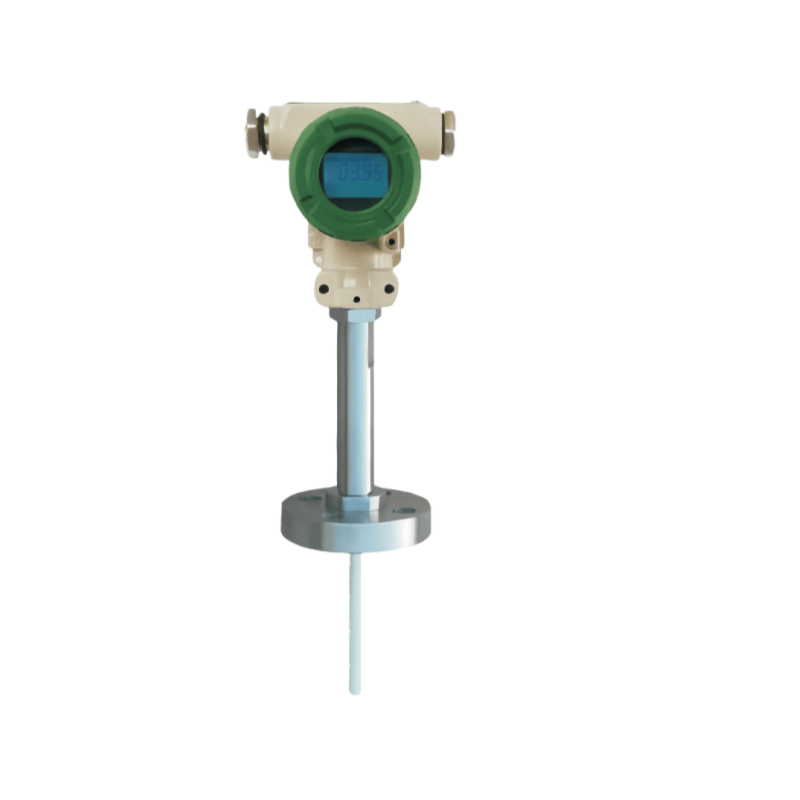
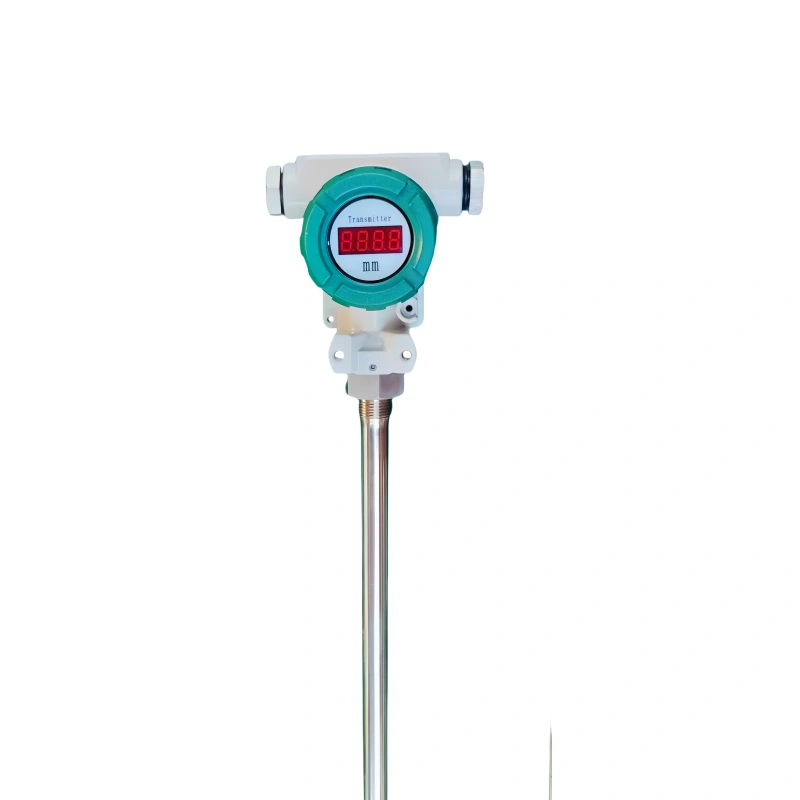
Capacitive level sensors are non-mechanical contact level measurement devices that can be used for detecting the levels of liquids and certain powdered materials, and are suitable for applications such as storage tanks, reactors and hoppers.
As they contain no moving mechanical parts such as float balls, they offer high reliability and are capable of measuring corrosive, viscous and crystallising media; they are widely used in the chemical, food processing and water treatment industries.
Principle of Operation
Capacitive level sensors operate on the principle of changes in capacitance. The sensor probe and the container wall form the two electrodes of a capacitor, and the medium between the electrodes changes depending on the liquid level.
When the tank is empty, the medium between the electrodes is air; as the liquid level rises, the liquid covers the probe, and the dielectric constant of the liquid is much higher than that of air.
The higher the liquid level, the larger the submerged area of the probe, and consequently, the greater the capacitance value. The device’s circuitry continuously monitors and calculates these capacitance changes, converting the signal into liquid level height and outputting an analogue or digital signal to enable continuous liquid level monitoring.
Advantages
1. No moving parts means nothing wears out mechanically, so it fails less often and lasts longer.
2. It reacts quickly—signals come through in real time as the level shifts.
3. The probe is small and compact, making it easy to fit into tight tanks and narrow spaces.
4. It works with all sorts of liquids, whether they conduct electricity or not.
5. Capable of providing both high and low level switch alarms, as well as continuous analogue level output.
6. Resistant to certain pressures and temperatures, suitable for use in some high-pressure and high-temperature operating conditions.
7. Low maintenance requirements; virtually no daily calibration is needed, resulting in low long-term operational and maintenance costs.
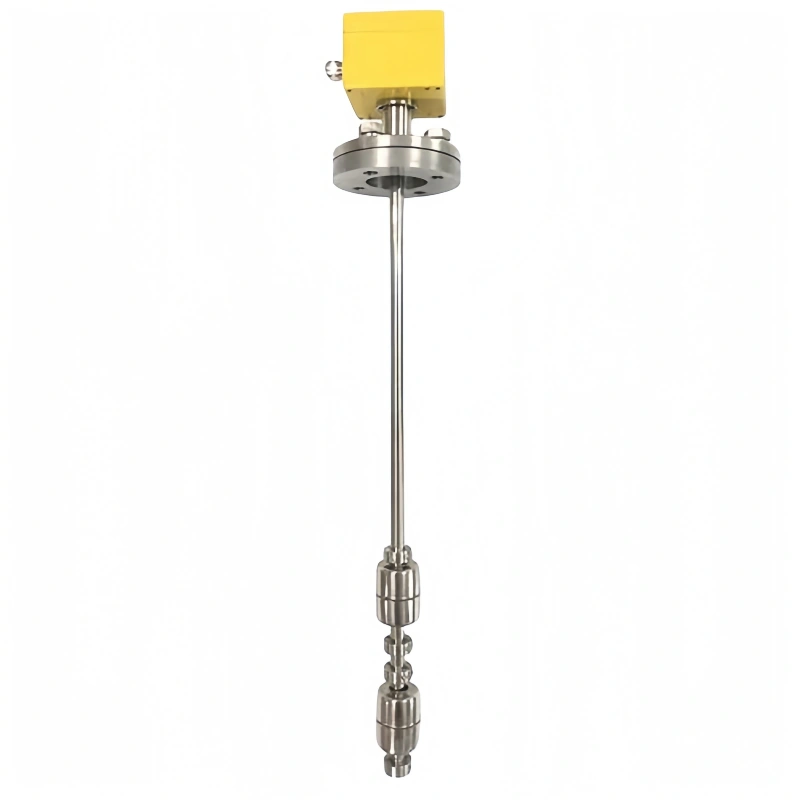
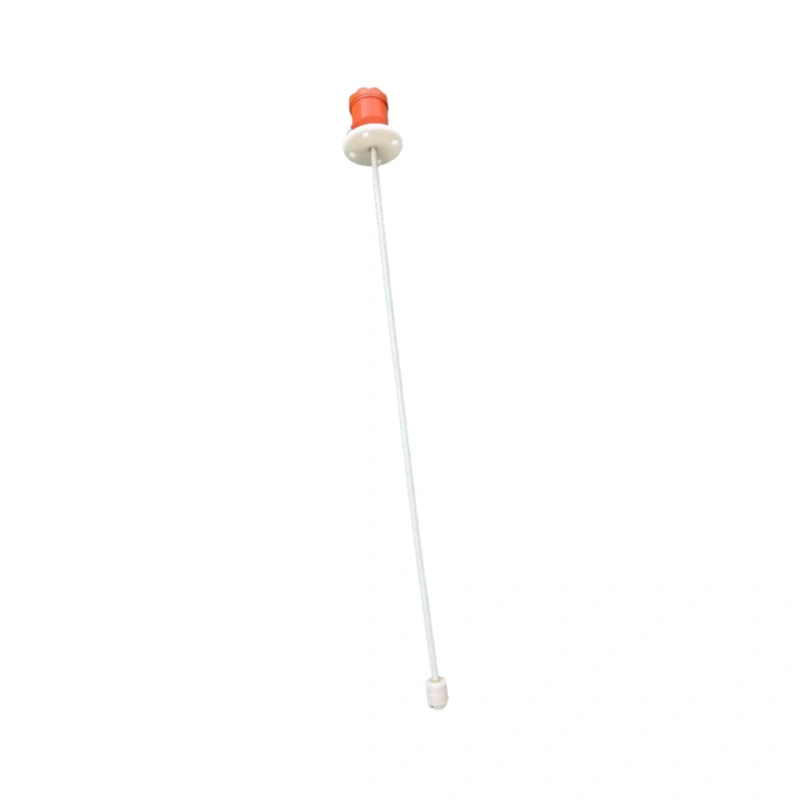
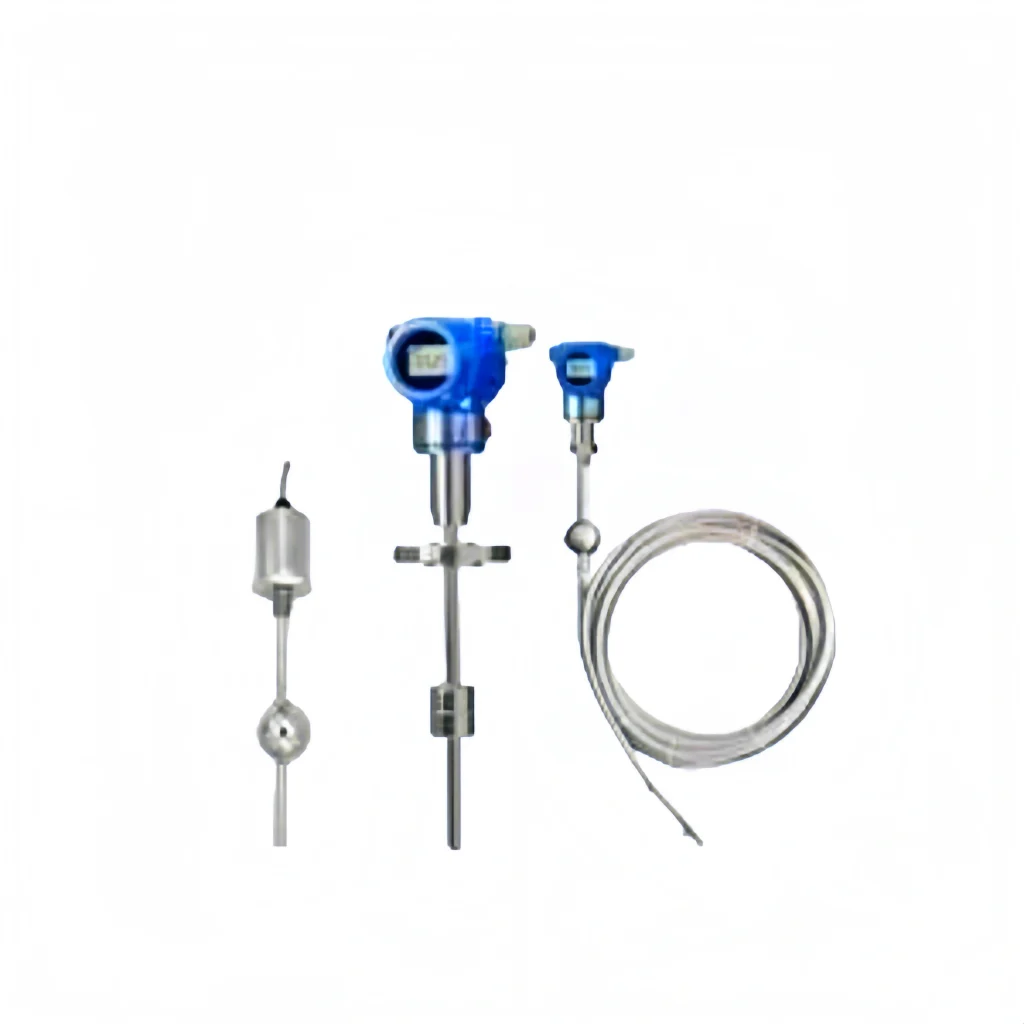
Float Level Sensors vs Capacitive Level Sensors
Differences in Structure
Float Level Sensors:
These feature a mechanical design, with core components including a floating ball, guide rod/guide tube, internal magnetic sensing element and terminal block; the overall structure is a separate, moving assembly.
The float is an independent, movable component that can slide freely up and down along the guide rod; some side-mounted products incorporate a connecting rod and pivot shaft mechanism.
The overall unit is relatively large and occupies considerable space within the tank; sufficient travel for the float’s vertical movement must be allowed. As the design incorporates moving mechanical parts, the assembly is relatively complex.
Different measurement ranges require guide rods of corresponding lengths, resulting in a higher number of components and a structure prone to physical wear.
Capacitive level sensors:
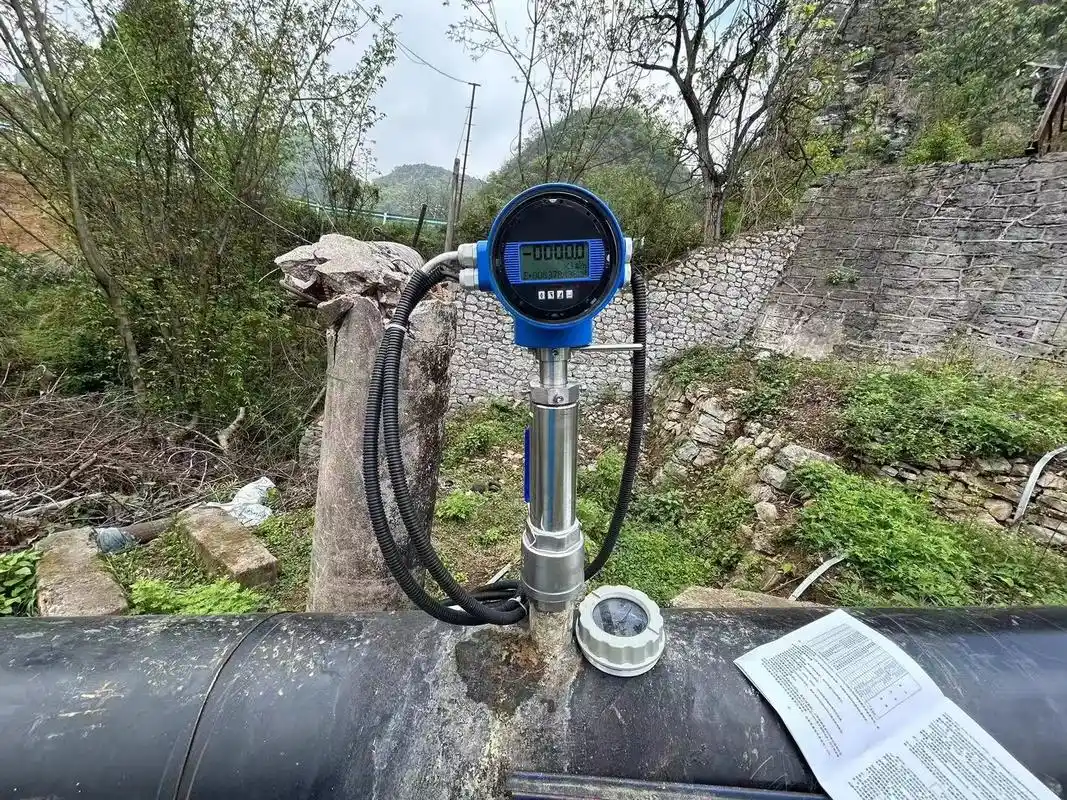
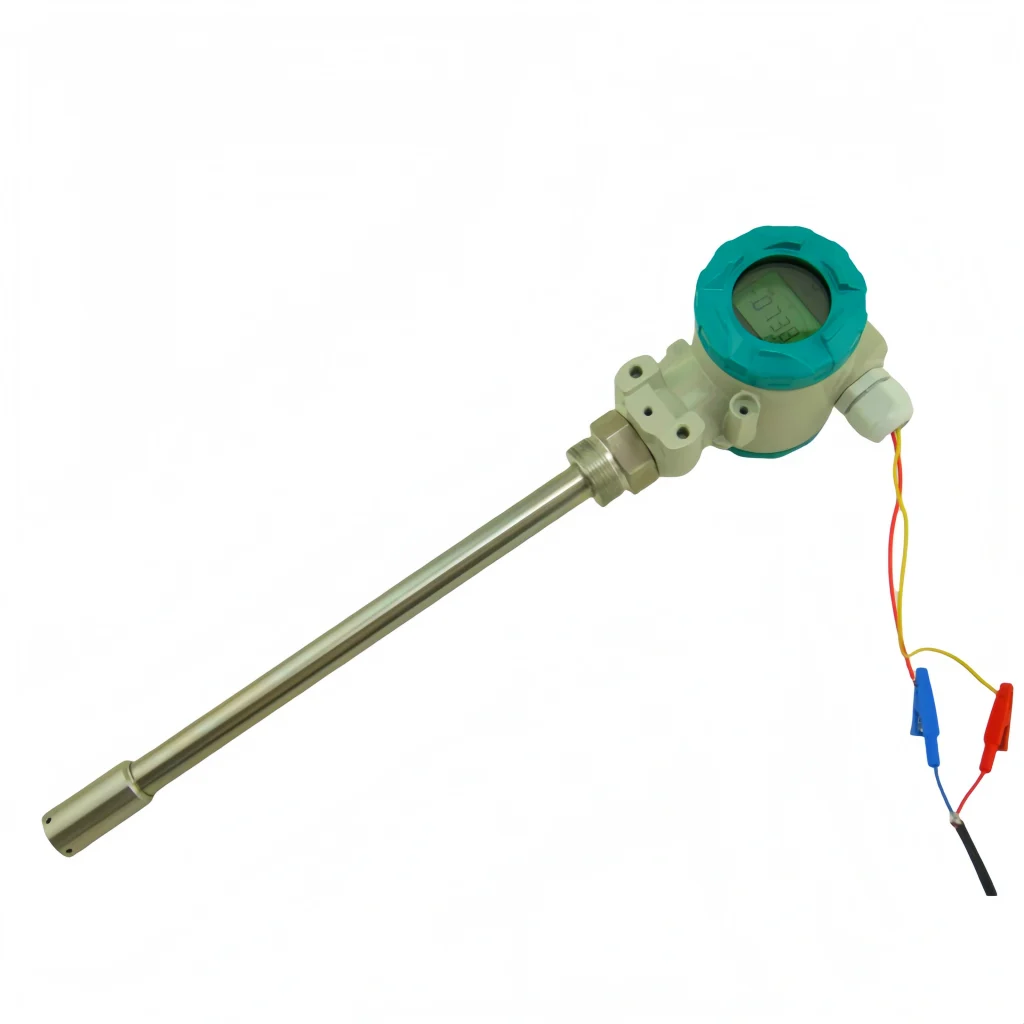
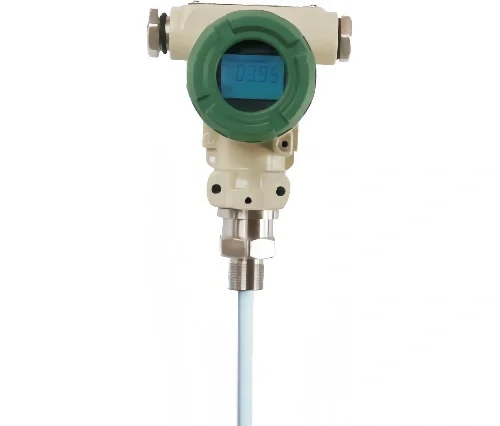
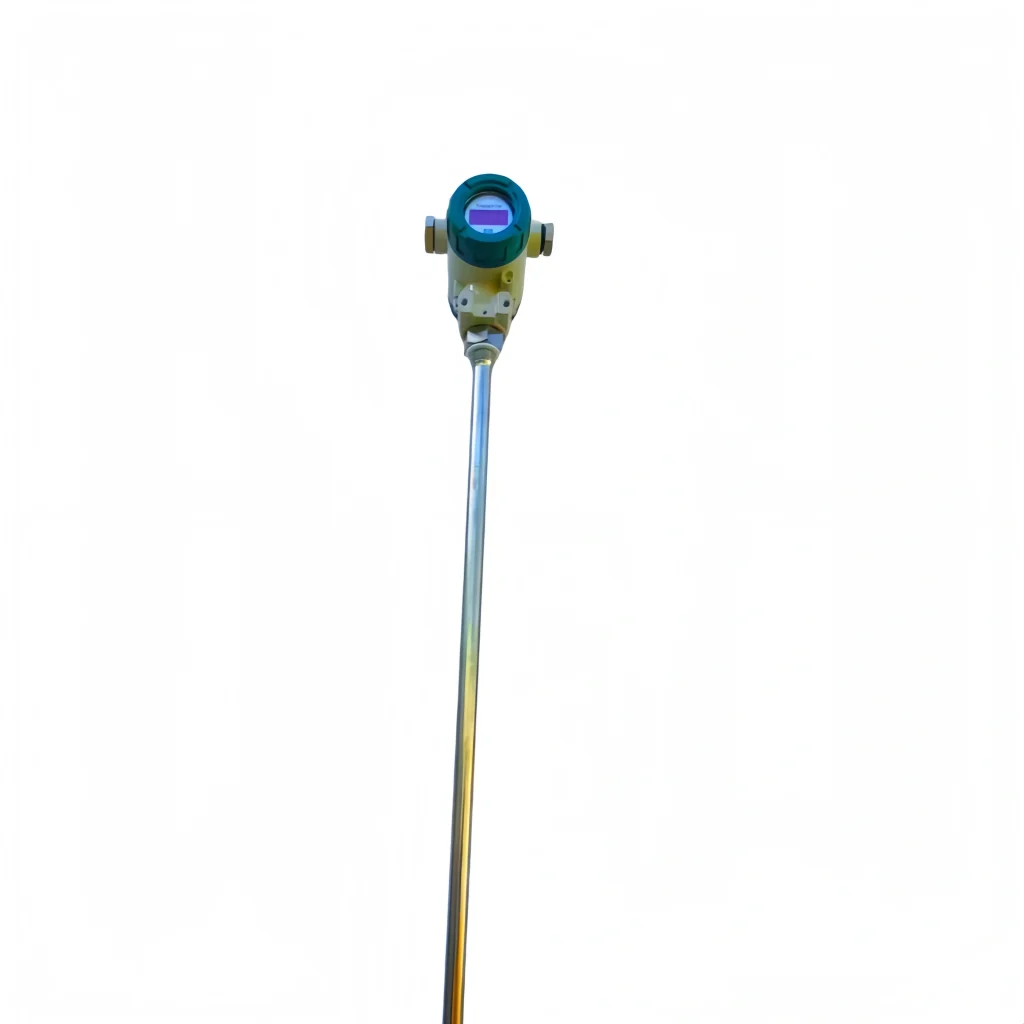
These feature an integrated, static structure, with the core comprising a single probe, a sensing chip, a signal processing circuit and a sealed housing; there are no moving mechanical parts whatsoever.
The overall structure is extremely simple; the probe is slender and compact, taking up virtually no space inside the tank, and no travel clearance needs to be provided.
The entire unit is encapsulated as a single unit, with no mechanical structures such as sliding, rotating or floating mechanisms. It features a high degree of component integration and a compact design, with flexible range adaptation.
There is no need to replace structural components; different measurement scenarios are accommodated solely by adjusting electrical parameters, resulting in structural stability far superior to that of mechanical sensors.
Measurement Accuracy
Float level sensors can only output discrete signals and are limited to detecting fixed liquid level points; the magnetostrictive float version offers better accuracy, but is subject to certain errors due to the float’s own weight and friction, making it unsuitable for capturing minute changes in liquid level.
Capacitive level sensors enable continuous liquid level measurement with a sensitive response, capable of detecting slight fluctuations in liquid level; drift in the dielectric constant of the medium, as well as material build-up and scaling, can directly reduce measurement accuracy; measurement stability is poor for media with excessively low dielectric constants.
Medium Compatibility
Float level sensors are compatible with a variety of media, including water, oil and sewage, with float materials available in PP, 304 stainless steel and PTFE; they are not suitable for high-viscosity or crystallising media, as viscous materials can easily jam the float, causing failure.
Capacitive level sensors are suitable for liquids and certain powders; they can be used with both conductive and non-conductive liquids; however, media adhesion, foaming and stratification may cause measurement errors, whilst measurement of light oils with very low dielectric constants is limited.
Installation Configuration
Float level sensors can be installed from the top or side; sufficient space must be provided for the float to move freely. There must be no pipework or structural components within the tank to obstruct the float’s travel; they occupy a relatively large amount of space inside the tank.
Capacitive level sensors are typically top-mounted and insertable; their probe rods are slender, occupying minimal space inside the tank. They can be installed in a number of different ways and will fit into tight tanks without trouble.
Maintenance and Service Life
Float sensors rely on moving parts, and over time those parts can stick or the magnets can lose their strength. In sewage, debris tends to wrap around the float, so you have to clean it out regularly—meaning more maintenance overall.
Capacitive sensors, on the other hand, have no moving parts and rarely fail mechanically. The catch is that buildup on the probe can throw readings off, so you need to recalibrate them now and then. Still, they take very little mechanical wear and tend to last longer.
Cost and Application Scenarios
float level sensors are inexpensive and are commonly used for level-based start/stop control and high/low-level alarms in simple water tanks and reservoirs; the cost of magnetostrictive float models is significantly higher.
Capacitive level sensors have an overall cost higher than standard float switches and are suitable for continuous level monitoring in storage tanks and the measurement of chemical media; they are not suitable for applications involving excessive foaming or unstable dielectric constants.
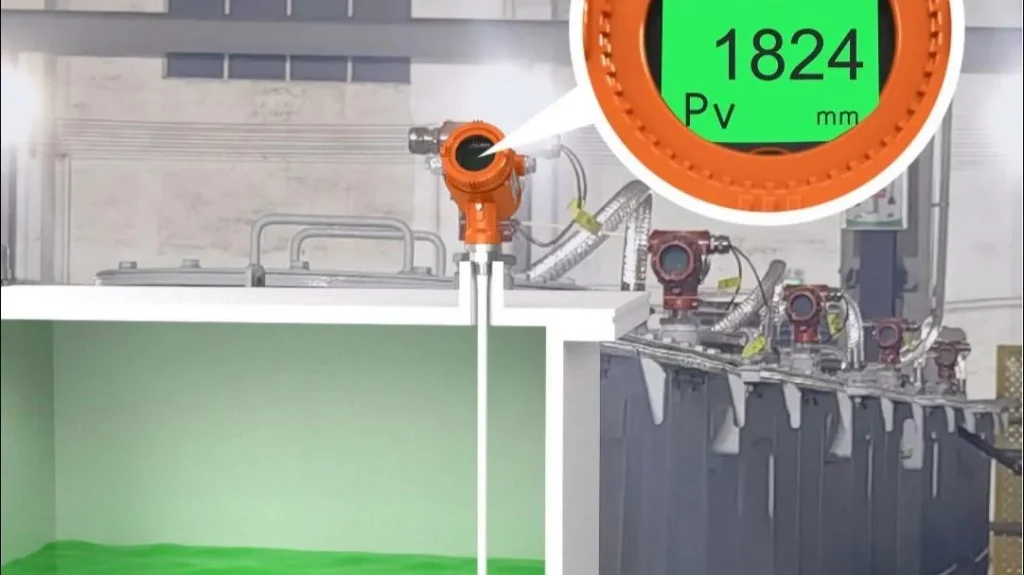
Selection Guide
I. Applicable Scenarios.
Float-type level sensors employ mechanical detection, relying on the buoyancy of the float to move the internal mechanism and generate a switch signal; they are suitable only for various liquid media, feature a simple structure and require no commissioning.
Capacitive level sensors employ electronic detection, converting changes in the dielectric constant of the medium into an electrical signal; they can detect liquids, powders, granules and viscous materials, and are suitable for a wider range of media.
II. Selection based on medium compatibility.
For conventional media such as clean water, sewage and diesel—which are low-viscosity and free from impurities that adhere to the walls—float-type sensors are the preferred choice, as they offer better value for money.
For high-viscosity media such as adhesives, slurry and substances prone to crystallisation and adhesion to the walls, capacitive sensors should be selected; as they have no moving mechanical parts, they prevent issues such as sticking, jamming and detection failure.
For corrosive environments, suitable materials can be selected: float-type sensors are available in PP or PVDF, whilst capacitive sensors can be fitted with PTFE corrosion-resistant probes.
When dealing with foam or fluctuating liquid levels, capacitive sensors can utilise filtering and delay functions to prevent false readings, offering greater stability.
III. Operating Conditions and Installation Selection
For standard equipment like everyday water tanks or oil storage tanks running at normal temperature and pressure, either type works fine. Float sensors can be mounted in several different ways and are pretty much ready to go as soon as you install them.
But when you are dealing with harsh conditions—high temperatures, high pressure, or vacuum-sealed tanks—capacitive sensors are the better bet. Their sealed, all-in-one structure handles heat and pressure far better, so they are much less likely to get damaged.
In confined spaces such as narrow tanks and small-diameter pipes, the compact probe of the capacitive sensor is more suitable, as it requires no clearance space; furthermore, models with a high protection rating are better suited to outdoor environments with dust and humidity.
IV. Selection Based on Accuracy and Functionality
Float sensors operate as limit switches and are used solely for simple limit control applications, such as high/low liquid level alarms and pump start/stop functions. They require no calibration and meet basic start/stop control requirements.
Capacitive sensors enable continuous liquid level monitoring, support 4–20 mA and RS485 signal outputs, offer high detection accuracy, and are suitable for industrial applications such as automated remote monitoring, precision liquid level data acquisition and multi-point detection.
V. Operation, Maintenance and Explosion Protection
Float sensors are resistant to electromagnetic interference, have a long service life and are simple to maintain, requiring only periodic cleaning of debris; however, they are prone to fouling and wear.
Capacitive sensors have no mechanical wear, are stable over the long term and maintenance-free, requiring only occasional calibration; whilst their initial purchase cost is higher, their long-term operational and maintenance costs are lower.
In explosion-proof applications, capacitive sensors are intrinsically safe and offer a higher explosion-proof rating; for hygienic applications in the food and pharmaceutical sectors, only capacitive sensors are suitable.
Float sensors are recommended for standard domestic and simple industrial water and oil control applications, whilst capacitive sensors are the preferred choice for complex operating conditions and precision automated monitoring.
The Sion-Inst product range covers all specifications, including explosion-proof, hygienic and high-protection models, balancing cost-effectiveness with long-term operational stability to significantly reduce equipment O&M costs.
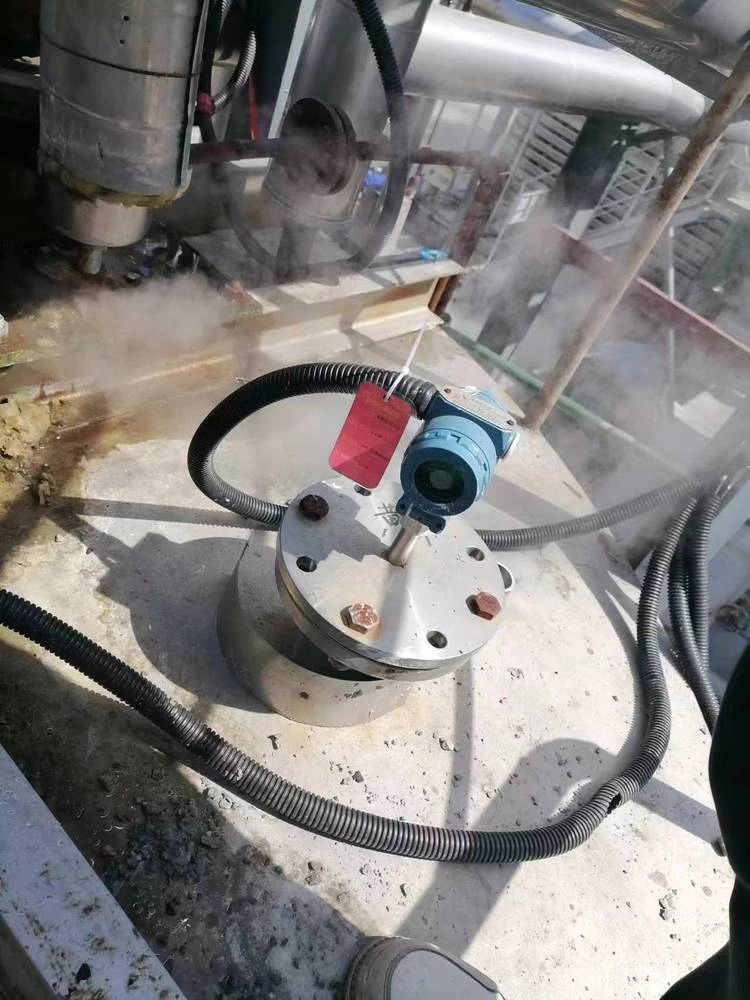
Sion-Inst specialises in the field of industrial liquid level measurement and control, professionally supplying a full range of liquid level sensors and various types of liquid level switches, covering mainstream categories such as float-type and capacitive-type.
These are suitable for routine and complex, harsh operating conditions across multiple industries, including water supply and drainage, chemicals, food and pharmaceuticals.
Our products are built for stability and can be adapted to a wide range of conditions, so whether you need a standard unit or a customised solution, our technical team will be with you from the first inquiry through to after-sales support.
We help businesses implement automated level control that is accurate and reliable. Contact us to discuss what would work best for your operating conditions, or to request technical specifications and a quotation.