Keeping tabs on fresh water flow is a basic but essential task in water treatment, pipeline transport, and chemical water distribution. Fresh water flow meters gather accurate flow data for clear-water media, cope well with all kinds of pipeline conditions, and supply the dependable figures needed for production metering, energy accounting, and smooth, stable process operation.
What Is Fresh Water?
Fresh water describes natural water sources that contain very little salt, setting them apart from seawater and brackish water. Usually, its salt concentration stays below 1 g/L.
People can find it in rivers, lakes, shallow underground water, glaciers, and rainwater, and it remains the main supply supporting human activities, daily needs, and ecological balance.
Fresh water still contains small amounts of calcium and magnesium ions as well as soluble impurities; it is not chemically pure water, but rather water in which the content of soluble salts is maintained at a very low level.
Characteristics of Fresh Water
1. With very little salt dissolved in it, freshwater barely conducts electricity at all, and its physical behavior hardly changes under ordinary room-temperature conditions.
2. Its density responds strongly to temperature, topping out at roughly 4°C, while pressure barely moves the needle.
3. Flow behavior shifts with temperature too—heat the water up and it runs more smoothly, cool it down and it starts to resist movement.
4. It behaves as a Newtonian fluid, meaning its flow characteristics are predictable; pure freshwater corrodes very little on its own, although dissolved gases in it can attack ordinary carbon steel.
5. A sudden shift in flow speed inside a pipe tends to set off water hammer, and when temperatures run high, vaporization can create bubbles that throw the flow out of its normal state.
6. The speed of sound in freshwater stays fairly constant, shifting only slightly as temperature and pressure change.
What Is a Fresh Water Flow Meter?
Fresh water flow meters are used to measure the instantaneous and cumulative flow rates of freshwater, including low-corrosive clear water such as tap water, purified water, and surface water.
Available in a wide variety of types, they are commonly used in water supply networks, building water supply and drainage systems, agricultural irrigation, and industrial water recirculation systems to provide flow monitoring data that supports water metering and management.
Compared to flow meters designed for wastewater or acidic/alkaline media, freshwater flow meters do not need to withstand severe corrosion or large amounts of impurities; they feature a simple structure and lower maintenance costs.
Common Fresh Water Flow Meters
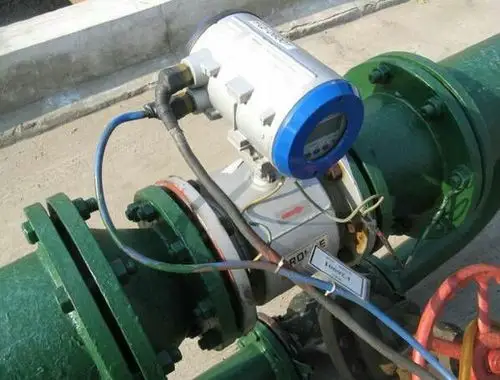
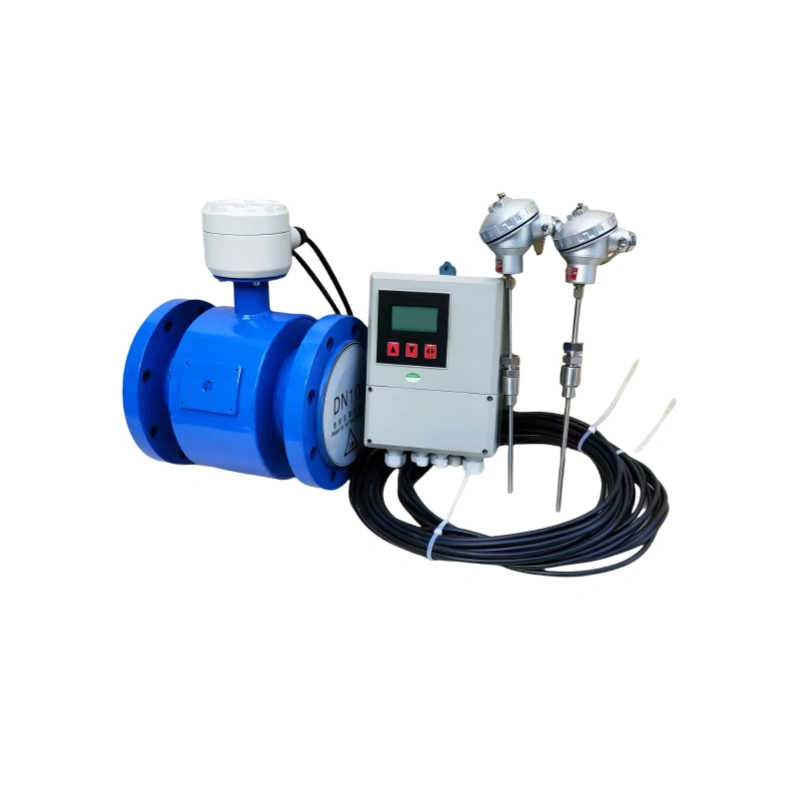
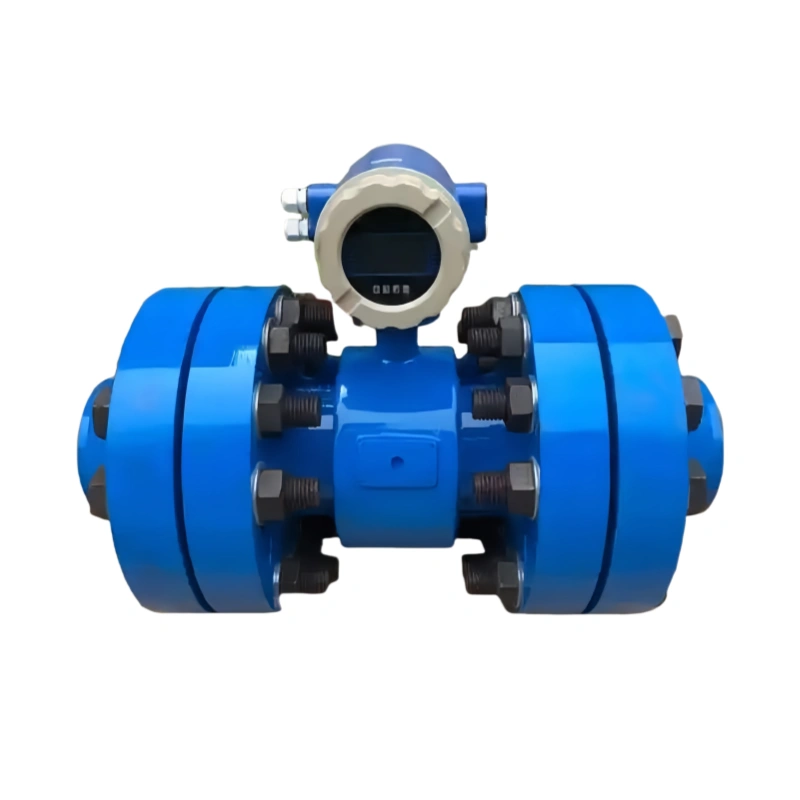
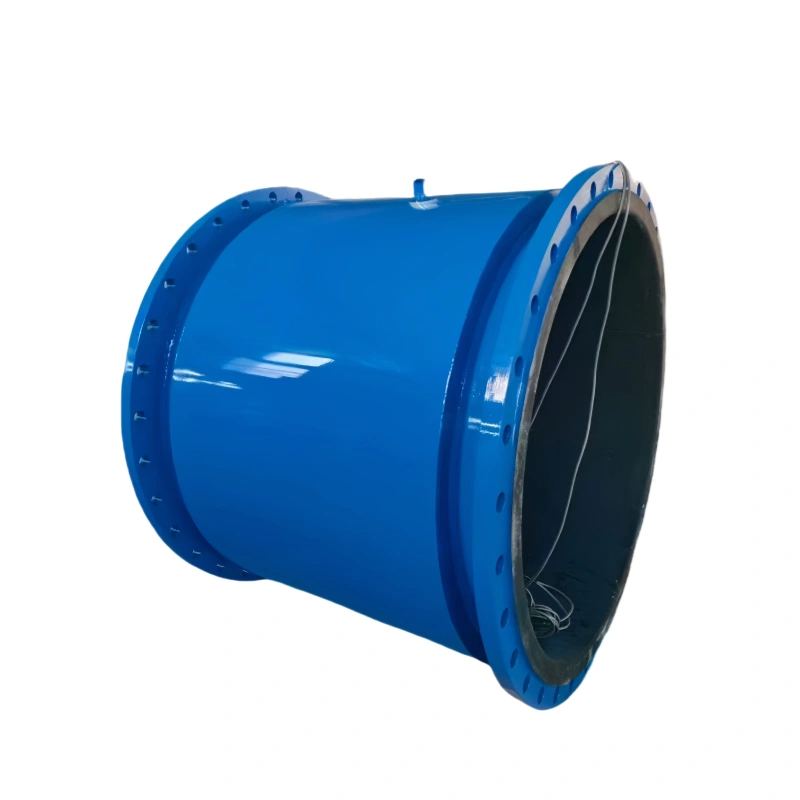
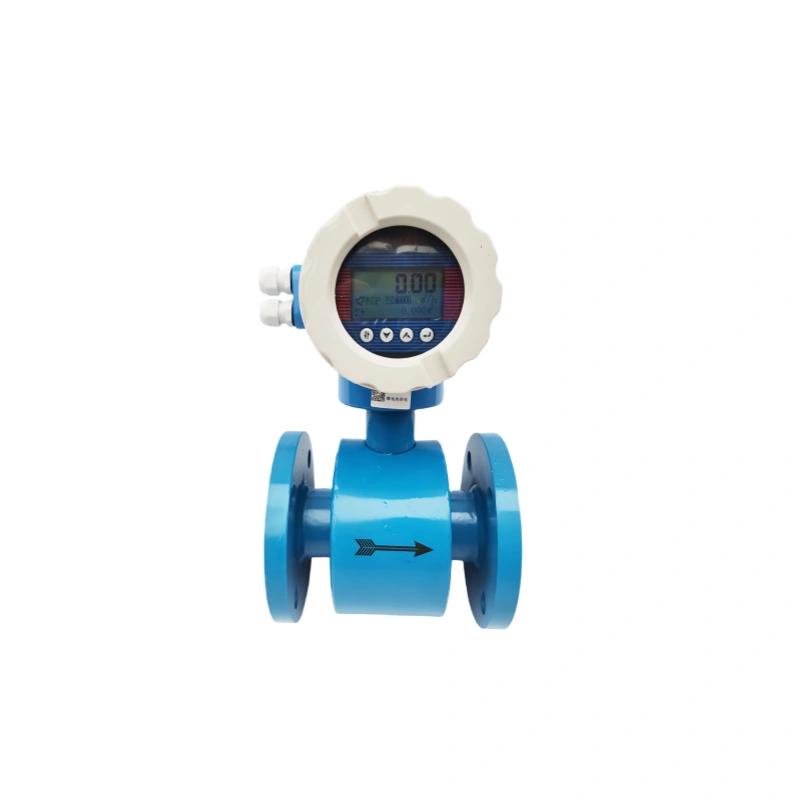
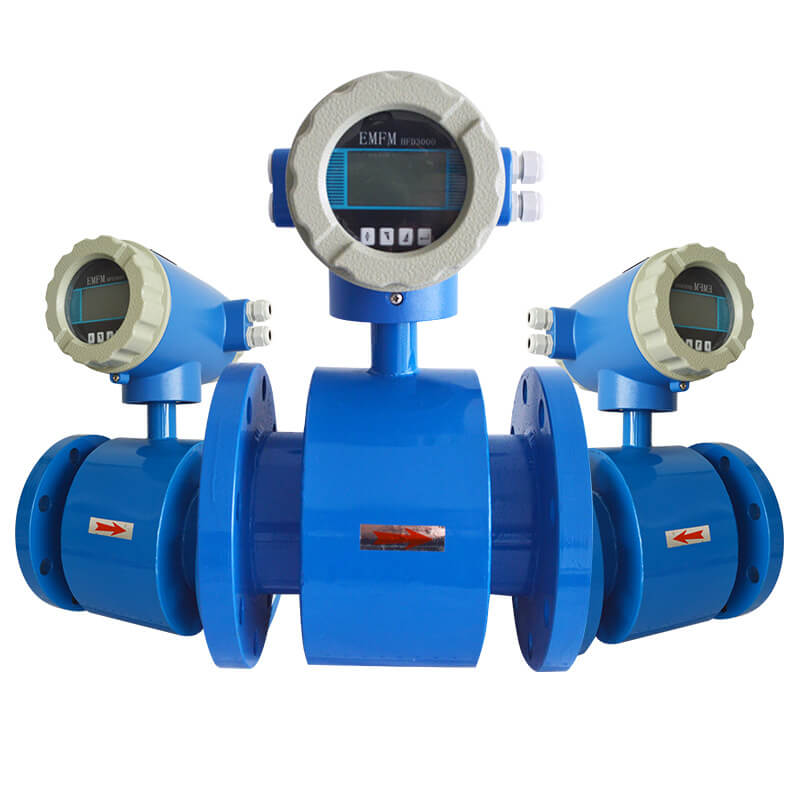
Electromagnetic Flow Meter
Working Principle
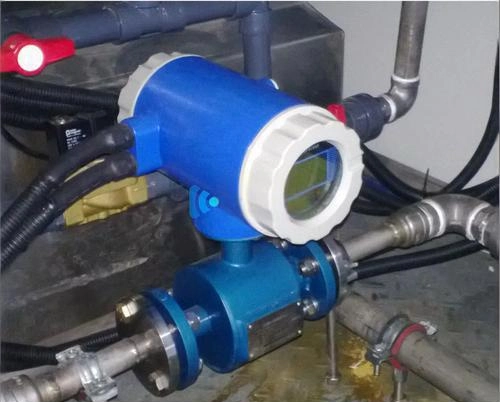
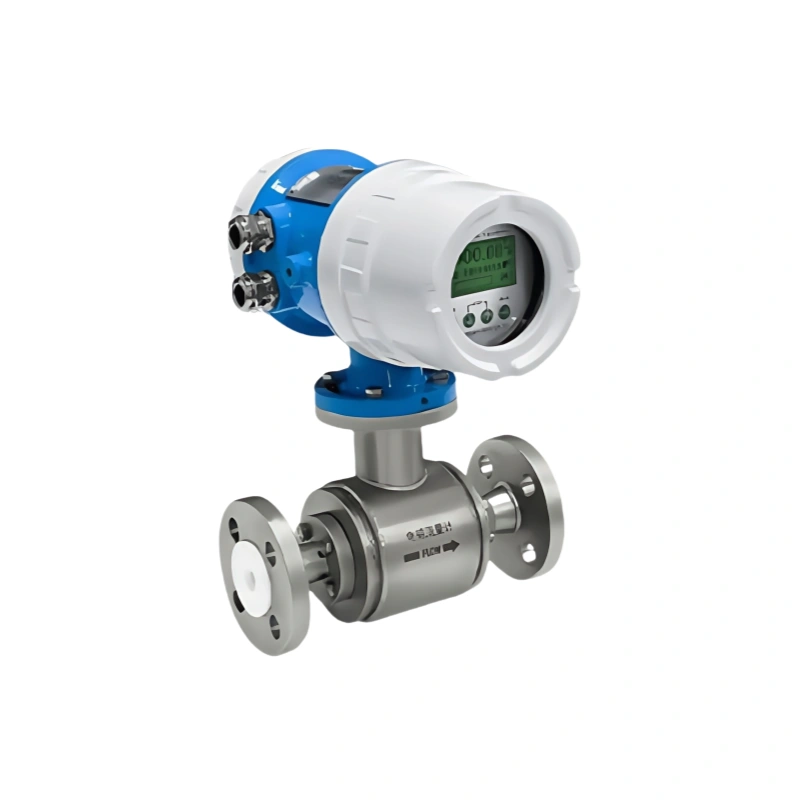
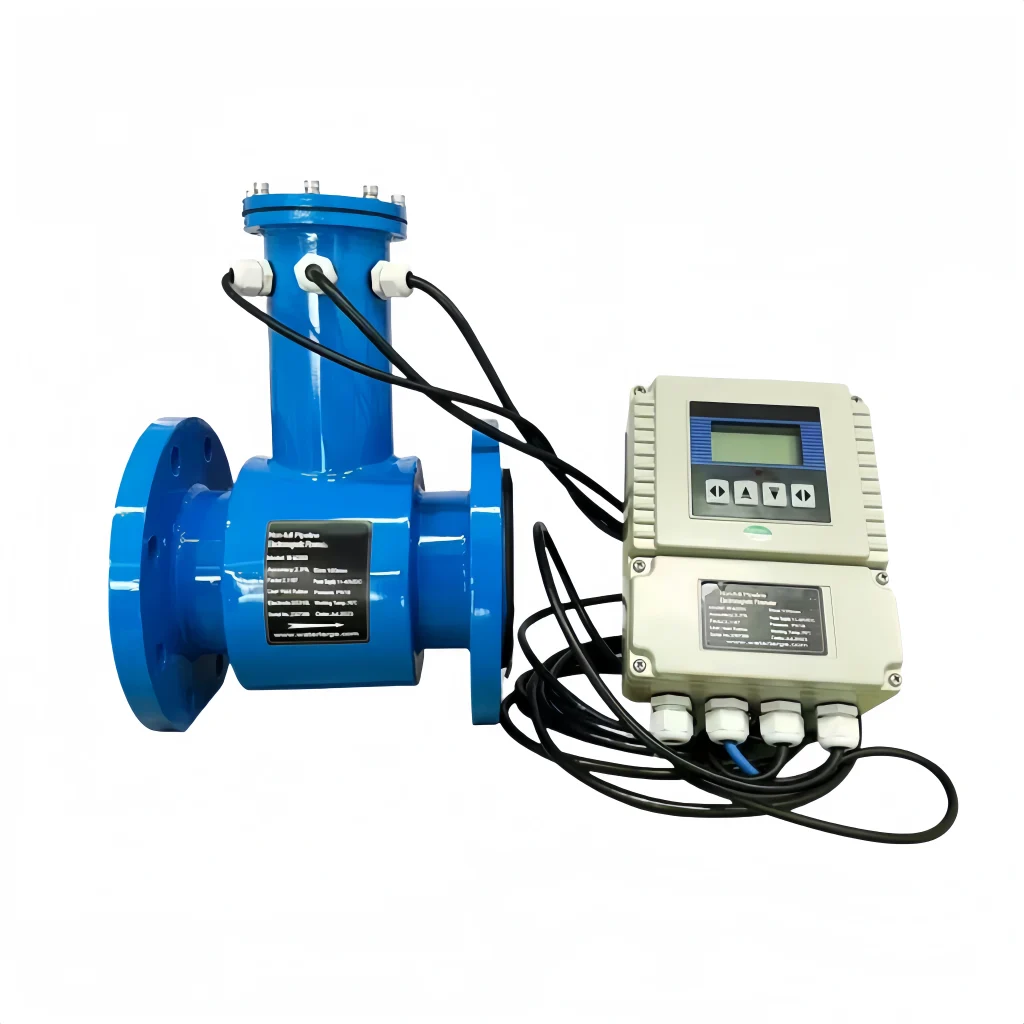
Electromagnetic flow meters operate based on Faraday’s law of electromagnetic induction. As conductive freshwater moves through a pipe, it slices across the magnetic field lines, which gives rise to an induced electromotive force that grows in direct proportion to the flow velocity.
The electrodes pick up this induced signal and pass it to a converter for processing. Once the pipe’s cross-sectional area is taken into account, the device can work out both the instantaneous and the total cumulative flow of freshwater with good accuracy, which is why it is widely chosen for freshwater transport measurement.
Advantages for Measuring Freshwater
- Since nothing inside the pipe blocks the flow or moves with it, barely any pressure is lost. These devices fit freshwater pipelines of all sorts of sizes and draw no extra energy even after running for long periods.
- The readings stay remarkably steady, and everyday factors like water temperature, pressure, or density do not disturb them, so they hold up well under many different working conditions.
- They cover a broad flow range, handling both heavy and very light flows with ease, and they can measure in either direction, which makes them handy for jobs such as freshwater delivery and return lines.
- The lining stands up well to corrosion and resists scale buildup, so it copes with most water qualities, whether that is municipal supply water or ordinary fresh water.
- The output signal comes out linear and steady, so it can hook straight into automated control or remote monitoring setups, which takes much of the hassle out of smart flow management.
Disadvantages
- It only works when the water conducts electricity well enough, so very pure water, like deionized or distilled water, falls outside its reach, which narrows the range of water qualities it can handle.
- If the water carries lots of air bubbles or suspended particles, these can scramble the signal and throw the readings off, so it is a poor choice where gas and liquid are mixed together.
- The pipeline must be fully filled for operation; under non-full-pipe conditions, significant measurement errors may occur, and installation and usage requirements are stringent.
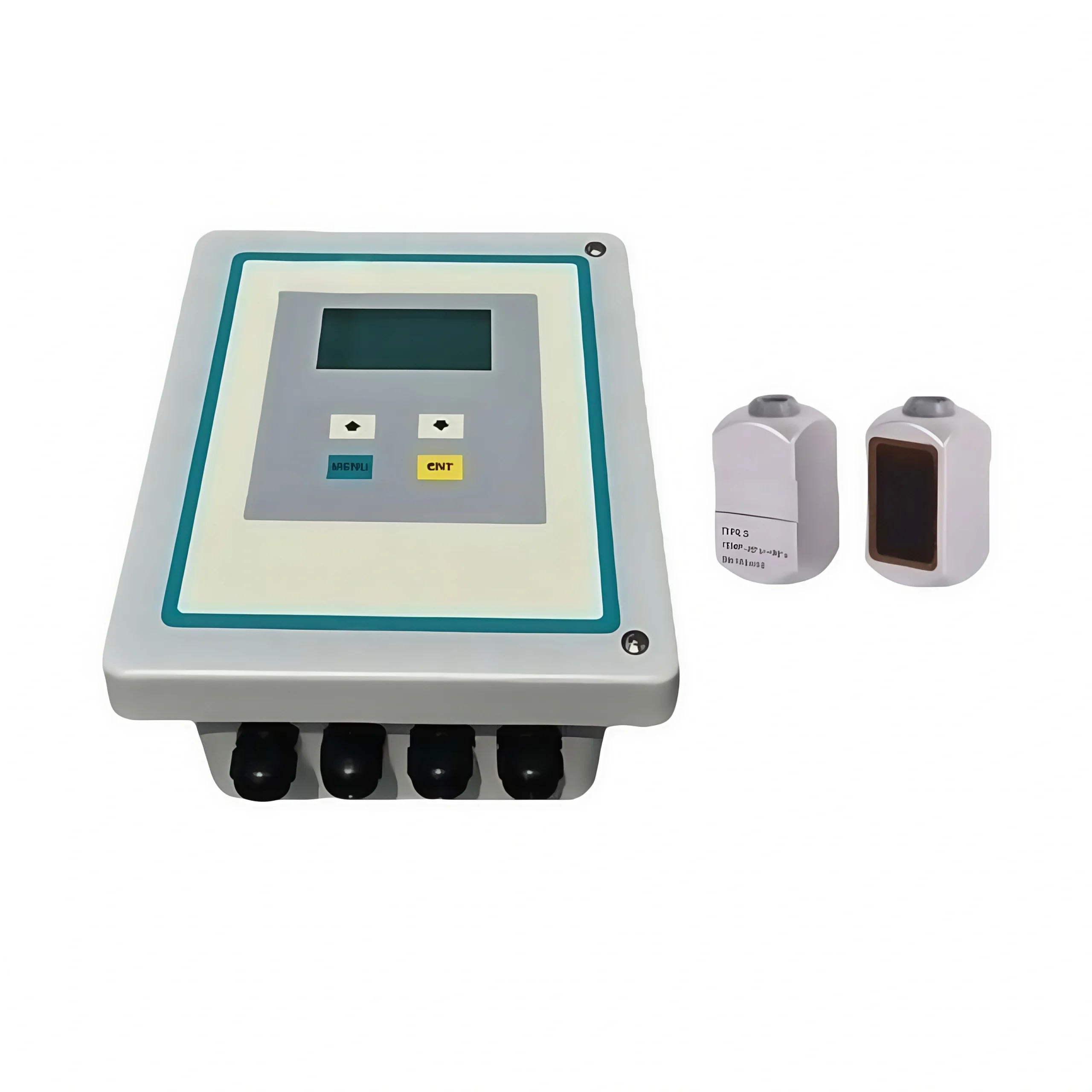
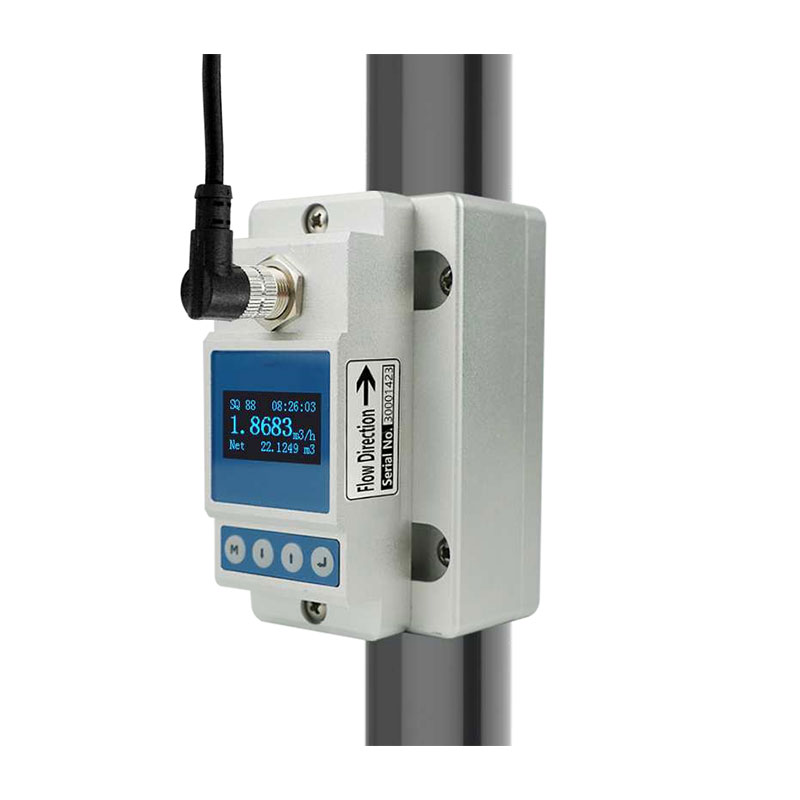
Ultrasonic Flow Meter
Working Principle
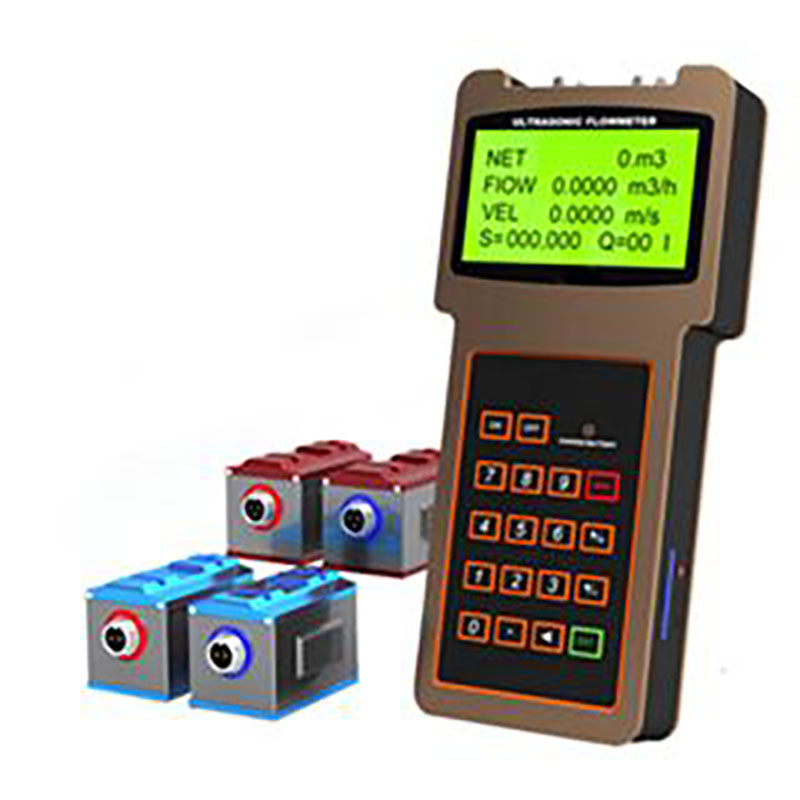
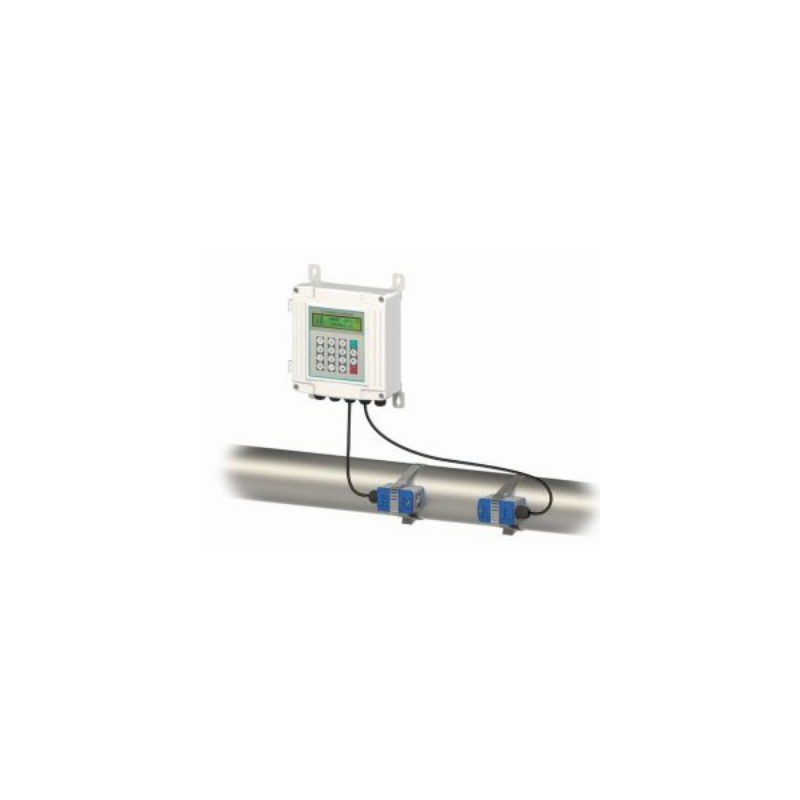
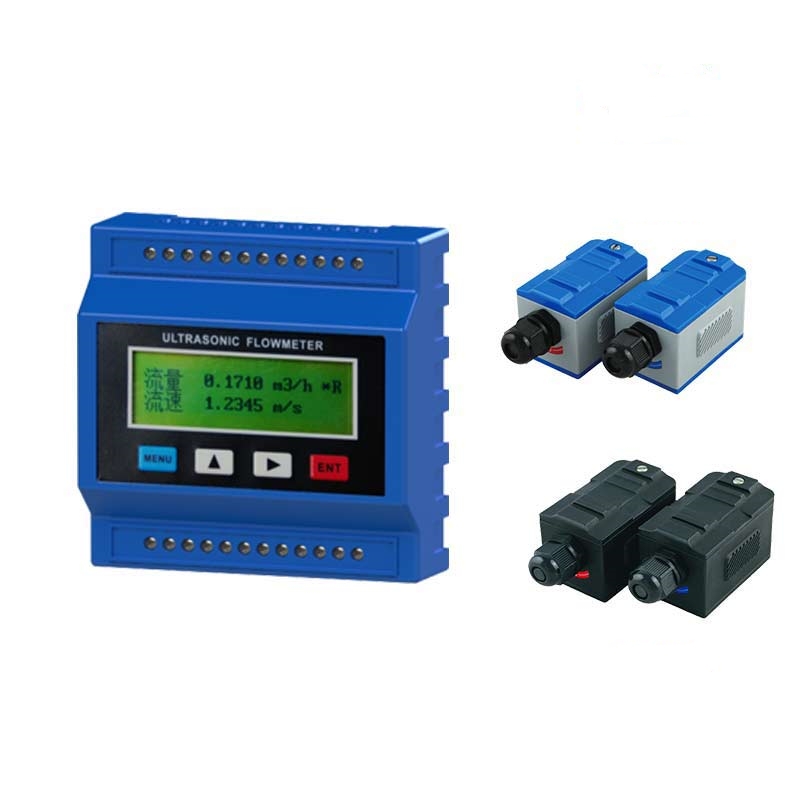
The clamp-on ultrasonic flow meter employs the time-of-flight method, in which transducers mounted on the outer wall of the pipeline alternately transmit and receive ultrasonic waves.
By utilizing the time difference between the sound waves traveling in the direction of flow and against the flow, a built-in algorithm calculates the fresh water flow velocity.
Combined with the pipe’s inner diameter, this is used to determine the volumetric flow rate. Throughout the process, the probes do not come into contact with the freshwater medium inside the pipe.
Advantages for Measuring Freshwater
- Clamp-on transducers go onto the outside of the pipe, so there is no need to cut anything or shut off the water, which keeps installation straightforward and makes them a good fit for upgrading old pipelines or keeping an eye on systems that cannot afford downtime.
- Nothing goes inside the pipe, so the flow meets no blockage and loses no pressure, and freshwater keeps moving exactly as it should.
- They accommodate pipes of many different sizes, from very large to quite small, which gives them a lot of flexibility in where they can be used.
- Because the probes never touch the water itself, corrosion and contamination simply are not concerns, so they work well even for keeping track of very pure fresh water.
- They can be used as portable units for spot checks or mounted permanently in place, which opens up a wide variety of ways to put them to work.
Disadvantages
- If scale accumulates on the inner walls or the pipe lining is too thick, the ultrasonic signal weakens on its way through, and the readings suffer, so the pipes need to be cleaned on a regular basis.
- When the water is full of air bubbles or sediment, the sound waves tend to scatter in all directions, which leads to sizable errors in the results.
- This method also demands plenty of straight pipe; placing it too close to an elbow or a valve can drag the accuracy down noticeably.
- Not every pipe material works well with it either. Cast iron and concrete tend to block the sound waves altogether, so measurement is simply not possible on such pipes.
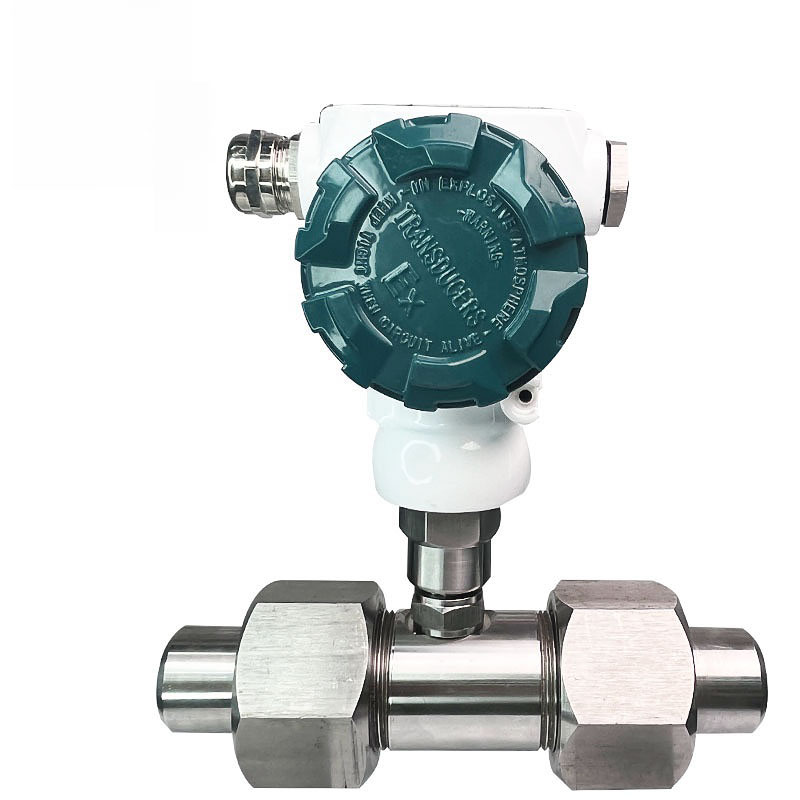
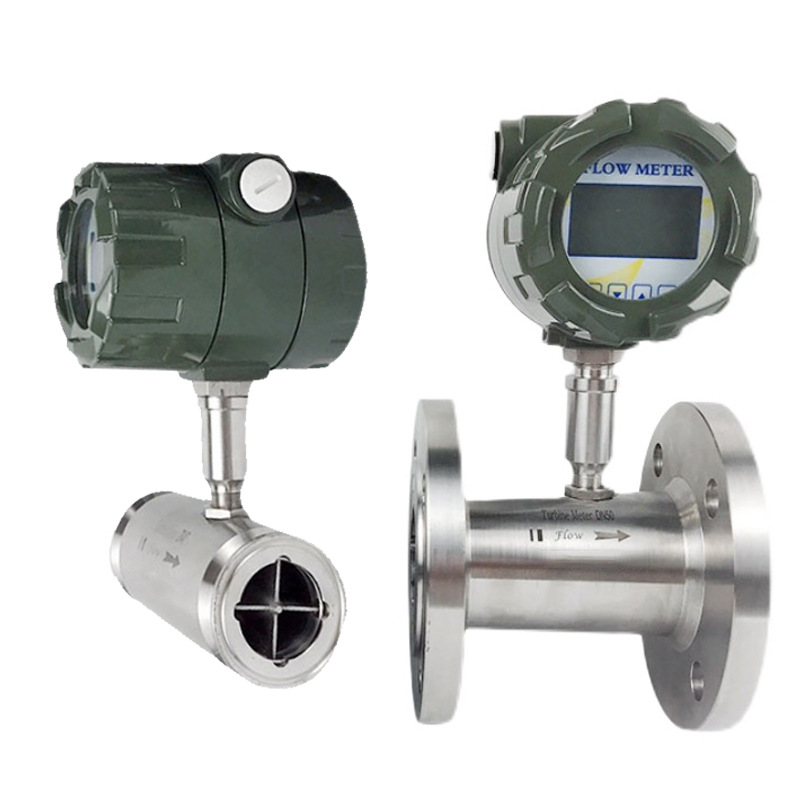
Turbine Flow Meter
Principle of Operation
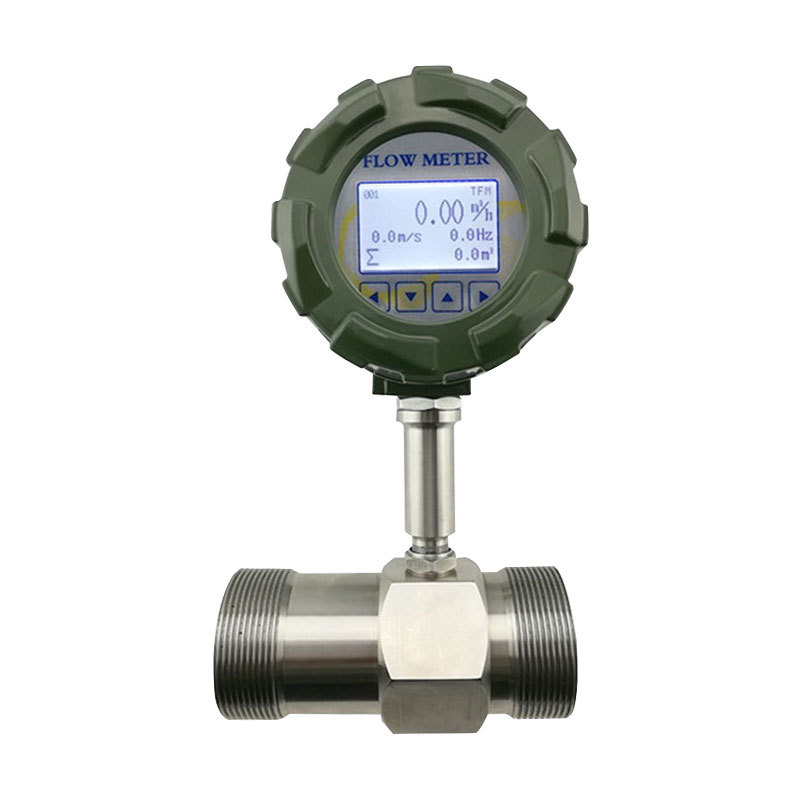
A turbine flow meter works by letting the moving fluid do the heavy lifting: as fresh water passes down the pipe, its force sets the impeller spinning, and the faster the water moves, the faster the turbine turns.
Through electromagnetic induction, that rotation gets converted into a pulsed electrical signal. By checking the frequency of these pulses, the flow velocity can be figured out, and from there the meter determines both the instantaneous and total accumulated flow of the fresh water.
Advantages for Measuring Freshwater
- It delivers accurate readings with very consistent results, which makes it a solid choice when clean fresh water needs to be metered precisely, such as in billing and trade settlement.
- Its body is small and takes up little room, and getting it installed and up and running is quite straightforward, so it slips easily into all kinds of small-diameter freshwater pipelines.
- It reacts quickly and picks up changes in flow as they happen, giving it strong dynamic measurement performance.
- The pulse signal it puts out is steady and the counting is exact, so it connects smoothly with all sorts of industrial control and metering equipment.
- For small-diameter setups, it offers excellent value, the equipment itself is inexpensive, and the overall running costs work out quite favorably.
Disadvantages
- Inside it there are moving parts, like an impeller and bearings, which inevitably cause some pressure loss; over long periods of operation these parts wear down, so routine maintenance is a must.
- The water needs to be quite clean, since particles or debris can jam the impeller or grind it down, which hurts both the accuracy and the service life of the device.
- When temperature, pressure, or the viscosity of the medium swings noticeably, small errors can creep in, so its day-to-day stability is only fairly average.
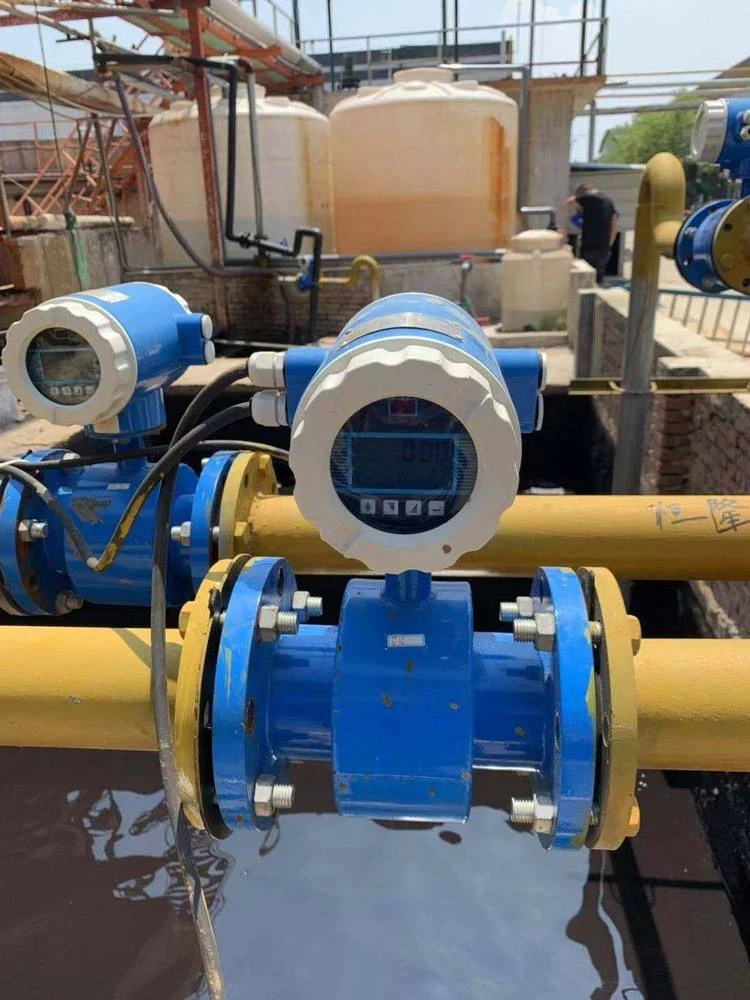
Practical Applications of Freshwater Flow Meters
1. Water Supply Metering at Water Treatment Plants:
At these facilities, the meters log how much raw water arrives, how much moves from one process stage to the next, and how much finished water leaves.
Comparing production figures against sales numbers gives plant operators the data they need for billing, line scheduling, and keeping equipment in good shape.
2. Pipeline Network Flow Monitoring:
Fitted onto trunk mains, district junctions, and the entry pipes of neighborhoods, these meters make it possible to watch flow district by district, sniff out leaks that would otherwise go unnoticed, and hold supply pressure at the right level—all of which feeds into network improvement, rehabilitation, and push to lower losses and save energy.
3. Secondary Water Supply Metering:
On the inlet and outlet lines of pump rooms serving tall residential blocks and commercial complexes, they tally up how much water each building consumes, give usage records a second check, and shed light on pump room energy use, so the supply stays stable and manageable.
4. Industrial Water Management:
Chemical plants, food processors, and electronics makers all lean on these meters to measure makeup water going into production, water used for cleaning, and top-up water for recirculating cooling loops. This keeps a lid on consumption and helps firms hit their water-saving performance goals.
5. Reclaimed Water Metering:
Once wastewater plants finish advanced treatment, the reclaimed water that passes quality checks flows through these meters, which record every cubic meter discharged, spread on green spaces, or piped out for irrigation—numbers that environmental monitoring and reuse statistics depend on.
6. Water-Saving Agricultural Irrigation:
Out in the fields, they sit on sprinkler and drip systems, and along the delivery lines of irrigation districts, capturing exactly how much water goes onto the crops.
That makes enforcing water quotas realistic and turns scientific, water-thrifty irrigation from an idea into practice.
7. Water Resources Flow Monitoring:
At reservoirs, river sections, and pumping stations, they keep an eye on flows for diversion and transfer schemes, carefully tracking total volumes moved.
Regional water authorities lean on these figures when scheduling supplies and managing transfers between basins.
8. Industrial Park Water Conservation Management:
Inside parks and factory grounds, meters on individual branch lines count up usage at every point, flag where water is being consumed most heavily, and give enterprises a foundation for rolling out water-saving retrofits and keeping tabs on energy consumption.
Selection Guide
1. Selection Based on Medium Parameters:
Start with the quality of the fresh water its. For conductive water like tap water or groundwater, electromagnetic flowmeters are usually the first pick. Deionized water, being non-conductive, calls for ultrasonic or turbine types instead.
Turbine flowmeters should never be used on water carrying silt or suspended solids, since these wear down or even damage the impeller and ruin the accuracy.
2. Selection Based on Site Conditions:
For aging pipelines or retrofit jobs where the water cannot be shut off, clamp-on ultrasonic meters are the natural choice. New pipelines, on the other hand, can take either electromagnetic or in-line turbine meters without issue.
Electromagnetic models only read correctly when the pipe stays completely full, and ultrasonic models insist on long, straight sections of pipe before and after the sensor, which rules them out at crowded spots packed with elbows, valves, or swirling flow.
3. Selection Based on Flow Conditions:
Work out the measuring range from the pipeline’s minimum, normal, and maximum flow rates. On trunk lines where flow swings a lot, go for an electromagnetic meter with a wide turndown ratio and dependable performance.
For small, clean pipes with steady flow, a turbine meter responds quickly and reads accurately; just make sure it does not spend long periods running at the low end, which introduces errors.
4. Selection Based on Accuracy and Application:
Where money changes hands or readings must be spot-on, choose a high-accuracy electromagnetic meter. For routine process monitoring or quick temporary checks, clamp-on ultrasonic meters give more bang for the buck.
Turbine meters, meanwhile, only really make sense for precise monitoring on small pipes carrying clean freshwater.
5. Installation and Environmental Selection:
Wherever strong electromagnetic fields are present in a plant, electromagnetic flowmeters need careful grounding and shielding before they will behave.
On trunk lines that carry big flows and cannot afford any energy waste, electromagnetic or ultrasonic meters make more sense, since neither puts any drag on the flow.
And for installations out in the open air or buried in damp ground, it pays to choose instruments built with a high protection rating.
6. Cost and Maintenance Considerations:
On large-diameter pipelines, clamp-on ultrasonic meters win on cost and upkeep; on small clean pipes, turbine meters are the budget-friendly choice. Electromagnetic meters need their electrodes descaled from time to time, and turbine meters need their bearings replaced periodically.
Ultrasonic meters suffer noticeably from pipe-wall scale and air bubbles, so weigh the local maintenance situation before committing.
7. Selection Based on Functional Requirements:
If backflow or bidirectional flow needs watching, electromagnetic meters are the natural fit. Turbine meters suit applications that need pulse signals fed straight into a PLC system.
On top of that, confirm extras like 4–20 mA output, remote data upload, and a local display according to what the job actually calls for.
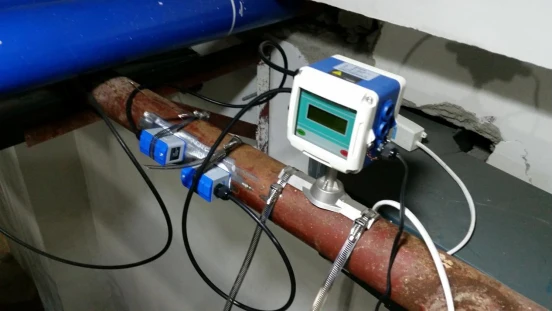
Sion-Inst has spent years working in the field under all kinds of conditions, and it uses that know-how to put together flowmeter selection plans matched to each freshwater monitoring job, pipeline layout, and metering requirement.
Products across its range hold their accuracy well and are simple to run and look after, giving dependable backing to water metering and control in municipal, industrial, and agricultural settings—so businesses can trim water use, bring consumption down, and keep operations running smoothly and by the book.