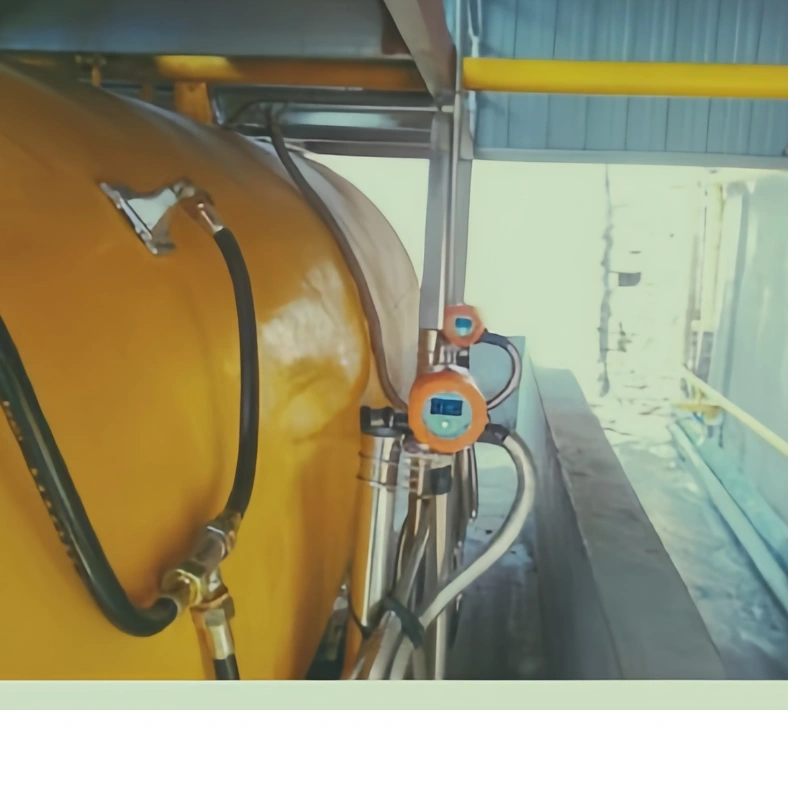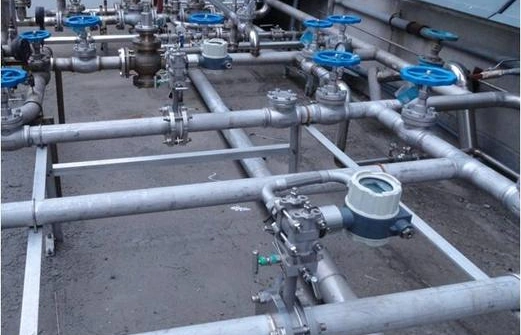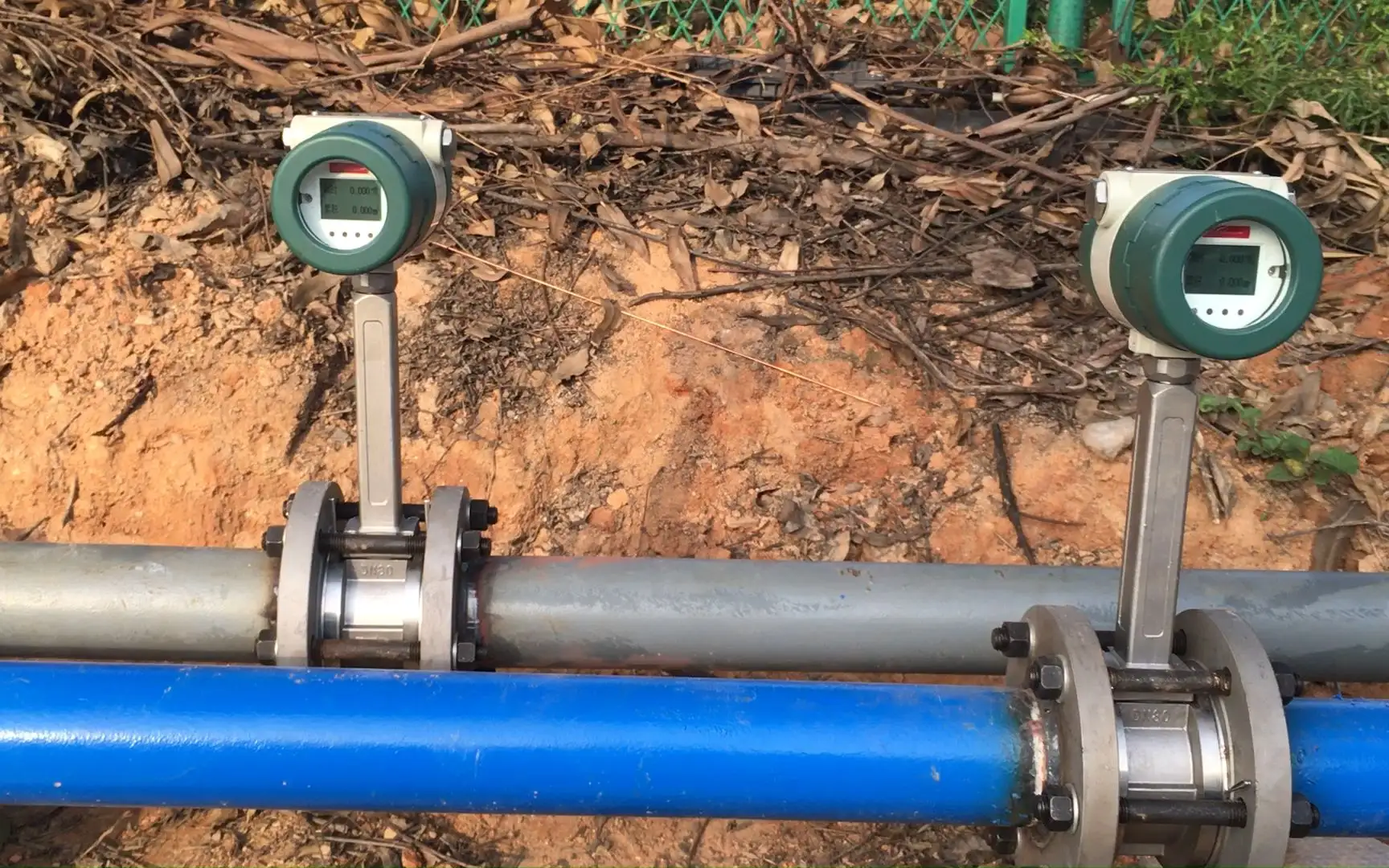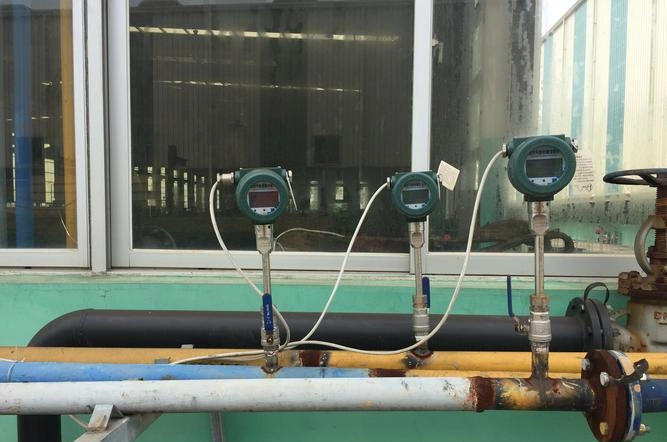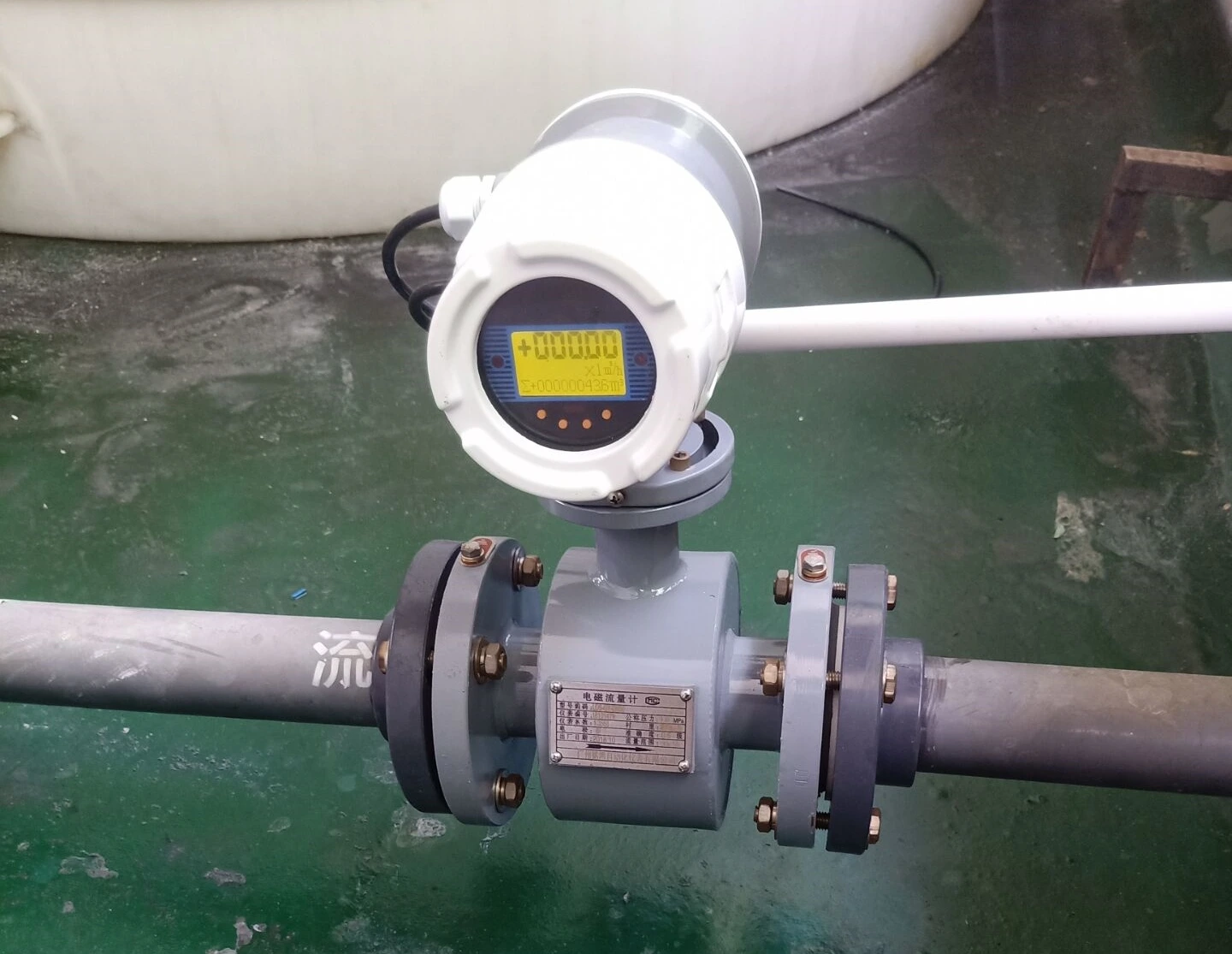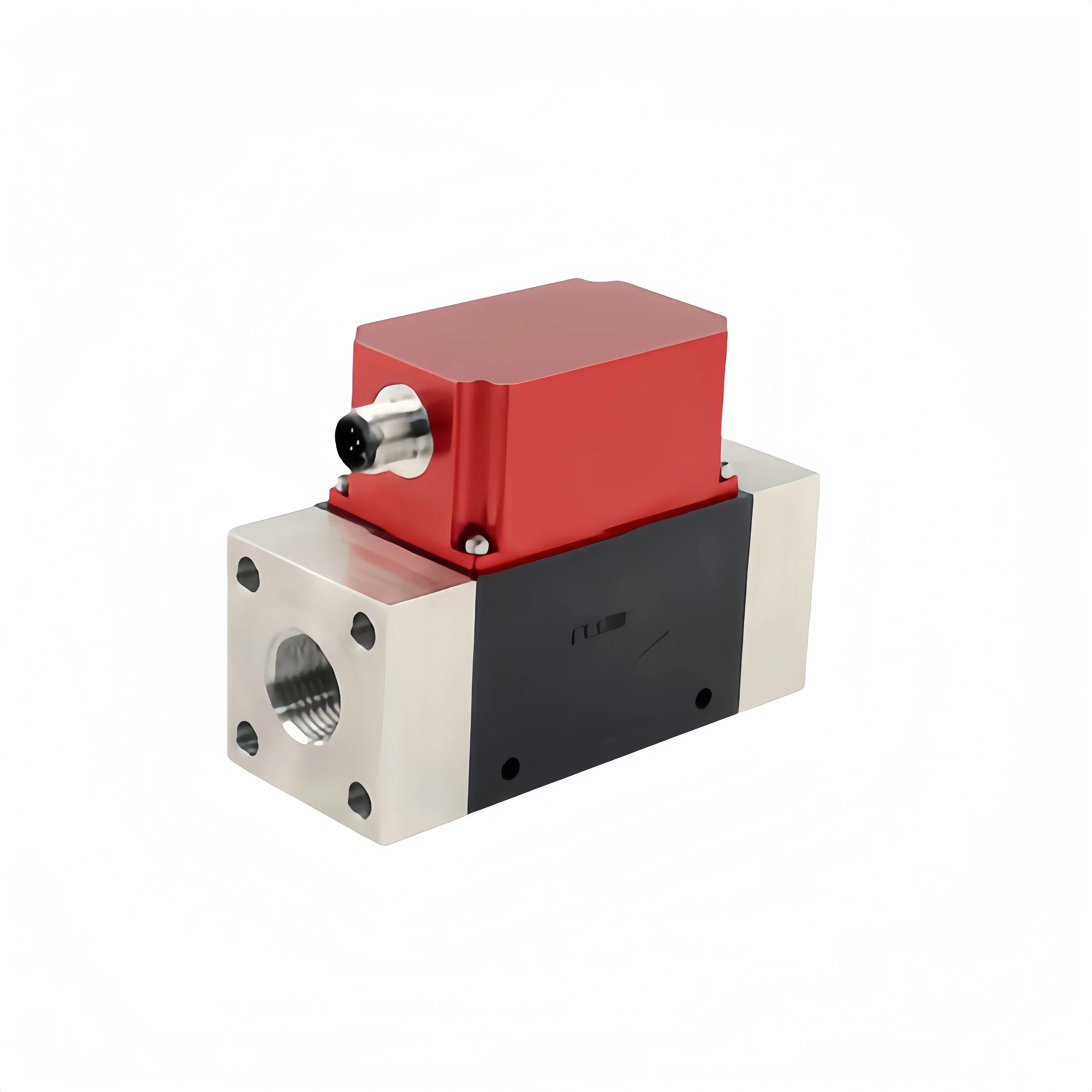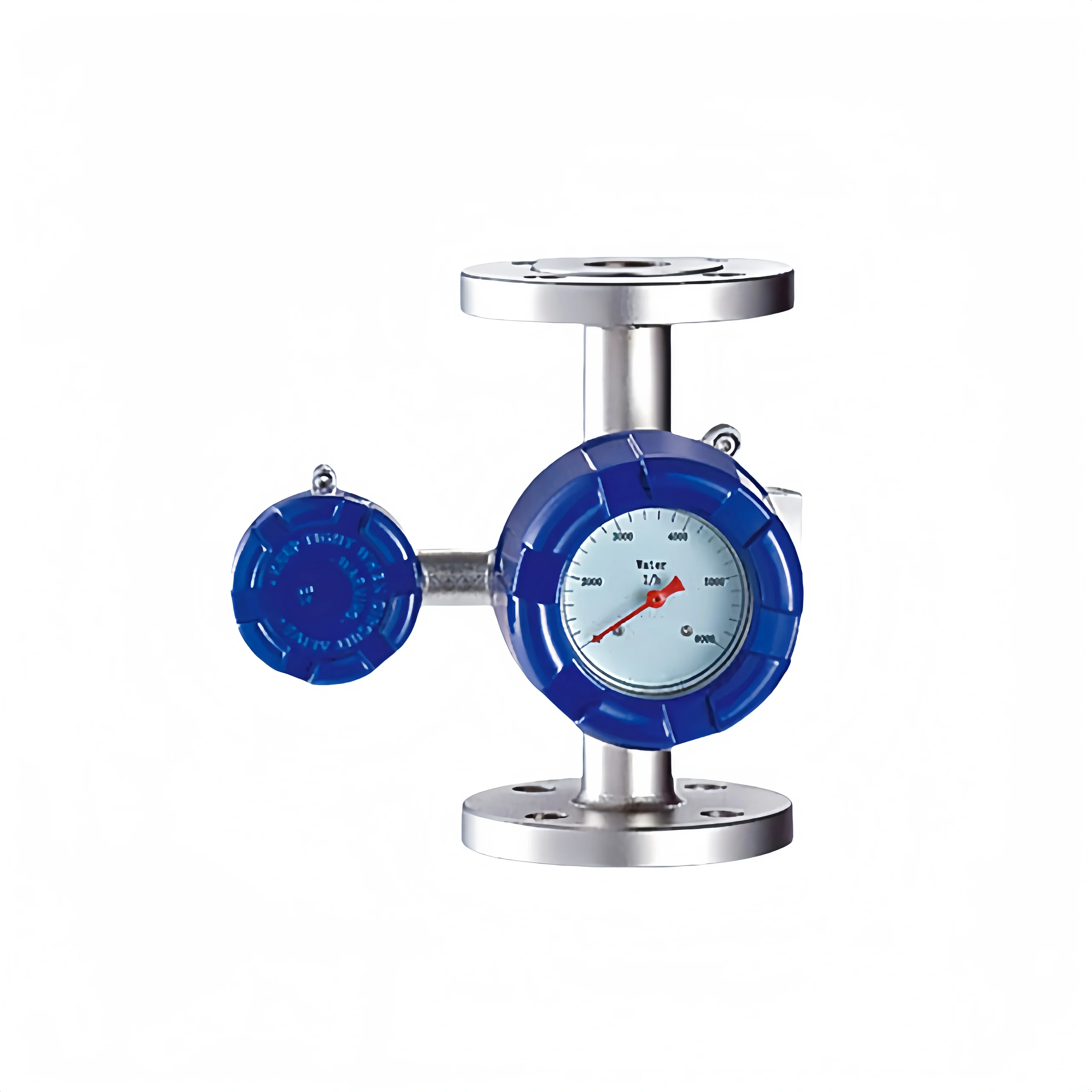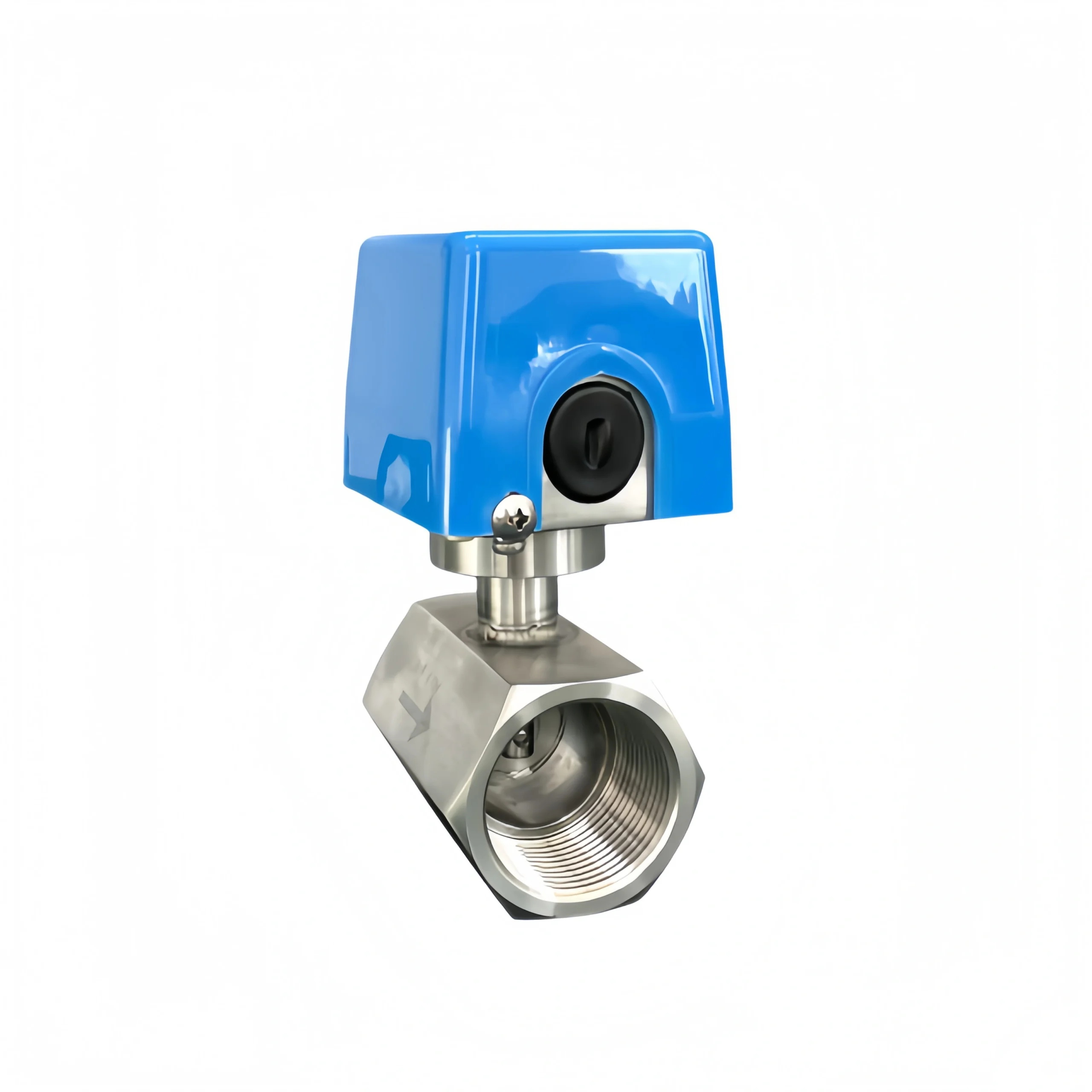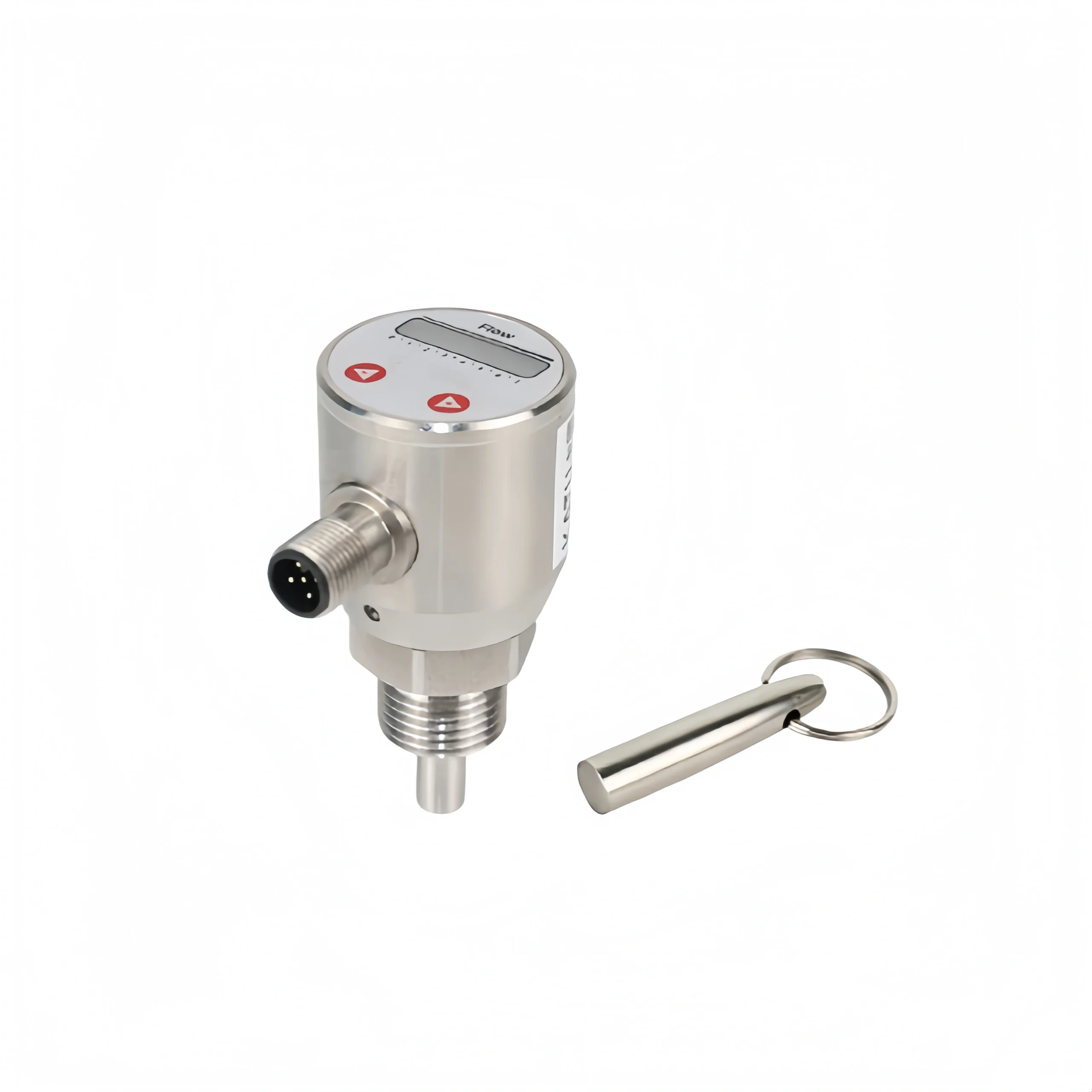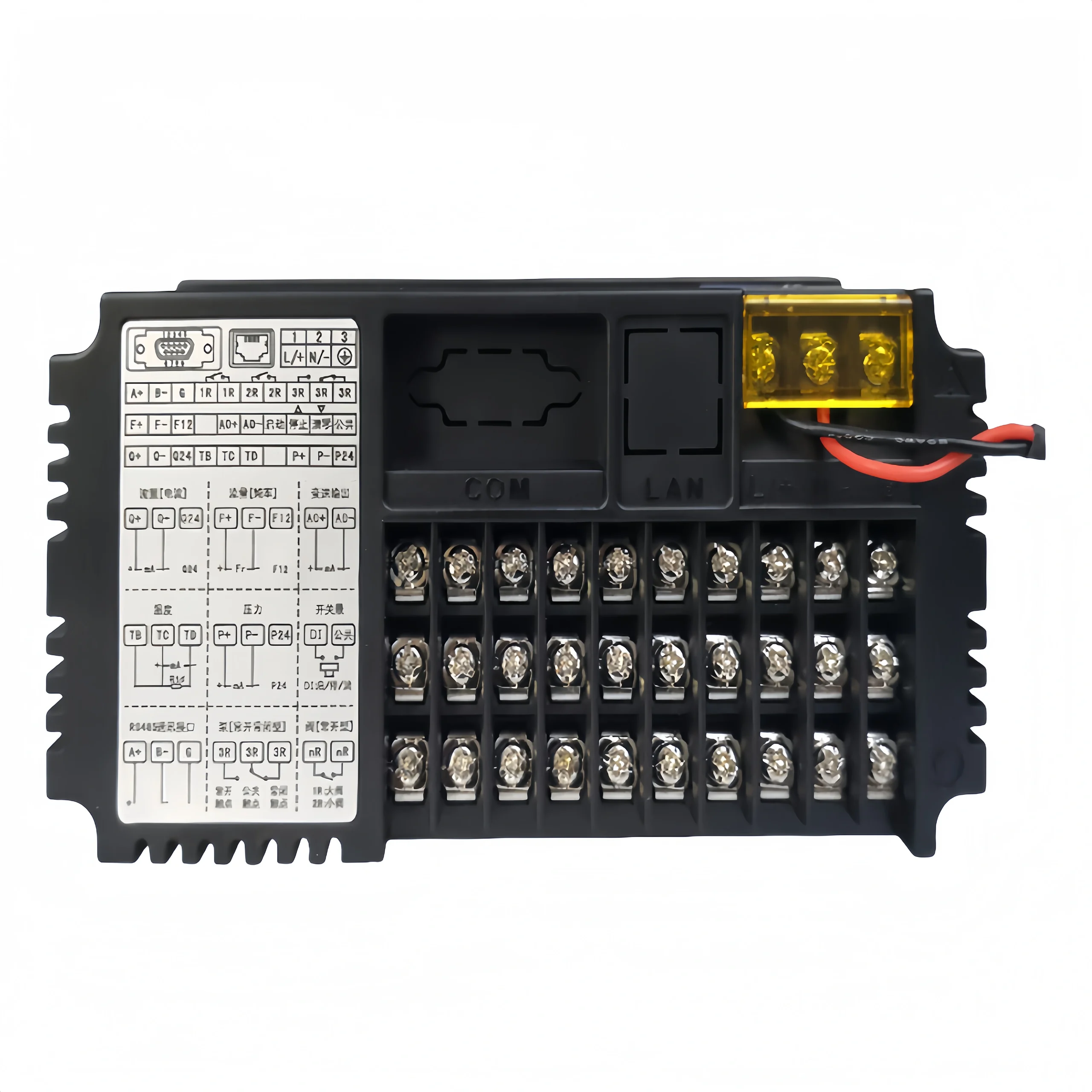
Liquid level controller
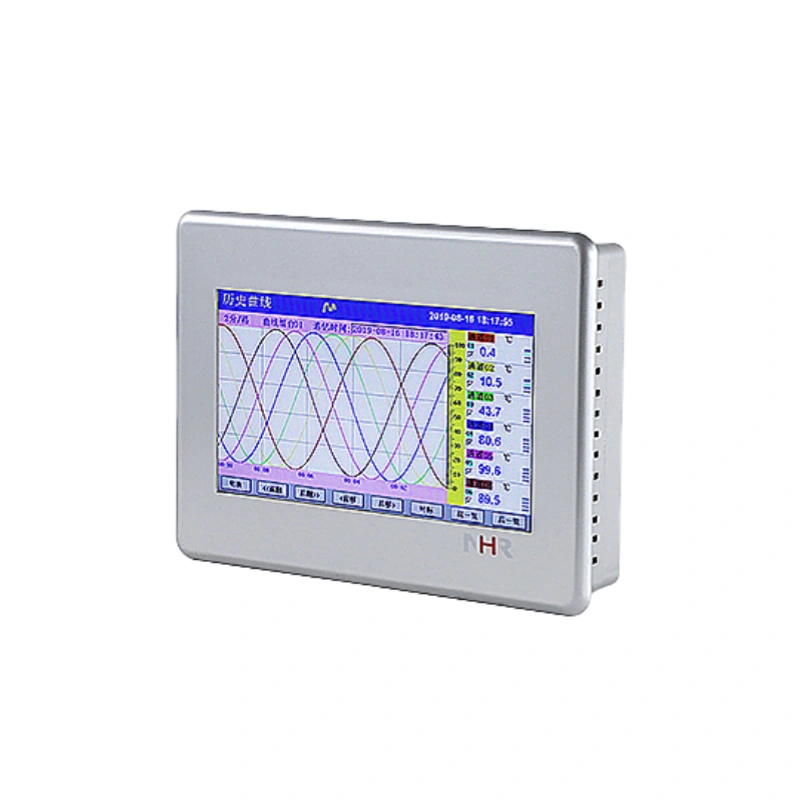
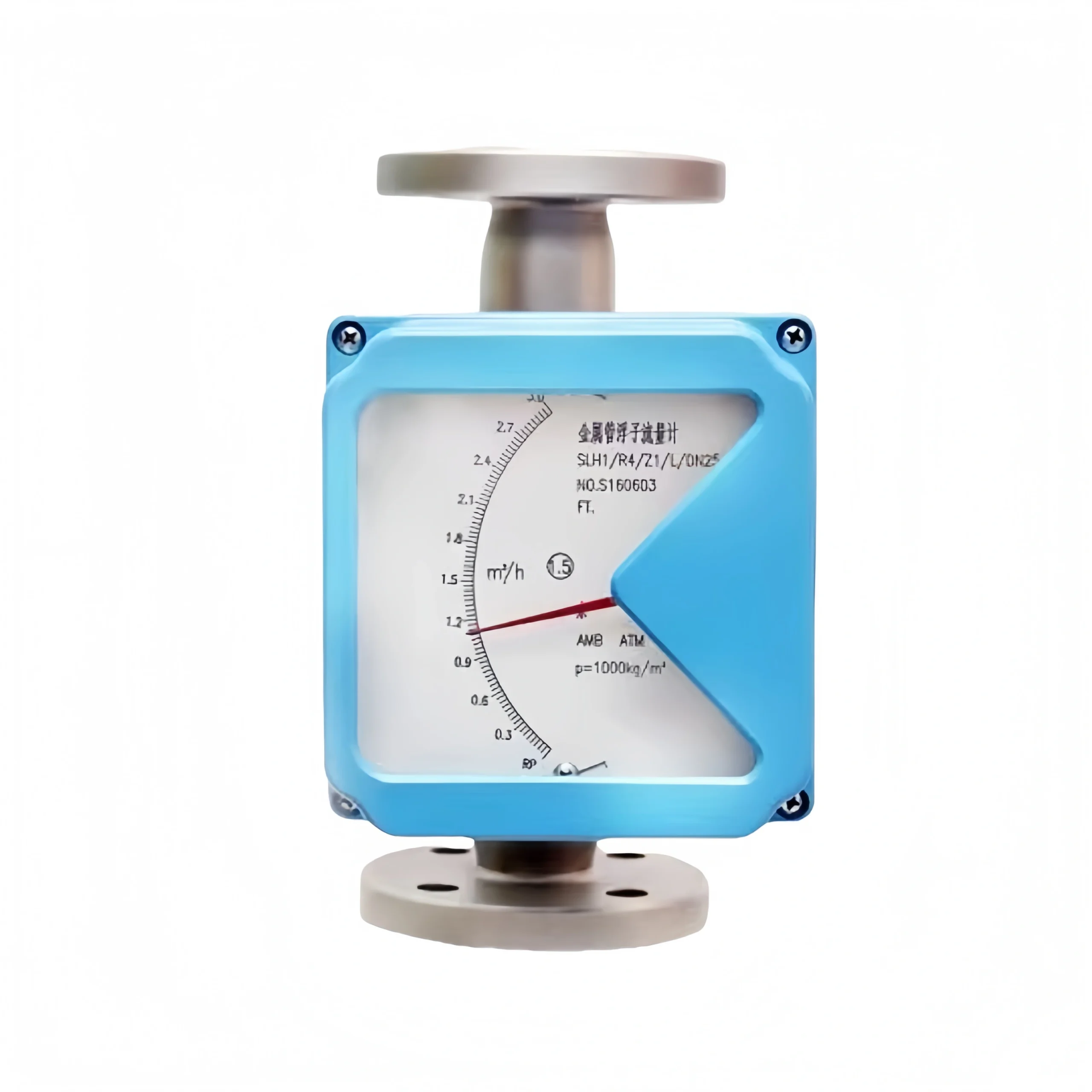
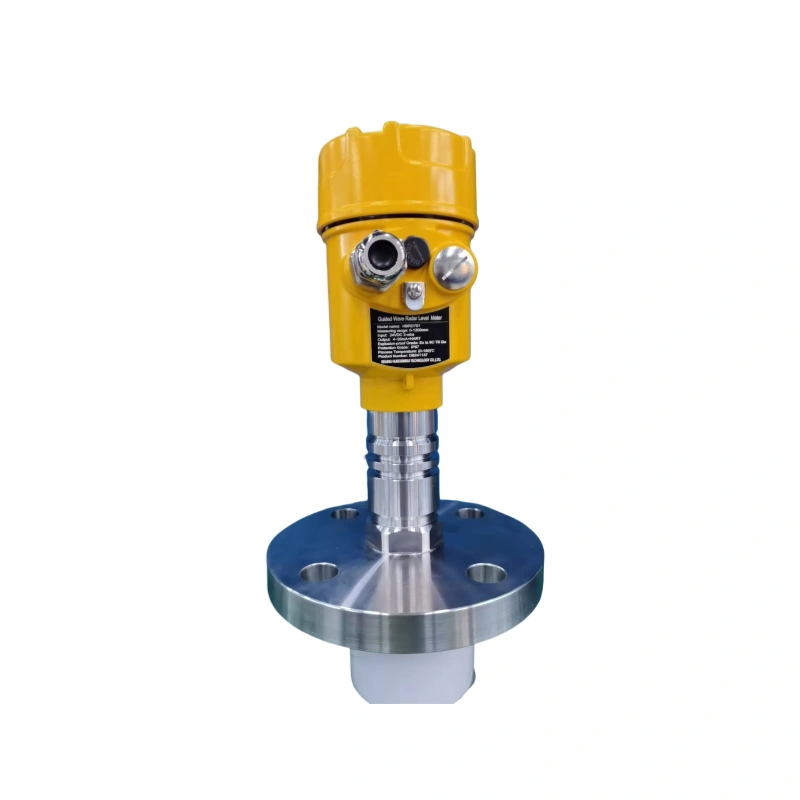
A level controller is a device used to monitor and control the level of liquids or solids in a tank, container or process. These controllers are widely used in various industries such as water treatment and chemical processing.
The level controller provides accurate and reliable measurement. It ensures that the level of liquid or solid is maintained at the required level. This enables efficient and safe operation.
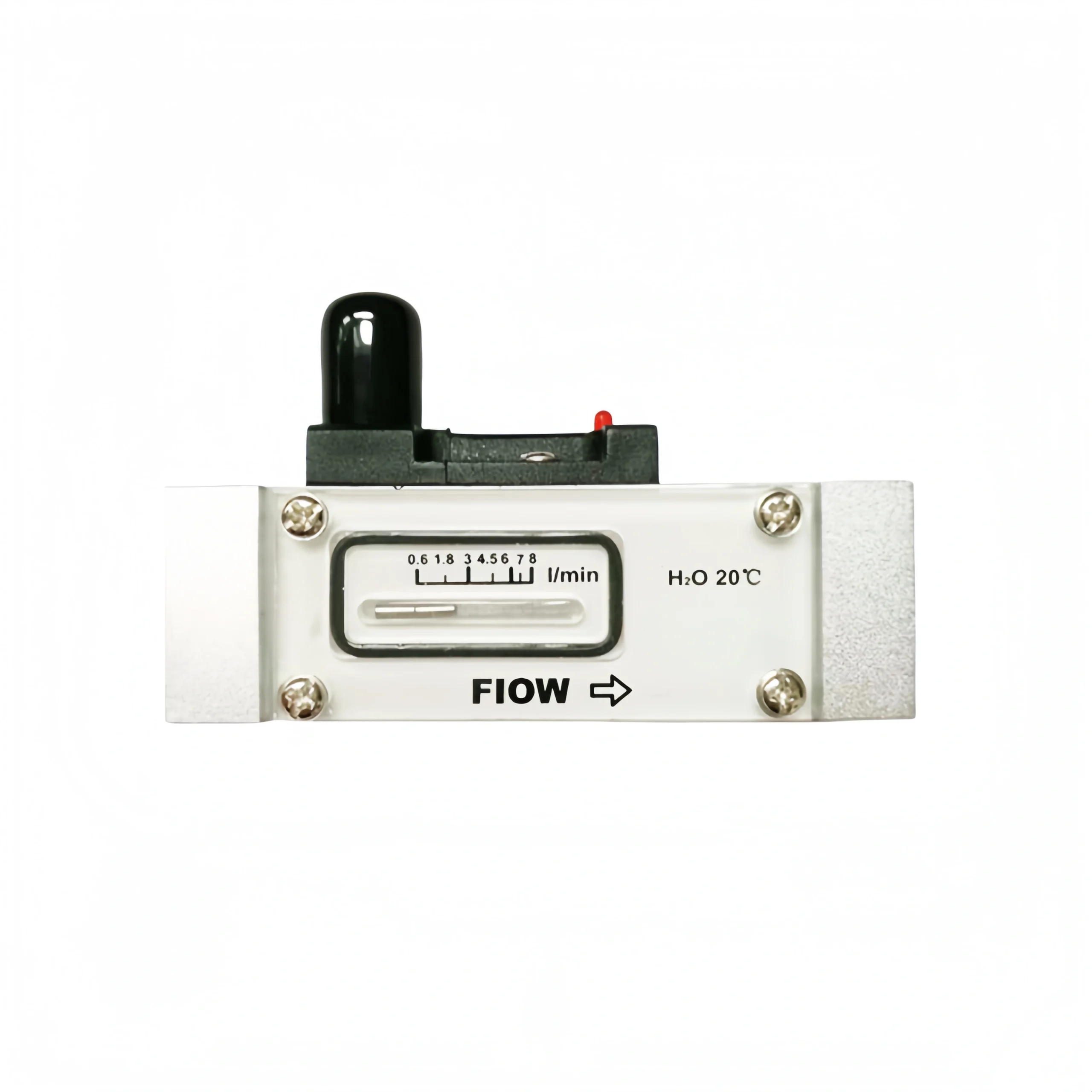
Liquid level switch
A liquid level switch is a device that detects the presence of liquid at a specific location within a container or tank.
A level switch is essentially a sensor. When the liquid level reaches a certain point, it changes its state (for example, opens or closes a circuit). This state change can trigger an alarm, control a pump, or activate other systems. Level switches are essential for applications that require basic control operations, such as filling or emptying a tank.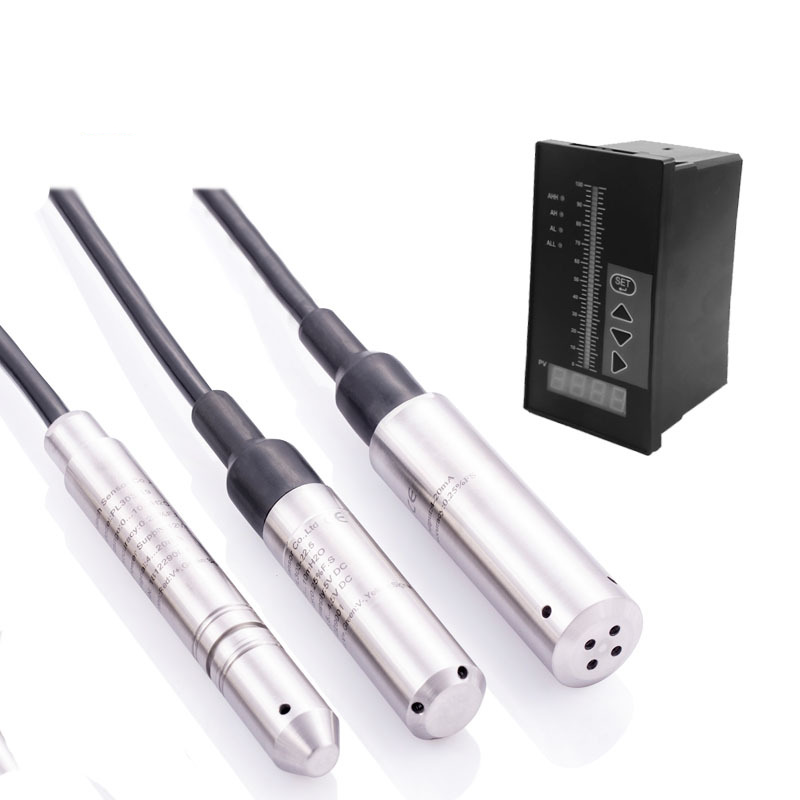
A level controller works by sensing the liquid level and triggering a response. It does this by using sensors to monitor the liquid level and adjusting the output to achieve the desired set point. These methods convert the liquid level into a signal that the controller can process.
Here’s a more detailed explanation of how this works:
1. Liquid level sensing: Liquid level controllers use various types of sensors to detect the liquid level in a tank or container. For example, float controllers, electrodes, ultrasonic sensors or radar sensors.
2. Signal processing: The signal from the sensor is then processed by the controller.
3. Actuation: Based on the processed signal, the controller activates or deactivates the control device (such as a pump or valve) to keep the liquid level within the desired range. This may be a pump for adding liquid or a valve for releasing liquid.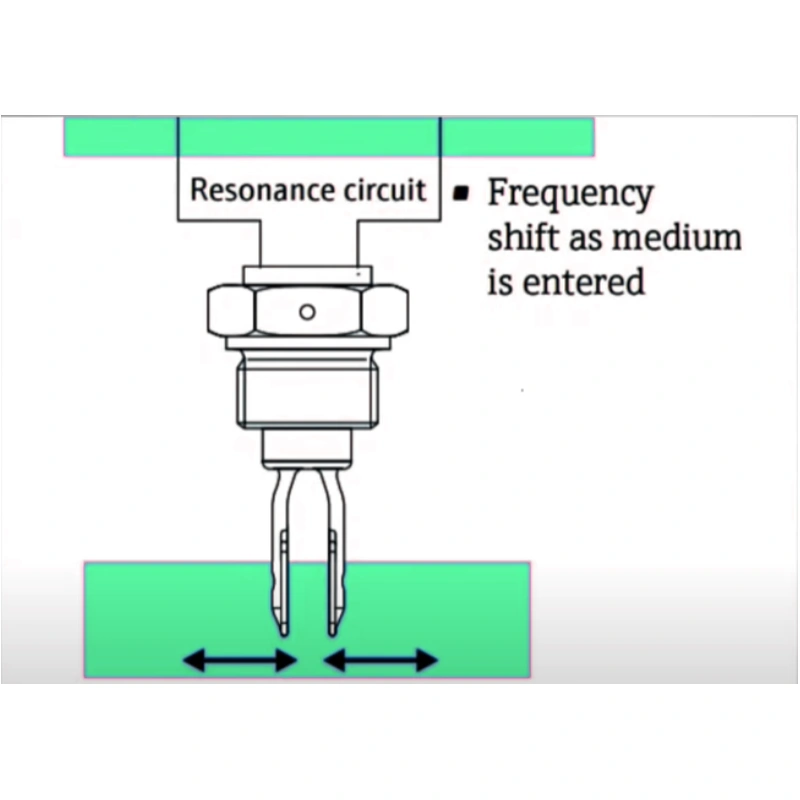
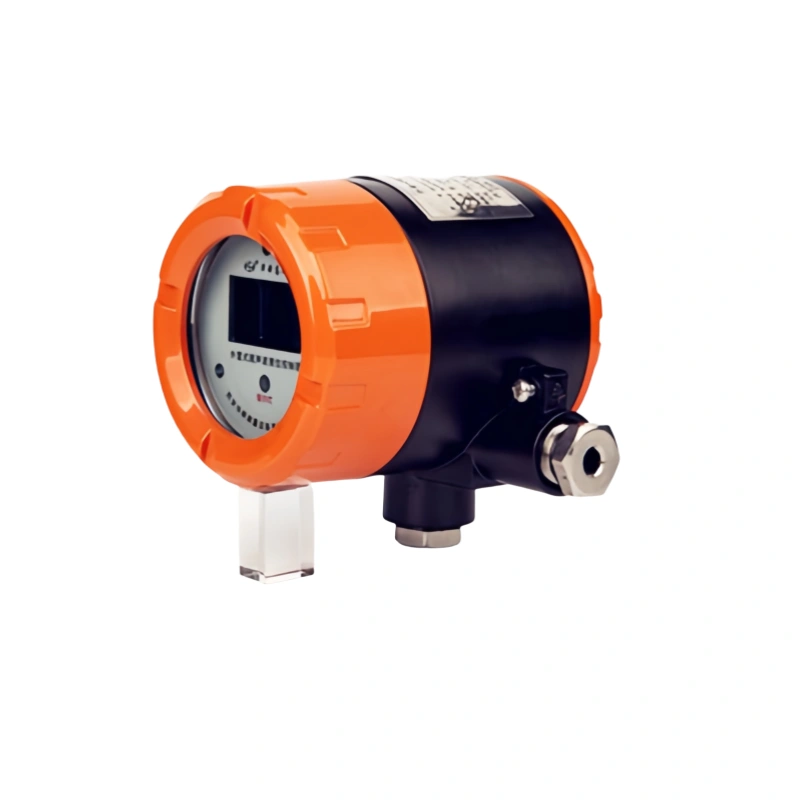
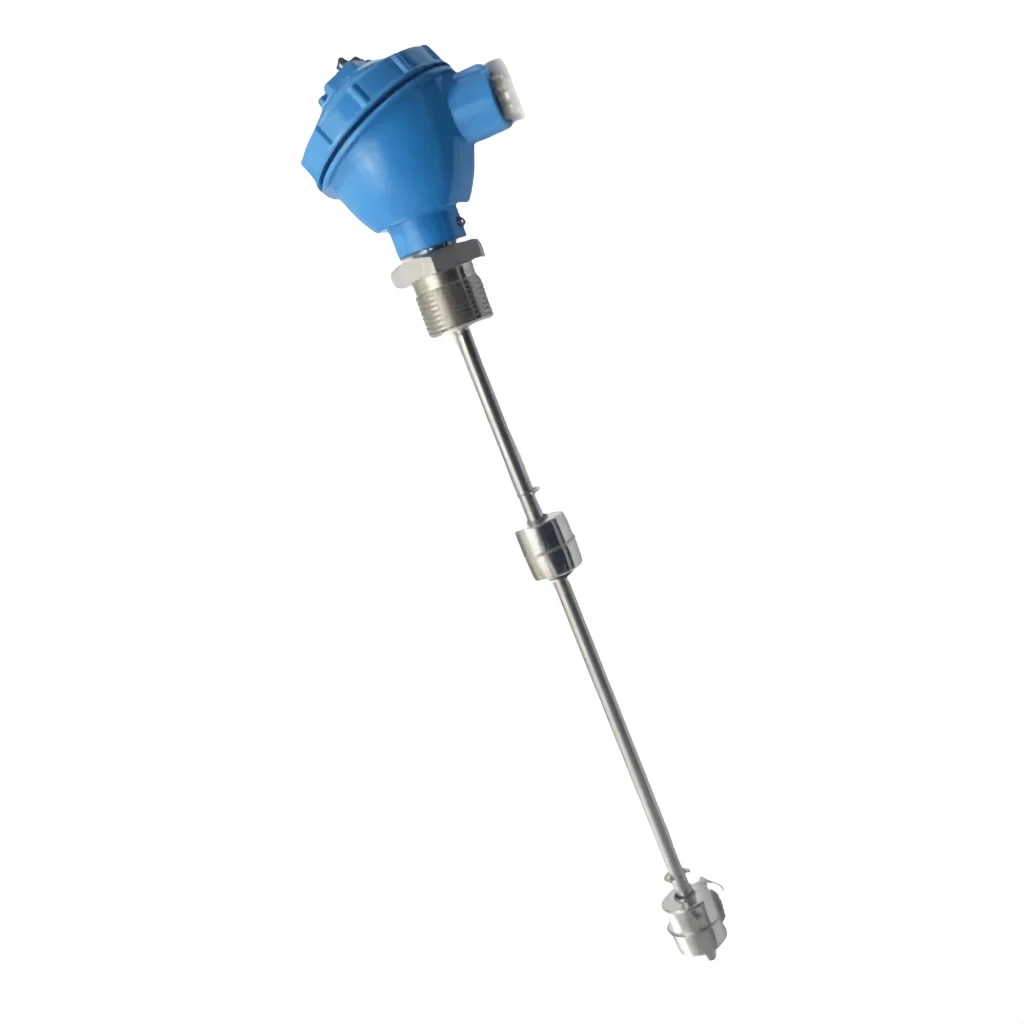
Float Level Controller
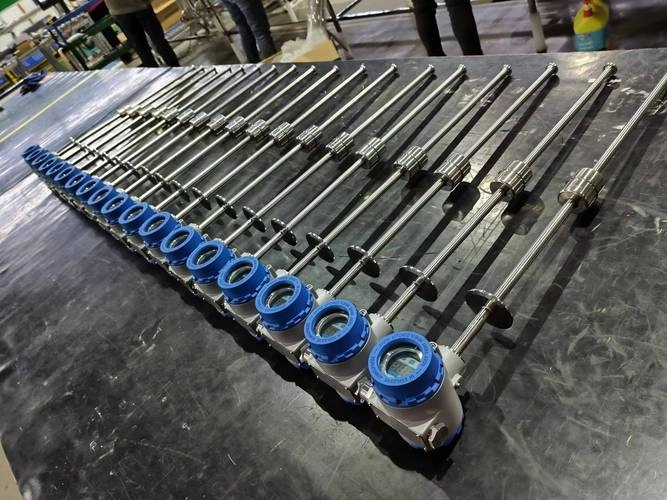
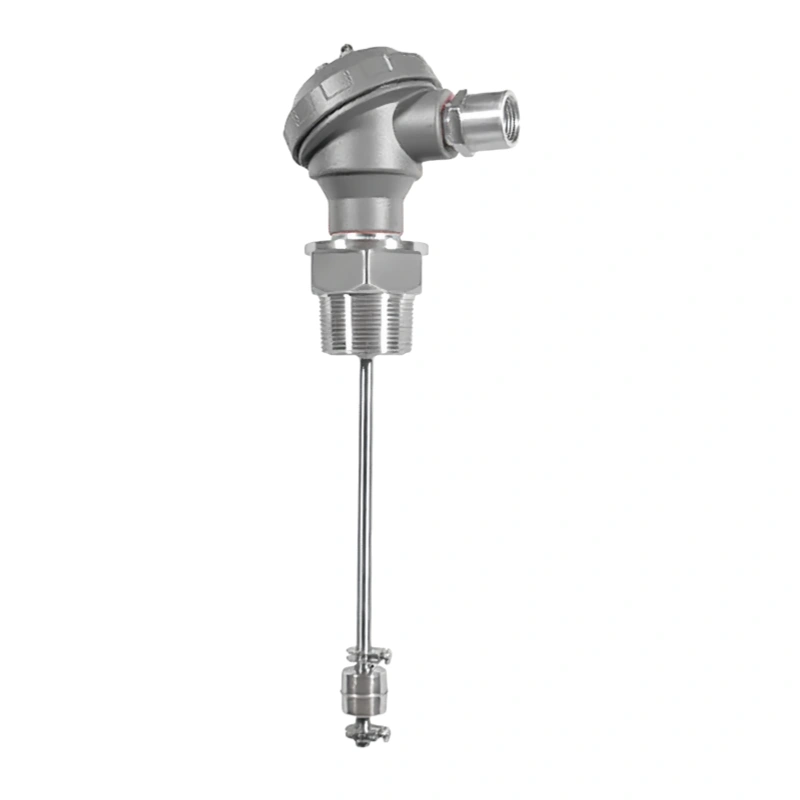
A float level controller is a device that uses a float to detect and control the liquid level in a tank or container.
The float moves up and down along the measuring tube with the measured liquid level. When the float reaches a certain level, the switch or sensor is activated. A signal is sent to a control device such as a pump or valve. The signal can be used to turn a pump on or off, open or close a valve, or activate an alarm. With the corresponding control circuit, the automatic control of the injection or pumping pump can be completed to control the liquid level within the specified range.
Advantages
1. Simple structure, easy installation and maintenance, low failure rate
2. Compatible with a wide range of liquids, resistant to general corrosion
3. Sensitive response, precise liquid level control
4. Low power consumption, low operating costs
5. High resistance to interference, excellent environmental adaptability
6. Wide variety of models and specifications, suitable for a broad range of applications
7. Wear-resistant and durable, long service life
The float level controller has an irreplaceable advantage, that is, multi-point control. Our Sino-Inst’s connecting rod float level controller can be customized with 1 to 4 control points.
Ultrasonic Liquid Level Controller
An ultrasonic level controller is a device that uses sound waves to measure and control the level of liquid in a container or tank. Ultrasonic level controllers use non-contact measurement. You can choose between a top-mounted ultrasonic sensor or an externally mounted sensor.
Ultrasonic level controllers emit ultrasonic pulses. These pulses travel through the air and reflect from the liquid surface. Then they return to the sensor. By measuring the time it takes for the sound waves to return. The controller can determine the liquid level. At the same time, the level controller can also output signals to subsequent electrical appliances or other equipment. To monitor or control the liquid level.
Advantage
1. Non-contact detection; no contact with the material; low wear and tear
2. Simple installation, easy commissioning, and low maintenance costs
3. Wide measurement range; compatible with various tanks and containers
4. Unaffected by medium corrosion or viscosity; highly versatile
5. Excellent electrical isolation; high safety factor
6. Continuous level monitoring with real-time data output
7. Multiple explosion-proof models available; suitable for hazardous environments
Ultrasonic level controllers are widely used in industries. such as water and wastewater treatment, chemical processing, and oil and gas. This product is ideal for monitoring toxic, highly corrosive and hazardous liquids.
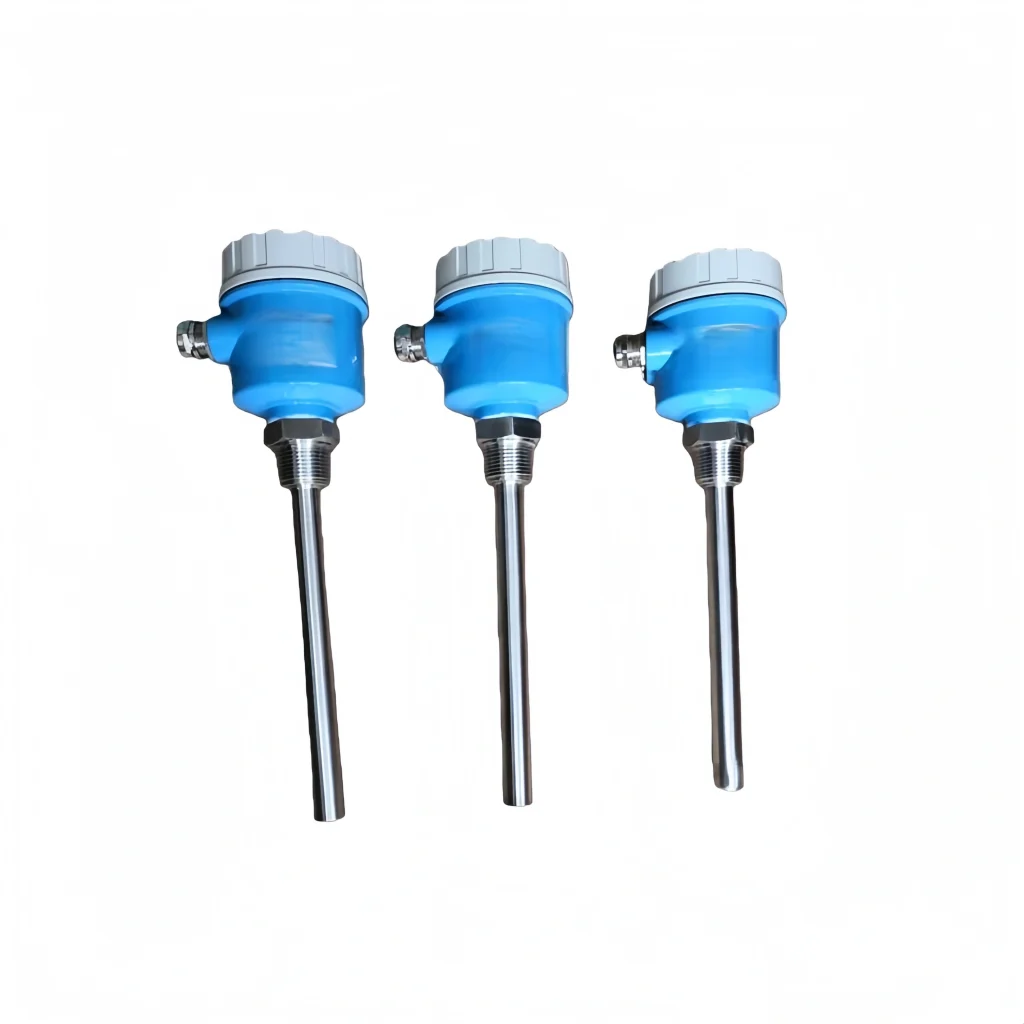
Electronic Liquid Level Controller
The electrode level controller is a device that uses conductivity to measure and control the liquid level in a tank or container.
It consists of electrodes placed at different heights. When the liquid rises and touches the electrodes, a circuit is formed. This circuit allows current to flow through the liquid. The controller detects this electrical signal and converts it into the liquid level reaching a certain point. Based on the detected liquid level. The controller can activate relays to control pumps, valves, or other equipment to adjust the liquid level.
Advantage
1. Compact size, minimal installation space requirements, and flexible wiring layout
2. No moving mechanical parts, resistant to jamming and wear, and highly stable
3. Fast response speed and timely liquid level signal feedback
4. Supports multi-point detection, enabling multi-level liquid level control and alarms
5. Excellent temperature and pressure resistance, suitable for complex industrial operating conditions
6. Excellent sealing performance, waterproof and leak-proof, suitable for use in sealed tanks
7. Low maintenance requirements and reliable long-term operation
At present, it is widely used in liquid level measurement and control of fire water tanks, pools, wells, water towers, and other equipment.
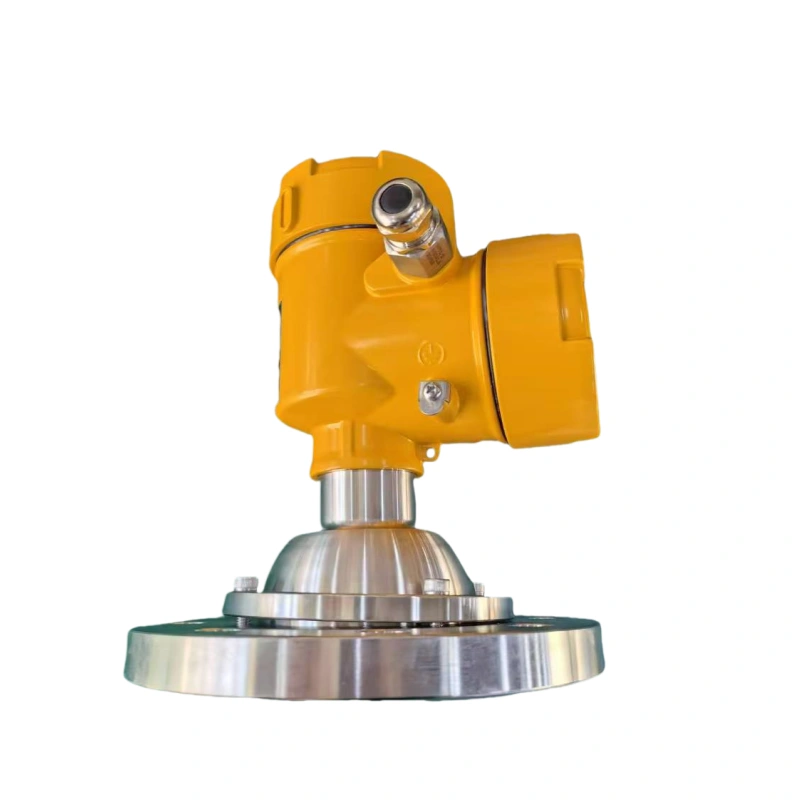
Radar Level Controller
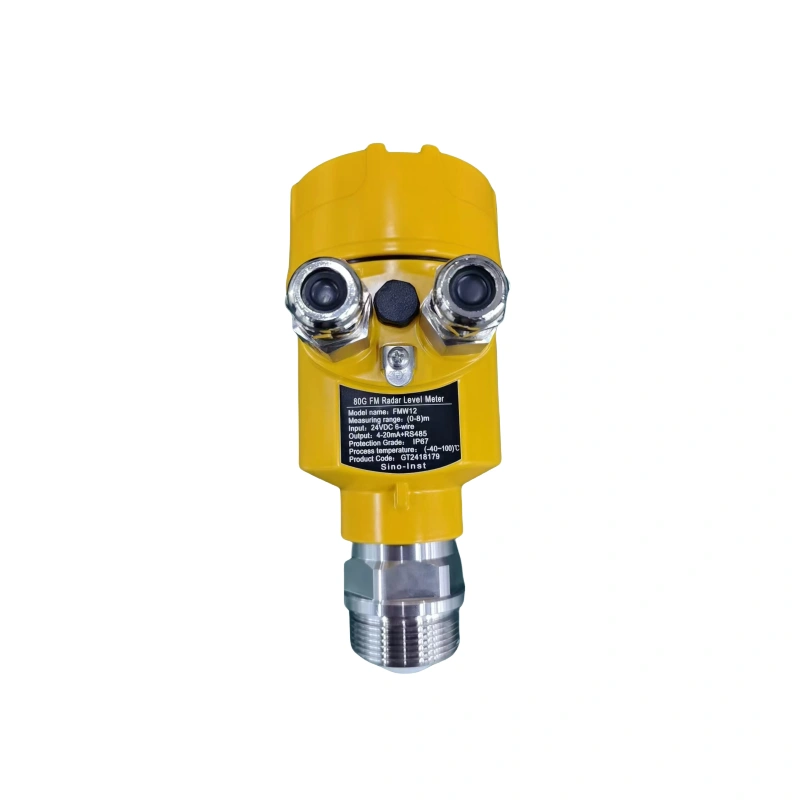
A radar level controller is a non-contact radar level meter based on the principle of time propagation.
Radar waves propagate at the speed of light. The probe emits a high-frequency pulse that propagates at the speed of light in space. When the pulse encounters the surface of the material, it is reflected back and received by the receiver in the instrument. The distance signal is then converted into a level signal.
Advantage
1. Non-contact measurement; no contact with the medium, resulting in minimal wear and a long service life
2. Unaffected by temperature, pressure, dust, or steam, offering strong adaptability to various operating conditions
3. High measurement accuracy; stable and reliable liquid level data
4. Wide measurement range; suitable for large storage tanks and deep vessels
5. No blind spots or interference; capable of detecting foam and liquid surface fluctuations
6. Simple installation; virtually maintenance-free in daily operation
7. Excellent explosion-proof performance; suitable for flammable and explosive media environments
Radar level controller can be widely used to measure the distance, level, volume, weight and open channel flow of liquids, slurries, and viscous materials. It can also be used to measure solid media such as powders, granules, and blocks. It has a large range and can adapt to extreme environments. Stable measurements can be made even in dusty and agitated applications.
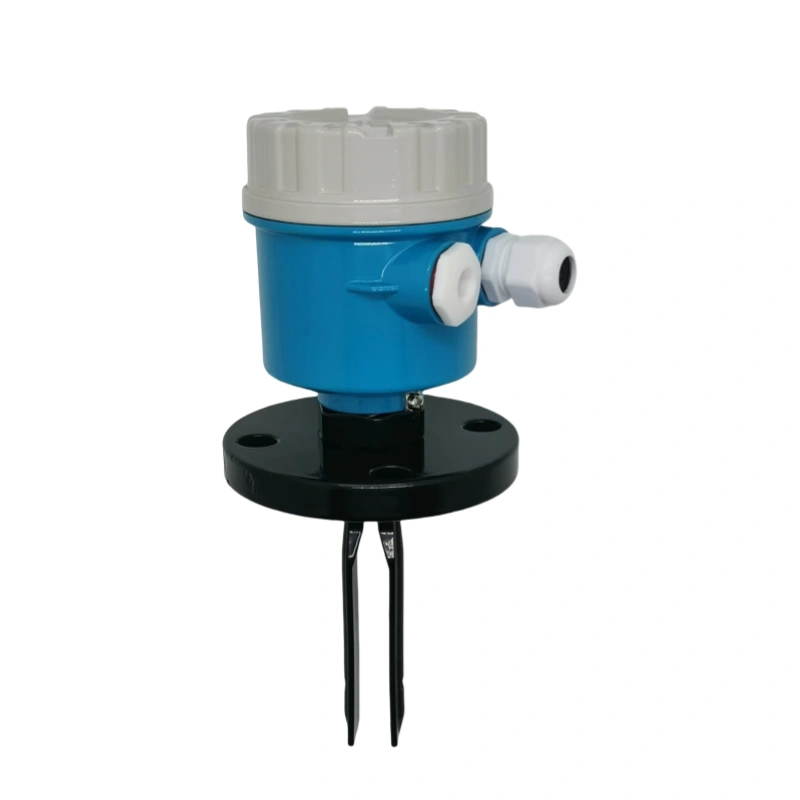
Tuning Fork Level Controllers
The tuning fork level controllers is a point level sensor. The tuning fork level controller is made of stainless steel. Stainless steel controllers provide a cost-effective solution for level control applications.
The tuning fork level controller is used to measure the position of materials in a container. It uses the vibration of the tuning fork to detect the level of liquid or solid materials. It is used to measure powdered granular materials in the silos of foam molding machines and blister machines. Such as flour, salt, grain, chemical raw materials, etc. and low-density foam particles.
Advantage
1. Precise measurement, resistant to liquid surface fluctuations and foam interference
2. No moving mechanical parts, resistant to jamming, and stable operation
3. Suitable for a wide range of media, including liquids, powders, and granules
4. Rapid response, sensitive operation, and timely feedback
5. Temperature and pressure resistant, adaptable to various complex industrial conditions
6. Easy installation, virtually maintenance-free, and long service life
7. Explosion-proof models available for use in flammable and explosive environments
Sino-Inst’s tuning fork level controller can measure a variety of media. Sino-Inst supports various parameter customization. We can meet your needs, offer reasonable prices, and reduce your costs.
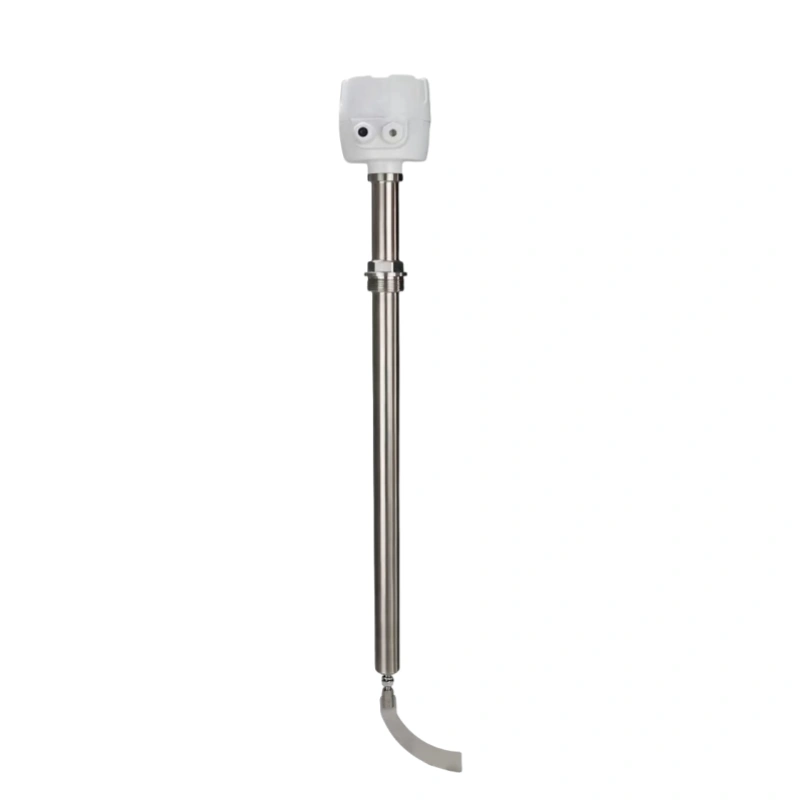
Rotary Paddle Level controllers
The rotary paddle level controller is a point level sensor. It is mainly used for automatic detection and control of the limit level of various warehouses (such as powder, granular or granular).
The rotary paddle level controller uses the internal rotating parts to capture and move the material. In this way, signal exchange is completed. Thus, the control and monitoring of the material in the container can be realized. The rotary paddle level switch can accurately detect the liquid level or solid height of the material in the container. Automatic control and safety protection of the material are realized.
Advantage
1. Intuitive operating principle, easily observable operational status, and simple troubleshooting
2. Compatible with solid materials such as granules, powders, and lumps, offering strong versatility
3. Resistant to material buildup and adhesion, minimizing false triggers
4. Robust construction, resistant to impact and wear, with excellent durability in industrial environments
5. Simple installation and commissioning, with a low learning curve
6. High cost-effectiveness, with low procurement and operating costs
7. Compatible with large-scale storage equipment such as silos and tanks
The rotary paddle level controller can work in extreme environments. It can measure the full, on-demand or empty position of all bulk media in various containers. It has a variety of installation methods: vertical, horizontal or inclined. It can be customized according to your needs.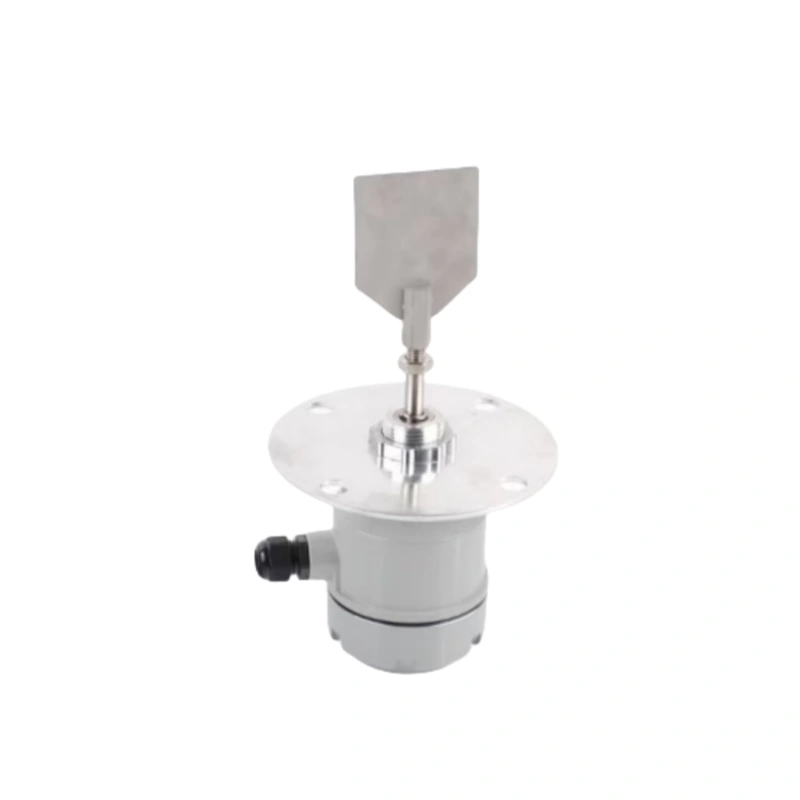
We offer a variety of level controllers. To choose the right level controller, understand the specific needs of your application. The following points may help you.
1. Consider the controller configuration that best suits your application.
2. Consider the characteristics of the liquid. For example, conductivity, dielectric constant, and potential corrosiveness.
3. Determine the level of accuracy required for your application.
4. Pay attention to the requirements of mounting configuration, mounting dimensions, and wetted materials.
5. Choose a controller that supports the communication protocol you need to integrate with the control system.
6. Make sure the controller is compatible with your existing sensors, actuators, and control systems.
7. Consider whether the controller will be used for simple on/off control or for more complex applications.
Liquid level controllers are widely used in chemical, pharmaceutical, food, energy and other industries. It plays an important role in automated production lines. They control liquids in tanks, containers, and pipes. They are able to detect the presence or absence of liquids in critical applications.
Liquid level controllers have multiple functions, such as liquid level alarm, liquid level protection, automatic liquid replenishment, etc. They are used to maintain the optimal liquid level in various industrial processes to ensure safety and efficiency.