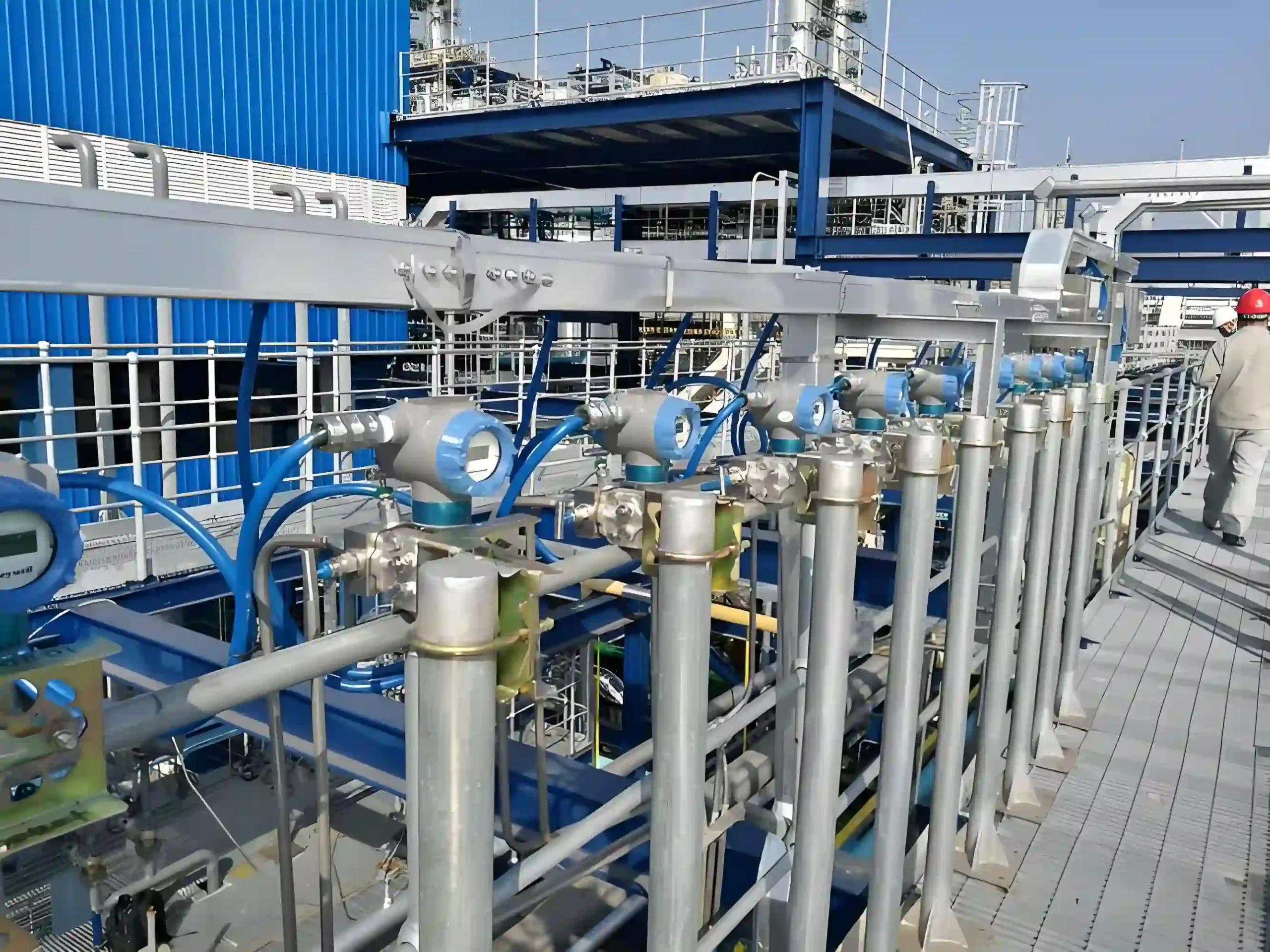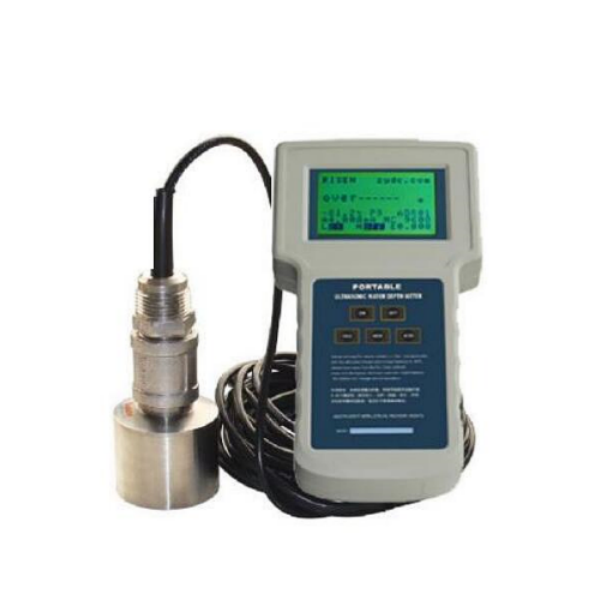
As a non-contact level measurement instrument, the ultrasonic level transmitter has found widespread application in the petrochemical, water conservancy and hydropower, and environmental monitoring sectors due to its significant advantages, including high measurement accuracy, broad applicability, and low maintenance costs. However, its measurement performance depends to a large extent on the scientific and standardized nature of its installation.
What Is an Ultrasonic Level Transmitter?
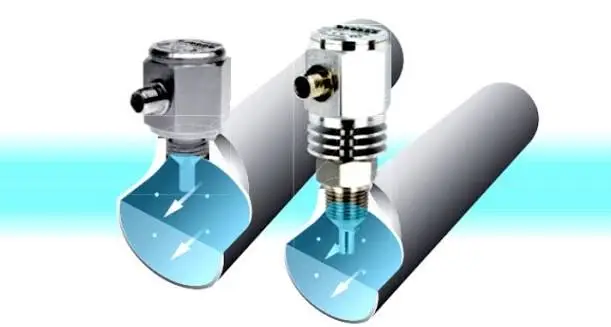
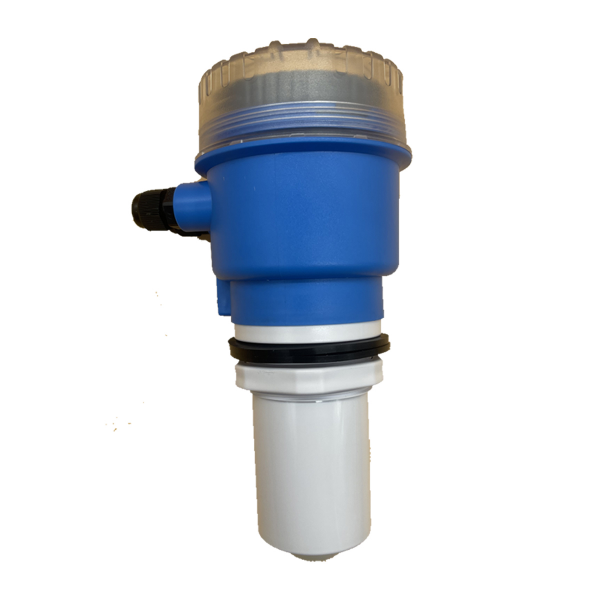
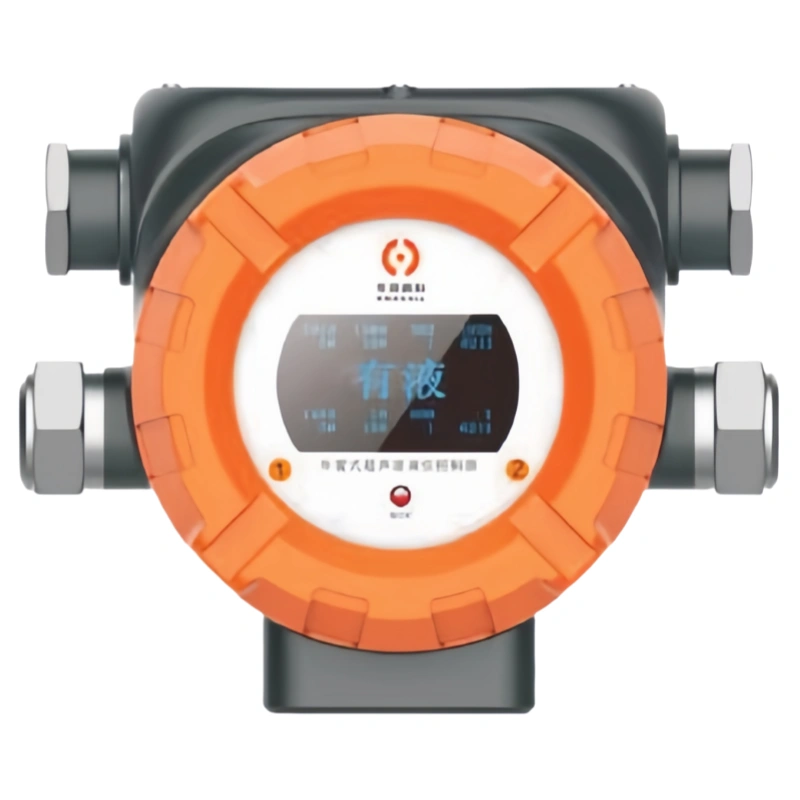
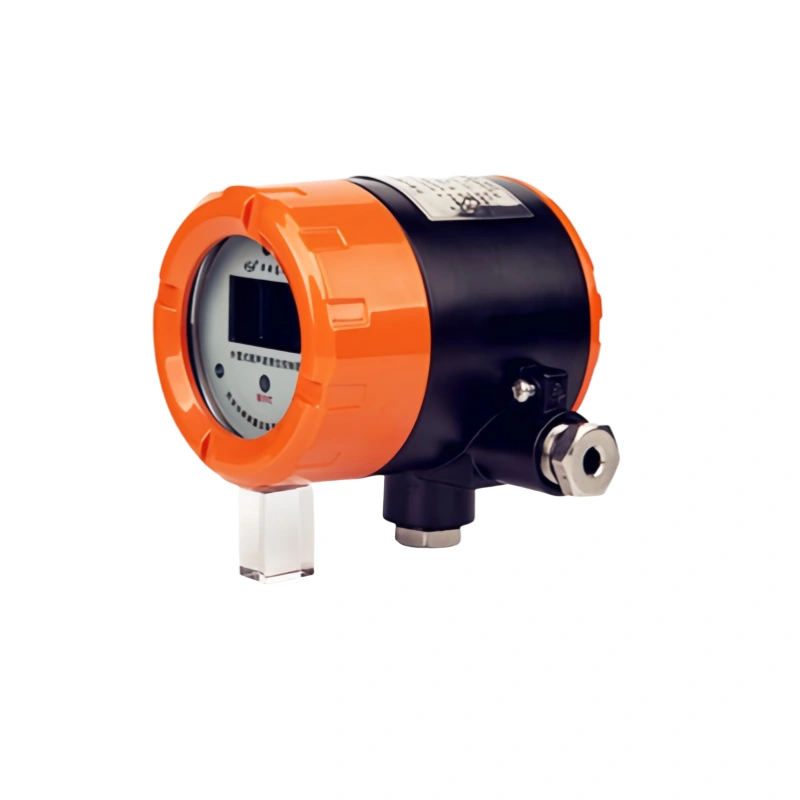
An ultrasonic level transmitter is a non-contact device that measures liquid levels using ultrasonic technology. It can handle all sorts of liquids and some granular materials, no matter if they’re conductive, corrosive, or viscous.
You’ll find these transmitters used pretty much everywhere, like in chemical plants, water treatment places and warehouses. They’re also popular because they’re easy to install and they don’t cost much to run and maintain.
Working Principle of Ultrasonic Level Transmitters
The transducer probe inside the unit sends out high-frequency ultrasonic pulses along a fixed path. These sound waves travel through the air at a steady speed, then bounce back as echoes once they hit the surface of whatever it is we’re monitoring.
The same probe captures the returning signal, and the onboard circuitry precisely calculates the elapsed time between the outgoing pulse and the incoming echo.
Factoring in the speed of sound as corrected for ambient temperature, the system then determines the real distance from the probe down to the liquid surface. This distance is then converted using the total height of the container to produce real-time liquid level data from inside the tank.
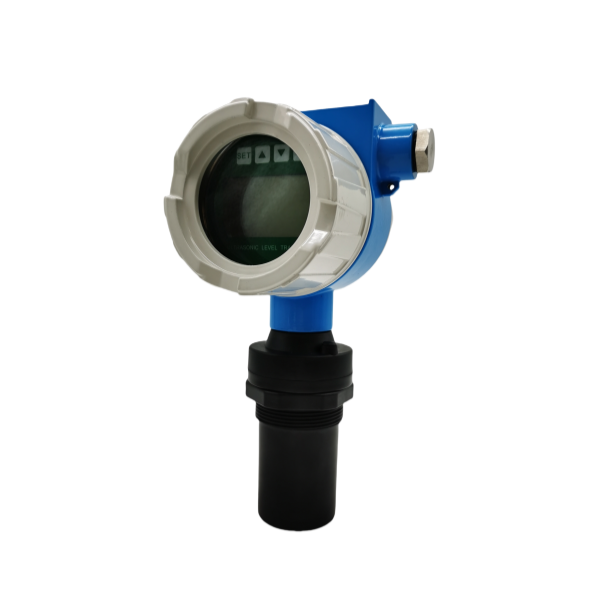
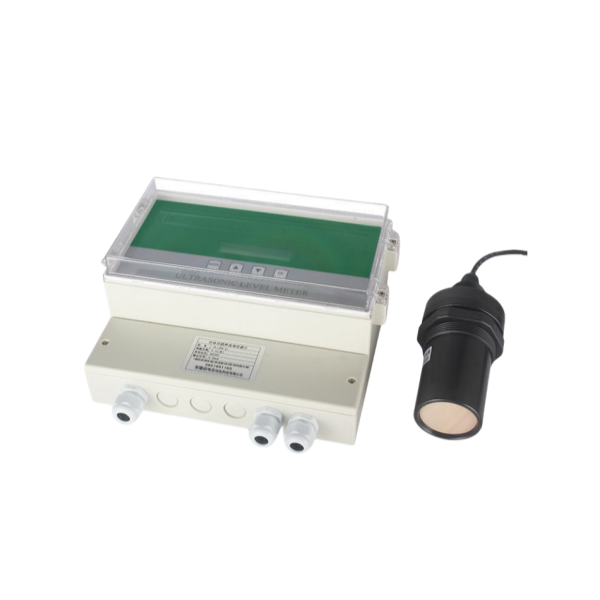
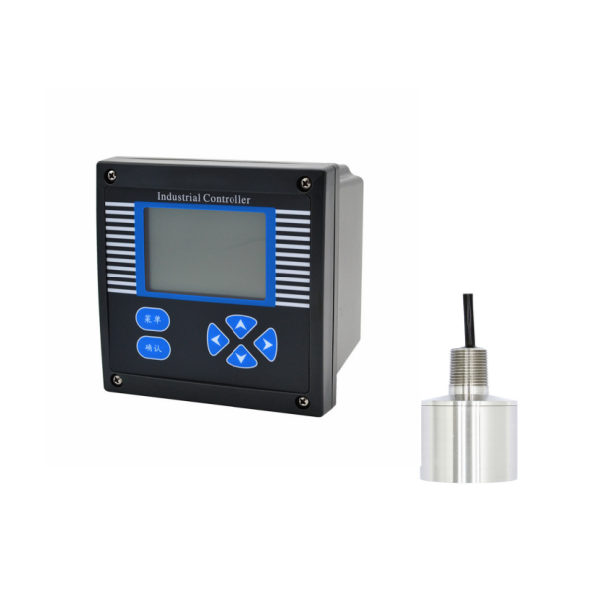
Precautions
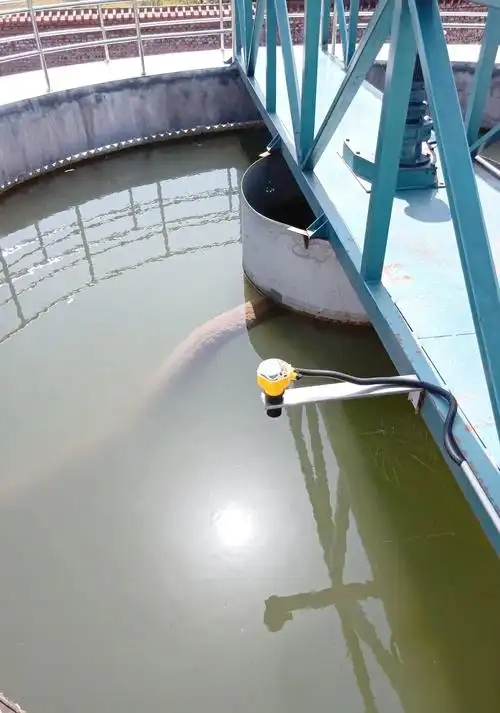
1. Don’t install the transmitter near container inlets or outlets, mixing equipment, or anywhere water hits the surface hard. Rough liquid movement can mess up the sound wave reflection and throw off your readings.
2. Make sure the probe points straight down at the liquid surface. This way the ultrasonic waves bounce right back to it. If the angle’s off, you lose the signal.
3. Keep the sensor clear of pipes, support columns, and tank walls. Give the sound waves enough room to travel so you don’t pick up false echoes from nearby objects.
4. Mount the probe at the right height. It needs to cover the full measurement range, but don’t put it so low that rising liquid could submerge it and wreck the sensor.
5. Check that the unit can handle the environment. If it’s hot, under negative pressure, or very humid, pick a model with the right protection. Also watch out for strong light or heavy electromagnetic equipment nearby.
6. When putting several units in one area, space them out properly so their ultrasonic signals don’t interfere with each other.
Ultrasonic Level Sensor Installation Guide
I. Pre-installation Preparation and Basic Requirements
Model Selection and Compatibility: Before installation, verify the equipment model to ensure it is compatible with the on-site operating conditions in terms of pressure, temperature and the chemical properties of the medium.
Unobstructed Beam Path: Do not place obstacles such as ladders, heating equipment or brackets within the beam radiation area below the transducer to ensure normal transmission and reception of the ultrasonic waves.
Avoid Feed Flow: It is strictly prohibited to install the sensor directly above the tank’s feed inlet to prevent the device from picking up signals from flowing material, thereby minimising measurement errors at source.
Avoid Dead Zones: All ultrasonic sensors have measurement dead zones. During operation, ensure that the maximum liquid level remains within the device’s effective measurement range at all times and does not enter the dead zone.
Explosion-proofing and earthing: When you’re installing this in areas where there’s a risk of fire or explosion, make sure you follow the relevant national explosion-proof regulations and that the equipment is earthed properly to avoid any safety issues caused by static electricity.
II. Installation Position Specifications
Distance from tank wall: Make sure there’s at least 200 mm between the integrated sensor and the tank side wall, but it’s better if it’s 300 mm or more. This helps cut down on wall echoes and gives you more reliable readings.
Tank Centre: For flat-roofed conical tanks, put the unit right at the top centre if you can. With domed tanks, aim for a spot somewhere between half and two-thirds of the top radius — this lines up better with how the vessel is built.
Avoid Interference Sources: Stay well away from inlets, outlets, agitators, stiffeners, and maintenance ladders. Also steer clear of spots where liquid splashes, swirls around, or foam builds up.
Stable liquid surface area: If the tank has mixers or aerators, place the probe somewhere that won’t get hit by turbulence. Try to find somewhere that’ll give you a fairly calm surface for the liquid, so it doesn’t bounce around too much.
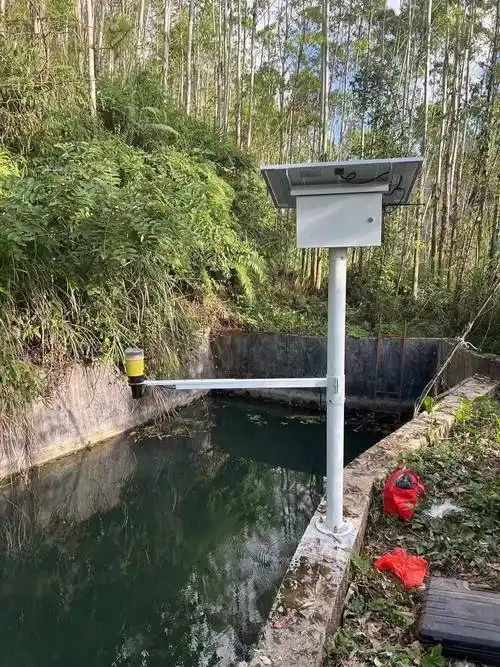
Outdoor protection: When installing outside, don’t leave the unit out in direct sun, heavy rain, or strong wind. Put up a sunshade and rain cover to protect both the probe and the electrical parts.
III. Installation Height and Dead Zone Control
Height Formula: The installation height of the probe base must exceed the sum of the highest liquid level and the equipment’s dead zone to prevent the liquid surface from entering the dead zone.
Range Allowance: When planning the installation height, allow for a 20% margin of range. Operation at full scale is prohibited to avoid false alarms caused by peak fluctuations in liquid level.
Probe Selection: For smaller tanks and shallow pools, use high-frequency probes with a dead zone of 0.3 metres or less, as these tend to respond more quickly. For large storage tanks and deeper pools, low-frequency probes are the better choice, since they go deeper and are stronger in tough conditions.
Dead Zone Calculation: When you’re commissioning the system, make sure you work out the effective measurement range accurately. For example, if the equipment’s dead zone is 0.5 metres, the distance between the highest liquid level and the bottom of the probe must be greater than 0.5 metres.
IV. Installation Angle and Mounting Methods
Vertical Installation: Under normal conditions, the probe should be installed vertically relative to the liquid surface; where liquid levels fluctuate significantly, minor adjustments may be made, but the tilt angle must not exceed 5° to prevent data distortion caused by echo shift.
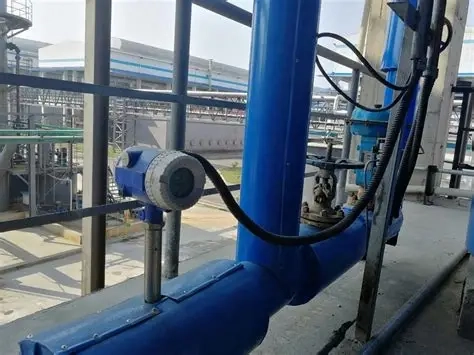
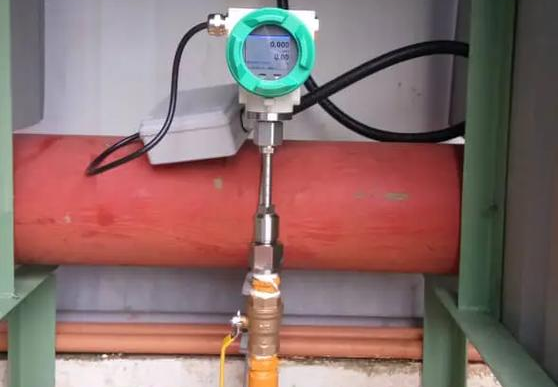
Mounting Methods: For open-air setups, use the bracket that comes with the unit and lock it down with the nut. On sealed tanks, drill a round hole, drop the device in, and tighten the nut from underneath to hold it in place.
Sealing: If you’re using a flange mount, stick with the original gasket to get a proper seal. For threaded mounts, wrap some PTFE tape around the threads to tighten things up at the connection and keep moisture out.
Anti-vibration reinforcement: The surface you’re mounting to needs to be solid. On thin-walled tanks, bolt some reinforcement plates on top to cut down on equipment resonance and stop vibration from making your readings jump around.
V. Adaptation to Special Operating Conditions
Agitation environments: Operate away from the working area of the agitator blades to avoid false echoes; when agitation generates foam or ripples, installation via a waveguide is recommended.
Foam or strong airflow conditions: In environments prone to foaming, internal airflow turbulence, or strong outdoor winds, a waveguide may be fitted; in particularly harsh conditions, the waveguide radar level gauge may be replaced.
Moisture and Condensation: When routing cables in damp indoor environments or on the tops of temperature-controlled tanks, route the cable downwards to prevent condensation from seeping in, whilst tightening the sealing sleeves to enhance moisture resistance.
Corrosive Media: For corrosive media applications, PVDF or PTFE probes with corrosion-resistant properties should be selected, and anti-corrosion coating applied to flanges and fasteners.
High-temperature steam: In high-temperature steam environments, heat dissipation and insulation accessories should be installed, and specialised high-temperature-resistant sensor models employed.
VI. Wiring, Earthing and Electrical Standards
Cable selection: Use shielded twisted-pair cable and ground the shield at one end only. Make sure the cable is at least 50 centimetres away from things that can cause interference, like frequency converters or high-voltage lines.
Wiring Requirements: Do not splice signal cables without approval, and route them entirely inside protective conduits. For outdoor installations, add waterproof bends to improve weatherproofing.
Explosion-Proof Wiring: In hazardous areas, strictly follow intrinsically safe standards. Use certified explosion-proof cable glands and conduits, and do not modify any components without authorisation.
Power Supply Stability: Ensure the voltage remains stable and monitor the power status regularly. Voltage fluctuations can cause the unit to freeze or lose readings, so routine checks are advisable.
VII. Post-installation Commissioning and Operating Guidelines
Parameter Calibration: Set the basic settings — like measurement range, dead zone, and filtering — according to the tank’s specifications. Make sure you calibrate it twice: once when it’s empty and once when it’s full. This will correct any problems with the data.
On-site Testing: Carry out a full check of liquid level changes to identify issues such as erratic readings or signal loss. Test the high and low level alarms to verify they trigger correctly.
Regular Maintenance: Set a regular timetable. Make sure the cable connectors and seals are tight. Check the ground connection. Replace any worn cables or seals before they break.
Environmental Monitoring: Keep an eye on conditions around the unit. Watch out for new electrical gear that might cause interference. For outdoor setups, maintain the sunshade and rain covers so they keep doing their job.
Installation of External Mounted Ultrasonic Level Transmitters
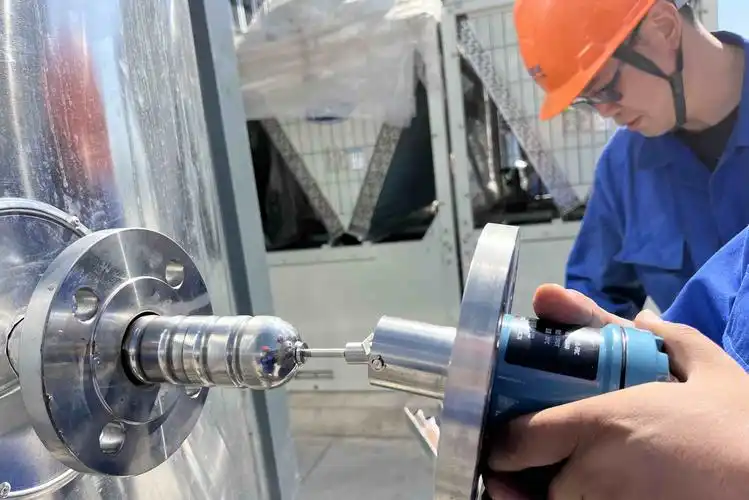
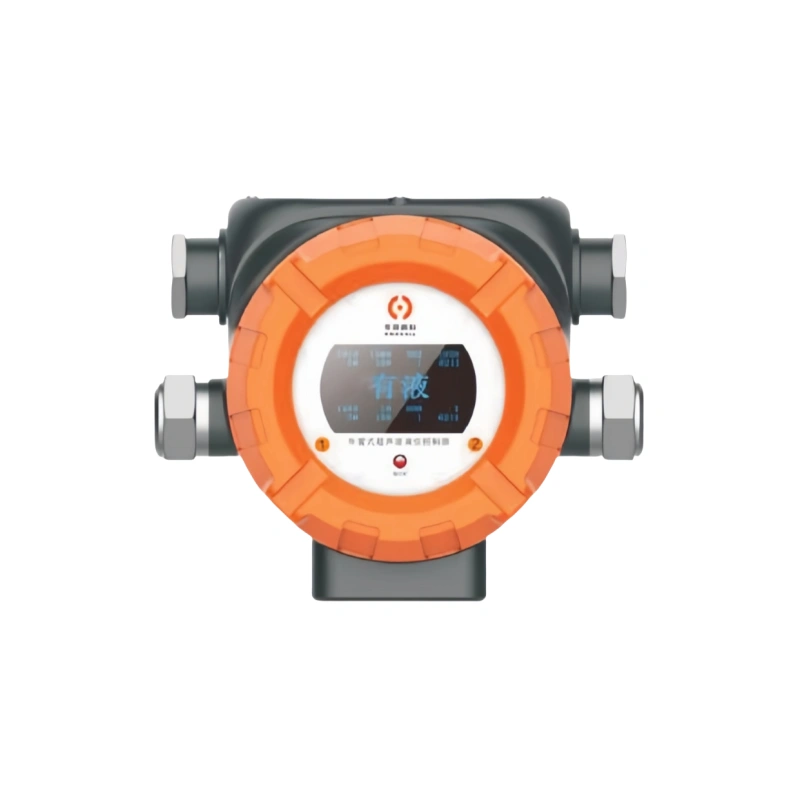
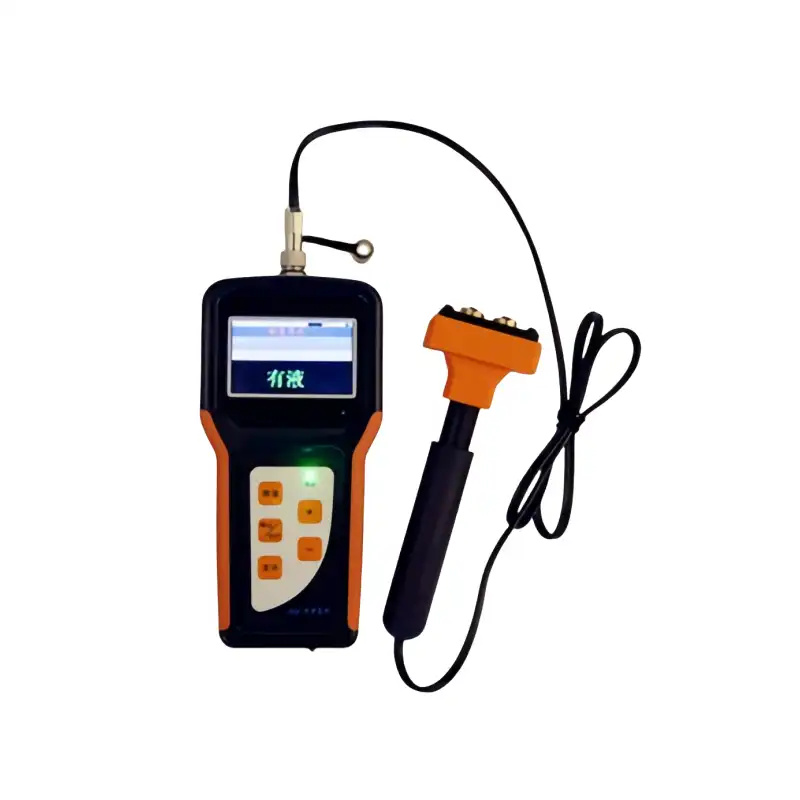
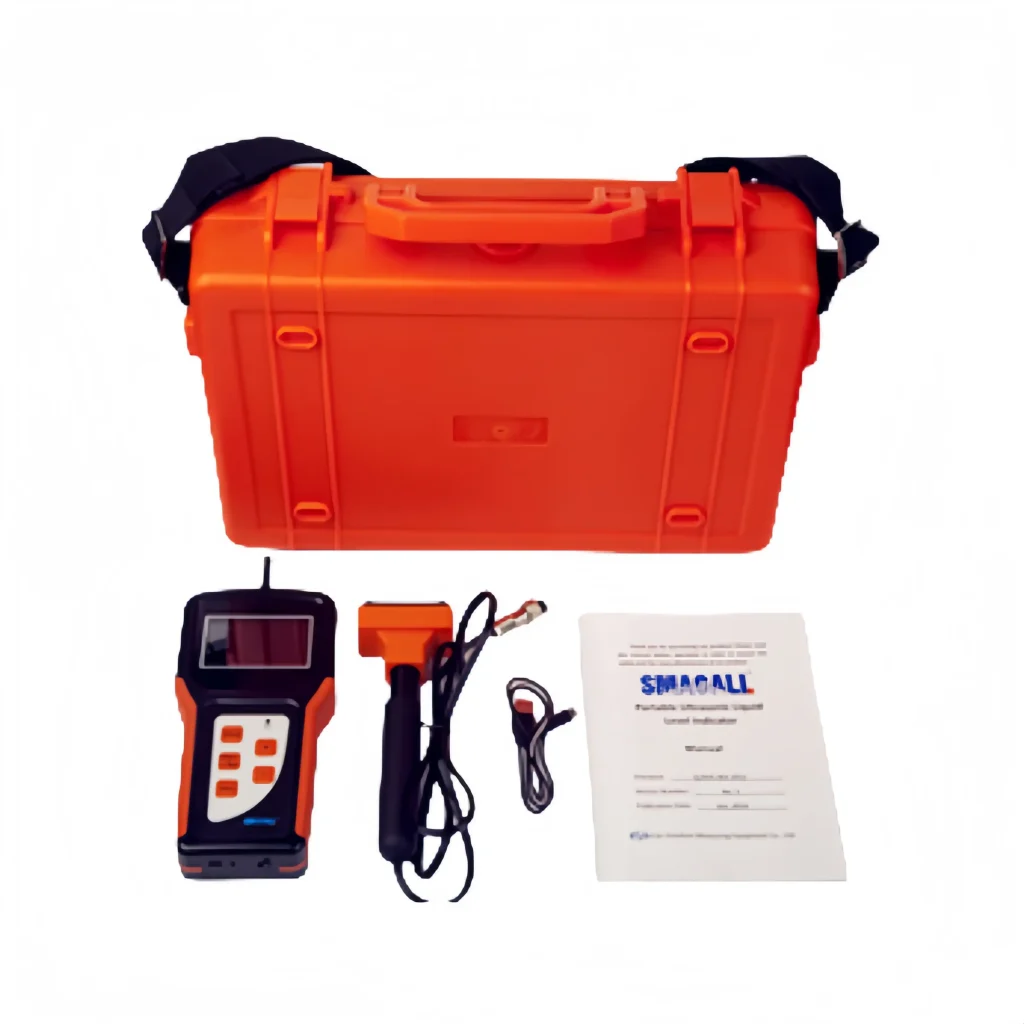
The surface-mounted ultrasonic level transmitter is an external measurement instrument that operates on the principle of sonar ultrasonic ranging. Unlike conventional top-mounted models, the probe is mounted externally on the tank, eliminating the need for drilling or hot work, and allowing installation to be completed without interrupting production and whilst the system remains under pressure.
It offers high overall safety and is suitable for sealed high-pressure tanks. It can measure corrosive liquids, toxic media and all types of conventional liquids, and is ideal for any operating conditions where drilling for measurement is impractical.
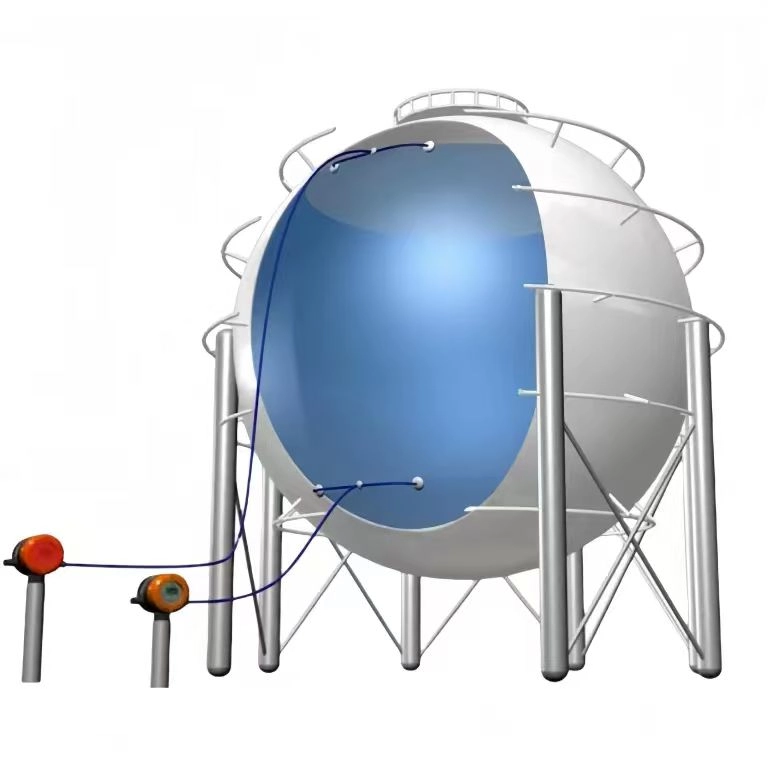
Installation Position Specifications: The ultrasonic probe must be mounted directly below the bottom of the vessel’s outer wall, ensuring a tight, gap-free fit. By transmitting ultrasonic waves through the tank wall, the internal liquid level can be calculated, making it suitable for pressurised tanks, reactors and other sealed vessels where drilling or hot work is strictly prohibited.
Tank Wall Material Requirements: The tank wall in the installation area must be made of a hard material with good ultrasonic permeability, such as carbon steel, stainless steel, fibreglass, ceramic, hard plastic, rubber and related composite materials.
The tank wall surface must be flat and undamaged; for lined tanks, ensure the lining is tightly adhered with no air bubbles or gaps between layers to prevent obstruction of ultrasonic transmission.
Environmental and medium temperature requirements: Since the probe sits right against the tank wall, it picks up the medium temperature directly. For outdoor setups in cold regions, fit an instrument insulation box; where high temperatures and direct sun are an issue, mount the main unit somewhere cool and well-ventilated to keep it from overheating.
It is evident that stable data output from ultrasonic level transmitters—and a longer equipment service life—depend on two things: following standard installation procedures to the letter, and optimising commissioning and maintenance based on what the site actually demands.
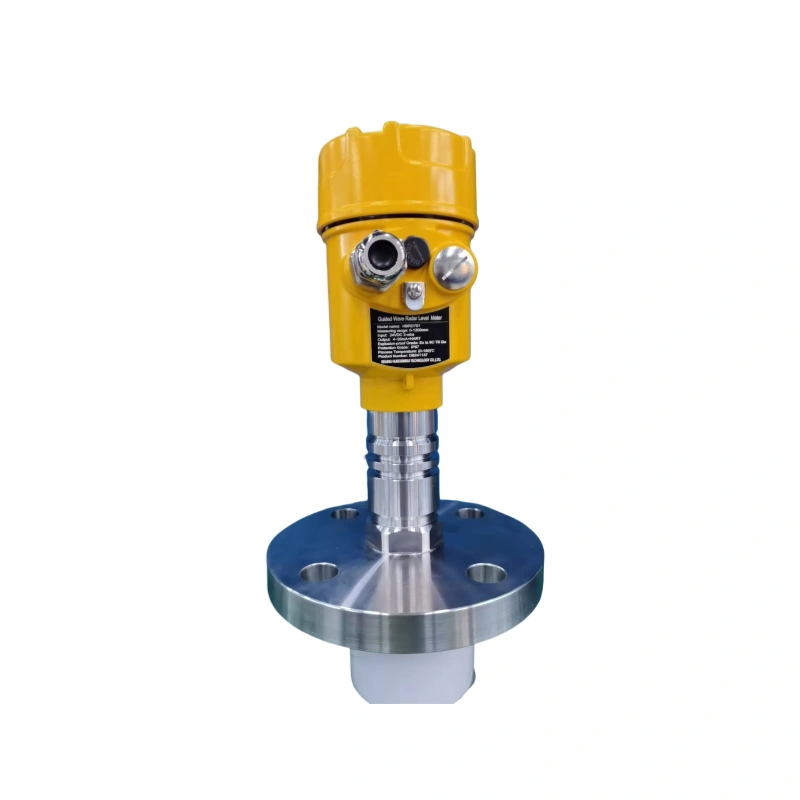
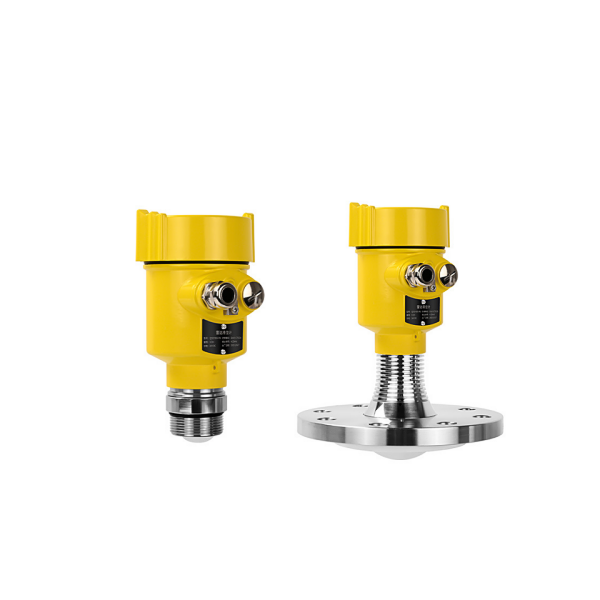
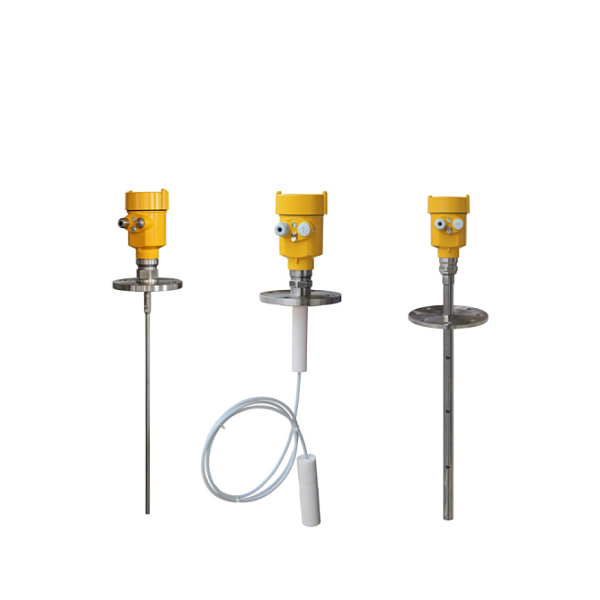
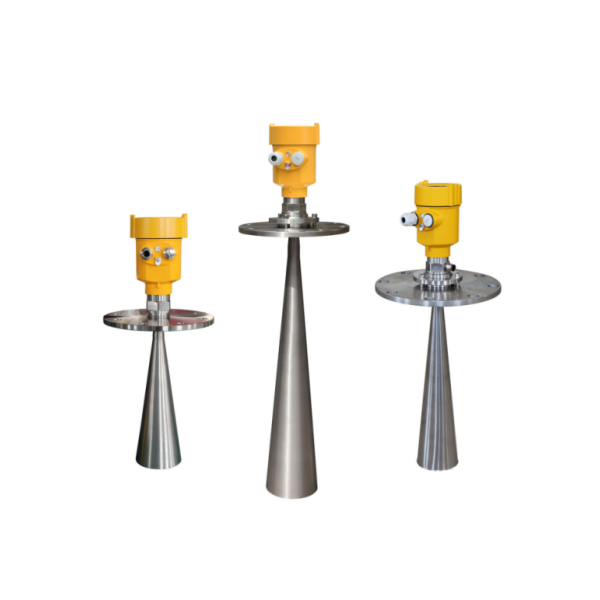
To meet the varied level monitoring needs across industries, Sino-Inst supplies a broad line of measurement products. Alongside our ultrasonic range, we stock radar and hydrostatic level transmitters, plus level switches in multiple specifications.
This breadth means our solutions work for standard atmospheric settings just as well as for tough conditions—high temperatures, high pressures, severe corrosion, and media that foam or carry dust.
Our technical team selects the right model for each job, taking into account the actual project conditions, the medium in question, and the installation constraints. We also back it up with full technical support and after-sales service, so the level monitoring system keeps running reliably over the long haul.