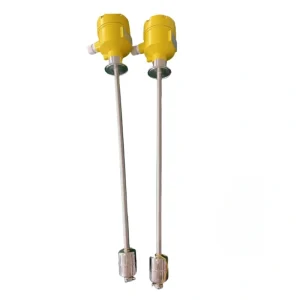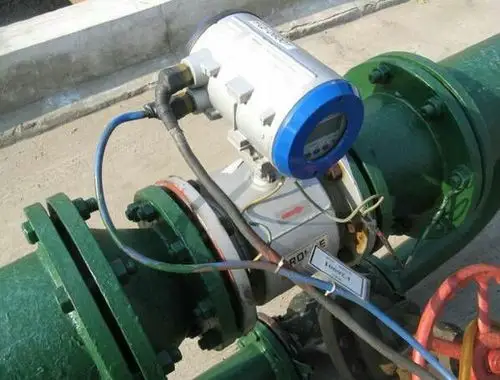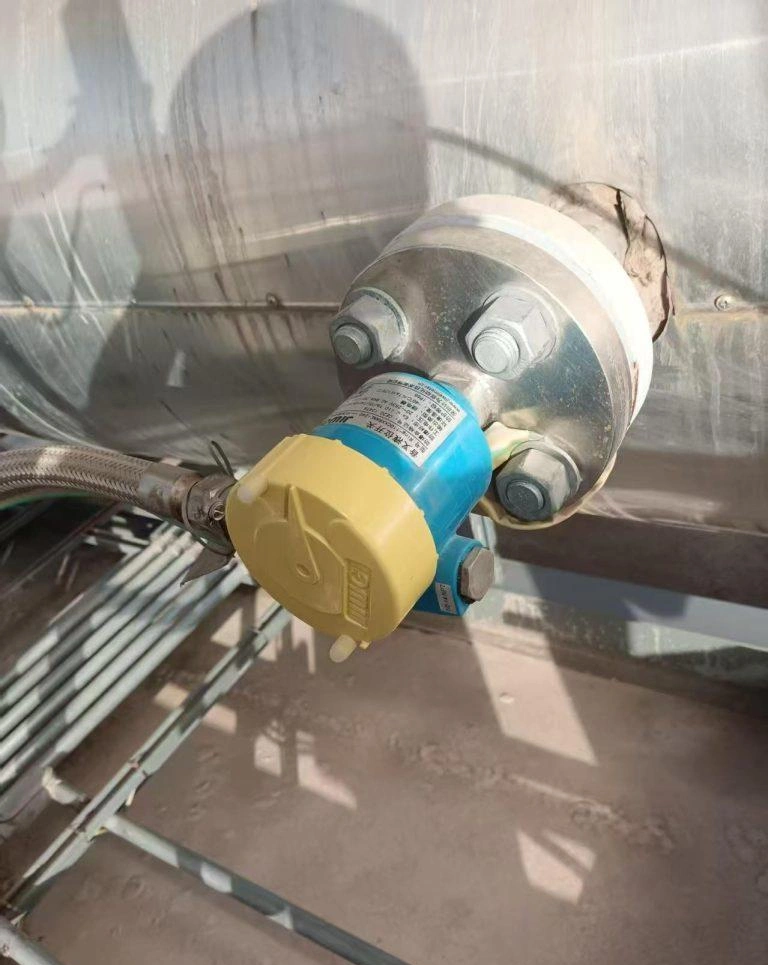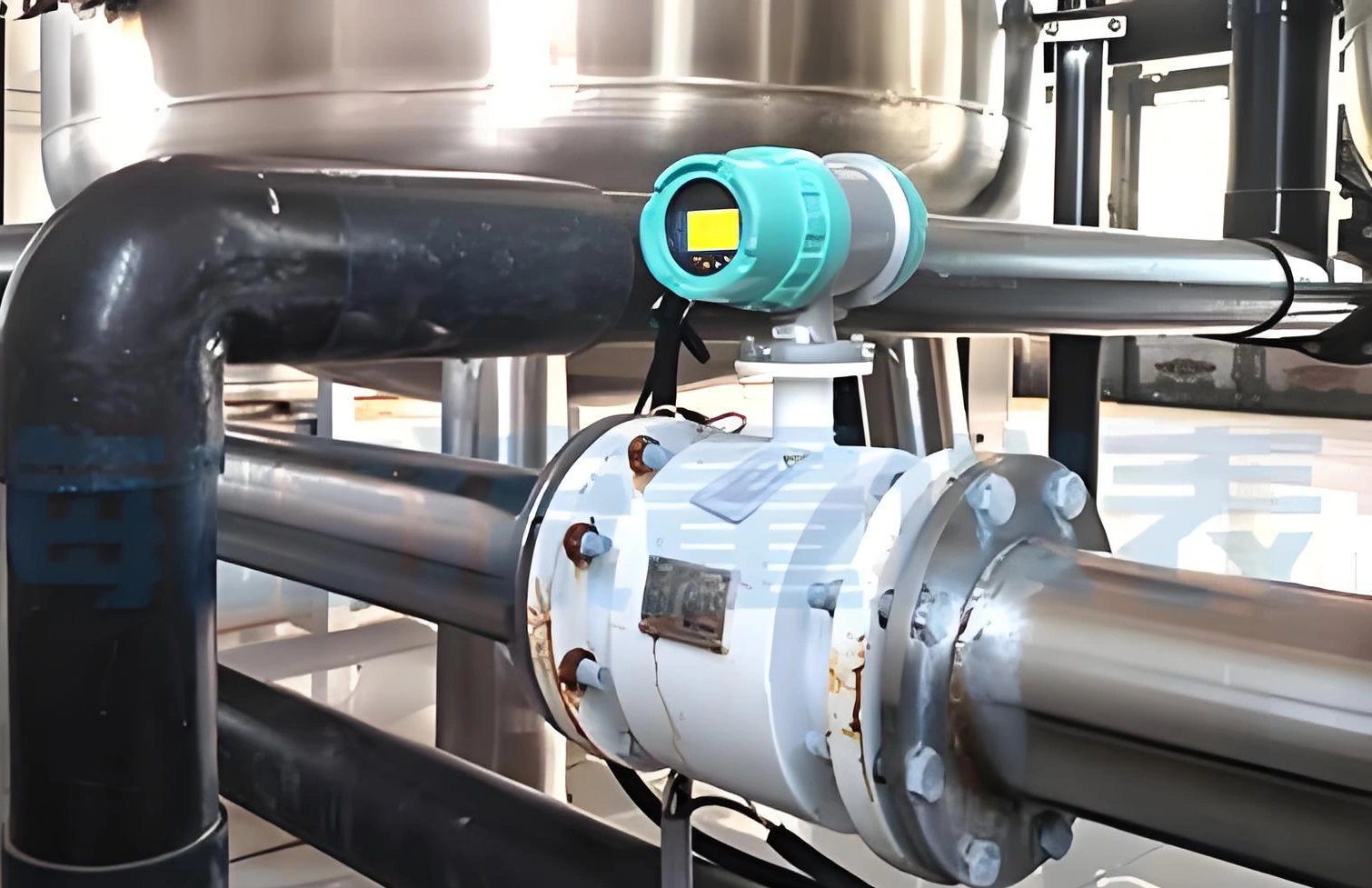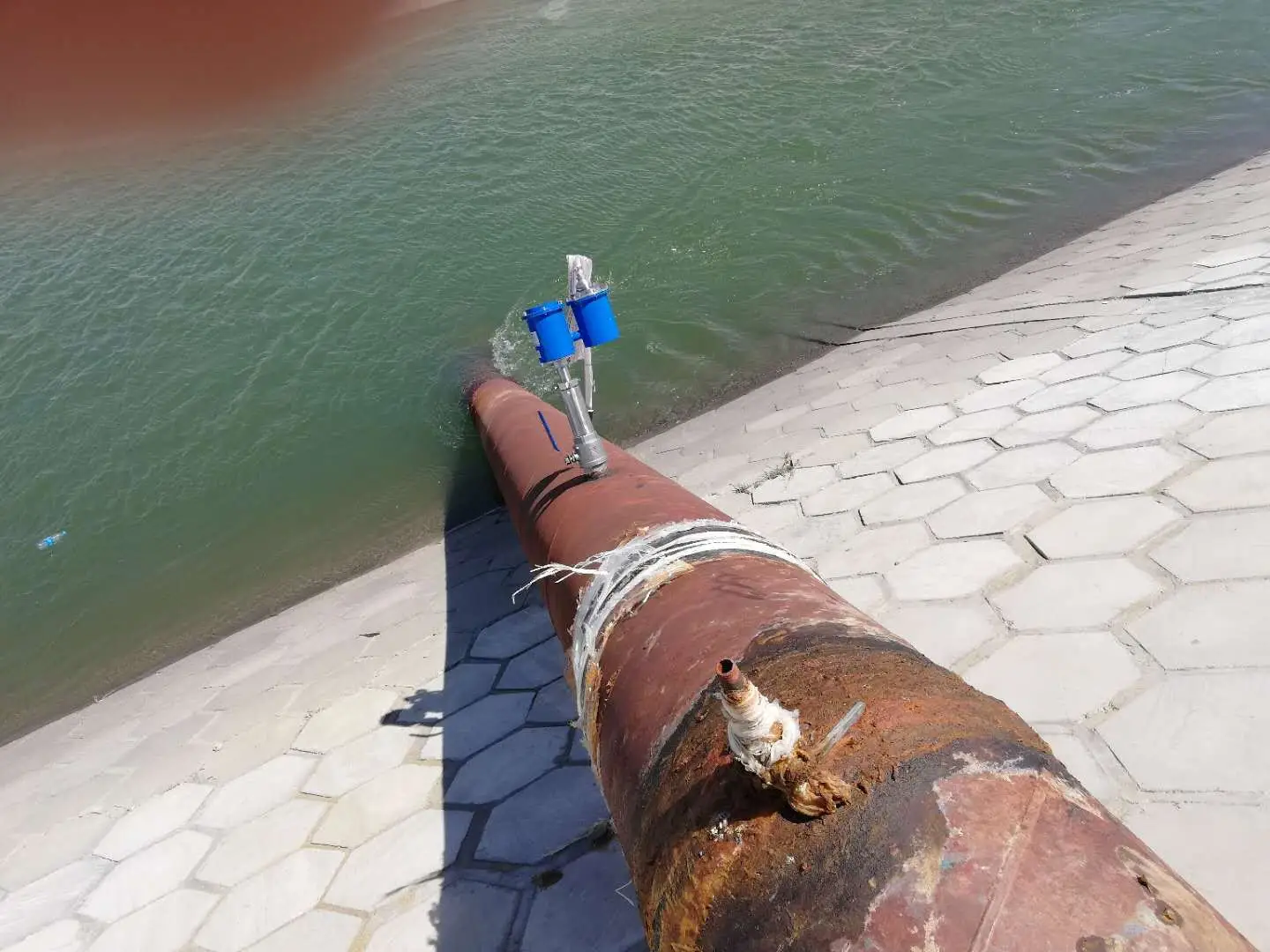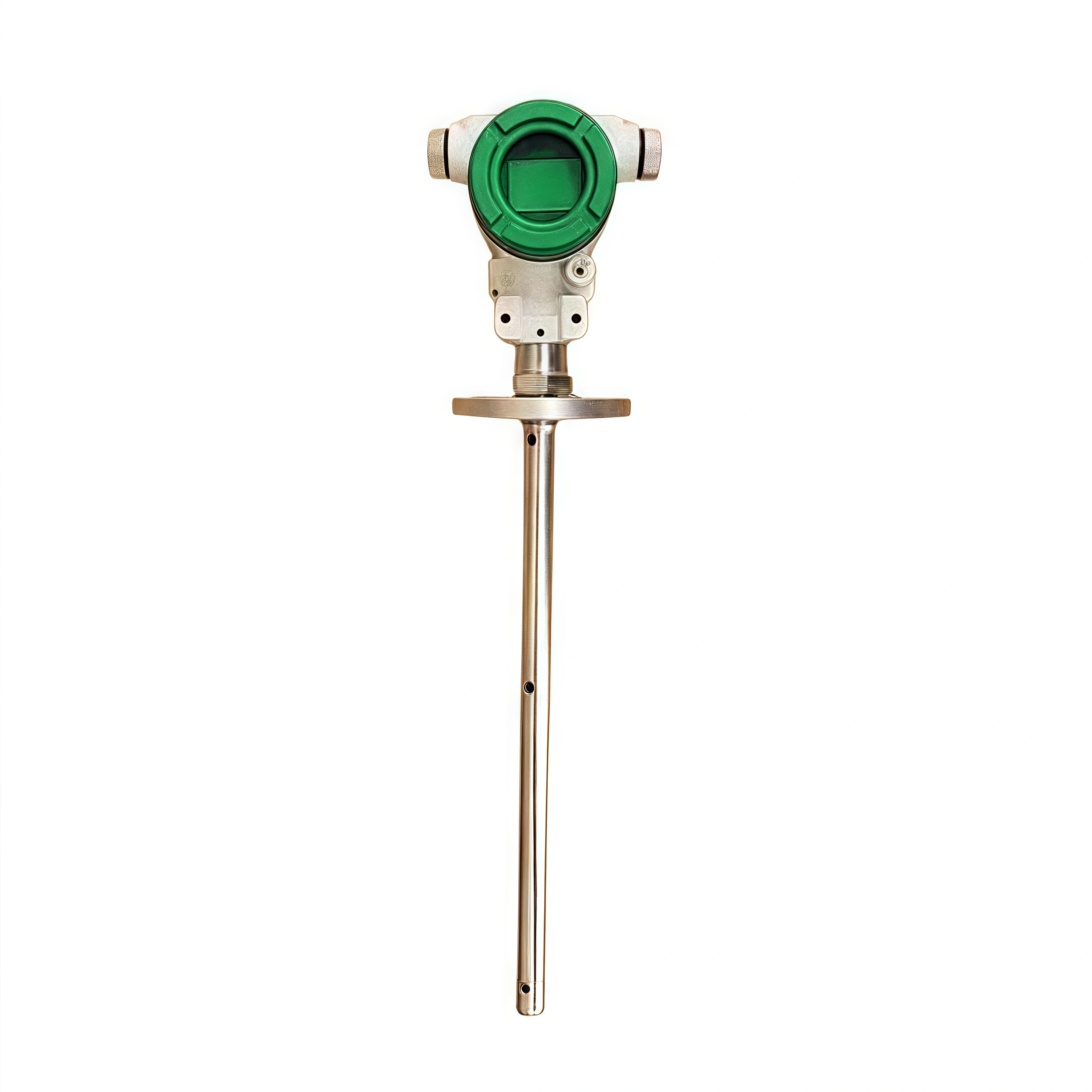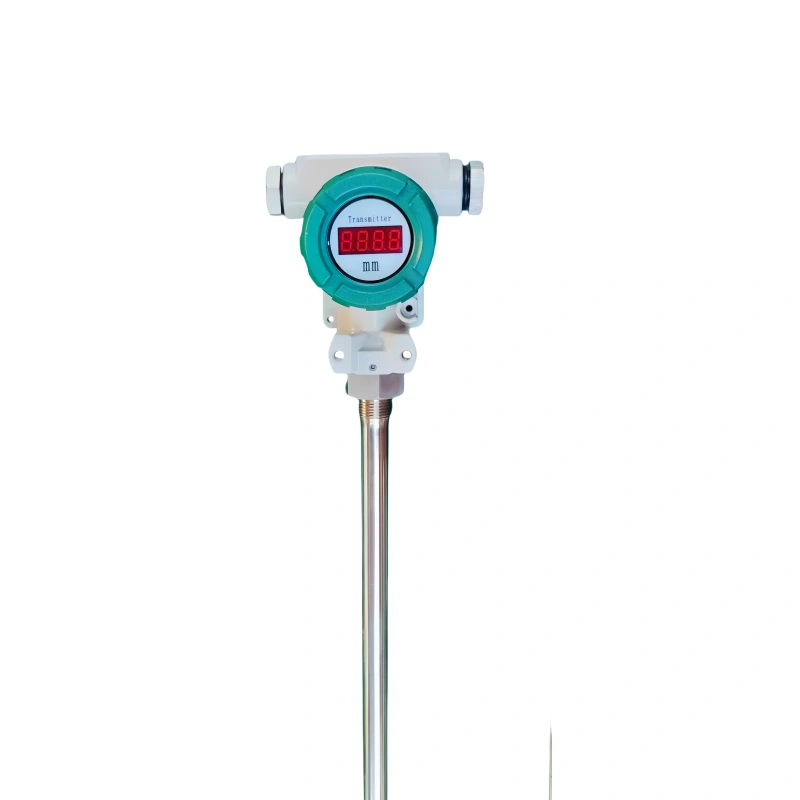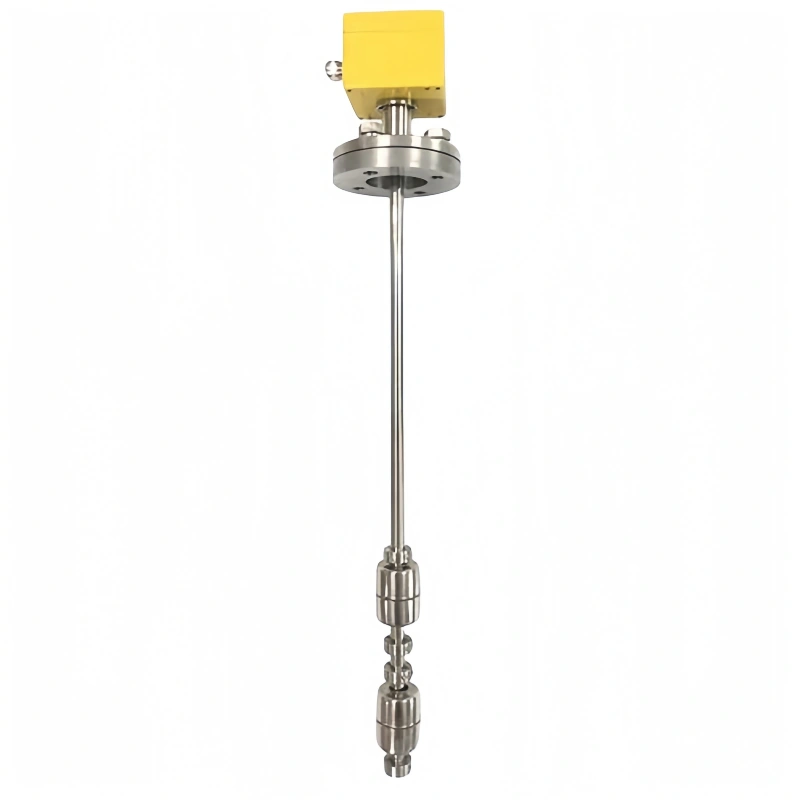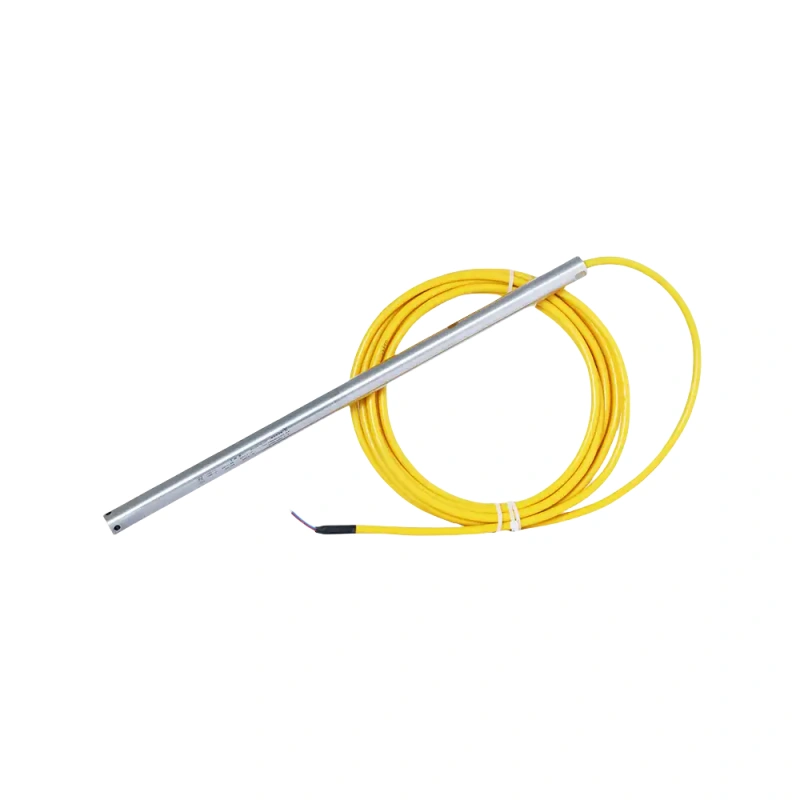
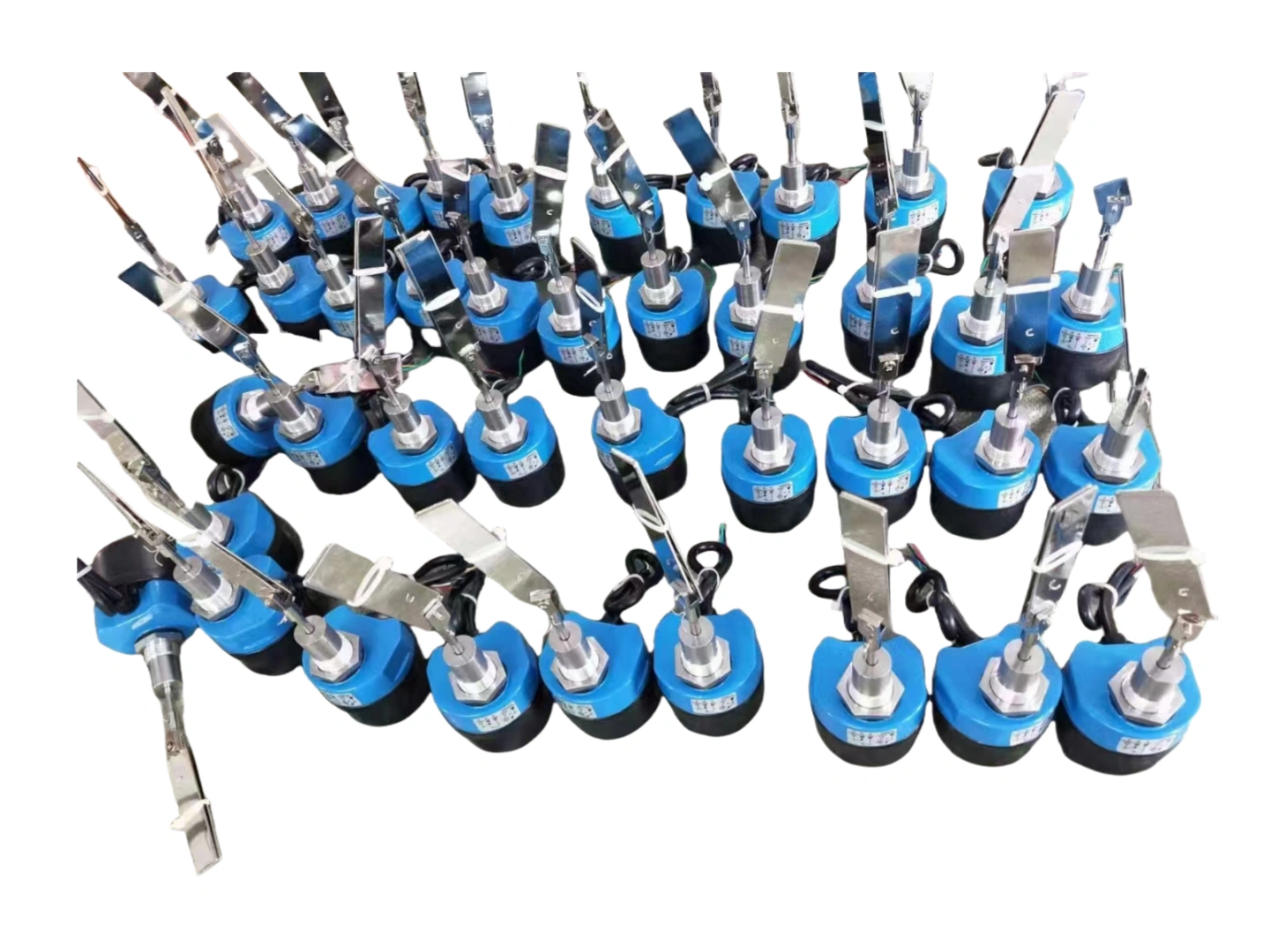
A level switch monitors the height of a liquid level. It detects the fluid level through an internal sensor and converts the detection results into an electrical signal. It triggers related operations or alarm signals in response to changes in the media level. The signal is output to control the operation of other equipment or issue warning signals. Level switches play an important role in various industries.
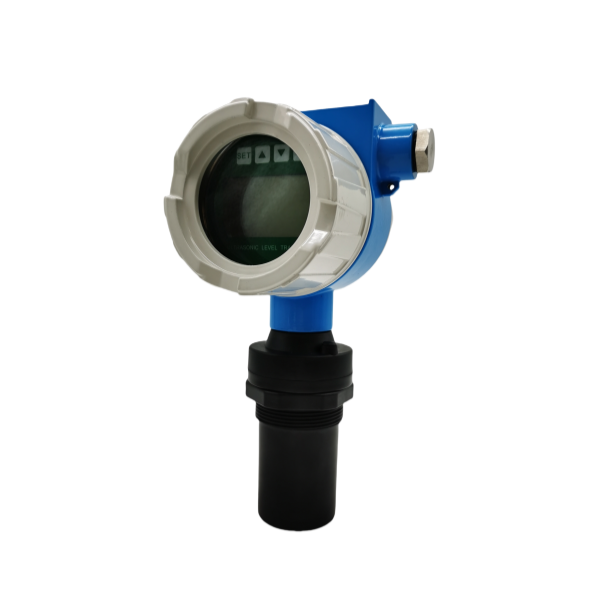
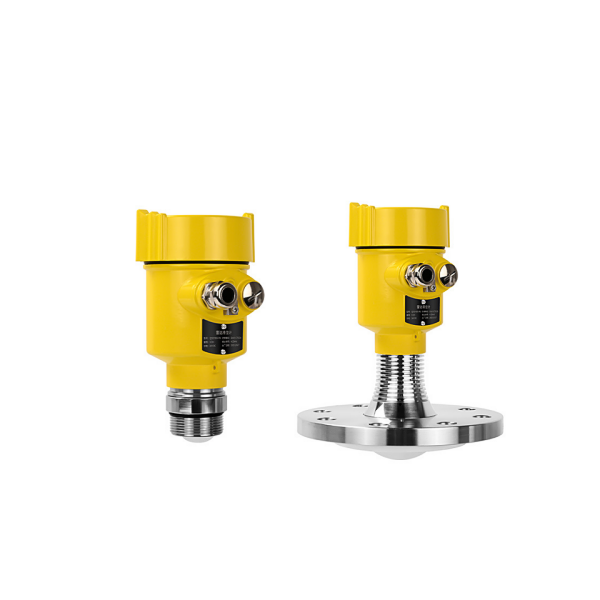
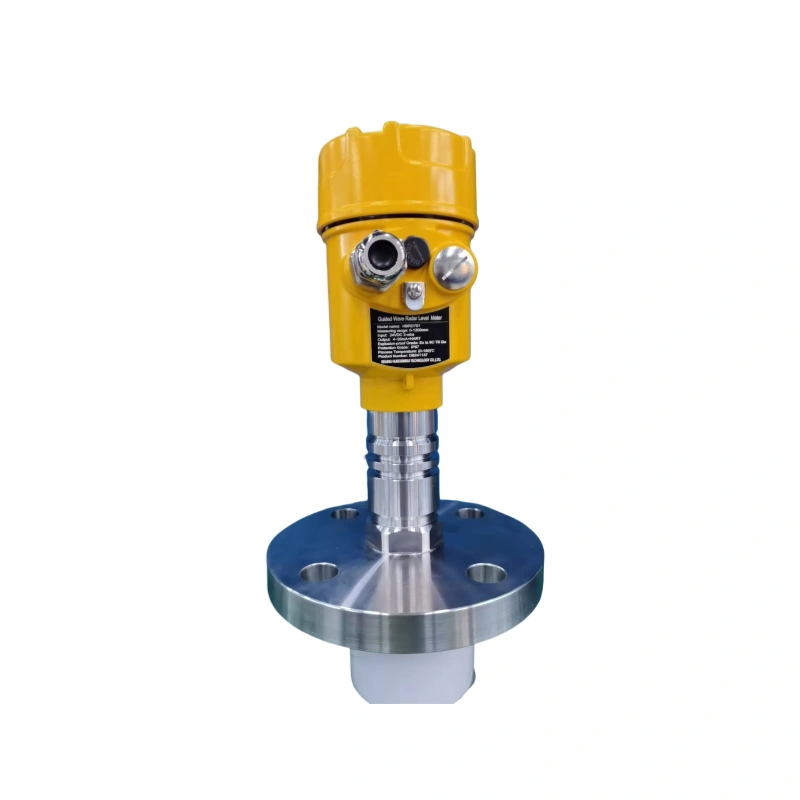
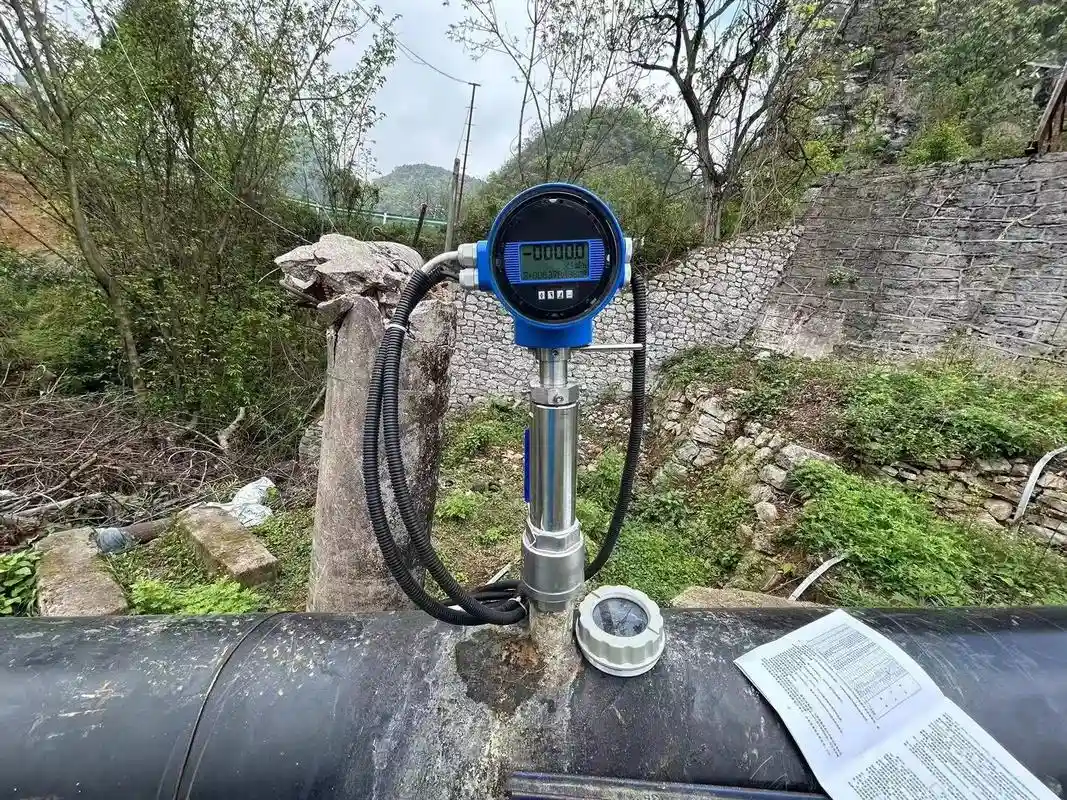
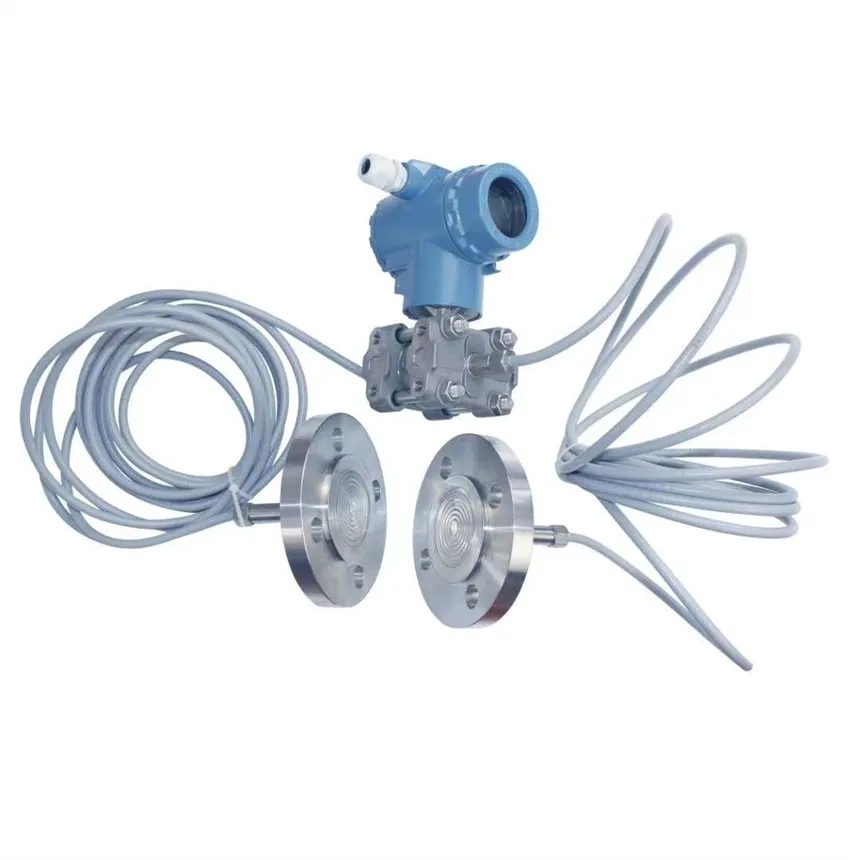
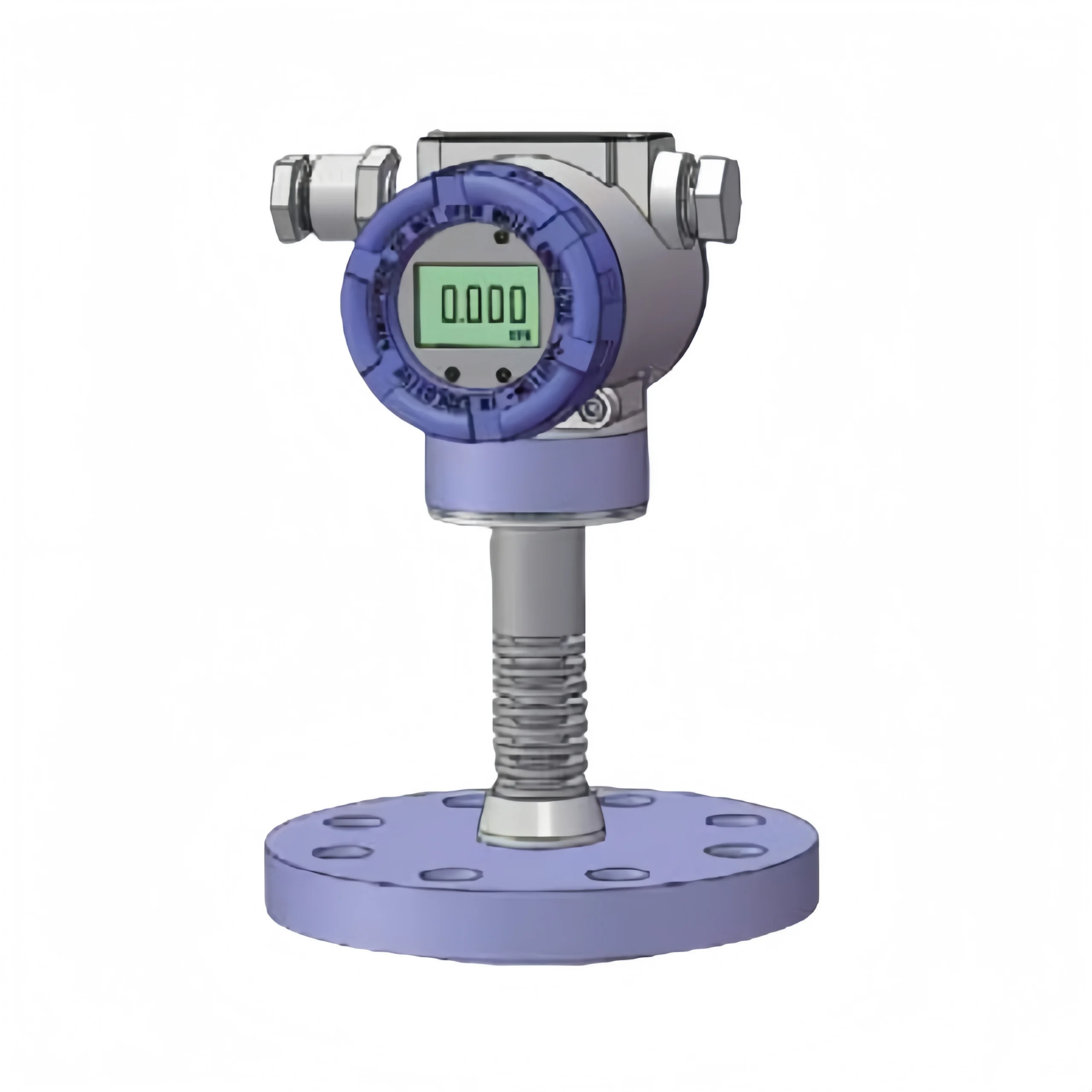
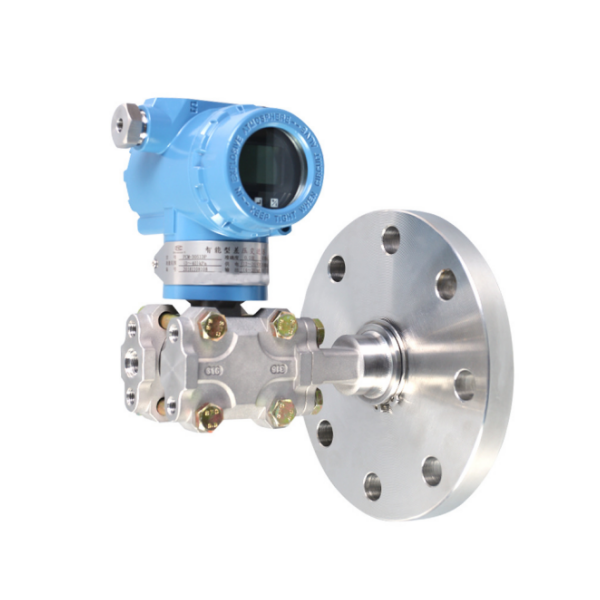
A level transmitter detects and displays real-time liquid level height. It converts the liquid level height into a continuous signal. Common signal outputs include 4-20mA or HART and Modbus digital communication protocols. We can integrate liquid level information into monitoring systems.
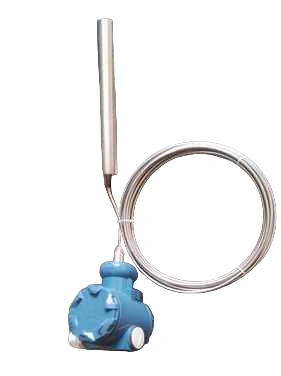
1. Different Output Signal Types
Level switches are digital devices—they only give you two states: on or off. They usually work through relay contacts or NPN/PNP switch signals, and all they can tell you is whether the liquid has hit a preset point.
Level transmitters, by contrast, are analogue devices. They normally put out a continuous linear signal like 4–20 mA or 0–10 V, giving you a real-time number that tracks the actual liquid height.
2. Different Monitoring Capabilities
Level switches can only keep an eye on fixed points; all they do is check if the liquid has hit one or a few preset spots, which might set off an alarm or start or stop a piece of equipment. They can’t give you the actual surface height at any moment.
Level transmitters, though, measure continuously across the entire range. They send back real-time level values for any position within their span, so you see the whole story of how the liquid is going up or down.
3. Distinct Applications
Level switches are mostly used for interlock control, high or low level alarms, and pump protection—essentially actions triggered at a single point. For example, they might close a feed valve when the level climbs too high, or fire up a pump when it falls too low.
Level transmitters are more about level display, remote metering, and closed-loop control. Connected to a digital display or a PLC, they allow precise level monitoring and automatic regulation, which makes quantitative level control possible.
4. Differences in Measurement Range Adaptability
Level switches do not have a comprehensive measurement range concept; they operate solely based on preset trigger points, and single-point measurement is not restricted by the overall height of the vessel.
Level transmitters have a fixed measurement range; selection must match the actual liquid level height of the storage tank, and measurement accuracy corresponds linearly with the range.
5. Differences in Accuracy and Numerical Feedback Capabilities
Level switches don’t come with accuracy ratings — they simply tell you whether liquid is present or absent, and they won’t give you an actual height measurement.
Level transmitters, on the other hand, have defined accuracy specs and can convert readings into concrete numbers like centimetres or metres. That’s why they’re the go-to choice for data logging and cumulative metering.
6. Differences in Installation and Commissioning Methods
Installing a level switch is fairly straightforward — you just adjust the trigger point to set the liquid level at which the circuit opens or closes.
A level transmitter is a different story. You need to calibrate the zero point, full scale, and linearity to ensure the readings are spot on, so commissioning takes considerably more work.
7. Differences in Associated Back-end Equipment
Level switches can be directly connected to alarms, contactors and simple relay circuits without the need for complex data acquisition modules.
Level transmitters must be paired with analogue data acquisition modules, PLC analogue channels or digital display instruments in order to read and convert level values.
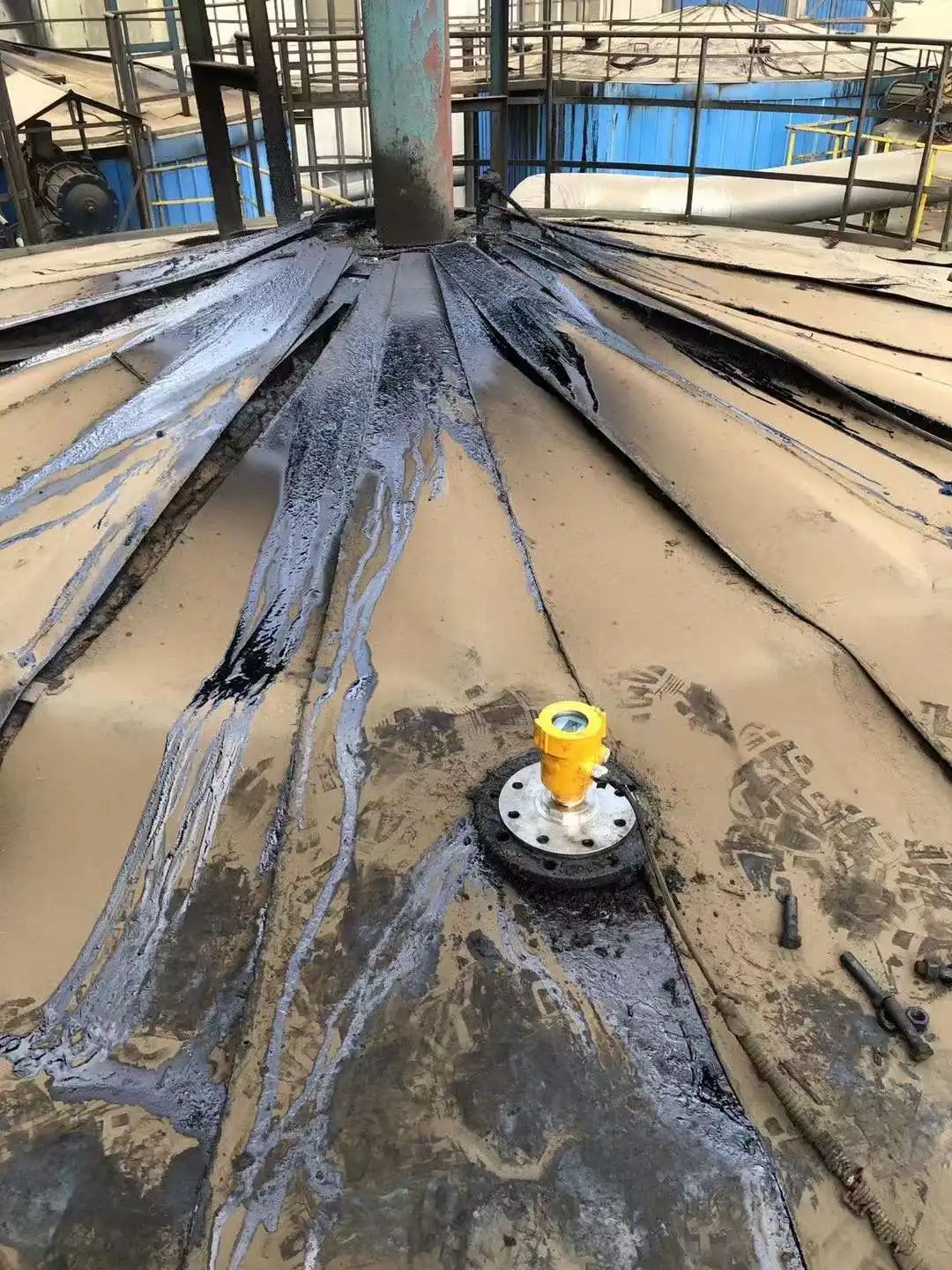
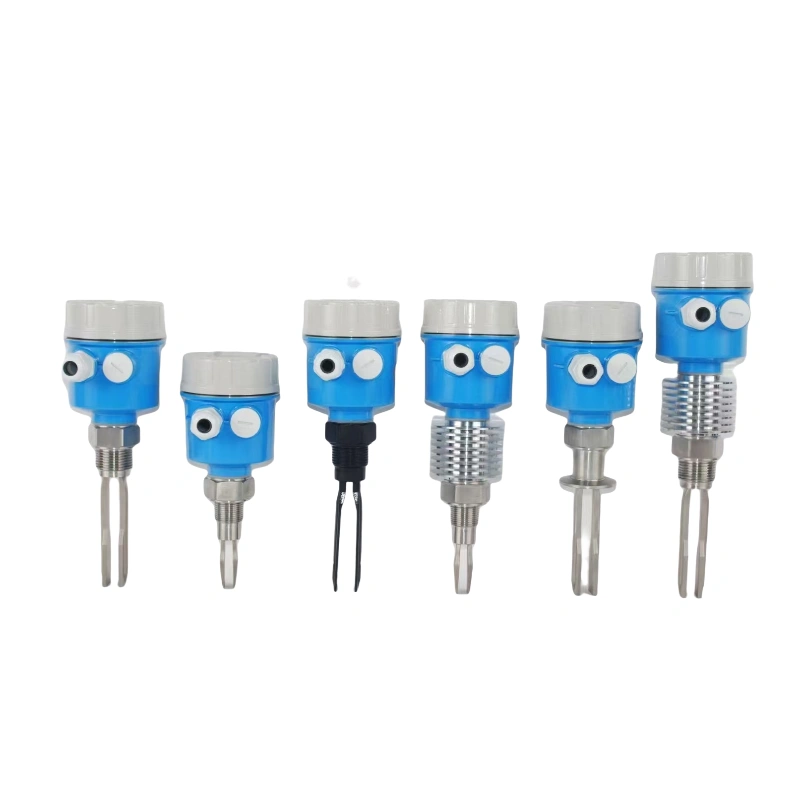
Tuning Fork Level Switch
Principle of Operation
A piezoelectric element inside the device drives two metal forks to vibrate continuously at a high frequency. When the forks are submerged in the material, the damping effect of the medium significantly reduces the amplitude of the vibration.
The built-in detection circuit recognises this change in vibration and outputs a switch signal indicating ‘on’ or ‘off’; once the material is removed from the forks, the vibration resumes and the signal resets simultaneously, thereby determining the presence or absence of material at the sensing point.
Advantages
1. Unaffected by foam or slightly viscous media; measurement is stable with a low probability of false triggering.
2. No moving mechanical parts; therefore, there are no issues with sticking or wear, resulting in a longer service life.
3. Compact installation size; suitable for both side and top mounting on various small tanks and pipes.
4. Suitable for a wide range of media; liquids, powders and granular materials can all be detected.
5. Features a self-calibrating design; ready for use immediately after installation without the need for complex commissioning.
Read More about: Tuning Fork Level Switches
Float-Type Level Switch
Principle of Operation
The float level switch , fitted with a magnet, rises and falls in synchronisation with the liquid level. A reed switch is housed within the guide rod inside the tank; when the float approaches a corresponding position, the magnetic field closes the reed switch contacts to output a switch signal.
As the liquid level drops and the float moves away, the magnetic field disappears, the contacts open, thereby enabling high and low liquid level detection.
Advantages
1. Simple structure and low cost, resulting in low procurement and maintenance costs.
2. Suitable for conventional clean liquids such as water and oils, with well-established operating conditions.
3. Supports multi-point integration; a single guide rod can be configured with multiple sets of high, medium and low alarm points simultaneously.
4. Low power requirements; features a passive contact output capable of directly driving solenoid valves and alarms.
5. Simple installation and operation; fault diagnosis is straightforward and intuitive.
Capacitive Level Switch
Principle of Operation
The probe and the tank wall form the two plates of a capacitor. There is a significant difference in the dielectric constants between air and the medium being measured; when the probe is not in contact with the medium, the capacitance value remains constant.
Once the medium surrounds the probe, the total capacitance changes. The circuit detects this change in capacitance and converts it into a switch signal, thereby determining that the liquid level has reached the detection point.
Advantages
1. The probe has no moving parts inside, so it handles high-temperature and high-pressure conditions without much trouble.
2. It can detect all sorts of conductive and non-conductive media—liquids, slurries, dust, granules, you name it.
3. You can get the measuring probe made to longer lengths if you need to monitor something way down in a deep tank.
4. It responds quickly; even small shifts in liquid level are picked up fast, so the signal changes right away.
5. Suitable for media with slight adhesion; superior anti-adhesion performance compared to float switches.
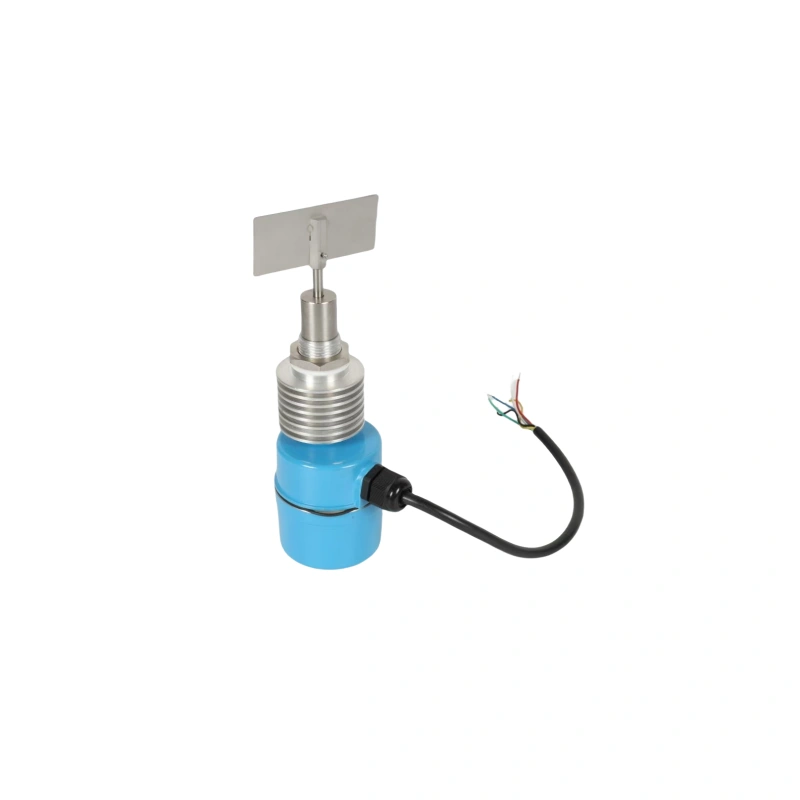
Rotating Paddle Level Switch
Principle of Operation
A micro-motor drives the paddle to rotate continuously at low speed; rotation is unimpeded when the paddle is not in contact with the material.
When material accumulates at the paddle’s position, it obstructs rotation, causing the motor load to rise sharply; the built-in torque detection mechanism then triggers a switch signal. Once the material settles and the obstruction is removed, the paddle resumes rotation and the signal resets.
Advantages
1. Designed specifically for solid powders and granular materials, it works reliably in grain silos and storage bins.
2. It handles dusty environments well; dust swirling around inside the silo doesn’t usually cause false triggers.
3. The torque is adjustable, so you can fine-tune it to suit solids with different densities and weights.
4. The mechanical layout is straightforward; when something goes wrong, faults are easy to spot, and replacing parts isn’t a headache.
5. Features overload protection; the drive motor will not burn out if material becomes jammed.
Read More about: Liquid Level Controllers and Level Switches
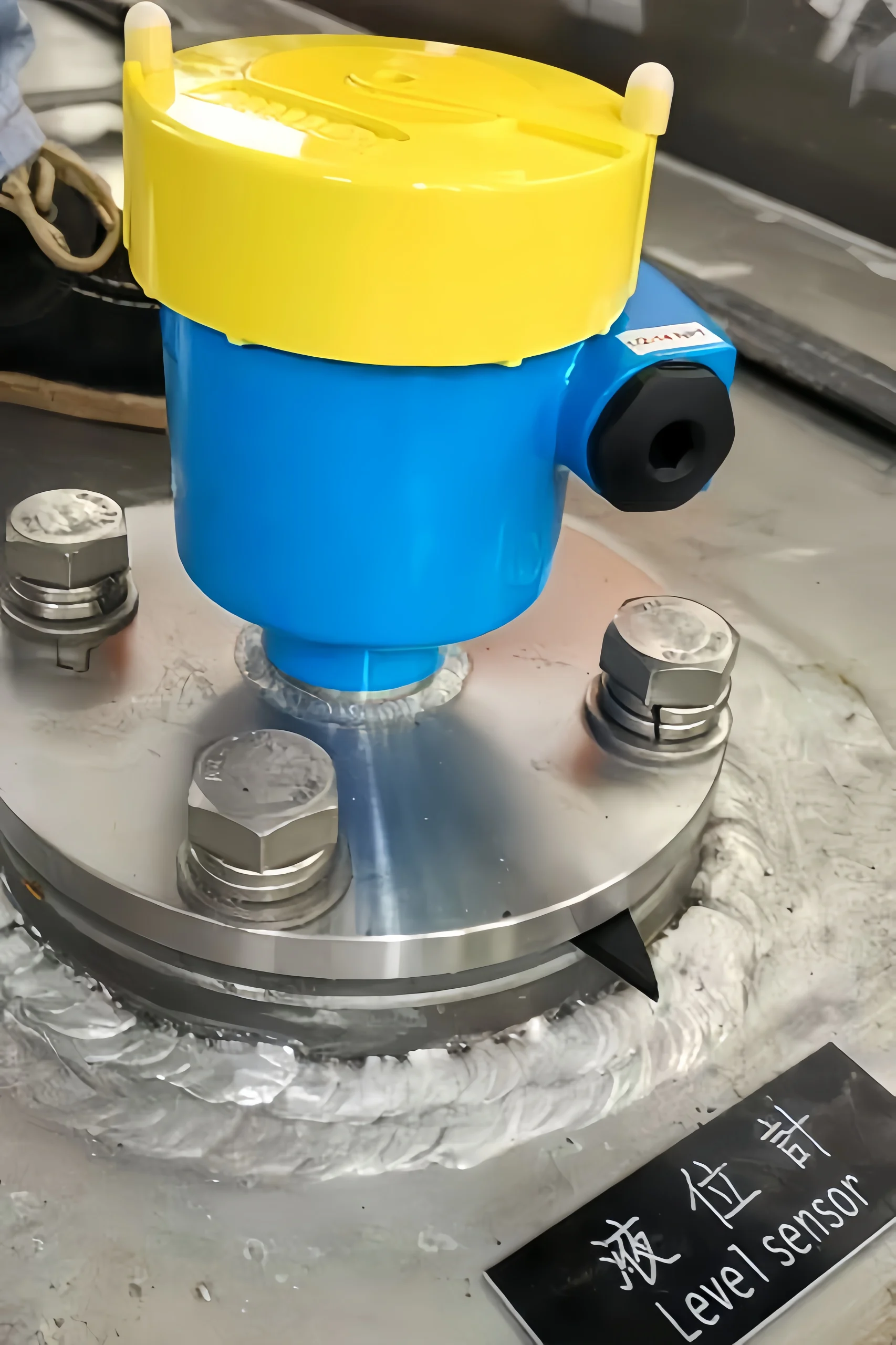
Different media require different level measurement instruments. Based on our experience, level transmitters are suitable for continuous level measurement and applications requiring level analysis. Level switches are suitable for simple level control applications. The following is a detailed introduction to their application scenarios.
Let’s first introduce the application of liquid level switches. Liquid level switches mainly control the liquid level.
Applications of level switches
Level switches primarily control liquid height to prevent overflow or dry-running. They are used in applications such as:
Chemical and Petrochemical (Oil)
Agricultural fuel tanks. Pressure washers (fuel level). Generators (fuel level). Lawnmowers (fuel level). Wind turbines (gear oil level). Agriculture
Chemical application injectors (golf courses/agriculture) and agrochemical storage tanks.
Food and Beverage
Industrial dishwashers. Food warmers. Water heaters. Steam kettles and storage tanks.
Flood/Inlet/Event Detection
Provides alerts when water is detected in basements and similar locations.
HVAC
Air conditioner condensate water levels. Cooling tower water levels. Chillers, glycerin levels, and boiler water levels.
Production Process Monitoring
Maintains operational efficiency by prompting timely replenishment through low-level warnings. Enables effective pump operation and refill control.
Water and Wastewater
Water storage tanks. Sewage treatment systems. Filtration systems. Industrial carpet cleaners (water tanks). Industrial floor scrubbers (water tanks) and pump skids (pump protection).
Level Transmitter Applications:
A level transmitter is a sensor that converts liquid height into an electrical signal. Level transmitters are primarily used in the following industries.
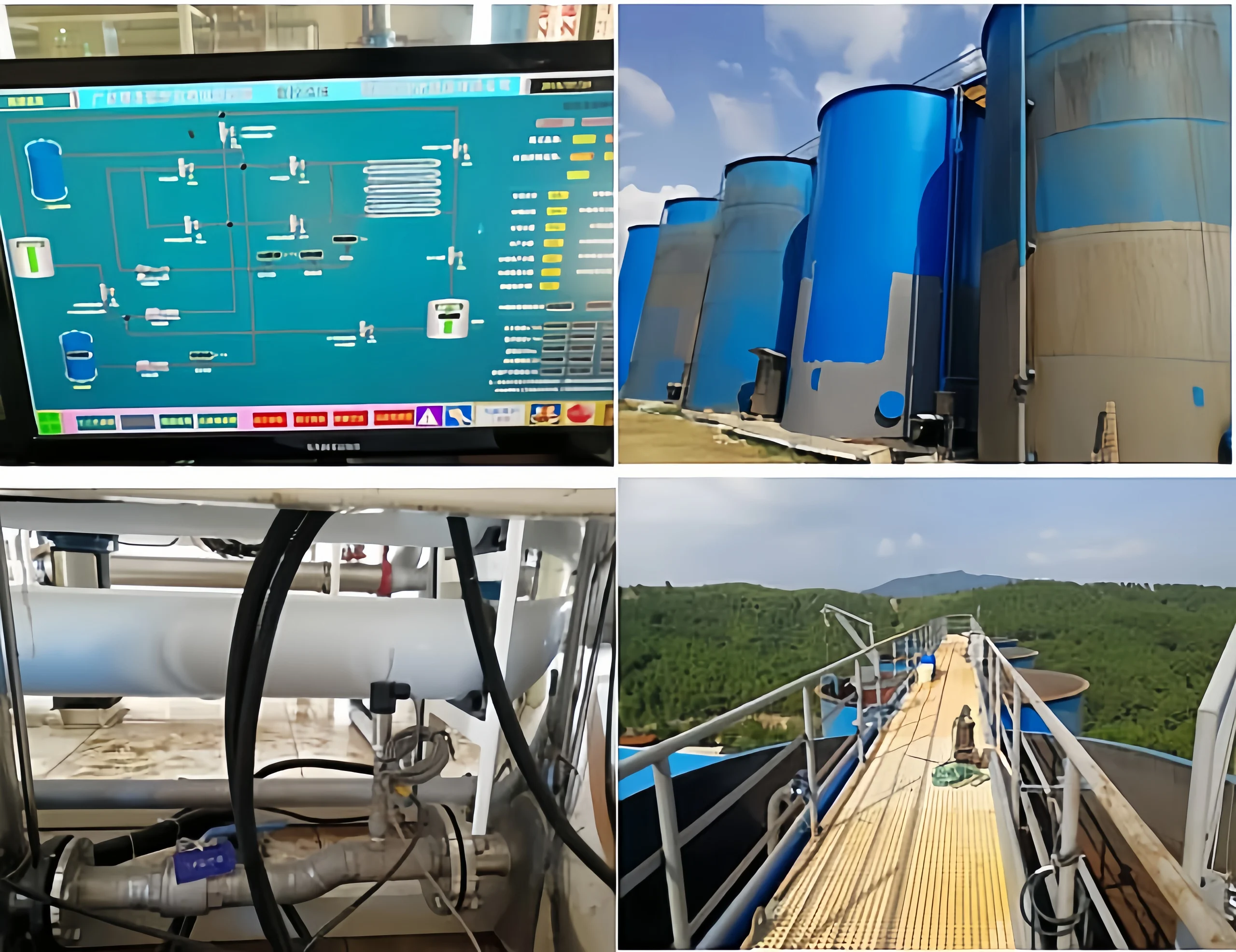
1. Level transmitters monitor liquid levels in containers such as storage tanks and reactors. Real-time level monitoring prevents hazardous situations like overflows or dry-running.
2. Level transmitters monitor the storage of raw materials, finished products, and semi-finished goods. For example, in beer production, level transmitters ensure fermentation process stbility through liquid level monitoring.
3. Level transmitters monitor the storage of raw materials and finished products. Additionally, they monitor solvent and reaction liquid levels during pharmaceutical processes.
4. Level transmitters monitor liquid levels in oil storage tanks, natural gas storage tanks, and transmission pipelines. They also monitor drilling fluid levels to ensure smooth drilling operations.
5. Level transmitters monitor liquid levels in reservoirs, water towers, and wastewater treatment tanks. They also monitor chemical and sludge levels during water treatment processes to control treatment operations.
6. Level transmitters play a vital role in water resource management by monitoring water levels in rivers, lakes, and reservoirs. This is critical for flood forecasting, drought monitoring, and water resource planning.
7. At wastewater treatment plants, level transmitters monitor liquid levels in treatment tanks and sludge tanks.
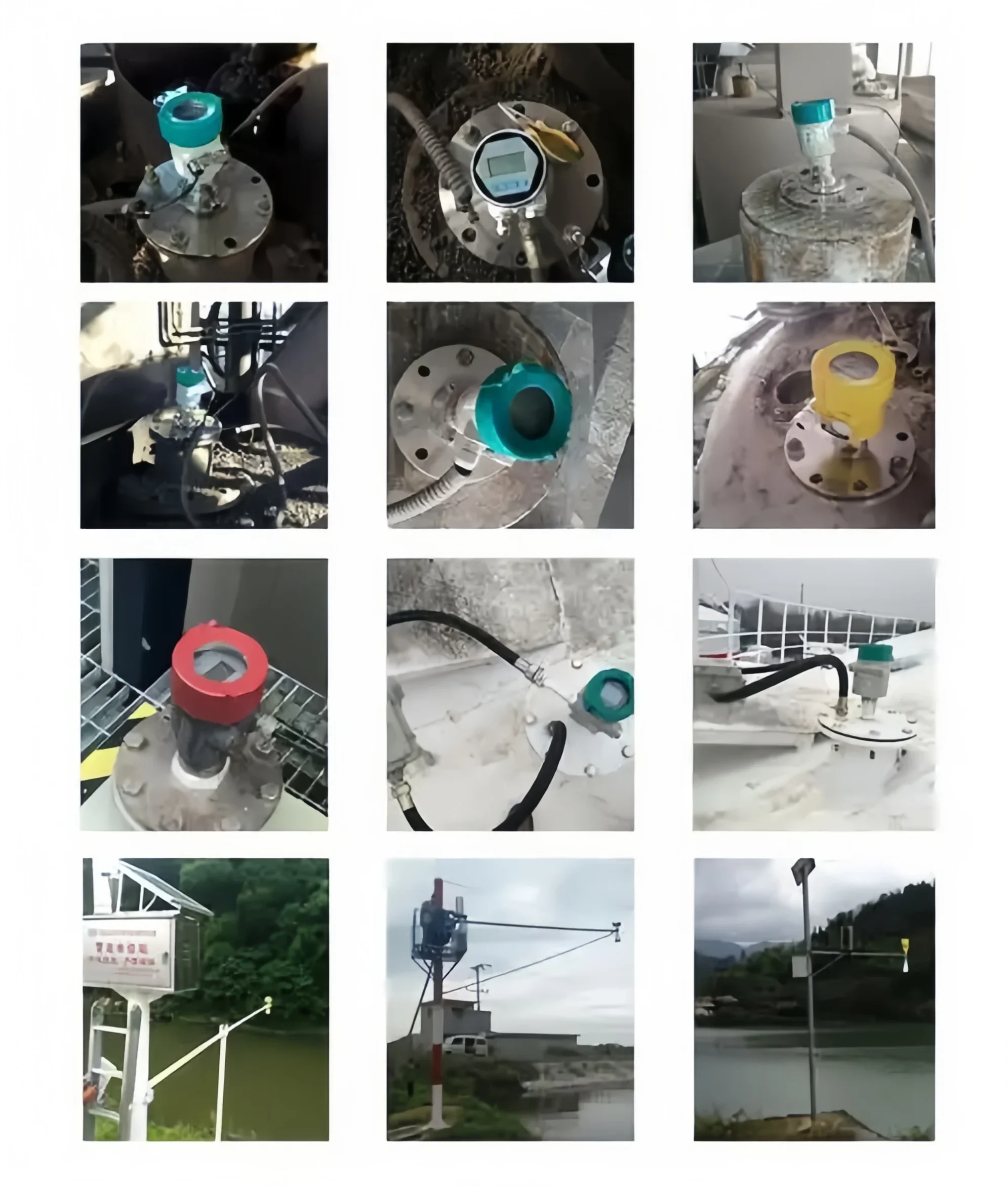
Level switches and level sensors are common level measurement instruments. Faced with a wide variety of level switches and level transmitters, we’ve summarized the following selection tips.
1. Determine the Type of Measured Medium
Different media have different physical and chemical properties, so different media require different measurement instruments.
Key factors to consider include medium temperature, corrosiveness, adhesion, and the presence of impurities. If the medium has high viscosity, a non-contact measurement instrument is recommended.
2. Confirm the planned installation location of the instrument.
If drilling a hole in the measurement vessel is not possible, an ultrasonic or radar-based instrument can be used. If drilling is required, a float level switch or tuning fork level switch can be considered.If you are unsure of the installation location, you should discuss with the supplier to recommend a suitable level measurement instrument based on the operating conditions.
3. Confirm the signal output requirements
Based on the output method, level measurement instruments can be divided into continuous measurement and switch measurement types. Continuous measurement instruments can detect liquid level changes in real time, enabling uninterrupted monitoring. However, liquid level switches only provide a switching signal and are only suitable for monitoring and controlling specific points.
Therefore, when real-time monitoring of liquid level changes is required, continuous measurement instruments such as float level gauges or magnetic flap level gauges should be purchased. For point-based level monitoring, switch-type instruments such as tuning fork level switches or ball float level switches should be selected.
Clearly, the best tool is the one that will do the job well. When selecting an instrument, we should choose the appropriate measuring tool based on the specific working conditions. It is recommended to consult with professionals to avoid losses.