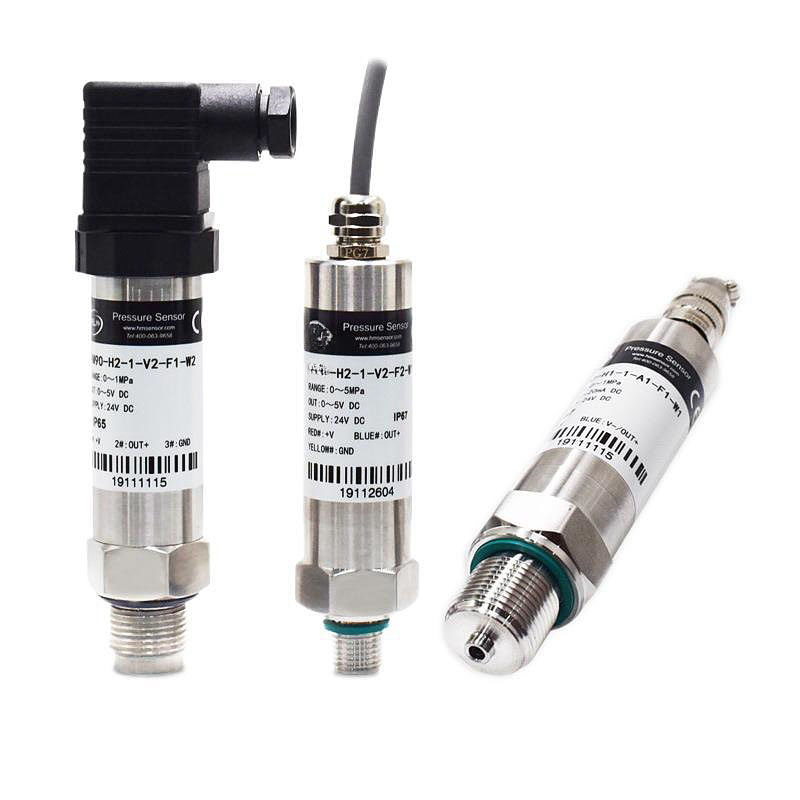
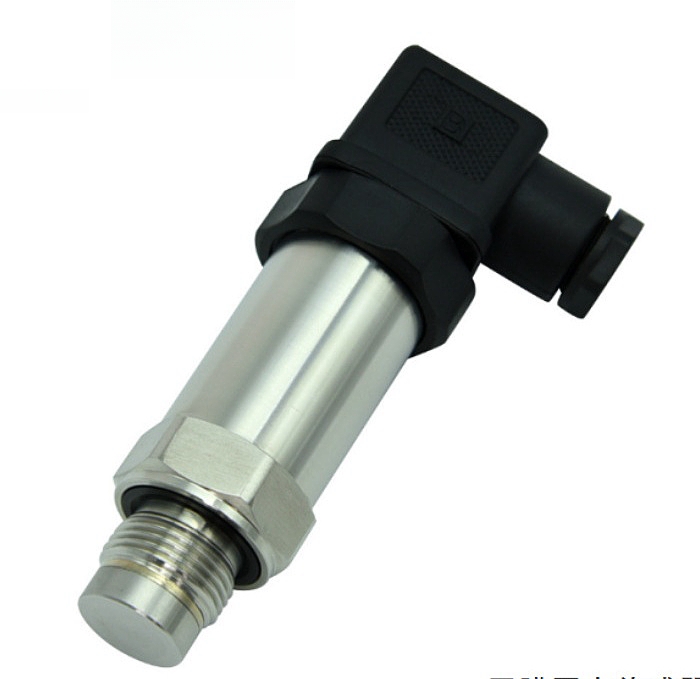
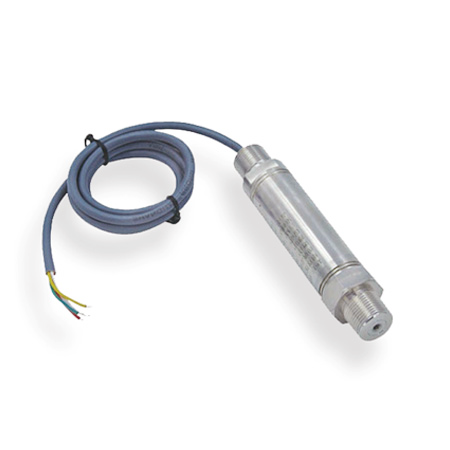
Industrial Gas Pressure Sensor Practical Guide

Table of Contents

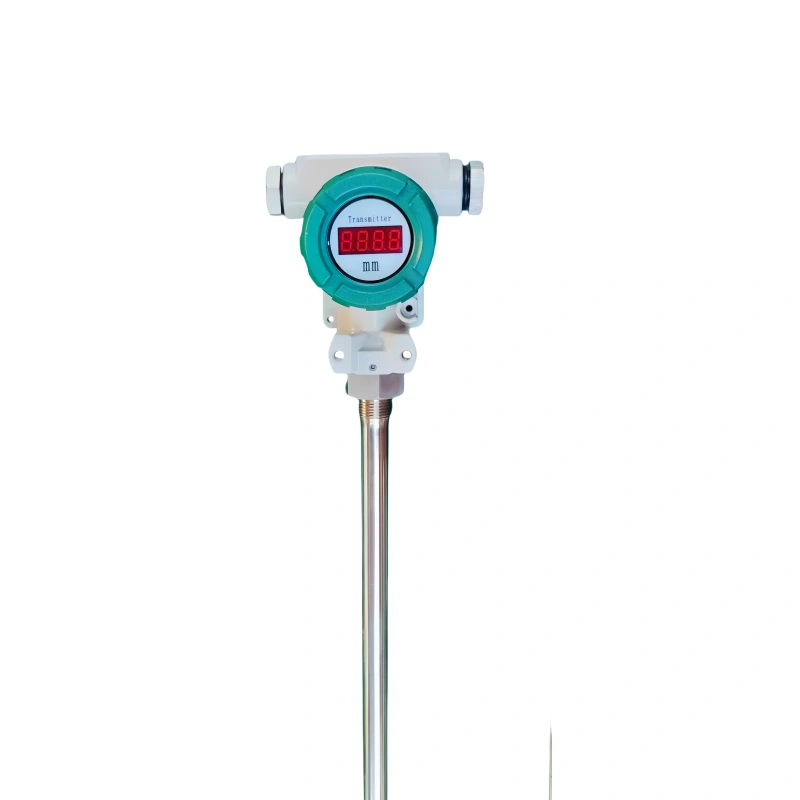
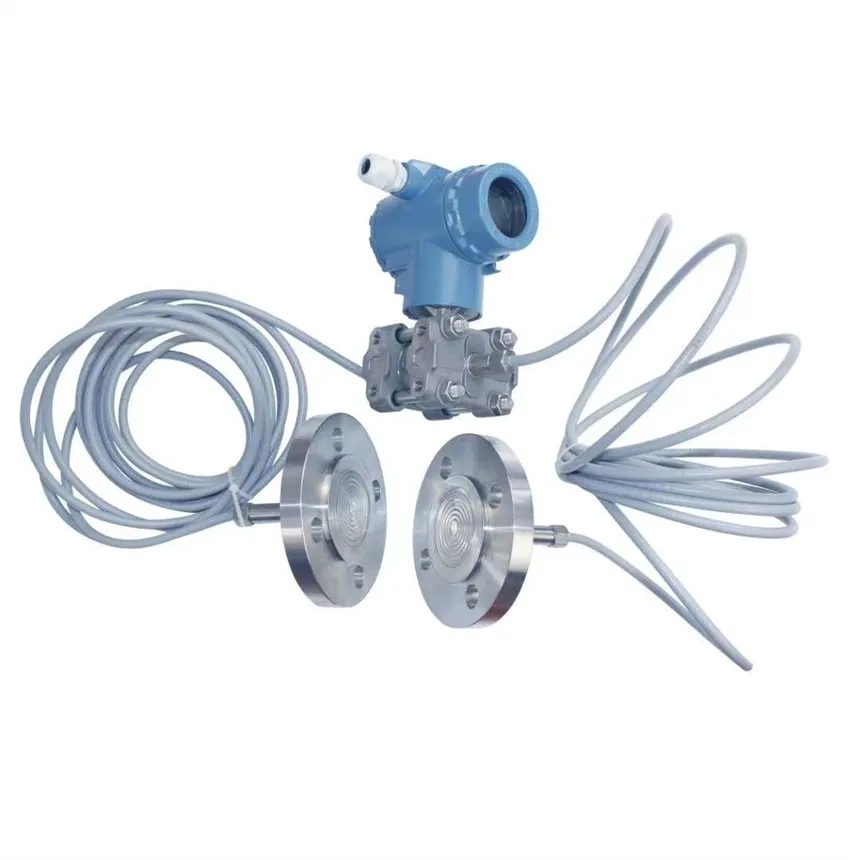
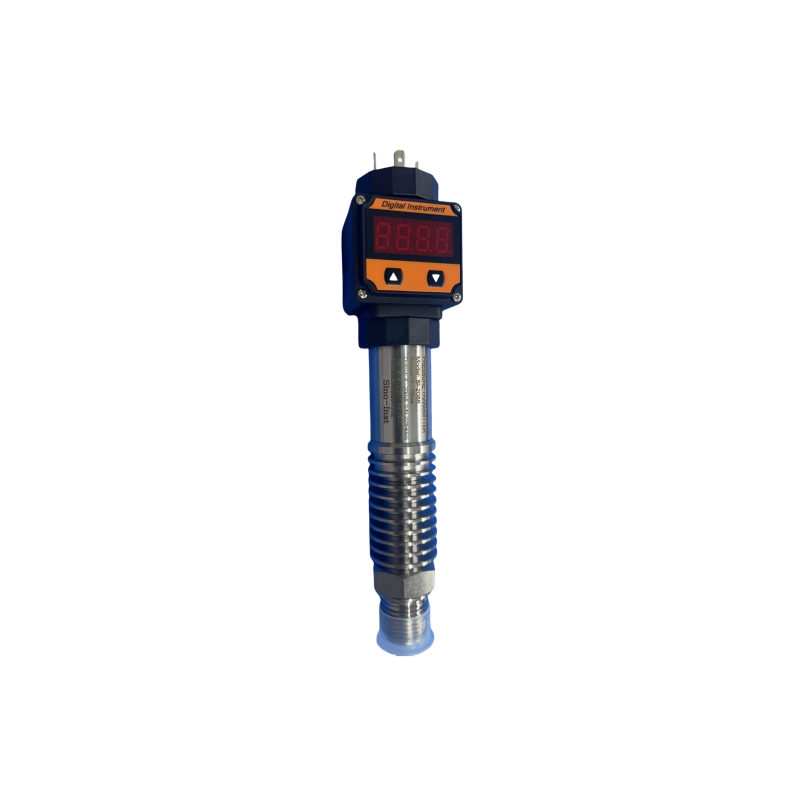
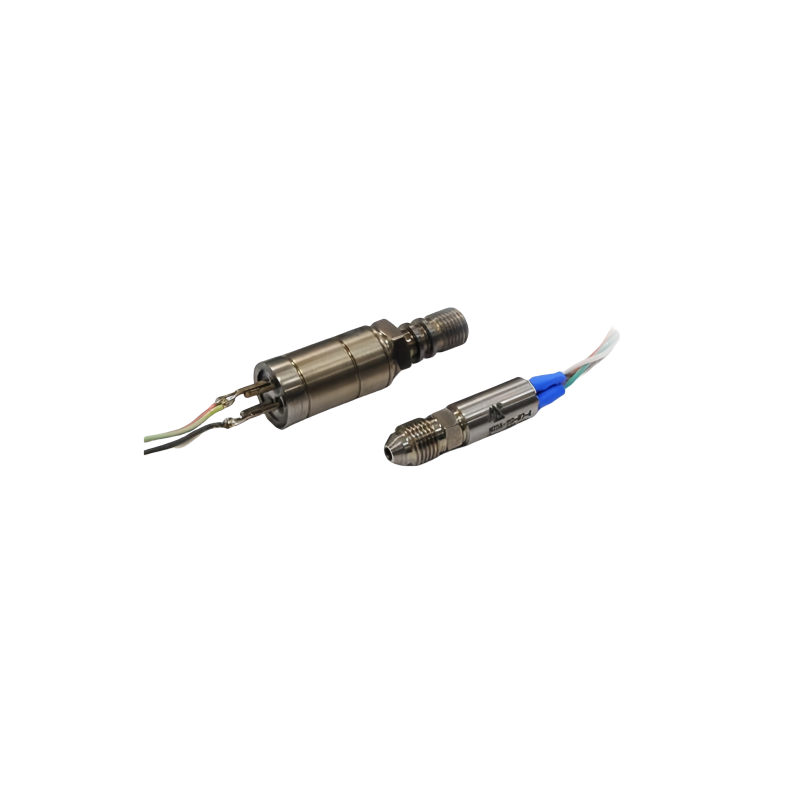
Gas pressure sensors are extremely important in industrial applications. Gas pressure sensors can measure the pressure of carbon dioxide, natural gas, and nitrogen, etc. Gas pressure sensors can measure absolute pressure, gauge pressure, differential pressure, and vacuum pressure in various environments. They can also operate in a variety of containers, such as pipes, tanks, or barrels.

Based on Sino-Inst’s years of experience in pressure measurement, this article will focus on introducing the relevant knowledge of pressure sensors.

Sino-Inst Featured Product

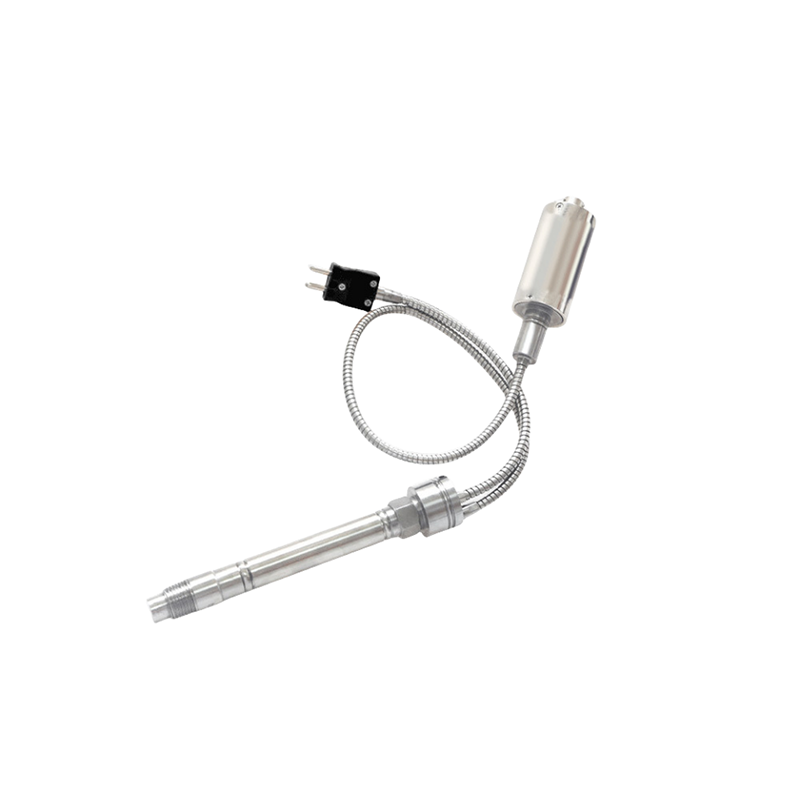
Melt Pressure Transducer with temperature sensor
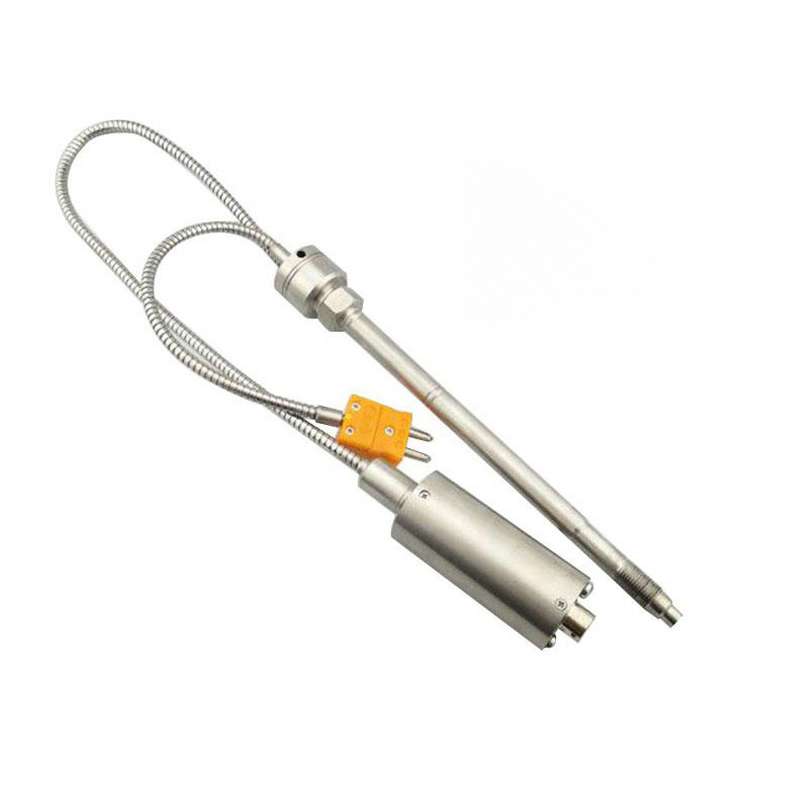
Stem Flex Melt Pressure Transmitter five-core connector
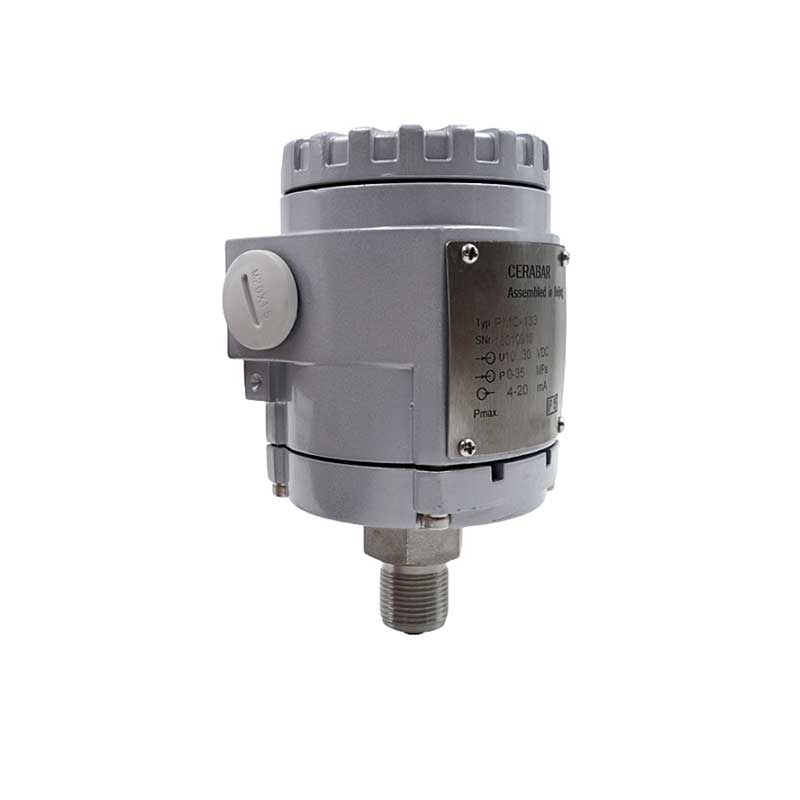
Ceramics-Pressure-Transmitter
Ceramics Pressure Transmitter
SI-90 Series Dynamic Pressure Transducer-High Frequency
Flush Mount Diaphragm Pressure Transducer M20×1.5 thread mounting
Flameproof Pressure Transmitter Exd Explosion proof
Flameproof Pressure Transmitter Exd

What is a Gas Pressure Sensor?

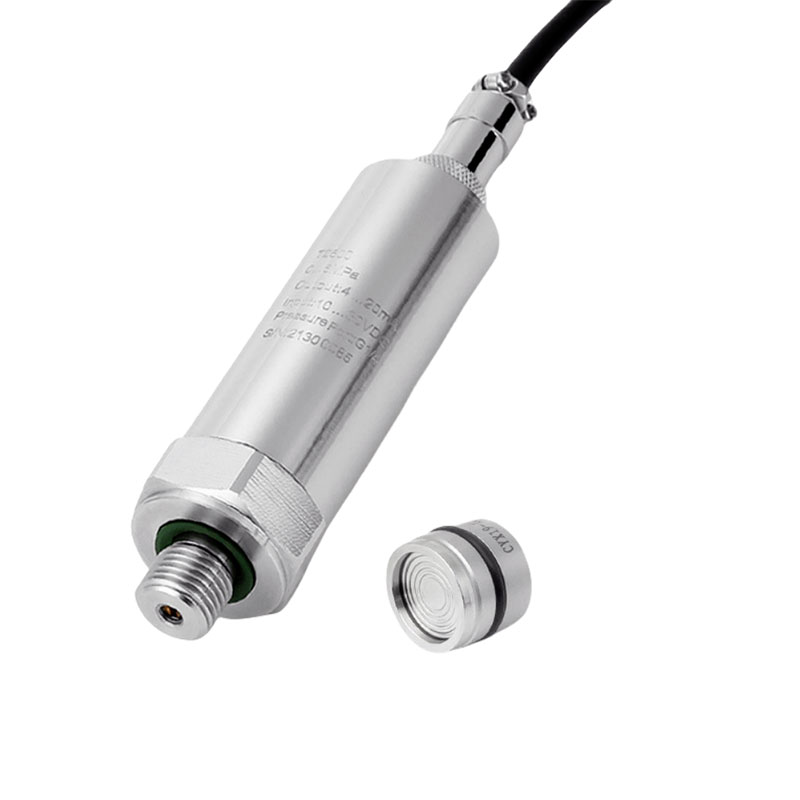
A gas pressure sensor is basically a sensing element purpose-built for measuring pressure in different kinds of gas. What it does at heart is take that physical push of gas pressure and convert it into a standard electrical signal—something that instruments can actually read and pass along—so you can track how pressure values shift over time.

These sensors typically have three main parts: a sensing element that physically reacts when pressure hits it, some signal conditioning circuitry, and an outer housing to keep everything protected.

When the gas you’re measuring pushes against the sensitive element, that element either deforms or shifts its electrical properties depending on how much pressure is there.

The circuitry then takes that raw change, amplifies it, and calibrates it before spitting out a voltage, current, or digital signal that downstream gear—things like display instruments, PLCs, and industrial control systems—can pick up and use.
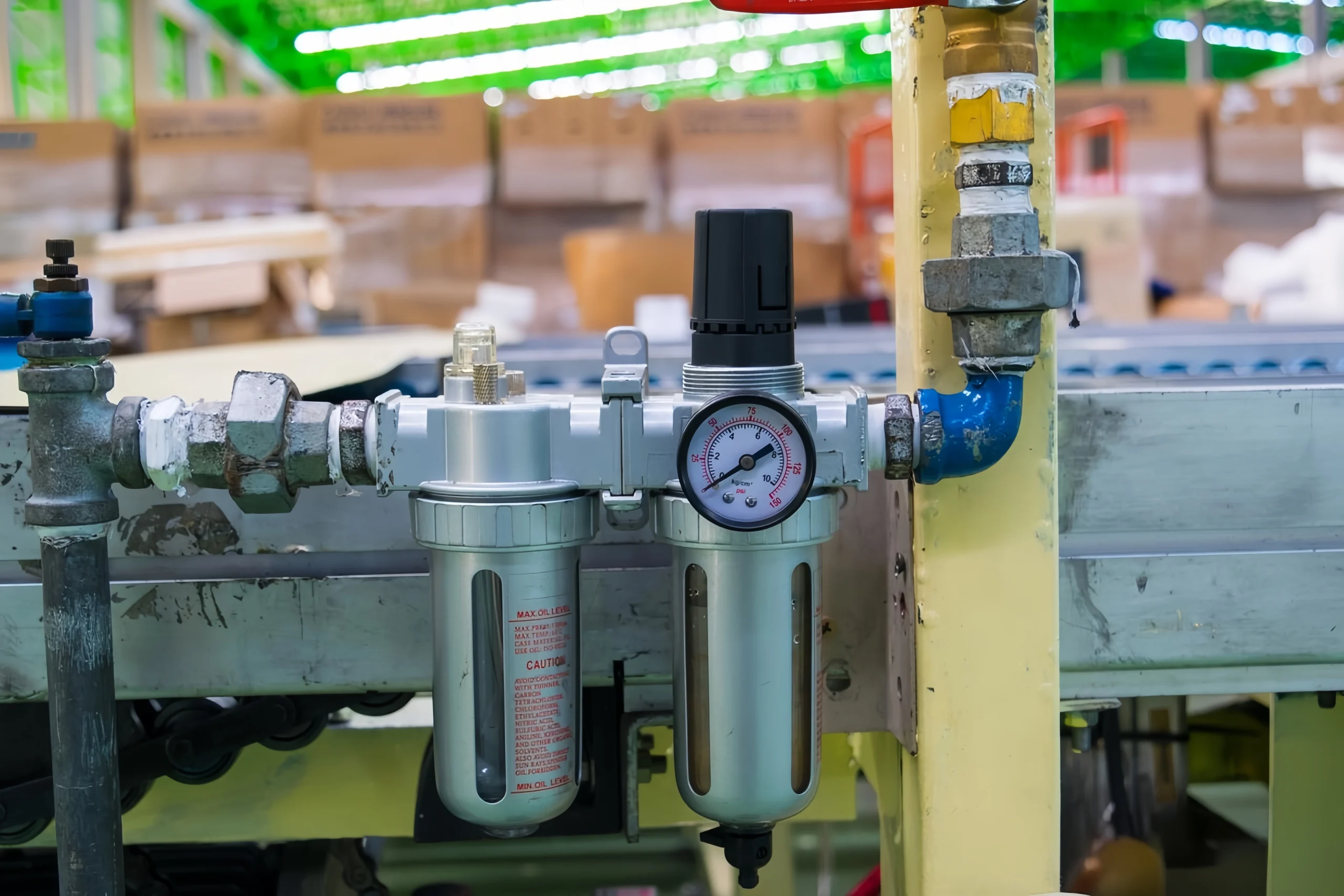
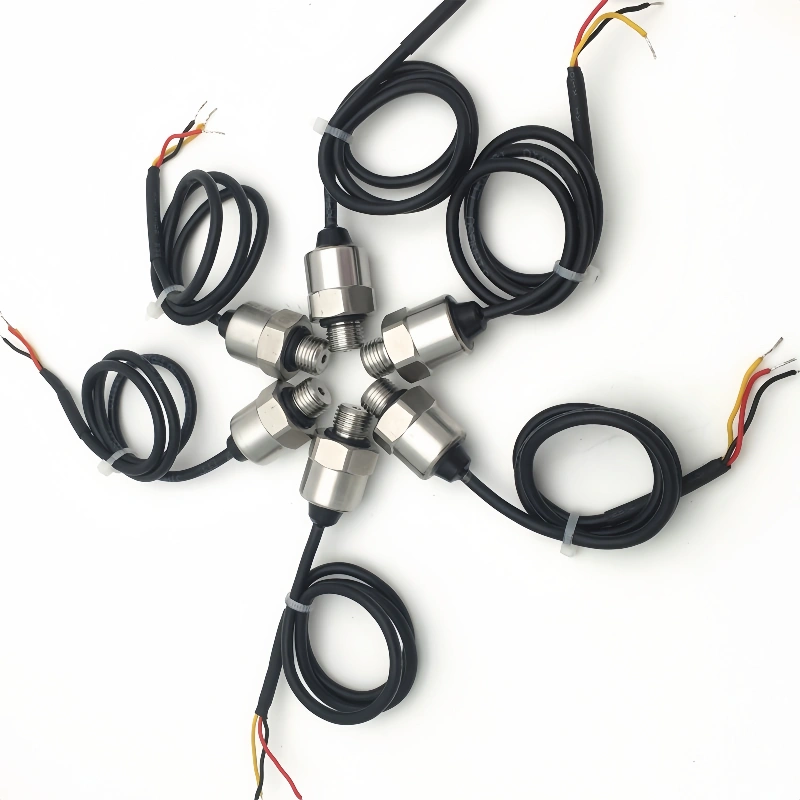
gas pressure sensor

How does a Pressure Sensor Work?

The basic operating principle of a pressure sensor is to convert pressure into an electrical signal. When air pressure acts on the sensor’s sensitive element, it causes deformation. The sensor converts the deformation into a corresponding electronic signal. The sensor’s internal circuitry converts this deformation into an electrical signal, which is then transmitted to the external circuitry.

There are three main operating principles for pressure sensors: capacitive, piezoresistive, and resonant.
Read more about Types of Pressure Sensors: Different Types, Working Principles, and Definitions 

Regardless of the operating principle, modern pressure sensor chips typically integrate signal conditioning circuitry (such as an amplifier), a temperature sensor (for temperature compensation), an analog-to-digital converter, and even a microcontroller. This allows for a direct output of a calibrated and temperature-compensated digital pressure reading.
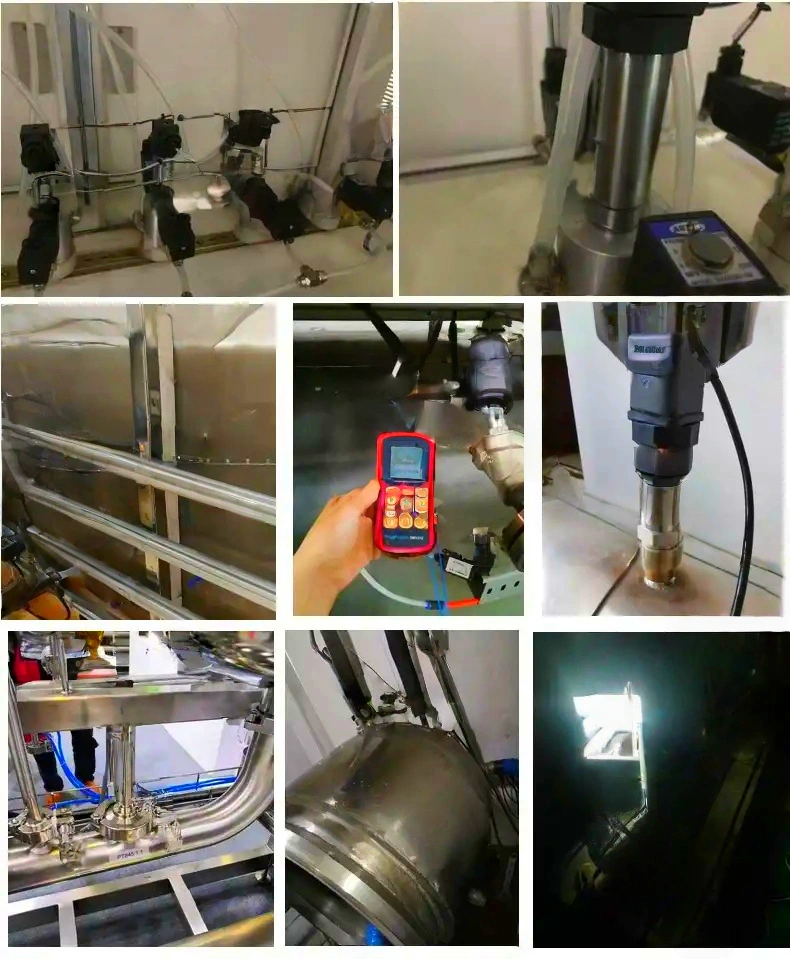
gas pressure sensor


Common gases

Compressed air: The most commonly measured gas in industrial pneumatic equipment, air compressors and ventilation ductwork;

Natural gas: A monitoring medium for gas transmission pipelines, domestic gas appliances and gas-fired combustion units;

Nitrogen: Industrial inert gas, nitrogen generation equipment, pipeline purging and laboratory gas supply systems;

Oxygen: oxygen generators, medical oxygen supply lines, and metallurgical oxygen-enriched gas supply systems;

Hydrogen: new energy hydrogen fuel cells, hydrogen refuelling stations, and chemical industry hydrogen transmission pipelines;

Carbon dioxide: HVAC fresh air systems, refrigeration units, food preservation gas lines, and chemical reaction gases;

Argon: welding shielding gas and inert gas lines in semiconductor production;

Methane: biogas, coalbed methane, gas supply for gas-fired power generation units;

Refrigerant gases: refrigerants for air-conditioning and cold storage systems;

Steam: high-temperature gaseous media in boilers and heat exchangers;

Acetylene: industrial cutting and welding supply pipelines;

Helium: leak detection equipment, cryogenic experiments, and specialised gas-filling equipment.

What does a Gas Pressure Sensor do?

With Sino-Inst’s many years of measurement experience, we have summarized the various applications of gas pressure sensors.

Industrial automation:
Gas pressure sensors can measure air pressure in pneumatic systems, pressure vessels, and compressors.

Automotive Industry:
Gas pressure sensors monitor various tire pressure conditions, including tire leaks, overinflation, or underinflation.

Gas pressure sensors automatically adjust the air conditioning system’s operating status based on the pressure difference between the vehicle’s interior and exterior.

Weather Forecasting:
Gas pressure sensors can predict weather trends. Meteorologists can forecast storms, low-pressure systems, and other weather phenomena by analyzing changes in air pressure.

Smart Homes:
Gas pressure sensors in smart homes monitor changes in indoor and outdoor air pressure to automatically regulate and optimize indoor environments. They are primarily used in smart windows and ventilation systems.

Aerospace Industry:

Gas pressure sensors determine an aircraft’s altitude and speed and regulate the aircraft’s gas pressure system to ensure flight safety.
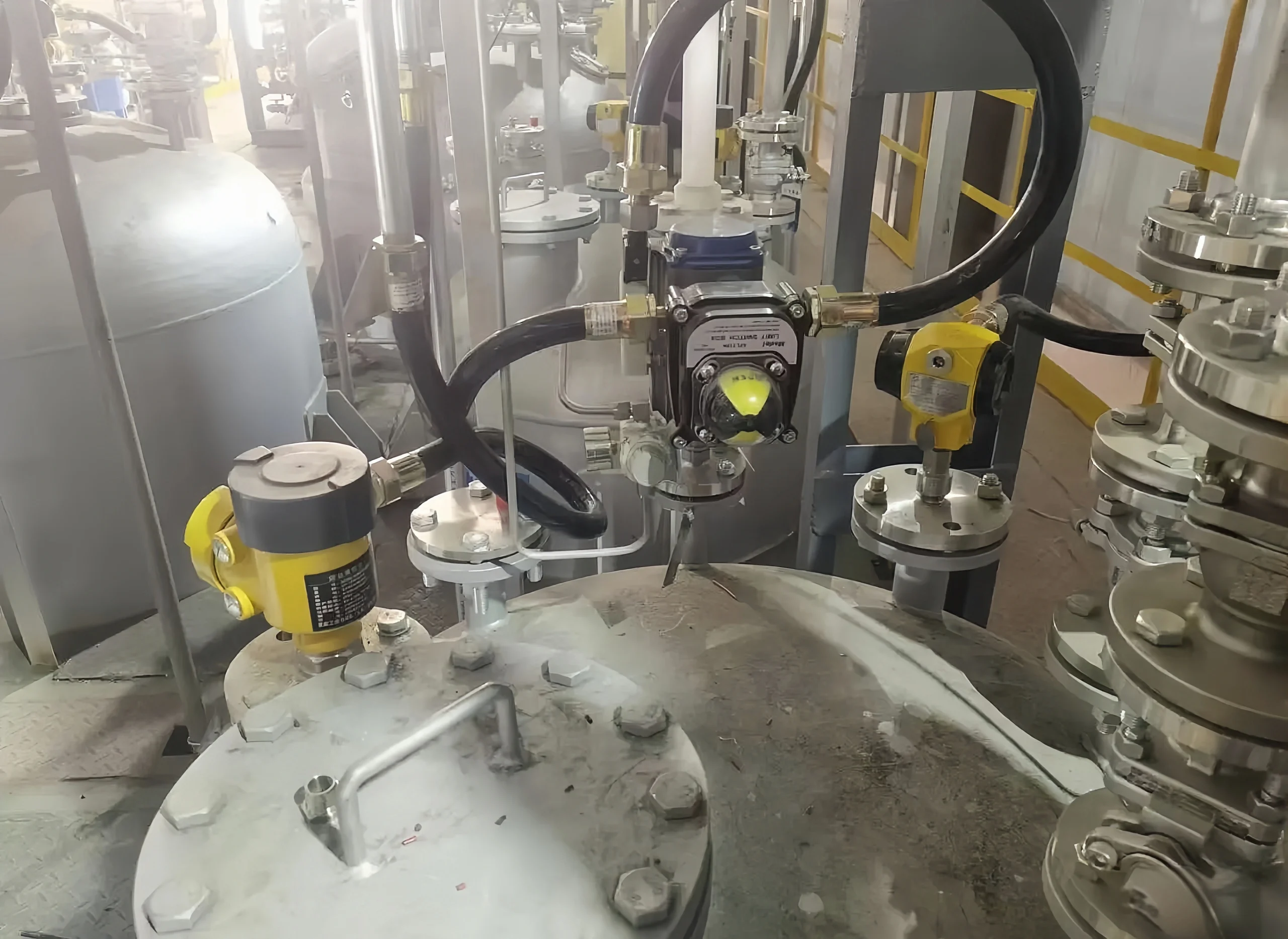
gas pressure sensor

Advantages and Disadvantages

Advantages

High measurement accuracy: It can pick up gas pressures accurately across a wide span—from low to normal to high—with very little error, which covers the precision needs you typically run into in industrial setups, new energy projects, and healthcare equipment.

Fast response speed: It picks up pressure changes as they happen and spits out the signal right away, so you can adjust pressure, trigger alarms, or keep things stable without sitting around waiting.

Strong signal compatibility: It puts out standard voltage, current, and digital signals, so you can wire it straight into industrial instruments, PLCs, and other automation gear—no extra converters needed. It works fine with most smart control systems on the market.

Easy installation and compact size: The body is small and doesn’t take up much room, and there are a few different ways to mount it depending on your piping setup. It squeezes into tight spots inside machines and doesn’t complain much in rough working conditions.

Excellent stability and long service life: It doesn’t flinch at vibration or temperature changes, and the readings stay solid even when it’s been running round the clock for ages. Breakdowns are rare, which means you’re not constantly pouring money into repairs later on.

Wide range of applicable gases: It measures everyday stuff like air, nitrogen, and oxygen no problem, and there are special models for nastier gases like natural gas and hydrogen where you’ve got fire or explosion risks to worry about.

Rich integrated functionality: Most units already come with temperature compensation, overload protection, and a pressure display built right in, so you can handle full monitoring without having to tack on extra parts.

Excellent safety performance: There are explosion-proof versions for dicey jobs like chemical plants and gas pipelines. They jump in when overpressure hits to stop things from going south, protecting both the equipment and the crew working around it.

Disadvantages

Limited environmental adaptability: Your standard model won’t hold up well in extreme heat, freezing cold, or highly corrosive surroundings. Throw it into an environment with high-temperature steam or corrosive gases, and you’ll start seeing parameter drift and parts wearing out faster than they should. If you need something that can take that kind of abuse, you’ll have to shell out for a high-end custom version.

Risk of damage due to overloading: Sensors can only take so much pressure. If the line suddenly spikes or surges, the internal sensing element can take a hit—throwing off your readings or wrecking the thing completely.

Zero-point drift during long-term use: After running nonstop for a long stretch, the zero point tends to drift. Temperature swings, vibration, and contamination from the medium all play a part in that. You’ll need to recalibrate on a regular basis, which just piles more work onto your maintenance schedule.

Susceptibility to medium impurities: If the gas is carrying dust, oil, or water, that junk can gum up the sensing diaphragm. Once that happens, response slows down and accuracy drops off. You’ll want a filter upstream to keep that from becoming a problem.

There are certain operating costs: Standard sensors give you decent bang for your buck, but if you need something specialized—explosion-proof, corrosion-resistant, or high-precision—you’re looking at a much heftier price tag. That makes them a tough sell for small setups or projects running on a tight budget.

Installation requirements are stringent: Get the alignment wrong, let too much vibration travel through the pipe, or botch the sealing job, and your readings will suffer. You really need to follow the manual step by step and put some vibration-damping measures in place if you want it to perform the way it should.

Precautions for Using Gas Pressure Sensors

There are many things to consider when using a gas pressure sensor. Neglecting certain details may result in irreparable losses. So, we should pay attention to these details.

Selecting the appropriate sensor
Before selecting a sensor, you need to clarify the measurement requirements.

We should consider the appropriate measurement range, which should cover the minimum and maximum pressures that may be encountered in actual applications. We should consider the accuracy requirements and select the appropriate accuracy grade based on the actual application. We should consider environmental factors to ensure that the sensor can withstand the temperature, humidity, corrosion, and pressure conditions in the environment.

Selecting the appropriate installation location
Gas pressure sensors should be installed away from vibration sources to minimize errors. High temperatures may affect sensor performance, so installation in high-temperature areas should be avoided. For sensors susceptible to corrosion, direct exposure to corrosive gases should be avoided.

Calibration and Maintenance
We should calibrate the sensor regularly to ensure measurement accuracy and clean the sensor regularly, especially the measuring port, to prevent blockages.

Electrical connections
Ensure that the sensor’s power and signal lines are properly connected to avoid short circuits or incorrect connections. Shielded cables can be used to reduce electromagnetic interference.

Operational Safety
We should strictly follow the operating manual to avoid damage caused by improper operation. When operating the sensor, we should take anti-static measures.

In summary, safety is very important for us. So, when you have a problem, it is necessary to find a professional assistant for help. Sino-Inst has many years of experience in the field of pressure measurement and offers 24/7 free online technical support. You can feel free to contact us.
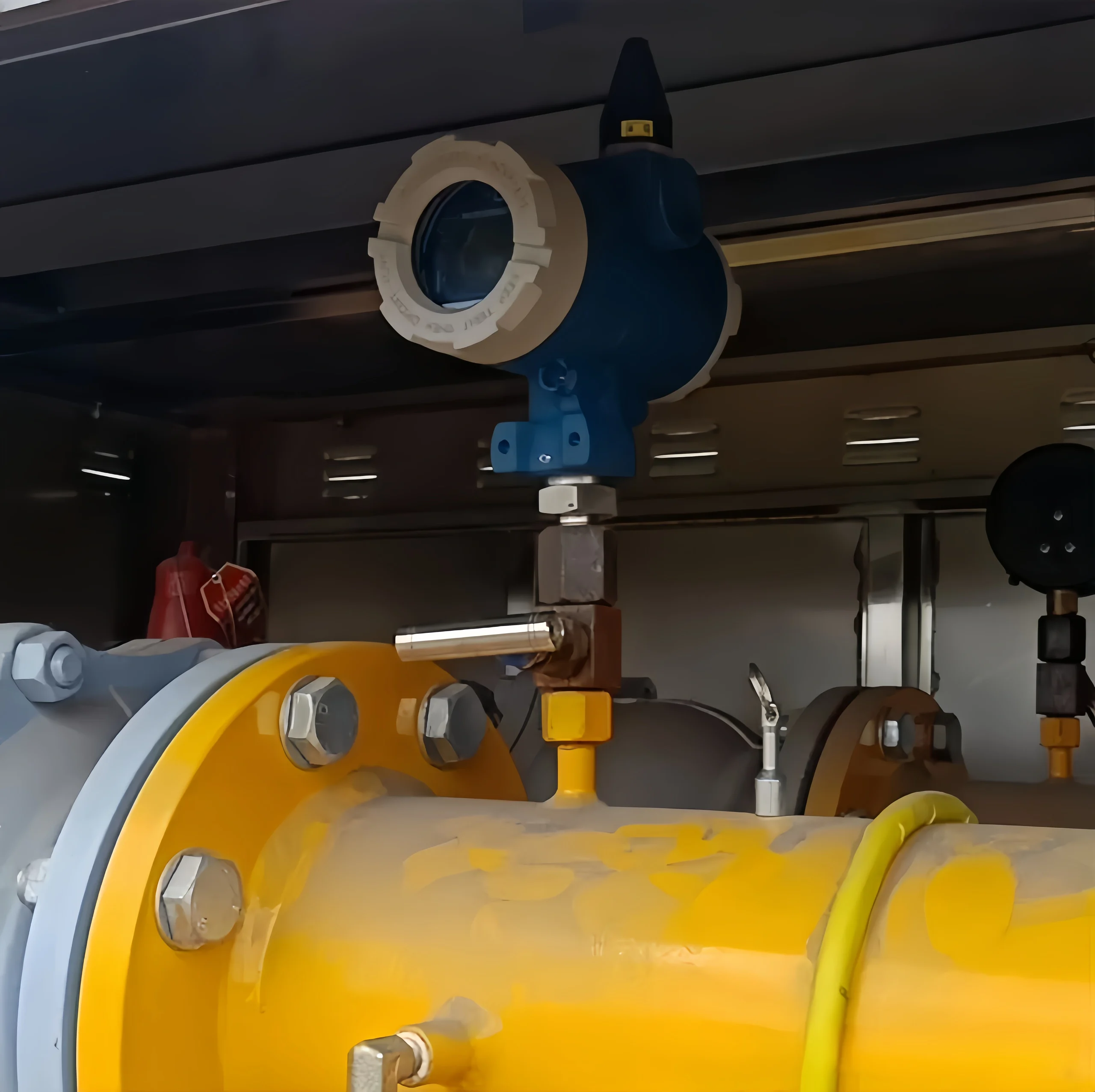

gas pressure sensor

Gas Pressure Sensor Debugging Methods

If you encounter problems with your gas pressure sensor, don’t worry. Below are causes and corresponding solutions, based on our years of experience.

TroubleTroubleshooting Way
Measurement Error regularly calibrating the sensor, selecting a sensor type suitable for the operating environment and using high-precision signal conditioning circuitry
Zero DriftComprehensive utilization of temperature compensation technology, environmental encapsulation, selection of stable materials, regular calibration, and fault diagnosis methods.
Dynamic Response IssuesUse a sensor with temperature compensation and recalibrate the sensor regularly.
Signal InterferenceUse shielded cables and filters to resolve the issue.
Temperature Effectsuse a sensor with temperature compensation can solve the problem.
Pressure Leakage sensor seals should be inspected regularly

1 No signal output. 2 Unstable signal. 3 Zero drift. 4 Pressure leakage. 5 Electromagnetic interference.
When the above issues occur, it indicates a problem with the pressure sensor.

Exhaust gas pressure sensors are used to monitor pressure during waste disposal processes, ensuring safety and environmental protection during construction.

The primary function of a pressure sensor is to convert physical pressure into an easily measurable and processable electrical signal accordingly. It serves as a bridge between the pressure and the signal.

In summary, gas pressure sensors are important in industrial processes. We should understand its related knowledge to ensure they function effectively.

Sino-Inst’s gas pressure sensors support customization. So, they can adapt to high-temperature, high-pressure, high-corrosive gas environments. Our products are distributed worldwide and have received consistent praise. We are a supplier of gas pressure sensors from China.

If you need to purchase gas pressure sensors or have related technical questions, please feel free to contact us. We can solve your problem and give you a perfect solution for gas pressure measurement.
Welcome To Share This Page:
Product Categories
Latest News
Get A Free Quote Now !
Contact Form Demo (#3)

Related Products

Related News

Sino-Inst is a professional supplier of flow switches. Based on experience, this article will introduce: What is a flow switch?

As a non-intrusive flow measurement technology, clamp-on ultrasonic flowmeters enable online monitoring of fluid flow by clamping transducers onto the

As key perception components in industrial measurement and control systems, pressure sensors are widely used in various working conditions. Types

What Is a Coriolis Mass Flow Meter? Coriolis mass flow meter is a new type of traffic measuring instrument developed

As an inert gas, nitrogen plays an irreplaceable role in numerous fields, including chemical synthesis, electronics manufacturing and laboratory analysis;

Industrial Gas Flow Meters are instruments used to measure the flow rate, volume or mass of gas in pipelines. There

Hydraulic systems increase force by varying pressure. Hydraulic pressure transducers monitor system pressure in real time and convert pressure signals

Sensor technology is an indispensable part of modern industry, scientific research and daily life. Among them, air pressure sensors are

Compressed air is very common in industrial processes. Measuring the pressure of compressed air can ensure the safety of operators.

Scroll to Top

Get A Free Quote Now !

Contact Form Demo (#3)