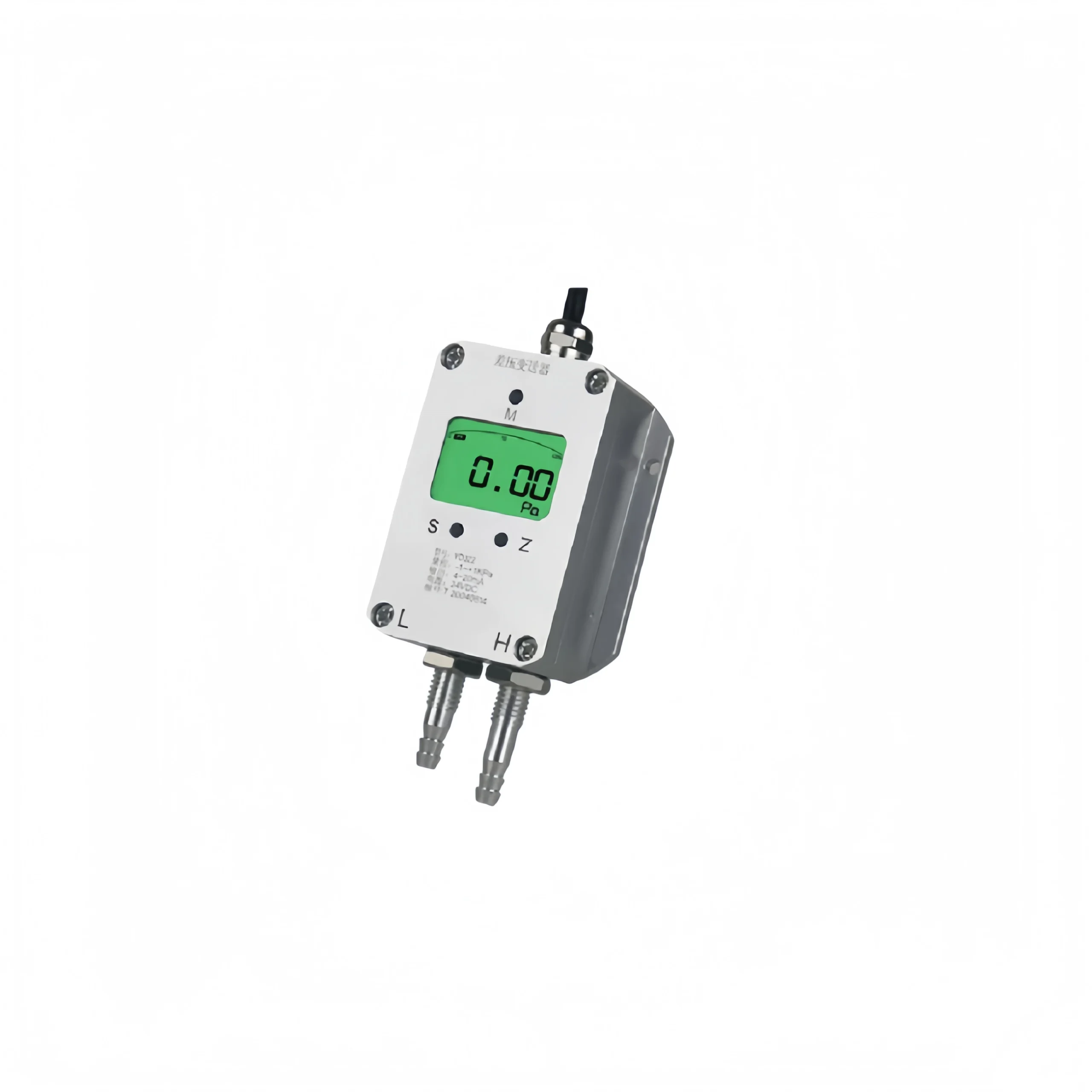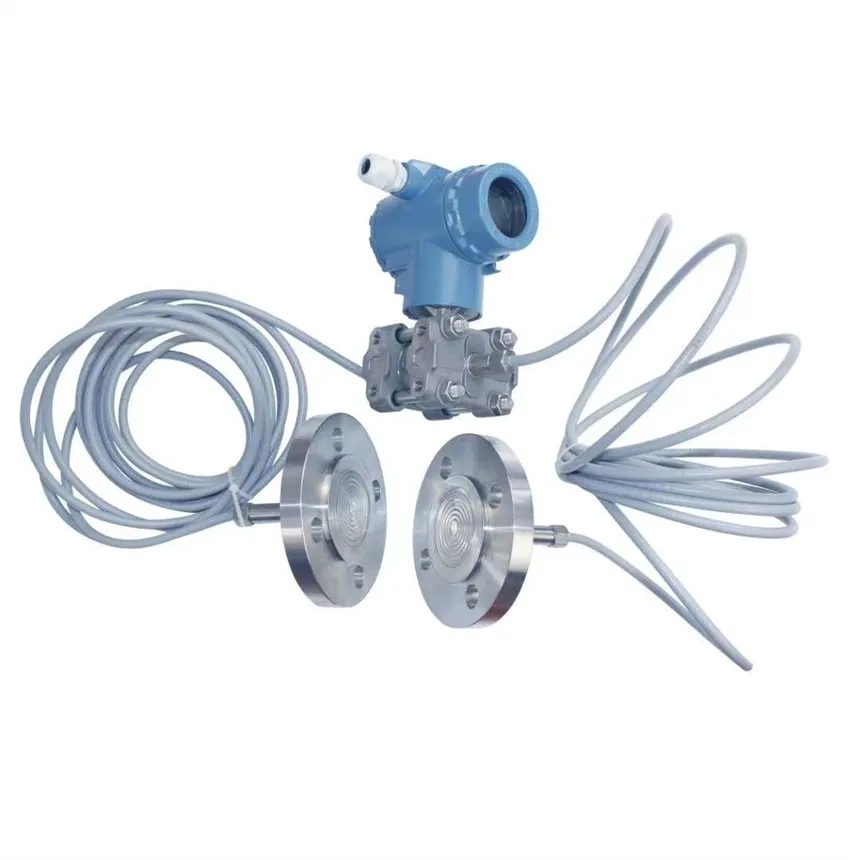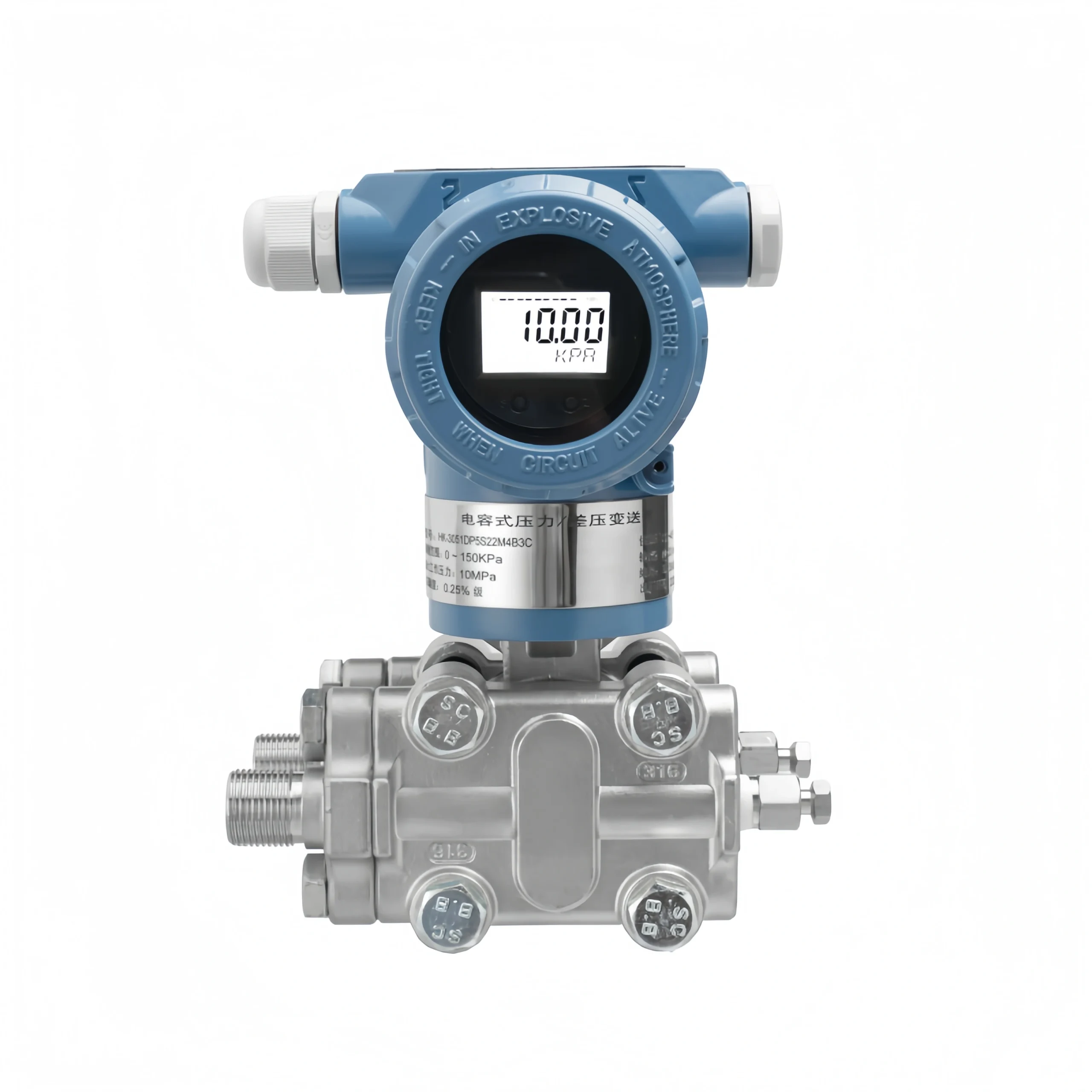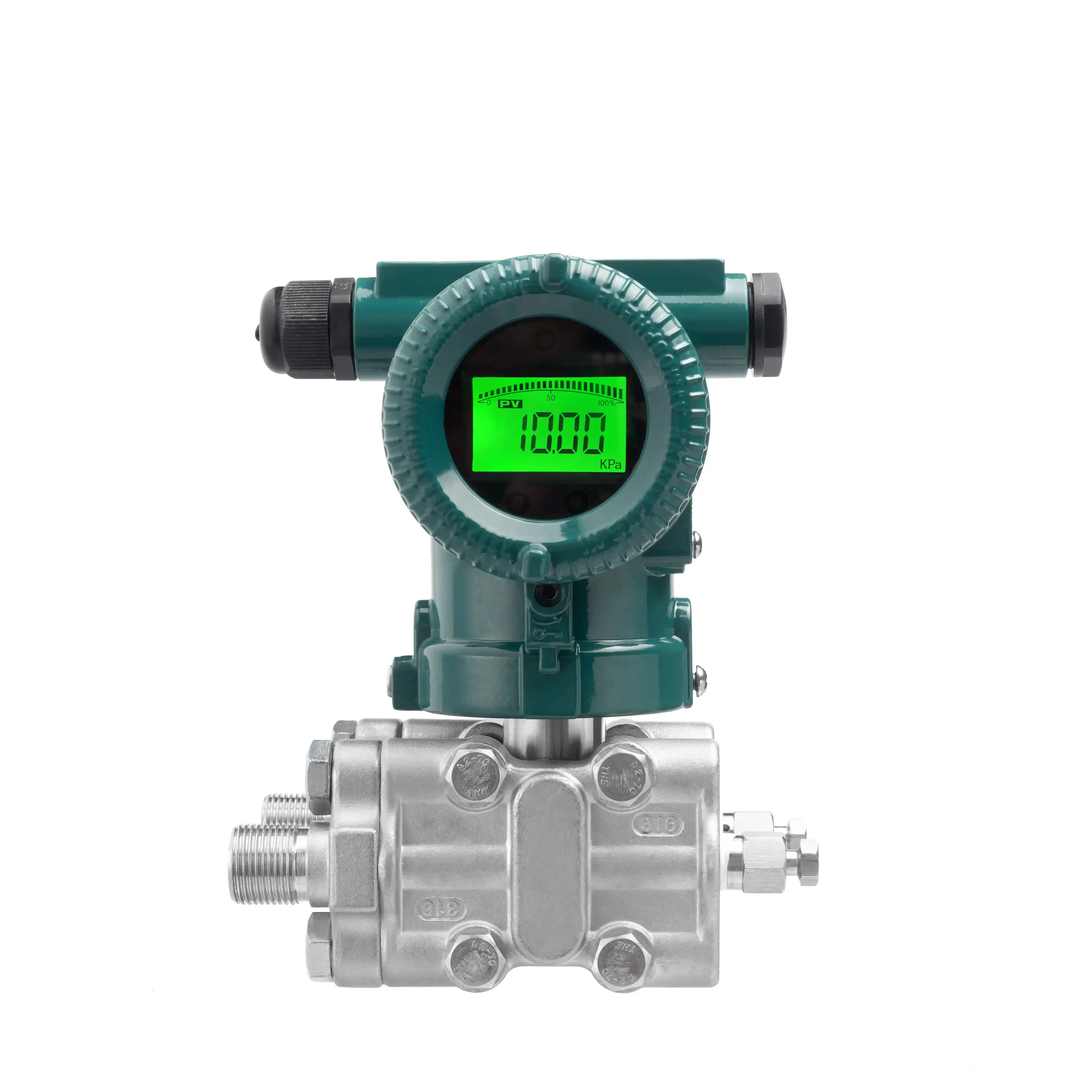
Differential pressure measurement is a crucial aspect of industrial process monitoring. Digital differential pressure sensors utilise digital processing to improve measurement stability and reduce signal transmission loss, and are widely used in monitoring applications such as fluid systems and cleanroom environments.
Working Principle of Differential Pressure Transmitters
A differential pressure sensor is equipped with two pressure input ports, each connected to a different pressure point within the system under test, thereby obtaining the pressure difference between the two points.
Pressure acting on the sensing element causes it to deform; this deformation is converted into a physical change in resistance or capacitance, which is then converted by the circuitry into a standard electrical signal output. The magnitude of the electrical signal corresponds to the pressure differential; once received by the associated instrument, the actual differential pressure value can be calculated.
In addition to directly measuring pressure differentials, it can be used in conjunction with orifice plates to calculate flow rates, and is also suitable for measuring liquid levels and pressures in sealed vessels. During measurement, it compensates for common static pressure components, retaining only the pressure differential to ensure measurement reliability.
Digital Signal Output
Digital signal output works by having the sensor perform an internal analogue-to-digital conversion on the physical quantity it detects, yielding a discrete binary-coded signal. Logic levels—high for 1, low for 0—carry the data across a communication bus. Rather than transmitting continuously varying analogue values like voltage or current, this method sends fully processed digital data.
Advantages
1. It handles electromagnetic noise from nearby cables and machinery without breaking a sweat, so the signal stays clean even over long runs in a crowded industrial environment.
2. The signal doesn’t fade as it travels, which means measurement errors won’t start showing up just because you extended the cable. Your data stays consistent across the facility.
3. Several sensors can share the same communication line, so you don’t need to home-run every device back to the controller. That alone saves a lot on cabling.
4. Beyond the measurement values, it pushes out diagnostic info like device status and fault alarms, giving maintenance teams a heads-up before something fails.
5. Unlike analogue signals, this one doesn’t drift over time, so you get more stable and accurate measurement results in the long run.
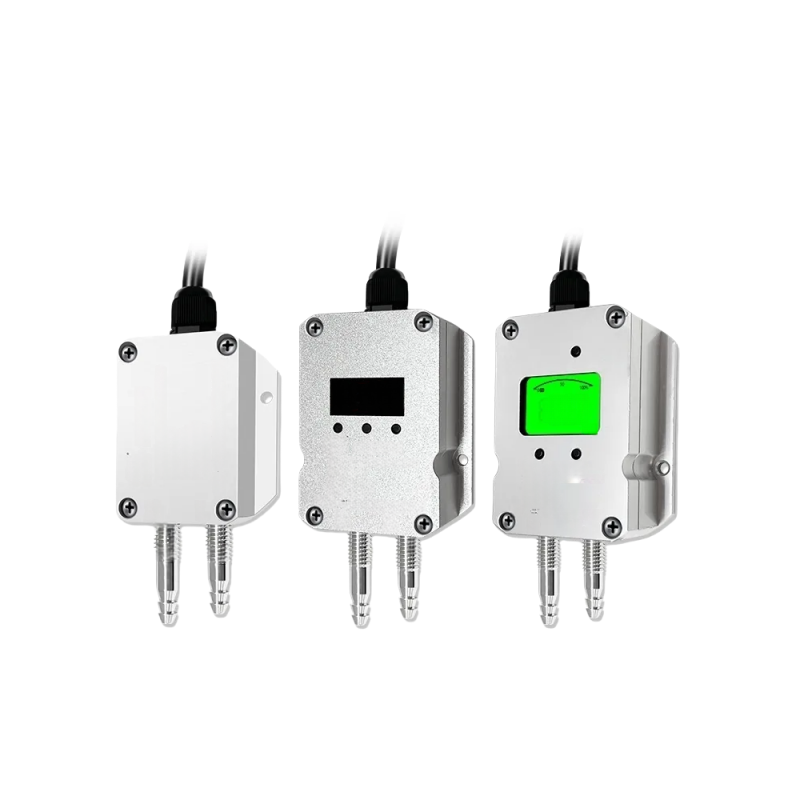
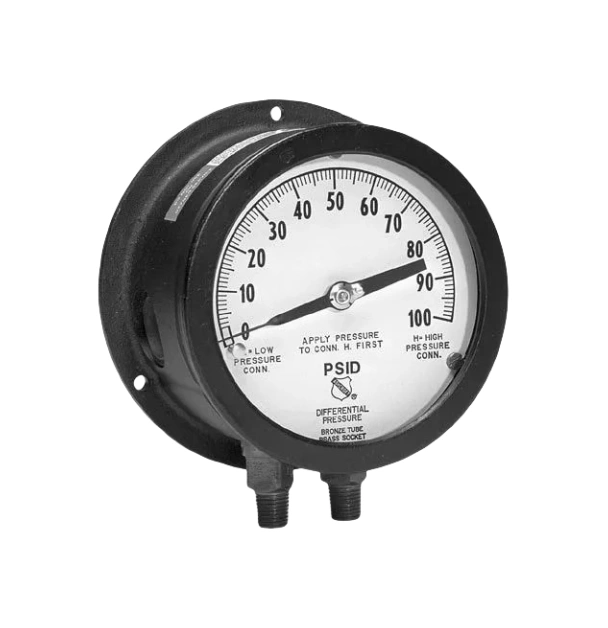
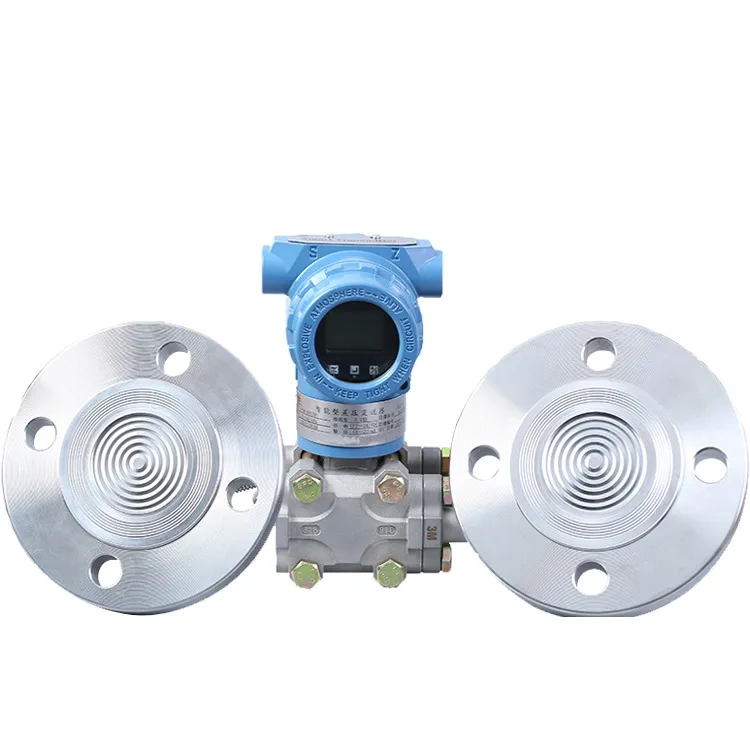
Advantages of Digital Differential Pressure Transmitters
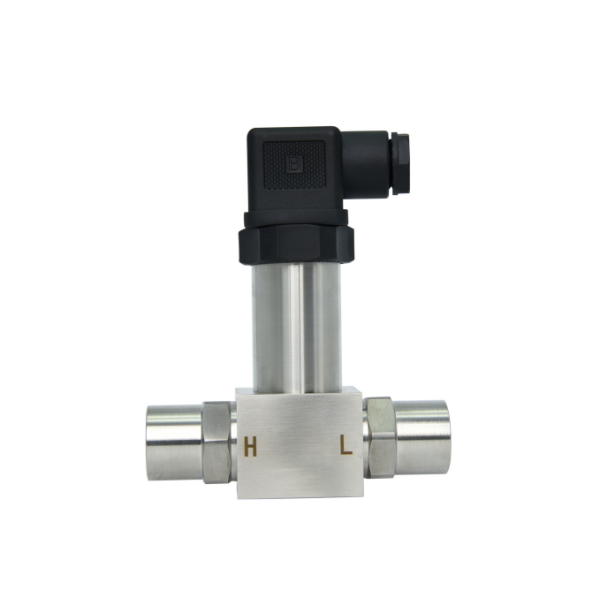
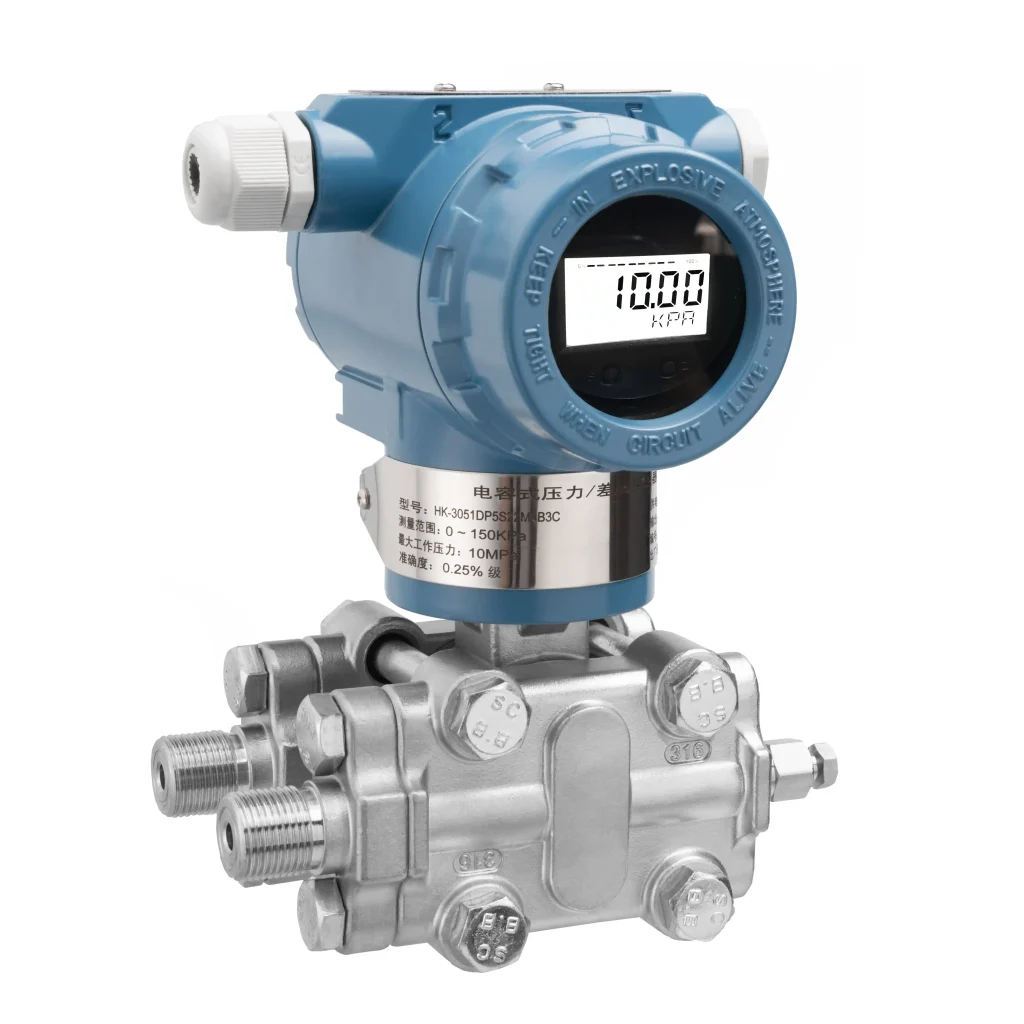
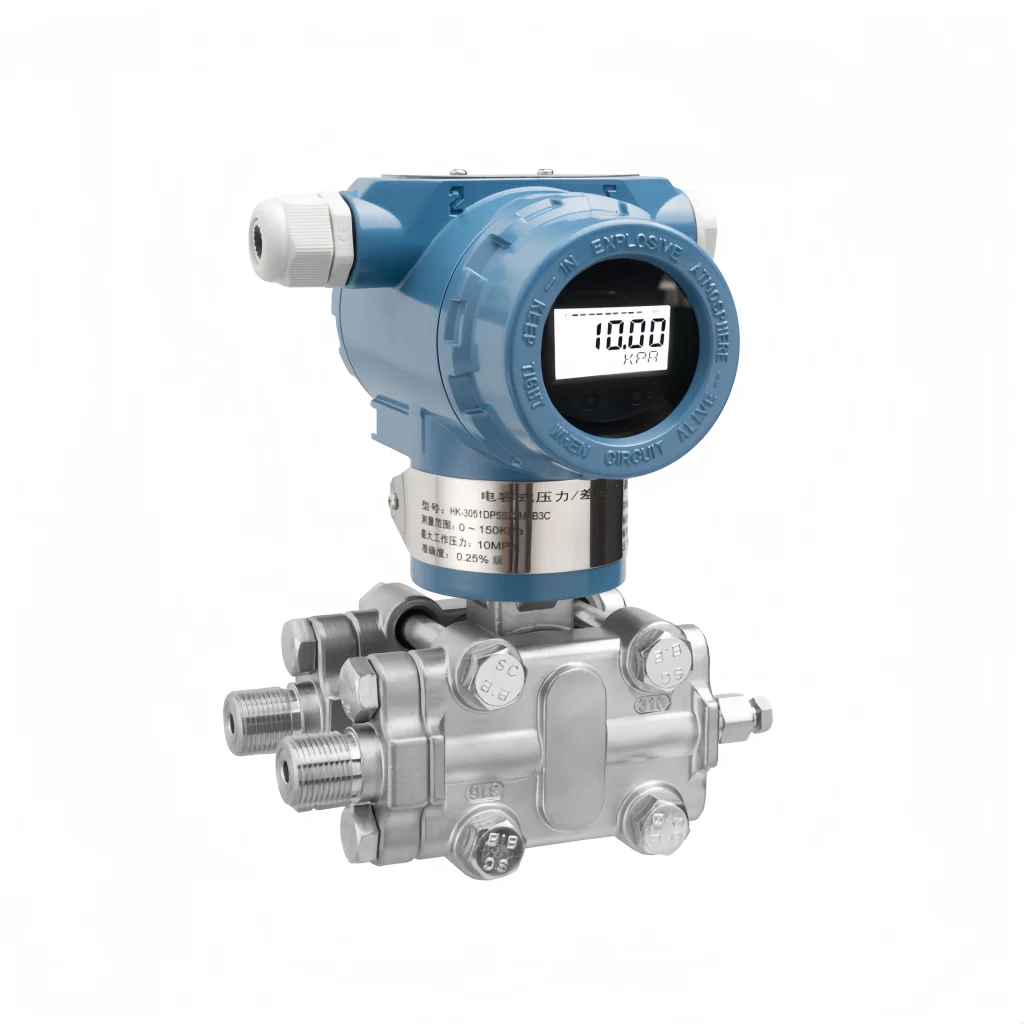
1. Higher measurement accuracy: Because it processes the signal digitally inside the unit, you avoid the losses and drift that plague analogue transmission. The result is tighter accuracy than you’d get from a conventional analogue differential pressure transmitter.
2. Strong resistance to interference:Digital signals don’t flinch at electromagnetic noise or voltage drops along the cable. They hold up well over long distances, which is exactly what you need in a tough industrial setting.
3. Convenient configuration and commissioning: You can configure it remotely—range, offset, damping, units—straight from your laptop or handheld. No need to open the housing or swap jumpers, which makes startup and routine maintenance a lot faster.
4. Comprehensive self-diagnostic functions:The unit monitors itself continuously in the background. Sensor drift, out-of-range readings, or internal overheating trigger an alarm immediately. Catching these issues early stops them from turning into shutdowns.
5. Excellent temperature compensation performance:The onboard temperature compensation algorithm adjusts automatically for ambient temperature swings. The measurement stays solid whether the plant floor is freezing or running hot.
6. Wide turndown ratio:A wide turndown ratio lets one transmitter handle a broad span of conditions. You stock fewer model variants and tie up less money in spare parts.
7. Two-way communication capability:HART, Modbus, and similar protocols let you pull parameters, check status, and even calibrate the unit remotely from your DCS or PLC.
8. Excellent long-term zero-point stability:Zero drift is corrected digitally, so the baseline barely shifts over months of continuous operation. You will find yourself calibrating far less often.
Practical Applications of Digital Differential Pressure Transmitters
1. Fluid Flow Measurement
Digital differential pressure transmitters are the go-to choice for measuring flow through industrial pipelines. Teamed with throttling devices like orifice plates and V-cones, they handle liquids, gases and steam with equal ease.
The digital output gives you accurate readings with minimal interference, and it drops straight into your existing control system for monitoring, metering and automatic adjustment. Chemical plants, gas distribution and heating networks all rely on these units to get the production ratios and energy figures right.
2. Tank Level Monitoring
These transmitters track liquid level accurately in both open and sealed tanks, filtering out atmospheric pressure effects and picking out the boundary between oil and water or between different material layers.
You will find them on reaction vessels, oil storage tanks and sewage tanks, where they tie into valves and pumps for automatic level control. That stops tanks from overflowing or pumps from running dry.
3. Equipment Differential Pressure Alerts
The system keeps tabs on differential pressure across the inlet and outlet of filters, heat exchangers and dust collectors, picking up problems like blockages, dust buildup and scale formation as they develop.
When the reading goes outside normal limits, it sounds an alarm so maintenance can step in before things get worse. Chemical processing, power generation, water treatment and HVAC all use this setup to keep production running smoothly.
4. Thermal Operating Conditions Control
Used in the thermal power and heating sectors, this system monitors pressure differentials in furnaces, air ducts and flue pipes.
Based on this data, it adjusts fan airflow to optimise combustion efficiency and reduce energy consumption, whilst ensuring the stable operation of desulphurisation and denitrification equipment. It also monitors pressure differentials in heating networks to prevent pressure-related faults.
5. HVAC Micro-Pressure Control
Utilising high-precision micro-pressure detection, this system is applied in cleanrooms within the pharmaceutical, electronics and new energy sectors, as well as in building HVAC systems.
It precisely controls positive and negative pressure differentials within production areas to ensure a clean production environment, whilst simultaneously regulating fresh air supply and fan operation to balance production standards with energy-saving objectives.
6. Water Treatment Parameter Control
Suitable for environmental water treatment and exhaust gas treatment, this system monitors pressure differentials in sewage and sludge tanks, calculates liquid levels and sludge thickness, and automatically controls sludge discharge and aeration processes.
It also monitors the pressure differential in dust removal and desulphurisation equipment to ensure exhaust emissions meet regulatory standards, whilst being suitable for harsh, corrosive operating conditions.
7. Pneumatic and Hydraulic Monitoring
Used for monitoring pneumatic and hydraulic systems such as hydraulic power units and air compressors, it detects pressure differentials in pipelines and filters to determine pipeline continuity and filter element contamination.
It provides timely early warnings of anomalies to protect core equipment and minimise downtime caused by faults, and is suitable for a wide range of industrial production scenarios.
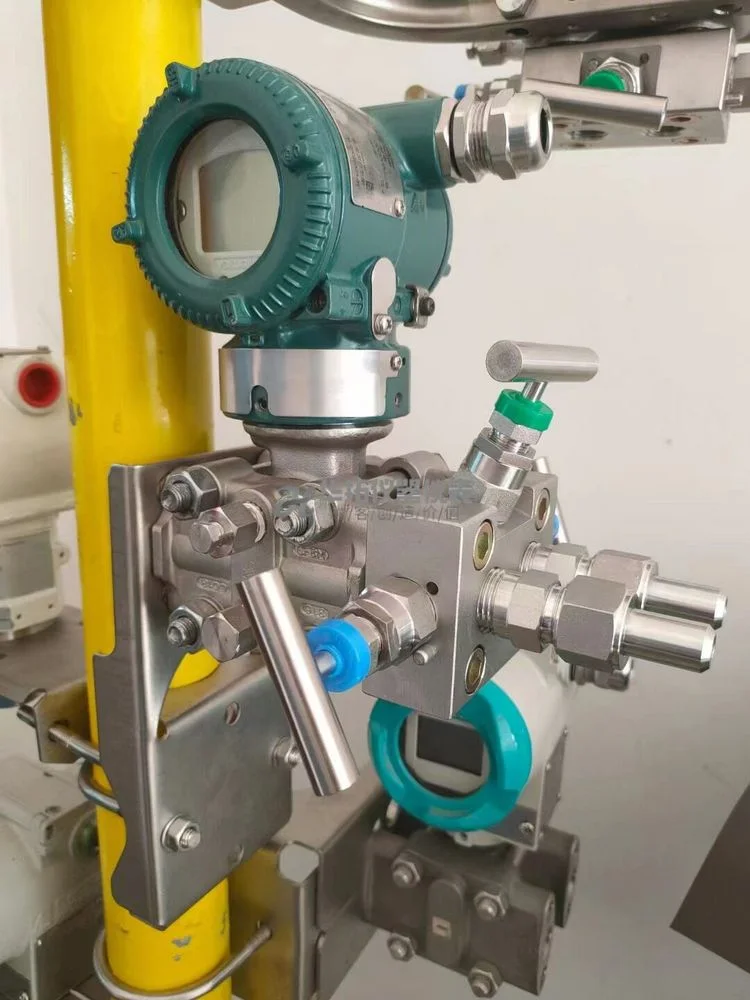
Analogue Signals
An analogue signal output refers to a device transmitting a continuously varying electrical signal; the output voltage or current changes continuously in response to the measured physical quantity, and the signal value can be any value within a specified range.
Sensors and transmitters commonly utilise analogue signal outputs, typically in the form of voltage or current signals, to convert measured physical quantities such as temperature and pressure into electrical signals for transmission to downstream instruments.
This output method is susceptible to line noise, has limited immunity to interference, and requires use with equipment that supports analogue signal reception.
Add Your Heading Text Here
Digital Signals vs Analogue Signals
1. Differences in Signal Principles
An analogue signal is a continuous electrical signal. Sensors directly convert changes in pressure differential into 4–20 mA current or 0–10 V/0–5 V voltage signals, with the values varying linearly and continuously with the pressure differential; this is the fundamental method of outputting raw physical quantities.
Digital signals are discrete encoded signals. The sensor incorporates an AD conversion chip and processing software; after the acquired analogue pressure differential signal has undergone filtering, temperature compensation and calibration, standardised digital data is output via protocols such as RS485 (Modbus) or I²C.
2. Differences in Interference Resistance and Transmission Stability
Analogue signals have poor interference resistance. Industrial motors and variable-frequency drives throw off a lot of electromagnetic noise, which tends to push analogue signals around and make readings jumpy.
Factor in voltage drop over long cable runs, and the error only gets worse the further you go. Over months of operation, zero drift starts to set in and the data becomes less trustworthy, while the wiring itself has to meet pretty strict standards just to keep things acceptable.
Digital signals deal with interference differently. The receiver is only checking for a high or a low—binary 1 or 0—so a bit of electromagnetic noise or line loss won’t corrupt the data.
The encoding arrives intact, without distortion or fading. An RS485 bus will carry that signal a full kilometre, and you can hang multiple devices on the same line without them getting in each other’s way. That reliability is exactly why it works so well in tough industrial environments.
3. Differences in Measurement Accuracy
Analogue signals offer lower accuracy, performing only basic signal conversion without algorithmic correction, temperature compensation or digital filtering functions.
They are susceptible to temperature variations and component ageing. With a typical accuracy of Class 0.5–1.0, they are suitable only for general pressure differential monitoring.
Digital signals offer high accuracy and good repeatability. Devices undergo multi-point calibration at the factory and incorporate built-in compensation and filtering algorithms to suppress temperature drift, zero drift and transient interference.
Accuracy can reach Class 0.1–0.2, making them suitable for high-precision applications such as cleanroom air pressure and industrial closed-loop control.
4. Differences in Transmission Cabling and Scalability
Analogue signals require independent one-to-one cabling; wiring for multiple measurement points is complex, resulting in high installation costs and difficult fault diagnosis. They do not support bus parallel connection, and the equipment has poor expandability.
Digital signals run on an RS485 bus, so you can daisy-chain several sensors off a single cable run instead of pulling separate wires everywhere, which saves on both material and labour.
Each device has its own address, so you can identify each measurement point without confusion—a setup that works well for multi-point centralised monitoring and larger smart-monitoring projects.
5. Differences in Intelligent Functionality
Analogue signals are fairly basic—they give you the differential pressure reading and that’s about it. You won’t get any feedback on whether the device itself is healthy, and you certainly can’t adjust the zero or span remotely, set up fault alarms, or trace historical data. There’s no smart setup wizard either; it’s a one-way stream of numbers.
Digital signals, on the other hand, pack in a lot more intelligence. Alongside the pressure reading, the device can push up its internal temperature, current operating state, and any fault codes that pop up.
You can calibrate it, tweak parameters, and receive anomaly alerts from across the room or across the building, which is why it fits neatly into IoT monitoring platforms and smart-building systems.
6. Compatibility and Usability Thresholds
Analogue signals have the advantage of being almost universally understood. Plug them into an old PLC, a traditional controller, or a basic digital display and they work straight away—no protocol setup, no software drivers, no configuration headaches. That plug-and-play simplicity makes them a practical choice when you’re retrofitting legacy equipment or just need a straightforward monitoring setup without the extra overhead.
Digital signals require a gateway and host computer to configure communication protocols, device addresses and baud rates, presenting a basic commissioning threshold. However, they are compatible with modern intelligent industrial control systems and offer far greater overall scalability than analogue signals.
FAQ
Is a digital differential pressure transmitter the same as a HART transmitter?
Not exactly. HART is a hybrid signal that superimposes a digital signal onto a 4–20 mA analogue loop; a truly fully digital transmitter has no 4–20 mA hardware loop and relies entirely on bus communication for data transmission. Most ‘digital differential pressure transmitters’ on the market refer to HART-type transmitters.
What process conditions can a digital differential pressure transmitter measure?
It can measure the differential pressure of gases, liquids and steam; when paired with a orifice plate, it can measure flow; it can also be used for level measurement, closed-tank level monitoring, pressure differential monitoring and filter pressure differential monitoring.
Should you choose a HART or Modbus digital differential pressure transmitter?
If you already have a 4–20 mA loop and your DCS supports HART, choose HART; if you have multiple measurement points and wish to connect several instruments to a single bus, or require batch parameter reading, prioritise RS485 Modbus.
Digital differential pressure sensors provide high-precision, intelligent solutions for industrial differential pressure measurement. They are suitable for a wide range of operating conditions, including flow, level, cleanroom micro-pressure and equipment differential pressure alerts, and are compatible with HART and Modbus protocols, significantly reducing cabling and operational costs.
Sion-Inst also offers a full range of digital measurement instruments, including pressure sensors, digital flowmeters and digital level transmitters, covering multi-dimensional process monitoring requirements. Please feel free to contact us with details of your on-site conditions to receive professional product selection advice and customised technical solutions.