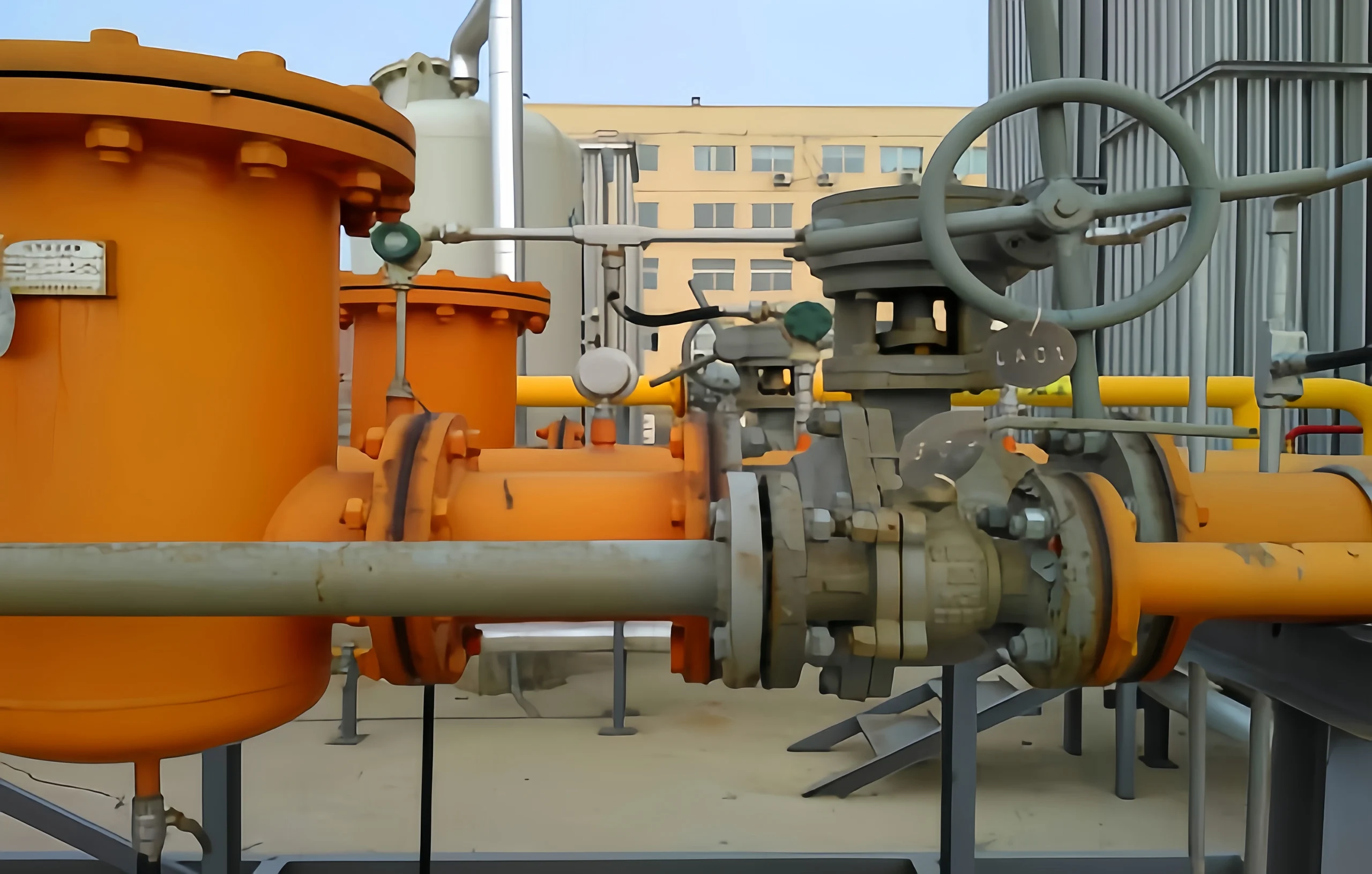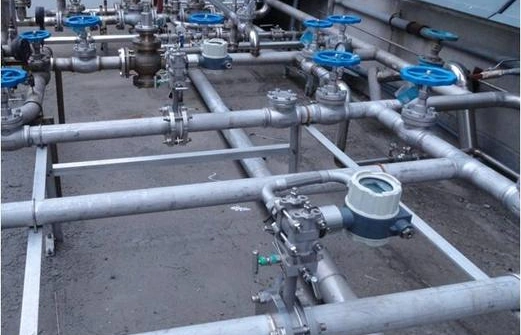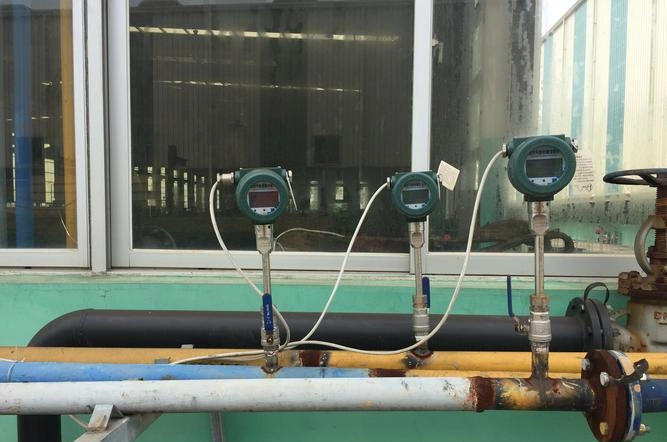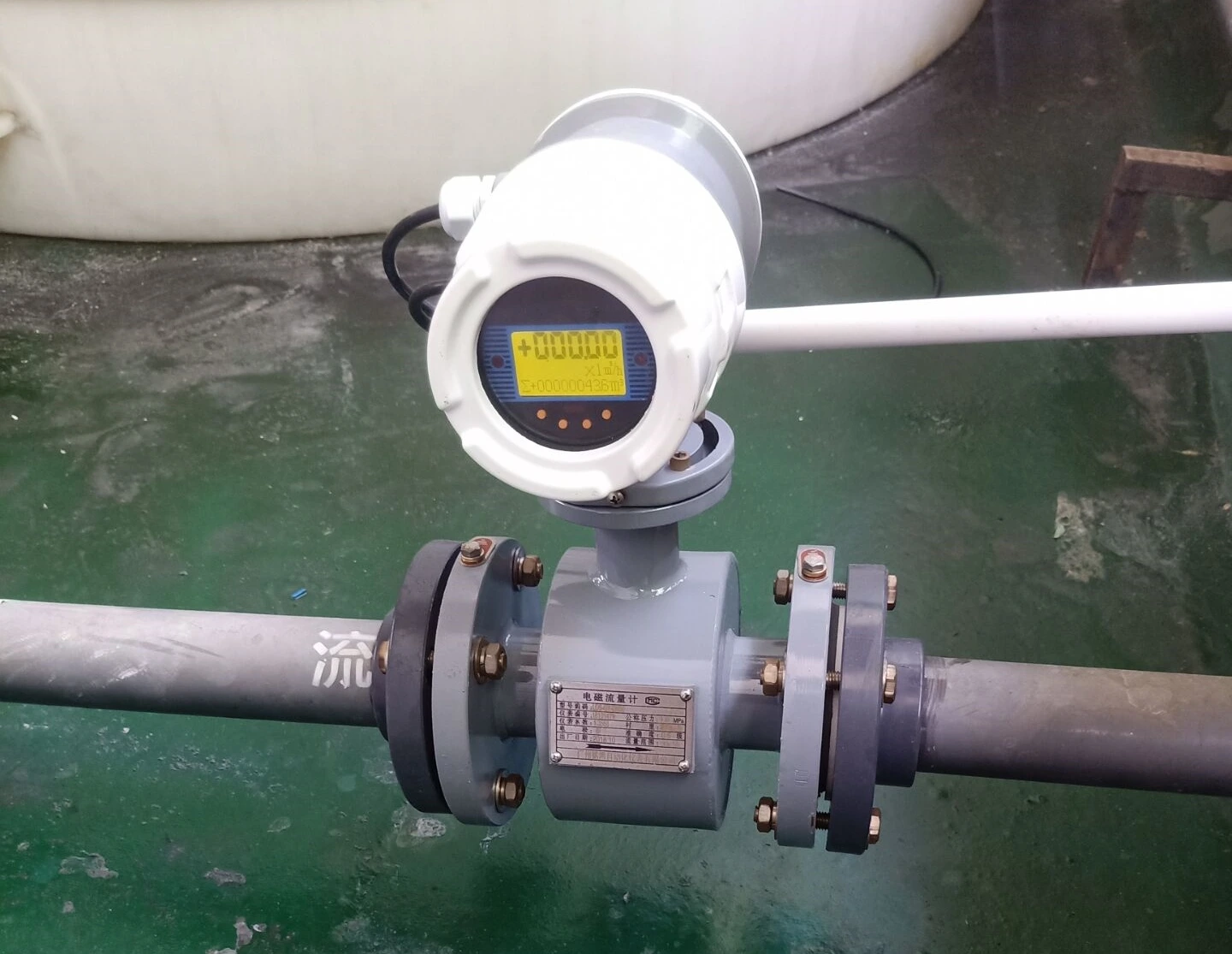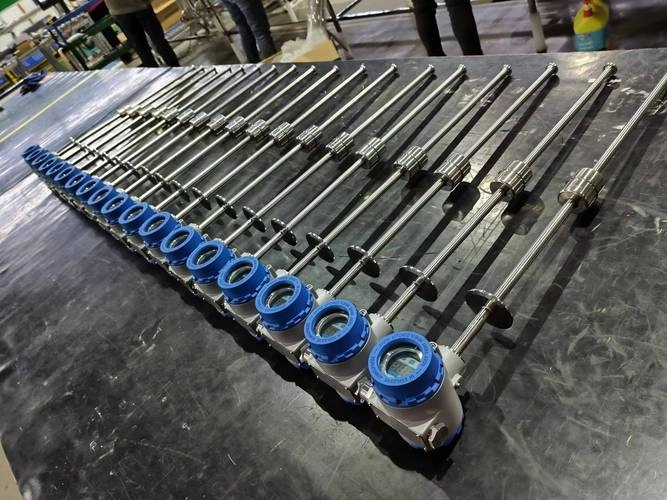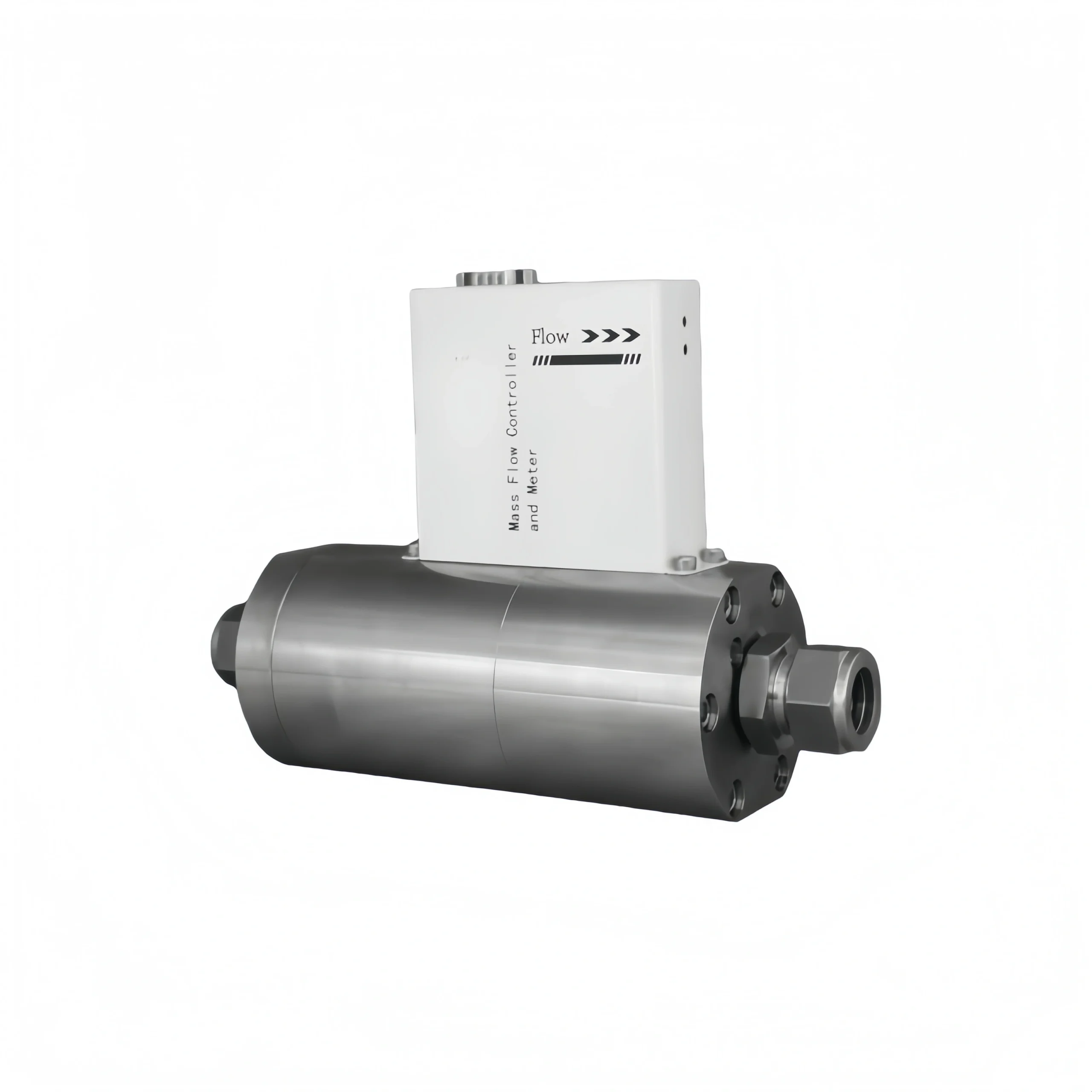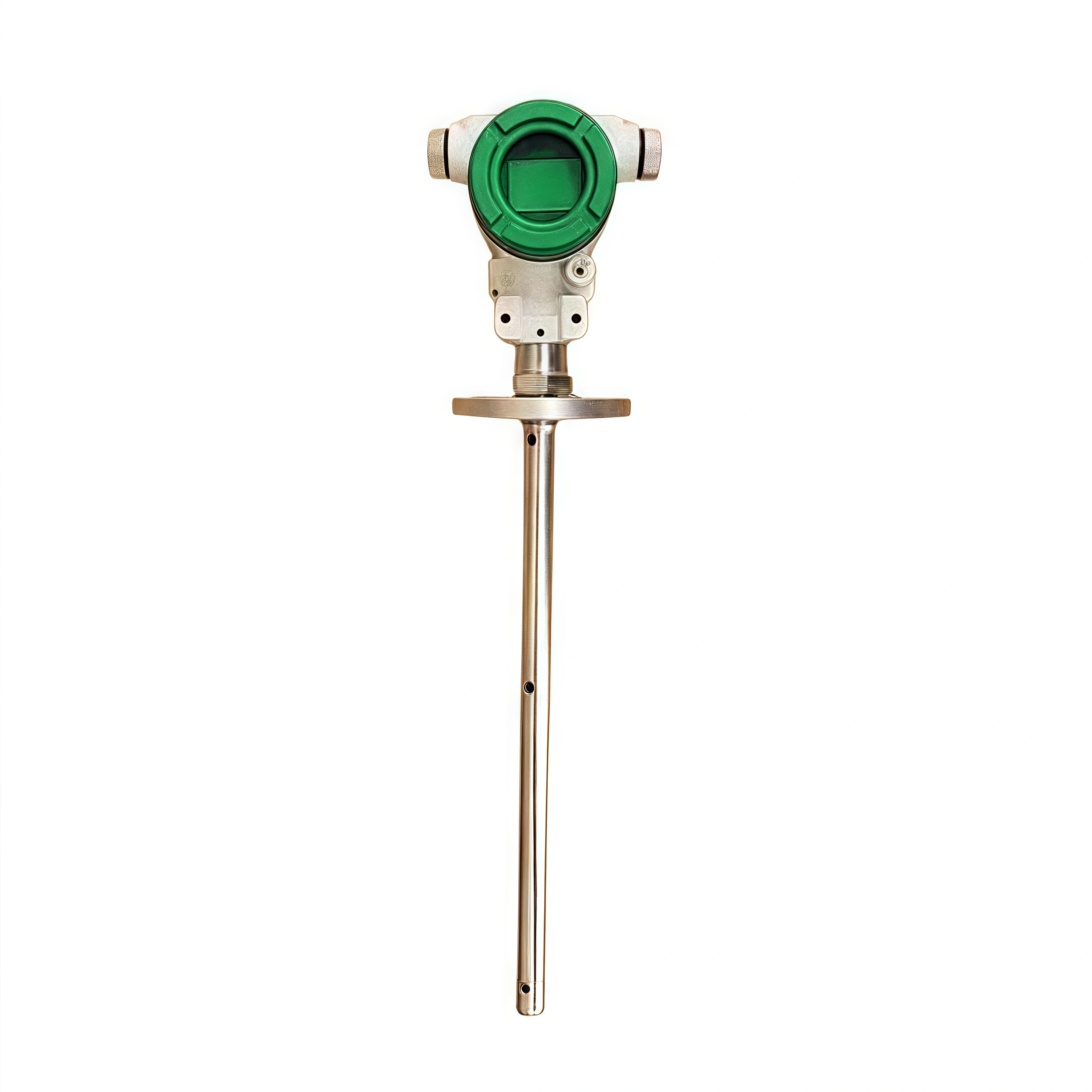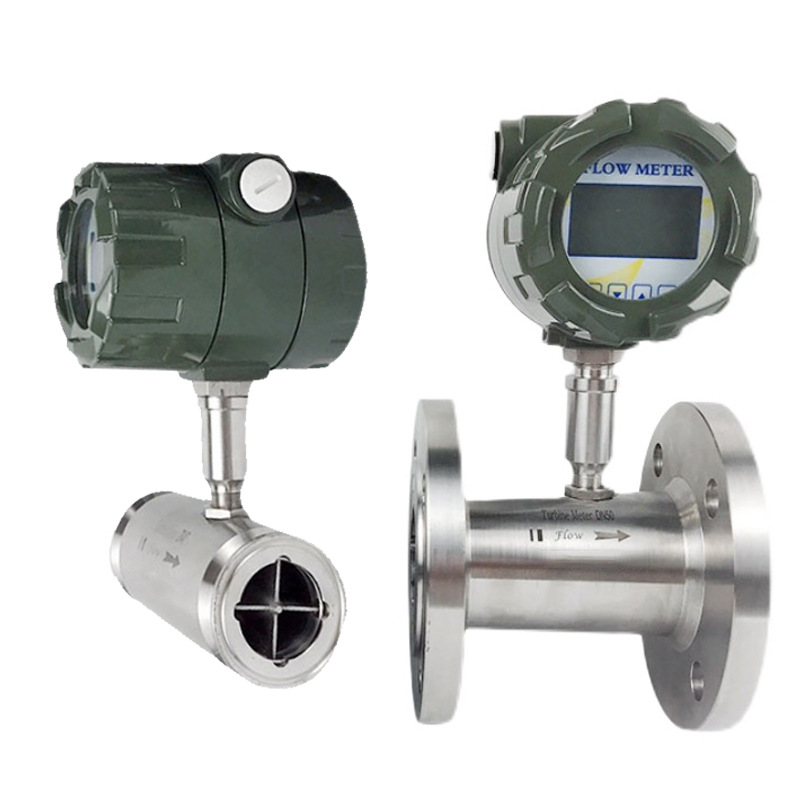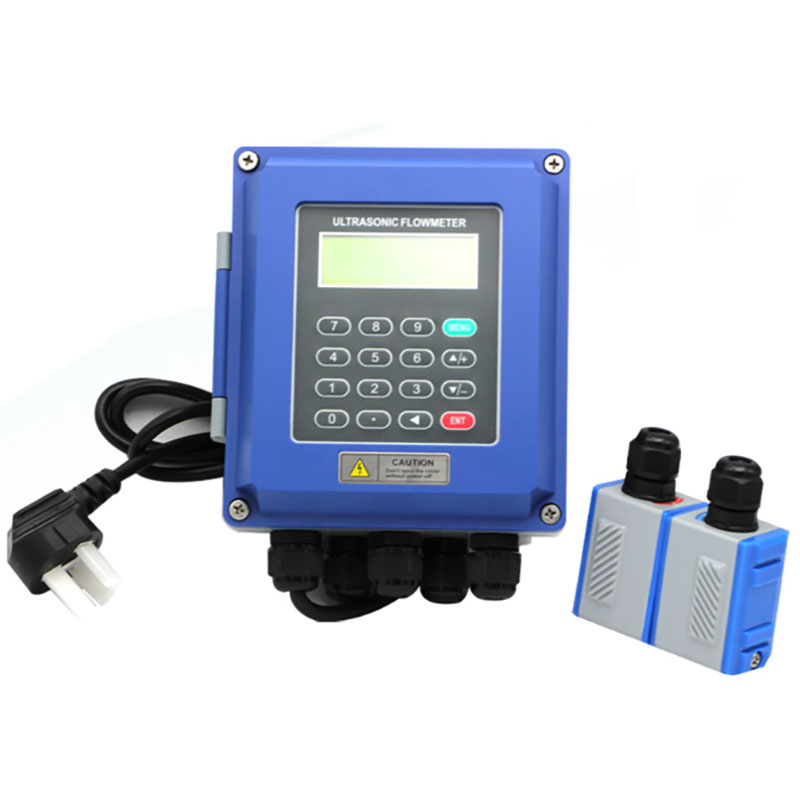
A natural gas monitoring system integrates pressure, temperature, and flow monitoring modules. It enables real-time monitoring and data linkage analysis of the entire gas transmission and distribution process. The system relies on a sensor network to collect key parameters. It uses an automated platform for data integration and anomaly warning. It ensures safety and metering accuracy during natural gas extraction, transportation, and trading.
Functions:
- Reducing Safety Accidents: This system can promptly detect and address safety hazards, reducing the risk of gas leaks, explosions, and other accidents.
- Optimized Resource Allocation: The system provides managers with decision-making support. It optimizes the allocation of gas supply resources.
- Improved Operational Efficiency: The system can automate multiple monitoring and control tasks, reducing manual intervention.
- Enhanced Emergency Response Capabilities: In the event of an accident such as a gas leak, the system can quickly provide accurate on-site data. It can provide strong support for emergency response.
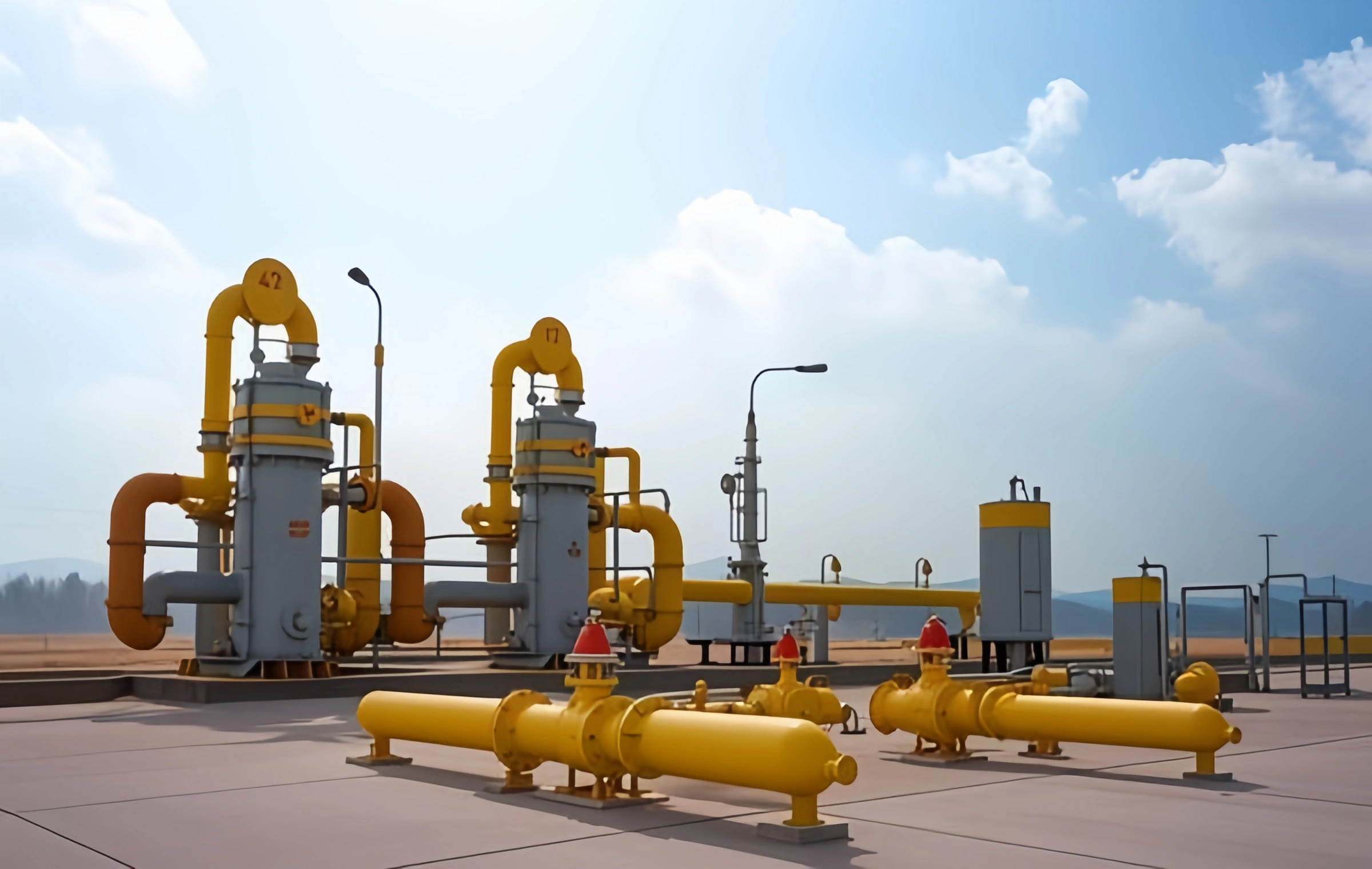
Natural gas presents safety risks and hazards during extraction, transportation, and use. Natural gas management is also highly complex. Traditional manual methods are insufficient to detect safety loopholes, especially in the safety supervision of gas stations and pipeline networks. Stations face issues such as operational management and regional control. Pipelines face difficulties such as untimely discovery of problems by third-party construction workers, high difficulty in supervision, and inability to perform timely and regular maintenance.
Traditional natural gas management faces many challenges:
Frequent fluctuations in operating conditions:
Gas supply loads, ambient temperature and pressure regulation conditions change in real time, resulting in significant fluctuations in temperature and pressure parameters; failure to adjust temperature and pressure compensation in a timely manner can easily lead to flow measurement errors.
Variations in gas source composition:
Differences in the composition and compressibility coefficients of natural gas from different sources can easily lead to conversion errors, affecting the accuracy of flow monitoring.
Harsh on-site conditions:
Station environments characterised by large temperature differentials, high humidity, dust and corrosive conditions can cause sensor zero-point drift and component ageing, thereby reducing monitoring stability.
Wide pressure measurement range:
Pipeline networks encompass both high-pressure long-distance transmission and low-pressure consumer conditions; a single device struggles to maintain measurement accuracy across the entire range, making data distortion likely.
Unstable pipeline flow conditions:
The opening and closing of valves, as well as fluctuations between peak and off-peak gas consumption, can easily trigger flow pulsations and vortices, interfering with the accurate acquisition of flow, temperature and pressure measurements.
Interference from impurities in the medium:
Condensate and solid impurities within the pipeline can easily block pressure taps or adhere to sensor elements, leading to temperature measurement lag and abnormal flow detection.
Restrictions on explosion-proof operation and maintenance:
Equipment must strictly comply with explosion-proof requirements; online calibration and maintenance are challenging, and maintenance during shutdowns may disrupt normal gas supply.

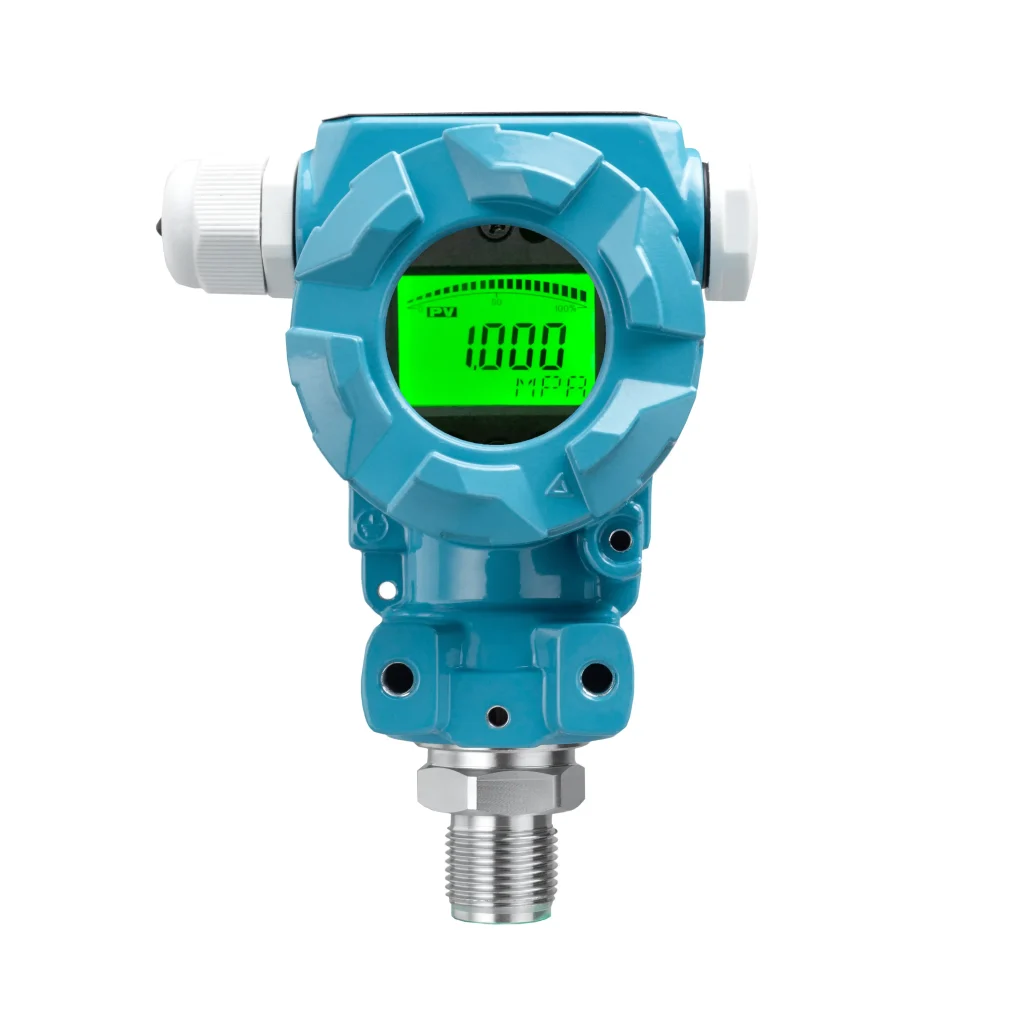
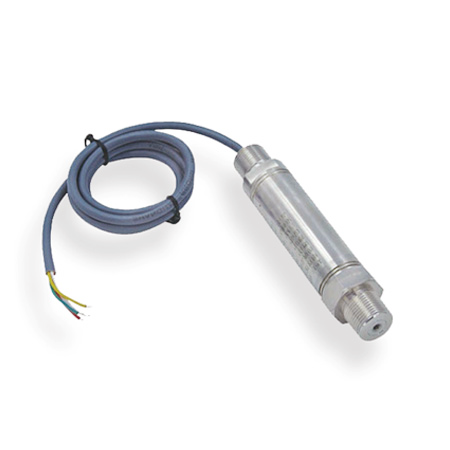
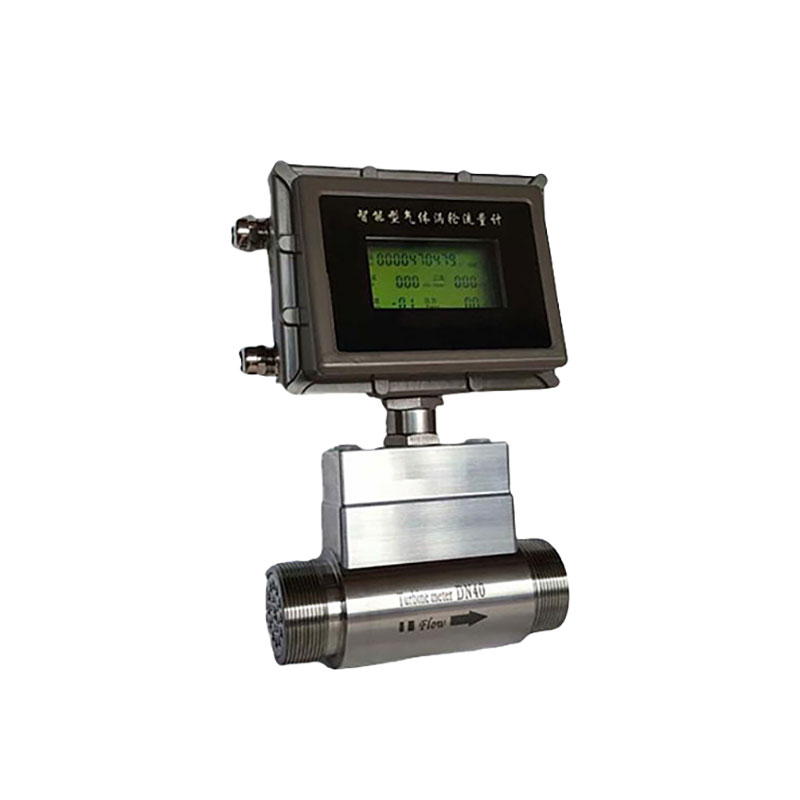
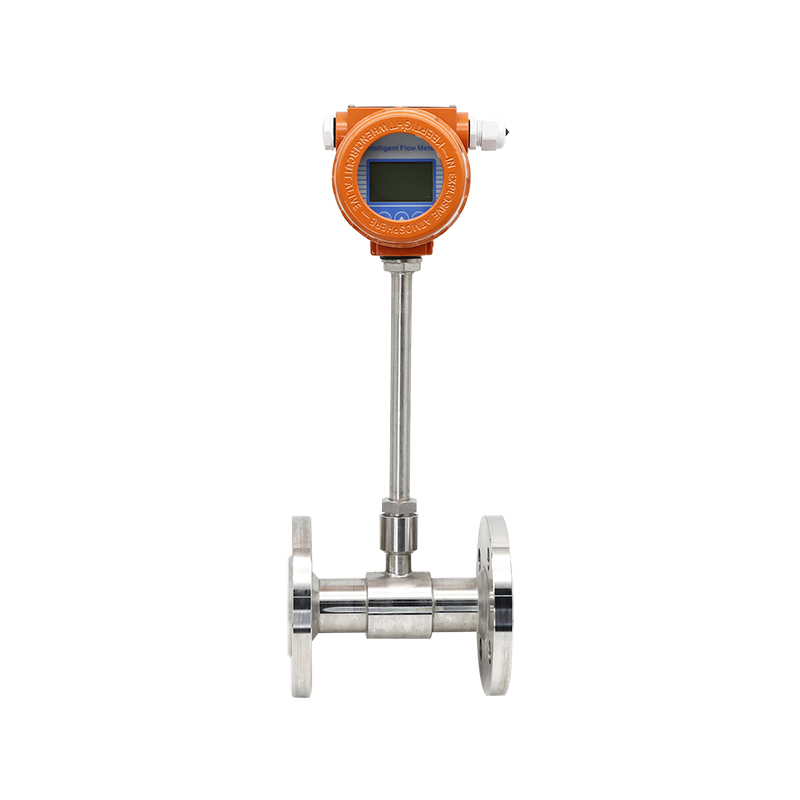
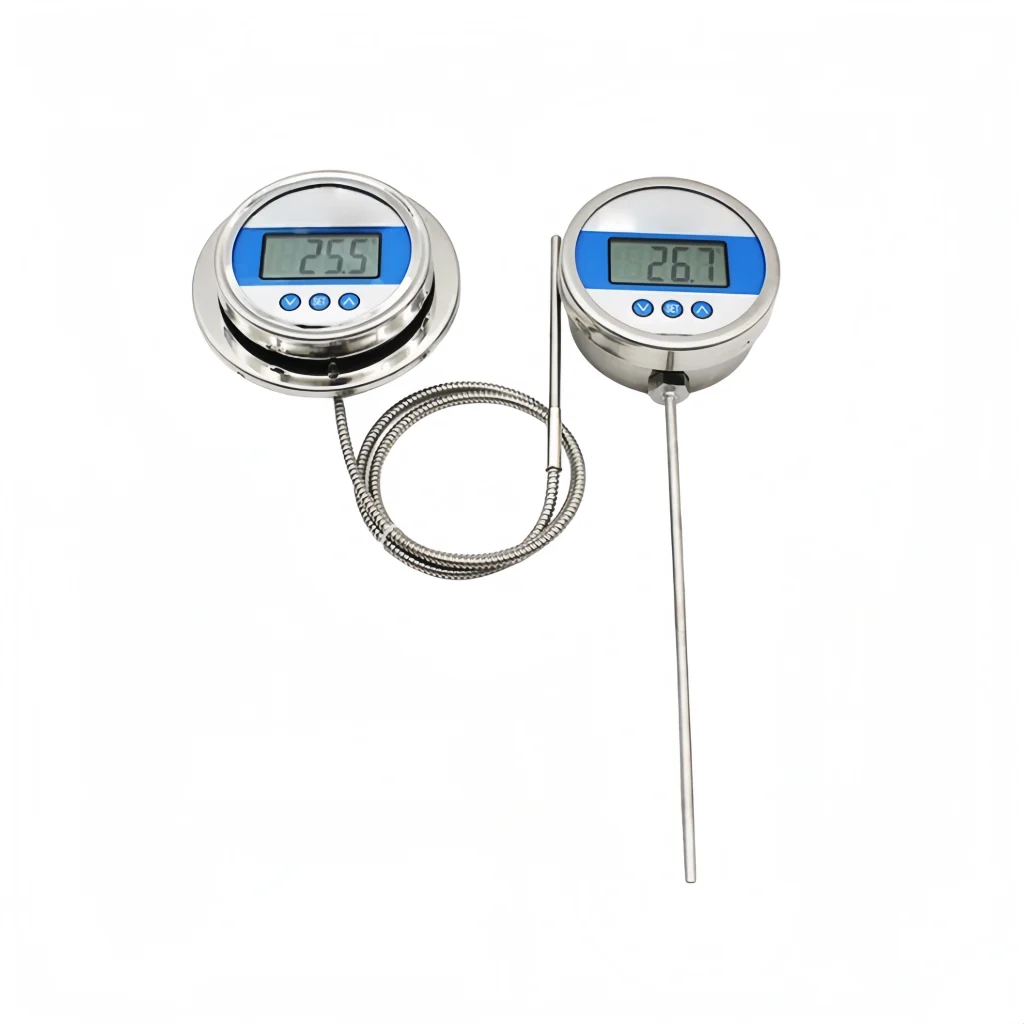
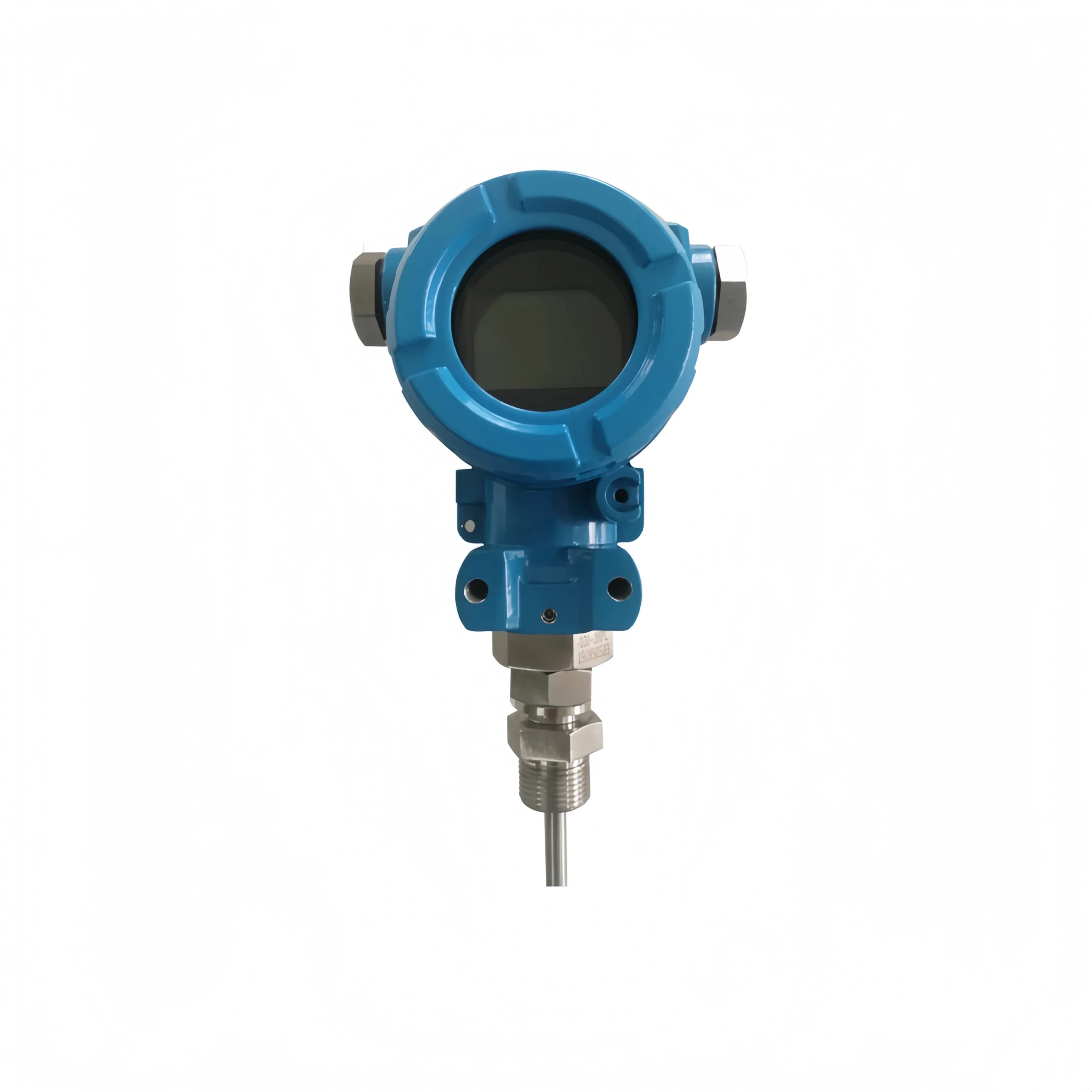
Natural gas pipelines are classified according to their transmission pressure because the airtightness requirements for natural gas pipelines are particularly stringent compared to other pipelines. Natural gas leaks can lead to fires, explosions, poisoning, or other accidents. The higher the pressure in a natural gas pipeline, the greater the likelihood of pipe joints coming detached or cracks appearing in the pipeline itself.
Different natural gas pressures within the pipeline place different demands on pipeline materials, installation quality, inspection standards, and operational management. Therefore, natural gas pressure detection is extremely important.
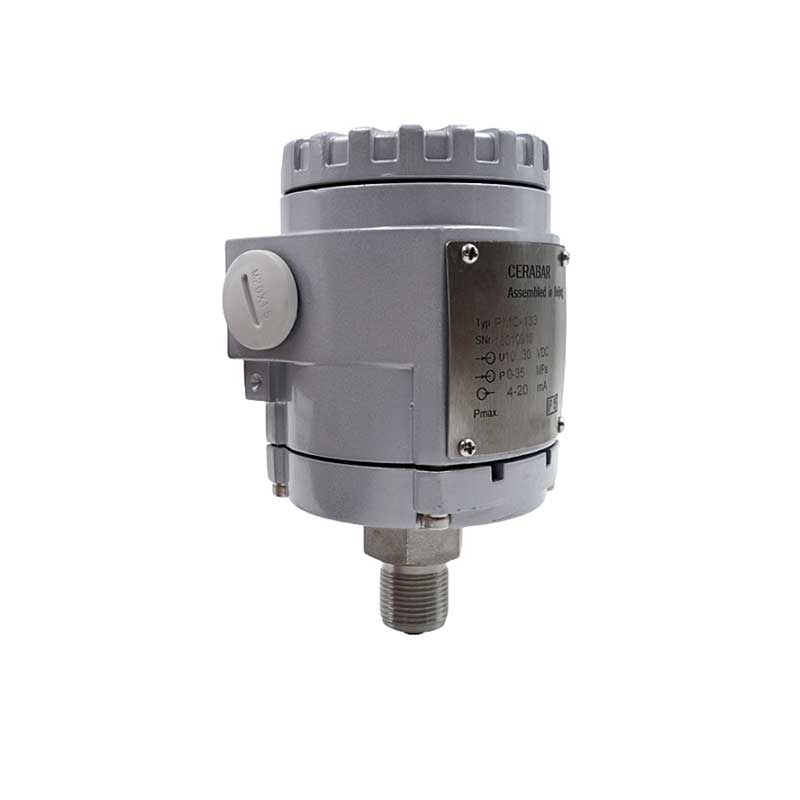
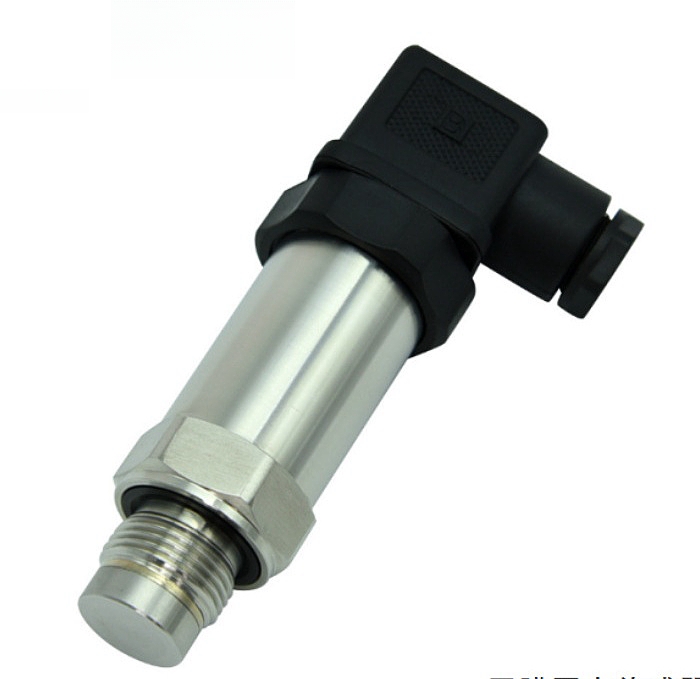
A natural gas pressure sensor is a device used to measure gas pressure. It converts gas pressure into an electrical signal through physical principles. Based on different measurement principles, natural gas pressure sensors are generally classified into the following categories: capacitive, piezoresistive, resistive, and fiber optic. Among these, piezoresistive and capacitive pressure sensors are most commonly used in natural gas pipeline pressure monitoring.
Read More about: 7 Types of Pressure Sensors: Different Types, Working Principles, and Definitions
Features of Natural Gas Pressure Sensors:
- Customization Support;
- Multiple Explosion-Proof Ratings Available;
- IP68 Protection Rating;
- Fast Response;
- Wide Measurement Range: Up to 1200MPa;
- High Accuracy: 0.075%;
- Temperature Compensation;
- Intelligent Data Management Can be Used with Paperless Recorders;
- Multiple Output Options: HART, 4-20mA, etc.
- Multiple Connection Methods: Flange, Clamp, etc.
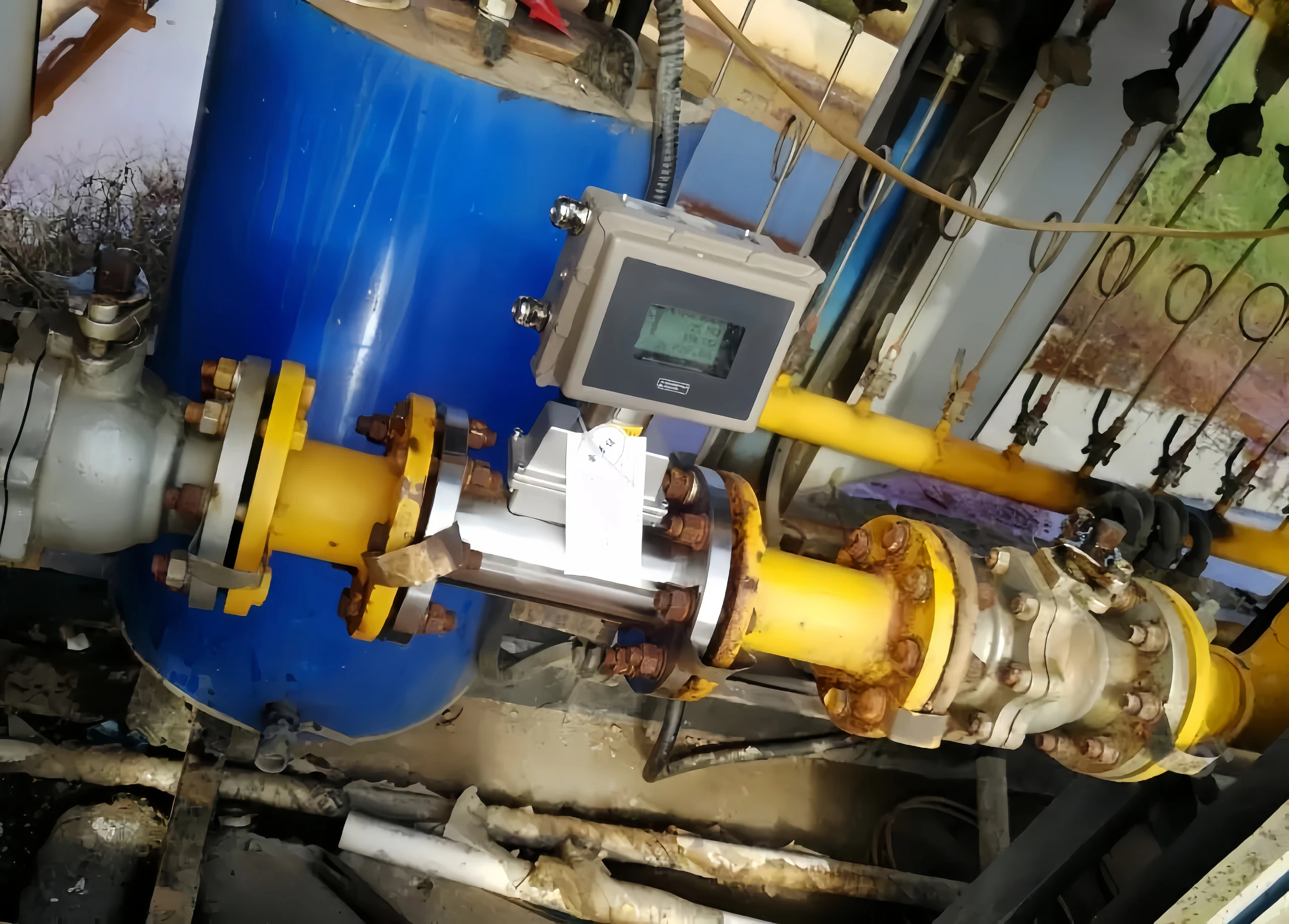
Natural gas flow measurement is mainly used for trade settlement. In my country, natural gas trade measurement is conducted by volume or energy method under legally required quality indicators, with volume measurement currently being the primary method.
In the process of natural gas extraction and transportation, the natural gas flow rate is an important parameter for the operation, regulation, and control of the extraction and transportation process. This is also an important basis for the rational development of gas reservoirs and the transportation of natural gas. Therefore, calculating natural gas flow rate is a crucial task frequently performed during natural gas extraction and transportation.
There are many methods for measuring natural gas flow. They can be categorized by the measuring instrument: ultrasonic flow meters, turbine flow meters, thermal mass flow meters, differential pressure flow meters, and vortex flow meters.
Natural Gas Flow Meters
1. Orifice Plate Flow Meter (Differential Pressure Type)
A classic differential pressure instrument with mature technology, commonly used in industrial natural gas applications. It measures flow by utilising the pressure difference generated through throttling and is moderately priced.
They have high requirements for straight pipe runs, incur significant pressure loss, are susceptible to the effects of impurities, and require temperature and pressure compensation.
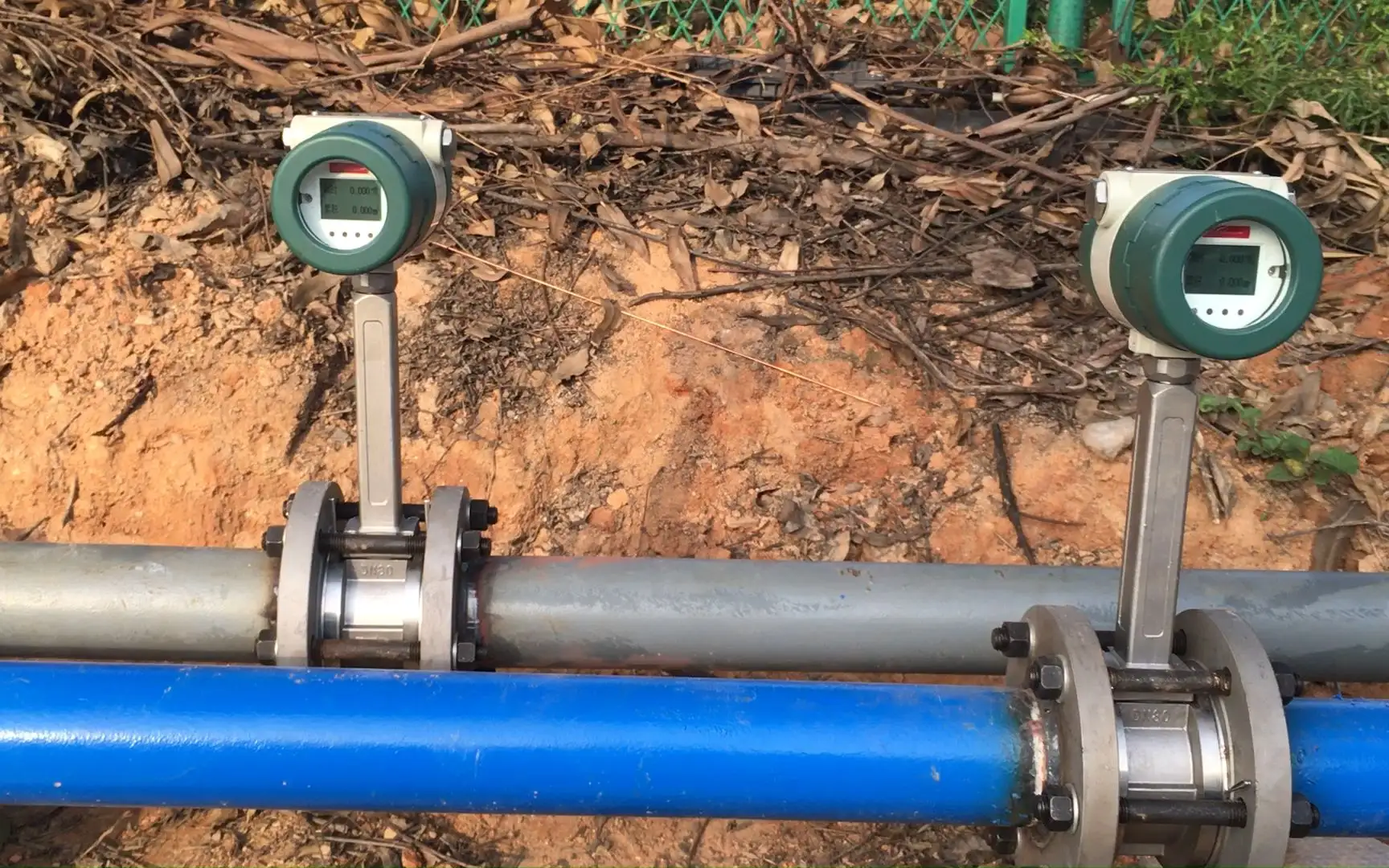
2. Vortex Flow Meters
These are velocity-type instruments with built-in temperature and pressure compensation, capable of directly outputting flow rate under standard conditions. They have lower requirements for straight pipe runs and are suitable for small to medium-diameter industrial and commercial gas applications.
Media containing water or impurities can easily damage the components; they are best suited to dry, clean natural gas.
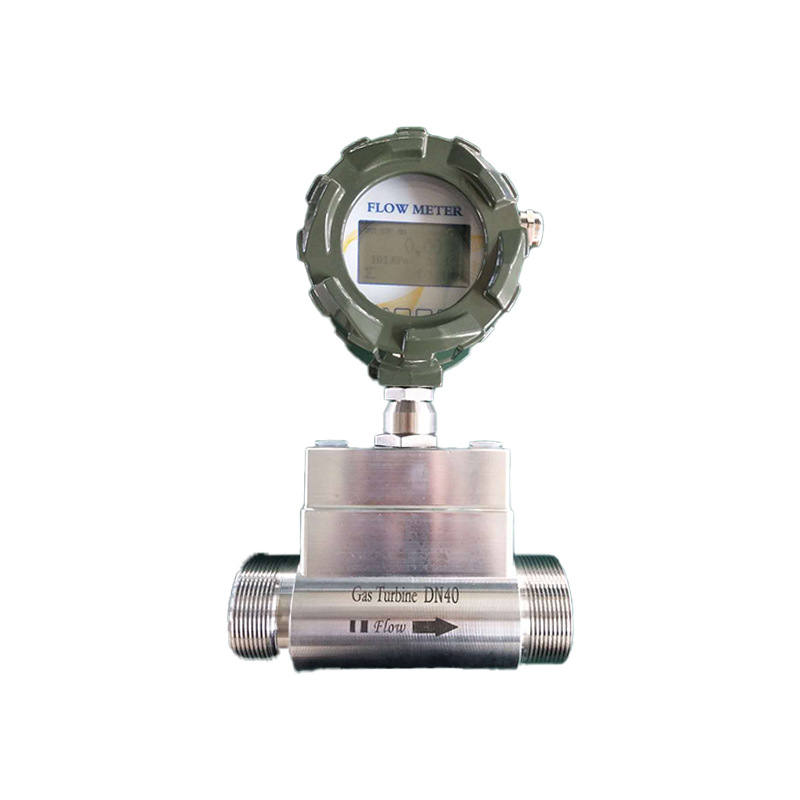
3. Gas Turbine Flow Meter
High accuracy and good repeatability; frequently used for trade settlement. Measures velocity via the rotation of a turbine wheel; requires high gas purity; bearings are prone to wear and require regular maintenance; suitable for medium- to high-pressure conditions with stable pressure.
4. Gas Ultrasonic Flow Meter
Contains no mechanical parts and has low pressure loss, offering significant advantages in long-distance transmission pipelines. Provides stable measurement and is frequently used for natural gas trade metering; the equipment is relatively expensive.
5. Roots (Rotary Lobe) Flow Meters
These are positive-displacement instruments that perform well at low flow rates and are commonly used for commercial and industrial gas applications. The internal rotary lobes are subject to wear; the medium must be clean, and regular maintenance is required.
6. V-Cone Flow Meters
These are differential pressure-type instruments with better resistance to fouling than orifice plates and require shorter straight pipe runs. They are frequently used for industrial process measurement but are less commonly employed for trade settlement.
Read more:
Comparison of 5 Types of Natural Gas Flow Meters
Featured 7 Types of Industrial Gas Flow Meters
The Influence of Pressure and Temperature on the Volumetric Measurement of Natural Gas Flow Meters
Natural gas is compressible. Pressure plays an important role in the volumetric measurement of natural gas flow meters. With other parameters remaining constant, the volumetric flow rate of natural gas under standard reference conditions increases with increasing pressure.
Therefore, if the measured pressure is greater than the actual value, the flow rate measured by the natural gas monitoring system will also be higher, and vice versa. The accuracy of the pressure measurement must be considered when performing differential analysis on natural gas flow meters.
Natural gas exhibits thermal expansion and contraction. Temperature is critical for the volumetric measurement of natural gas flow meters. With other parameters remaining constant, the volumetric flow rate of natural gas under standard reference conditions decreases with increasing gas temperature.
Therefore, if the temperature measurement error is greater than the actual value, the flow rate measured by the natural gas monitoring system will be lower, and vice versa. The accuracy of the temperature measurement must be considered when performing natural gas flow meter variance analysis.
Read More about: PT Compensation of Flow Measurement
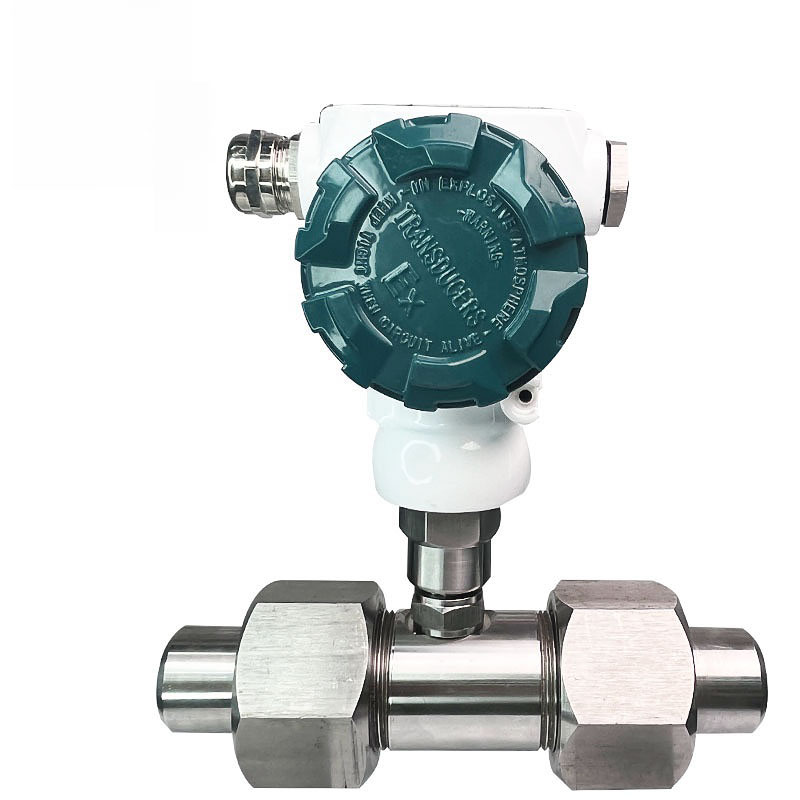
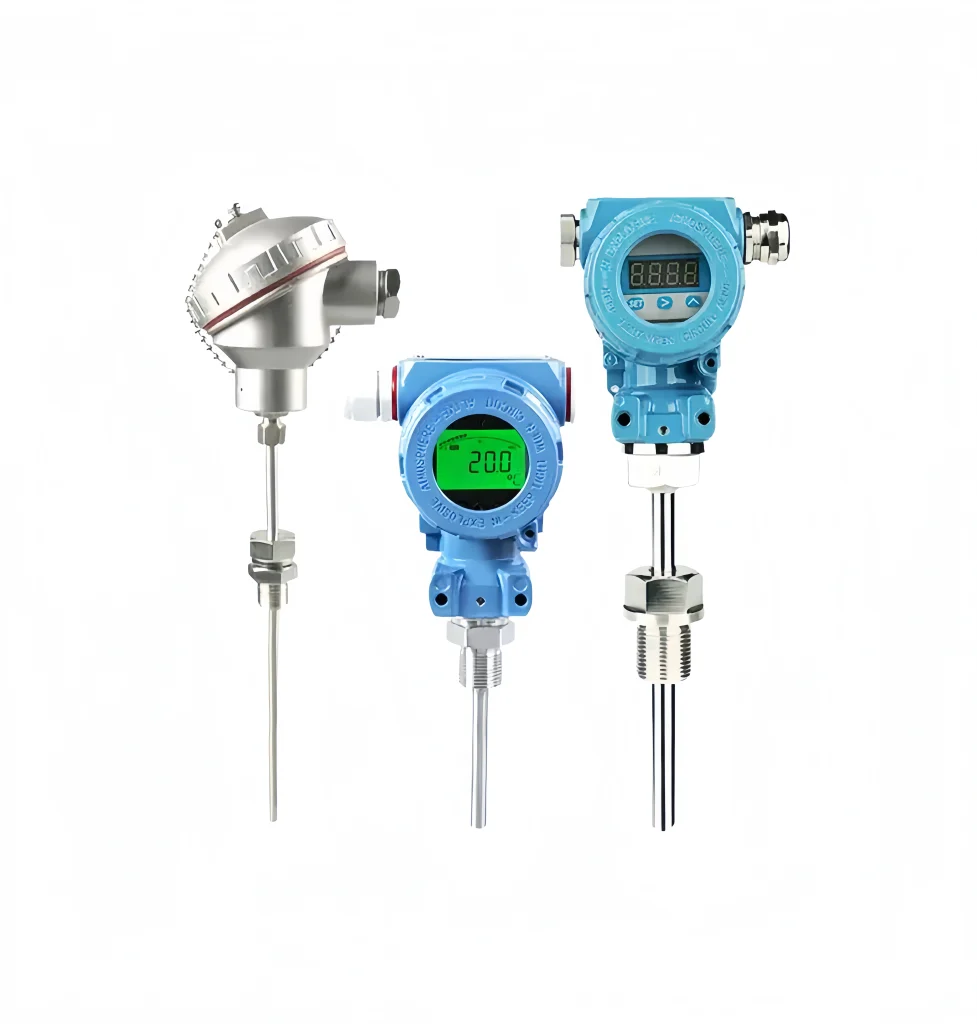
As a key component of the natural gas metering system, the temperature transmitter linearizes, amplifies, and converts the output signal of the temperature sensor. It achieves accurate temperature measurement and remote transmission.
As natural gas is a flammable and explosive medium, most transmitters of this type are certified as explosion-proof and feature a high enclosure protection rating, enabling them to withstand complex installation environments such as outdoors and underground.
Common output signals include a 4–20 mA analogue signal, whilst some models support the HART digital protocol, facilitating on-site commissioning and remote parameter reading.
In natural gas metering systems, temperature measurement data is used in the temperature-pressure compensation calculations for natural gas volumetric flow rate, thereby converting the operating volume to standard-state volume.
As this directly affects the accuracy of metering results, there are strict requirements regarding the transmitter’s accuracy, stability and explosion-proof safety performance.
Temperature measurement is equally crucial for the operation and safety of natural gas projects. Temperature transmitters can be used to measure the temperature within natural gas pipelines to provide accurate temperature data. Commonly used temperature sensors include thermocouples and thermistors.
Sino-Inst offers a variety of temperature transmitters for measuring the temperature of natural gas.