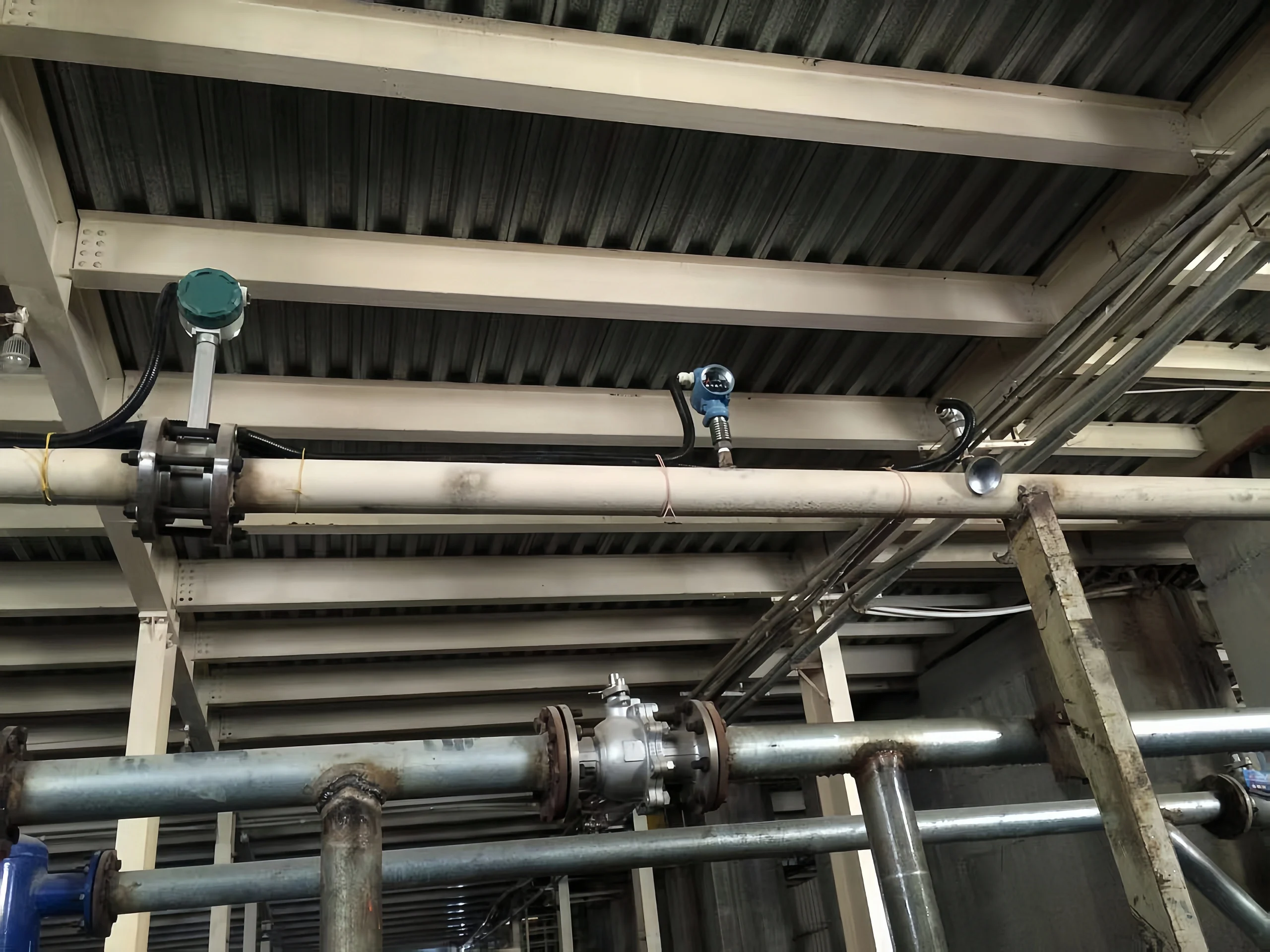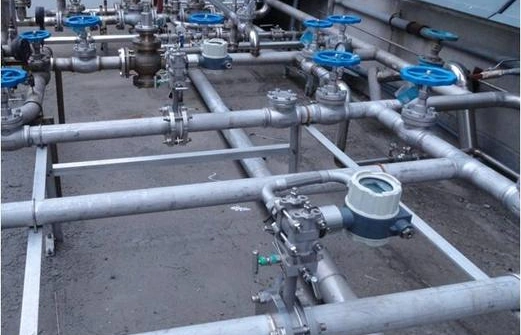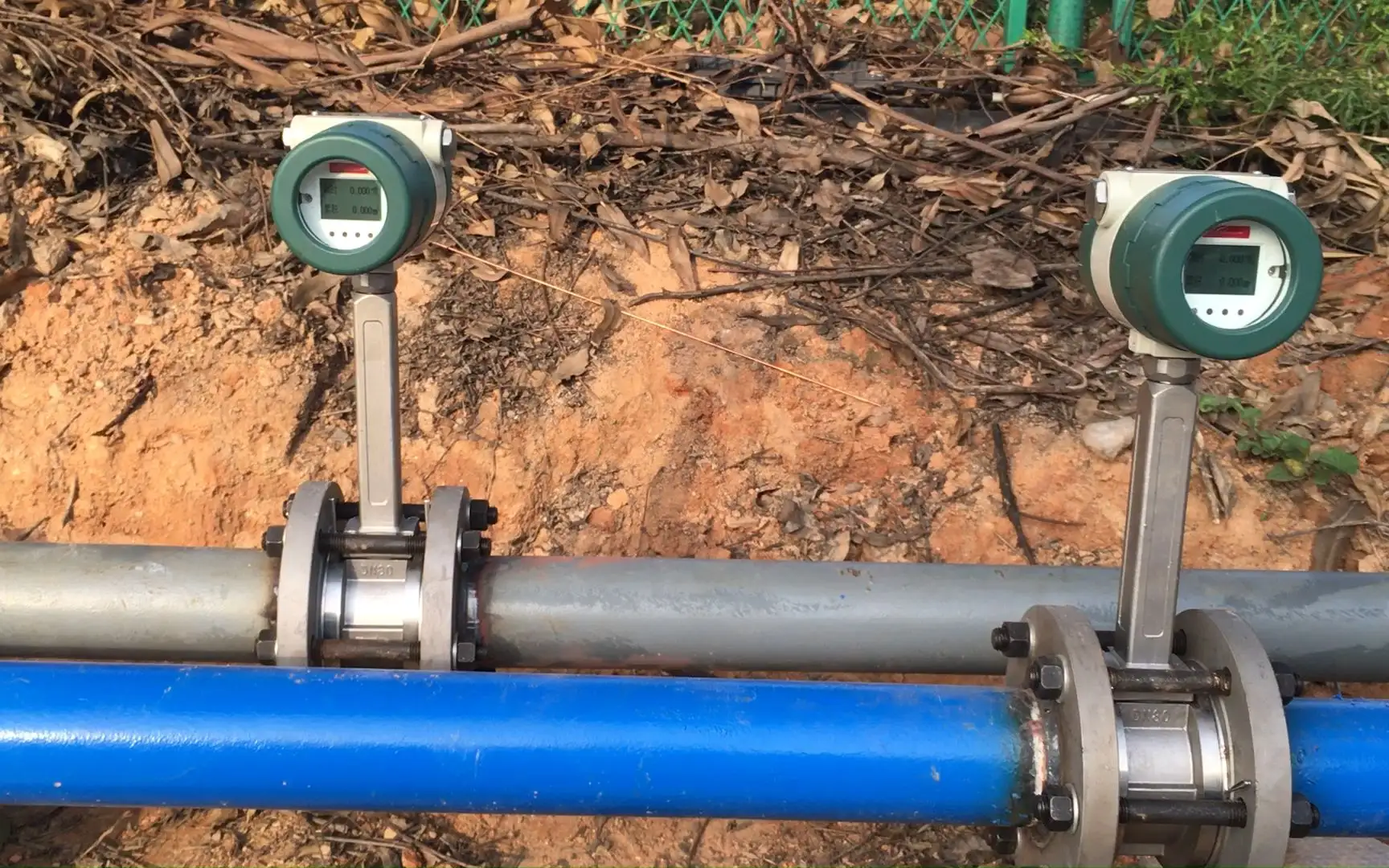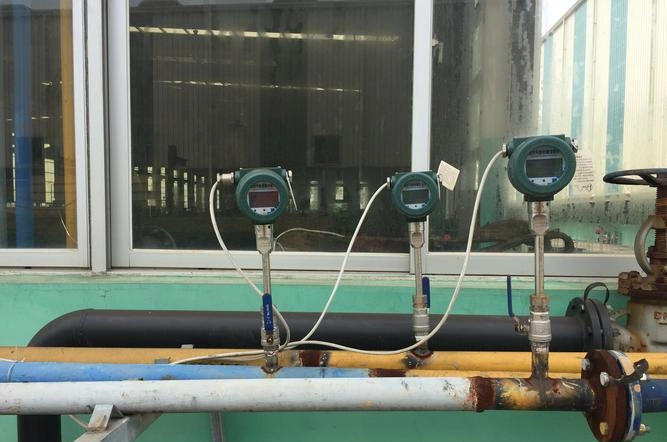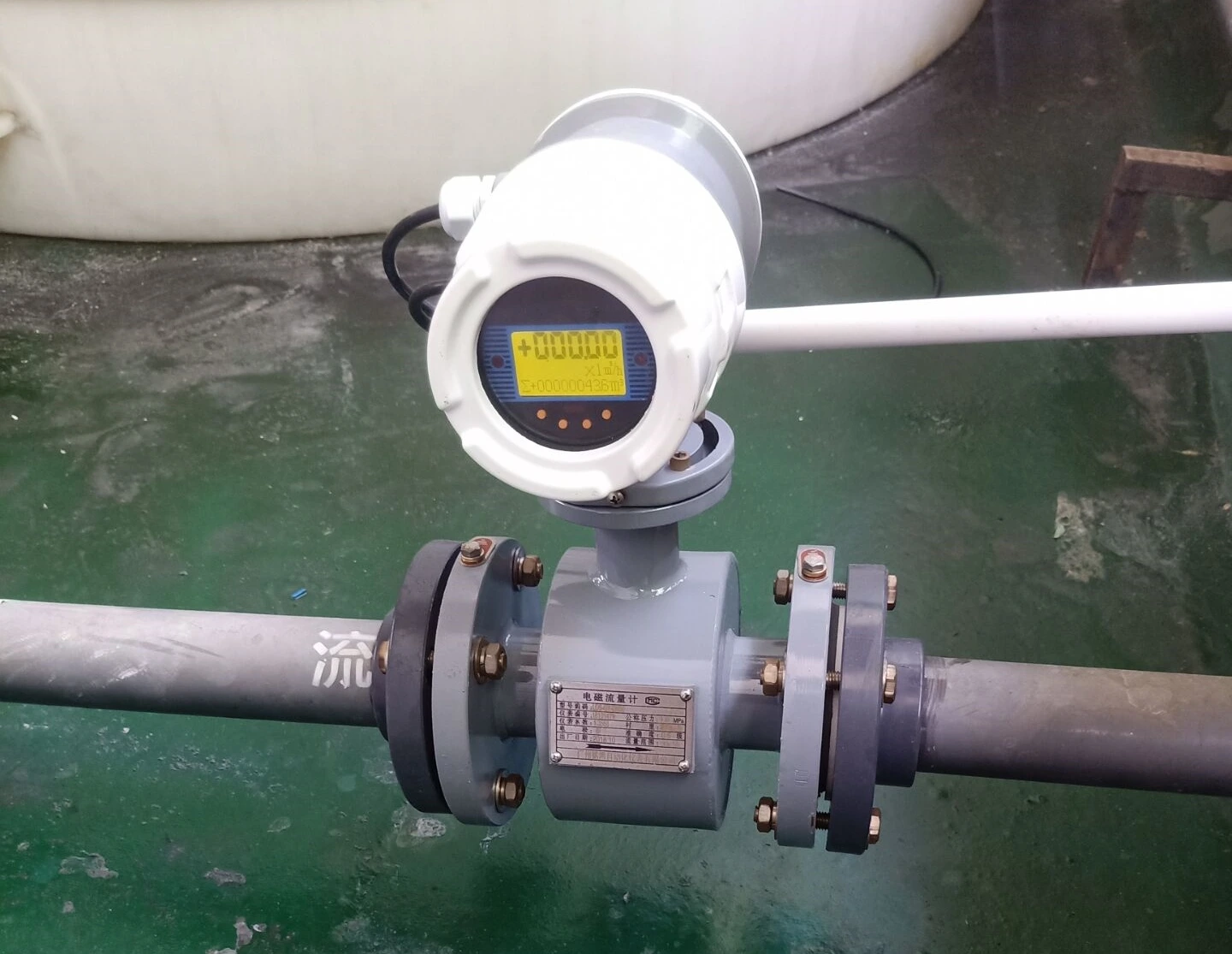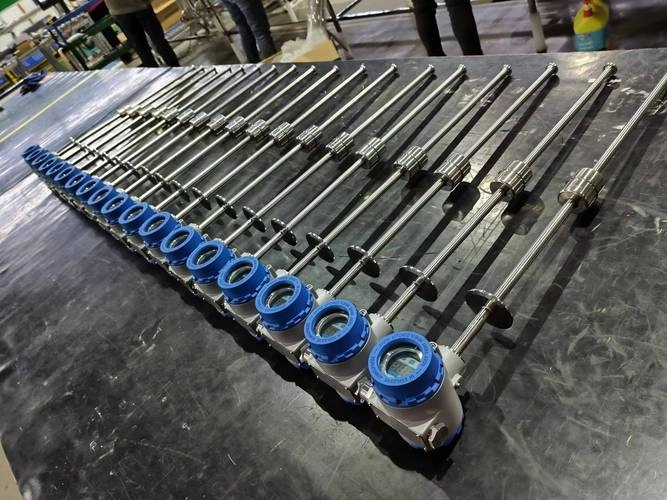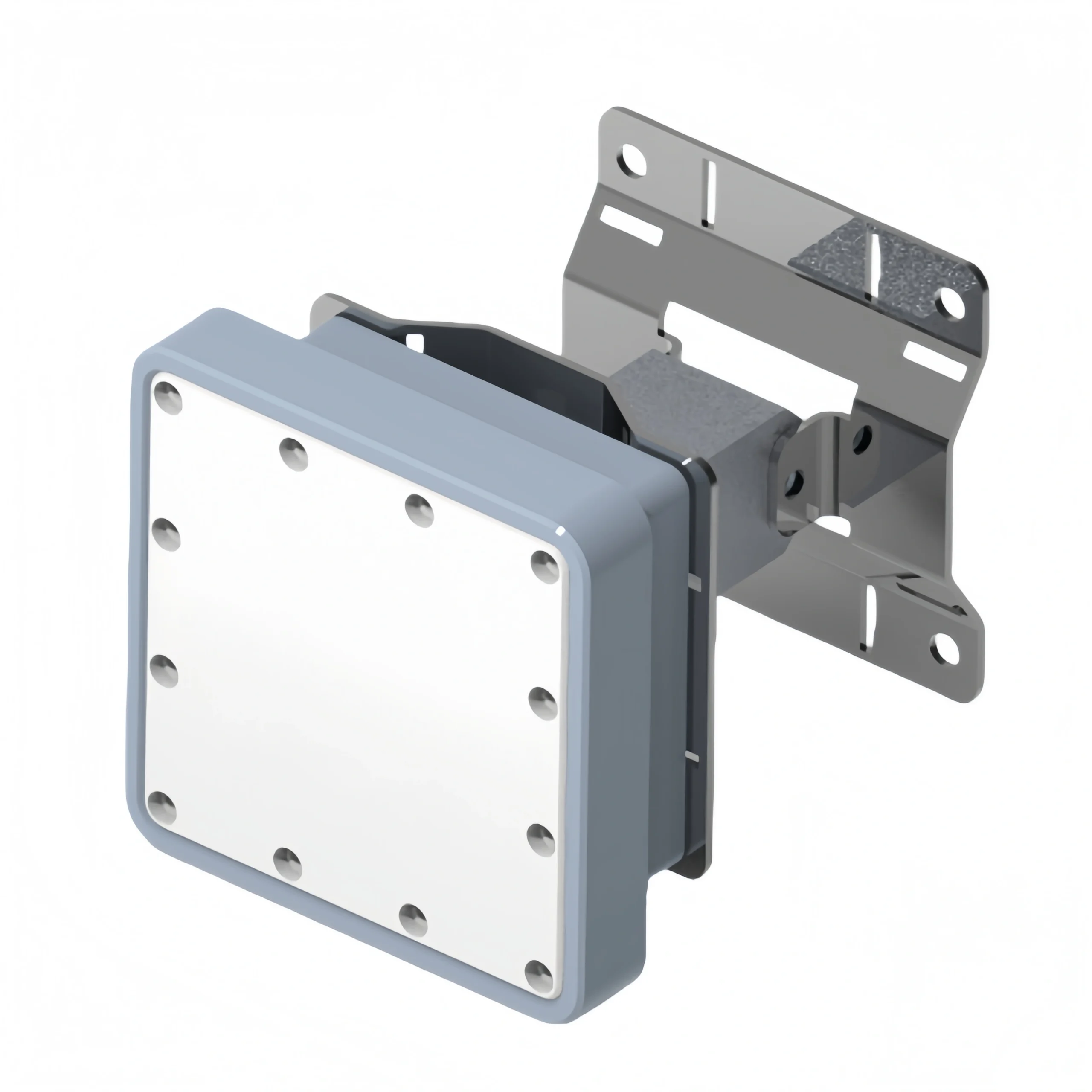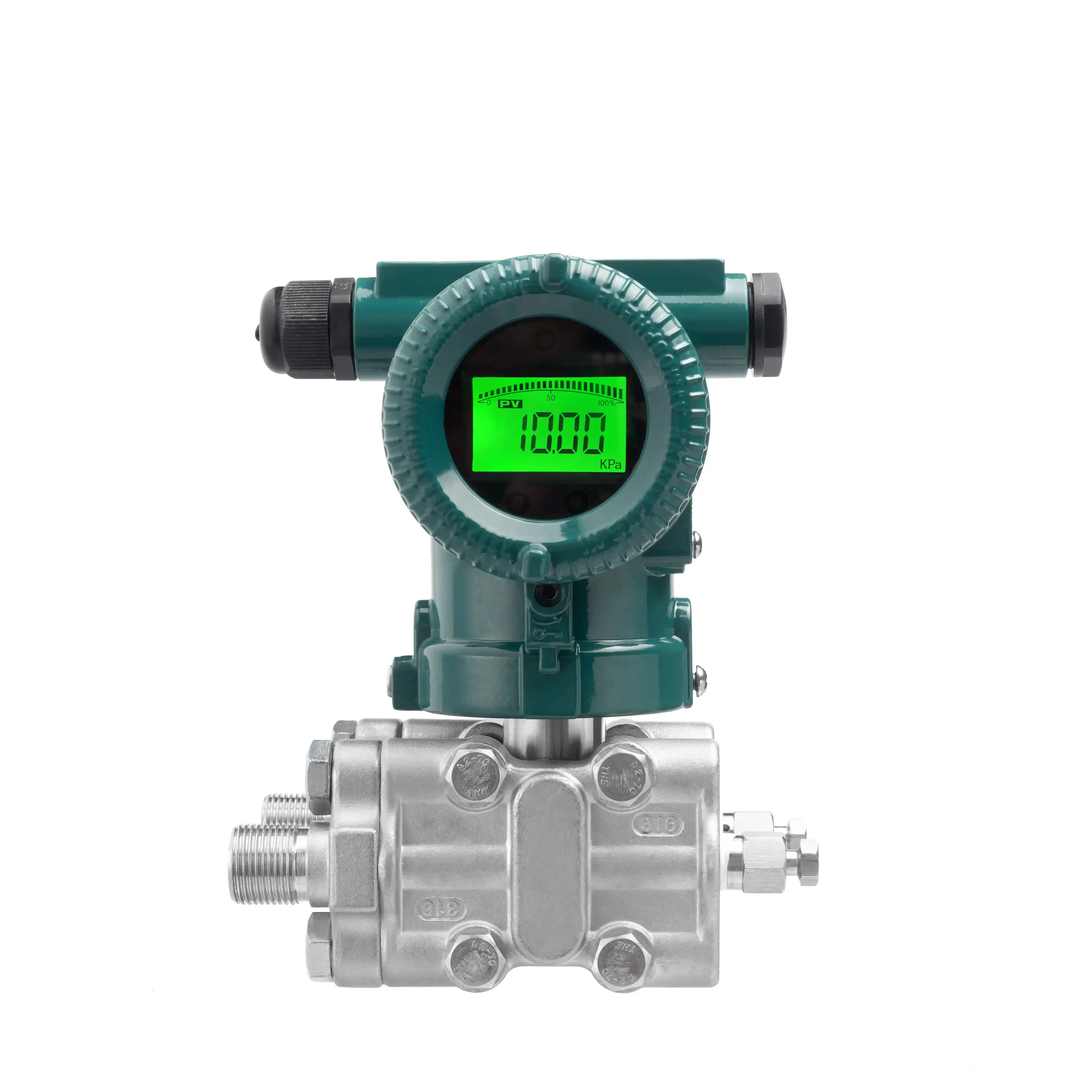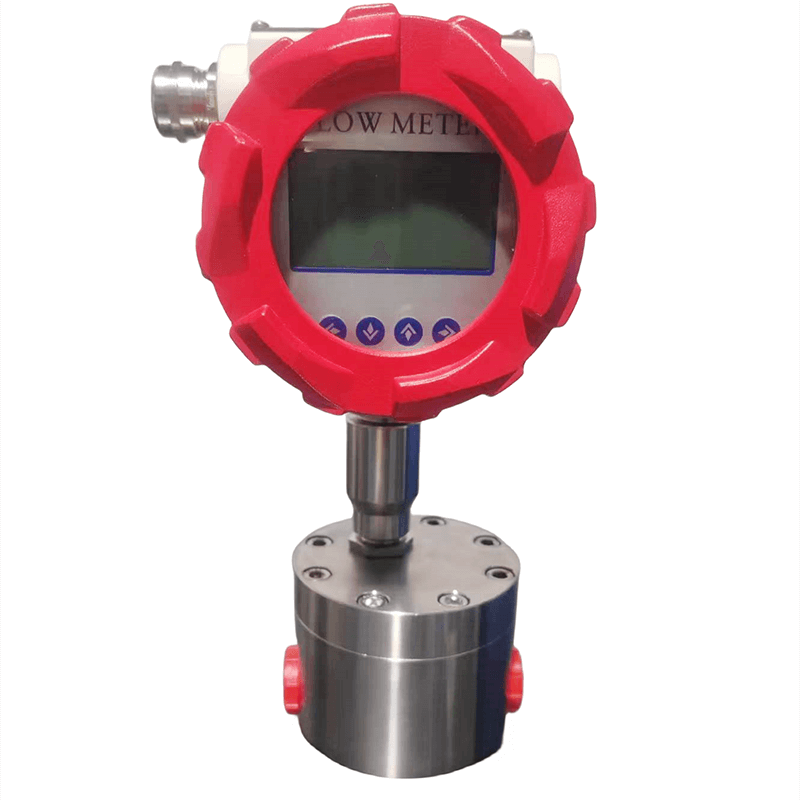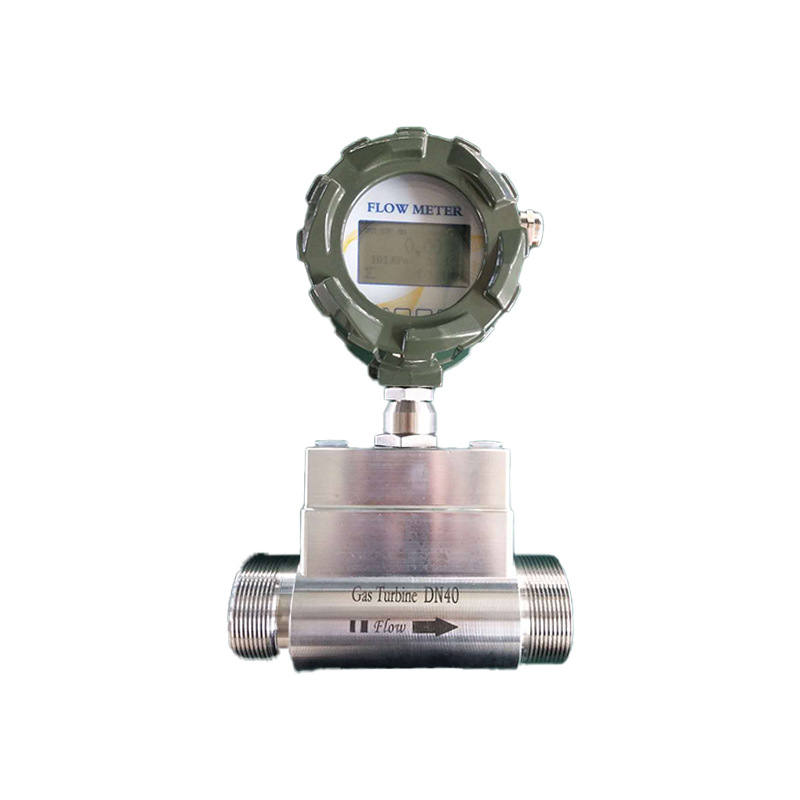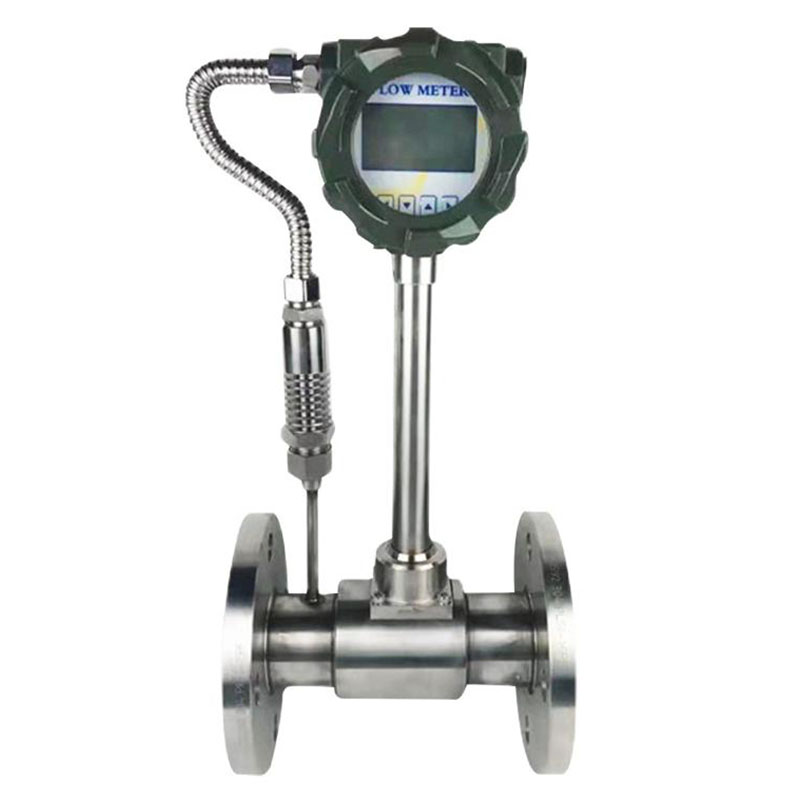
An air flow meter is an instrument used to measure gas flow. It is widely used in various industries. It includes environmental monitoring and HVAC (heating, ventilation, and air conditioning) systems.
With the advancement of technology and the increasing demand for industrial automation, the technology of air flow meters is also evolving. Today, commonly used air flow meters are mechanical and digital. They can monitor the volume flow or mass flow of air.
This article will explore the definition, working principle, cleaning and maintenance of air flow meters in depth.
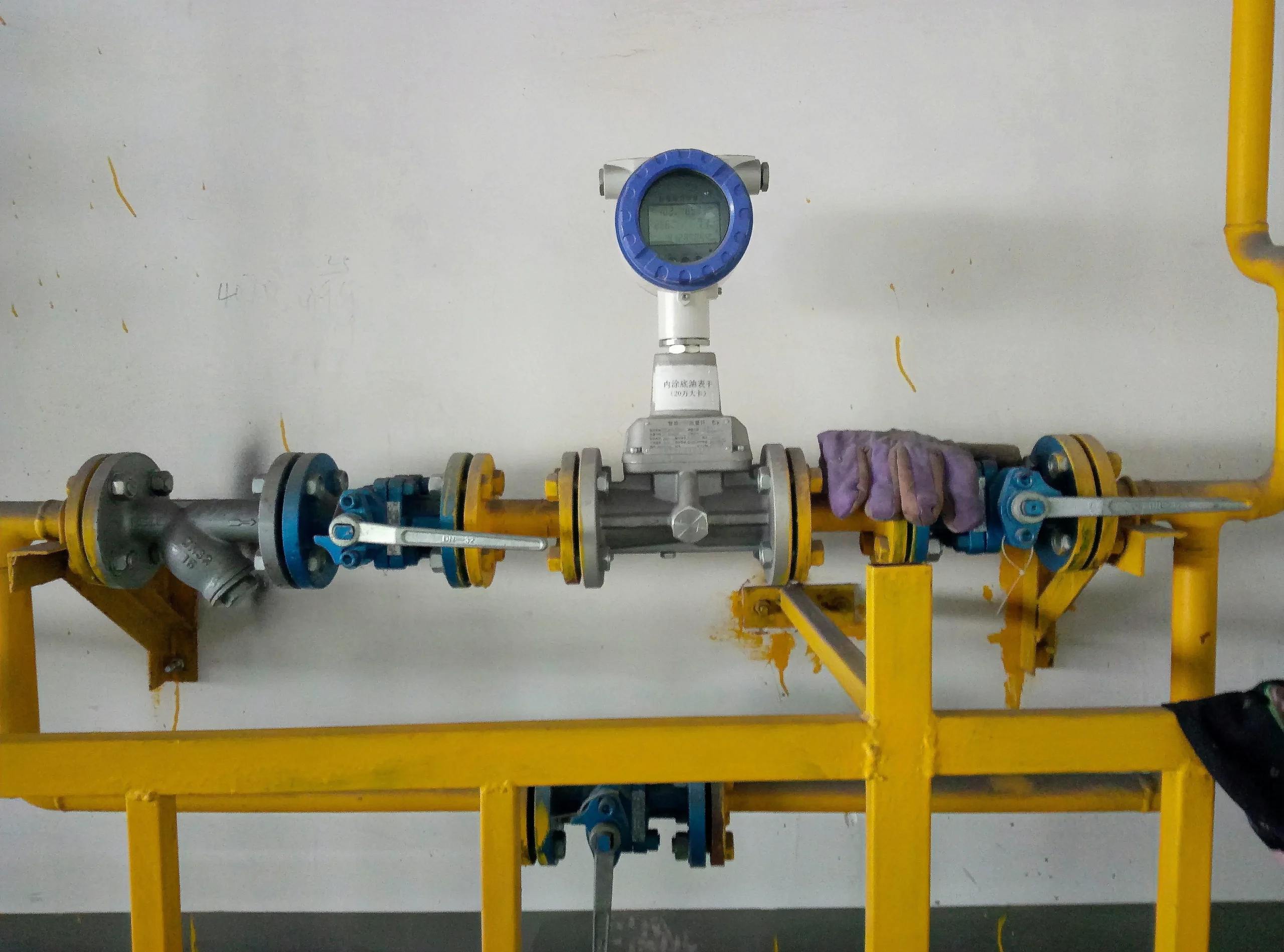
An air flow meter is a precision instrument used in industrial settings, mainly for keeping track of the real-time and total flow rates of gases—like compressed air, fresh air and process air—running through pipes and equipment.
It works well in tough industrial conditions, including factory floors, HVAC setups, automated machinery and air compression systems, and can hold up under harsh environments with dust, shifting temperatures and pressure changes, which makes it quite different from your typical household flow meter.
The device uses different sensing methods to pick up data on air speed, pressure and temperature, works out accurate flow rate readings, and turns the results into standard electrical or digital signals for output.
These signals then get picked up and looked at by industrial control systems and PLCs to help with metering air energy use, keeping an eye on equipment health, tweaking production parameters and managing energy savings, making it a key piece of kit in industrial automation and energy management.
An Air Flow Meter Features:
High precision:
The air flow meter uses advanced sensing technology and algorithms. Achieve high-precision measurement of gas flow.
Real-time feedback:
Real-time monitoring of air flow changes. And it provides feedback of data to the control system. Facilitates the timely adjustment of production parameters or fault diagnosis.
Wide application:
Air flow meters are suitable for various industrial environments, including harsh conditions such as high temperature, high pressure, and corrosive media.
Intelligence:
With the development of the Internet of Things and big data technology, air flow meters are gradually developing in the direction of intelligence. It can realize functions such as remote monitoring, data analysis and fault warning.
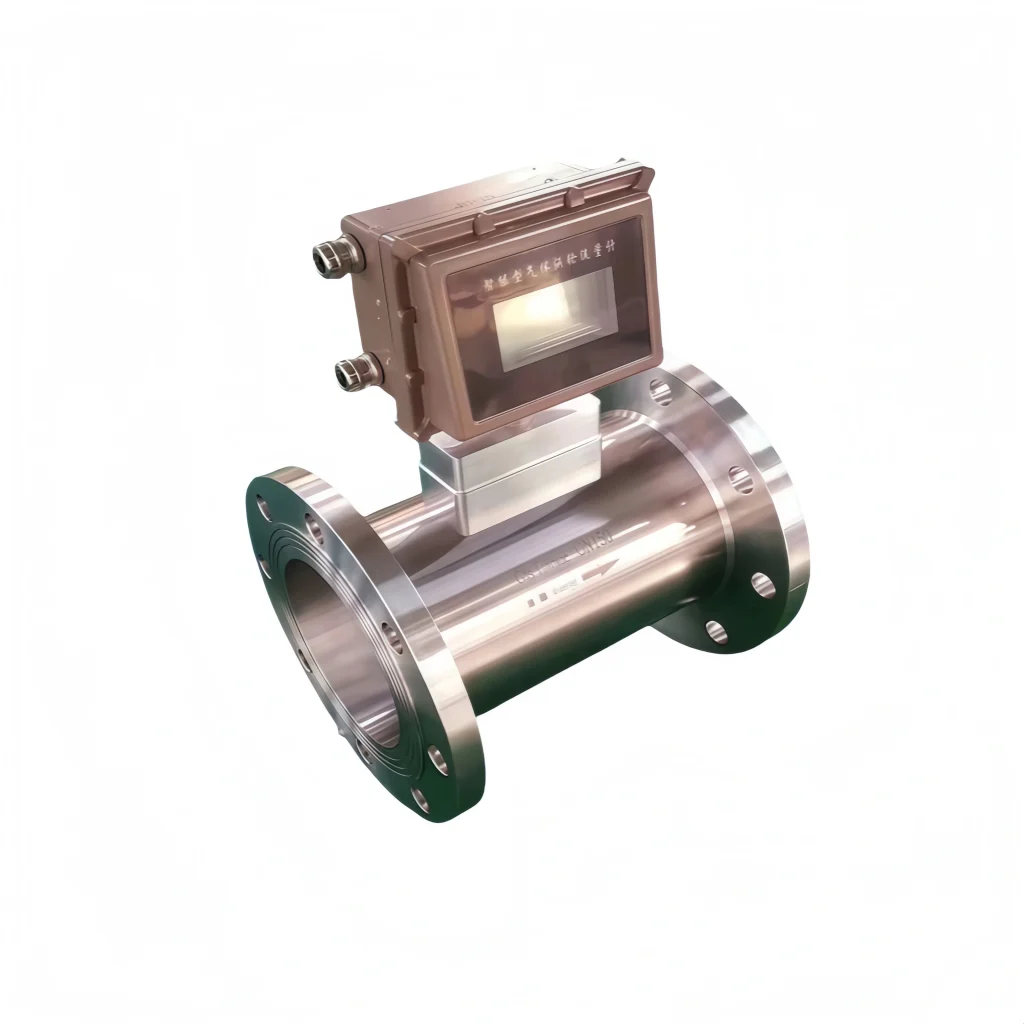
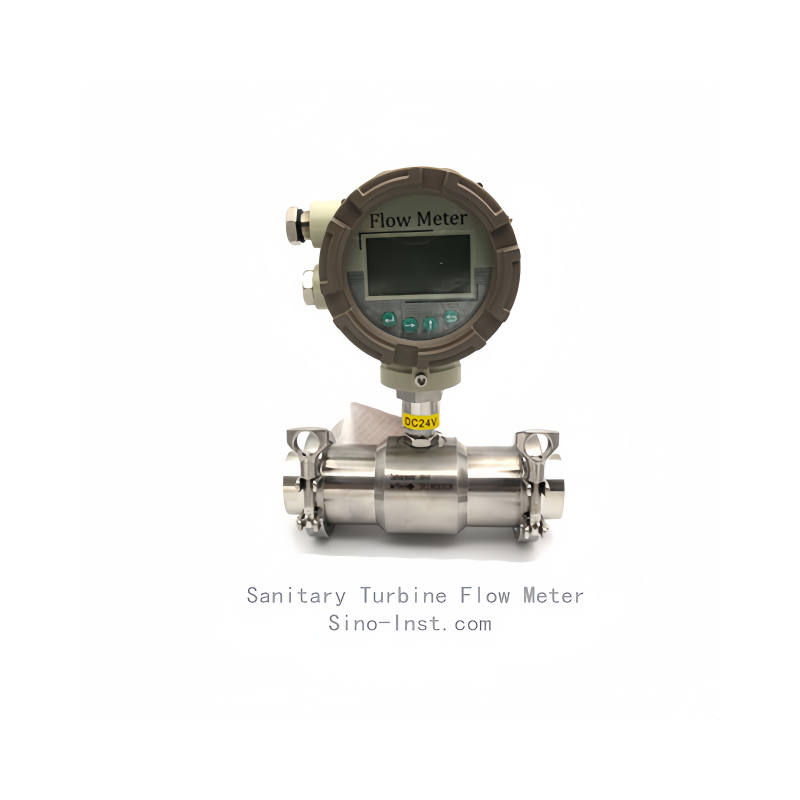
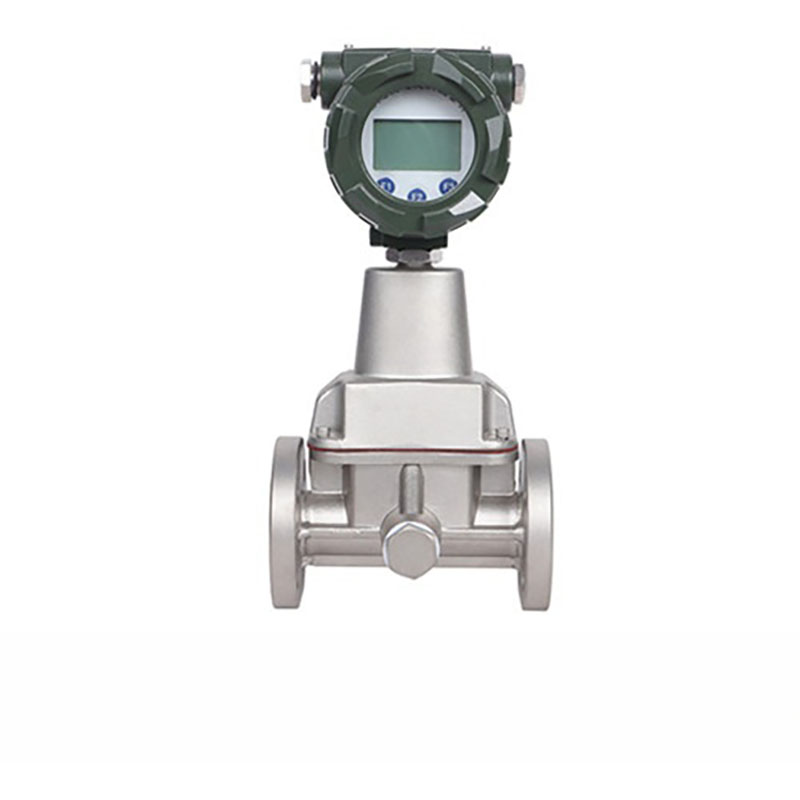
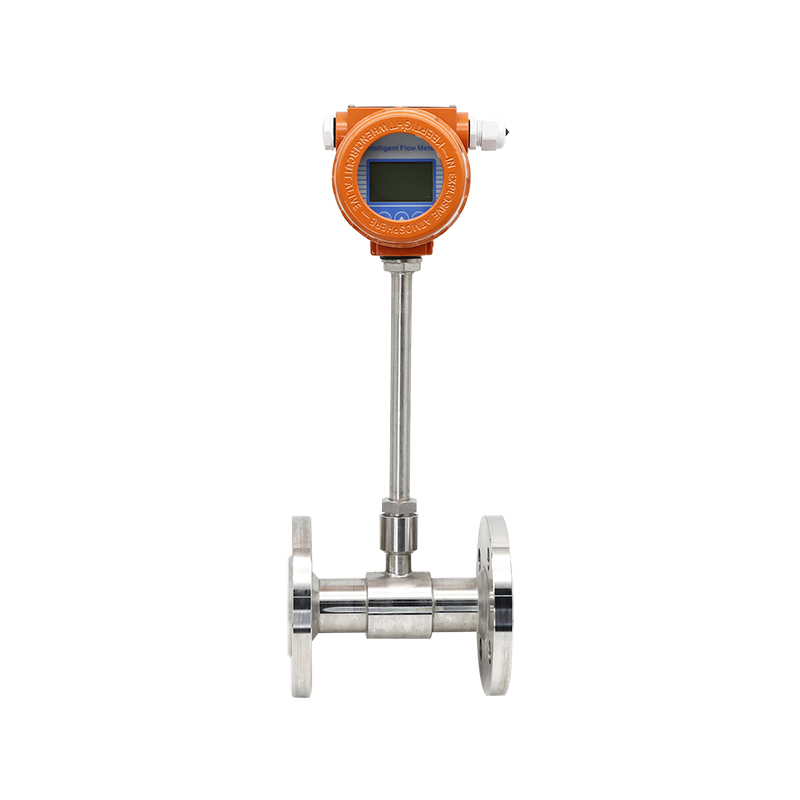
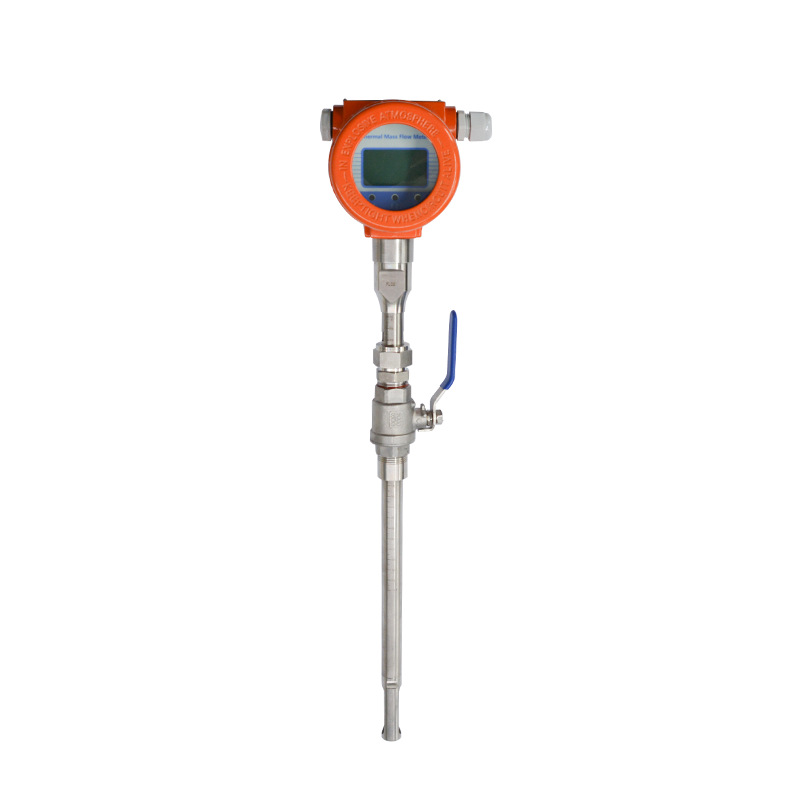
The basic principle of an air flow meter is to calculate the flow rate by measuring the speed or pressure change of the gas flowing in the pipeline. Common measurement methods include:
Differential Pressure Air Flow Meter
Principle of Operation:
By installing a throttling element—such as an orifice plate, nozzle or Venturi tube—within the air duct, the air flow undergoes local constriction as it passes through the device, creating a pressure differential between the upstream and downstream sides.
The greater the fluid velocity, the larger the pressure differential. The instrument detects changes in this pressure differential and, using fluid dynamics equations, accurately calculates both the instantaneous and cumulative flow rates of the air within the duct.
Advantages
1. Simple and robust construction; no moving mechanical parts; wear-resistant and vibration-resistant; long service life
2. Suitable for complex industrial conditions involving high temperatures and pressures; extremely versatile
3. Excellent value for money, low maintenance costs, comprehensive range of spare parts and easy servicing
4. Mature and stable technology, well-established industrial application standards, and high measurement reliability
Practical Applications:
Widely used in conventional industrial settings such as factory air compressor stations, boiler air supply systems and HVAC systems. It is primarily used to measure the flow of compressed air, ambient fresh air and process air in pipelines, and is suitable for general-purpose industrial airflow measurement and monitoring scenarios where moderate measurement accuracy is required and operating conditions fluctuate significantly.
Thermal Air Flow Meter
Principle of Operation:
This type of meter measures flow by taking advantage of how air conducts heat. It has a temperature sensor and a heating element built in; when it’s running, the heating element keeps a steady temperature gap in place.
As air moves across the sensor surface, it pulls heat away with it—so the quicker the air is moving and the higher the flow, the more heat gets carried off. The meter figures out the air’s mass flow rate accurately by adjusting for changes in how much power the heater needs to put in.
Advantages
1. Measures mass flow rate directly, so there’s no faffing about with temperature or pressure compensation, which makes things a lot simpler
2. Pretty sensitive, and can pick up on tiny air flow rates without much trouble, working well even when the air is barely moving
3. No throttling resistance, meaning hardly any pressure gets lost in the ductwork and it saves on energy
4. Quick to react, catching even slight changes in airflow as they happen
Practical Applications:
You’ll see these a lot in precision manufacturing, environmental monitoring setups and new energy gear. They’re often used when you need accurate readings for clean air, small amounts of process air and equipment ventilation flow; especially handy for keeping tabs on flow and tracking energy use in low-speed, low-pressure ductwork.
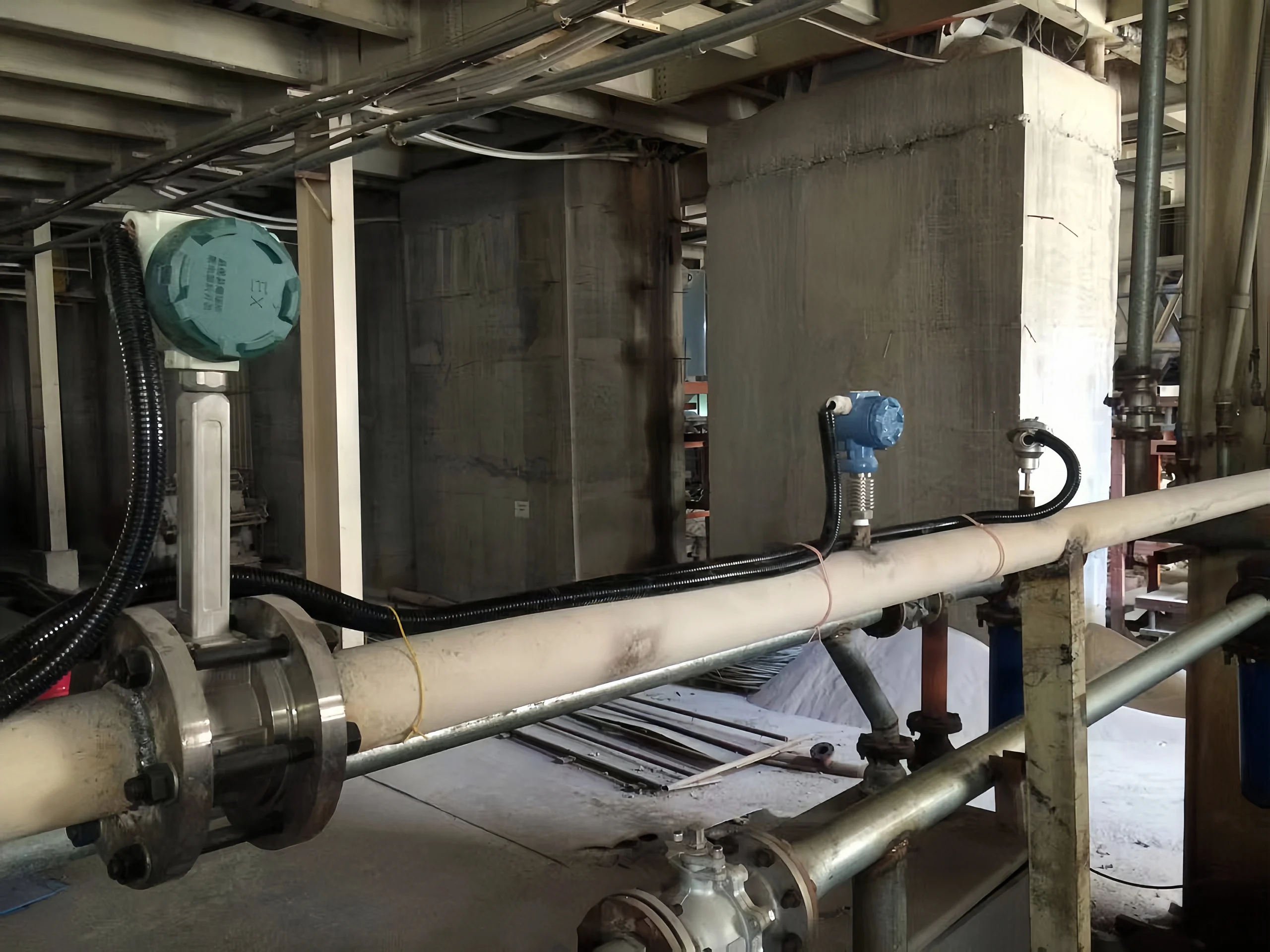
Vortex Air Flow Meter
Principle of Operation:
Based on the Karman vortex street principle of fluid dynamics, a triangular vortex generator is fixed within the pipeline. When air flows uniformly past the generator, regular vortices are generated alternately on both sides.
The frequency at which the vortices detach is directly proportional to the air velocity; the instrument captures the vortex frequency signal via a sensor and converts it into the air flow rate within the pipeline.
Advantages
1. High measurement accuracy and a wide measurement range, with stable measurement at both high and low flow velocities
2. Simple structure with no moving parts, low failure rate and stable long-term operation
3. Virtually no pressure loss, suitable for continuous operation in industrial gas supply systems
4. Stable output signal with strong resistance to interference, suitable for automated control systems
Practical Applications:
Suitable for the precise measurement of compressed air, process air, and ventilation exhaust in industrial pipelines. Widely used in sectors such as mechanical manufacturing, chemical engineering and light industry, it is the mainstream measurement equipment for continuous industrial gas supply and the regulation of process airflow parameters.
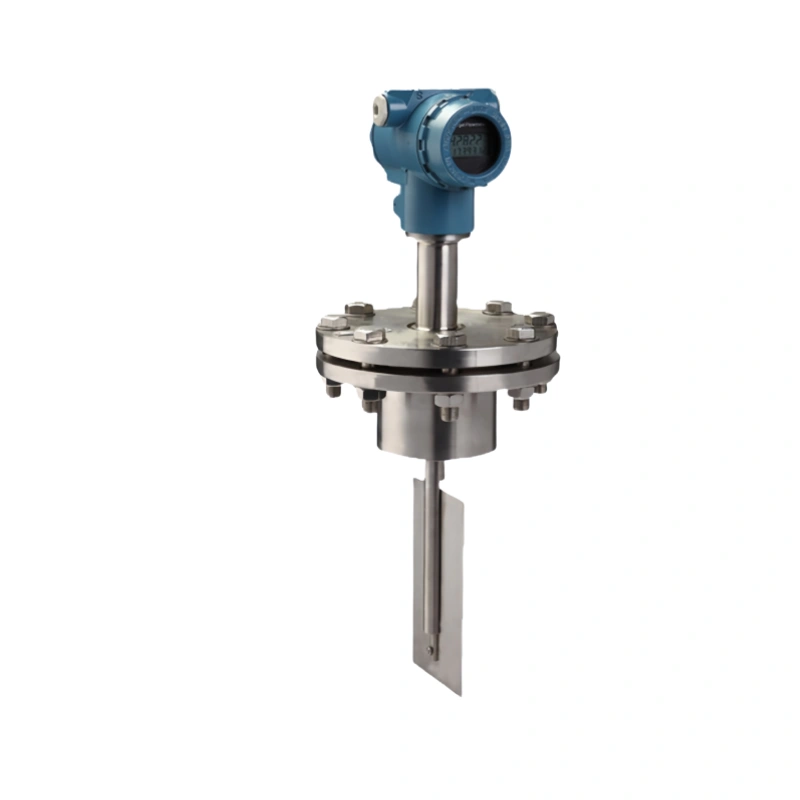
Metal Rotor Air Flow Meter
Principle of Operation:
Comprising a vertical conical metal tube and an internal metal rotor that floats up and down, the air flows from bottom to top through the tube; the buoyancy and dynamic pressure of the airflow cause the rotor to rise.
The height to which the rotor rises varies with the air flow rate: the higher the flow rate, the higher the rotor position. The air flow rate can be read directly from the corresponding scale mark on the rotor.
Advantages
1. All-metal construction, resistant to high temperatures, high pressure and corrosion, with strong impact resistance
2. Enables on-site, intuitive readings without the need for a power supply; convenient to install and use
3. Stable measurement range, suitable for continuous monitoring of small to medium air flow rates
4. Simple maintenance, robust construction, and suitable for harsh workshop conditions
Practical Applications:
Primarily used for flow monitoring and regulation in small industrial air supply pipelines, equipment air supply systems, and laboratory process air applications. It is commonly employed in scenarios requiring on-site, intuitive flow monitoring, in harsh operating environments, and for the measurement of small to medium air flow rates.
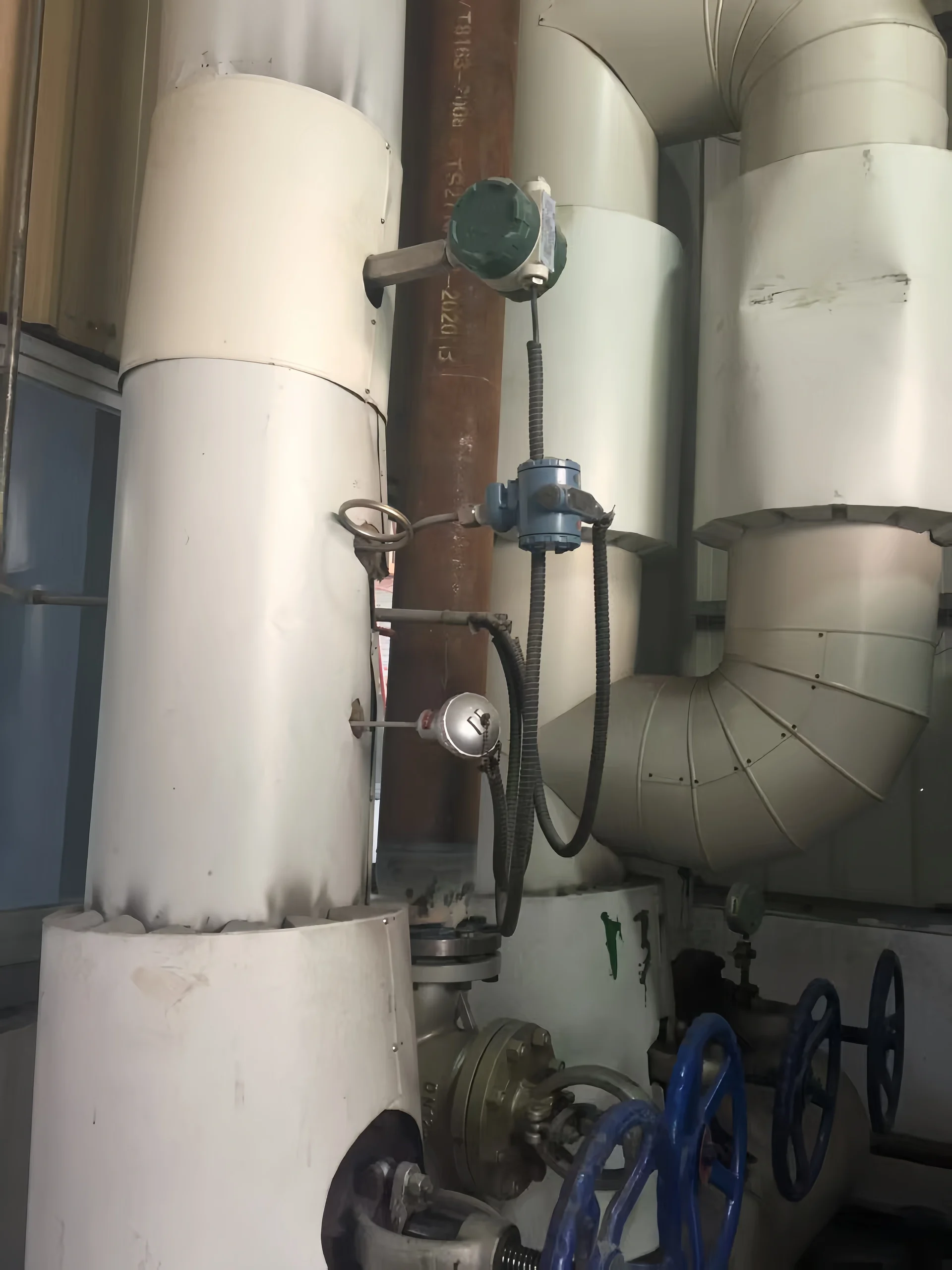
Air flow meters play an important role in many fields:
Industrial production:
In industries such as chemicals, pharmaceuticals, and food processing, air flow meters are used to monitor and control gas flow during production. Ensure product quality and production efficiency.
Environmental monitoring:
Used to monitor air quality and emissions. help companies and governments comply with environmental regulations and reduce pollutant emissions.
HVAC systems:
In the heating, ventilation, and air conditioning systems of buildings, air flow meters are used to regulate air flow. Improve energy efficiency and comfort.
Automotive industry:
In car engines, air flow meters are used to measure the amount of intake air to optimize fuel injection. Improve engine performance.
There are many ways to calibrate an air flow meter. The most common ones include standard calibration and comparative calibration.
Standard calibration is to compare the flow meter with a standard flow meter of known accuracy.
First, determine the calibration conditions such as environmental factors. Such as temperature and humidity. And ensure that the measurement is carried out under the same conditions as the standard flow meter.
Then, connect the flow meter to be calibrated. And the standard flow meter to the same gas source at the same time, and compare their readings. According to the comparison results, the scale of the flow meter to be calibrated can be adjusted. Or its zero drift can be repaired to achieve the purpose of accurate measurement.
Comparative calibration is to use two or more flow meters in parallel. And calibrate them by comparing their reading differences.
When performing comparative calibration, it is necessary to ensure that the flow meters involved in the comparison have high stability and accuracy.
In addition, in order to ensure the reliability of the calibration, comparative calibration should be carried out at different flow rates to cover various flow conditions in actual use.
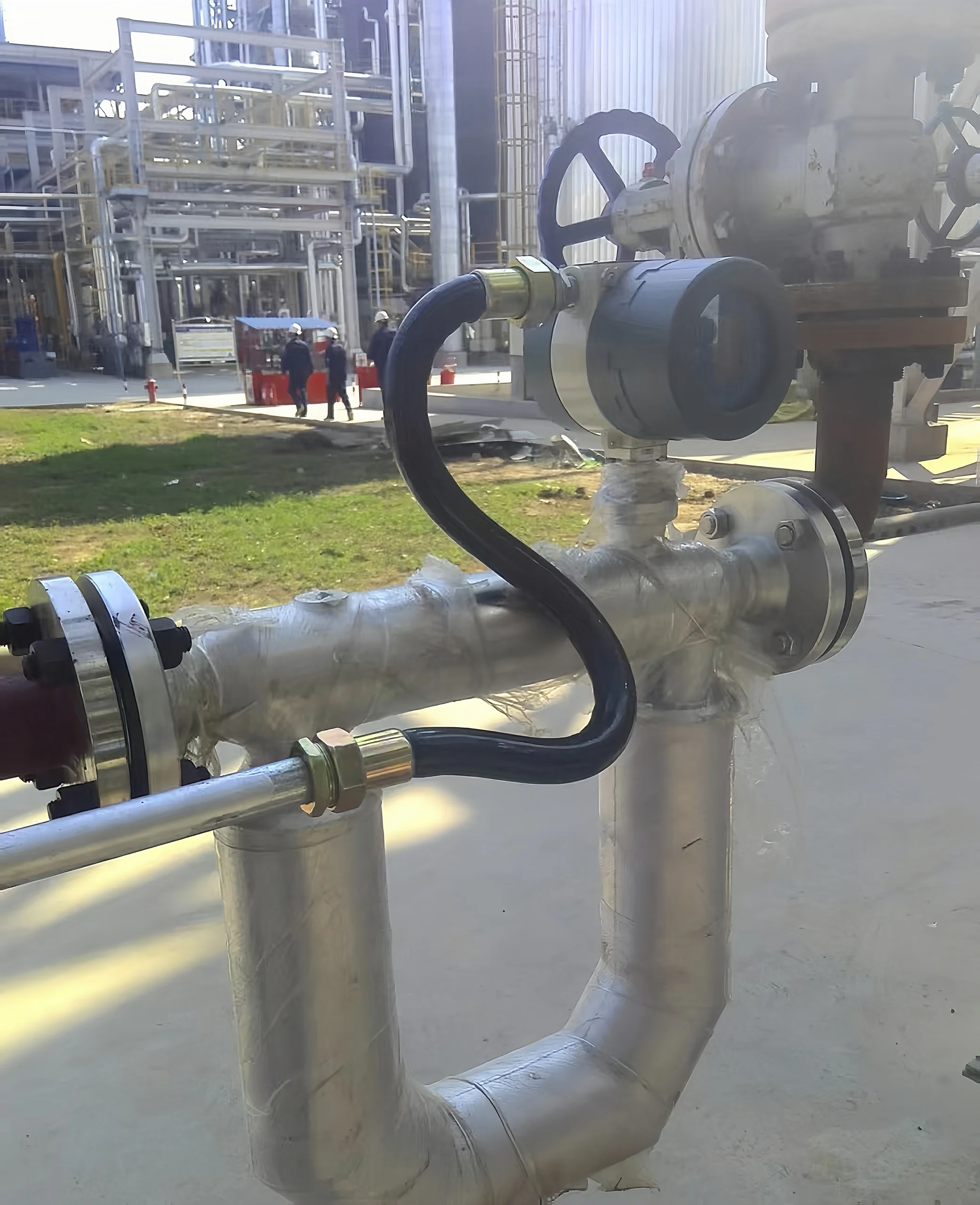
The following are the general steps for cleaning an air flow meter:
Preparation
Tools and materials: Prepare a special air flow meter cleaning agent, a clean soft cloth, a cotton swab, a compressed air can, gloves, goggles, etc.
Safety protection: Wear gloves and goggles to prevent the cleaning agent from splashing on the skin and eyes.
Cleaning steps
Disconnect the power supply: Turn off the power supply of the device to avoid accidents during the cleaning process.
Disassemble the air flow meter:
Use appropriate tools, such as a screwdriver, to carefully remove the screws or buckles that fix the air flow meter, and then gently unplug the wire plug to remove the air flow meter from the device.
Clean the outside:
Dip a small amount of cleaning agent with a clean and soft cloth and gently wipe the outside of the air flow meter. Remove dirt such as dust, oil and carbon deposits on the surface. Be careful not to use too much force to avoid damaging the surface of the flow meter.
Clean the inside:
If there is visible dirt inside the air flow meter, you can use a cotton swab to dip a small amount of cleaning agent. And carefully clean the internal sensor and channel. For some difficult-to-clean areas, you can use a compressed air can to blow away dust and debris. But be careful to control the direction and strength of the airflow to avoid damaging the sensor.
Check the sensor:
After cleaning, carefully check whether the sensor of the air flow meter is damaged. Deformed or aged. If the sensor is found to be damaged, it is recommended to replace it with a new one in time.
Drying treatment:
Place the cleaned air flow meter in a well-ventilated place. And let it dry naturally. Or wipe it gently with a clean and soft cloth to ensure that there is no residual cleaning agent and moisture inside.
Reinstallation:
After the air flow meter is completely dry. Reinstall the air flow meter to the device in the reverse order of disassembly. Plug in the wire plug, and tighten the fixing screws or buckles.
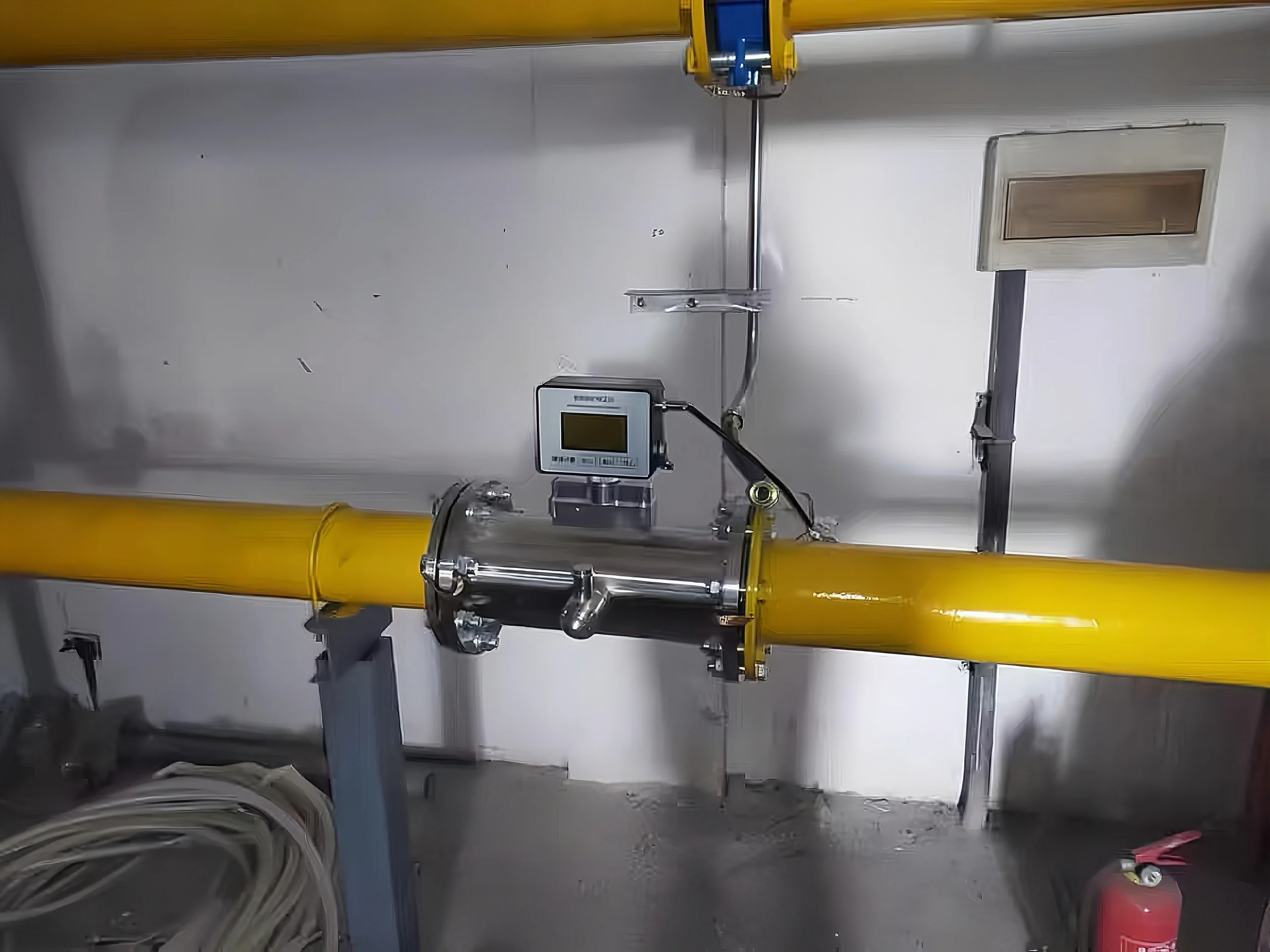
The detection steps of the air flow meter are as follows:
1. Voltage measurement
First, check the output voltage data when the device is turned on. Under normal conditions, the voltage of the air flow meter should be near the no-load voltage. When the device is working at full load, the air flow meter voltage should be near the rated voltage. If the voltage deviates from the normal range, it may mean that there is a problem with the air flow sensor. Cleaning the sensor may solve the problem, but if the abnormality persists, it is recommended to replace it with a new one.
2. Sensor voltage test and function test
Use a multimeter to measure the output voltage of the sensor. When there is no air flowing in the air flow meter, the voltage should be near the no-load voltage. Next, purge the sensor with a blower and observe whether the voltage changes with the amount of air intake. If there is no change or the change is very small, it may indicate that the air flow meter is not functioning properly.
Following the above steps, you can carefully test the air flow meter. And take appropriate repair measures if you encounter problems. Always follow safety regulations when operating and seek the assistance of professional technicians.