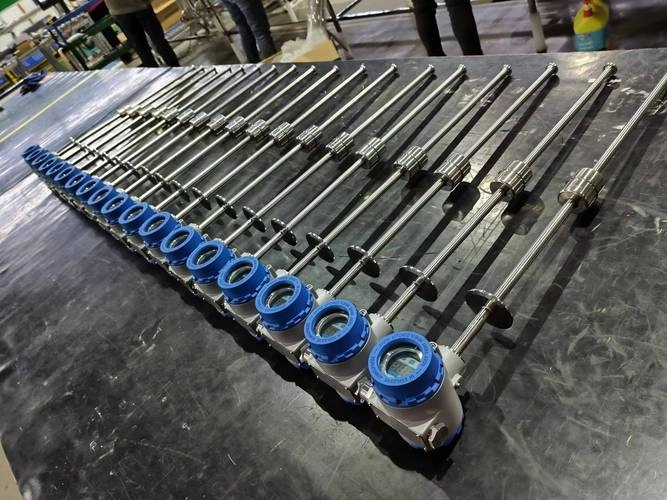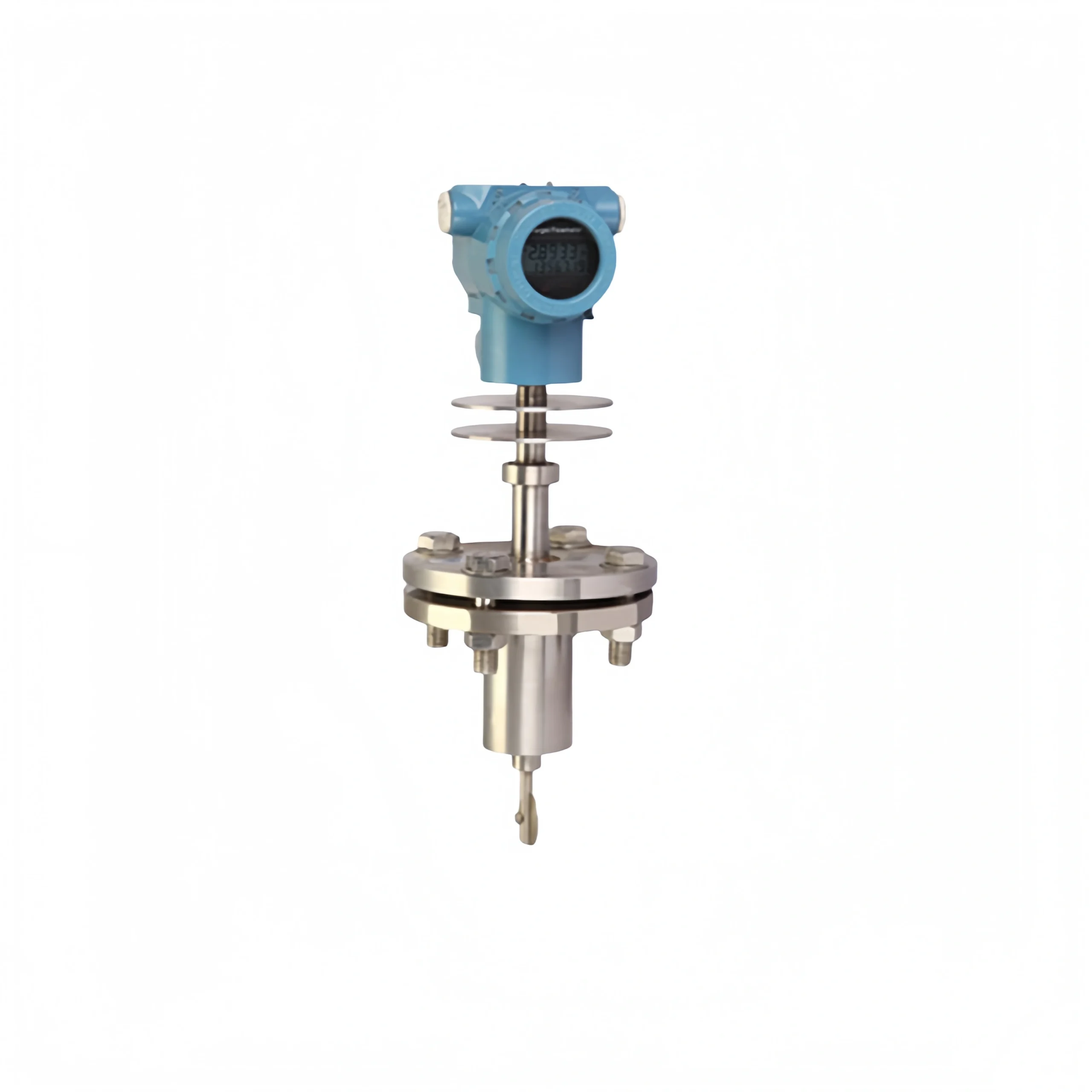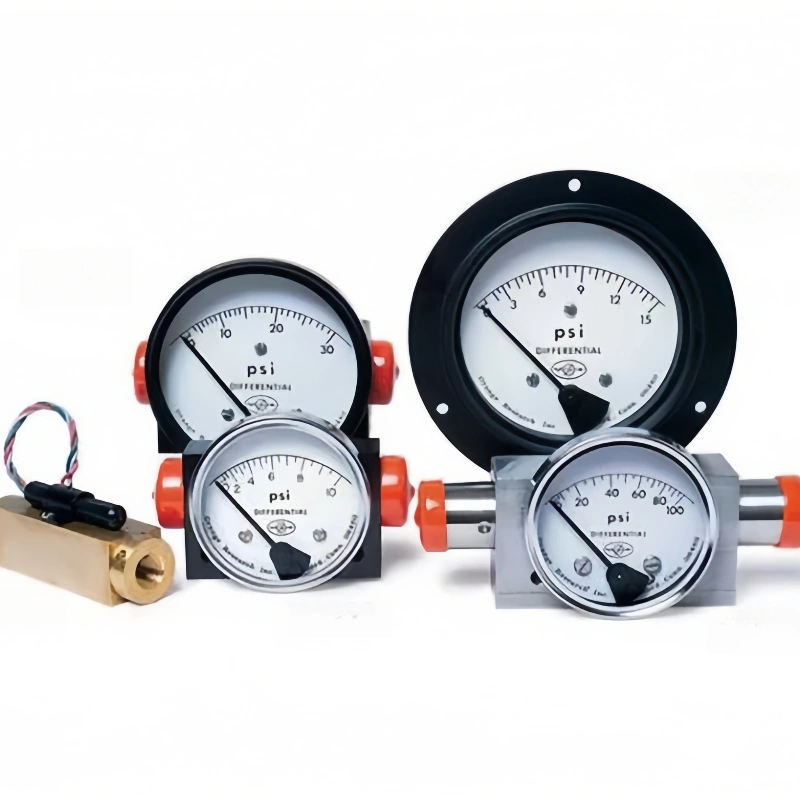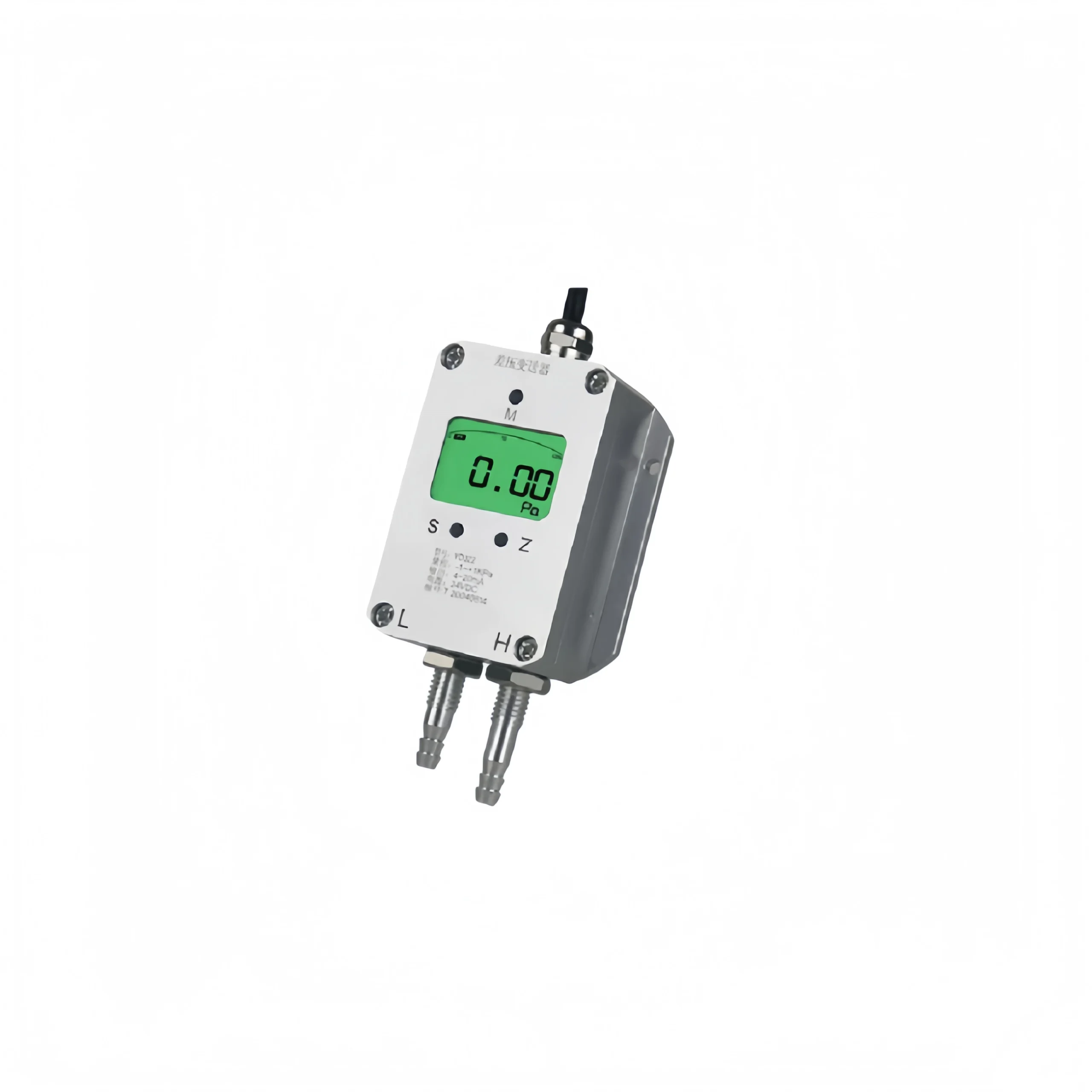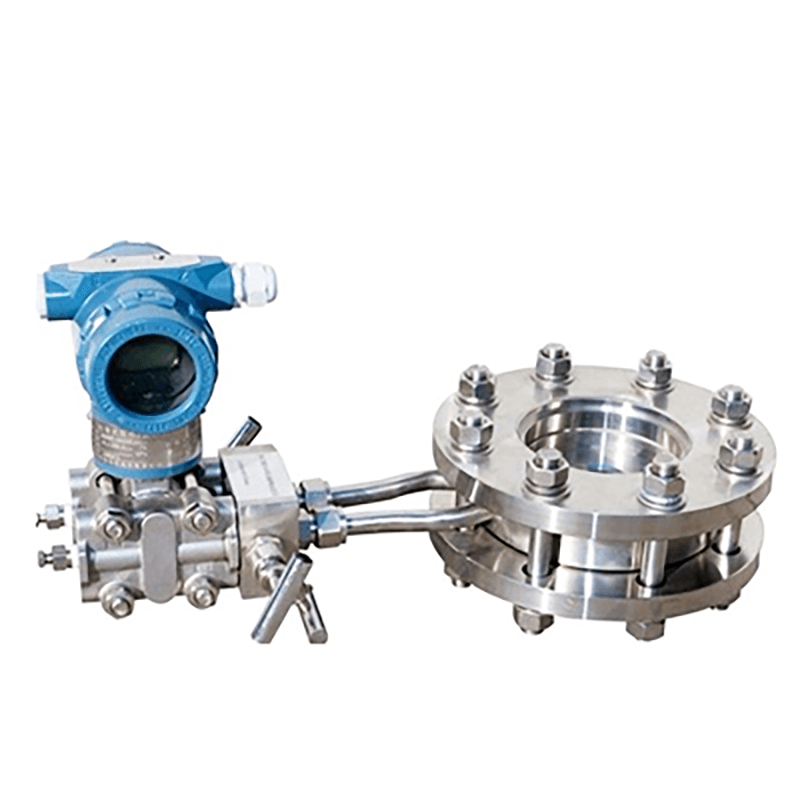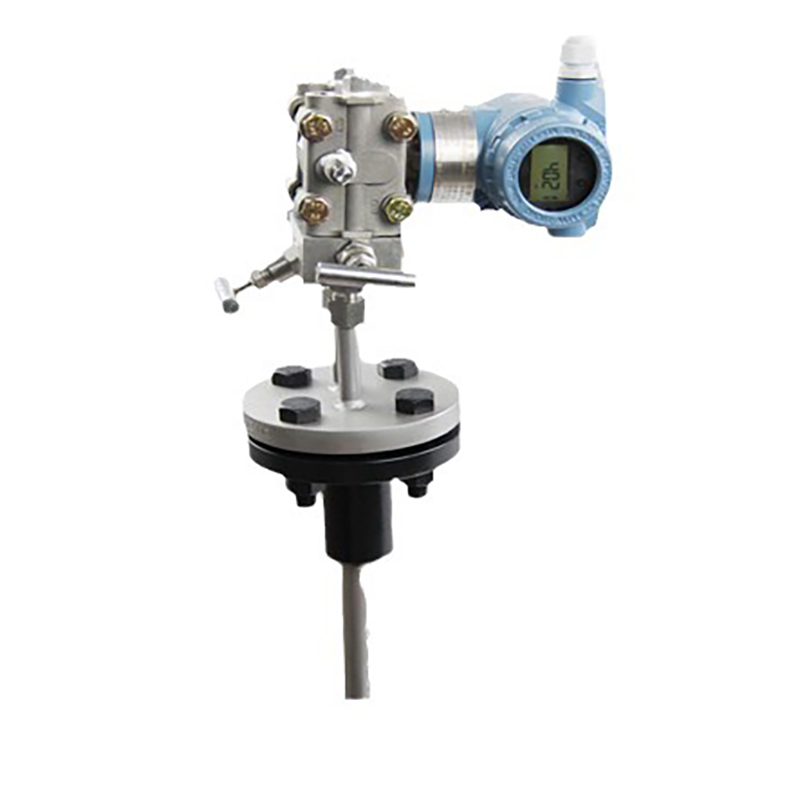
The Annubar flow meter is an insertion-type average velocity differential pressure measurement device that utilises multi-point pressure tapping to determine the average flow velocity across the pipe cross-section. Owing to its low pressure loss and excellent adaptability to large diameters, it has become a key solution for flow measurement in industrial gases, steam and liquid media.
What is an Annubar Flow Meter?
The Annubar flow meter is an insertion-type average velocity tube differential pressure flow measurement instrument, derived from average Pitot tube technology, which measures fluid flow rate via a probe spanning the pipe cross-section.
With its simple structure and low pressure loss, this device is ideally suited for industrial flow measurement of gases, steam and liquids in large-diameter applications.
Working Principle of the Anuba Flow Meter
The Anuba flow meter is a differential pressure measurement device, developed from the Pitot tube velocity measurement principle. It calculates flow rate by utilising the differential pressure generated when the fluid impacts the sensing rod.
Its sensing element consists of a metal rod inserted into the pipeline, with pressure-taking orifices arranged on both the upstream and downstream faces.
As the fluid flows, the upstream orifice is subjected to the total pressure due to the impact of the flow, whilst the downstream orifice is located in a low-pressure vortex region and measures the static pressure; together, these form a differential pressure, which is proportional to the square of the flow velocity.
The sensing rod transmits the high and low pressures to a differential pressure transmitter, which converts them into a standard electrical signal.
The secondary instrument receives the signal and, using the pipe cross-sectional area and temperature and pressure compensation parameters, calculates the instantaneous and cumulative flow rates.
The Anubar’s multi-point pressure averaging reduces errors caused by uneven velocity distribution and is suitable for measuring gases, liquids and steam in large-diameter pipes.
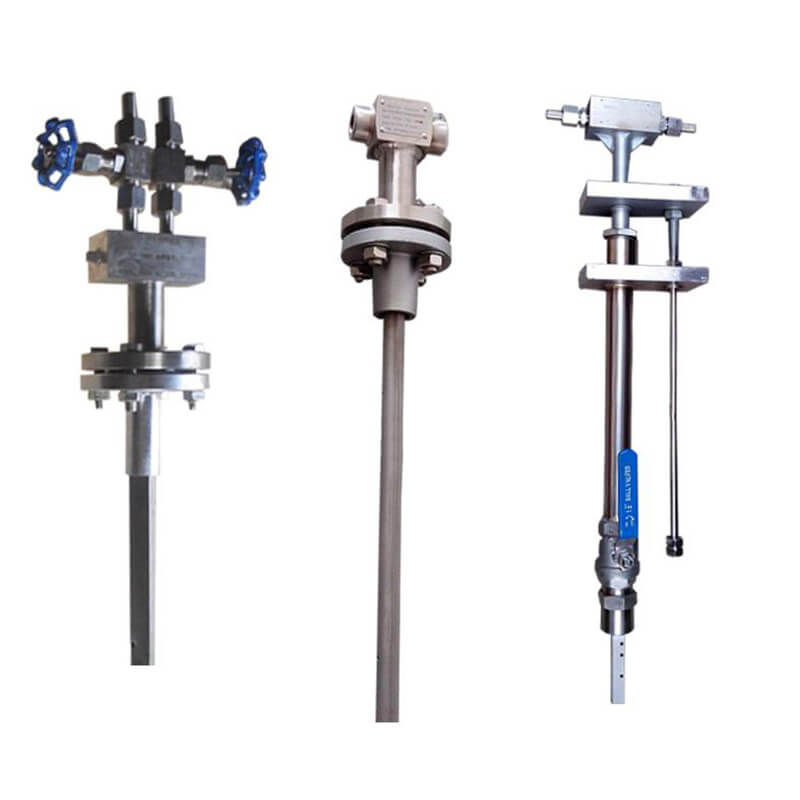
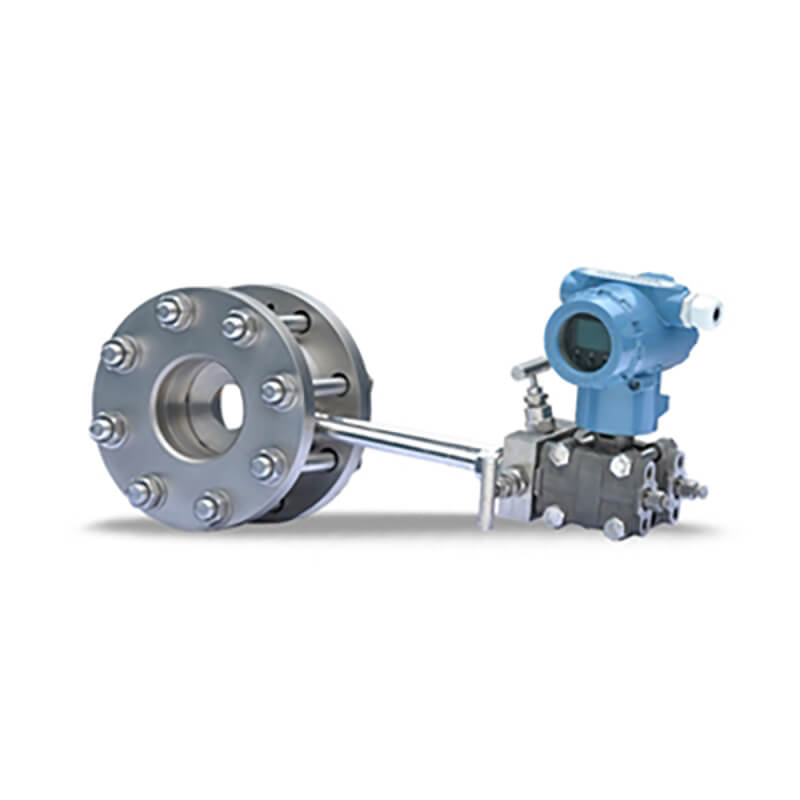

Structural Composition
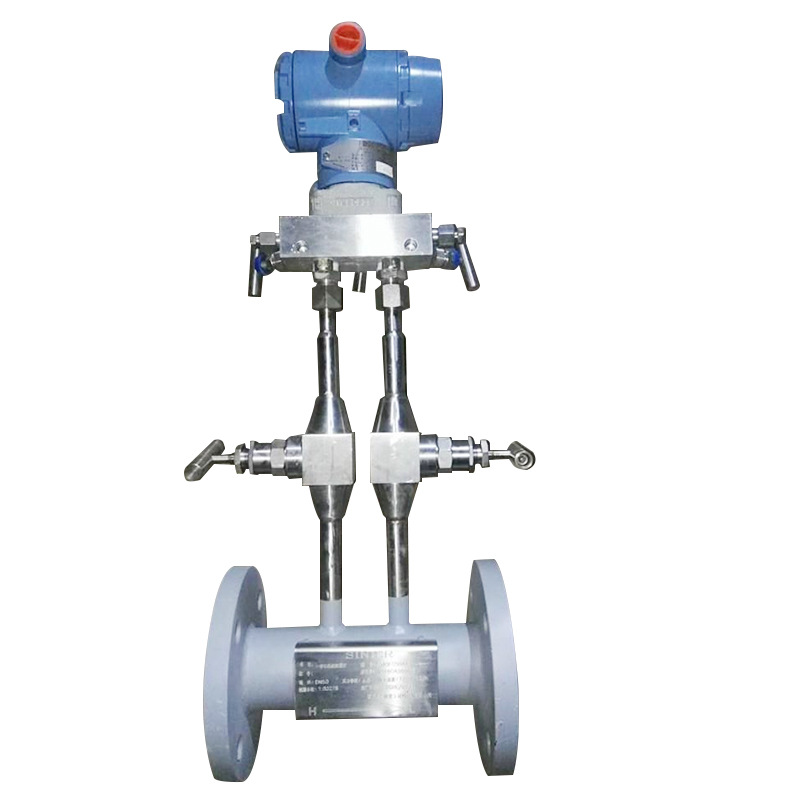
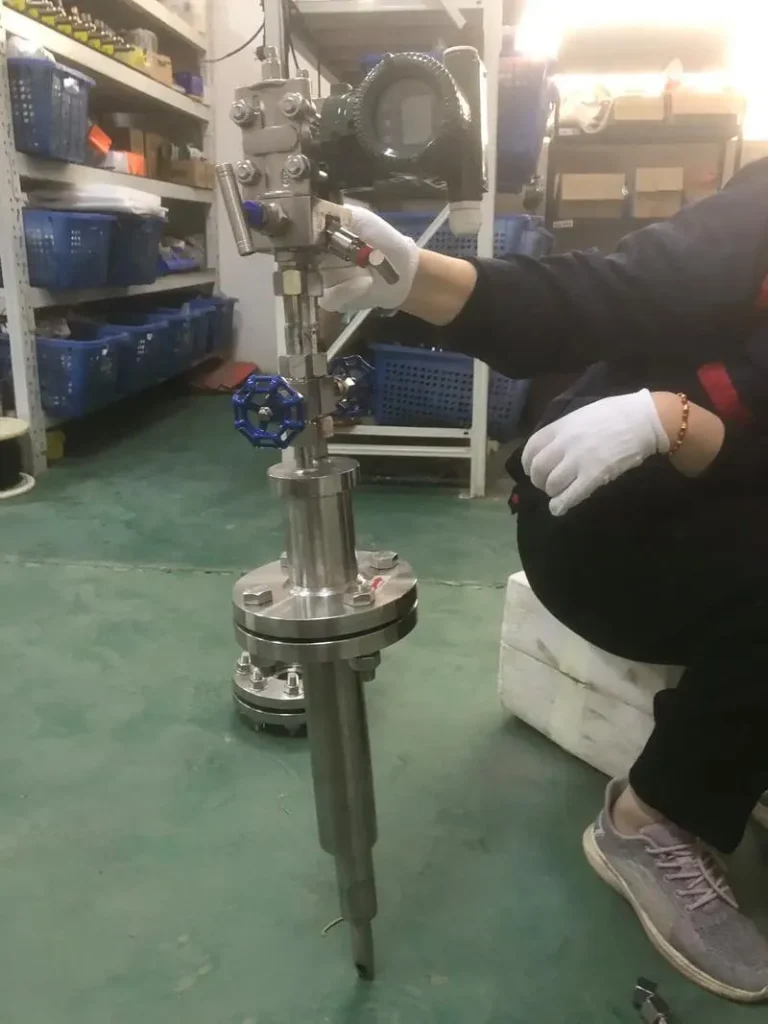
1. Measuring probe: The core sensing component inserted into the pipeline. The probe body is fitted with a total pressure tap facing the flow and a static pressure tap facing away from the flow; it is internally partitioned into a high-pressure chamber and a low-pressure chamber. As the fluid flows through, it directly generates a differential pressure signal corresponding to the flow rate. The material is selected according to the process medium and operating conditions.
2. Mounting Base:This connects and secures the probe to the process pipeline. It comes in flanged or threaded styles and handles positioning and sealing. Some models include a ball valve, so you can remove and service the probe without shutting down the line.
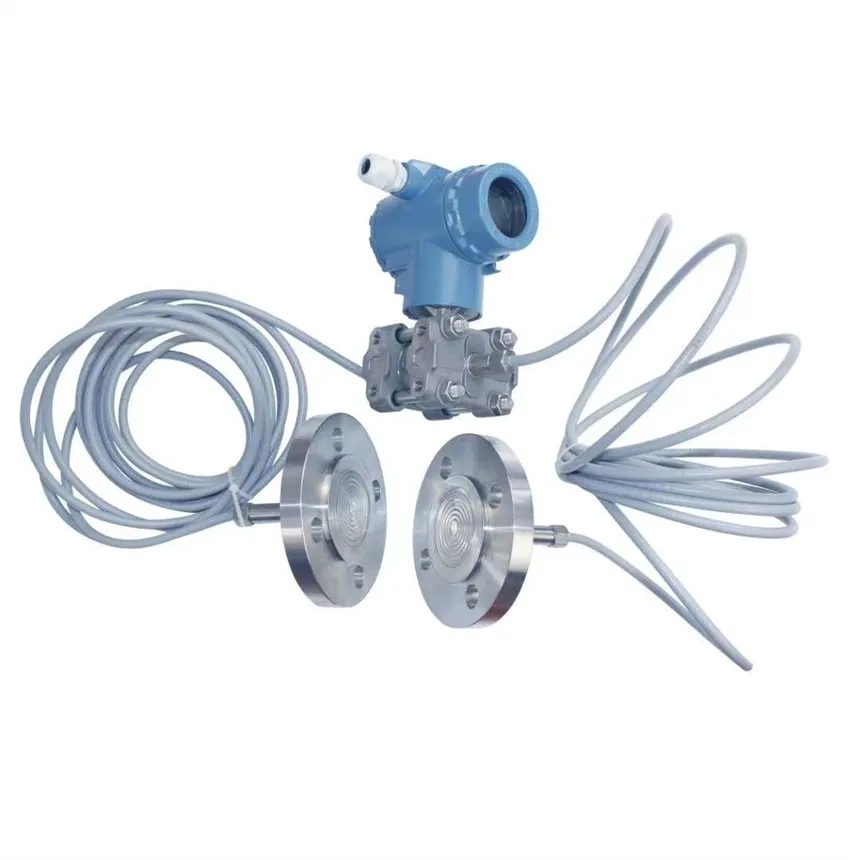
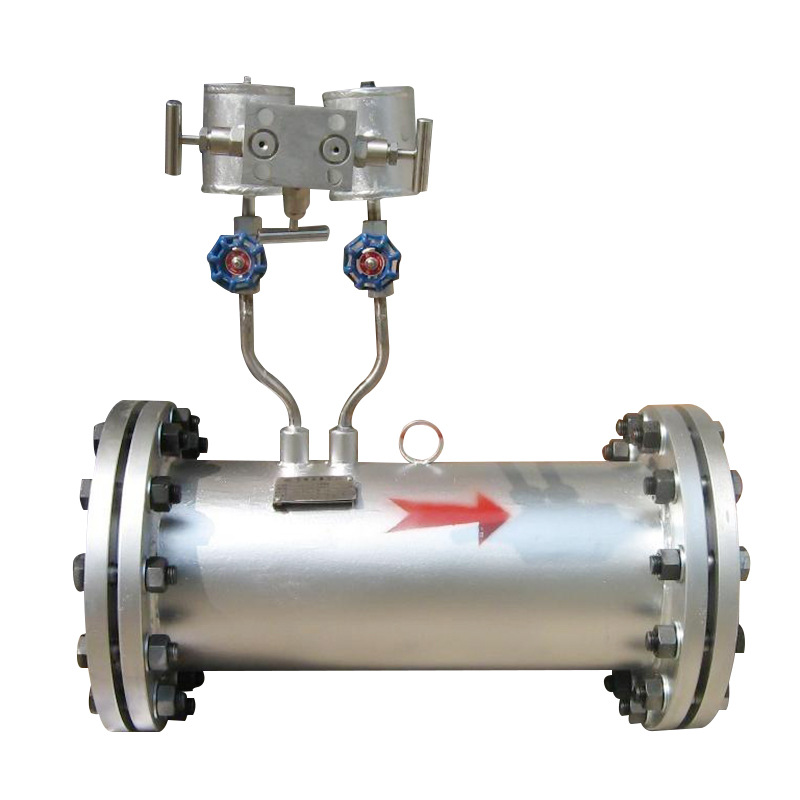
3. Pressure Tapping Ports and Pressure-Transmitting Accessories:These include high- and low-pressure taps, impulse lines, a three-valve manifold, a condensate pot, and a drain valve. They carry the differential pressure signal from the probe to the transmitter, while also letting you isolate the medium, drain the lines, and calibrate the system.
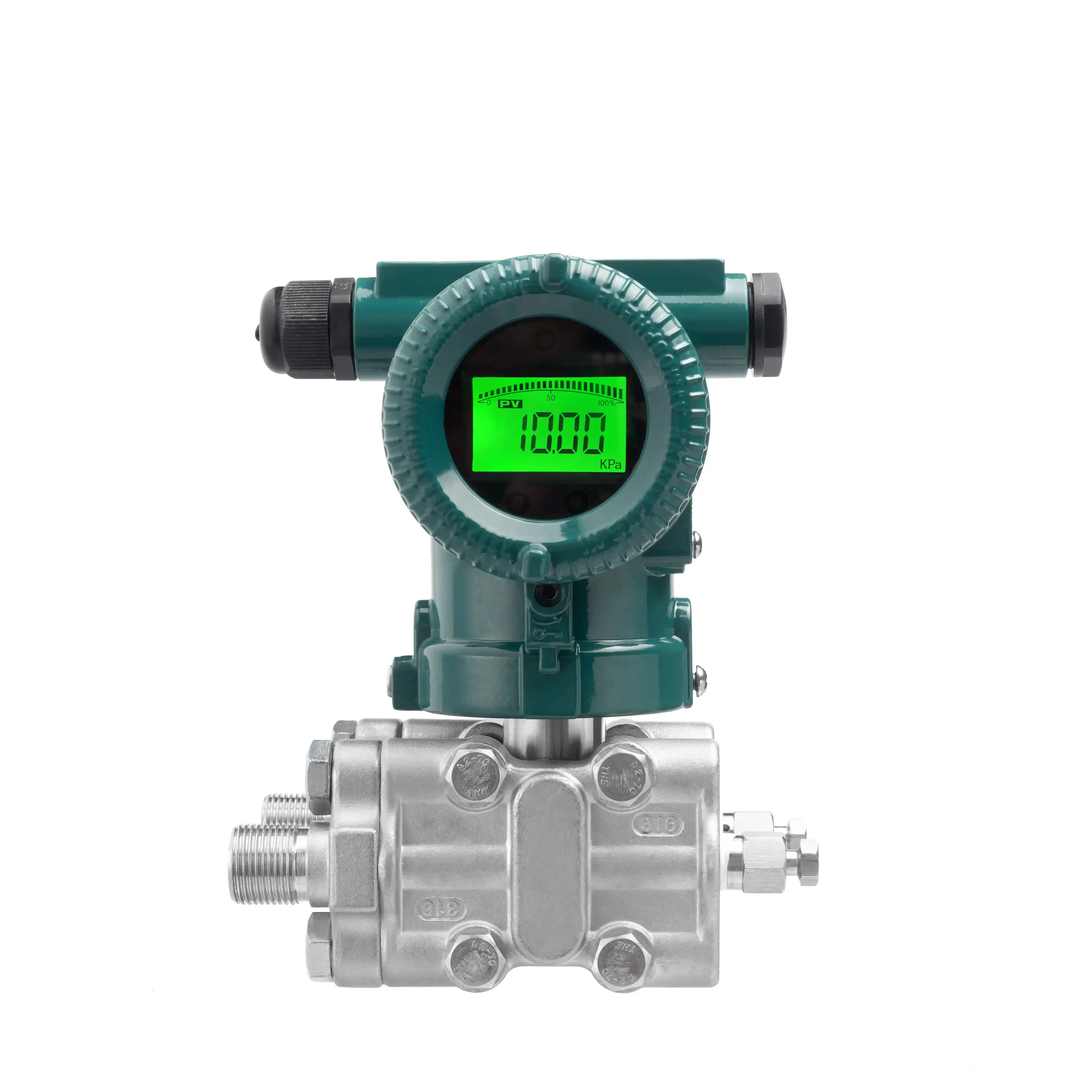
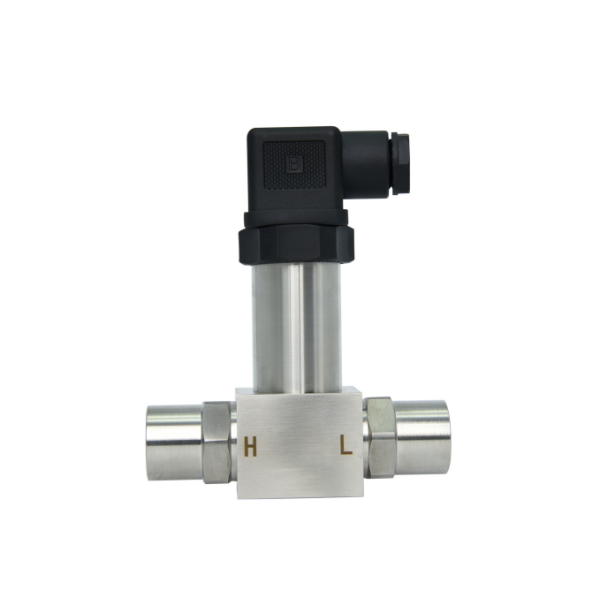
4. Differential Pressure Transmitter: This unit picks up the differential pressure from the tapping system, processes and converts the signal, and sends out a 4–20 mA or digital output.
5. Flow Display Unit: It takes the transmitter’s output, runs the flow calculations, totals the accumulated flow, and shows the result—so you can read the data locally or remotely.
Advantages of the Annubar Flowmeter
1. Low pressure drop and low energy consumption.The Annubar works as an averaging pitot tube flowmeter. It takes pressure readings at several points along the probe, so it doesn’t choke the flow the way an orifice plate or nozzle does. That means far less pressure loss across the meter, and over time the savings on pumping costs really add up—especially if you’re running large lines around the clock.
2. Wide range of applicable pipe diameters.You can install these on anything from a DN25 line all the way up to DN6000. On the bigger pipes in particular, the Annubar usually costs a lot less than competing flowmeter technologies, which is why it’s frequently chosen for gas and steam measurement in large-diameter pipelines.
3. Easy installation and maintenance.It supports insertion-type installation, eliminating the need to shut off the pipeline. Online installation and removal can be carried out whilst the system is under pressure, without the need to halt operations or modify the pipework; furthermore, subsequent maintenance or replacement of sensor components does not require dismantling the pipeline itself, significantly reducing construction and downtime costs.
4. Suitable for a wide range of media.It can measure gases, liquids, saturated steam and superheated steam, and is suitable for high-temperature and high-pressure operating conditions; certain explosion-proof models can be used in flammable and explosive process pipelines.
5. Simple and reliable structure with a long service life.The body contains no moving parts, making it resistant to wear and damage from media erosion; provided the medium does not contain large quantities of hard particles, the failure rate during long-term operation is low.
6. Compact footprint. The insertion probe is compact. Installation does not call for a long straight pipe section, so it works in cramped layouts where space is limited.
7. High compatibility with supporting equipment.It outputs a differential pressure signal, allowing direct connection to standard DP transmitters. HART and Modbus are supported, along with other mainstream industrial protocols, so it integrates readily with existing DCS and PLC systems.
Limitations of the Orni Bar flowmeter
1. Sensitive to flow field distortions; interference from pipe fittings and insufficient straight pipe sections will directly reduce measurement accuracy, and it places high demands on the upstream and downstream straight pipe sections.
2. Pressure taps tend to clog with debris in the fluid; you’ll need to clean them regularly when handling particle-laden or viscous media.
3. The differential pressure signal falls off at low flow rates, so accuracy suffers at low velocities; the turndown ratio is narrow, making it unsuitable for extremely low flows.
4. The probe vibrates under fluid impact; in high-pressure, high-velocity service, it can loosen or deform.
5. It outputs only a differential pressure signal; temperature and pressure compensation are required to derive volumetric or mass flow rates. Overall measurement accuracy is moderate, and it is not suitable for trade metering.
Practical Applications
1. Power Generation Sector:
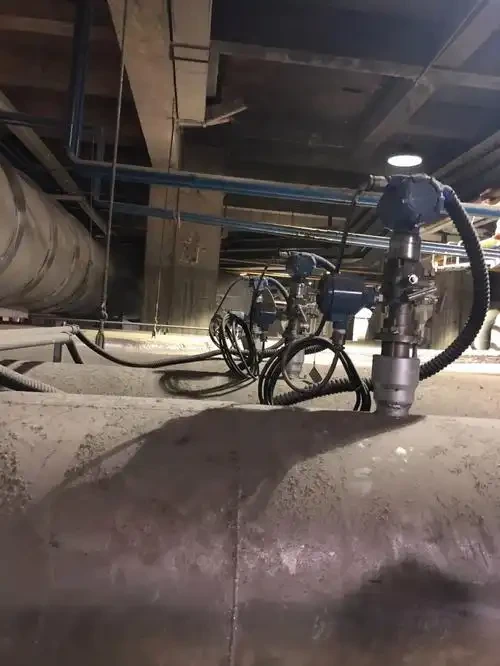
Widely used in large-diameter pipelines at thermal and combined heat and power plants to measure primary and secondary air, flue gas, steam, boiler water and other media. When combined with temperature and pressure compensation, it facilitates boiler efficiency calculations and combustion control.
In flue gas conditions containing dust, a purging device may be fitted to prevent blockages. It is primarily used for process monitoring and stable unit operation, and is not intended for high-precision trade settlement.
2. Metallurgical Industry:
Used for blast furnace gas, converter gas, hot air and compressed air in both round and rectangular ducts. The pressure drop is low, so it keeps energy use down.
In dusty gas applications, go with a unit that has hot-swap and reverse-blow capability; this lets you carry out maintenance without shutting the process down, which is critical for continuous production.
3. Petrochemical Industry:
Suitable for high-temperature and high-pressure conditions, these devices are used for process monitoring of media such as process gases, nitrogen, steam and circulating water.
They are intended solely for on-site process control and are not suitable for trade metering. Probe materials can be selected to suit mildly corrosive media; for viscous or crystallising media, a purge protection device must be fitted.
4. Municipal Heating and HVAC:
Used for flow monitoring of high-temperature hot water and saturated steam in large-diameter pipes within thermal distribution networks, as well as for measuring supply and return air volumes in large HVAC systems and the flow of clean water in municipal water supply and drainage systems.
Features insertion installation, low pressure loss and the ability to be installed online whilst under pressure, ensuring convenient retrofitting and low operational energy consumption.
5. General Industrial Applications:
Used in papermaking, textile printing and dyeing to monitor compressed air and process water flow; it also lets you check fan and compressor output and track production energy use.Compatible with all standard pipework; no modifications to the pipework structure are required, resulting in low retrofitting costs.
Add Your Heading Text Here
1. Pressure Loss
The Anuba meter creates hardly any pressure drop—about one-fifth to one-tenth of an orifice plate’s loss—so the system uses less energy while running. It works well in large-diameter lines and around-the-clock service.
With an orifice plate, the fixed restriction causes a large permanent pressure loss. A lot of fluid energy is wasted, and on big pipelines that steady drain pushes up pump and compressor running costs over time.
2. Installation and Piping Requirements
The Anuba flow meter features a plug-in design; installation requires no pipeline shutdown and allows for in-service installation via a pressurised bore, minimising installation work. However, it has certain requirements for upstream and downstream straight pipe sections, typically 10D upstream and 5D downstream.
Orifice plate flowmeters require flanged connections, necessitating pipeline disconnection during installation. The disassembly and reassembly procedures are cumbersome, and longer straight pipe sections are required; the upstream straight pipe section is typically 15D–40D, placing higher demands on the on-site pipeline layout.
3. Applicable Pipe Diameter Range
The Anuba flow meter is better suited to large-diameter pipes, with a range from DN50 to DN3000; its cost advantage is particularly pronounced for large diameters.
Orifice plate flow meters have a proven track record for small to medium diameters (DN25–DN400); however, as the pipe diameter increases, the manufacturing costs and weight of the orifice plate body and flanges rise sharply, making them less economical for large-diameter applications.
4. Media Compatibility
The Anuba flowmeter is suitable for gases, steam and clean liquids; however, when the medium contains a high proportion of solid particles, the pressure-taking orifices are prone to blockage and require regular purging and maintenance.
Standard orifice plates can be used for clean gases, liquids and steam; however, for media containing impurities, the inlet edges of the orifice plate are prone to wear and fouling, which can directly cause drifts in measurement accuracy.
5. Measurement Accuracy and Repeatability
Anubar flowmeters generally have a measurement accuracy of ±1.0% to ±2.5% and good repeatability; they are suitable for process industry monitoring and metering but are not suitable for high-precision trade settlement.
Orifice plate flowmeters can achieve an accuracy of ±0.5% to ±1.5%; they are highly standardised and have mature calculation standards, meeting the requirements of some trade metering scenarios, but their accuracy is significantly affected by wear on the sharp edges of the orifice plate.
6. Turndown Ratio
The Anuba flow meter has a turndown ratio of up to 10:1, with some models capable of 20:1, making it better suited to operating conditions with significant flow fluctuations.
The turndown ratio of orifice plate flow meters is typically only 3:1 to 4:1, and measurement errors increase significantly when the range of flow variation is large.
7. Maintenance and Service Life
The Anuba has no throttling sharp edges and few key wear points, resulting in a long service life for the body; core maintenance tasks are concentrated on purging the pressure tapping ports to prevent blockages.
The core component of an orifice plate is its sharp-edged opening; high-speed fluid erosion can easily cause edge wear, requiring regular disassembly, inspection and replacement of the orifice plate insert, which entails a greater workload for maintenance and assembly.
8. Procurement and Operating Costs
In large-diameter applications, the procurement cost of the Annubar is significantly lower than that of an orifice plate; furthermore, its low operational pressure drop results in lower long-term energy consumption costs.
Orifice plates offer a price advantage for small and medium-sized pipe diameters; however, in large-diameter applications, the high cost of orifice plate flanges and throttling elements, combined with the continuous energy consumption caused by operational pressure drop, results in a relatively high overall cost.
Sino-Inst offers a comprehensive range of differential pressure flowmeters, along with supporting differential pressure transmitters and temperature and pressure compensation instruments, suitable for a wide variety of media including gases, steam and liquids, and covering small, medium and large pipe diameters.
Drawing on mature measurement solutions that balance low pressure drop with the advantages of online maintenance, we meet the process flow monitoring requirements of industries such as power generation, metallurgy, chemicals and district heating, providing users with stable and reliable end-to-end flow measurement solutions.