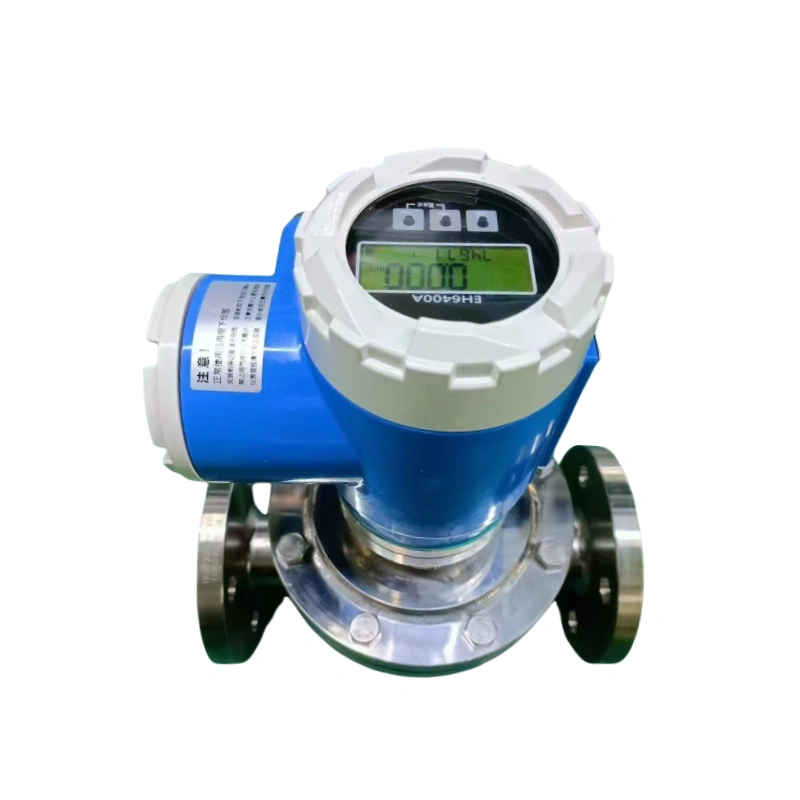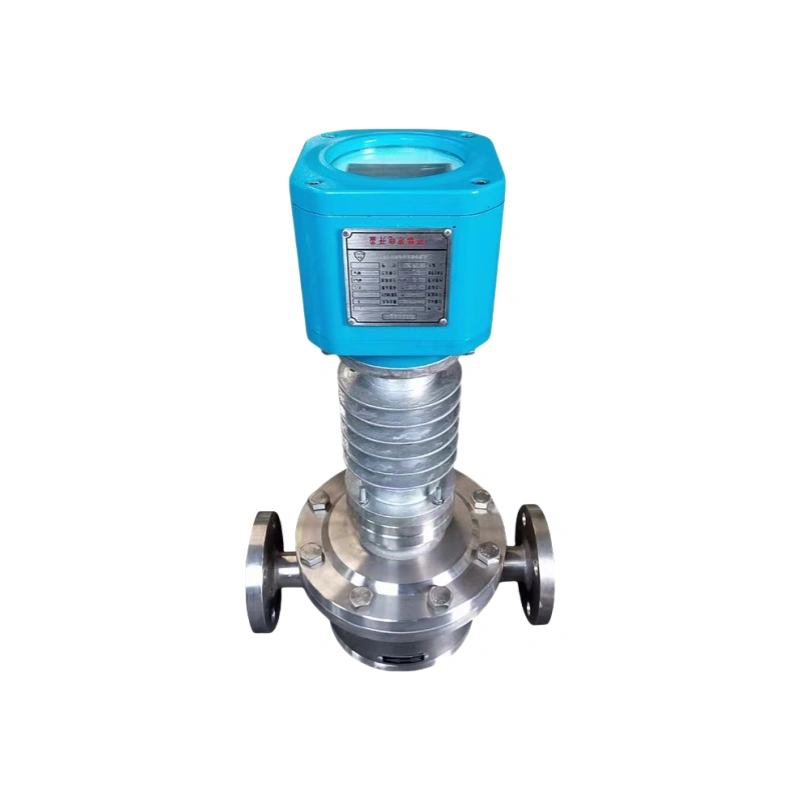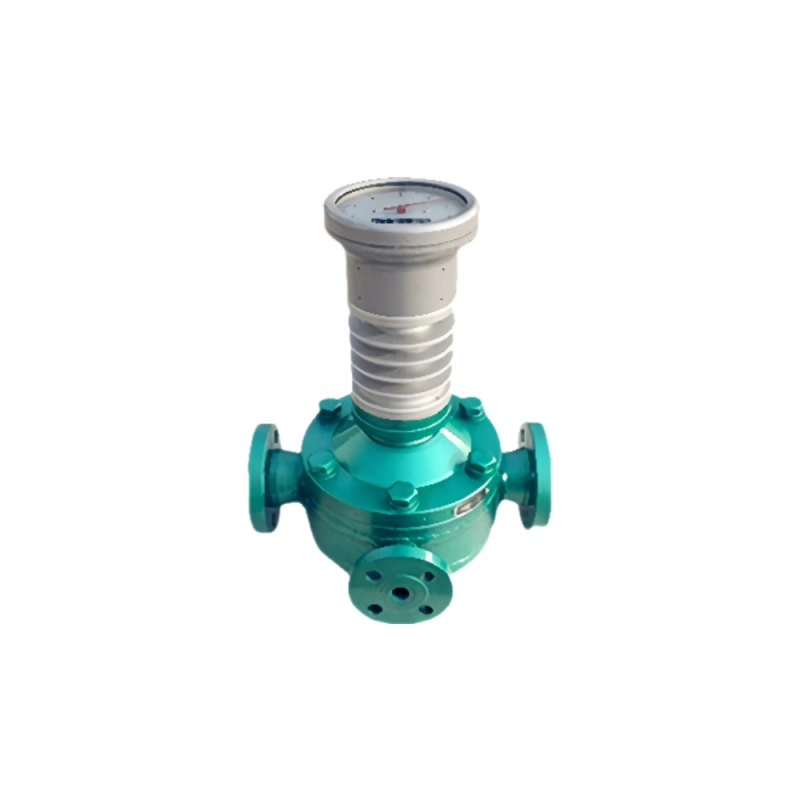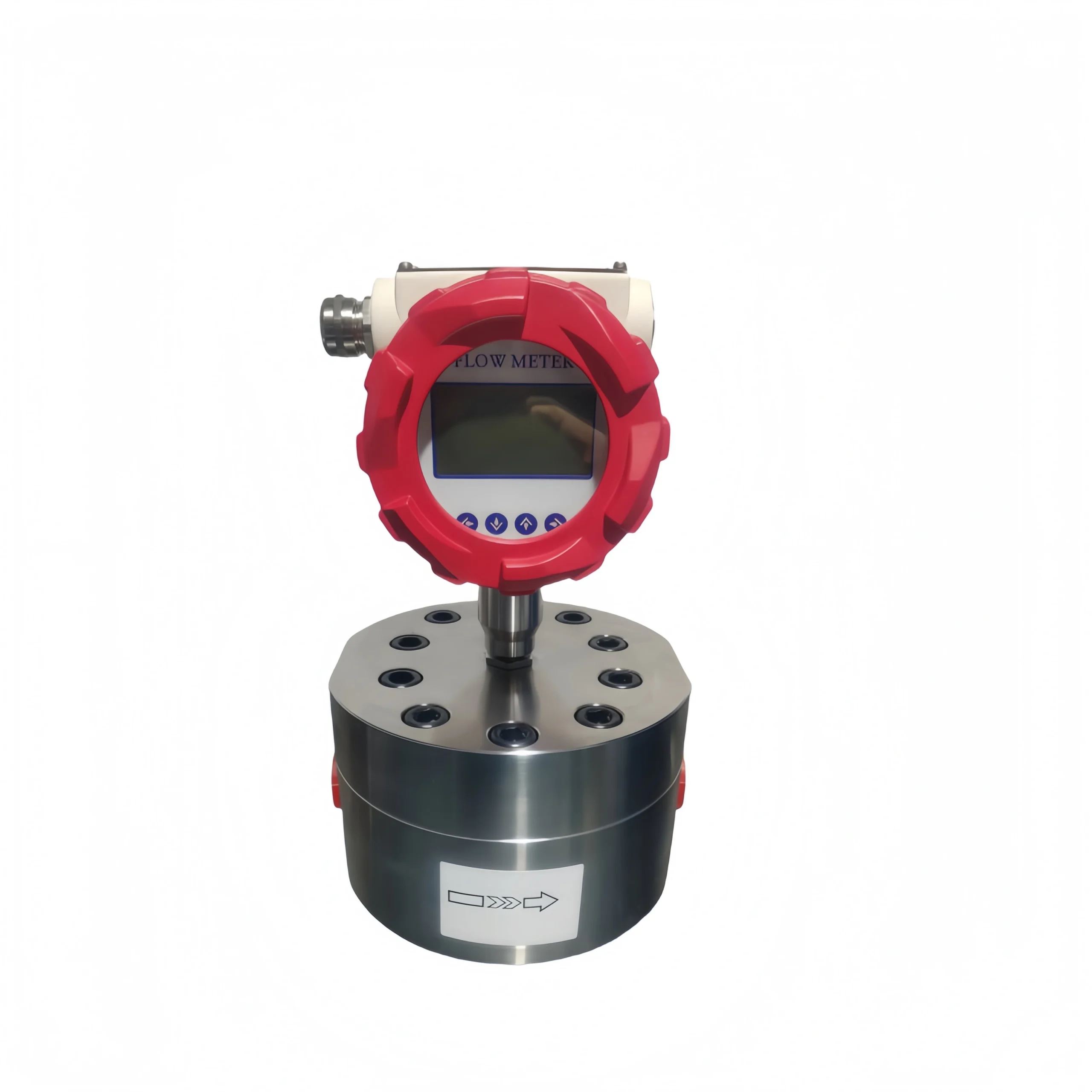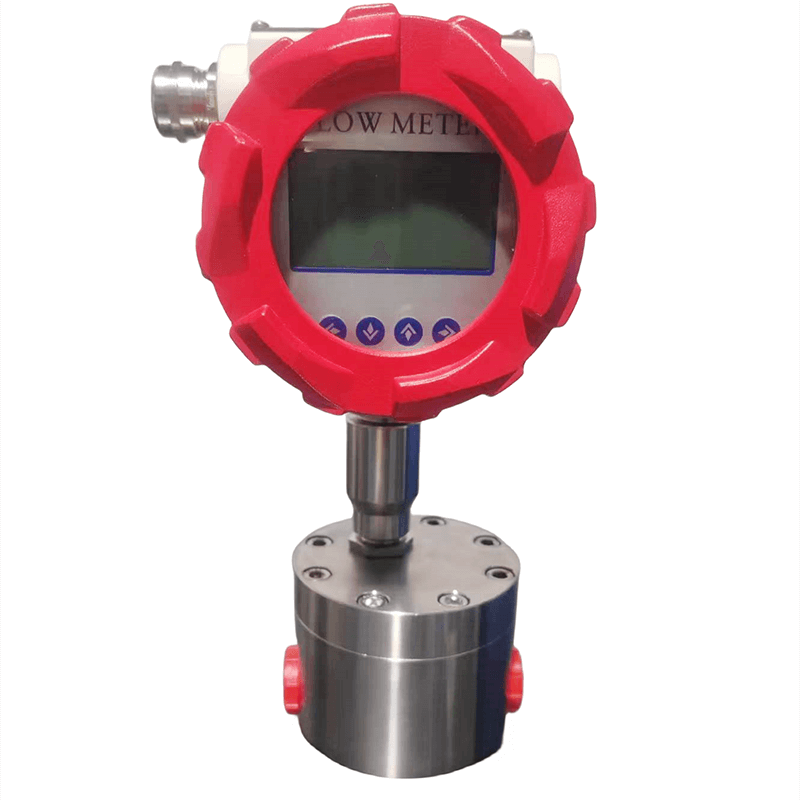
In compressed air and process gas systems, flow measurement accuracy isn’t just a number on a screen—it shapes your energy bills and determines whether your equipment keeps running smoothly.
Volumetric flow meters take a direct approach by physically displacing the medium to capture readings; because they don’t rely on inferential methods, they shrug off flow profile disturbances and still deliver the precision that tough industrial environments demand.
What is a Volumetric Flow Meter?
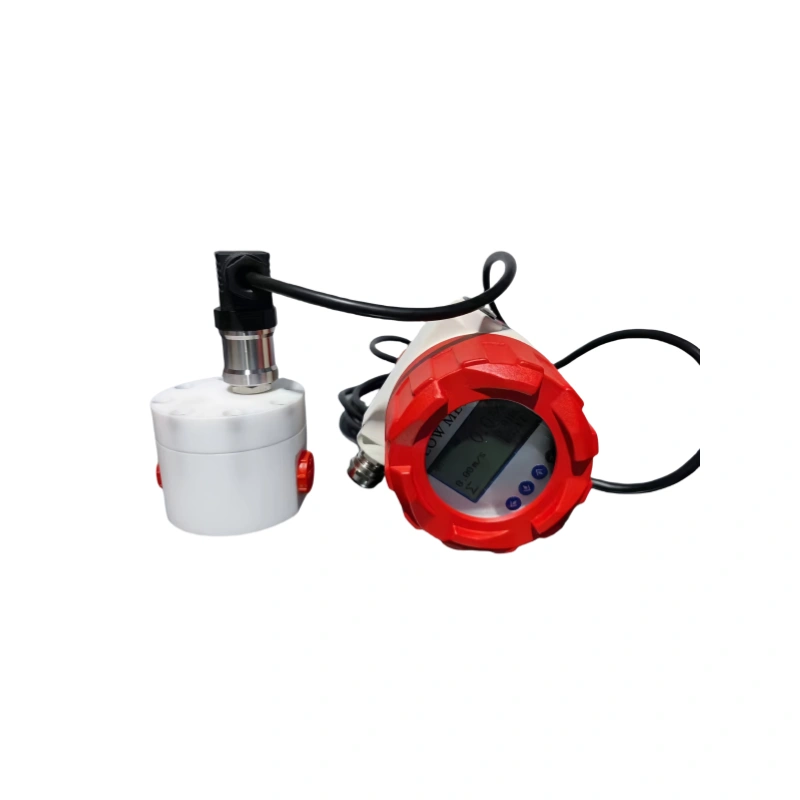
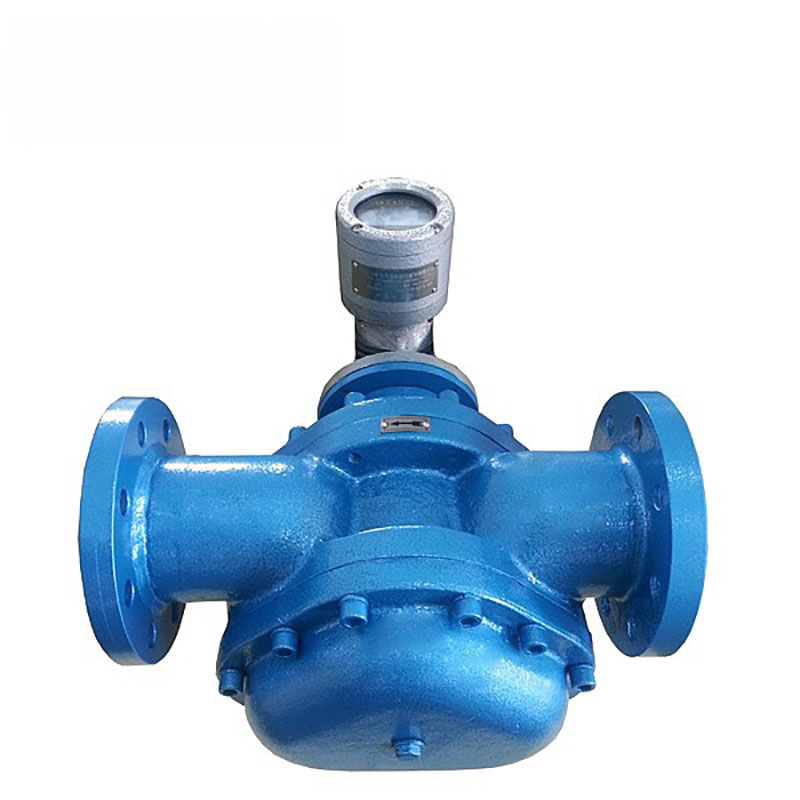
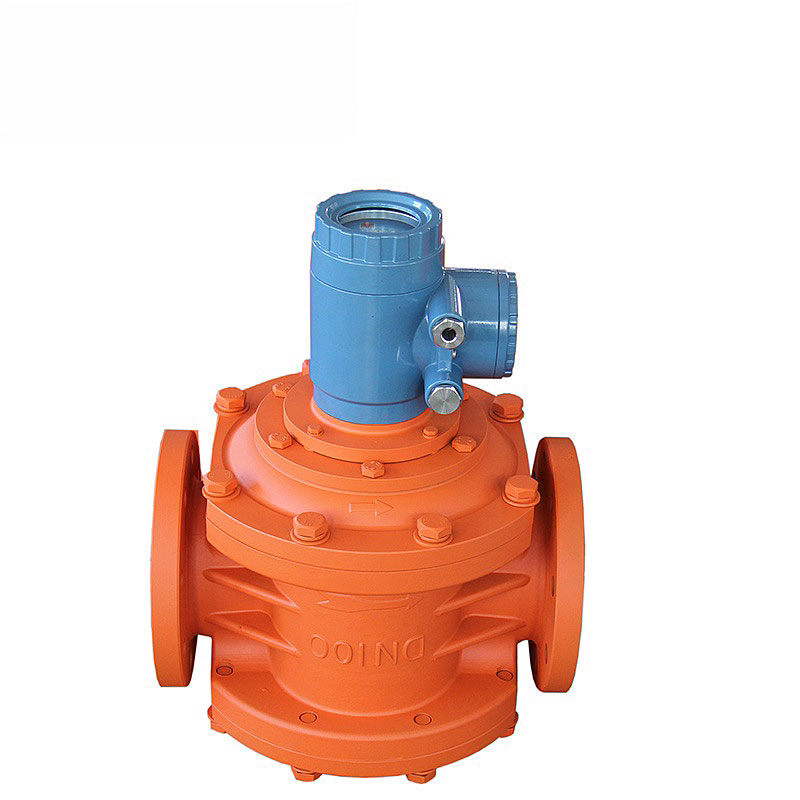
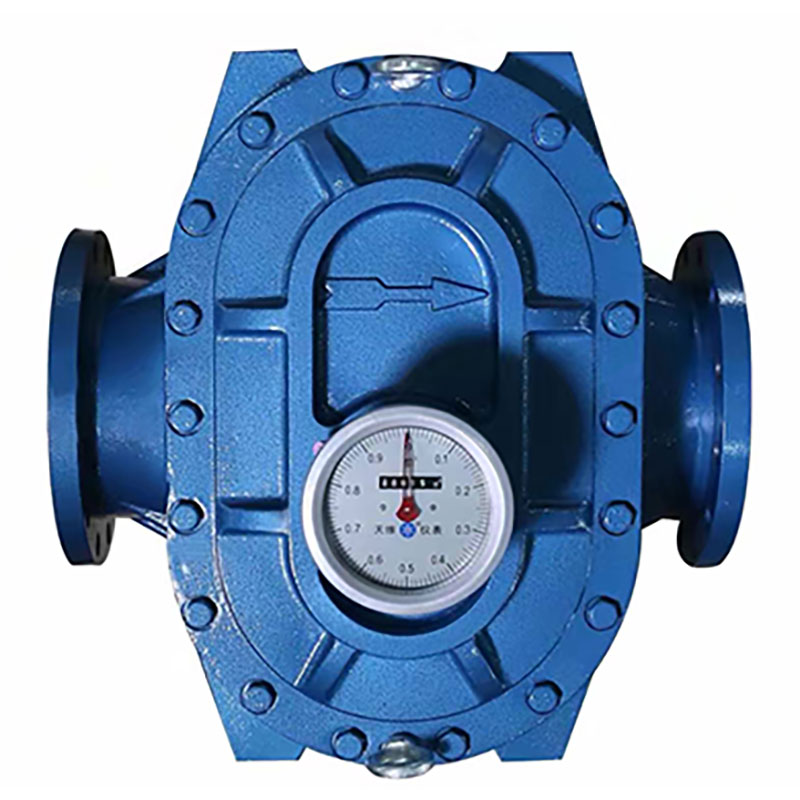
A volumetric flow meter, also known as a fixed-displacement flow meter, is an instrument that directly measures the volumetric flow rate of a fluid. It uses internal mechanical components to divide a continuously flowing fluid into a number of units of fixed volume.
The fluid pressure drives the components to move reciprocally or rotate; by counting the number of volume units discharged per unit of time, the volumetric flow rate of the fluid is calculated directly.
This instrument offers high measurement accuracy but is significantly affected by fluid viscosity; it is suitable for high-viscosity, clean liquids and is widely used in sectors such as petroleum and chemicals, outputting only volumetric flow rate.
Air
In industrial settings, air is a mixture primarily consisting of nitrogen and oxygen, combined with argon, carbon dioxide and water vapour, whilst also containing dust, oil mist and various production impurities.
It is not a pure gas composed of a single component; its actual composition under operating conditions is subject to fluctuations influenced by the on-site environment. It is a very common working medium in pneumatic systems, ventilation and heat exchange, and combustion processes.
Characteristics
1. Air is highly compressible; its volume can change significantly under external force. Compressors can increase its pressure; compression is accompanied by a rise in temperature, and changes in pressure simultaneously alter density and volume. This forms the basis of operation for pneumatic systems and pneumatic conveying.
2. Air flows readily and can move through piping and equipment driven by pressure differentials. It is used as a power medium for driving, conveying, cooling and purging. Airflow passing through valves in pipework incurs pressure losses, and dead spots in ventilation are common within industrial premises.
3. Air contains water vapour; when the temperature drops, this vapour condenses into liquid water, which corrodes pipework and damages pneumatic instruments. In precision applications, the air must be dried to control the dew point and satisfy production standards.
4. Industrial air is often contaminated with dust, oil mist and various gaseous pollutants volatilised during processes. The presence of these impurities, which is influenced by on-site conditions and filtration efficiency, can cause component wear, pipe blockages and product contamination; different processes have varying purity requirements.
5. Under normal conditions, air is chemically stable; yet the oxygen it contains feeds combustion and oxidation. In high-temperature, high-pressure settings with flammable materials nearby, fire or explosion is a real possibility. Because each component boils at a different temperature, air separation can isolate nitrogen and oxygen.
6. At constant pressure, the higher the temperature of the air, the lower its density. Exothermic reactions during production raise the air temperature; high-temperature air reduces the efficiency of heat exchange and cooling, and the work capacity of compressed air consequently decreases. It is therefore necessary to control air temperature during production.
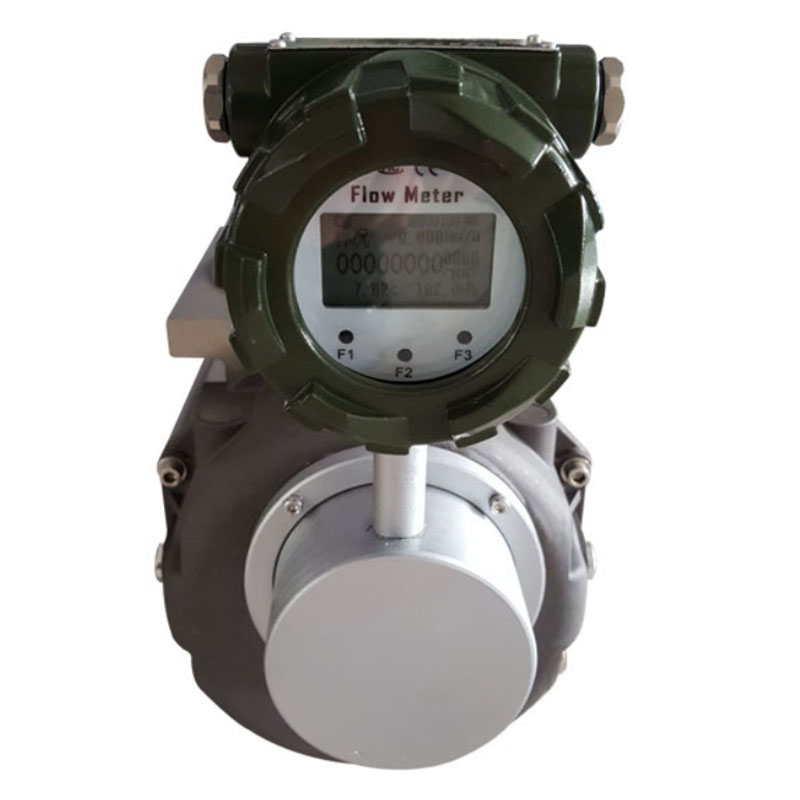
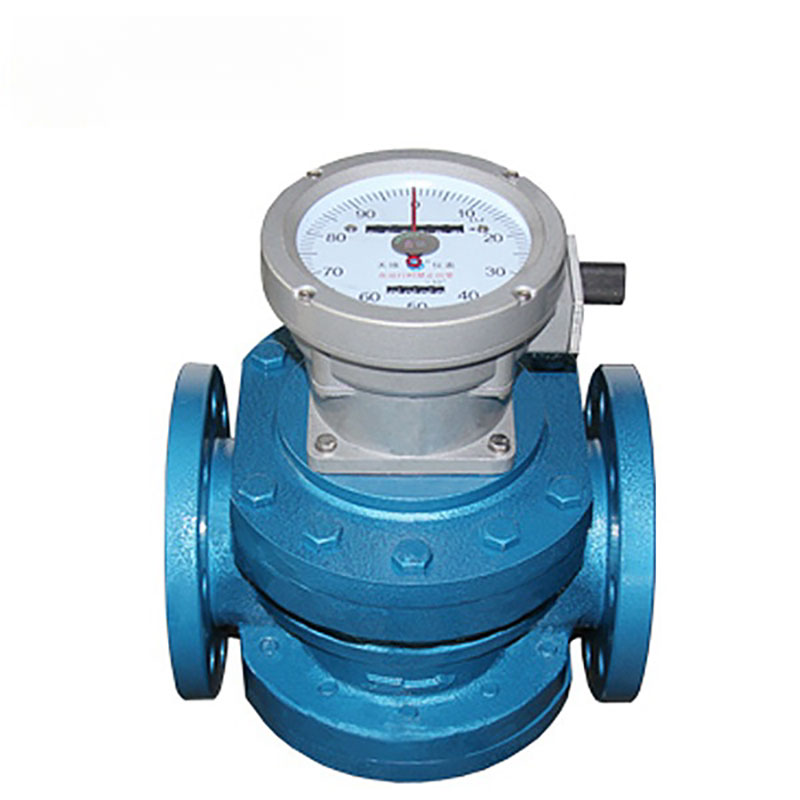
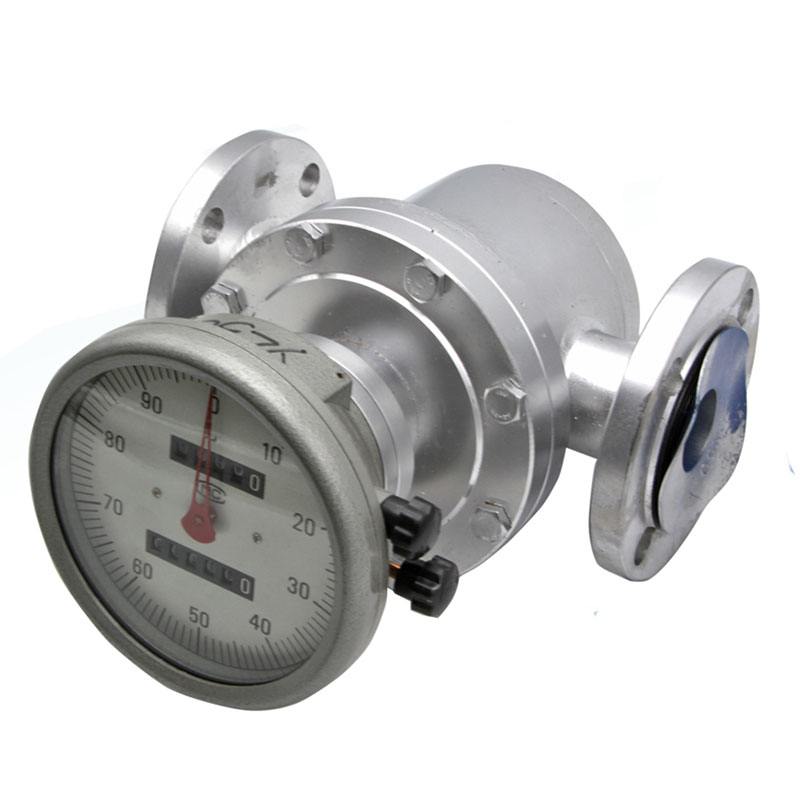
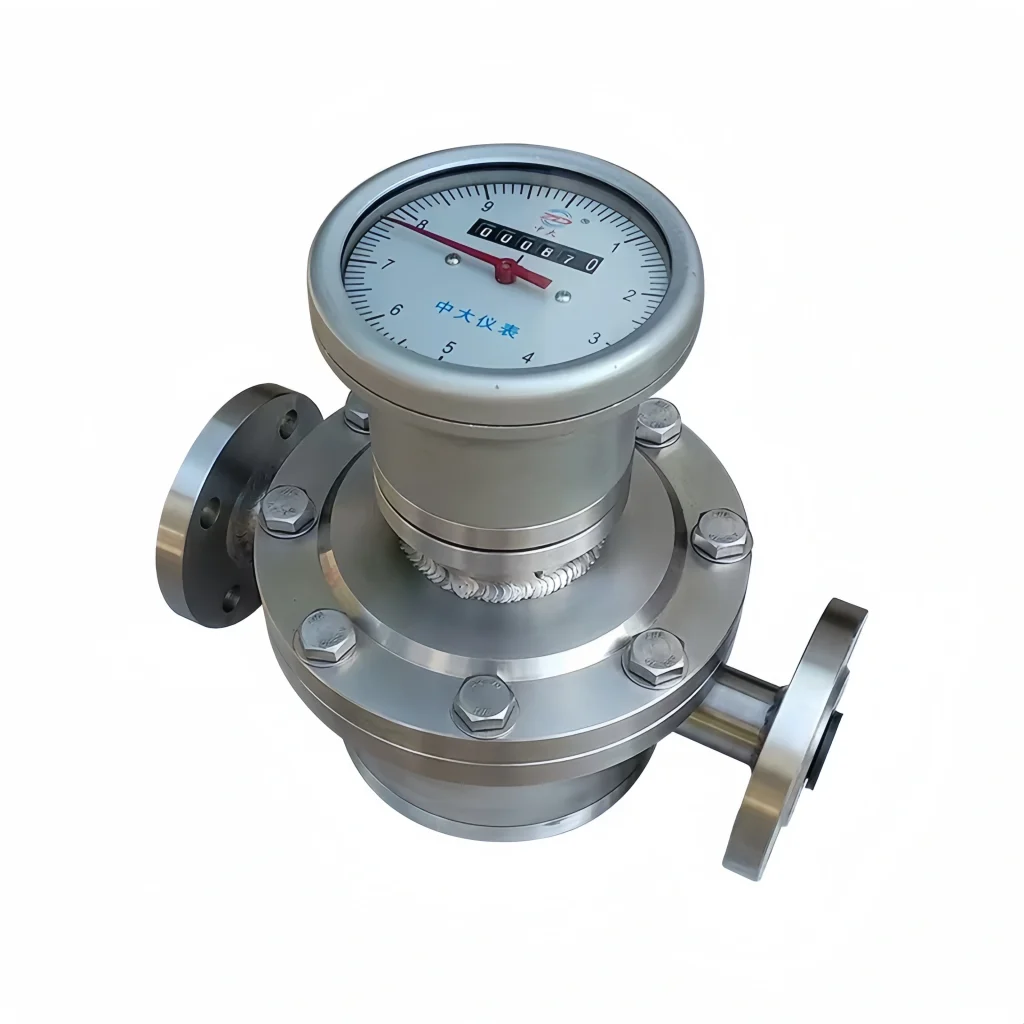
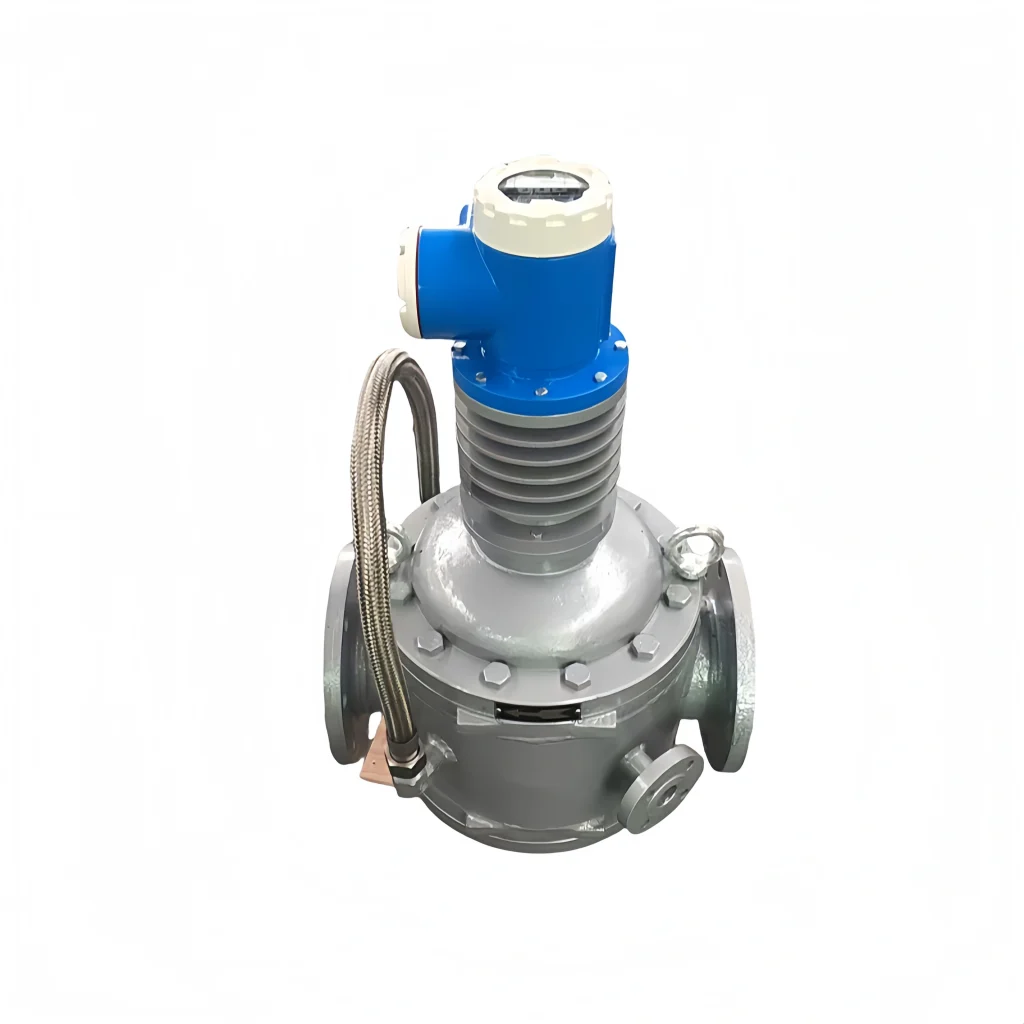
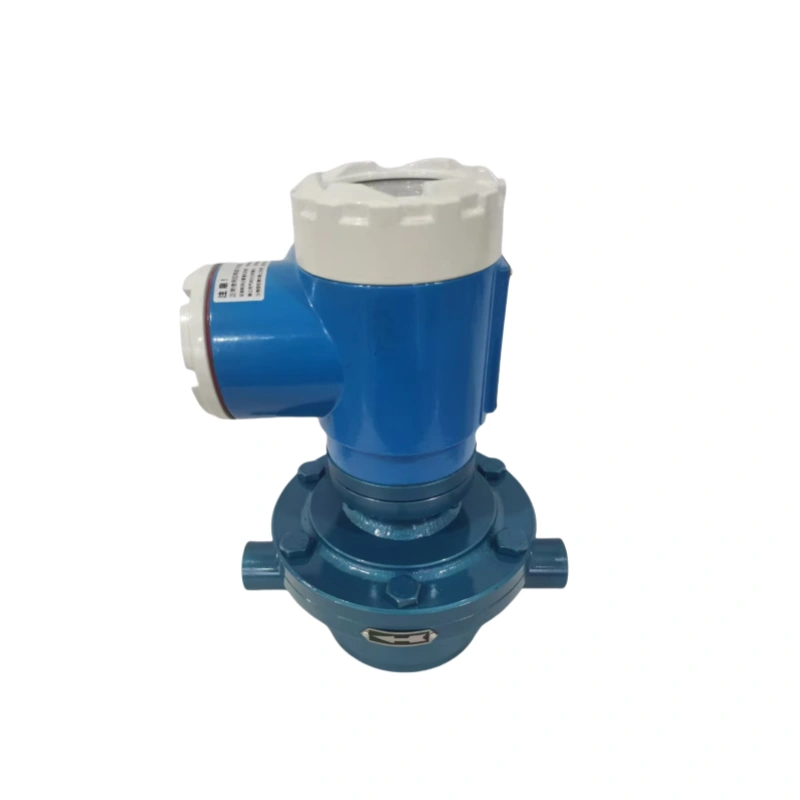
Positive-Displacement Air Flow Meter
Waist-Wheel Flow Meter
Principle of Operation
The waist-wheel flow meter operates on the principle of positive displacement. A pair of non-contact, meshing waist-wheel rotors is housed within the chamber, forming a fixed metering chamber.
The pressure differential between the air inlet and outlet drives the waist-wheels to rotate in opposite directions at a constant speed, cycling through the actions of filling, isolation and venting, thereby dividing the continuous gas flow into equal-volume gas parcels for delivery.
By measuring the rotational frequency of the rotors and combining this with chamber parameters, the instantaneous and cumulative air flow rates can be accurately calculated; this purely mechanical measurement method eliminates errors arising from indirect conversion.
Advantages
Low pressure drop and excellent energy efficiency: The rotors mesh without ever touching, so they spin with minimal drag. Air moves through with barely any pressure loss, meaning the supply pipeline pressure stays steady — a good fit for low-pressure air systems.
High precision and stability: You can expect accuracy in the ±0.1% to ±0.5% range. Zero-point drift isn’t an issue over long runs, and repeatability is consistently good. That makes it a solid choice for continuous measurement in industrial gas supply, fuel gas and compressed air applications.
High resistance to interference: Swings in air temperature, pressure or Reynolds number won’t skew the results. The meter holds its basic accuracy without extra temperature or pressure compensation, so it adapts well to whatever conditions it faces on site.
Excellent adaptability to both high and low flow rates: It covers a broad span — from heavy ventilation and bulk gas supply right down to very small flows. Sensitivity at the low end is noticeably better than what you get with most other flow meters.
Piston Flow Meter
Principle of Operation
Piston-type flow meters achieve volumetric measurement through the reciprocating motion of a piston; the internal calibrated cylinder and piston form the measuring chamber. An air pressure differential drives the piston’s reciprocating motion, with each cycle discharging a fixed volume of air.
The device calculates the instantaneous and cumulative air flow rates directly by counting the frequency of piston movement and combining this with the volume of air discharged per cycle. This is a purely mechanical, direct measurement method, free from conversion errors.
Advantages
Advantages in ultra-low flow measurement: It picks up air flows so small that most meters miss them entirely — trace ventilation, tiny leaks and the like. For low-flow air work, it’s the obvious first choice.
Stable measurement accuracy: It measures directly via the mechanical chamber volume. The structure is simple, the principle is easy to follow, and it isn’t bothered by flow disturbances or vortices. Accuracy stays solid even with low-pressure or micro-pressure air.
High resistance to contaminants: The piston design has more clearance than gear or wafer types, so it copes fine with air that carries a little dust or is only moderately clean. Jamming and blockages are rare.
Precise start-stop measurement: Response to start and stop events is immediate. You get a true reading the instant flow begins or cuts off, with no lag or under-reading. That makes it a natural fit for intermittent supply and pulsed airflow.
High fault tolerance: The piston runs smoothly without impact or chatter, which keeps wear and ageing down. There’s no need for involved calibration, and errors stay small even after long service.
For more, see: Compressed Air Flow Meter-Selection Guide
Practical Applications of Positive Displacement Air Flow Meters
Gas metering: You’ll find these meters in homes, shops and industrial sites alike, handling gases from low-pressure air to natural gas. They give an exact read on volume for household billing, and they keep tabs on how much gas hotels and factory boilers are burning so the books balance.
Compressed air system metering: On factory compressor lines, they track how much compressed air each workshop and machine is drawing. That helps with energy bills, spotting leaks in the pipework, and charging the right amount back to each workstation. They work best where the pressure is low and steady.
Industrial Process Gas Distribution: On lines for spray coating, fermentation or gas blending, these meters don’t care about flow speed and stay steady even when the flow drops right down. That means you can dial in the exact process air you need, keeping your mix ratios and product quality on target.
Laboratory Testing and Calibration: Test rigs and calibration setups use them to measure clean air, check flow rates and run leak-tightness tests. They hold their repeatability and accuracy well enough for lab work.
Internal combustion engine R&D testing: On engine test beds, they measure exactly how much air the engine is pulling in. With temperature and pressure compensation to bring the reading back to standard conditions, they’re built for development and tuning work — not for fitting to production vehicles.
Environmental air monitoring: Mounted on air and exhaust sampling gear, they pull samples at a set rate and tally the total volume drawn. That gives you the solid numbers you need to work out pollutant concentrations and put together environmental reports.
Small-scale specialised air supply applications: Suitable for small-scale air supply stations and independent air supply units for equipment, these meters provide cumulative measurement of dry, clean, low-pressure air, facilitating the statistical analysis and quantitative management of energy consumption associated with air supply.
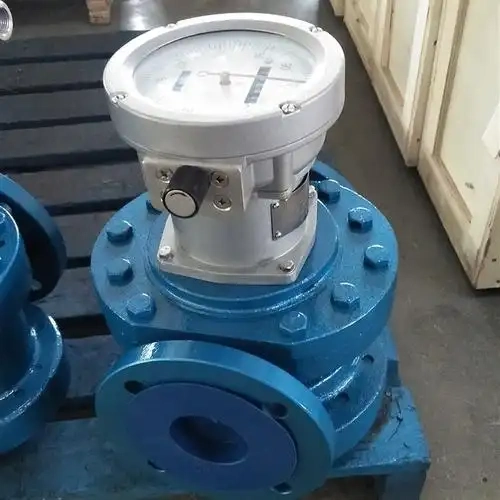
Can mass flow meters measure air?
Mass flow meters can measure air, but it is important to distinguish between the type of instrument and the operating conditions of the air. Thermal mass flow meters are suitable for measuring air; they can directly output mass flow without the need for temperature and pressure compensation, and are commonly used for monitoring ordinary air and compressed air.
Although Coriolis mass flowmeters can theoretically measure air, due to air’s low density, reliable results are only achievable under high-pressure conditions with sufficient density; they are generally not recommended for atmospheric or low-pressure air. When selecting a model, attention must be paid to moisture, dust and impurities in the air to prevent damage to the probe.
You also need to check the measurement range, operating pressure and whether the medium is compatible — that’s the only way to keep readings accurate and the equipment lasting.
Differences between positive displacement flowmeters and mass flowmeters
Different measurement principles: Positive displacement flowmeters work by filling and emptying a fixed chamber, giving you a volumetric reading. Mass flowmeters weigh the fluid directly and output mass flow.
Different compensation requirements: When you’re measuring gas with a positive displacement meter, you usually need temperature and pressure compensation to get a mass reading. Mass flowmeters skip that step — they don’t need compensation and they handle changing conditions without drifting.
Different suitable media: Positive displacement meters shine with thick, viscous liquids but are fairly restricted when it comes to gases. Mass flowmeters cover both gases and liquids. Thermal types tend to favour gases, while Coriolis designs can even handle multiphase flows.
Installation requirements differ: Positive displacement meters don’t need much straight pipe upstream, though dirt or grit can quickly jam the internals. Some mass flowmeter models are picky about fluid density and operating pressure.
Output results differ: positive displacement flow meters output volumetric flow rate, which requires conversion to mass flow rate using density; mass flow meters output mass flow rate directly, though this can also be converted to volumetric flow rate.
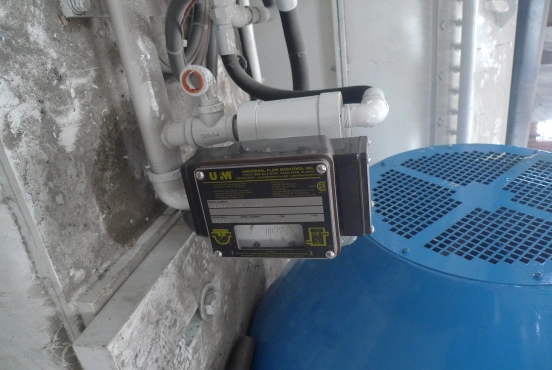
The Sion-Inst line of positive-displacement and mass flow meters can be set up for practically any gas metering job. They deal with the real-world problems — inconsistent readings on industrial gas lines and the difficulty of keeping accurate energy consumption records.
We also carry electromagnetic, turbine, vortex, ultrasonic and radar flow meters, plus a selection of level gauges and level switches.
We supply full measurement and control packages to mining, chemical processing, environmental protection and similar industries. The goal is tighter process control, lower operating costs and better efficiency overall.