In industrial sectors such as petrochemicals, metallurgy, power and energy, and new materials, the monitoring of high-temperature media levels remains a critical factor in ensuring the safe and stable operation of equipment.
With their excellent high-temperature resistance, stable measurement accuracy and strong adaptability to operating conditions, high-temperature level sensors have become the core instruments for achieving continuous and reliable level monitoring in extreme environments.
Not only can they withstand the combined challenges of high temperatures, high pressure, steam condensation and medium corrosion, but they also provide reliable data support for safe production, precise measurement and automated control, making them indispensable detection equipment in modern industrial high-temperature applications.
Common high temperature operating conditions
Boilers and thermal systems
In operating conditions such as boiler drums, deaerators, high-temperature hot water tanks and steam storage tanks, the internal medium temperature typically ranges from 150°C to 250°C.
These conditions are accompanied by high pressure, steam mist and condensate interference, placing extremely high demands on the high-temperature resistance and anti-interference capabilities of level sensors; this is one of the most common high-temperature operating conditions.
Thermal Oil Systems
As a commonly used heat transfer medium in industry, thermal oil typically operates at temperatures between 200°C and 300°C, with some systems reaching as high as 350°C.
Whilst the medium has good fluidity, the consistently high temperatures necessitate long-term, stable measurement, placing stringent demands on the sensor’s temperature resistance and sealing integrity.
Molten Salt Energy Storage and High-Temperature Heat Exchange
Molten salt systems operate at temperatures ranging from 300°C to 500°C or even higher. The medium is molten at high temperatures and highly fluid, yet prone to crystallisation and adhesion.
This constitutes a typical extreme high-temperature environment where conventional level gauges cannot be used; specialised high-temperature level sensors must be selected.
High Temperature Reaction Vessels in Petrochemicals
In processes such as chemical synthesis, polymerisation and hydrogenation, temperatures inside reaction vessels typically range from 180°C to 350°C.
Some media are also corrosive, prone to foaming and highly viscous, requiring instruments that are heat-resistant, resistant to fouling and capable of stable measurement.
Asphalt, Heavy Oil and High Temperature Oils
In applications such as the heating and storage of asphalt, the conveyance of heavy oil, and the high-temperature circulation of lubricating oil, temperatures typically range from 150°C to 250°C.
The media are viscous and prone to condensation and scaling, causing ordinary contact-type instruments to become blocked or malfunction. These conditions represent typical high-temperature, viscous media environments.
High Temperature Sterilisation and Heating in Food and Pharmaceuticals
Processes such as the heating of sauces, syrups and edible oils, as well as high-temperature CIP (Clean-in-Place) cleaning, typically operate at temperatures between 120°C and 180°C.
These applications require sanitary-grade construction, high-temperature resistance and ease of cleaning, whilst also meeting food-grade safety standards.
Metallurgy and Building Materials
Media such as molten glass, molten aluminium and high-temperature slag can reach temperatures exceeding 1000°C, constituting ultra-high-temperature special operating conditions.
Specialised solutions such as high-temperature radar and nuclear radiation level gauges must be employed, with extremely stringent requirements for instrument structure and materials.
Chemical Fibres, Plastics and New Materials
Media such as polyester melt, hot melt adhesives and high-temperature resins have temperatures ranging from 200°C to 300°C. These substances are highly viscous and prone to solidification, requiring sensors that are heat-resistant, non-stick and capable of providing continuous, reliable measurements.
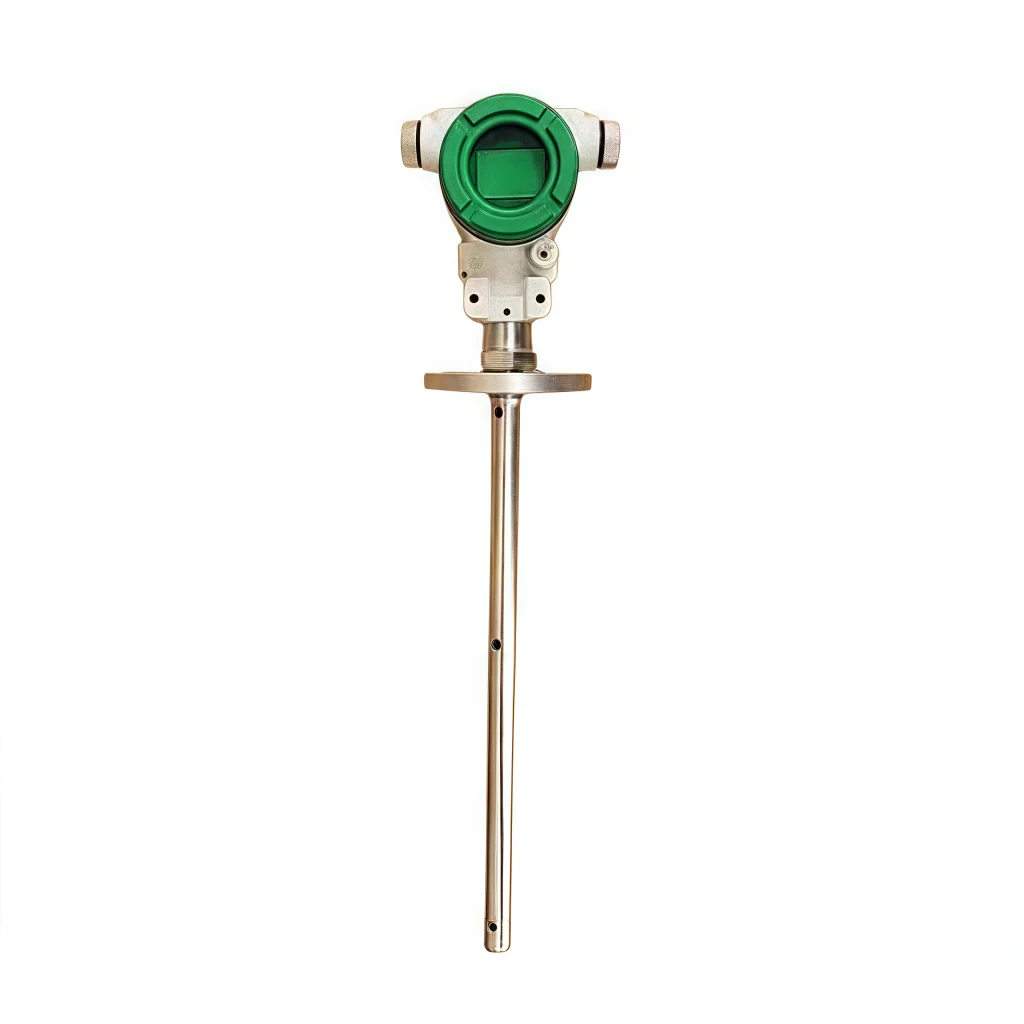
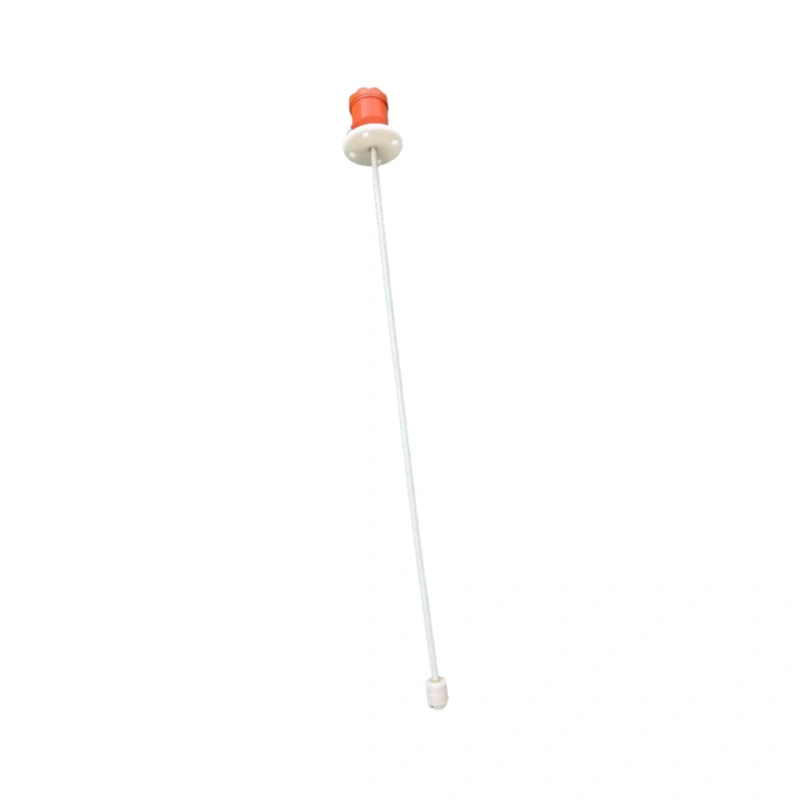
Level gauges suitable for high temperature environments
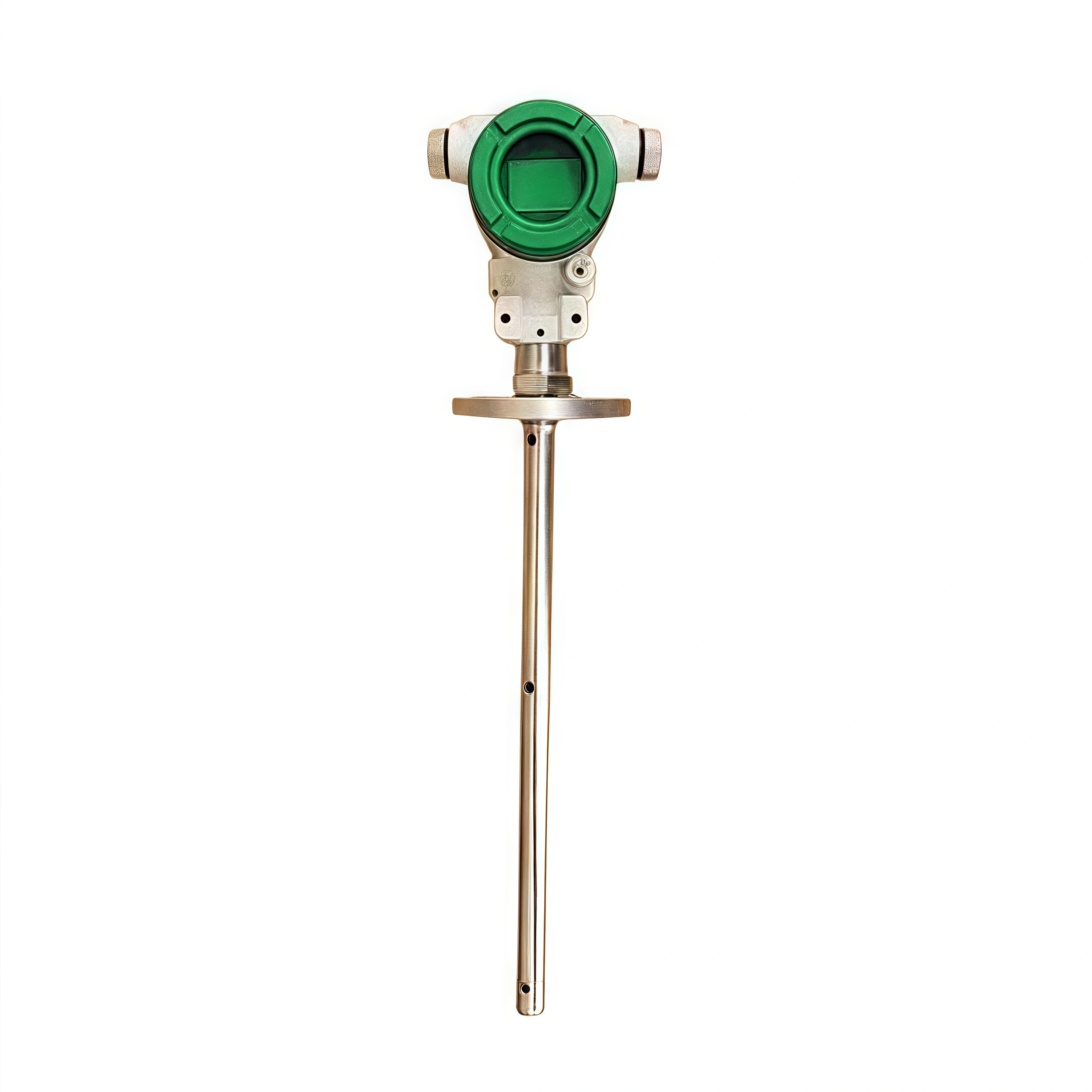
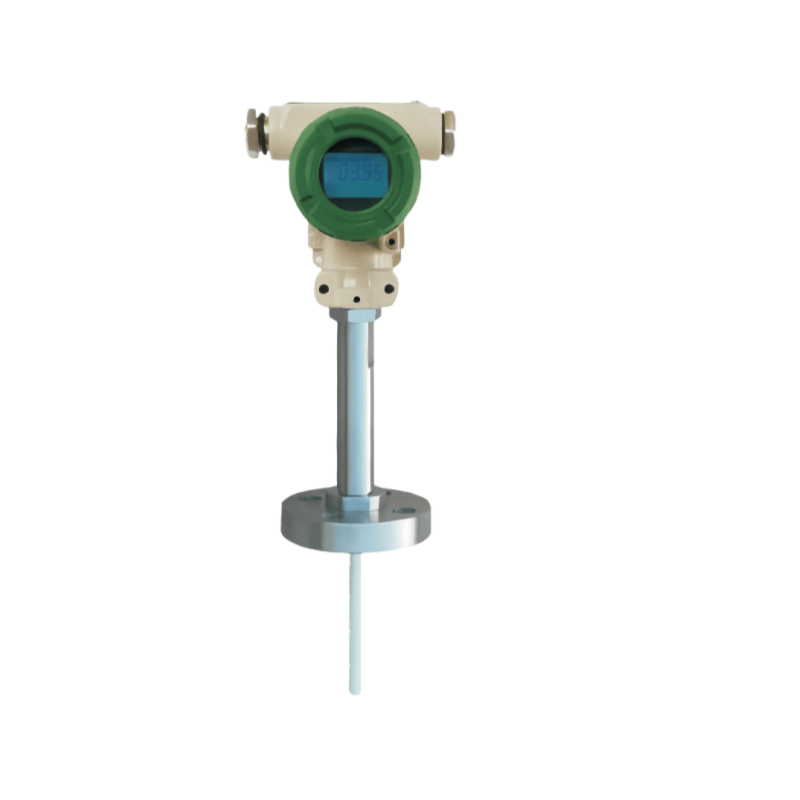
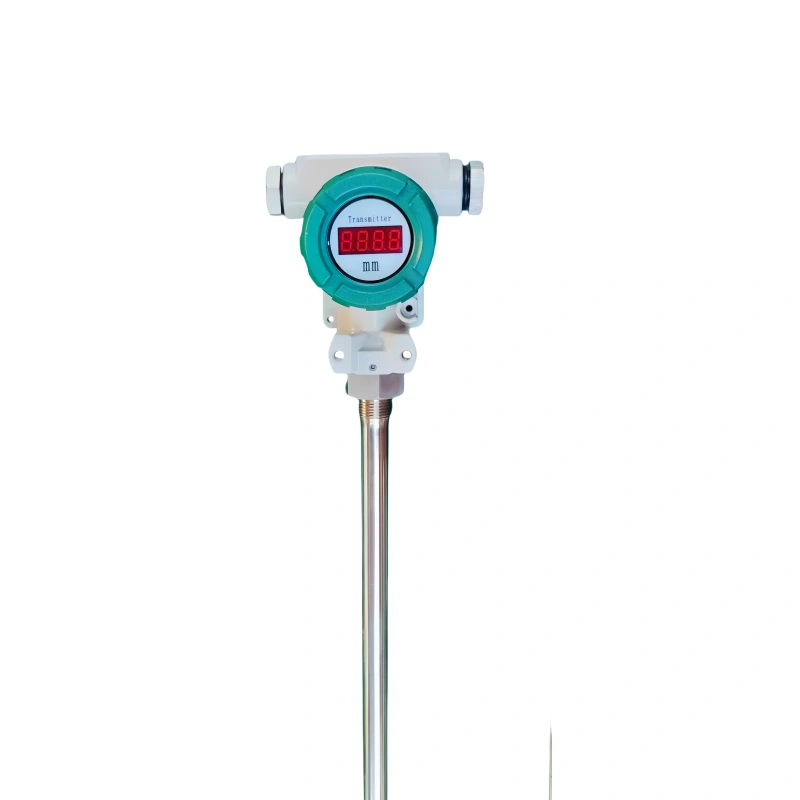
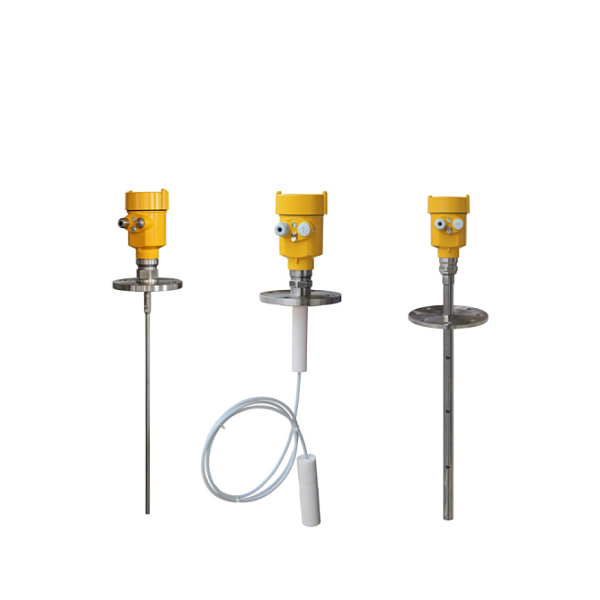
Capacitive level gauges
Capacitive level sensors operate based on the physical property that the capacitance of a capacitor varies with changes in the dielectric between the plates. The sensor typically consists of a central electrode and an outer protective tube forming two plates, with air or an insulating material serving as the initial dielectric; when the liquid being measured enters the space between the electrodes, the dielectric between the plates changes from air to the liquid.
There’s a big difference in the dielectric constant between the liquid and air, so the capacitance of the capacitor changes in a linear or roughly linear way. The sensor’s got this built-in circuitry that converts the change in capacitance into a standard electrical signal output, and the control system can then work out the current liquid level height based on the strength of this signal. The maximum operating temperature for capacitive level transmitters is 250°C.
Advantages
1. The design is simple and contains no moving parts. In high-temperature environments, measurement failure caused by mechanical wear, sticking or deformation due to thermal expansion and contraction is avoided, resulting in higher overall reliability and suitability for long-term continuous monitoring.
2. The electrodes and housing can be made from materials that can resist high temperatures, meaning they can handle being exposed to really high temperatures. Some models can even operate at hundreds of degrees Celsius, making them perfect for measuring high-temperature liquids.
3. The measurement process does not rely on buoyancy, pressure differential or fluid velocity; it detects the liquid level solely through changes in the dielectric constant of the medium. Alterations in the physical state of the medium at high temperatures have minimal impact on the measurement principle itself, resulting in outstanding measurement stability.
4. You’ve got a few options when it comes to installation, with probe-type, cable-type or side-mount configurations available. They can be used in all sorts of places, like high-temperature tanks and pipelines, and they can measure things directly in high temperatures without needing complicated heat dissipation structures.
5. With fast response times and high sensitivity, the instrument can accurately detect minute changes in liquid level even in high-temperature media. It also possesses strong anti-interference capabilities, being resistant to factors such as temperature fluctuations, steam or foam, thereby ensuring measurement accuracy.
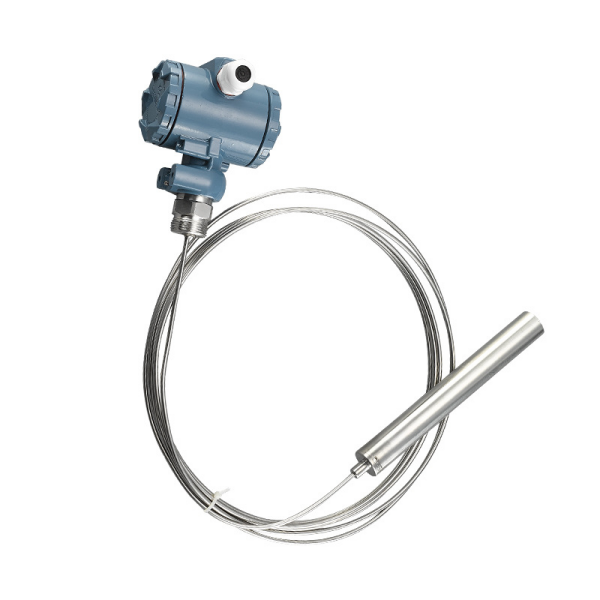
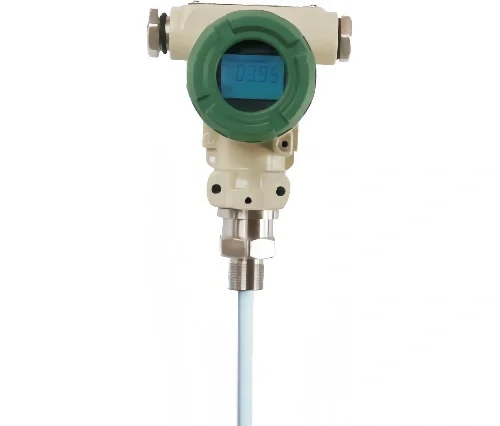
Static Pressure Level Transmitter
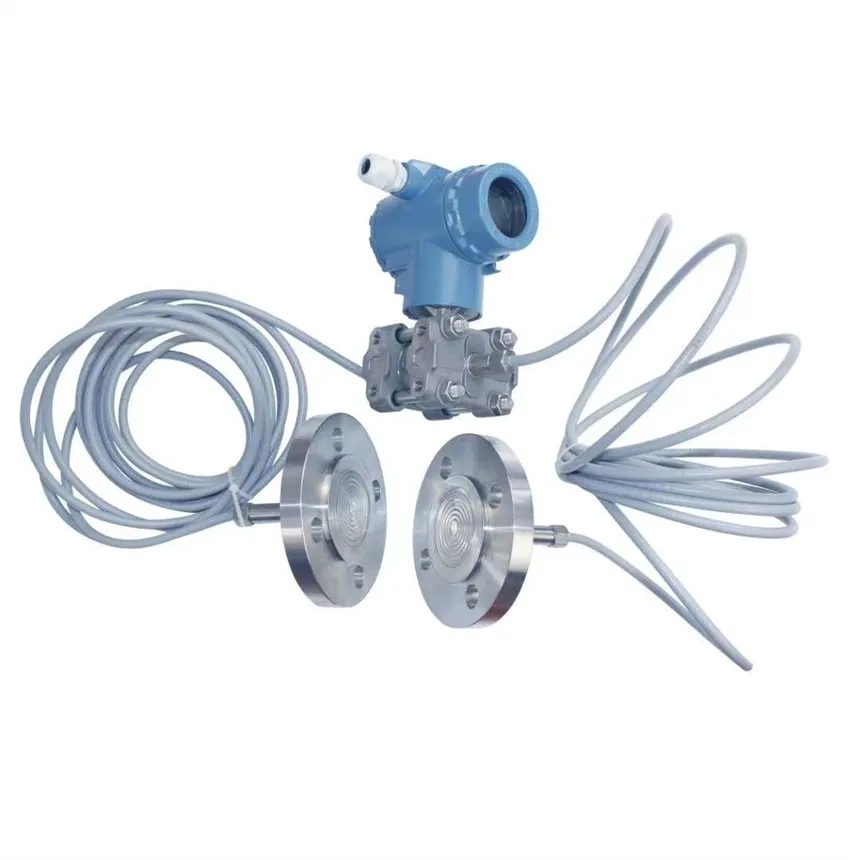
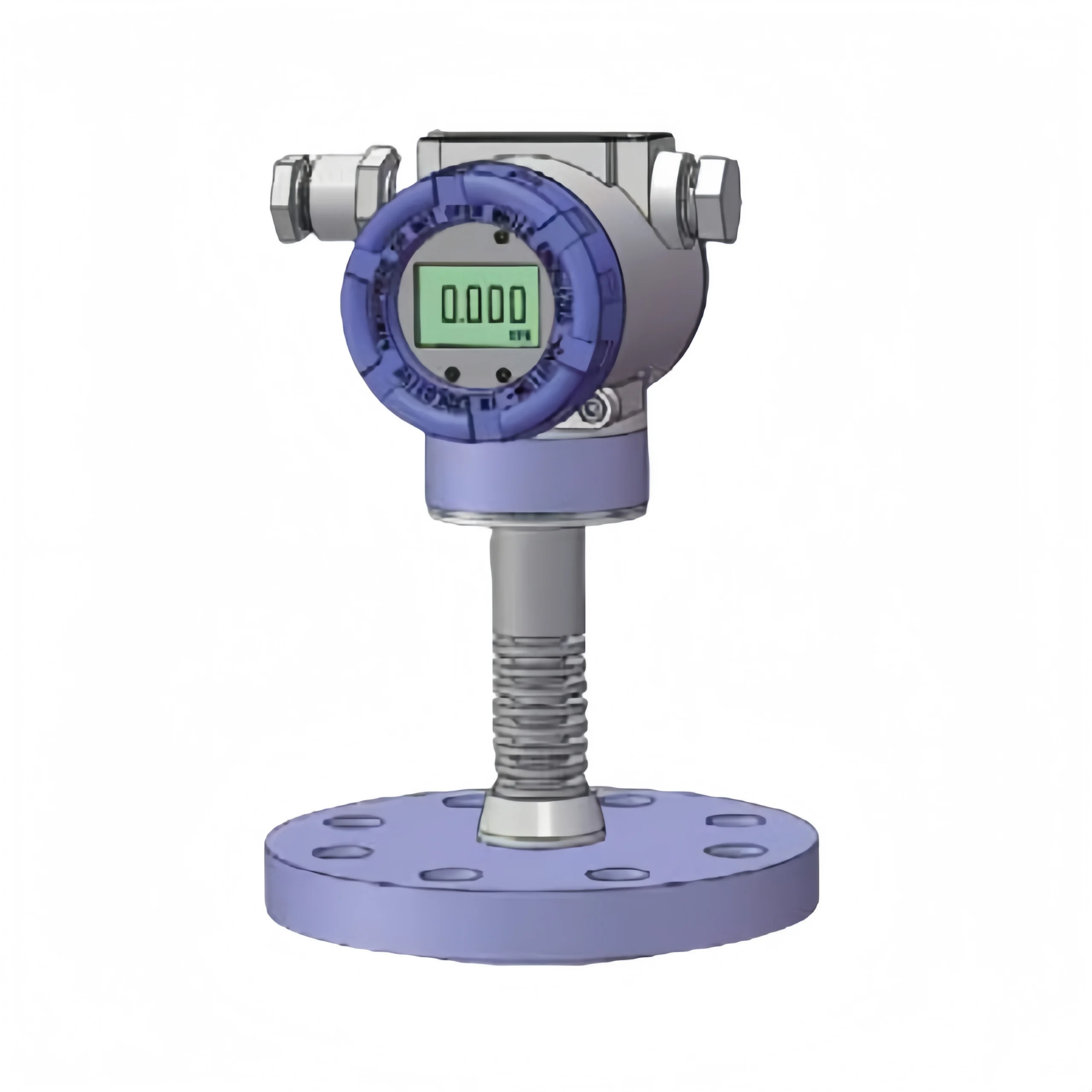
Static pressure level transmitters work on the principle that the higher the liquid level, the higher the static pressure. The basic idea is this: in a liquid that isn’t moving, the pressure at a certain depth is caused by the weight of the liquid above it. How strong this pressure is depends on the height of the liquid, how thick it is, and the gravitational pull.
The level transmitter uses a probe to detect the pressure value at the bottom of the vessel or below the liquid level. After subtracting atmospheric pressure to obtain gauge pressure, a formula is applied to convert the pressure signal into the corresponding liquid level height. Finally, a standard current or digital signal is output for display and control purposes. The maximum operating temperature for static pressure level transmitters is 600°C.
Advantages
1. The way it measures isn’t affected by the temperature, as long as the liquid density stays the same. You can expect great measurement accuracy and linearity even when it’s hot.
2. It’s compatible with high-temperature diaphragms, heat dissipation tubes and high-temperature sealing structures, so it can come into direct contact with high-temperature media. This makes it suitable for long-term continuous measurement of high-temperature liquids.
3. The probe is small and you can install it in a bunch of ways, like using pressure-conducting tubing or just sticking it in. It doesn’t take up much space and is great for loads of high-temperature applications, like storage tanks and reactors.
4. There are no mechanical moving parts, so there’s no risk of sticking or wear and tear in high-temperature environments. The overall structure is pretty solid, which means it’s pretty reliable and doesn’t need much maintenance.
5. It exhibits strong resistance to interference from steam, foam and dust. Even in high-temperature liquid environments accompanied by volatile gases, it can still output a stable pressure signal, ensuring high measurement reliability.
6. It’s got a wide measurement range, so it can measure low-pressure shallow liquid levels as well as high-pressure deep liquid levels. This makes it more compatible with high-temperature, high-pressure conditions than many lightweight level sensors.
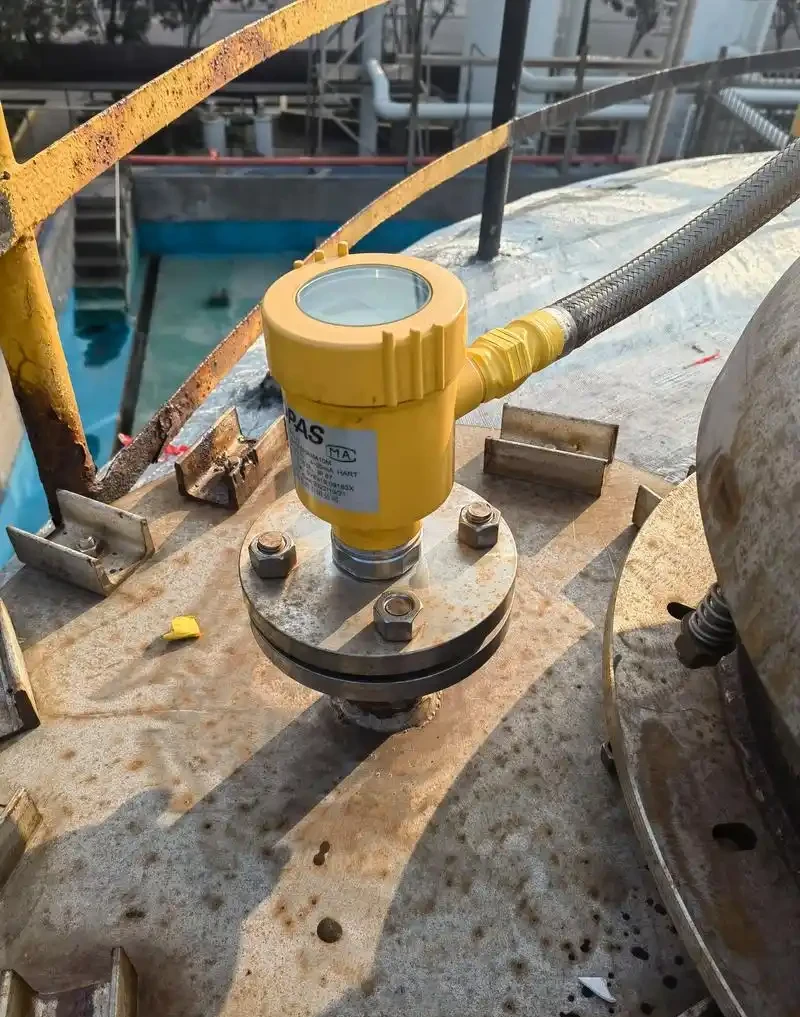
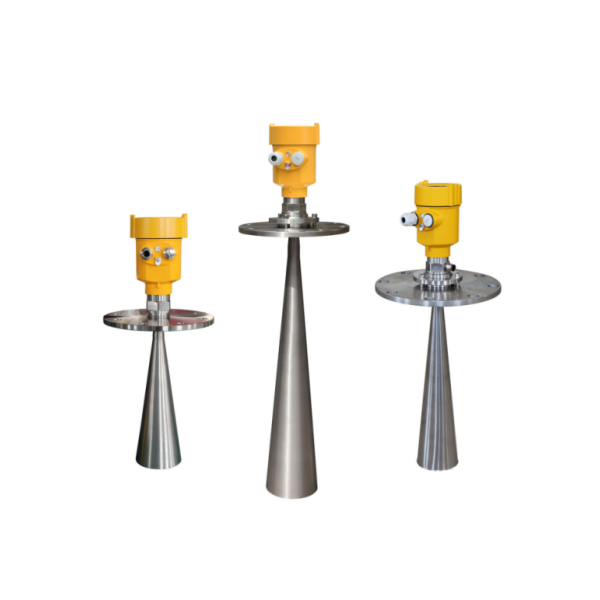
Radar Level Transmitter
Radar level transmitters emit high-frequency microwave pulses towards the liquid surface. By utilising the property of microwaves reflecting off the liquid surface, they precisely measure the time difference between the transmitted and received signals to calculate the distance from the antenna to the liquid surface.
This distance is then combined with the total height of the vessel to determine the actual liquid level. After filtering out interfering echoes, the device outputs a stable and accurate level signal. Radar level transmitters can measure media at temperatures up to 250°C.
Advantages
1. Utilises a non-contact measurement method; the probe does not come into direct contact with high-temperature liquids, effectively preventing corrosion, ageing or damage to measurement components caused by high-temperature media.
2. It can handle high temperatures, steam and thermal radiation, and is really adaptable to high-temperature conditions. It’s also able to operate stably without complex heat dissipation structures.
3. Whatever changes you make to the physical properties of the liquid, such as its temperature, density and viscosity, won’t affect the measurement results. It’s always accurate and stable, even when it’s really hot.
4. Highly resistant to interference from steam, mist and dust; it can reliably detect the liquid level and maintain a stable signal even in high-temperature volatile media environments.
5. Contains no moving mechanical parts; therefore, it is not prone to faults such as deformation or jamming caused by high temperatures. Its durable structure makes it suitable for long-term continuous online monitoring.
6. Simple to install and maintain; it can be mounted from above without coming into contact with high-temperature liquids, thereby reducing safety risks during disassembly and maintenance.
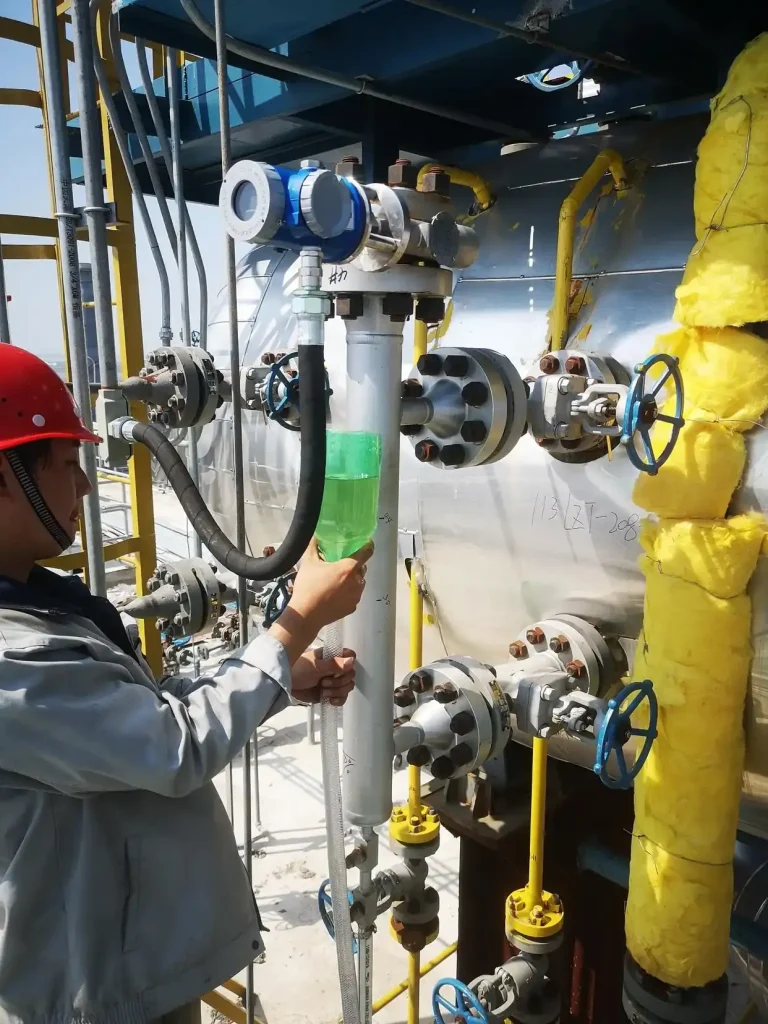
Float Level Gauge
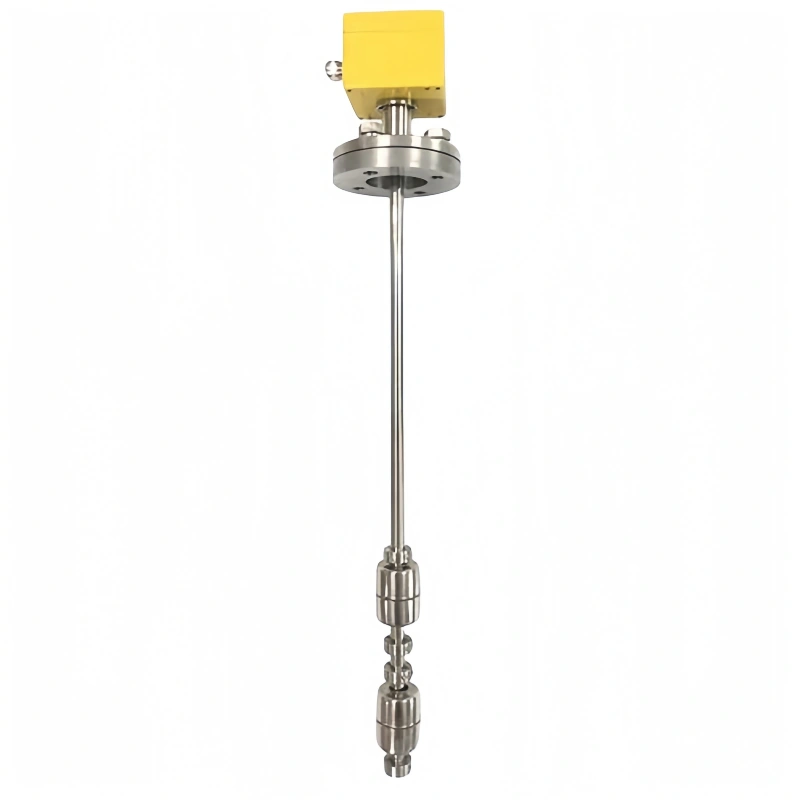
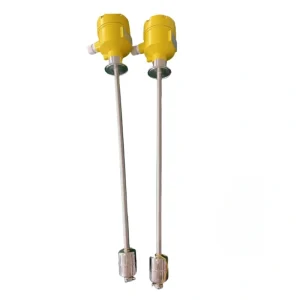
The float level gauge operates on the principles of buoyancy balance and magnetic coupling. The float, which rises and falls with the liquid level, interacts with the magnetic coupling mechanism within the measuring rod via an internal magnet, converting changes in liquid level displacement into mechanical displacement or an electrical signal output. This enables real-time detection and remote display of the liquid level. The maximum operating temperature of the float level gauge is 120°C.
Advantages
1. The idea is simple and reliable, with a straightforward structure. It’ll stay stable and track well even when it’s hot, and it won’t be easily affected by changes in the stuff it’s in.
2. You can make the float and connecting rod from high-temperature-resistant metals like stainless steel, which means they can be used in high-temperature liquids and steam environments. They can also be used over a wide range of temperatures.
3. It is a highly stable type of contact measurement, unaffected by interference from foam, steam or mist generated by high temperatures, ensuring accurate and reliable level detection.
4. No complex electronic parts touch the high-temperature zone, so the overall temperature resistance is great. This means the circuit is unlikely to drift or be damaged by high temperatures.
5. Easy to maintain and troubleshoot, making it suitable for continuous level monitoring in high-temperature storage tanks, boiler water tanks and similar applications.
6. Can be fitted with a high-temperature sealing structure, allowing for normal operation in high-temperature, pressurised vessels, offering high versatility.
Selection Guidelines
When selecting a high-temperature level sensor, you should first determine the operating temperature, pressure and properties of the medium, then match the measurement principle, structural materials and heat dissipation solution accordingly, and finally verify the accuracy, signal type and safety certifications.
1. Confirm the operating temperature and pressure. Prioritise models with a temperature rating at least 20% higher than the actual operating conditions. For high-temperature and high-pressure scenarios, opt for split-type structures equipped with heat dissipation adapters or water-cooling devices. Simultaneously verify the pressure-temperature rating to prevent failure caused by a reduction in pressure resistance at high temperatures.
2. Select the model based on the properties of the medium. For corrosive media, choose corrosion-resistant materials such as 316L, Hastelloy or PTFE. For media prone to crystallisation or high viscosity, prioritise non-contact radar sensors. For clean, low-viscosity media, submersible, capacitive or float-type sensors may be selected to prevent reactions between the material and the medium.
3. Match the measurement principle to the accuracy requirements. For standard operating conditions below 200°C, high-temperature submersible or capacitive sensors may be selected; for high-temperature and high-pressure conditions between 200–400°C, prioritise radar or guided-wave radar; for applications where drilling is not possible, select external measurement types; for high-precision scenarios, choose radar; for low-cost point control, select high-temperature float switches.
4. Verify structural and sealing reliability. Adopt fully welded structures and high-temperature sealing components to avoid ageing and failure of standard rubber seals. Ensure that flange and interface strength is suitable for operating pressures to guarantee no leakage or deformation under long-term high-temperature conditions.
5. Confirm signal output and safety certifications: select output methods such as 4–20mA or RS485 as required; provide Ex explosion-proof certification for flammable and explosive environments; ensure IP67 or higher protection ratings for outdoor or humid environments to guarantee safe and stable operation.
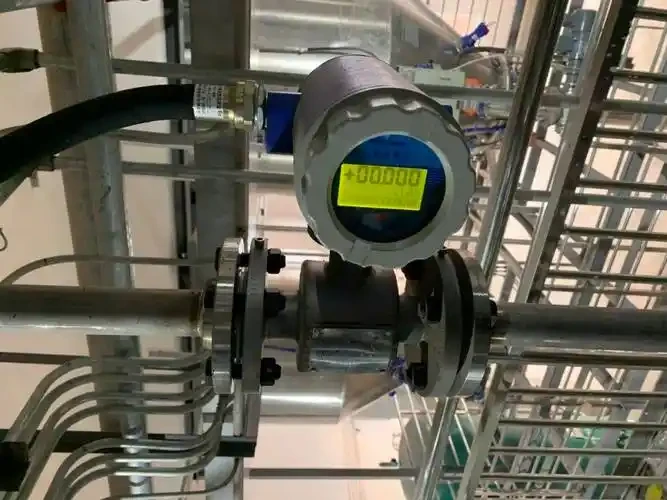
Sino-Inst has long specialised in the R&D and manufacturing of industrial level measurement instruments, offering a comprehensive range of high-temperature level sensors including capacitive, hydrostatic, radar and high-temperature float types. We provide customised measurement solutions tailored to different temperature ranges and various media.