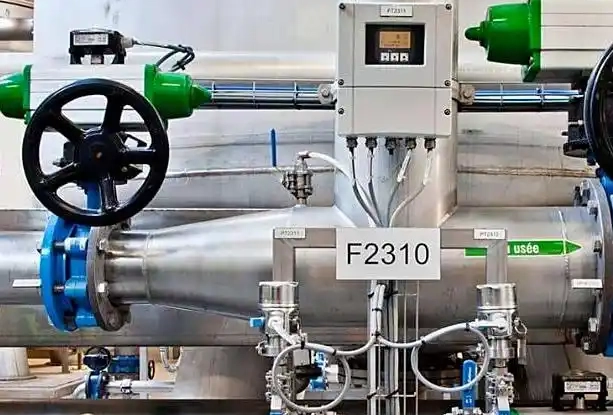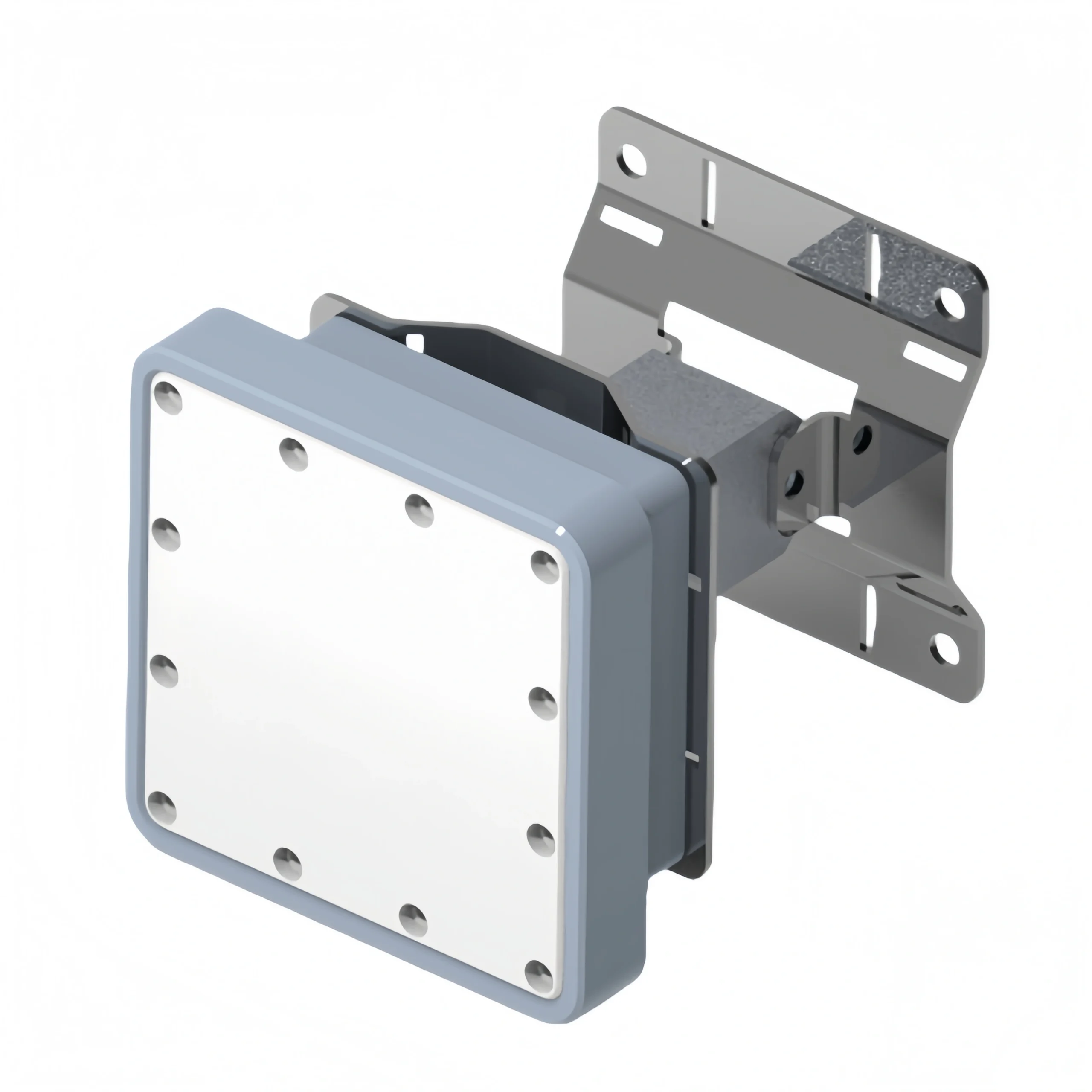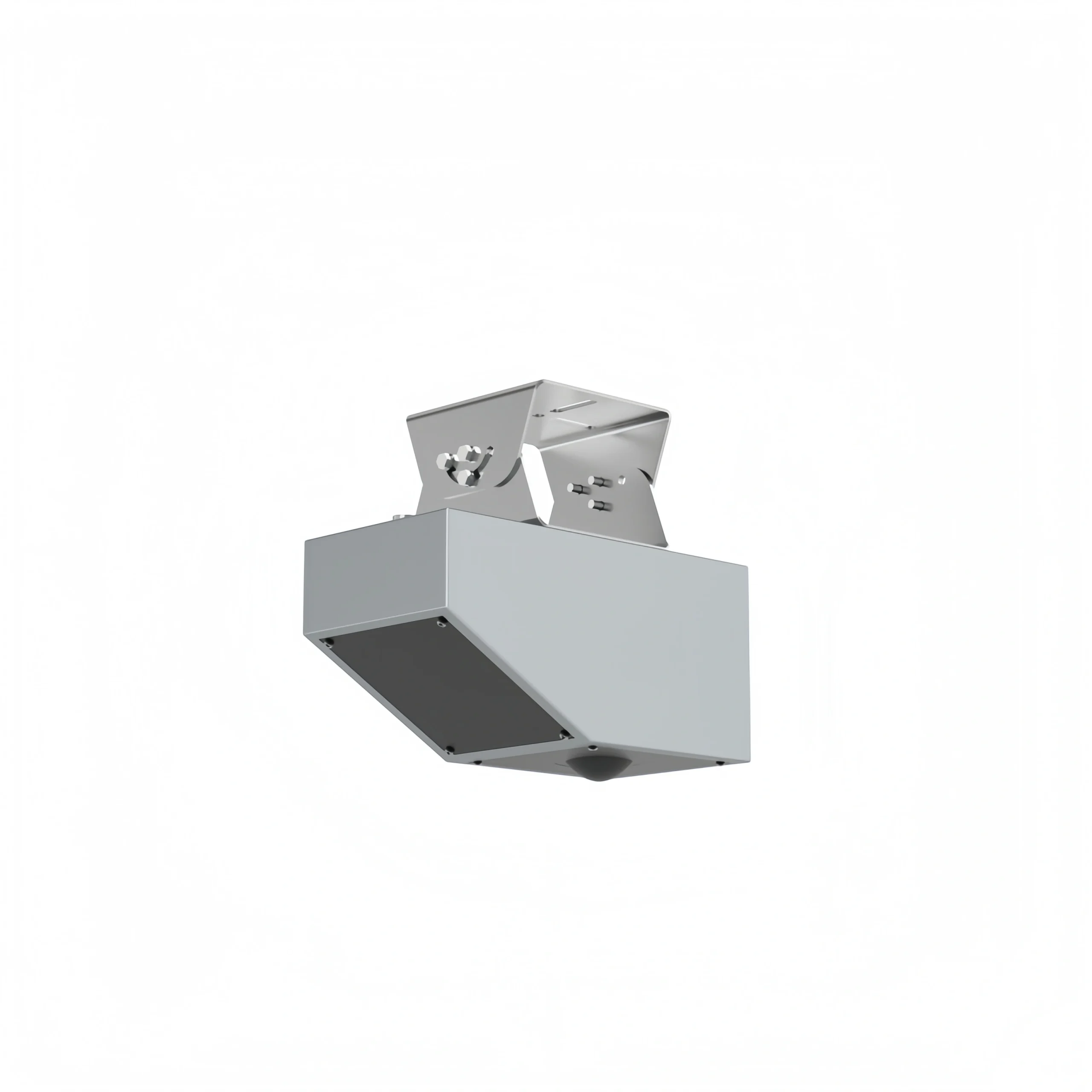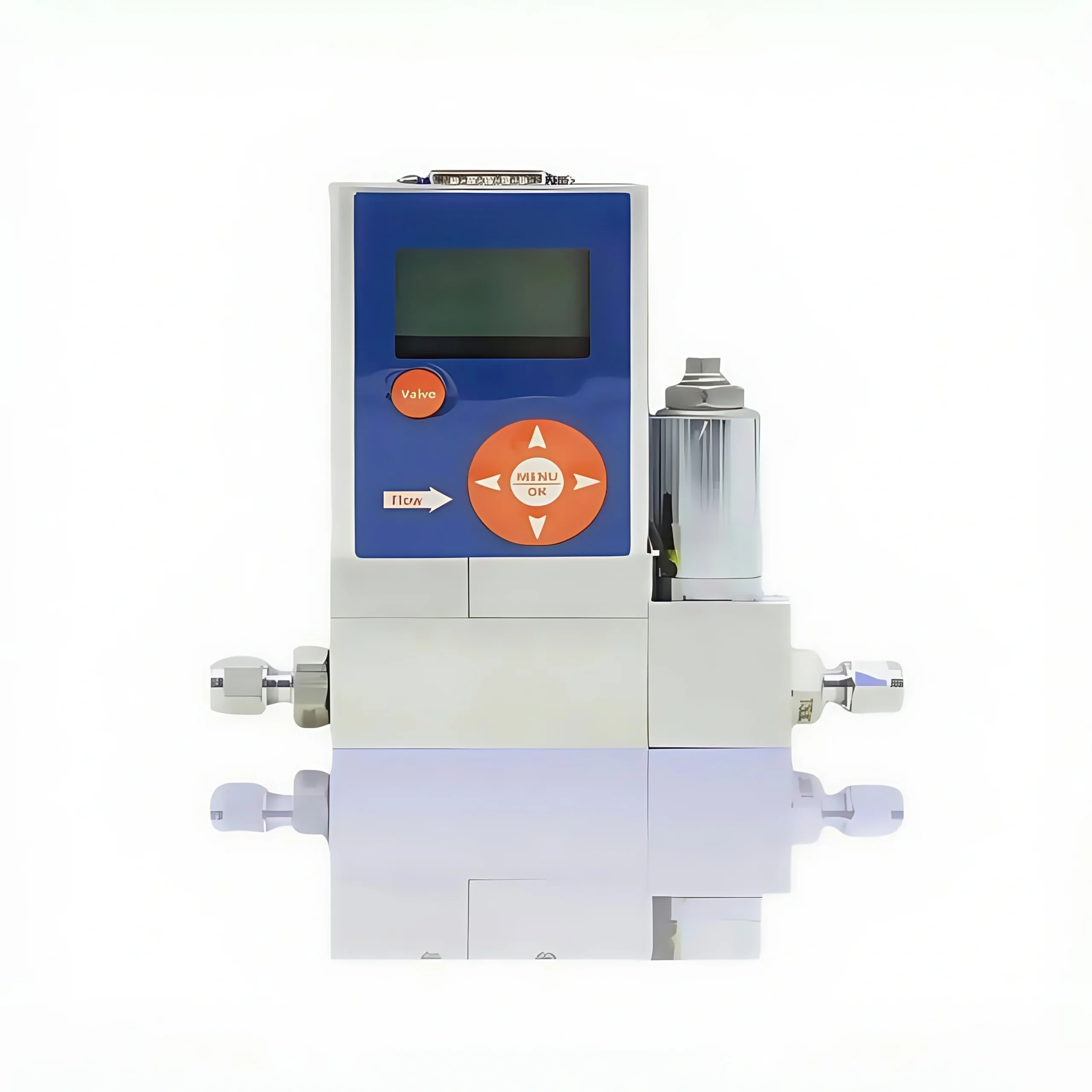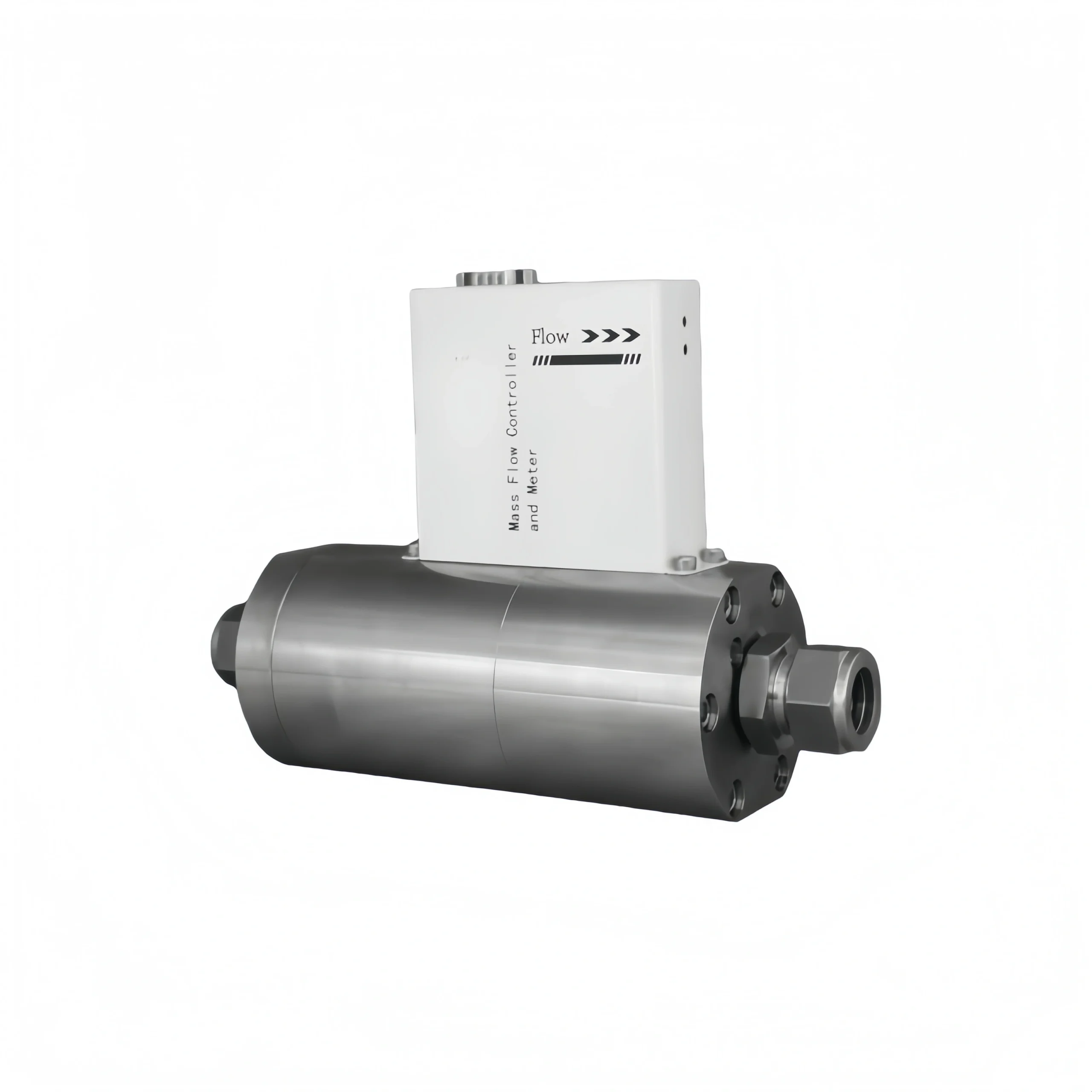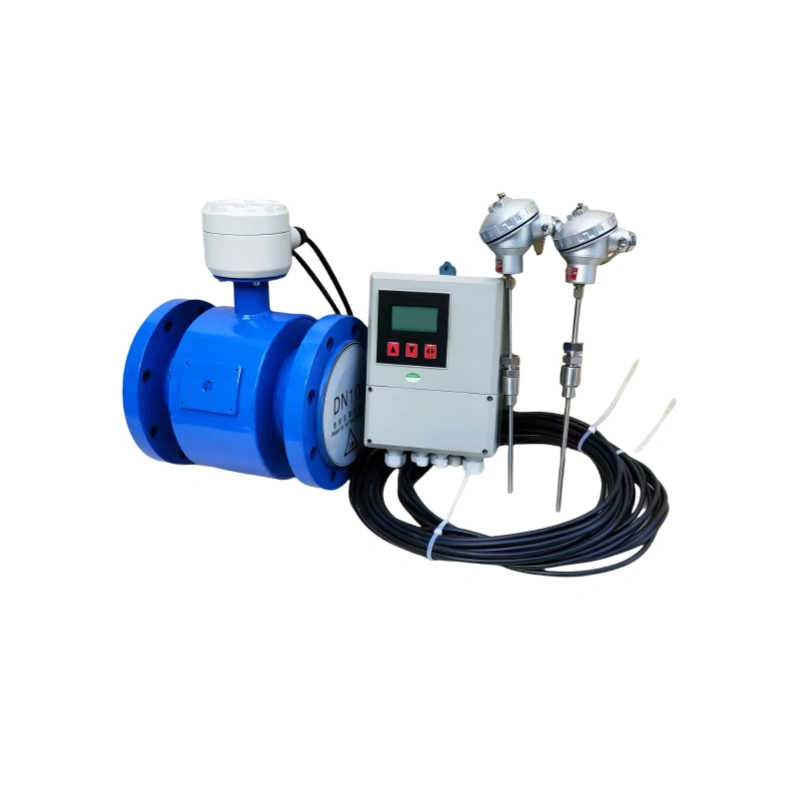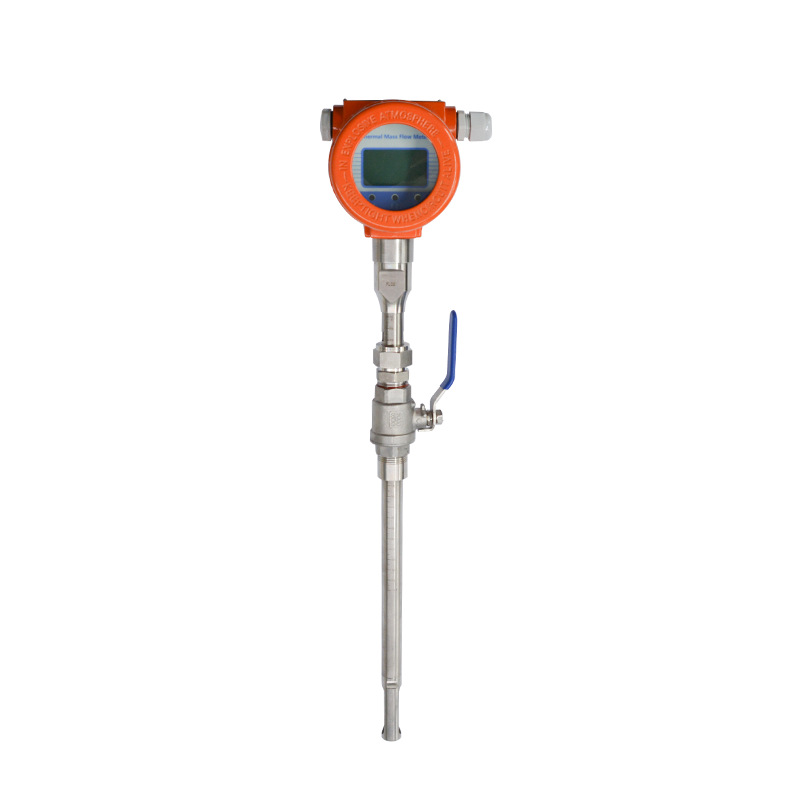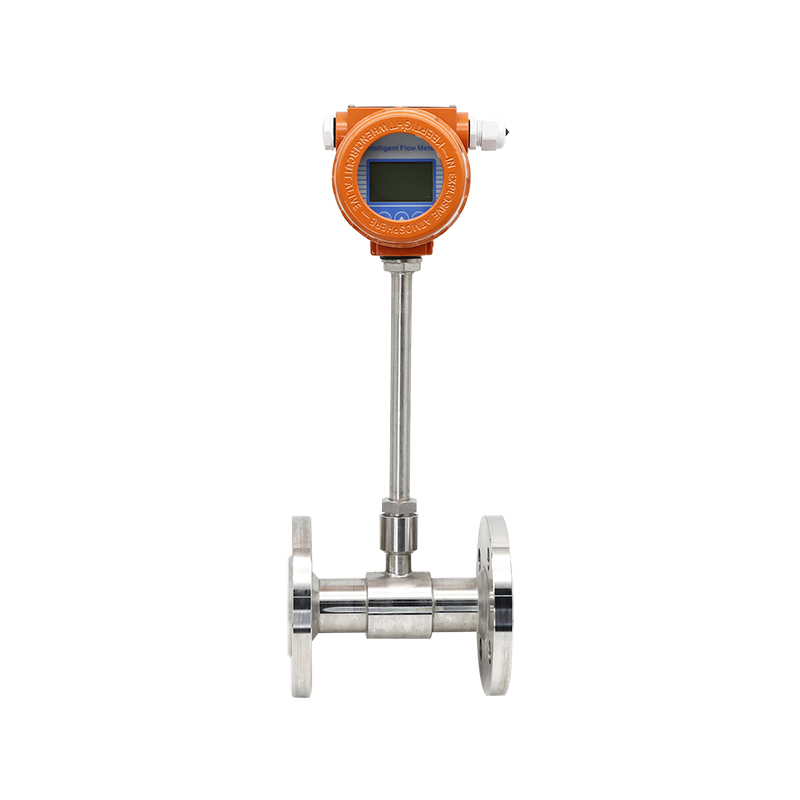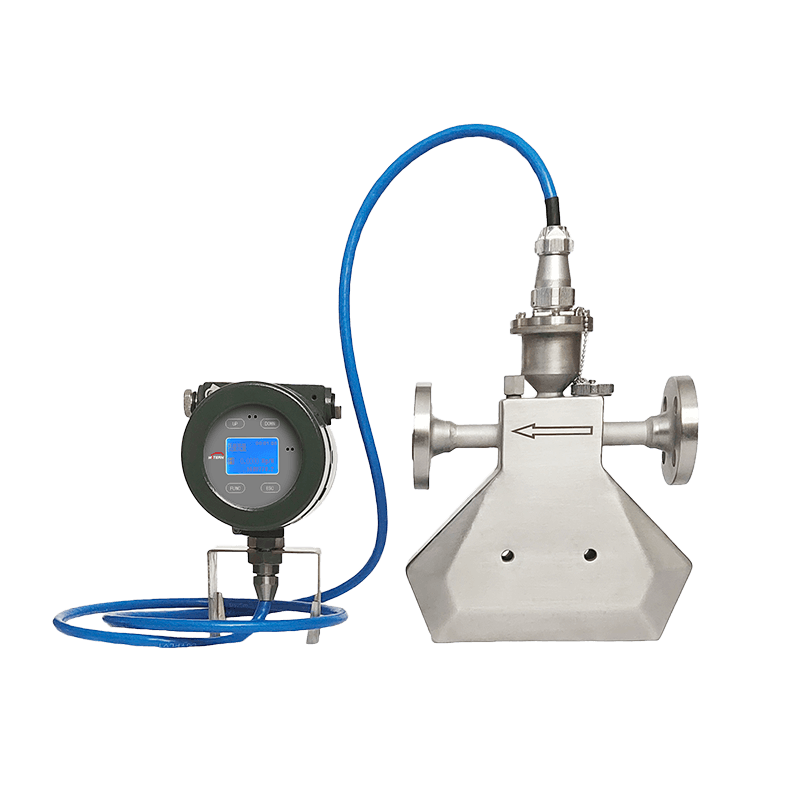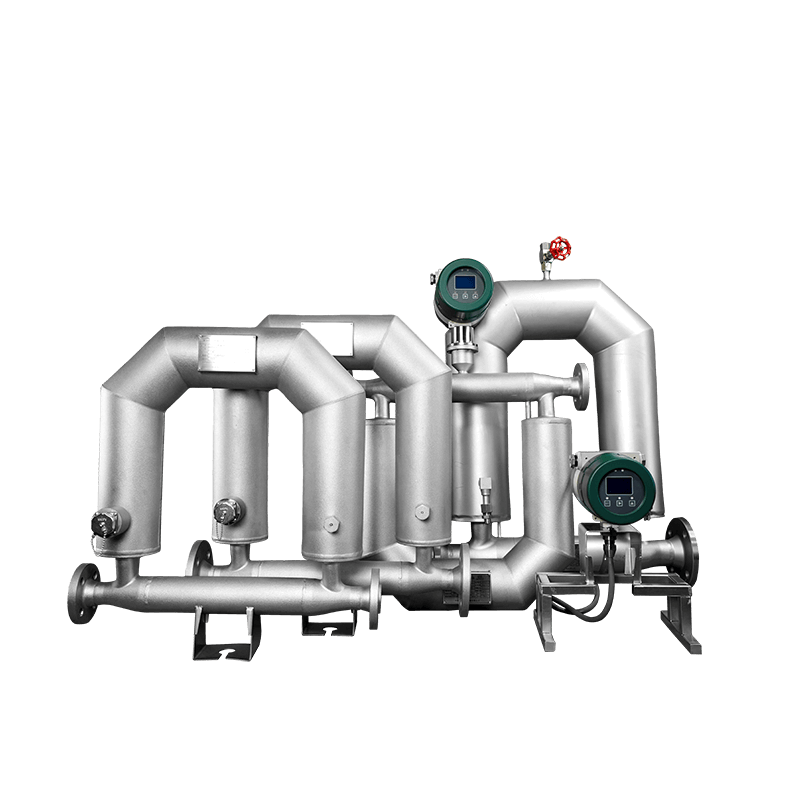
As a core energy source in sectors such as industrial power generation, shipping and transport, the accurate measurement of fuel flow is a key prerequisite for achieving efficient energy utilisation, cost control and environmental compliance. With their core advantages of directly measuring mass flow and being minimally affected by fluctuations in fluid properties, fuel mass flow meters have become the primary equipment replacing traditional volumetric measurement methods.
They’re super important in loads of different industries, like aerospace, shipping, power generation and chemical processing. The accuracy and stability of these machines are key for industrial upgrading and green development.
What is a Mass Flow Meter?
A mass flow meter, or MFM, is a tool that’s made to measure the mass flow rate of fluids (like liquids, gases, or multiphase flows). The main job of this piece of kit is to accurately measure the mass of fluid passing through a cross-section over time. The measurement is then output in mass units (e.g. kg/h or g/s). This is different from volumetric flow meters, which use an indirect measurement method that requires conversion to mass based on fluid density.
Principle of Operation
The Coriolis mass flow meter uses the Coriolis force effect to measure the mass flow. This force is created by the flow of fluid through a vibrating tube. This idea comes from classical mechanics; the Coriolis force is a kind of inertial force that particles in a rotating system exhibit because of inertia.
The core components of the flowmeter are the measuring tube, the drive system and the detection system. The drive coil causes the measuring tube to resonate at its natural frequency; when there is no fluid, the vibrations at the inlet and outlet are in phase.
When fluid flows through, Coriolis forces in opposite directions are generated at both ends of the measuring tube, causing torsional deformation and creating a minute phase difference. This phase difference is directly proportional to the mass flow rate. After the detection coil captures the signal, it is processed and calculated by the DSP and ARM transmitter to obtain the instantaneous mass flow rate and cumulative total.
Also, because the resonant frequency of the measuring tube changes with the density of the medium, you can measure density at the same time and convert it into volumetric flow rate. This means you don’t need to worry about temperature and pressure, so it’s great for use in lots of high-precision measurements in the chemical, petroleum and food industries.
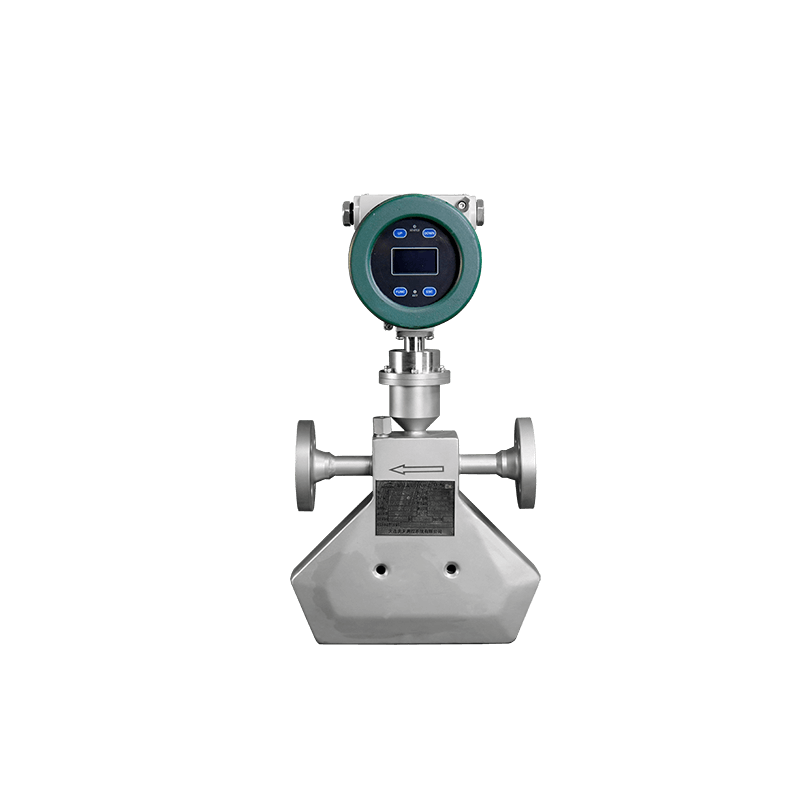
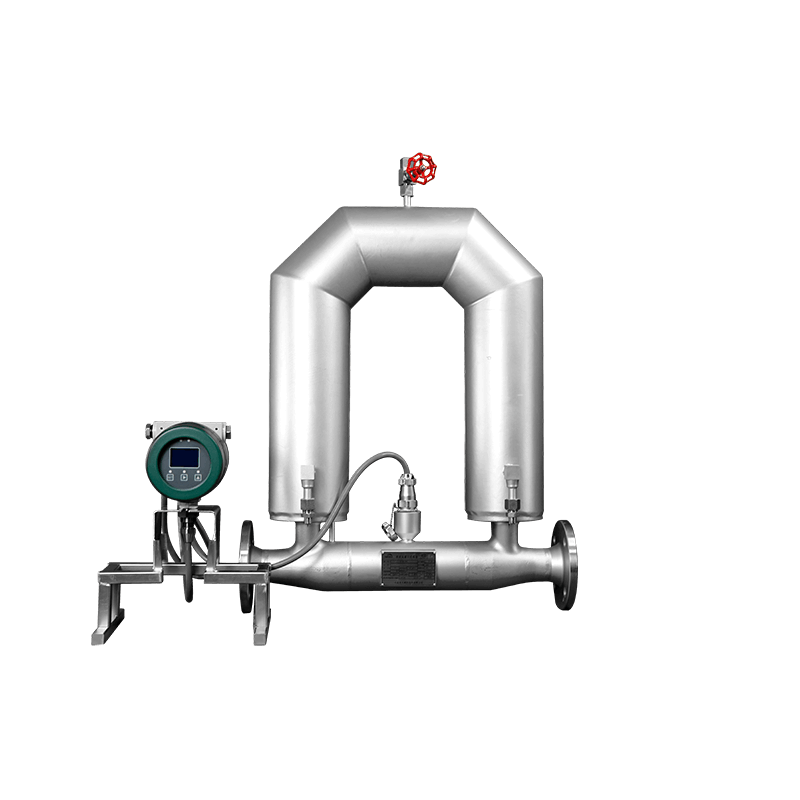
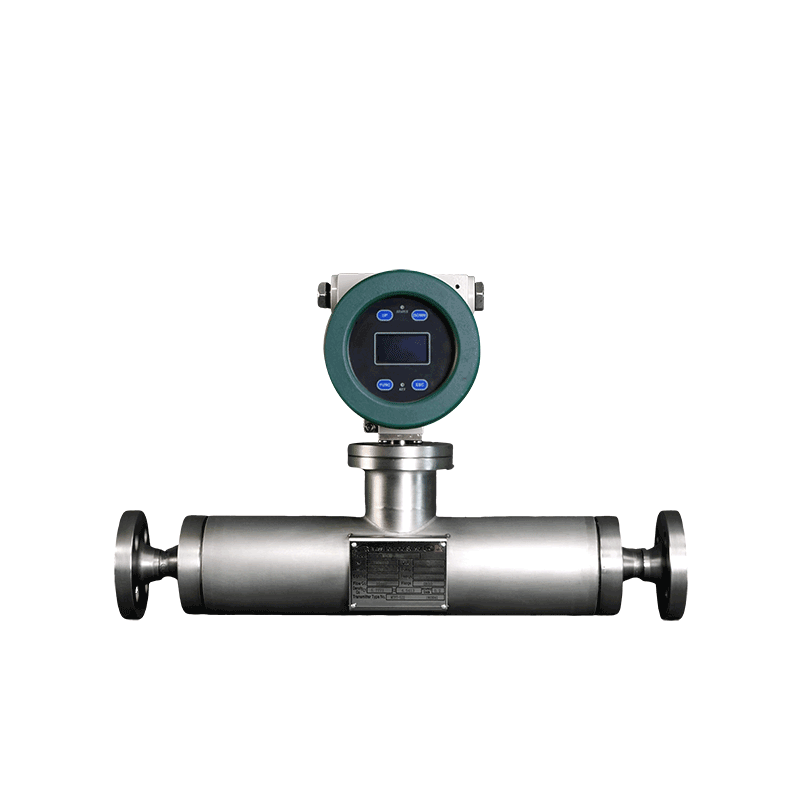
Advantages of Coriolis Flow Meters for Fuel Measurement
1. High measurement accuracy and excellent stability: These meters don’t let changes in fuel temperature, pressure, viscosity and other parameters affect their accuracy. They can accurately measure both instantaneous and cumulative fuel flow rates with minimal error. They’re great for media like fuel, where the viscosity can change depending on how it’s being used, and they keep accurate readings over time. This makes them perfect for fuel metering.
2. Direct measurement of mass flow without additional conversion: As mass measurement is a key part of fuel metering, Coriolis flowmeters can give you direct mass flow data. One of the great things about this fuel flowmeter is that, unlike volumetric flowmeters, you don’t need to account for variations in fuel density through conversion. This makes the metering process much simpler, reduces conversion errors and improves metering efficiency.
3. No straight pipe run requirements, flexible and convenient installation: This meter’s a real game-changer. You can install it in tight spots and with all sorts of piping set-ups, unlike those other flowmeters that need long, straight pipe runs to keep things stable. It can adapt to different layouts of fuel delivery pipelines, which reduces installation costs and spatial constraints.
4. Wide range of applications, suitable for various fuel types: It can measure all types of fuel, including petrol, diesel and jet fuel. It’s great because it works well with both clean fuel and fuel that’s got a few impurities in it. It can also adapt to different flow ranges, which is really useful for meeting measurement requirements in various situations, like fuel storage, transportation and refuelling.
5. Non-contact measurement, minimal wear and low maintenance costs: The sensor has no moving parts, and the components that touch the fuel are made of materials that don’t corrode or wear easily. This makes them resistant to erosion and wear caused by fuel flow, resulting in a low failure rate. You don’t need to do any complicated maintenance, which means lower costs in the long run.
6. You can measure multiple parameters at the same time, and it has all the functionality you could need. As well as measuring flow rate, the sensor can also monitor things like fuel density and temperature at the same time. You don’t need any extra equipment, and it provides more comprehensive data support for fuel metering and quality control, and makes fuel management more convenient.
Limitations of Coriolis mass flowmeters in measuring fuel
1. High-viscosity fuels significantly reduce accuracy and increase pressure loss. When high-viscosity fuels such as diesel and heavy fuel oil flow through the measuring tube, the flow resistance increases, which not only causes an additional pressure drop but also affects the detection of the Coriolis force, leading to a decline in measurement accuracy; this error is more pronounced at low flow rates.
2. The measuring tube can be affected by vibration, so it needs to be installed in specific conditions. The Coriolis principle relies on vibration detection, so putting it near pumps or compressors, or in pipelines that are subject to significant mechanical vibration, will directly interfere with the sensor signal, causing reading drift. Additional mounting and vibration-damping measures are therefore required.
3. High requirements for pipeline cleanliness; susceptible to contamination and scaling. Things like gums, impurities and waxes in fuel stick to and build up on the inner walls of the measuring tube, which changes how it vibrates. If you use it for a long time, it gets less accurate, so you have to take it apart, clean it and do maintenance pretty often, which can end up costing a lot.
4. Poor adaptability in low-temperature conditions: Some fuels can become waxy or solid at low temperatures, which can cause them to stick to the measuring tube and interfere with its vibration. At the same time, low temperatures can alter the material properties of the measuring tube, affecting zero-point stability and measurement accuracy.
5. Limited applicability in large-diameter scenarios: Large-diameter Coriolis flowmeters are bulky, expensive and they cause a lot of pressure loss. As fuel conveyance often involves large pipe diameters, they’re less economic and practical than other specialised instruments.
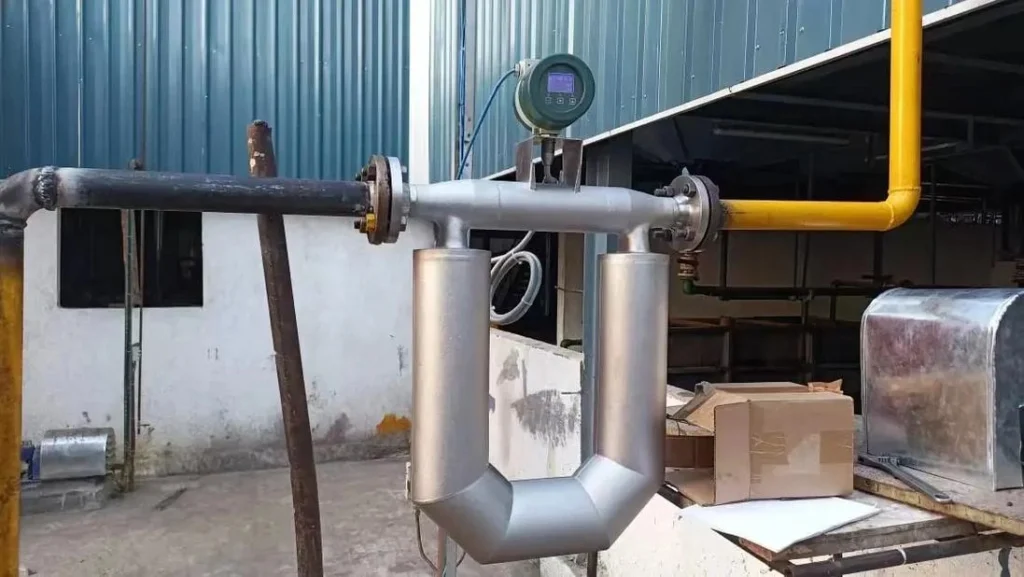
Reasons for selecting mass flow meters over volumetric flow meters for fuel measurement
Firstly, fuel density is highly susceptible to temperature fluctuations.The density of fuels (such as petrol, diesel and natural gas) is markedly temperature-sensitive; as the temperature rises, the thermal motion of fuel molecules intensifies, causing the volume to expand and the density to decrease; when the temperature decreases, molecular motion slows, causing the volume to contract and the density to increase.
These fluctuations in density are an objective reality and difficult to avoid, particularly in industrial production and transport scenarios where the range of ambient temperature variations is significant, leading directly to substantial changes in fuel density.
Secondly, the measurement principle of volumetric flow meters has an inherent flaw.Volumetric flow meters can only measure the volumetric flow rate of fuel; their measurement results do not account for the impact of density changes. However, the core focus of fuel usage, metering and billing is on fuel mass (as mass directly determines the fuel’s energy content and actual value).
When the temperature changes, the fuel density can vary, which means the mass of a given volume of fuel can increase or decrease. In these cases, the readings from volumetric flow meters don’t always show the fuel’s true mass, which can lead to big differences and result in metering that just isn’t accurate enough.
On the other hand, mass flow meters (like the ones that use the Coriolis effect) can measure the fuel flow rate straight away. They don’t change based on things like temperature and pressure that affect density, so they can always accurately measure the fuel’s true mass, which avoids errors caused by temperature. So, they’re pretty much everywhere when it comes to measuring fuel, making sure everything’s accurate and fair.
The difference between mass flow meters and volumetric flow meters
Firstly, the measurement principles differ.
Mass flow meters directly measure the mass flow rate of a fluid, providing a quantitative measure of its mass (typically in kg/h or t/h). This directly reflects the fluid’s actual physical quantity.
Volumetric flow meters, however, only measure the volumetric flow rate, providing a quantitative measure of the volume of space occupied by the fluid (typically in m³/h or L/h). This is not directly related to the fluid’s mass.
Secondly, they are affected by external factors in different ways.
Mass flow meters ( Coriolis principle ) are not affected by changes in fluid parameters such as temperature, pressure or density; they require no additional compensation and offer more stable measurement accuracy.
However, the results from volumetric flow meters can be affected by temperature and pressure, particularly when the density of the fluid varies significantly with temperature, as is the case with fuels and chemicals. This can result in inaccurate measurements. We also need to install additional devices to adjust for temperature and pressure to ensure accurate readings.
Thirdly, their operating principles differ.
Mass flow meters are predominantly based on the Coriolis principle, calculating mass flow by detecting the phase difference caused by the Coriolis force generated as the fluid flows through a vibrating pipe; some may also utilise thermal principles.
There are a few different types of volume flow meter, like the differential pressure, turbine and electromagnetic models. They work by measuring the speed of a fluid or the pressure difference, which helps to calculate the volume.
Fourthly, their applicable scenarios differ.
Mass flow meters are suitable for scenarios requiring high measurement accuracy and where fluid parameters fluctuate significantly, such as fuel metering, chemical raw material blending, and high-precision experiments, as they can precisely control fluid mass. V
olumetric flow meters are suitable for scenarios where fluid temperature and pressure are relatively stable and there are no strict requirements for mass measurement, such as ordinary tap water supply and conventional gas emission metering, as they are relatively low-cost and simpler to install and maintain.
Typical Applications of Fuel Mass Flow Meters
In the maritime shipping sector, Coriolis mass flow meters are commonly used for monitoring fuel consumption in main and auxiliary engines, measuring ship refuelling, and compiling energy consumption statistics. They enable the precise calculation of fuel consumption per voyage, optimise navigation plans, control fuel costs, and meet maritime regulatory and energy consumption audit requirements.
In the power generation and industrial power sectors, mass flow meters are widely used to measure fuel consumption in equipment such as diesel generator sets, gas turbines and boilers. They enable real-time monitoring of fuel consumption and, when integrated with intelligent control systems, optimise load operation, thereby improving energy efficiency in applications such as on-site power stations and data centres.
In the aviation and ground support sectors, the refuelling of jet fuel and diesel demands stringent accuracy. Mass flow meters directly output mass flow rates, eliminating volume conversion errors caused by temperature and pressure variations, making them suitable for aircraft refuelling, airport fuel supply systems, and engine test bench fuel testing.
In the construction machinery and fleet management sectors, equipment such as excavators and heavy-duty lorries operates under complex working conditions. Mass flow meters are vibration-resistant and highly adaptable, enabling stable monitoring of fuel consumption and providing reliable data for equipment efficiency assessment and operational cost control.
In the petroleum storage and trade handover sectors, high-precision measurement is required for fuel blending, tank loading and unloading, and trade settlement. Mass flow meters are unaffected by fluctuations in fuel density and temperature, thereby reducing measurement disputes and enhancing the accuracy of storage logistics and trade settlement.
Mass flow meters are important tools for measuring fuel consumption. They are useful in the fields of environmental protection and energy consumption regulation. As individuals and organisations seek to reduce their carbon emissions, mass flow meters can provide the essential data required for corporate carbon accounting, environmental compliance and green factory certification.
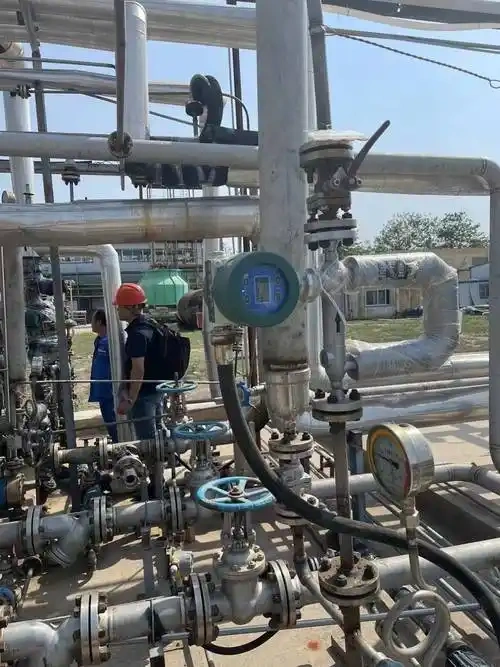
Sino-Inst has long specialised in the R&D of fluid measurement instruments and the provision of solutions. We offer fuel-specific measurement solutions centred on Coriolis mass flow meters, whilst also supplying a range of instruments suitable for fuel measurement, including vortex flow meters and positive displacement flow meters. These solutions cover the full spectrum of application requirements across sectors such as shipping, power generation, construction machinery, storage and trade, and aviation.
With our proven products, reliable performance and professional technical services, we provide users with one-stop fuel flow measurement solutions, helping to achieve more efficient energy management and more accurate trade settlement