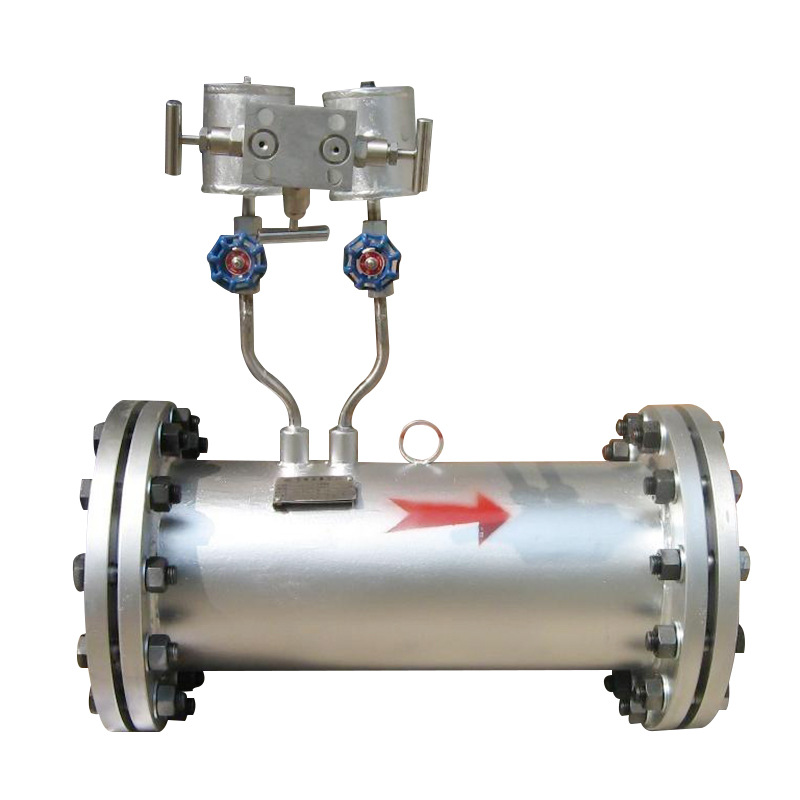
How do you reliably measure low flow rates when dealing with high temperatures, high pressures and corrosive conditions? Metal rotameter flowmeters solve the problems that come with glass-tube float instruments — they give you low pressure drop and a broad measuring range.
You’ll find them used across petrochemical, water treatment, pharmaceutical and plenty of other industries. They come with both a mechanical display and remote transmission output, so you can monitor readings on-site while hooking them into automated control systems at the same time.
What is a metal rotameter flowmeter?
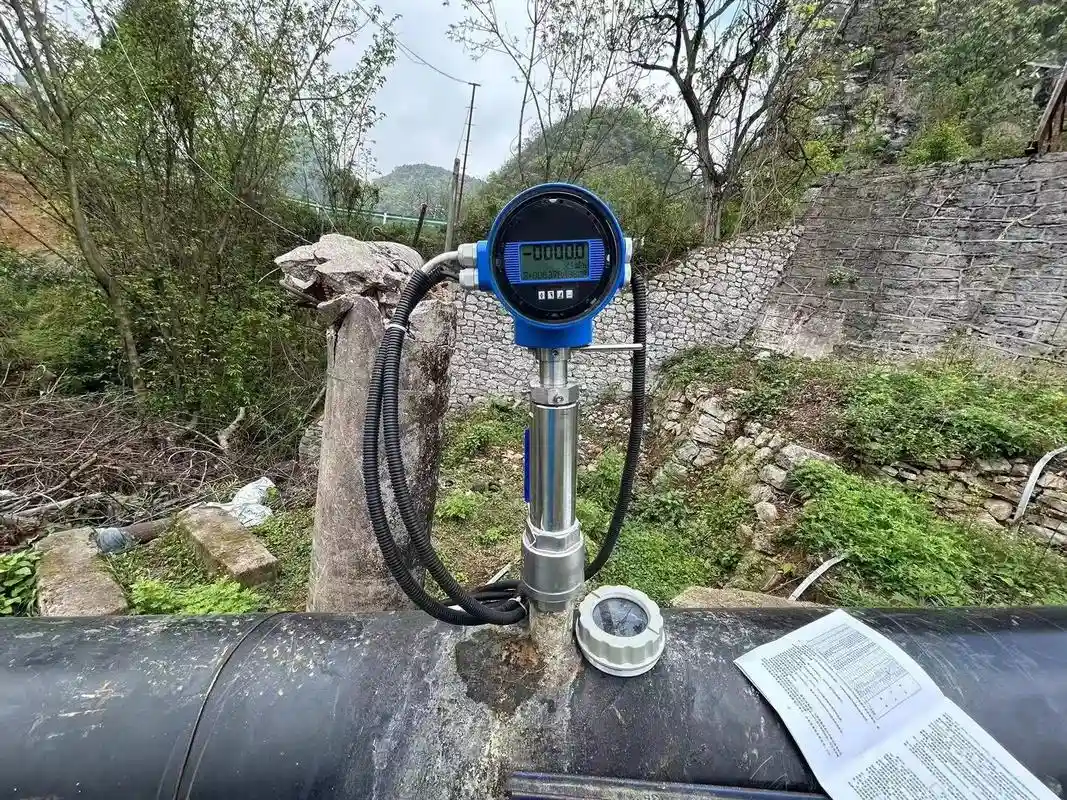
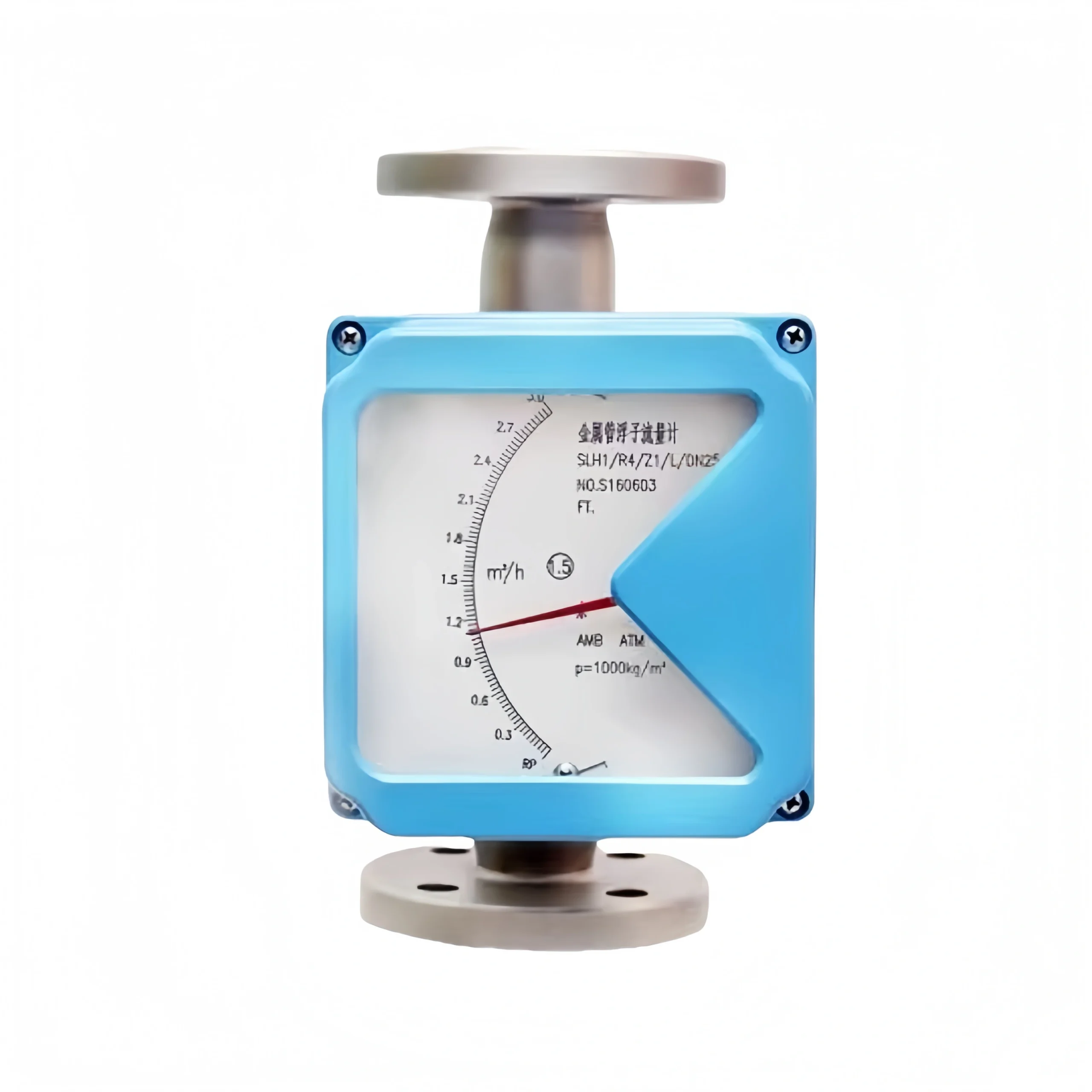
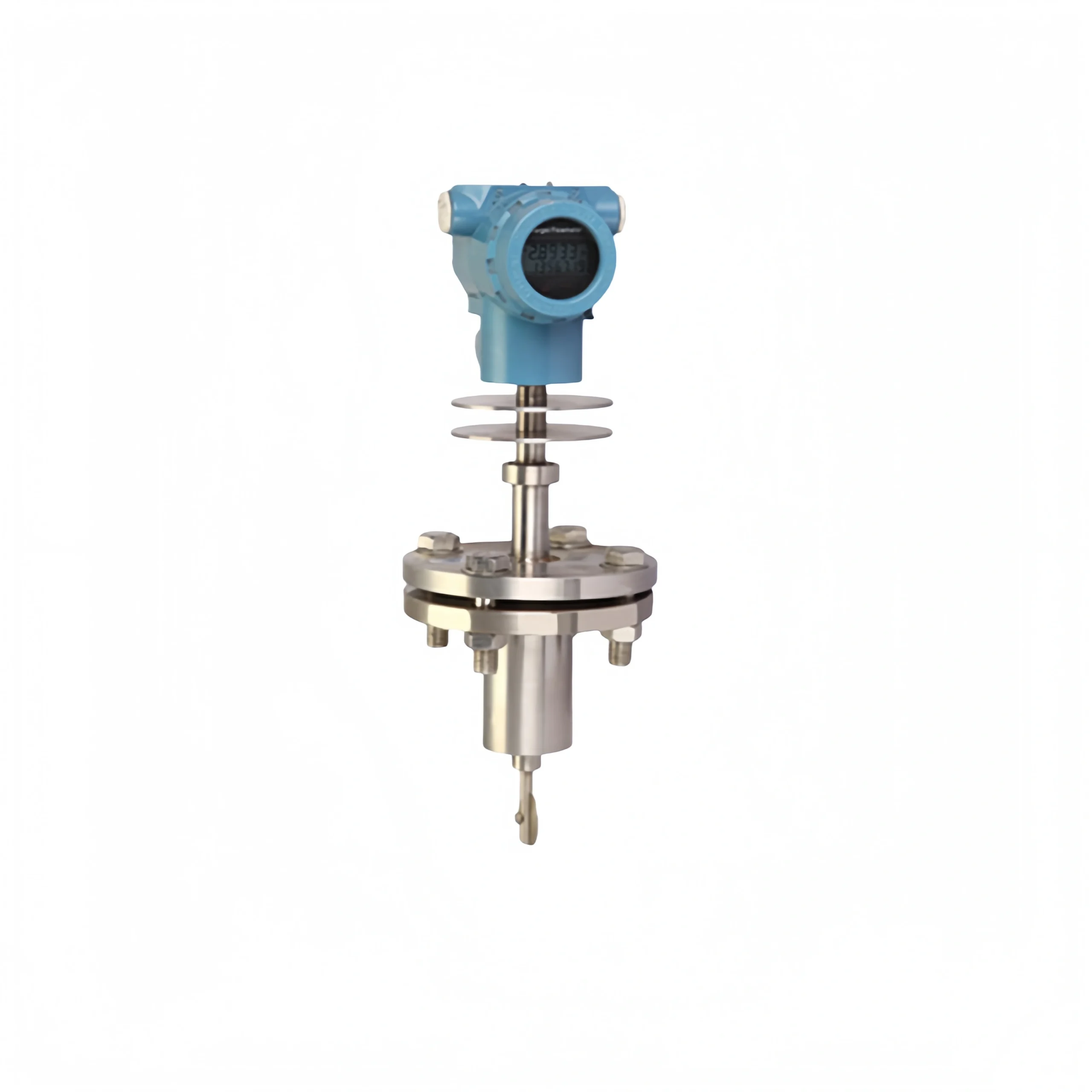
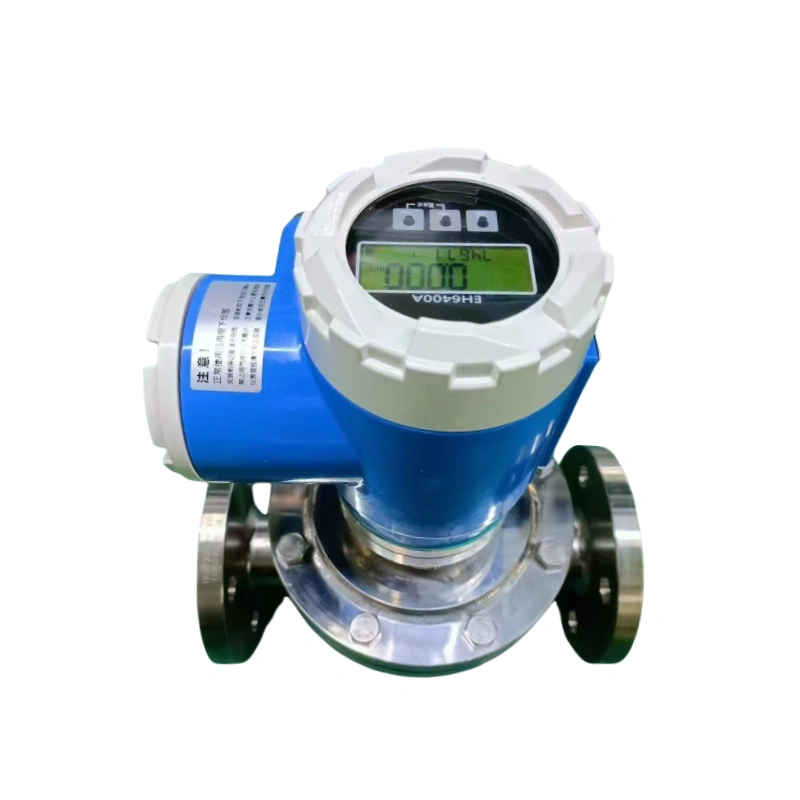
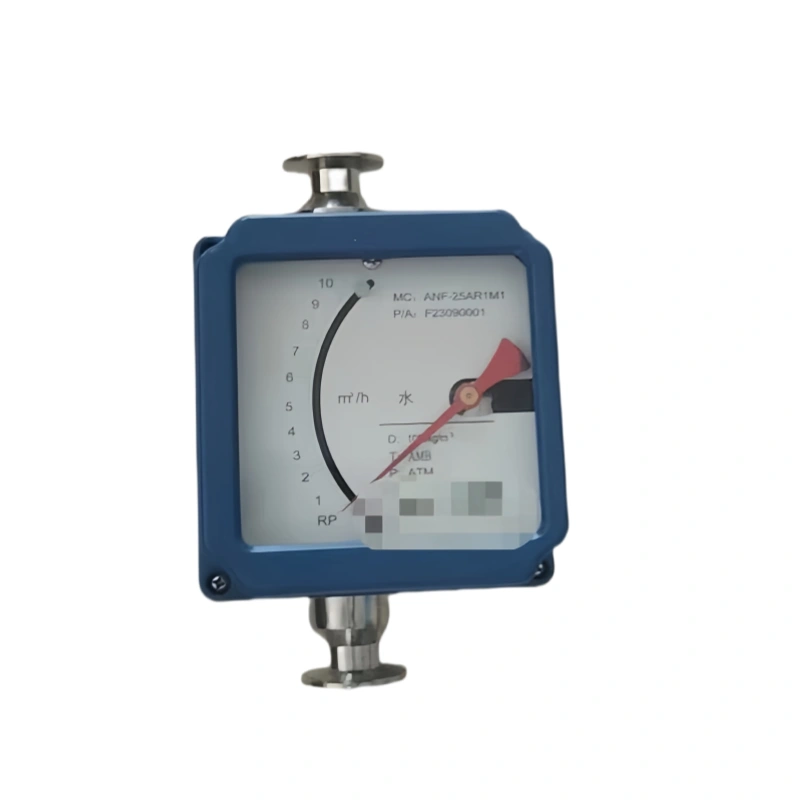
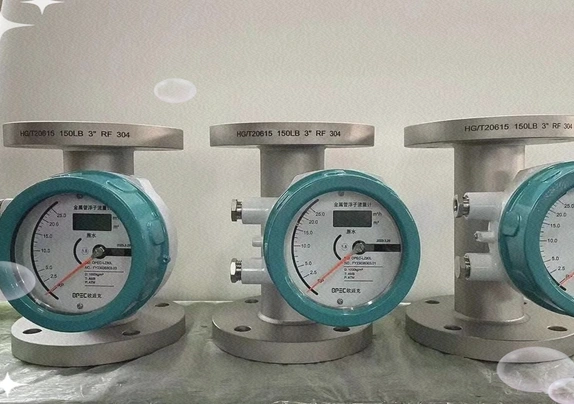
Metal rotameters are variable-area flowmeters that utilise a metal measuring tube paired with a liftable rotor. They measure flow by adjusting the flow passage gap in response to the force exerted by the fluid. Suitable for high-temperature and high-pressure industrial conditions, they can measure both gaseous and liquid media, and provide either local display or remote transmission of flow signals.
Principle of Operation
The fluid flows upwards through the flowmeter’s measuring tube, whilst the rotor remains suspended in equilibrium under the combined effects of the fluid’s impact force, its own weight and buoyancy.
As the flow rate increases, the thrust exerted by the fluid strengthens, causing the rotor to rise; the flow cross-sectional area between the rotor and the tube wall consequently increases.
When the flow rate decreases, the rotor descends, and the flow cross-sectional area decreases. The height at which the rotor is stably suspended corresponds to a fixed flow rate value, thereby enabling flow measurement. When combined with a magnetic coupling mechanism, the position can be converted into an electrical signal for remote transmission.
Structural Features of Metal Rotor Flowmeters
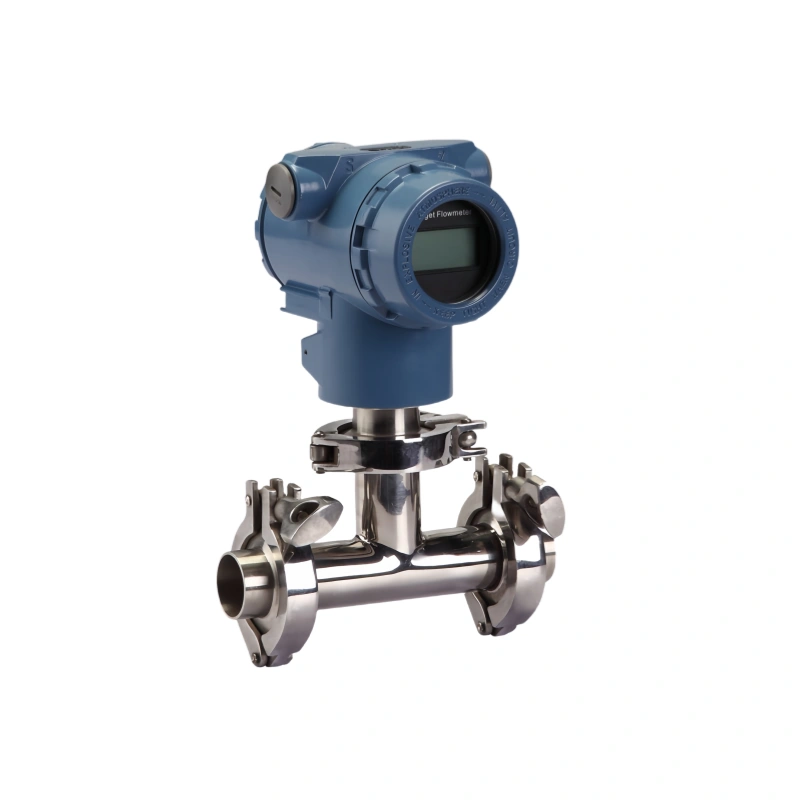
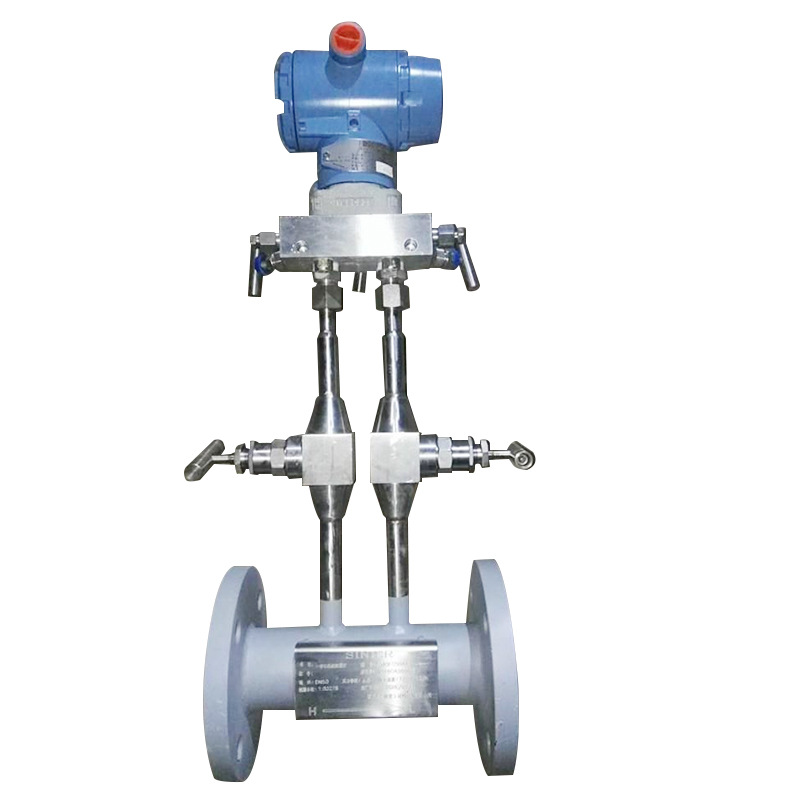
1. Robust all-metal housing. The entire unit is built from stainless steel, so it holds up well under mechanical stress, shocks, vibration and high pressure. That solid construction means it can handle a broad mix of tough industrial settings without trouble.
2. Modular split-type structure.It uses a standard split design where you can take individual parts apart and put them back together without much hassle. The internals are laid out to keep fouling and blockages to a minimum, which makes upkeep easier and keeps running costs down.
3. Built-in guide structure. Fixed guide rods keep the rotor moving vertically and smoothly, which prevents issues such as misalignment and jamming and ensures stable, accurate measurements.
4. Fully sealed protective structure.A fully sealed design using welding and sealing gaskets prevents medium leakage and stops external moisture and impurities from entering, making it suitable for harsh operating conditions.
5. Integrated transmitter structure.Combines local mechanical display with intelligent signal transmission in a single unit; no additional accessories are required, enabling both on-site readings and remote signal transmission simultaneously.
6. Passive mechanical structure.Based on purely mechanical measurement, it requires no power drive; only the transmitter module requires auxiliary power supply. The structure is simple, with low energy consumption and high reliability.
7. Conical measurement structure. Utilises a metal tapered cone tube that is resistant to high and low temperatures as well as corrosion. It can be paired with different rotors to suit a variety of media—including gases and liquids—and various pipeline operating conditions.
Metal Rotor Flowmeters vs Glass Rotor Flowmeters
1. Materials and Structure
Metal rotor flowmeters: The measuring tube is made of metal — stainless steel or Hastelloy, for example — which gives it a sturdy build and the ability to take high pressure. These units usually come with a magnetic coupling setup that passes the rotor’s displacement signal out to an external indicator.
Glass rotor flowmeters: The conical tube is built from transparent glass or acrylic, so you can actually see where the rotor sits and check the fluid condition directly. The design is fairly straightforward with no magnetic coupling parts involved.
2. Pressure and Temperature Resistance
Metal rotor flowmeters: These handle pressure well, typically rated for 10–40 MPa and sometimes even more. They also cover a broad temperature span, usually from –80 °C up to +400 °C, so they work fine in high-temperature and high-pressure setups.
Glass rotor flowmeters: Pressure tolerance is much lower, generally capped at 1.0–1.6 MPa. Temperature range is restricted by the glass itself, normally –20 °C to +120 °C, and the tube can crack when things get too hot.
3. Measurement Accuracy and Turndown Ratio
Metal rotor flowmeters: Accuracy usually falls in the 1.0–1.5 class, with a turndown ratio reaching 10:1. Hook one up to a smart transmitter and you get precise signal output plus cumulative flow measurement.
Glass rotor flowmeters: Accuracy tends to sit around 1.5–2.5 class, with a turndown ratio of about 10:1. The catch is that visual reading introduces noticeable error, and repeatability isn’t great.
4. Suitability for Media
Metal rotor flowmeters: These handle corrosive fluids fine when built from corrosion-resistant alloys, and they also manage high-temperature and high-pressure gases and liquids — so you can use them in quite a few places. They don’t demand a particularly clean medium either.
Glass rotor flowmeters: Work best with clean, transparent liquids or gases that have no solid particles. Highly corrosive media tends to wear them down (unless you opt for special glass), and they struggle with high temperatures, high pressures, or anything carrying particles.
5. Signal Output and Remote Transmission Capabilities
Metal rotor flowmeters: You can fit these with magnetic coupling sensors and electrical transmitters (4–20 mA, HART, Modbus and so on), which lets them tie into DCS/PLC systems for remote monitoring and automatic control.
Glass rotor flowmeters: Usually only give you local readings, with no standard electrical signal output. Some models can take photoelectric transmitters, but remote transmission options are pretty limited.
6. Installation and Maintenance
Metal rotor flowmeters: Can be installed horizontally or vertically (vertical installation is usually required); require minimal maintenance and have a long service life. In the event of a fault, they can be repaired whilst in service; however, their structure is complex and repair costs are relatively high.
Glass rotor flowmeters: Must be installed vertically, with the fluid flowing from bottom to top. The glass tube is fragile and requires regular replacement; maintenance costs are low but the failure rate is relatively high.
7. Price and Cost-Effectiveness
Metal rotor flowmeters: High manufacturing costs and relatively expensive, but offer a long service life and high reliability under harsh operating conditions, resulting in good overall cost-effectiveness.
Glass rotor flowmeters: Simple in structure and inexpensive, suitable for applications with limited budgets or where high accuracy is not required. However, frequent replacement of wear parts may increase long-term costs.
8. Typical Applications
Metal rotor flowmeters: Widely used in the petrochemical, power generation, metallurgy and pharmaceutical industries for the measurement of high-temperature, high-pressure gases and liquids, trade metering and process control.
Glass rotor flowmeters: Commonly used in laboratory analysis, water treatment, environmental monitoring and small-scale equipment where pressure and temperature requirements are not high, as well as for educational demonstrations requiring visual observation of flow.
Advantages of Metal Rotor Flowmeters
1. Wide measurement range. These meters handle low to medium flow rates for liquids, gases and steam, with a turndown ratio that usually reaches 10:1.
2. Intuitive readings. Mechanical pointers or magnetically coupled indicators display flow values on-site, with no external power required — so reliability remains high.
3. Resistance to high temperatures and pressures.The metal tube construction allows it to withstand higher operating temperatures and pressures than glass rotor meters, making it more suitable for demanding conditions.
4. Robust and durable construction. The metal casing resists impact and vibration well, is not easily damaged, and provides a long service life.
5. Simple installation and maintenance. Usually mounted vertically, it doesn’t ask for much in the way of straight pipe runs, needs little day-to-day upkeep, and running costs stay low.
6. Suitable for a wide range of media. It can handle corrosive fluids if you pick corrosion-resistant materials like stainless steel or Hastelloy, plus high-viscosity media and fluids with small amounts of particulates.
7. Flexible output options.Beyond local indication, you can add electrical remote transmission (4–20 mA) or switch-type alarms if needed, which makes tying into existing systems straightforward.
8. Low pressure loss. Flow resistance stays fairly low, so energy savings are decent and these meters work particularly well in low-pressure systems.
9. Stable accuracy.Measurement accuracy generally sits between ±1.0% and ±1.5%, with solid repeatability and steady, dependable performance over time.
10. Excellent explosion-proof performance. The metal construction, paired with the right electrical design, meets the standards for use in explosion-hazardous environments.
Applications of Metal Rotor Flowmeters
1. Petrochemical industry.
Suitable for medium-to-low flow conditions in the industry, it can measure petroleum products, chemical solvents, acidic and alkaline fluids, and various process gases.
It is adapted to complex operating conditions involving high temperatures, high pressures and trace impurities, and supports explosion-proof remote transmission. It is frequently used for process monitoring in applications such as reactor feeding, pipeline circulation and additive dosing.
2. Water treatment and environmental protection industries.
These meters are mainly used to keep tabs on flow rates for pure water, recirculating water, industrial effluent and chemical dosing. They handle water with trace impurities and slight turbidity without much trouble.
The sealing is solid and they don’t get thrown off by interference, so they do a reliable job with flow proportioning in water treatment, process monitoring and getting data sent back remotely.
3. Thermal Power and HVAC Industries.
They can measure high-temperature hot water, condensate, heat transfer oil and compressed air — the temperature and pressure resistance is genuinely good.
You’ll find them on boiler make-up water lines, heating circulation loops and air compressor circuits, helping keep thermal power systems running smoothly.
4. Metallurgy and Power Generation Industries.
Suitable for measuring cooling water for power generation units, dust removal water, process air and oil-gas media, it can withstand high-temperature, dusty and highly vibrating on-site environments, accurately monitoring equipment cooling cycles and fuel supply flow rates.
5. Pharmaceutical and Fine Chemicals Industries.
The fluorinated-lined version works well with weak acids, weak alkalis, corrosive pharmaceutical solutions and purified water. It meets the tight flow control demands you get with fine chemical mixing and dosing pharmaceutical agents.
6. General industrial applications.
These instruments see broad use across light industry, food processing, machinery and other sectors, where they monitor various process gases and liquids at small to medium flow rates. The build is tough, they adapt to most situations, and operation and maintenance don’t take much effort — so they work as a solid all-purpose measuring tool for small to medium pipe diameters.
Installation of Metal-Tube Rotor Flowmeters
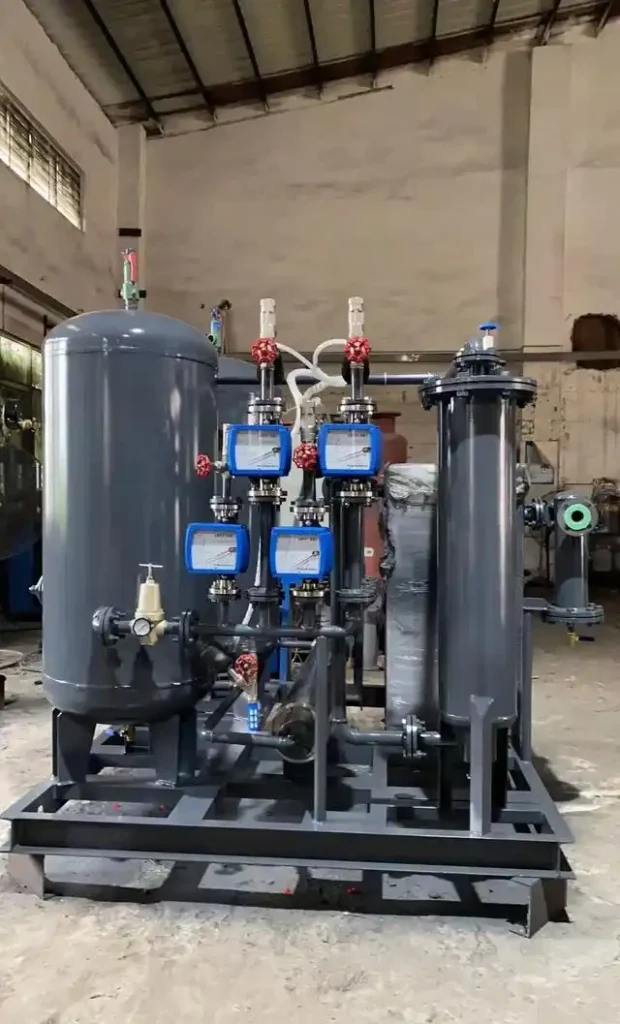
1. Installation Orientation: The flowmeter must be installed vertically, with the medium flowing from bottom to top. Tilted, horizontal, or inverted installation is strictly prohibited to prevent rotor jamming, unstable operation, and measurement errors.
2. Straight Pipe Requirements. You need to leave enough straight pipe on both sides of the meter — at least five times the pipe diameter upstream and three times downstream. That cuts down on turbulence and keeps the readings accurate.
3. Upstream Filter Configuration. Put a filter at the front end of the pipeline to catch impurities and particles before they get in. This stops the conical tube from getting scratched and prevents the rotor from jamming, which goes a long way toward extending the meter’s service life.
4. Pipeline Valve Arrangement. Install shut-off valves upstream and downstream of the flowmeter, and it’s worth setting up a bypass line too. When starting up or shutting down, open the bypass valve first, then ease the main valve open or closed slowly. That way you avoid slamming the internal rotor with high-pressure gas or liquid.
5. Installation Adaptation to Operating Conditions. For high-temperature, high-pressure or corrosive media, use the right lining and sealing materials for the job. On vibrating pipelines, add vibration-damping brackets. And if the meter sits outdoors, make sure it’s shielded from water and dust.
6. Air and Liquid Purge. Once installation is done, bleed all the air out of the piping, and drain any liquid that’s built up in gas lines. Gas-liquid mixing throws off the flow and gives you unstable readings, so this step matters.
7. Installation Environment Requirements. Steer clear of spots with strong electromagnetic interference, extreme heat, direct sunlight, standing water or high humidity. The instrument runs more steadily and the signal transmission stays normal when you get the environment right.
Sion-Inst is a professional and reliable manufacturer and supplier of flow meters, offering a full range of flow measurement products, including differential pressure flow meters, positive displacement flow meters, and electromagnetic flow meters.
With a mature production system and a global distribution network, the company’s products feature stable performance and strong adaptability to various operating conditions. They are now exported to more than 30 countries and regions worldwide, serving markets in China, Southeast Asia, Europe, and the Americas, and have earned the trust of customers both domestically and internationally.