An Overview of Turbine Flow Meters

Table of Contents

Precise fluid measurement underpins both industrial process control and energy billing. The turbine flowmeter is a well-established velocity-type device: fluid kinetic energy spins an impeller, and that motion translates into a reading.

It delivers good accuracy, solid repeatability, and a fast response, which is why it sees wide use in petrochemical, water treatment, and fine chemical plants handling clean media.

If you want to learn more about turbine flow meters, this article is worth reading.
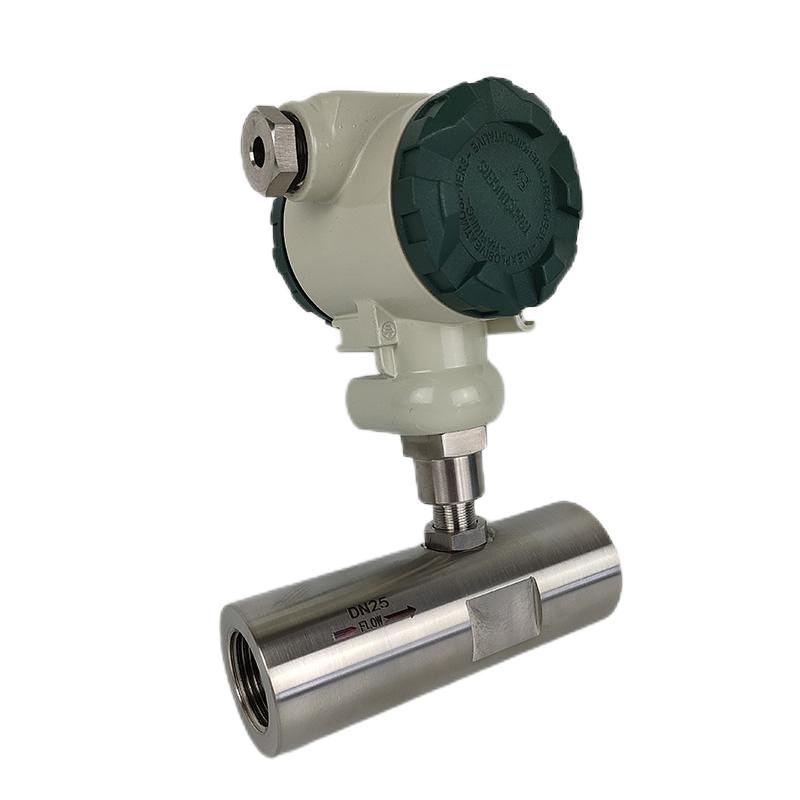
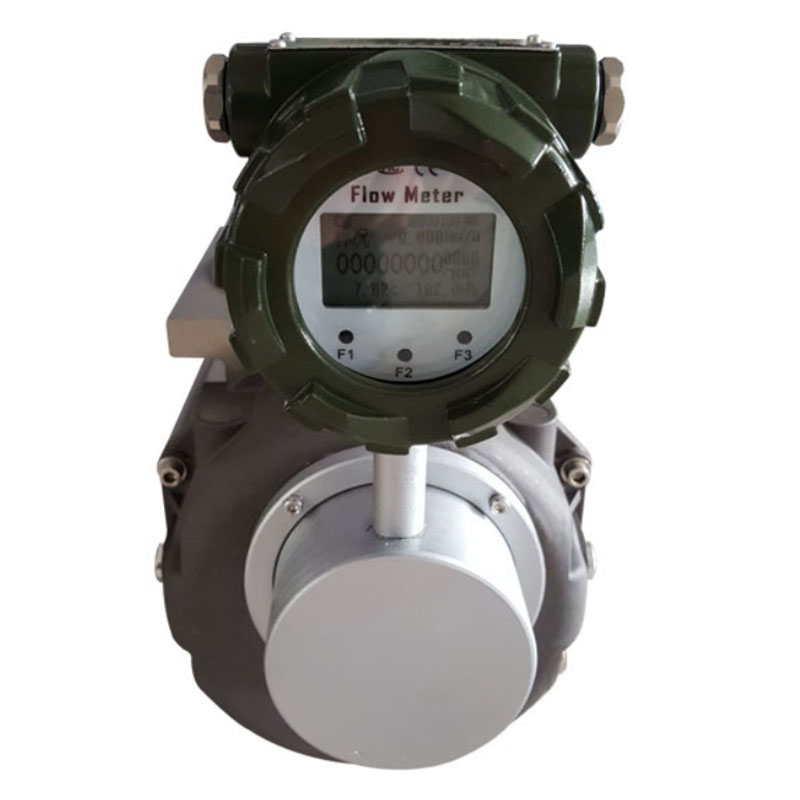
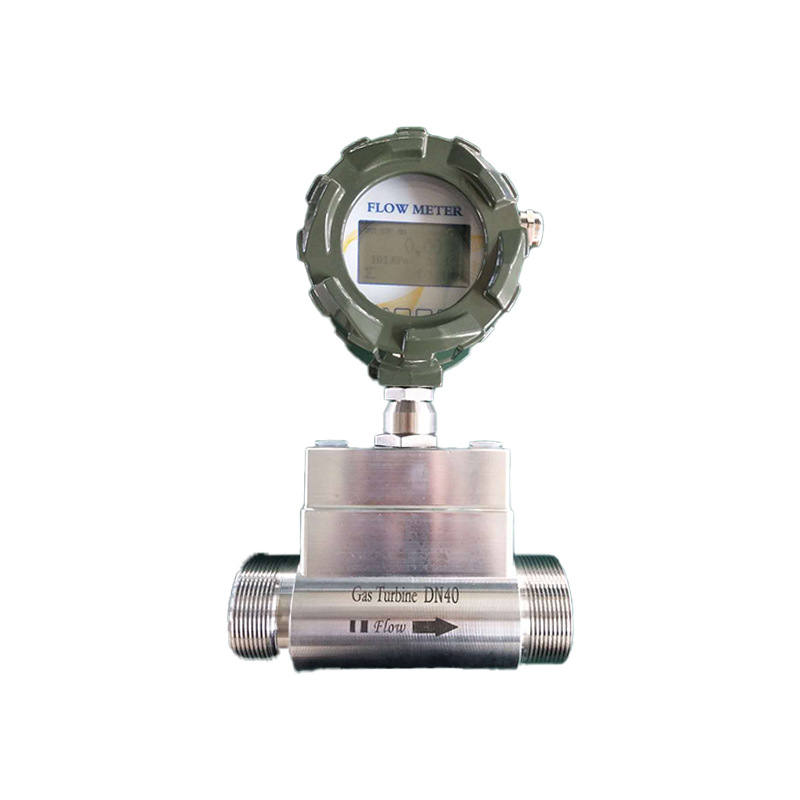
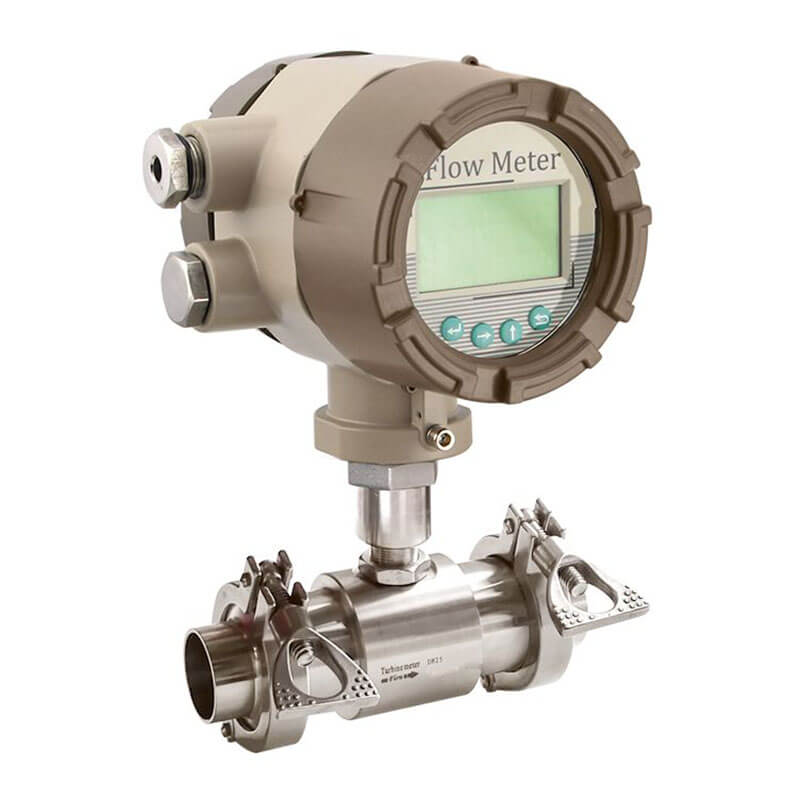
gas turbine flow meter

What is a Turbine Flow Meter?

A turbine flow meter is built around an impeller that spins freely inside the pipe. As fluid passes through, it strikes the blades and drives the turbine at a steady speed. Higher fluid velocity means faster rotation, and the two scale roughly in a straight line.

That said, the impeller wears down if the medium carries contaminants or is highly viscous. The meter also is not cut out for high temperatures or coarse particles. It fits best in applications like water supply and drainage, fuel oil, and compressed air metering. The unit itself is compact and does not give much trouble during installation or upkeep.

Read More about: Guide for Different Types of Natural Gas Flow Meters
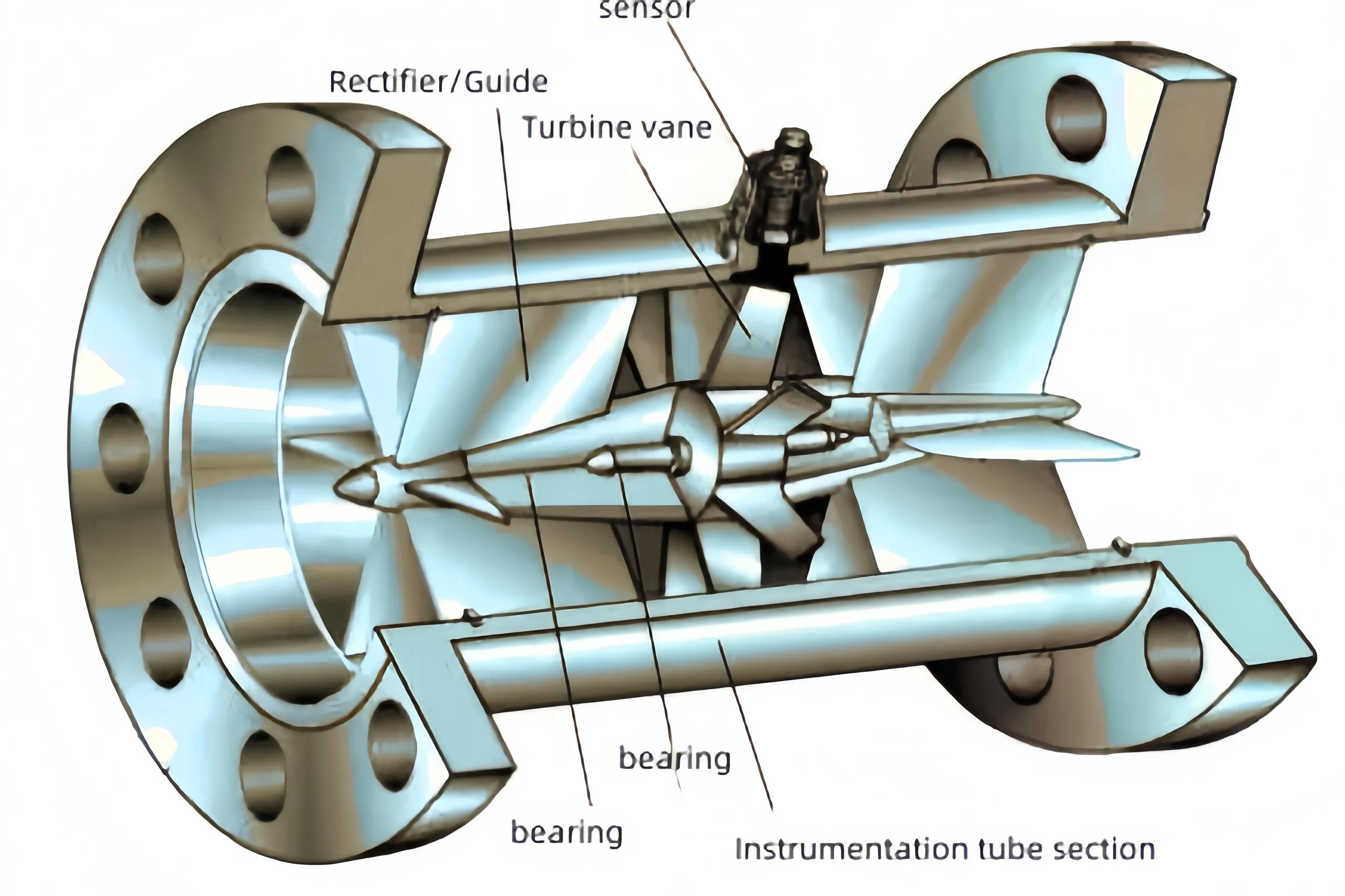
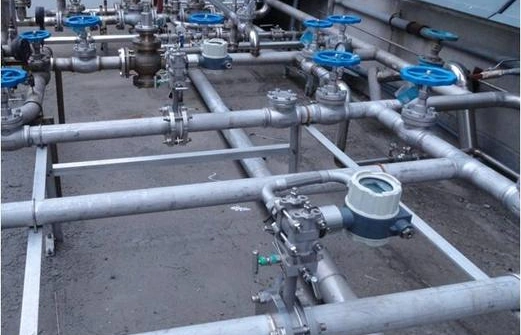
turbine flow meter structure

Working principle

Turbine flow meters are velocity-type measuring instruments. A freely rotating turbine blade is installed inside the pipe. When the fluid flows through the pipe at a constant velocity, the impact of the fluid on the turbine blade generates thrust, driving the turbine to rotate continuously.

Provided that the medium’s viscosity and flow velocity remain stable, the turbine’s rotational speed is directly proportional to the fluid’s instantaneous flow velocity.

A magnetoelectric sensor inside the instrument captures in real time the pulsed electrical signals generated as the rotating blades cut through a magnetic field. For every full rotation of the turbine, a fixed number of pulses is output, with the pulse frequency corresponding to the flow velocity.

A subsequent conversion circuit processes these pulse signals, converting the frequency signal into an intuitive instantaneous flow rate value, while simultaneously accumulating the total number of pulses to determine the cumulative volume of medium that has flowed through, thereby enabling continuous flow measurement.

What does Turbine Flow Meters do?

Gas turbine flow meters and liquid turbine flow meters are used in different scenarios. The following is a detailed introduction.

Liquid Turbine Flow Meter

Liquid Turbine Flow Meter is particularly suitable for measuring the flow rate of low-viscosity, medium-viscosity, and low impurity content liquids, such as water, emulsions, ethylene glycol mixtures, diesel fuel, and fuel oil. It can also measure low-temperature and high-temperature liquids. The following are specific application industries:

Petrochemical Industry:
It can be used to measure the flow rate of various light petroleum products, such as gasoline, kerosene, and diesel fuel.

In chemical production, it can measure the flow rate of some low-viscosity chemical raw materials, such as methanol, ethanol, and acetone.

Pharmaceutical Industry:

Precise flow control is required for various liquid raw materials and intermediate products. The pharmaceutical industry has high hygiene requirements. The turbine flow meter has a relatively simple structure. It is easy to clean and disinfect. It can meet the hygiene standards of the pharmaceutical industry.

Food and beverage industry:
For low-viscosity liquid foods, turbine flow meters can quickly and accurately measure the flow of liquids such as beer, juice, and milk.
During beverage filling processes, turbine flow meters can precisely control the filling volume.

Water treatment industry:
In urban water supply and wastewater treatment processes, turbine flow meters can be used to measure the flow of wastewater and sewage.

In industrial water treatment, turbine flow meters also require real-time measurement of the dosage of various treatment chemicals.
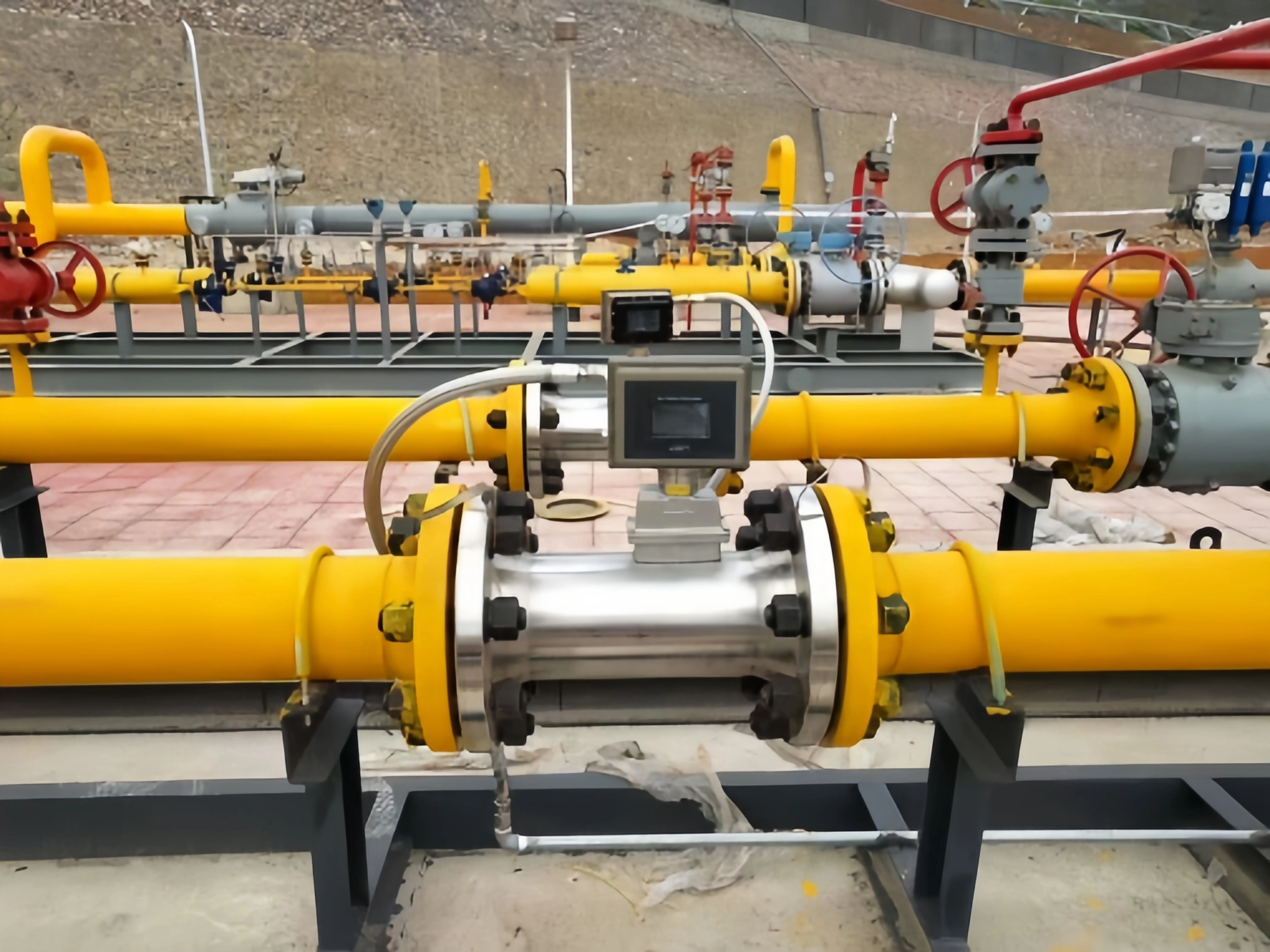
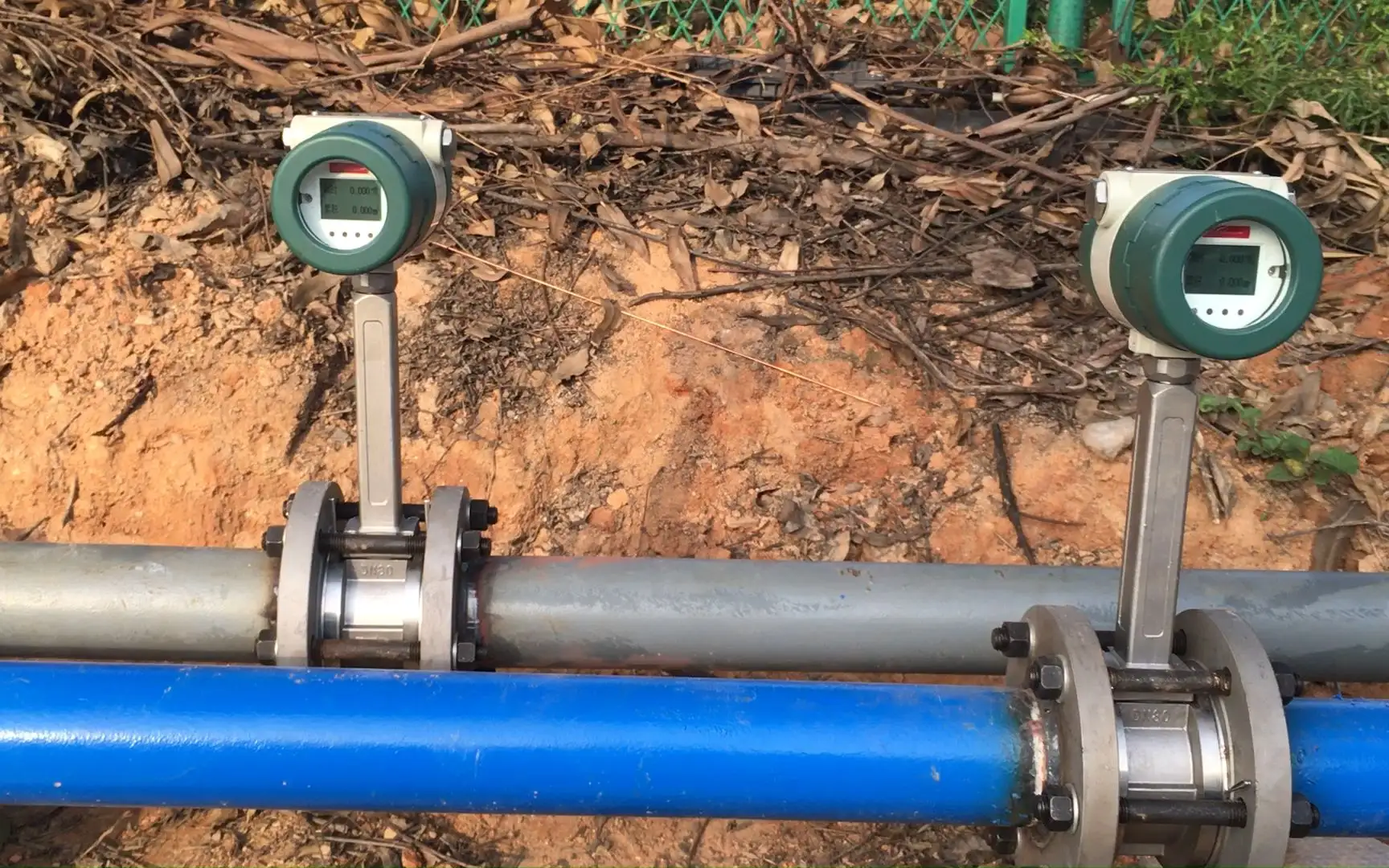
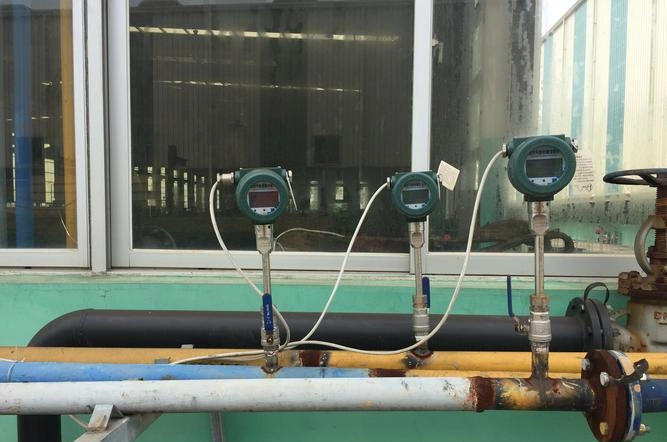
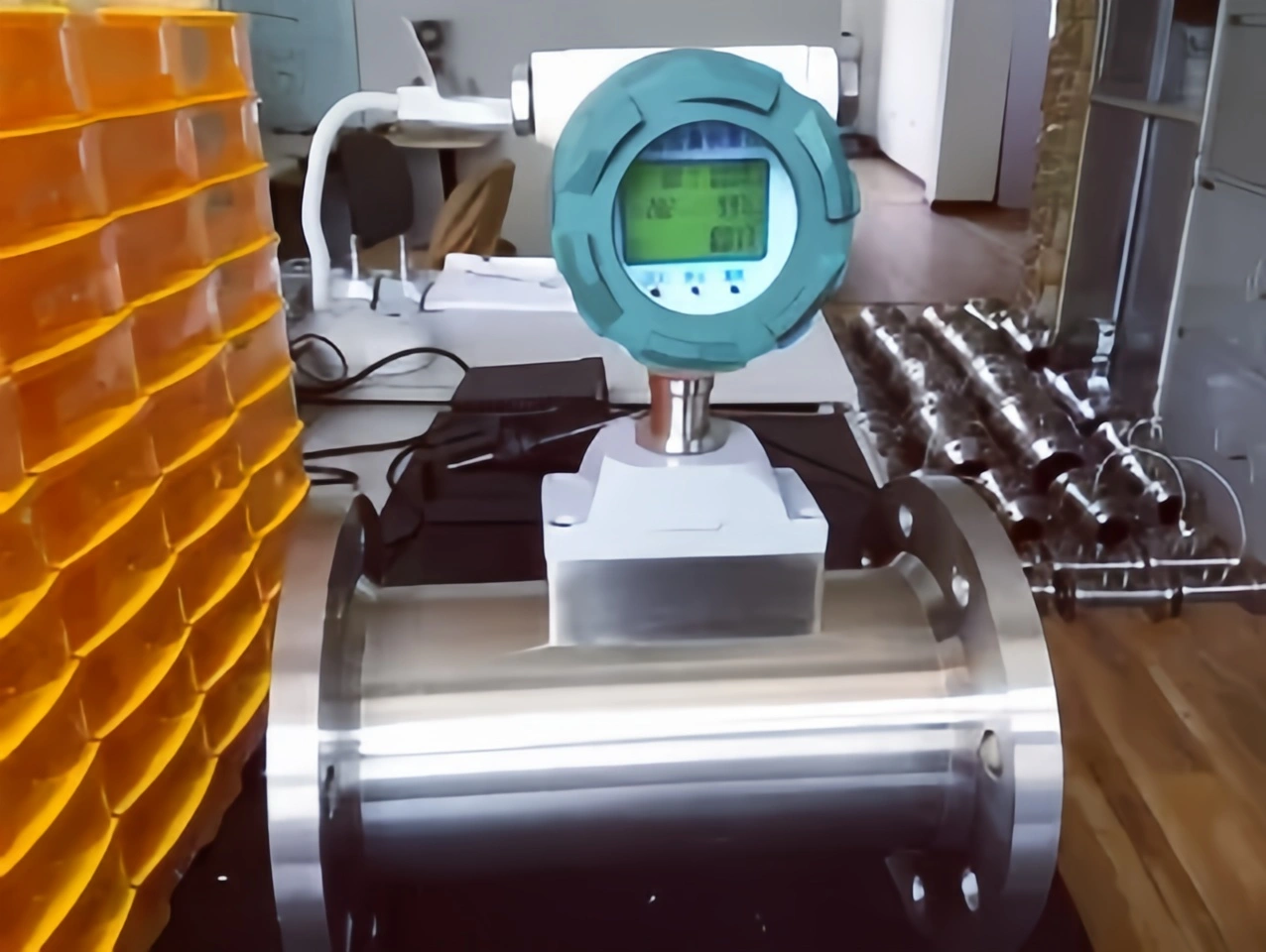
gas turbine flow meter application

Gas Turbine Flow Meters

Gas turbine flow meters can measure the flow rate of non-corrosive gases and natural gas. The following are specific application scenarios, primarily including:

Chemical industry:
Gas turbine flow meters are used to measure the flow rate of reaction gases.

Oil and Gas Industry:
Used to measure natural gas flow rate and monitor oil and gas transportation.

HVAC systems: It measures air flow rates to ensure efficient system operation.

Energy management: In the power and heating industries, monitoring gas flow rates to optimize energy usage.

Advantages and disadvantages

Advantage

1. High accuracy, solid repeatability, and a clean linear response. On liquids the error stays small, so it fits jobs where flow measurement has to be tight.

2. Compact and light, does not take up much room. That makes it easier to squeeze into narrow pipes or crowded equipment layouts.

3. Quick on its feet—the impeller picks up flow changes right away, catches instantaneous swings in real time, and handles dynamic measurement well.

4. Puts out a pulse frequency signal that resists interference and can travel a long way. It hooks straight into secondary instruments or PLC systems for totalizing and data collection.

5. Handles a fair range of media. Clean liquids and gases without contaminants are fine, and with the right impeller and lining materials it can manage mildly corrosive fluids too.

6. Pressure drop is fairly low. Running it does not add much to the pipeline’s energy bill, and over time that saves on pumping costs.

7. Upkeep is simple. There are few moving parts inside and no seals that wear out quickly. Mostly you just clean debris off the impeller now and then, so maintenance stays cheap.

8. Wide turndown ratio. It measures steadily at both high and low flow, so one unit can cover a broad span without swapping in different sizes.

9. Can be built to take heat and pressure. With specialized housings and components it adapts to high-temperature, high-pressure lines in oil and gas, chemical plants, waterworks, wastewater treatment, and more.

10.No zero drift to worry about. The measurement baseline holds steady during normal flow, so you are not constantly running out to re-zero the thing, and calibration work stays light.

Disadvantage

1. The medium has to be fairly clean. If the fluid carries silt, fibers, or solid particles, the turbine blades wear down or jam up quickly, and the meter’s life gets cut short.

2. Viscosity matters. Thicker fluids add drag on the blades, and that pushes the measurement error up noticeably.

3. It is not built for extreme heat, high pressure, or strongly corrosive environments. The blade and bearing materials can only take so much, which caps where you can use it.

4. You need straight pipe runs upstream and downstream. In tight spaces with little room to work, meeting those length requirements can be a headache.

5. Bearings are the weak link. They wear out over long stretches of continuous running, so you have to service and replace them periodically. That drives up long-term operating costs.

6. If the fluid goes two-phase—gas mixed with liquid—or carries a lot of bubbles, the turbine spins unevenly and the readings wander far off. Accurate metering goes out the window in those conditions.
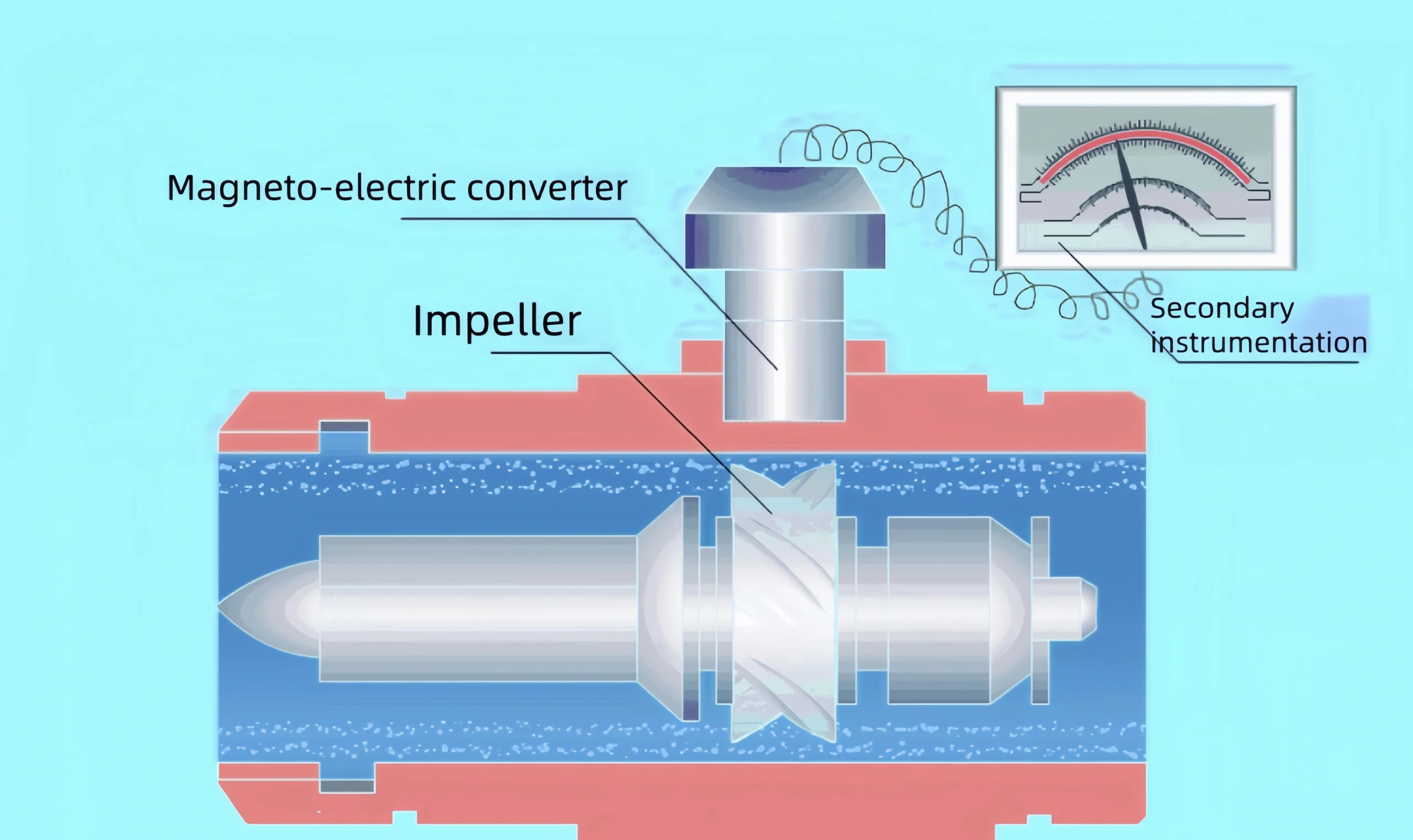
turbine flow meter working principle

Types of Turbine Flow Meters

Turbine sensors can be classified into different types based on their angles. The following is a detailed classification:

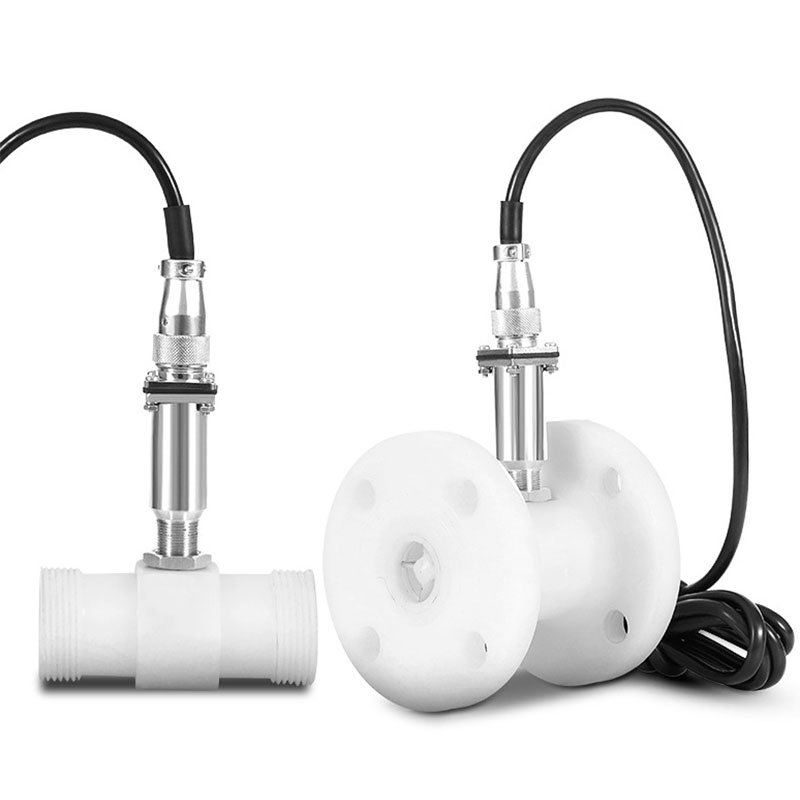
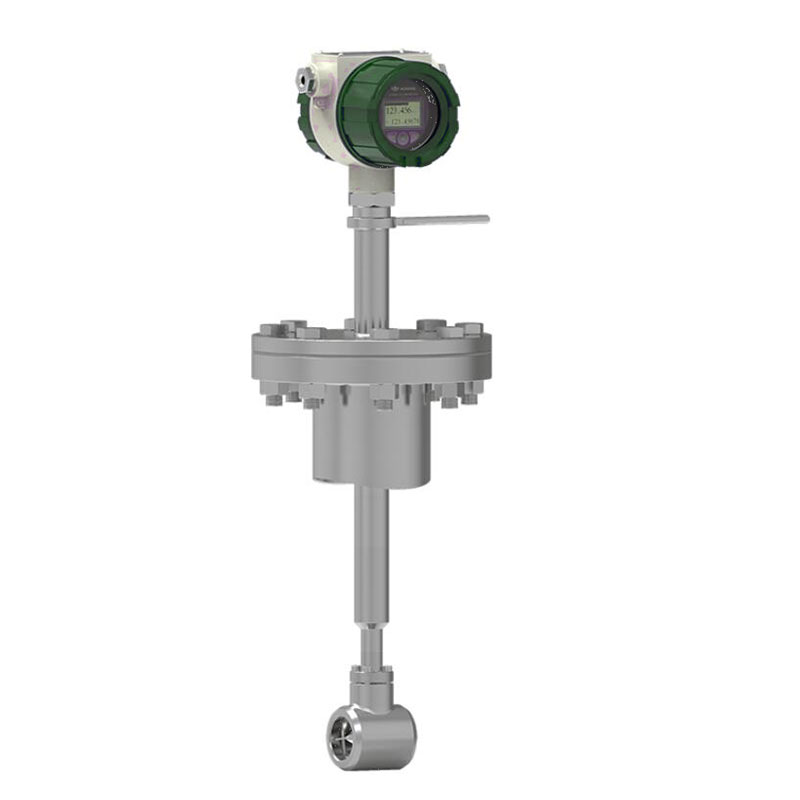
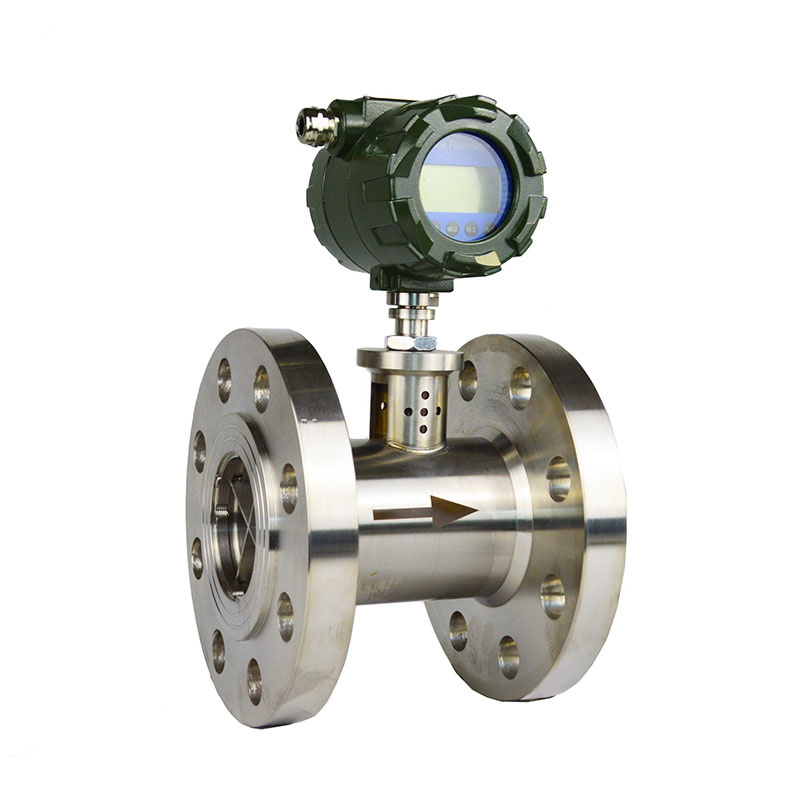
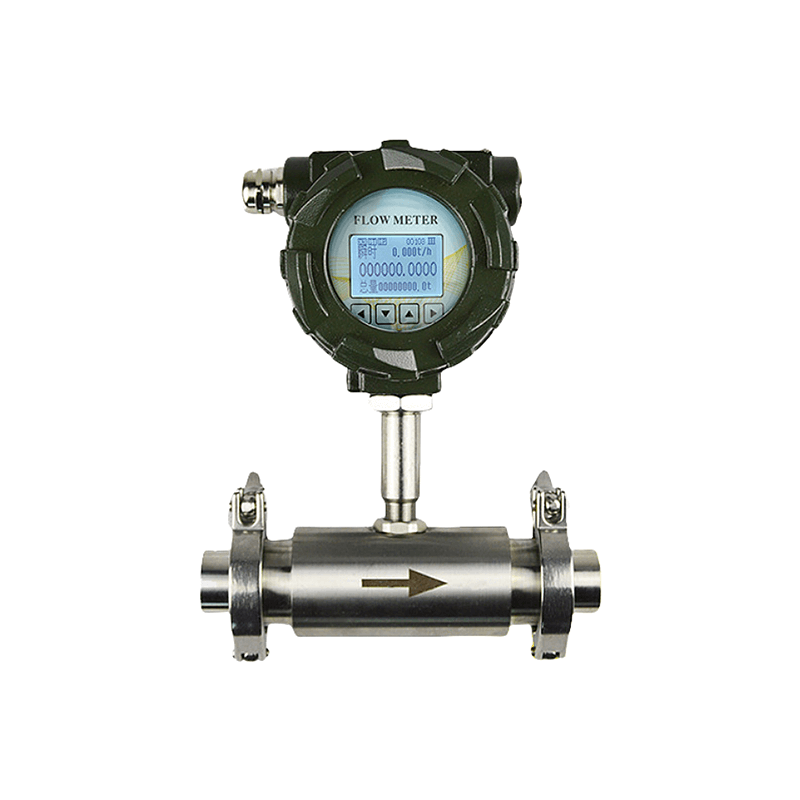
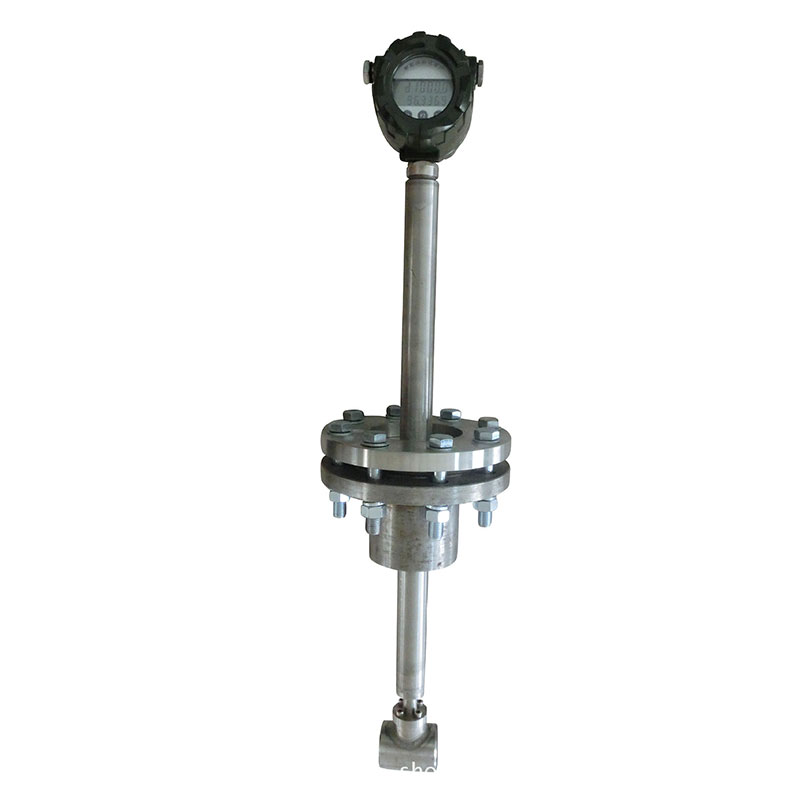
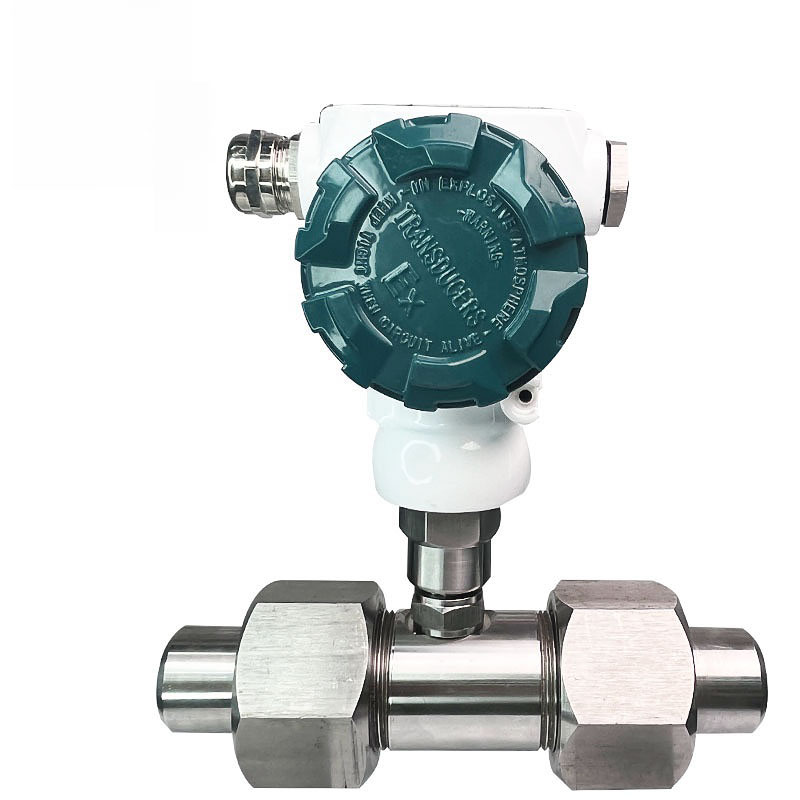
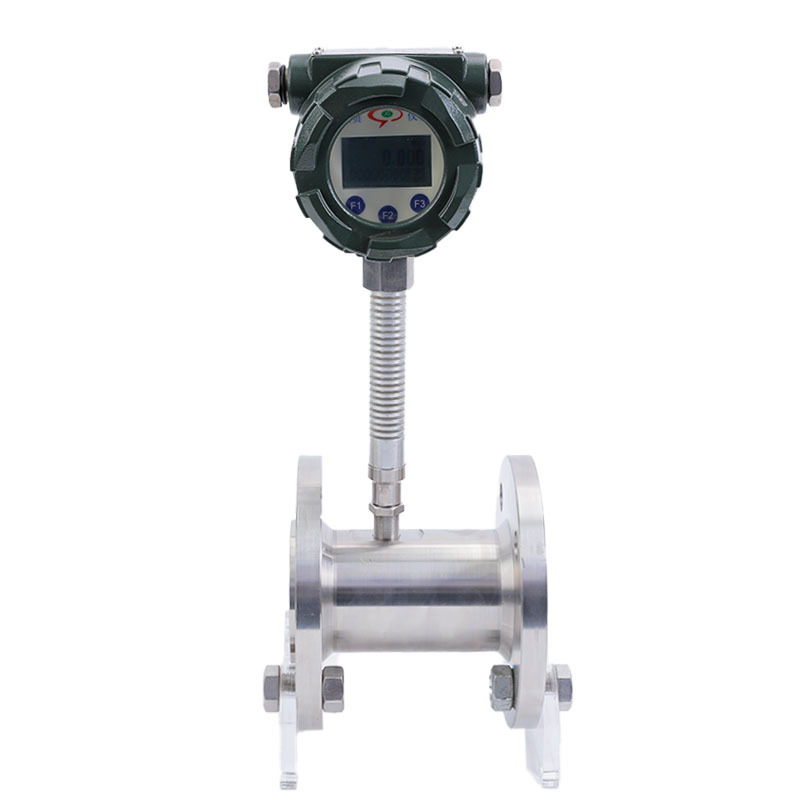
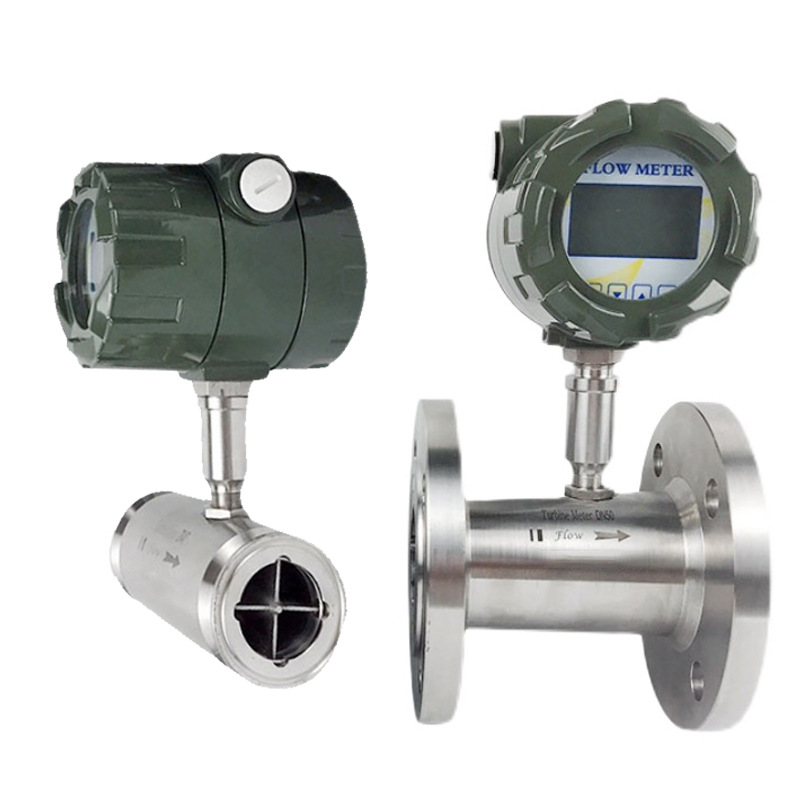
Turbine flow meters can be classified into various types based on their installation interfaces, including flanged turbine flow meters, threaded turbine flow meters, clamp-on turbine flow meters, and insertable turbine flow meters.

Turbine flow meters can also be further classified based on signal detection methods. It primarily includes inductive, variable reluctance, reed switch, and photoelectric types.

Turbine flow meters can be further classified based on different media characteristics. It includes high-temperature turbine flow meters, general turbine flow meters, low-temperature turbine flow meters, and high-pressure turbine flow meters.
Sino-Inst can customize the following parameters: General turbine flow meter: -20°C to 120°C. Low-temperature turbine flow meter: -200°C. High-temperature turbine flow meter: 160°C. High-pressure turbine flow meter: 42 MPa.
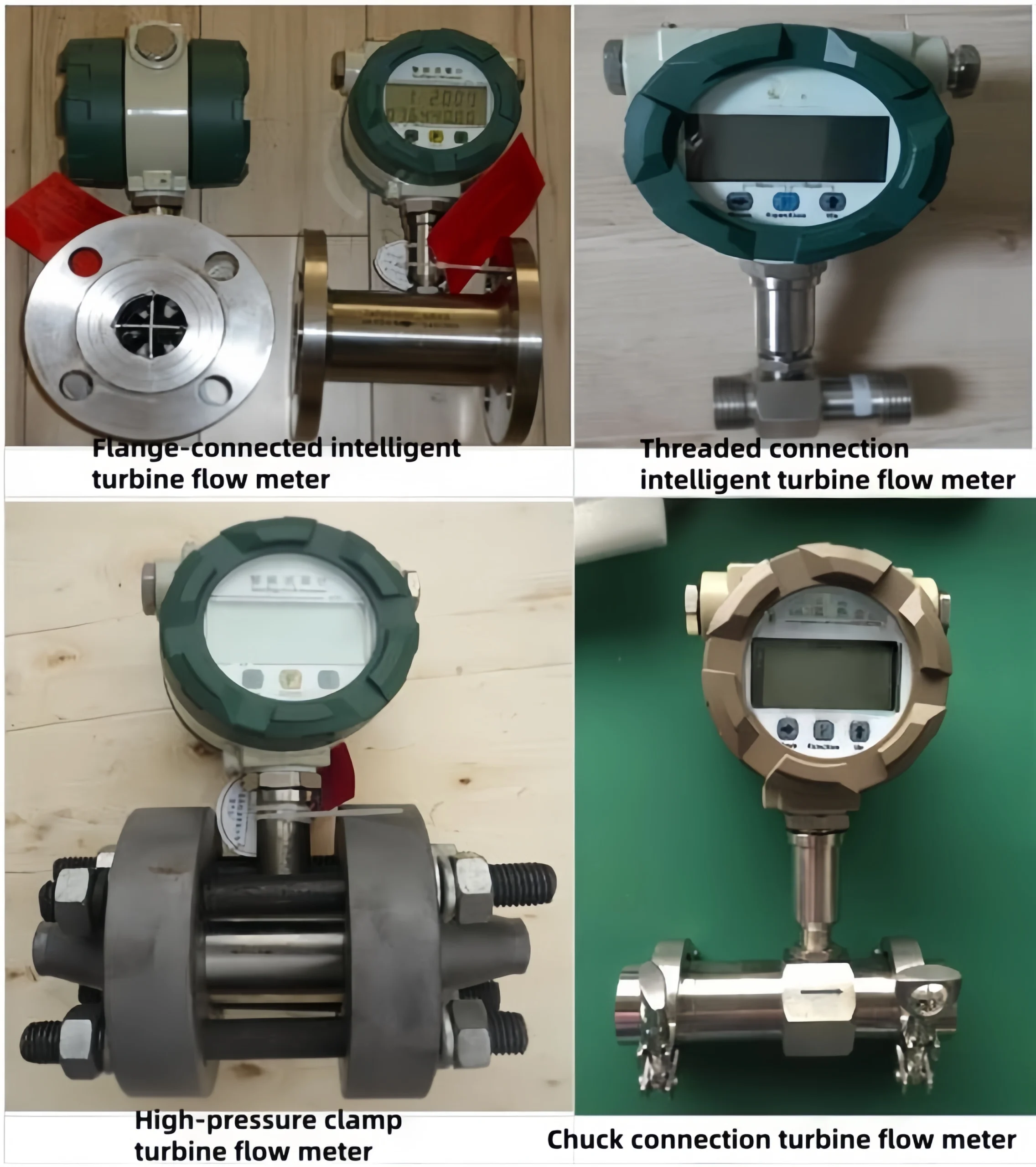
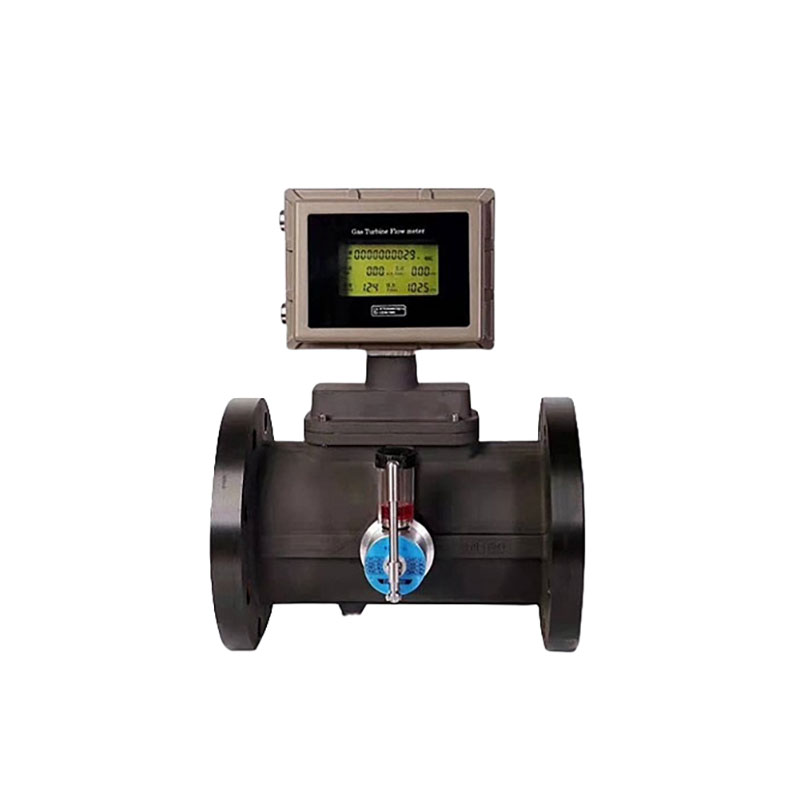
liquid turbine flow meter connection types

Differences Between Turbine Flow Meters and Vortex Flow Meters

1. Turbine flow meters work by having the fluid hit the built-in turbine blades and spin them; flow is measured by picking up pulse signals through electromagnetic induction.

Vortex flow meters, on the other hand, use a vortex generator inside the pipe—as fluid moves through, it creates alternating vortices, and the flow rate is worked out by detecting how often these vortices form. They don’t have any moving parts.

2. When it comes to media compatibility, turbine flow meters are a good fit for clean, single-phase liquids and gases because any impurities tend to wear down the impeller pretty quickly.

Vortex flow meters can handle media with small amounts of impurities, they aren’t as picky about cleanliness, and they can even measure steam.

3. In terms of wear and maintenance, turbine flow meters have moving parts like bearings and blades that wear out over time, so you’ll need to replace components every so often.

Vortex flow meters have no moving parts, which means hardly any mechanical wear and much less upkeep.

4. For measurement accuracy, turbine flow meters deliver solid linearity and higher precision, which is why they’re often used for trade settlement.

Vortex flow meters offer moderate accuracy overall and are more suited to process monitoring.

5. Pressure loss is another point of difference. The internal blades in turbine flow meters get in the way of fluid flow, so they cause relatively high pressure loss.

Vortex flow meters have lower pressure loss and barely affect the energy consumption of pipeline transport.

6. As for operating conditions, turbine flow meters are heavily influenced by medium viscosity, and you get noticeable errors with high-viscosity fluids.

Vortex flow meters aren’t much affected by viscosity and hold up better in high- and low-temperature steam applications.

Sino-Inst Featured Turbine Flow Meter

Gas-Turbine-Flow-Meter-aluminum-alloy-material
Gas Turbine Flow Meter aluminum alloy material
PE-Material-Liquid-Turbine-Flow-Meter-Chemical-Resistant-Threaded-and-flanged-types-without-display
PE-Material Liquid Turbine Flow Meter Chemical Resistant Threaded and flanged types
Insertion-Turbine-Flow-Meter-for-Large-Pipes
Insertion Turbine Flow Meter for Large Pipes
High pressure resistant flange connection liquid turbine flowmeter with heat dissipation
High pressure resistant flange connection liquid turbine flow meter with heat dissipation
Sanitary liquid turbine flow meter DN25
Internal thread connection Turbine Type Flow Meter

How to Choose the Right Turbine Flow Meter - 8 Considerations

Selecting the right turbine flow meter can make a significant difference. When selecting a turbine flow meter, the following 8 parameters must be confirmed:

1. Measured medium.

Gases, or liquids such as water, pure water, organic liquids, and inorganic liquids that do not contain fibers or particulate impurities. Fibers and particulate impurities can cause damage to the turbine flow meter.

2. Pipe diameter. Unlike other flow meters, turbine flow meters can be made with very small diameters (DN4). Other flow meters typically only go up to DN15 or larger. However, the upper limit for turbine flow meter diameters is also small. Theoretically, it is only up to DN200, which still meets the needs of most applications on the market.

3. Measurement accuracy. Standard accuracy grades are 0.5 and 1.0. However, in applications requiring higher accuracy, higher grades are often needed. Our turbine flow meters can achieve an accuracy grade of 0.2.

4. Medium viscosity. Turbine flow meters are not suitable for measuring highly viscous liquids, as this can affect the rotation of the turbine blades.
If the medium is too viscous, we recommend an oval gear flow meter.

5. Output signal. The current output signals for the turbine flow meter include three-wire pulse output and two-wire 4-20 mA output. Additionally, some applications may require digital output. We can also provide Modbus RS-485 communication and RS-232 communication.

6. Nominal pressure. The main options are 1.0 MPa, 1.6 MPa, 2.5 MPa, 4.0 MPa, and 6.3 MPa. Our turbine flow meters can be customized up to 42 MPa.

7. Medium temperature. The main temperature range is -20°C to +120°C. If a wider range is required, we can provide customization.

8. Power supply. The main options include a 3.6V lithium battery, 12VDC, and 24VDC. Users can select the appropriate power supply based on yourself conditions.

Comparison itemsMass flow meterTurbine Flow Meter
Measurement principleThe structure is a double-bend tube structure, which detects the mass flow rate of the pipeline by measuring the Coriolis force acting on the double-bend tube.The operating principle of a turbine flow meter is based on the energy conversion principle in fluid dynamics. When fluid flows through a pipe, it impacts the turbine blades, and the turbine’s rotational speed is precisely measured by a sensor.
Medium requirementsMost liquids can be measured.Suitable for liquids and gases that are free of impurities, non-corrosive, and have low viscosity (high requirements for the medium) 
Measurement displayThe real-time density and mass flow rate of the medium can be measured and displayed directly.Can only measure volumetric flow rate; cannot directly measure mass flow rate, which must be calculated using the medium’s density  
Measurement accuracyAccuracy can reach 0.1%.Standard accuracy of 0.5%; for applications with stringent accuracy requirements, a mass flow meter is recommended  
Purchase costThe price is relatively expensive.Relatively low cost

The flow meter coefficient K represents the ratio between turbine speed and flow rate.
Formula for calculating the flow meter coefficient
This coefficient is typically determined through experimental methods, with the calculation formula being:
K = Q / π · d / 4 · N

Where Q is the flow rate, d is the turbine diameter, and N is the turbine speed.

Turbine flow meters have multiple accuracy grades, with common grades including 0.2%, 0.5%, and 1.0%.

In short, turbine flow meters are suitable for many applications. Users should select different types of turbine flow meters based on specific operating conditions. If you are unsure which turbine flow meter to choose, do not hesitate. Contact us immediately. Our years of experience can provide you with the most cost-effective solution.

Sino-Inst is a Chinese turbine flow meter supplier. We offer a variety of turbine flow meters for your selection. If you have any questions after reading this content, please feel free to contact us.

Welcome To Share This Page:
Product Categories
Latest News
Get A Free Quote Now !
Contact Form Demo (#3)

Related Products

Related News

Flow monitoring is a core component of industrial process control. Analog flow meters convert flow velocity into standard analogue electrical signals;

There are many things to note when installing flow switches and flow sensors. Proper installation of flow switches and flow

Propane is prone to gas-liquid phase transitions in response to changes in temperature and pressure, presenting significant challenges for measurement

Flow switches and flow meters are commonly used in industrial measurement. Many people are not clear about their differences. A

 Oxygen flow meters are medical devices used to measure oxygen flow in hospitals. Its main function is to supply oxygen

Sino-Inst is a professional supplier of flow switches. Based on experience, this article will introduce: What is a flow switch?

A flow switch is an instrument used to control the flow of a medium (gas, liquid, oil) flowing through a

Liquefied petroleum gas (LPG) flow measurement is a critical component of energy trade settlement and process control. However, its two-phase

Oil flow meters serve as the backbone of measurement infrastructure across petrochemical operations, energy accounting, and process manufacturing sectors. When

Scroll to Top

Get A Free Quote Now !

Contact Form Demo (#3)