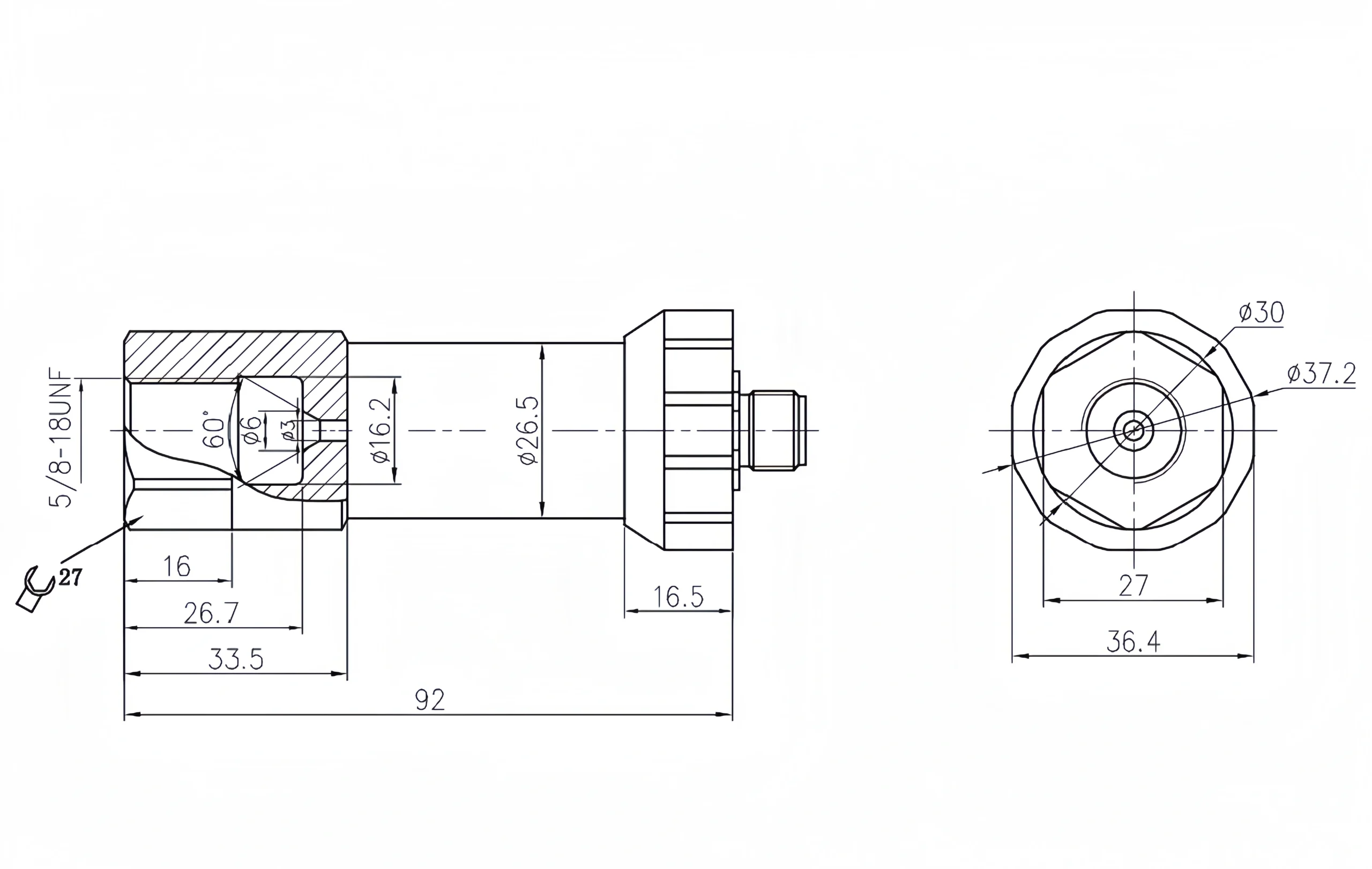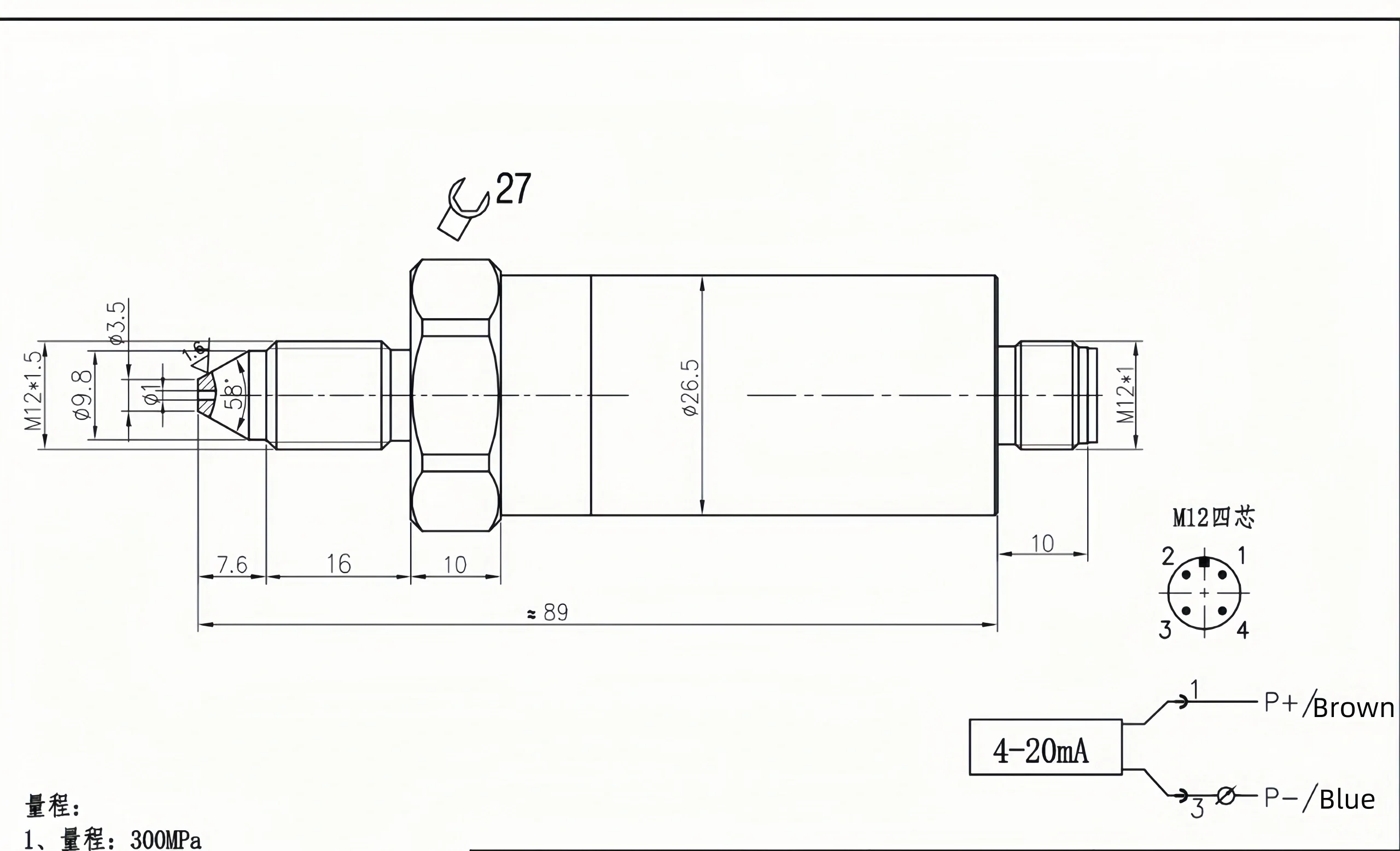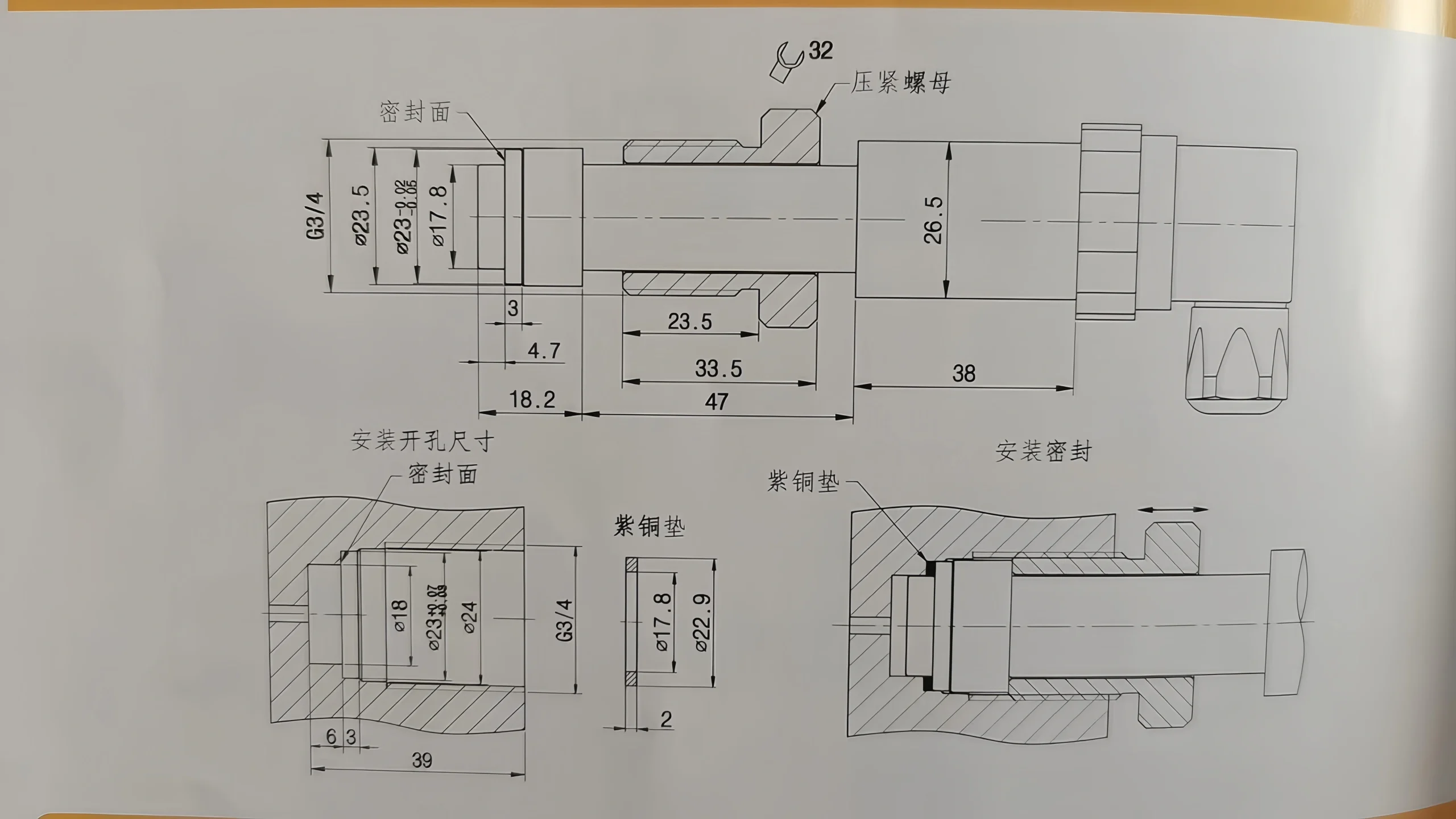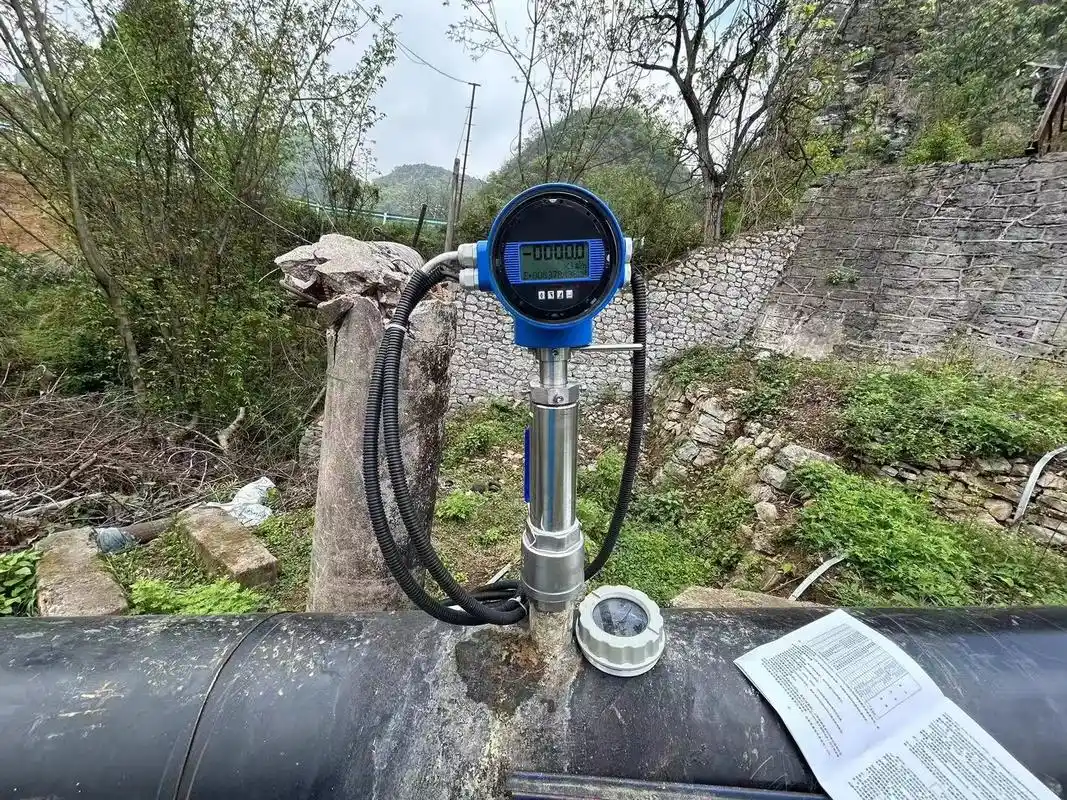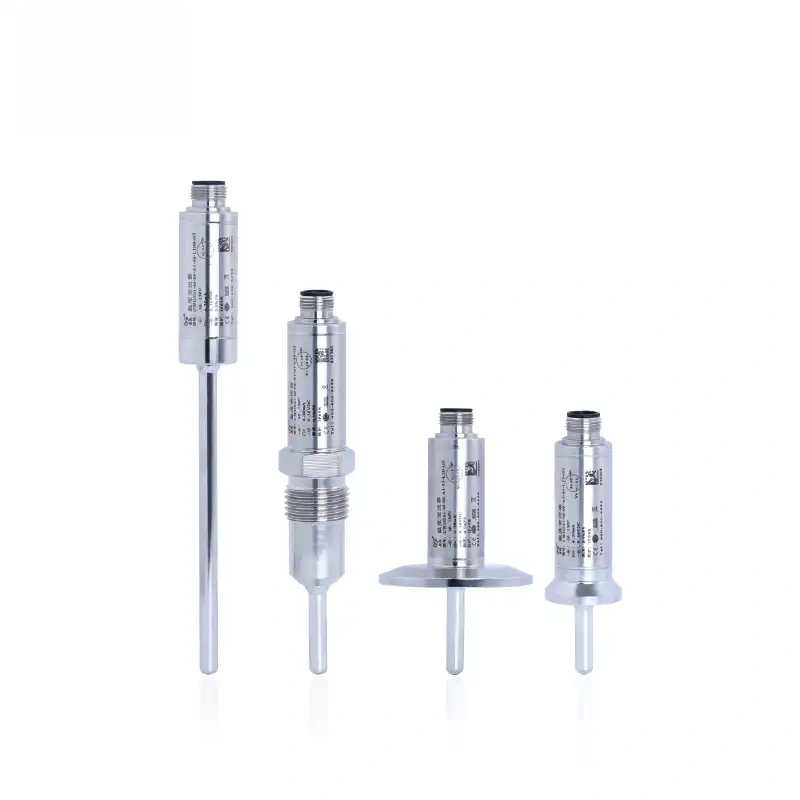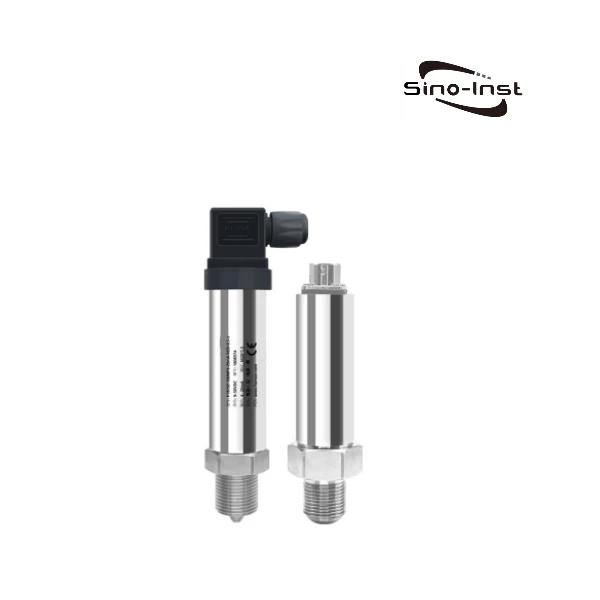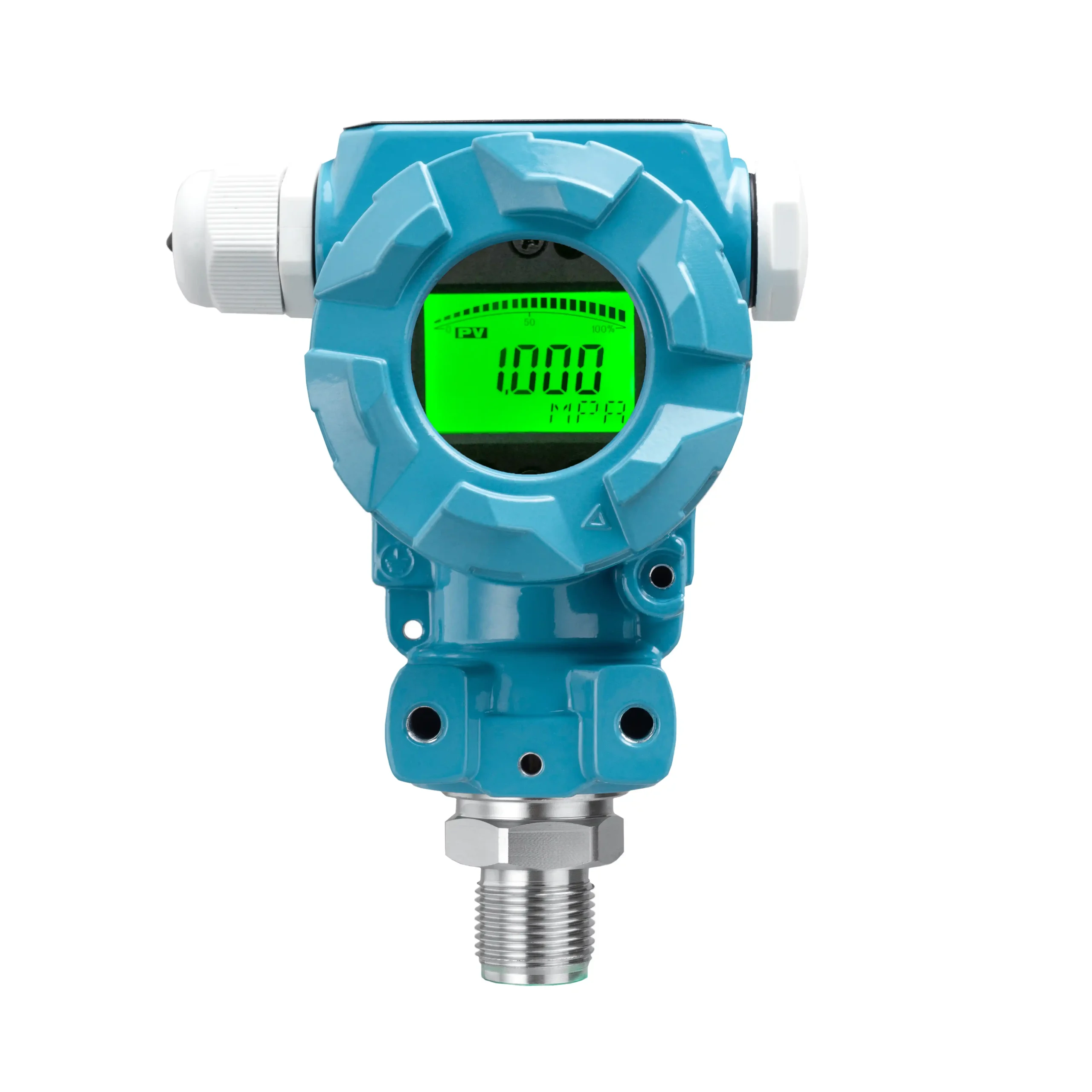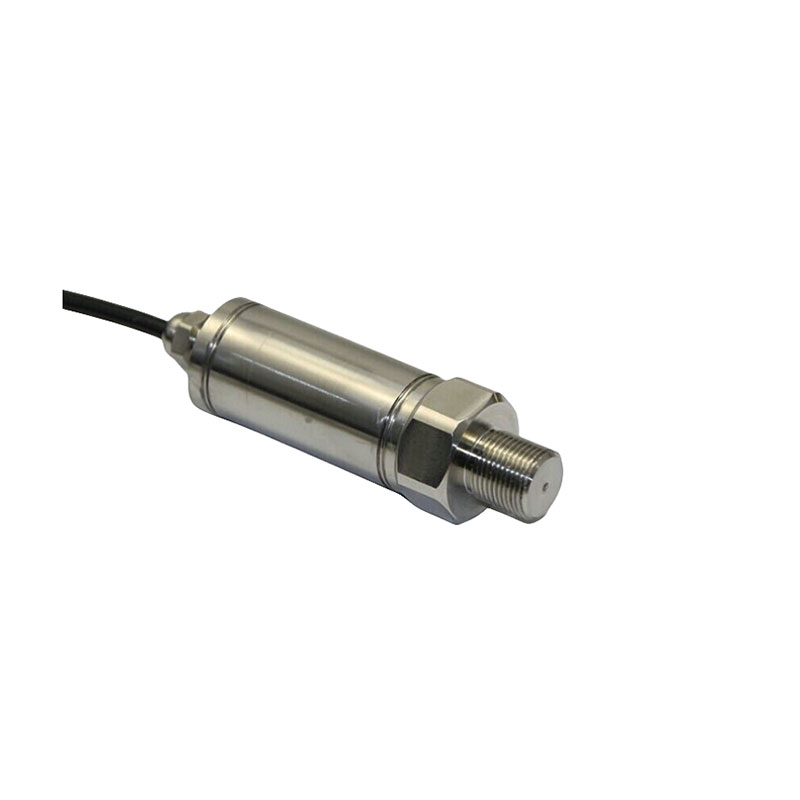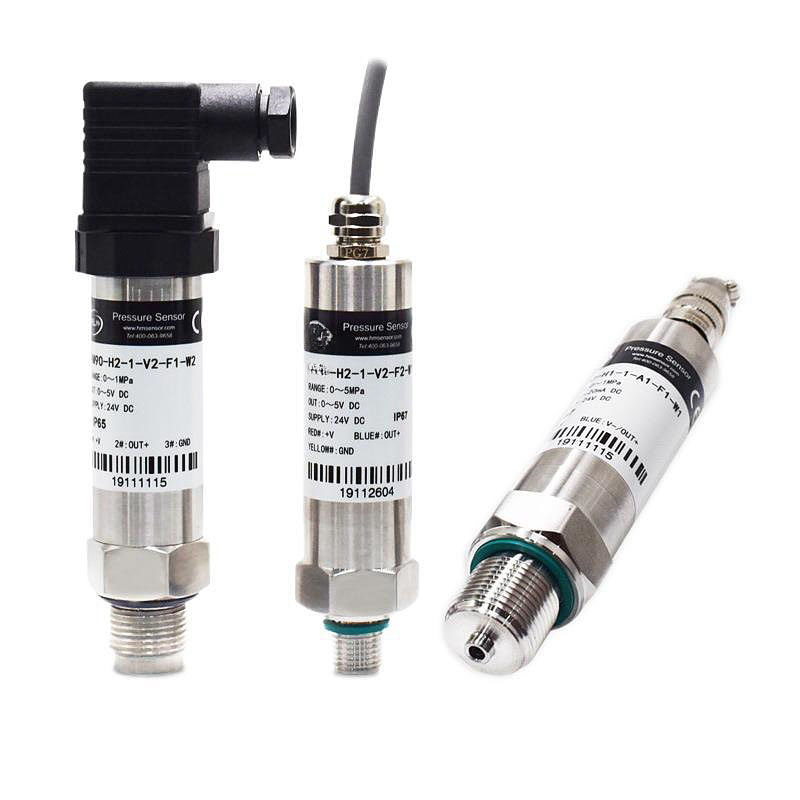
A high-pressure transducer is purpose-built to measure ultra-high media pressures. It packs a pressure-resistant sensing element and a rugged, sealed load-bearing structure that can take media pressures well beyond what ordinary transducers can handle.
The unit turns pressure shifts in high-pressure fluids and gases into standard electrical signals, which is why it sees heavy use in tough high-pressure settings like hydraulics, oil and gas extraction, and high-pressure hydrogenation. It delivers the accurate data needed for system pressure monitoring, safety interlocks, and process control.
High Pressure Transducer Features
Strong Adaptability to High-Pressure Ranges:
These transducers were built from the ground up for high-pressure work. They can reliably measure ultra-high pressures from tens to hundreds of megapascals.
They fit right into demanding high-pressure setups—hydraulic equipment, oil and gas extraction, high-pressure injection molding, aerospace—where standard pressure sensors simply won’t cut it. The measurement range is broad, and each unit is tailored to its specific application.
High Structural Strength and Excellent Pressure Resistance:
The core sensing element, housing, and sealing structure are all crafted from pressure-resistant materials like high-strength stainless steel and special alloys.
After precision reinforcement, they can take repeated high-pressure shocks and sudden peak pressures over the long haul without deforming, cracking, or leaking. Their overload capacity is well above what ordinary pressure sensors can handle.
Stable Measurement Accuracy and Low Error:
Drawing on well-established sensing principles such as high-precision piezoresistive and capacitive technologies, these transducers keep excellent linearity and high repeatability even under extreme pressure.
They do a solid job of holding off the measurement drift that high-pressure media tends to cause, keeping accuracy in check and delivering steady, reliable data over time for industrial precision measurement and control.
Outstanding Environmental Adaptability:
Most high-pressure transducers are built to take a beating—they’re waterproof, dustproof, shock-resistant, and corrosion-resistant.
They hold up fine in rough industrial conditions with high-pressure fluids, acidic or alkaline media, extreme temperatures, and heavy vibration. These sensors keep running steadily through operational disturbances and don’t quit, showing real toughness in tough environments.
Strong Interference and Shock Resistance:
These transducers are purpose-designed to ride out sudden pressure surges and pulsating fluctuations in high-pressure pipelines.
Built-in voltage stabilization and filtering circuits knock out pressure fluctuation noise, protecting the transducer from damage and data dropout caused by transient high-pressure spikes. That gives them a bigger safety margin under actual working conditions.
Long Service Life and Low O&M Costs:
The overall build is tough and long-lasting, and the core components stay stable without aging out or failing prematurely.
Wear under sustained high-pressure operation is minimal, so you won’t be swapping parts or calling in maintenance crews all the time. That cuts way down on labor, materials, and downtime for upkeep and replacement, while keeping operations running smoother for longer.
Excellent Integration and Wide Compatibility:
The transducer puts out standardized signals, so it drops right into PLCs, industrial control instruments, and automated control systems without a hassle.
Installation options are flexible and varied, fitting easily into automated monitoring and closed-loop control setups on all kinds of high-pressure industrial equipment. It plays nice with the vast majority of industrial measurement and control systems already out there.
High Safety and Protection:
High-pressure work comes with real risks—medium leaks, pipe bursts, you name it. These sensors keep a close eye on pressure shifts in real time with tight accuracy. When overpressure hits, they fire off protective actions fast—alarms, pressure relief, shutdown—to stop equipment damage and safety incidents from high-pressure overloads dead in their tracks. That keeps the production floor safe.
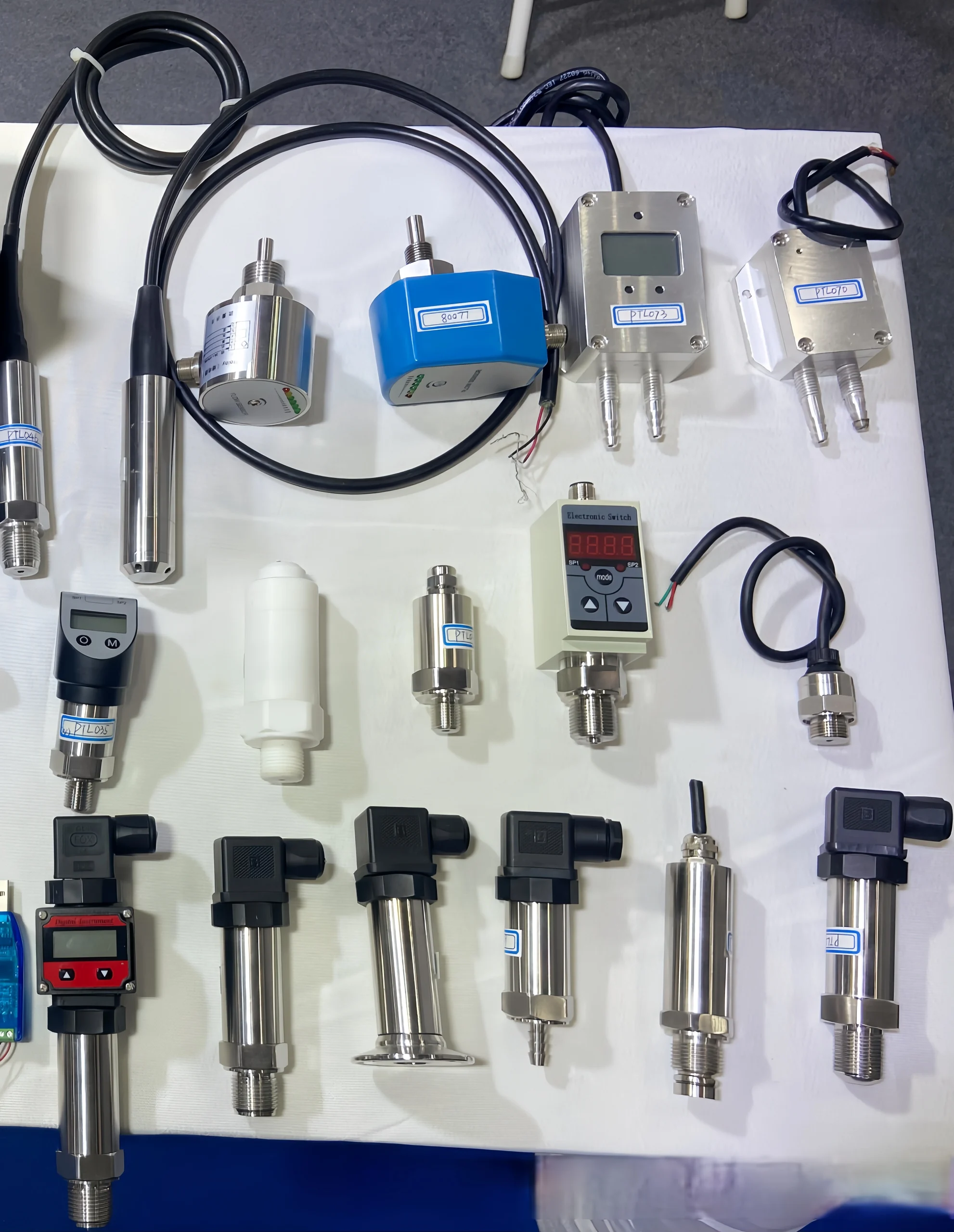
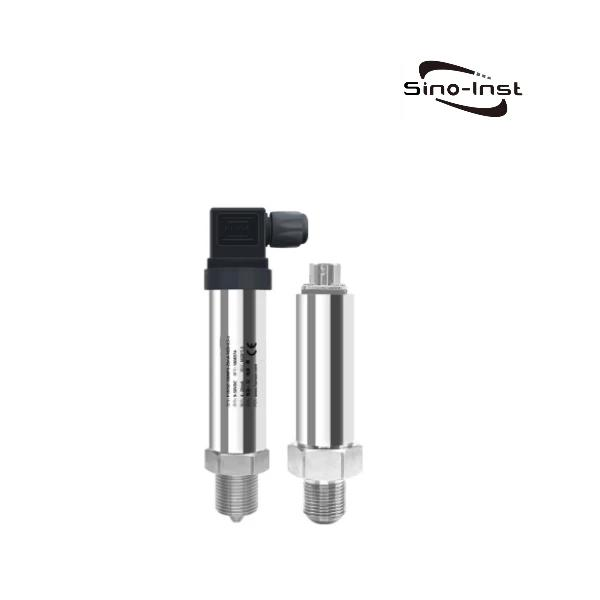
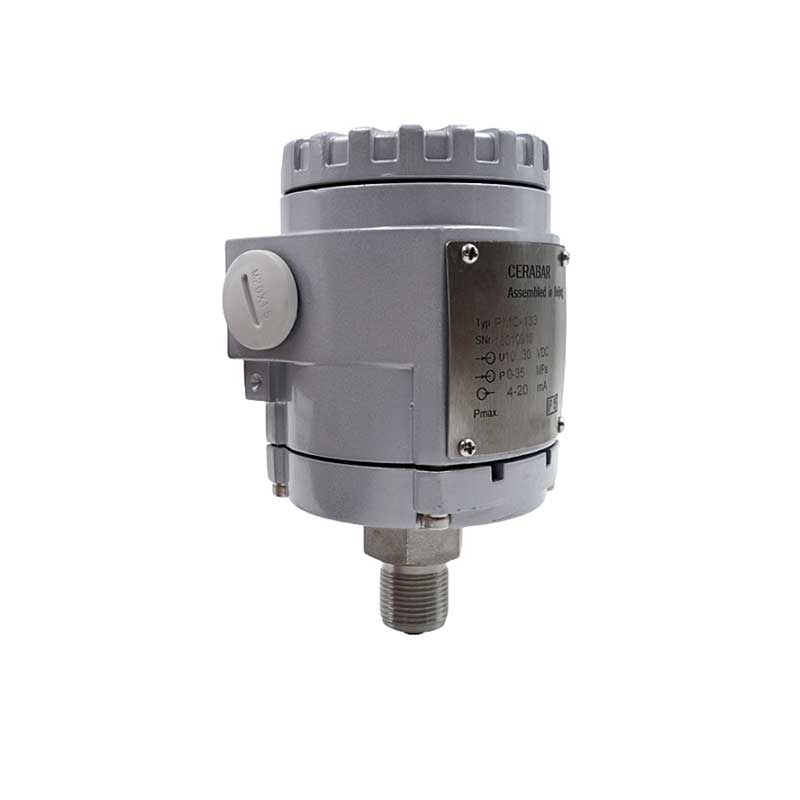
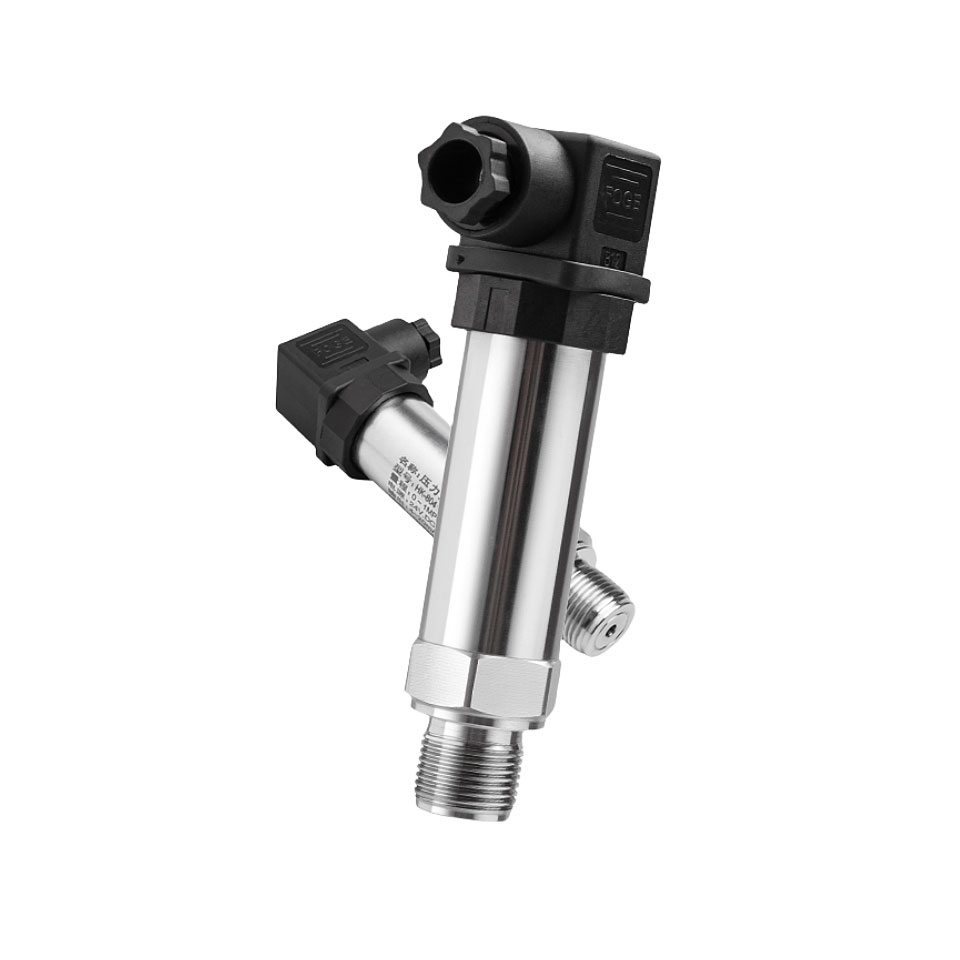
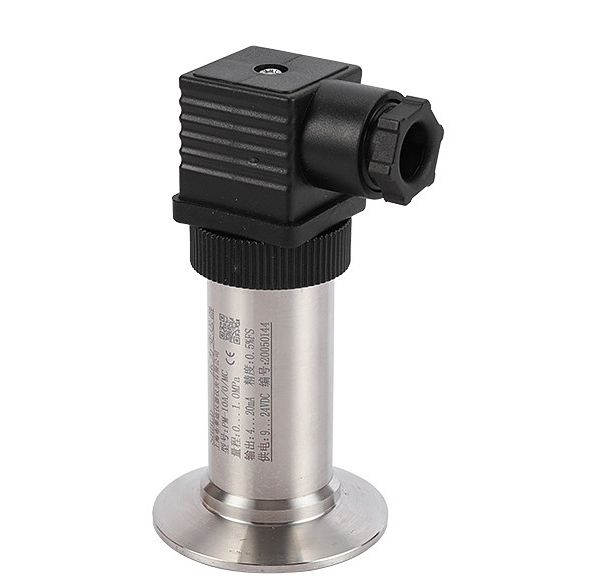
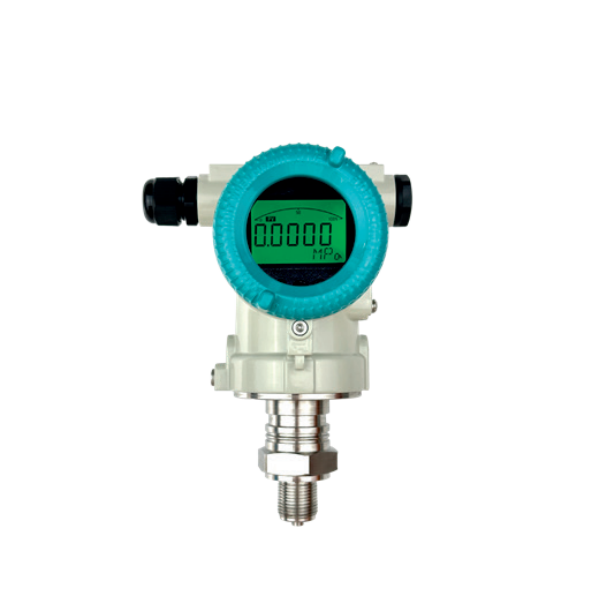
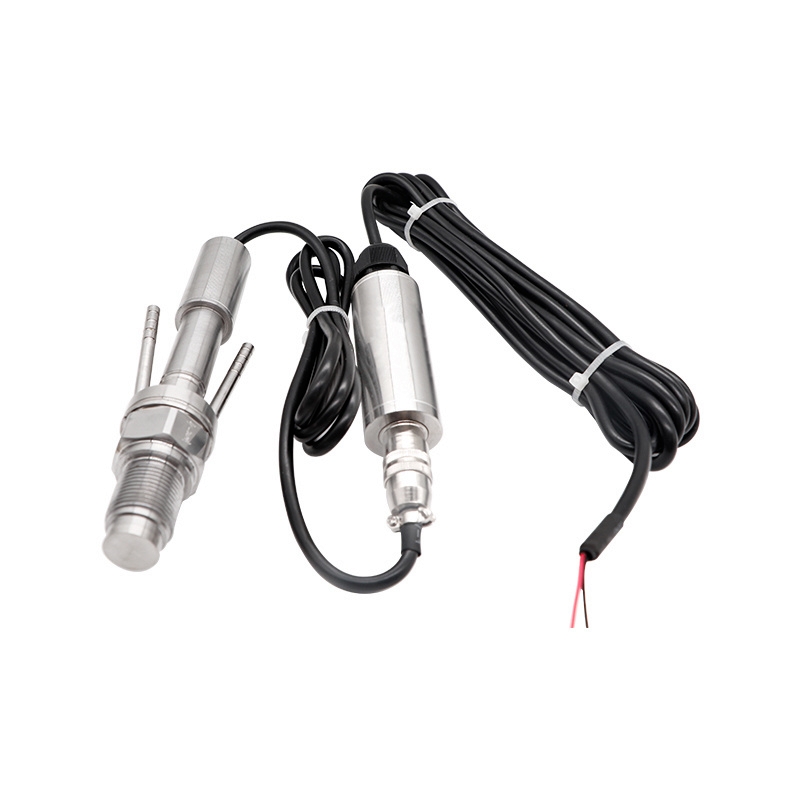
The working principle of high pressure transducers is based on the conversion of physical quantities. The specific principle is to convert the pressure of the high pressure medium into an electrical signal through the sensitive components, and then after amplification, filtering, calibration of the signal processing circuit, the output of standard electrical signals (such as 4 ~ 20mA, 0 ~ 10V) or digital signals for subsequent display, recording or control system use.
According to the different sensitive components, common high-voltage sensors can be divided into the following categories: strain gauge high-pressure sensors, capacitive high-pressure transducers, and piezoelectric and other high-pressure sensors.
Read More about 7 Types of Pressure Sensors: Different Types, Working Principles, and Definitions.
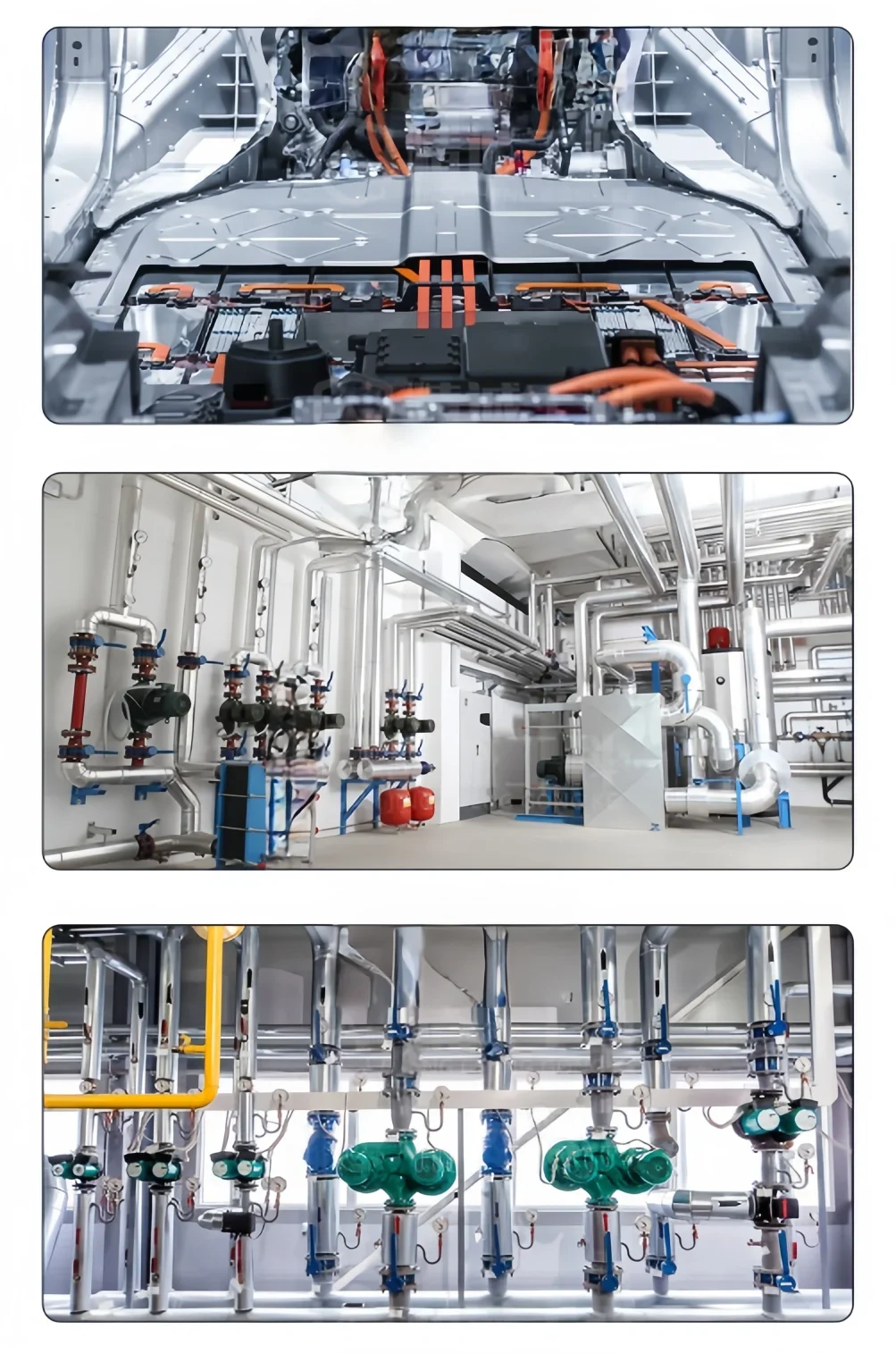
High pressure transducers can adapt to a variety of high pressure resistant media due to their special customized materials and construction. For example:
1. Petrochemical industry
High pressure transducers play a key role in oil drilling, oil and gas transportation, chemical reactors and other processes.
For example,
Real-time monitoring of drilling fluid pressure is required during the drilling process to ensure the pressure balance at the bottom of the well and prevent blowout accidents.
in the long-distance oil and gas pipeline, the sensor can monitor the pressure changes in the pipeline and detect leakage or clogging problems promptly.
The high-pressure reaction environment in the chemical reaction kettle requires precise pressure control to ensure the efficiency of the reaction and the quality of the product.
2. Energy and Power Industry
In the fields of thermal power generation, hydroelectric power generation and nuclear power generation, high-pressure sensors are used to monitor the pressure parameters of steam pipelines, turbines, boilers and other equipment.
For example,
The thermal power plant’s main steam pipeline pressure is up to a high pressure, the sensor needs to monitor the pressure change in real time to ensure the stable operation of the turbine;A
nuclear power plant’s reactor cooling system pressure monitoring is more related to nuclear safety, which requires the sensor to have a very high reliability and anti-radiation ability.
3. Aerospace field
Aircraft engines, rocket propulsion systems and other equipment in the work will produce very high pressure.High-pressure sensors are used to monitor fuel pressure, hydraulic system pressure. It is useful to provide real-time data for the flight control system.
In the aerospace field, sensors also need to adapt to high pressure environments to ensure the safety of spacecraft during launch, flight and recovery.
4. Metallurgy and Manufacturing
Metallurgical processes require high pressure sensors for pressure control.
For example,
Steel plate rolling process, the pressure of high-pressure water descaling system needs to be maintained at a high pressure, in order to effectively remove the oxide skin on the surface of the steel plate.
10,000-ton hydraulic presses working pressure can reach hundreds of MPa, and the accurate measurement of the sensor is to ensure the premise of the workpiece processing accuracy.
5. Scientific research experiments
In materials science, fluid mechanics and other scientific research experiments, often need to simulate a high-pressure environment. A high-pressure sensor is an important tool to simulate high-pressure data.
For example, In ultra-high-pressure phase change experiments, the sensor needs to measure the pressure up to thousands of MPa to study the physical properties of materials under extreme conditions;
In fluid dynamics experiments, by monitoring the pressure distribution of the high-pressure flow field, the theoretical model can provide data support for the verification.
6. HVAC industry
In heating, ventilation and air conditioning (HVAC) systems, high-pressure sensors are used to measure operating pressures of refrigeration compressors, heat pump units and other equipment.
For example,
Compressor discharge pressure in the refrigeration system directly affects the refrigeration efficiency and equipment life. Real-time monitoring of pressure through high-pressure sensors can be used to timely adjust compressor operating parameters, to avoid damage to the equipment due to high pressure.
In the central air-conditioning system of a large-scale commercial building, the sensor also monitors the static and dynamic pressure inside the pipeline to optimize the distribution of airflow and to improve the efficiency of energy use and indoor comfort.
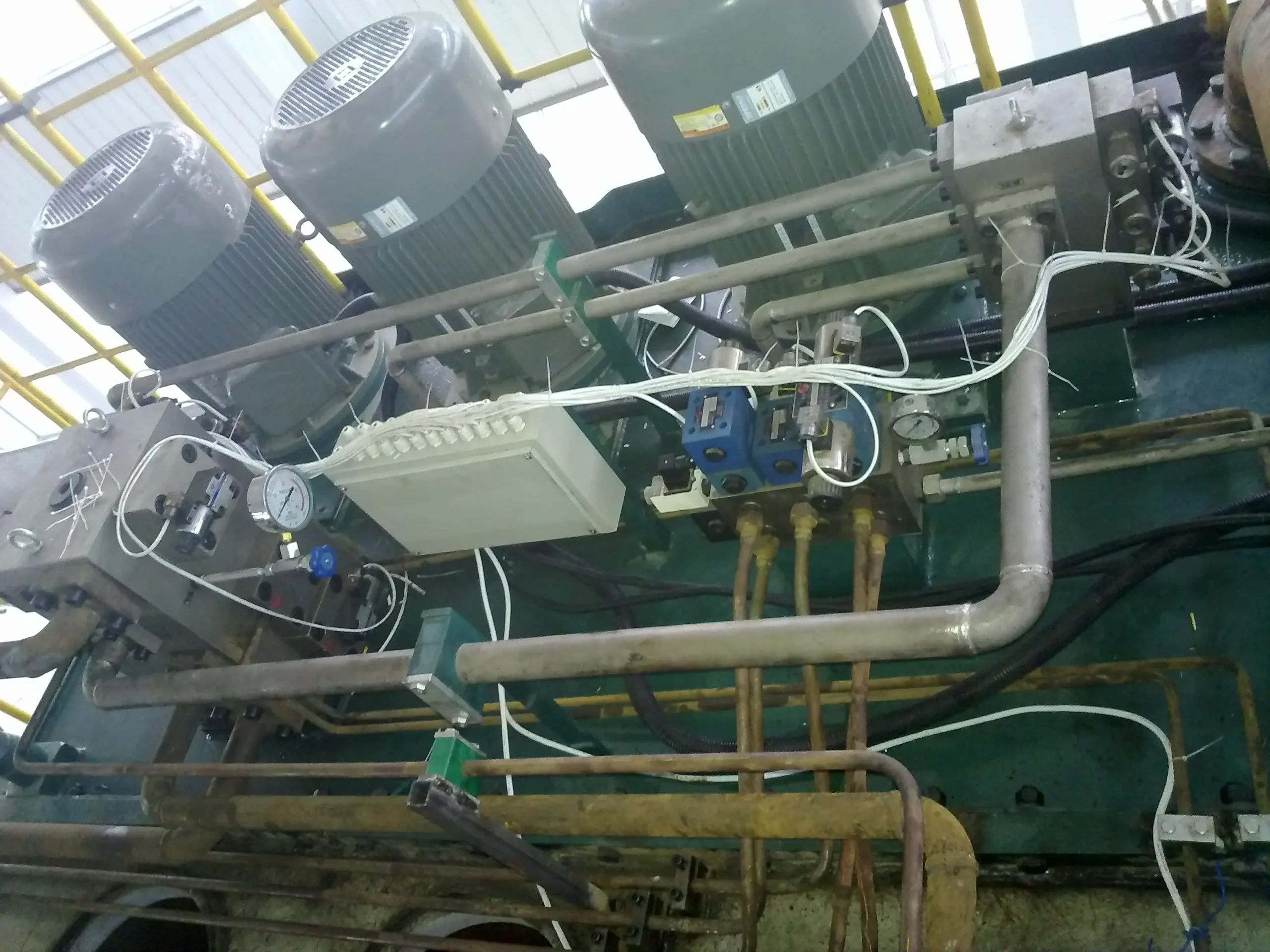
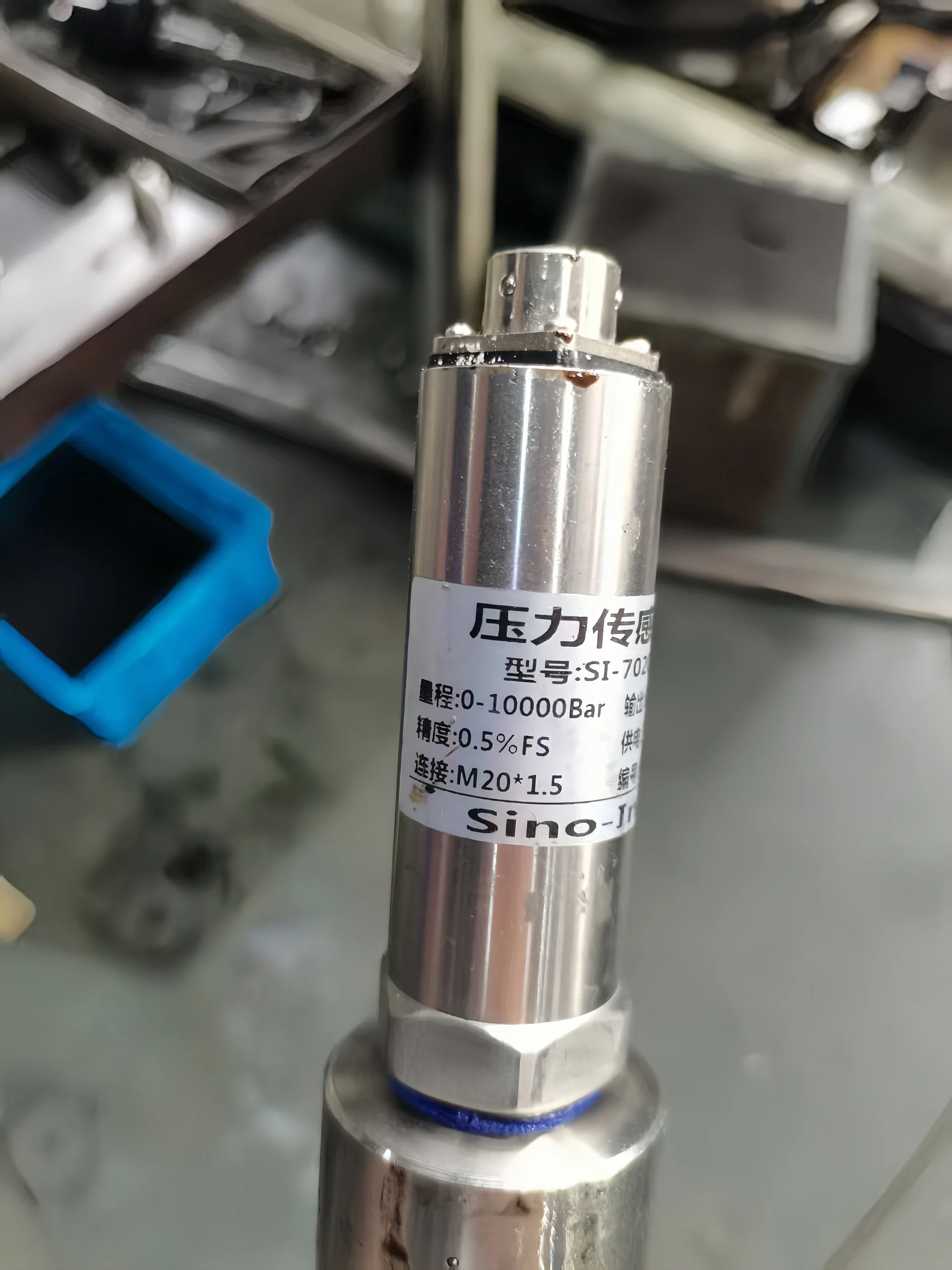 Our products have undergone multiple product tests and are guaranteed to be of high quality. We have relevant inspection reports. Recently, one of our customers ordered a high-pressure pressure sensor from us. The following are its parameters.
- Pressure Transmitter
- Model: SI702Q
- Measuring Range: 0-1000 MPa
- Accuracy: 0.5% FS
- Output Signal: 4-20 mA
- Threaded Connection: M20 x 1.5 mm Ball Joint with Hirschmann Connector
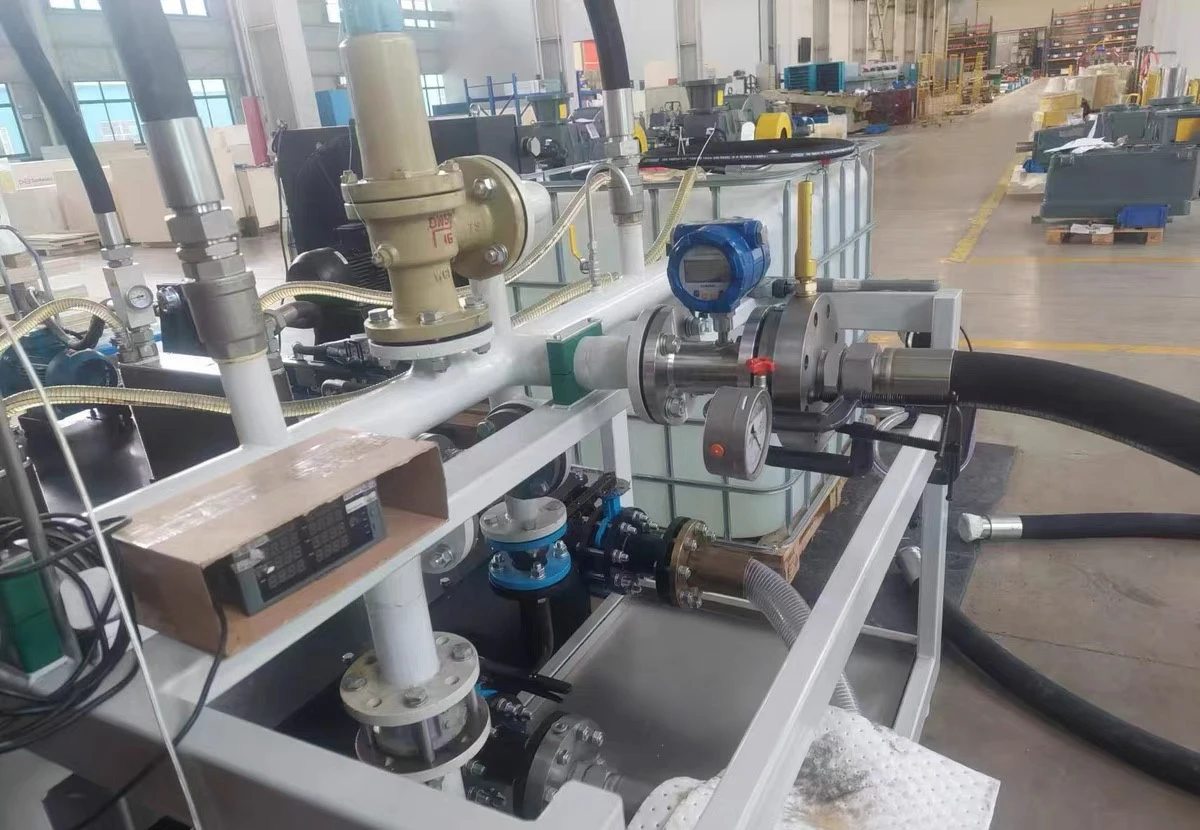
There are some other cases: