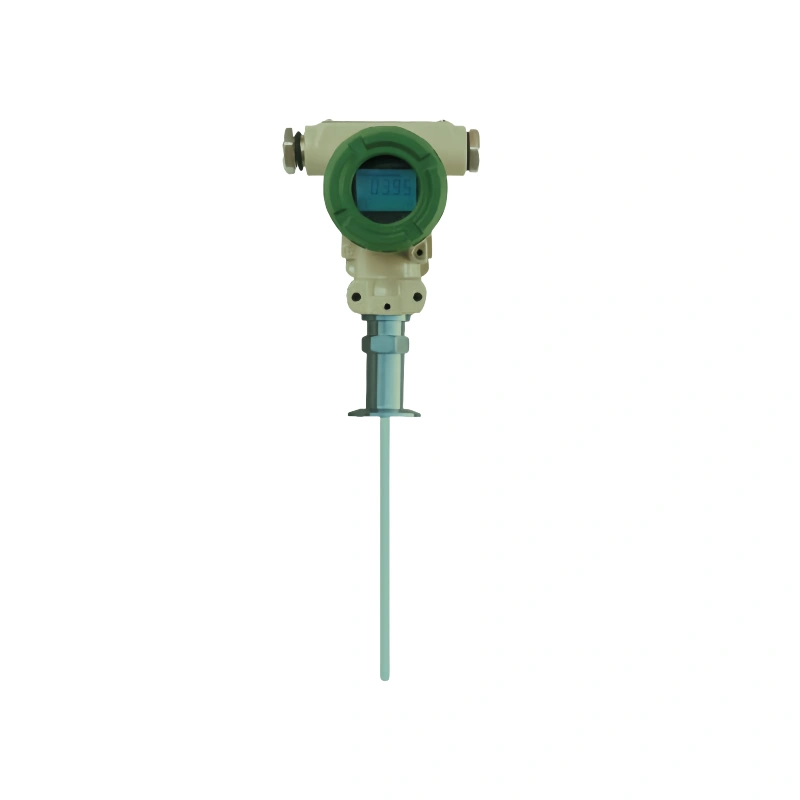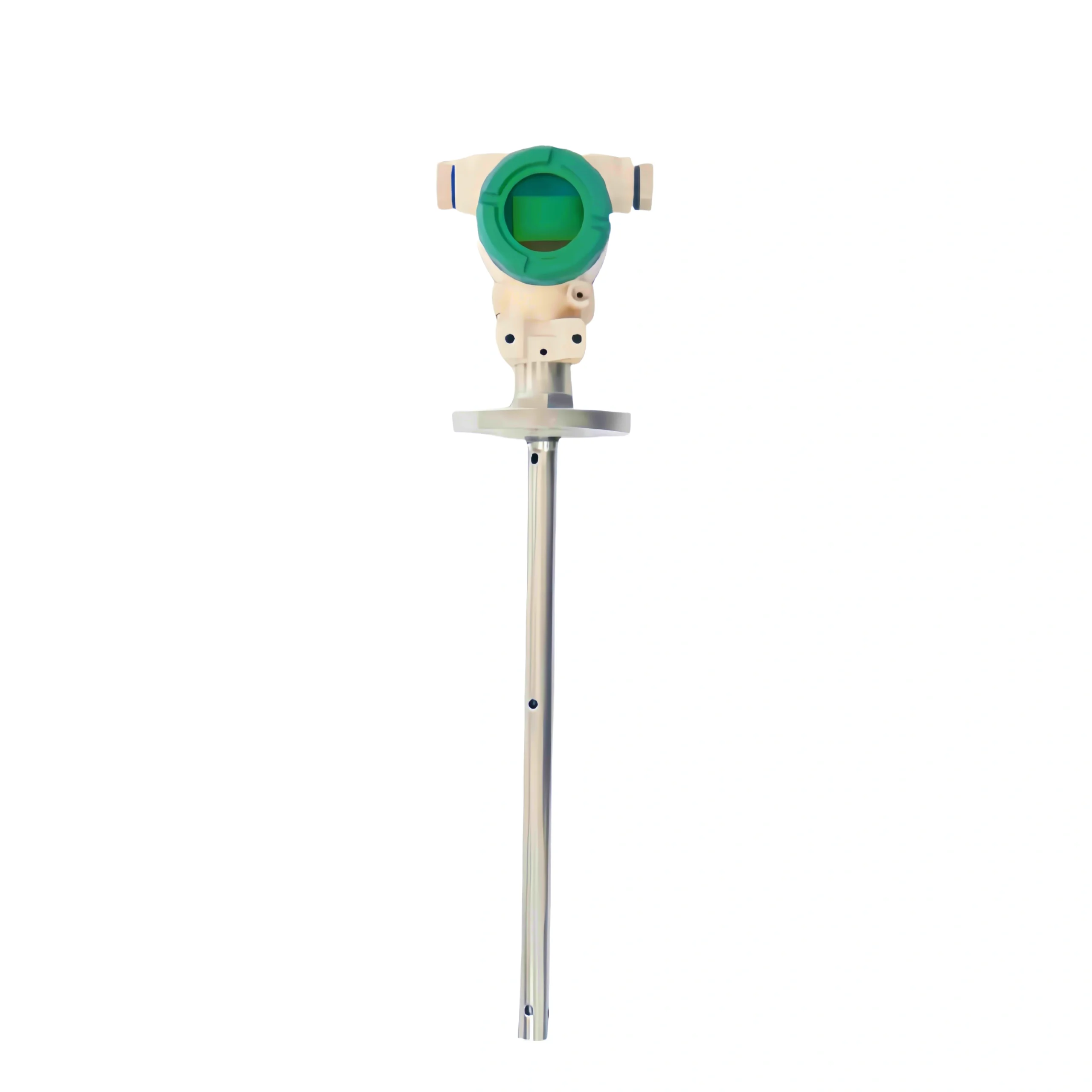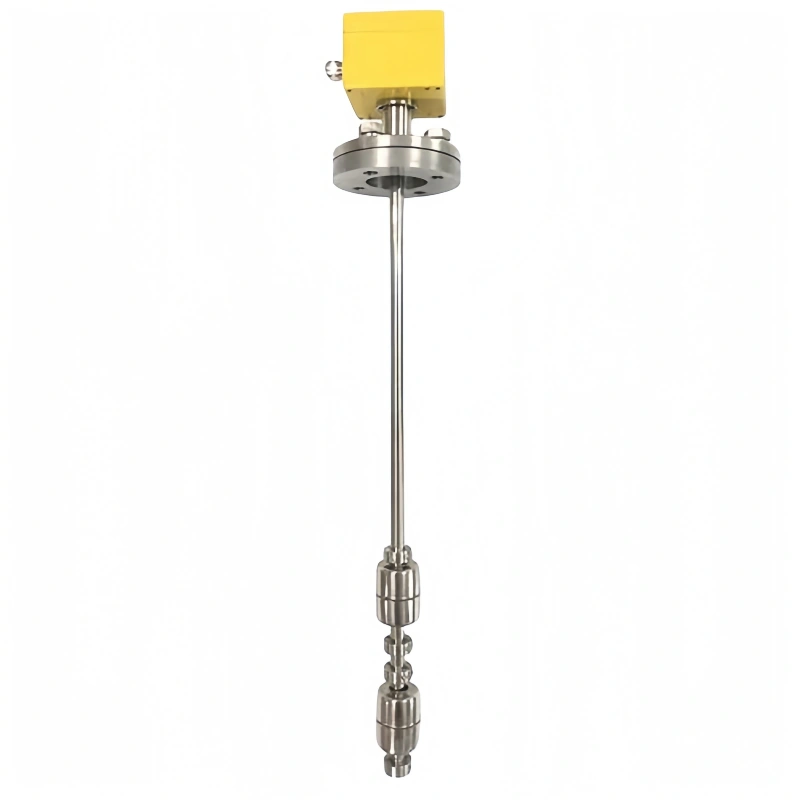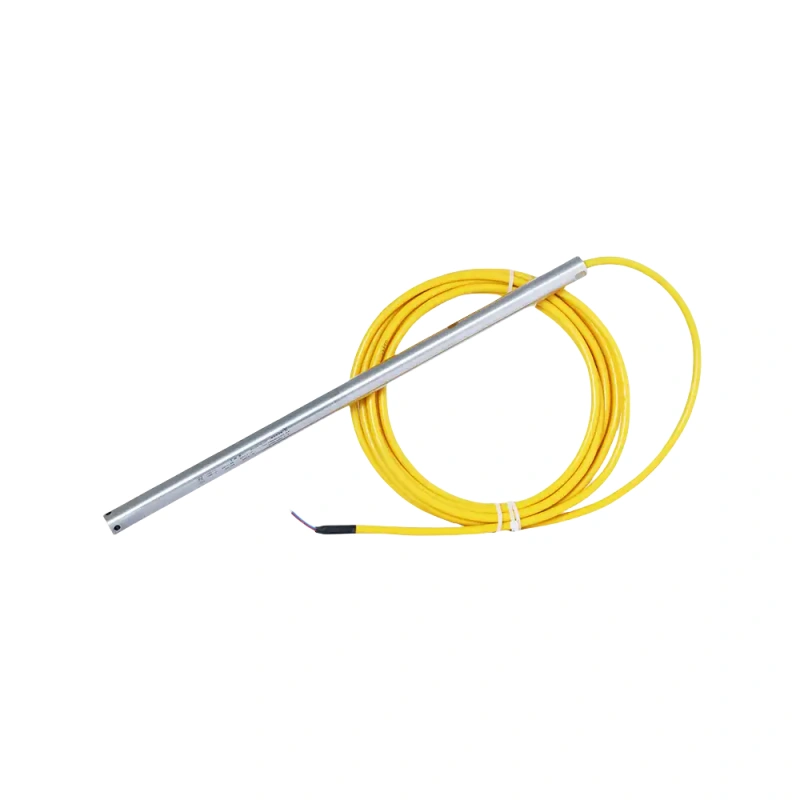
Absolute Pressure Sensor or absolute pressure transmitter is what we often hear when choosing industrial pressure transmitters. So what is absolute pressure? What is the difference between absolute pressure sensors? Let’s analyze it together.
Definition of Absolute Pressure Sensor
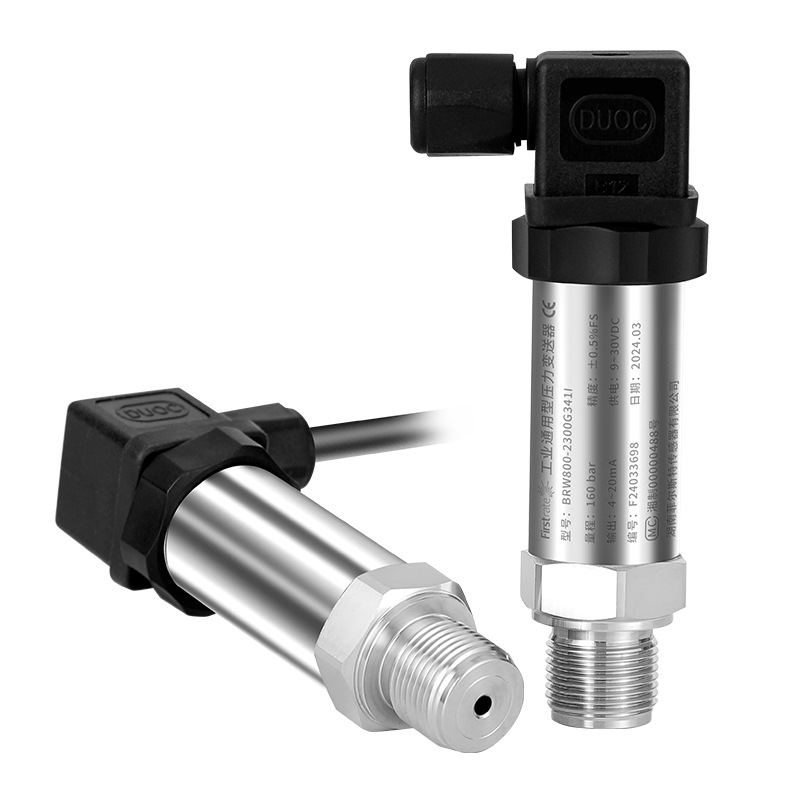
The absolute pressure sensor (Absolute Pressure Transducer) is a pressure transmitter with vacuum as the reference point. Used to measure absolute pressure. The benchmark for absolute pressure is vacuum. Therefore, the zero point of the absolute pressure transmitter is absolute vacuum.
The absolute pressure transmitter converts the pressure signal into a measurable electrical signal through the sensor, and generally outputs a current signal (such as 4-20mA) or a voltage signal.
This type of equipment is commonly used in industrial automation, instrumentation and control systems. Used to monitor and control various pressure applications, such as pressure monitoring of gases or liquids.
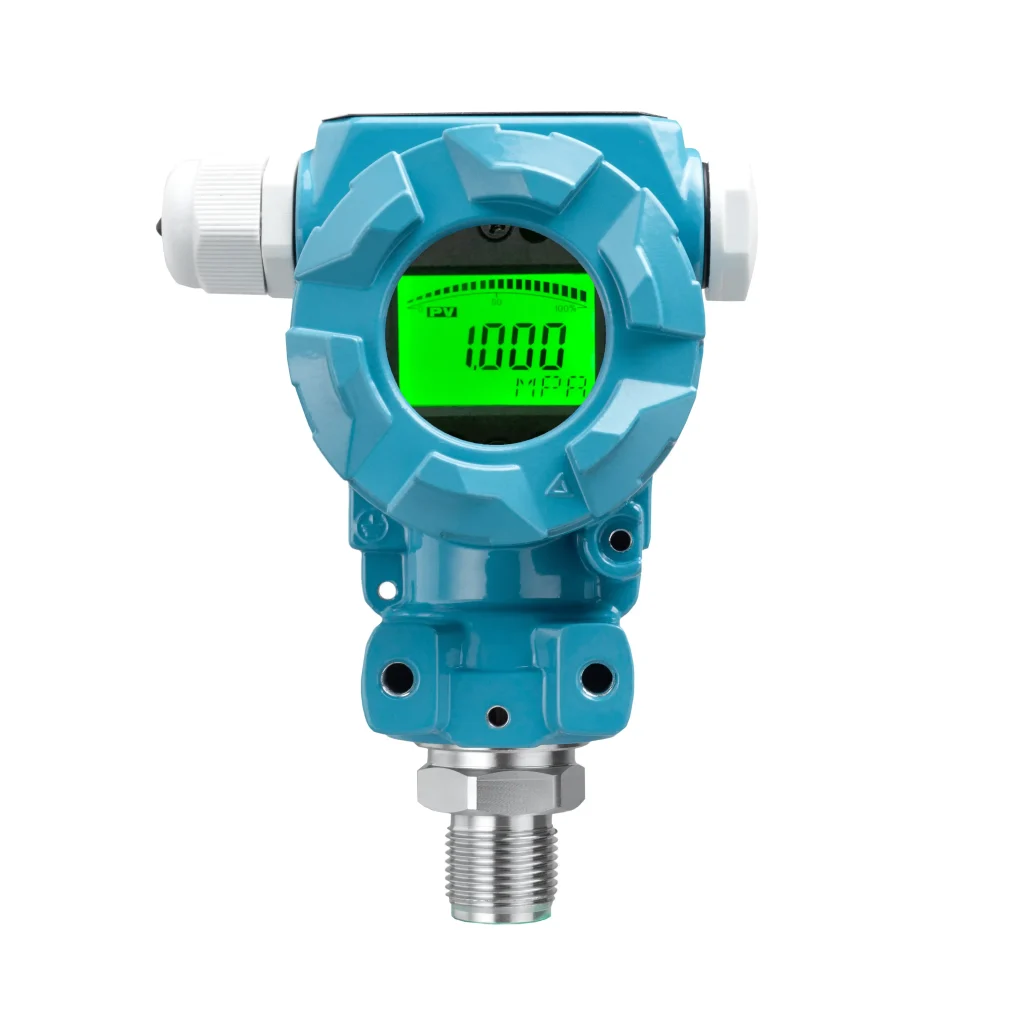
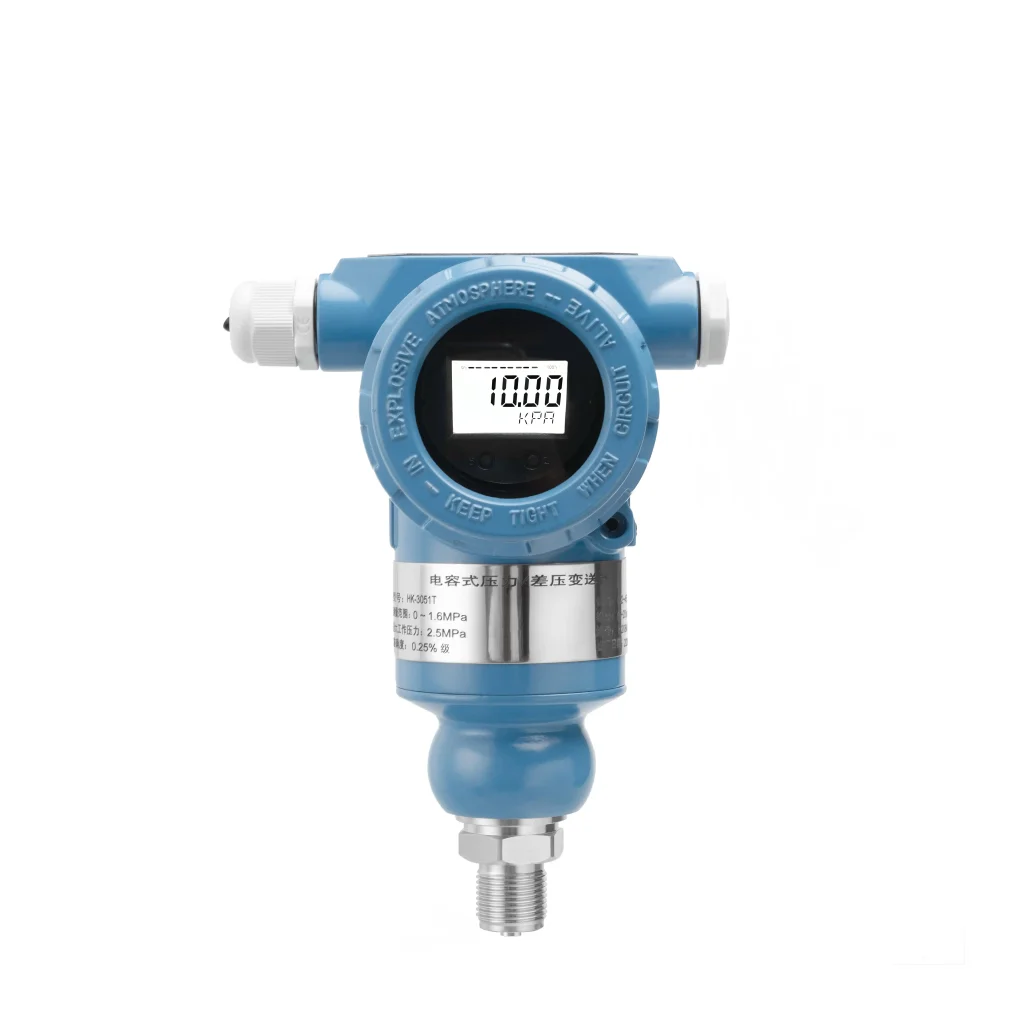
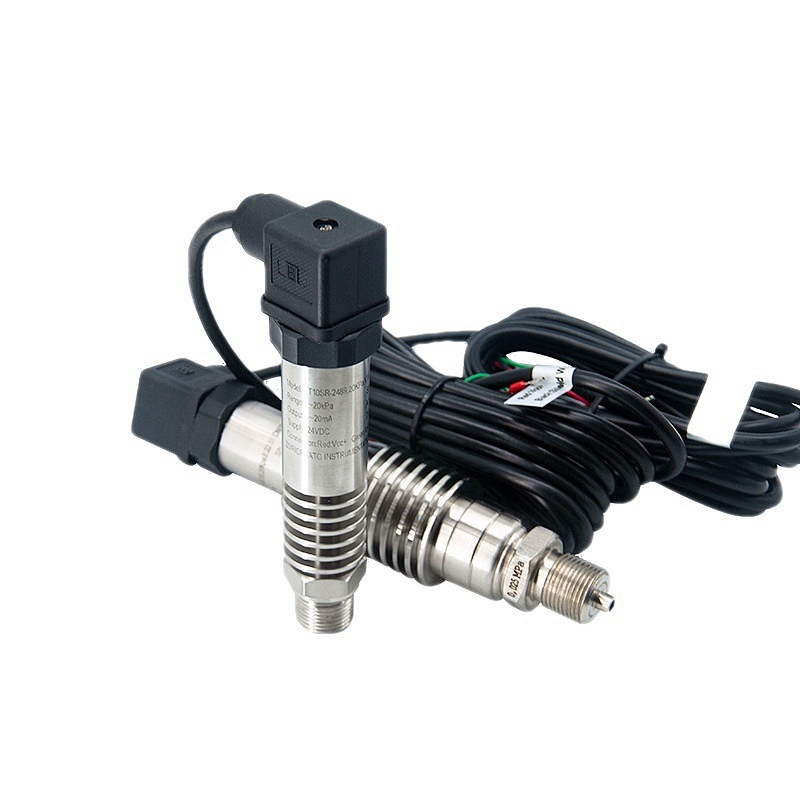
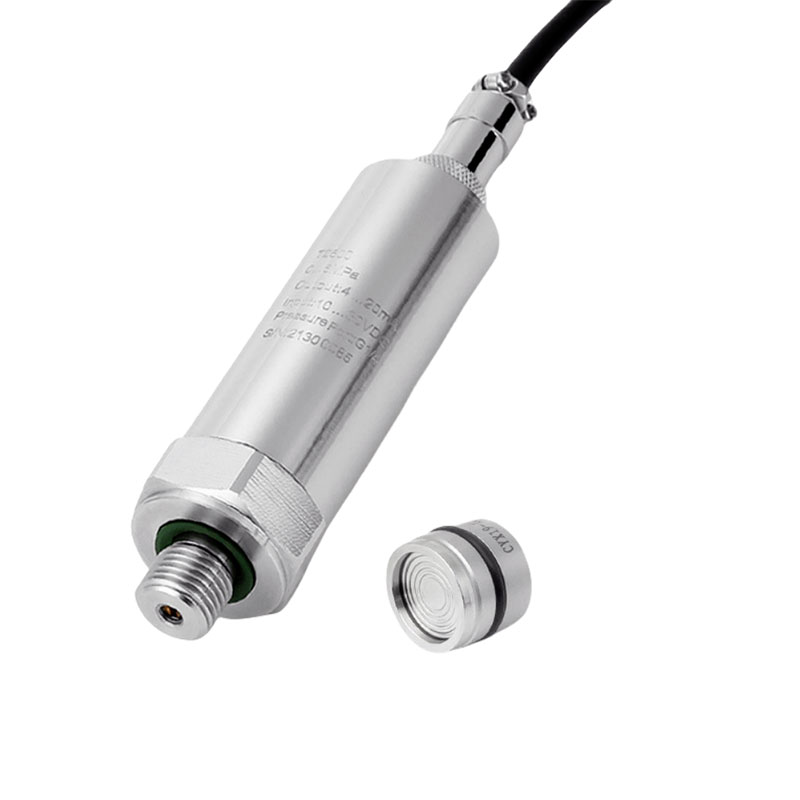
Featured Industrial Absolute Pressure Sensors
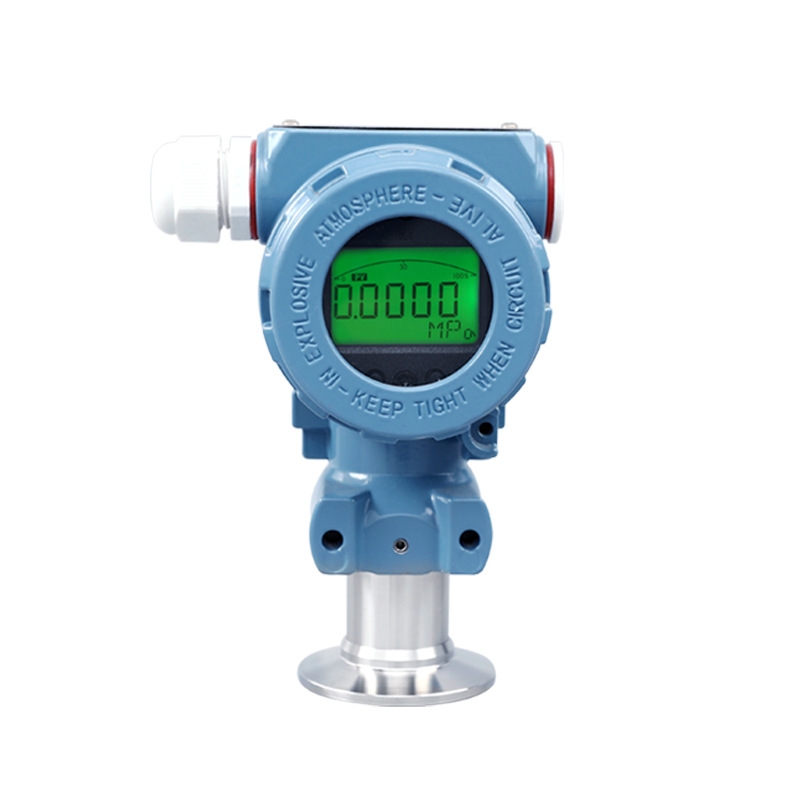
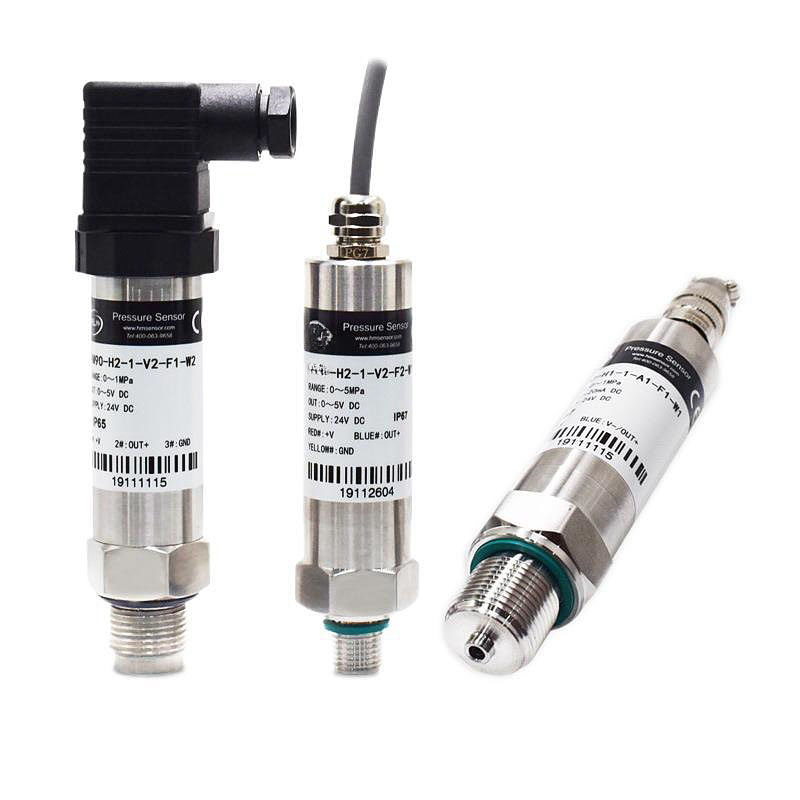
Absolute Pressure vs Gauge Pressure
Gauge Pressure:
Generally refers to the measured pressure of a pressure gauge or pressure transmitter, and its zero point is atmospheric pressure.
Absolute Pressure:
It is the actual pressure endured by an object, and its zero point is absolute vacuum.
The simplest way to tell the difference between gauge pressure and absolute pressure is that the reference (zero point) is different.
In practical engineering applications, the measurement type selected for most pressure gauges or pressure transmitters is gauge pressure.
Gauge pressure is a relative pressure (Relative Pressure), a pressure expression method based on atmospheric pressure. That is, when the pressure gauge is placed in the air or the pressure of the measured system is equal to the local atmospheric pressure, its indicated value is 0.
Absolute pressure gauges also have certain applications in fields such as industrial process control and scientific experiments.
Absolute pressure is a method of expressing pressure based on absolute vacuum. An absolute pressure gauge is a pressure gauge that directly measures absolute pressure. When the absolute pressure gauge is placed in the air, its indicated value is the local atmospheric pressure. Only when the system measured by the absolute pressure gauge is in absolute vacuum, the indicated value is 0.

To sum up, the difference between gauge pressure and absolute pressure is 1 local atmospheric pressure. The relationship between the two is as follows:
Gauge pressure = Absolute pressure – Atmospheric pressure
For example: the gauge pressure is 0.5MPa, and according to the above formula, absolute pressure = (0.5+0.101325)MPaA=0.601325MPaA.
Note 1: Strictly speaking, atmospheric pressure needs to be confirmed according to working conditions. It has something to do with local altitude and weather conditions. Many times, for the convenience of atmospheric pressure, the standard atmospheric pressure 1atm=101.325kPa is directly taken.
Note 2: Based on the abbreviation of the corresponding English words Gauge and Absolute. Usually, the suffix “G” or “A” is added to the standard unit to standardize gauge pressure and absolute pressure.
Note 3: If a gauge pressure sensor is used in the application and the actual measurement task is to measure absolute pressure. then the following additional errors must be expected:
①±30mbar caused by weather changes;
②When the position changes, it can reach up to 200mbar (such as rising from sea level to 2000m);
Depending on the measuring range, these errors may be significant (e.g. in pneumatic installations with a measuring range of 1 bar) or negligible (e.g. in hydraulic installations of 400 bar).
Absolute Pressure Sensor Working Principle
During operation, the isolation diaphragms and filling fluid on the high and low pressure sides transmit the process pressure to the filling fluid, and then the filling fluid transmits the pressure to the sensing diaphragm in the center of the sensor.
The sensing diaphragm is a tensioned elastic element whose displacement changes with the pressure it is subjected to. For GP gauge pressure transmitters, atmospheric pressure acts as if it were applied to the low pressure side of the sensing diaphragm.
AP absolute pressure transmitter always maintains a reference pressure on the low-pressure side. The maximum displacement of the sensing diaphragm is 0.004 inches (0.1 mm). And the displacement is proportional to the pressure.

Capacitive plates on both sides detect the position of the sensing diaphragm. The difference in capacitance between the sensing diaphragm and the capacitive plate is converted into a corresponding current. Voltage or digital HART (High Speed Addressable Remote Transmitter Data Highway) output signal.
Absolute Pressure Transmitter vs Gauge Pressure Transmitter
Absolute pressure transmitter:
The absolute pressure transmitter must be designed to ensure that its low voltage side (or reference side) can contact “absolute vacuum”. Or use compensation techniques to simulate absolute vacuum conditions. Therefore, during the installation process, there will be a dedicated vacuum sealed cavity inside the absolute pressure transmitter. Make sure it is not directly connected to the outside atmosphere.
In actual installation, the absolute pressure transmitter does not need to consider direct contact with atmospheric pressure. However, it is necessary to ensure the integrity of the vacuum seal to prevent air leakage from affecting the measurement accuracy.
Advantages:
Absolute pressure transducers use absolute vacuum as their measurement reference, meaning they are unaffected by external atmospheric pressure, altitude or weather conditions, and thus provide stable and highly consistent measurement results.
Featuring a fully sealed design that eliminates the need for an atmospheric reference port, they effectively prevent the ingress of dust, moisture and corrosive gases, offering superior resistance to interference and enhanced protection.
They operate reliably in applications such as sealed vessels, vacuum systems and high-altitude equipment. Furthermore, they offer excellent measurement accuracy and repeatability, with output data suitable for direct use in standard comparisons and calculations without the need for additional barometric pressure compensation.
With high overall reliability and minimal maintenance requirements, they are ideal for applications demanding high accuracy and long-term stability of pressure readings.
Disadvantages:
Absolute pressure sensors use a vacuum as their reference and cannot directly indicate the difference between the medium and atmospheric pressure; in standard gauge pressure monitoring scenarios, additional conversion is required, making them less intuitive and convenient to use.
They require a high-precision vacuum reference chamber internally, which involves complex manufacturing processes, and are therefore generally more expensive than standard gauge pressure sensors.
Furthermore, should the vacuum chamber seal fail or zero-point drift occur, on-site calibration or repair is difficult, and the sensor usually has to be replaced entirely.
They offer limited flexibility in applications where fluctuations in atmospheric pressure need to be monitored, and their use in standard open-air environments results in functional redundancy, making them poor value for money.
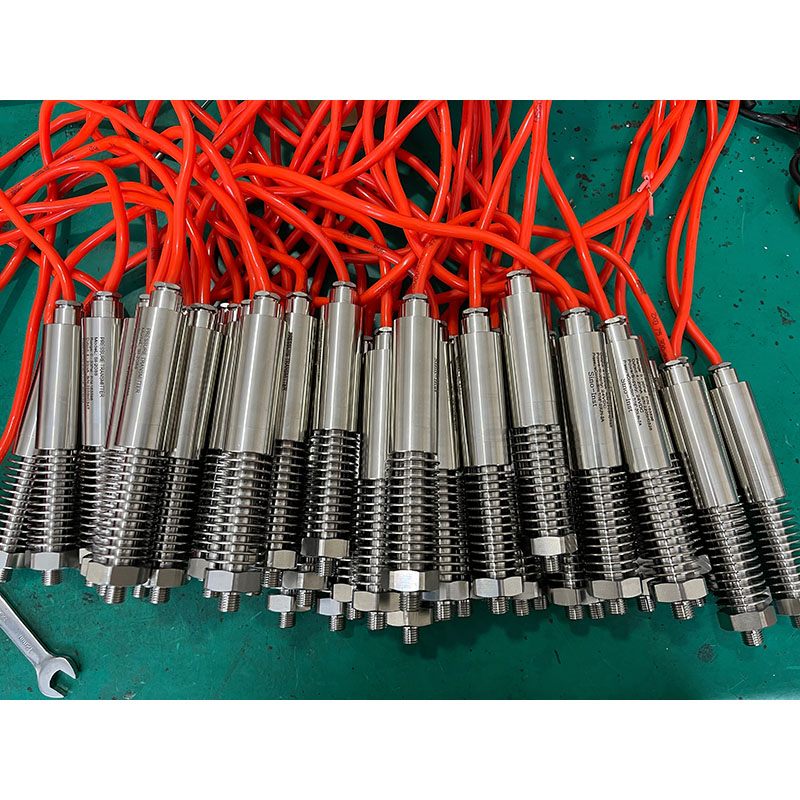
Gauge pressure transmitter:
The design and installation of the gauge pressure transmitter allows one side to be directly connected to the atmosphere. Usually through a vent or open structure. This allows the ambient atmospheric pressure to be sensed as a baseline.
What you need to pay attention to when installing the gauge pressure transmitter is to ensure that its vent hole is clear and unobstructed. And it is not contaminated by dust, water vapor, etc. Because these factors will affect its accurate reading of atmospheric pressure, and thus affect the measurement results.
Advantages:
The atmospheric pressure varies from place to place, and even the atmospheric pressure in a region changes every day. By introducing atmospheric pressure into the pressure sensing element, the real measured pressure can be measured in real time according to changes in air pressure. The accuracy can reach up to one thousandth.
Due to the high accuracy, pressure transmitters with smaller ranges can be manufactured.
Disadvantages:
The longer the transmitter cable, the higher the cost due to the addition of an air conduit.
If the transmitter is not installed properly, the air duct can introduce moisture from the air into the transmitter. Corrosion of the circuit inside the transmitter. Reduce the service life of the transmitter.
Absolute Pressure Sensor Applications
Absolute pressure sensors are used to measure parameters such as pressure, negative pressure and absolute pressure of gases, liquids and steam, and then convert them into 4-20mA.DC signal output.
In the era of industrial automation, absolute pressure transmitters are widely used for:
- Hydraulic and pneumatic control systems;
- Petrochemical, environmental protection, air compression;
- Power station operation inspection and locomotive braking system;
- Thermal power unit;
- Light industry, mechanical metallurgy;
- Building automation, constant pressure water supply system;
- Other automation and inspection systems;
- Industrial process detection and control;
- Laboratory pressure calibration, etc.
Absolute pressure transmitters are generally used in places where the local average atmospheric pressure deviates greatly from the standard atmospheric pressure. When the impact of actual atmospheric pressure fluctuations on process parameters exceeds the allowable range (the actual atmosphere is also different in different regions, seasons, and climates), it is necessary to choose an absolute pressure transmitter.
How to Select the Right Absolute Pressure Sensor
1. Selecting the Measurement Range
Just pick the absolute pressure sensor’s measurement range based on the actual pressure range. When it comes to vacuum applications, the range should cover the target vacuum level up to atmospheric pressure. For positive pressure applications, allow a safety margin of 1.2 to 1.5 times the target pressure to balance resolution and overload protection.
2. Accuracy Selection
Then you can work out the accuracy grade based on the process control requirements. When it comes to high-precision applications, it’s important to keep an eye on things like temperature drift and long-term stability. But for most industrial monitoring, standard accuracy is usually enough.
3. Temperature Range
Make sure you’re aware of the operating and compensated temperature ranges, just so you can be sure it’ll be compatible with the on-site environment and medium temperature. When it comes to high and low temperatures, go for products that can handle a wide range of temps. That way, you can avoid any issues that might come up when the temperature changes mess with your measurements.
4。 Output Signal
Connect the analogue or digital signal to the control system. When sending digital signals over long distances, it’s important to make sure they can be used with different equipment, like PLCs, instruments, and other devices. They should also be strong enough to resist interference.
5. Electrical and Environmental Compatibility
Verify the supply voltage and wiring method. Choose the correct protection rating and explosion-proof type for the site conditions to ensure compliance with the requirements for dusty, humid and potentially explosive environments.
6. Media Compatibility (Wetted Parts Material)
To stop the diaphragm from corroding, leaking or becoming unreliable, choose the right wetted parts materials depending on how corrosive the liquid is and the temperature. This will make sure the sensor works reliably for a long time.
7. Process Connections
When it comes to connection methods, threaded, flanged and quick-connect fittings are all reliable options. Just make sure you choose fittings that match the dimensions of the equipment interface, and you’re all set.
8. Certification and Compliance
Get the right certifications, like explosion-proof, metrological and sanitary ones, as needed by the industry. This will make sure safety and quality standards are met in areas like chemicals, pharmaceuticals and oil and gas.
FAQ
The Difference Between Pressure Sensors and Pressure Transmitters
The key differences between pressure sensors and pressure transmitters lie in their output signals, functional roles and applications: a pressure sensor is a sensitive element that converts the physical quantity of pressure into a weak electrical signal (such as a change in millivolts, millivolt voltage or resistance); as the signal is weak and has poor resistance to interference, it typically requires a signal acquisition circuit and is mostly used for integrated detection within equipment.
A pressure transmitter, on the other hand, incorporates amplification, compensation and transmission circuits on top of the sensor, outputting standard industrial signals. These signals are strong, can be sent over long distances and are pretty resistant to interference; they can be connected straight to control systems like PLCs and DCSs, which makes them better for long-distance measurement and automated control in industrial environments.
What is a pressure switch?
A pressure switch is an instrument that automatically controls the on/off state of a circuit based on pressure levels. It can detect the pressure of liquids or gases. When the pressure reaches a level that has been set, the contacts inside the device close or open quickly, which makes a switch signal. It doesn’t show you continuous pressure readings, but it’s great for setting high or low pressure alarms and for protecting equipment when it’s being started or shut down. It’s simple, reliable and responds quickly, so it’s used a lot in air compressors, water pumps, hydraulic and pneumatic systems, boilers and various pressure vessels. It makes sure that things are safe and working properly.
What does PSIA mean?
PSIA stands for Pounds per Square Inch Absolute, a unit of pressure in the imperial system. It uses absolute vacuum as its zero-pressure reference, and the measured value represents the true absolute pressure, including atmospheric pressure. This value is usually about the same as the sum of gauge pressure (PSIG) and local atmospheric pressure. Under normal atmospheric conditions, it’s about 14.7 PSIA.
This unit is often used in thermodynamic calculations, vacuum systems, aerospace and petrochemical applications, and other scenarios where you need precise absolute pressure parameters.
When should I use an absolute pressure sensor?
Scenarios requiring the elimination of atmospheric pressure interference: Where measurement results must not fluctuate with changes in altitude or weather, and stable, true pressure values are required, an absolute pressure sensor must be used.
Vacuum measurement and negative pressure control: Things like vacuum packaging, vacuum drying, vacuum pumps, vacuum coating and semiconductor processes need absolute vacuum as the standard for measuring vacuum levels.
Thermodynamic and fluid state calculations: When performing precise calculations involving the gas laws, saturated vapour pressure, boiling point, density, enthalpy, etc., absolute pressure must be used.
Aerospace and high-altitude equipment: Applications like aircraft cabin pressure, engine intake and monitoring the environment at high altitudes, where the air pressure changes a lot with height, need to know the absolute pressure to know what the real environmental conditions are.
Independent pressure monitoring within sealed containers: In the context of sealed gas storage tanks, refrigerant circuits, high-pressure cylinders and analogous applications, it is imperative to monitor the actual internal pressure of the container, unencumbered by external atmospheric pressure.
Meteorology and atmospheric environment monitoring: Standard atmospheric pressure, barometric pressure data collection at weather stations, and altitude calculations all use absolute pressure as the reference standard.
High-precision instrument calibration and reference measurements: Absolute pressure sensors are the gold standard when it comes to pressure metrology and calibrating instruments, as they provide a consistent reference value.
Can absolute pressure sensors measure vacuum?
Absolute pressure sensors can measure vacuum. With absolute vacuum as their zero reference, they can directly show the true pressure values across the range from vacuum to positive pressure. In a vacuum, the readings will be much lower than normal and won’t be affected by changes in the air pressure around them.
This makes them perfect for checking the vacuum level, keeping an eye on negative pressure and controlling vacuum equipment. They are a common type of sensor used to measure pressure in places where there is no air pressure.
Sino-Inst supplies a wide range of absolute pressure transmitters for industrial use. Supports customization of pressure range, temperature range, installation thread, output signal and other parameters. OEM accepted! If you need to purchase an absolute pressure transmitter or have related technical questions, please contact our engineers!