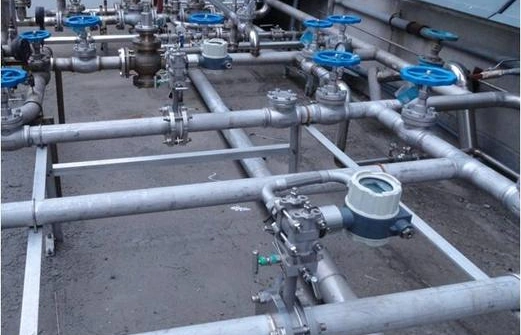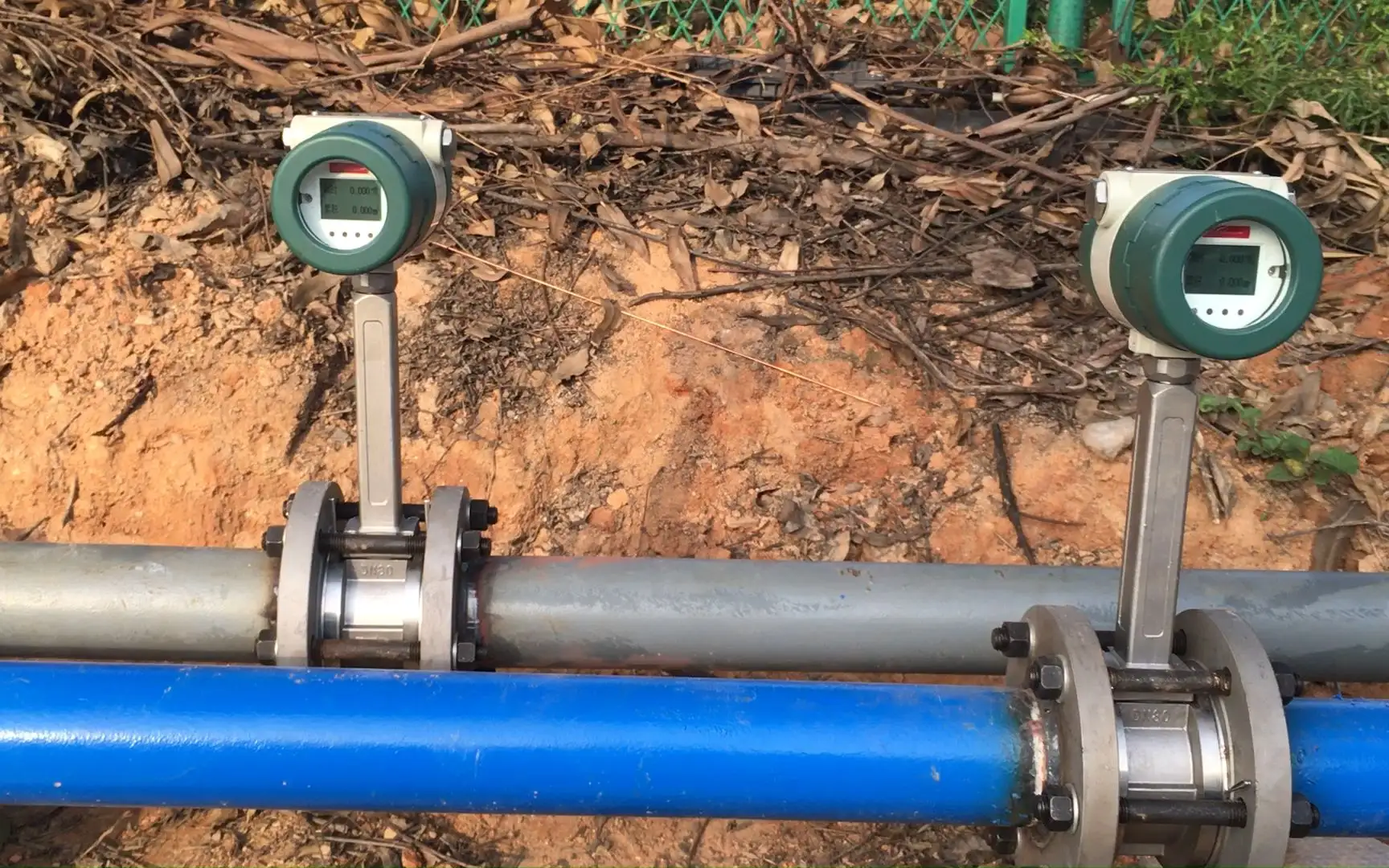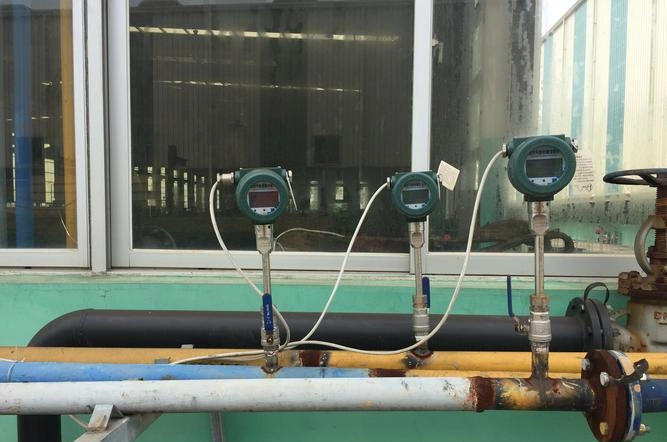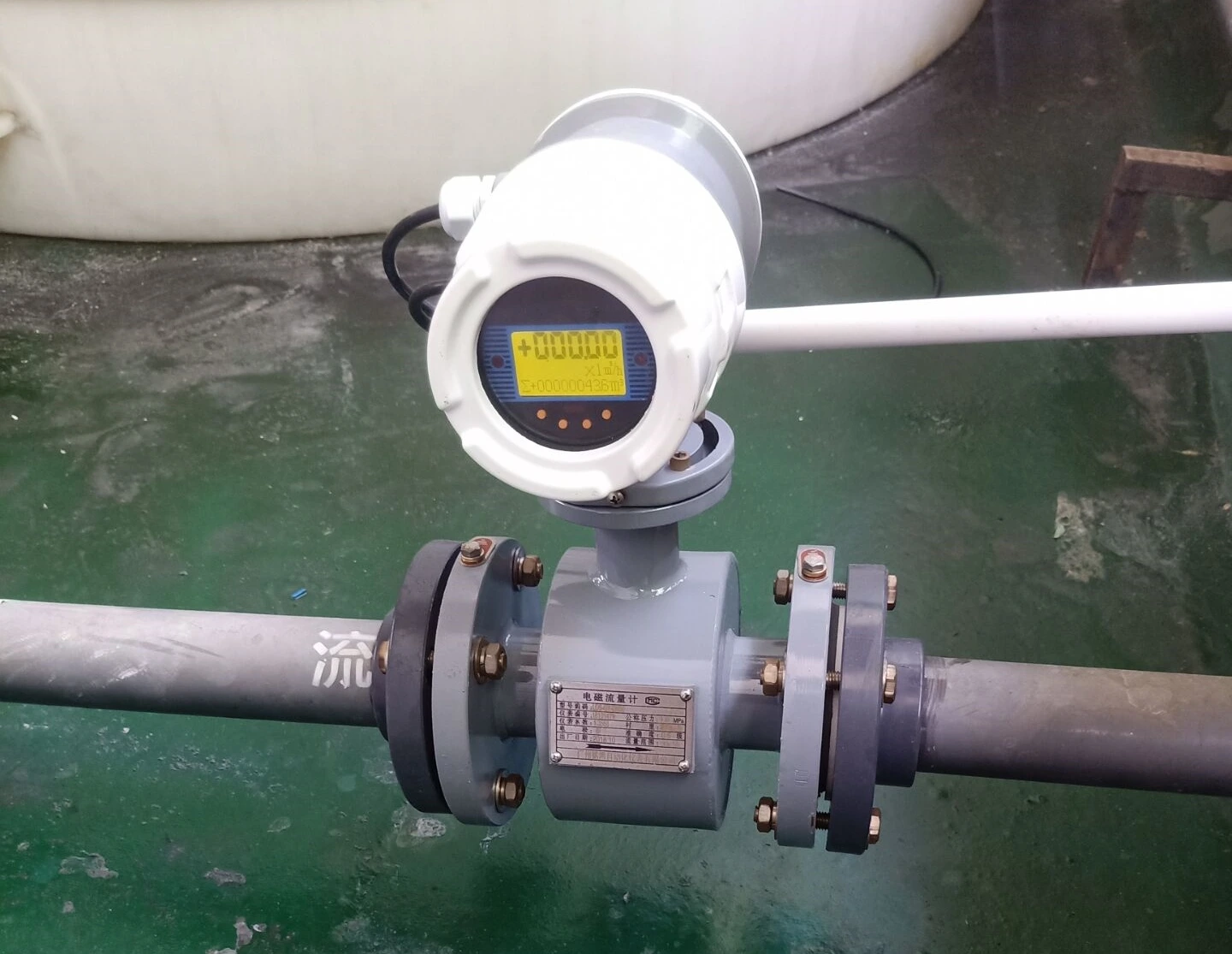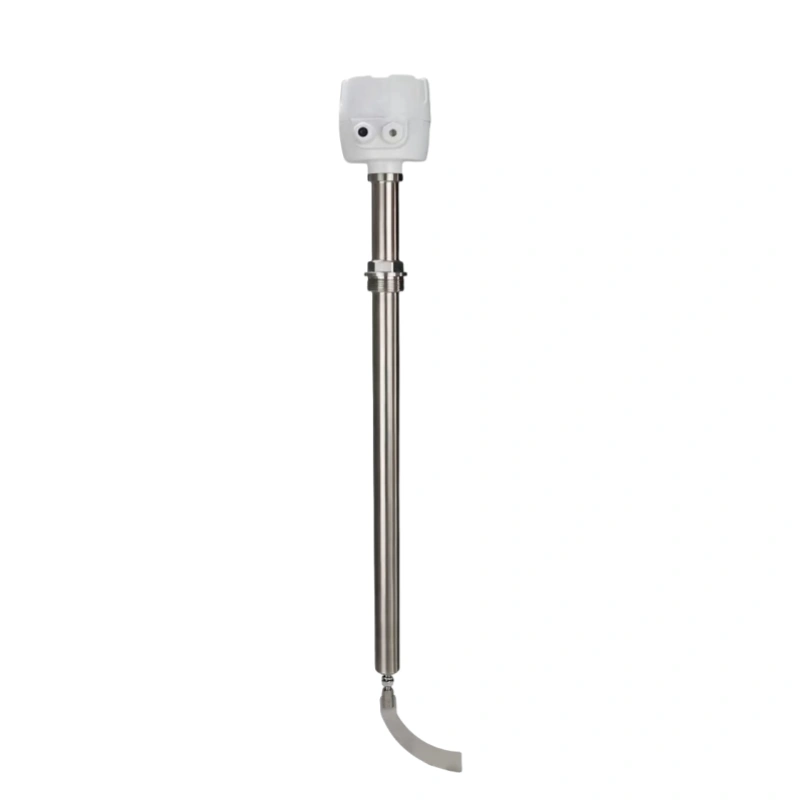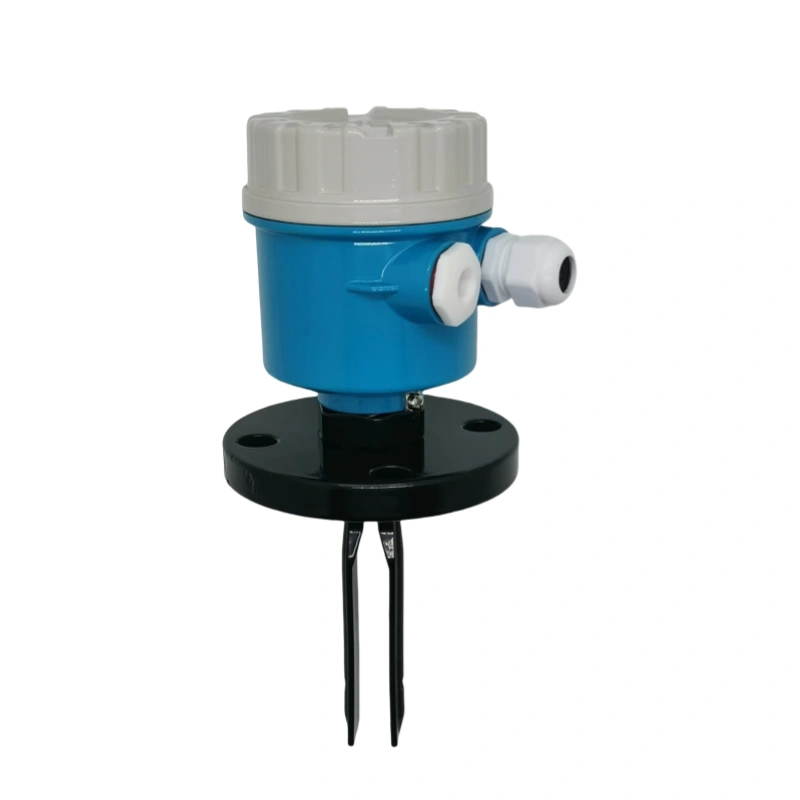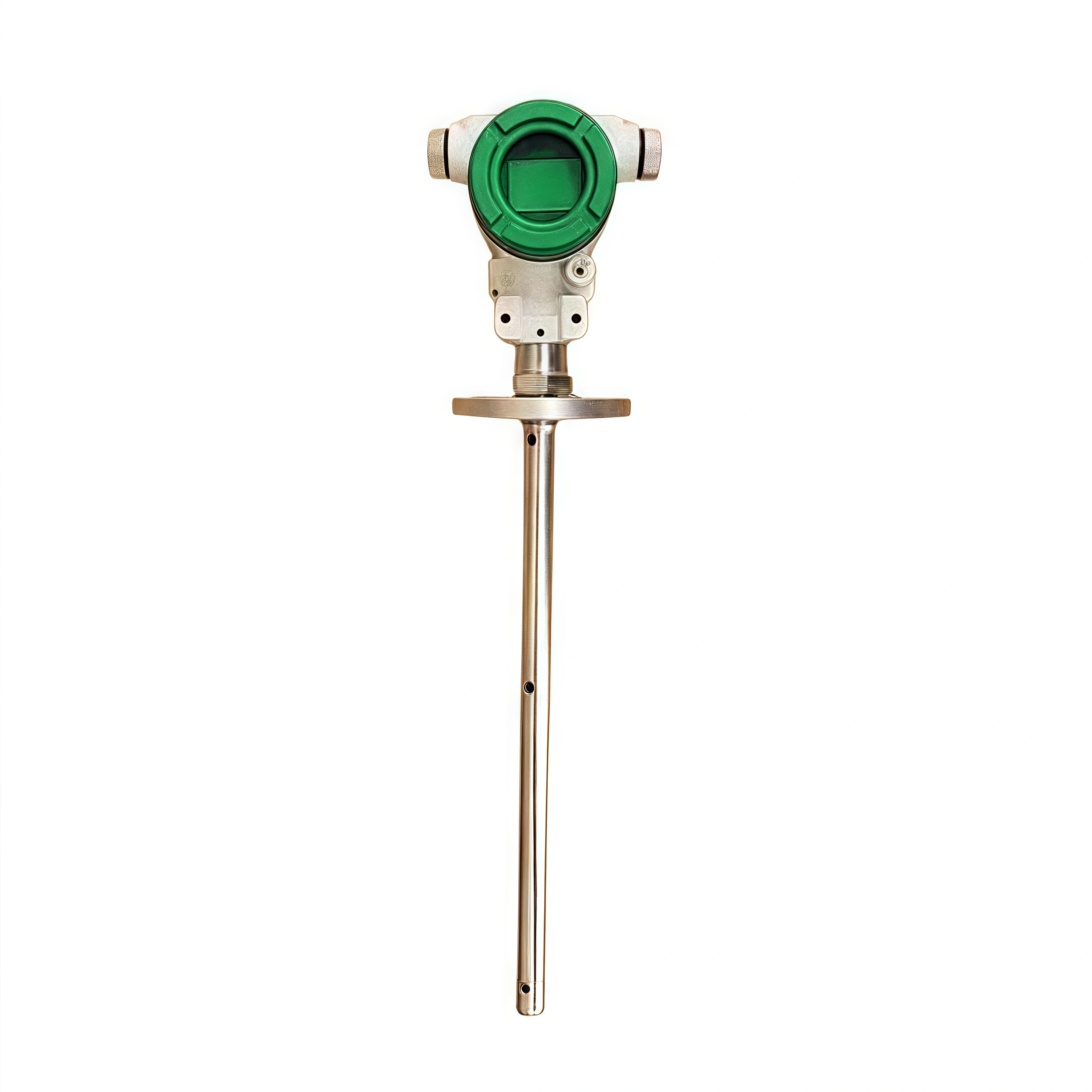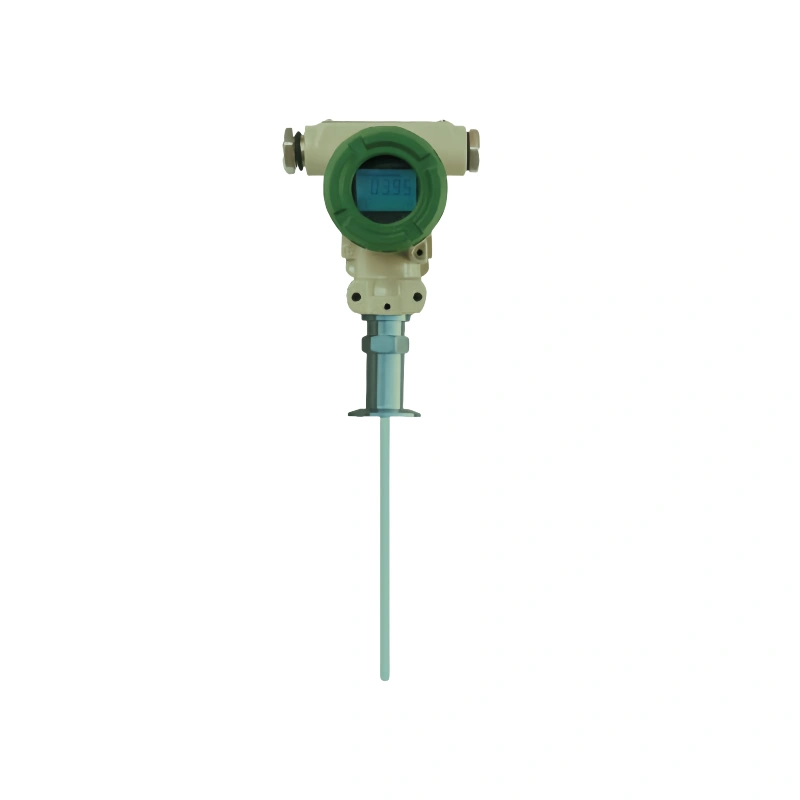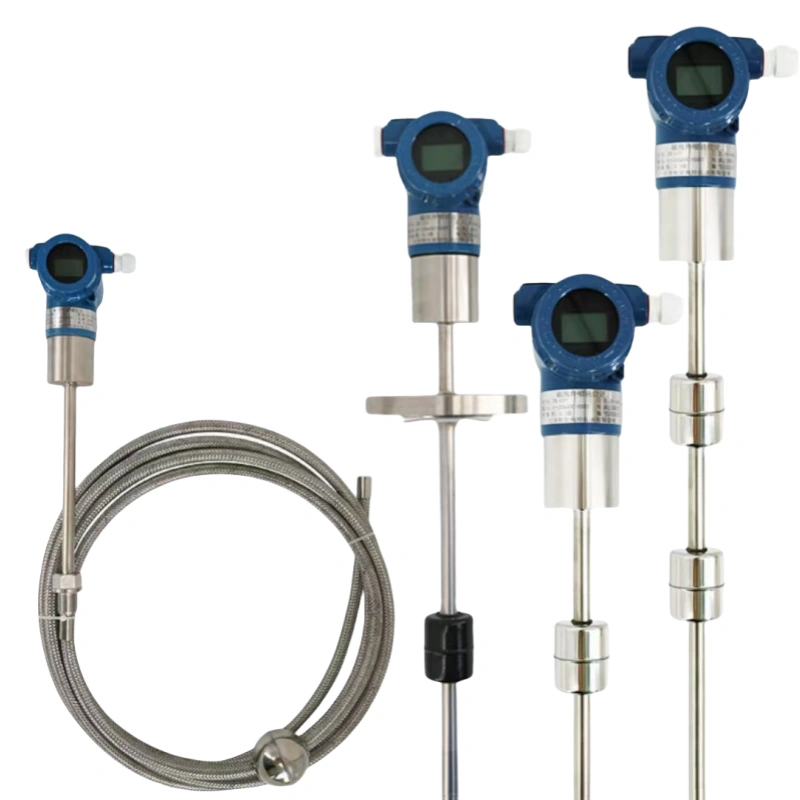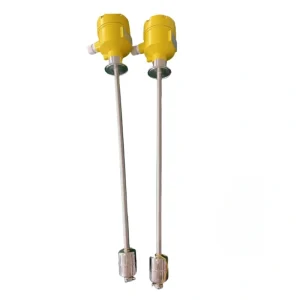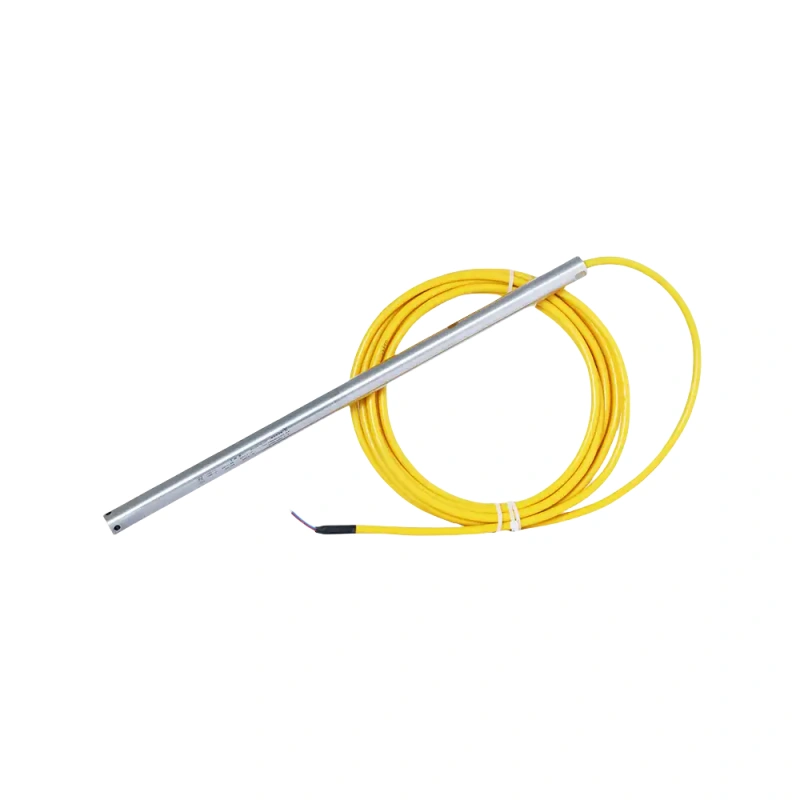
Vacuum pressure transducers are core components that detect pressure signals in vacuum environments and perform signal conversion and regulation. They are widely used in high-tech fields such as semiconductor manufacturing, aerospace and precision scientific research, and their measurement accuracy directly impacts the operational stability and process reliability of the relevant systems.
Currently, these transducers face a bottleneck in balancing measurement range and accuracy, and optimising their performance and driving technological innovation have become key research priorities in these fields.
Can pressure sensors measure vacuum?
Yes, a pressure sensor can measure vacuum( -100KPa~0KPa). But only if it is specifically designed as a “vacuum pressure sensor” and calibrated to measure pressure below atmospheric pressure (negative gauge pressure). Standard pressure sensors can only measure pressure above atmospheric pressure, so they cannot directly measure vacuum.
To measure vacuum, you need a pressure sensor that measures “gauge pressure”. This pressure sensor is relative to atmospheric pressure. This means that negative readings indicate a vacuum. These sensors are specifically designed to measure pressure below atmospheric pressure and can accurately convert the vacuum level into an electrical signal.
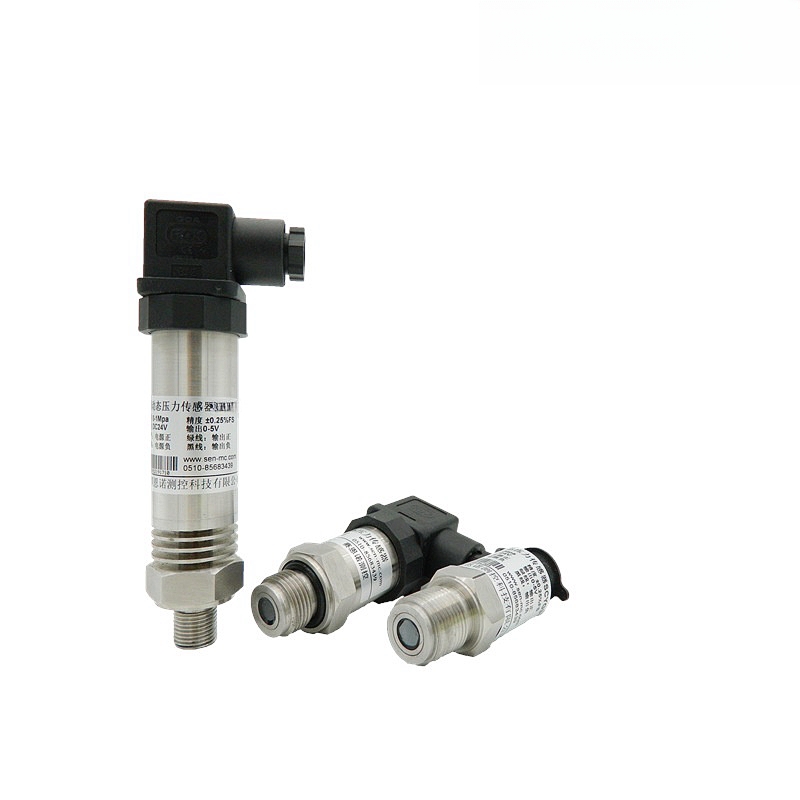
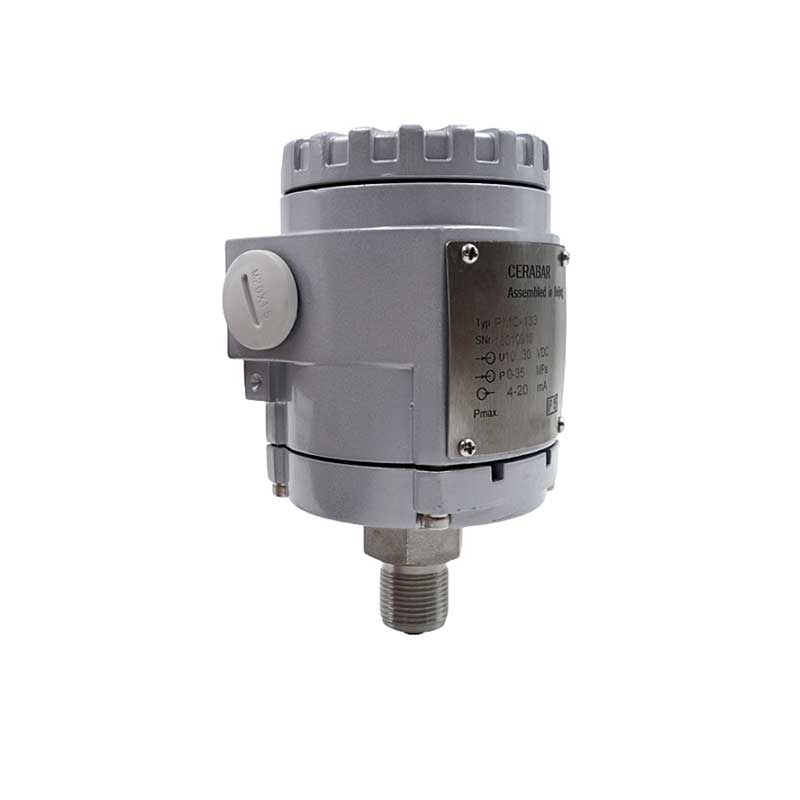
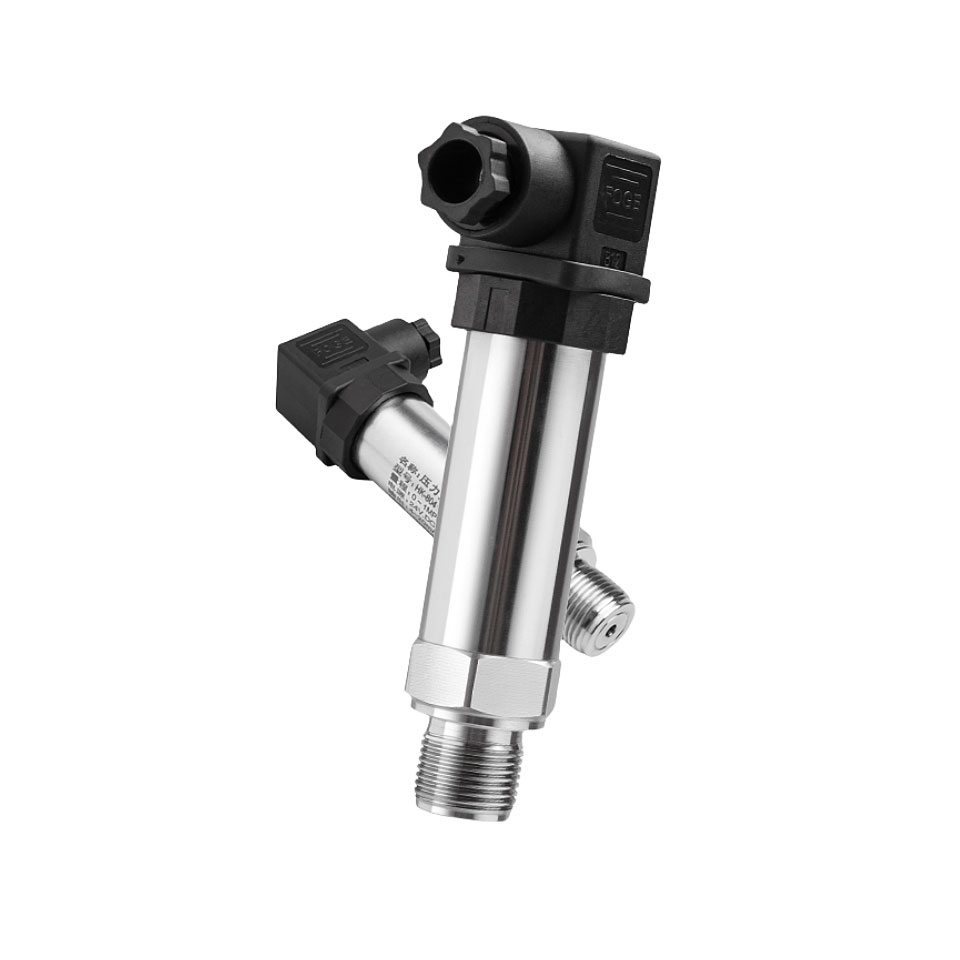
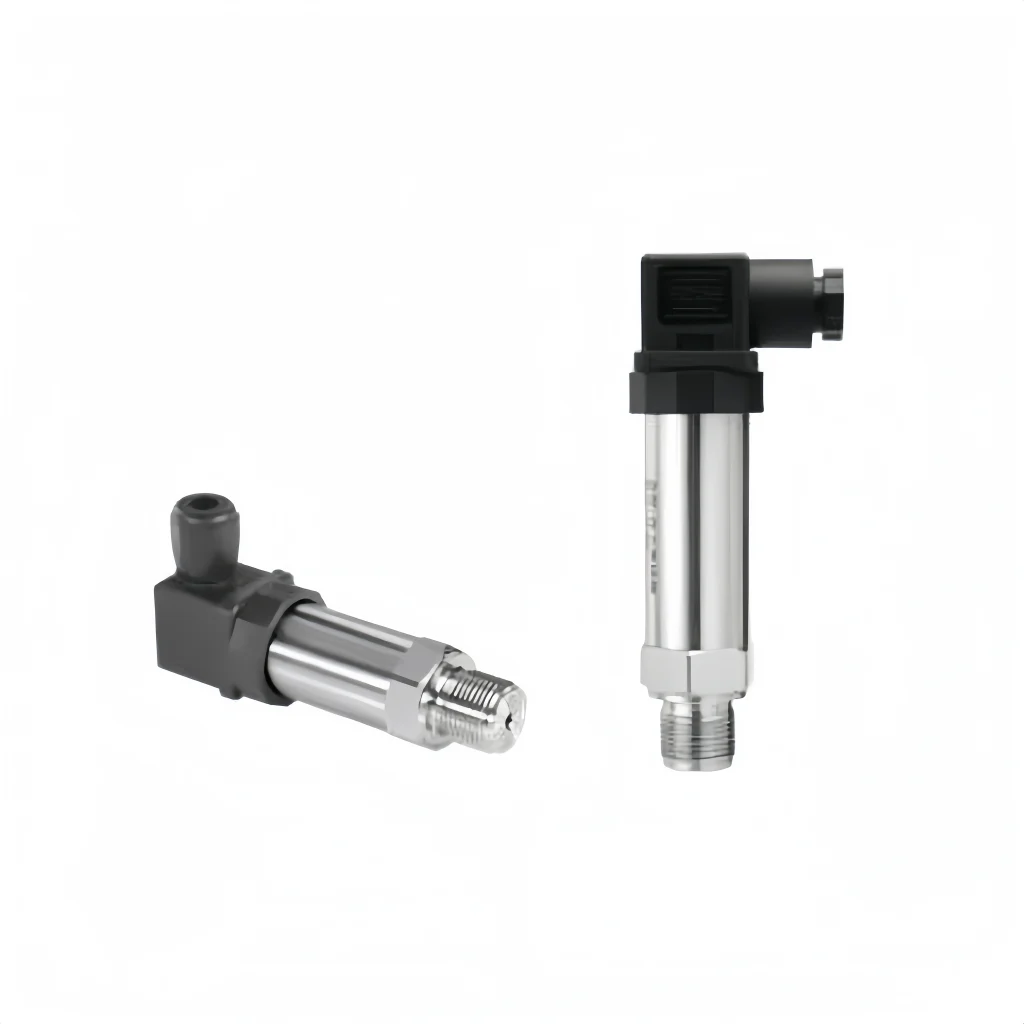
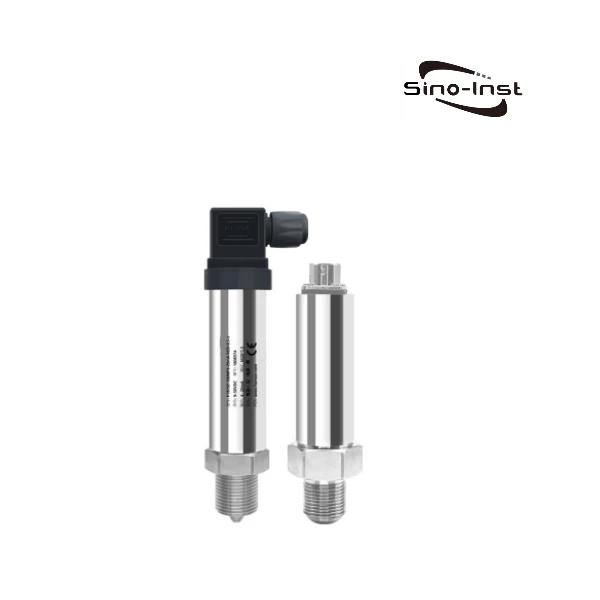
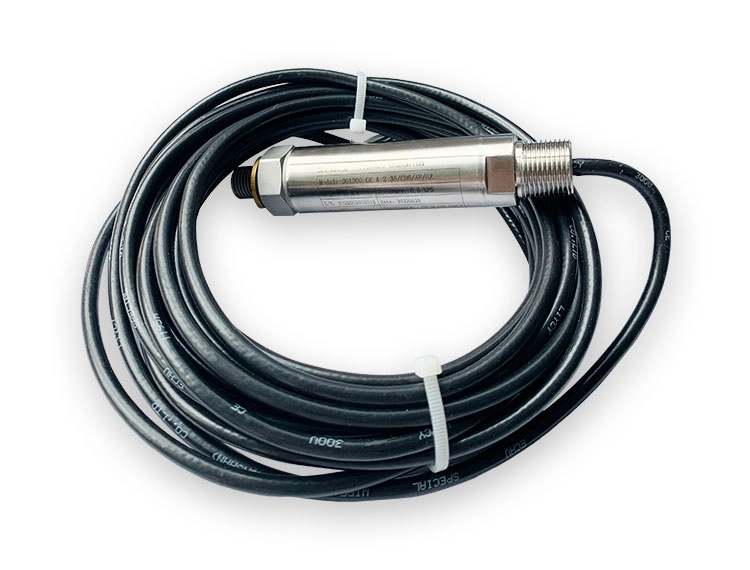
What is a vacuum pressure Transducer?
A vacuum pressure transducer is a device that measures pressure below atmospheric pressure. It does this by detecting the difference between the pressure inside the system and the surrounding atmospheric pressure. This pressure difference is converted into an electrical signal that can be read and analyzed. It is measured in units such as Torr, inches of mercury (inHg), or Pascals (Pa).
These transducers are essential in a variety of applications, such as vacuum pumps, chambers, and systems.
Common types of vacuum pressure transducers
Capacitive transducers:
These measure pressure by utilising changes in the capacitance between a diaphragm and fixed electrodes. The core is made up of a deformable diaphragm, fixed electrodes and an insulating medium. Changes in vacuum pressure make the diaphragm change shape, which alters the distance between the electrodes. This is then converted into a detectable capacitive signal.
After processing, this signal is output as a corresponding electrical signal. This transducer is great for accuracy and temperature stability, making it perfect for precise measurements in low to medium vacuum environments. You’ll find it’s used a lot in fields like semiconductor manufacturing and vacuum coating.
Piezoelectric transducers:
When pressure is applied to piezoelectric materials, a charge proportionate to the pressure is produced. The core is composed of a piezoelectric crystal or ceramic. It employs the piezoelectric phenomenon, which generates surface charges under pressure and converts them into a voltage signal via an amplifier.
It responds quickly and has good dynamic characteristics, enabling it to measure instant pressure changes. It also has no drift. It is often used in situations where there are frequent pressure changes, such as in vacuum systems.
Strain-gauge transducers:
These use strain gauge resistance variations to detect pressure. These gauges are placed on a diaphragm. The strain gauges are mounted on the surface of a flexible diaphragm. Variations in vacuum pressure cause the diaphragm and strain gauges to alter shape, changing their resistance. This is then converted into an electrical signal using a Wheatstone bridge.
This transducer features a simple structure, low cost, high reliability and a wide measurement range, making it suitable for measurements from high vacuum to atmospheric pressure. It is commonly used in applications such as vacuum drying and packaging.
Working principle of vacuum pressure Transducers
The working principle of vacuum pressure transducer is to detect the deflection of the diaphragm caused by the pressure difference between the vacuum environment and the atmospheric pressure. The greater the pressure difference, the greater the diaphragm deflection, thus generating a stronger electrical signal.
Key points about vacuum pressure sensors:
Diaphragm deflection:
The core component is a flexible diaphragm. When exposed to a vacuum, the diaphragm bends inward, which means the pressure is lower than the surrounding atmosphere.
Sensing element:
This element is similar to a strain gauge or a capacitive plate. It is connected to the diaphragm and detects its movement, converting it into an electrical signal.
Electrical signal output:
The sensor outputs an electrical signal that is proportional to the pressure difference. Thus, the vacuum level can be measured and analyzed.
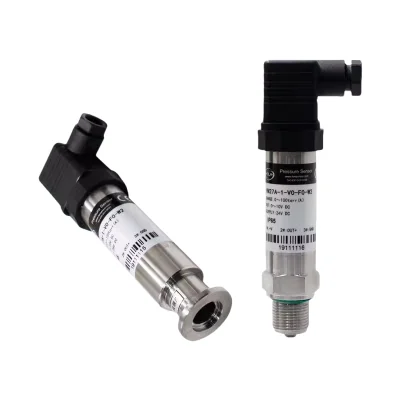
Applications of vacuum pressure transducers
Vacuum pressure transducers are widely used in many fields. In industrial automation environments, the automotive industry, and brake systems, they are used to monitor and control vacuum environments to ensure process integrity and safety. Basically, anywhere low pressure needs to be accurately monitored and regulated.
Industrial Vacuum Equipment
Widely used in equipment for vacuum coating, vacuum sintering, vacuum welding and vacuum packaging, these transducers monitor chamber vacuum levels in real time, precisely control the negative pressure environment required for processes, and ensure production process stability and product yield.
Semiconductor and Electronics Industry
They’re used in all sorts of processes like semiconductor wafer manufacturing, etching, ion implantation and chip packaging. These transducers keep an eye on high-vacuum and ultra-high-vacuum environments, making sure they’re as clean as they should be for microelectronics manufacturing.
Refrigeration and HVAC Industry
You’ll find these transducers in central air conditioning systems, cold storage refrigeration units and vacuum pump units. They keep an eye on the vacuum pressure in piping systems, spot refrigerant leaks and unusual negative pressure in pipes, and make sure refrigeration systems are running smoothly and reliably.
Research Laboratories
Suitable for scientific research equipment such as physical and chemical laboratories, materials research facilities, and aerospace simulation vacuum chambers. It accurately collects vacuum pressure data, providing a reliable basis for experimental parameter setting, environmental simulation and data analysis.
Packaging and Food Industry
This is used to check the vacuum pressure and adjust how tight the seal is in vacuum packaging tools and food storage equipment. The food and things will last longer this way.
Aerospace and Rail Transport
This is used in places like spacecraft, where it helps to create the right conditions for testing. It can also be used in aircraft cabins to monitor the pressure, and in rail transport systems to check the vacuum brakes. This helps to make sure that everything is working properly and that the brakes are reliable.
Medical Equipment Sector
This is used with medical negative pressure suction devices, vacuum sterilisation equipment and medical negative pressure ward systems to reliably monitor negative pressure. It meets the operational requirements for medical negative pressure oxygen supply, waste liquid suction and sterile sterilisation.
Chemical and Pharmaceutical Industries
This is used in chemical reactors where there’s a negative pressure, as well as in distillation and purification processes, and in pharmaceutical vacuum concentration and drying processes too. It’s used to monitor vacuum pressure in sealed vessels, to prevent safety hazards caused by negative pressure imbalances, and to ensure the safety of chemical and pharmaceutical production.
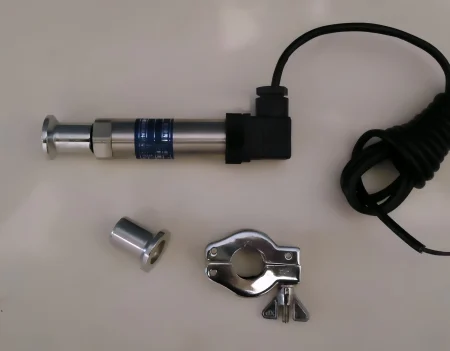
Pressure transducers vs. pressure sensors
Sensors and Transducers are actually the same thing. The main difference is the type of electrical signal they each send. A pressure sensor converts pressure into an electrical signal, usually a voltage. Whereas a pressure transducer takes that signal and further processes it to produce a standardized current output, such as 4-20 mA. This is more suitable for long-distance transmission in industrial applications.
Compared to sensors, transducers include additional circuitry for amplification and signal conditioning. Sensors send signals in volts (V) or millivolts (mV), while transducers send signals in milliamperes (mA).
Main differences:
Difference | Pressure sensor | Pressure Transducer |
Output | Pressure sensors usually output voltage | Pressure transducers output current (such as 4-20 mA) |
Signal processing | ressure sensors convert the raw electrical signal into digital form | Pressure transducers have additional circuitry for signal amplification,linearization and temperature compensation |
Applications | Pressure sensors are often used in applications that require a simple voltage output | Pressure transducers are the preferred choice for transmitting signals over long distances in industrial environments. |
Types of pressure
In industrial environments, the main types of pressure measured are: absolute pressure, gauge pressure, and differential pressure. These are usually measured using pressure sensors. Pressure sensors are an important part of monitoring and controlling pressure in industrial processes.
The main types of industrial pressure include the following:
Absolute pressure:
Measures pressure relative to a complete vacuum and is considered the most accurate pressure measurement. Because it uses a complete vacuum as a reference point. It is often used in scientific applications and industries that require high-precision pressure measurements. Such as chemicals, pharmaceuticals, and food processing.
Gauge pressure:
Measures pressure relative to the surrounding atmospheric pressure and is often used for everyday pressure measurements. This is the most common type of pressure measurement in industrial applications.
Differential pressure:
Measures the difference in pressure between two points in a system. It measures the flow rate in a pipeline by comparing the pressure before and after the flow restriction. It is essential for monitoring flow and identifying pressure imbalances in industrial processes.
Vacuum pressure:
Vacuum pressure is pressure below atmospheric pressure, also known as negative pressure. The working pressure is less than 0MPa. It is often used in vacuum packaging and laboratory environments.
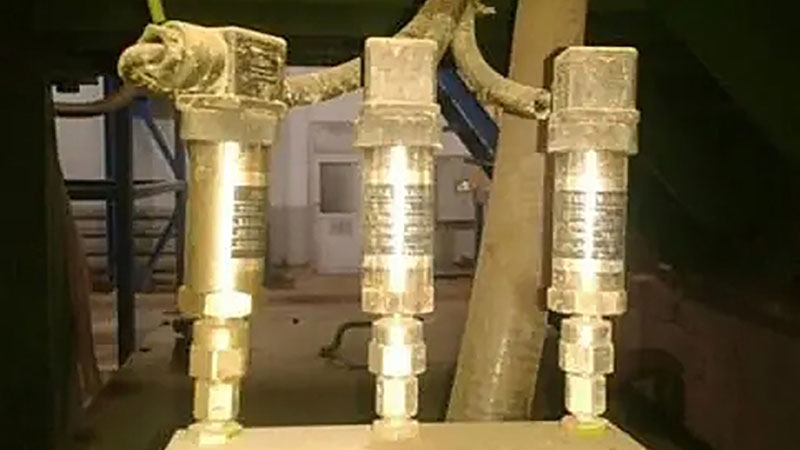
Negative Pressure Transducers
What is a Negative Pressure Transducer?
A negative pressure transducer detects and measures negative pressure (vacuum pressure below atmospheric pressure). It translates pressure changes into electrical signals. It can measure pressure in real time in pipes, tanks, and vacuum systems. It is used a lot for pressure monitoring and automatic control in industrial control, heating, ventilation, and air conditioning (HVAC), vacuum equipment and environmental protection systems.
Negative Pressure Transducers vs Vacuum Pressure Transducers
Differences in Definition and Concept
Negative pressure transducers are used to measure pressures below standard atmospheric pressure. They can operate close to atmospheric pressure or extend into the vacuum range, covering a range from slight negative pressure to low negative pressure. In vacuum environments, vacuum pressure sensors are made to measure, especially in the high vacuum and absolute vacuum ranges, where absolute pressure is used as the norm.
Different Measurement Bases
Most negative pressure transducers use local atmospheric pressure as a reference point. This means they measure relative pressure and display negative values. Vacuum pressure transducers, in contrast, use absolute vacuum zero as a reference point, meaning they measure absolute pressure and display positive values.
Differences in Measurement Range
Negative pressure transducers can measure a wide range of pressures and are often used in low-negative-pressure conditions, such as fans, ductwork, dust removal and HVAC systems. Vacuum pressure transducers can measure pressures that are higher than those of negative pressure transducers and are used in high-vacuum precision applications, such as vacuum pumps, vacuum coating and laboratory vacuum equipment.
Different Application Scenarios
Negative pressure transducers are pretty much everywhere, from building ventilation and dust extraction ducts to air conditioning ducts, sewage treatment and furnace negative pressure monitoring. Vacuum pressure transducers, on the other hand, are mostly used in professional settings where you need a really high vacuum, like precision manufacturing, semiconductors, vacuum packaging and scientific research experiments.
Output and Accuracy Characteristics
Negative pressure sensors are reasonably accurate and work well with most industrial control systems. They are used to keep an eye on normal working conditions. These days, vacuum pressure sensors are even more precise and better able to handle interference. This means they can detect even the slightest change in vacuum levels. This makes them perfect for precise control and measurement.
Pressure measurement solutions
Factors to consider when selecting a pressure measurement solution:
Pressure type: Identify what pressure is being measured, gauge, absolute, or differential.
Pressure range: The expected pressure range for the application.
Accuracy requirements: The level of accuracy required for the measurement.
Process media: The type of fluid or gas being measured (compatibility with the sensor material).
Temperature range: The operating temperature of the environment.
Output format: Digital or analog signal required for data acquisition.
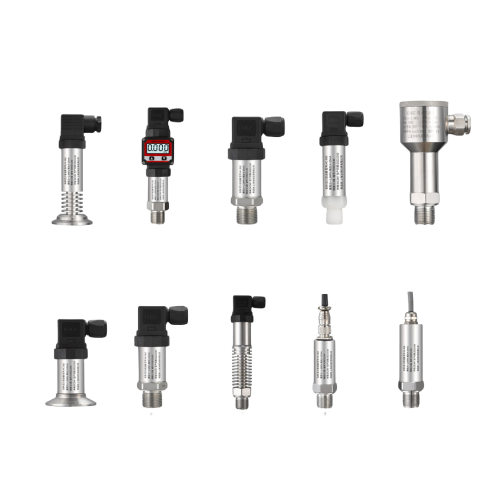
Do you need a suitable device to measure vacuum pressure? In industrial production, some equipment needs to work in a vacuum state. At this time, the working equipment or environment needs to be evacuated. In order to accurately control the vacuum degree, vacuum pressure transducers are ideal for detecting the vacuum degree.
Our Sino-Inst offers a wide range of vacuum pressure transducers. Including measuring absolute and compound (negative and positive) pressure ranges. The vacuum range is generally 0~-100Kpa.
If you want to choose the right sensor, choose the product that suits your working conditions. If you have any technical questions, please feel free to contact us!