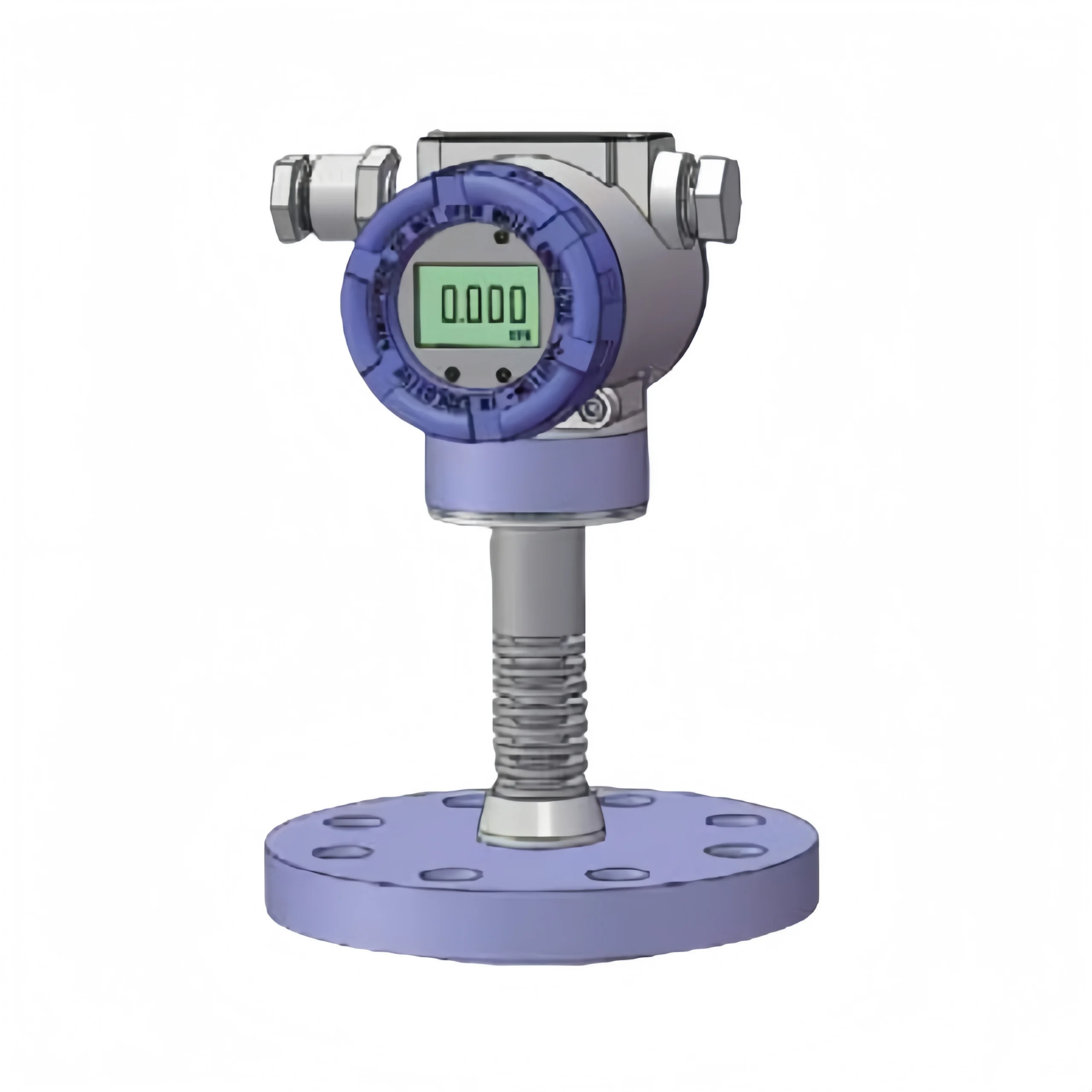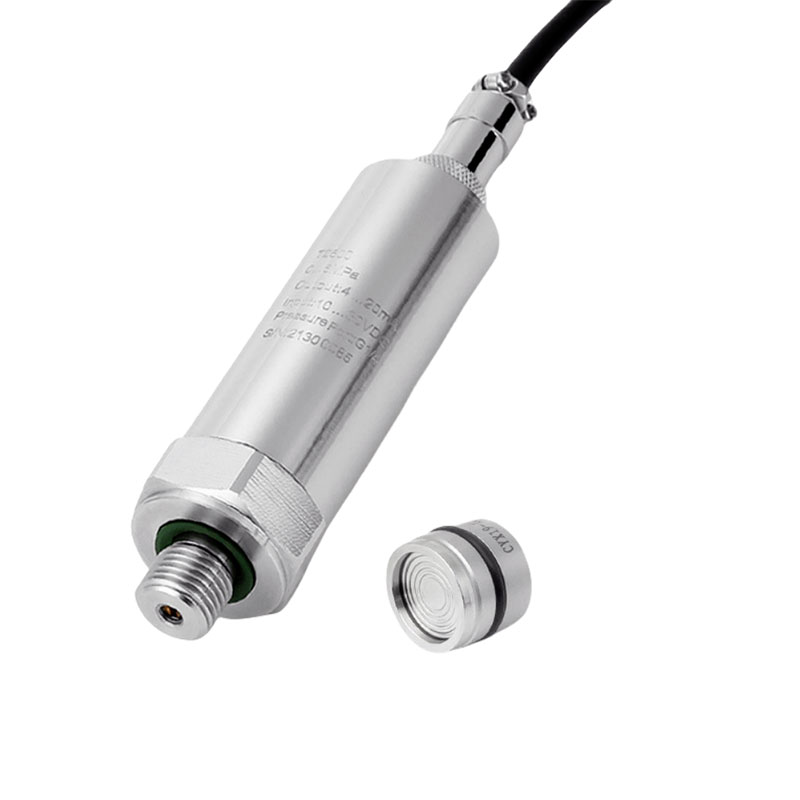
Practical Guide to Explosion Proof Pressure Transducers

Table of Contents

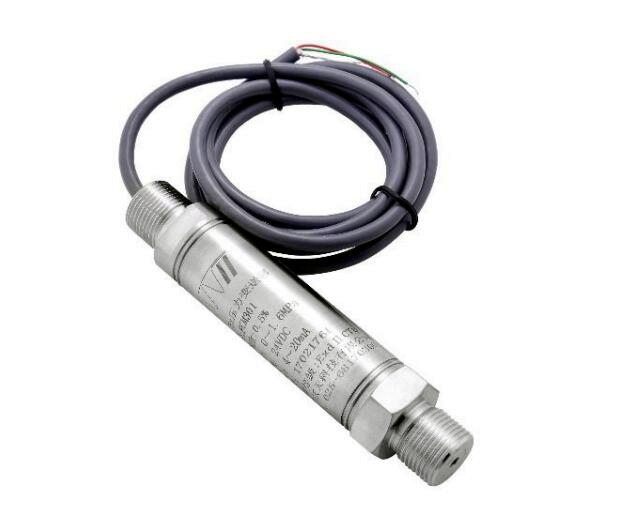
Explosion proof pressure transducers are a key part of industrial safety monitoring. Built to meet explosion protection standards such as Ex ia intrinsically safe and Ex d flameproof certifications, they deliver accurate pressure readings in flammable and explosive work sites across coal mining, chemical processing, petrochemical and other related fields.

What Are Explosion Proof Pressure Transducers

These specialized measuring tools are made specifically for hazardous locations, and see widespread use in petroleum, chemical and natural gas operations.

Standard pressure transducers can create fire and explosion risks in such settings. Electrical sparks or overheated surfaces from ordinary units can easily ignite combustible materials and trigger blasts. By using high-grade materials and sturdy casings, explosion-proof pressure transducers remove these potential dangers, and keep workers and field equipment well protected.
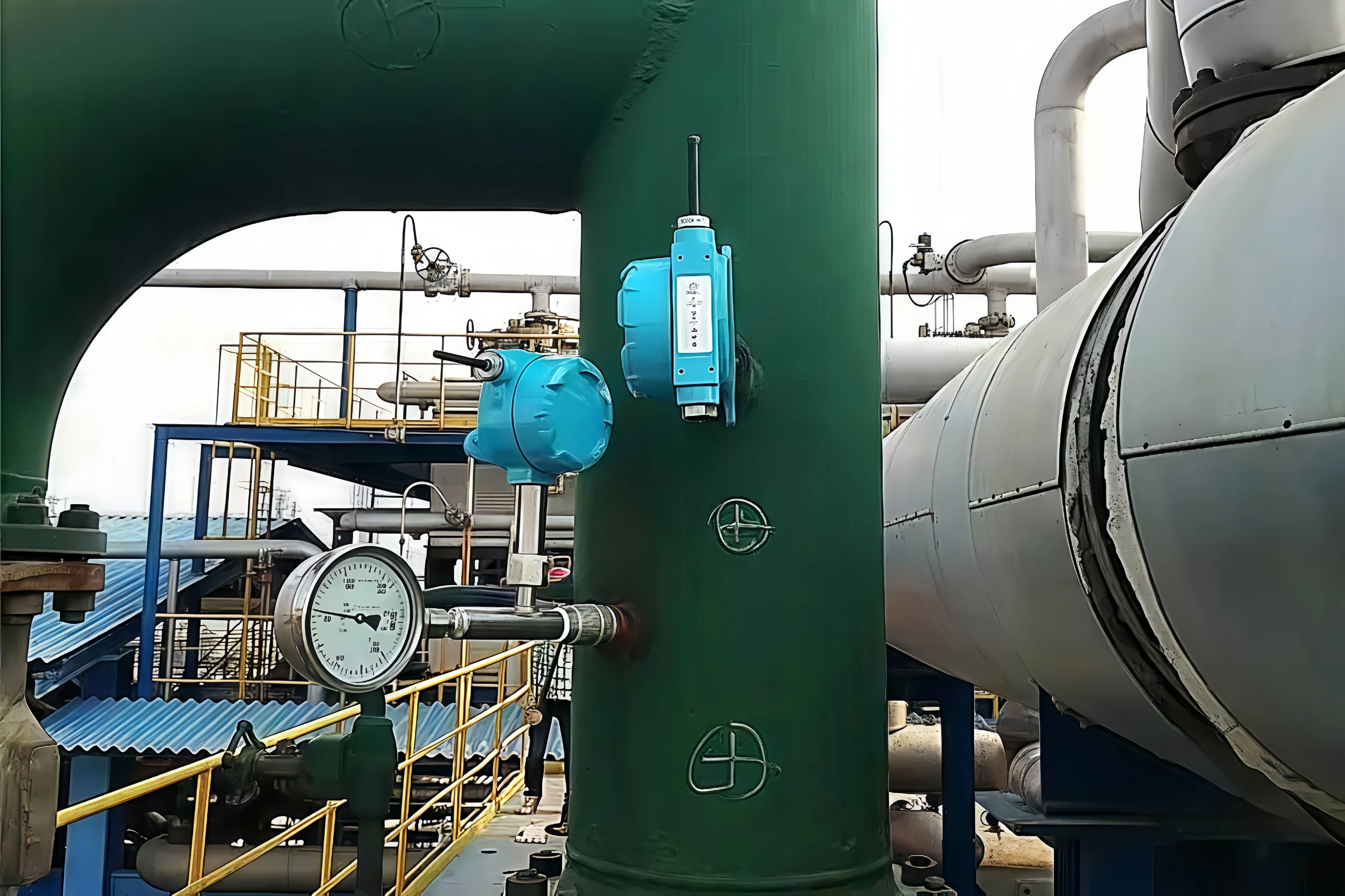
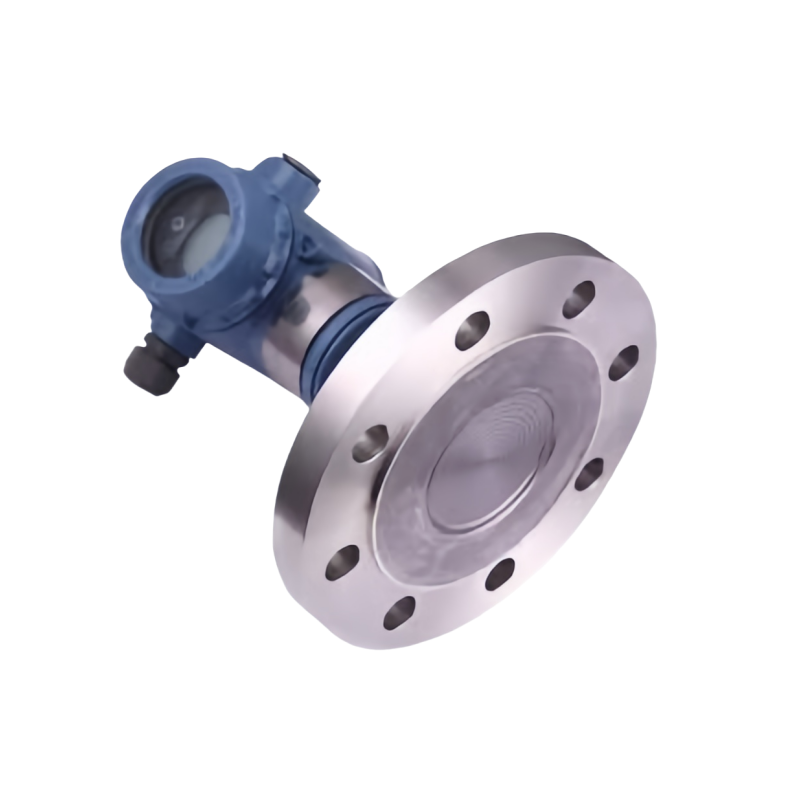
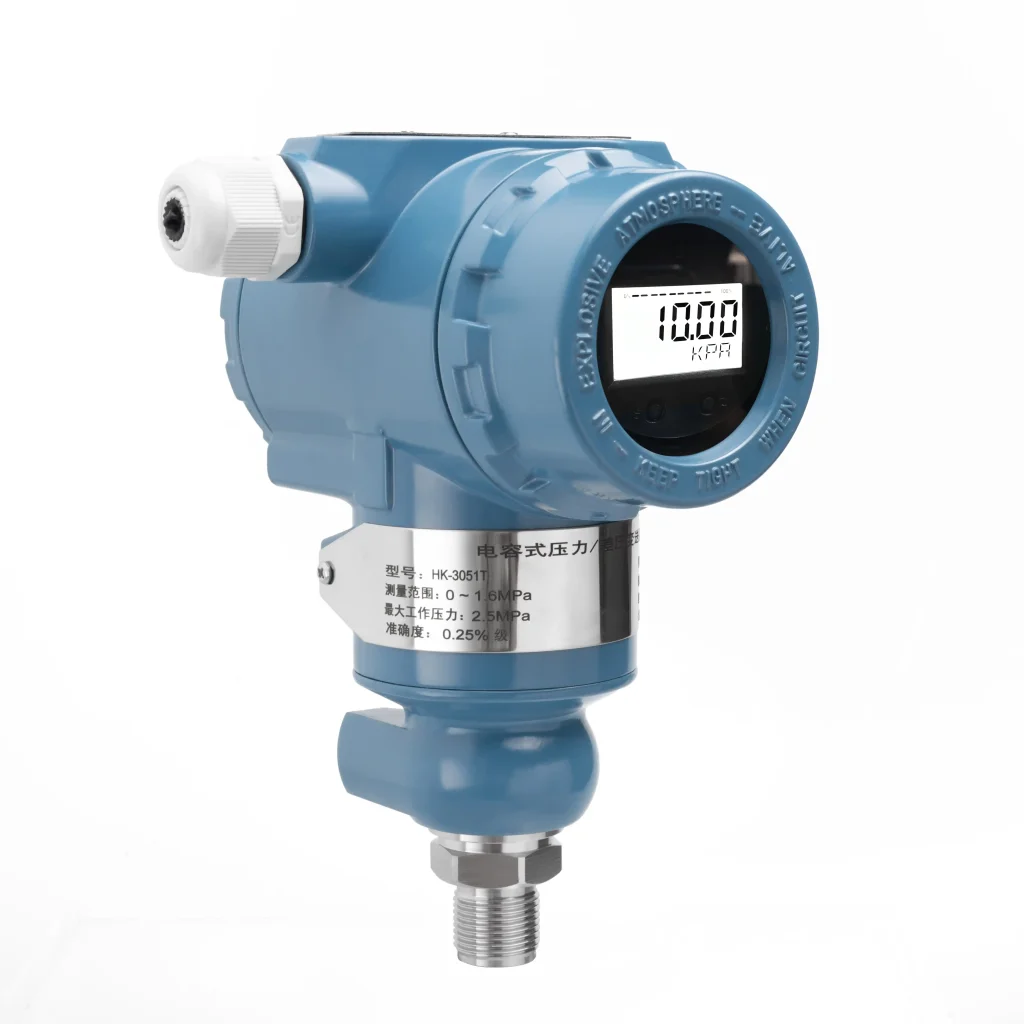
explosion proof pressure transducer


Working Principle of Explosion Proof Pressure Transducers

Explosion-proof pressure transducers work using pressure sensors like piezoresistive, capacitive and strain gauge types. These components pick up changes in physical pressure and turn them into electrical signals for output.

Capacitive Transducers

These transducers pick up pressure changes by tracking shifts in capacitance. They deliver solid accuracy and decent linearity, so they work well for high-precision measurement jobs. That said, they tend to be a bit touchy when it comes to outside temperature and humidity.

Piezoelectric Transducers

These rely on the piezoelectric effect you get from semiconductor materials. They react quickly and don’t take up much space, which is why people often reach for them when measuring dynamic pressure. The catch is that temperature throws off their accuracy quite a bit, so you need to compensate for that.

Strain Gauge Transducers

Strain gauges are mounted on elastic bodies to help these transducers measure structural deformation. They perform reliably and are widely used in industrial fields. Since strain gauges can easily corrode, you need to add protective measures when using them in harsh environments.

Structural Features

Explosion proof pressure transducers are engineered with a complete range of safety features, so they run steadily in locations where flammable and explosive substances are present. Below are their main explosion-proof and safety features:

Explosion proof housing: Most units use robust enclosures crafted from stainless steel or high-performance alloys. These materials stand up well to corrosion. They also contain any internal sparks, flames or blasts, preventing hazards from spreading outward.

Compliance with Explosion Proof Standards: All products adhere to widely recognized industry standards such as ATEX and IECEx. These regulations set clear rules for design, production and field use, effectively preventing ignition risks in hazardous work areas.

Vibration Resistance: These units withstand continuous vibration and physical shocks without malfunctioning, a key advantage for everyday industrial operation.

Temperature Adaptability: They maintain steady performance across a broad temperature range. Readings stay accurate and reliable even in extremely hot or cold conditions.

Liquid Level Transmitter
3151TLT Liquid Level Transmitter
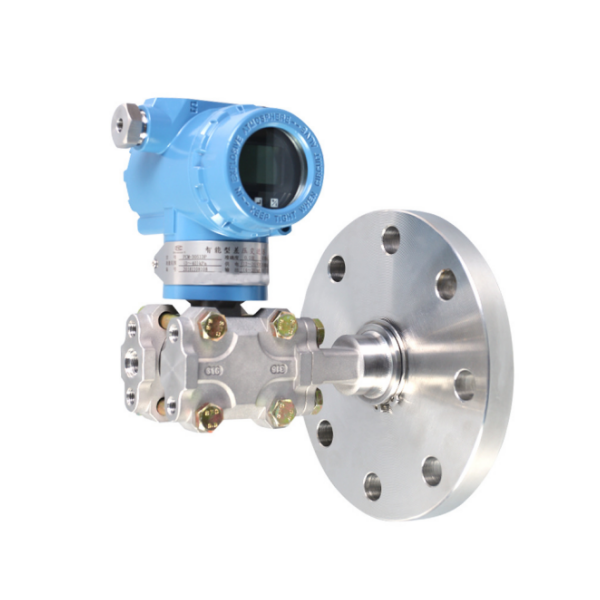
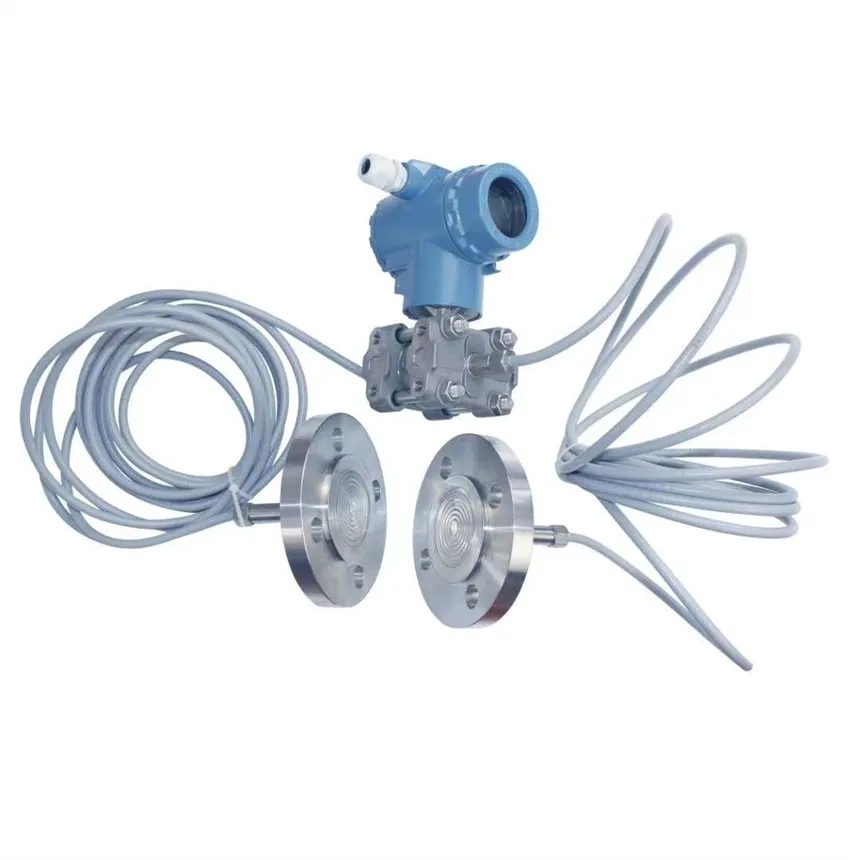
Flange Mounted Pressure Level Transmitter
SI-3151 Gauge Pressure-Absolute Pressure Capacitive Pressure Transmitter
SI-3151 Capacitive Pressure Transmitter
High Accuracy Pressure Transducer 0.075%FS~0.1%FS
Intelligent Gauge Pressure Transmitter
TGP/TAP Gauge Pressure Transmitter-Absolute Pressure Transmitter
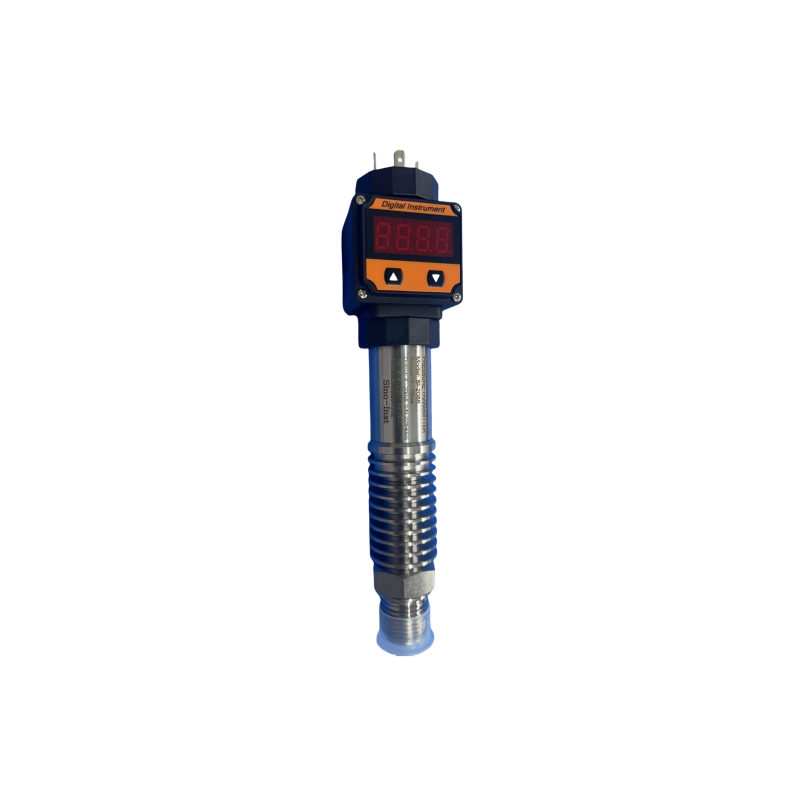
Flameproof Pressure Transmitter Compact Model
Flameproof Pressure Transmitter Exd

Features of Explosion Proof Pressure Transducer

  1. The housing is built with an isolated explosion proof design and carries a high overall rating, so it can run continuously in hazardous industrial settings where flammable or explosive materials are present, keeping things safe and up to code.
  2. The internal circuitry uses an intrinsically safe design with power consumption kept low enough that it won’t create any ignition sources, which cuts down the safety risks in dangerous environments quite a bit.
  3. The circuitry also includes signal isolation, amplification, and anti-interference design at the cutoff frequency, so it filters out the noise and keeps the acquired signals clean without distortion.
  4. This unit has strong anti-interference ability and built-in lightning protection. It holds up against electromagnetic noise and lightning spikes on site, and works reliably in complex industrial electrical setups.
  5. It is equipped with full overvoltage and current limiting protection. This prevents damage from abnormal voltage and current fluctuations, keeping the device running steadily over time.
  6. The product features outstanding shock and corrosion resistance. It stands up to vibration, impact, as well as exposure to acid, alkali and humid conditions. Its compact size also allows for easy installation in most working sites.
  7. It pairs well with mainstream industrial control systems, various measuring meters and supporting peripheral equipment. Its outstanding compatibility largely avoids common connection and matching issues, suiting a wide range of industrial application scenarios.
  8. This transducer features automatic temperature and pressure compensation. It corrects data drift and errors caused by changes in the surrounding environment.
  9. It provides repeatable measurement precision and consistent data sampling with low mistakes. The real-time pressure readings are accurate enough to satisfy stringent industrial monitoring requirements.
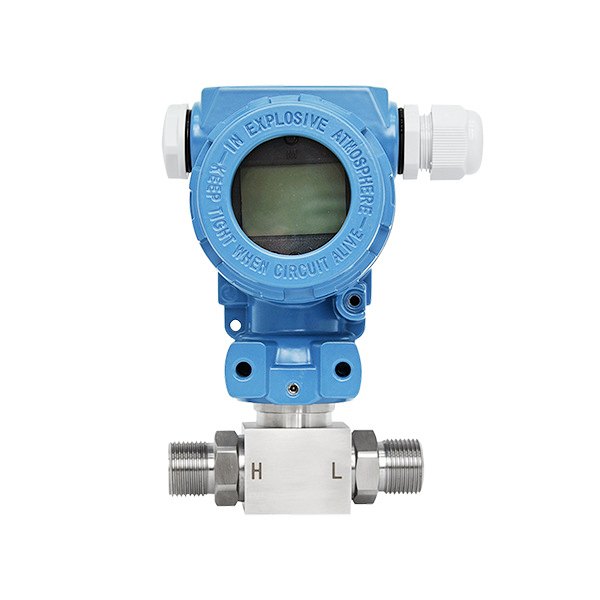
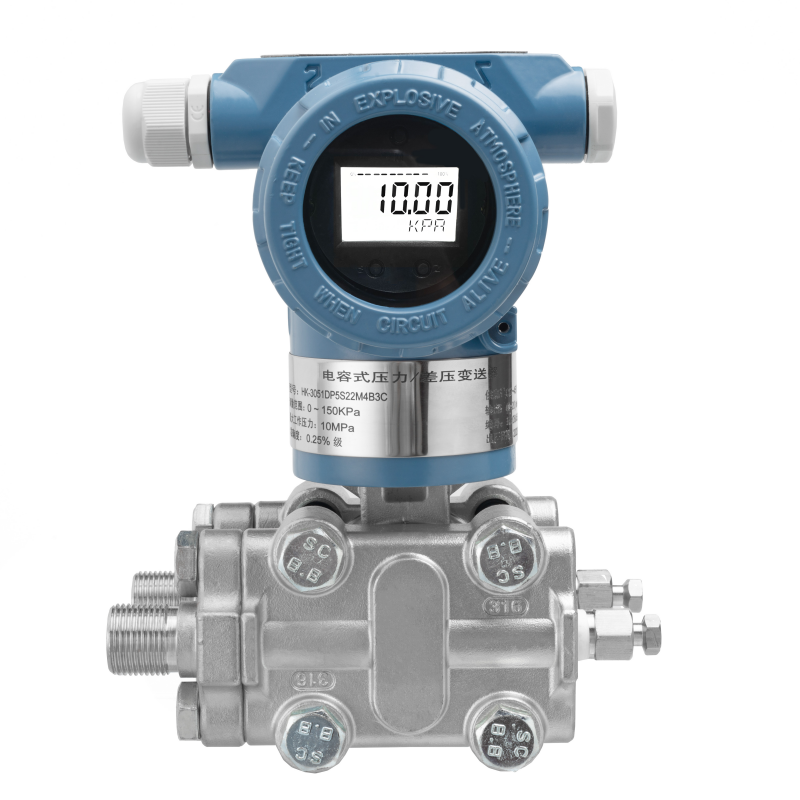
Compact Differential Pressure Transmitter Explosion-proof

Practical Applications of Explosion Proof Pressure transducers

Petrochemical Industry: Primarily used for pressure monitoring in oilfield drilling, refining units, chemical reactors, and pipelines carrying flammable and explosive media.

Their explosion-proof design enables operation in high-risk environments, preventing accidents caused by electrical sparks and ensuring continuous production safety.

Gas and Energy Industry: Applied in natural gas and liquefied petroleum gas (LPG) transmission pipelines, gas storage facilities, and pressure regulation equipment.

These transducers monitor supply pressure in real time, stabilize transmission conditions, effectively prevent safety hazards such as overpressure leaks and explosions, and ensure the safety of gas storage, transportation, and supply.

Coal Mining Industry: Suitable for pressure detection in mine ventilation ducts, hydraulic support systems, and methane transport equipment.

Designed to withstand the explosive environments of methane and coal dust underground, while meeting the monitoring demands of harsh underground conditions through its anti-interference and shock-resistant properties.

Environmental Protection and Biogas Industry: Used for pressure monitoring in sewage treatment biogas systems, biogas storage, and transmission pipelines.

Given the flammable and explosive nature of biogas, these transducers enable safe and stable pressure monitoring to mitigate the risk of biogas leaks and explosions.

Construction Machinery Industry: Monitors hydraulic system pressure in mining machinery and explosion-proof hydraulic equipment.

Withstands equipment vibration and complex operating conditions, providing precise pressure data to prevent hydraulic overload and ensure stable equipment operation.

Precision Manufacturing and New Energy Industries: Suitable for scenarios involving flammable gases and dust, such as pharmaceuticals, grain and oil processing, and hydrogen energy storage.

Accurately monitors process equipment pressure, adapts to explosion-proof environments, and meets safety production control requirements.
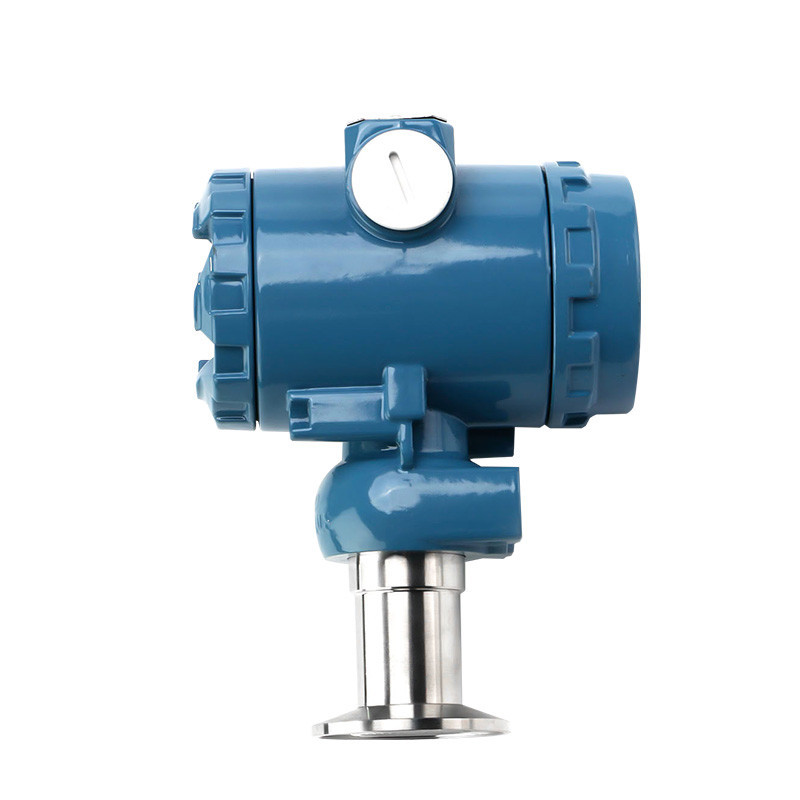
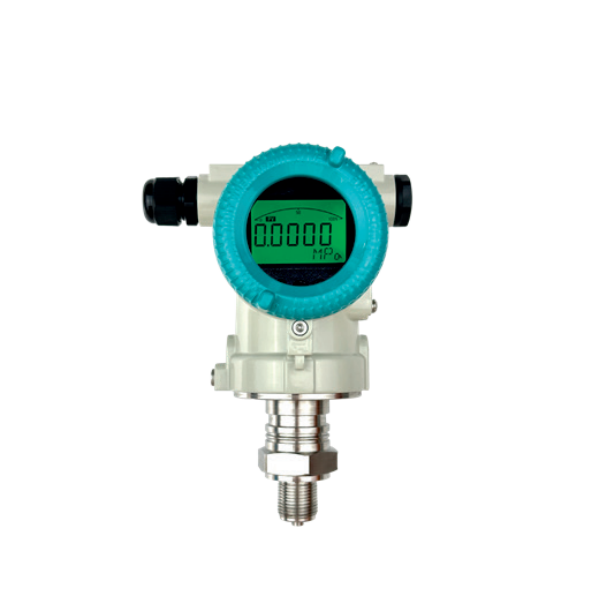
sanitary pressure transducer explosion-proof housing
Sanitary pressure transducer explosion-proof housing

How to Select the Right Explosion Proof Pressure Transducer

Several key factors need to be taken into full consideration when choosing a suitable explosion-proof pressure transducer.

1. Measurement Range: Pick a range that actually fits your application—go too wide or too narrow and your readings will drift off.

2. Accuracy Grade: Better precision costs more money. Match the grade to what the job actually demands rather than defaulting to the highest spec.

3. Explosion proof rating: Different sites play by different rules. Ex d IIC T6 handles gas hazards fine, but if you need intrinsic safety, Ex ia IICT5 is the way to go.

4. Mounting method: Threaded and flange are the usual choices—figure out which one your setup can actually accommodate.

5. Environmental adaptability: If the unit is heading into heat, cold, or something that eats metal, make sure it is built to survive there.
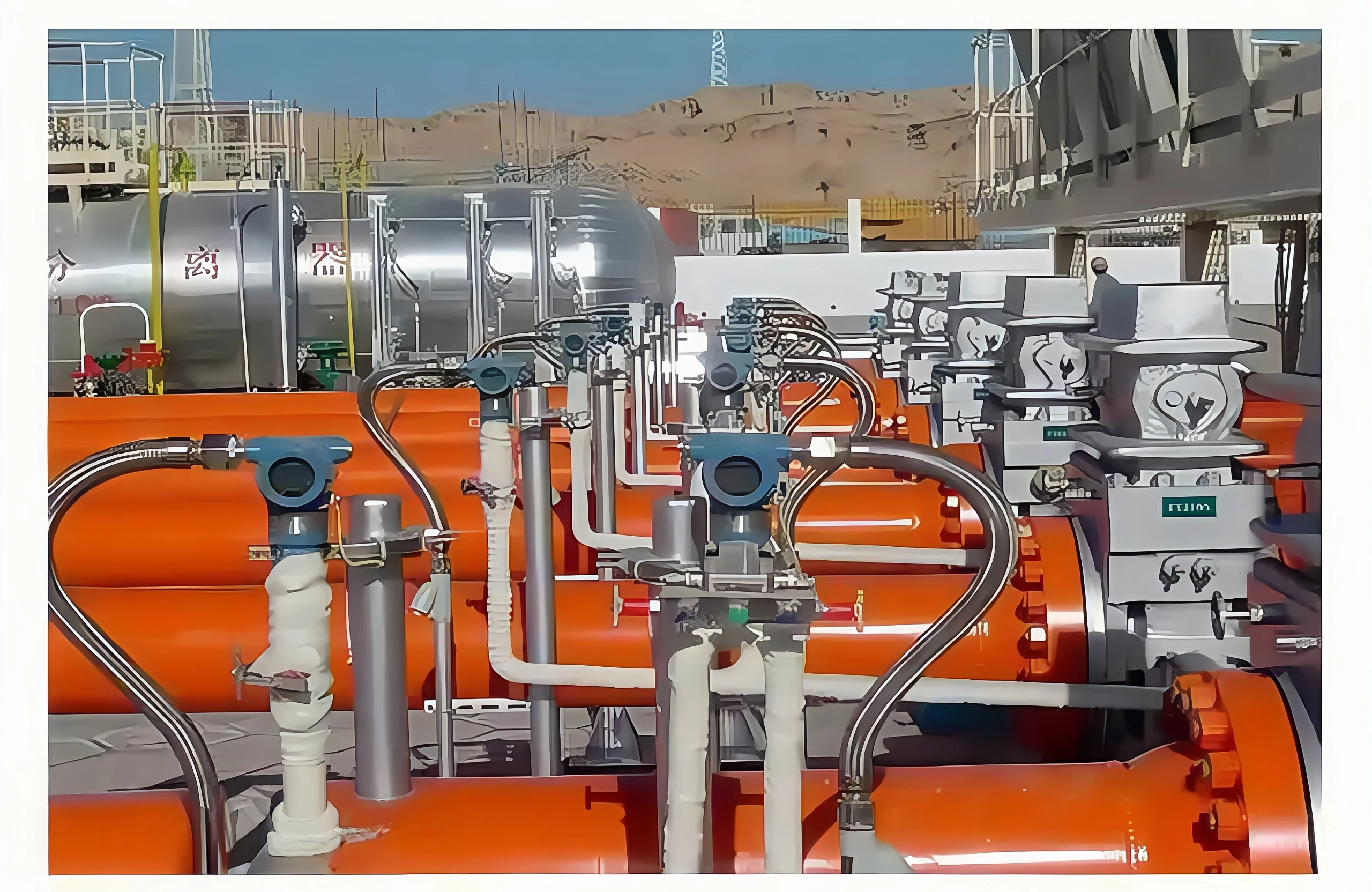
explosion proof pressure transducer


Precautions for Installation of Explosion Proof Pressure Transducer

When installing explosion proof pressure transducers, certain specific precautions must be followed to ensure proper operation and safety:

Zone Classification: Before you pick out an explosion-proof pressure transducer, check what zone the site falls under. The rating and certification you need depend on that, and the rules change from zone to zone—so follow the local regs to the letter.

Environmental Conditions: Temperature swings, damp air, and vibration can all throw off your readings. Size up the actual conditions on site and grab a transducer that can handle them.

Safety Grounding: Ground the thing properly. Run the wires right and tie them into a solid grounding system so stray sparks or arcs do not turn into a bigger problem.

Regular Maintenance and Inspection: These units need looking after. Swap out worn bits before they fail, keep them clean, and calibrate on schedule so your readings stay trustworthy.
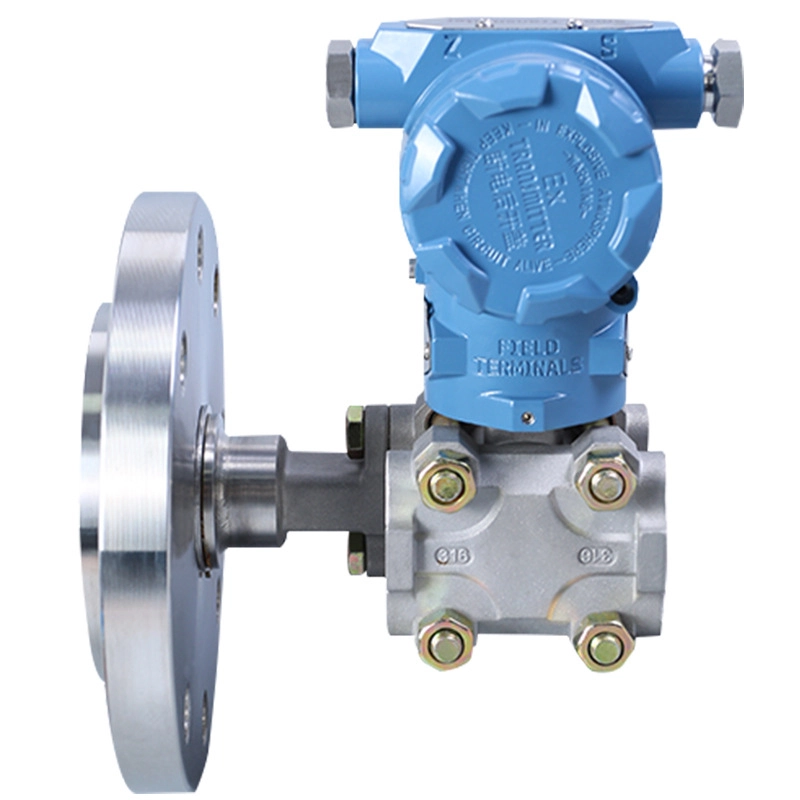
Flange mounted pressure level transmitter explosion-proof housing
Flange-mounted pressure level transmitter with explosion-proof housing

Maintenance Methods for Explosion Proof Pressure Transducer

1. Regularly check whether the sensor is loose or damaged. And immediately repair any problems found. If the sensor is found to be outdated or damaged, the sensor must be replaced.

2. Clean the sensor housing and make sure there is no dust, grease or other dirt around the sensor. These substances may interfere with the performance of the sensor. Cause incorrect readings.

3. Check whether the cable connection is firm. And eliminate possible cable disconnection or poor contact problems.

4. If the sensor is not used for a long time, store it in a dry, clean and light-proof place. Protect the sensor from dust, humidity, ultraviolet rays and other factors.

5. When installing, maintaining or replacing sensors, be sure to follow relevant safety regulations. For example, wear anti-static gloves and clothing, avoid using metal tools, etc.
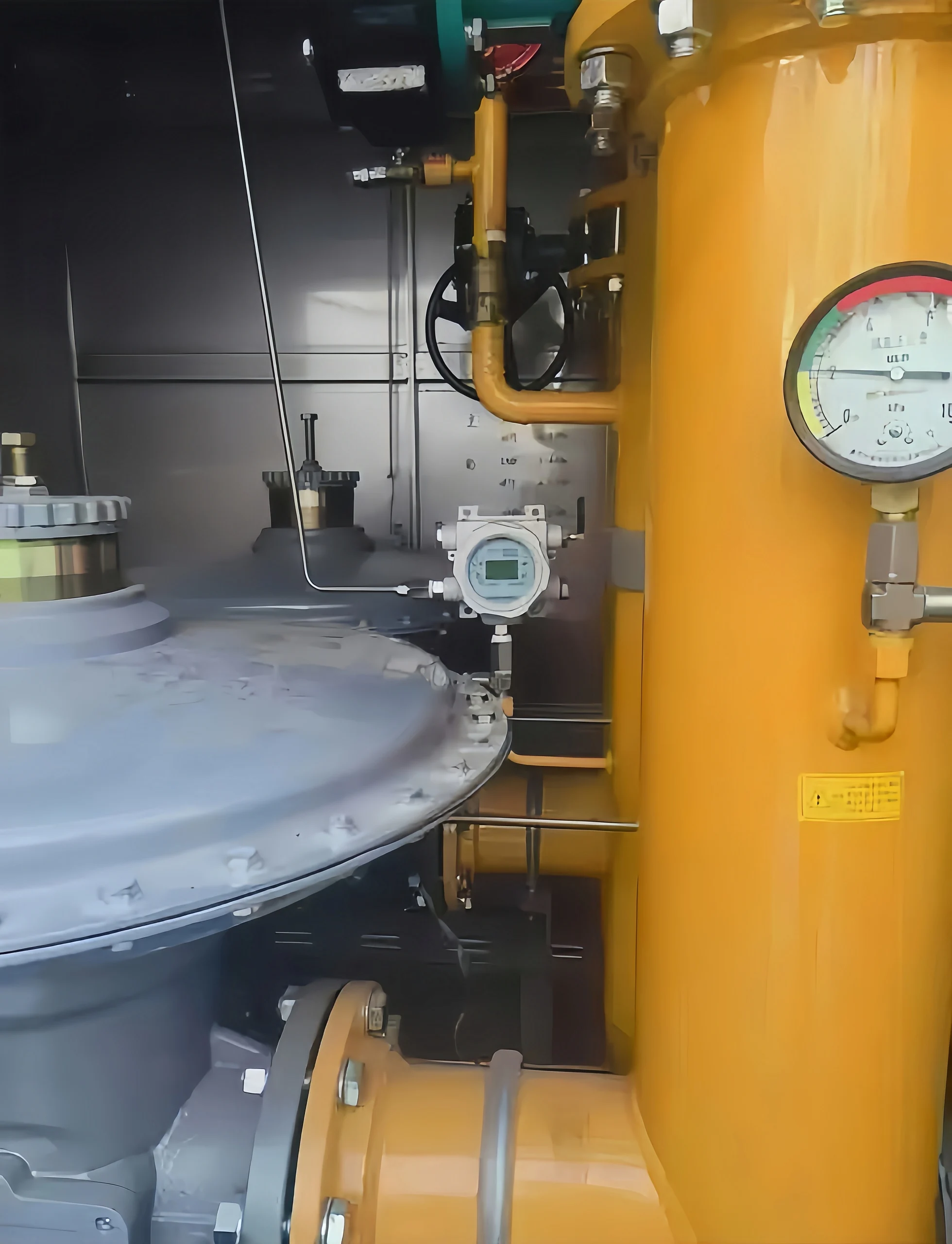
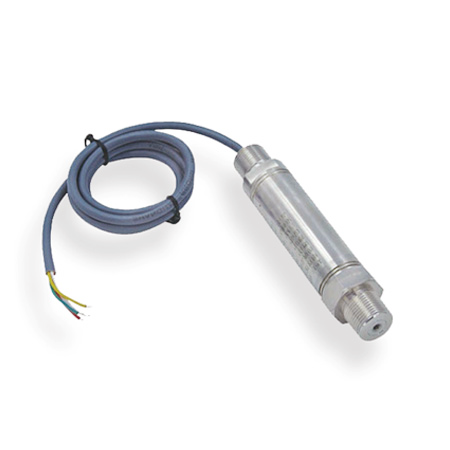
explosion proof pressure transducer

FAQ

Explosion Proof VS Flame Proof Pressure

Explosion proof types are divided into increased safety type and intrinsic safety type. Increased safety , intrinsic safety and flame proof are three common explosion-proof types. They have unique characteristics and applicable scenarios.

1. The difference between increased safety type and intrinsic safety type.

Working principle:

Increased safety explosion-proof technology strengthens the sealing and electrical performance of the equipment. Prevent arcs, sparks or dangerous high temperatures under normal working or overload conditions. It focuses on improving the safety of the equipment itself. Reduce the risk of causing an explosion.

Intrinsic safety explosion-proof technology limits the energy in the circuit. Ensure that no ignitable sparks or high temperatures are generated in hazardous environments. It requires that the sparks and thermal effects. It is generated by the circuit of the equipment. Under normal working or specified fault conditions cannot ignite the specified explosive mixture.

2. Application

Increased safety equipment is suitable for Zone 2 in explosion-hazardous areas. That is, an environment where there is no explosive gas mixture during normal operation. They are usually used for some equipment that does not produce sparks in non-fault conditions. such as junction boxes, lamps, etc.

The scope of application of intrinsically safe equipment is wider and can be used in Zone 0, Zone 1 and Zone 2. Due to its high safety and compact size. intrinsically safe equipment is widely used in fields require precise measurement.

Characteristics and applications of explosion-proof technology

Flameproof explosion-proof technology is a hard-core anti-explosion method. It uses a sturdy shell to withstand possible explosion pressure and prevent the flame from spreading outward. This technology is suitable for high-power and large-volume equipment. Such as motors and switch cabinets. In terms of application scenarios, flameproof equipment is mainly used in Zone 1 and Zone

Flameproof equipment is widely used in high-risk industries. such as petroleum and chemical industries. However, it should be noted that the shell of the flameproof equipment is relatively thick and heavy. It is not convenient for frequent maintenance. And professional tools are required for disassembly and assembly during maintenance.

Safety: Explosion-proof pressure sensors can work stably in flammable and explosive environments. Prevent explosion accidents caused by electrical sparks.

Adaptability: They are suitable for a variety of harsh environments. such as oil well platforms, mines, oil tanks, etc. These places usually need to meet safety requirements.

Functional characteristics:

Explosion-proof pressure sensors usually have overpressure protection, current limiting protection, impact resistanc. These functional characteristics enable them to maintain good performance even in complex environments.

Explosion-proof pressure sensors are chosen because they can provide safety in dangerous environments. It has the ability to adapt to various harsh conditions.

Burst pressure refers to the maximum pressure value. that a container can withstand when it explodes. And pressure resistance usually refers to the maximum continuous pressure. A hose can safely withstand under normal use conditions, that is, the working pressure.

The working pressure is the upper limit of the recommended pressure for the long-term stable operation of the hose. The safety factor (usually 1/3~1/4 of the burst pressure) is combined in the design. It is necessary to avoid exceeding this pressure. Prevent fatigue damage or shortened life.

Flameproof Pressure Transmitter Exd Explosion proof

In general, it is crucial to choose the righ explosion-proof pressure sensor. Safety issues cannot be ignored. Countless bloody lessons keep us alert.

Sino-Inst has been engaged in the pressure measurement industry for more than 20 years. We insist on making high standards and high-quality products. Our explosion-proof mark is Ex ia IIC T6 Ga.

Our product standard is Q/HK-8051-2016. Our explosion-proof pressure sensors comply with: GB3836.1-2010, GB3836.4-2010, GB3836.20-2010

Intrinsic safety parameters: Ui=28V, li=93mA, Pi=0.651W, Ci=24nF, Li=0.

Our products are sold to more than 20 countries around the world. There have been no negative reviews so far. Please choose us with confidence. We will provide you with the most suitable pressure measurement solution. If you need, please feel free to contact us!

Welcome To Share This Page:
Product Categories
Latest News
Get A Free Quote Now !
Contact Form Demo (#3)

Related Products

Related News

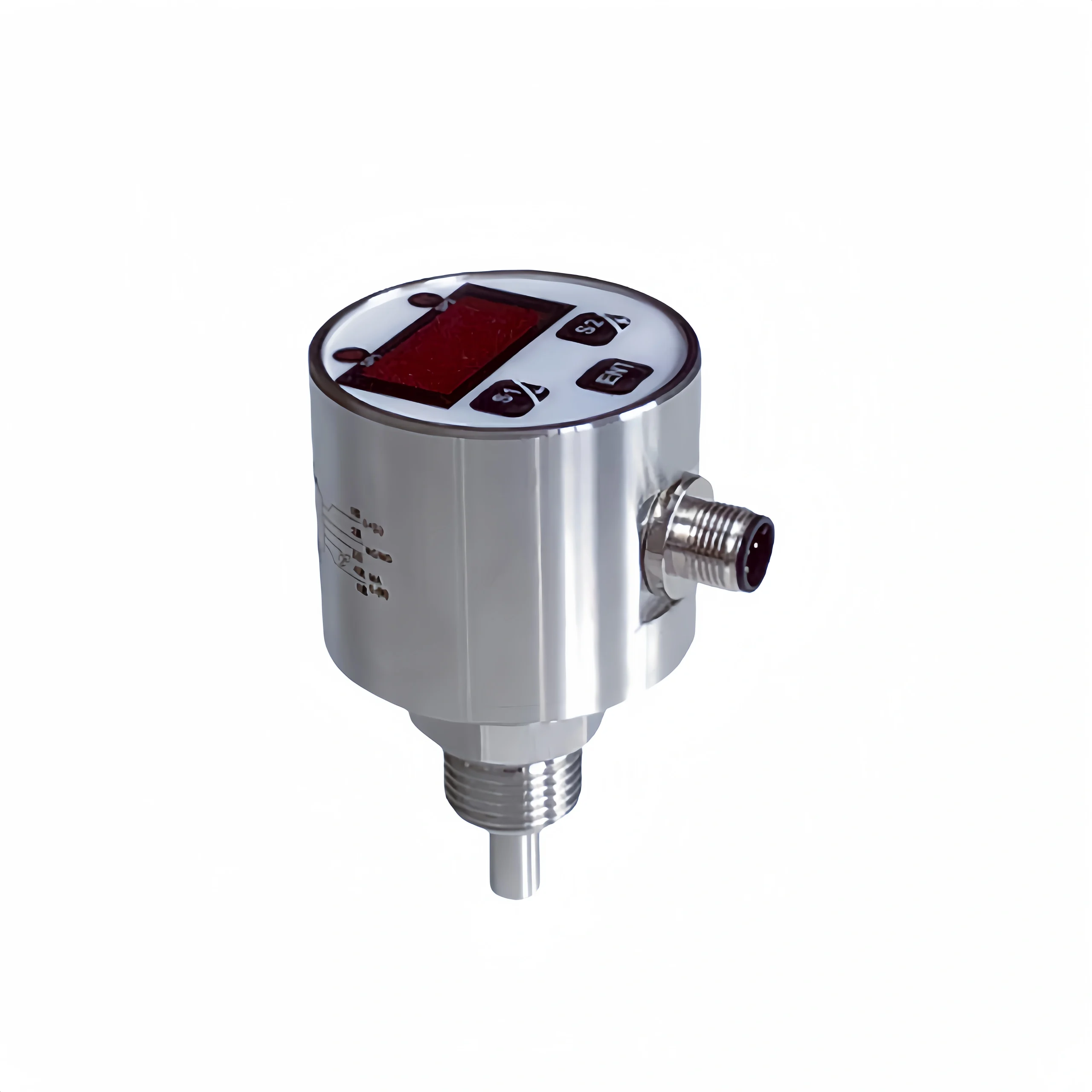
Differential pressure sensors are widely used in industrial measurement and control systems to detect pressure differences between two distinct locations. Thanks

Sino-Inst is a professional supplier of flow switches. Based on experience, this article will introduce: What is a flow switch?

A flow switch is an instrument used to control the flow of a medium (gas, liquid, oil) flowing through a

Oil flow meters serve as the backbone of measurement infrastructure across petrochemical operations, energy accounting, and process manufacturing sectors. When

As a non-intrusive flow measurement technology, clamp-on ultrasonic flowmeters enable online monitoring of fluid flow by clamping transducers onto the

Hydrostatic pressure transmitters operate on the principle of hydrostatics. This implies that they are capable of detecting the pressure generated

What is a Gas Mass Flow Meter? A gas mass flow meter is a device that measures gas flow by

What Is a Coriolis Mass Flow Meter? Coriolis mass flow meter is a new type of traffic measuring instrument developed

Industrial Gas Flow Meters are instruments used to measure the flow rate, volume or mass of gas in pipelines. There

Scroll to Top

Get A Free Quote Now !

Contact Form Demo (#3)