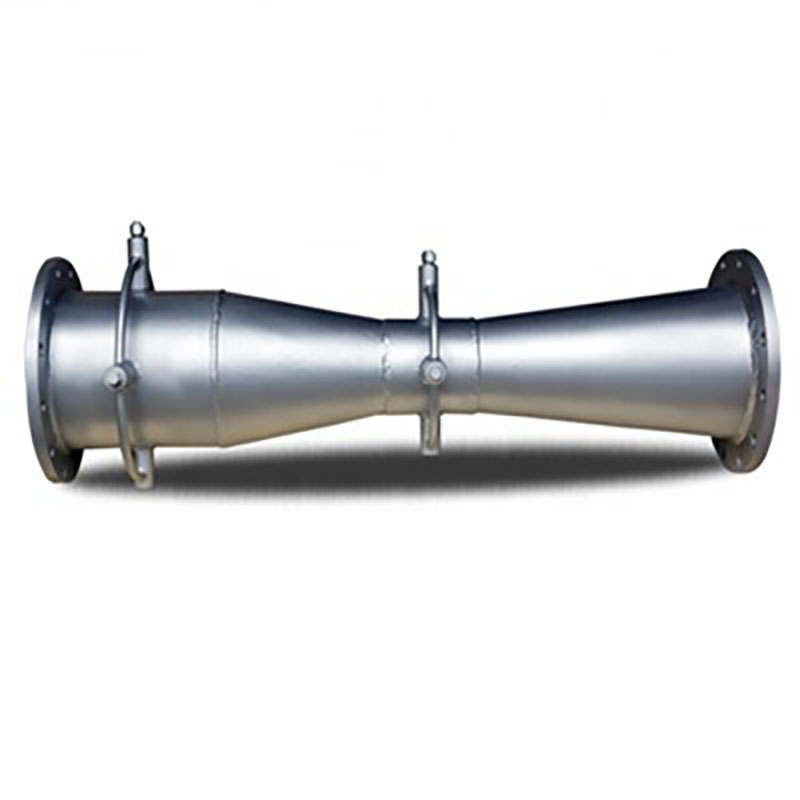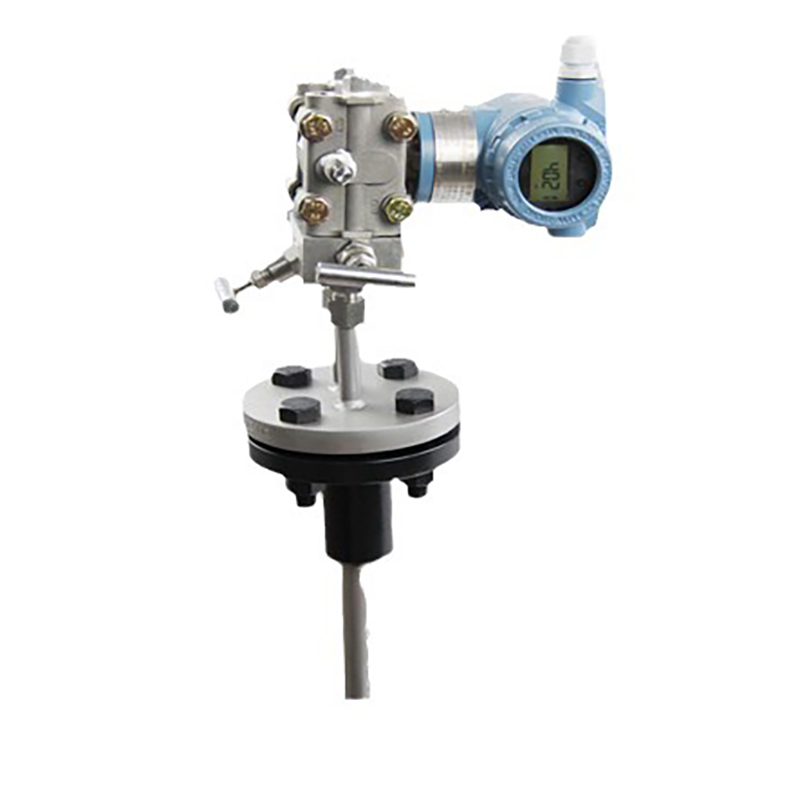
As a classic flow measurement device, the differential pressure orifice flow meter operates on the basis of the definite relationship between the static pressure difference generated when a fluid flows through an orifice plate and the flow velocity.
Thanks to its simple structure, robustness, durability and comprehensive standards, it remains one of the primary metering devices in industries such as thermal power generation, petrochemicals and district heating.
Working Principle
The orifice flow meter is a type of differential pressure flow meter. At its core is a thin metal plate (orifice plate) with a central circular aperture, installed between the flanges of a pipeline. When the fluid flows through the orifice plate, the flow area suddenly gets smaller, which makes the flow faster and lower the pressure.
This creates a differential pressure (ΔP) across the orifice plate that’s proportional to the square of the flow rate. By measuring ΔP using a differential pressure transmitter and applying Bernoulli’s equation and the continuity equation, the volumetric flow rate or mass flow rate through the pipeline can be calculated.
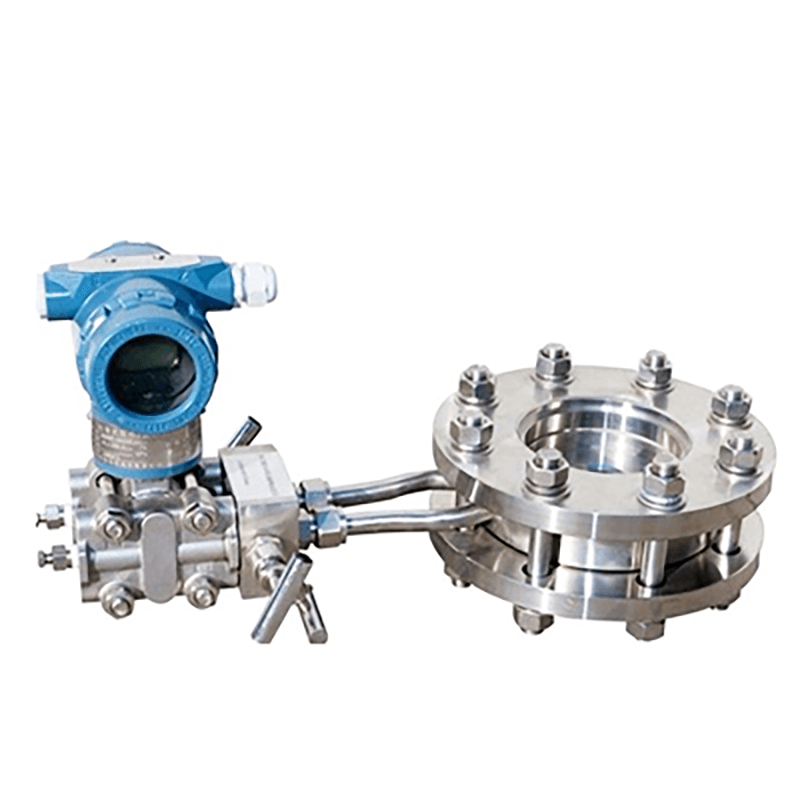
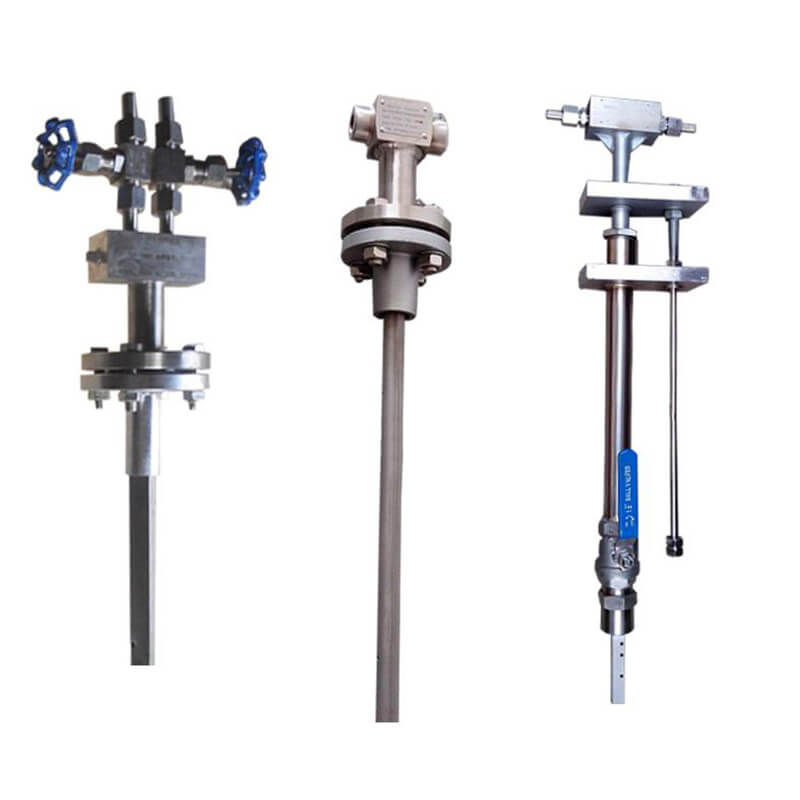
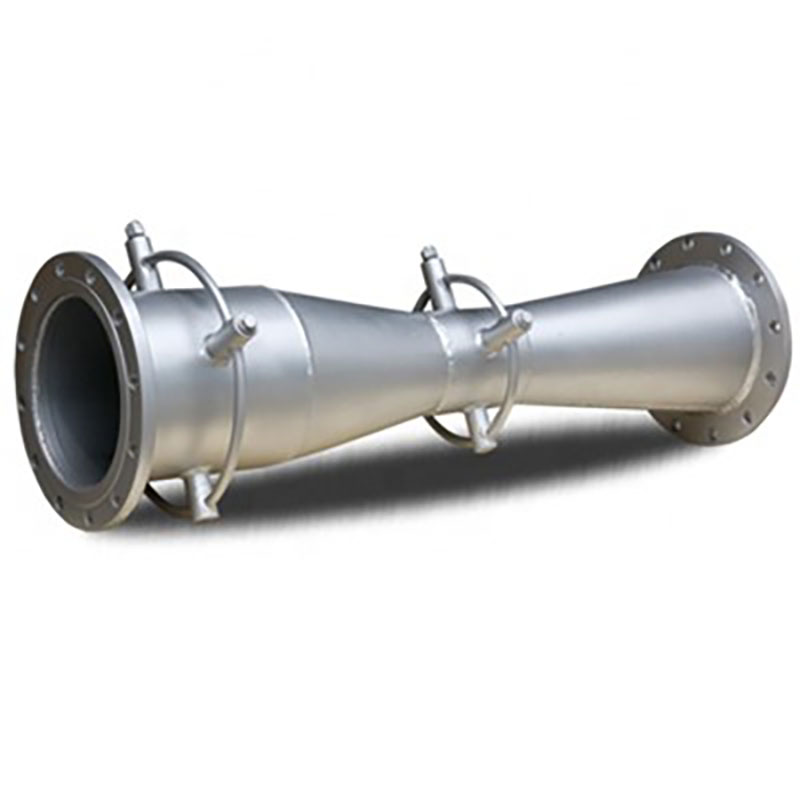
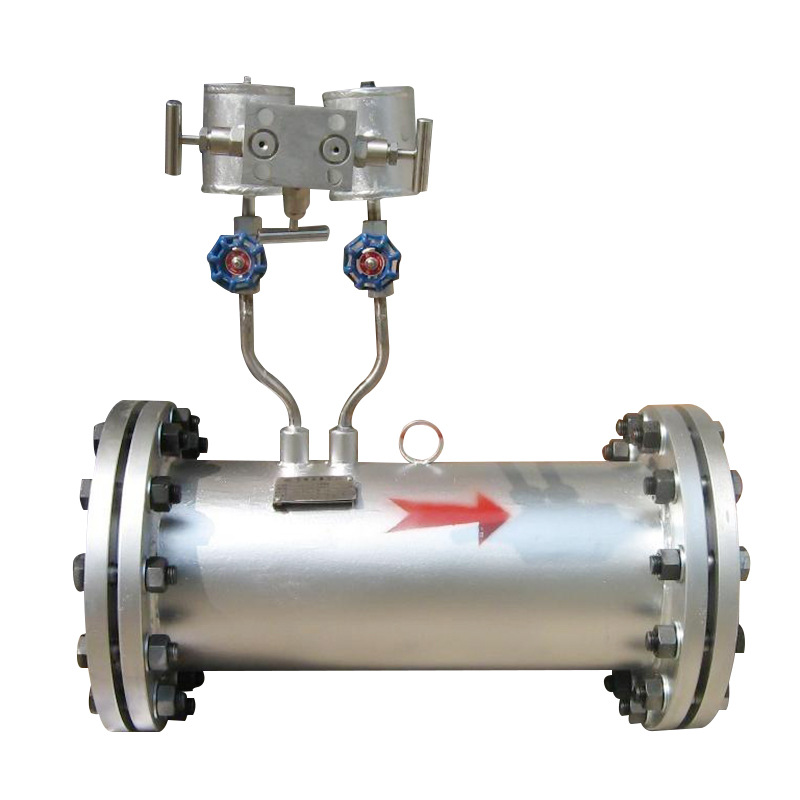

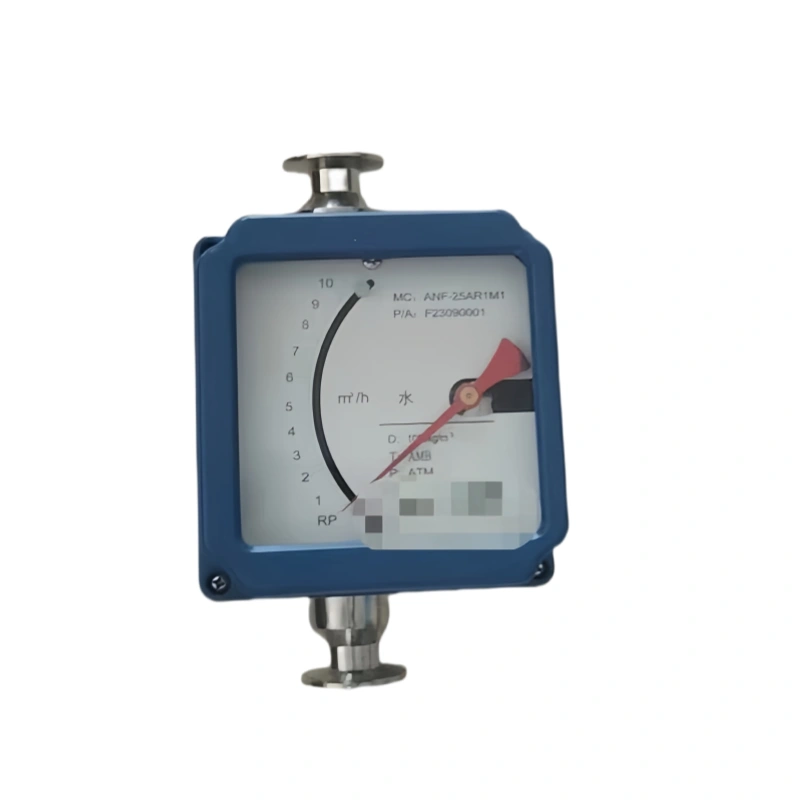
Structure of an Orifice Plate Differential Pressure Flow Meter
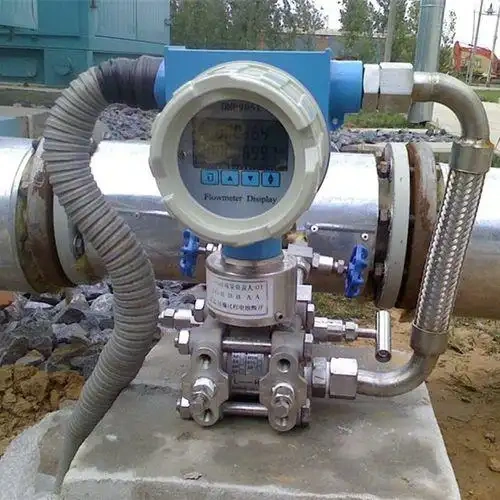
An orifice plate differential pressure flow meter is mainly made up of four key parts: throttling unit, pressure tapping unit, impulse piping and differential pressure measuring device.
As the core part of the whole device, the throttling unit generally adopts a standard orifice plate. It is a round metal plate with a central bore and precision finished edge. Mounted between pipeline flanges, it creates flow velocity change and pressure difference when fluid passes through the bore.
The pressure tapping unit gathers pressure signals from the upstream and downstream sides of the orifice plate. Angle tapping, flange tapping and radial tapping are the most widely used types. They draw high and low pressure respectively through the preset pressure take-off ports.
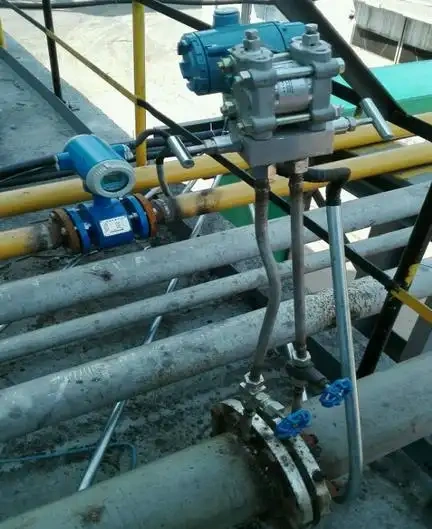
Impulse piping links the pressure take-off ports to the differential pressure measuring device. It functions to transfer pressure signals, buffer and steady pressure, as well as isolate the measured medium. It is often equipped with auxiliary fittings such as drain, vent and condensate traps to ensure stable signal transmission.
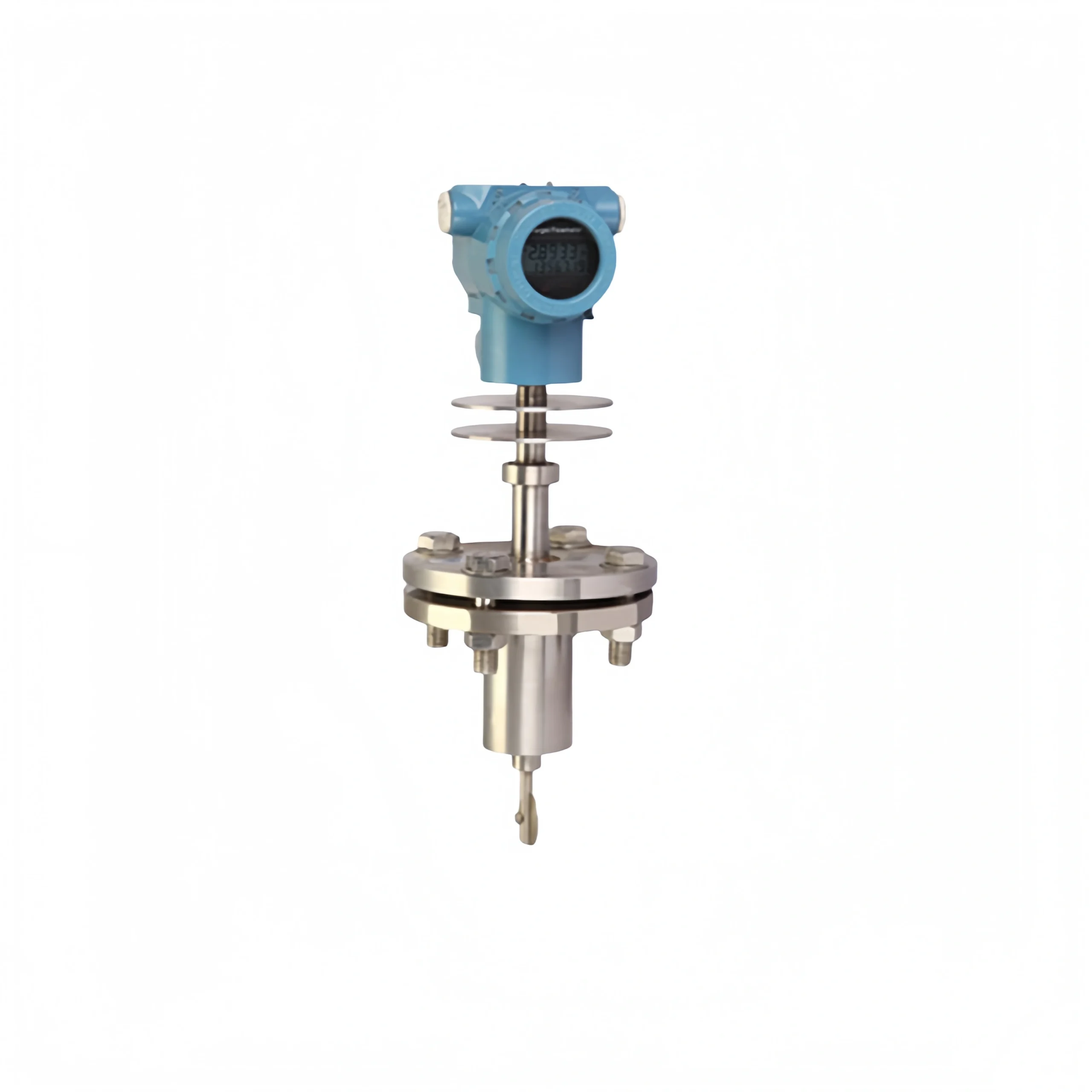
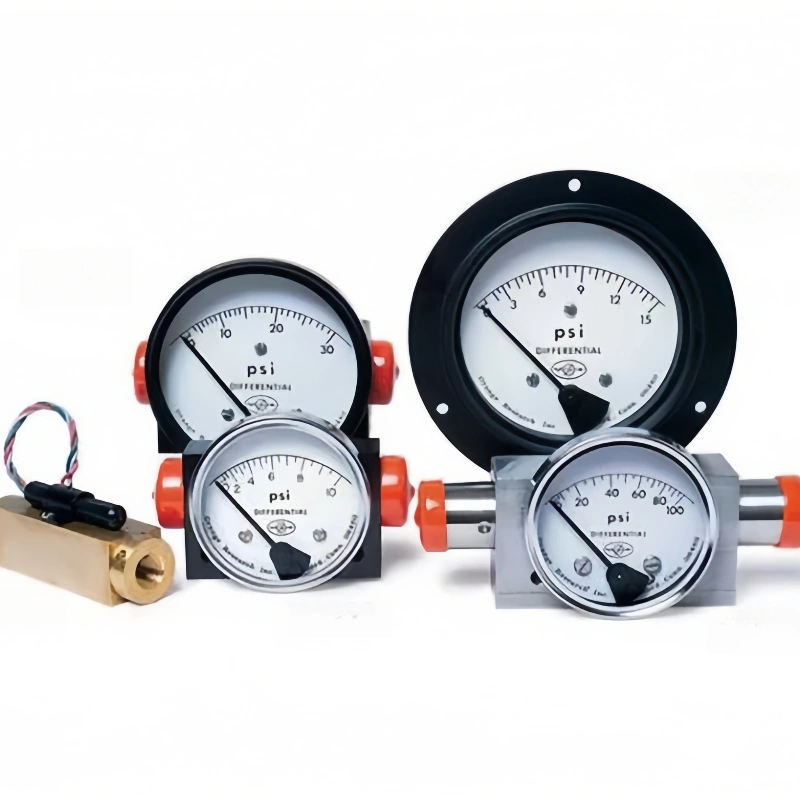
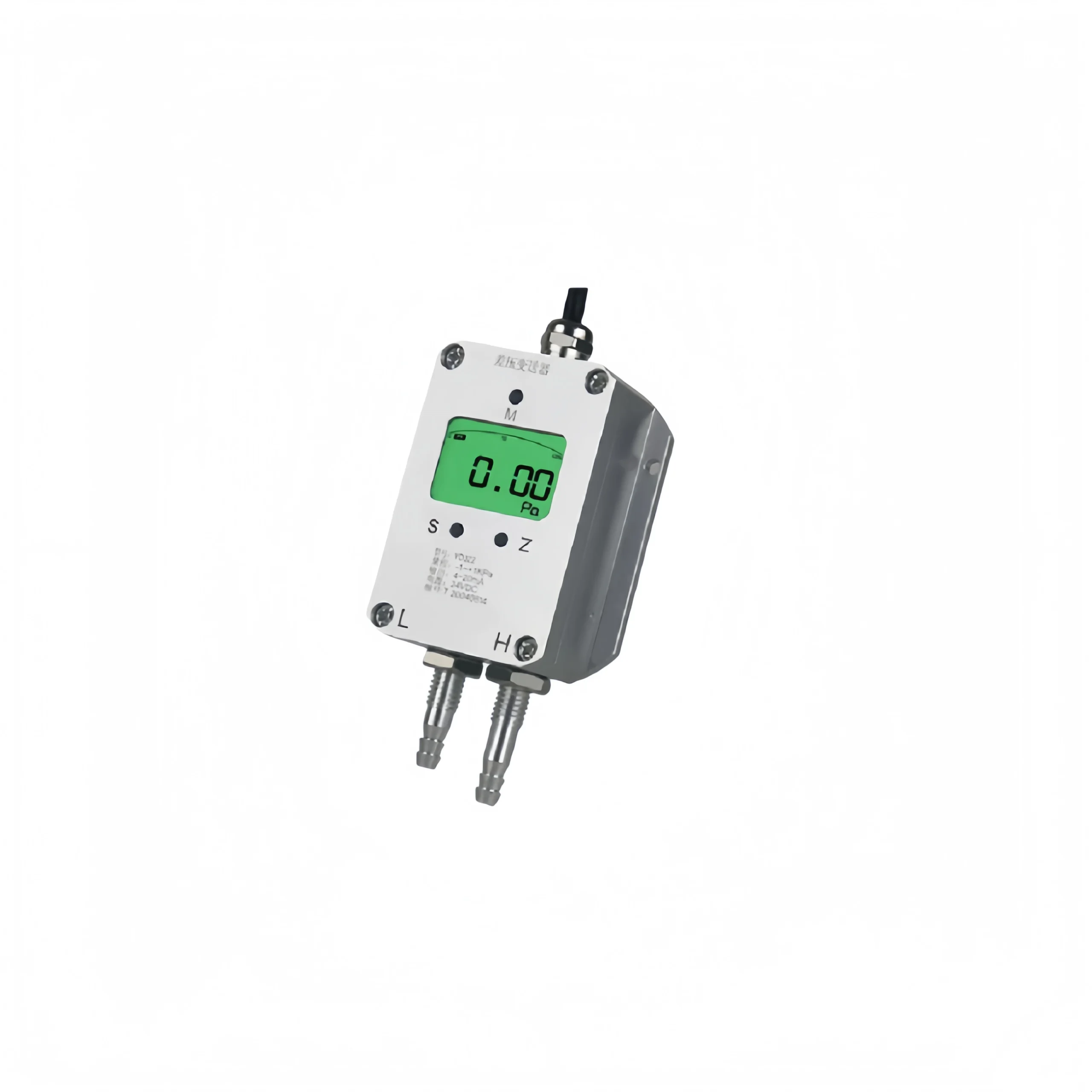
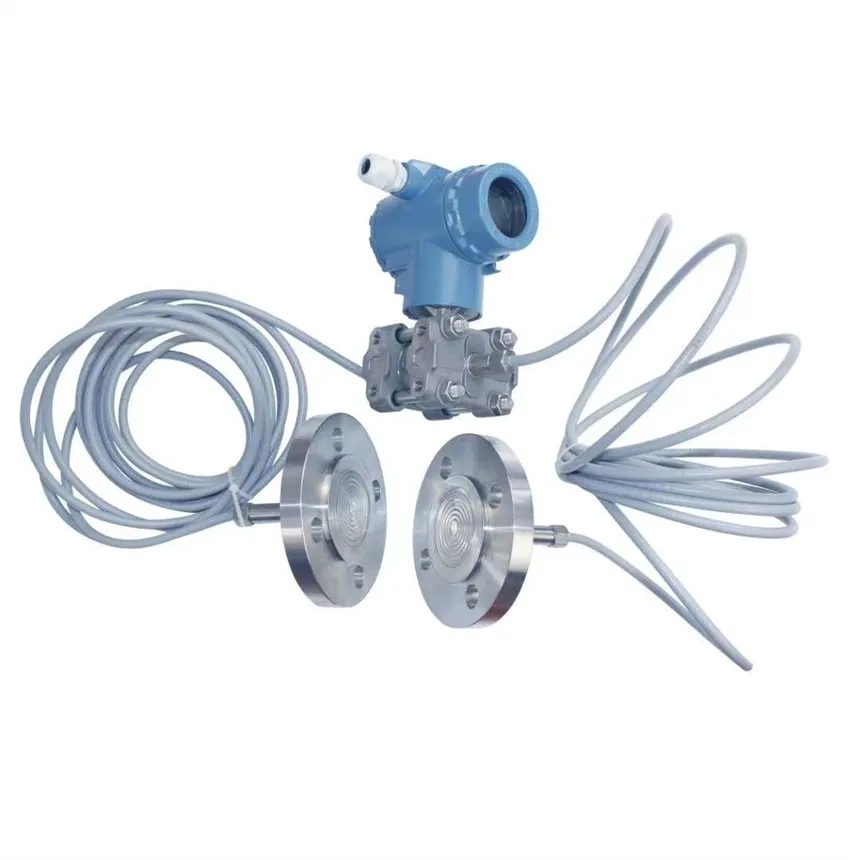
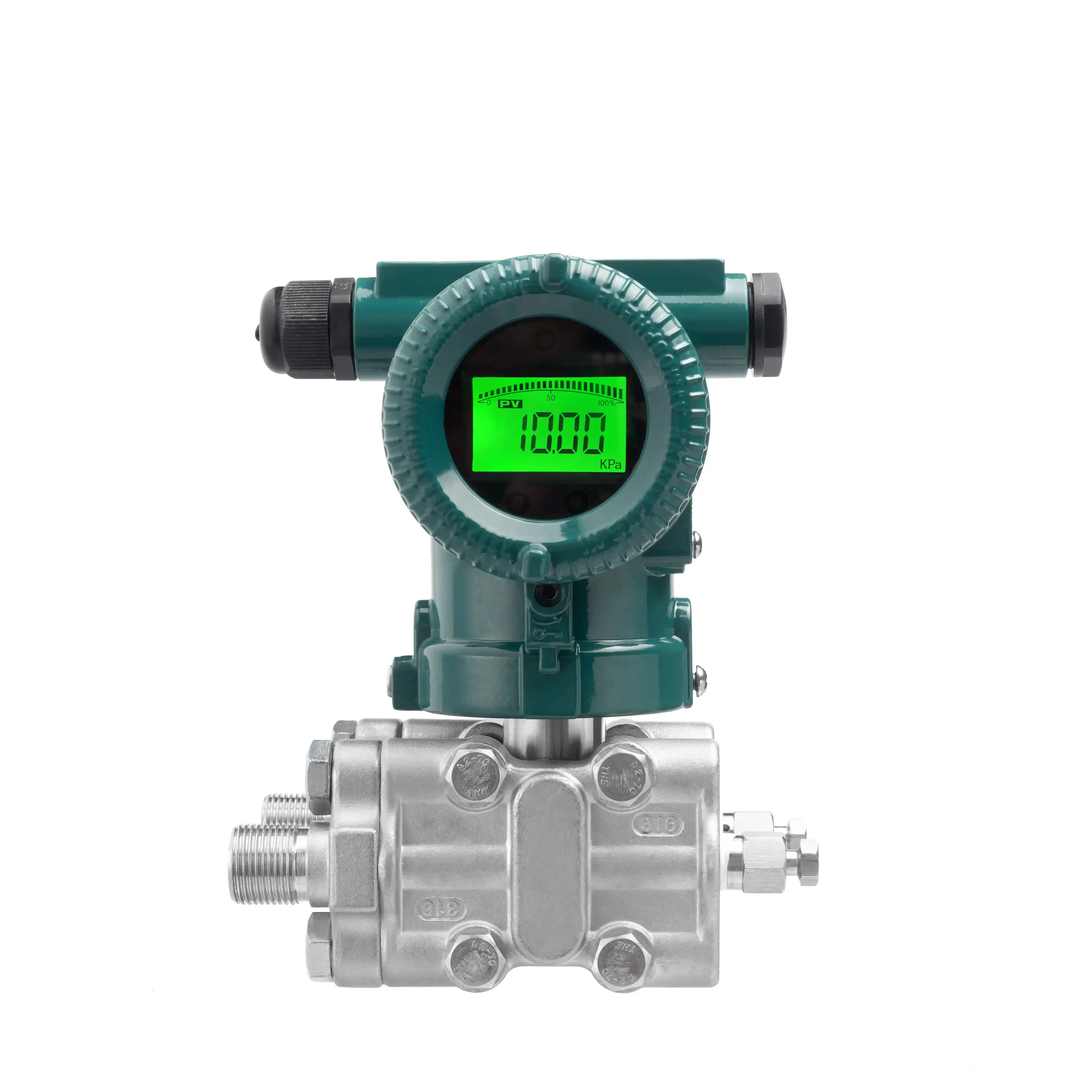
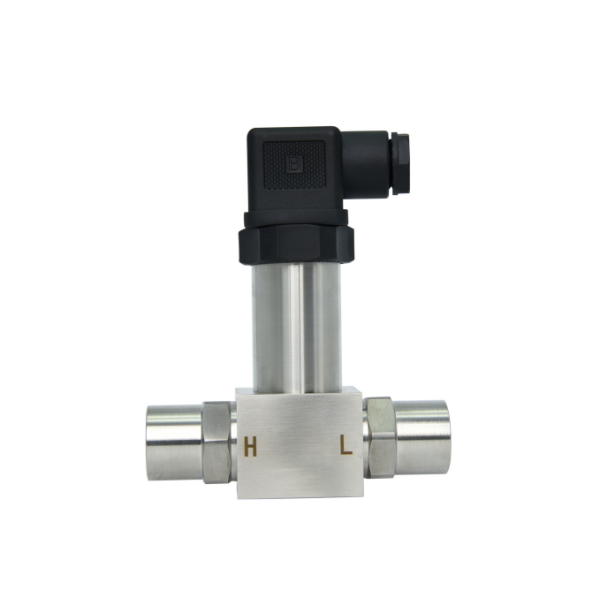
Differential pressure measurement instruments, comprising differential pressure transmitters and secondary display instruments, convert the collected differential pressure signal into an electrical signal.
Following calculation and conversion, they directly display the fluid’s instantaneous flow rate and cumulative flow. With a simple and reliable overall structure and convenient installation and maintenance, they are widely used flow measurement devices in industrial piping systems.
Advantages of Differential Pressure Orifice Flow Meters
Simple structure, robust and durable
The core component of a differential pressure orifice flow meter is a perforated stainless steel disc. The entire unit has no moving mechanical parts, so there’s no need to worry about common faults like wear and tear or jamming. The housing can be made from various materials, such as carbon steel, stainless steel, and heat-resistant steel, providing excellent impact and corrosion resistance. The equipment runs stably and reliably, and it can be used for a long time.
It has strong adaptability to working conditions and can stand up to extreme environments.
This unit has an extremely wide range of operating temperature and pressure. What’s more, it has no electronic components, so it won’t be affected by high temperatures, radiation or other similar factors. It can be reliably used in various harsh industrial scenarios, such as boiler main steam pipelines, high-pressure feedwater systems and nuclear power plants.
Low cost, with excellent value for money for large-diameter applications
The equipment itself is cost-effective to manufacture; particularly in large-diameter pipeline applications, the procurement cost is significantly lower than that of electromagnetic or ultrasonic flowmeters. Subsequent maintenance requires only the replacement of the orifice plate, keeping maintenance costs low. Furthermore, the accompanying differential pressure transmitters are highly versatile, ensuring high reusability of the equipment.
Wide range of models and broad compatibility with media
Various structural configurations can be customised according to the composition of the medium and on-site conditions. Segmented orifice plates are suitable for use with media containing particles or bubbles. Eccentric orifice plates are suitable for use with fluids containing small amounts of impurities. Multi-hole balanced orifice plates reduce pressure loss and shorten the length of straight pipe sections required for installation. This effectively broadens the range of applicable media and improves on-site installation adaptability.
Disadvantages of Differential Pressure Orifice Flow Meters
High pressure loss and energy consumption
Due to the significant throttling effect, the fluid experiences substantial permanent pressure loss after passing through the orifice. Long-term operation increases the power consumption of the transfer pump, making it unsuitable for applications with stringent pressure drop requirements.
Moderate accuracy, susceptible to operating conditions
Compared to electromagnetic, vortex and ultrasonic flow meters, the overall measurement accuracy is not particularly high. Measurement errors increase significantly when fluid velocity deviates from the design range or when there are fluctuations in pressure and temperature.
Prone to wear and requiring regular replacement of the orifice plate
The sharp edges of the orifice plate are subject to long-term erosion by the fluid and wear from the medium; once the edges become blunted, this directly causes measurement inaccuracies. Regular disassembly, inspection, calibration or replacement of the orifice plate is required, increasing the maintenance workload.
Not suitable for high-viscosity, contaminated or scale-prone media
High-viscosity fluids tend to adhere to the orifice surface, whilst media containing large amounts of dust, viscous impurities, or substances prone to crystallisation and scaling can easily block the orifice, severely affecting measurement stability and service life.
Relatively low turndown ratio
The measurement range is narrow, with a typical turndown ratio of only 3:1 to 5:1, making it poorly suited for operating conditions with significant fluctuations in flow load.
Practical Applications of Differential Pressure Orifice Flow Meters
Heating and Steam Industry: Widely used in thermal power stations and boiler houses to measure the flow of media such as saturated steam, superheated steam, high-temperature hot water and high-pressure feedwater; these are the most commonly used metering devices in heating networks and boiler systems.
Petrochemical Industry: Suitable for flow measurement of various petroleum products, chemical liquids, process gases and compressed air. Capable of withstanding high-temperature and high-pressure operating conditions, meeting the requirements for flow monitoring and ratio control in refining, petrochemical and fine chemical production processes.
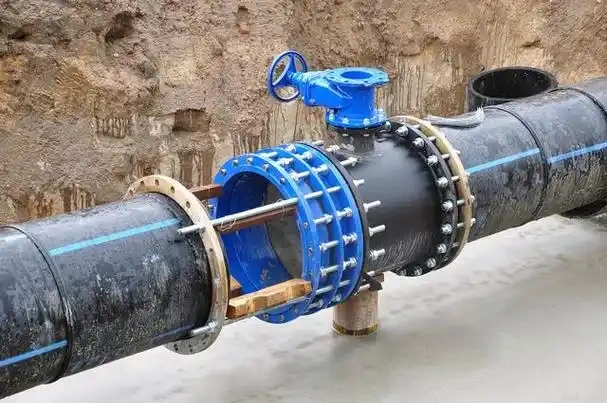
Water Supply, Drainage and Municipal Engineering: It is mainly used to measure the flow of water in pipelines that transport tap water, industrial circulating water, as well as treated and untreated sewage. It is especially cost-effective when applied to large-diameter water transmission pipelines, which makes it a good fit for flow measurement and statistical analysis in municipal water supply and drainage networks and industrial plant water systems.
Power and Nuclear Power Industries: It is applied to measure main steam, condensate, circulating water and high-pressure process fluids in power plants. It has no electronic parts and can resist radiation and high temperatures, making it perfect for the tough environments of nuclear and thermal power plants.
Metallurgy and Steel Industries: It is used to measure the flow of blast furnace gas, coke oven gas, combustion air, cooling water and various other industrial gases and liquids. It is designed to withstand the high temperatures, pressures and dust levels commonly encountered in metallurgical sites.
Light Industry, Food and Pharmaceutical Sectors: It is used for flow measurement of clean fluids such as process water, compressed air and inert gases. In these fields, stainless steel orifice plates are usually selected to meet the basic requirements of corrosion resistance and hygiene standards.
Gas and Energy Transmission Sectors: It is suitable for flow measurement and trade settlement in gas pipelines that carry natural gas, town gas and liquefied petroleum gas. Thanks to its stable structure and mature standards, it is ideal for long-distance gas transmission and on-site gas monitoring in industrial premises.
General Industrial Process Control: It is used for routine flow monitoring, ratio control, energy consumption statistics and cost accounting of gases, liquids and steam in various factory process pipelines. It has strong versatility, and its installation and maintenance are relatively simple.
Types of Differential Pressure Orifice Flow Meters
Orifice flow meters are primarily classified by structure, compatible media, installation scenarios and functions, with different types emphasising different aspects, as detailed below:
1. Standard Orifice Plates: These are the most commonly used standard throttling devices out there—they work well with all sorts of fluids, and they’re especially good for gases. You’ll usually find them in regular industrial settings, like thermal power plants and petrochemical factories.
They’re split into angle-type, flanged, and in-line types, depending on how you tap the pressure. Angle-type ones are really accurate for measurements, flanged ones work with most systems, and in-line types are perfect for small pipe diameters and low flow rates. You have to check and maintain them on a regular basis, though—if they wear out or get fouled up, the measurement accuracy will drop.
2. Segmented Orifice Plates:These are non-standard orifice plates, designed to stop blockages caused by impurities in high-viscosity and contaminated media. They use flanged pressure tapping, which makes them easier to install and maintain, and you’ll find them in a lot of industries, like chemical engineering and metallurgy.
3. Eccentric Orifice Plates: They’re used to measure fluids that contain solid particles. The orifice opening is offset from the pipe’s center, which stops impurities from piling up. They adopt angle-mounted pressure tapping and can only be used on horizontal or inclined pipes—vertical pipes aren’t suitable for them.
4. Inline Orifice Plates: They’re also known as small-bore orifice plates, and they’ve got the orifice built into the measuring tube, which makes them easier to install and saves you space. They’re perfect for pipes with a diameter of up to 50 mm and for low-flow situations, like metering in small-scale equipment and lab measurements.
5. Throttling orifice plate:Its main job is to reduce pressure and throttle flow, not to measure. It’s pretty straightforward and affordable, so there’s no need for anything too fancy. It’s used to control pressure and flow in various fluid conveyance pipelines, making sure the system runs safely.
6. Annular orifice plate:It works with gases, steam, and liquids alike. Its optimized structure reduces fluid flow disturbances, cuts down on fouling and measurement errors, and stays stable with little need for maintenance. It’s a good choice for applications that require high accuracy and deal with media prone to fouling.
Pressure Tapping Methods for Orifice Plate Flow Meters
The method of pressure tapping is a key factor affecting the measurement accuracy of orifice plate flow meters. Taking into account their structural design and applicable operating conditions, common pressure tapping methods are primarily categorised into the following three types, each with distinct application focuses:
Angular pressure tapping is a high-precision method where the pressure taps are positioned at the angles formed by the front and rear faces of the orifice plate and the pipe wall. It is suitable for large pipe diameters, gases and steam applications, and is also the standard pressure tapping method for eccentric orifice plates. It can accurately pick up pressure changes when the fluid is throttled, making sure the measurement results are accurate.
Flange pressure tapping is easy to operate and works for a lot of different situations—it’s the most commonly used method in industrial sites. The pressure taps are on the flanges, placed at set distances both upstream and downstream of the orifice plate. You don’t need any complicated installation or commissioning work for it. It’s good for most regular fluid measurements, and segmented orifice plates usually use this method.
In-pipe pressure tapping is a special method for specific cases. The pressure taps are installed at fixed intervals along the pipe’s inner wall, which makes it a good fit for small-diameter pipes and low-flow situations. It can reliably capture pressure signals when the fluid velocity is low, fixing the problems that other pressure tapping methods have in these kinds of conditions.
Ordering Guide for Orifice Flow Meters
Provide complete operating parameters. Specify the type of medium being measured. Provide physical properties such as the medium’s density, viscosity and corrosiveness. Indicate the operating temperature range. Determine the operating pressure range. Provide flow rate range data.
Just specify the pipeline and structural parameters. Just let us know the nominal pipe diameter. Can you tell me the actual internal diameter of the pipe? So, first things first: we need to figure out what kind of pipe this is and what its wall thickness is. Just let us know how you want to do the installation. Then you can choose the orifice plate material. Can you tell me what the flange standard and pressure rating are? Select the pressure tapping method. Determine the orifice ratio.
Determine accuracy and associated instrumentation requirements. Select the applicable accuracy class. Specify whether temperature and pressure compensation is required. Determine whether flow totalisation is required. Select the signal output type. Match accessories such as differential pressure transmitters, three-valve manifolds and condensate traps.
Confirm installation and site conditions. Ensure standard-compliant straight pipe runs are provided. Avoid installation near flow disturbances. Specify site protection and explosion-proof rating requirements. Clarify on-site power supply conditions. Specify in advance any special operating conditions such as high temperature, high pressure, corrosion or crystallisation.
Customisation for special operating conditions. Select suitable materials for special media. Use anti-blocking structures for media containing particles. Select explosion-proof instruments for hazardous areas. Employ specialised flow field correction designs for two-phase flow conditions.

Sion-Inst has lots of experience in flow measurement and always makes sure it’s precise, efficient and reliable. We’ve got a proven track record in technical stuff and a solid supply chain system, so we can deliver differential pressure orifice flowmeters that meet international standards and are great for all sorts of industrial applications. Plus, we’ve got a full range of flowmeters, from turbine and vortex to electromagnetic, ultrasonic, and Coriolis types.
Whatever your needs, whether it’s standard metering or more challenging operating conditions, we’ve got you covered. We’re excited to team up with partners from all industries, keep your production operations safe with top-notch products and services, and work together to build a future where everyone wins.