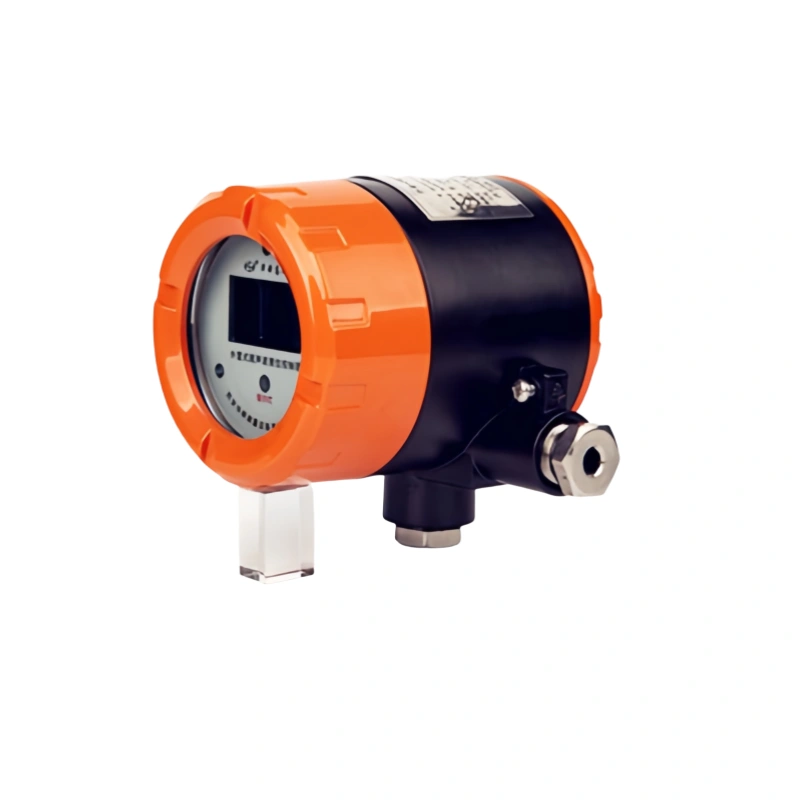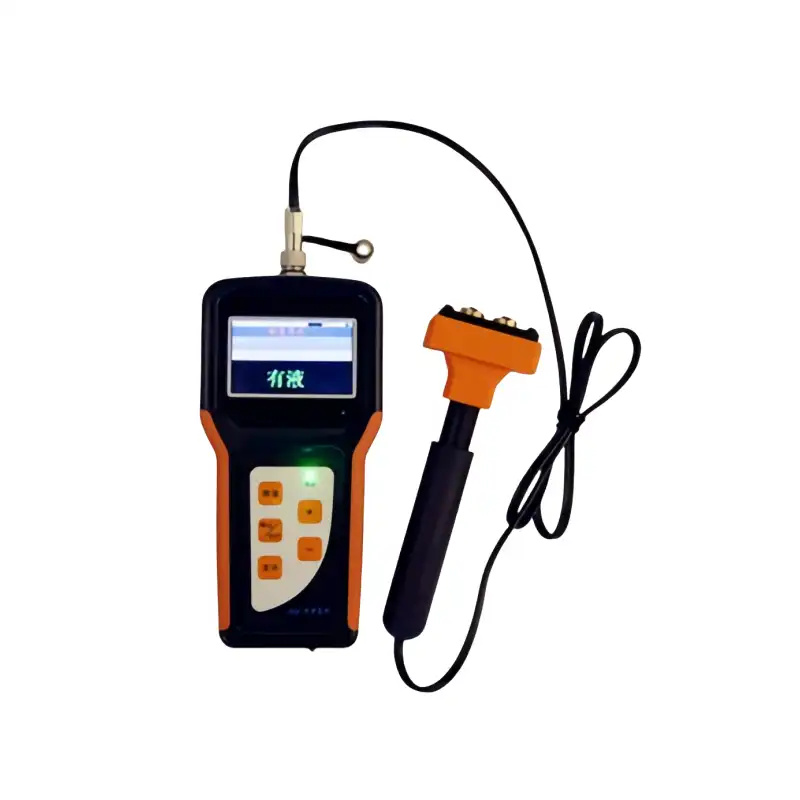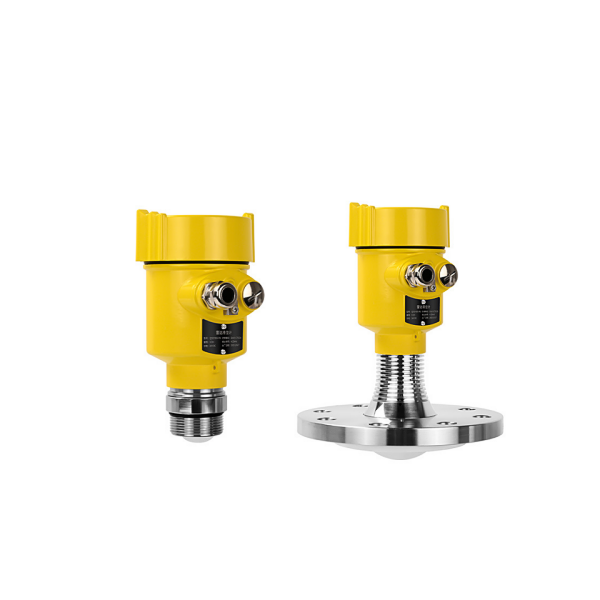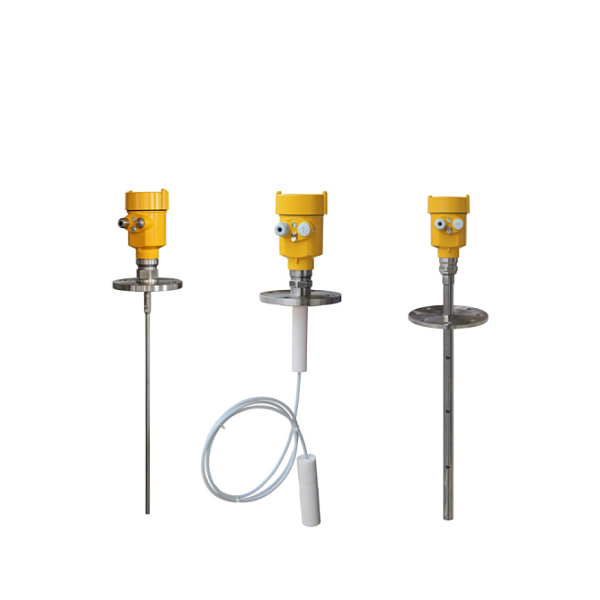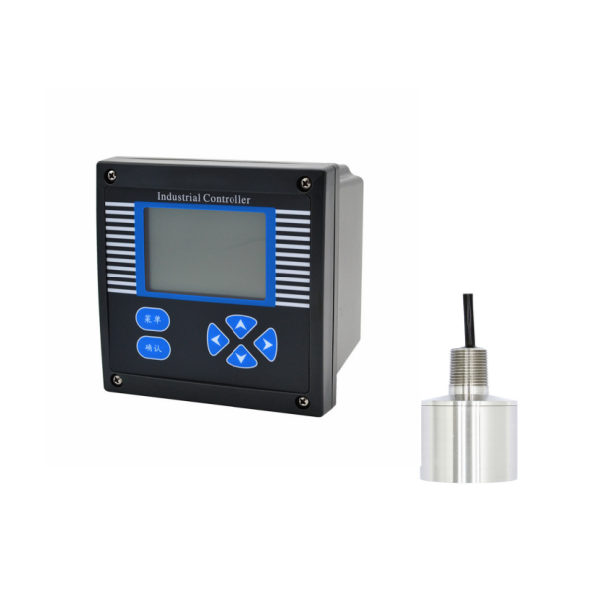
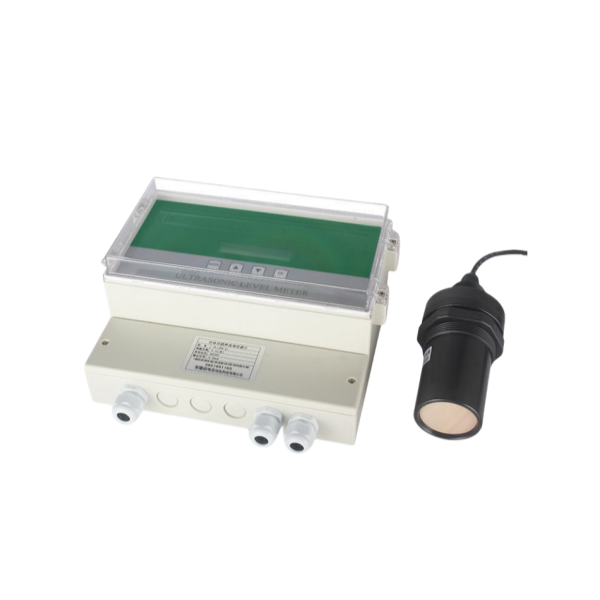
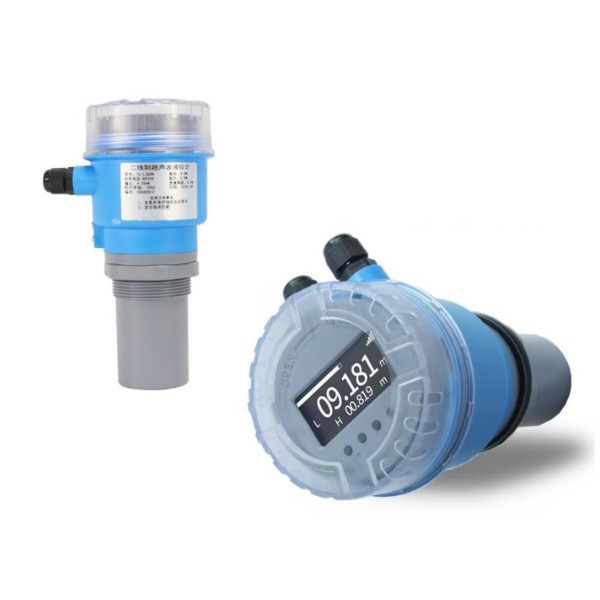
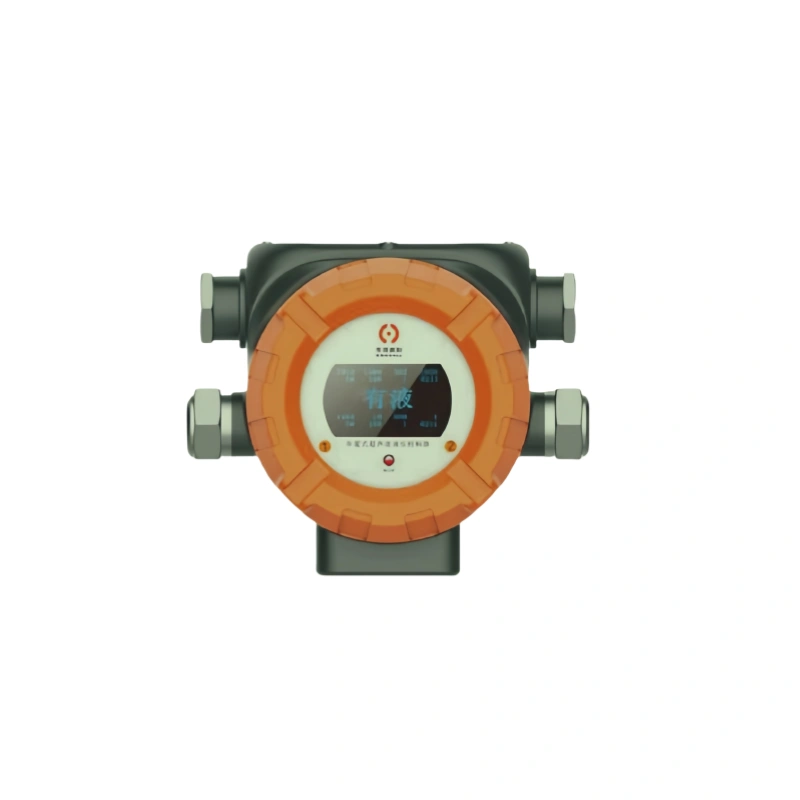
Ultrasonic fuel level sensors use the time-of-flight principle to achieve non-contact level detection. This is better than the old mechanical methods, which often get damaged by rust and break. These sensors are known for being both accurate and simple to use, which is why people often rely on them to monitor fuel levels in industrial storage tanks.
Working Principle
These devices are pretty simple. They work by using sound and ultrasonic waves to bounce off surfaces. The sensor can work out the distance to the fuel surface by timing how long it takes for an ultrasonic pulse to travel through the fuel and back. That distance is then used to determine the fuel level.
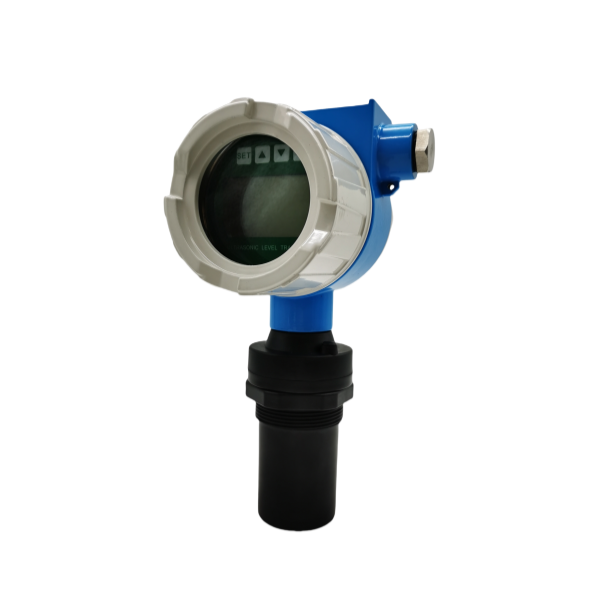
Typically, the sensor gets installed on top of the fuel tank. When the system is running, an ultrasonic transducer sends a high-frequency signal downward toward the fuel surface. Those sound waves move smoothly through the fuel. Once the signal hits the fuel surface, it bounces back upward, and the same transducer picks up the returning echo.
A control unit keeps track of how long the round trip took — from the sensor down to the fuel surface and back again. Using the speed of sound we already know about for that type of fuel, the system calculates the exact distance between the sensor and the fuel surface.
From there, it compares that measurement with the tank’s pre-set height data to figure out the current fuel level. Finally, the fuel level reading gets turned into an electrical signal and sent to a display or control panel, so the user can keep an eye on the fuel level in real time.
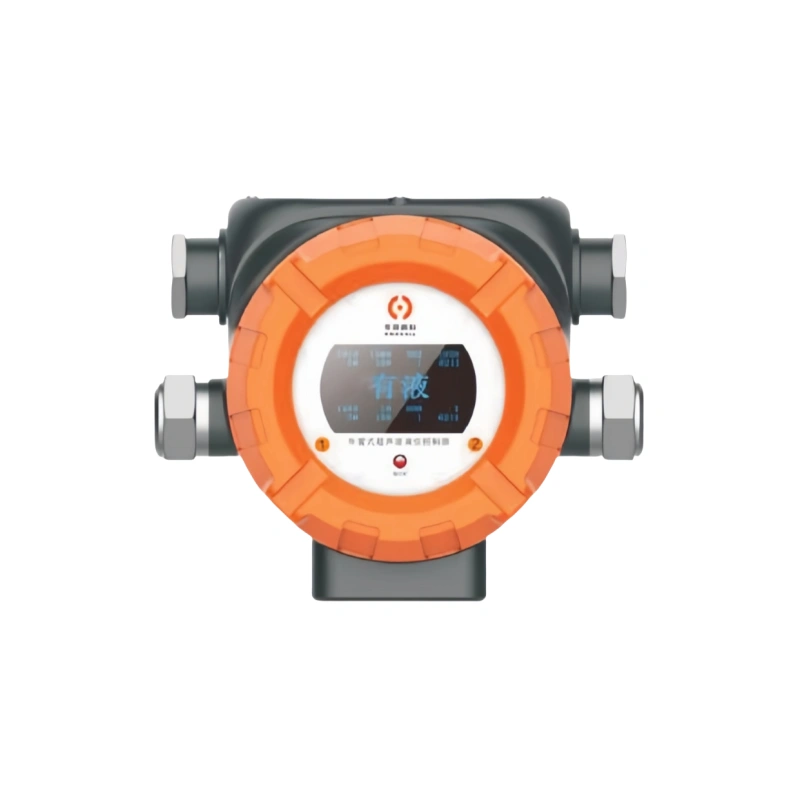
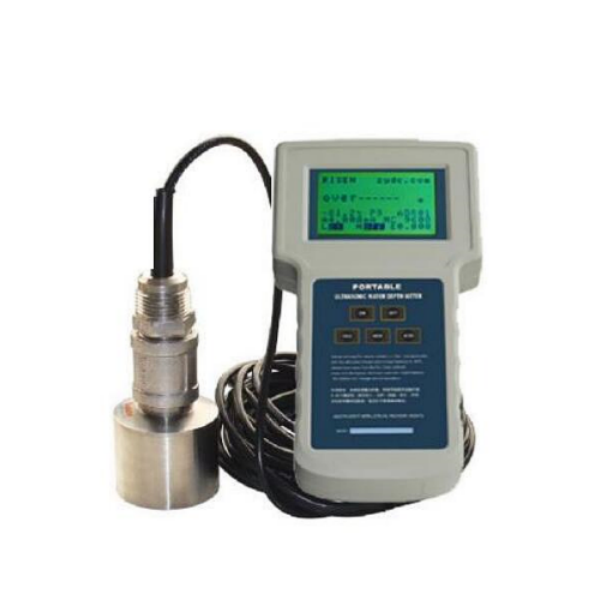
Properties of Industrial Fuel Oil
It is liquid at room temperature, has good flow properties, and the surface of the liquid remains relatively stable.
It is highly volatile and readily emits vapours, which can form a vapour layer in enclosed spaces.
It is a flammable and explosive substance, posing a high safety risk, and therefore requires high standards of containment and explosion protection in storage environments.
The overall viscosity is low, with slight variations between different grades; viscosity increases slightly at low temperatures.
It exhibits mild chemical corrosiveness; prolonged contact may cause gradual corrosion of ordinary metals.
Density is significantly affected by temperature changes, leading to volume expansion or contraction.
It has a relatively low dielectric constant, which remains fairly stable.
Foaming and surface fluctuations are likely to occur during refuelling and transfer operations.
It contains trace amounts of gum and fine impurities; a small amount of sediment may form after prolonged standing.
Advantages of Ultrasonic Level Sensors for Fuel Measurement
Non-contact measurement, safe and risk-free
As there is no direct contact with the fuel medium and no components are immersed, contact with flammable and explosive fuels is avoided, eliminating safety risks such as static electricity, corrosion and leakage. This makes them suitable for hazardous chemical environments such as oil depots and storage tanks.
Corrosion-Resistant and Long Service Life
However, since the sensor does not touch the fuel, it will not be affected by rust, oxidation, or gumming. Because the parts don’t run out, it’s very stable and you won’t have to repair it as often.
Simple Installation and Maintenance
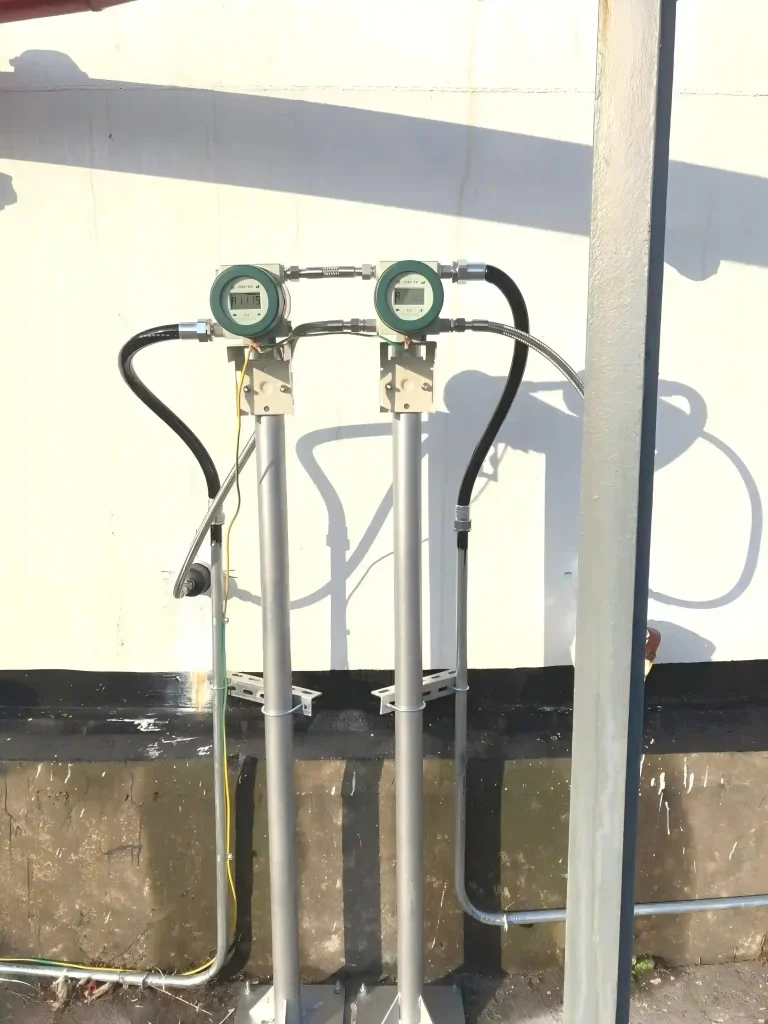
Just stick it onto the outside of the tank – no drilling or modifications needed, and it never has to touch the fuel itself. You can handle maintenance and calibration without shutting things down or damaging the tank, so operations keep running as usual.
Wide Measurement Range and Strong Adaptability
This sensor works well with storage tanks and fuel tanks of just about any size, and it can accurately detect both high and low liquid levels. It’s compatible with a range of different fuels, including petrol, diesel, and heavy fuel oil.
High measurement accuracy and fast response
It can detect and report level changes straight away, with fast updates to the data. This makes sure that inventory measurement, automatic fuel supply and high/low level alarms are controlled exactly right.
No moving mechanical parts, low failure rate
The absence of internal mechanical components, such as floats or linkages, ensures that the device will not experience jamming, malfunctioning or deformation. The device demonstrates a high level of resistance to interference, rendering it well-suited for long-term, uninterrupted online monitoring applications.
Easy to integrate with automation and remote monitoring
It can send standard signals that can be used in control systems. This means that the liquid level data can be sent remotely and in real time. It can also send data that is logged, and can set automatic alarms and control locks. This makes it easy to manage fuel storage facilities.
Unaffected by medium viscosity or impurities
It uses ultrasonic ranging, so it’s unaffected by fuel viscosity, minor impurities or slight foaming on the oil surface, ensuring accurate measurements.
Disadvantages of ultrasonic level sensors in measuring fuel
Significantly affected by foam on the liquid surface and vapours
Fuel surfaces often foam and release vapours, which can scatter and absorb ultrasonic signals. This can lead to inaccurate measurements, changes in the data and sudden jumps in the measured level.
Significant Interference from Changes in Ambient Temperature
The speed of ultrasonic waves is highly sensitive to temperature. When there is a temperature difference between the inside and outside of the tank, insufficient temperature compensation will directly increase measurement errors.
Existence of Measurement Dead Zones
There is a fixed, short-range dead zone directly beneath the sensor probe. At low liquid levels in the tank, precise detection is impossible, making it unsuitable for accurate measurement in extremely low-level conditions.
Complex internal tank structures are prone to echo interference
Components within the tank, such as stiffeners, pipes and supports, can easily generate false echoes that interfere with normal liquid level signals, leading to misjudgements of the liquid level height.
Not suitable for high-pressure sealed and high-temperature heavy-duty conditions
In high-temperature, high-pressure sealed tank environments, acoustic wave propagation conditions deteriorate, sensor performance is limited, and prolonged exposure to high temperatures accelerates probe ageing.
Generally suitable for viscous heavy fuel oils
The surfaces of viscous fuels such as heavy oil and residual oil are prone to forming thick oil films and deposits, which reflect chaotic echoes; compared to light fuel oils, measurement accuracy and stability are reduced.
Applications of Ultrasonic Fuel Level Sensors
Thanks to their non-contact operation, high precision and resistance to contamination, ultrasonic fuel level sensors are widely used in various scenarios requiring accurate monitoring of fuel levels. The key applications are as follows:
Transportation sector: The primary application area, covering passenger cars, commercial vehicles and specialised vehicles. In passenger cars, they display remaining fuel levels and estimated range, and trigger alerts. In commercial vehicles, they support remote monitoring to help fleet managers control fuel consumption and prevent theft or leakage. In special-purpose vehicles, they prevent interruptions to emergency operations due to fuel shortages.
Construction Machinery Sector: They work perfectly with outdoor machinery like excavators and loaders. Your equipment will keep running without interruption and won’t break down due to fuel shortages, since they’re not affected by interference or vibration. Some models can even track how much fuel is used, which helps with keeping an eye on costs.
Marine Shipping Sector: These sensors are built to handle the complicated inside of ship fuel tanks and aren’t bothered by any fuel impurities. They give highly accurate fuel level data, making it easier to plan voyages and figure out when to refuel. For large cargo ships, they simplify the management of multiple tanks and help prevent leaks and pollution.
General Equipment and Emergency Response Sector: These sensors come in really handy for diesel generators and similar gear. If fuel levels drop too low, they’ll automatically set off an alert, helping keep everything up and running. They’re a solid fit for small general-purpose equipment as well as emergency rescue tools, so even under urgent conditions, the work doesn’t have to stop.
Industrial and Specialised Storage Sector: This option works great for keeping tabs on fuel levels in industrial storage tanks, so you always know whether there’s enough fuel on hand when you need it. It also packs several more advanced features, like explosion-proof and corrosion-resistant designs, making it well suited for specialized applications. On top of that, built-in alarms help guard against safety risks such as fuel leaks.
Agricultural Machinery Sector: With these sensors, you can accurately monitor fuel levels in farm equipment, and they hold up well even in rough field conditions, helping avoid unexpected downtime. Some smart farming machines can even use them to track fuel usage, which in turn helps lower operating costs.
Emergency equipment applications: It’s great for keeping an eye on fuel levels in backup systems like emergency generators. It’ll let you know right away if the levels are dropping too low and will even trigger alarms to make sure everything starts smoothly in case of an emergency.
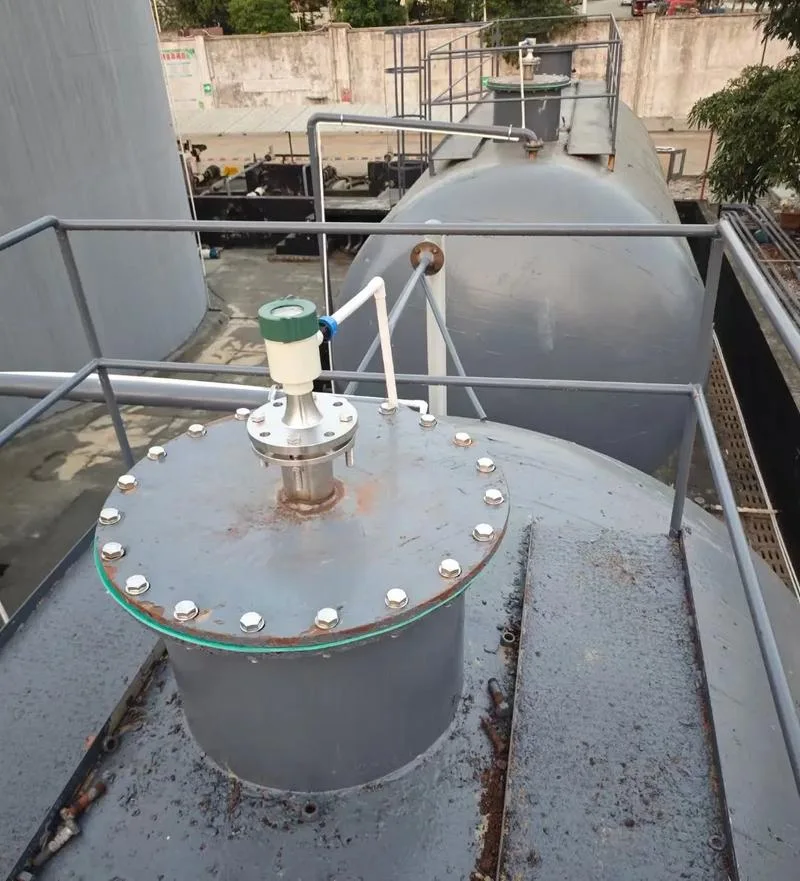
Other fuel level gauges
Guided-wave radar level gauges
These gauges utilise radar waves transmitted along a probe to measure distance. They are unaffected by fuel vapours, mist or temperature fluctuations, and offer strong resistance to interference.
Suitable for measuring various types of fuel storage tanks, including those containing petrol, diesel and heavy fuel oil, they can be adapted for use in sealed, explosion-proof environments, offering high measurement accuracy without coming into contact with the medium.
Non-contact radar level gauges
These utilise airborne radar beams for non-contact measurement, avoiding direct contact with the fuel. This prevents damage to the instrument caused by viscous fuels or adhering impurities.
They are suitable for monitoring the liquid levels in large vertical fuel storage tanks and viscous oils such as bitumen, and are suitable for high-pressure, enclosed, flammable and explosive fuel environments.
Float-Type Level Gauge
Utilising the principle of buoyancy, the float rises and falls with the liquid level to drive a mechanism that outputs a signal. It is made of a simple and strong structure that can resist oil and other contaminants. Suitable for industrial fuel storage tanks containing diesel, engine oil and lubricating oil, it offers high stability and is well-suited to harsh on-site environments.
Magnetic Flip-plate Level Gauge
Utilising magnetic coupling between a float and flip-plates to indicate the liquid level through colour changes, this gauge provides an intuitive, on-site visual display. It can be fitted with optional remote transmission signals, is resistant to fuel corrosion, and is suitable for petrol station storage tanks and industrial fuel intermediate tanks. It is explosion-proof and ideal for direct on-site level monitoring.
Differential Pressure Level Gauge
This gauge measures liquid level by detecting the pressure of the liquid column within the tank. Designed for use with sealed, pressurised fuel storage tanks, it is compatible with high-temperature heavy oil and viscous fuels. It provides stable and reliable measurements, making it ideal for continuous liquid level monitoring in industrial fuel tanks when used in conjunction with a capillary tube structure.
FAQ
Does an ultrasonic level gauge need to come into contact with the liquid?
No, it is a non-contact measuring instrument. The probe must be suspended directly above the liquid surface, with no direct contact whatsoever with the measured medium, such as fuel or sewage.
This prevents the medium from corroding the probe or causing impurities to adhere to it, which could affect the measurement. This also means that it does not need to be taken apart and cleaned as often, making routine maintenance easier. It’s ideal for measuring oily or sticky substances.
Does temperature variation affect the accuracy of ultrasonic level transmitters?
Indeed, the temperature in the vicinity can influence the pace of sound. Automatic temperature compensation modules are integrated into standard instruments.
These modules have the capability to autonomously compensate for fluctuations in sound speed during typical operating conditions (ranging from -10°C to 60°C), ensuring that the measurements are precise.
However, for use in environments with extremely high or low temperatures, wide-temperature-range instruments must be selected to ensure the compensation range matches the on-site temperature, thereby guaranteeing measurement accuracy.
What precautions should be taken when installing an ultrasonic level transmitter?
The probe must be aligned vertically with the centre of the liquid surface, away from obstacles such as tank walls, columns and feed inlets, to prevent the beam from being obstructed; avoid areas where the liquid surface is prone to turbulence or thick foam to prevent abnormal sound wave reflections; It is essential to allow for the instrument’s specified dead zone distance; the probe must not be positioned too close to the liquid surface, as this will prevent accurate echo detection. Additionally, avoid installing the instrument in locations subject to severe vibration.
How should one choose between ultrasonic and radar level transmitters for fuel applications?
If the site has low levels of mist, no thick foam, the tank is an open-top atmospheric tank, and the budget is limited, ultrasonic level transmitters should be the preferred choice; if the tank is a closed-top tank, there are high concentrations of vapour and oil vapour, or significant vapour generation, or if thick foam is present, and there are high requirements for measurement accuracy and long-term stability, and the application is suitable for flammable and explosive environments, radar level transmitters should be the preferred choice, as their interference resistance is better suited to complex fuel conditions.
Focusing on the core requirements of industrial liquid level monitoring, Sino-Inst has consistently prioritised professionalism, reliability and efficiency, providing precisely tailored solutions for a wide range of liquid level monitoring scenarios.
With solid professional technical backing, we supply a full lineup of liquid level transmitters covering radar, float and capacitive models, perfectly matching diverse working conditions, application demands and budget plans.
We offer one-stop full-process support, from professional product selection and on-site installation and commissioning, all the way through system deployment and routine maintenance, to keep your equipment running stably at all times. No matter your unique site and technical needs, we can deliver tailored support.