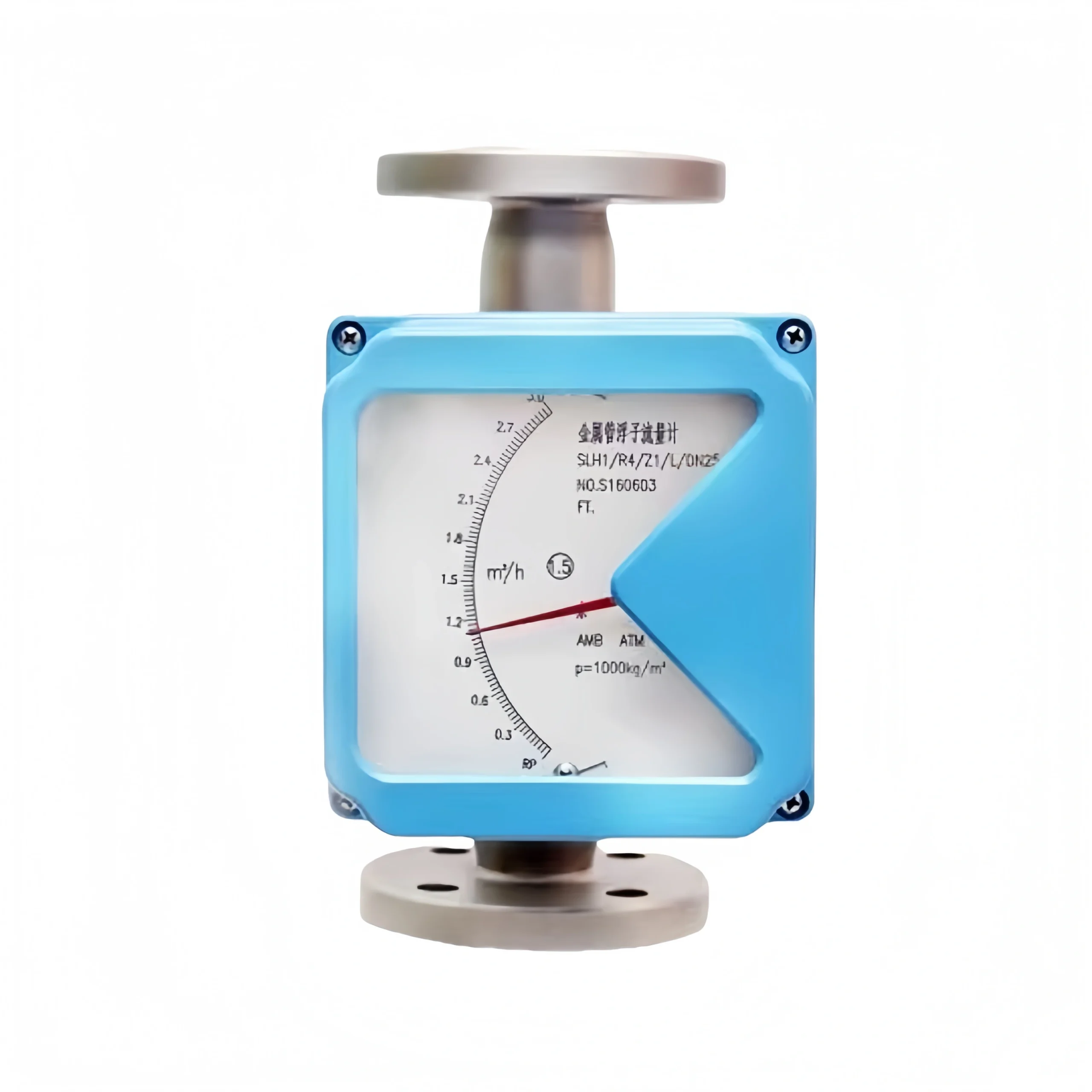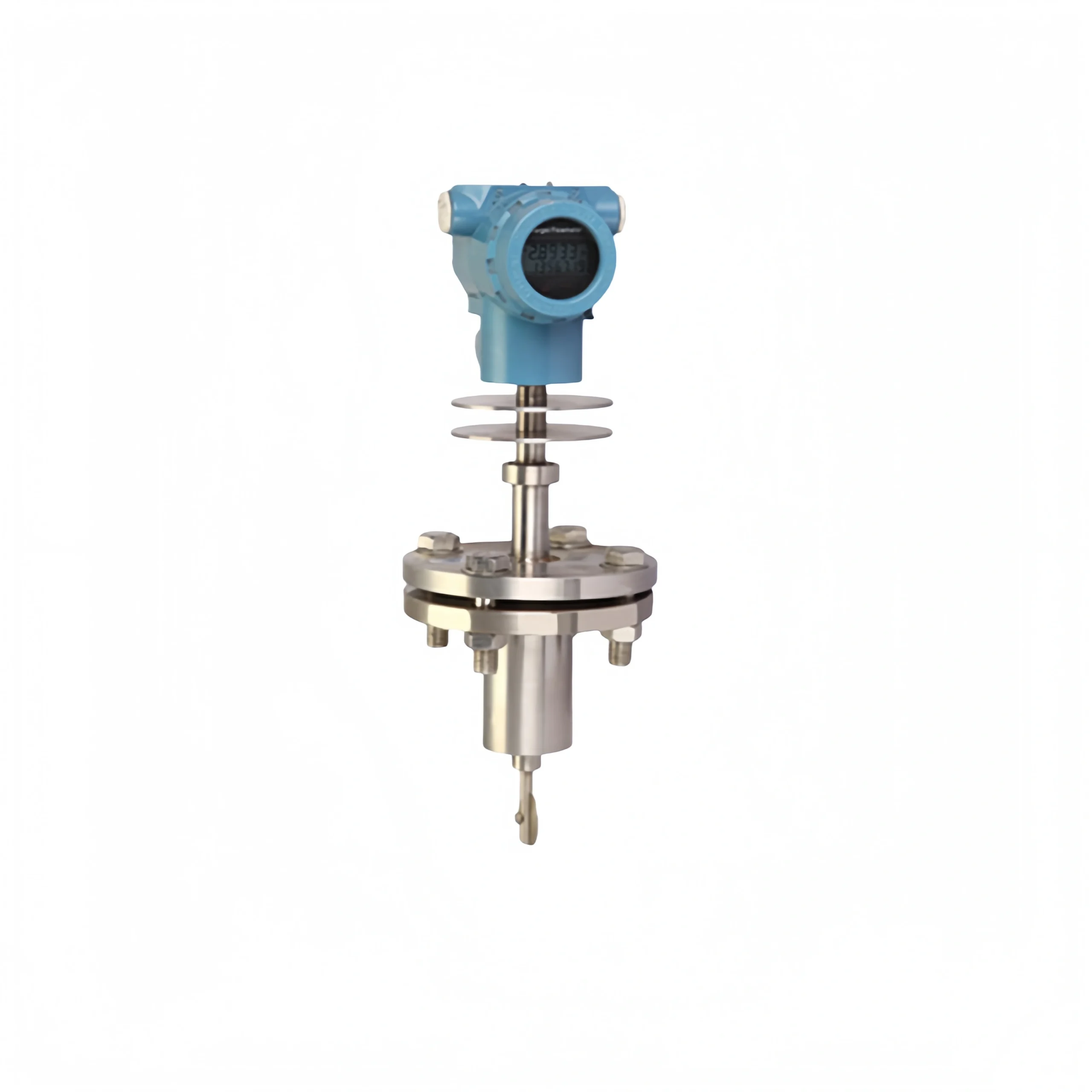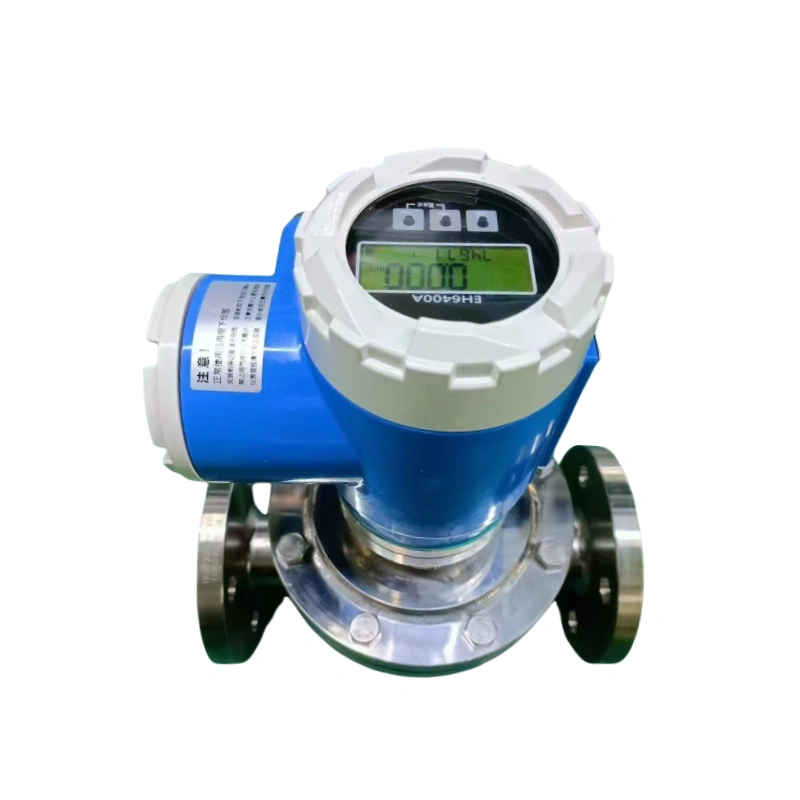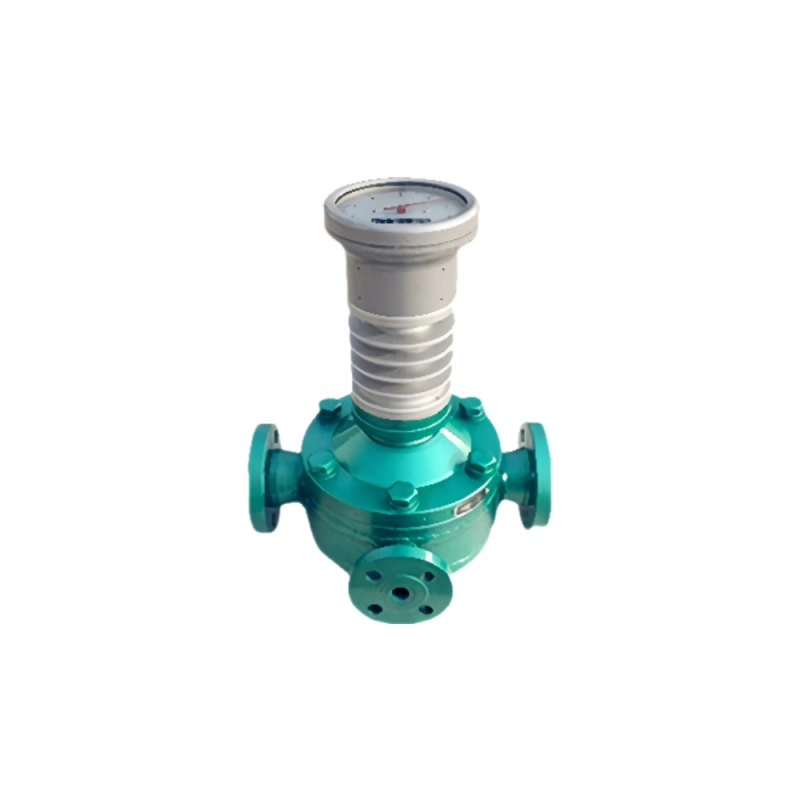
Due to their high flow resistance and unique physical properties, the measurement of flow rates for high viscosity fluids has long been a technical challenge in the field of industrial automation.
Flow meters designed for these fluids must overcome core issues such as viscosity interference and clogging prevention, making them of significant academic and practical value for precise production and cost control in industries such as chemicals and petroleum.
High viscosity fluids
High-viscosity fluids refer to fluids with a viscosity significantly higher than that of water (typically viscosity > 100 cP or kinematic viscosity > 100 cSt). These fluids possess high dynamic viscosity and relatively high flow resistance.
They exhibit poor fluidity and flow slowly under natural conditions, requiring external force for smooth conveyance. They are generally distinct from low-viscosity media such as clean water and light oils, and are widely encountered in various industrial production scenarios.
Characteristics of High Viscosity Fluids
High internal friction and complex flow behavior: These fluids have a lot of internal friction, so they don’t move fast. Compared to thinner fluids, they burn through more energy, and their flow often breaks away from Newtonian behavior — the standard ideal fluid equations fall short, so figuring out flow patterns gets messy.
Prone to adhesion and stagnation: The molecules in these fluids grip each other tightly, and they grip pipe walls and instrument surfaces just as hard. That leads to spots where fluid just sits still. Throughput drops, and if those stagnant patches hang around long enough, they can harden and block the line.
Extremely temperature-sensitive: Even a small temperature swing sends viscosity jumping. A few degrees either way can change the fluid’s thickness dramatically, which then ripples out to how it flows and how tough it is to move through the system.
High pressure loss during transportation: Pumping this stuff takes way more pressure than low-viscosity media. Pumps have to work harder, pipes need to be built tougher, and seals can’t afford to fail.
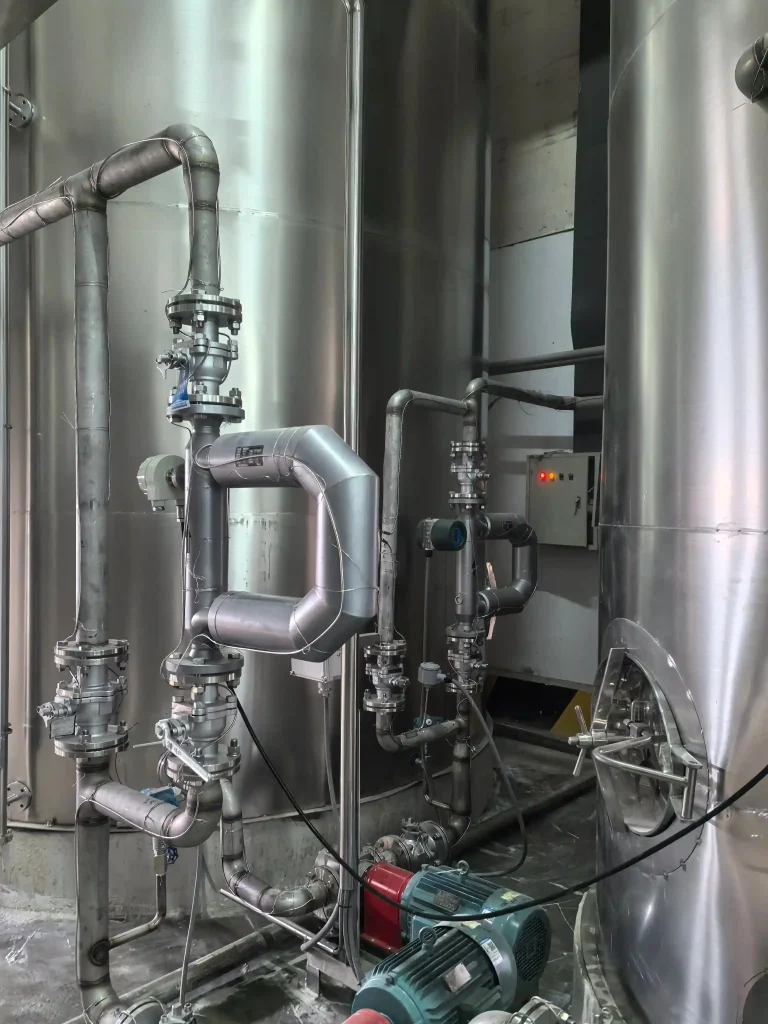
Challenges in Measuring the Flow of High Viscosity Fluids
Viscosity Fluctuations Affect Accuracy: In actual operation, temperature and pressure rarely stay constant — they shift around, and the fluid’s viscosity shifts with them. Conventional flow meters weren’t built to handle this kind of real-time variation, so readings drift. For industries that need tight control, that drift is a problem.
Prone to Instrument Jamming: Sticky fluid clings to everything inside the meter. Over time, this buildup can gum up moving parts or coat sensor surfaces. Accuracy suffers first; if it gets bad enough, the instrument simply stops working properly.
Measurement Stability: High-viscosity fluids don’t flow in neat, orderly streams. The velocity profile stays messy and unstable, which throws off velocity-type flowmeters. The data you get tends to jump around, so it’s hard to trust any single reading.
Wear on Components: These fluids often carry fine grit or other impurities. As the fluid pushes through, that grit scrapes against the meter’s internal parts — rotors, bearings, whatever’s in there. Parts wear out faster, and maintenance crews end up working on the unit more often.
Poor Flowmeter Compatibility: Most off-the-shelf flowmeters are designed with water-like fluids in mind. They don’t account for how thick, sticky media actually behave. So when you install one on a high-viscosity line, it usually underperforms — if it works at all. Getting reliable, stable measurement out of it tends to be an uphill battle.
Common High Viscosity Fluids in Industry
Polymer melts and solutions: Examples include plastic melts such as polyethylene (PE), polypropylene (PP), and polystyrene (PS), as well as polymer solutions found in paints, coatings, and adhesives, which exhibit significantly high viscosity during processing and application.
Petroleum and Heavy Oil Products: These include crude oil (especially heavy crude), asphalt, heavy oil, lubricating oil, grease, and petroleum tar. Their high molecular weight and complex structure result in extremely poor flowability.
Food and Bioproducts: These include concentrated or high-solids food materials such as honey, syrup, chocolate sauce, ketchup, jam, and peanut butter; as well as biotechnology liquids such as fermentation broths and cell culture media.
Chemical Slurries and Suspensions: These include various resin slurries, pigment pastes, ceramic slurries, battery slurries (such as anode and cathode slurries for lithium-ion batteries), and chemical intermediates containing high concentrations of solid particles.
Silicone Oils and Silicone Products: Examples include dimethyl silicone oil, silicone grease, and silicone rubber base compounds. These products feature good temperature stability and a wide viscosity range, and are widely used in sealing, lubrication, and electronics applications.
Natural Latex and Rubber: Such as natural rubber latex, styrene-butadiene latex, and liquid or molten forms of various synthetic rubbers, commonly used in tire and rubber product manufacturing.
Cellulose Derivatives and Starch Pastes: Such as carboxymethyl cellulose (CMC) solutions, hydroxypropyl methylcellulose (HPMC) solutions, and modified starch pastes, frequently used in textile sizing, papermaking, and the construction industry.
Sealants and joint fillers: Examples include epoxy adhesives, polyurethane sealants, silicone sealants, and putty, which present as high-viscosity pastes or pastes during application.
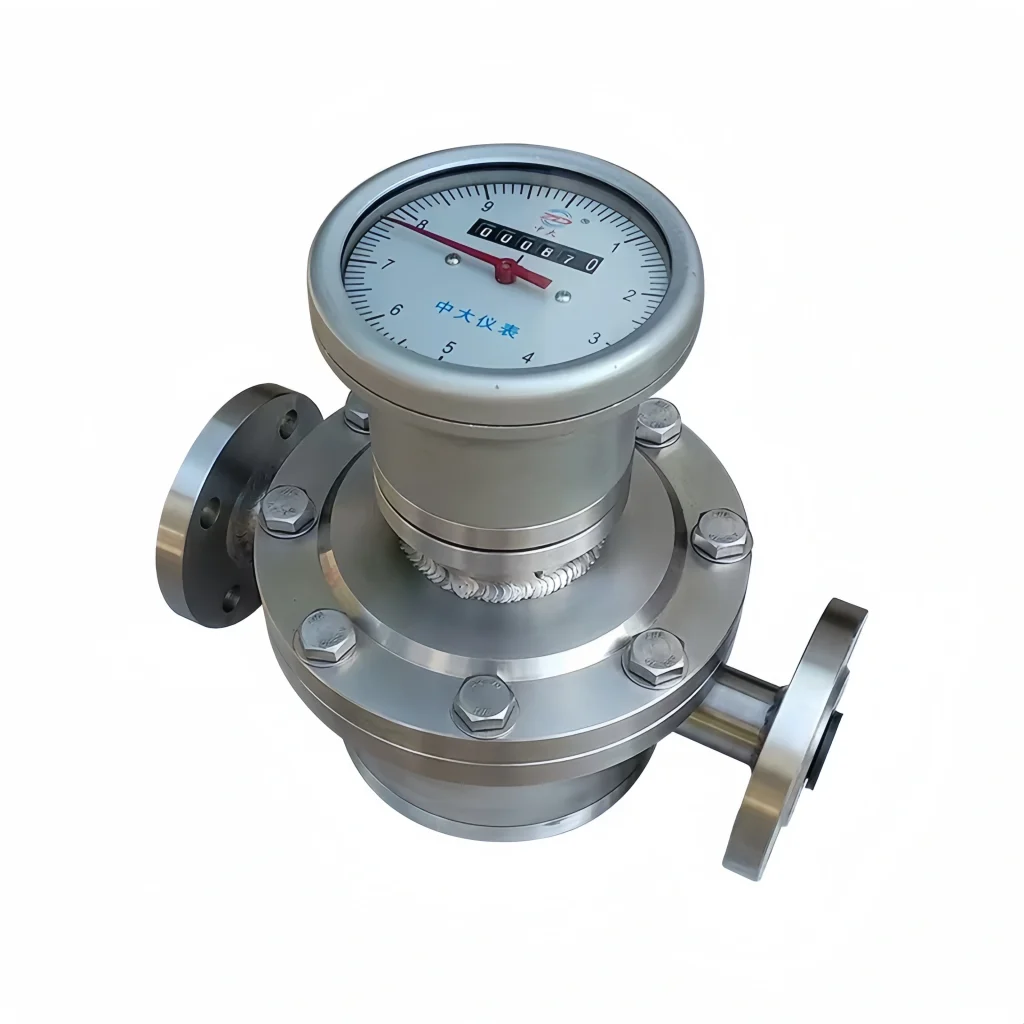
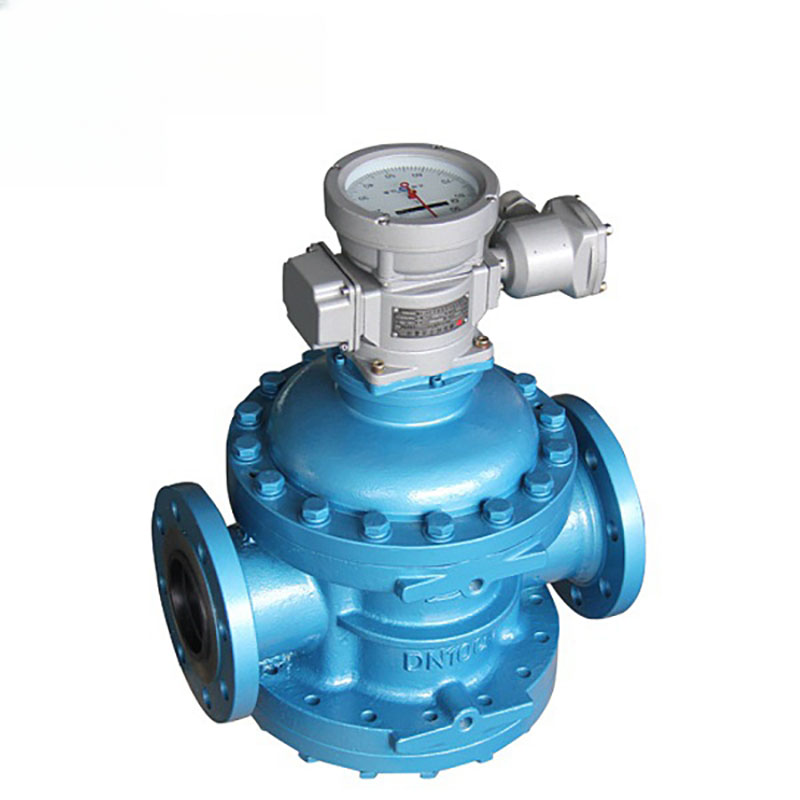
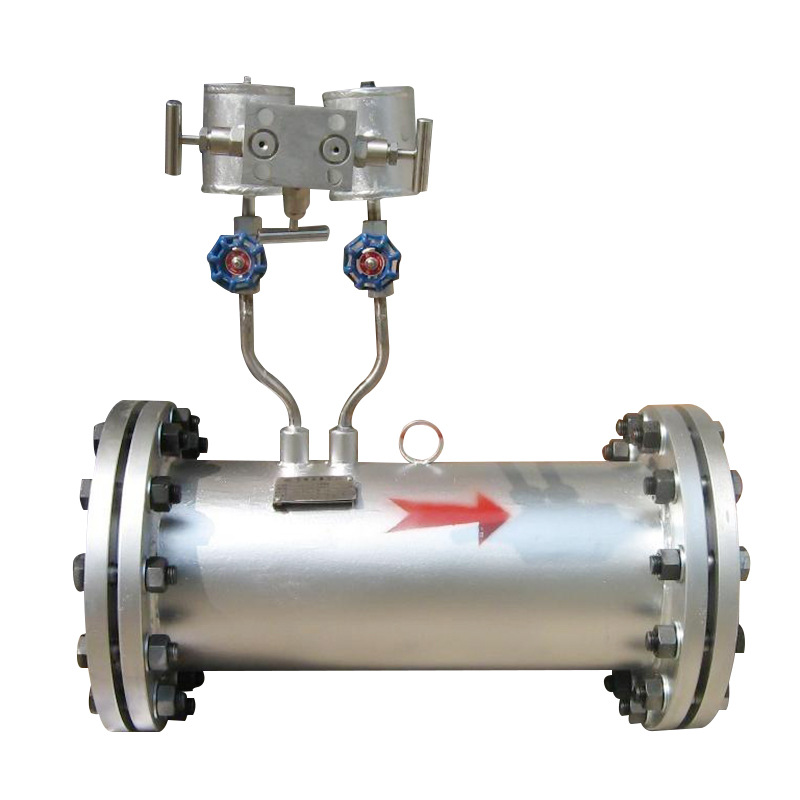
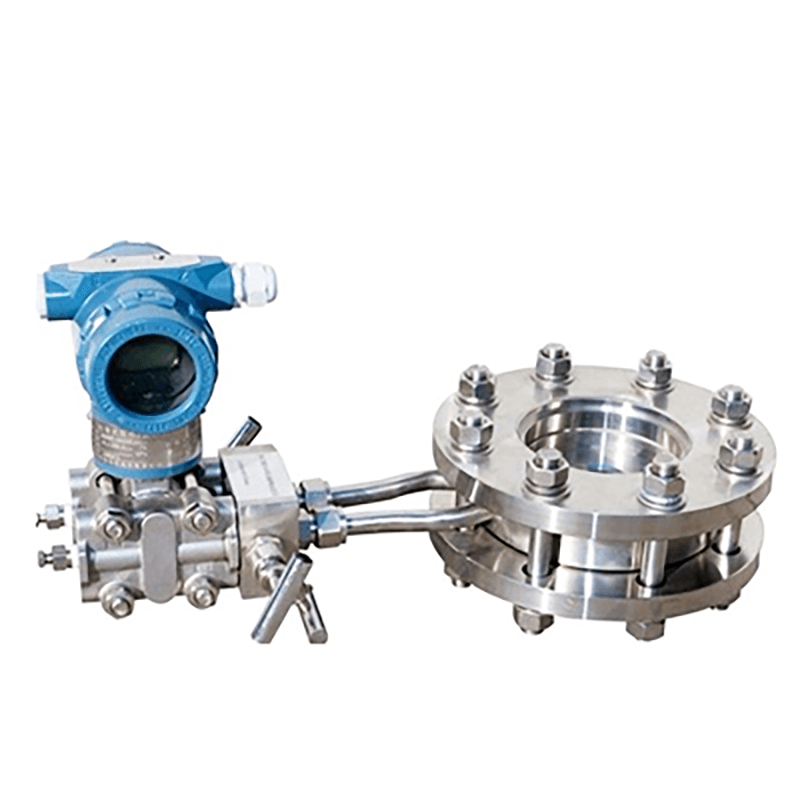
High Viscosity Fluid Flow Meters
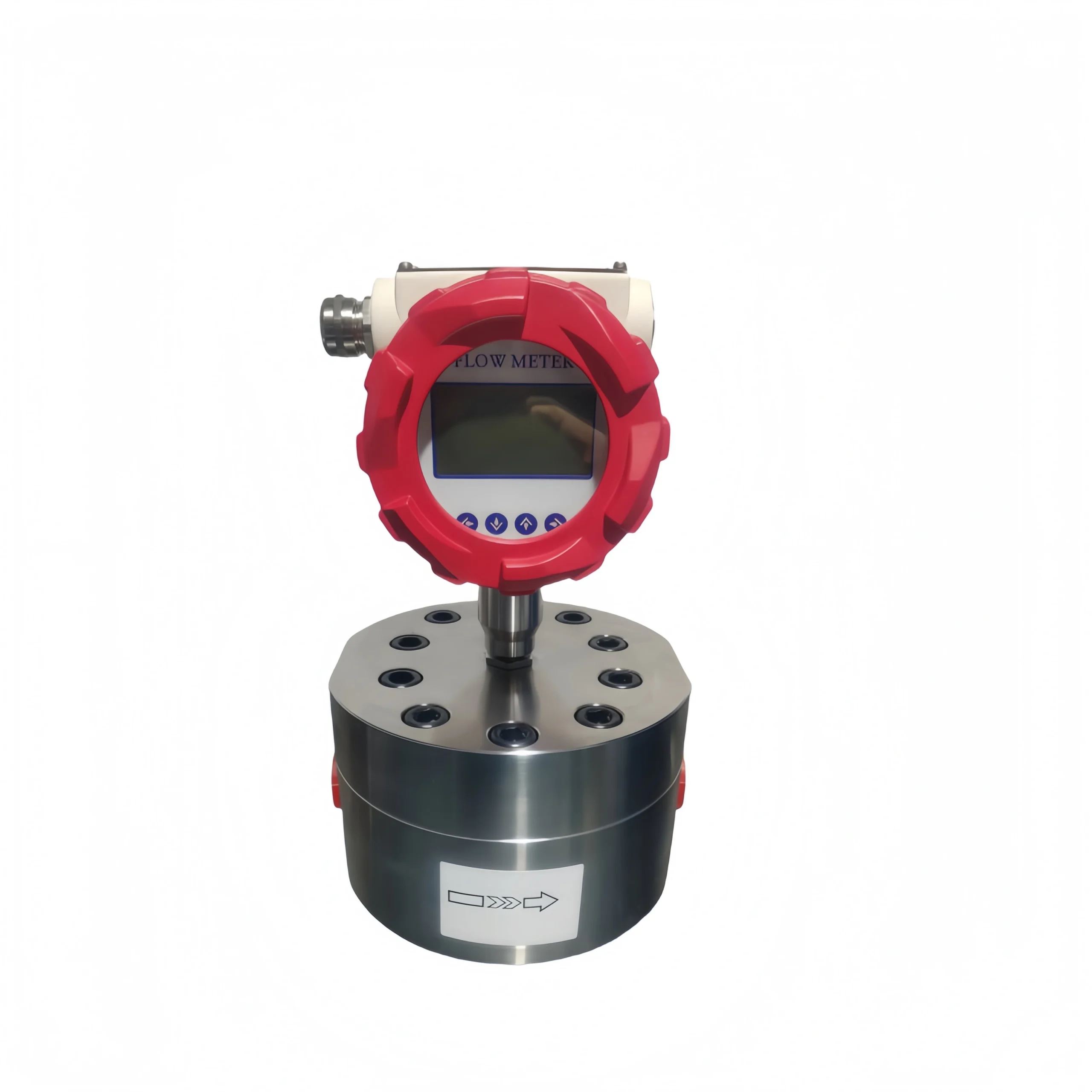
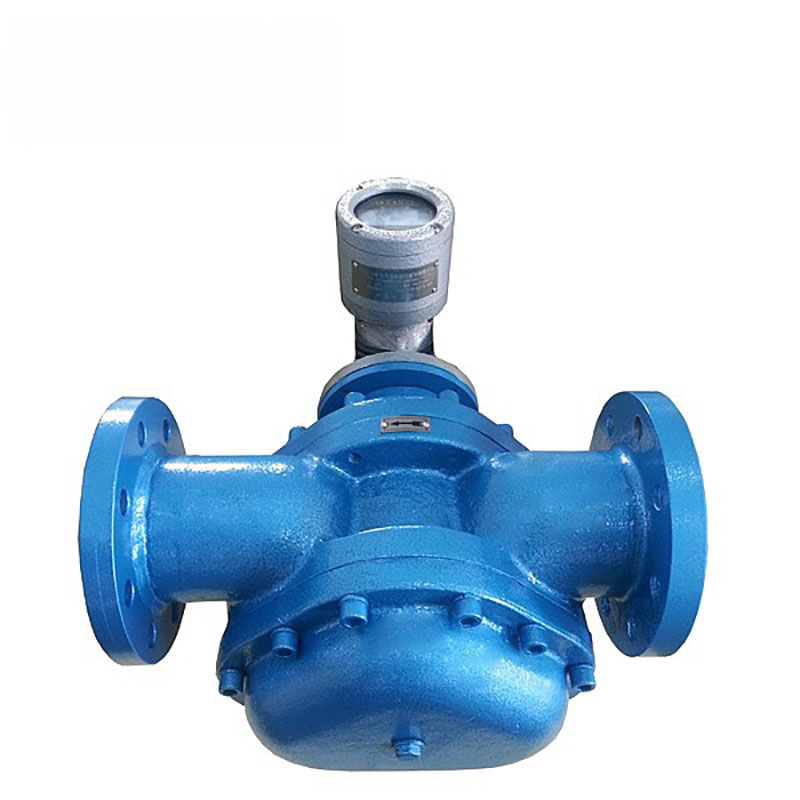
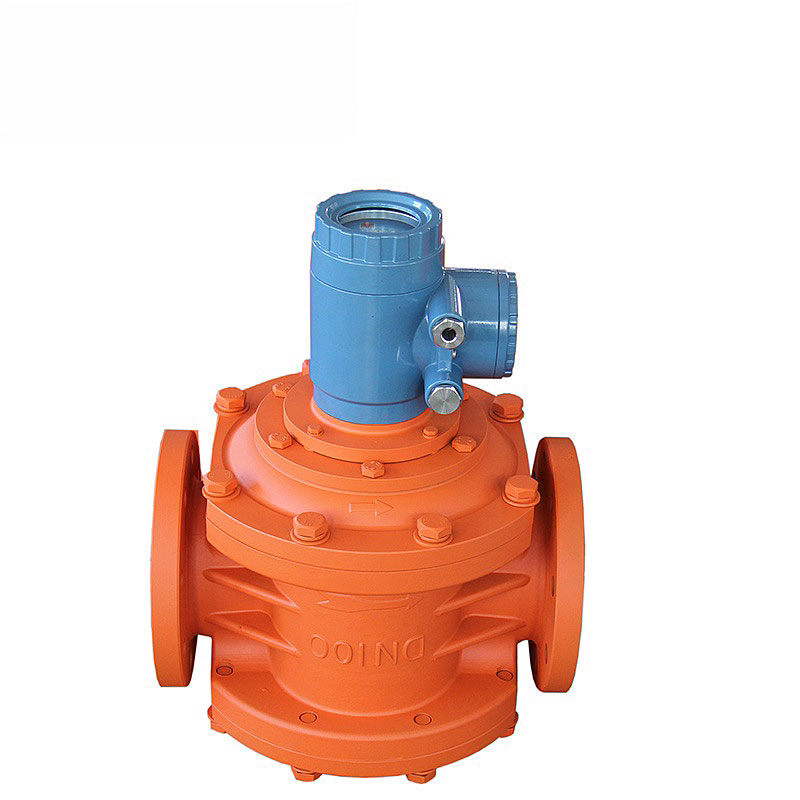
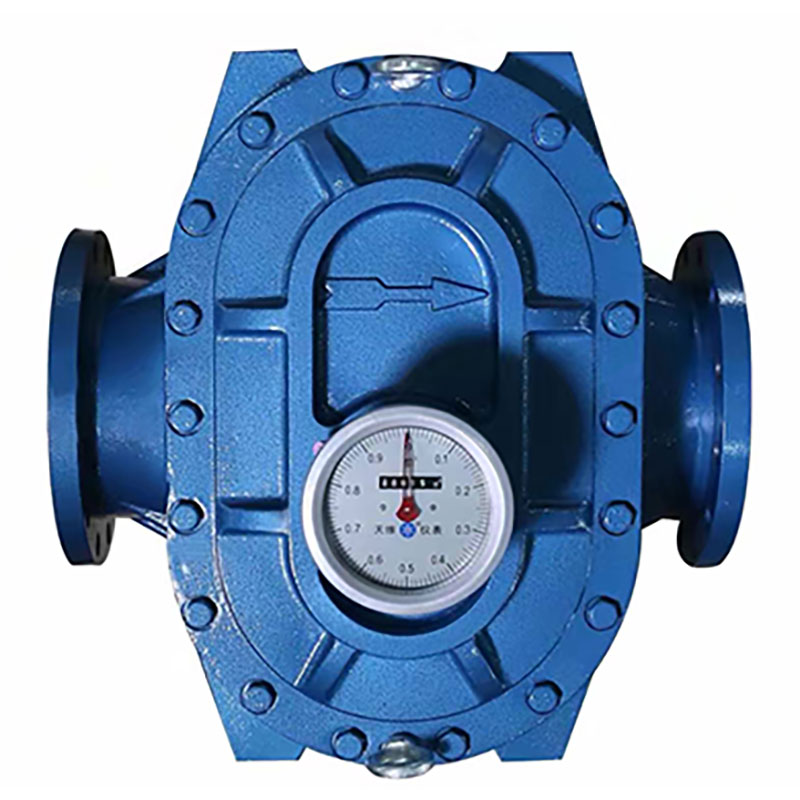
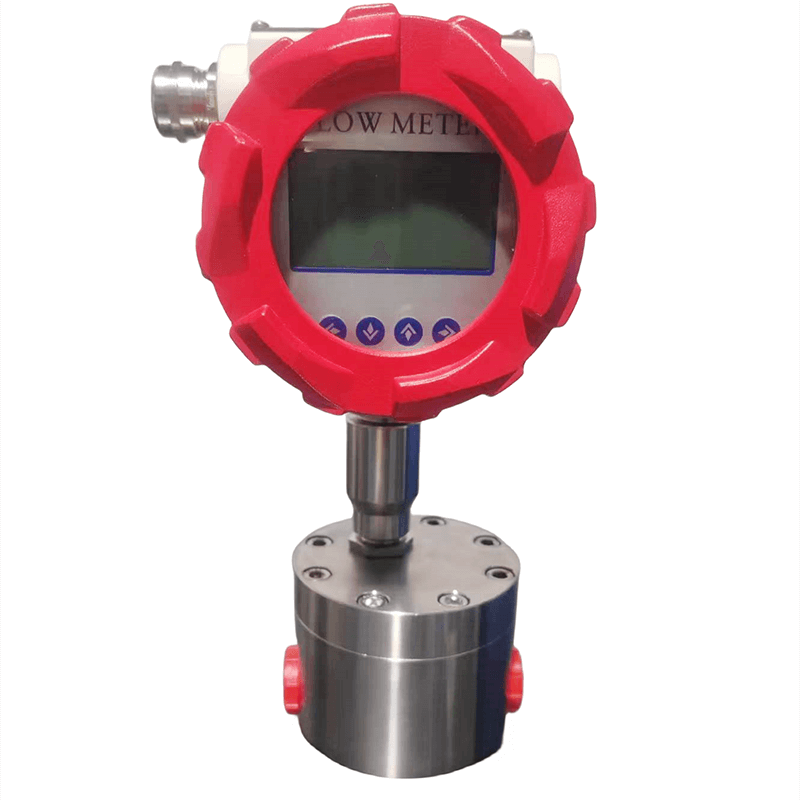
Positive Displacement Flow Meters
Principle of Operation
These meters work on a simple idea: fixed-volume displacement. Fluid pushes internal moving parts — oval gears, wafer gears, or similar — around in a cycle. Each full rotation kicks out exactly the same volume.
A counter keeps track of rotations, and from that you get cumulative and instantaneous flow. The nice thing is, viscosity changes don’t throw this off much. The whole system hinges on mechanical parts doing their job, so it stays precise regardless of how thick or thin the fluid gets.
Advantages
With high-viscosity fluids, the thick material actually helps — it forms a tighter seal between the measuring chamber and the rotating elements, cutting down internal leakage. That means even at low flow rates, accuracy holds up well.
Density shifts, temperature swings, Reynolds number changes — none of these mess with the reading much. The meter keeps performing across a broad viscosity range.
The construction is tough enough to handle viscous media that carry solid particles or lack lubricity. It doesn’t need ideal conditions to work.
It measures volume directly, so you don’t have to worry about upstream or downstream straight pipe runs. Installation is straightforward, which matters when plant layout is tight and space is at a premium.
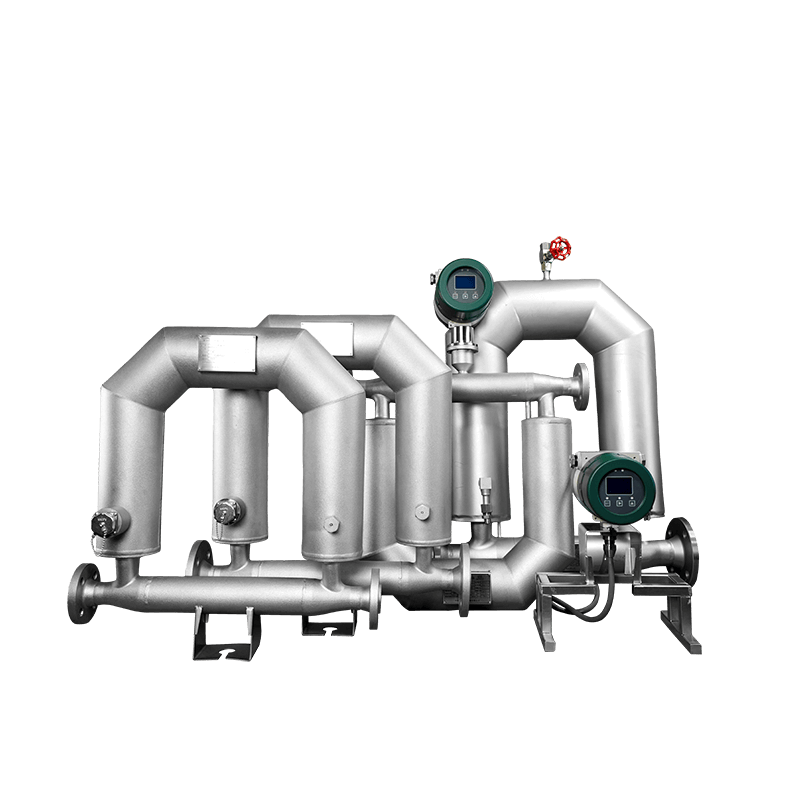
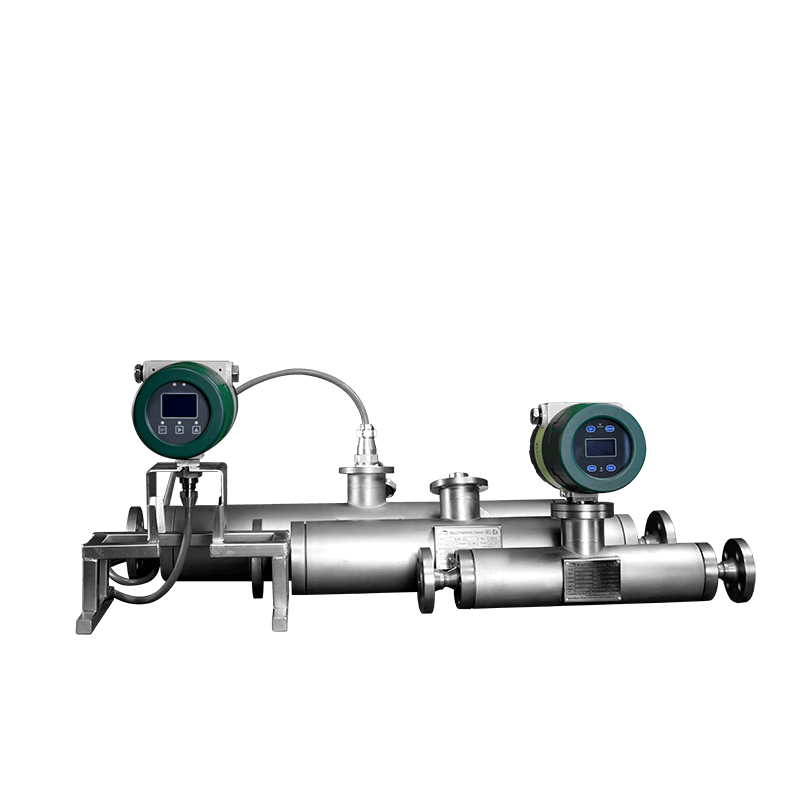
Coriolis Mass Flow Meter
Working Principle
This type runs on the Coriolis effect. Fluid enters a vibrating measuring tube, and as it moves through, it creates a Coriolis force that scales with mass flow rate. That force twists the tube slightly.
Sensors pick up the phase difference in the tube’s vibrations, and signal processing converts that into a mass flow reading. Because it targets mass directly, viscosity, temperature, and pressure variations don’t enter the equation.
Advantages
Mass flow is measured straight out — no need to compensate for temperature, pressure, or viscosity. Whatever happens to the fluid’s physical properties, the reading stays solid.
There are no moving parts inside. The fluid path is wide open, so sticky buildup or accumulation doesn’t lead to jamming or mechanical wear the way it might with other meter types.
On top of mass flow, it can output density and temperature signals too. That gives you a fuller picture for monitoring and controlling high-viscosity fluid processes.
Insensitive to flow patterns; no upstream or downstream straight pipe sections are required. Maintains high measurement stability even under low Reynolds numbers and non-Newtonian flow conditions.
Differential Pressure Flow Meter
Working Principle
This meter leans on the Bernoulli Equation. You put a throttling element in the pipe — when thick fluid squeezes through it, the velocity changes and a pressure drop shows up across the element. That pressure difference tracks with the square of the flow rate.
Measure the drop, factor in viscosity and density, and you’ve got your flow. The throttling element itself gets designed specifically for the low Reynolds number regime that high-viscosity fluids tend to run in.
Advantages
The design is straightforward, the technology is well-worn, and standards are well established. That translates to solid reliability and a long service life, even when you’re dealing with high temperature and high pressure alongside viscous media.
Pick the right throttling device — segmented orifice plates, wedge meters, whatever fits — and you can handle sticky fluids, scaling tendencies, or fluids carrying impurities without much trouble.
You don’t need to pretreat the fluid. If cold is a concern, just pair the meter with insulation jackets or heat tracing to keep the fluid from gumming up in the measurement section.
Cost is relatively low, maintenance is easy, and the meter has seen plenty of action in the long-haul transport and billing of heavy oil products across the petroleum and chemical sectors.
Target-Type Flow Meter
Principle of Operation
This one works off fluid impact force. A target plate sits in the middle of the pipe, and the flowing high-viscosity medium hits it head-on. Faster flow means harder impact, and that force scales directly with flow rate.
The meter turns that mechanical push into an electrical signal, runs it through circuitry, and spits out instantaneous and cumulative readings. It handles low-velocity conditions with thick media particularly well.
Advantages
Inside, there’s not much to break — the structure is simple and wears well. The target itself stands up to impact and doesn’t foul easily, so you can keep measuring high-viscosity, high-concentration fluids, even ones with fine particulate matter, over long stretches.
It stays accurate at very low flow rates, which makes it a good fit for heavy oil, asphalt, viscous slurries, and anything else that creeps along slowly.
Installation doesn’t demand long straight pipe runs, so retrofitting existing lines is usually painless.
It takes high temperatures and pressures in stride, resists corrosion, runs with few failures, and doesn’t need much attention day-to-day. Harsh industrial environments don’t phase it.
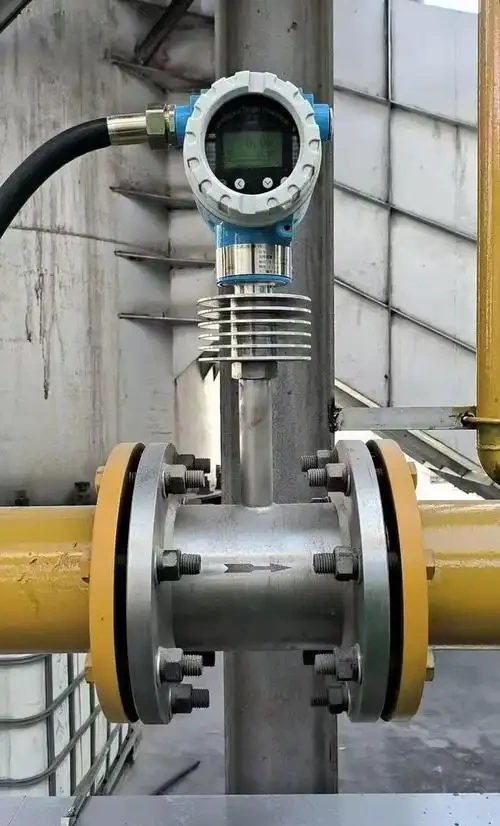
Selection Guide
1. First, get the fluid basics down: check the actual viscosity, operating temperature and pressure, how clean it is, and whether it’s carrying solid particles. When viscosity runs high, instruments that choke the flow become a real headache — avoid them.
2. Look at what the site actually offers: pipe size, available space, how much straight run you can get upstream and downstream, and what’s going on with the flow itself — steady, pulsing, or prone to settling out and solidifying.
3. Lock in the measurement specs: the flow range, accuracy class, and output signal type. Also flag any special requirements like explosion-proofing, corrosion resistance, or handling extreme temperatures and pressures.
4. Match the materials to the fluid’s aggressiveness. For media that’s both corrosive and sticky, stainless steel or PTFE are solid choices — they keep the inner walls from getting eaten away or coated with buildup that drifts the reading.
5. Work out the mounting based on layout constraints. For thick fluids that harden when cold, horizontal installation is usually the way to go, and you’ll want heat tracing and insulation to keep the instrument lines from plugging up.
6. Factor in the long-term picture, not just the upfront cost. Meters with simple internals, good resistance to clogging, and easy teardown save a lot of labor down the road — sticky buildup means cleaning, and cleaning means downtime.
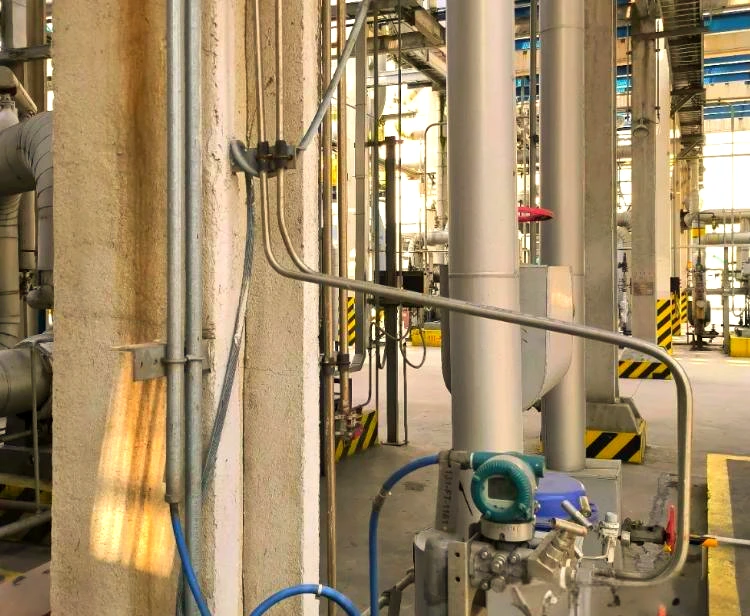
Rooted in the core requirements of industrial flow measurement and backed by professional technical expertise and a comprehensive product portfolio, Sino-Inst can fully meet flow measurement needs for high-viscosity fluids and various standard operating conditions.
Sino-Inst specializes in a full range of flow meters. We not only provide positive displacement flow meters, Coriolis mass flow meters, and ultrasonic flow meters suitable for high-viscosity fluids—precisely tailored to measurement scenarios involving high-viscosity media across industries such as chemicals, petroleum, food, and new energy—but also supply various general-purpose instruments including turbine flow meters, vortex flow meters, and electromagnetic flow meters, covering diverse measurement needs across different diameters, accuracy levels, and operating conditions.