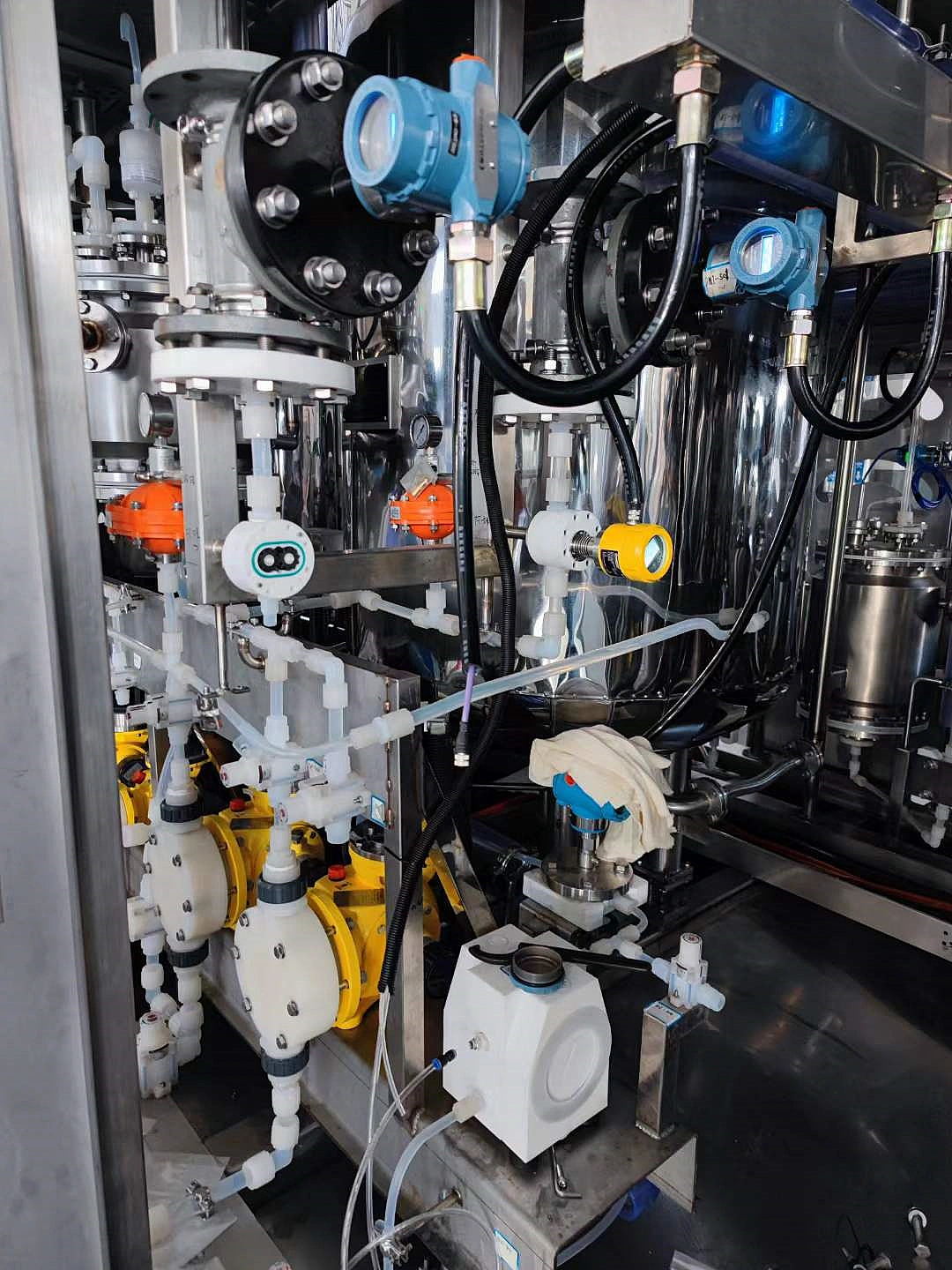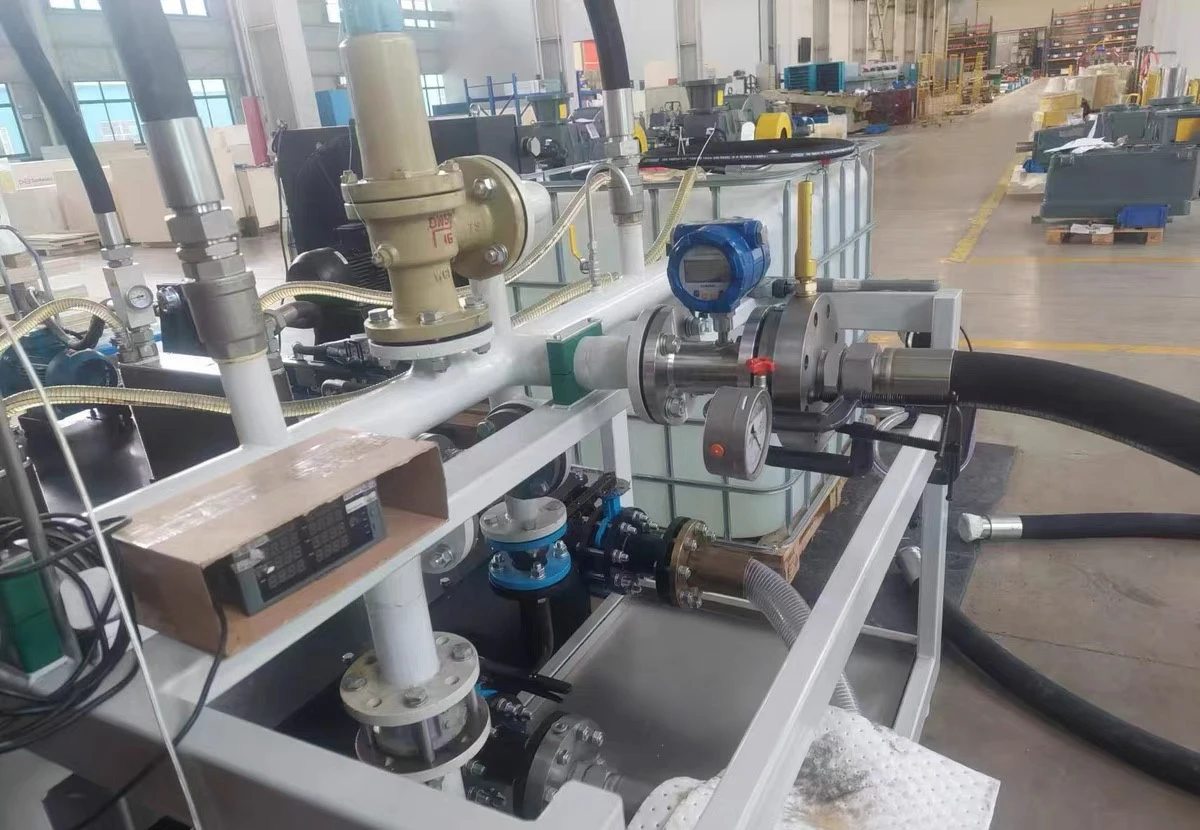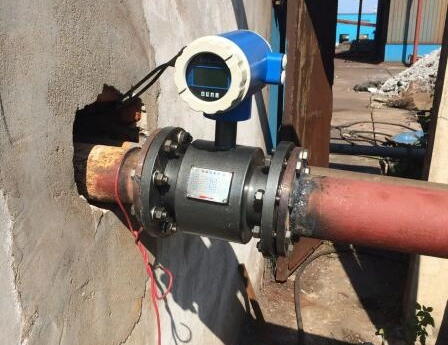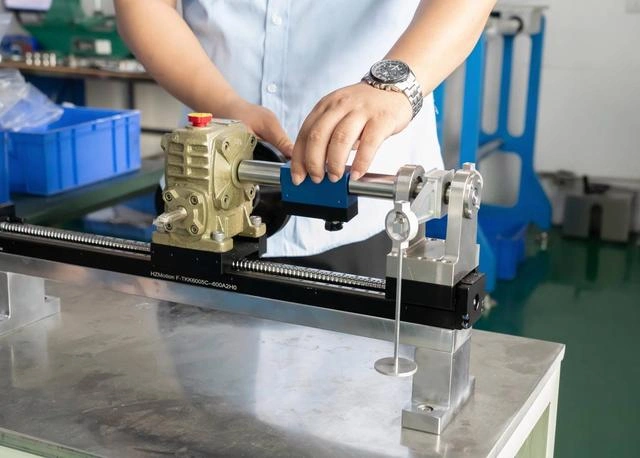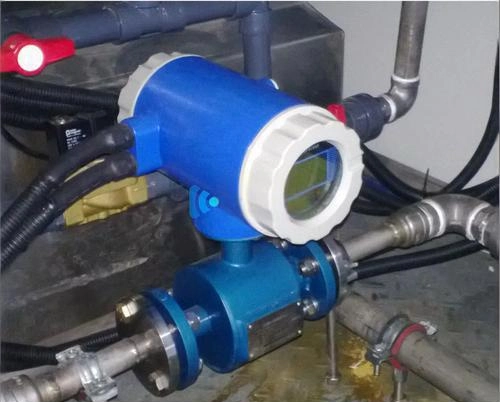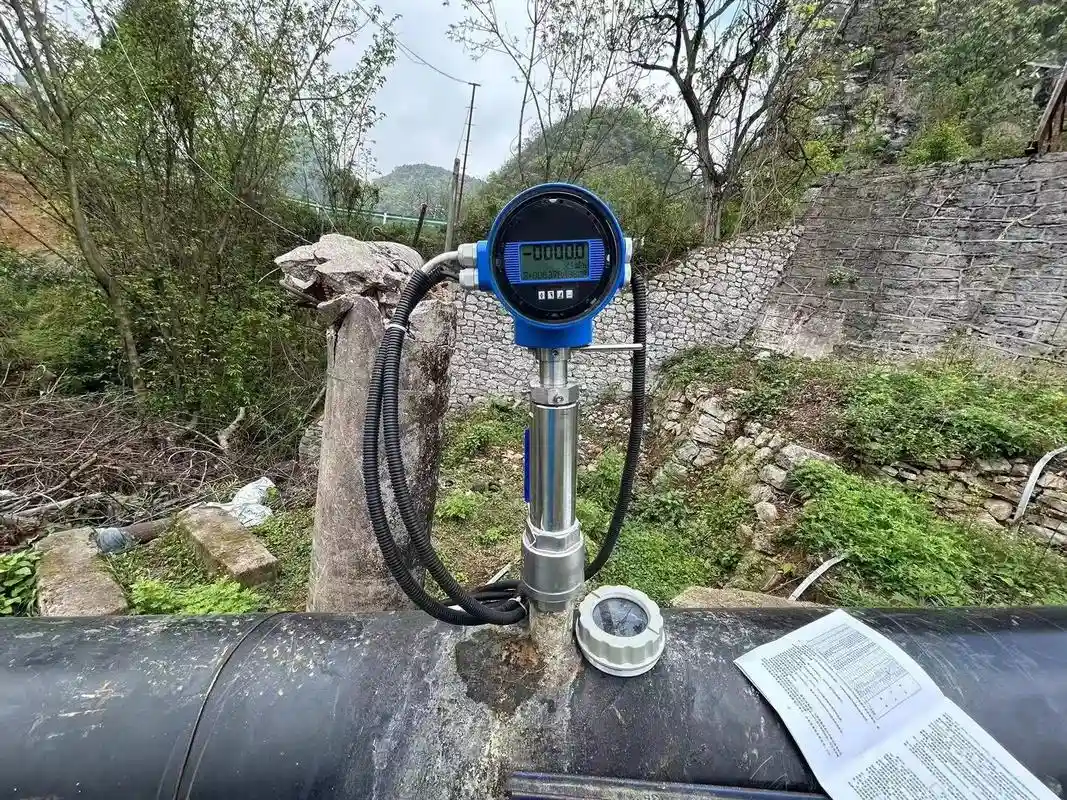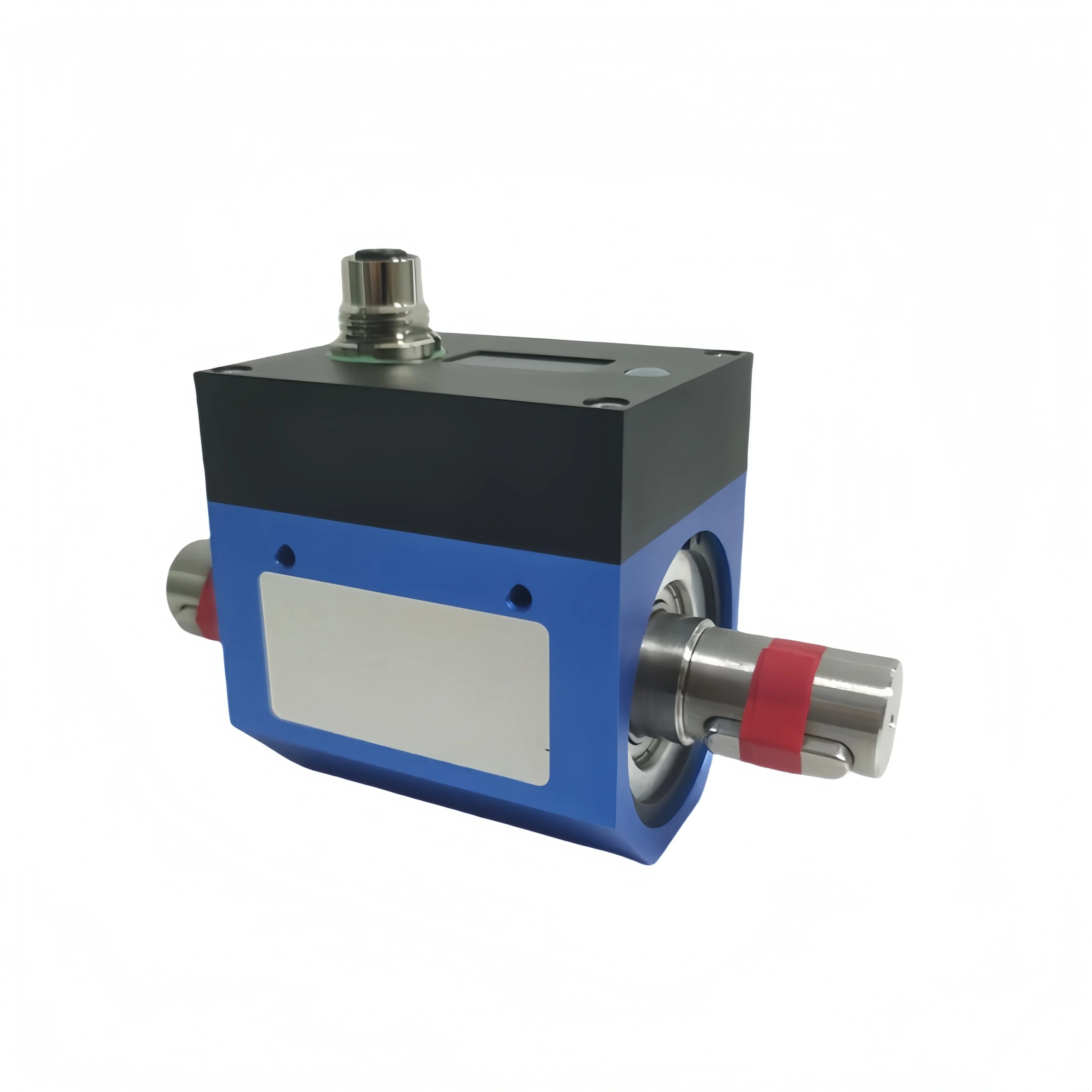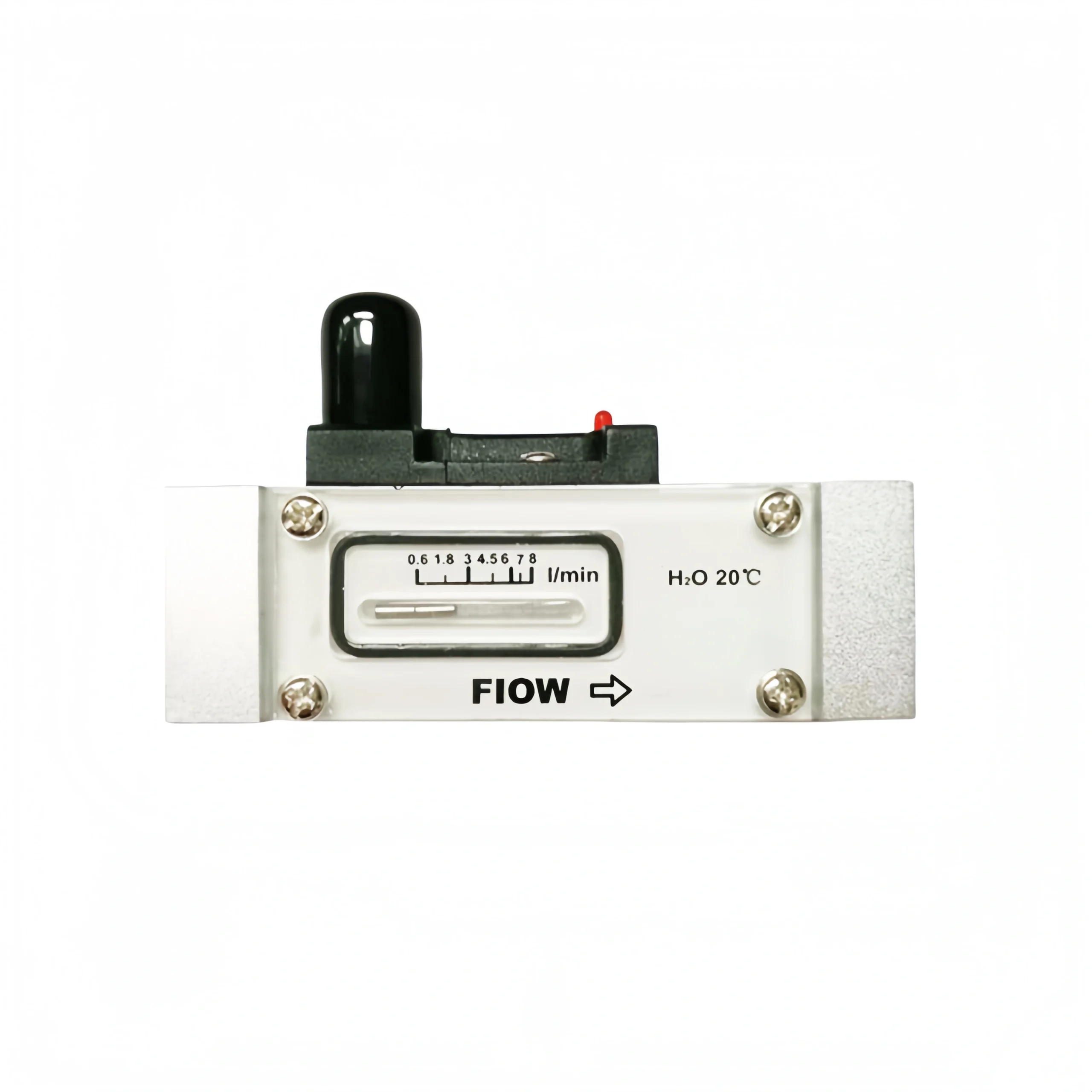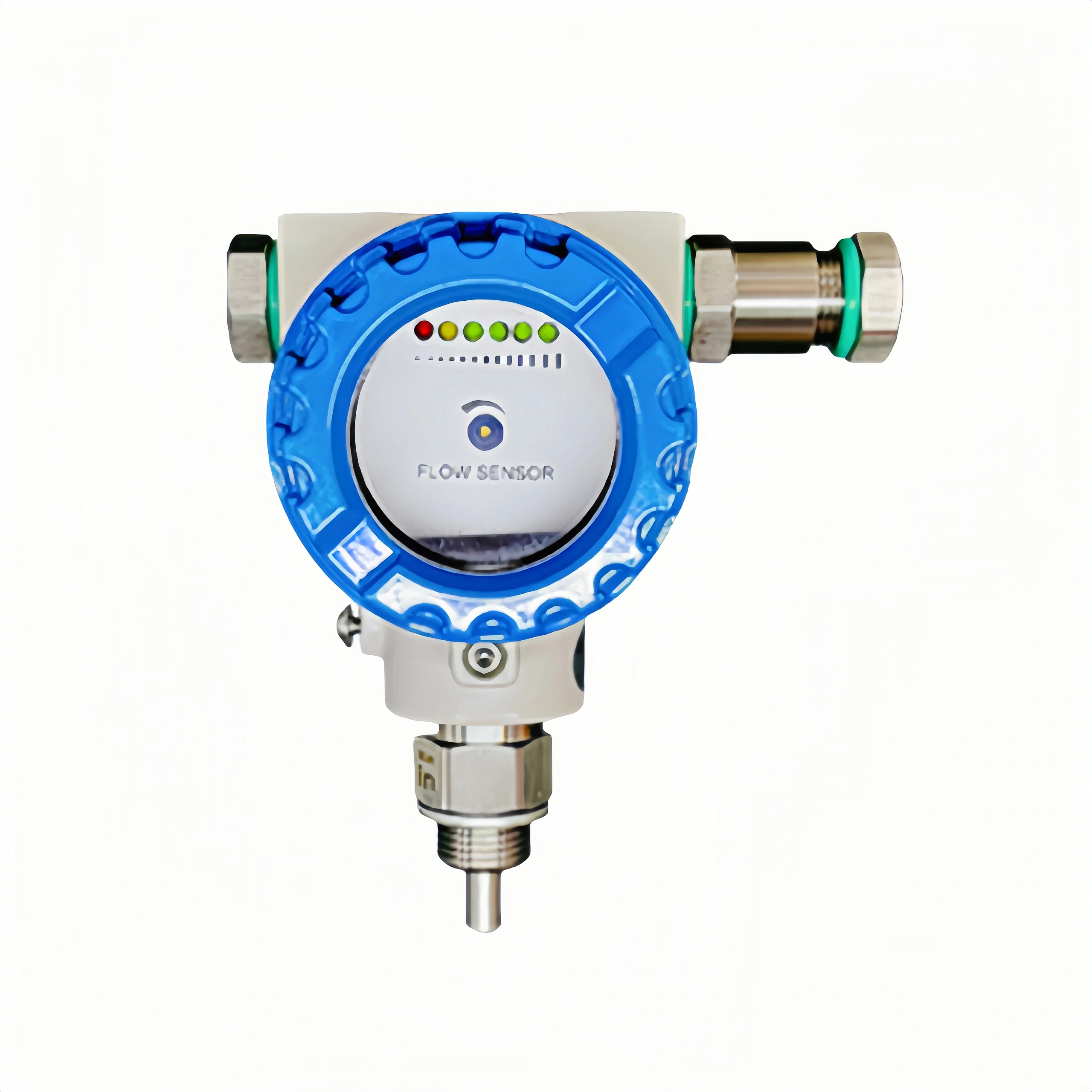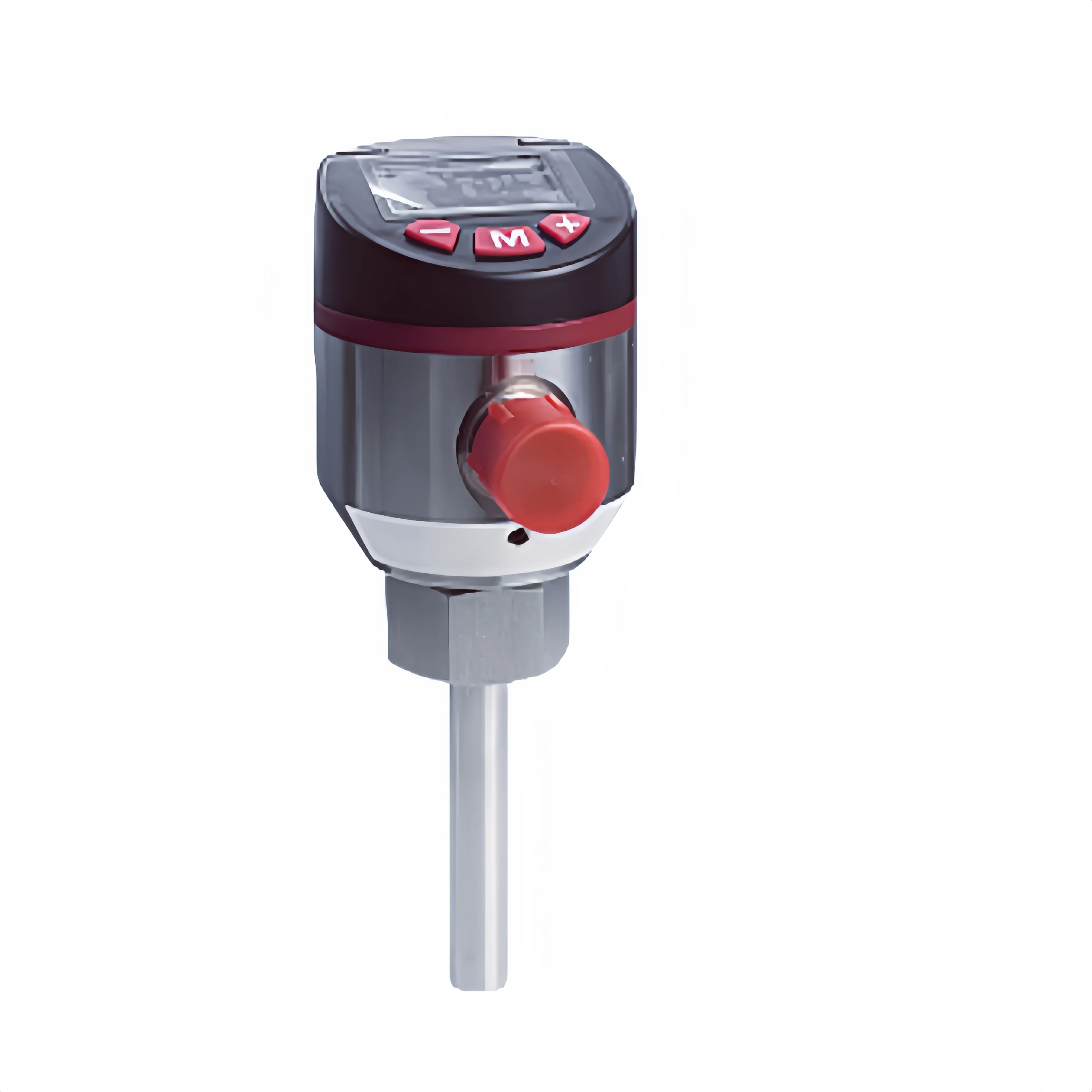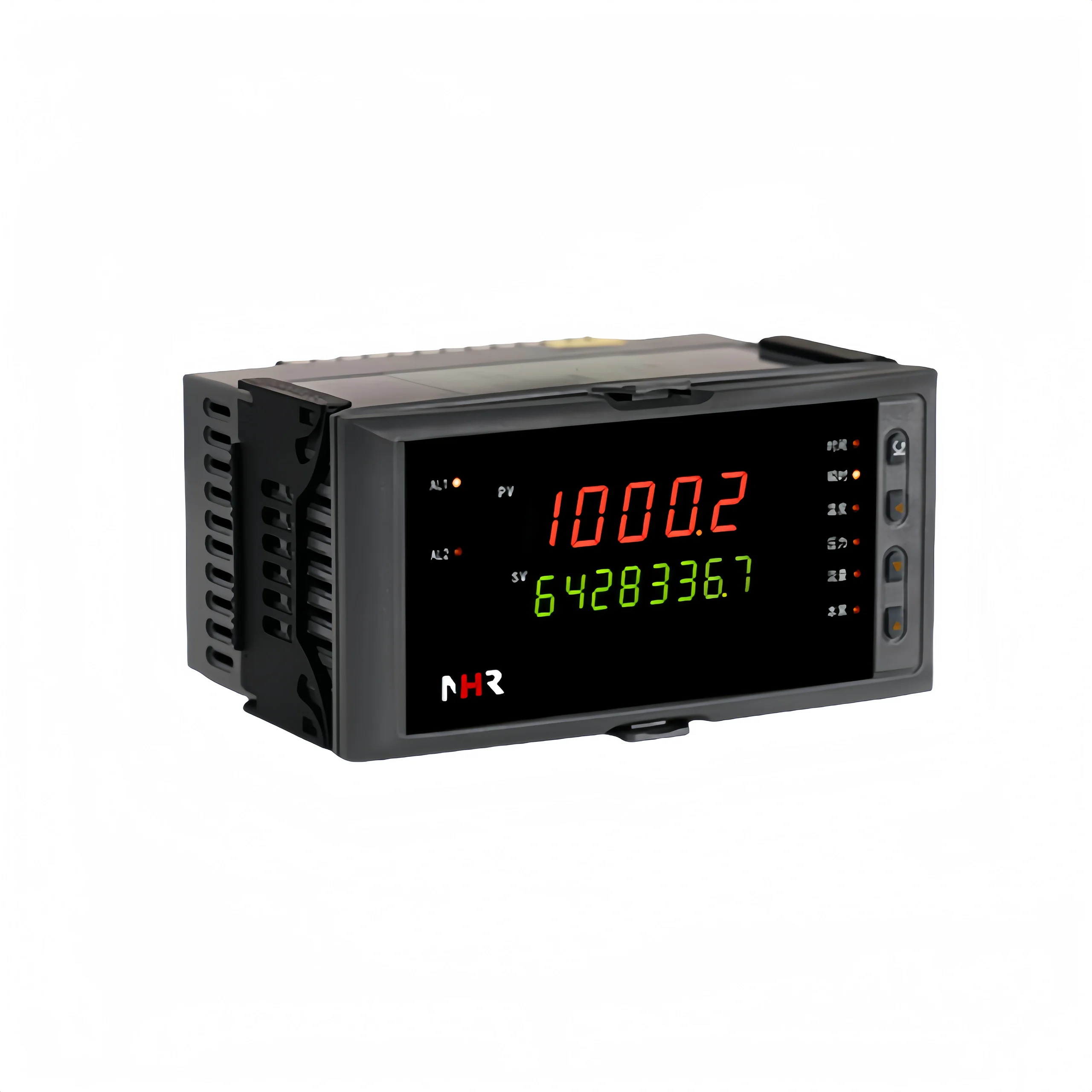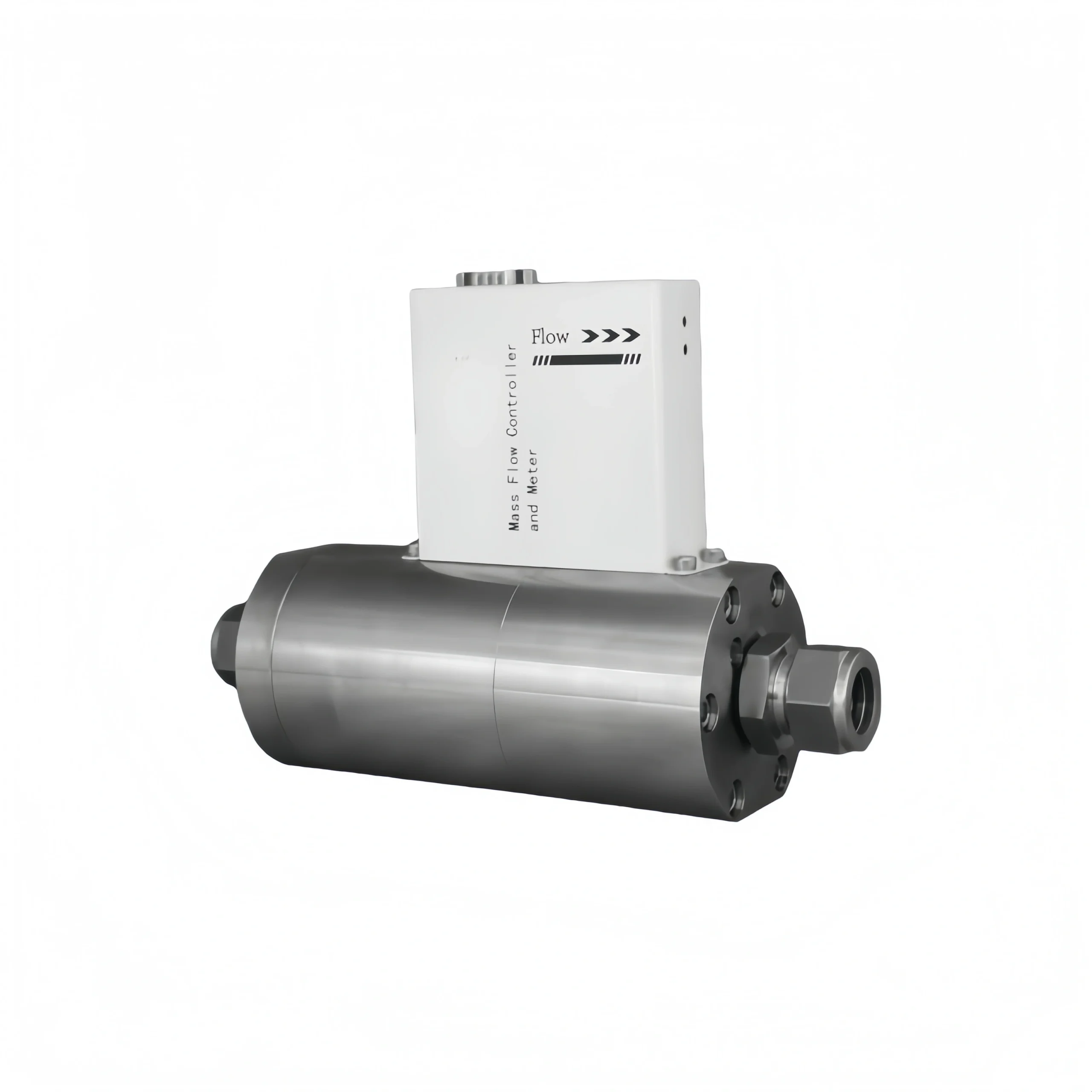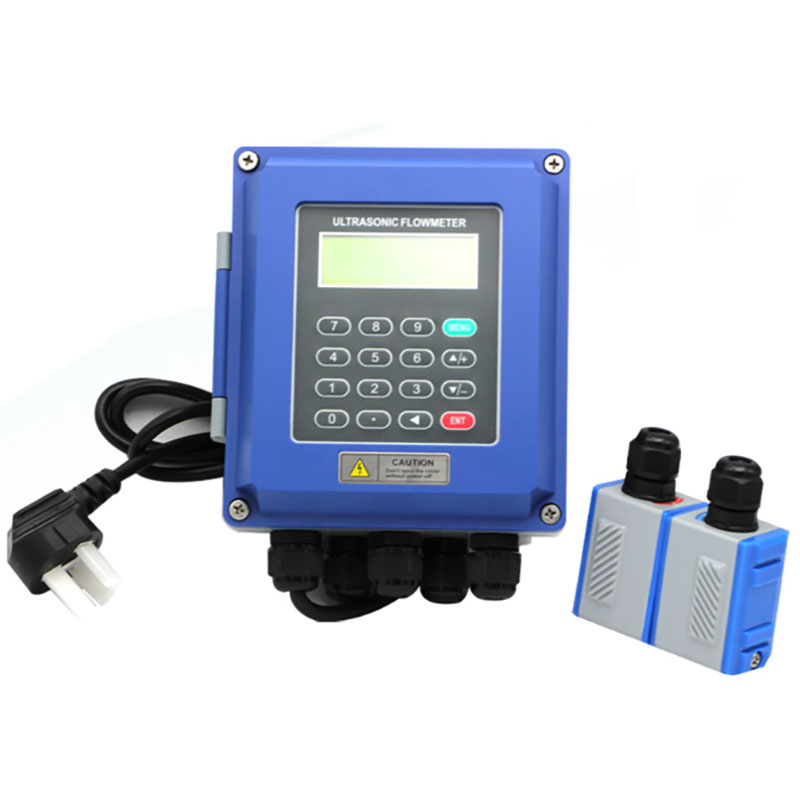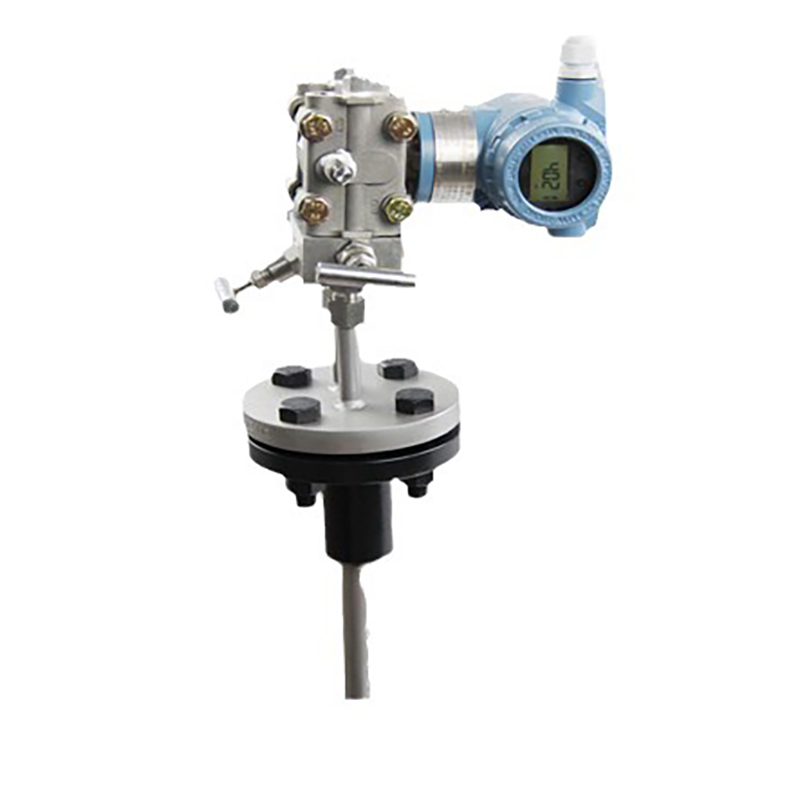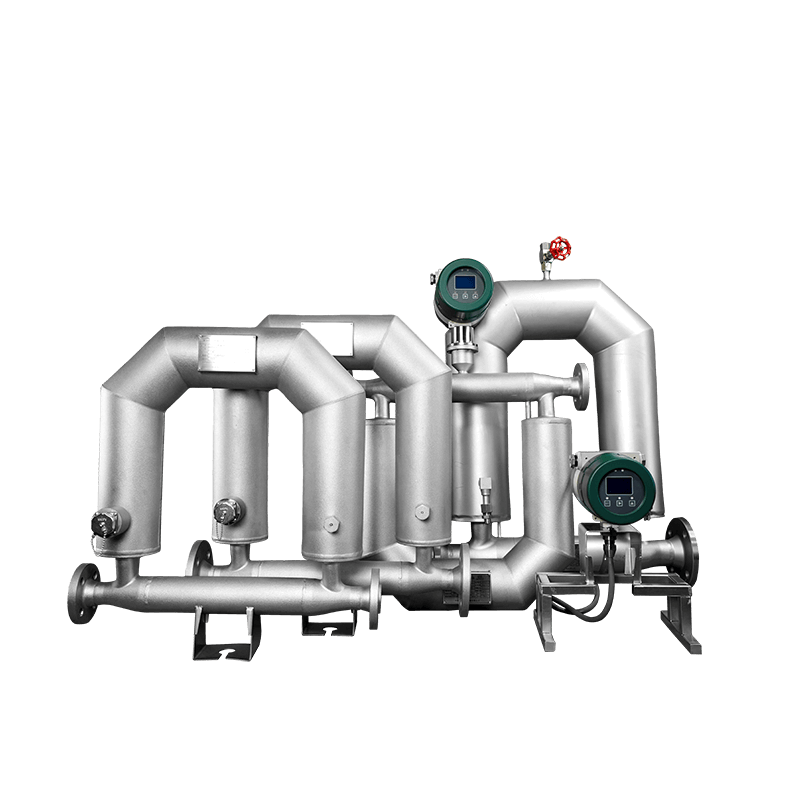
A stainless steel flow meter is a flow meter made using stainless steel. Stainless steel flow meters include various types. It includes electromagnetic flow meters, turbine flow meters, gear flow meters, and mass flow meters.
Stainless steel refers to steel that is resistant to corrosion from weak corrosive media such as air, steam, and water, as well as chemical corrosive media such as acids, alkalis, and salts. In practical applications, steel resistant to weak corrosive media is often called stainless steel. While steel resistant to chemical media is called acid-resistant steel. It is usually classified according to its metallographic structure into austenitic stainless steel, ferritic stainless steel, and martensitic stainless steel.
Based on these three basic metallographic structures, duplex steel, precipitation-hardening stainless steel, and high-alloy steel with an iron content of less than 50% have been developed for specific needs and purposes.
Advantages:
1. Stainless steel flow meters offer excellent corrosion resistance and are suitable for water, oils and weakly acidic or alkaline media. They resist corrosion from the medium and environmental oxidation, ensuring a long service life and reducing the need for equipment replacement.
2. With high mechanical strength and resistance to impact and vibration, they can withstand pressure fluctuations and conditions involving severe vibration. They are resistant to deformation and damage, making them suitable for long-term continuous operation in industrial environments.
3. The smooth inner walls prevent scaling and material build-up, making them easy to clean and ensuring excellent hygiene standards; they are suitable for measuring sanitary-grade fluids in the food, pharmaceutical and beverage industries.
4. They can withstand relatively high temperatures and operating pressures, making them suitable for measuring in high-temperature, high-pressure pipelines and offering a wide range of applicable operating conditions.
5. The welded seals are stable and resistant to media leakage, thereby mitigating the risk of leaks and ensuring on-site production safety.
6. They are resistant to rust in damp and outdoor environments, requiring no additional anti-corrosion coatings, which reduces the workload associated with subsequent operation and maintenance.
7. The material is highly versatile, compatible with various flowmetres such as electromagnetic, vortex and V-cone types; accessories are standardised, making the procurement and replacement of spare parts convenient.
Disadvantages:
1. Procurement costs are higher than those of cast iron or plastic materials, resulting in higher initial equipment investment; cost-effectiveness is limited under standard operating conditions.
2. It cannot withstand highly corrosive media such as concentrated acids or high chloride ion concentrations, and is prone to pitting corrosion; highly corrosive conditions must therefore be avoided.
3. The unit is relatively heavy, and large-bore products require additional pipe supports, increasing the difficulty of on-site installation and construction.
4. Hard particulate media can cause scouring and wear to the inner walls, whilst thermal expansion in high-temperature environments may affect measurement accuracy over the long term.
5. It readily attracts magnetic impurities; some magnetic detection-type flowmeters may be affected by the material, causing signal anomalies.
.
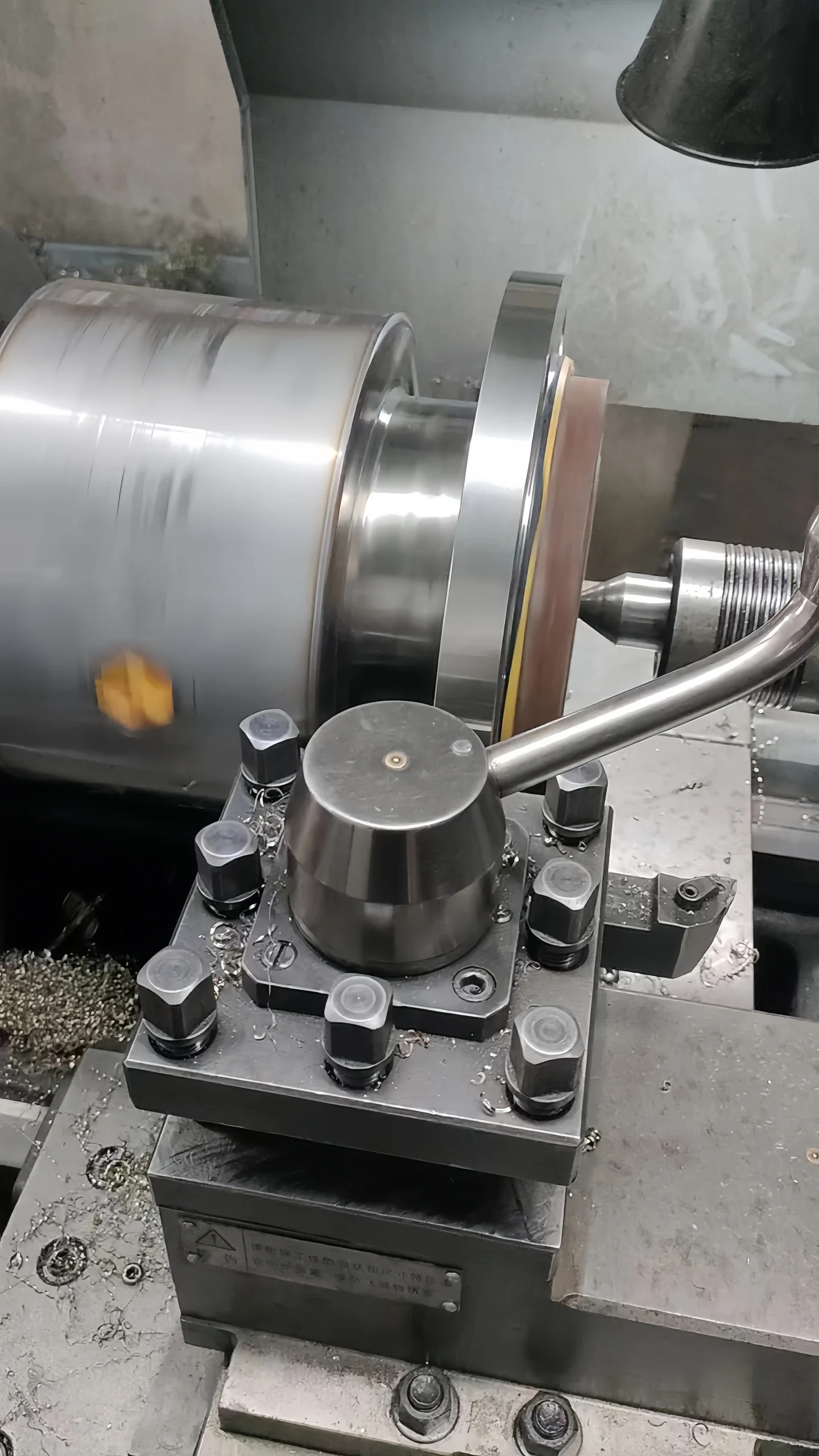
A PVC flow meter is a flow meter made of PVC material. PVC flow meters come in various types, rotor flow meters, electromagnetic flow meters, turbine flow meters, and GF gear flow meters, among others. PVC flow meters are adaptable to acidic and alkaline environments and have a compact structure. Its prices range from tens to thousands of dollars, which meet different accuracy and functional requirements.
Advantages:
1. PVC flowmeters have low procurement costs and require minimal initial investment, making them suitable for low-pressure applications with limited budgets.
2. They offer excellent resistance to acid and alkali corrosion and are highly compatible with corrosive media such as dilute acids, dilute alkalis and salt solutions; they are frequently used in chemical wastewater treatment applications.
3. The material is lightweight, making the entire unit portable and easy to handle and install; even large-bore models do not require additional reinforcement or support, thereby reducing installation costs.
4. They possess good insulating properties, are free from electrochemical corrosion, do not generate magnetic interference, and are suitable for measuring conductive media.
5. The inner wall is smooth and streamlined, preventing media from adhering and forming deposits, thereby reducing measurement errors caused by fouling and minimising routine maintenance requirements.
6. It possesses inherent corrosion resistance, eliminating the need for anti-corrosion coatings and reducing subsequent anti-corrosion procedures.
7. It withstands humid and aqueous environments; it will not oxidise or rust in wet conditions such as sewage or seawater.
8. It is easy to machine and form; the valve body can be manufactured as a single piece, featuring multiple connections for flexible on-site pipeline splicing.
Disadvantages:
1. Temperature resistance is limited; high-temperature media can cause the material to soften and deform, so it is only suitable for low-temperature applications.
2. Pressure resistance is low; it is only suitable for low-pressure pipework and is prone to cracking and damage in high-pressure environments.
3. Resistance to impact and water hammer is poor; it is prone to fracturing in environments subject to significant vibration.
4. It is not resistant to concentrated acids, alkalis or strong solvents; contact with these substances will cause swelling and corrosion.
5. It is susceptible to ageing and embrittlement when exposed to ultraviolet light; adequate protection from sunlight must be provided for outdoor use.
6. It has a high coefficient of thermal expansion; joints are prone to leakage during significant temperature fluctuations, and it is not suitable for food, pharmaceutical or healthcare applications.
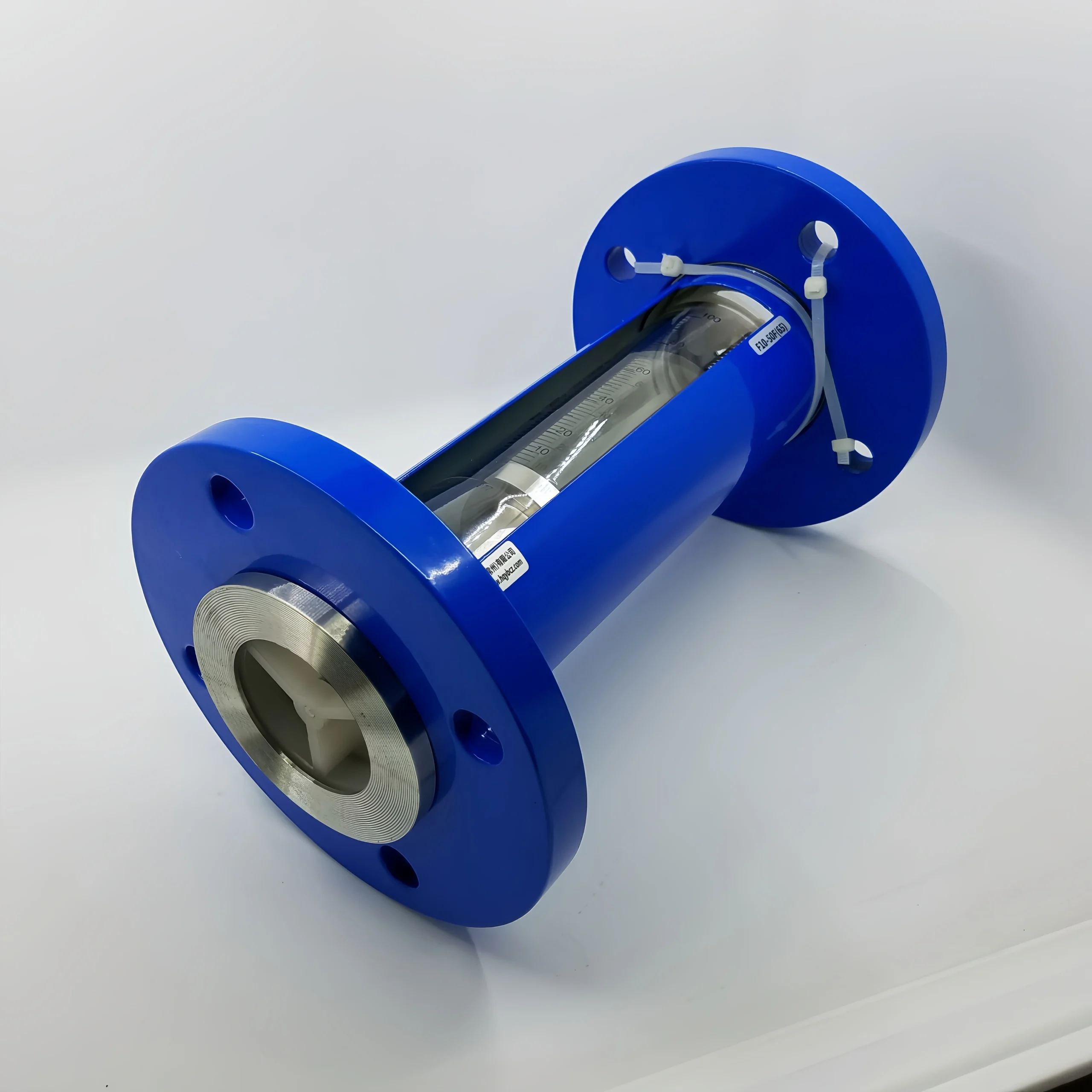
A stainless steel flow meters are widely used in chemical, petroleum, pharmaceutical, food, water treatment, metallurgy, and environmental protection industries. It is mainly used to measure the flow rate of liquids, gases, steam, and other acidic and alkaline media. It can withstand various high-temperature and high-pressure environments. It ensures production safety and trade transactions. A stainless steel flow meter is suitable for high-cleanliness environments (such as dairy products and biopharmaceuticals).
In various chemical industries, stainless steel flow meters are suitable for measuring the flow rate of corrosive media such as various acids, alkalis, and salt solutions. In the petroleum industry, they are used for flow monitoring in crude oil extraction, transportation, and refining processes.
In pharmaceutical and food processing, sanitary-grade stainless steel (such as 316L) is used. It meets GMP and 3A certification requirements.
Stainless steel flow meters can measure conductive liquids such as sewage, wastewater, and drinking water. They also support municipal water supply, sewage treatment, and environmental monitoring. They are used for flow monitoring of highly abrasive or high-temperature media such as slurries, mud, and steam.
Stainless steel flow meters also play a crucial role in the flow measurement of some high-temperature gases. Sino-Inst’s flow meters can withstand temperatures up to 800℃.
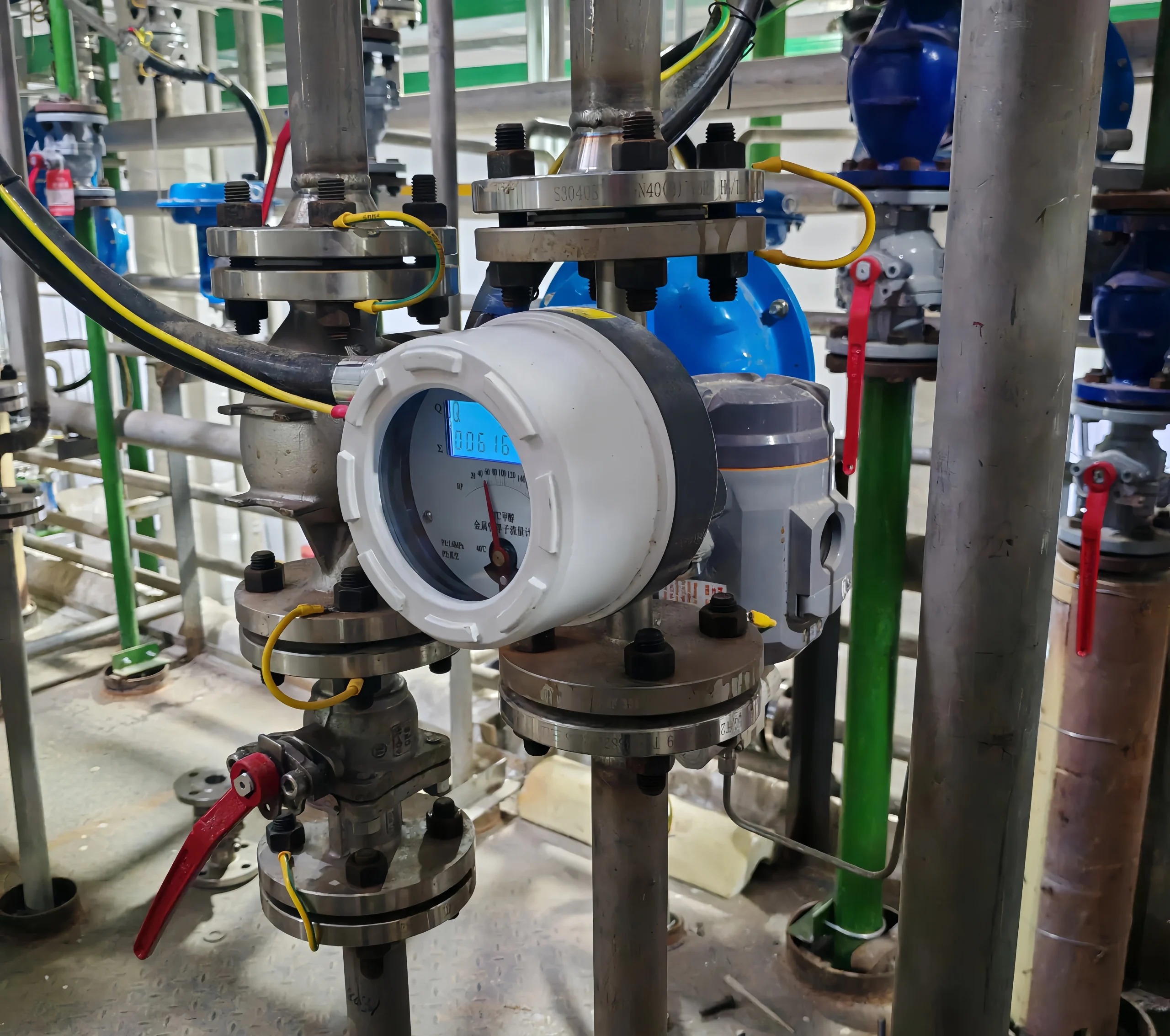
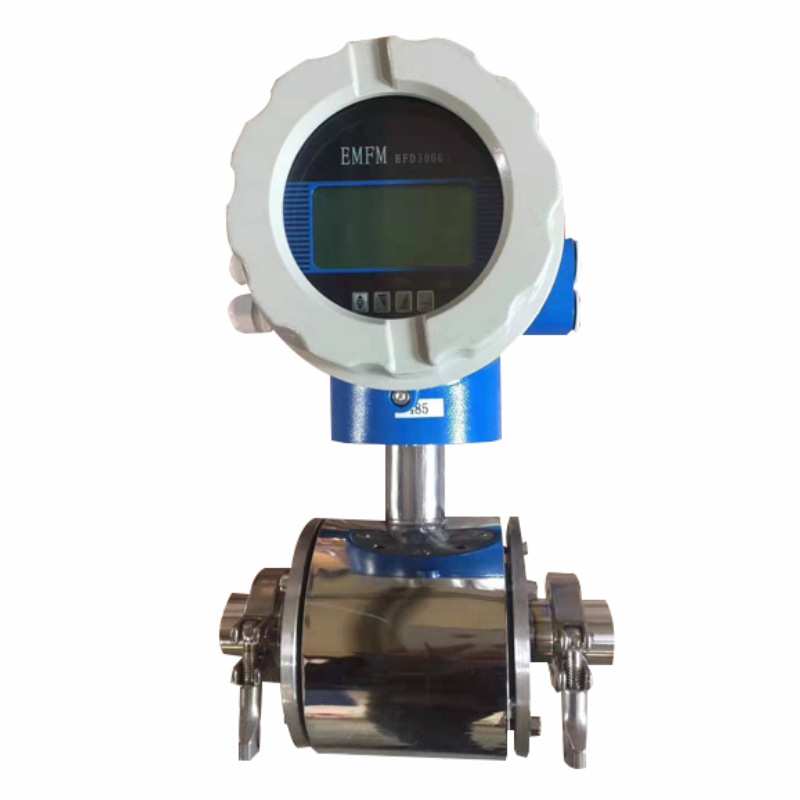
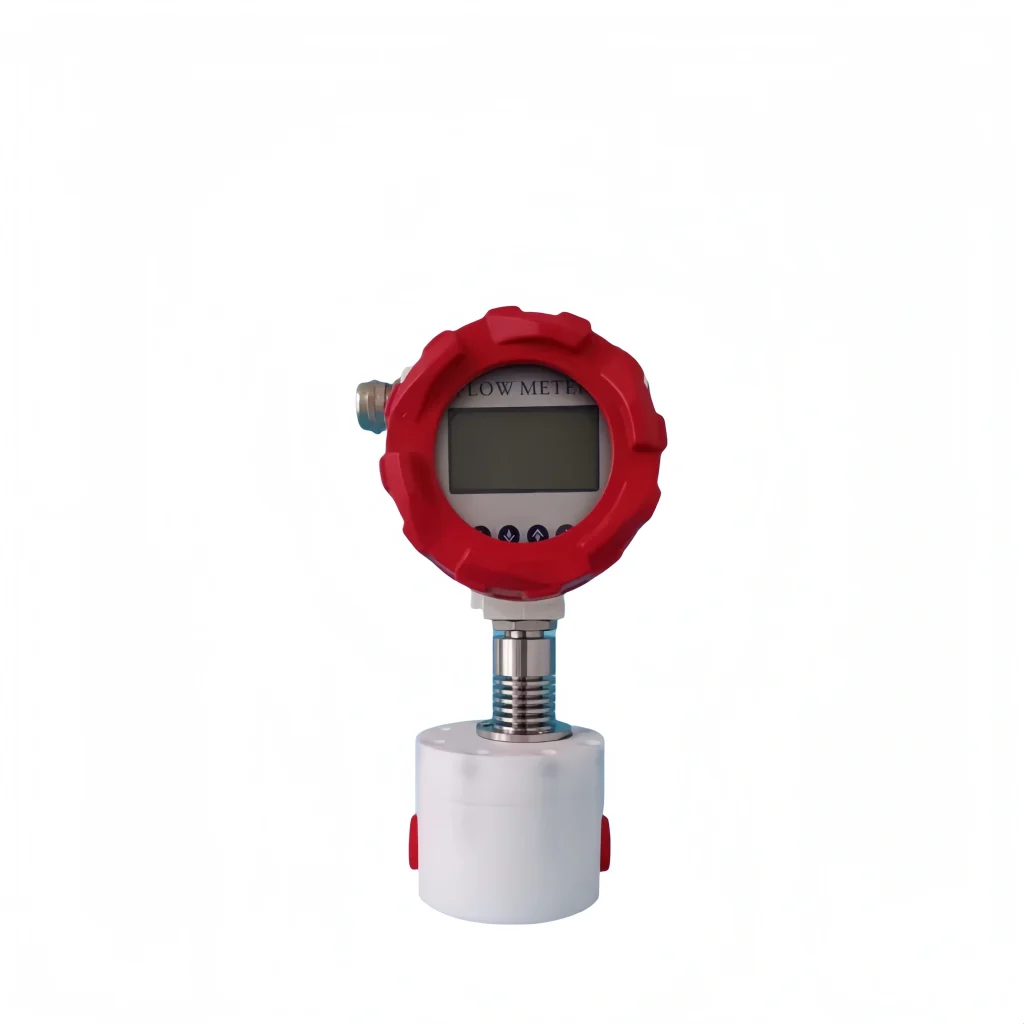
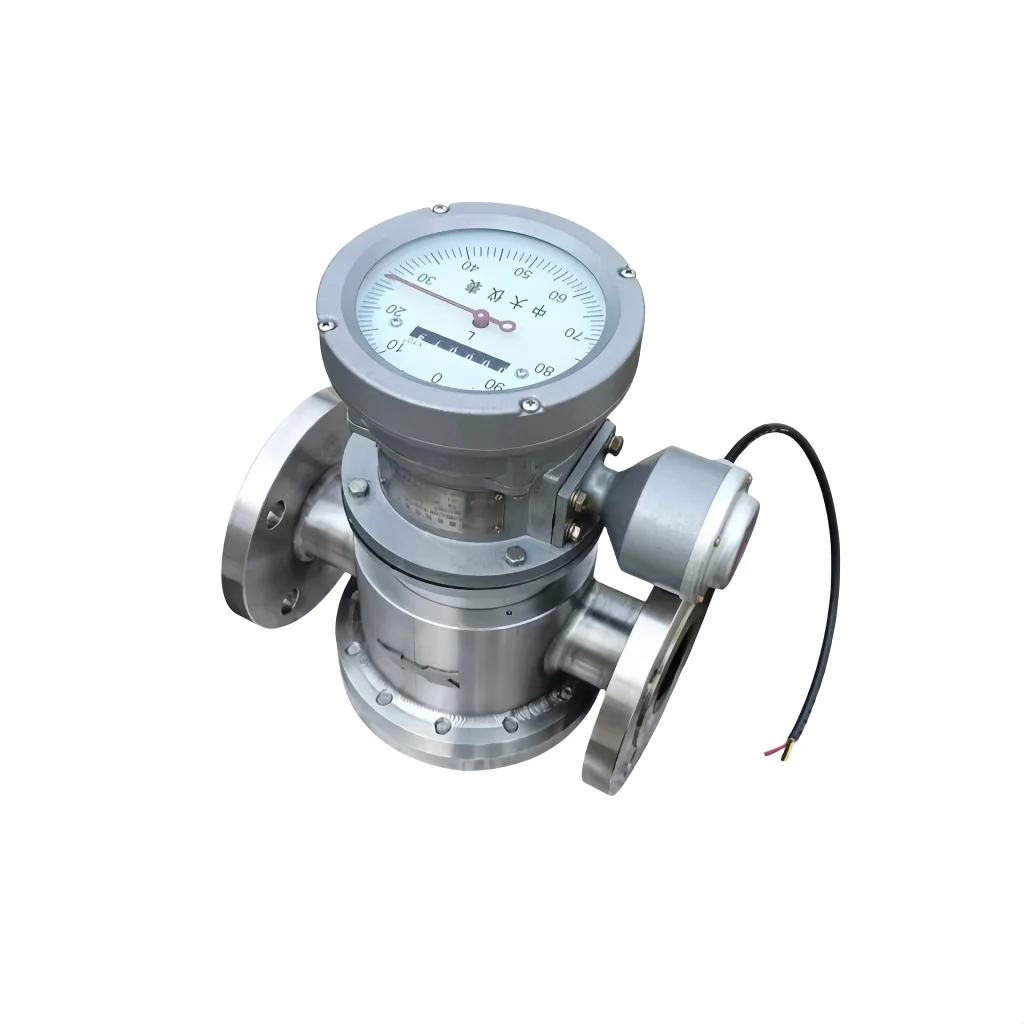
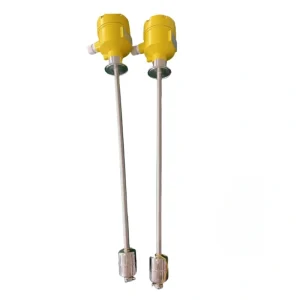
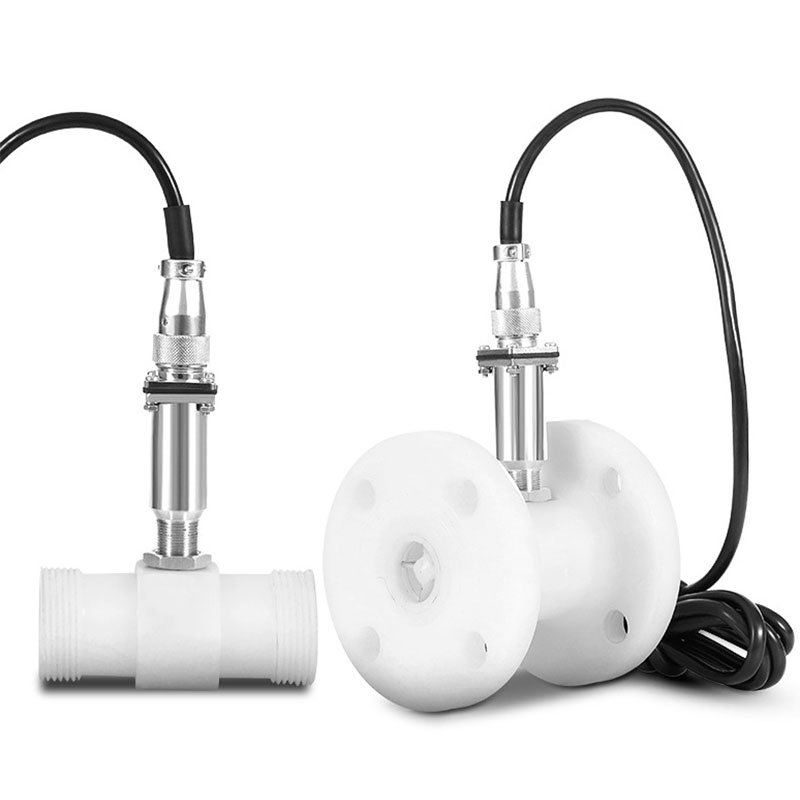
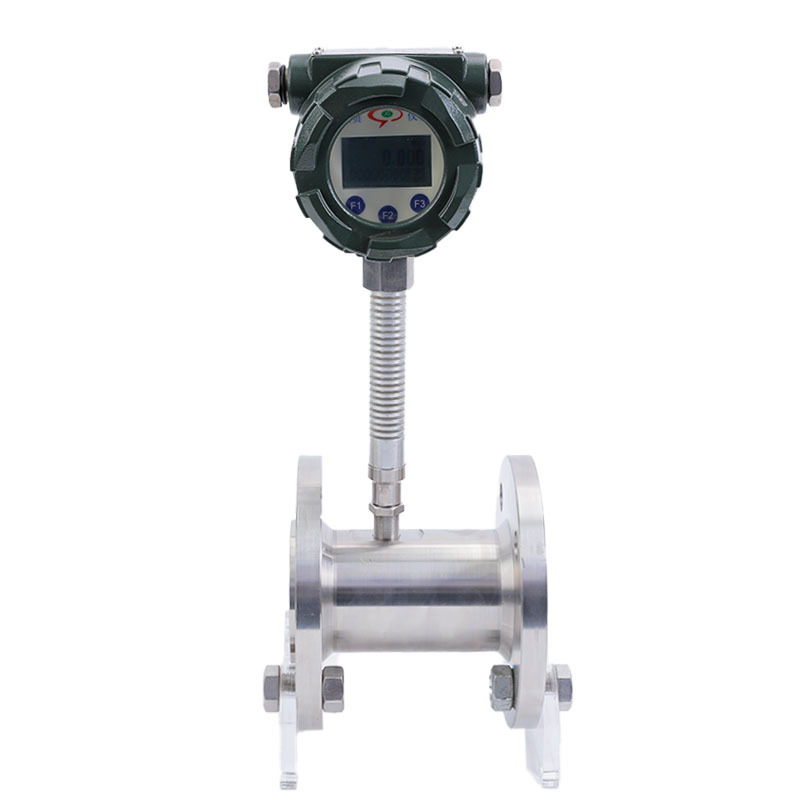
PVC and stainless steel flow meters differ in various aspects. Based on Sino-Inst’s years of experience, we have summarized the following main differences:
1. Materials and Corrosion Resistance
The body of a stainless steel flow meter is made of stainless steel, typically grades 304 or 316L. It is resistant to weak acids, weak alkalis and organic solvents, and offers strong resistance to oxidation; however, it is not resistant to highly corrosive media such as strong chloride ions and concentrated hydrochloric acid.
The body of a PVC flow meter is made of polyvinyl chloride (PVC) plastic. It is resistant to most dilute acids, dilute alkalis and salt solutions, and exhibits better resistance to chloride ions than stainless steel; however, it is not resistant to high temperatures or strong organic solvents, and is prone to swelling and cracking when exposed to ketones and esters.
2. Suitable Medium Temperature
Stainless steel flow meters can withstand relatively high operating temperatures, typically ranging from 80 to 120 °C under standard conditions, whilst certain specialised models can withstand even higher temperatures, making them suitable for hot water and high-temperature process fluids.
PVC flow meters have poor heat resistance; generally, the maximum operating temperature does not exceed 45–60 °C. Excessive temperatures cause them to soften and deform, so they are only suitable for media at ambient temperatures.
3. Operating Pressure Ratings
Stainless steel possesses high mechanical strength and can withstand higher pipeline pressures, making it suitable for high-pressure process piping with a wide pressure tolerance range.
PVC has limited rigidity and a relatively low pressure-bearing capacity; it is mostly used in low-pressure water supply and drainage systems, as well as small-scale chemical process piping. Excessive pressure can easily lead to casing cracks and leaks.
4. Weight and Installation Characteristics
Stainless steel flow meters are relatively heavy overall, placing certain load-bearing demands on pipe supports; the load-bearing capacity of the pipework must be taken into account during installation.
PVC flow meters are lightweight, making them easy to handle and install, and place minimal load on the pipework, making them suitable for use with plastic piping systems.
5. Medium Purity and Sanitary Applications
Stainless steel has a smooth surface that resists the adhesion of impurities and can be polished to meet the requirements of sanitary-grade applications such as food, pharmaceuticals and drinking water, whilst minimising the growth of biofilms.
PVC surfaces are prone to adsorbing certain impurities from the medium and are therefore unsuitable for sanitary, food and pharmaceutical industries; they are mostly used for general industrial wastewater and chemical solutions.
6. Cost and Price
For the same specifications, stainless steel flow meters have a higher procurement cost, with 316L models commanding an even higher price.
PVC flow meters have lower raw material costs and are therefore sold at a lower overall price, making them suitable for general corrosion-resistant applications with limited budgets.
7. Mechanical Impact Resistance and Service Life
Stainless steel offers excellent resistance to impact and external knocks, ensuring a long service life in outdoor and vibrating environments.
PVC is a brittle plastic; it is prone to fracturing upon impact or collision with hard objects, and is unsuitable for environments subject to severe vibration or exposure to direct sunlight, as prolonged exposure to sunlight accelerates ageing.
8. Summary of Suitable Applications
Stainless steel flow meters are suitable for high-temperature and high-pressure environments, sanitary media, organic solvents and vibrating conditions;
PVC flow meters are suitable for ambient temperature and low-pressure environments, dilute acids and alkalis containing chloride ions, as well as general sewage and chemical dosing pipelines.
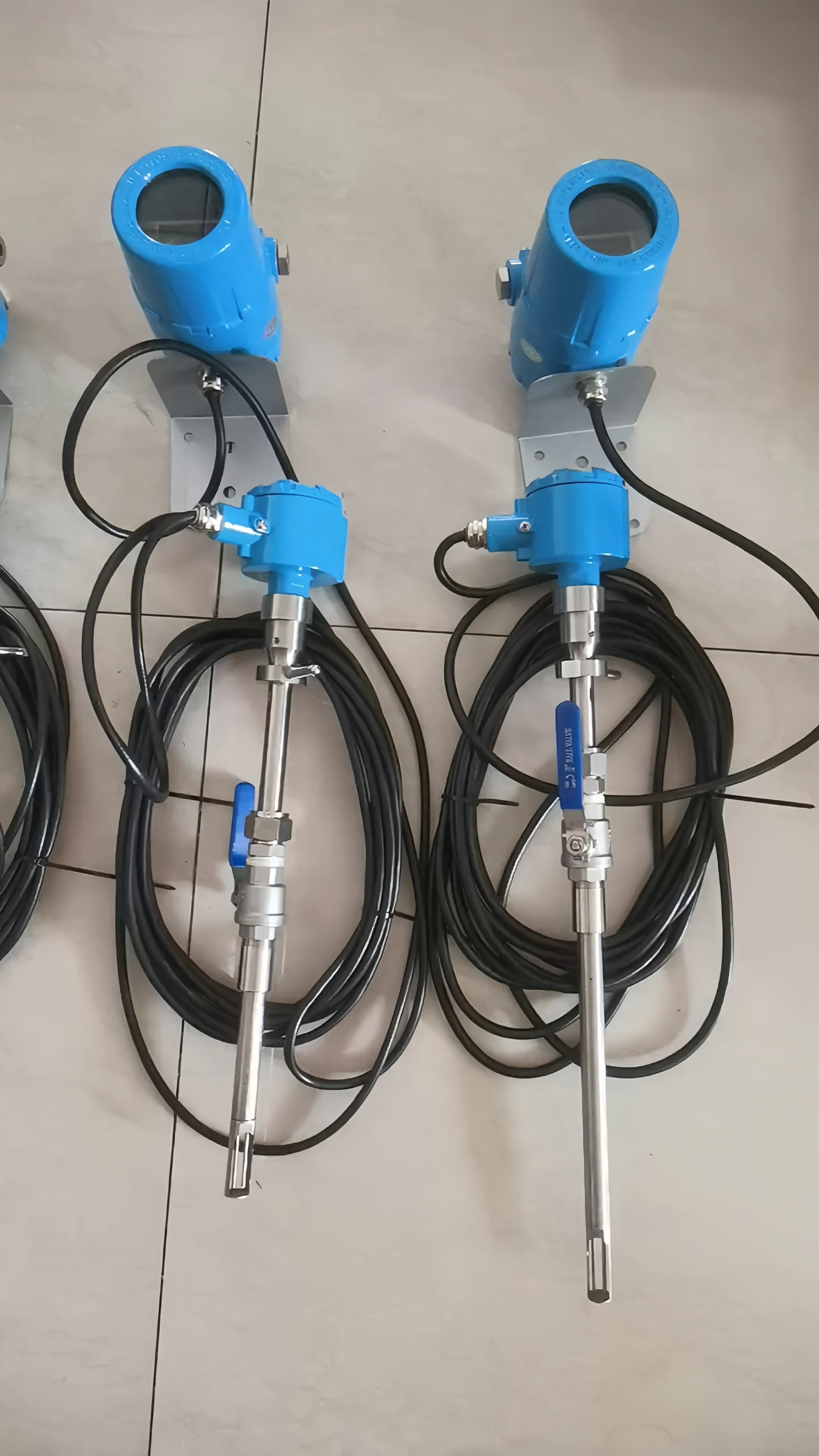
For some operating conditions where stainless steel or PVC flow meters are unsuitable. So, we can also supply PTFE flow meters. There are two main types of PTFE flow meters: electromagnetic flow meters with PTFE lining and gear flow meters made entirely of PTFE that we offer.
Electromagnetic flow meters with PTFE lining:
Sino-Inst’s electromagnetic flow meters can use PTFE as the lining material. PTFE linings have a wonderful chemical stability. It can resist corrosion from strong acids, such as sulfuric acid and hydrochloric acid, strong alkalis, such as sodium hydroxide, and organic solvents. Therefore, they are usually used to measure corrosive media in chemical, pharmaceutical, and environmental protection fields.
Gear flow meters made entirely of PTFE:
Gear flow meters can be made entirely of PTFE. Due to its excellent corrosion resistance, high and low temperature resistance, and low coefficient of friction, PTFE is often used as the core manufacturing material for gear flow meters.
In gear flow meters, the flow of fluid causes the gears to rotate. PTFE gears ensure stable operation over long periods in corrosive fluids, improving measurement accuracy. Due to the low friction and high stability of the PTFE material, the gears can more accurately capture fluid flow information during rotation. This is key for industrial applications that require precise fluid flow measurement.
PTFE gear flow meters are usually used in the measurement of many corrosive fluids. It can handle corrosive liquids such as acids, alkalis, and salts in the chemical industry, as well as oil measurement in the petroleum industry.
Furthermore, in the pharmaceutical industry, accurate metering of pharmaceutical solutions is key to drug quality. And PTFE gear flow meter can provide accurate flow data to ensure the quantitative control of raw materials in various industries.