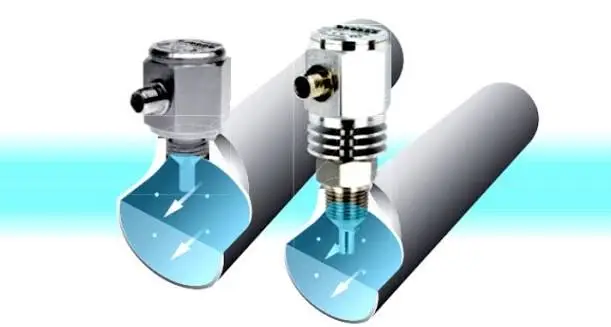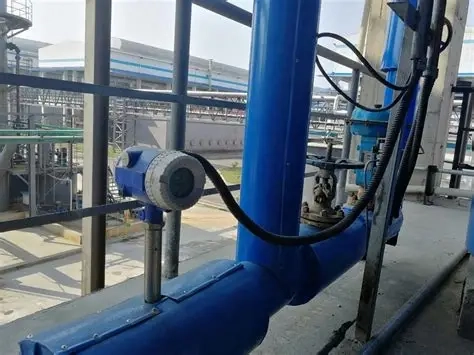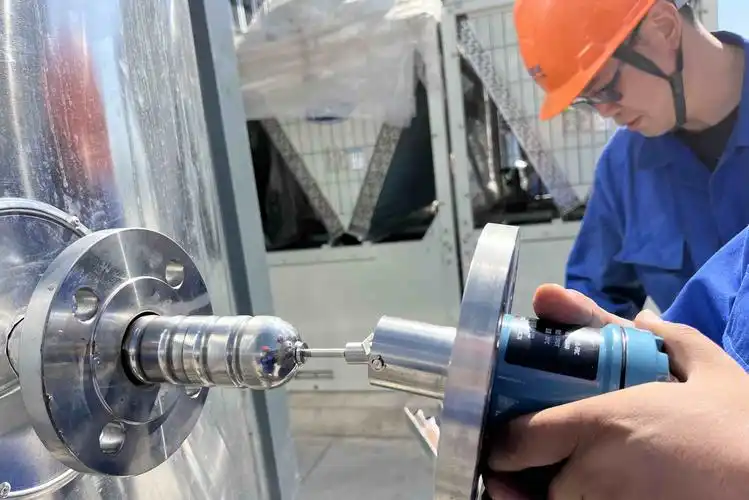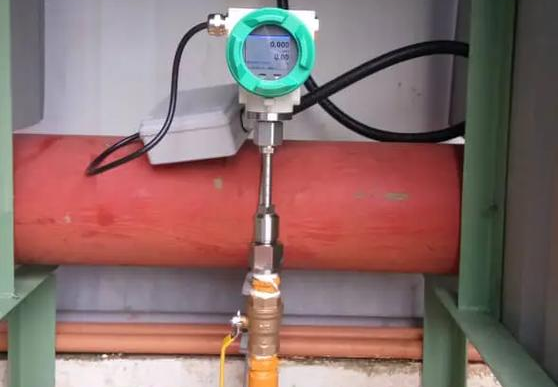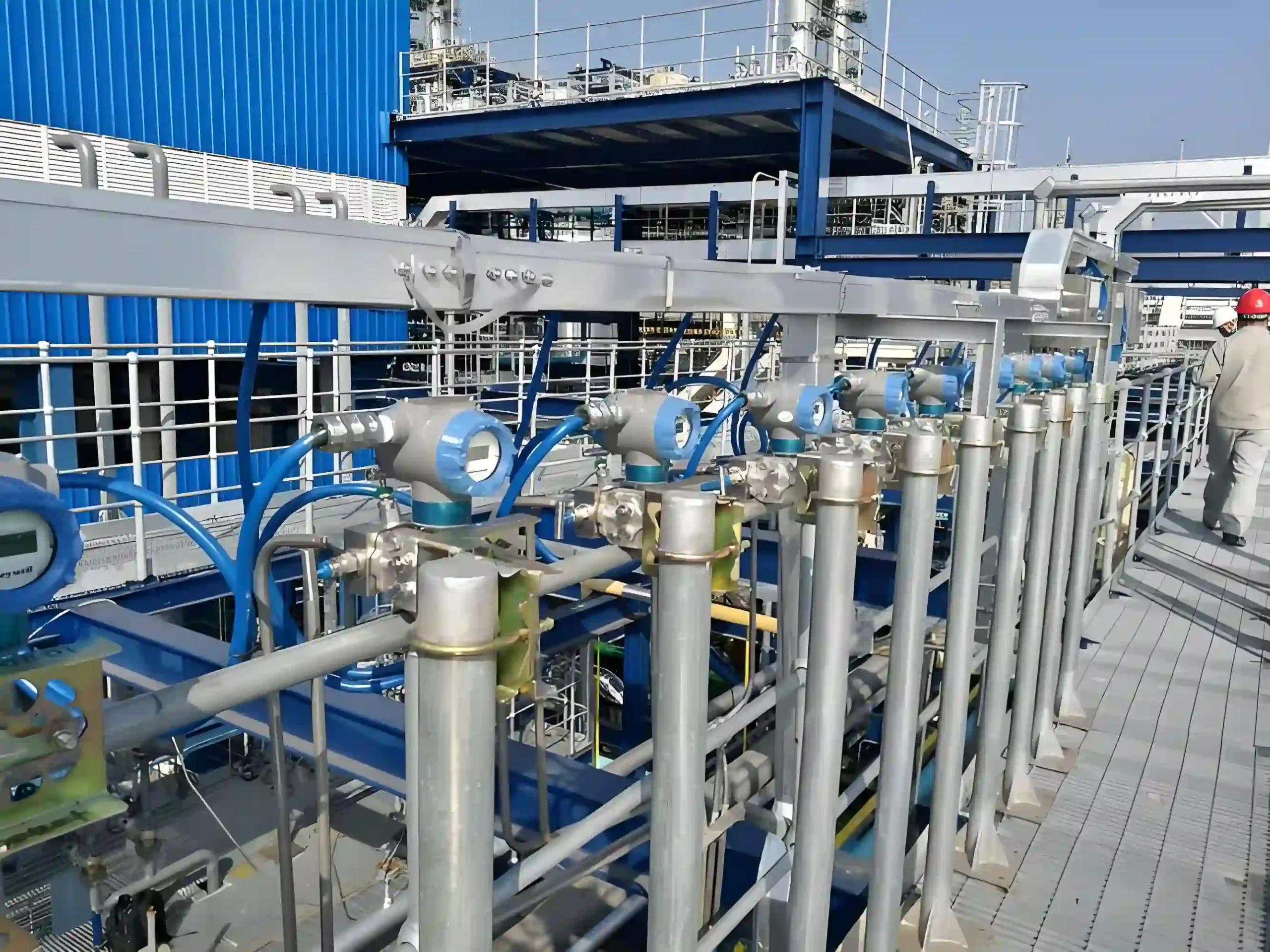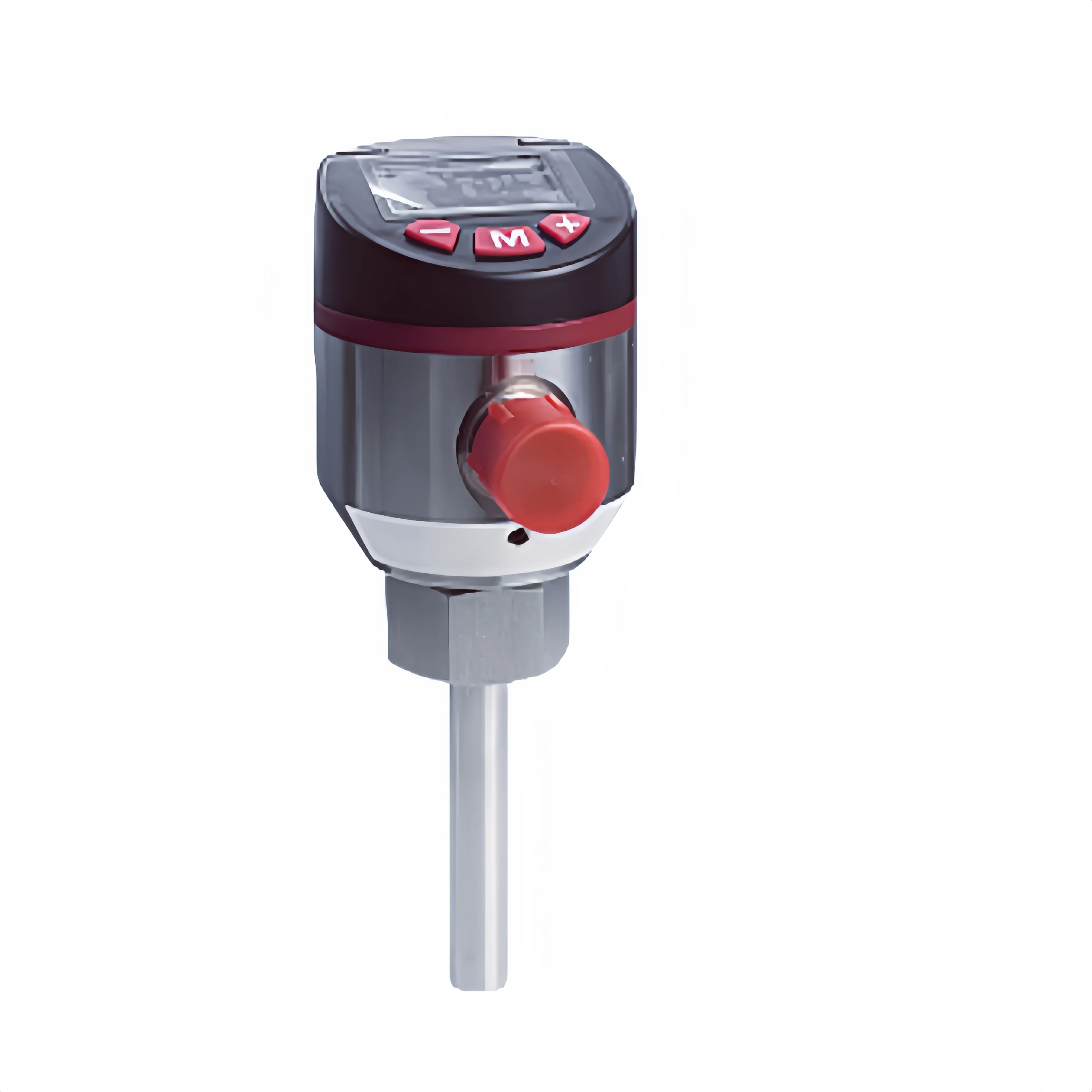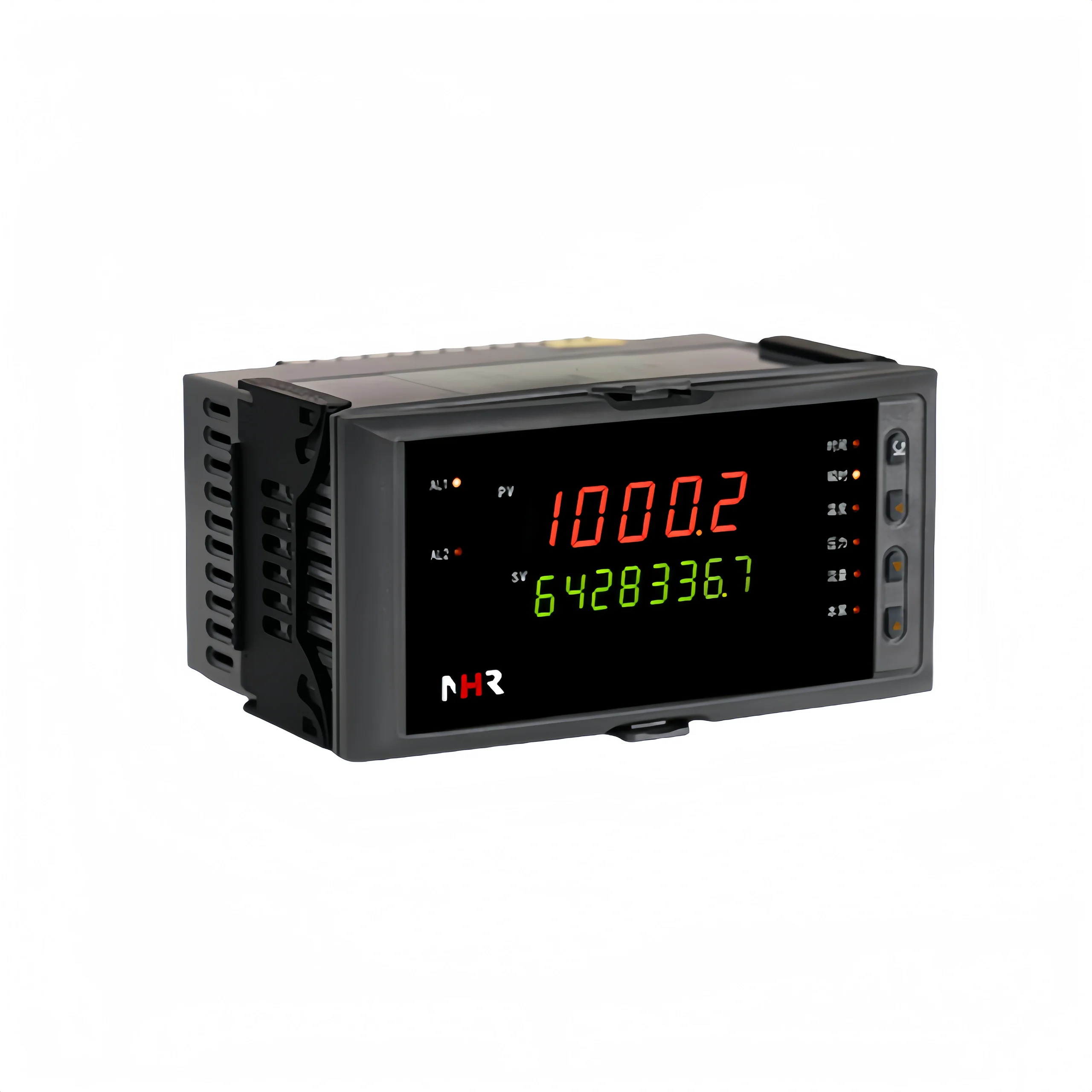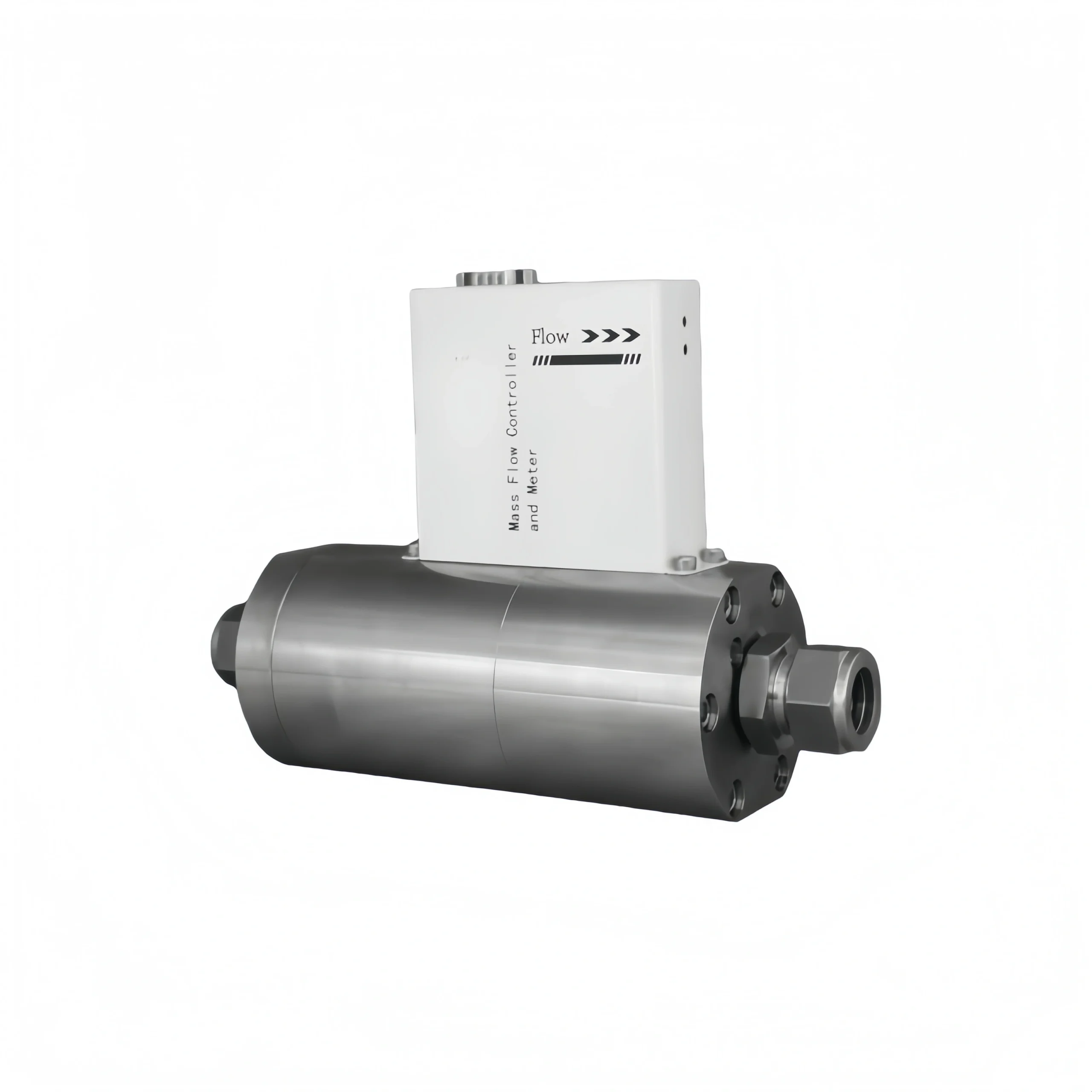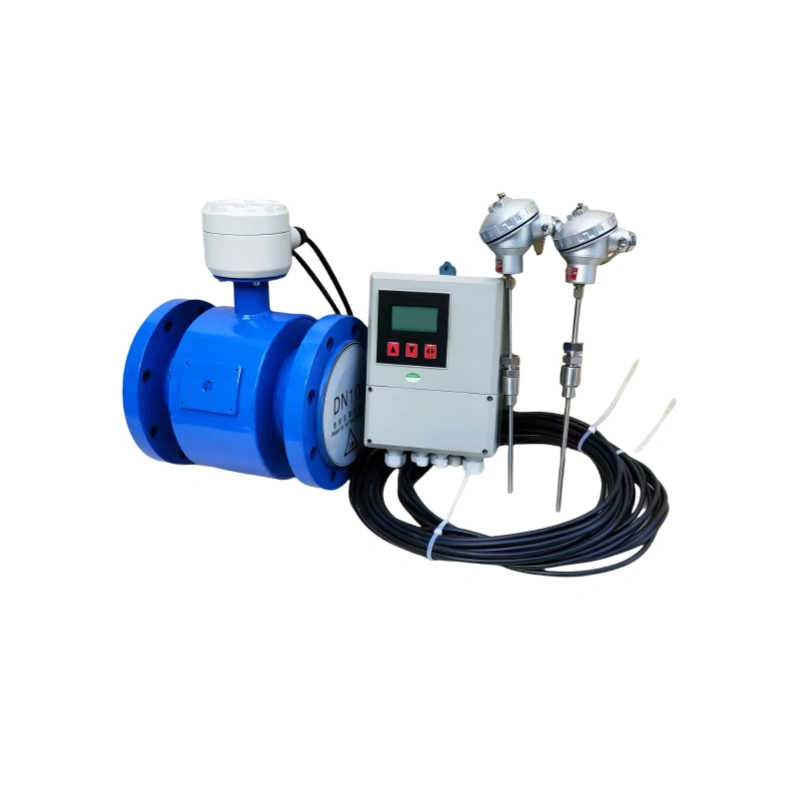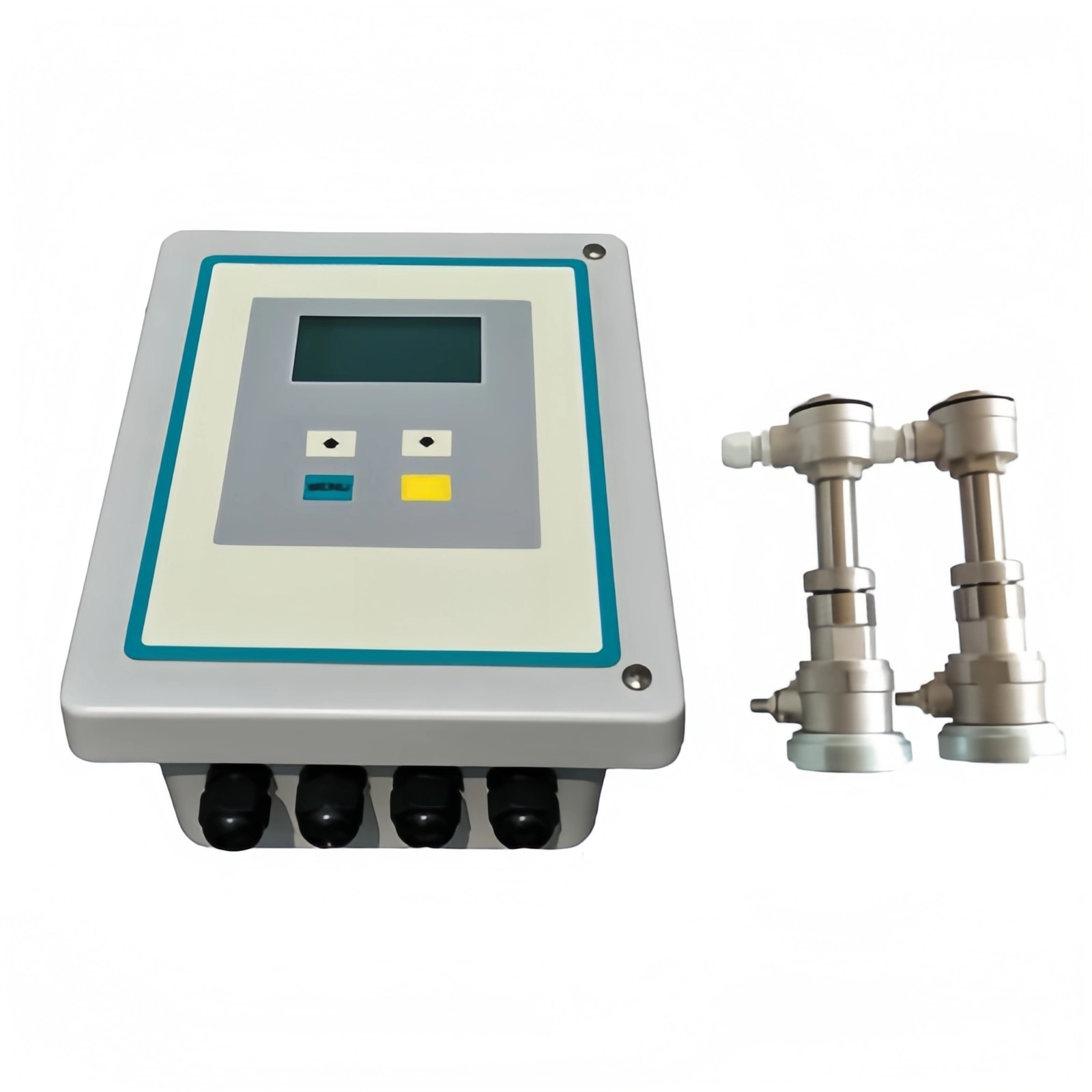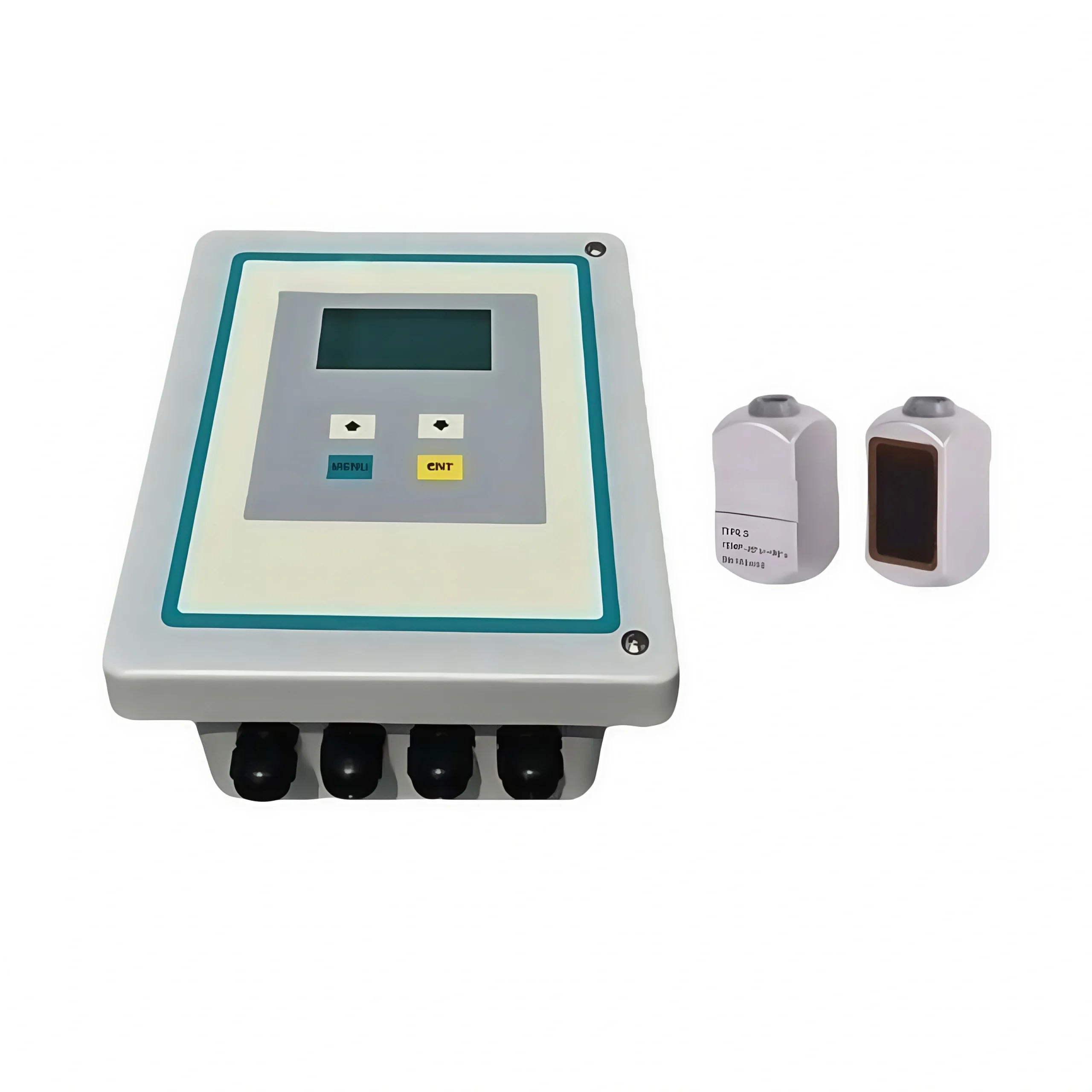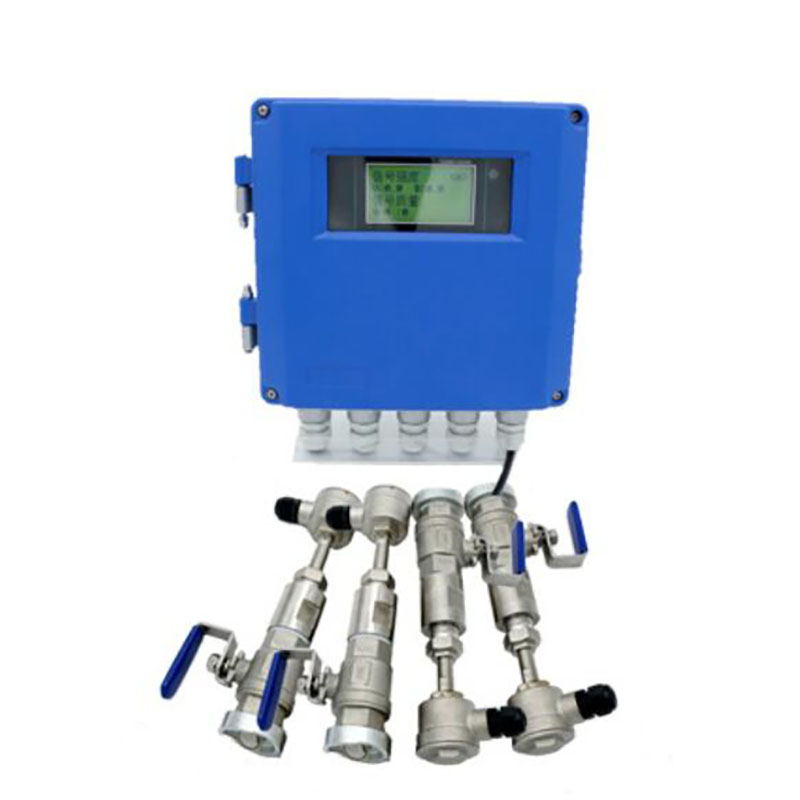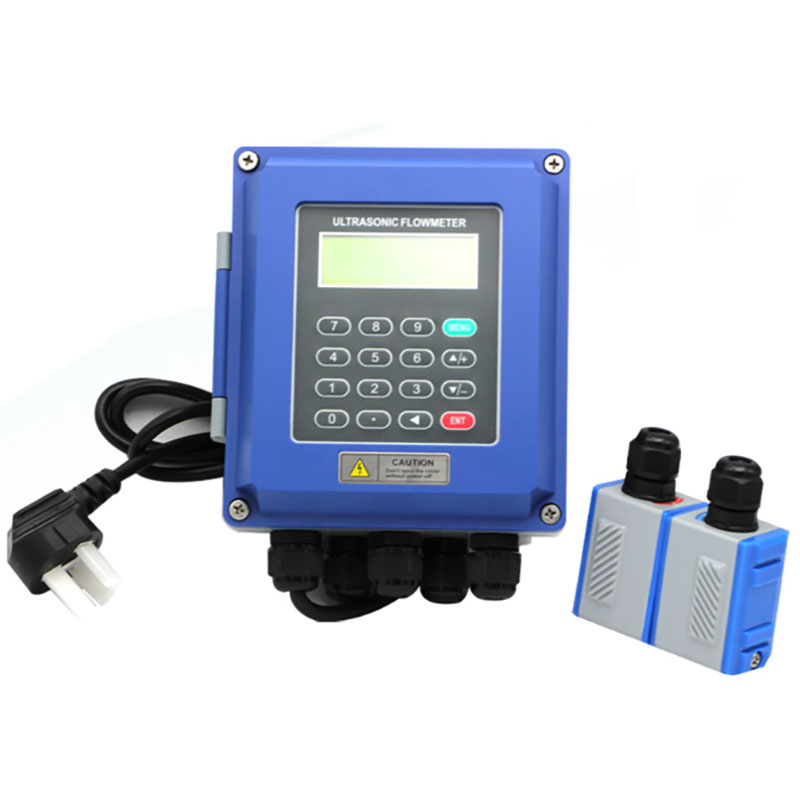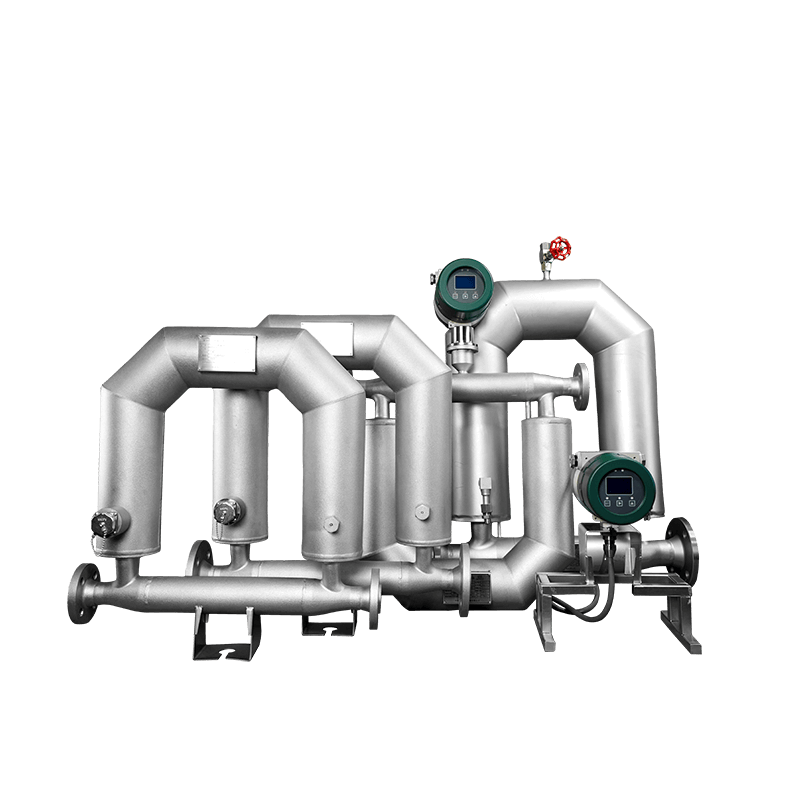
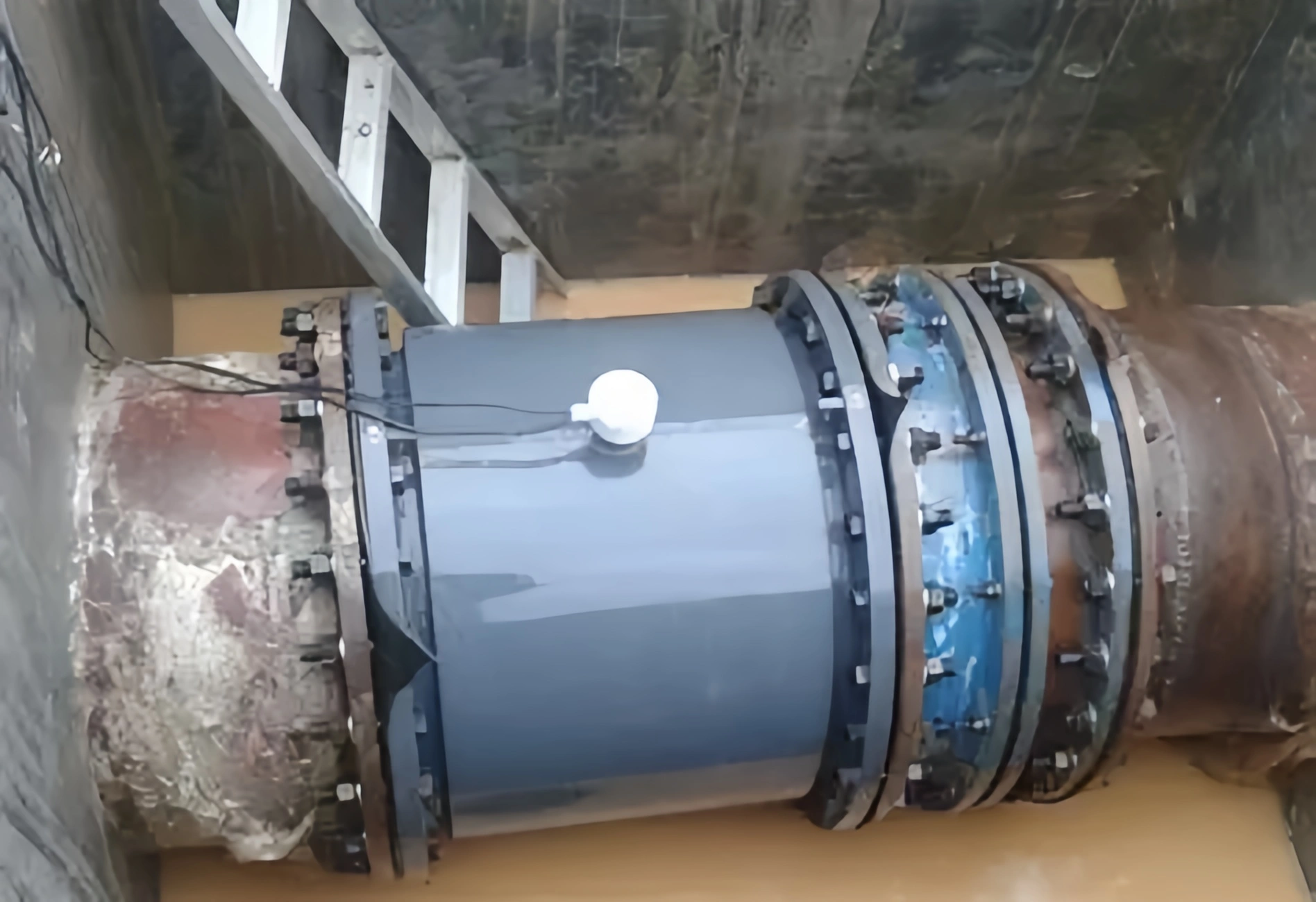
An electromagnetic flow meter is an inductive meter based on Faraday’s Law of Electromagnetic Induction, which measures the volume flow of conductive media in a pipe. It can measure generally conductive liquids. It can also be used to measure strong corrosive liquids such as strong acids and bases. It can also measure the liquid containing a uniform liquid-solid two-phase suspension of the liquid, such as mud, slurry, pulp, paper pulp and so on.
Features:
1. With no internal flow-restricting components, there is no pressure loss in the pipeline, making them suitable for pipeline conditions requiring high flow rates and low pressure loss;
2. Measurements are unaffected by changes in fluid temperature, pressure, viscosity, or density; the only requirement is that the medium be electrically conductive;
3. Wide turndown ratio; stable signal acquisition at both high and low flow rates; excellent flow linearity;
4. Wide selection of lining and electrode materials; resistant to acid and alkali corrosion and wear, suitable for wastewater and corrosive chemical media;
5. With no mechanical moving parts, wear and aging are virtually nonexistent, resulting in low long-term operating and maintenance costs and a long service life;
6. Capable of measuring both forward and reverse fluid flow, while supporting both instantaneous and cumulative flow rate outputs;
7. The straight-through design of the measuring section prevents impurity buildup and clogging, making it suitable for slurries containing solid particles.
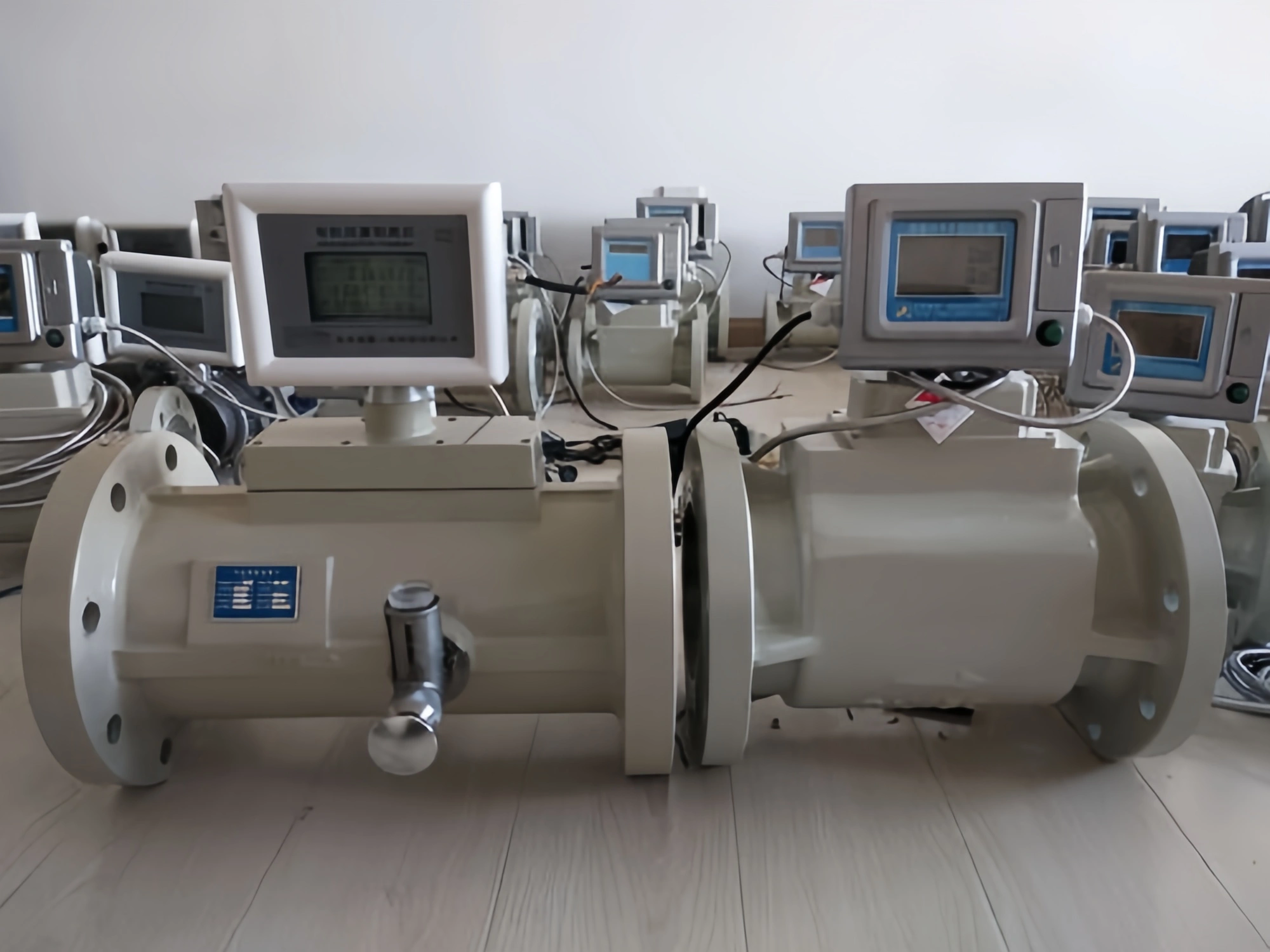
A turbine Flow Meter is a typical velocity-type flow meter. Turbine Flow Meter mainly consists of a housing, a flow guide, a support, a turbine and a magneto-electric converter. The turbine is the measuring element and is made of stainless steel with good magnetic conductivity. Depending on the diameter of the flow meter, it is equipped with 2 to 8 spiral blades. It is supported on bearings with low friction. In order to increase the responsiveness to changes in flow velocity, the mass of the turbine is kept as small as possible.
Features:
1. High measurement accuracy and excellent repeatability, making it suitable for high-precision metering applications such as trade settlement and precision batching;
2. Compact and space-saving design, requiring minimal installation space, making it suitable for small- and medium-sized pipeline applications;
3. Moderate measurement range and fast response speed, enabling rapid detection of instantaneous fluctuations in flow;
4. Outputs a pulse signal with strong interference resistance, facilitating long-distance transmission and data acquisition;
5. Low overall cost and high cost-effectiveness, with minimal investment required for clean fluids at ambient temperatures;
6. Wide range of compatible media, capable of measuring both conductive and non-conductive liquids as well as clean gases;
7. High degree of standardization, with universal calibration and maintenance parts, enabling convenient on-site installation and disassembly.
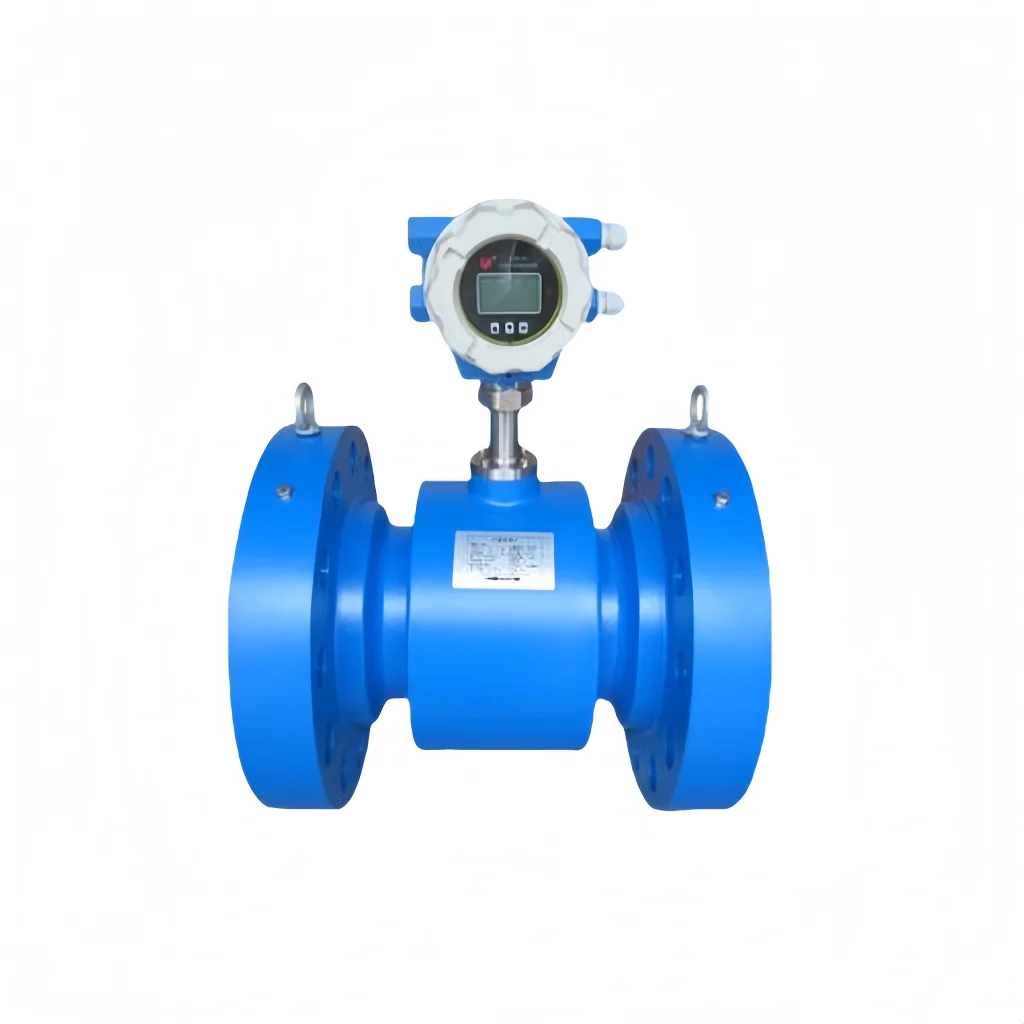
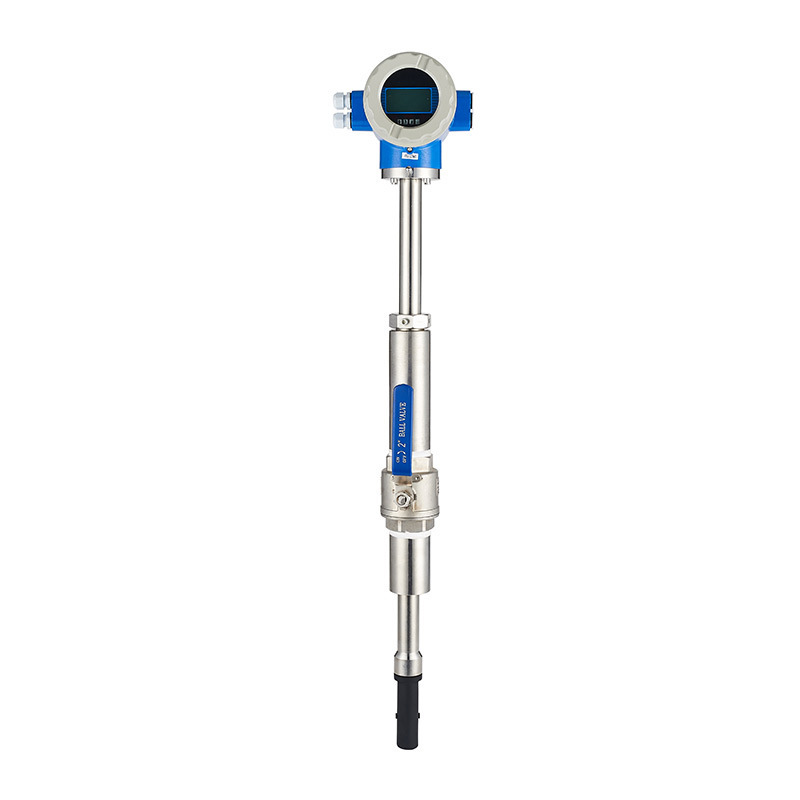
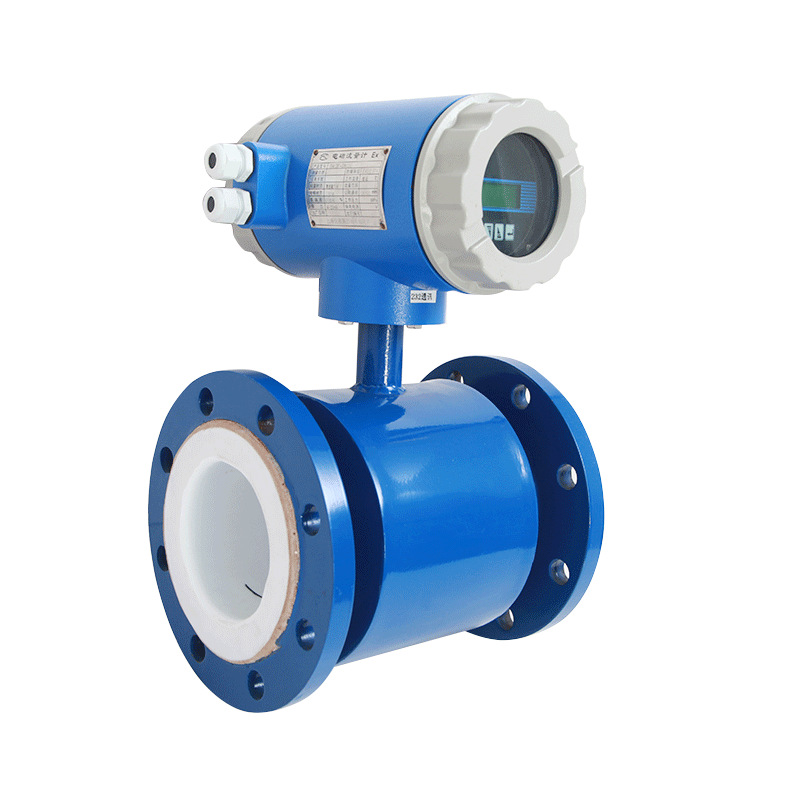
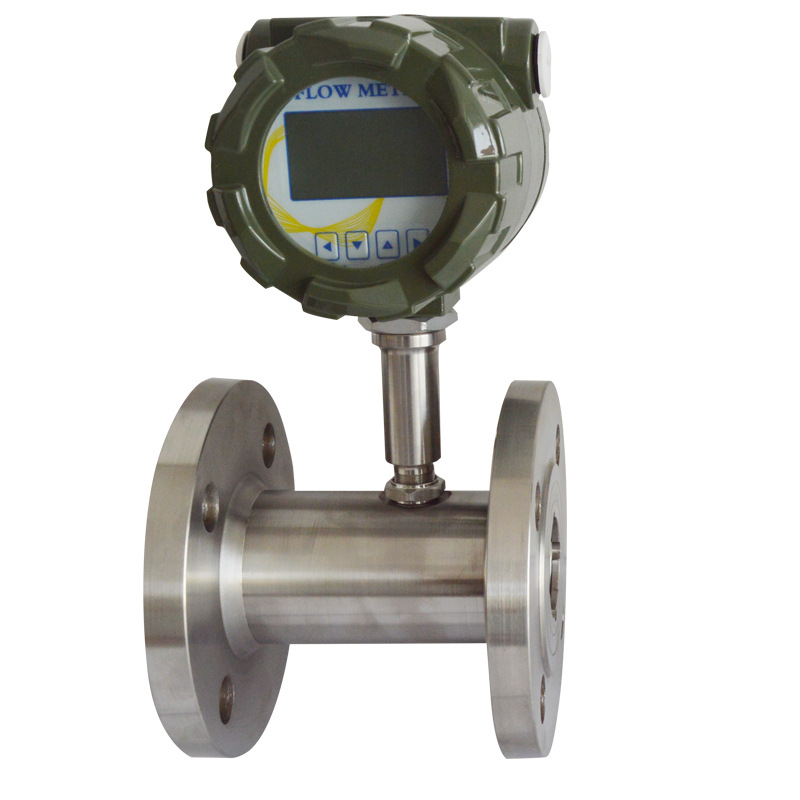
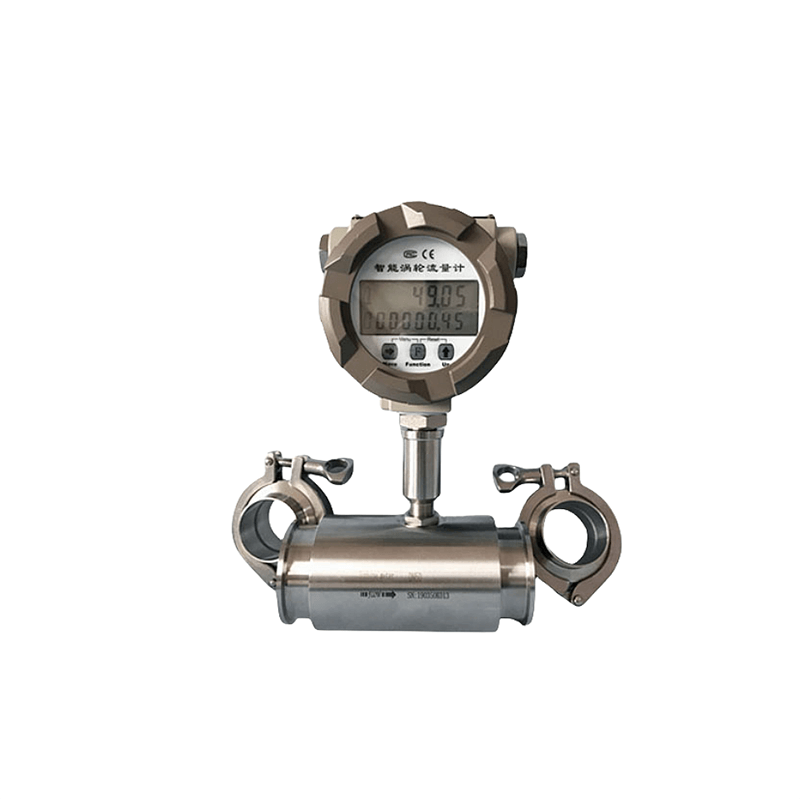
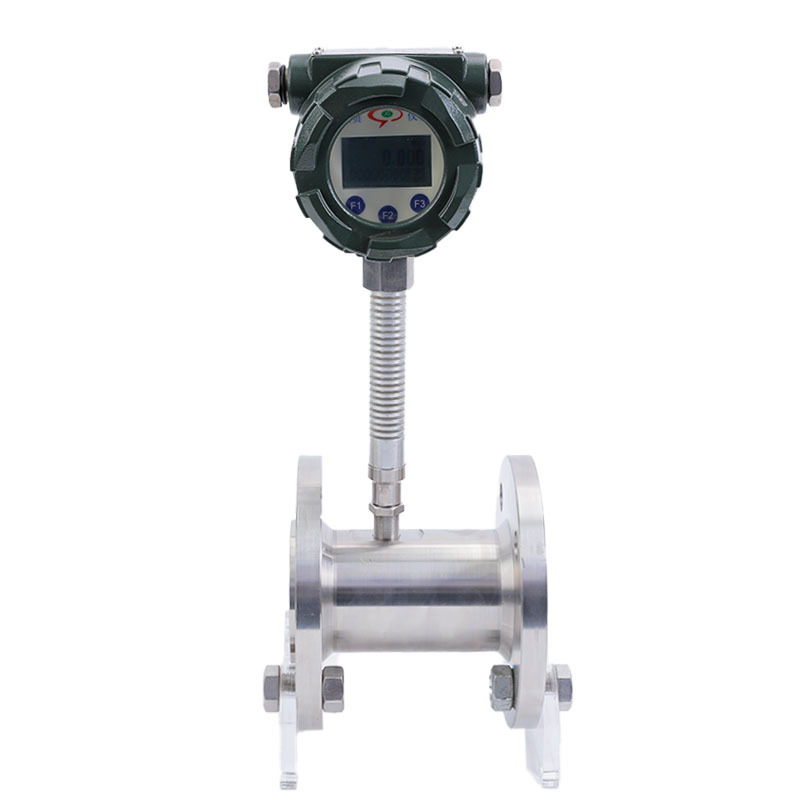
Based on Sino-Inst’s many years of experience in flow measurement, we have summarized the differences between them. Here is the detailed introduction:
Different Working Principle
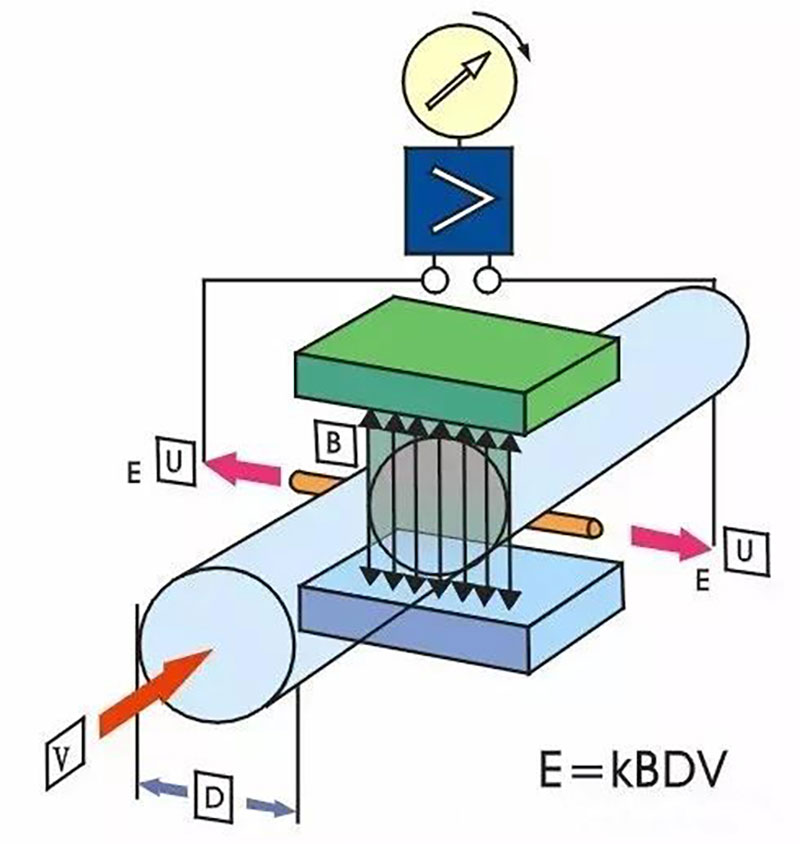
The working principle of the electromagnetic flow meter is based on Faraday’s law of electromagnetic induction. When a fluid passes through an electromagnetic field, an electric potential is generated within the fluid. The magnitude of this electromotive force is proportional to the flow rate of the fluid. When an electrically conductive fluid flows through a set electromagnetic field, the electrons in the fluid are subjected to the electric field and a voltage signal is generated. This signal will be captured by the sensor and converted into flow data by the transmitter.
Read More about: How Does a Magnetic Flow Meter Work?
Turbine flow meters work on the principle of conservation of fluid momentum. The measured fluid pushes the turbine blades to rotate the turbine. Within a certain range, the rotational speed of the turbine is proportional to the average flow rate of the fluid. Through the magnetoelectric conversion device, will turbine speed into an electrical pulse signal, after amplification by the display recording instrument. The instantaneous and cumulative flow rate of the measured fluid can be deduced.
Read more about: An Overview of Turbine Flow Meters
Different Applications
Let’s take a look at the wide range of application types. From the point of view of the measurement object, its application is almost all involved in the measurement of conductive liquids in the industrial field:
1. Water and water treatment industry:
These are the most traditional application areas, including raw water, tap water, sewage and water measurement.
2. Chemical and pharmaceutical industries:
For the measurement of various acids, alkalis, salts and other corrosive media. Requirements for sanitary slurries, medicinal liquids, etc.. At this time, the choice of lining and electrode materials is vital.
3. Food and beverage industry:
It is a hygienic design, easy to disassemble and clean. Can be used to measure fruit juice, milk, beer, etc..
4. Mining, metallurgy and paper industry:
It specializes in the measurement of mineral slurry, pulp, slurry and other highly concentrated, highly abrasive media.
Turbine flow meters are mainly used in the following areas;
In the petrochemical industry, turbine flow meters are used to accurately measure the flow of liquid media such as crude oil and refined oil. In addition, turbine flow meters also play an important role in natural gas transportation, metallurgical production, water treatment, the power industry, as well as the pharmaceutical and food industries.
Turbine flow meters are widely used in chemical, petroleum, pharmaceutical and other industrial fields. There are better results in petroleum pipelines, chemical process control and other occasions. An electromagnetic flow meter, on the other hand, is mostly used in water supply, sewage treatment, heating systems and other fields.
An electromagnetic flow meter has a greater role in liquid transportation and process control. Most importantly, the electromagnetic flow meter has requirements for the conductivity of the medium. So, the measurement ability for low-conductivity media. such as pure water, is relatively weak. Turbine flow meters can be divided into gas turbine flow meters and liquid turbine flow meters. Therefore, the turbine flow meter can measure the gas flow, while the electromagnetic flow meter can not.
Different Pressure Drop
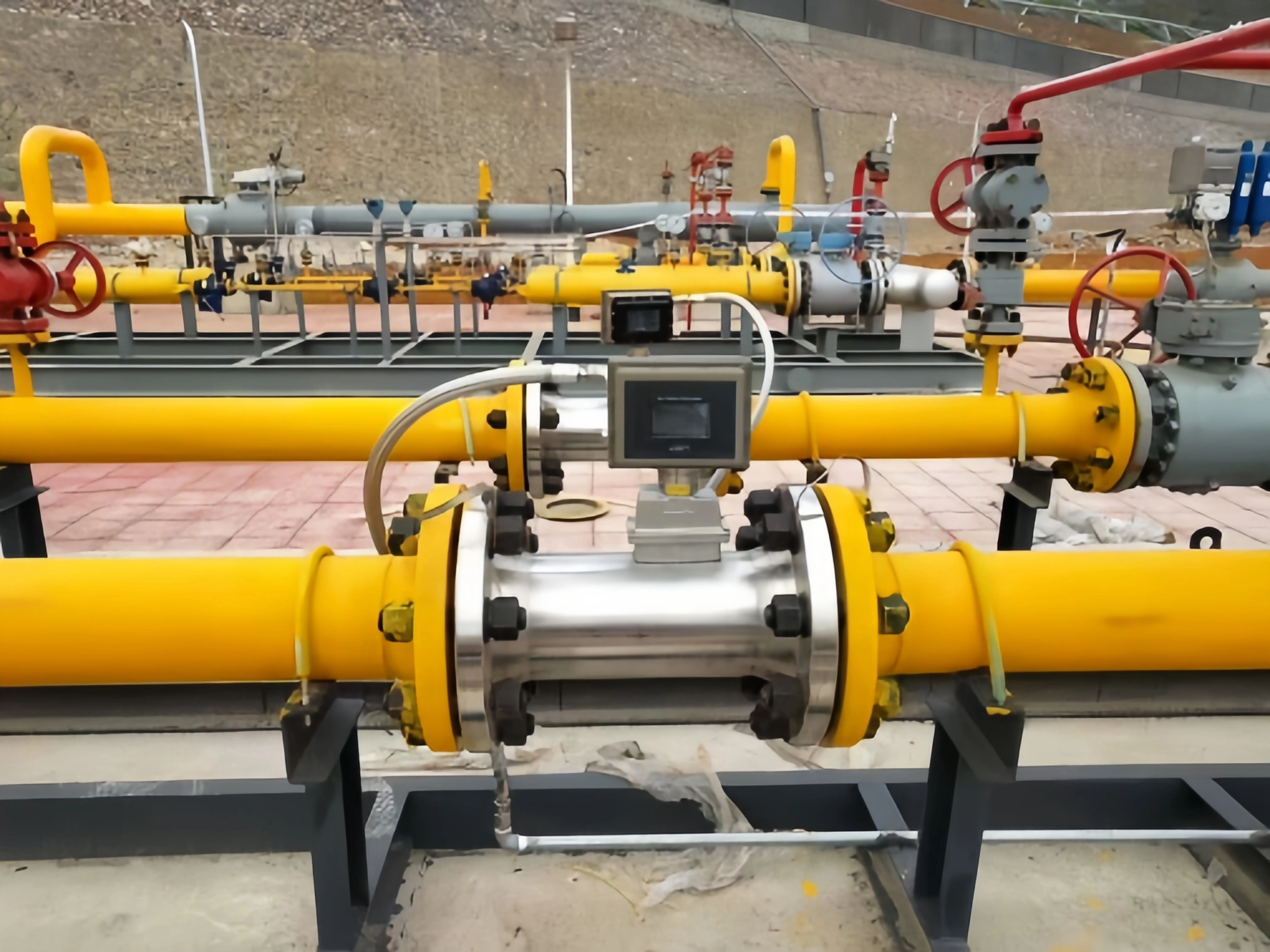
The allowable Pressure Drop of a flow meter is the amount of Pressure Drop that is allowed to occur when fluid passes through the flow meter. Generally, the allowable Pressure Drop of a flow meter depends on its internal structure and measuring principle.
For an electromagnetic flow meter, its allowable Pressure Drop mainly depends on its electrode gap and magnetic field strength. The larger the electrode gap, the smaller the allowable Pressure Drop. The larger the magnetic field strength, the larger the allowable Pressure Drop. Generally speaking, the electromagnetic flow meter allows a Pressure Drop of tens of Pa to hundreds of Pa.
For the turbine flow meter, under the same flow rate, the pressure loss of the blade missing state is smaller than the normal state. The more the blade is missing, the smaller the pressure loss. The value of pressure loss reduction increases as the flow rate increases. Pressure loss reduction caused by missing blades is small, and needs to be combined with the flow meter’s high and low frequency pulse number to further determine. And the Pressure Drop of the turbine is larger than that of the electromagnetic flow meter.
Turbine flow meter shaft jamming can also cause pressure loss. The shaft jammed pressure loss greater than the normal state. The greater the degree of jamming, the greater the Pressure Drop. Pressure Drop increases with the flow rate. Pressure Drop increases with increasing flow rate. Small flow rate (flow rate <0.4 times the maximum flow rate) does not have a significant increase in Pressure Drop. For large flow rates (flow rate ≥ 0.4 times the maximum flow rate), the increase in Pressure Drop is more significant.
Different Cost
Electromagnetic flow meters are the preferred choice for large-diameter pipelines, and products with sizes of DN50 and above offer better cost-effectiveness; Small-diameter electromagnetic flowmeters have relatively high manufacturing costs and do not offer a price advantage for small pipelines.
Small-diameter turbine flowmeter models are cost-effective; they are more economical for measuring oil, gas, and pure water in small-diameter pipes ranging from DN15 to DN100; large-diameter turbine devices are bulky and cause excessive pressure loss, so they are rarely used in high-flow pipelines.
Different Measurement Range
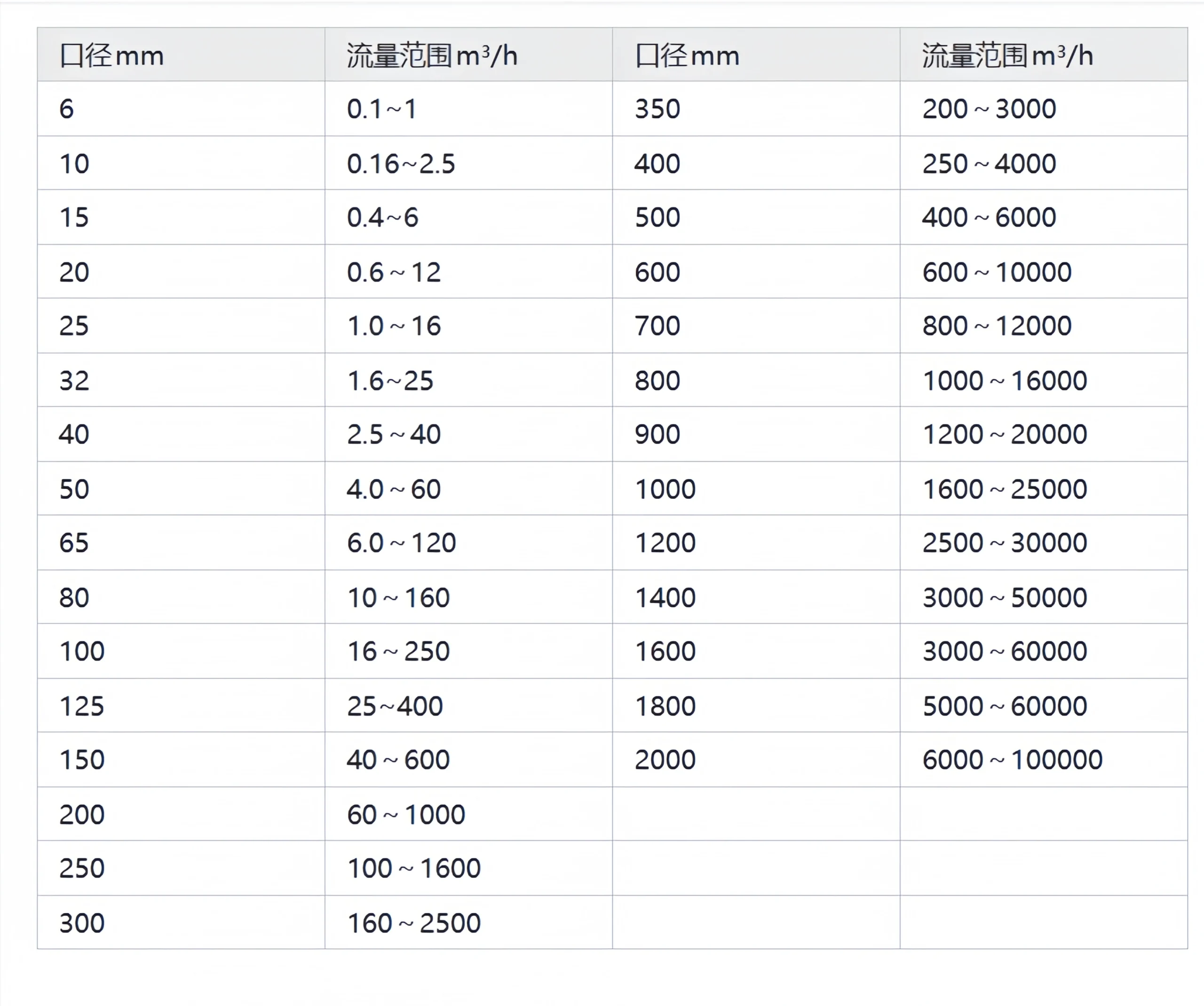
An electromagnetic flow meter is a velocity measurement instrument. Its measurement accuracy has a great relationship with its flow rate. General requirements of the fluid in the pipeline at a uniform flow rate of 0.5 ~ 15m / s to basically ensure that its measurement accuracy to achieved or higher accuracy. The following is the electromagnetic flow meter of different calibers corresponding to the normal flow range.
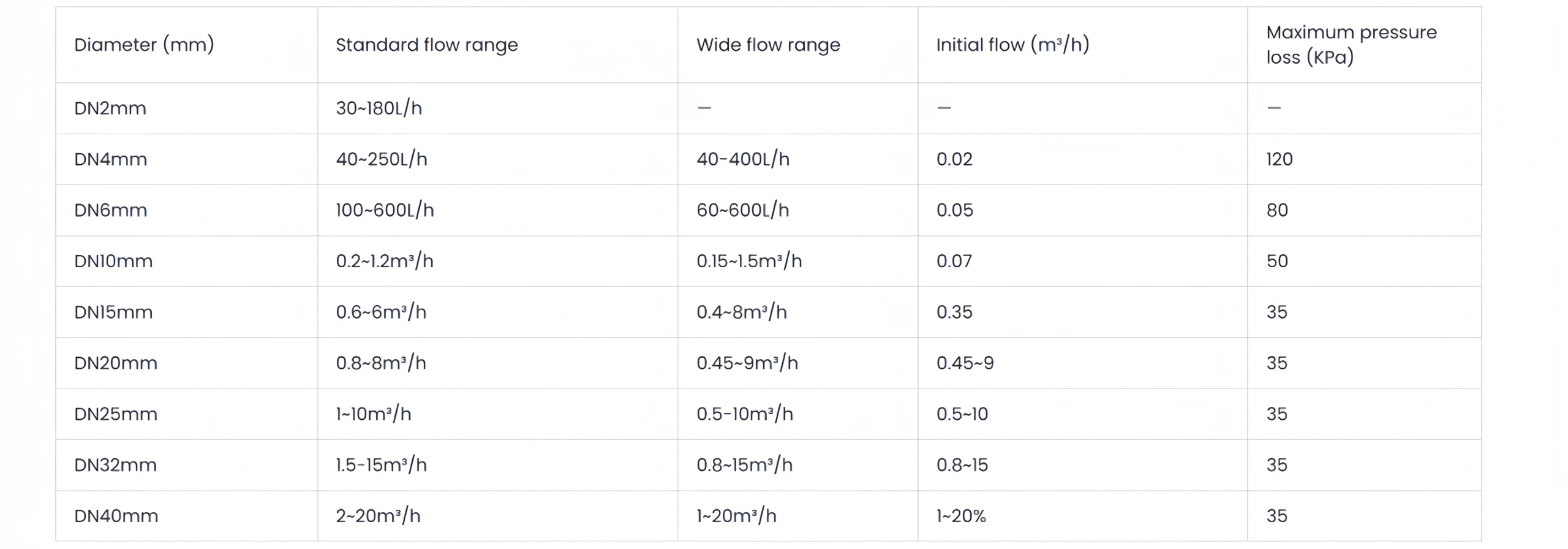
Turbine flow meter flow range depends on its specifications and models. Due to the media and pipe size. Generally speaking, the flow range of a turbine flow meter can be from a few milliliters/hour to several thousand liters/hour.
Compatibility with Medium Temperature and Viscosity
Electromagnetic flowmeters have no moving mechanical parts and offer a moderate temperature range; with the appropriate lining, they can handle high-temperature, corrosive media. They are unaffected by liquid viscosity, maintaining stable measurement accuracy even with high-viscosity slurries, and viscous fluids do not interfere with the acquisition of the induced voltage.
The measurement accuracy of turbine flowmeters is greatly affected by viscosity; as medium viscosity increases, the rotational resistance of the impeller increases, leading to significant measurement errors. Turbine bearings have an upper temperature limit; high-temperature operating conditions accelerate bearing wear and shorten service life.
Measurement Accuracy and Range Characteristics
Electromagnetic flowmeters typically have an accuracy class of 0.5 to 1, with a turndown ratio generally ranging from 20:1 to 50:1. Under low-flow conditions, the signal is weak, and measurement errors may increase slightly at low flow rates; accuracy degrades slowly over long-term use, with no accuracy drift caused by mechanical wear.
Turbine flowmeters offer higher baseline measurement accuracy, with liquid-type models reaching Class 0.2 to Class 0.5 and a turndown ratio of 10:1 to 20:1; they provide highly precise measurement in the medium-to-high flow velocity range. However, as the impeller and bearings undergo continuous wear, the rotational speed pulse signal shifts, causing accuracy to decline year by year, necessitating periodic calibration.
Equipment Maintenance and Service Life
Electromagnetic flowmeters have no moving mechanical parts; only the lining and electrodes come into contact with the medium, making them virtually maintenance-free in daily operation. Only in highly corrosive or heavily scaled operating conditions is periodic cleaning of deposits on the electrodes required, resulting in a longer overall service life for the equipment.
The impeller bearings in turbine flowmeters are wear-prone components; impurities in the medium can accelerate wear and cause jamming. The impeller must be disassembled and cleaned, and the bearings replaced periodically. In high-frequency usage scenarios, maintenance intervals are shorter, resulting in higher operational and maintenance costs.
Installation and Operational Restrictions
Electromagnetic flowmeters do not have strict requirements for upstream and downstream straight pipe sections and can operate normally even in pipelines with short straight sections or those containing elbows and valves; however, the measurement pipeline must be fully filled with liquid; gas-liquid mixtures or partially filled pipes are not permitted, as these will cause measurement errors.
Turbine flow meters have strict requirements for straight pipe sections; sufficient lengths of straight pipe must be provided both upstream and downstream. Elbows, valves, and reducers disrupt the flow field, directly causing measurement inaccuracies; when measuring gases, pressure-stabilizing and filtering devices must also be installed.
Applications for Corrosion Resistance and Explosion Protection
Electromagnetic flowmeters can be equipped with various corrosion-resistant linings, such as PTFE, rubber, and polyurethane, making them suitable for strong acids, strong alkalis, and highly corrosive chemical liquids; a comprehensive range of explosion-proof models is available, offering broad applicability in the chemical and wastewater industries.
The corrosion resistance of turbine flow meters depends on the materials of the impeller and housing. Metal impellers are not resistant to highly corrosive acids and alkalis and are only suitable for light oils, clean water, and conventional gases; due to the high cost of corrosion-resistant modifications, they are rarely selected for corrosive environments.