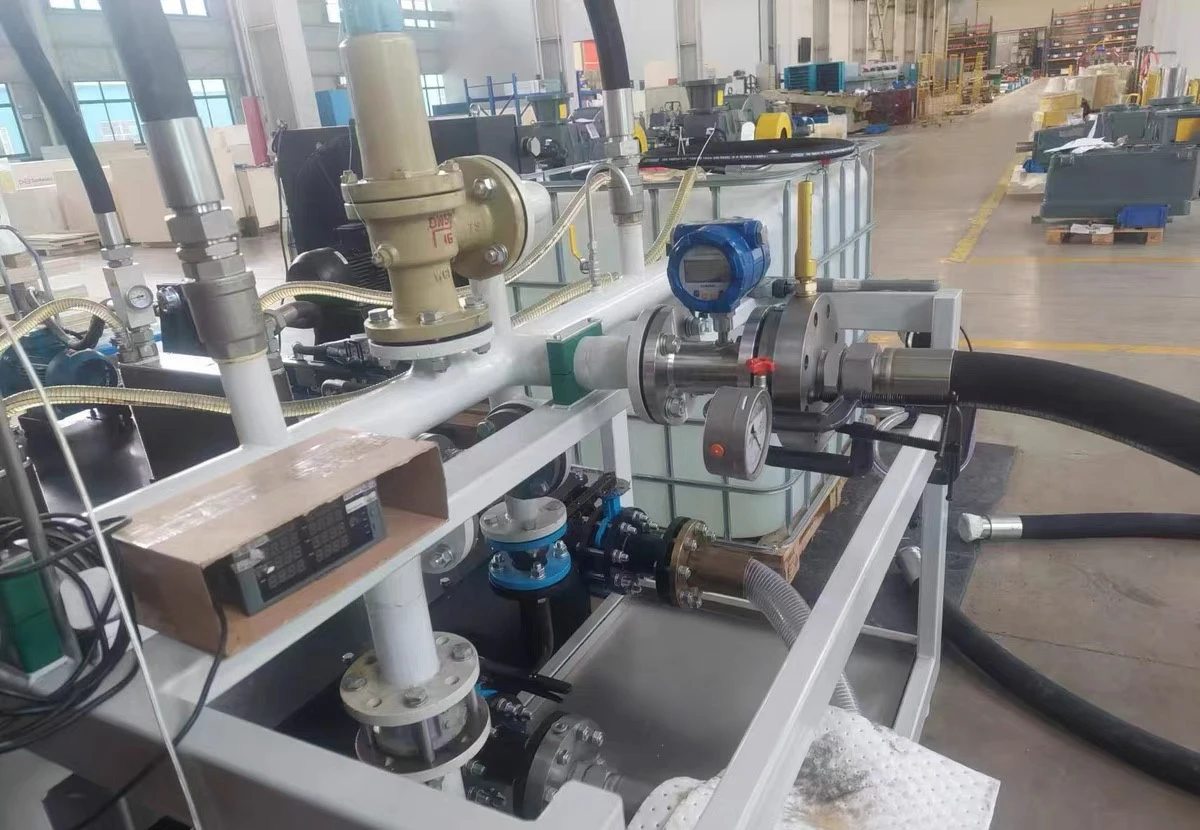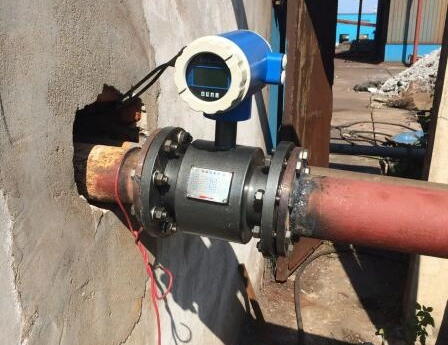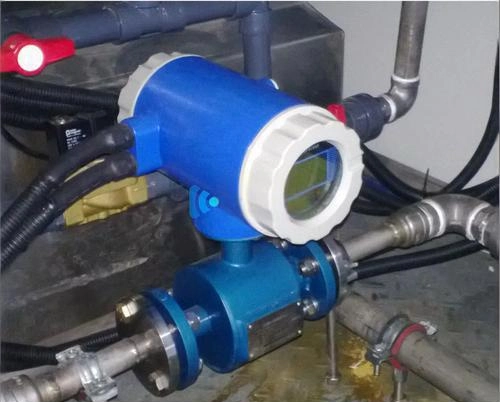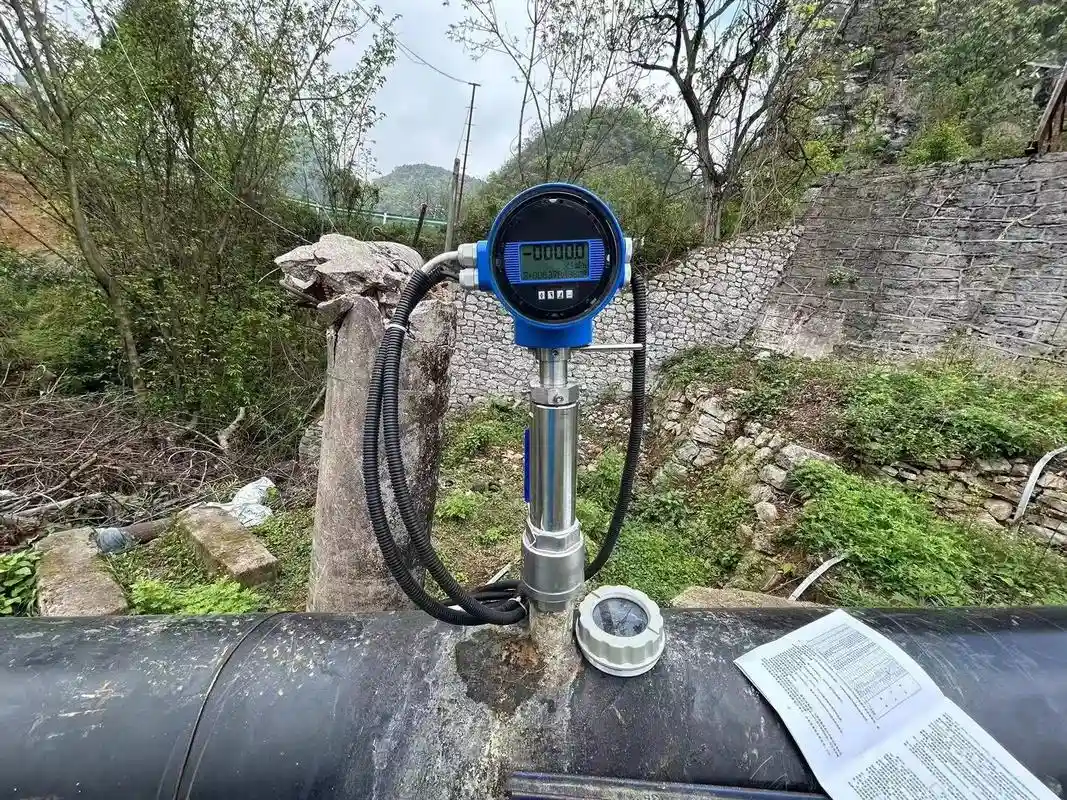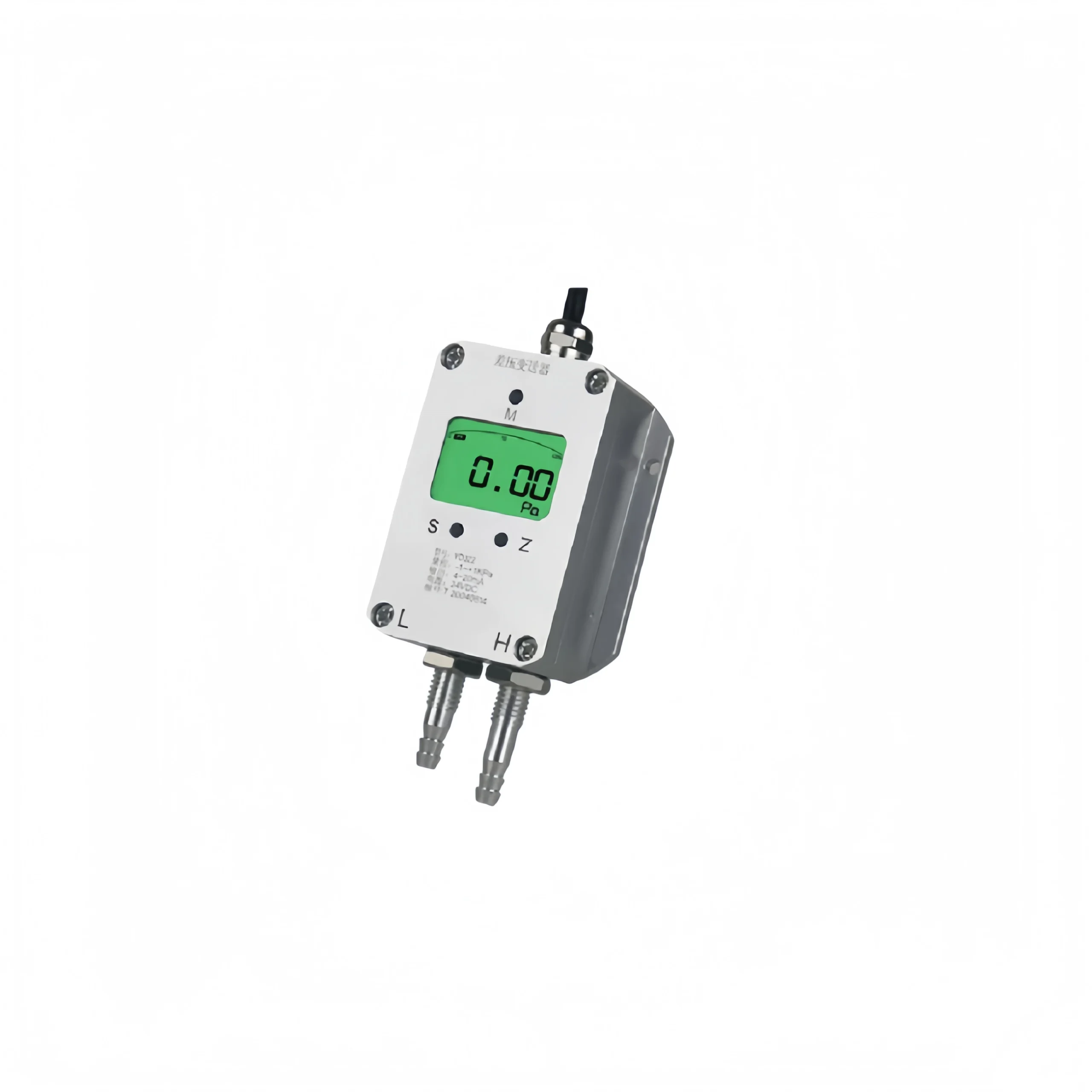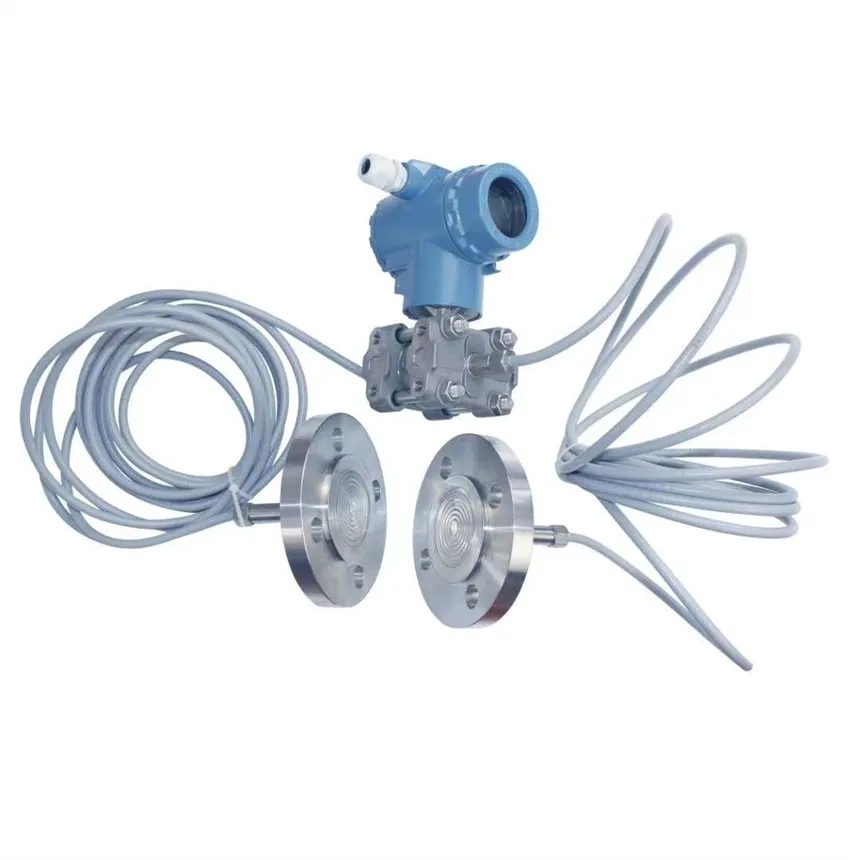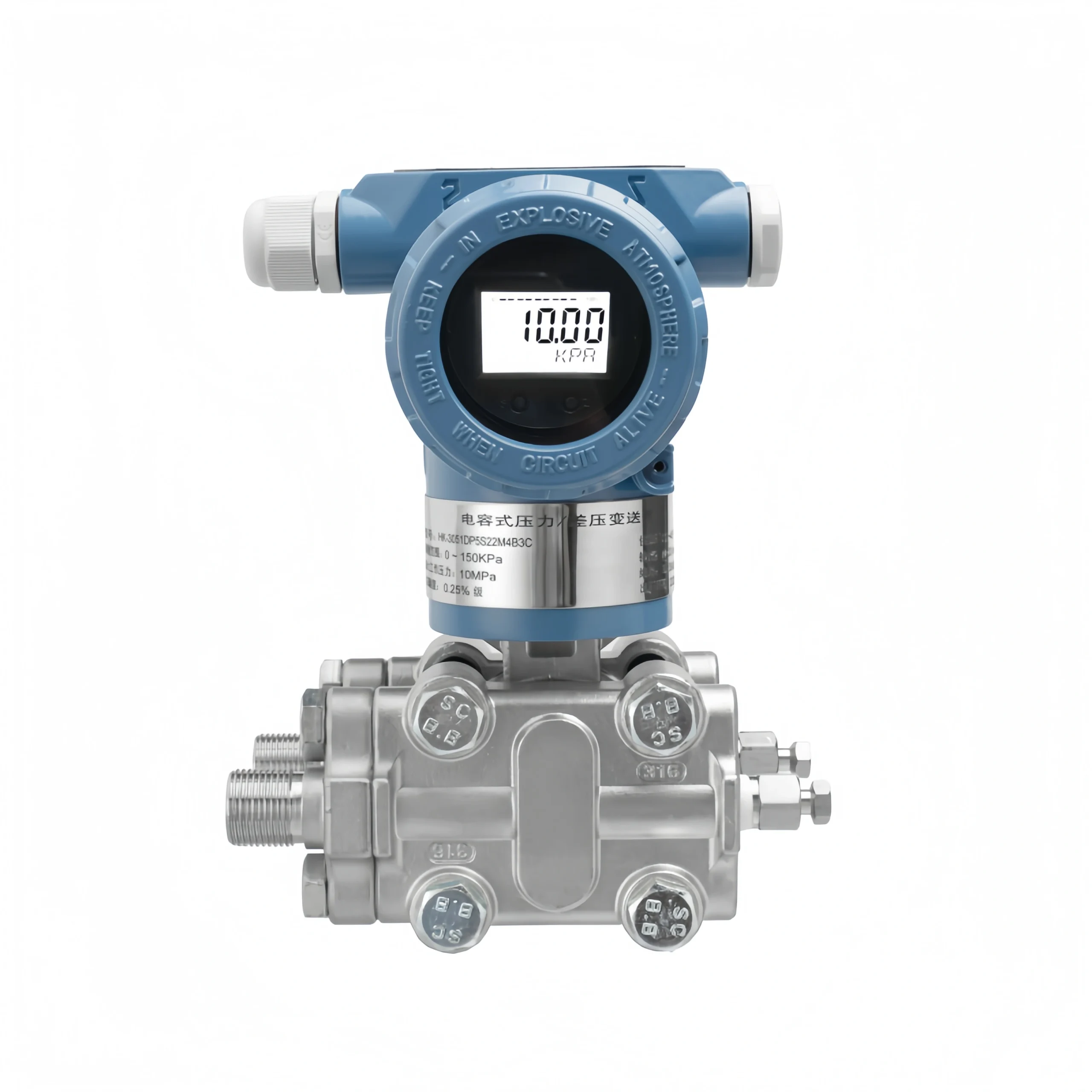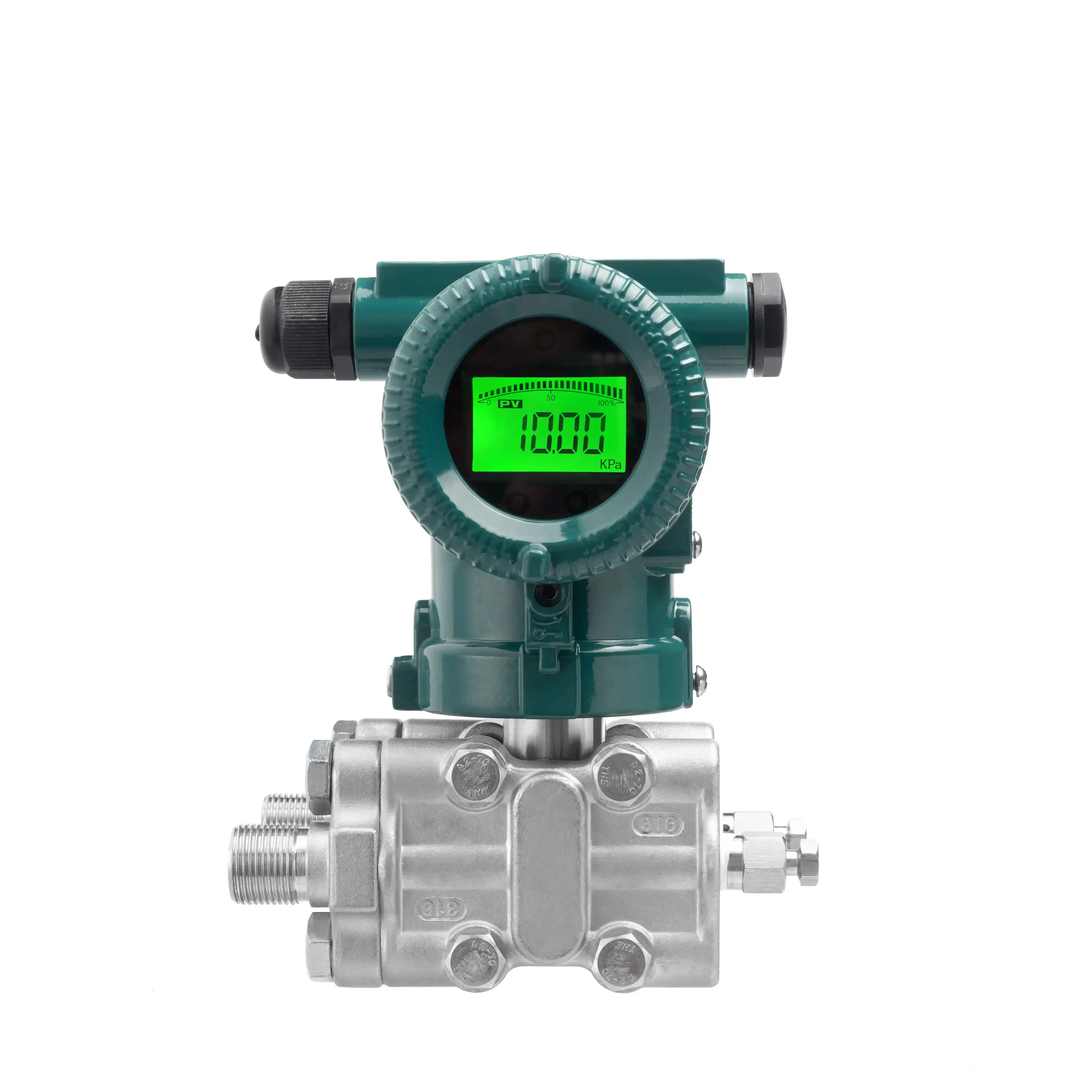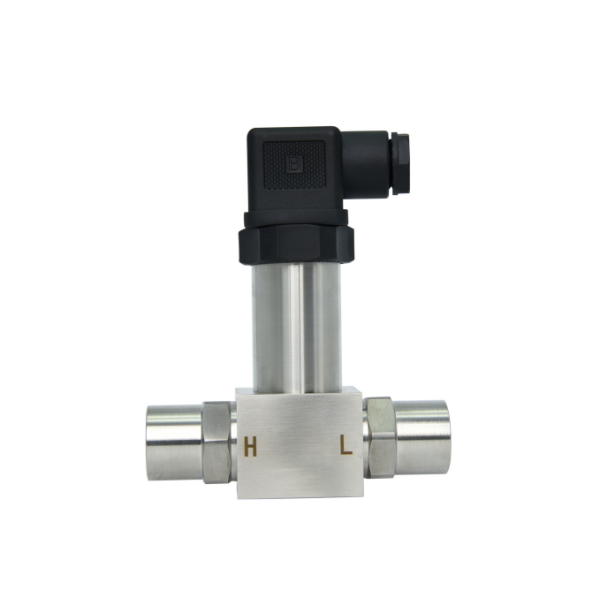
Explosion-proof differential pressure transmitters are commonly deployed in high-risk environments such as chemical plants and oil & gas facilities, where they measure differential pressure, liquid level and flow with high accuracy.
Designed to operate safely in flammable and explosive atmospheres, these transmitters combine robust explosion-proofing with strong anti-interference capability, giving operators reliable data for stable process measurement and control in hazardous areas.
What is an Explosion-Proof Differential Pressure Transmitter?
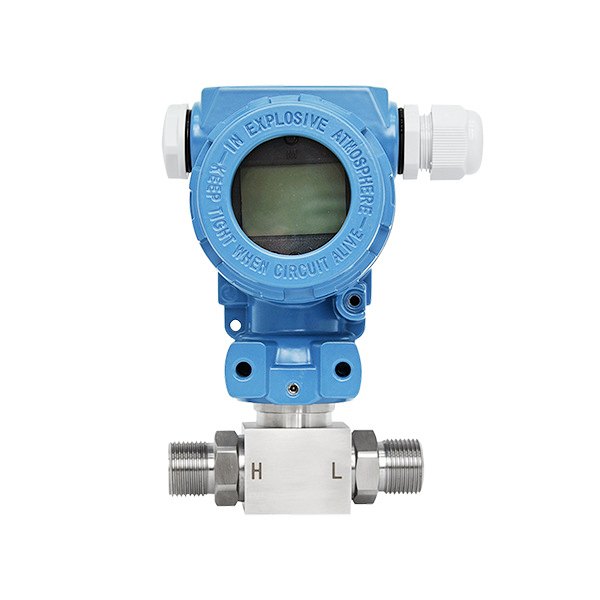
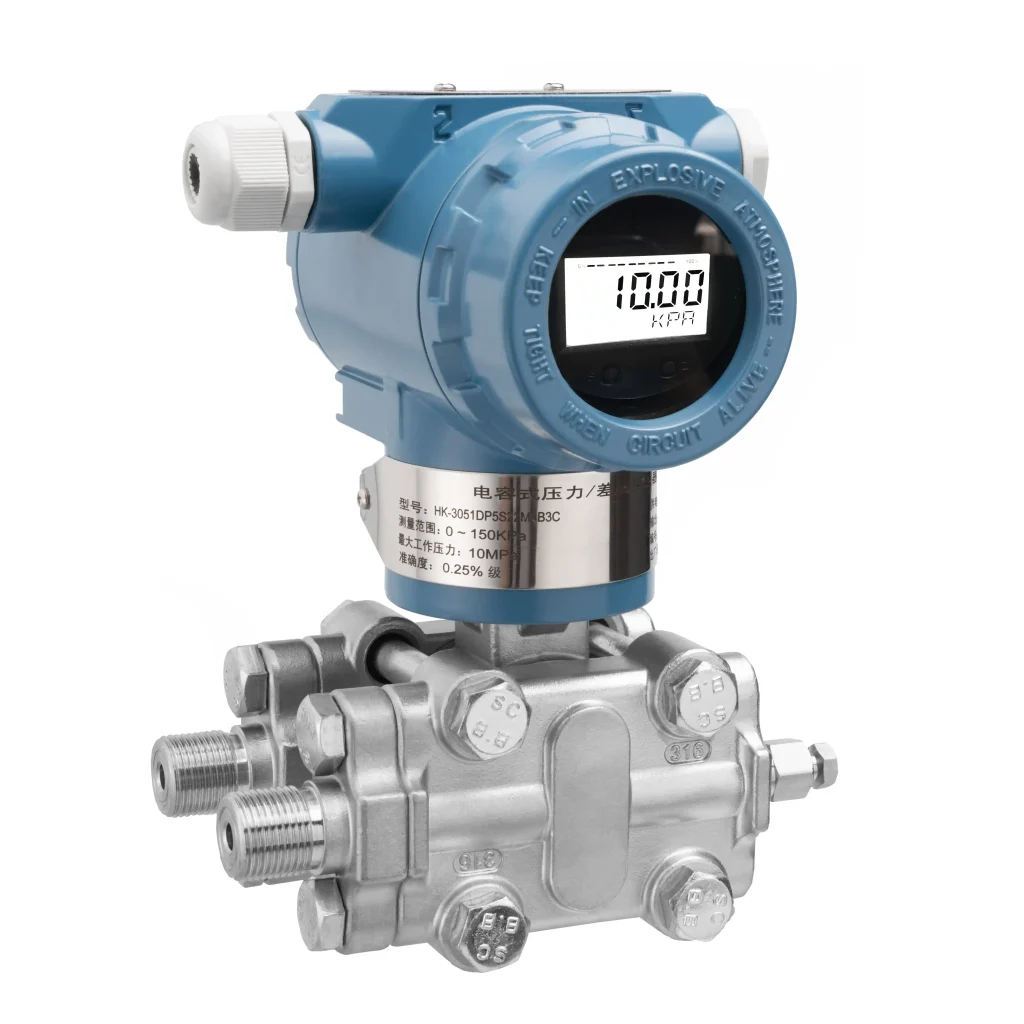
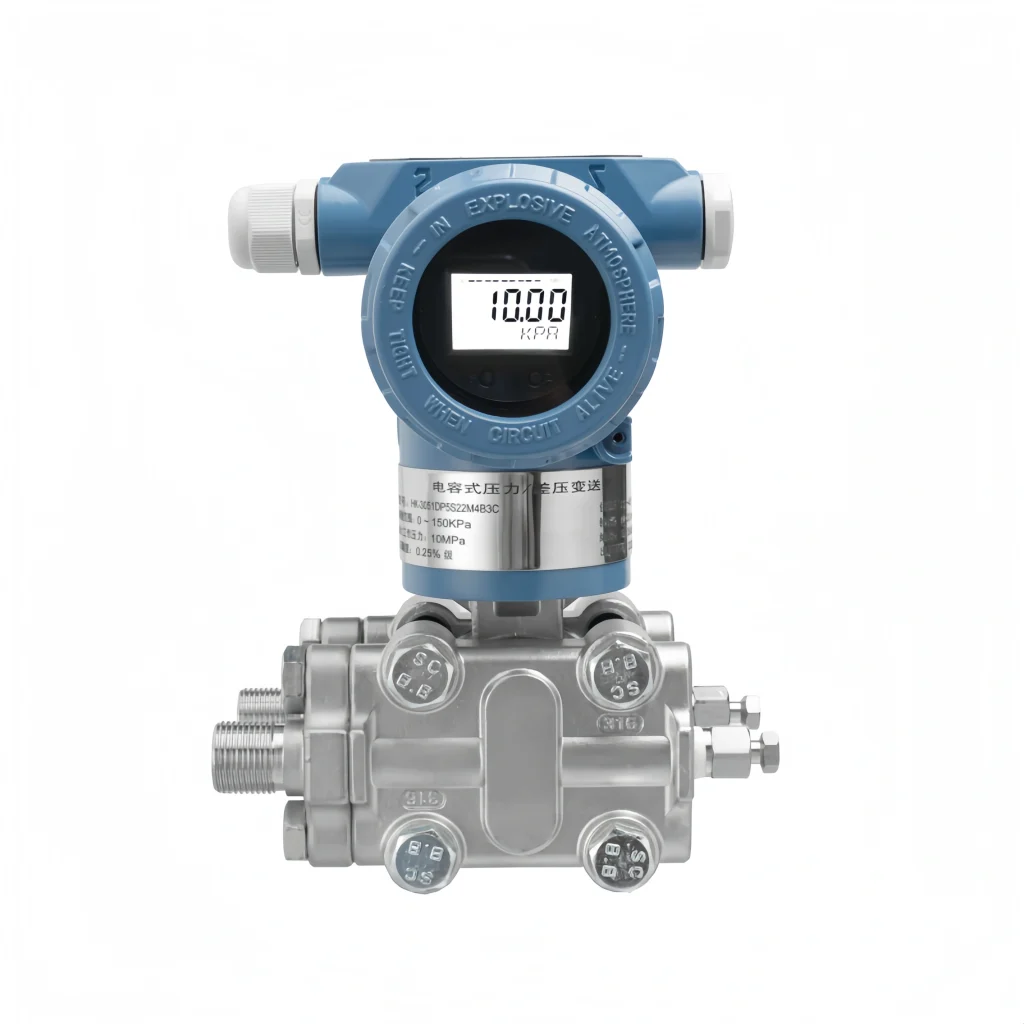
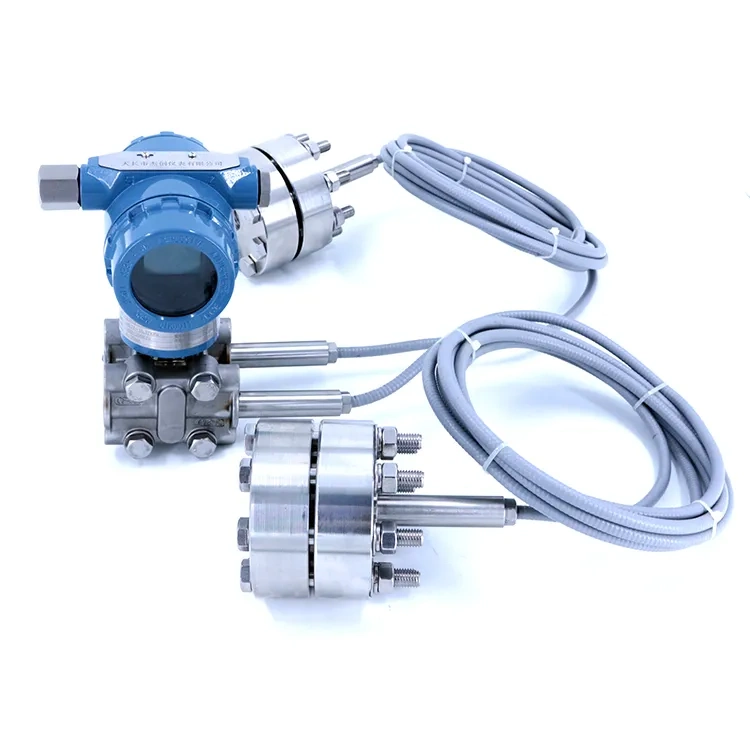
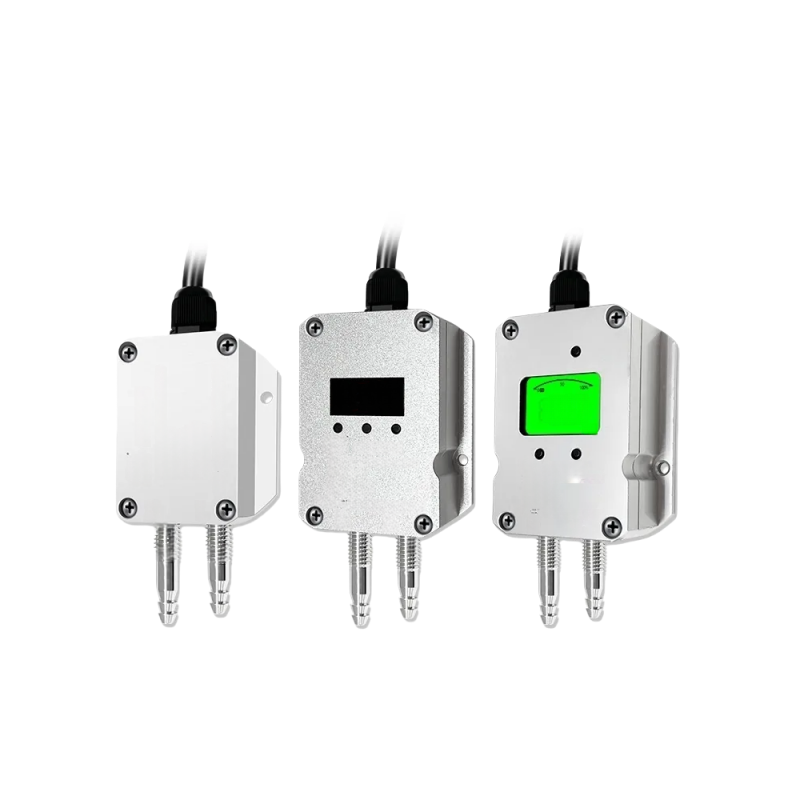
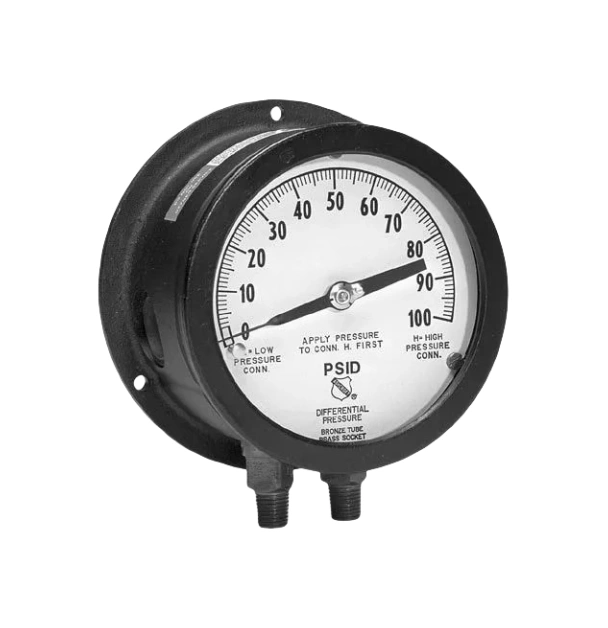
An explosion-proof differential pressure transmitter is essentially a pressure sensor housed in a rugged enclosure designed to contain any internal ignition. These units are installed in hazardous areas where flammable gases, vapours or combustible dust may be present.
It senses the pressure difference between two points and translates that measurement into a standard electrical signal for the control system.At the same time, its explosion-proof structural design limits the generation of arcs and high temperatures within the device, thereby preventing the ignition of surrounding explosive media.
These sensors operate on the same measurement principles as standard differential pressure sensors and can be used to measure liquid level, flow rate and pressure differential.
The key difference lies in the fact that the housing, circuitry and terminal chamber are manufactured in accordance with explosion-proof standards; they are available in various explosion-proof types, such as flameproof and intrinsically safe, and hold the corresponding explosion-proof certifications.
They are commonly used in hazardous environments such as petrochemical plants, coal mines, oil and gas storage tanks, and chemical processing facilities. Whilst ensuring measurement accuracy, they reduce the risk of explosions and fires on site, thereby meeting the safety regulations required for flammable and explosive industrial environments.
Principle of Operation
Explosion-proof differential pressure transmitters utilise pressure diaphragms on both sides to sense the pressures in the high- and low-pressure chambers, converting the pressure difference into diaphragm deformation.
The internal sensing element converts this deformation into a faint electrical signal, which is then amplified and processed by the circuitry to output a standard 4–20 mA signal.
The explosion-proof structure does not alter the measurement principle; rather, through flameproof or intrinsically safe design, it restricts the outward propagation of internal sparks and high temperatures, thereby preventing the ignition of flammable and explosive media on site and enabling the transmission of differential pressure signals in hazardous environments.
Application Scenarios
Petrochemicals: Used for differential pressure monitoring in reactors and pipelines, as well as for measuring liquid levels and medium flow rates, to cope with on-site environments containing flammable and explosive gases.
Oil and Gas Storage Tanks: These units handle liquid level gauging in storage tanks, pressure drop monitoring across tank farm piping, and breathing loss detection — all essential for safe storage operations.
Coal Chemical Industry: They monitor pressure differentials along process pipelines and track furnace negative pressures in environments where hazardous gases are a constant concern.
Power Stations: Boiler furnace draft, flue gas duct pressure losses, and dust collector differential pressures are all measured under explosion-proof requirements.
Pharmaceutical and Chemical Industries: Sealed reactor pressure differentials, liquid level readings, and flow measurements are carried out in areas where explosion protection is mandatory.
Oil and Gas Transmission Pipelines: By tracking pressure differences between pipeline endpoints, operators can identify blockages or leaks and maintain reliable transmission.
Explosion-proof areas in wastewater treatment: Pressure and level measurements in enclosed tanks are performed where biogas and other combustible gases create explosion risks.
Sin-Inst provides bespoke selection solutions tailored to the characteristics of media and explosion-proof rating requirements across different industries and operating conditions.
Whether for standard operating conditions, high-temperature and high-pressure environments, or special hazardous zones such as Zone 0, Zone 1 and Zone 2, there are suitable models available, comprehensively covering all types of industrial explosion-proof measurement and control scenarios.
Advantages and Disadvantages
Advantages
1. These transmitters carry full explosion-proof certification, so they can run safely in areas where flammable gases, vapours or combustible dust are present. The sealed housing contains any internal sparks, preventing them from igniting the surrounding atmosphere — a requirement that chemical plants, oil & gas facilities and other high-risk sites must meet.
2. The sensing element is sensitive enough to pick up small pressure differences with tight accuracy. Whether the job is level, flow or pressure measurement, the unit puts out a standard 4–20 mA signal that drops straight into existing PLC or DCS networks without extra conversion hardware.
3. Strong environmental adaptability and a high enclosure protection rating; dust-proof, water-resistant and corrosion-resistant, it can withstand on-site vibrations and significant temperature fluctuations, ensuring excellent long-term operational stability and minimising data drift caused by environmental interference.
4. High level of functional integration: most models support span shifting, zero calibration and damping adjustment, facilitating convenient on-site commissioning. Some models support the HART protocol, enabling remote parameter reading and writing; configuration can be completed without opening the housing, thereby reducing the safety risks associated with opening the housing in high-risk areas.
5. Mounting is flexible — the transmitter fits standard three-valve manifolds and a variety of process connections. Servicing and swap-outs are simple, so you can replace or install units without reworking the existing piping.
6. The internal hardware is built for hazardous-area duty, which keeps the failure rate low and extends service life. That translates to fewer maintenance trips into dangerous zones and less production lost to downtime.
Disadvantages
1. Expect a higher purchase price; the explosion-proof housing and required certifications push the cost above that of standard differential pressure transmitters.
2. The unit carries extra weight; the rugged, explosion-proof enclosure makes it less portable and more awkward to handle during on-site installation than lighter standard models.
3. Strict maintenance restrictions apply; power must be switched off before opening the cover for maintenance or disassembly in explosion-hazardous areas; live working is prohibited.
4. Strict installation requirements;the wiring compartment has to be sealed properly and the housing protected to code; slip up during installation and the explosion-proof rating means nothing.
5. Some models are on the large side, which cramps wiring and mounting space in confined areas.
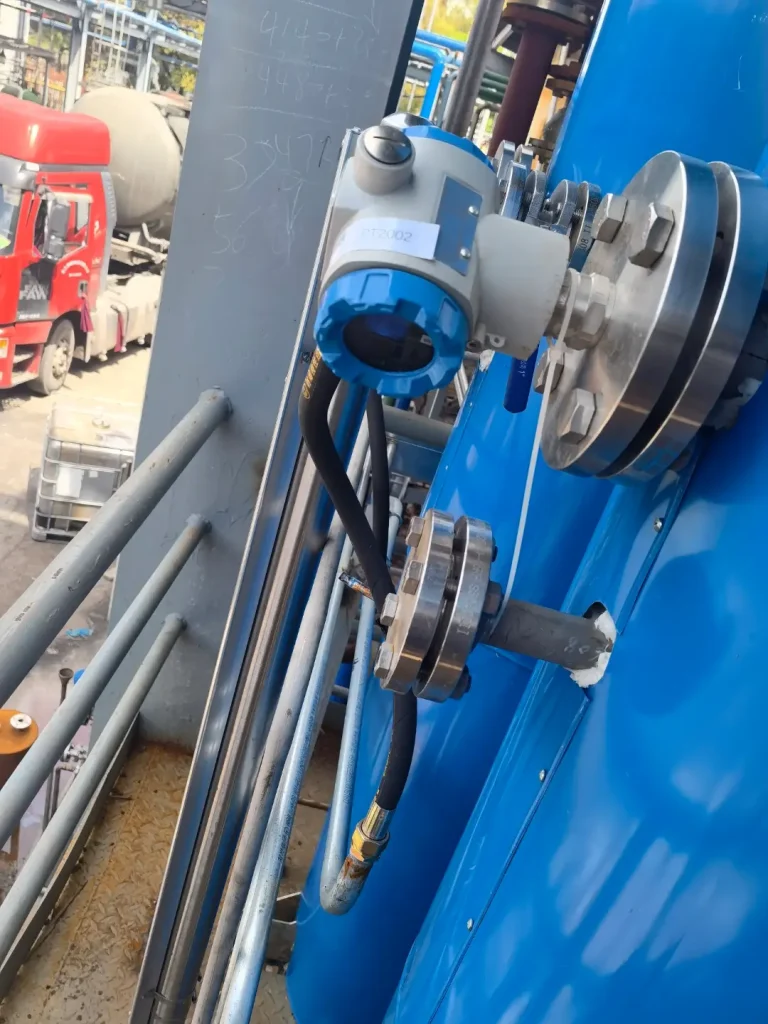
Explosion-Proof Differential Pressure Transmitters vs Standard Differential Pressure Transmitters
1. Different operating environments
Standard differential pressure transmitters are built for ordinary, safe conditions — places without flammable gases, vapours or combustible dust. You’ll find them in regular industrial plants, water treatment works, and everyday production lines running at normal temperatures and pressures where explosion risk simply isn’t a factor.
Explosion-proof differential pressure transmitters, on the other hand, are made for hazardous zones where flammable gases, vapours or dust are present — think chemical plants, oil & gas operations, coal mines and tank farms. They are built to keep running safely in atmospheres that could ignite.
2. Differences in Enclosure and Structural Design
The enclosure of a standard differential pressure transmitter provides only basic protection, focusing on preventing the ingress of moisture and dust; a protection rating of around IP65 is generally sufficient. The enclosure structure does not feature special flameproof or intrinsically safe designs.
The enclosure of an explosion-proof differential pressure transmitter is made of higher-strength materials; flameproof enclosures can withstand internal explosion pressures, whilst intrinsically safe types limit circuit energy, structurally preventing internal sparks from igniting external explosive media.
3. Differences in Circuit and Electrical Design
The internal circuitry of standard differential pressure transmitters is designed to general standards, with no restrictions on discharge or spark energy; electrical sparks may therefore be generated in the event of a circuit fault.
Explosion-proof differential pressure transmitters feature specialised circuit design: intrinsically safe models limit output current and voltage to ensure the circuit’s energy is insufficient to ignite explosive mixtures; in flameproof models, even if a spark is generated internally, it will not propagate to the exterior of the enclosure.
4. Different Safety Certification Requirements
Standard differential pressure transmitters require only conventional metrological and electrical safety certifications; they do not require explosion-proof certification. Explosion-proof differential pressure transmitters must obtain a national explosion-proof certificate and be marked with explosion-proof symbols such as Ex ia or Ex d.
Different explosion-proof ratings correspond to different hazardous zones; the selected model must match the hazard zone classification of the site. Without an explosion-proof certificate, the device must not be used in explosion-hazardous environments.
5. Different Installation Standards
Standard differential pressure transmitters have simple wiring and can be installed in accordance with general instrumentation wiring standards.
Explosion-proof differential pressure transmitters have strict installation requirements: flameproof types require explosion-proof cable glands at the wiring ports, which must be properly sealed; intrinsically safe types must be fitted with safety barriers and use intrinsically safe cables.
Installation personnel must be familiar with explosion-proof installation standards, as non-compliant installation will compromise the explosion-proof integrity.
6. Cost and Price Differences
Standard differential pressure transmitters have a simple structure, resulting in lower procurement costs, and spare parts are more readily available. The housings, circuits and components of explosion-proof differential pressure transmitters are all designed specifically for explosion-proof applications; furthermore, certification costs apply.
Consequently, the price of the complete unit is significantly higher than that of standard models with the same specifications, and the cost of maintenance and spare parts is also higher.
Differences between Explosion-Proof (Flameproof Ex d) and Intrinsically Safe (Ex i)
1. Explosion-proofing Principles
Flameproof (Ex d) devices rely on a high-strength, sealed enclosure to contain internal sparks and explosions within the housing, withstanding internal explosion pressure and preventing flames from igniting hazardous gases outside.
Intrinsically safe (Ex i) devices limit voltage and current within the circuit itself, keeping the circuit’s energy at a very low level; under both normal and fault conditions, the electrical sparks and heat generated are insufficient to ignite explosive atmospheres.
2. Structure and Appearance
Explosion-proof equipment features heavy-duty enclosures with stringent requirements for bolts and mating surfaces; the covers must not be opened arbitrarily, and such equipment is typically used for high-power applications.
Intrinsically safe instruments are compact and lightweight, with enclosures that do not require high-strength explosion-proof specifications; they are limited to small-signal field devices.
3. Power and Circuits
Flameproof enclosures support high-power AC and DC circuits and are commonly used with motors and high-power actuators. Intrinsically safe enclosures are only suitable for low-voltage, low-signal applications such as 4–20 mA and cannot drive high-power loads.
4. Ancillary Components
Flameproof enclosures do not require safety barriers; they are fitted with explosion-proof cable glands. Intrinsically safe systems must be fitted with an intrinsically safe barrier on the safe side, use intrinsically safe cables, and be routed separately from non-intrinsically safe circuits.
5. On-site Maintenance
With flameproof-type instruments, opening the cover whilst live in hazardous areas is prohibited; maintenance must be carried out after power has been disconnected. With intrinsically safe-type instruments, provided the system’s intrinsically safe parameters are met, calibration and maintenance may be carried out whilst live in hazardous areas.
6. Applicable Hazardous Areas
Flameproof (Ex d) is suitable for Zones 1 and 2, but must not be used in Zone 0. Intrinsically safe (Ex i) can be used in Zones 0, 1 and 2; it is the only type of explosion-proof design permitted for use in Zone 0 and is commonly used in various transmitters.
7. Fault Safety
In flameproof types, damage to the enclosure or missing bolts will result in the immediate loss of explosion protection. In intrinsically safe types, even in the event of a short circuit or component failure, the energy remains limited and will not form an ignition source.
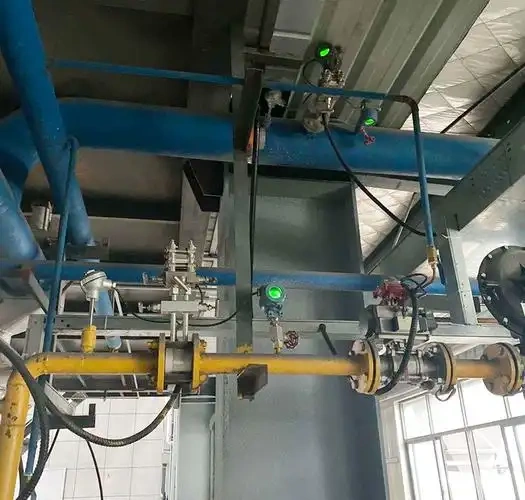
Selecting compliant and reliable explosion-proof differential pressure transmitters can eliminate the risk of electrical ignition at source, ensuring the long-term stable operation of the entire measurement and control system.
Sin-Inst offers a comprehensive range of explosion-proof industrial measurement instruments, covering a variety of explosion-proof ratings and signal outputs, complete with corresponding installation accessories, all of which hold valid explosion-proof certifications.
Suitable for new projects, retrofits and equipment replacement in hazardous operating conditions across various industries, we provide selection advice and complete measurement and control solutions to help enterprises comply with on-site explosion-proof regulations, balancing measurement accuracy with production safety whilst reducing on-site operational and maintenance risks.