Irrigation Flow Meters For Better Agriculture Management – Cost Savings

Table of Contents

Accurate flow measurement is key to effective water resource management. Choosing a suitable irrigation flow meter enables growers can accurately measure and effectively manage crop irrigation. Sino-Inst flow meters help deliver the right amount of water and fertilizer to crops. Sino-Inst flow meters play a crucial role in the agricultural sector, especially in irrigation. For years of development, farmers have trusted Sino-Inst flow meters for superior accuracy and durability.

The post explains the function of various irrigation flow meters in agricultural irrigation. I hope to provide some helpful information for you.

What is an Agriculture Irrigation Flow Meter?

Agricultural irrigation flow meters are specialized instruments designed for agricultural irrigation scenarios to accurately measure water flow in irrigation pipelines. They can monitor instantaneous flow rates and cumulative water usage in real time, and are compatible with mainstream irrigation methods such as drip irrigation, sprinkler irrigation, and canal irrigation. These meters are capable of withstanding complex field conditions and are resistant to interference from silt and impurities in the water.

They provide farmers and irrigation district management authorities with accurate data for tracking water usage, enforcing quota-based water management, and preventing water waste, while also supporting metered billing for irrigation water. Some smart models can integrate with automated irrigation systems to enable automatic, metered water delivery, thereby promoting water conservation in agriculture and precision crop management.
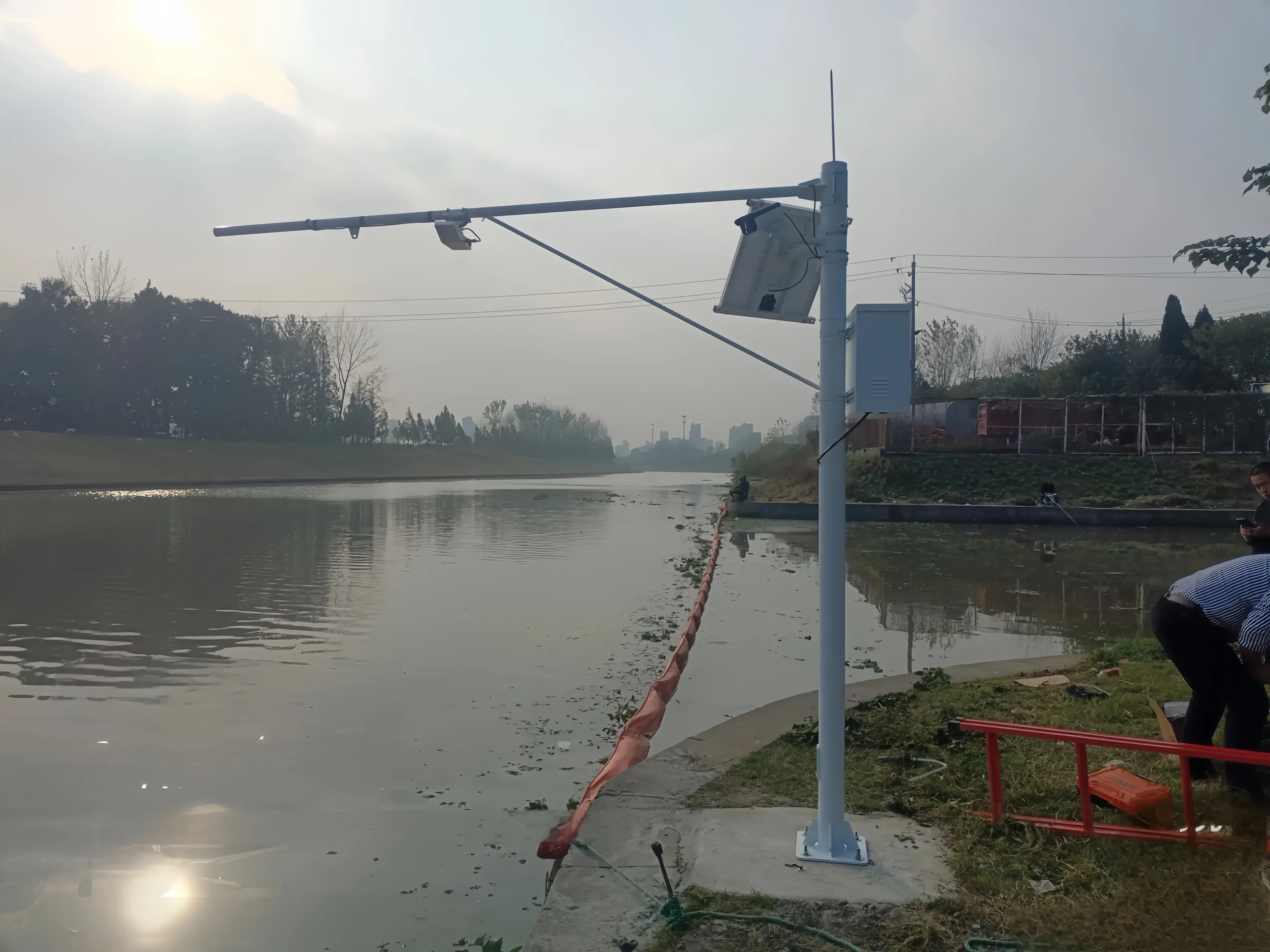
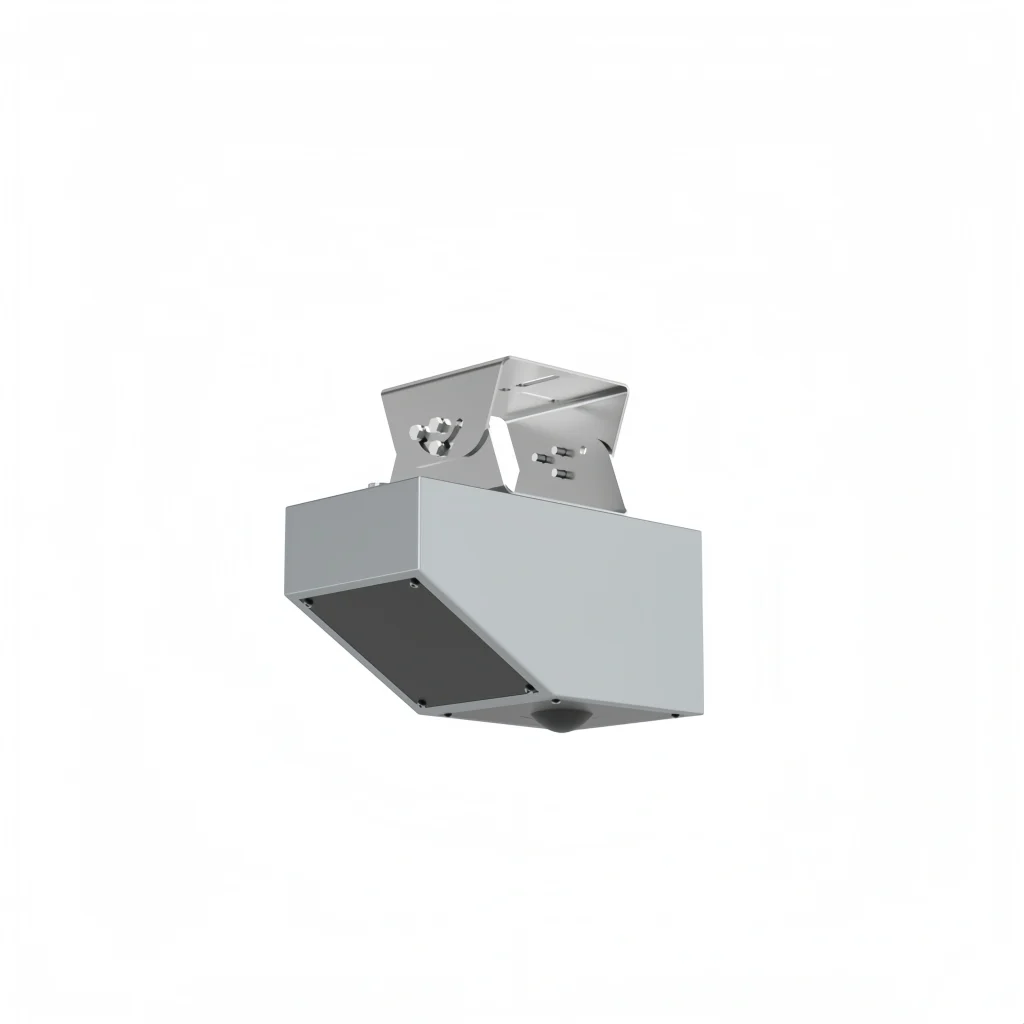
Radar flow meter for open channel irrigation

Agriculture Irrigation Flow Meters Functions

  • Simply used to count water flow. Water usage statistics are particularly important in areas with high water costs, which allows users to plan irrigation water use appropriately based on actual conditions.
  • At the head of a smart irrigation system, a flow meter is installed behind a water pump. A set flow range allows users to monitor pump operation. If a pump anomaly is detected, users can check and resolve it in real time.
  • In integrated water and fertilizer smart irrigation systems, users can set a flow rate. When the flow rate reaches the set value, fertilization automatically ends. It achieves integrated water and fertilizer management.
  • A flow meter is installed behind a regional main valve to detect main valve failure or pipe leaks. If such a problem is detected, the valve is closed and an alarm is triggered, prompting users to promptly investigate and resolve the issue.
  • Furthermore, flow meters can effectively prevent uneven watering caused by excessive or insufficient water flow. In irrigation, flow meters measure irrigation water and fertilizer flow, which can provide a reasonable distribution of water and fertilizer to each crop.

Sino-Inst Featured Irrigation Flow Meter

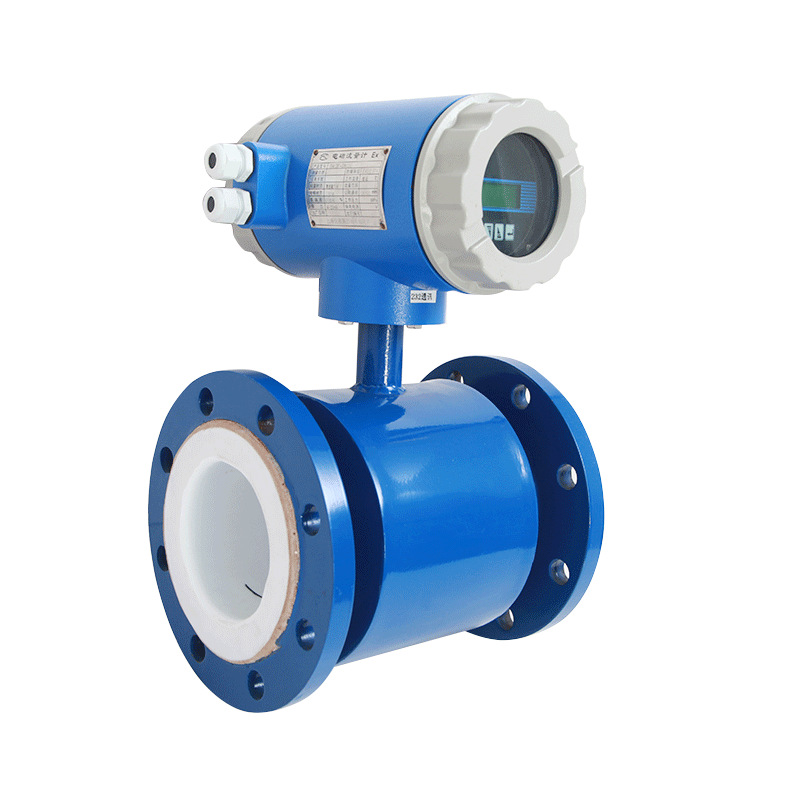
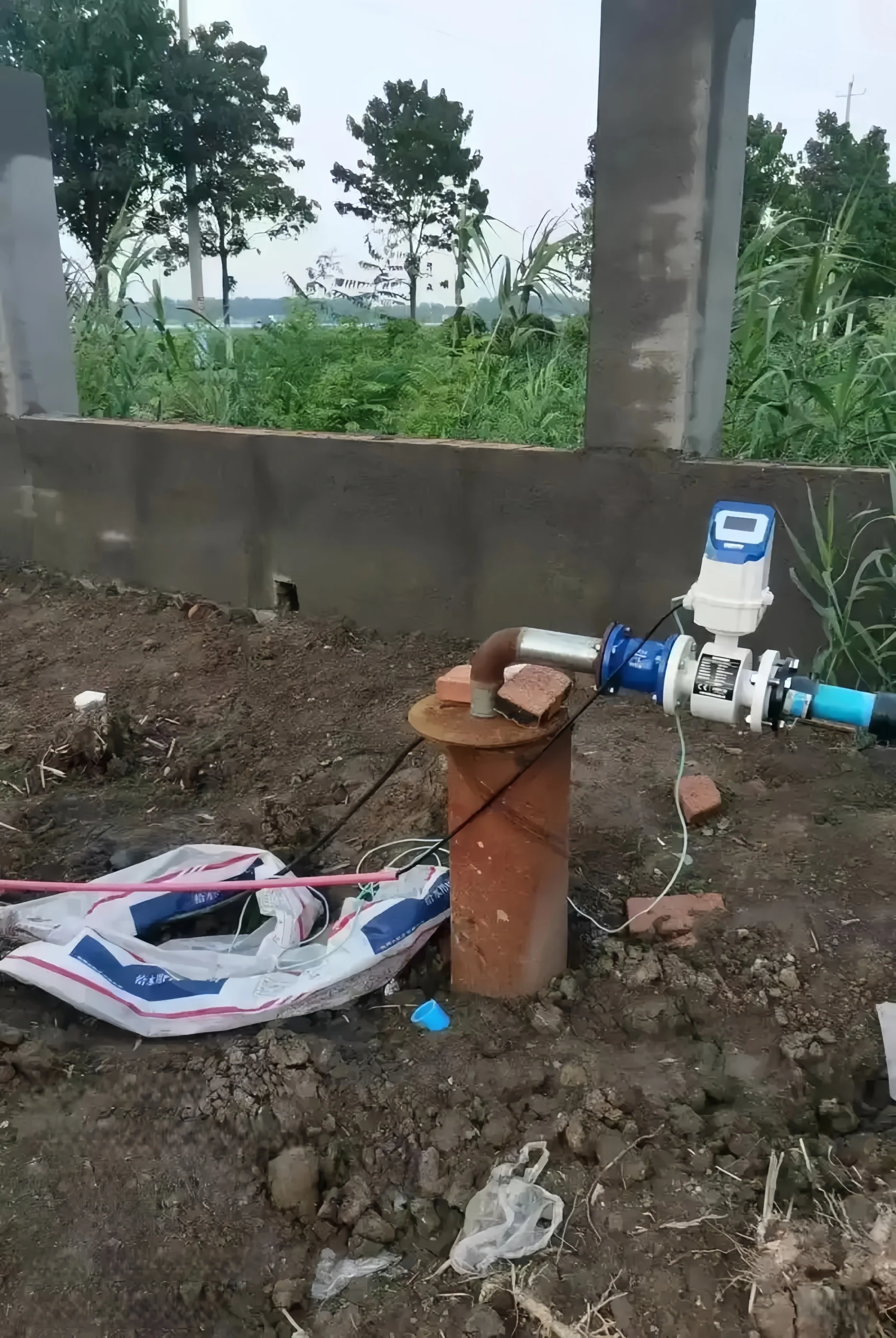
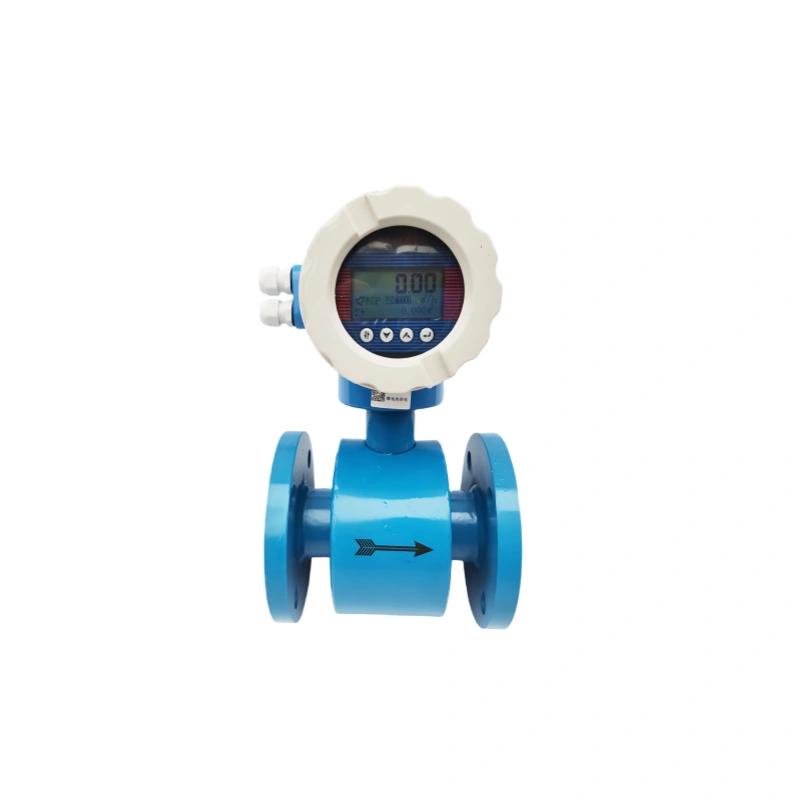
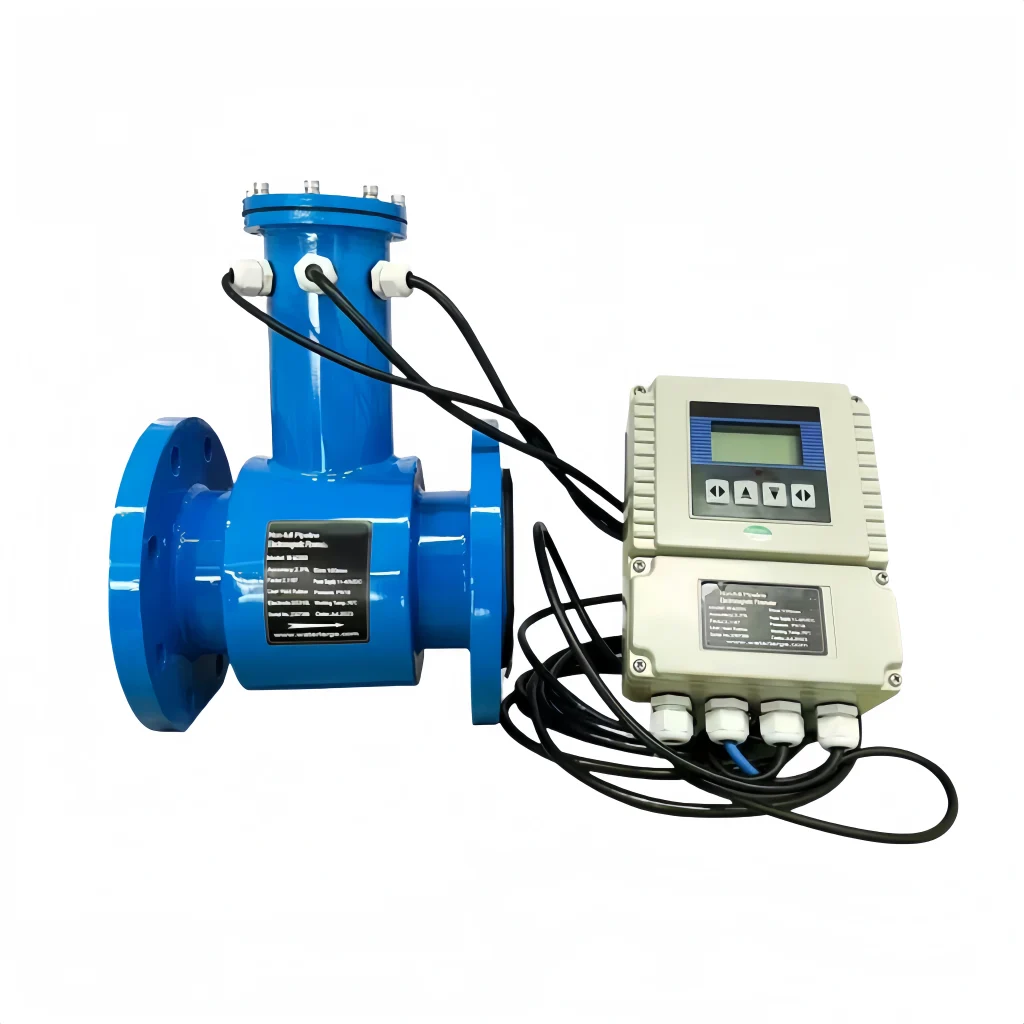
Partially Filled Pipe Electromagnetic Flow Meter
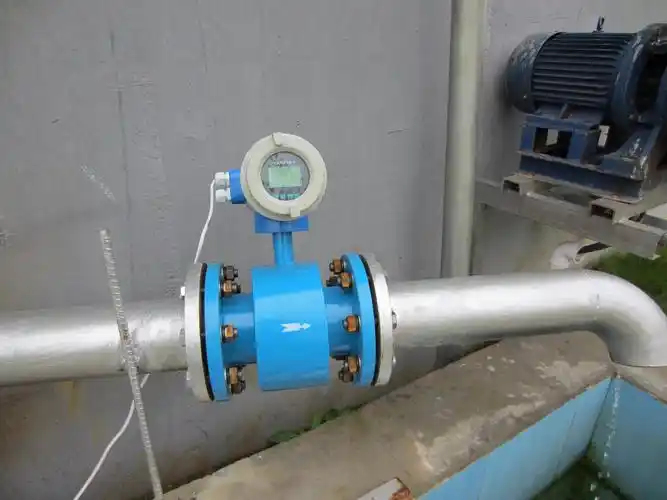
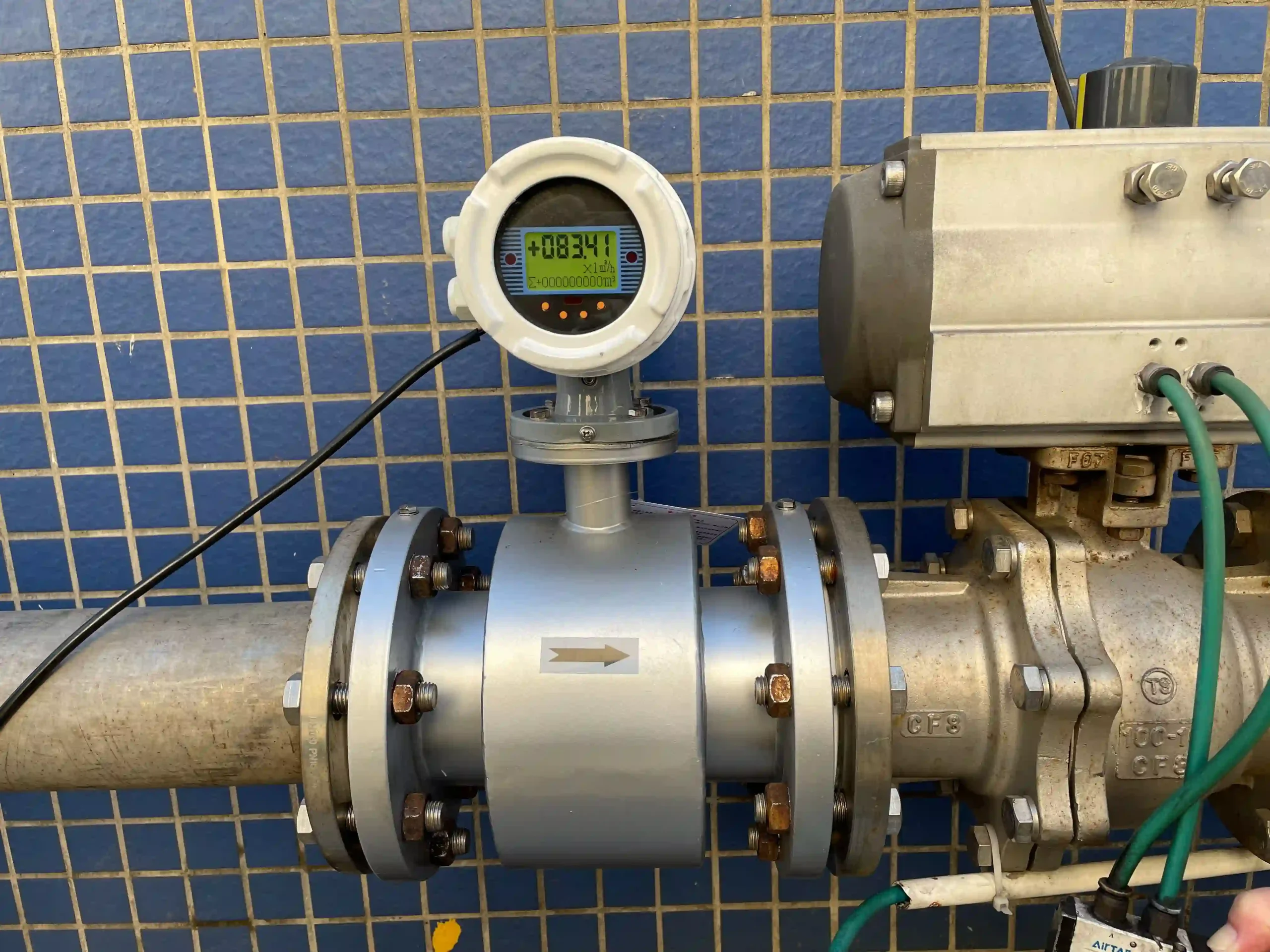
Inline Electromagnetic Flow Meter Compact type
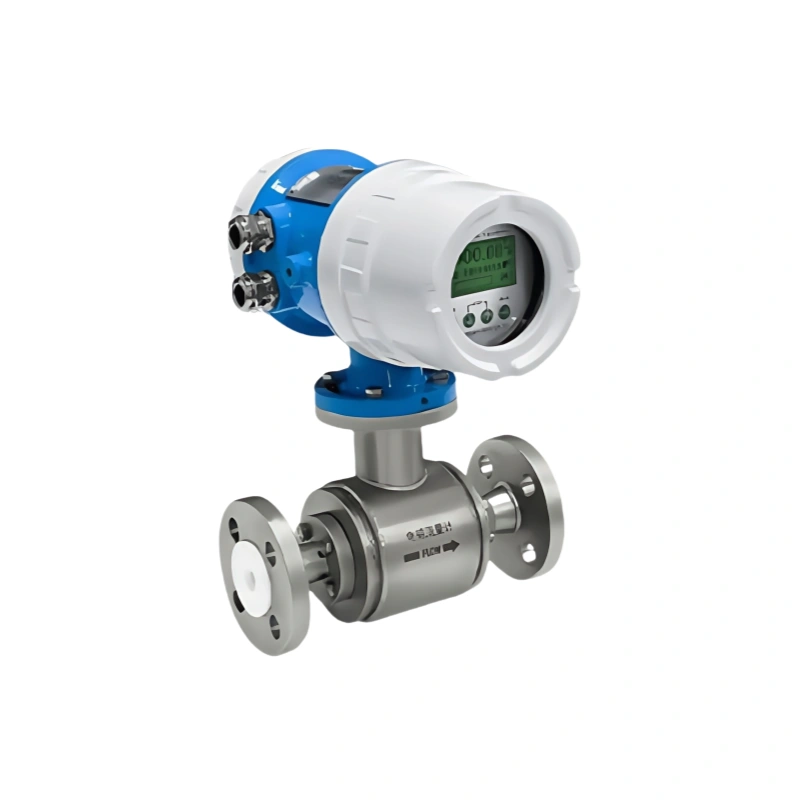
Inline Electromagnetic Flow Meter | Compact & Split Type
Open channel radar flowmeters measure river water
Open Channel Flow Meter – Radar Flow Meter
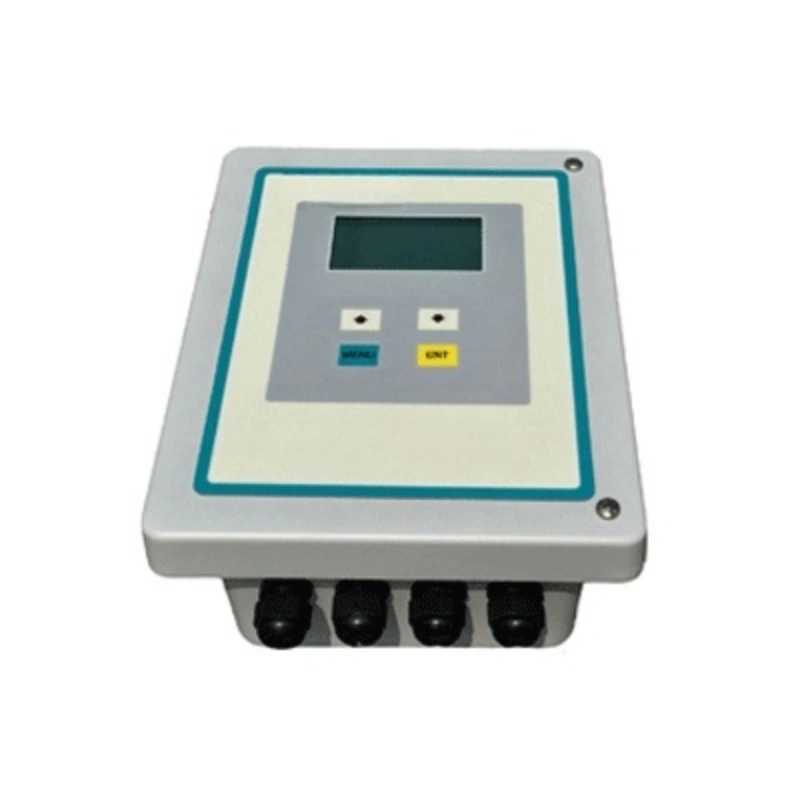
doppler flow meter
doppler flow meter-insertion type
Dual-Multi Channel Ultrasonic Flow-heat Meter
Dual/Multi Channel Ultrasonic Flow Meter - More Stable
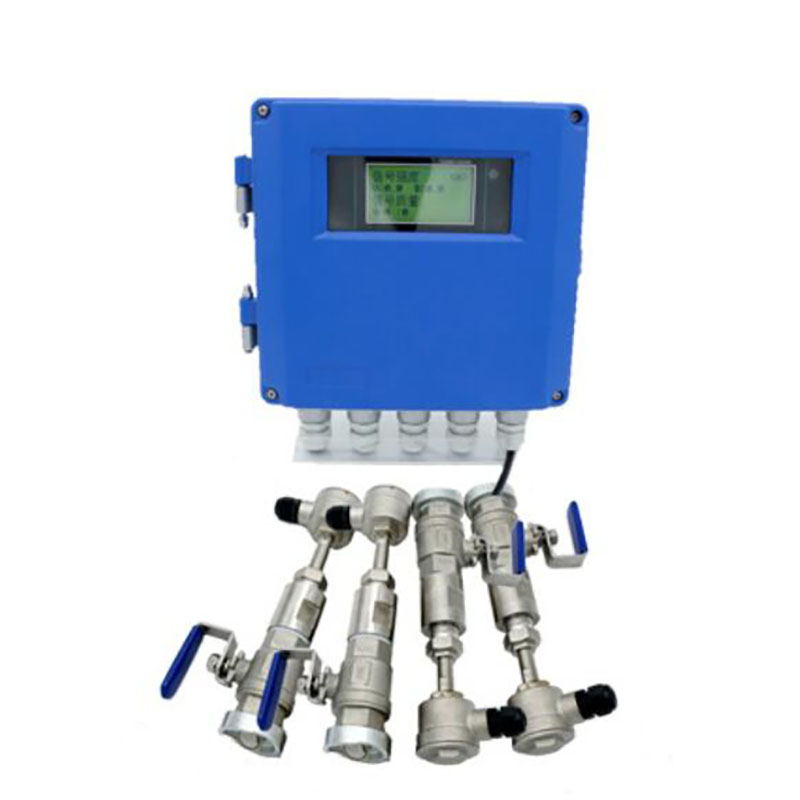
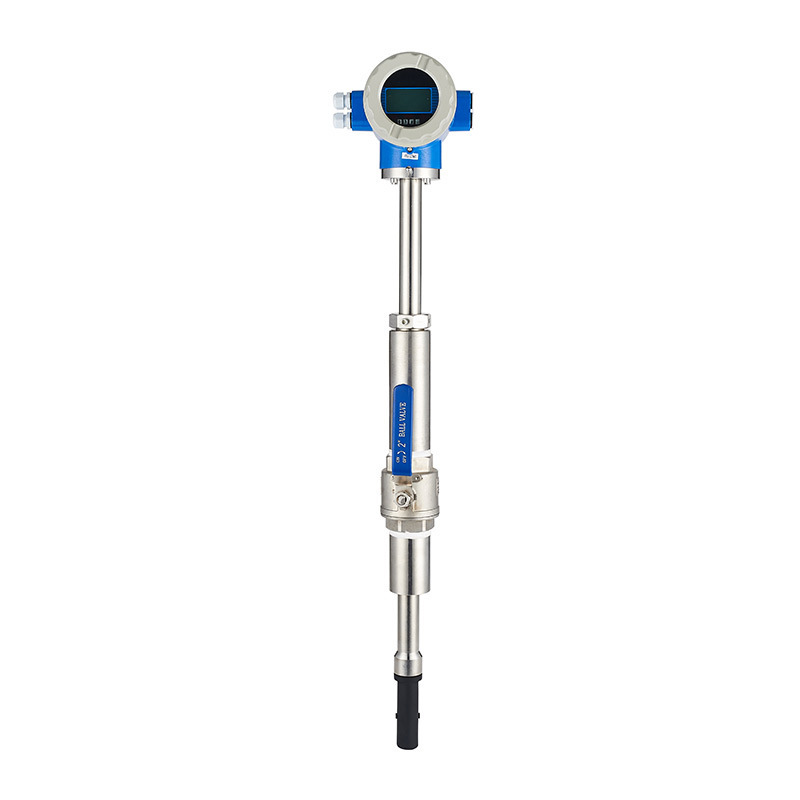
Insertion Magnetic Flow Meter with ball valve installation
Insertion Magnetic Flow Meter | DN100~DN3000 Large Pipes

Challenges of Agricultural Irrigation Flow Measurement

1. Irrigation water often contains high levels of silt, weeds, and suspended solids, which can easily cause sensor blockages and scale buildup, affecting measurement accuracy and the service life of the equipment.

2. Power supply conditions in the field are limited, and many irrigation sites cannot be connected to the municipal power grid, placing high demands on the meters’ low power consumption and battery-powered operation capabilities.

3. Irrigation pipeline conditions fluctuate significantly, with a wide range of flow variations, including alternating between low-flow drip irrigation and high-flow canal irrigation; flow meters must be capable of measuring both high and low flow rates.

4. Outdoor environments are harsh, with exposure to sunlight and rain, large temperature fluctuations, and high humidity and dust levels; instruments must therefore possess excellent protection and weather resistance.

5. In some field locations, installation space is limited, and there is a lack of sufficient straight pipe sections, which can easily cause flow field distortion and further lead to measurement errors.

6. Irrigation areas have widely dispersed locations and a large number of devices, resulting in a significant workload for on-site maintenance and calibration; this places higher demands on equipment stability.
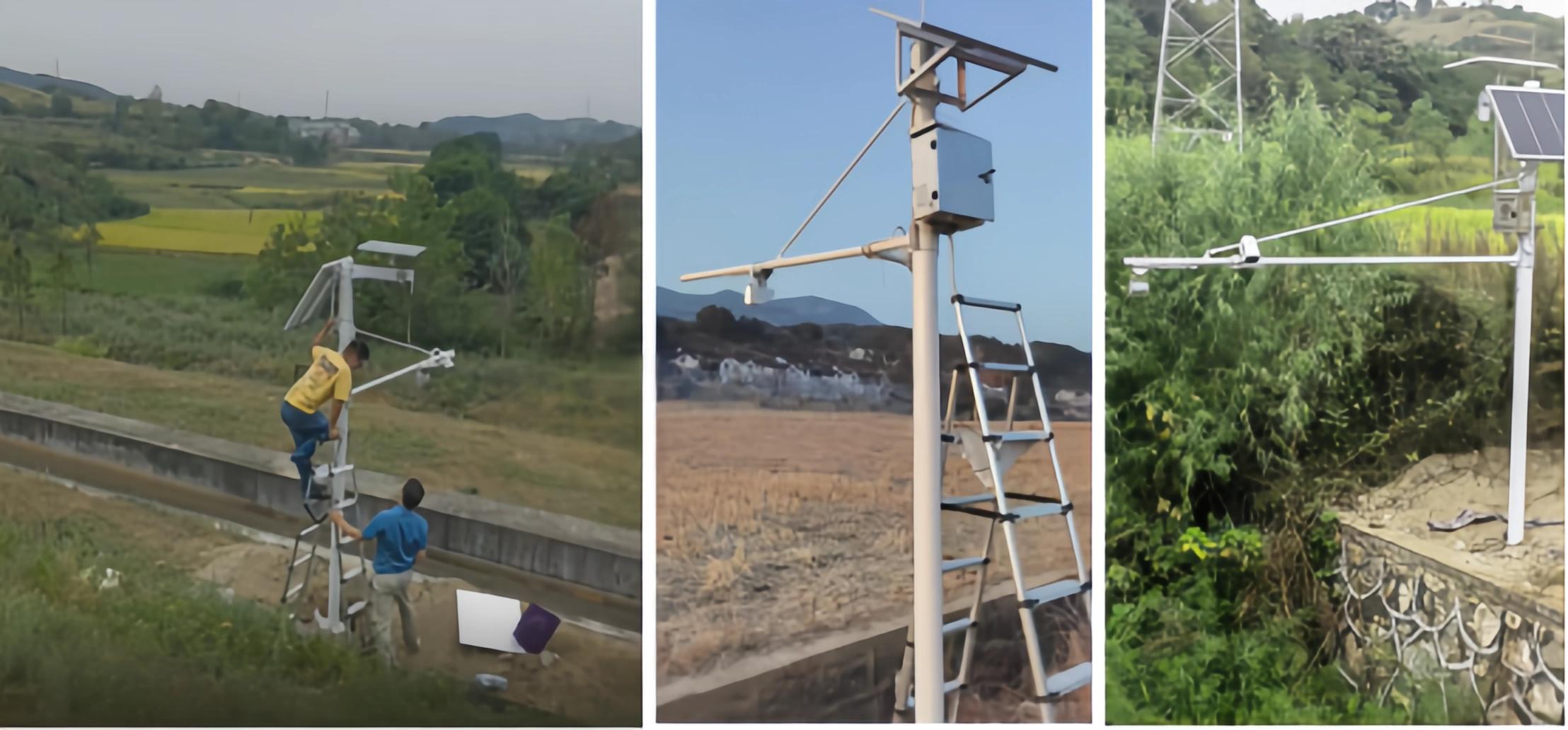
Non-Contact Radar Irrigation Flow Meter

Water Meter vs. Flow Meter

In agricultural irrigation, water meters and flow meters are two commonly used irrigation devices. Water meters adhere to national standards, while flow meters adhere to industry standards. Water meters focus on wide-range measurements, while flow meters are suitable for measuring fluids with stable flow rates.

1. Water meters are only used in the water industry, while flow meters are used in various industrial and residential sectors. Electromagnetic flow meters have a wider range of applications than water meters. Because flow meters have narrower ranges than water meters, they are more commonly used in the water industry.

2. Flow meters can display instantaneous flow rate, accumulated flow rate, and flow rate. Water meters simply provide an accumulation function and generally do not display the instantaneous flow rate.

3. Water meters are relatively inexpensive to manufacture, while flow meters are generally more expensive.

4. Water meters have relatively low accuracy, are not resistant to high pressure or high temperature, and lack linear signal output, which makes them unsuitable for modern industrial automation control. Flow meters can be customized based on the user’s actual specifications, such as measuring high-temperature media, corrosive fluids, high-pressure pipelines, and other special operating conditions.

5. From the perspective of the application. Water meters generally measure only water and are not suitable for measuring gases. Water meters for some liquid media are also inapplicable. Flow meters can measure a variety of media, including gases and liquids (water, oil, turbid liquids, etc.).
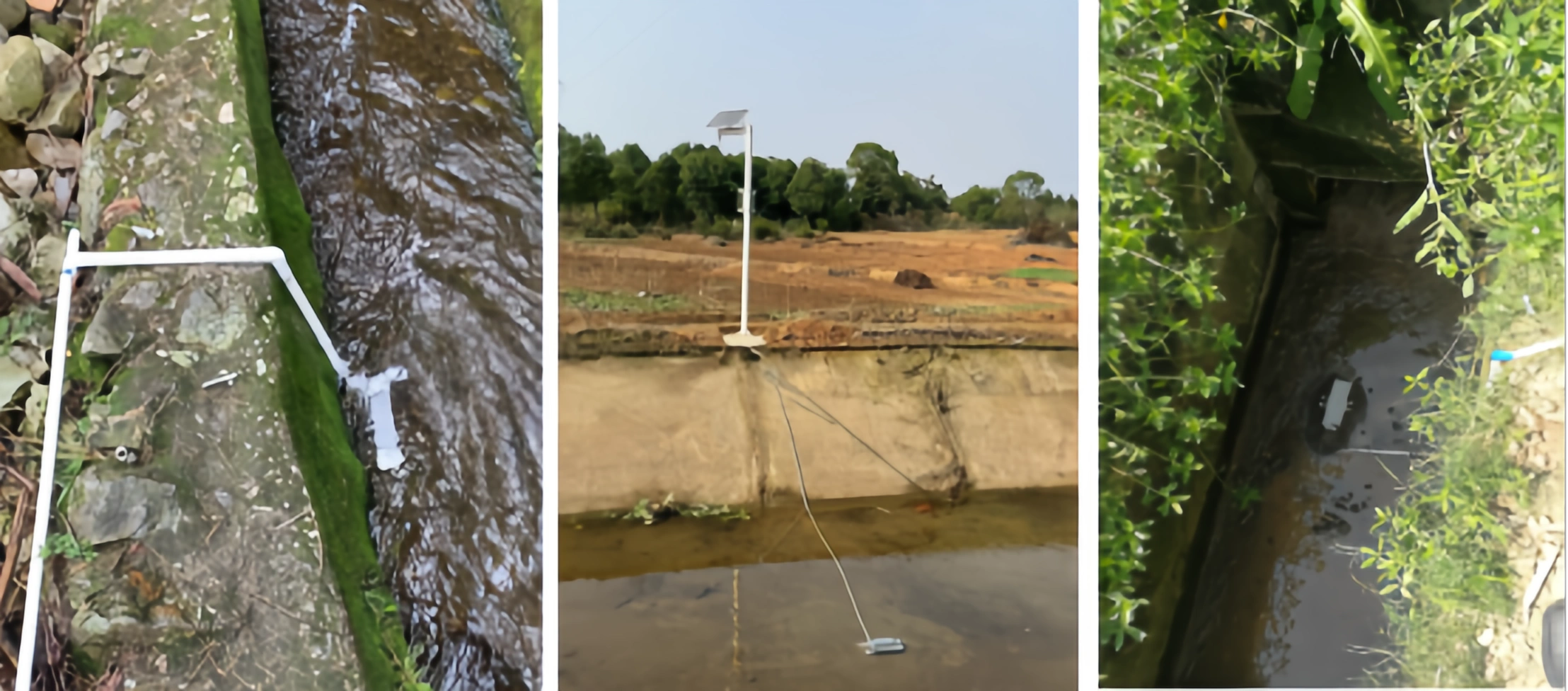
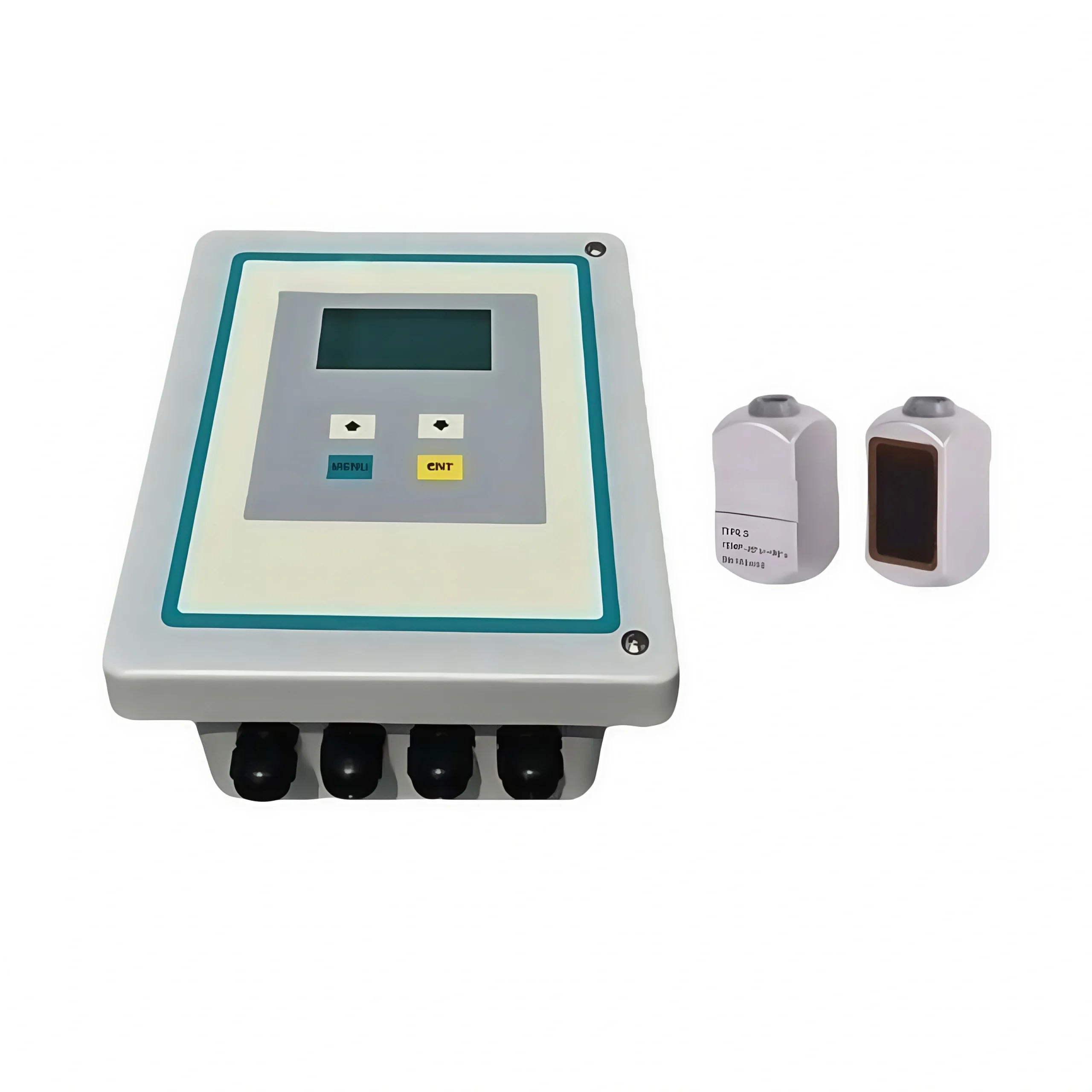
Contact Doppler Ultrasonic Irrigation Flow Meter

Agricultural Irrigation Flow Meter Types

We have summarized the following common types of agricultural irrigation flow meters and introduced their respective working principles in detail.

Ultrasonic Flow Meter

Working Principle: 

The ultrasonic flow meter employs the time-of-flight method. The transducers emit ultrasonic waves into the water within the pipe, measuring the propagation times of the sound waves traveling both with and against the flow.

The flow velocity is calculated based on the time difference between the two measurements, and the instantaneous and cumulative flow rates are then calculated using the pipe’s cross-sectional area.

Advantages

1. The clamp-on version requires no pipe cutting and can be installed or retrofitted without interrupting water flow, resulting in low installation costs.

2. With no moving or obstructing parts inside the pipe, silt and weeds are unlikely to cause blockages, minimizing maintenance requirements.

3. Supports battery power, making it suitable for field irrigation areas without access to mains power.

4. Pressure loss is virtually zero, so it does not increase the water conveyance load on the irrigation network.

Radar Flow Meter

Working Principle:

The radar flow meter emits microwave signals toward the water surface of the channel. It uses the Doppler effect to measure the flow velocity at the water surface while simultaneously measuring the real-time water level.

By combining these measurements with the channel’s cross-sectional geometric parameters, it calculates the water flow rate through the channel. It is commonly used in open-channel irrigation and drainage applications.

Advantages

1. The probe does not come into contact with the water, making it resistant to silt, aquatic vegetation, and sewage corrosion, ensuring a long service life

2. No civil engineering modifications to the open channel are required; the device can be installed directly above the channel and put into use immediately

3. Suitable for high-flow channel irrigation scenarios with high tolerance for contaminated water

4. Simple installation and battery-powered operation make it ideal for dispersed field irrigation sites

Electromagnetic Flow meter

Working Principle: 

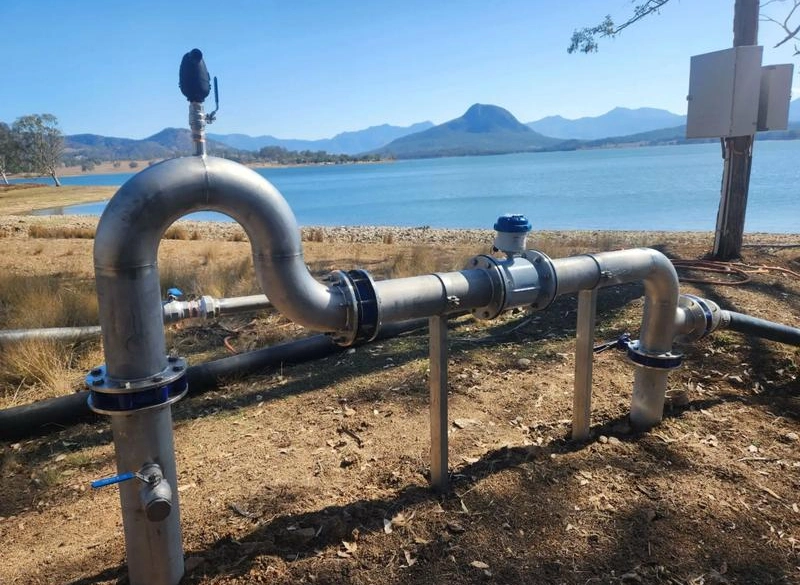
Electromagnetic flow meters operate based on Faraday’s law of electromagnetic induction. When a conductive irrigation water flow cuts through a magnetic field, an induced electromotive force is generated.

Electrodes collect the induced voltage signal, and the magnitude of the voltage is directly proportional to the water flow velocity. Flow rate data is calculated by converting the flow velocity and pipe cross-sectional area.

Advantages

1. High measurement accuracy and a wide measurement range, enabling stable measurement of both high and low flow rates

2. No flow-restricting components inside the measuring tube, resulting in low pressure loss; suitable for drip and sprinkler irrigation systems

3. Capable of measuring conductive water containing silt and sand, with good resistance to interference from solid particles

4. Supports standard signal outputs such as 4–20 mA, facilitating integration with automated irrigation district management platforms

How to Choose an Agricultural Irrigation Flow Meter?

Choosing the right irrigation flow meter is a complex problem. Many factors need to be considered. The following are key selection criteria summarized by Sino-Inst.

  • Typical irrigation water and fertilizers are corrosive and contain impurities. So, we should consider that the flow meter should meet the different media features.
  • The accuracy level of the selected flow meter should be slightly less than the actual total irrigation flow rate. Generally, an accuracy of ±5% or less is sufficient for most agricultural irrigation needs.
  • The required measurement range is determined based on various factors, which include the flow rate and pressure of the irrigation water source, the slope of the irrigation area, and soil quality.
  • Consider the environmental conditions of the irrigation area, such as temperature, humidity, pressure, signal output requirements, and electromagnetic interference.
  • Stability;
  • Corrosion resistance;
  • Maintenance and calibration;
  • Brand and price.

Ammonia Flow Meter Agricultural Irrigation Flow Meter

Choosing the Right Flow Meter Type

Many flow meter types used in irrigation areas include electromagnetic flow meters, ultrasonic flow meters, and radar flow meters etc. Each has its own unique advantages and applications.

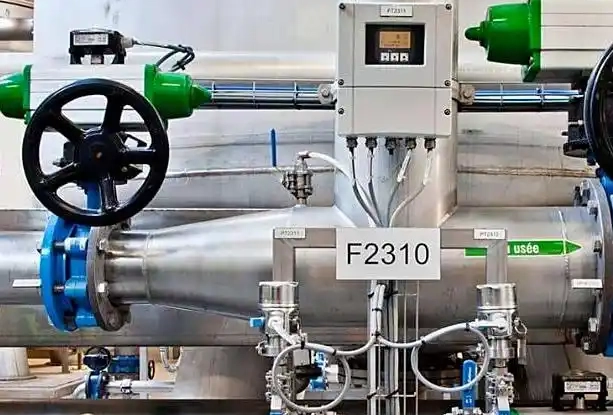
An electromagnetic flow meter is suitable for measuring conductive liquids such as clean water, wastewater, and slurries. They measure flow by measuring changes in the magnetic field. And they can offer high accuracy and stability. Therefore, electromagnetic flow meters are the most commonly used flow meters in irrigation.

Ultrasonic flow meters are non-contact flow meters. They offer advantages such as low straight pipe length requirements, low pressure drop, and a wide range, which makes them suitable for measuring a variety of fluids.

Radar flow meters also provide non-contact measurement. They are also unaffected by water quality fluctuations, sediment, or air bubbles, which results in high accuracy. Radar flow meter maintains stable measurement performance even in silty irrigation streams. They also provide stable measurements under many extreme conditions.

FAQ

What is a good flow rate for irrigation?

A variety of factors influence the optimal irrigation flow rate. The specific steps for flow rate calculation are as follows:

1. Measure the farmland area, usually in mu or hectares.

2. Determine the soil’s infiltration rate and water holding capacity, which can be obtained through soil testing.

3. Estimate crop water requirements, usually in millimeters or inches per week.

4. Use the formula: Irrigation flow rate (cubic meters per hour) = Farmland area (square meters) × Crop water requirement (meters per time) ÷ Irrigation efficiency (dimensionless).

Irrigation efficiency represents the proportion of total irrigation water that actually reaches the crop root system. In practice, many factors such as weather conditions and irrigation system type should be considered to help with the right calculations.

In short, accurate irrigation flow rate calculation helps improve irrigation efficiency and ultimately promotes sustainable agricultural development.

A common method for measuring irrigation flow is to select a suitable flow meter. Sino-Inst offers a variety of irrigation flow meters. Simply provide us with your agricultural irrigation needs, and we can customize an irrigation flow measurement solution for you free of charge.

Debris can affect the accuracy of flow meters. Excessive debris can cause clogging and wear.

Agricultural irrigation flow meters can help farmers achieve precise water management and increase farmland yields. With technological advancements and developments, irrigation flow meters will continue to be updated and improved, making greater contributions to the sustainable development of agricultural production. Farmers should actively understand and apply irrigation flow meters to adapt to the needs of agricultural modernization and promote the sustainable development of the agricultural industry.

In short, Sino-Inst is a supplier of irrigation flow meters. We are from China, and our irrigation flow meters are sold worldwide. If you need to purchase an irrigation flow meter, please feel free to choose us. We offer a one-year warranty and competitive pricing. Contact us now!

Welcome To Share This Page:
Product Categories
Latest News
Get A Free Quote Now !
Contact Form Demo (#3)

Related Products

Related News

A flow meter is an instrument that indicates the measured flow rate and/or the total volume of fluid within a

Flow rate is a core measurement and control parameter in industrial processes. Electromagnetic and turbine flow meters are the mainstream devices

A Coriolis Flow Meter is also known as a Coriolis Mass Flow Meter. It is mainly used where high accuracy

A compressed air flow meter is a device used to measure the flow rate of compressed air. It monitors the

Precise fluid measurement underpins both industrial process control and energy billing. The turbine flowmeter is a well-established velocity-type device: fluid

An air flow meter is an instrument used to measure gas flow. It is widely used in various industries. It

As a non-intrusive flow measurement technology, clamp-on ultrasonic flowmeters enable online monitoring of fluid flow by clamping transducers onto the

What Is a Coriolis Mass Flow Meter? Coriolis mass flow meter is a new type of traffic measuring instrument developed

A differential pressure is a flow measurement instrument that uses the differential pressure of a fluid to calculate the flow.

Scroll to Top

Get A Free Quote Now !

Contact Form Demo (#3)