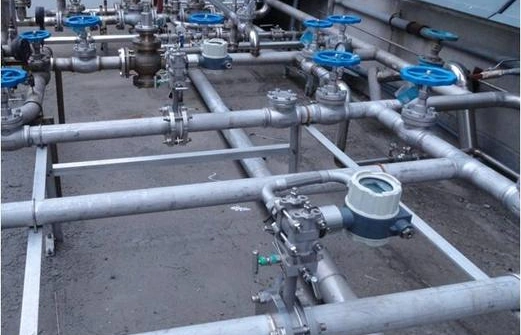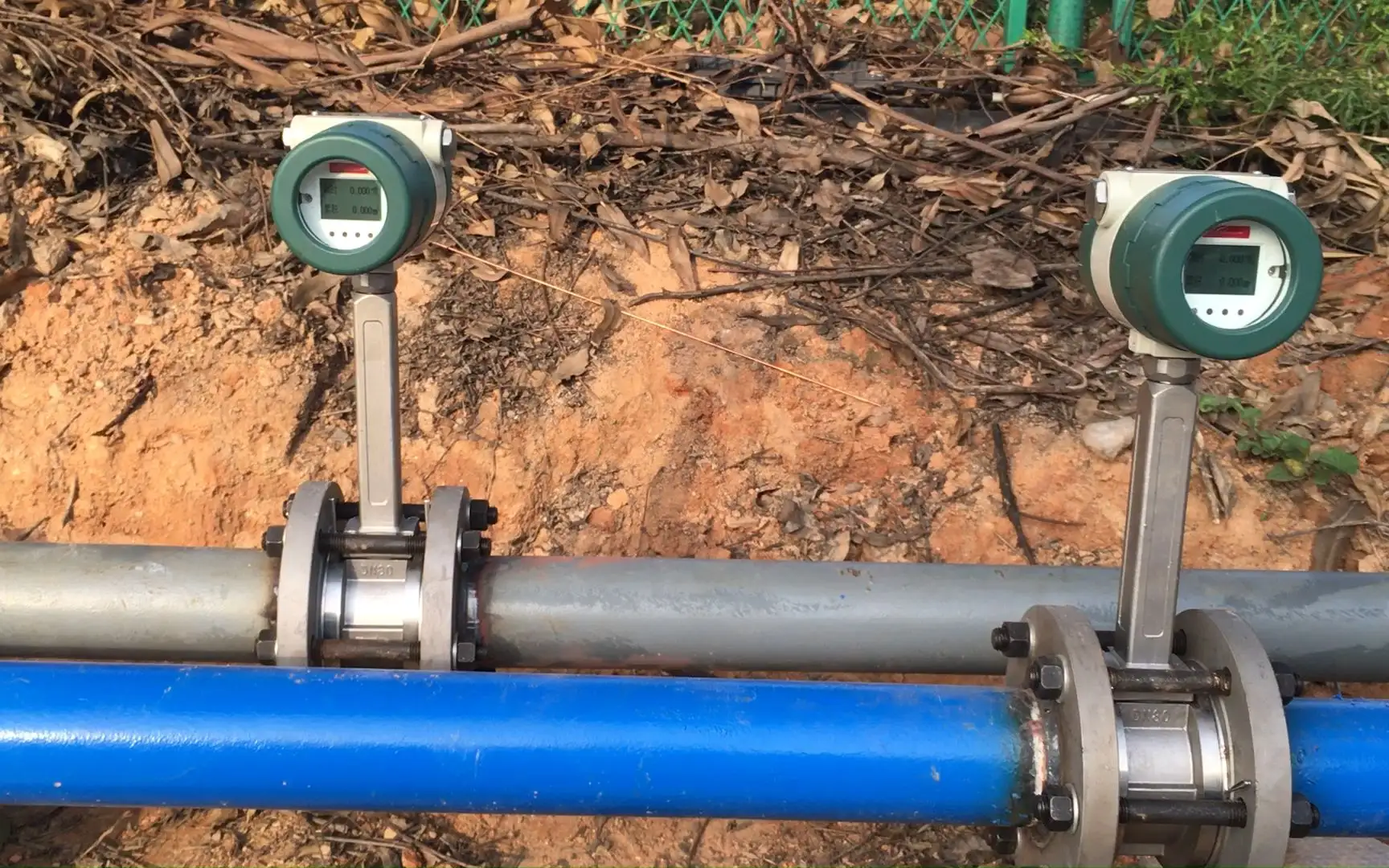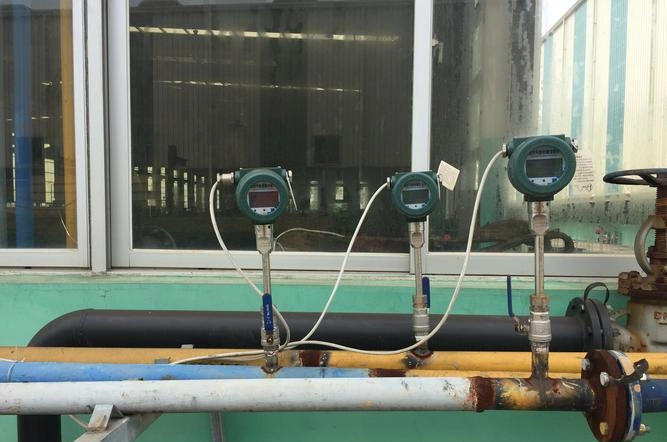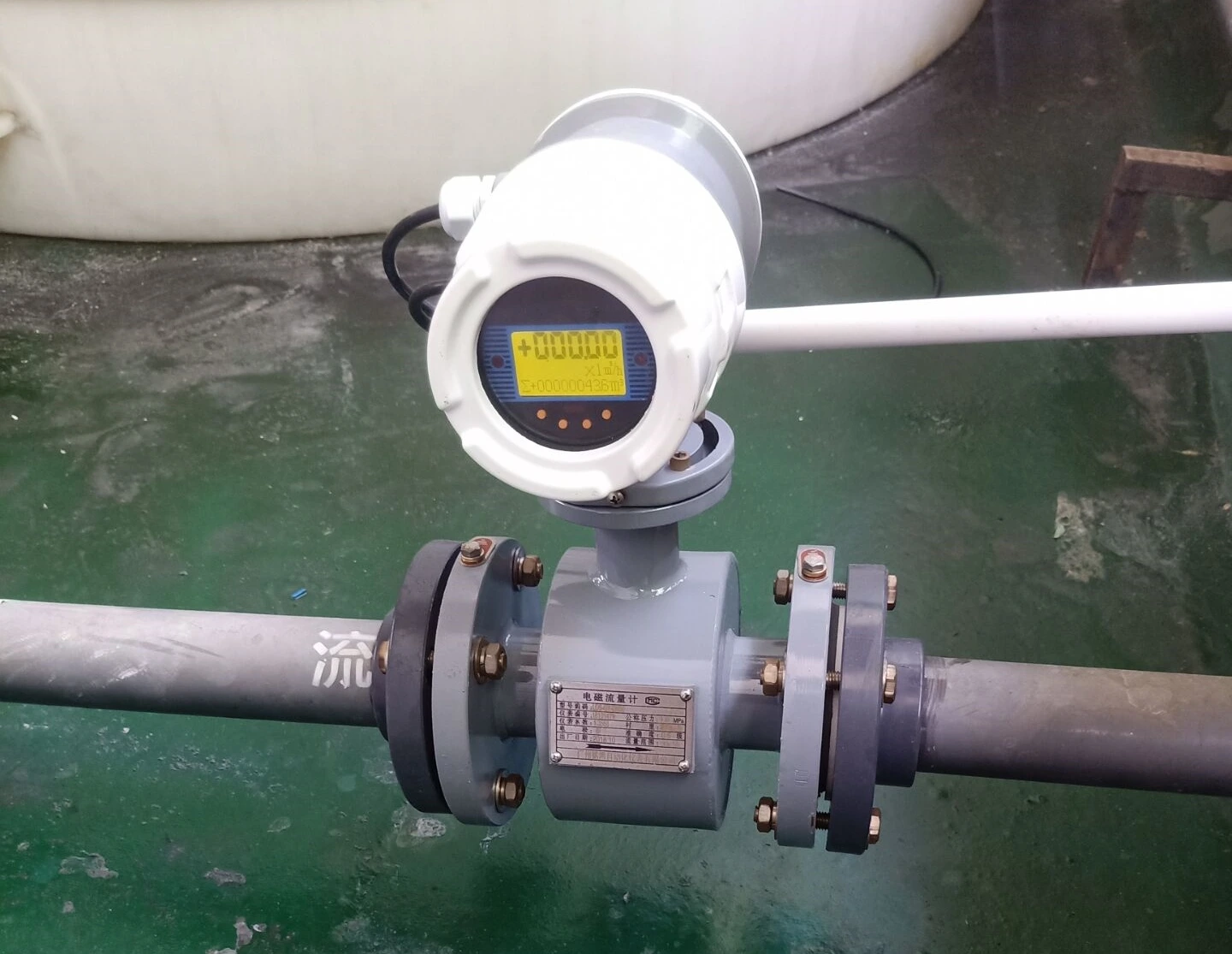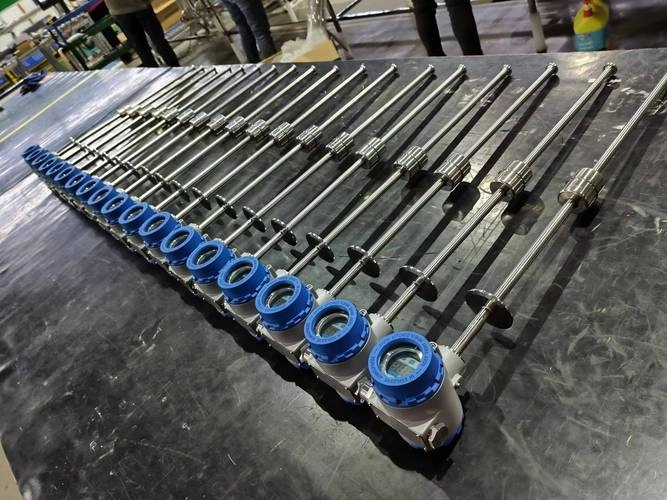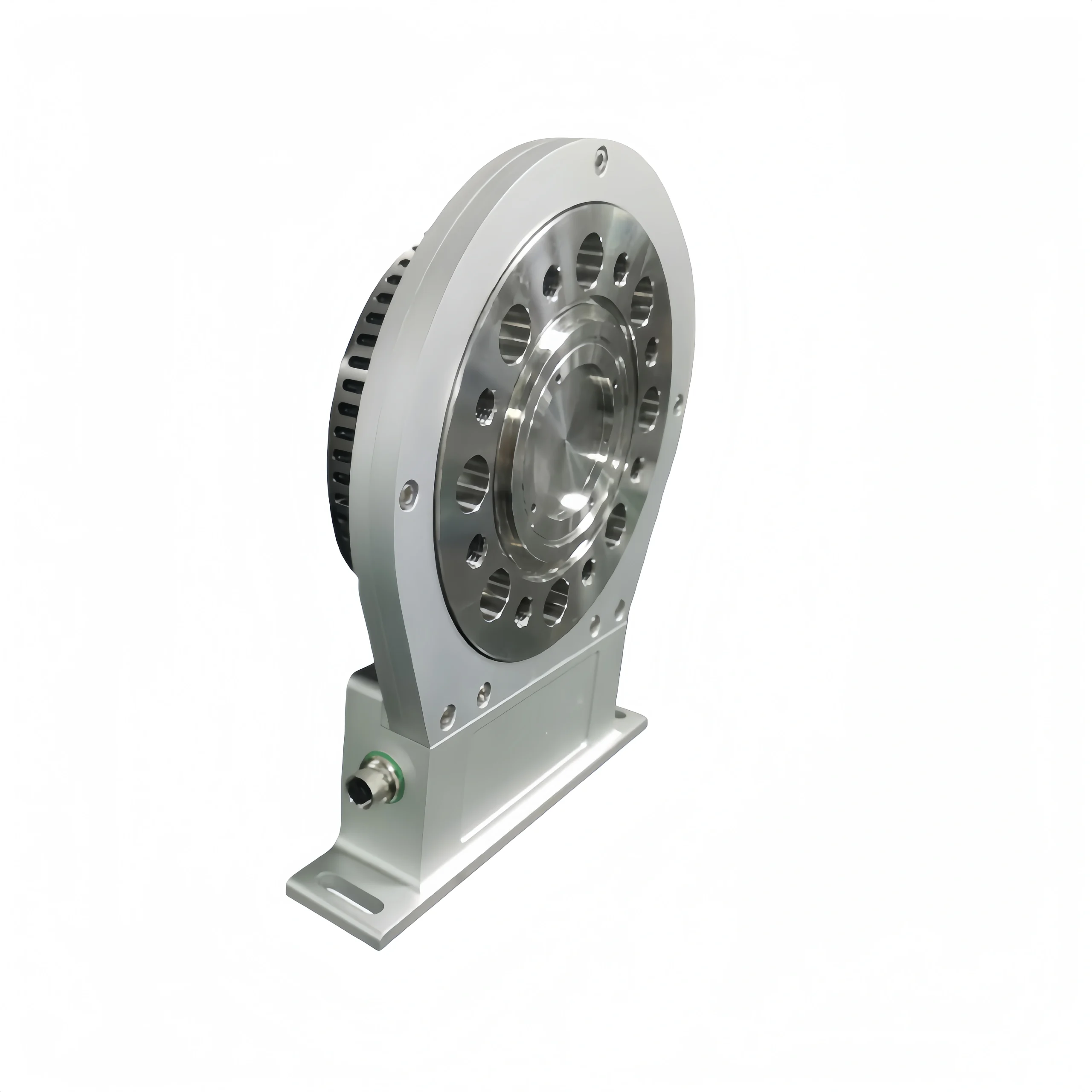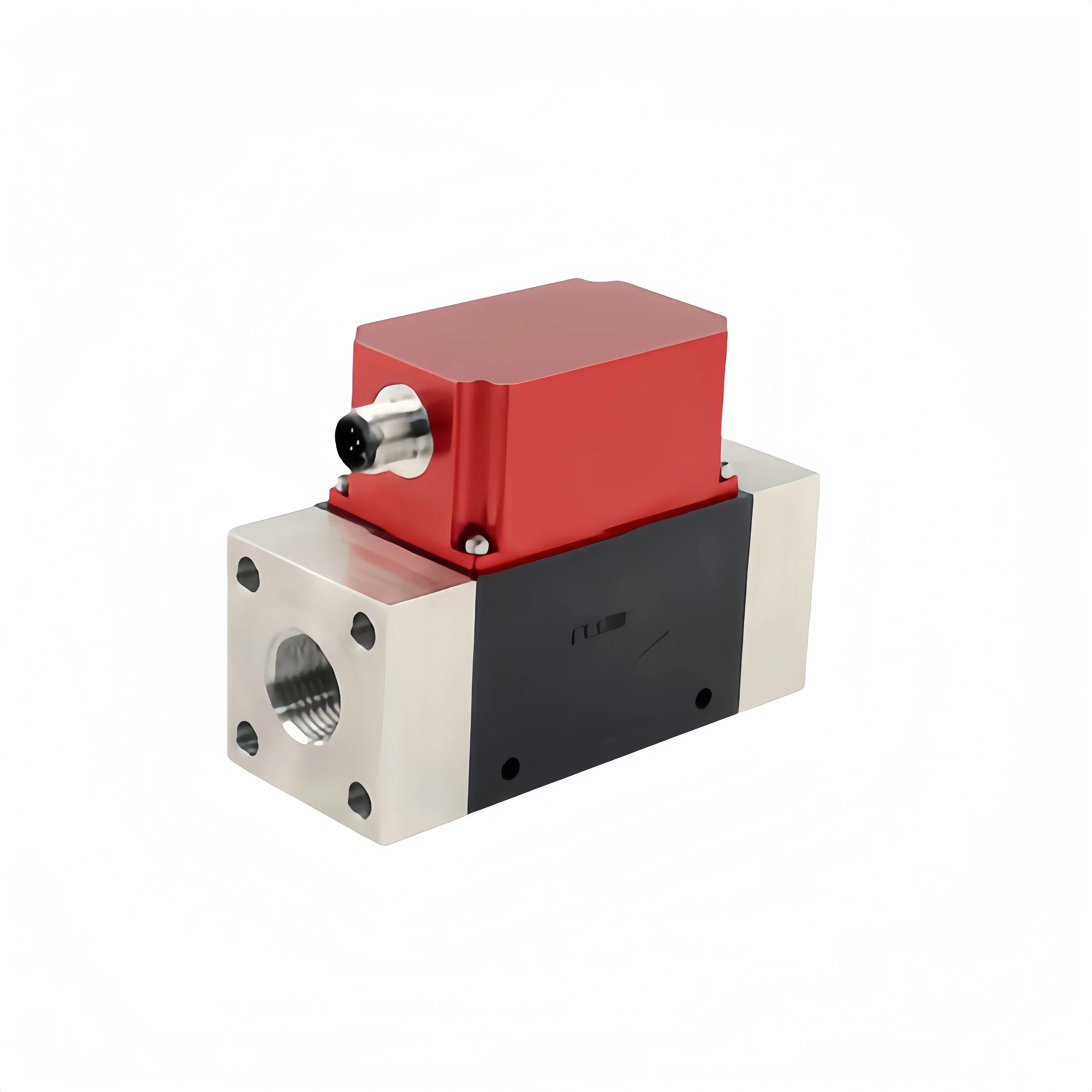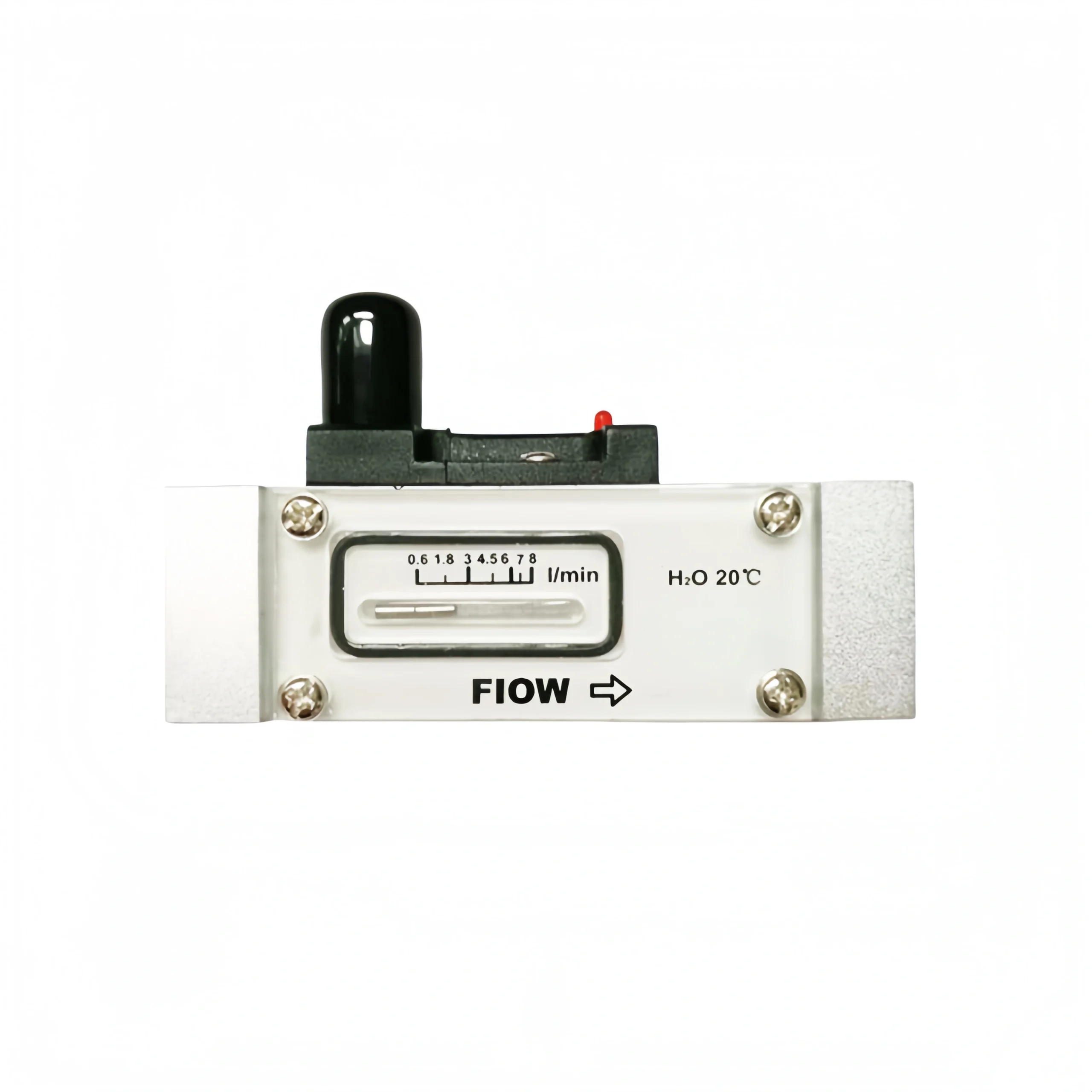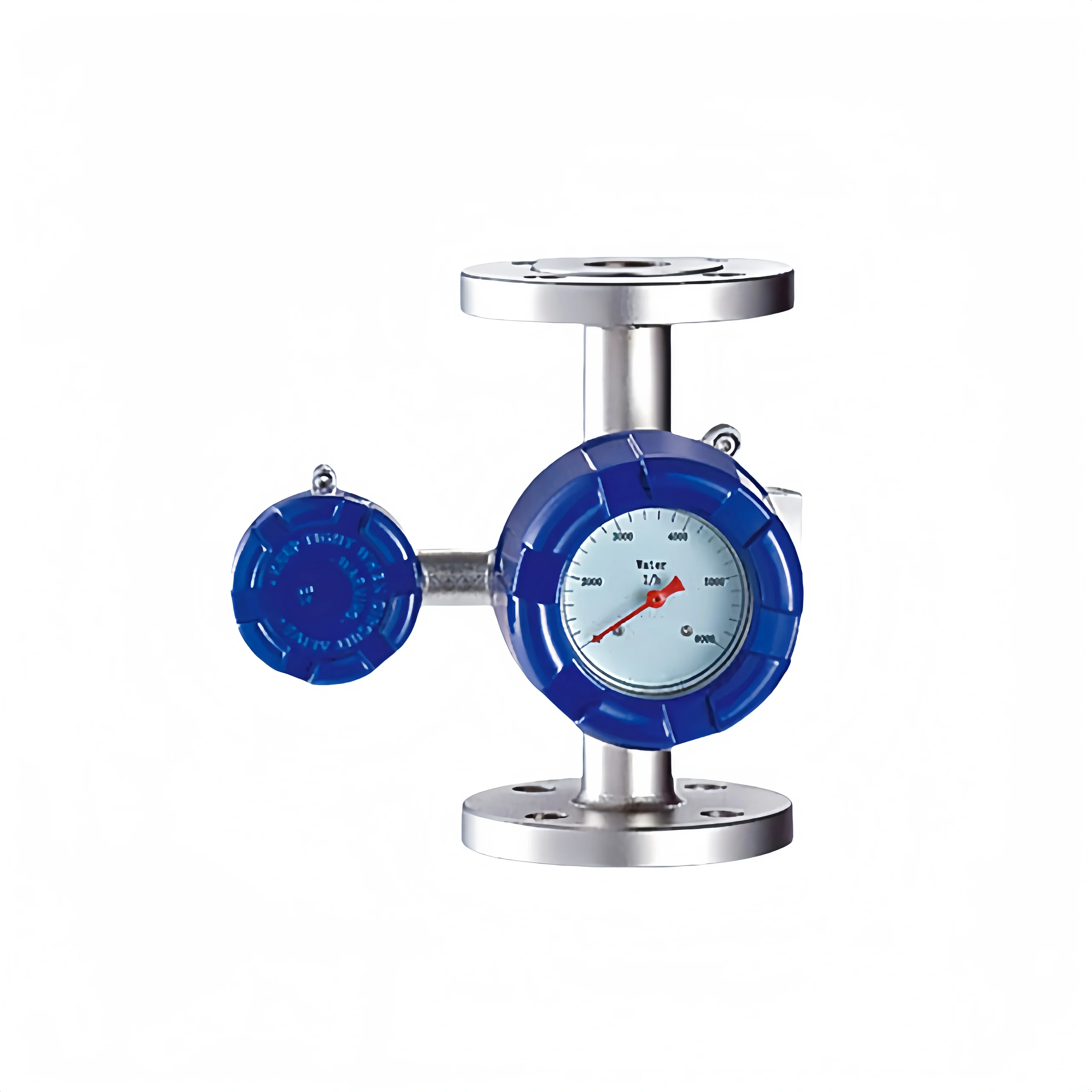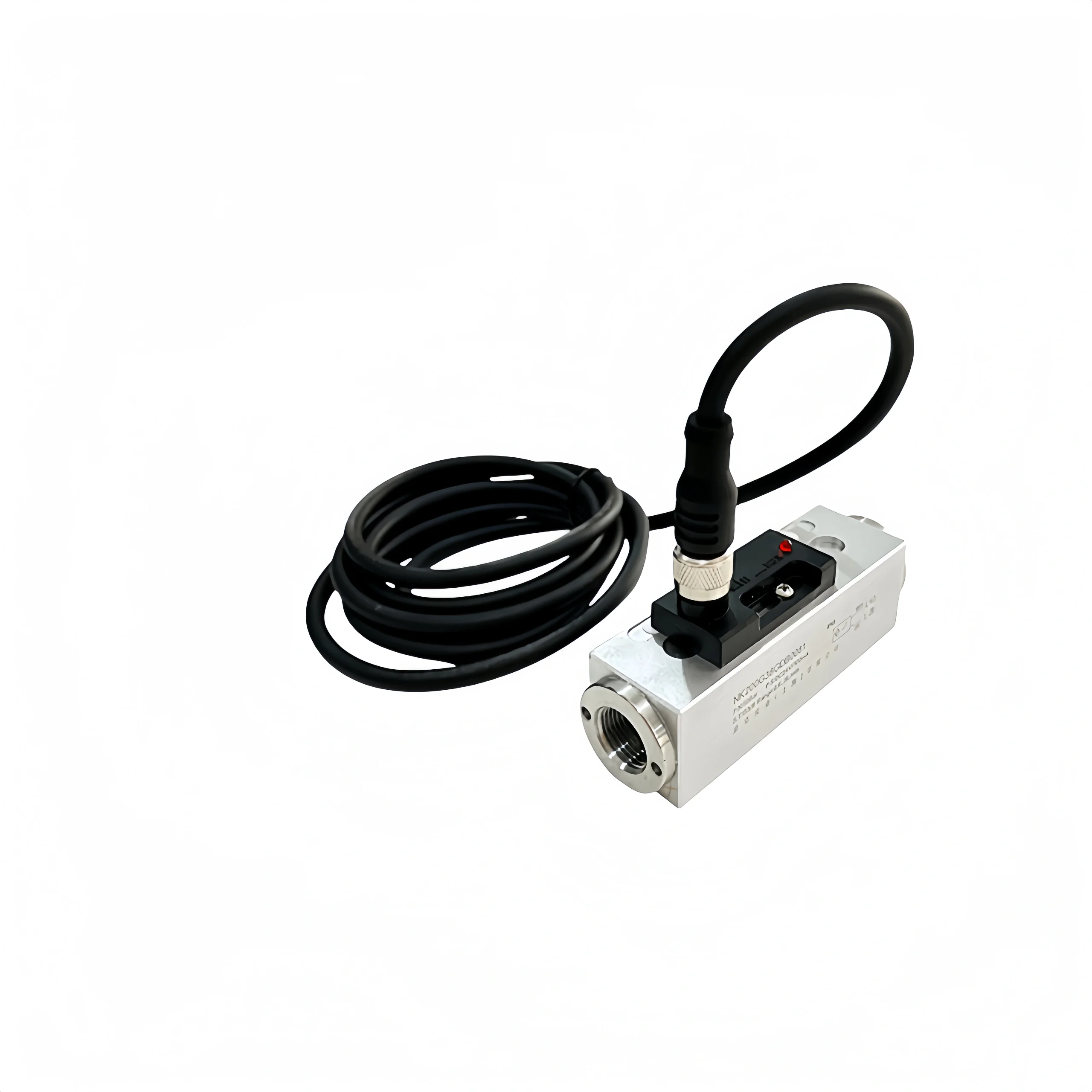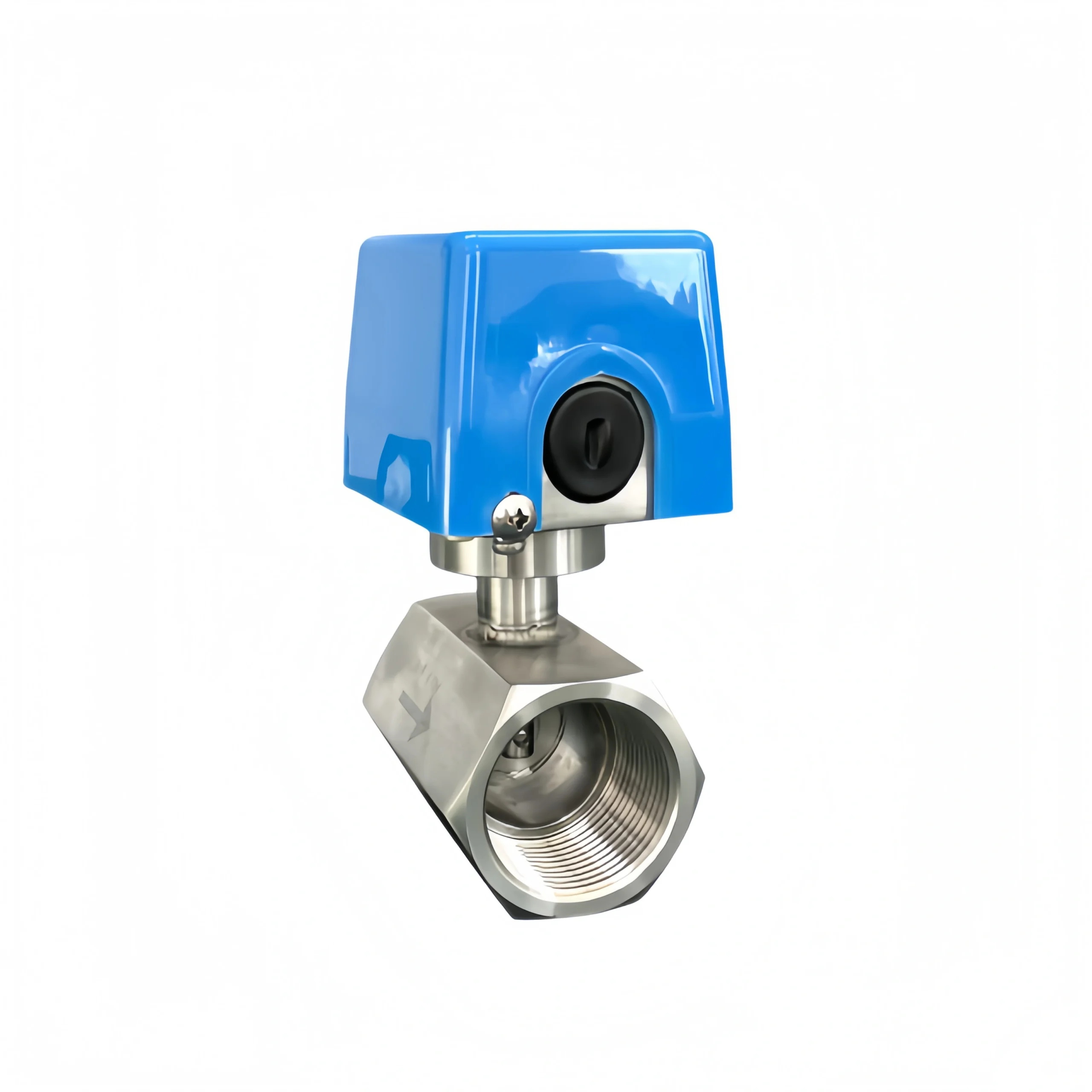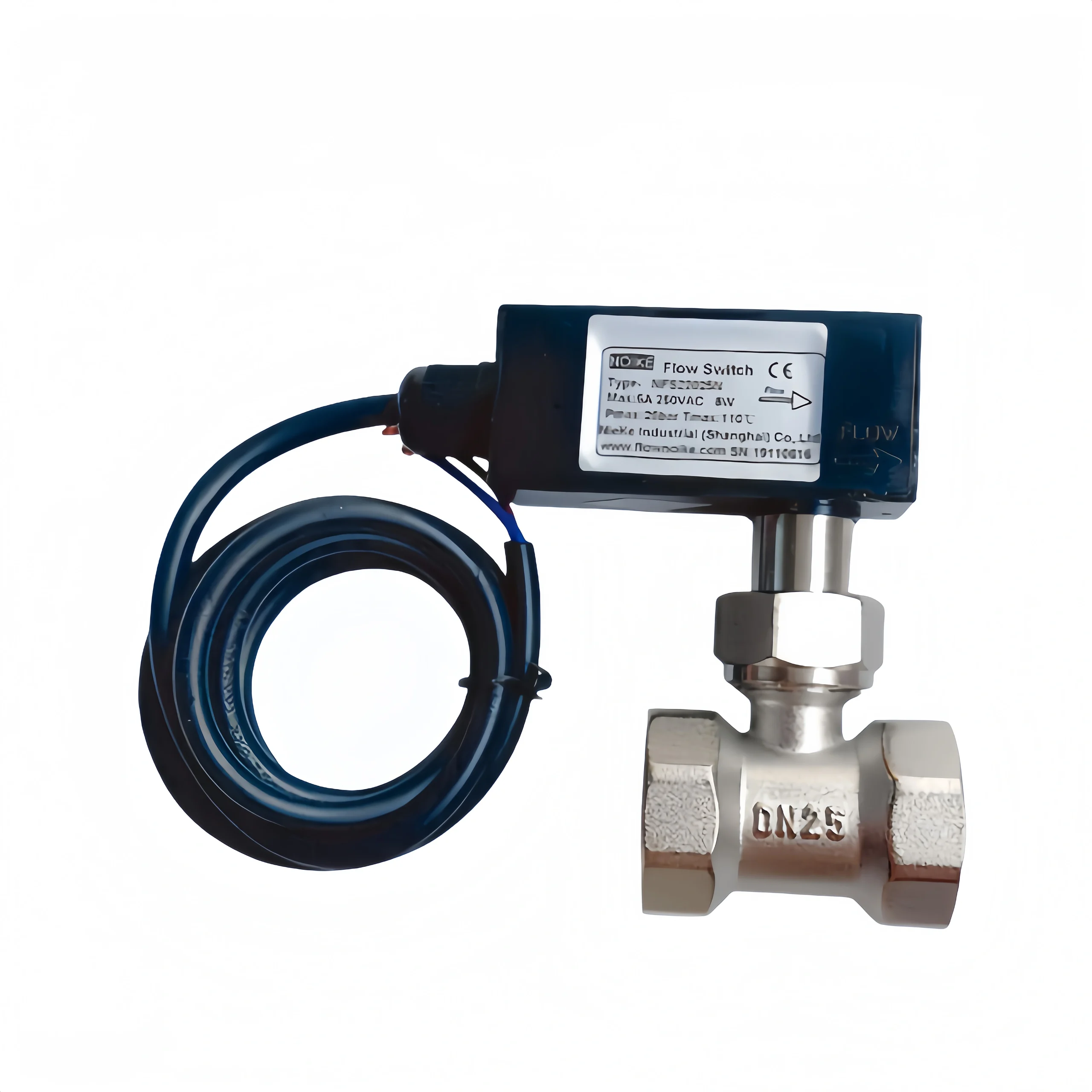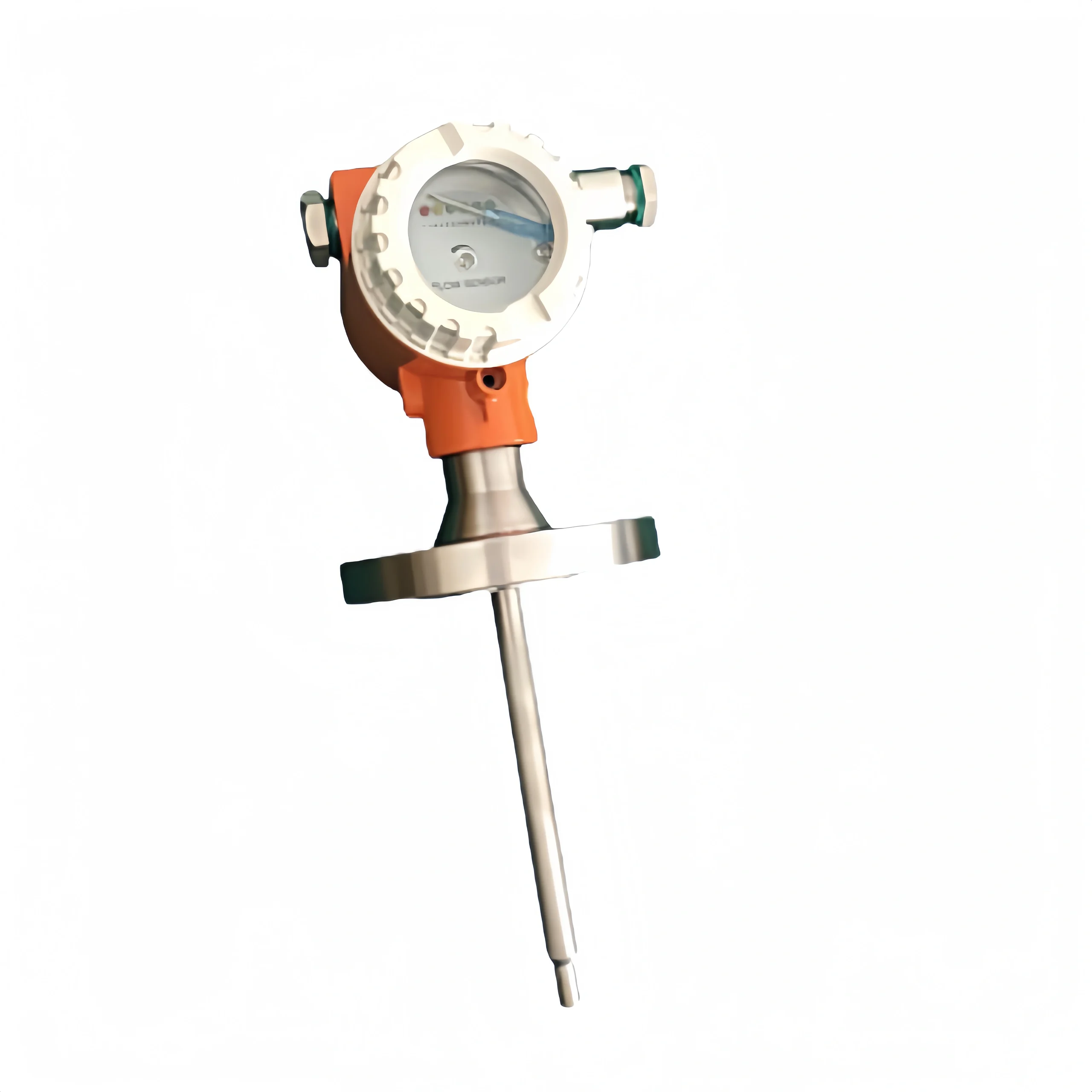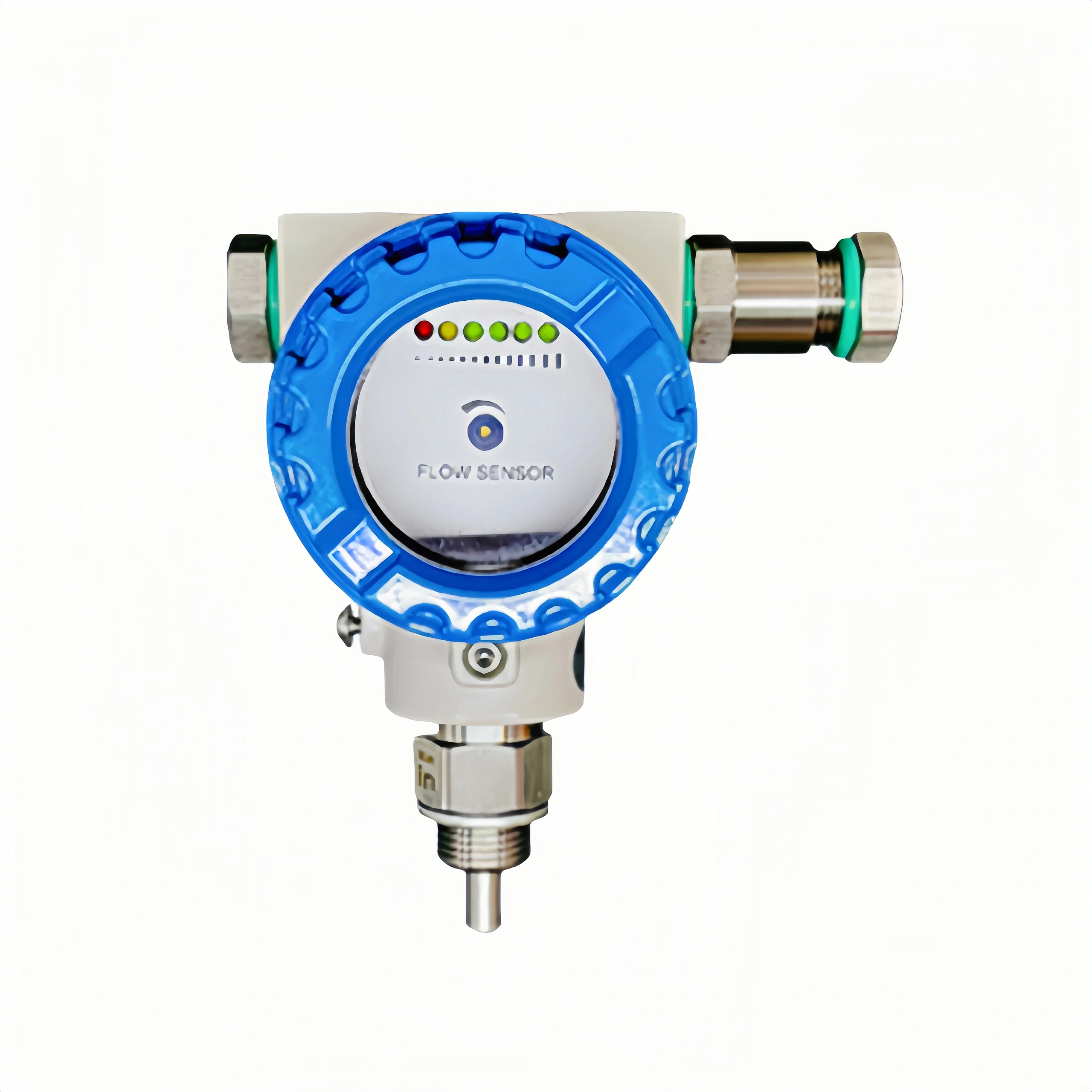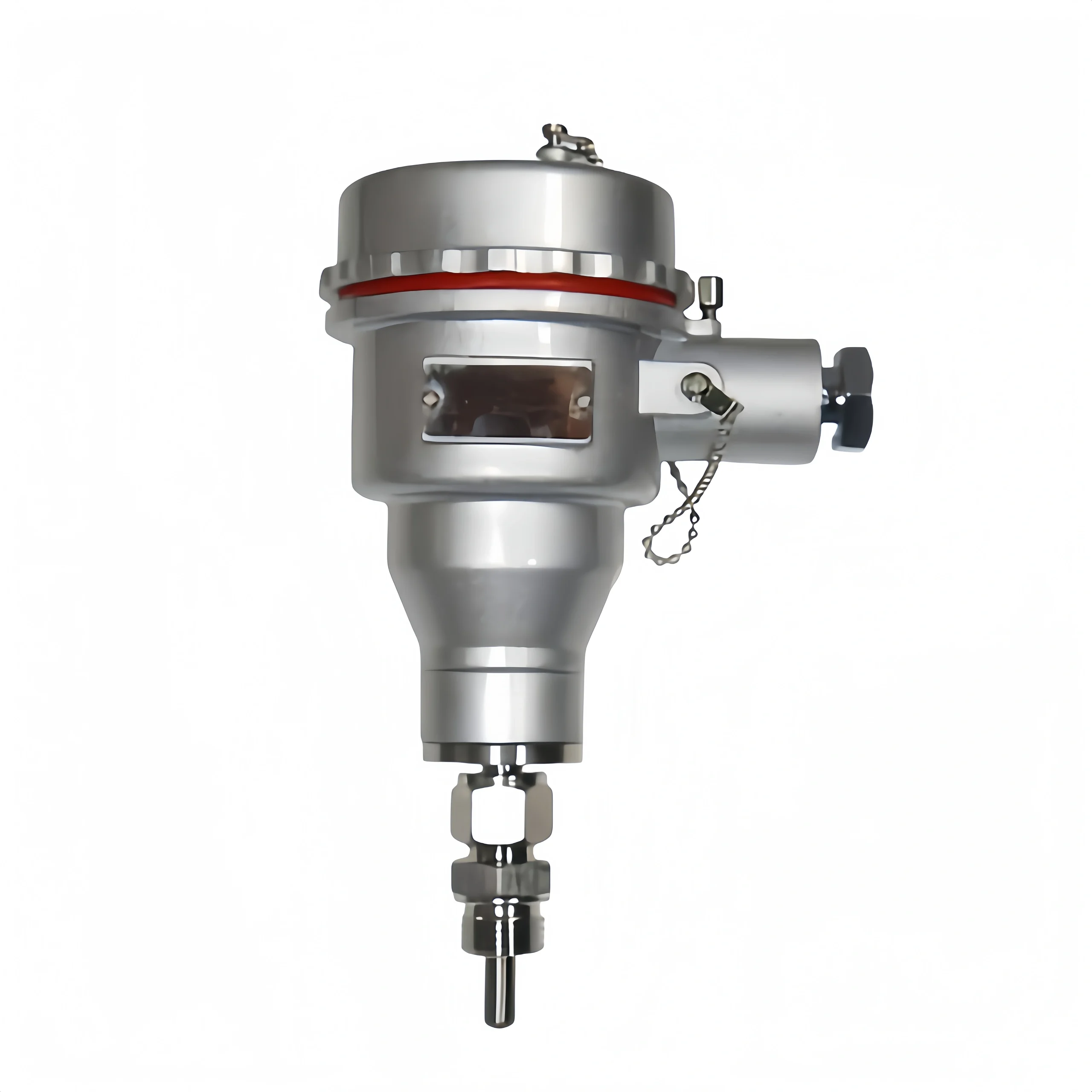
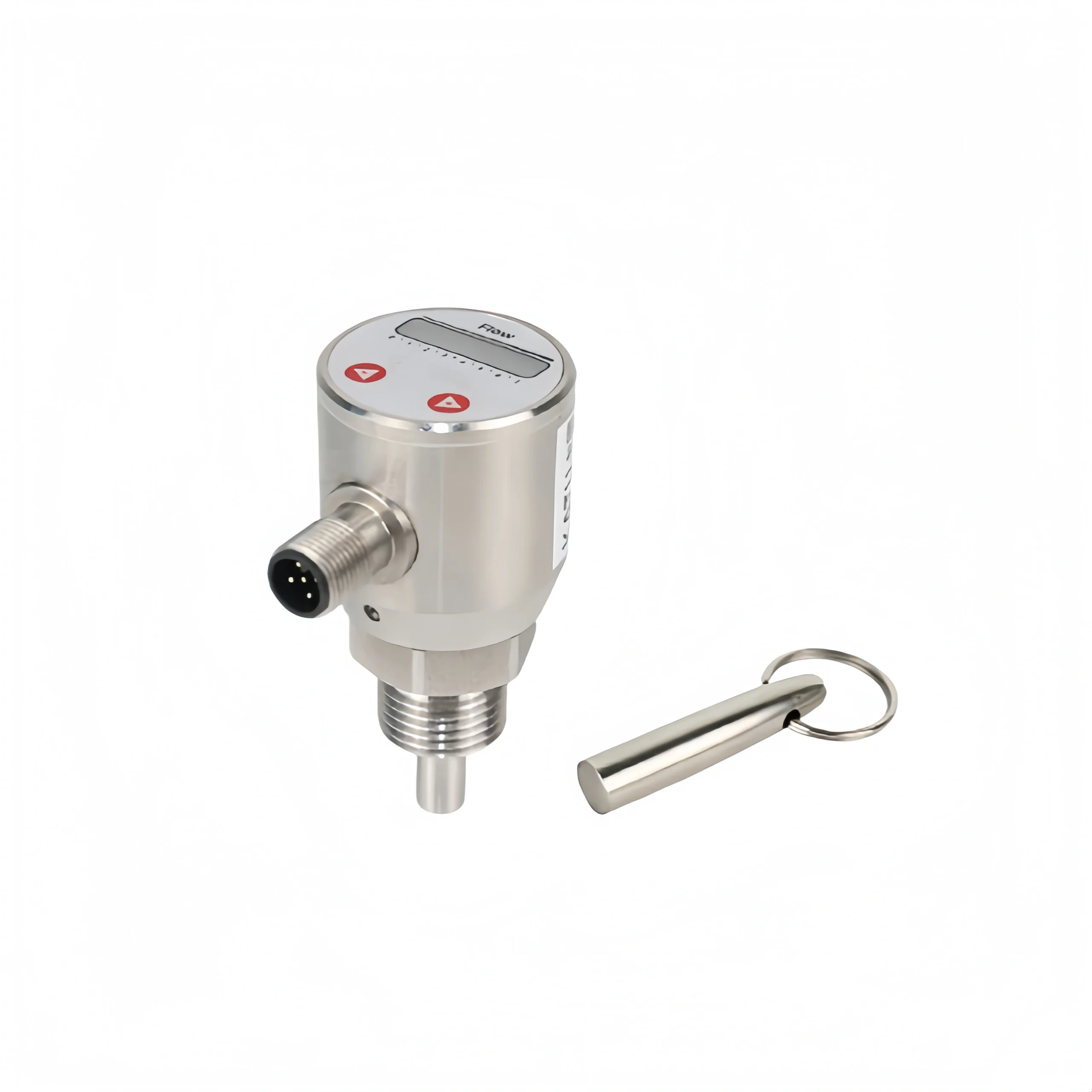
The function of a flow switch is to measure and control the flow of a pipeline. By monitoring the medium in the pipeline, different thresholds are set. When the medium flow rate is higher or lower than the threshold, the corresponding on/off operation instructions are issued, and the entire system is finally turned on/off. It protects the safe operation of the entire system.
Read More about Flow Switch.
Flow switches are used in many aspects. This article will specifically introduce the applications of flow switches. Through this article, you can learn how flow switches are used in boilers, hot tubs and swimming pools.
The Core Functions of Flow Switches
Regardless of the type of medium they are used for, flow switches share highly consistent core functions, serving as the fundamental safeguard for the safe and stable operation of all kinds of fluid systems.
Firstly, flow status monitoring: real-time detection of fluid flow within pipelines and variations in flow rate, thereby preventing abnormal operating conditions such as flow interruption, dry running and over-flow.
Secondly, interlock protection: in the event of abnormal flow, the system automatically shuts down power equipment such as pumps, fans and oil pumps to prevent idling, dry running and overload damage, significantly reducing equipment failure rates.
Thirdly, anomaly alarms and early warnings: when flow deviates from the set range, audible and visual alarms or remote signals are triggered, alerting staff to promptly investigate issues such as pipe blockages, leaks or valve malfunctions.
Fourthly, automated process control: in conjunction with control systems, they enable the automatic start-up, shutdown and switching of processes such as fluid conveyance, heat exchange and pressure stabilisation, thereby enhancing the level of system automation.
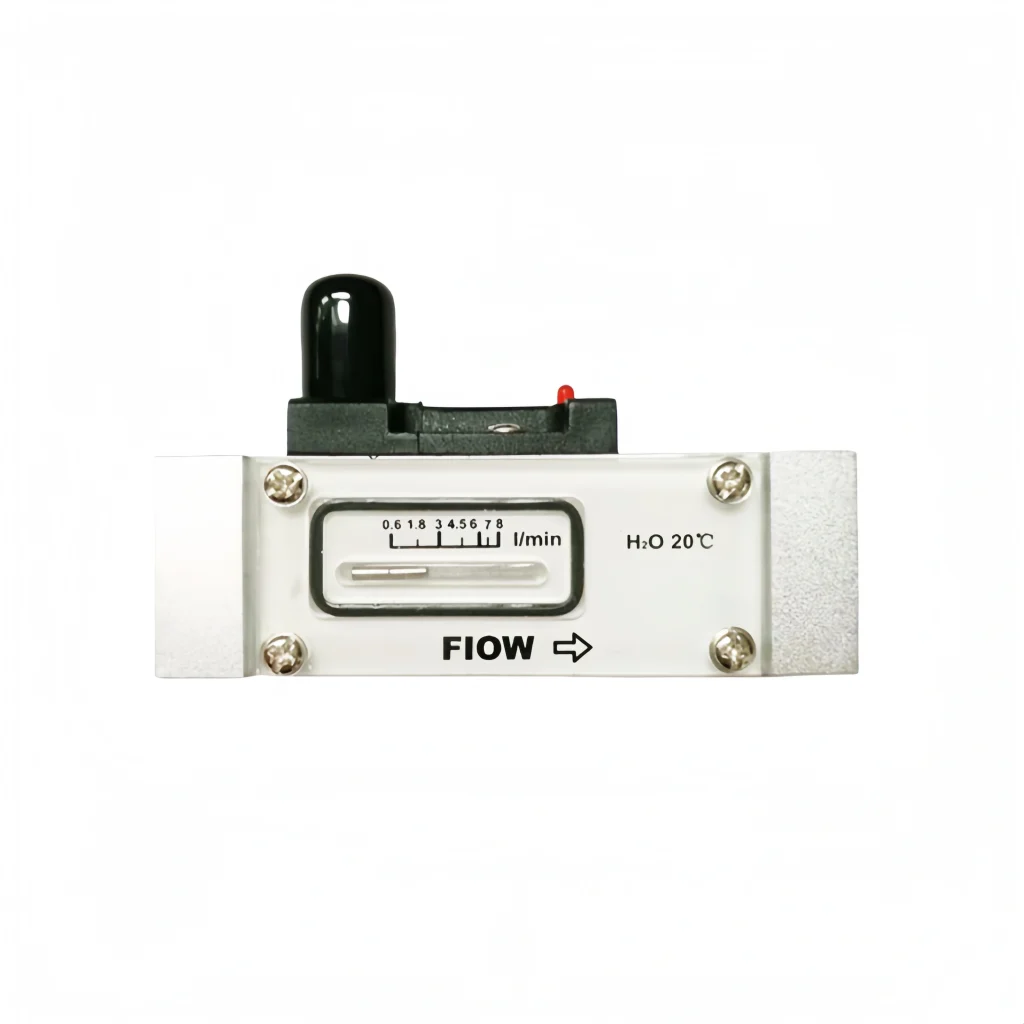
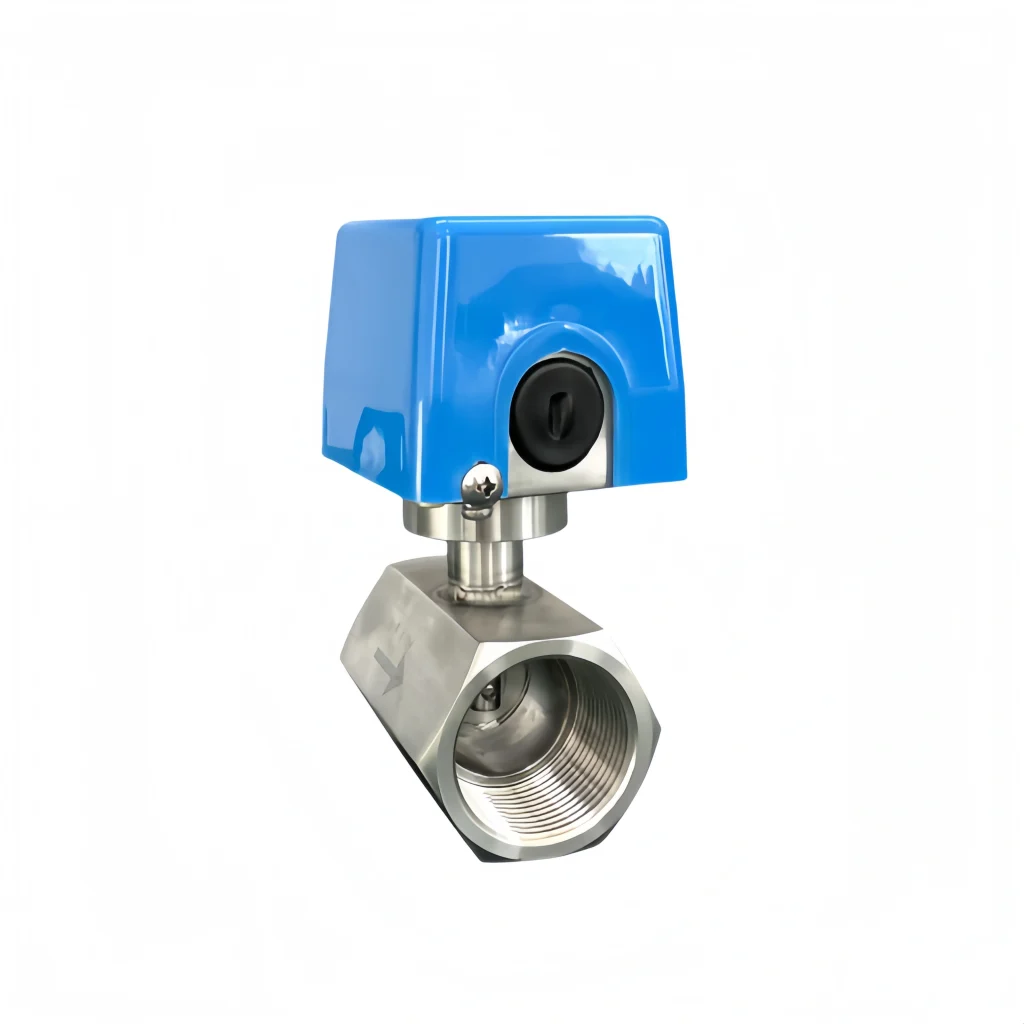
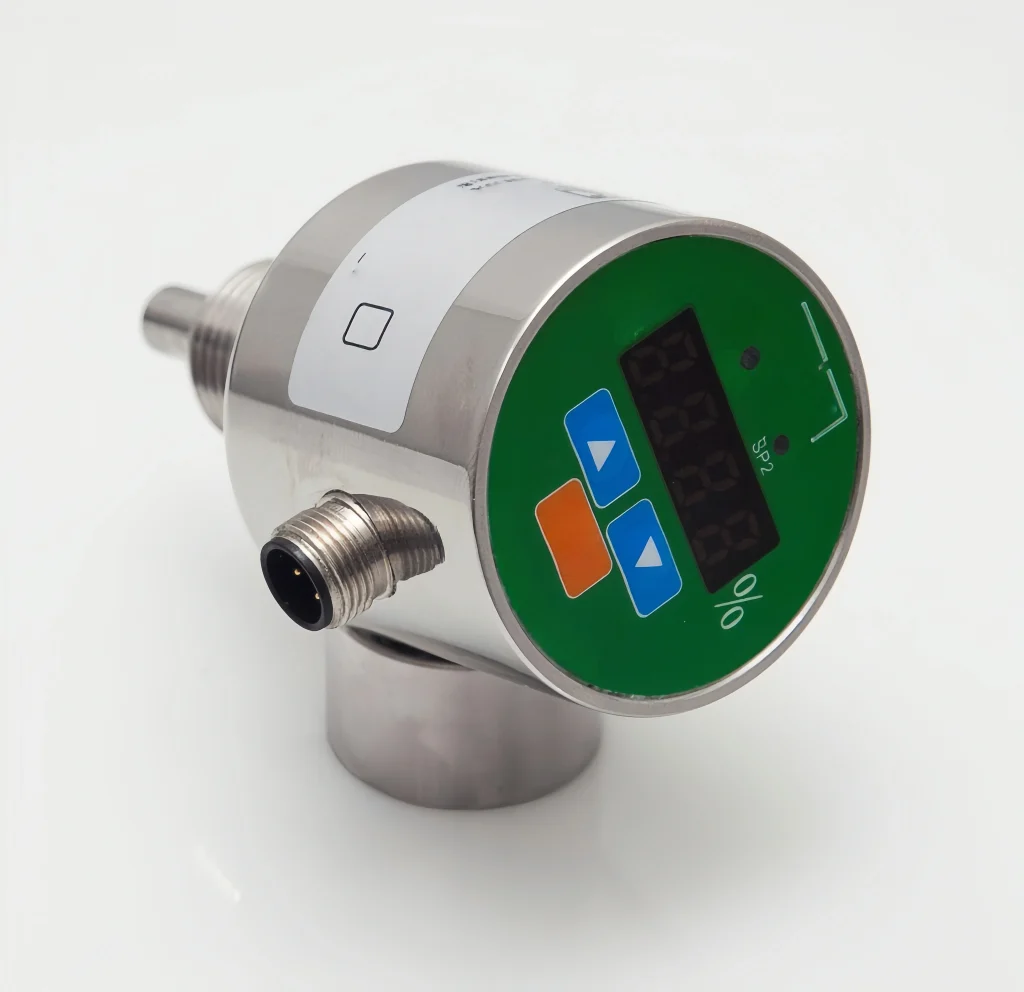
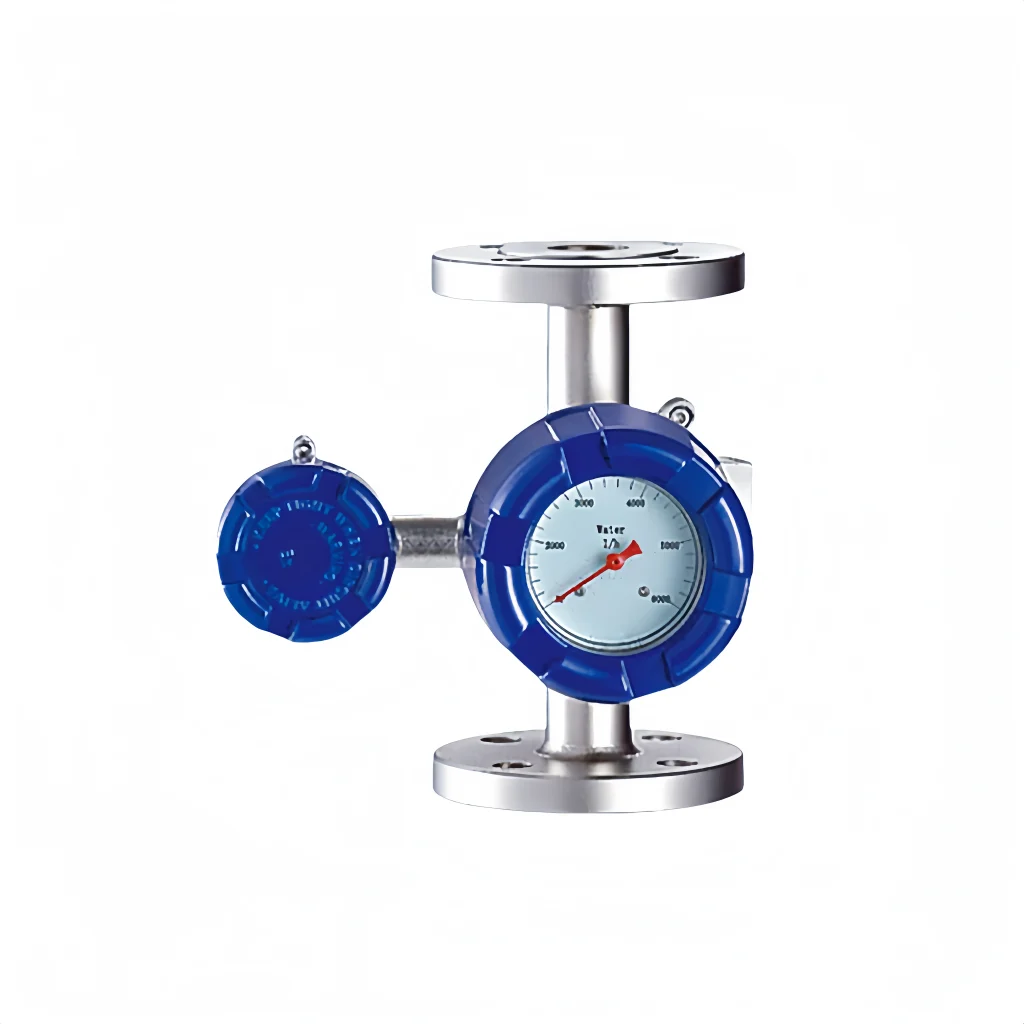
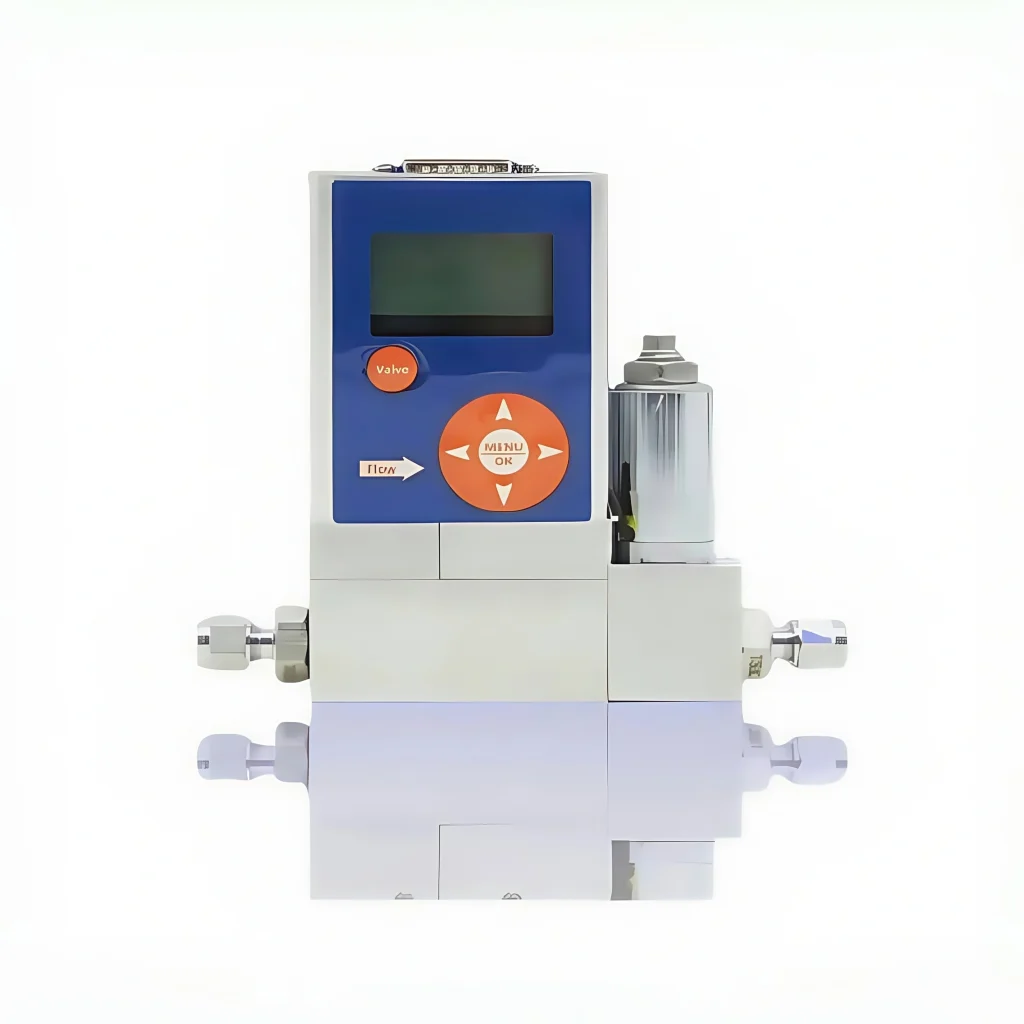
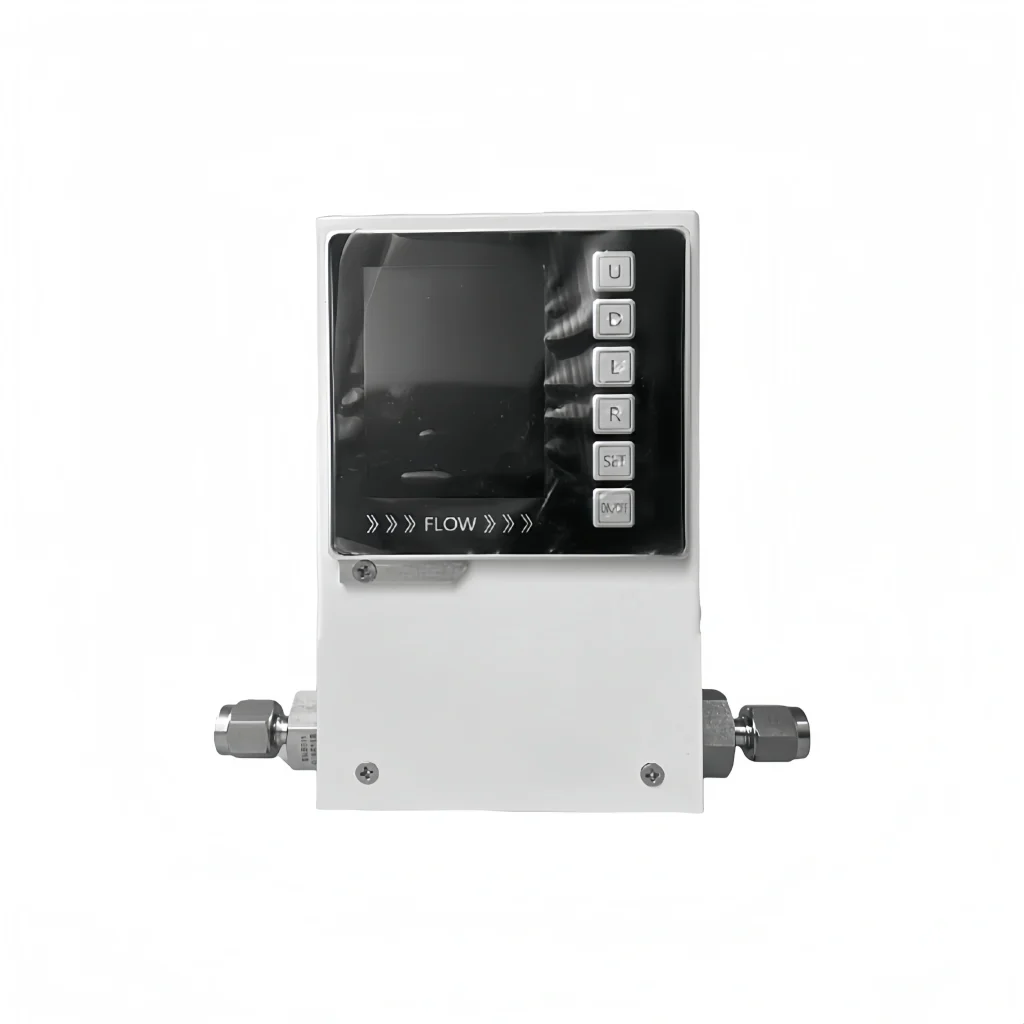
For liquids
Flow switches monitor the flow status and continuity of liquids and gases in pipelines. In the event of abnormalities such as flow interruption or excessively low flow rates, they trigger automatic alarms and activate interlocked equipment protection.
Thanks to their simple structure, high stability and strong adaptability, various types of flow switches—including water flow switches and boiler flow switches—are widely used in numerous fields such as industry, civil applications, security and environmental protection:
1. Applications in Industrial Production Process Systems
In industries such as chemicals, metallurgy and pharmaceuticals, flow switches monitor the conveyance status of various media.
In the event of flow abnormalities caused by pipe blockages or pump failures, they can rapidly output signals to trigger alarms or shut down operations, thereby protecting precision production equipment, preventing equipment damage and process wastage, stabilising production parameters and ensuring product quality.
2. Applications in HVAC and Water Supply/Drainage Systems
In this context, water flow switches are primarily used to monitor the water circulation status within central air-conditioning and building water supply/drainage networks.
This helps prevent faults such as unit overload and frozen pipes, identifies issues like water leaks and pump idling, assists in regulating equipment operation, stabilises water supply performance, and reduces network losses.
3. Applications in Mechanical Equipment Cooling and Lubrication Systems
Cooling and lubrication systems for equipment such as generator sets and injection moulding machines rely on flow switches to monitor the status of water and oil circuits.
When abnormal fluid flow is detected, protective mechanisms are triggered to prevent component wear and equipment burnout due to overheating, thereby effectively ensuring smooth operation and extending the service life of the equipment.
4. Applications in Fire Protection and Security Systems
Building fire sprinkler systems equipped with water flow switches routinely monitor water flow and pressure within the piping network to identify potential safety hazards; in the event of a fire, they rapidly detect changes in water flow and transmit alarm signals, triggering the fire pumps to ensure an adequate water supply for firefighting.
5. Applications in Light Industry and Domestic Equipment
Domestic equipment such as water purification systems and wall-mounted boilers fitted with flow switches utilise these switches to detect water flow signals, enabling intelligent start/stop functions and heating control. This prevents dry-running and water shortage faults, ensuring safe and automated operation of the equipment.
6. Applications in Environmental Water Treatment Systems
In environmental systems such as sewage treatment and exhaust gas scrubbing, flow switches monitor the flow status of the medium, preventing issues such as chemical ineffectiveness and equipment idling caused by abnormal flow rates. This ensures the stability of environmental processes and guarantees compliance with treatment standards.
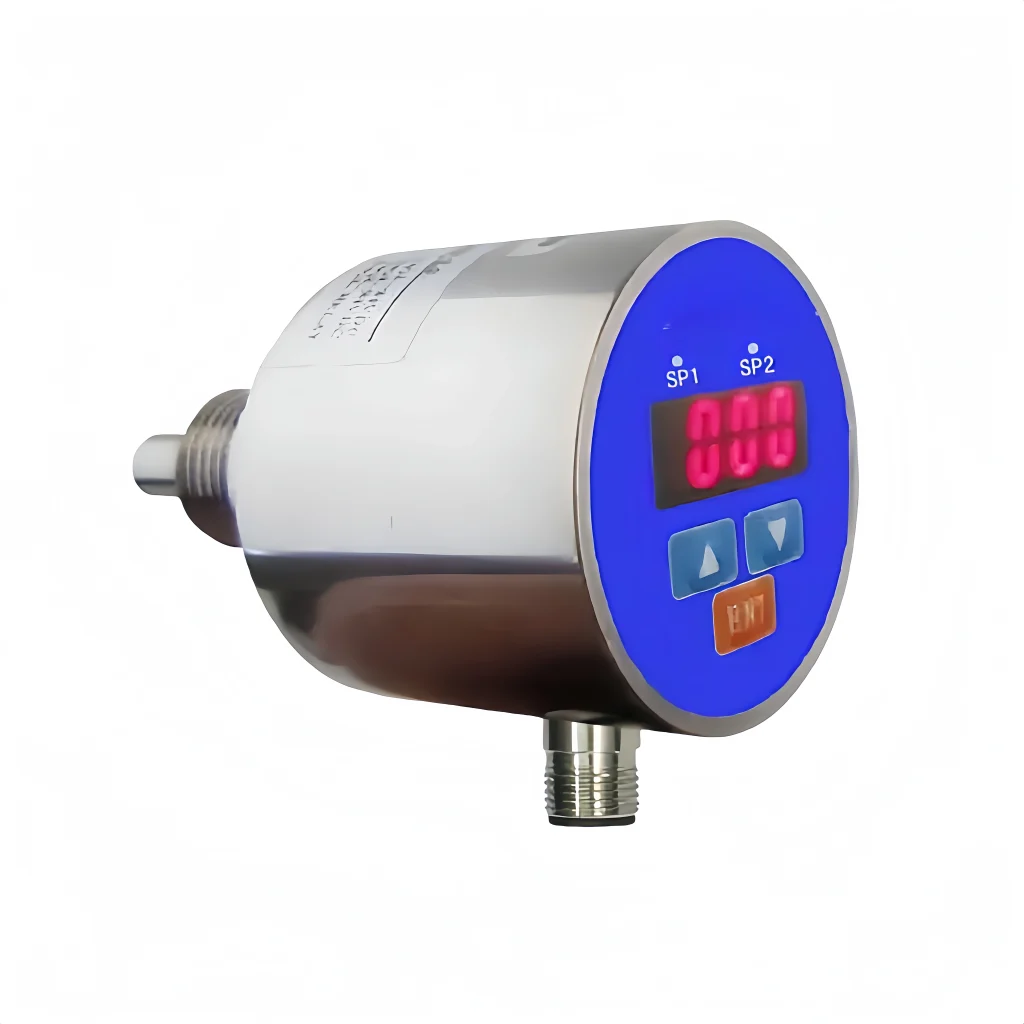
For Gases
Gas flow switches monitor the flow of various gases within pipelines, detecting conditions such as flow interruption, low flow rates and abnormal flow patterns. They provide alarm and interlock protection for equipment, offering the advantages of rapid response and high stability.
They are widely used in numerous sectors including industry, HVAC, environmental protection and energy. Specific applications are as follows:
1. Gas Supply Protection for Industrial Equipment
Various pneumatic devices on automated production lines in mechanical manufacturing rely on compressed air to operate. Flow switches monitor pipeline flow in real time; in the event of abnormalities such as air leaks, compressor failures or insufficient air pressure, they trigger alarms or initiate shutdowns promptly.
This prevents issues such as insufficient power or operational failure, eliminates processing deviations and scrap parts, and ensures the smooth operation of production lines.
2. Cooling Protection for Laser and Precision Equipment
Laser equipment and precision instruments utilise air-cooling systems. Flow switches continuously monitor the status of the cooling airflow; in the event of fan failure, duct blockage or interruption of the airflow, they can rapidly trigger a shutdown protection mechanism.
This prevents equipment overheating, loss of precision and damage to core components, providing comprehensive protection for precision equipment.
3. Applications in Welding and Inert Gas Protection Systems
TIG welding and plasma welding require inert gas to protect the weld seam.
Gas flow switches monitor the flow of shielding gas in real time; in the event of unstable gas supply or gas interruption, they immediately trigger an alarm and halt operations, thereby preventing weld oxidation, cracking and porosity, and ensuring stable welding processes and consistent product quality.
4. Applications in HVAC and Fresh Air Ventilation Systems
In building fresh air and air conditioning supply systems, gas flow switches monitor airflow conditions within ducts to identify potential issues such as pipe blockages or fan failures.
This ensures stable indoor air exchange, exhaust and smoke extraction, and compliance with building ventilation operational standards.
5. Applications in Environmental Protection and Exhaust Gas Treatment Systems
In industrial exhaust gas and dust removal purification systems, flow switches monitor airflow conditions within pipelines, promptly identifying abnormal airflow to prevent purification failure and equipment idling, thereby ensuring that treated exhaust gas meets emission standards.
6. Applications in Energy and Gas Equipment Monitoring
In gas transmission and boiler gas supply scenarios, flow switches monitor gas flow in real time, rapidly identifying potential hazards such as leaks or interruptions in supply.
They trigger alarms and activate gas shut-off protection, thereby mitigating gas safety risks and enhancing equipment operational safety.
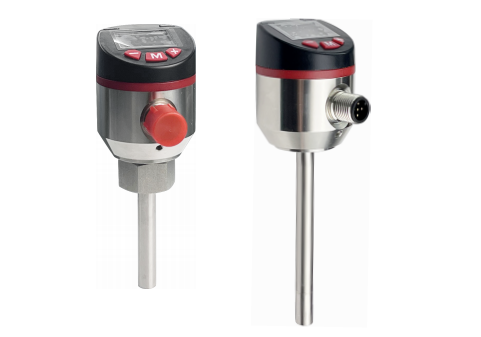
For Oil
Oil flow switches are primarily used to monitor the flow status of oil-based media such as hydraulic oil, lubricating oil, cooling oil and fuel. They can accurately identify faults such as interrupted flow, insufficient flow and pipe blockages, enabling alarm activation and interlock protection for equipment.
With strong resistance to oil contamination and high operational stability, these devices are widely used in mechanical, hydraulic, power and industrial cooling applications, as detailed below:
1. Protection of mechanical equipment lubrication systems
Transmission equipment such as machine tools and gearboxes rely on circulating lubricating oil for lubrication and cooling. Oil flow switches monitor the condition of the oil circuit in real time, issuing timely alarms and triggering interlocked shutdowns in the event of oil pump failure, circuit blockages or insufficient oil supply.
This prevents equipment from running dry, eliminates faults such as gear wear and bearing seizure, and ensures stable equipment operation.
2. Monitoring of Hydraulic System Conditions
The hydraulic systems of construction machinery and automated equipment demand extremely high stability in the oil circuit. Oil flow switches continuously monitor the circulation status of hydraulic oil, rapidly identifying anomalies such as pipe blockages, pump failure or internal leakage in the oil circuit.
This prevents insufficient hydraulic power, operational deviations and equipment damage caused by pressure build-up, thereby ensuring the normal operation of the hydraulic system.
3. Protection of Generator Sets and Power Equipment
Power equipment such as diesel generators and internal combustion engines relies on a stable supply of engine oil.
The oil flow switch continuously monitors the oil supply flow rate and immediately shuts down the unit for protection in the event of low flow or interrupted supply, thereby preventing major faults such as cylinder scoring, seized crankshafts and crankshaft wear, and providing core safety protection for power equipment.
4. Control of Industrial Oil-Cooling Systems
For oil-cooled heat dissipation equipment such as injection moulding machines and air compressors, oil flow switches monitor the cooling oil circulation in real time, promptly identifying issues such as restricted flow or flow interruptions.
This prevents equipment overheating, loss of precision and component ageing, ensuring the equipment can operate continuously for extended periods.
5. Safety Monitoring of Fuel Supply Systems
In the piping of equipment such as fuel-fired boilers and burners, oil flow switches monitor fuel delivery conditions, promptly detecting potential hazards such as abnormal flow rates, pipe blockages and interruptions in fuel supply.
They trigger the equipment to shut down and extinguish the flame, thereby mitigating safety risks such as flashback and dry firing, and enhancing the operational safety and stability of fuel-fired equipment.
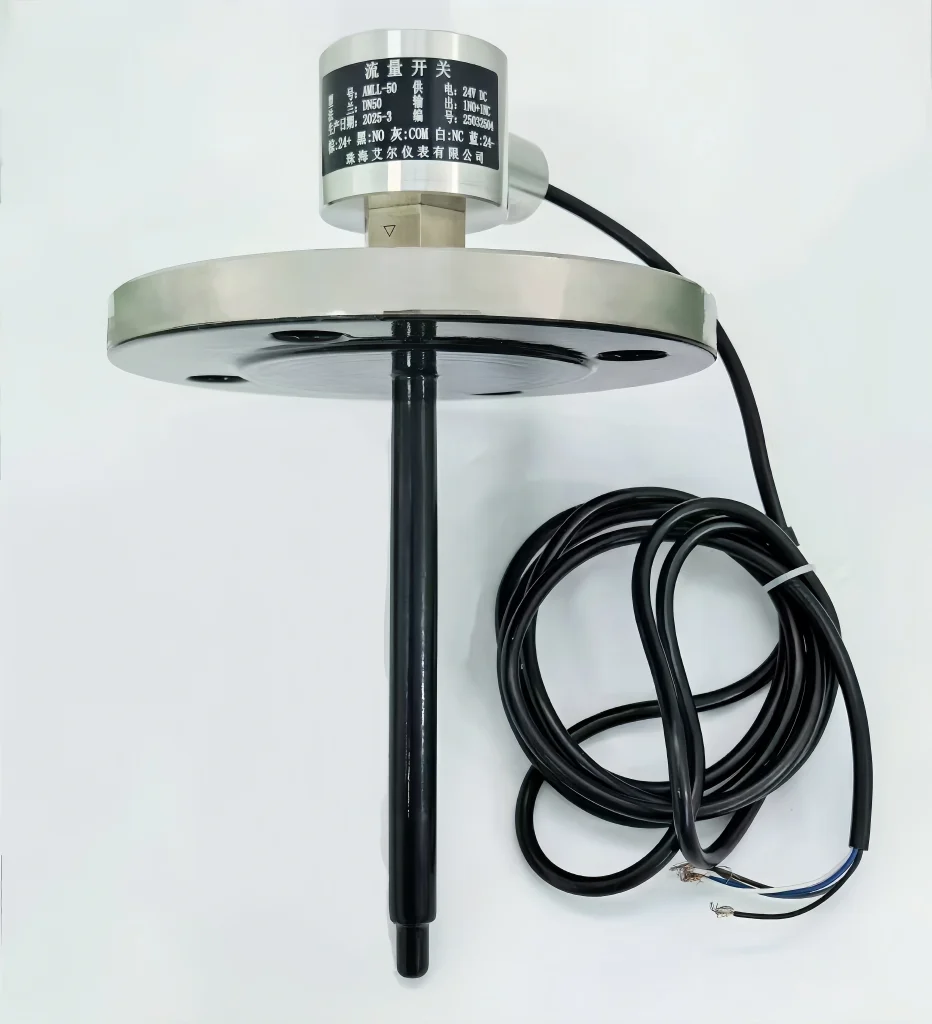
Common Flow Switches
Principle of operation: The medium drives the turbine blades to rotate; the sensing component detects the rotational speed signal, and a switch signal is output when the flow reaches the set value.
Commonly used for measuring: clean, low-viscosity water, coolant, diesel, hydraulic oil and other liquid media.
Principle of operation: The thrust of the fluid overcomes the spring force to lift the piston, which contacts a microswitch; when the flow is insufficient, the spring resets and the signal is interrupted.
Commonly used for measuring: clean, low- to medium-viscosity liquids and thin oils, such as circulating water, antifreeze, engine oil and hydraulic oil.
Working Principle: The impact of the fluid displaces the built-in paddle, causing the mechanical contacts to close; when the flow subsides, the paddle returns to its original position, breaking the circuit.
Commonly used for measuring: cooling water, various lubricating oils, diesel, high-volume air, and media containing trace impurities.
Principle of operation: One element of the probe heats up whilst the other measures temperature; the fluid carries away heat, altering the temperature difference, which triggers the switch.
Commonly used for measuring: Compressed air, nitrogen and other industrial gases; clean water, antifreeze, light low-viscosity oils; suitable for both gas and liquid applications.
Principle of operation: The medium impacts a target plate within the pipeline, causing displacement which drives the internal switch to actuate.
Commonly used for measuring: industrial circulating water, engine oil, diesel, heavy oil and other liquids and oils, as well as large-diameter gas pipelines.
FAQ
Boiler Flow Switch
Boiler
A boiler is a thermal energy conversion device whose core function is to convert the chemical energy of fuels such as coal and natural gas into thermal energy, thereby heating water or organic media to produce steam, hot water and other outputs. It is widely used in power generation, industrial production, building heating and domestic applications.
Its operation consists of two stages: first, combustion in the furnace converts chemical energy into thermal energy; second, the medium absorbs this heat, converting it into usable fluid energy. This process meets a variety of needs, including power generation, process heating, district heating and domestic water supply.
Boiler Flow Switch
The flow switch is a critical safety monitoring component for boilers. Its core function is to monitor and control the flow of the medium within the piping system, ensuring stable operation of the equipment and mitigating the risk of faults.
In power station boilers, flow switches monitor water flow across several lines to catch blockages before they become a problem. That keeps steam supply steady for power generation and the whole system running smoothly.
Industrial heating boilers use multiple flow switches to match heating demand precisely, keep an eye on pipeline conditions, and catch pump failures early. That supports the kind of long, continuous runs these systems are built for.
Chemical process boilers rely on flow switches to control water and chemical media flow, stopping substances from building up where they shouldn’t. That prevents equipment breakdowns and environmental spills, and keeps production on an even keel.
What is the Function of the Air Flow Switch?
The main functions of the air switch can be summarized as follows:
1. Overload protection: When the current in the circuit exceeds the rated value, the air switch can cut off the circuit in time to prevent electrical equipment from being damaged due to overload. Overload may be caused by the use of high-power electrical appliances or improper circuit design.
2. Short circuit protection: Short circuit is a serious fault phenomenon that may cause a sudden surge in current in the circuit. The air switch will quickly cut off the circuit to prevent fire or equipment damage caused by short circuit.
3. Under-voltage protection: Some air switches also have undervoltage protection. When the circuit voltage is too low, the air switch automatically trips to prevent electrical equipment from working under low voltage and being damaged.
4. Isolation function: When the circuit is repaired, the air switch can manually disconnect the circuit to provide a safe isolation for maintenance personnel to operate.
5. Control function: The air switch can also be used as a switch controller for the circuit to easily realize the on and off operation of the circuit.
What Causes a Flow Switch to Fail?
Flow rate does not meet the standard: The most common reason for the flow switch not to operate is that the flow rate is too small and does not reach the threshold for the switch to start. You can confirm whether the switch start requirements are met by measuring the water flow rate.
Water flow pipe blockage: Dust, impurities or scale accumulated in the water flow pipe will affect the smooth water flow and cause the flow switch to fail. The pipe needs to be cleaned to ensure smooth water flow.
Valve problem: The valve in the pipe system may not be opened, resulting in water not flowing normally. Check whether the relevant valves are open. If they are open, further check other parts.
Water pump problem: The failure of the water pump to get stuck, not turn or not be powered on will affect the water flow and cause the flow switch to fail. You need to check the status of the water pump and replace it if necessary.
Water flow switch or motherboard failure: If there are no problems with the above checks, it may be that the water flow switch or motherboard is faulty. You can try to short-circuit the water flow switch protection interface. If the fault disappears, replace the water flow switch, otherwise, it may be a motherboard problem.
The flow switch is small, but it has a big effect. They can be seen everywhere in life. Therefore, it is necessary to understand flow switches. If you need to buy a flow switch. Sino-Inst will provide you with the best quality flow switches and the most professional services. Sino-Inst is your best partner for instrument measurement. Our products have a one-year warranty and support international express delivery. You can contact us at any time.